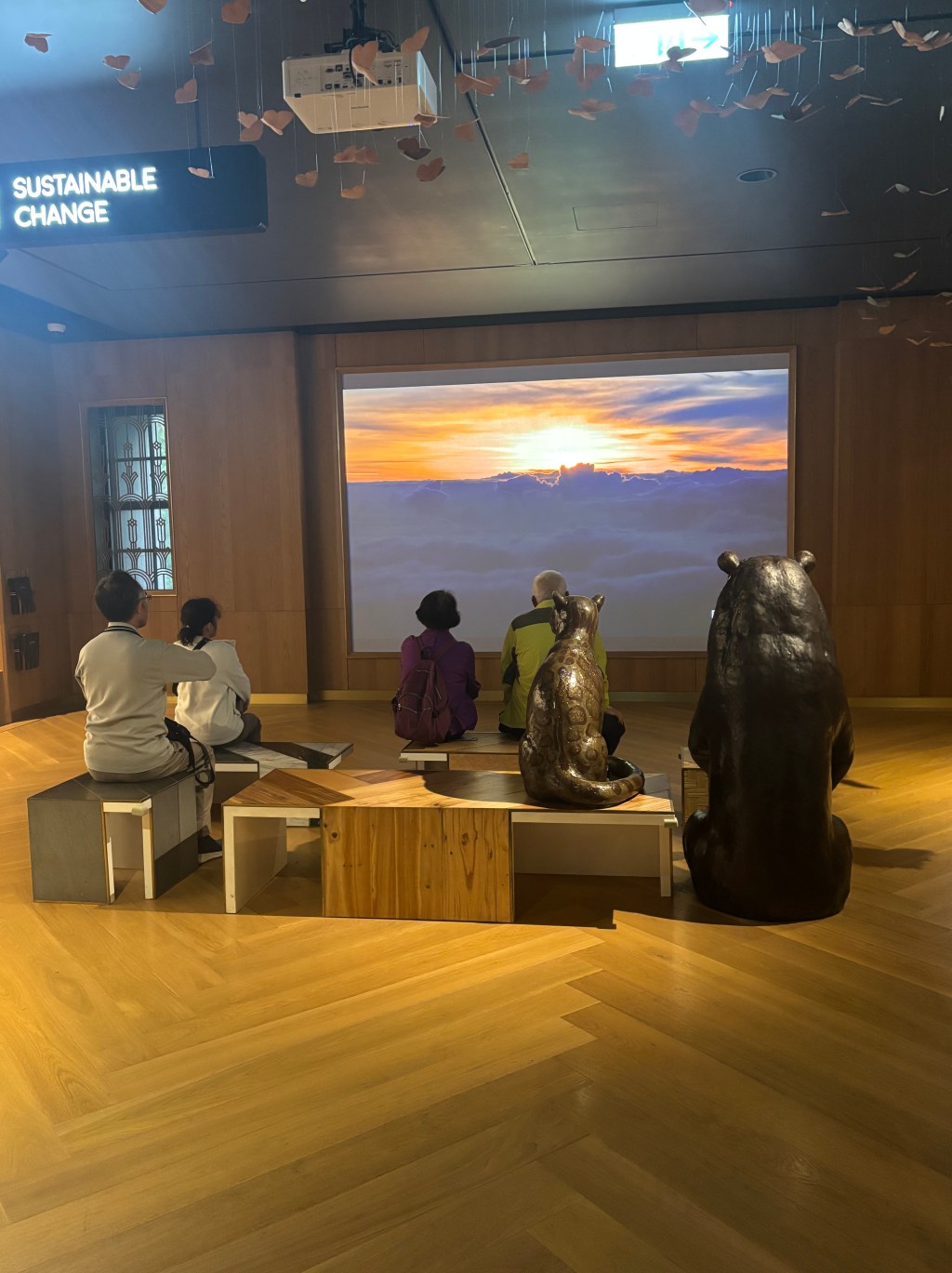
Taipei forces you to slow down. There aren’t many world-class museums or other must-see attractions, so there is no reason to pack your schedule and rush around from one activity to the next. It’s more about trying tasty new treats, getting in touch with nature and living in the moment.
That’s also why Taipei is an ideal destination for experienced travelers. It is rarely the first place you visit as a tourist. By the time most people make it this far, they’ve already seen a lot of the world. And by the time you’ve seen a lot of the world, you no longer have much interest in the blur of largely interchangeable temples, monuments and streets filled with souvenir shops that dominate most travel itineraries. You just want to wake up in an interesting neighborhood, grab a tea or coffee with a delicious pastry and sit on a bench at a nearby park. You want to let the day come to you. Maybe you try something deep fried and sweet from a street food vendor. Maybe you hike Elephant Mountain. Maybe — and prepare to have your mind blown — you do both. Your call.
Taipei locals seem to take a similar approach. The primary activities involve food and socializing. It’s not an outdoor café culture like you find in Europe, but the street food scene is amazing and everybody seems to know everyone else. On nice afternoons, people head to the plethora of nearby trails to climb the hills that surround the city and stick around to watch the sunset. Children run and laugh at playgrounds until late into the evening. I saw more pampered pets on leashes out for a casual walk in Taipei than anyplace else I visited last year.
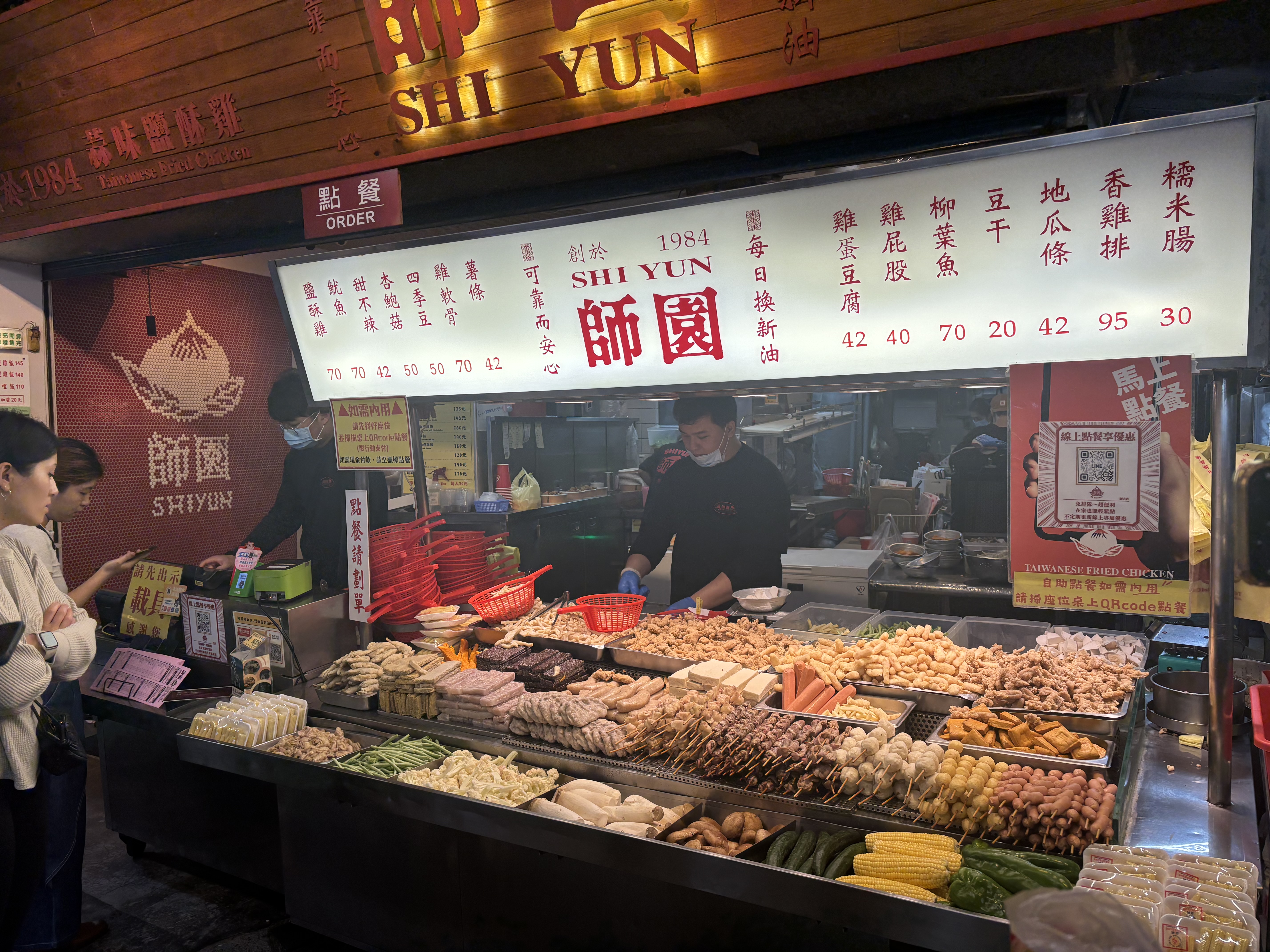
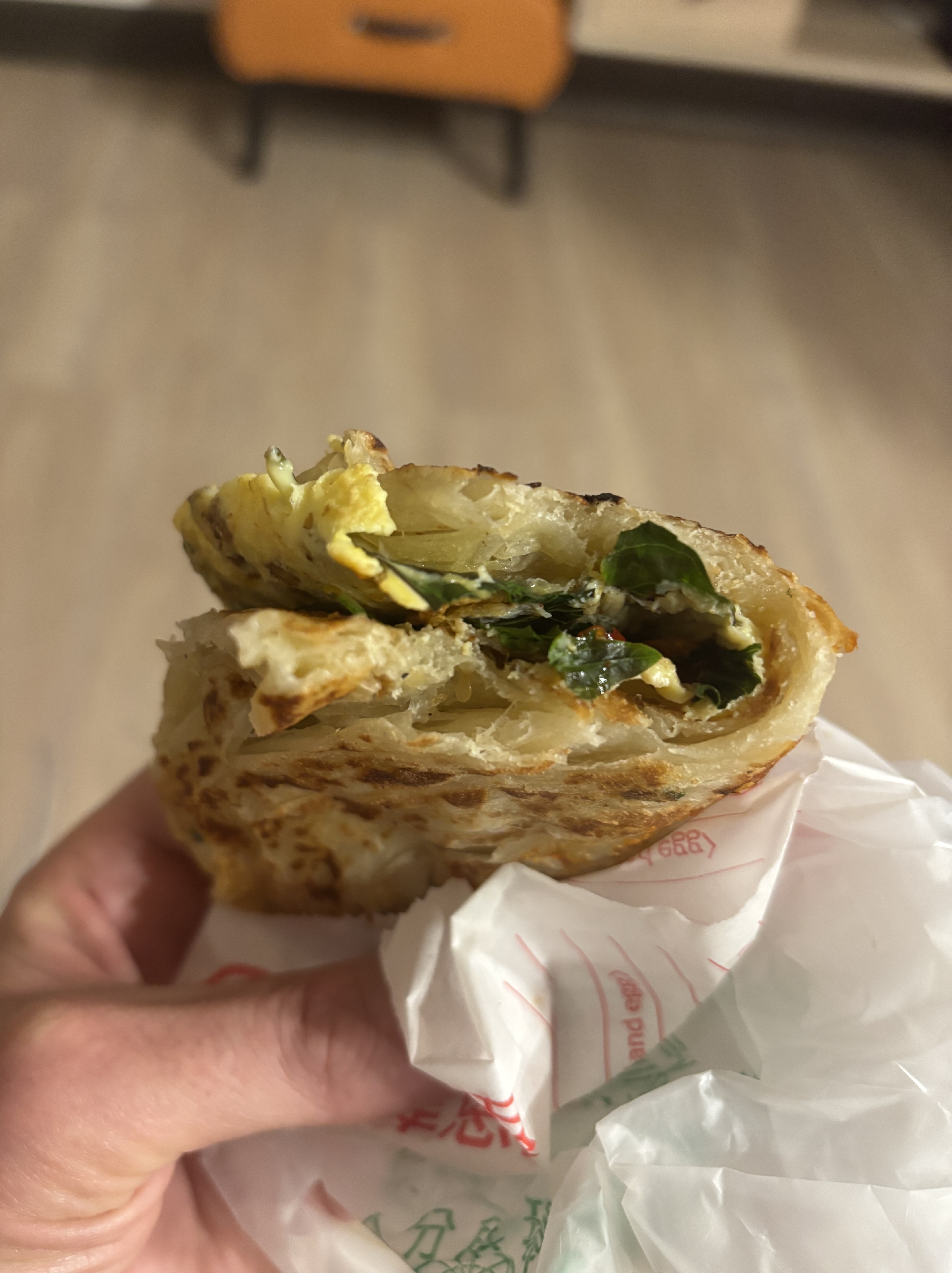
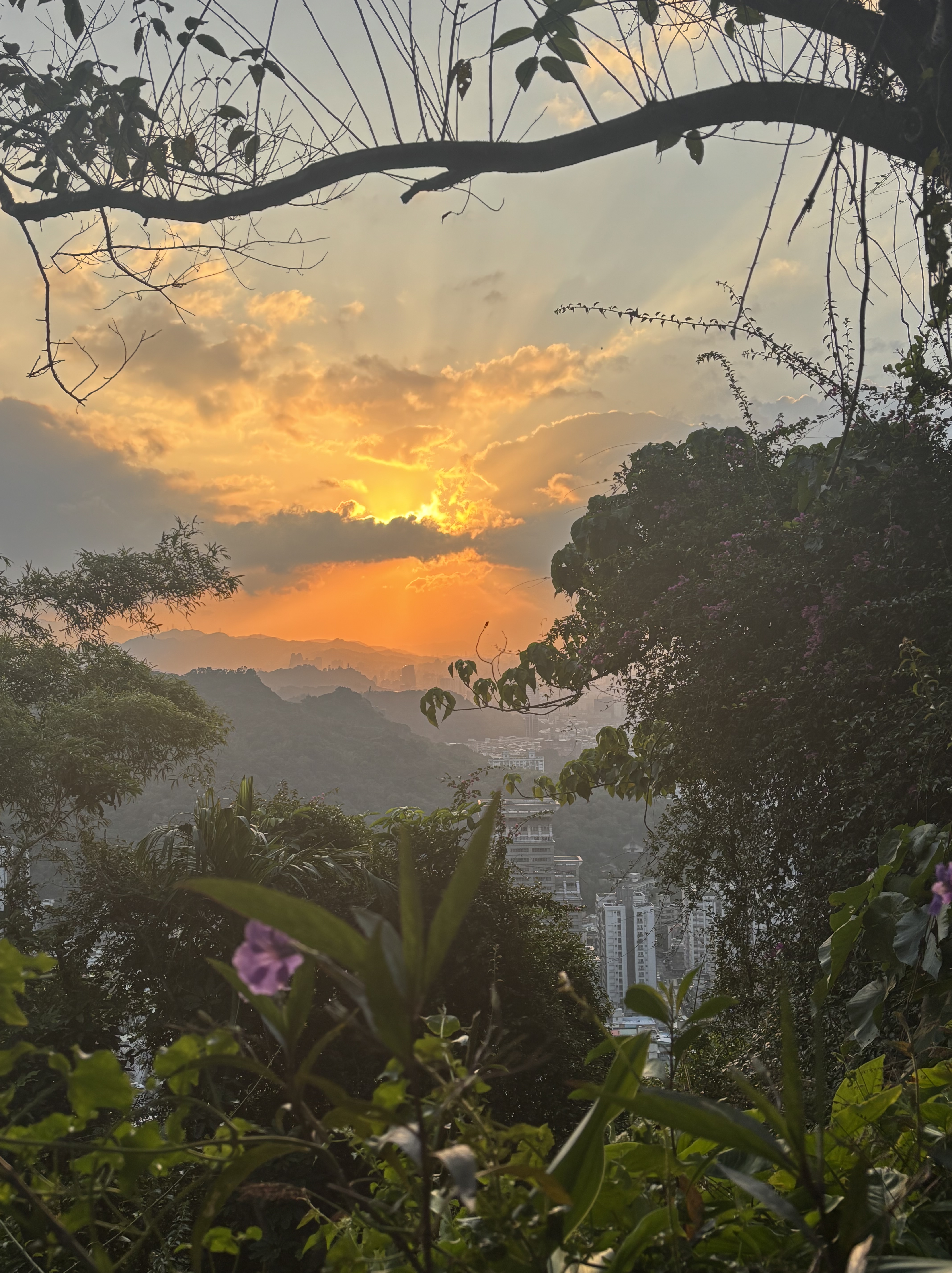
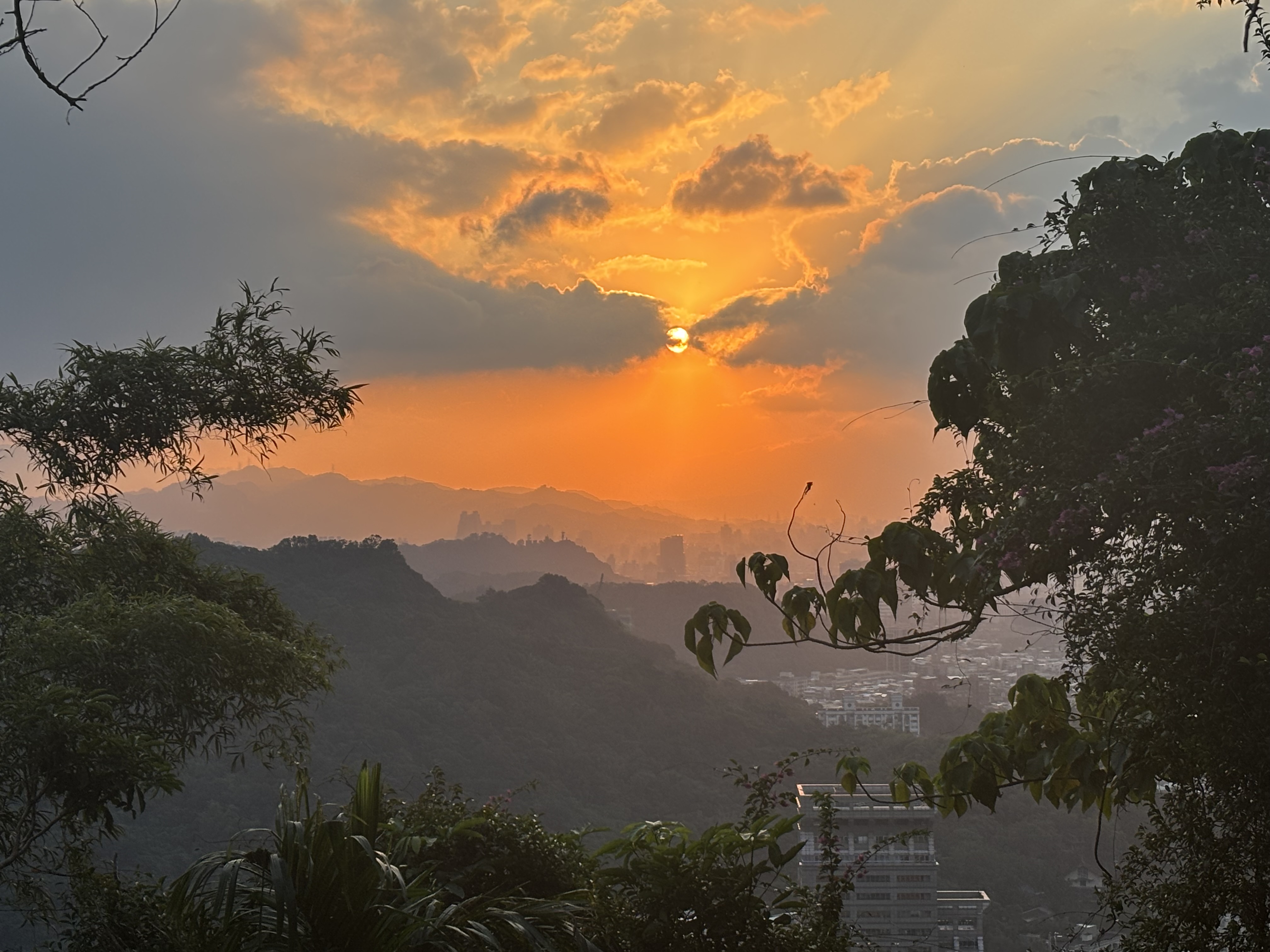
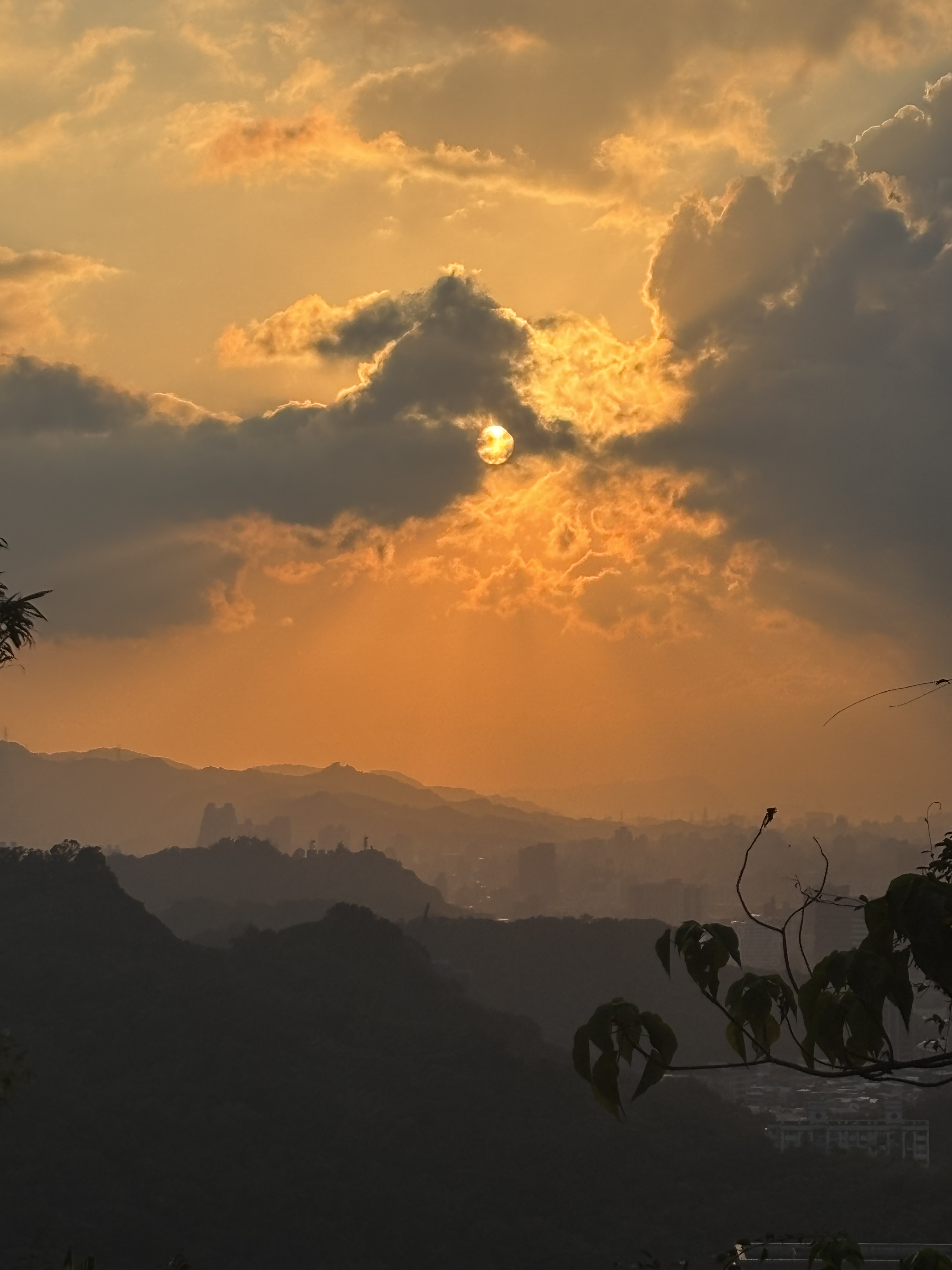
Greater Taipei (consisting of the official municipality and New Taipei City) is home to approximately 7 million people. It is situated in a relatively flat basin surrounded by mountains and ocean at the northern end of the lush, green island of Formosa, the largest of the 168 islands that comprise modern-day Taiwan. It was the first place in Asia to legalize same-sex marriage. The educational system is exceptional, and almost everyone is fluent in English and/or Japanese in addition to Mandarin. There is a thriving middle class and not much visible economic disparity. Neighborhood parks serve as peaceful refuges for the abundant local wildlife. The national museum collections specialize in nature and ecology, with some interesting exhibits on the area’s historic role in the opium and camphor oil trade. (One is housed in a former opium factory.) Today, Taiwan is a leader in the computer hardware, software, biotech and financial services sectors. So make no mistake: it still feeds our addictions. But the abundance of nature is what really struck me after having spent the prior week in the concrete jungle of Bangkok.
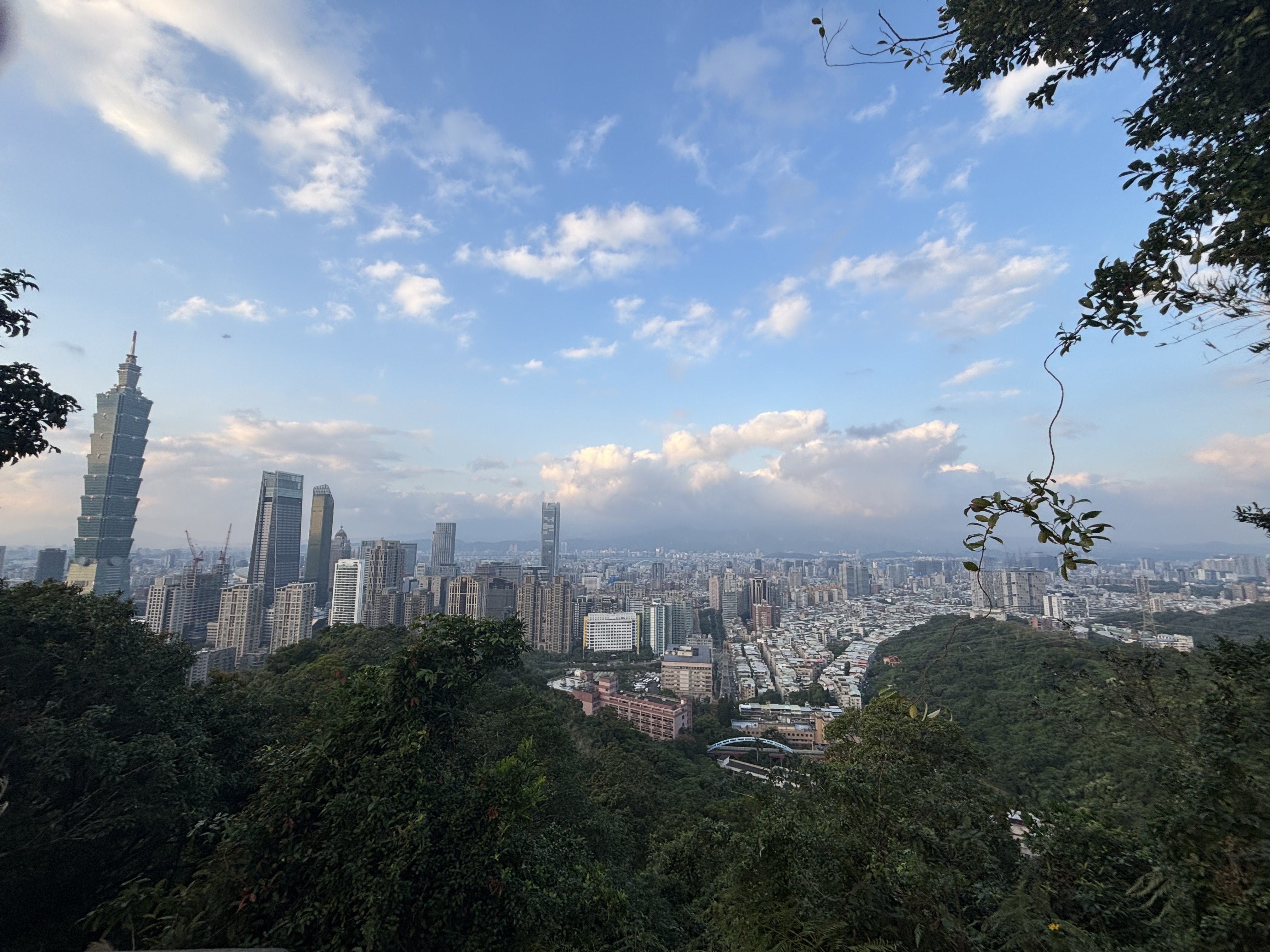
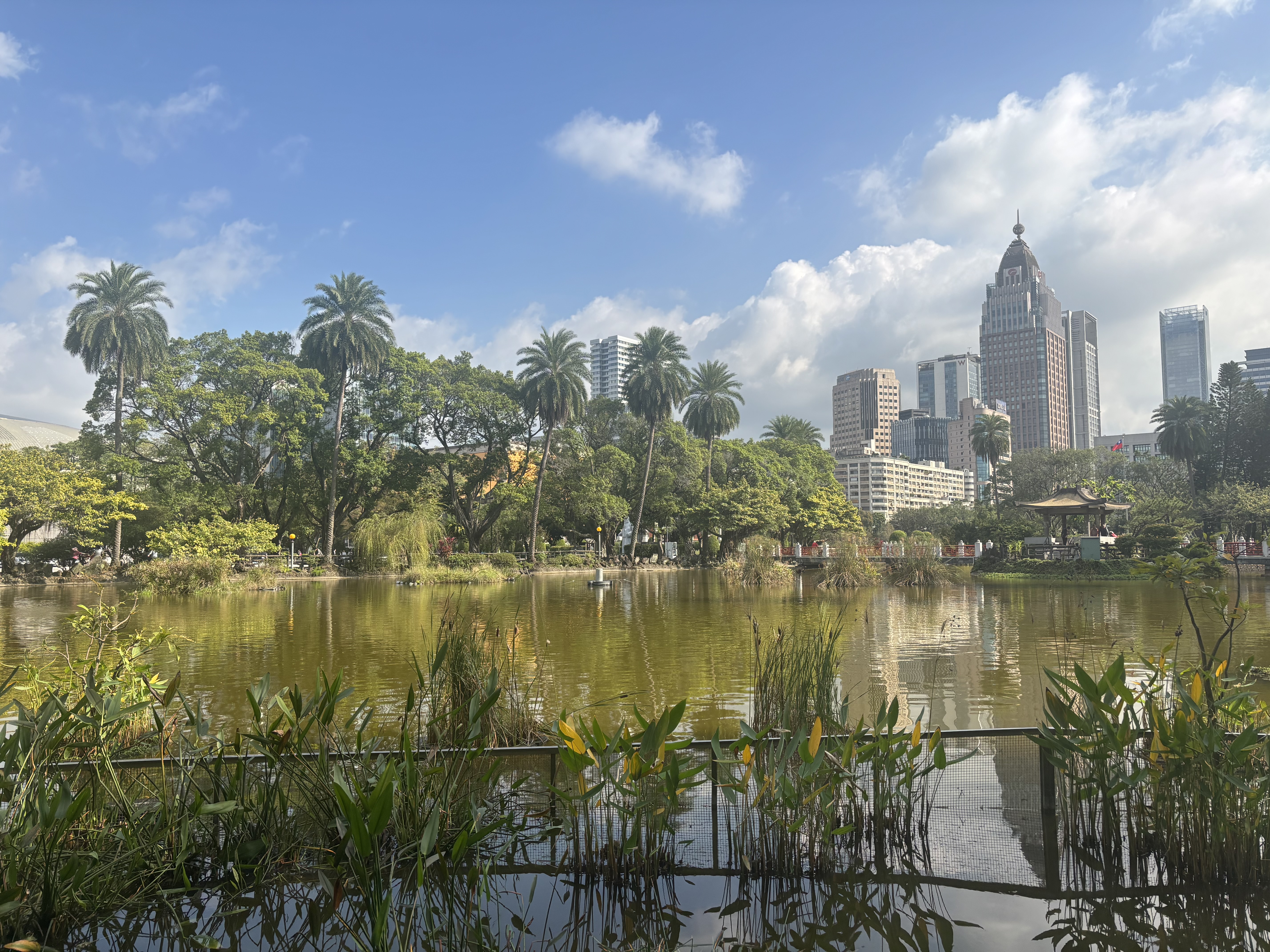
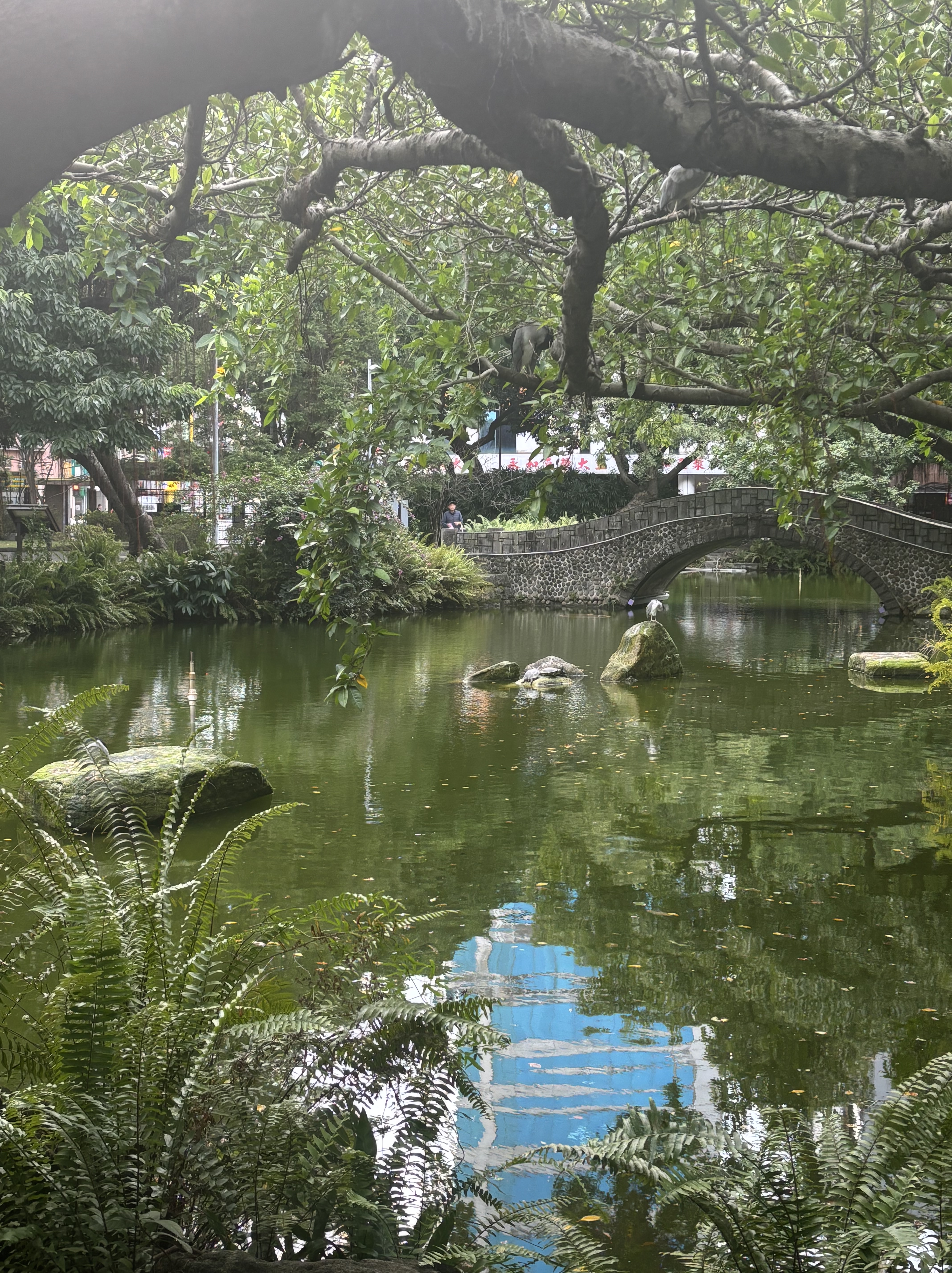
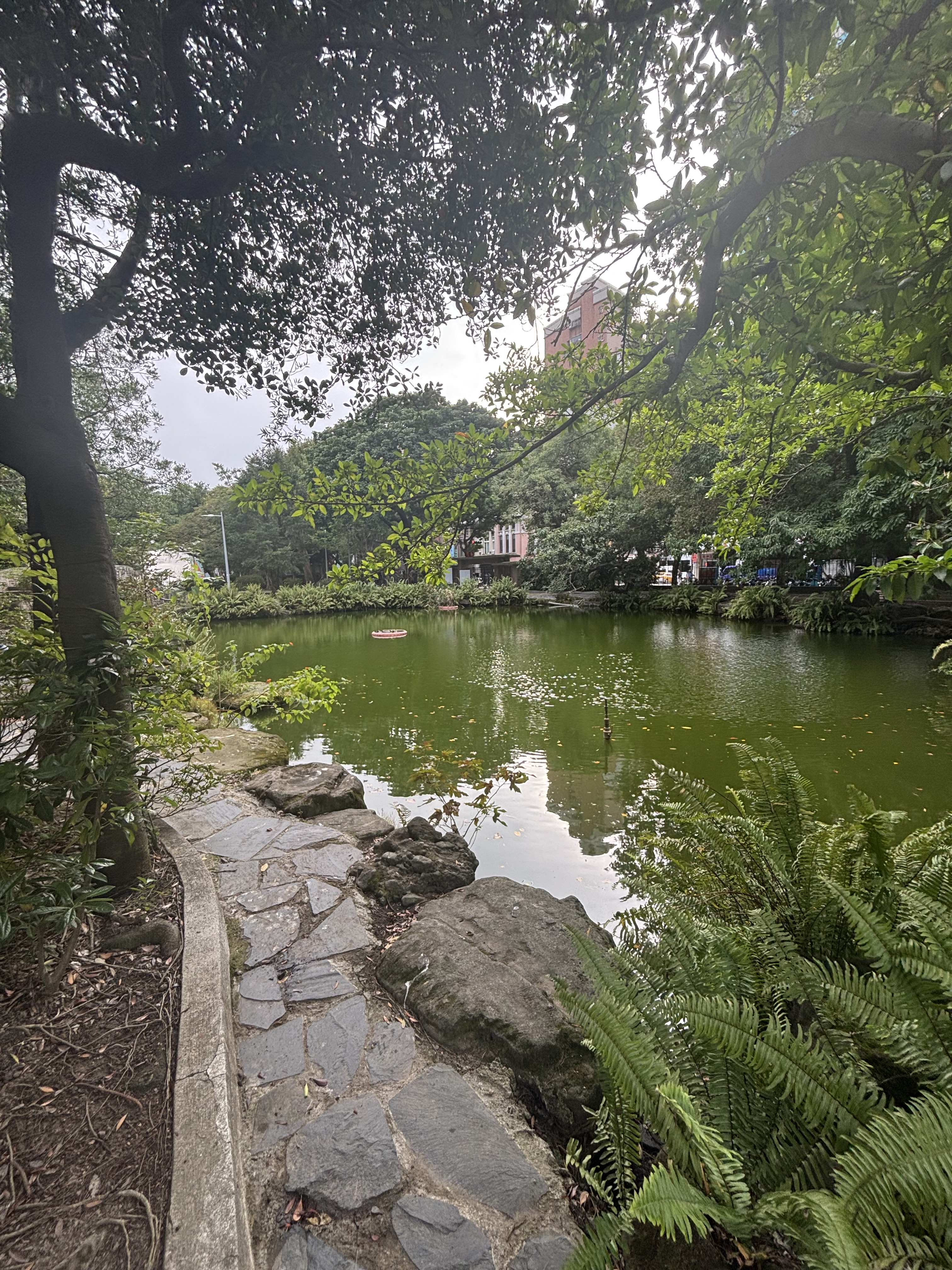
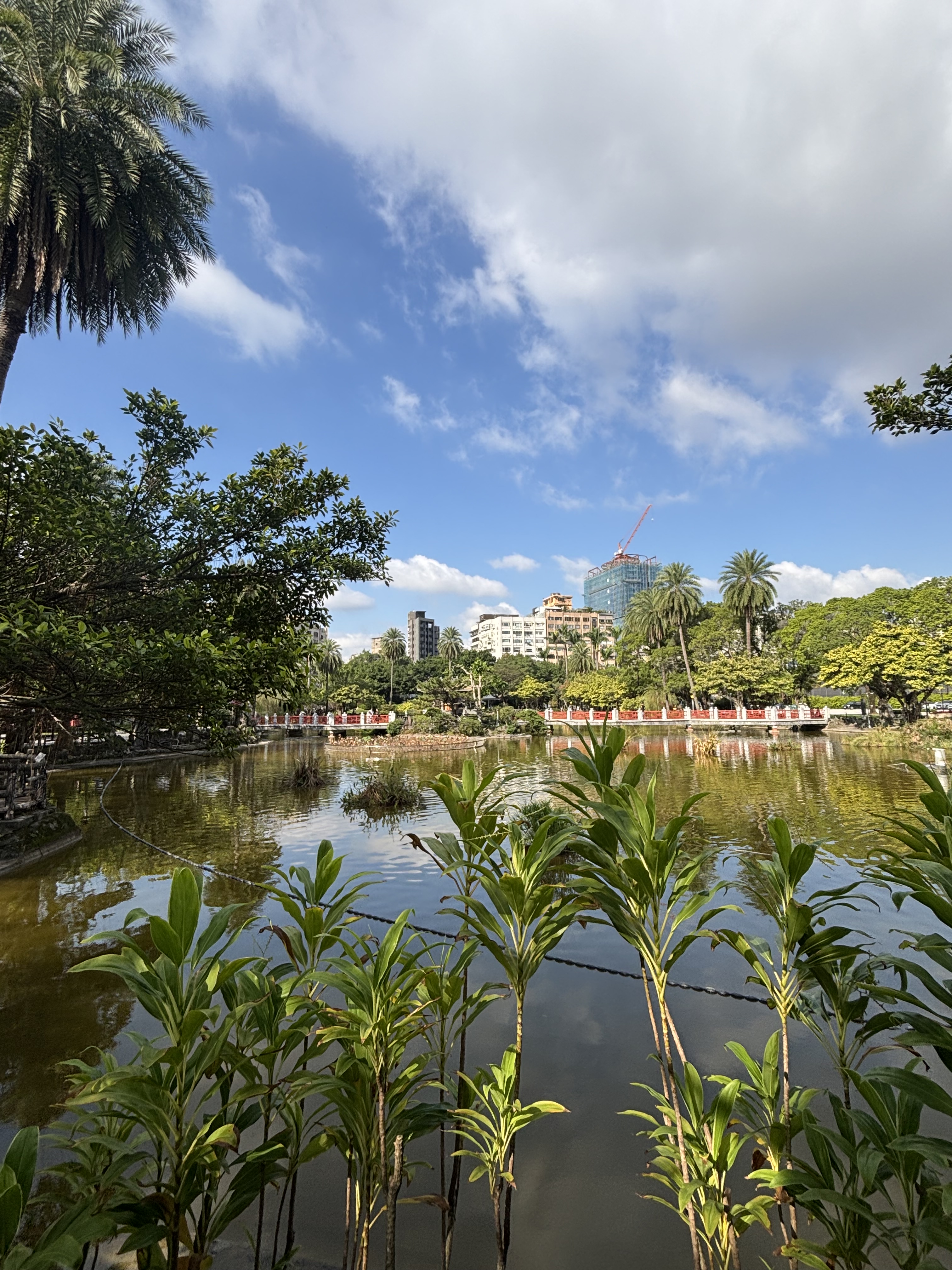
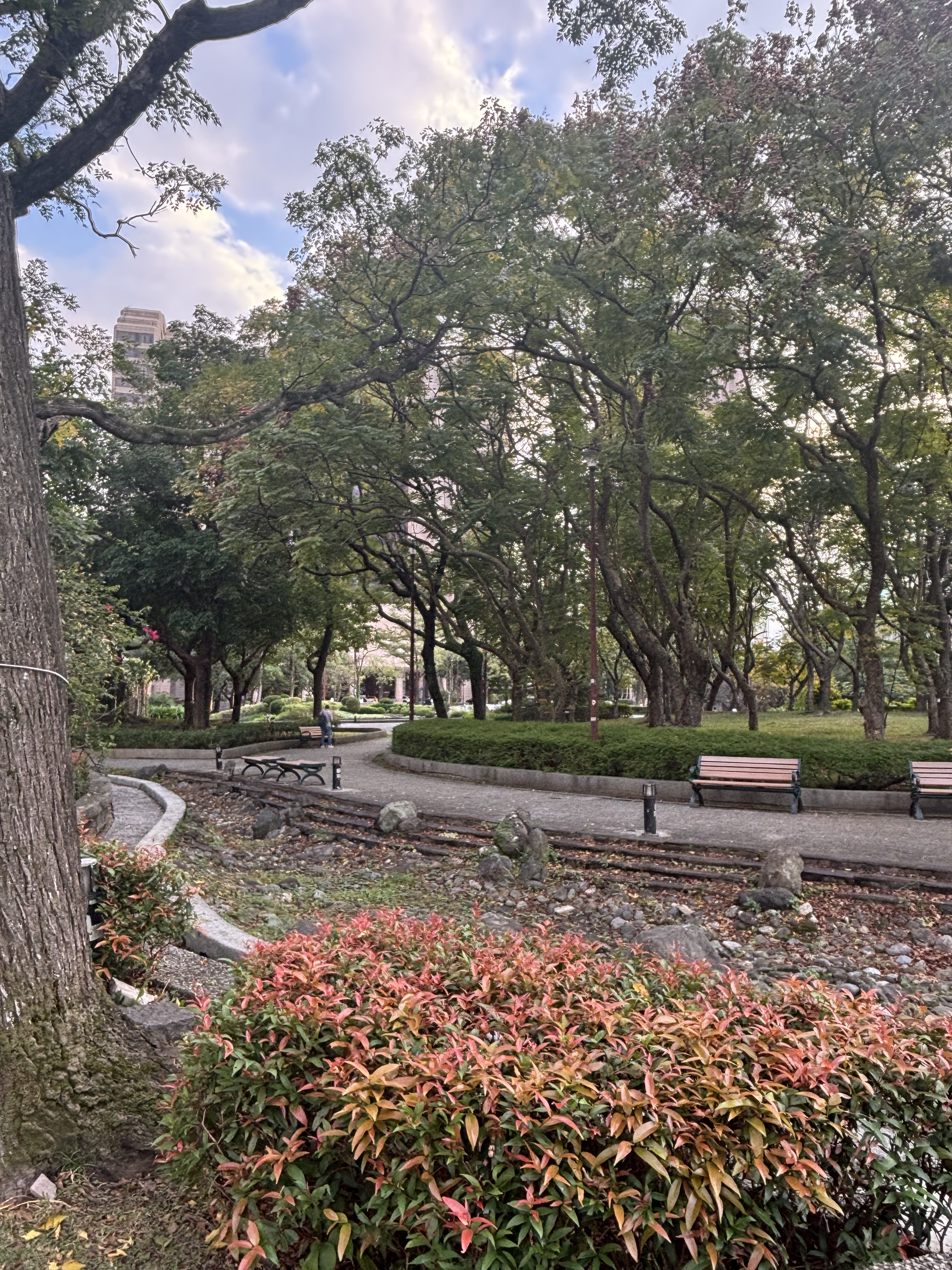
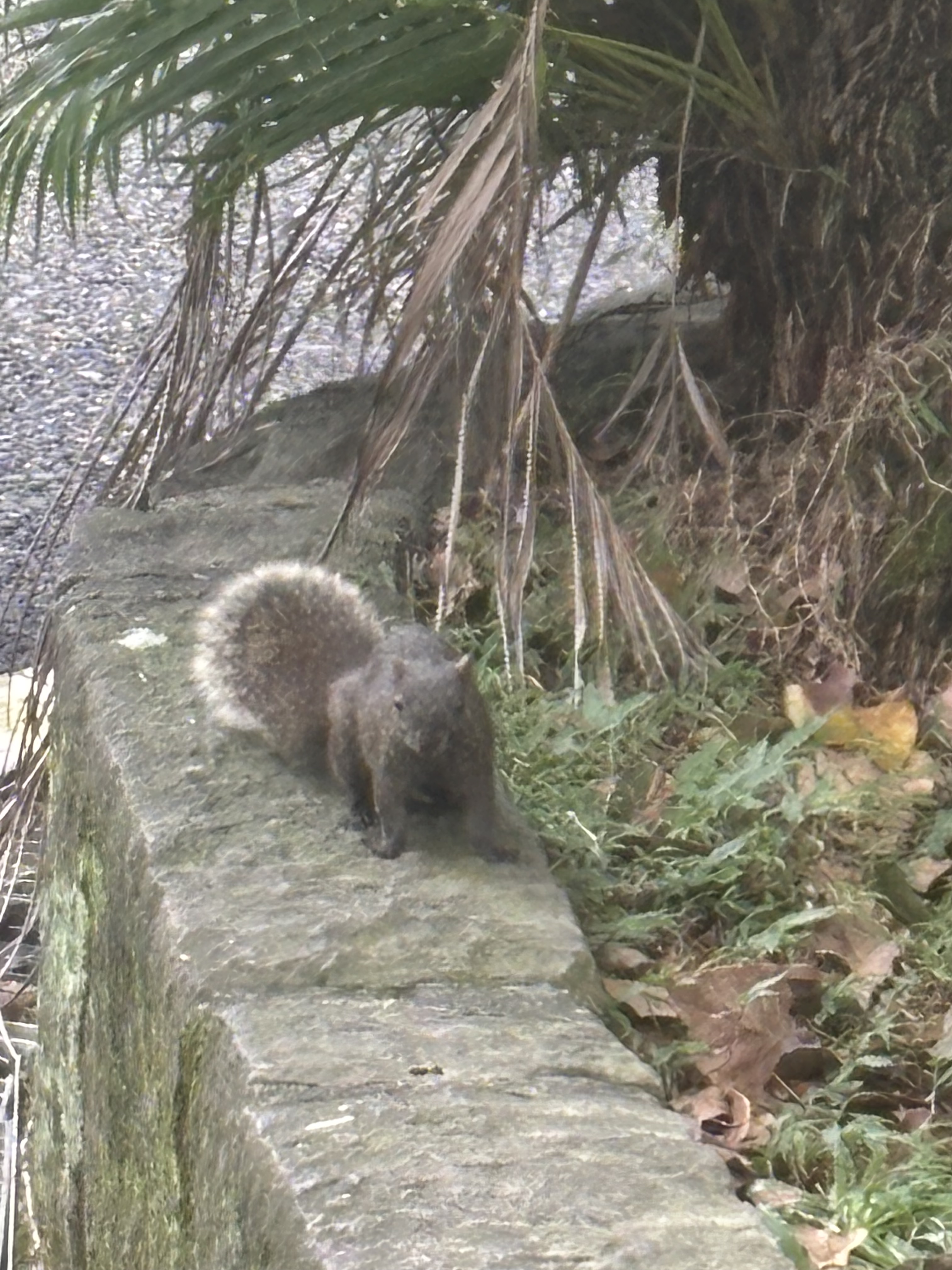
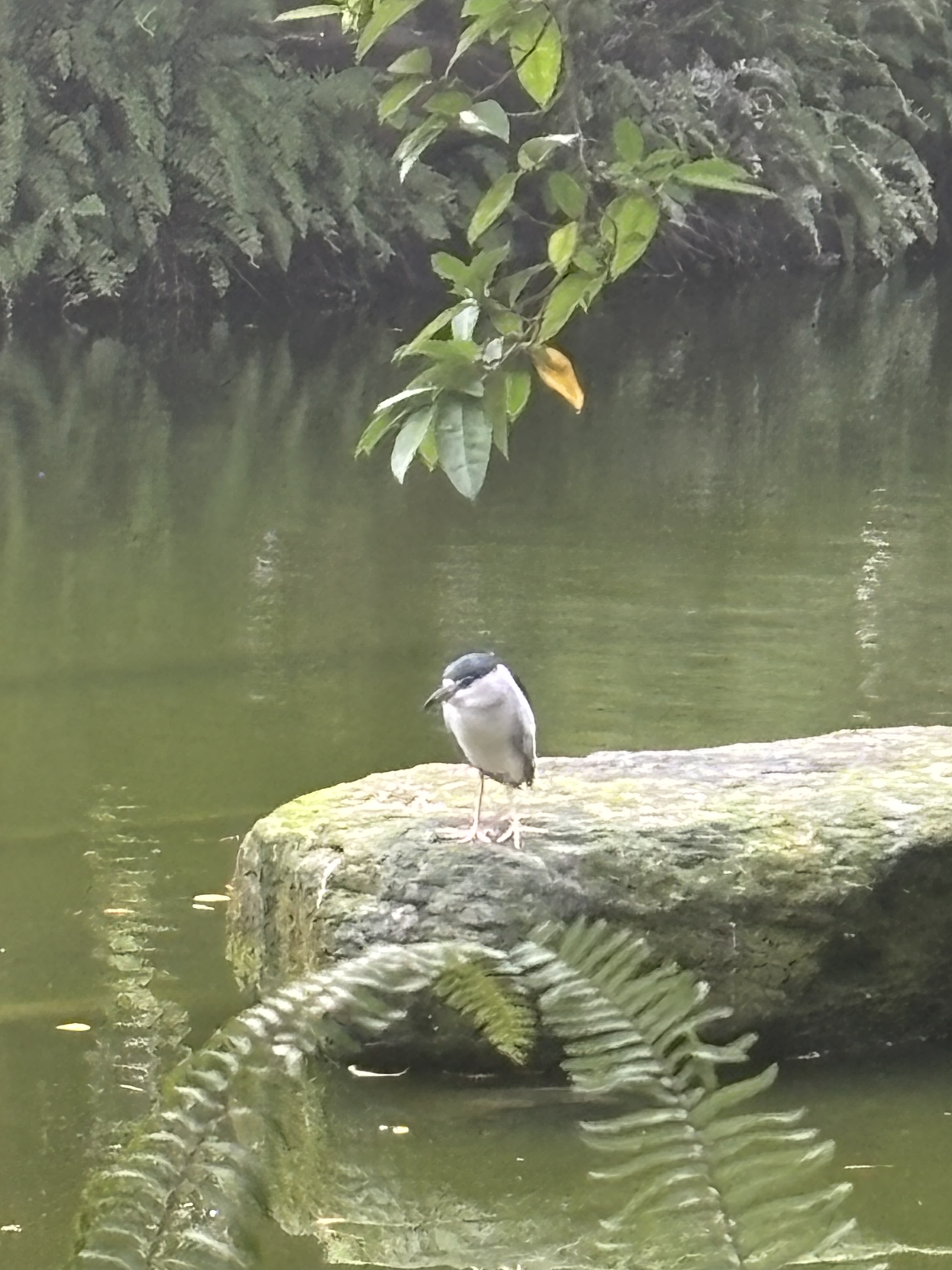
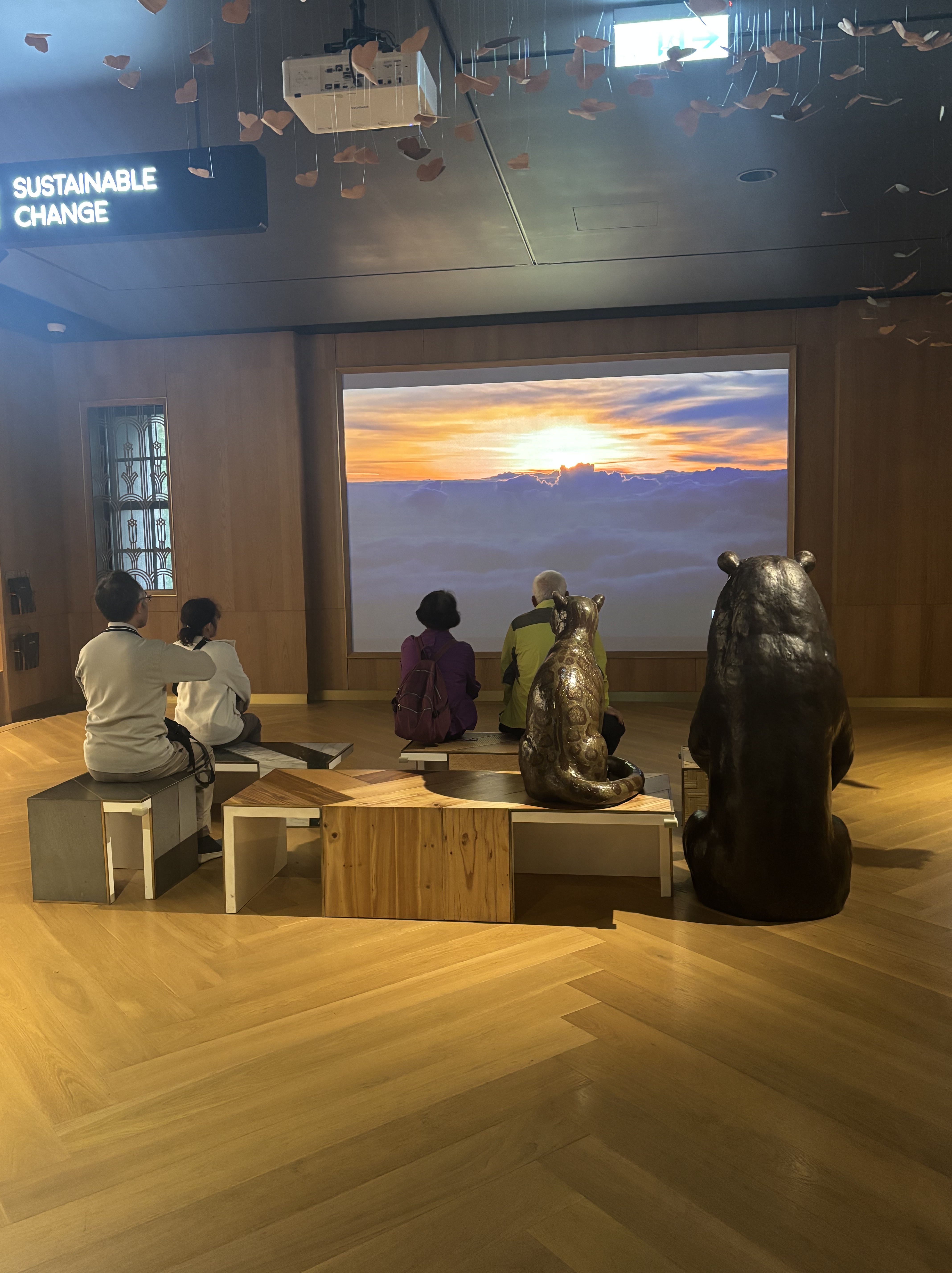
In many ways, Taipei reminded me of Japan but with smaller crowds. It is clean, safe and relatively affordable. There are few public trash bins, but no one litters. Locals are kind and polite. Cute is cool. Geeks are cool. Infrastructure is modern. Trains are on time. Roads without sidewalks have a painted-green pedestrian lane. Crosswalks are well-marked, feature countdown timers and give you plenty of time. Things just work. It just feels comfortable.
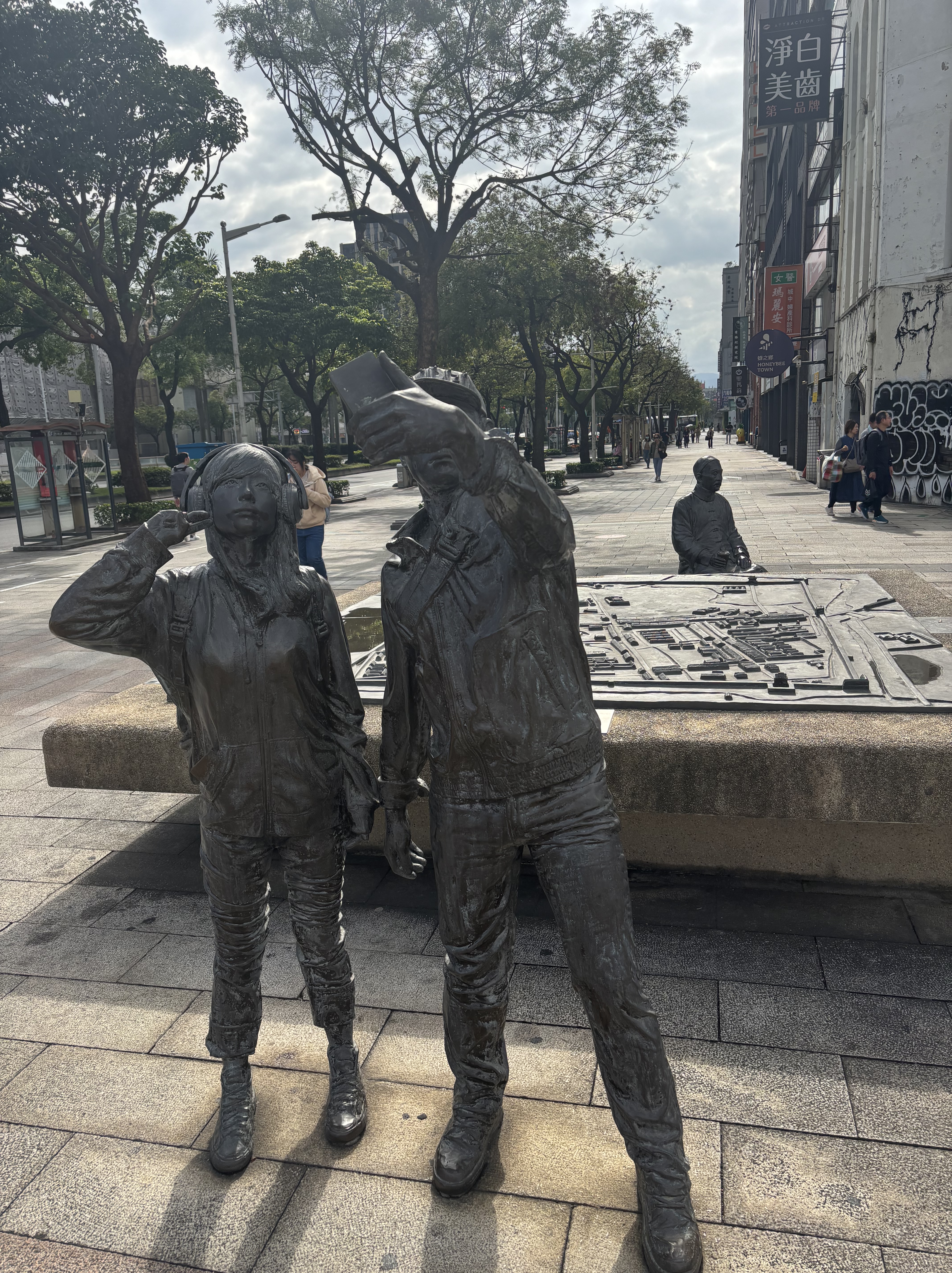
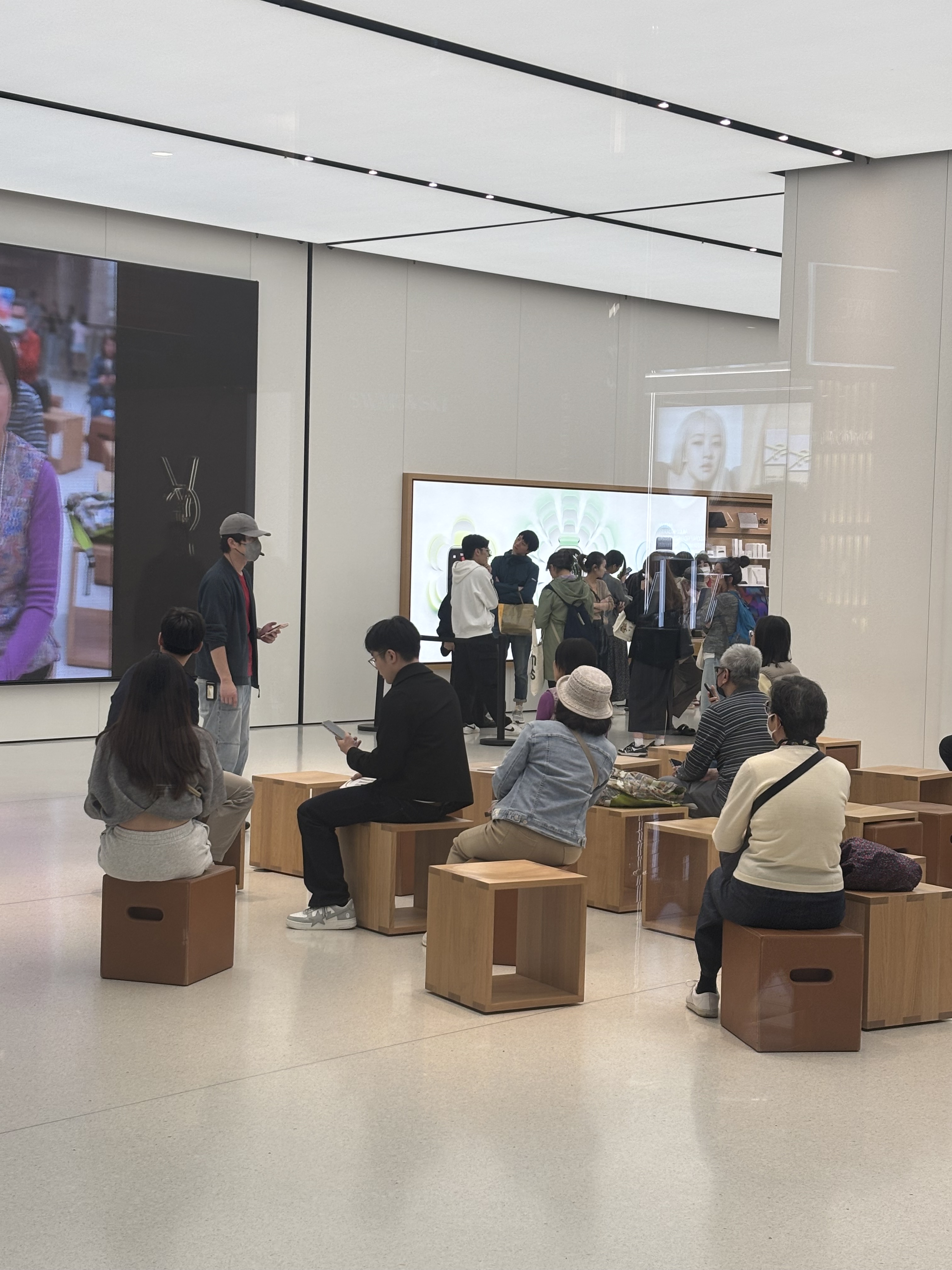
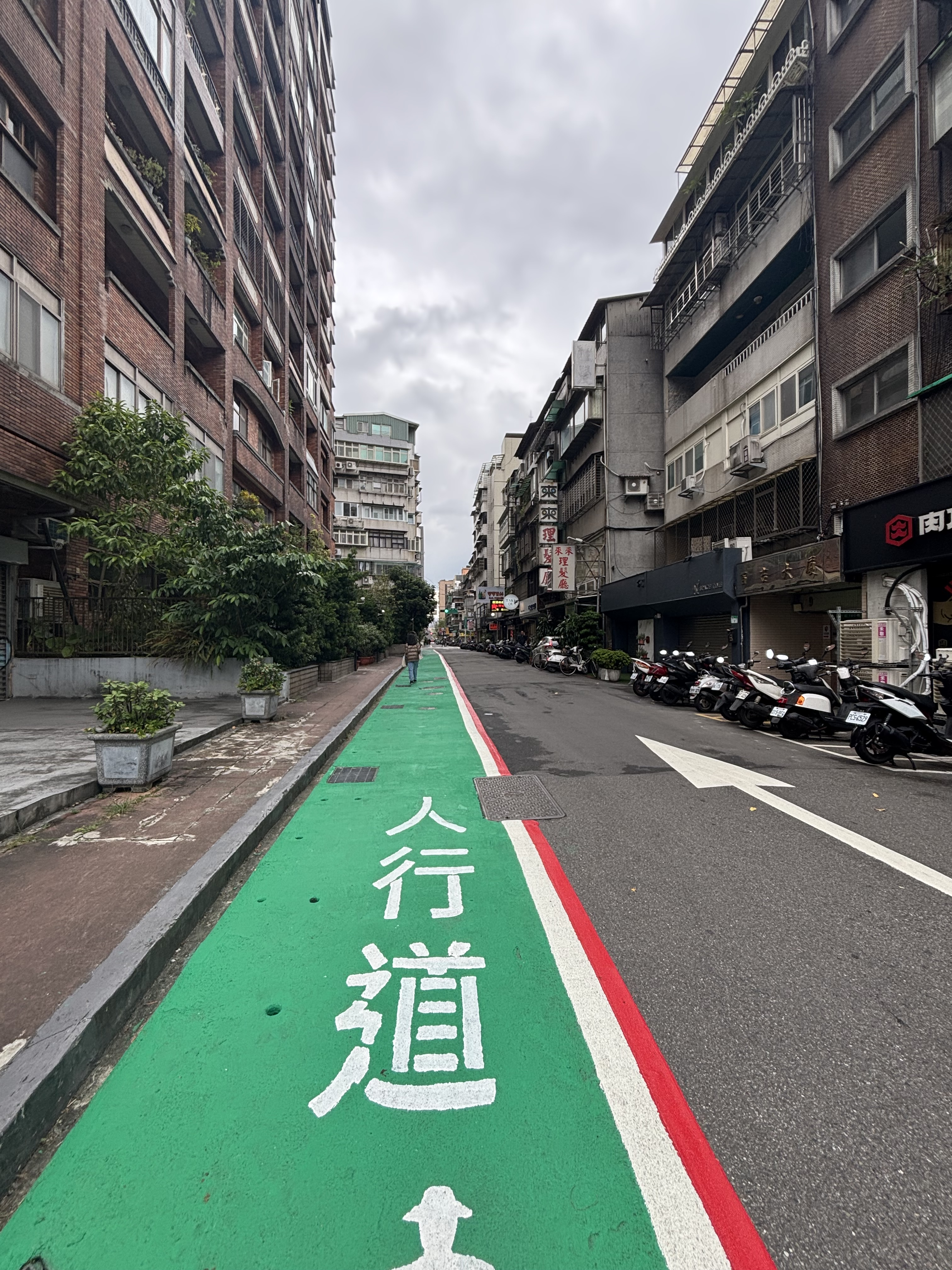
In fact, but for the China situation, Taipei might just be the most livable city in Asia. Unfortunately, and with all due respect to Sir Mix-A-Lot . . . that’s a big but.
For starters, Taiwan proves that ethnicity is entirely distinct from identity. Almost everyone in Taipei is ethnically Chinese and speaks Mandarin as their first language, but only 2.5% of the population self-identifies as Chinese compared to the almost 70% that identify as Taiwanese. (The remainder identify as both.) This is quite unusual. China’s massive cultural influence is felt everywhere in Asia, but there typically is some degree of loyalty to the mother country – at times even over that of the host country – that is missing here.
Of course, that begs the question: what exactly is the deal with Taiwan and China? Well, it all hinges on whether you believe there are two Chinas – the Republic of China (a/k/a Taiwan) and the Peoples Republic of China – or just one China. And it’s not as easy to pick a side as you might think. I’ve read quite a bit and spoken with several people and still don’t completely understand how we got where we are. Here is my best effort.
The Qing dynasty of China annexed Taiwan in 1683. They considered the indigenous Taiwanese to be savages and occasionally sent over Han Chinese to populate the islands but ultimately failed to do much to develop the region. The Qing dynasty eventually surrendered Taiwan to Japan via treaty in 1895. The Japanese brought many infrastructure and cultural advances, so this era is viewed with some nostalgia despite the fact of occupation, forced assimilation and a series of brutal incidents involving indigenous people.
The nationalist Republic of China (ROC), which had overthrown the Qing dynasty and taken control of mainland China in 1912, briefly gained control of Taiwan as part of a unified China when Japan was forced to surrender Taiwan to the ROC after WWII. The Taiwanese quickly became disillusioned with their treatment as second-class citizens by ROC leadership, giving rise to island-wide uprisings that were met with a massive showing of military force on February 28, 1947. The era of unification was short-lived because the communist Peoples Republic of China (PRC) prevailed over the ROC in the Chinese Civil War and handed over control of mainland China to the Chinese Communist Party (CCP). And that’s when things really got weird.
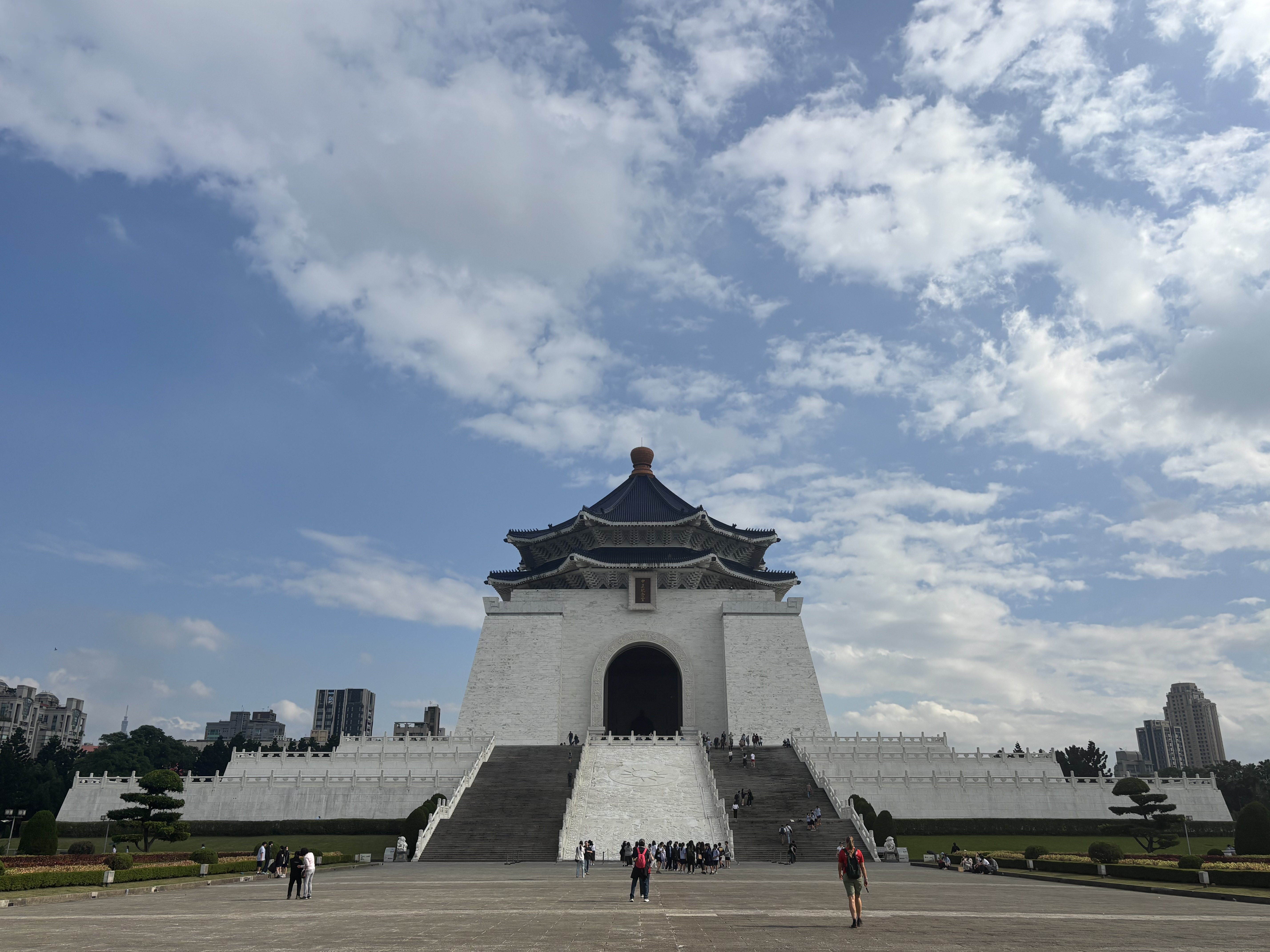
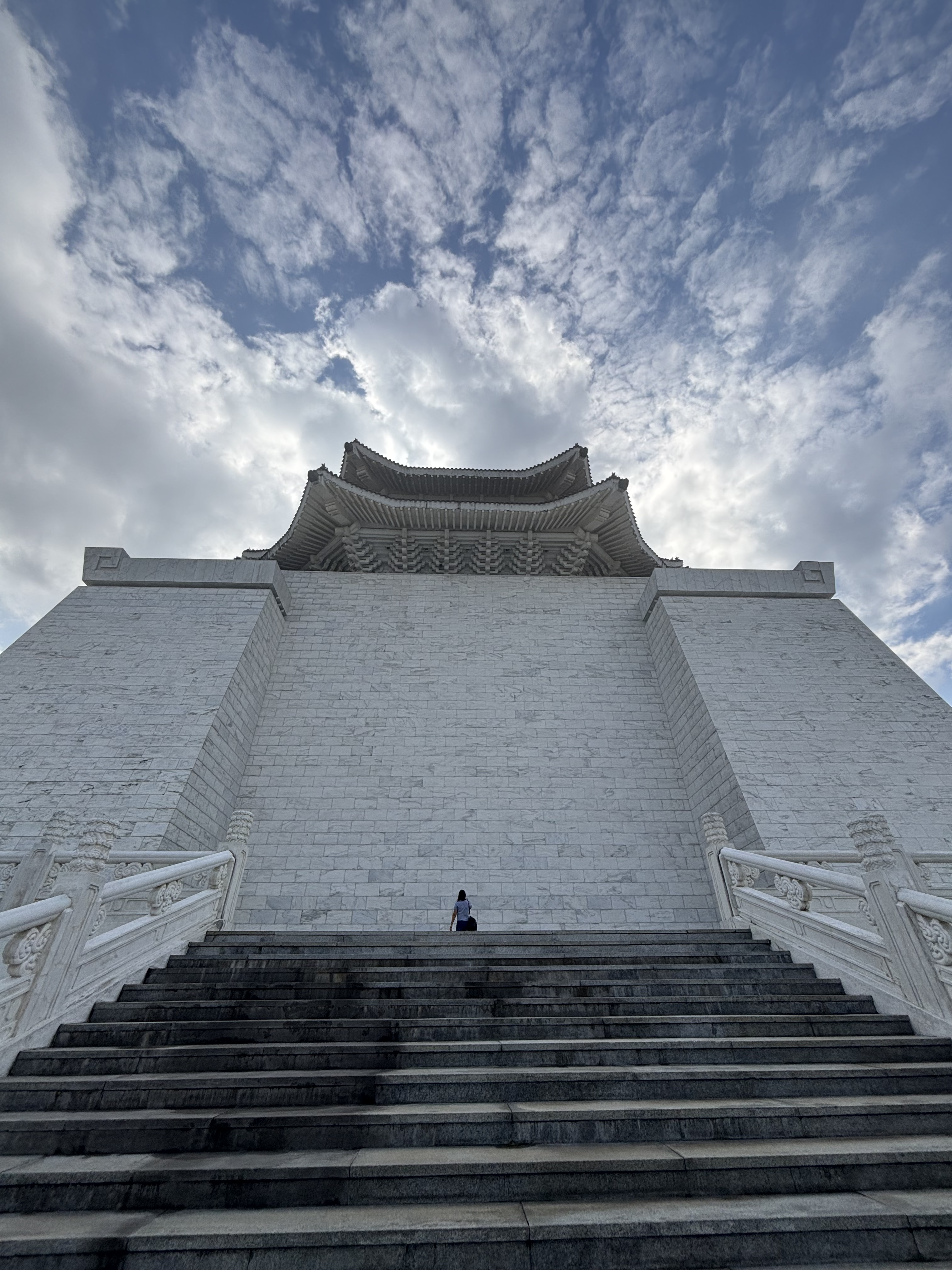
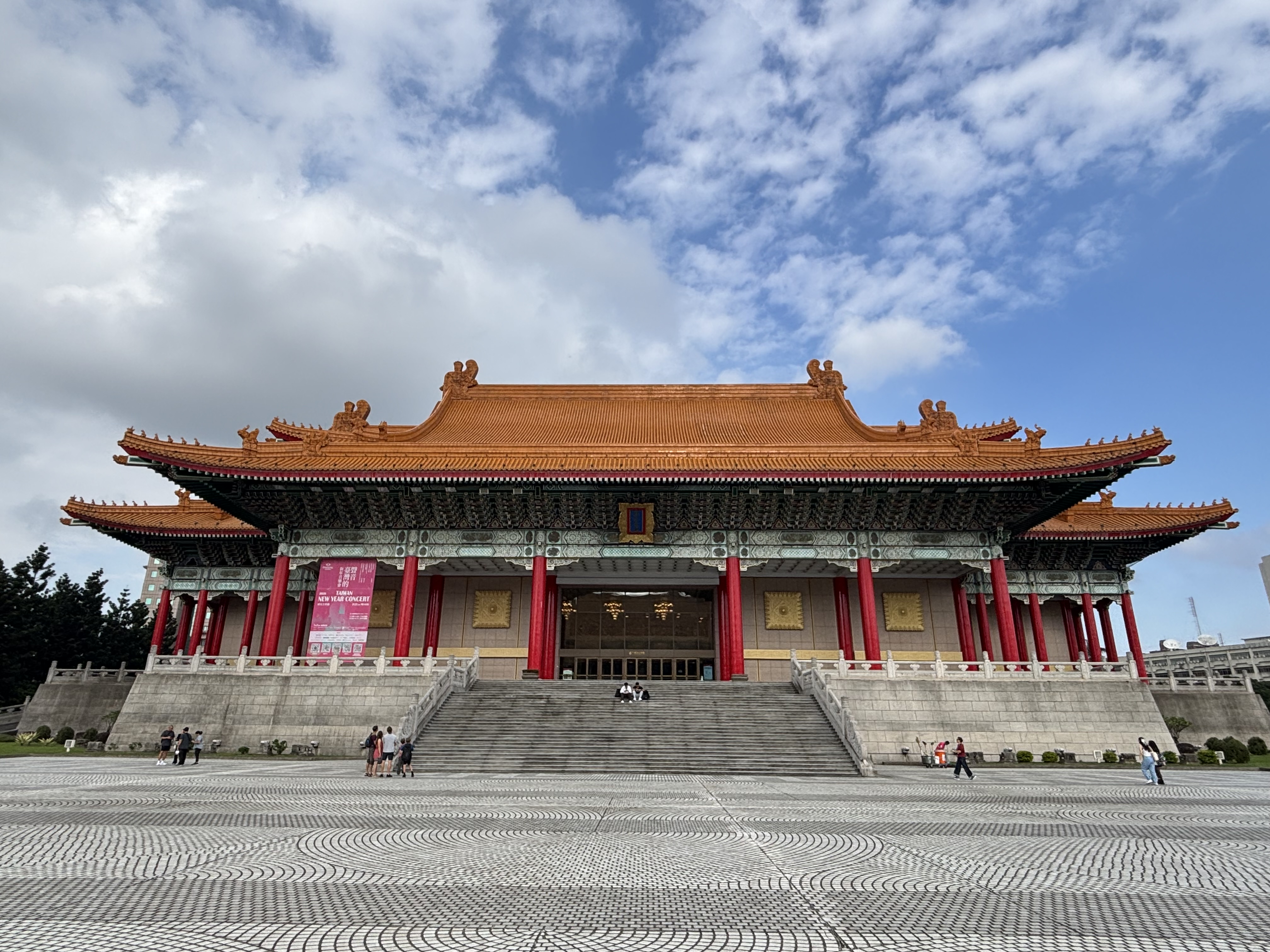
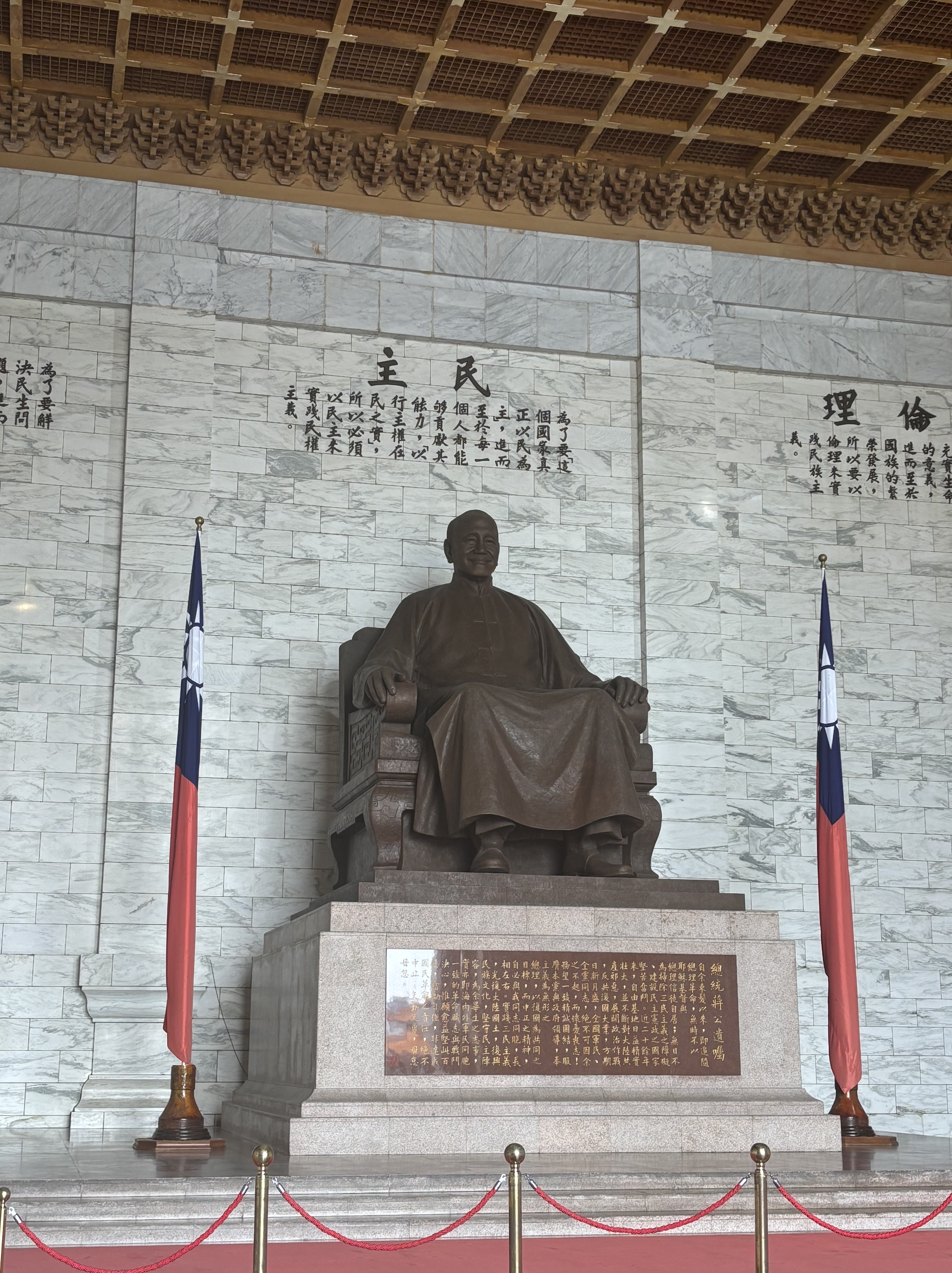
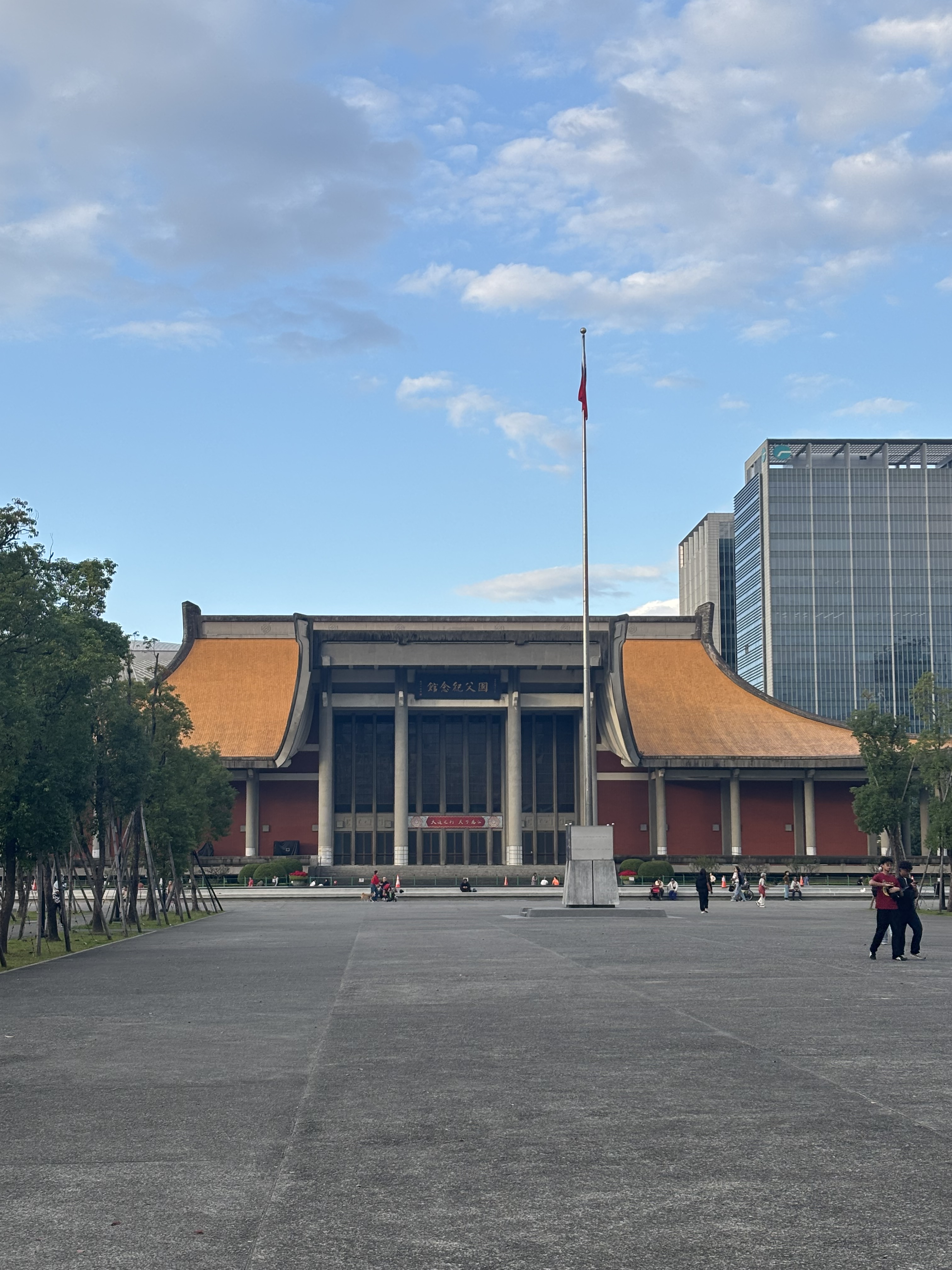
In 1949, leaders of the right-wing Kuomintang (KMT) party, the then-ruling political party of the defeated ROC (and somehow still a prominent party in Taiwan to this day), fled mainland China to re-establish their base of operations in Taiwan, where their goal was to rebuild their forces like a real-life game of Risk and someday retake control of all of China. (That’s right – the leaders of this tiny cluster of islands officially maintained until 1991 that all of mainland China belonged to it!) The KMT ruled Taiwan for 38 years under a brutal regime of martial law known as the “White Terror.” Among other restrictions, residents were forced to speak Mandarin (instead of Taiwanese) and punished for any perceived connection to the CCP. In the face of mounting public outcry, Taiwan finally transitioned to a multi-party democracy in 1996. (Massive monuments to the KMT regime serve as a disturbing reminder of the country’s recent history.) In the meantime, Taiwan had become a global economic powerhouse as one of the Four Asian Tigers. If you use a modern phone or computer, chances are the semiconductor that powers it was manufactured in Taiwan.
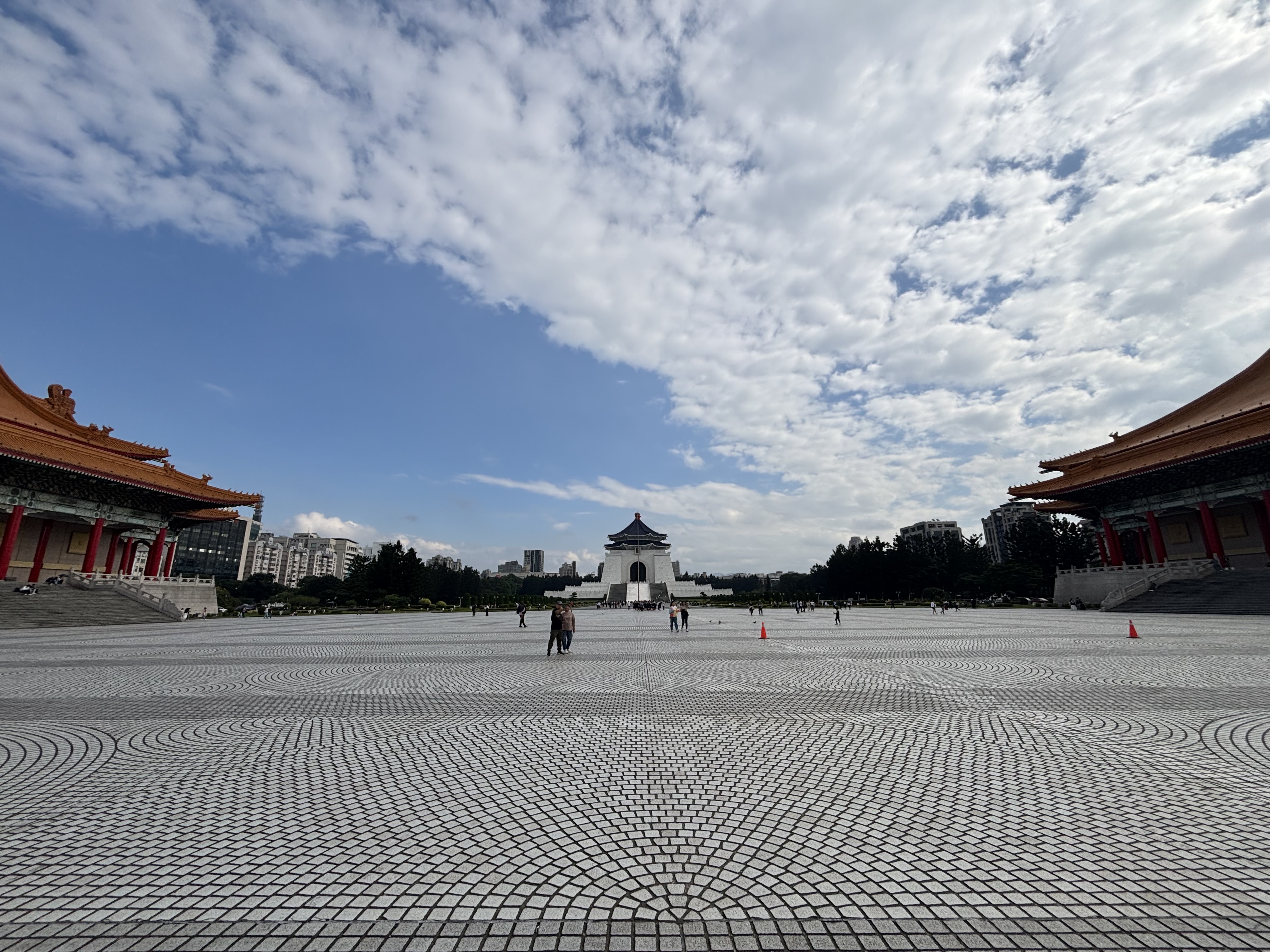
The PRC, in turn, argues that Taiwan is nothing more than the last refuge of ROC traitors from generations before and still belongs to it. In 1971, the PRC succeeded in getting the United Nations to recognize it as the sole representative of China, despite the ROC having been a founding member of the UN. The PRC refuses to establish diplomatic relations with any country that officially recognizes Taiwan as a country, which is why Taiwan only has official diplomatic relations with 11 of the 193 UN countries. And in recent years, there has been a growing concern that China’s rapidly expanding military will make the short sail across the bay to reclaim it by force.
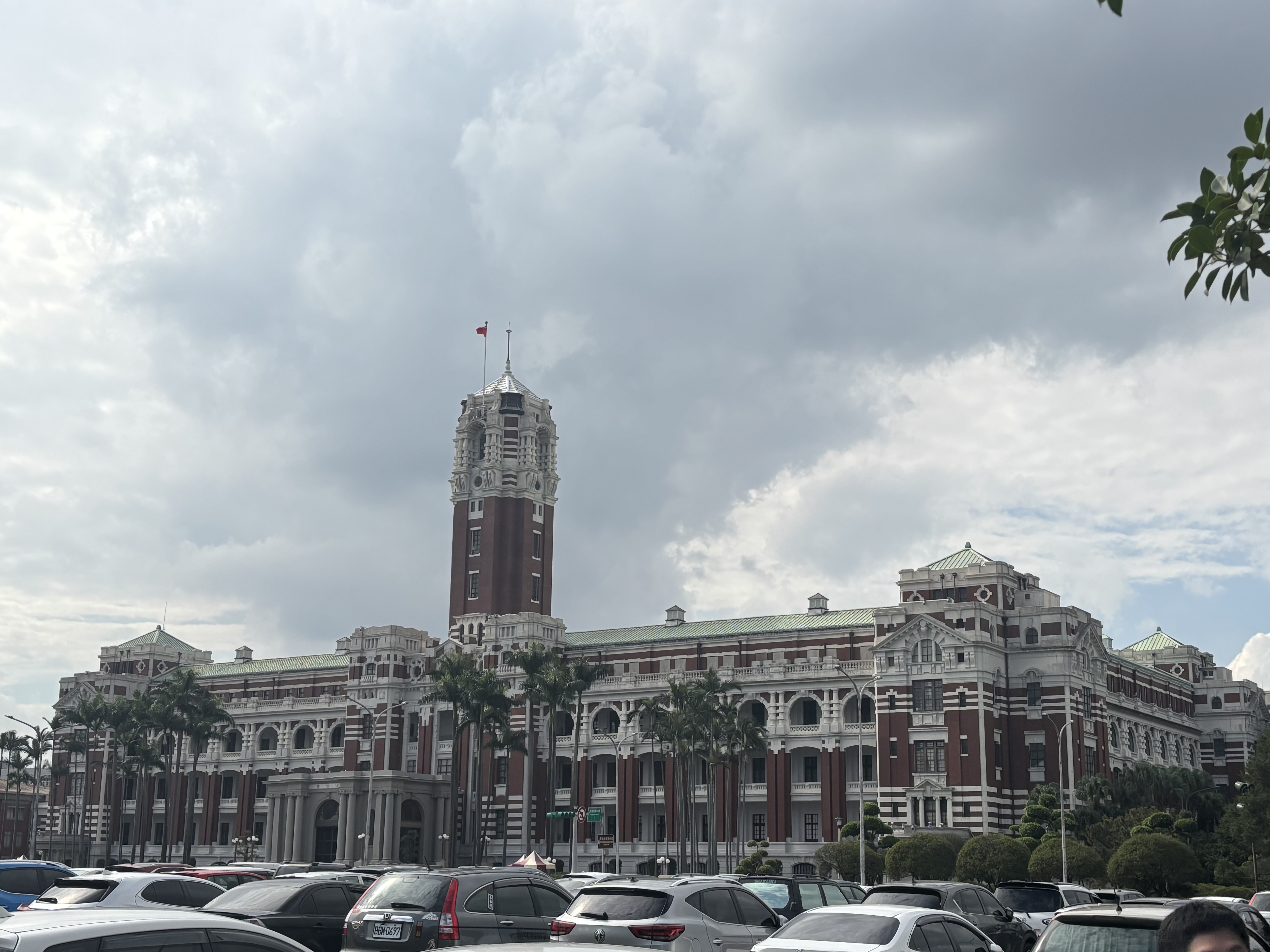
So that’s why the official name of Taiwan is the Republic of China, why the ROC flag flies above government buildings and why no one can agree how many Chinas there really are – much less which one is the real one. Even today, political parties in Taiwan are differentiated by their relative degree of hostility to the PRC. Most citizens strongly prefer the current “two Chinas” policy. However, a vocal minority would rather embrace the seemingly inevitable and negotiate a peaceful unification. Personally, I love Taipei so much the way it is that I’d rather see Taiwan retain its independence.
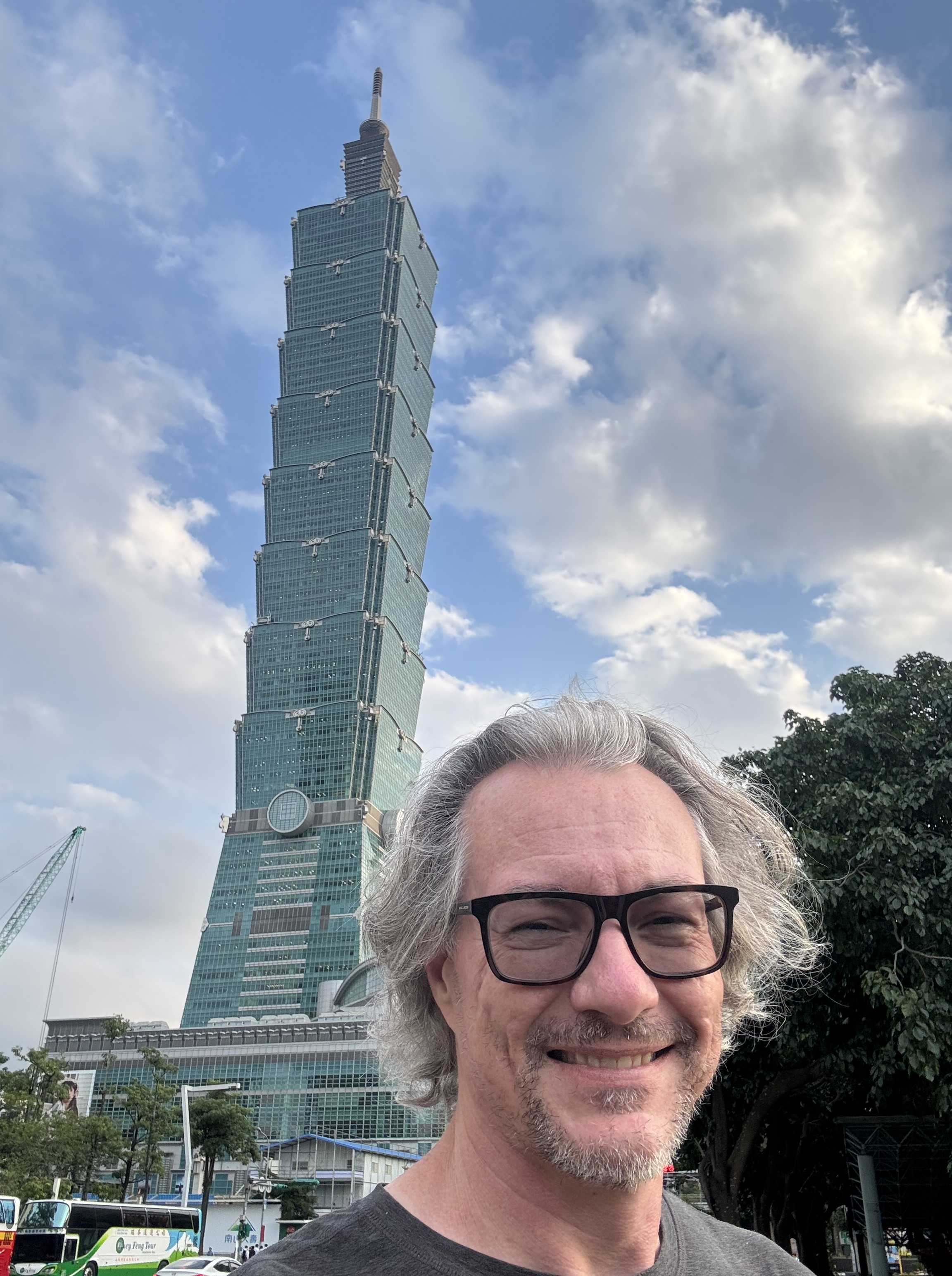
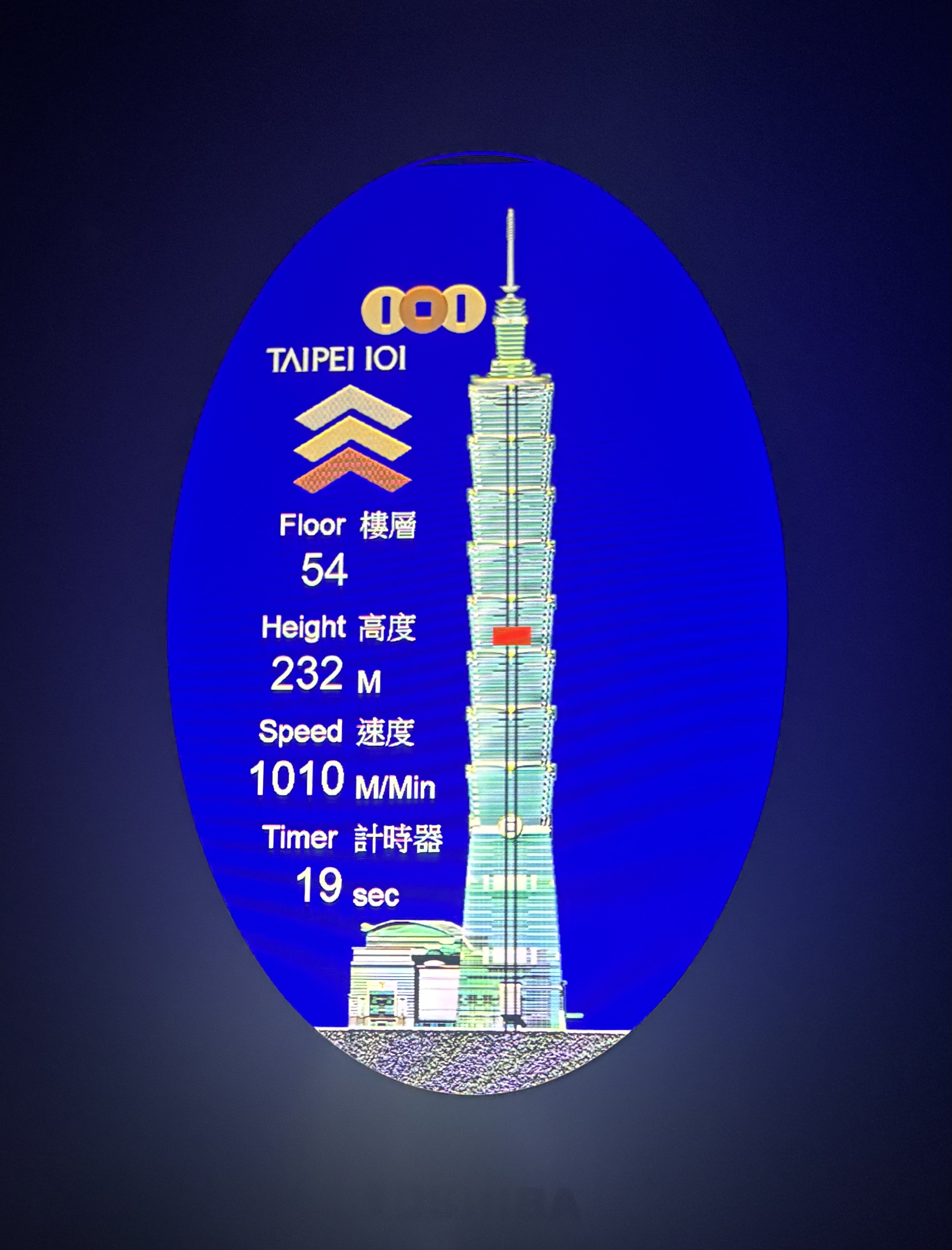
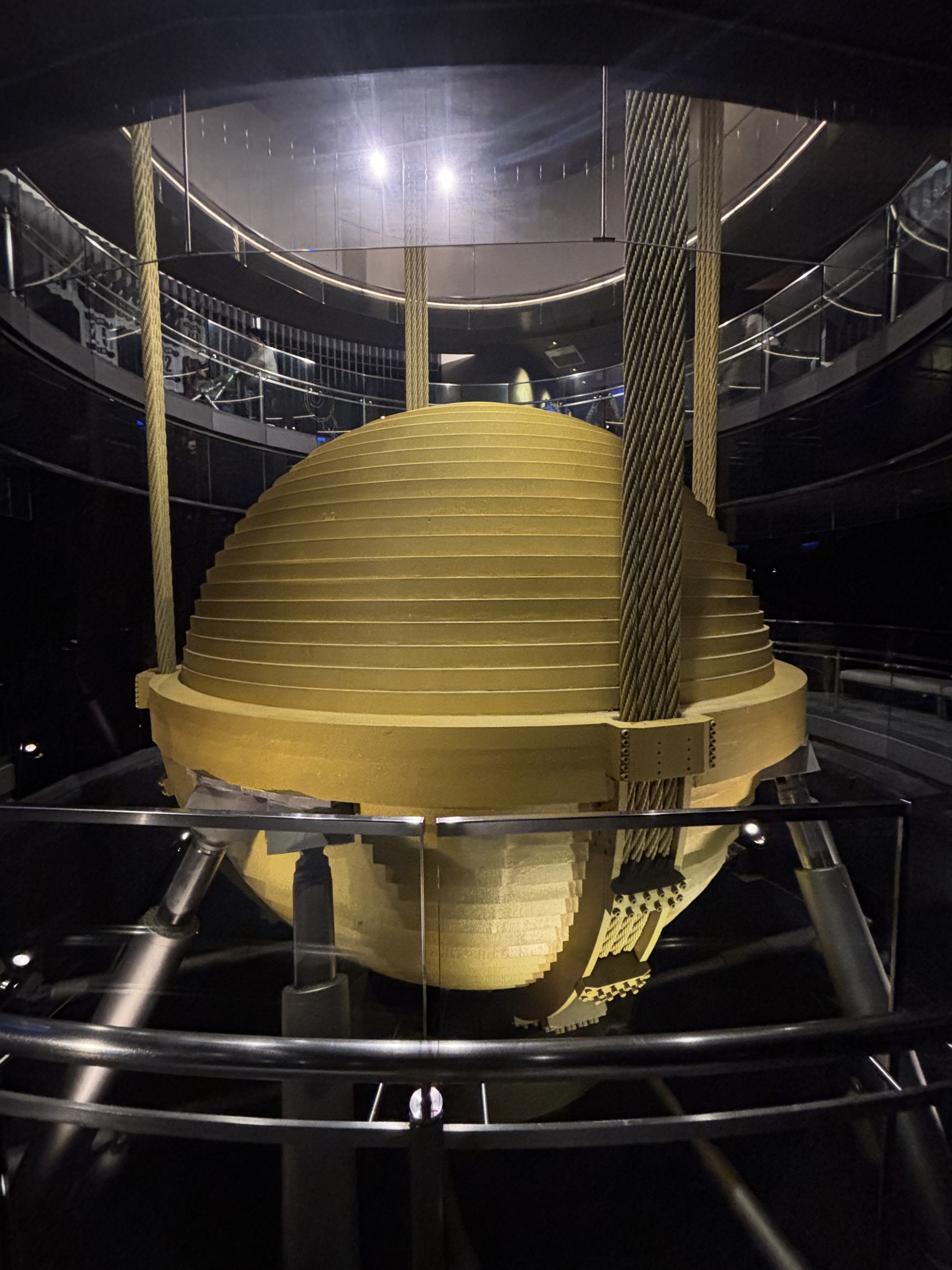
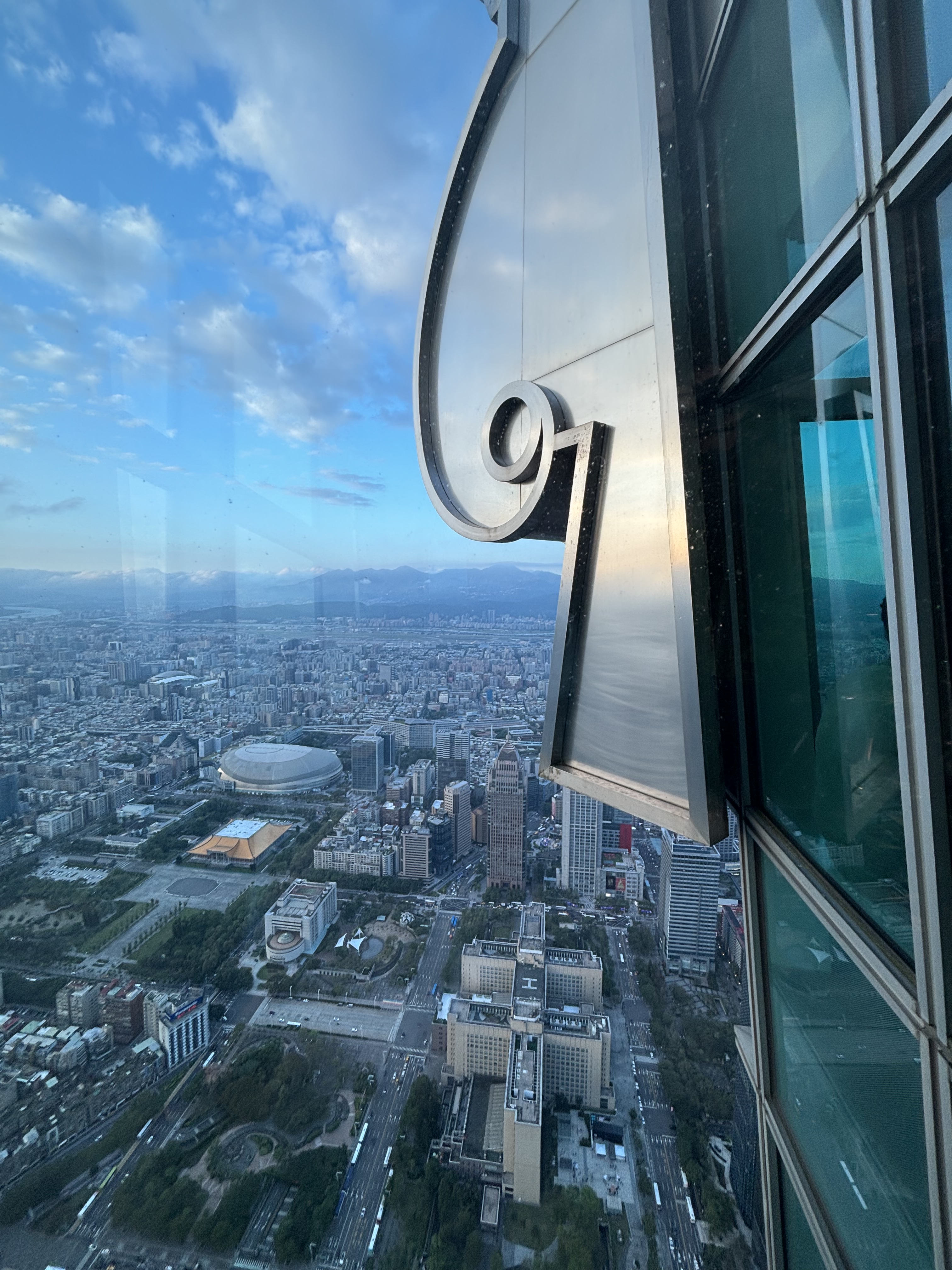
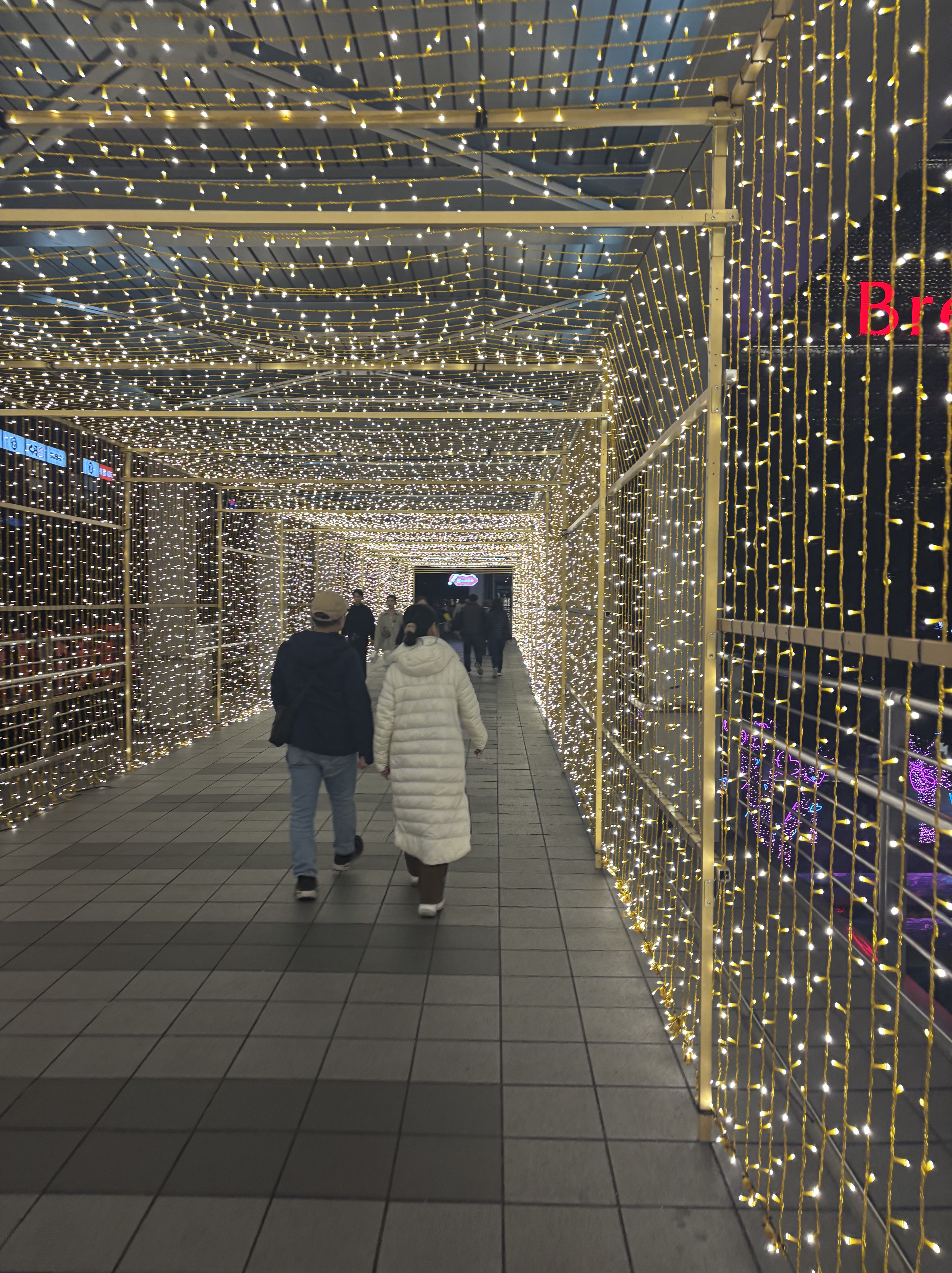
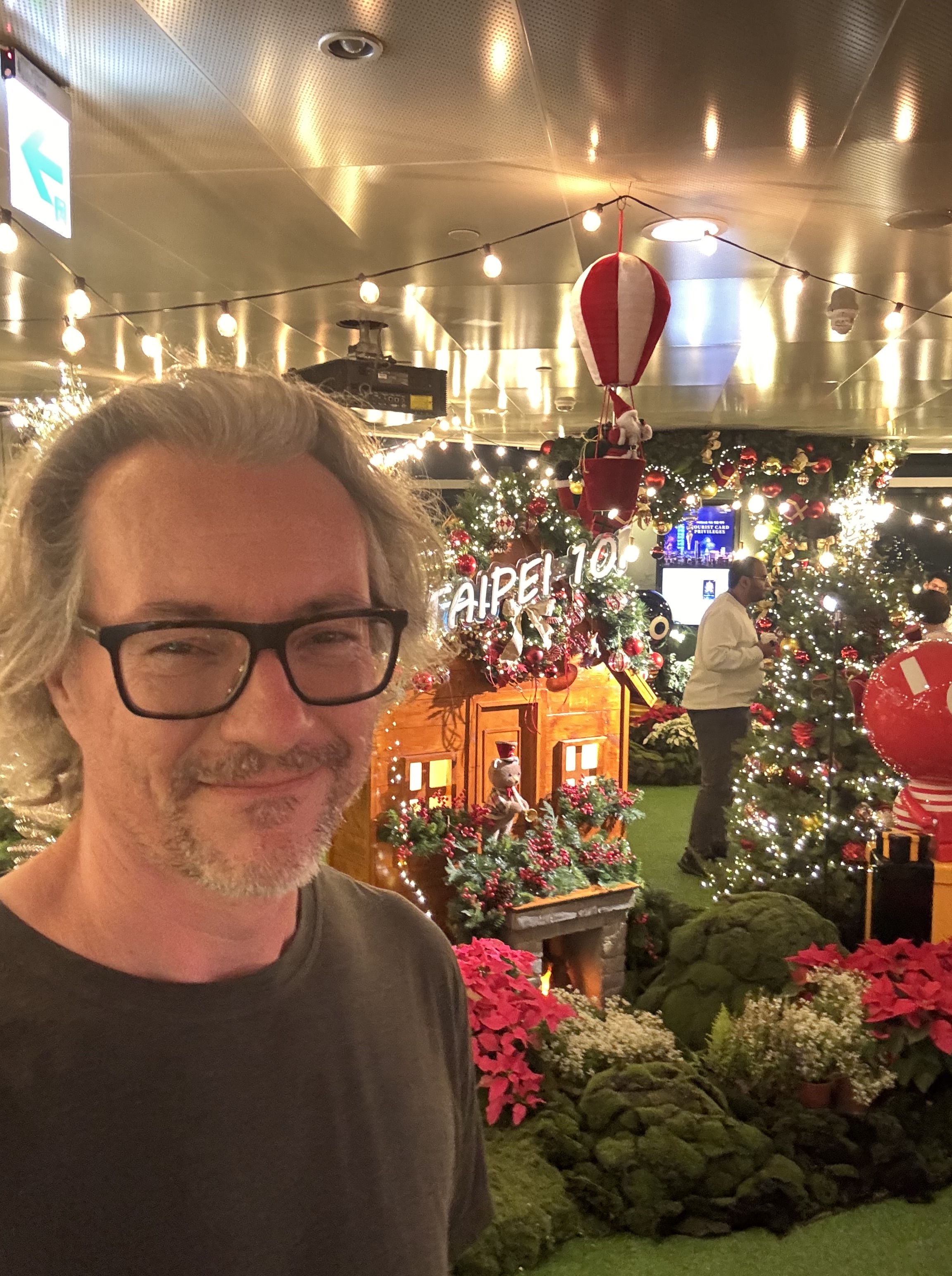
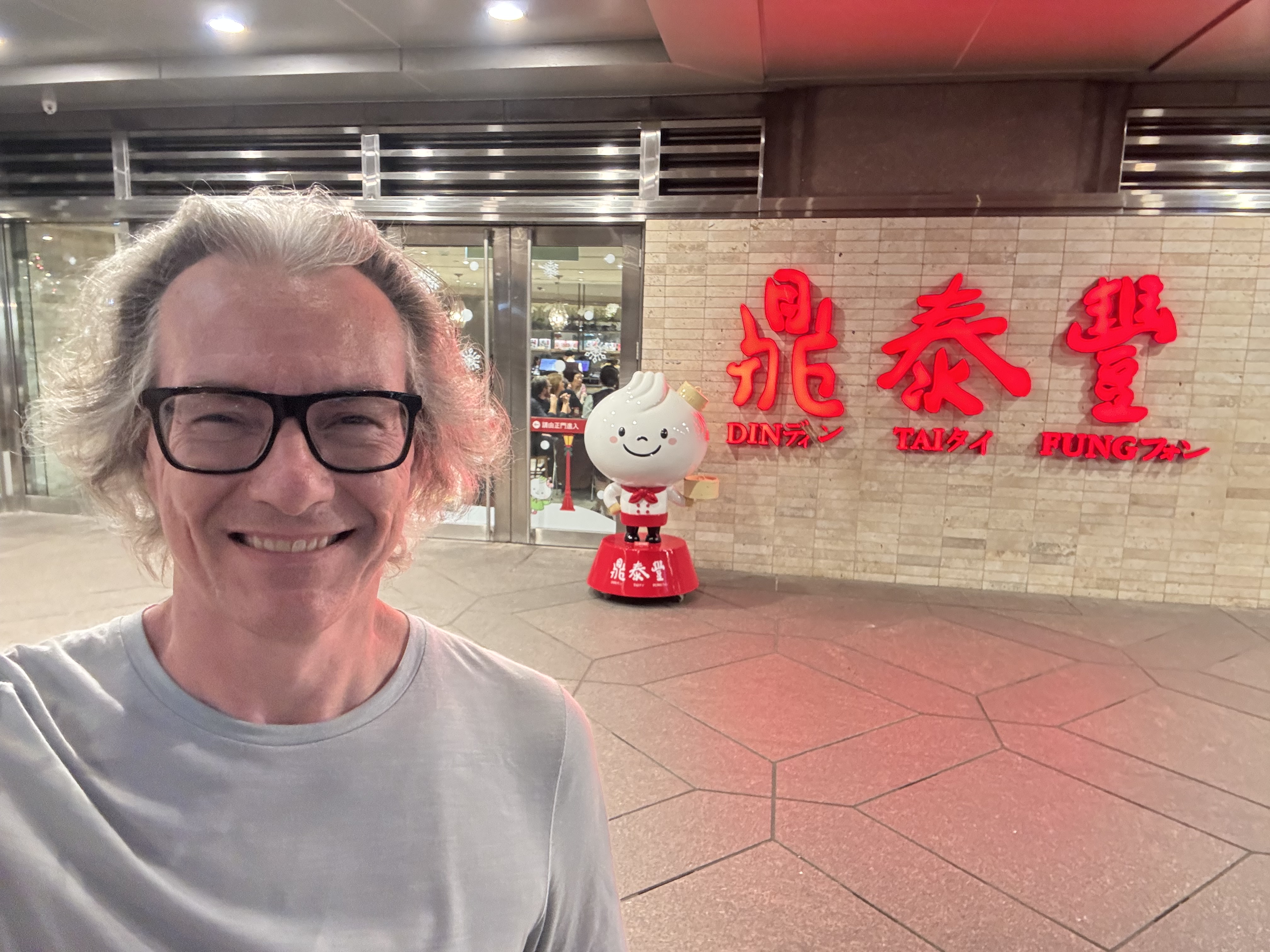
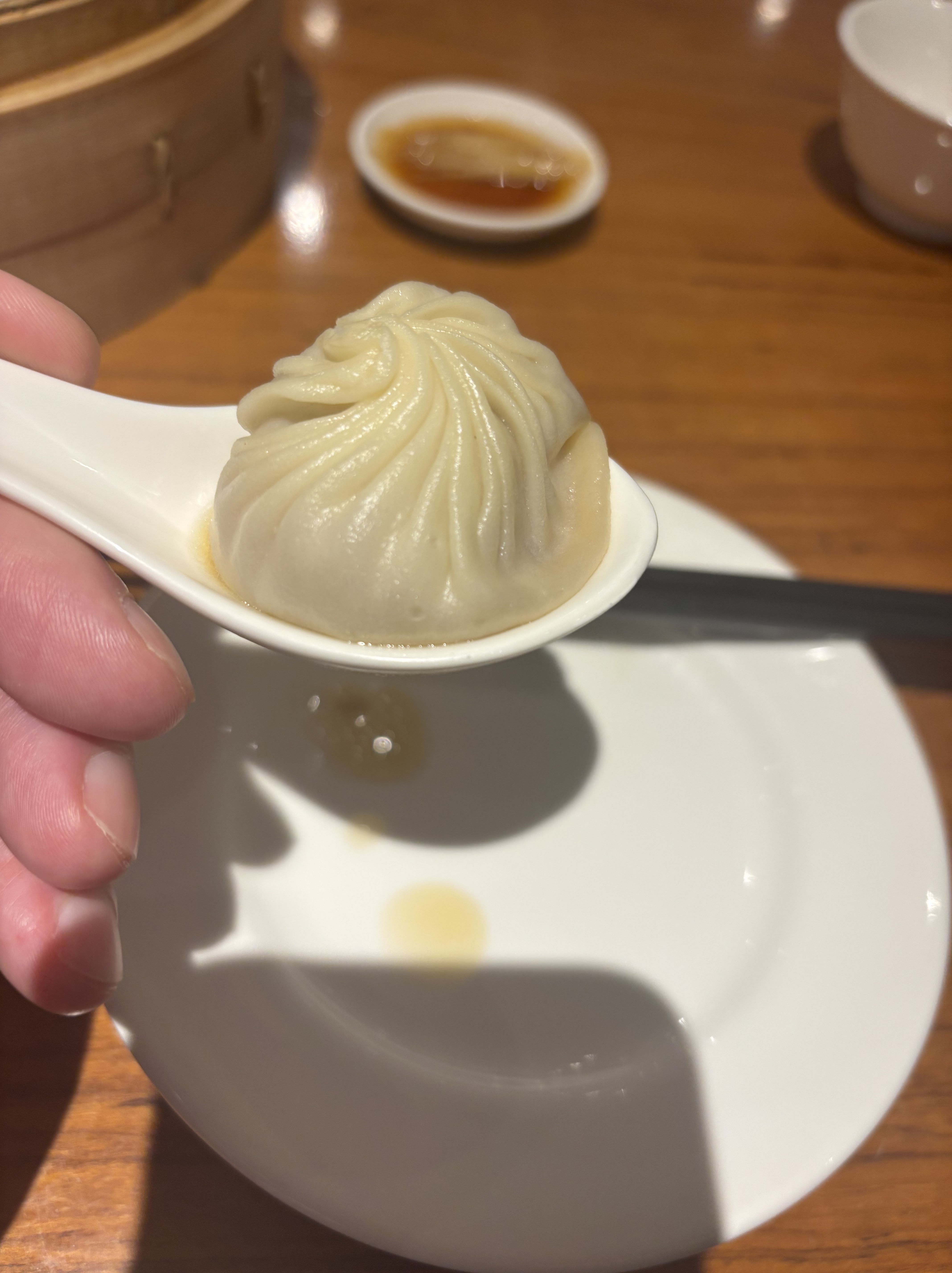
But you can see why it’s kind of a big deal when Taiwan is able to get some recognition on the international stage. Later this evening, live on Netflix, Alex Honnold will attempt a free solo climb of Taipei 101, one of the tallest buildings in the world and perhaps the busiest tourist attraction in all of Taiwan. (I was just there myself but used the superfast elevator like a sane person.) The building looks to me like a very tall wedding cake and was all decked out for Christmas when I visited. The 88th floor houses a giant gold ball that looks like something from a James Bond film but serves the perhaps scarier purpose of dampening the impact of the frequent earthquakes that shake the region. The sides of the building are not vertical but slope slightly outward with only occasional ledges, making the climb that much more challenging. I came back a couple of days later after hiking Elephant Mountain to eat at the flagship location of Din Tai Fung on the ground floor (the original location is now take-out only) and would encourage Honnold to stick to the delicious soup dumplings next time. Or at least try the elevator.

After all, Taipei is about enjoying life, not risking it.


 The Global Slowmad
Leave a reply to Anonymous Cancel reply