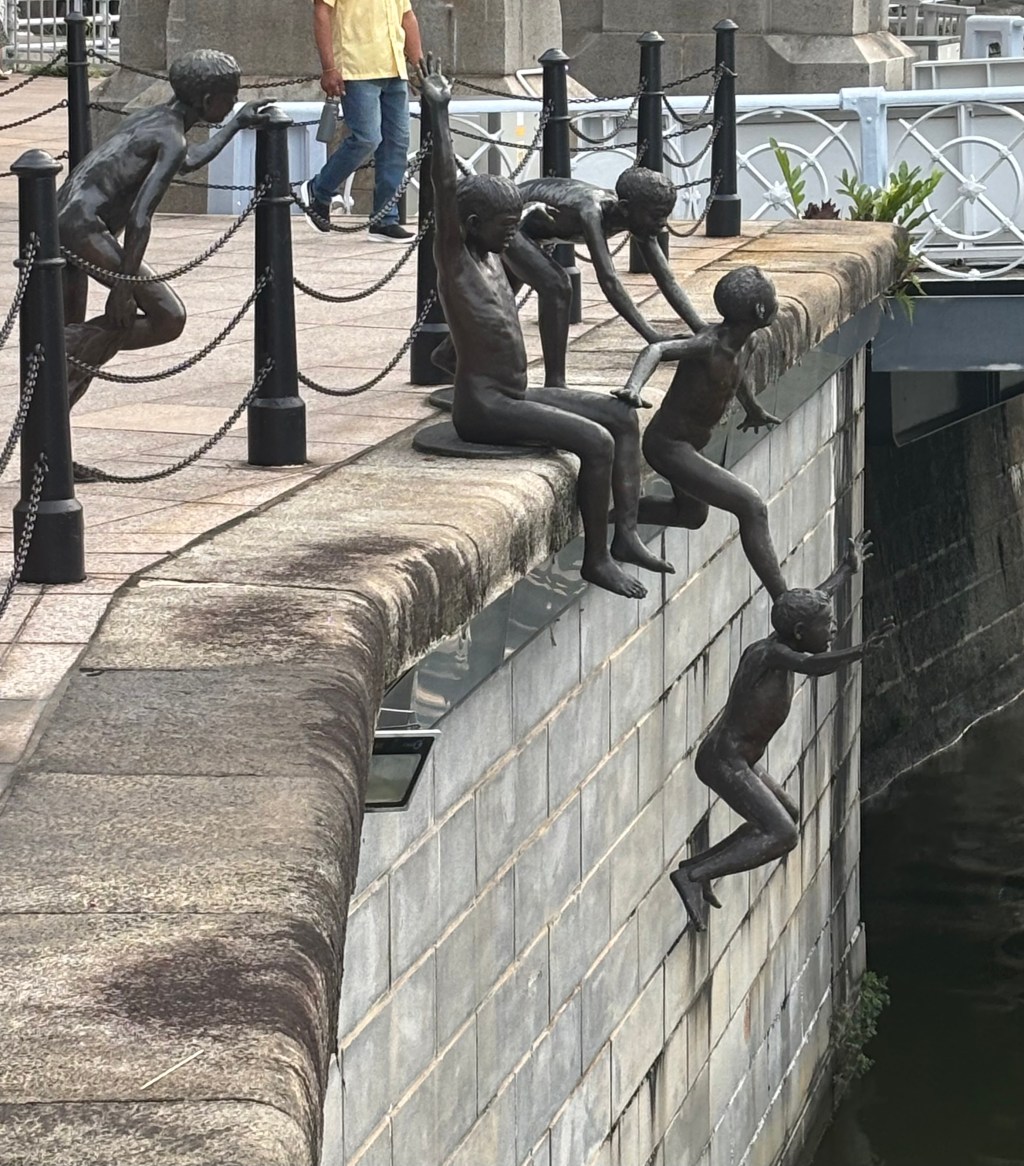
If I were to design my ideal city, it would look something like this:
- Top-notch public education
- Affordable, world-class health care
- Housing options for all
- Low crime rate
- Clean and efficient public transit
- Easy access to parks and nature
- Pedestrian and bicycle friendly roads and trails
- Interesting architecture
- High-quality dining choices at every price point
- Happy and friendly people
- Religious and ethnic diversity
- Welcoming to foreigners
- English is widely spoken
- Low taxes
- Support for early-stage entrepreneurs and innovators
- A democratically elected government that eschews corruption, maintains strong international relations and responds to the needs of its citizens
What I’ve just described is the modern city-state/country of Singapore. It’s my new favorite spot in the entire world.
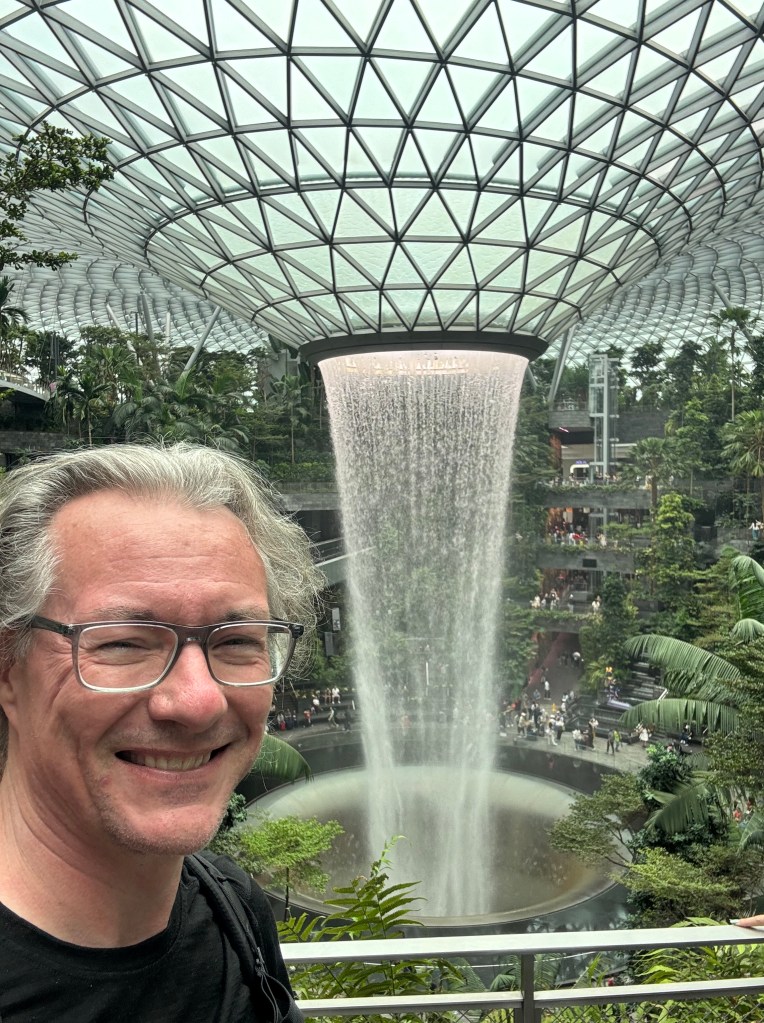


My love affair with the Little Red Dot caught me by surprise. Until recently, all I knew about the place is that it is hot, business-friendly and once sentenced an American teenager to caning after a vandalism spree. Not exactly what I look for in a place to visit. But my pre-trip research revealed that the Republic of Singapore ranked near the top of the WHO Health Care Index, the UN Human Development Index, the STC Safety Index, the Global Peace Index, the Social Progress Index and the Nomadlist city rankings. Adjusted for cost of living, it has the highest GDP per capita in the world. It is the only country in Asia with a AAA credit rating from all three major rating agencies. And it somehow is both a tax haven and has notoriously little corruption. It made me curious.
Now that I’ve seen it, I can’t wait to go back. There is just so much to appreciate about this place – too much to cover in a single blog post as it turns out. I have struggled (and failed) to come up with a way to summarize my experience in a reasonable number of words. Suffice it to say this won’t be the last time I write about the Lion City.
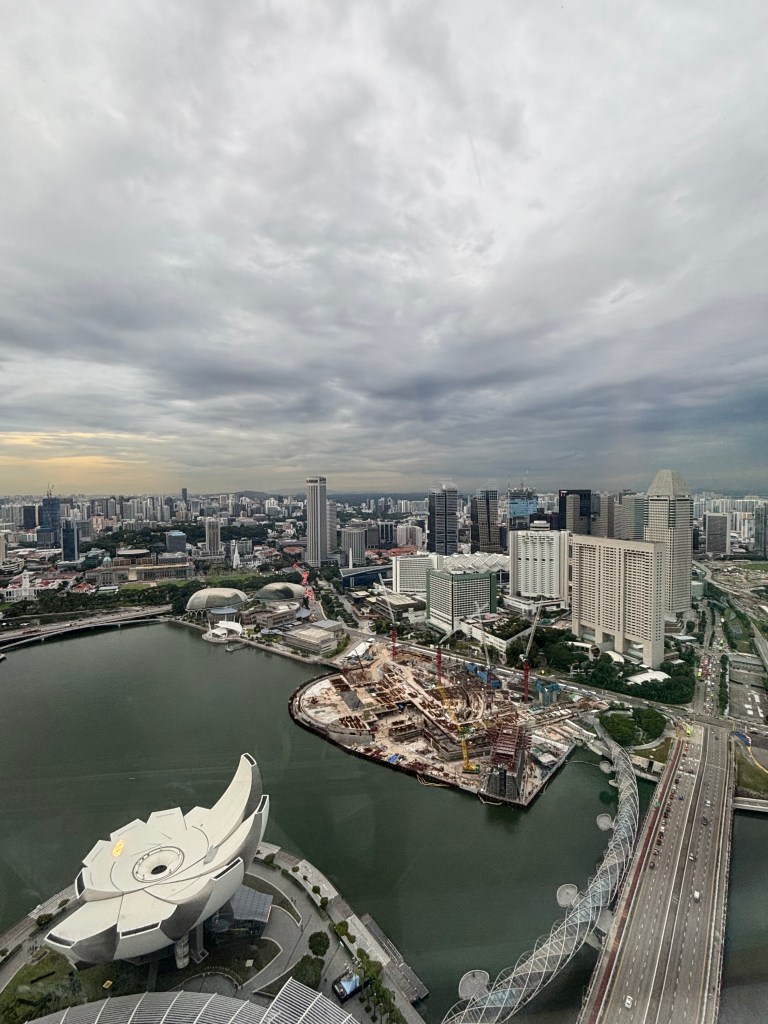
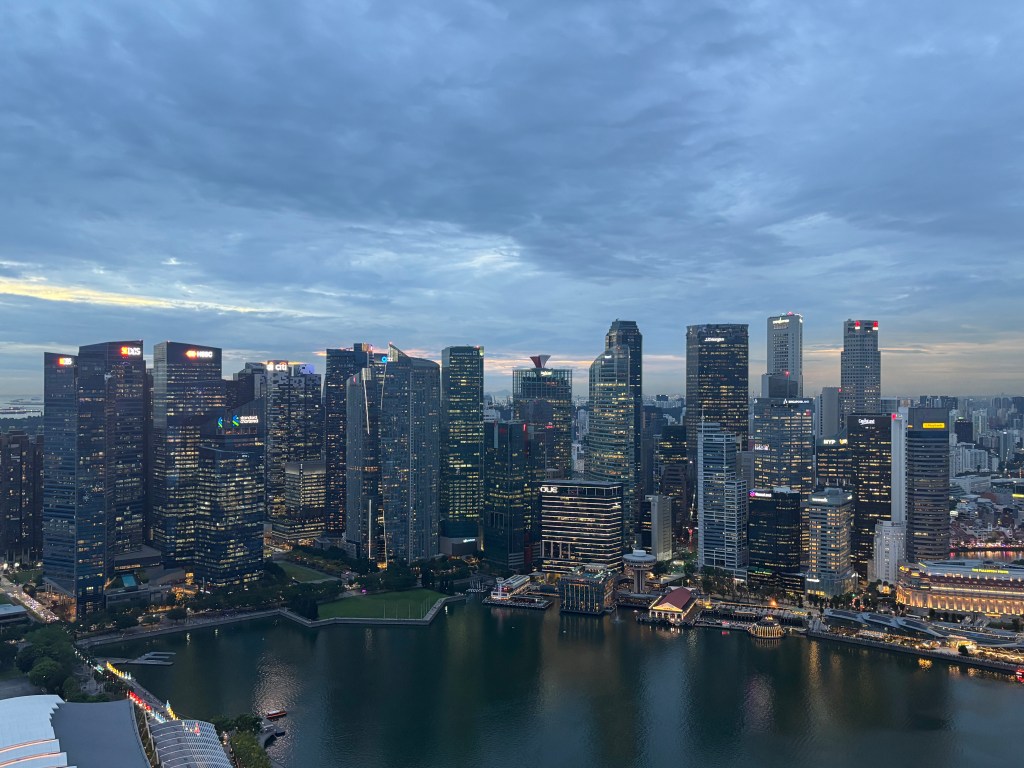
Singapore is the new standard against which I will forever measure every other destination, but that standard is a moving target. The city is constantly and intentionally reinventing itself. What you see today is completely different from what you would have encountered 20 years ago and will look completely different again in another 20. The space-constrained city grows upward toward the sky, with old buildings being demolished and replaced with taller versions every 25 years or so. Land that has been newly reclaimed from the sea has to settle for 30 years before it can support a skyscraper and is typically converted to parkland full of trees and trails in the interim.


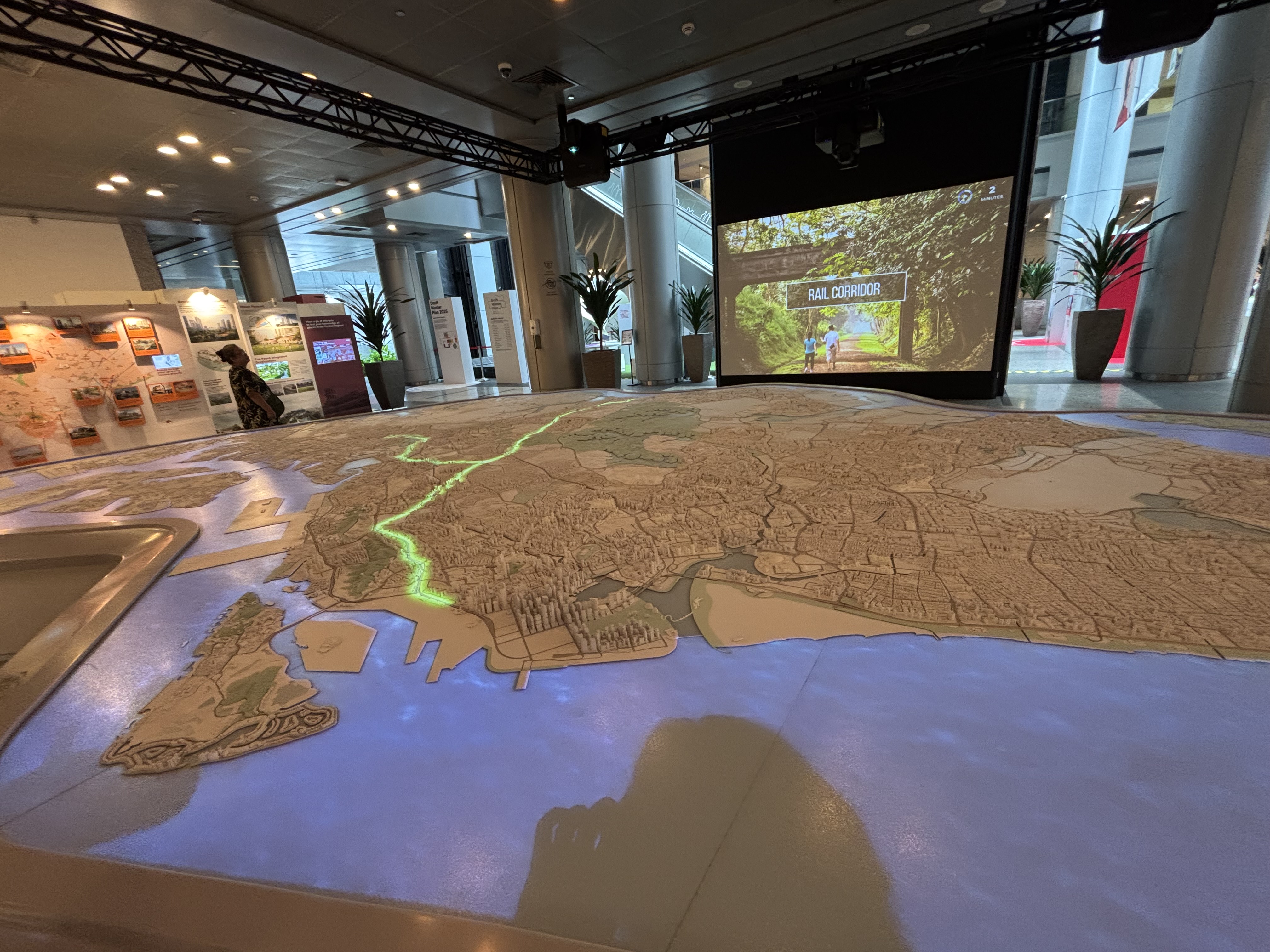
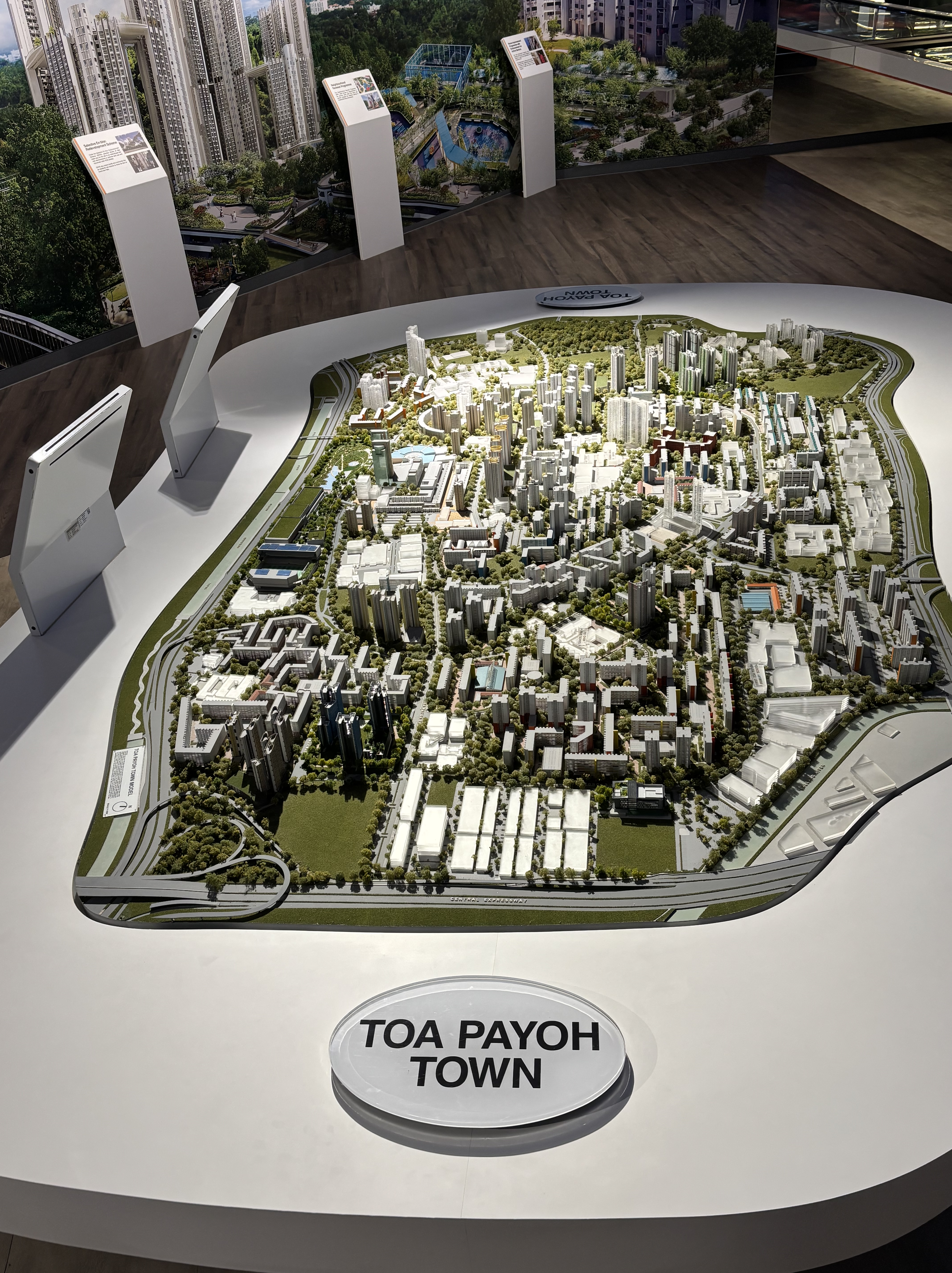
Remarkably, the country’s rapid advancement is almost entirely attributable to forward-thinking government policies. It seems to have a sixth sense about when to intervene and when to rely on the free market for solutions. The Urban Redevelopment Authority (URA) is the guiding force behind the city’s visual appeal and is responsible for approving all construction projects in the city. The URA maintains a public exhibition space where anyone can review the latest version of the city’s master plan to see what the future holds and weigh in with their own thoughts. I visited twice.
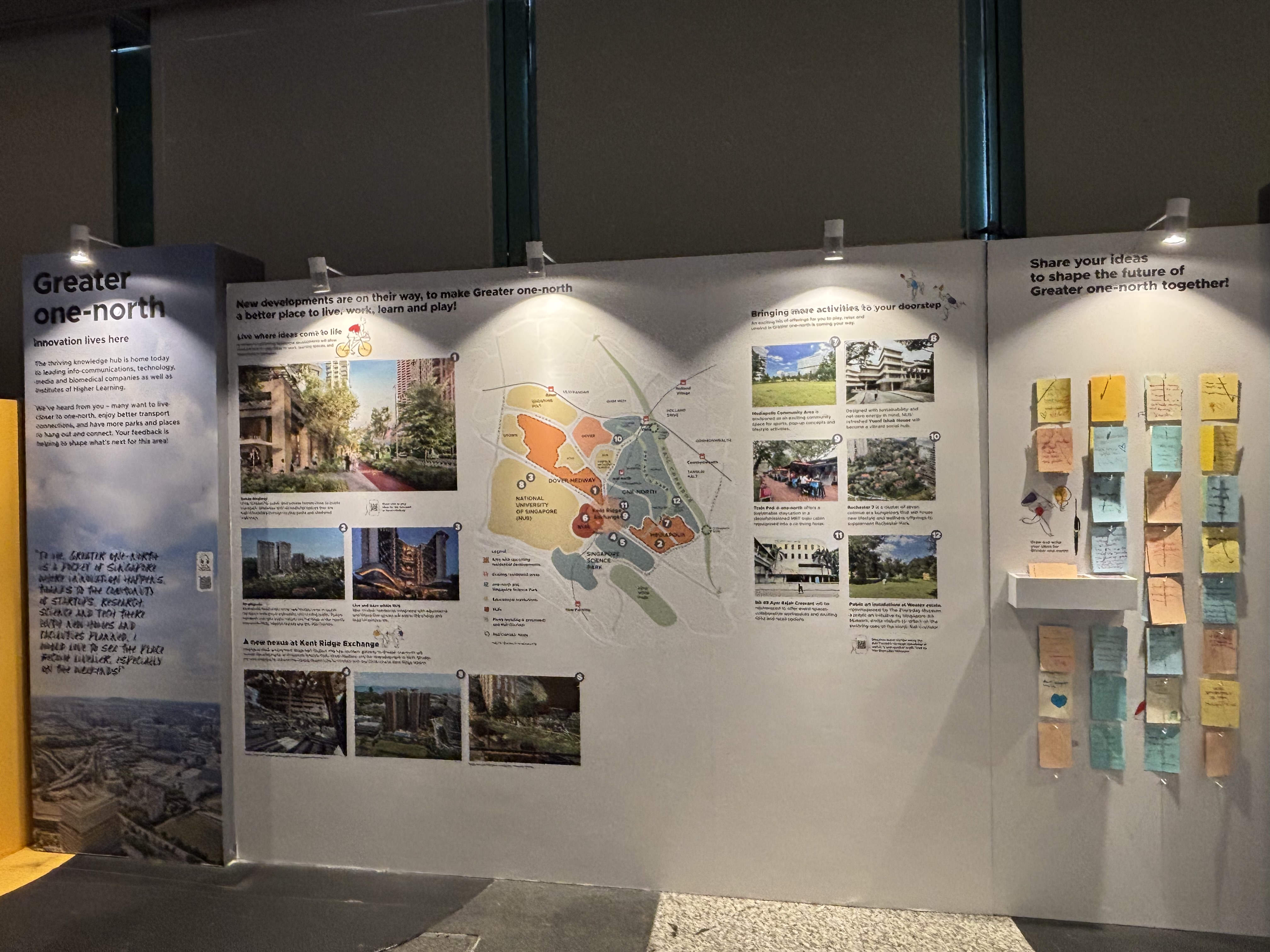
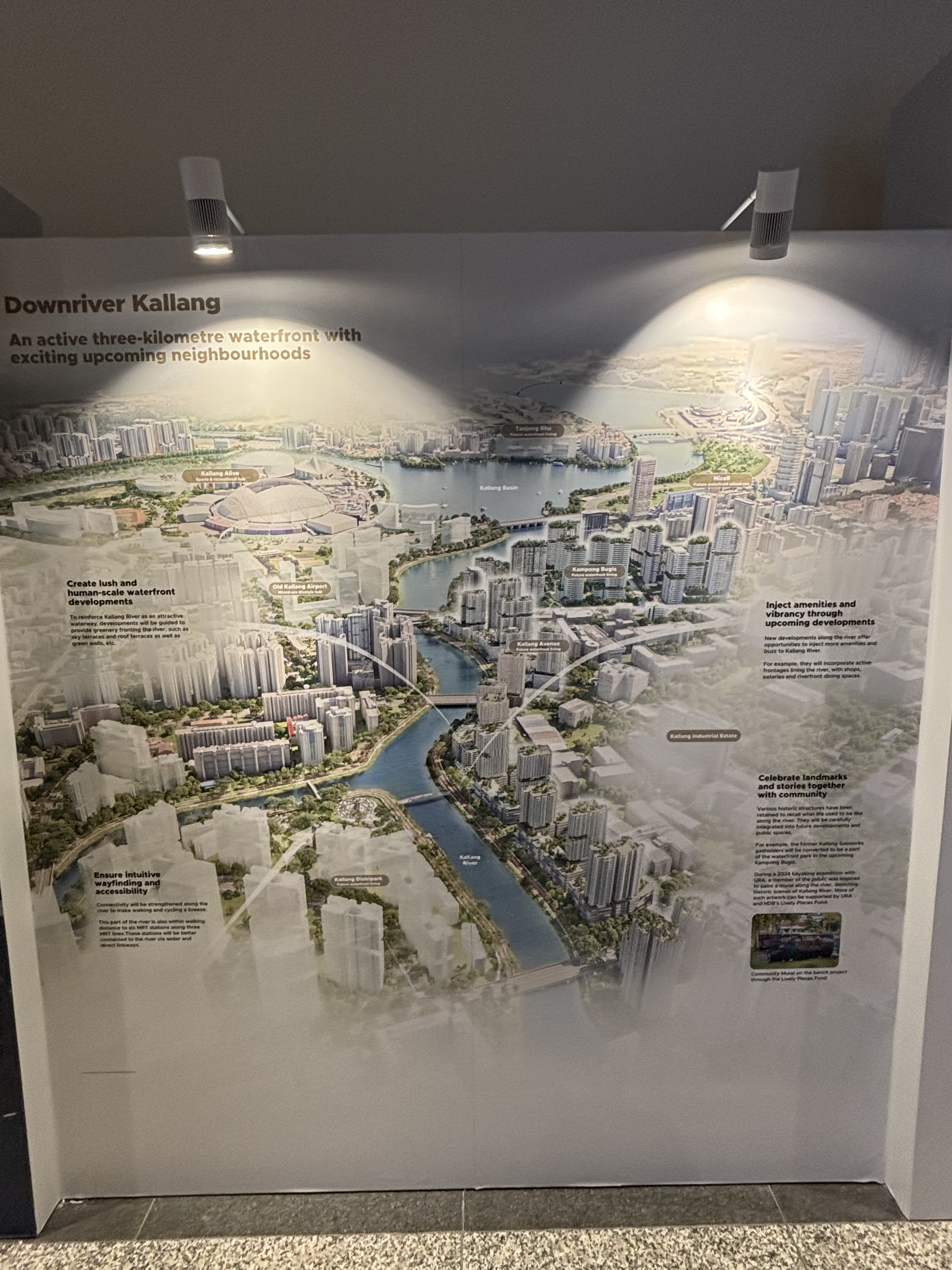
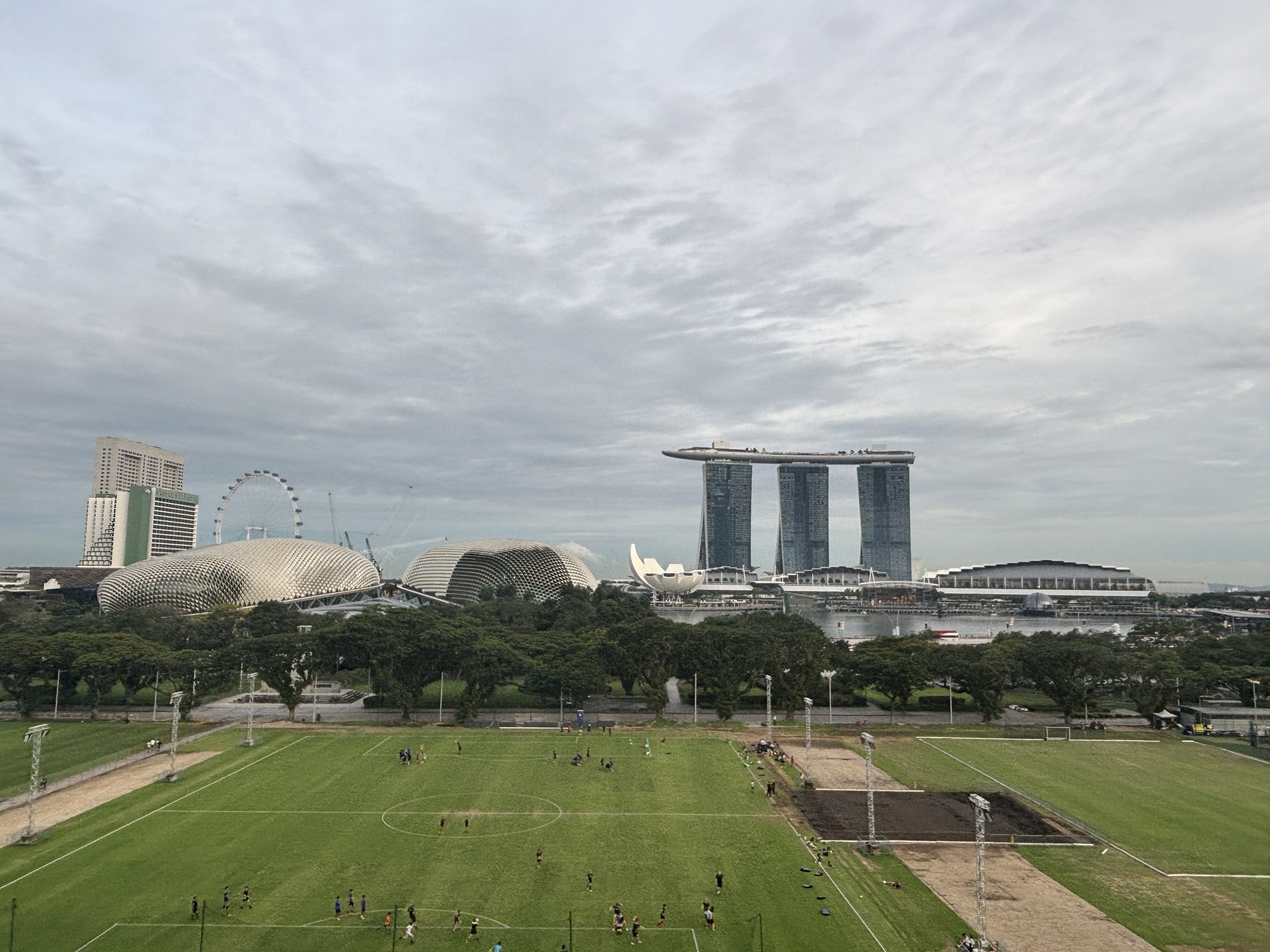
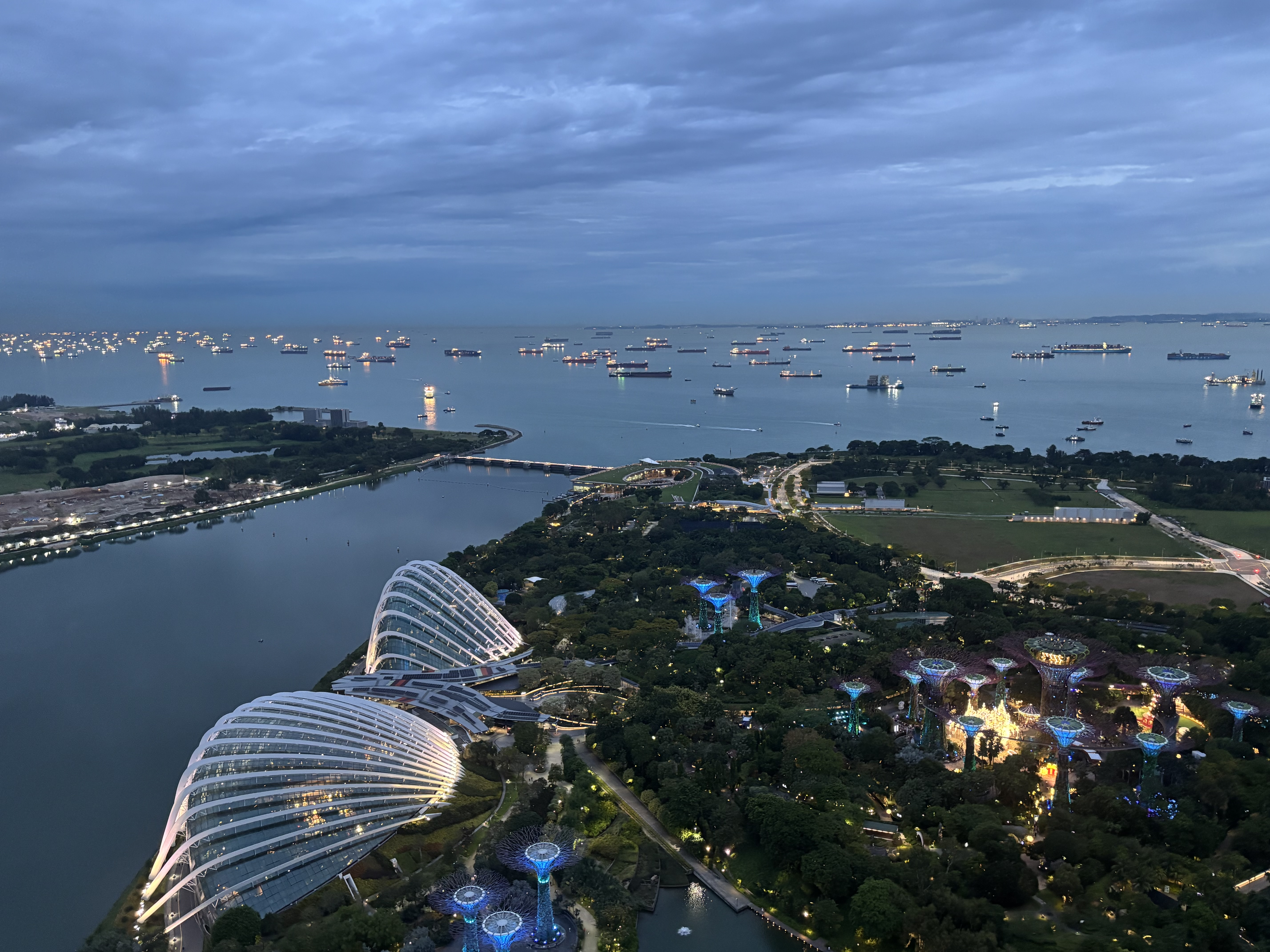
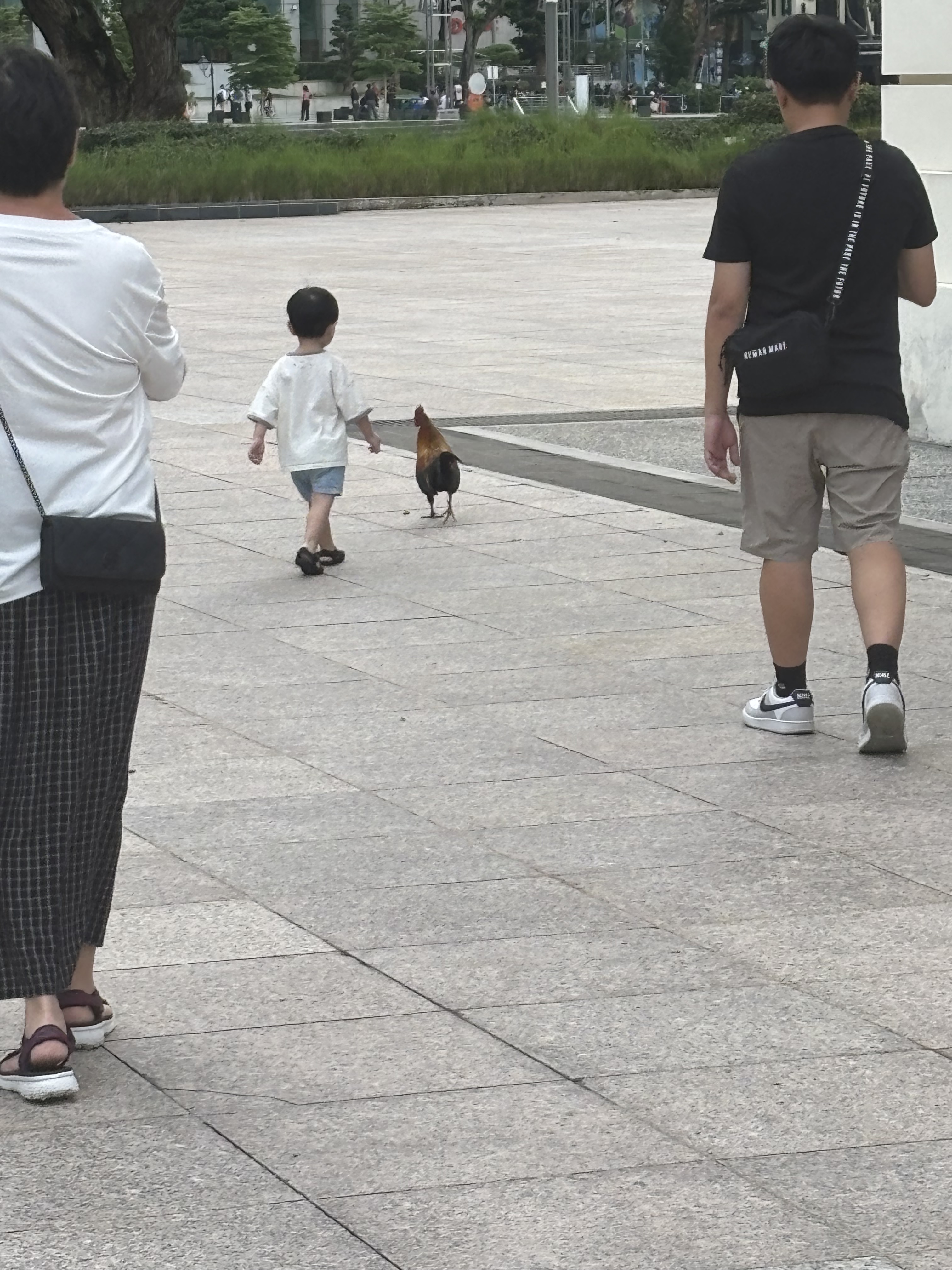
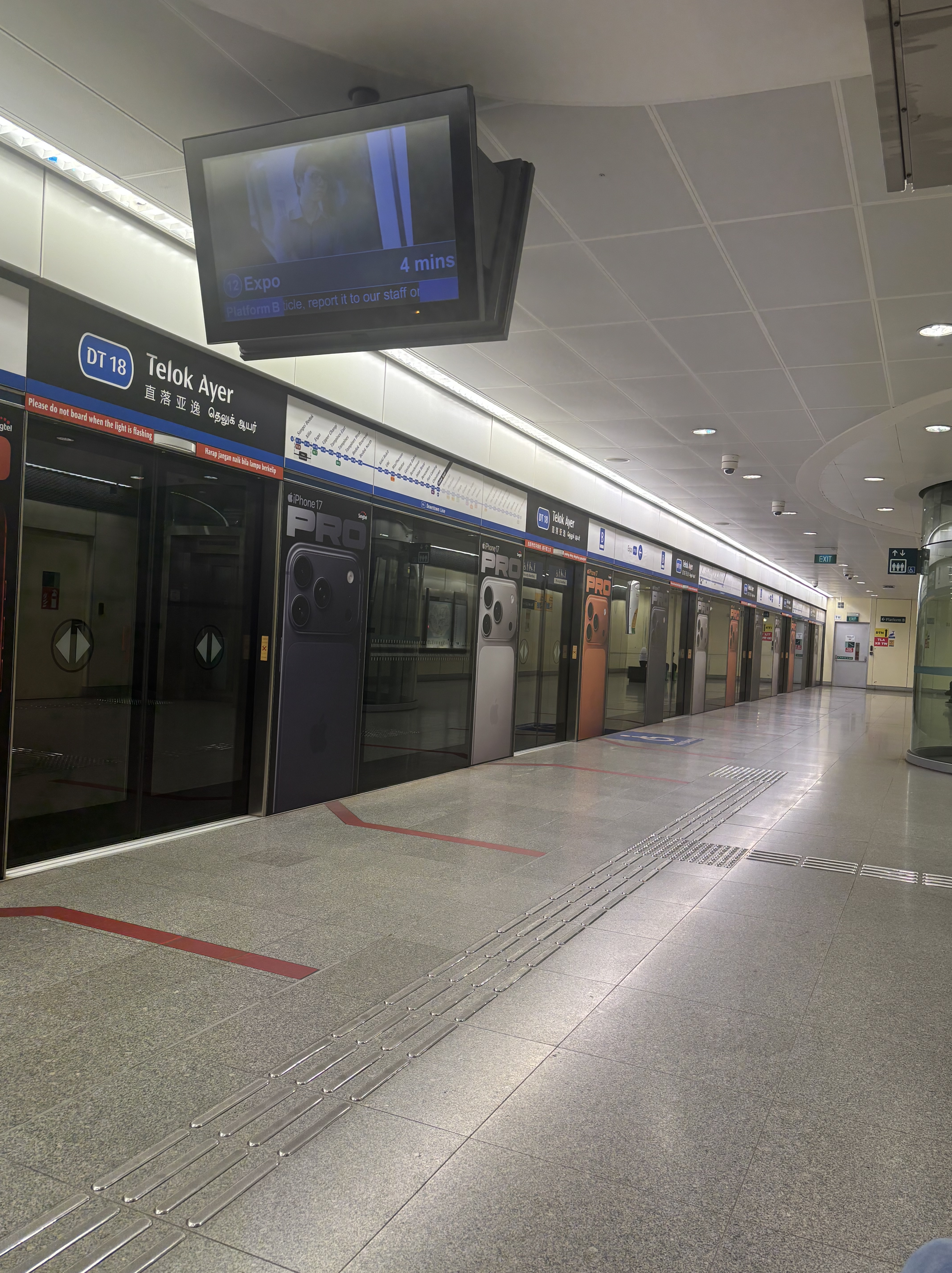
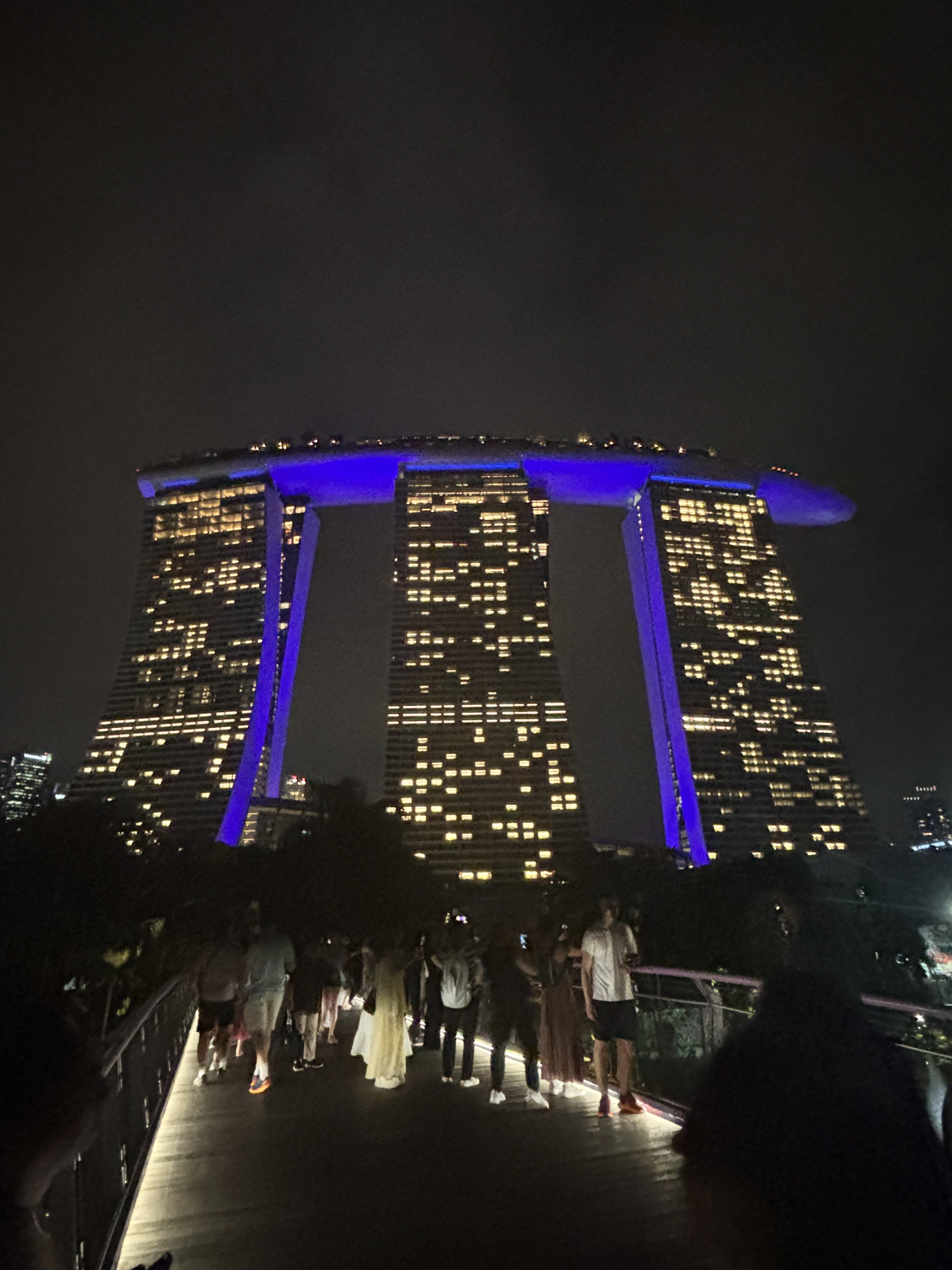
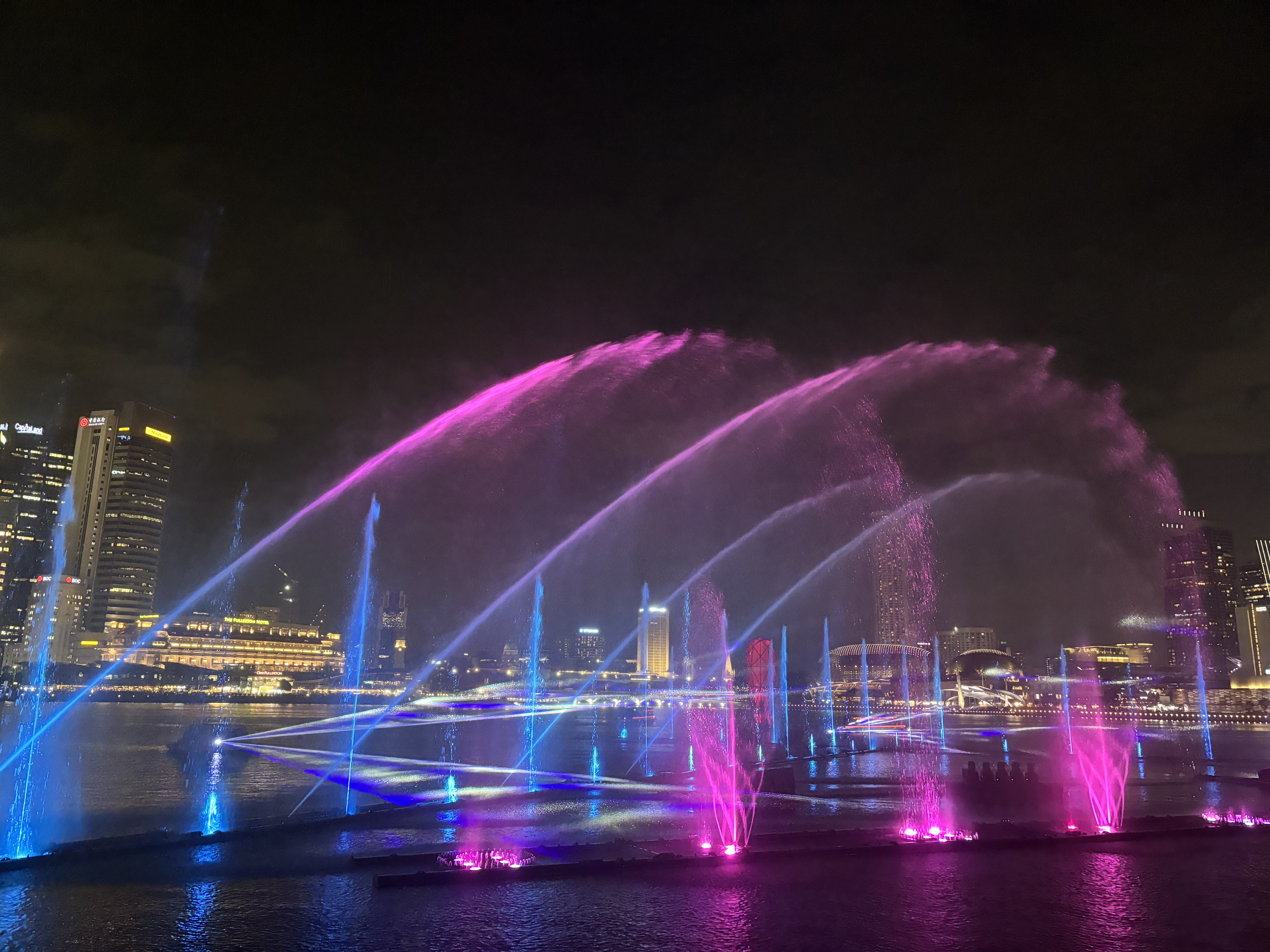
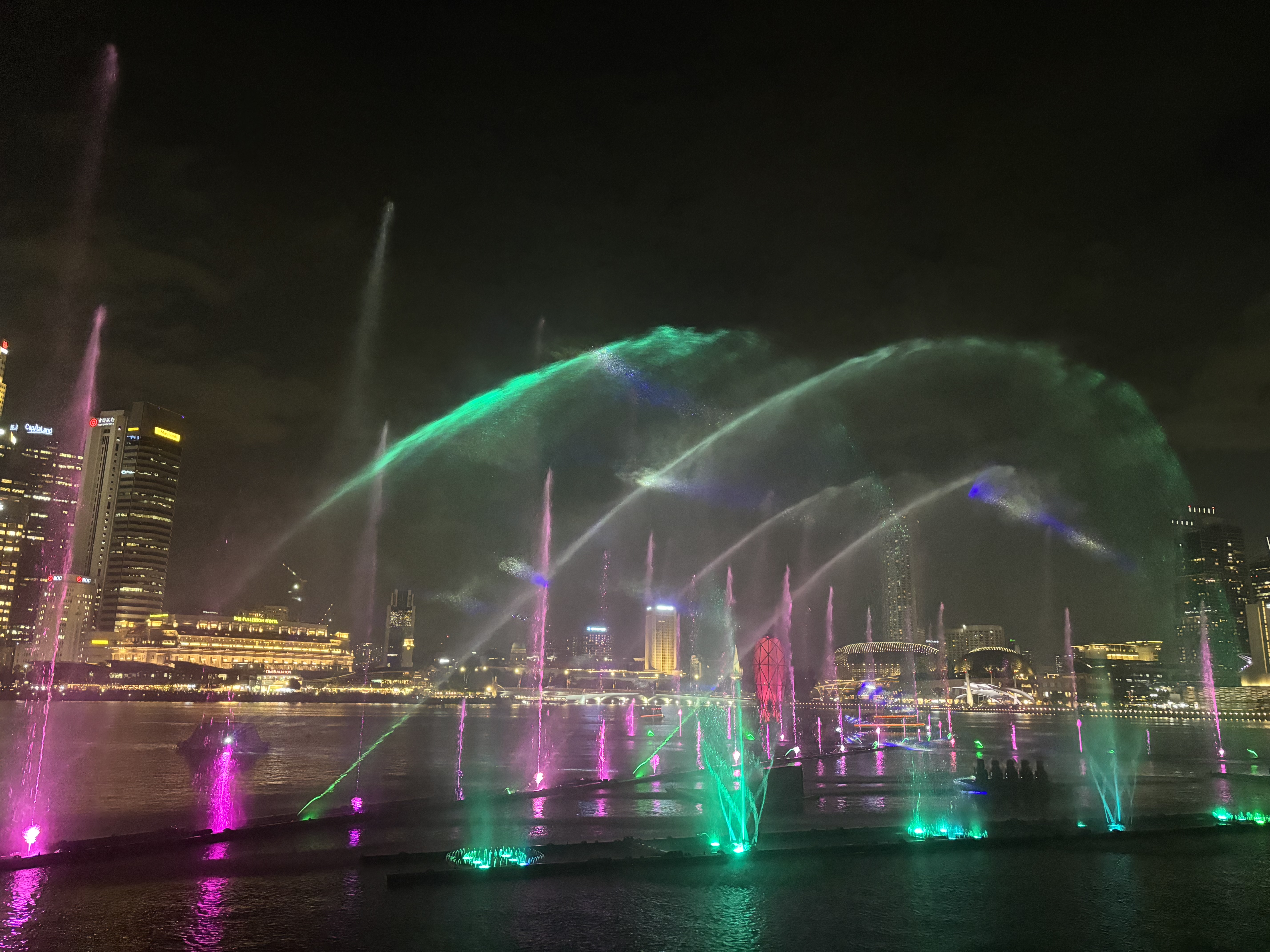
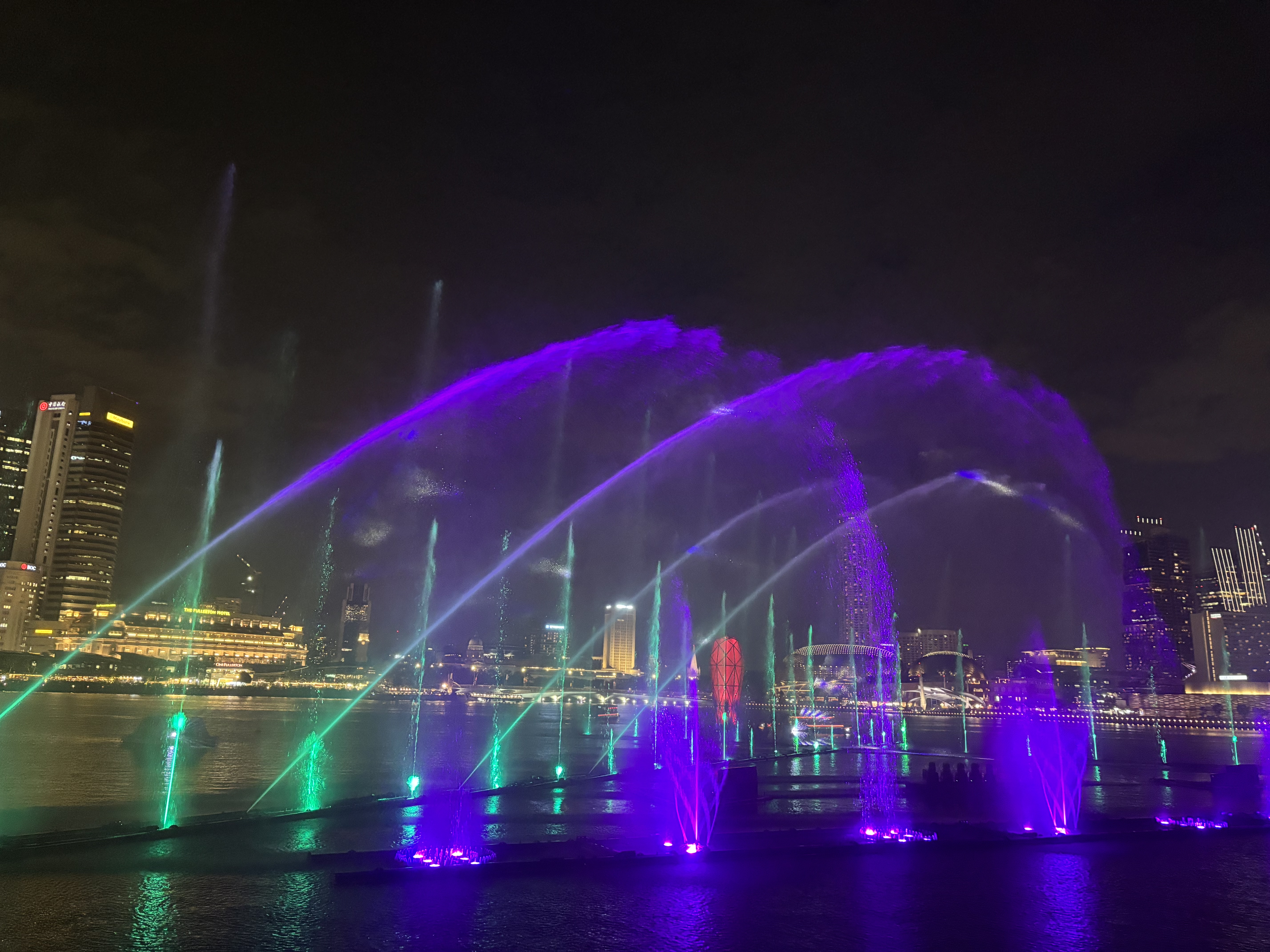
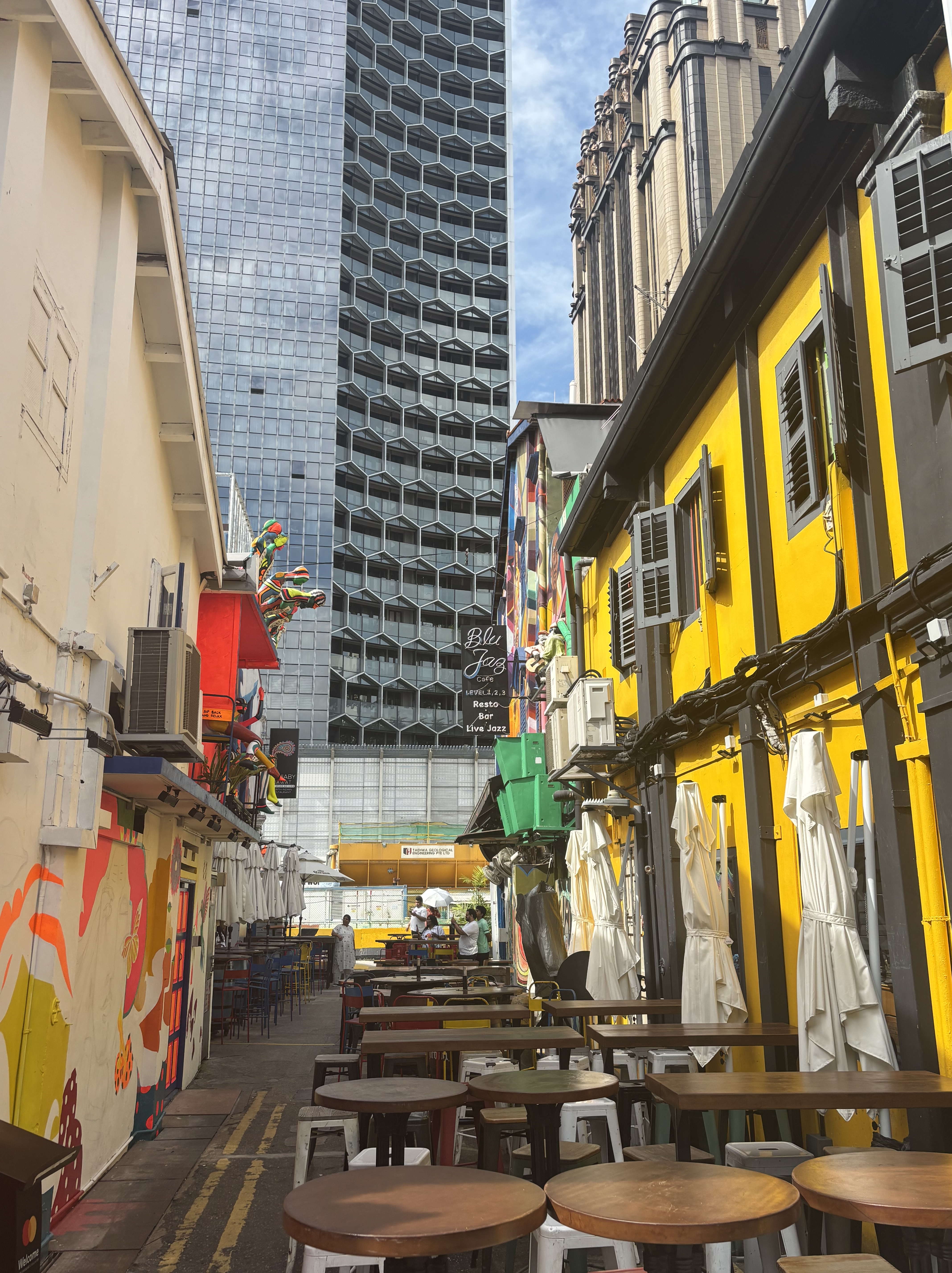
Singapore is the epitome of urban planning done well. Think Reston, Virginia, or the Woodlands in Texas on a massive, tropical island scale. Parks and green space (chickens roam freely!) are seamlessly integrated with skyscrapers, retail and housing in a way that prioritizes pedestrians and bicyclists. By design, almost no one lives more than 1 km from a market or a public transit hub. A clean and modern subway system quickly transports you to anywhere on the main island. There are entire neighborhoods dedicated to major tourist attractions (like the massive Marina Bay Sands complex and neighboring Supertree Grove), beach life (enjoy water sports on Sentosa Island or isolation on Lazarus Island) and high-end shopping (get lost exploring the multi-story malls along Orchard Road), but it’s easy enough to avoid those districts and enjoy a more authentic experience.
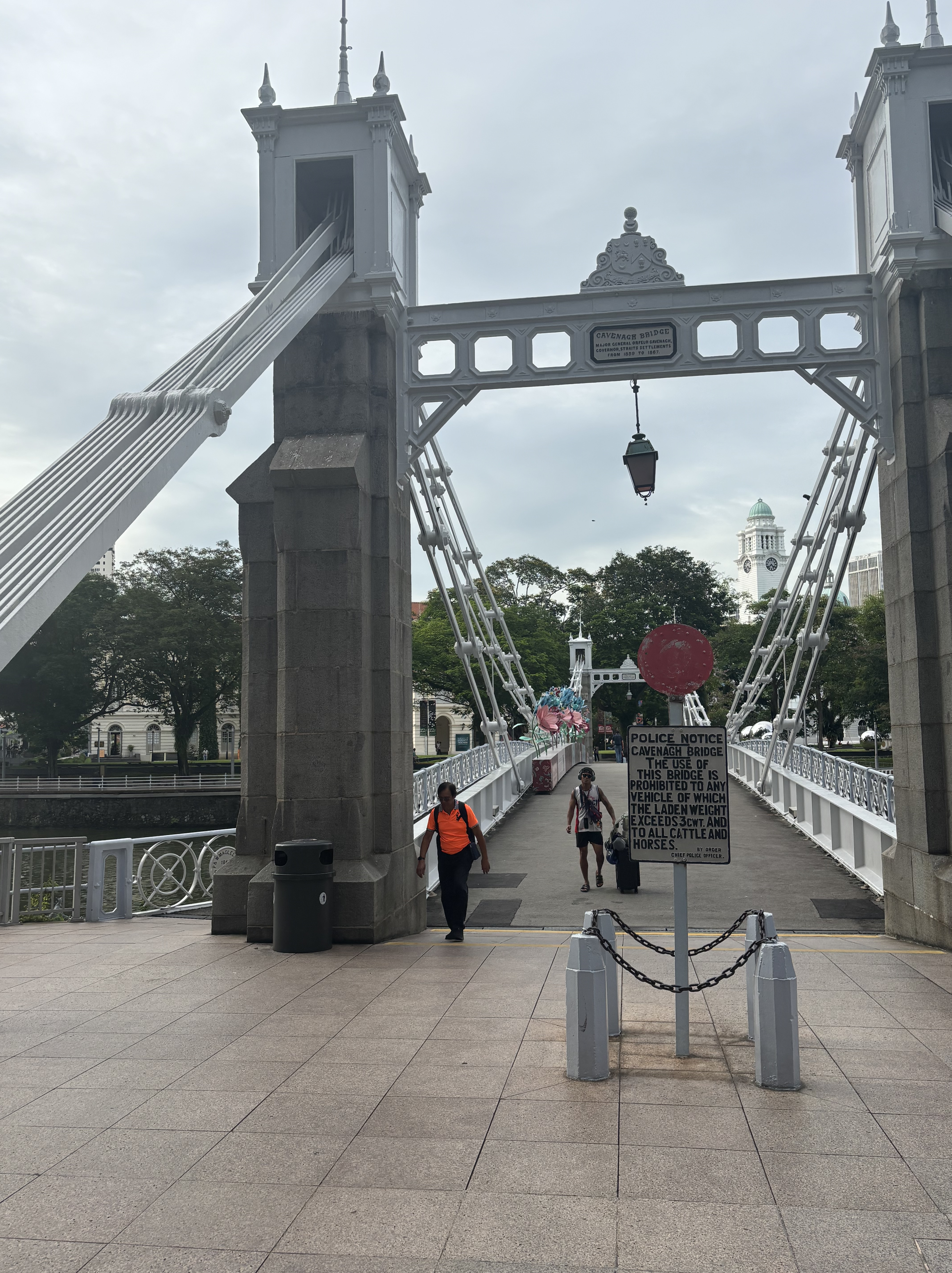

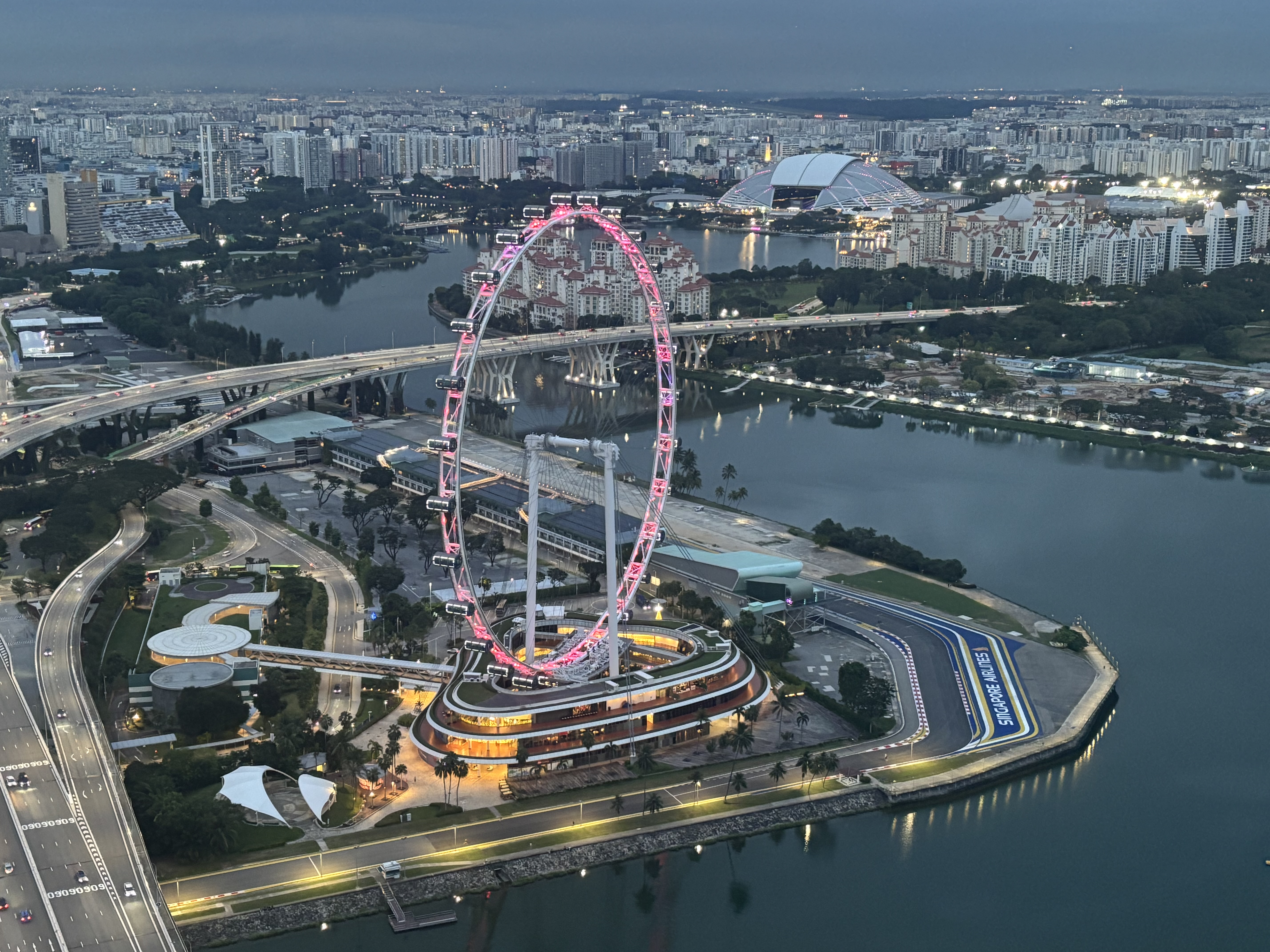
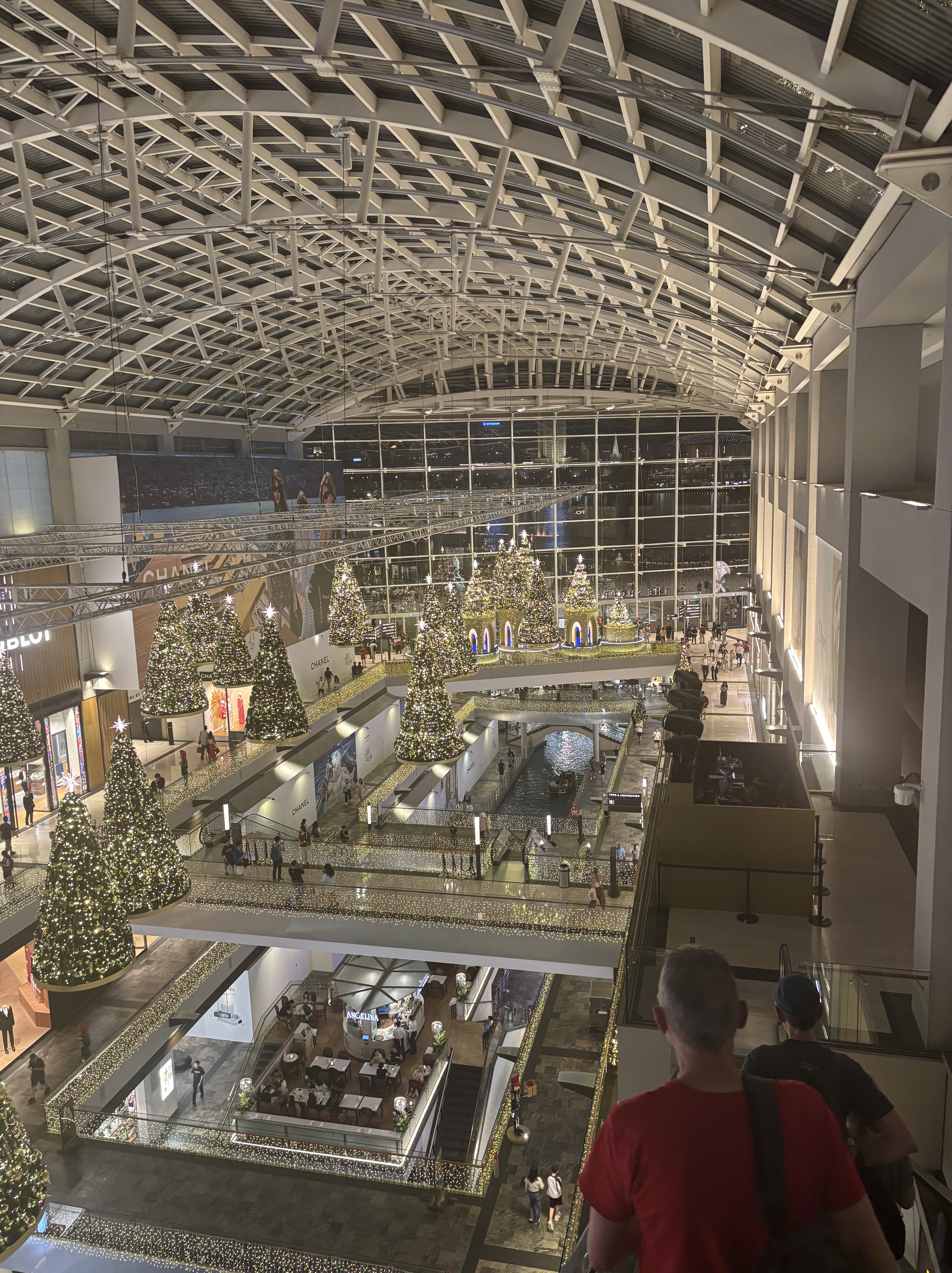
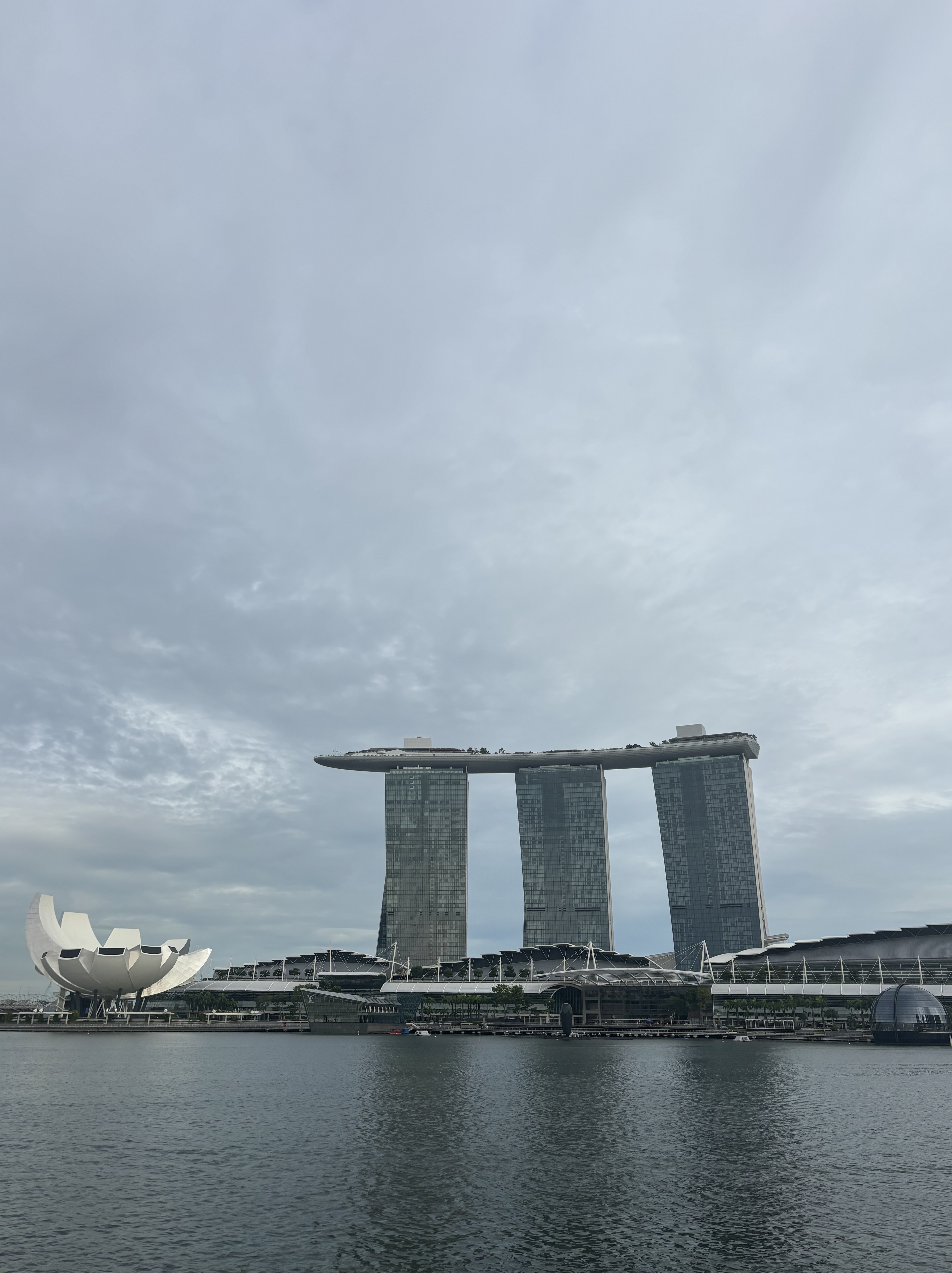
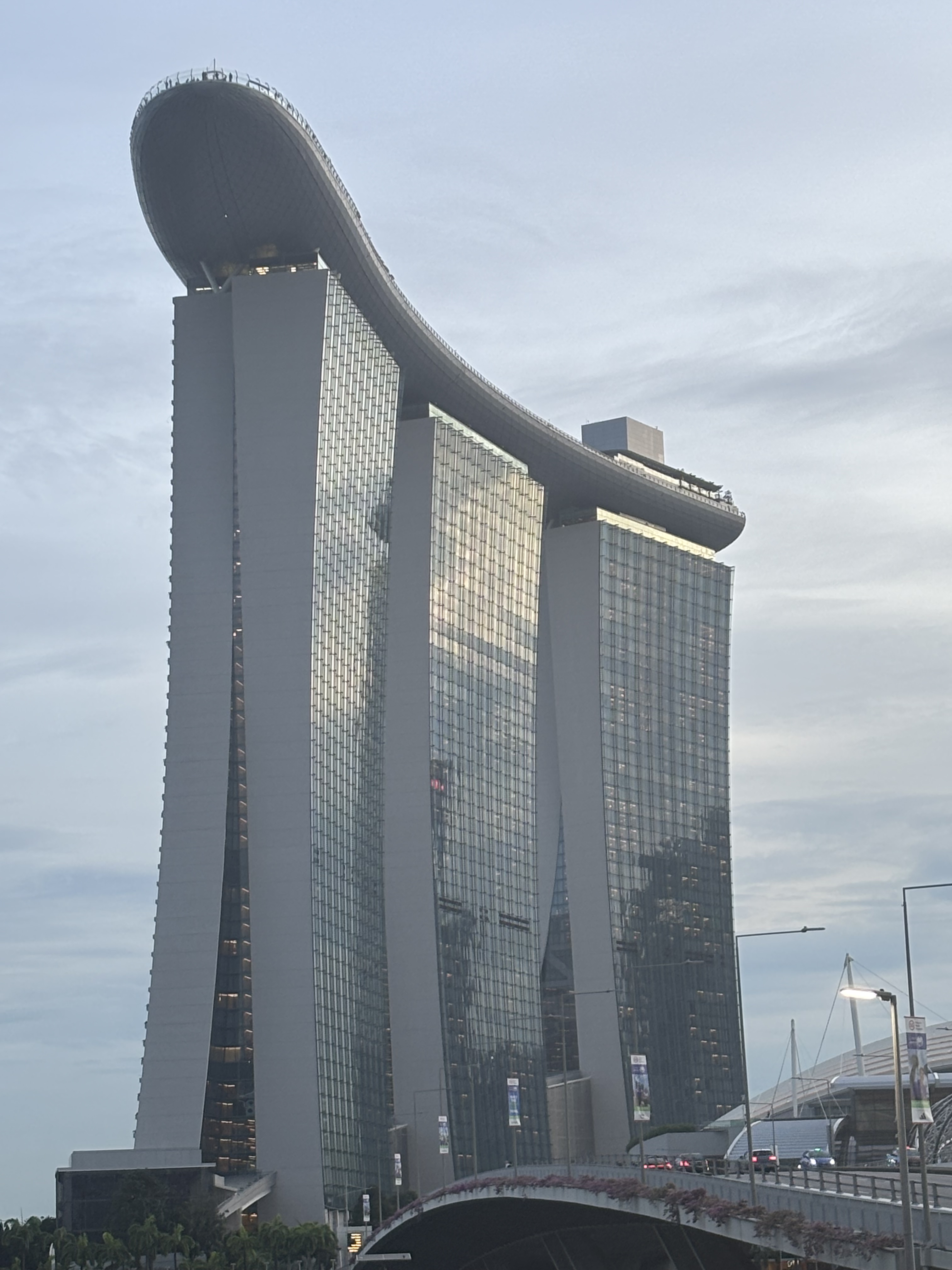
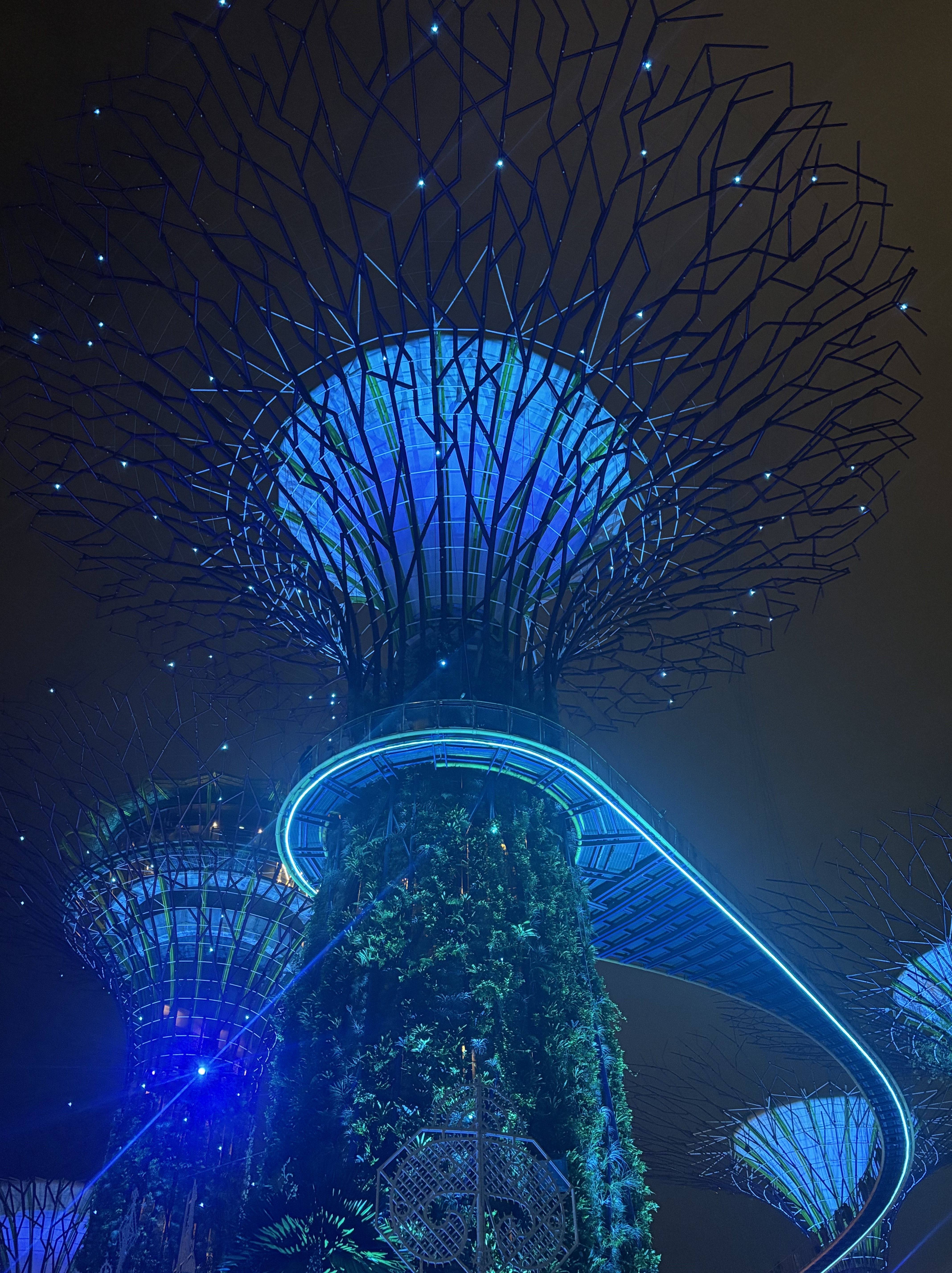
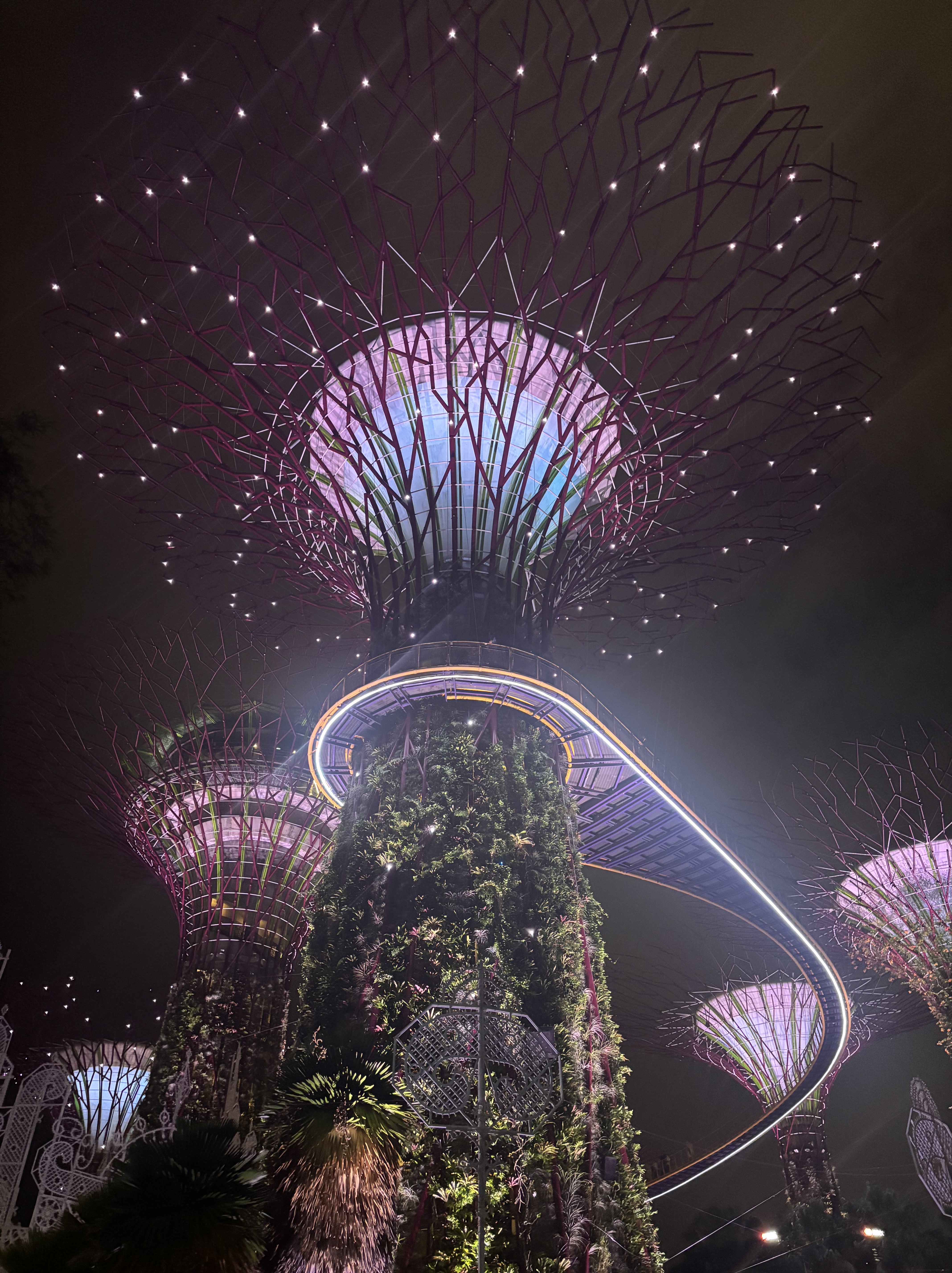

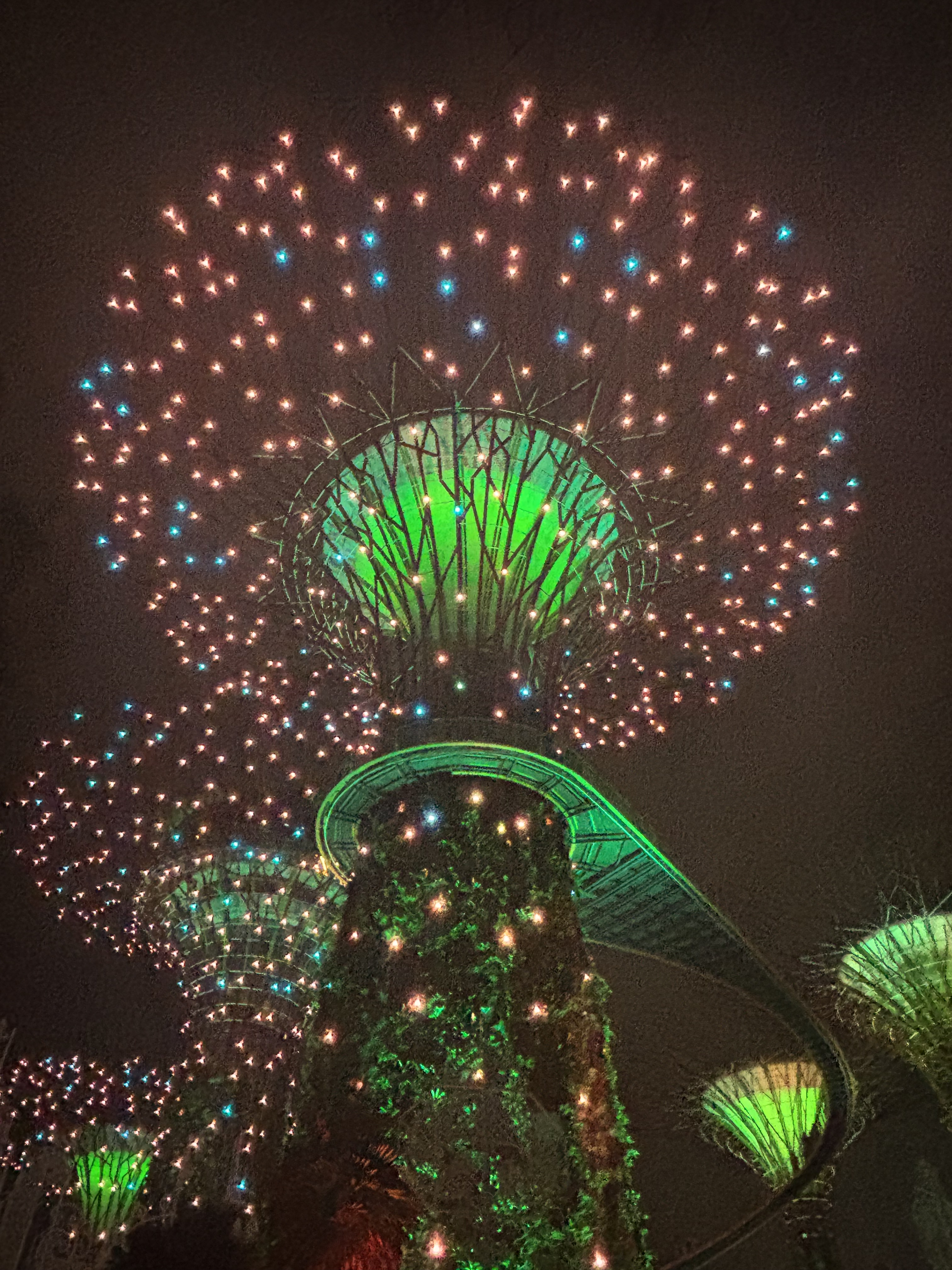
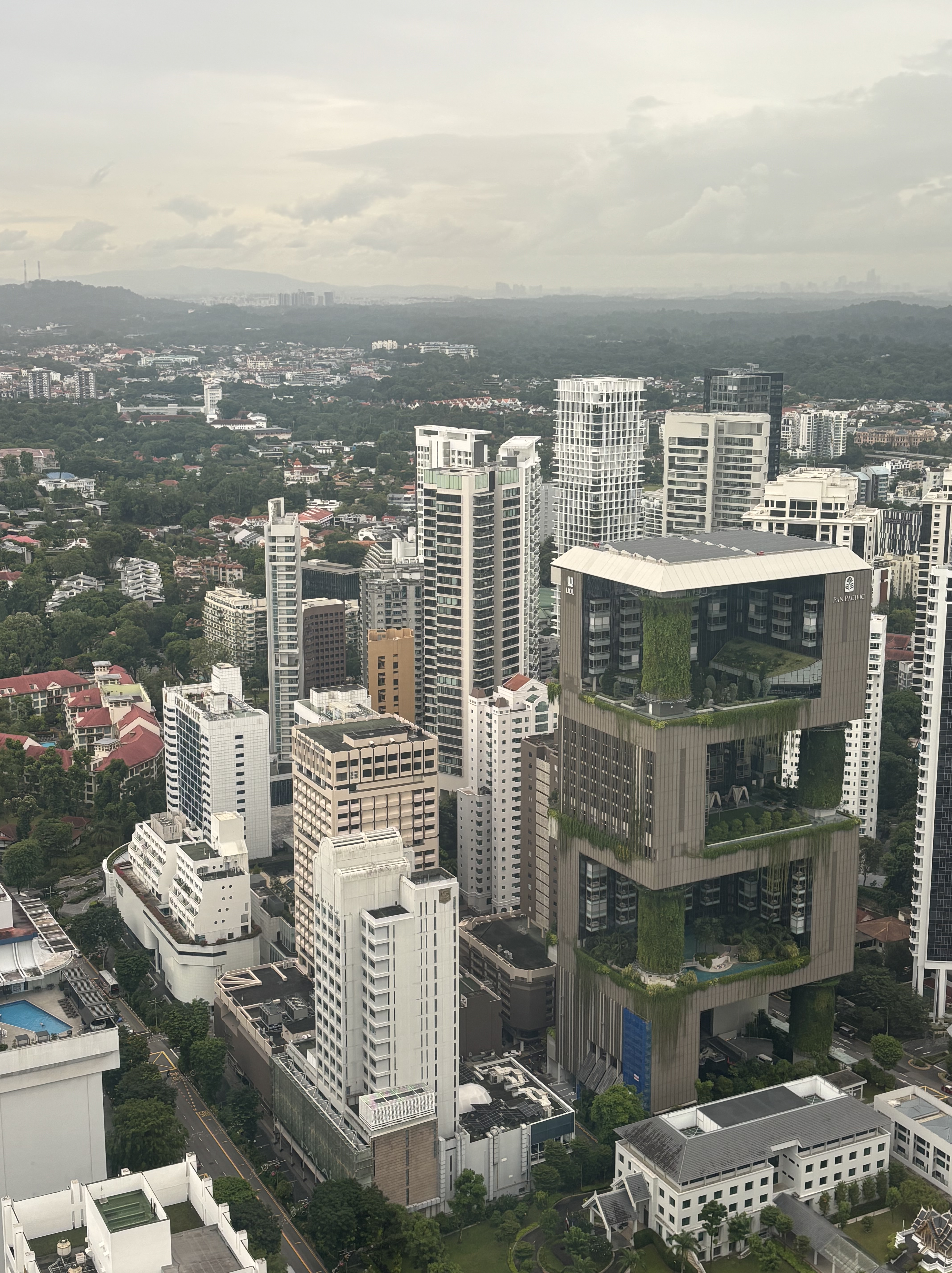

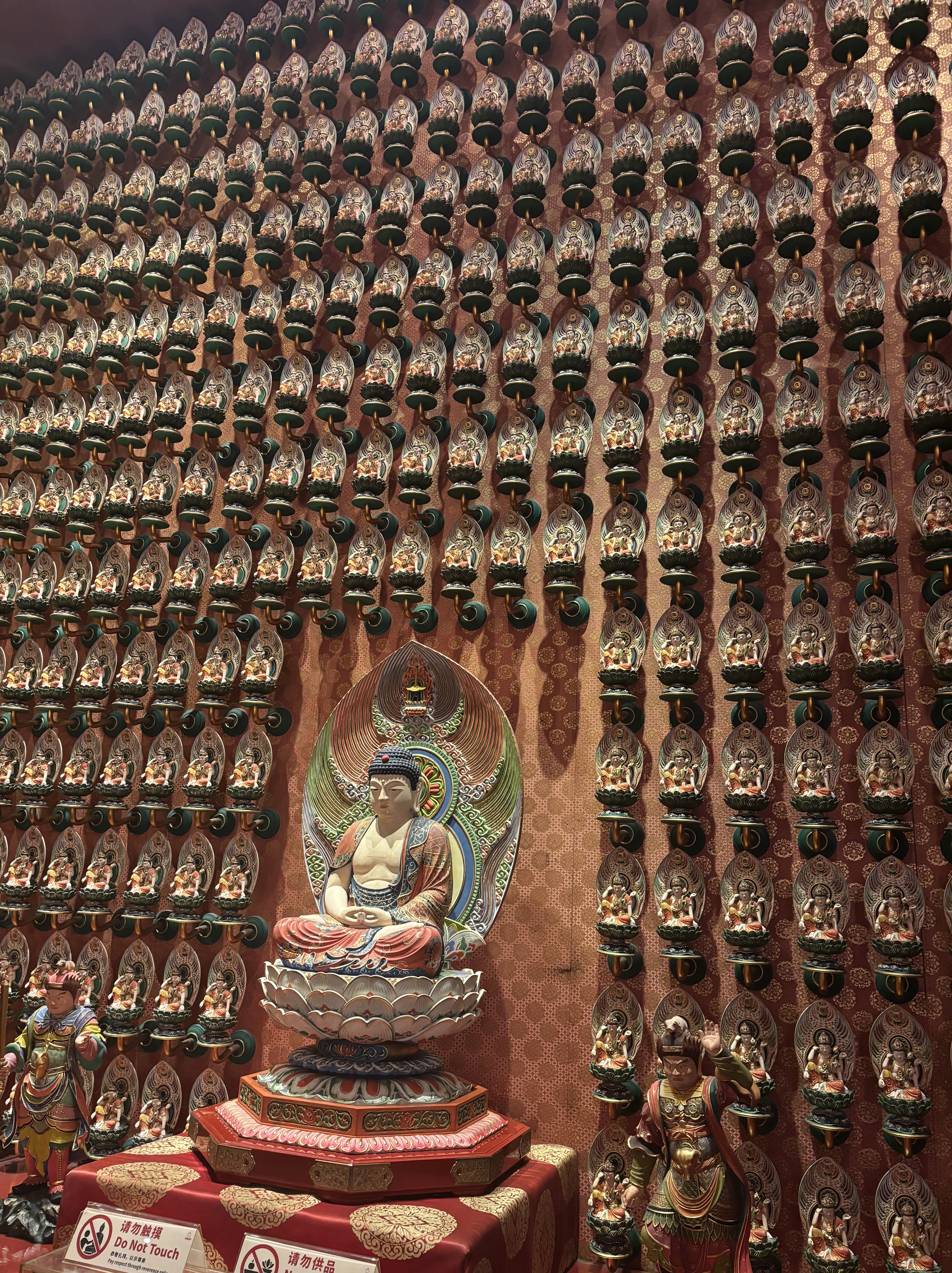
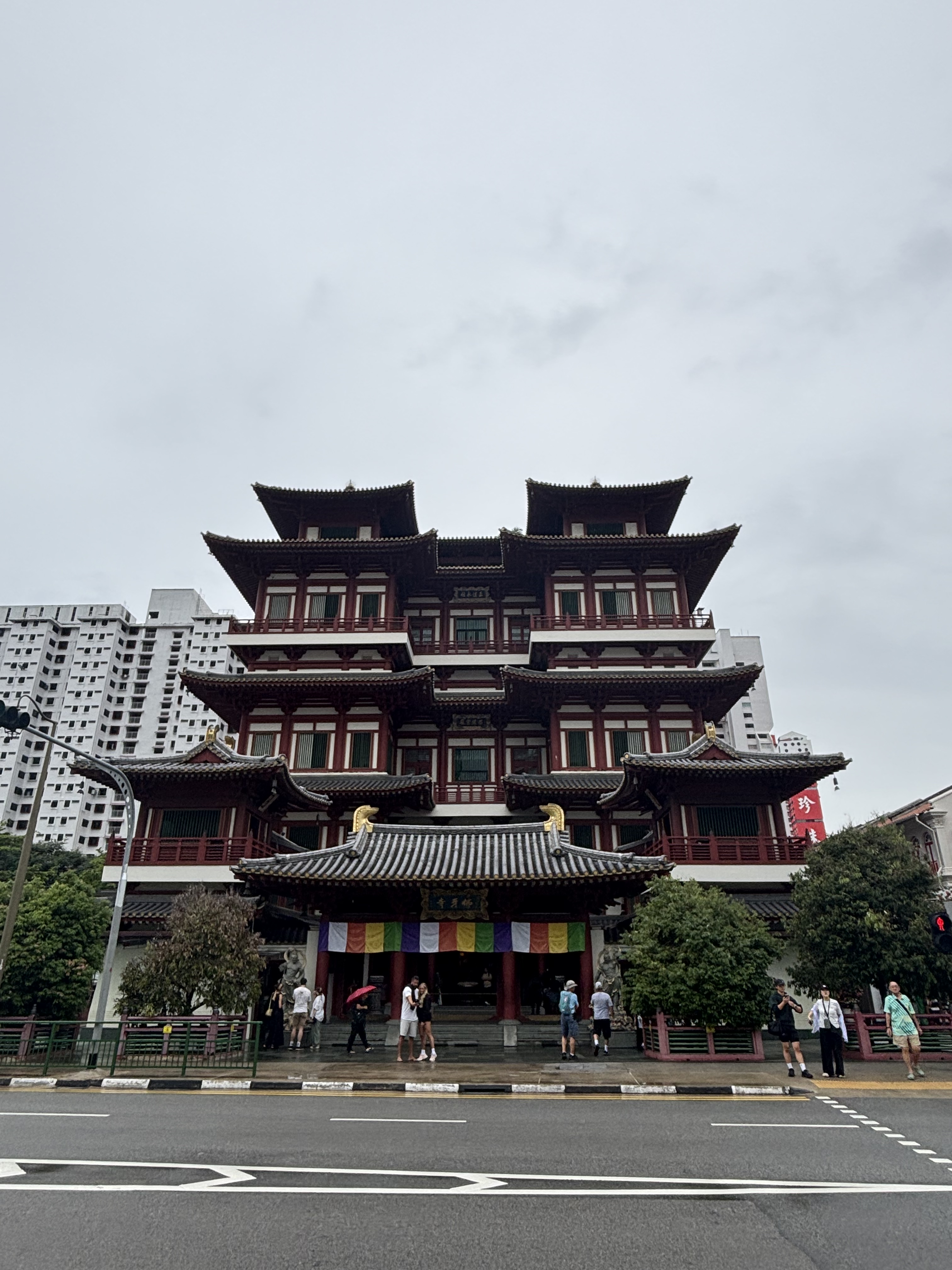
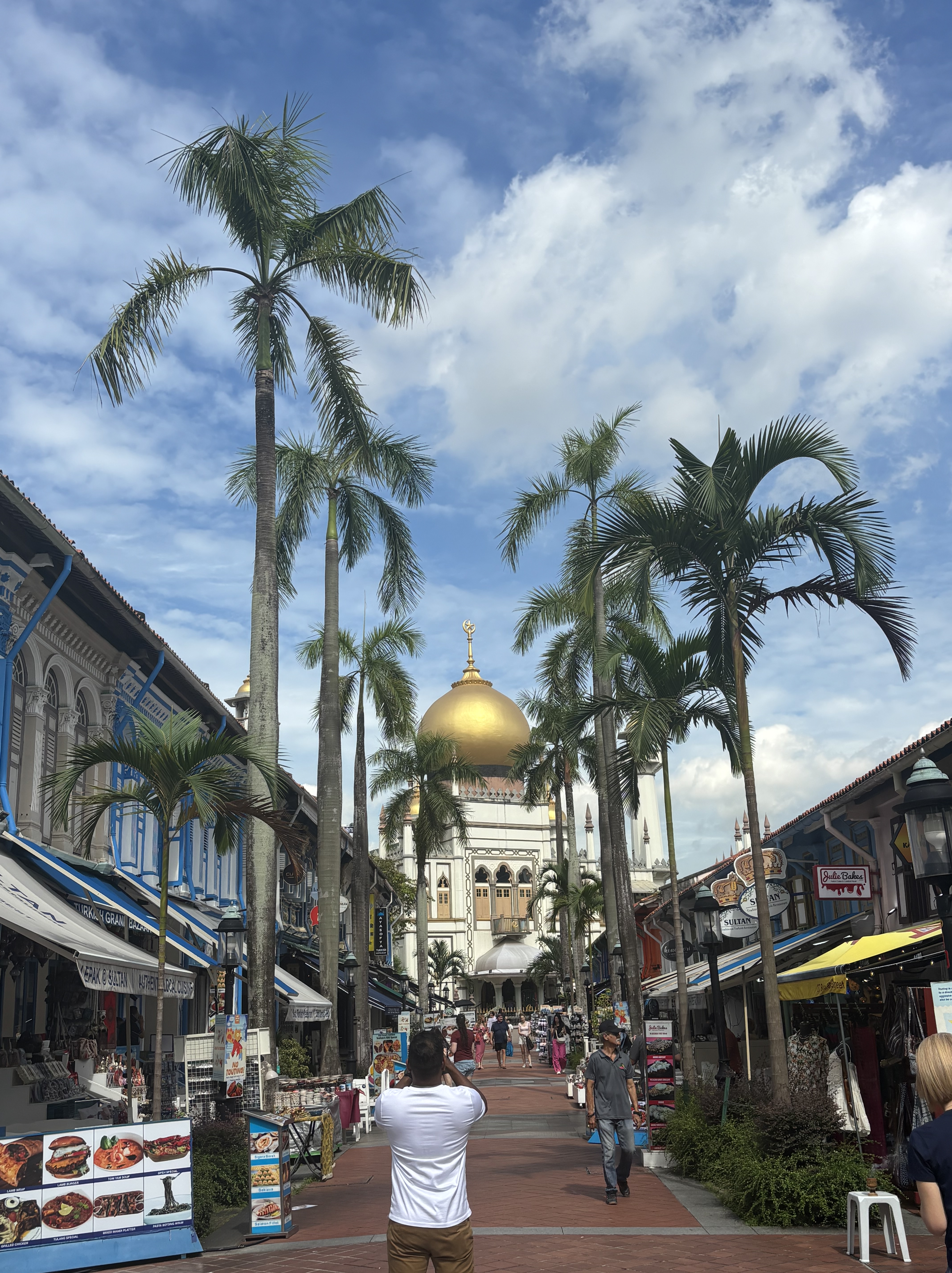
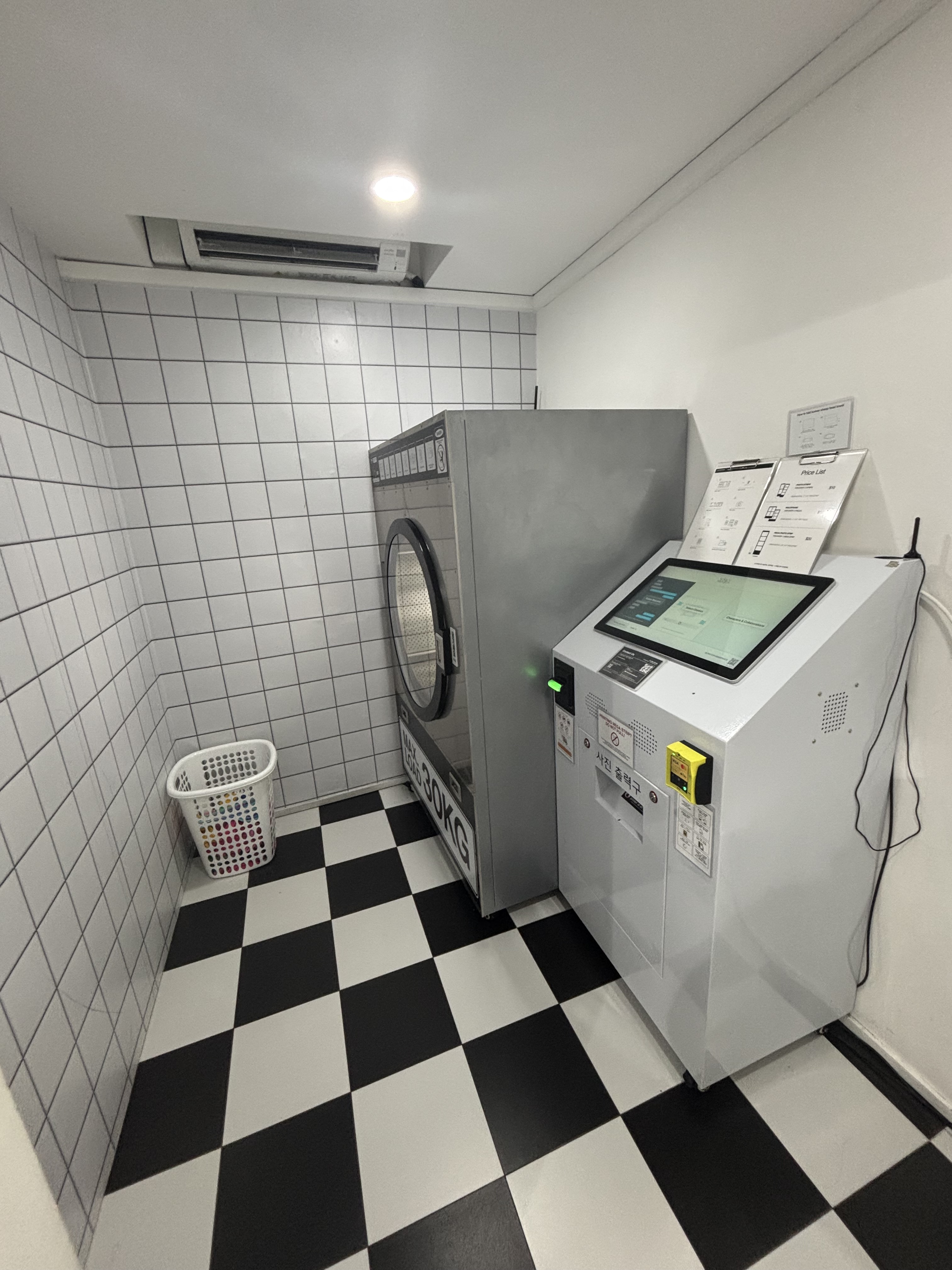
Formerly segregated, impoverished and crime-ridden neighborhoods from the early years after Singapore gained its independence (after being kicked out of Malaysia) in 1965 are now diverse, thriving and utterly fascinating areas to explore on foot. I particularly enjoyed a couple of highly informative walking tours of Chinatown and Kampong Glam with Indie Singapore Tours, and I spent hours happily wandering Little India and the colonial district on my own. There is an arts district for nonprofits and an innovation district where small businesses can operate essentially rent-free for a year to get up and running. The hot new idea when I visited was a cluster of self-service photo booths styled like old-school laundromats. Time will tell if they survive to year two.
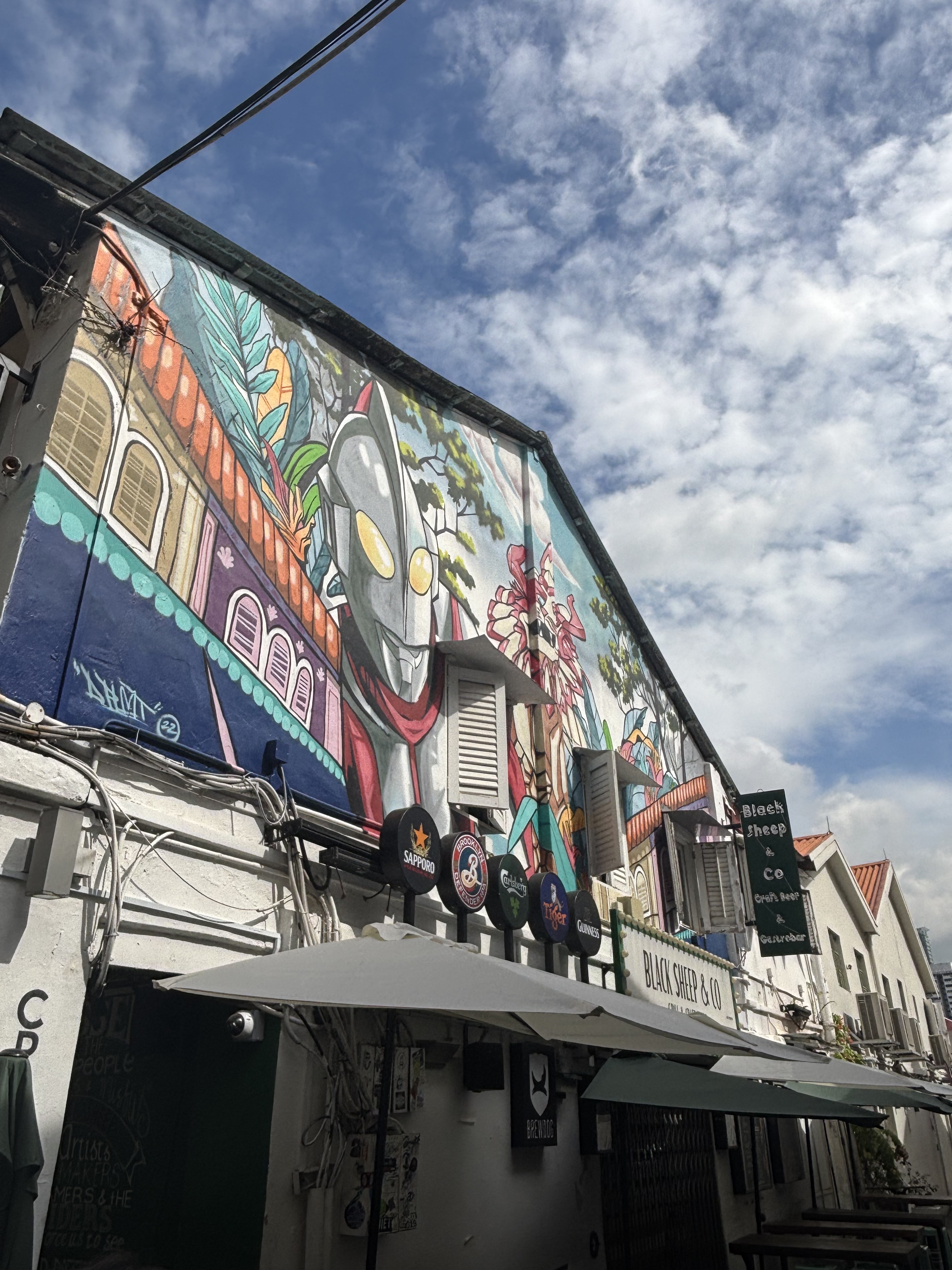
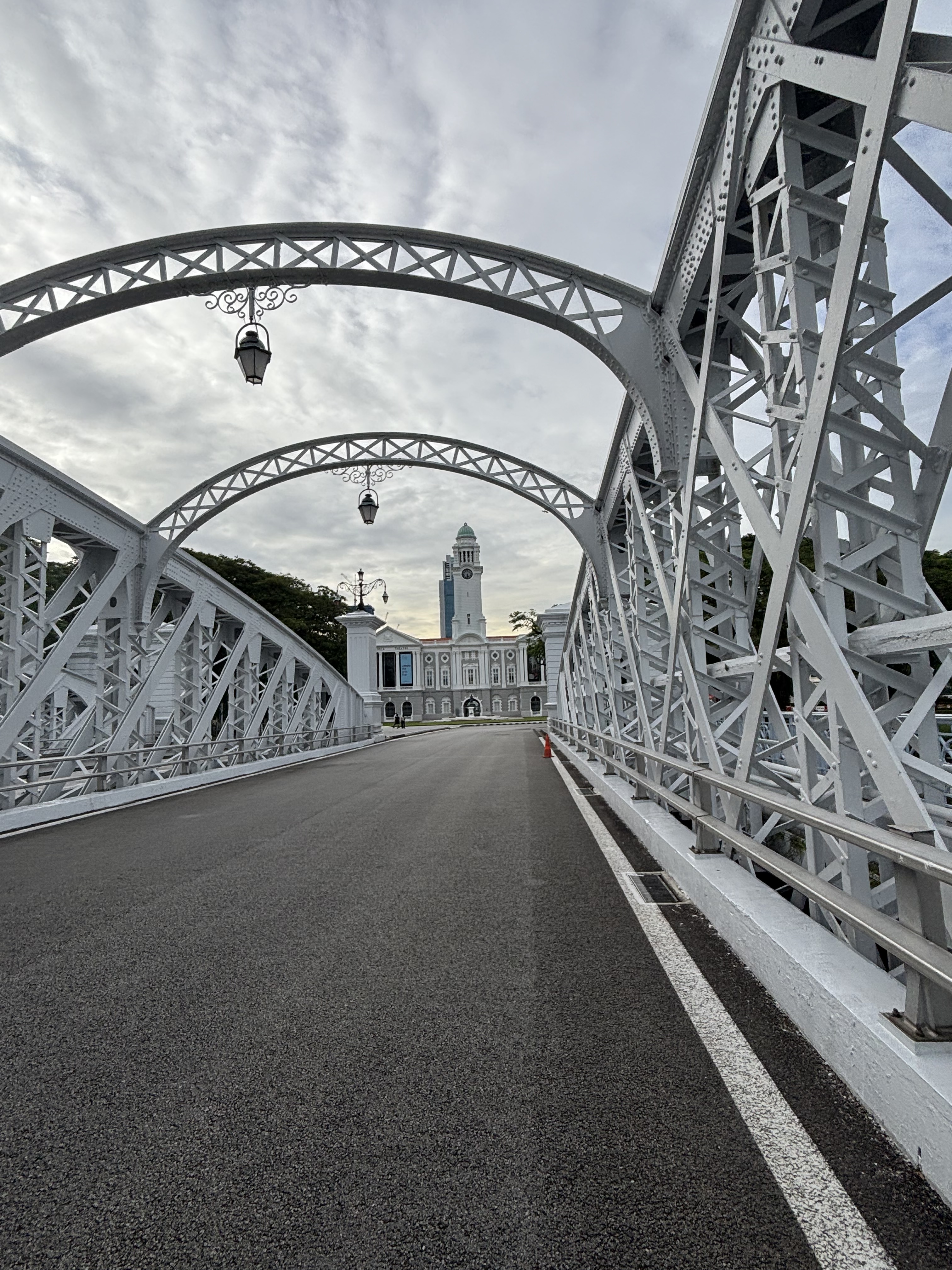
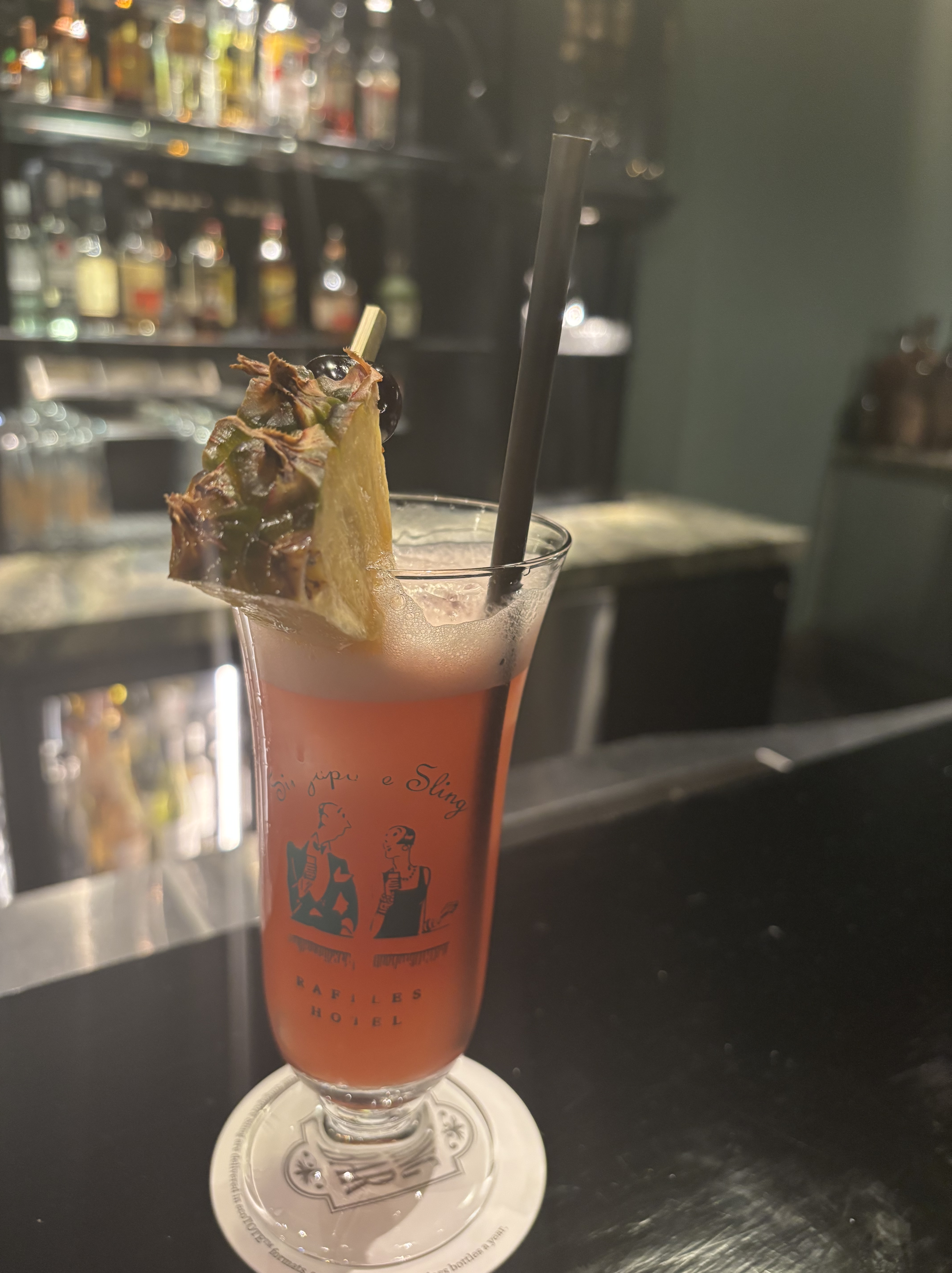
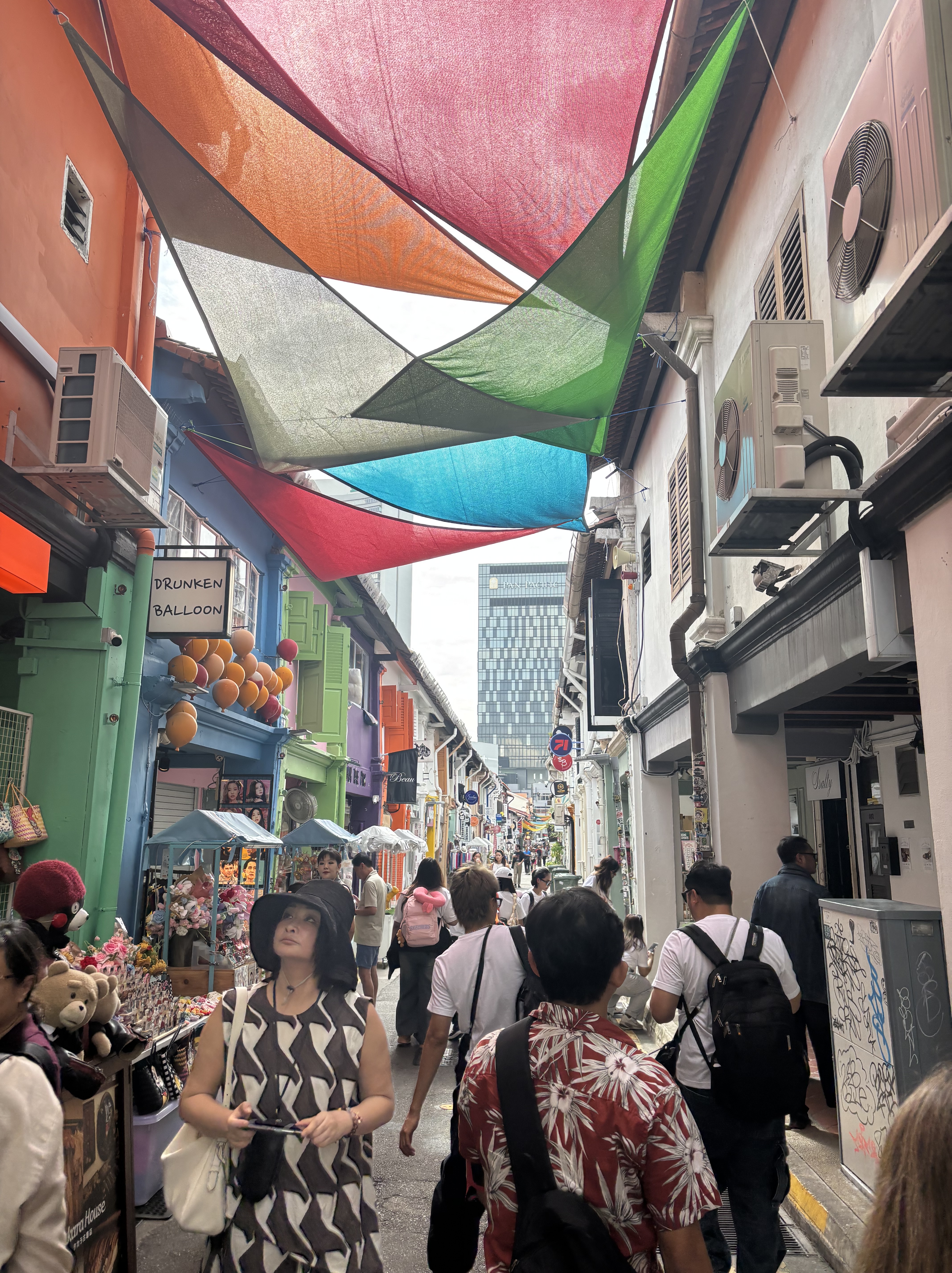
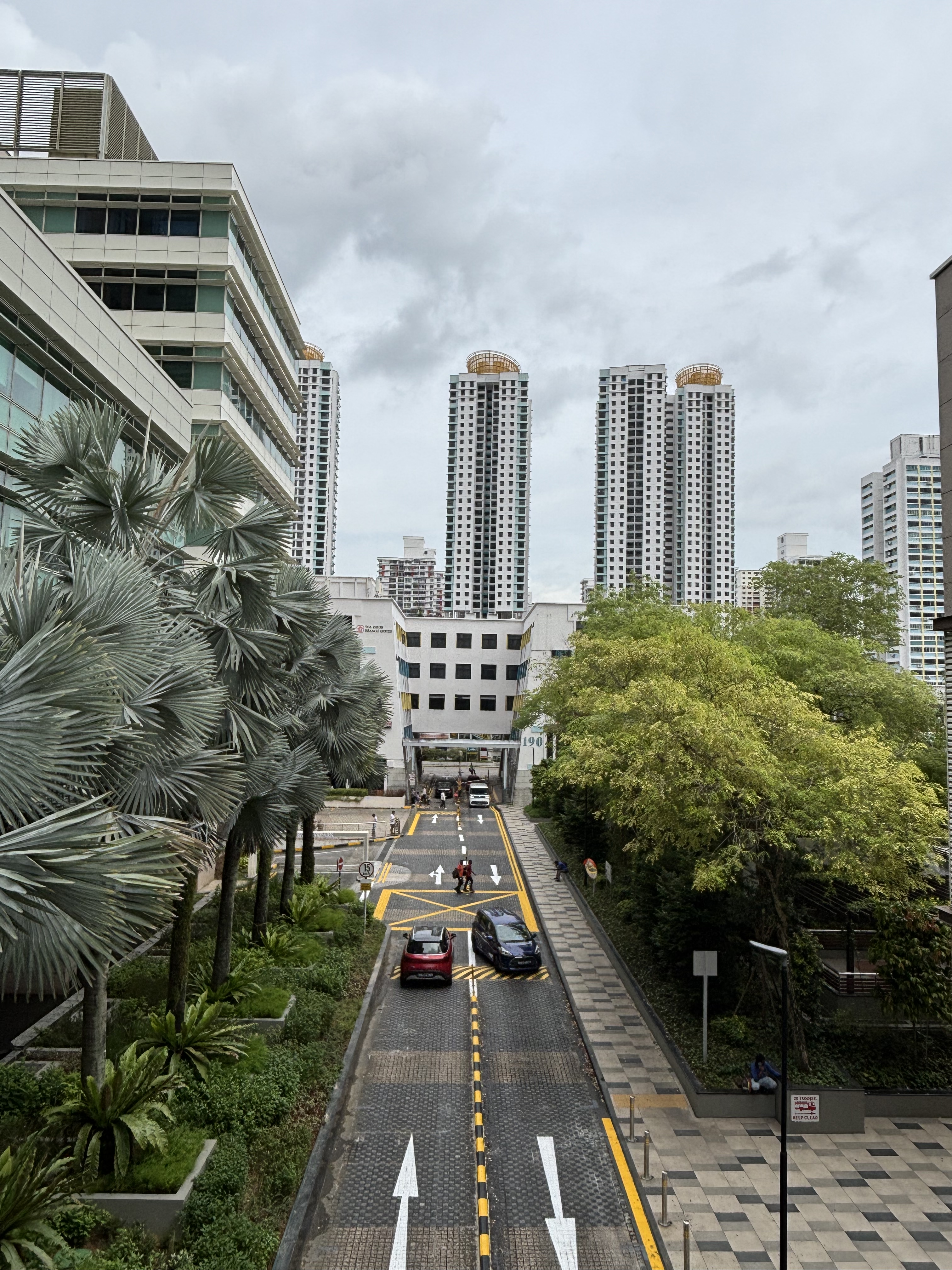
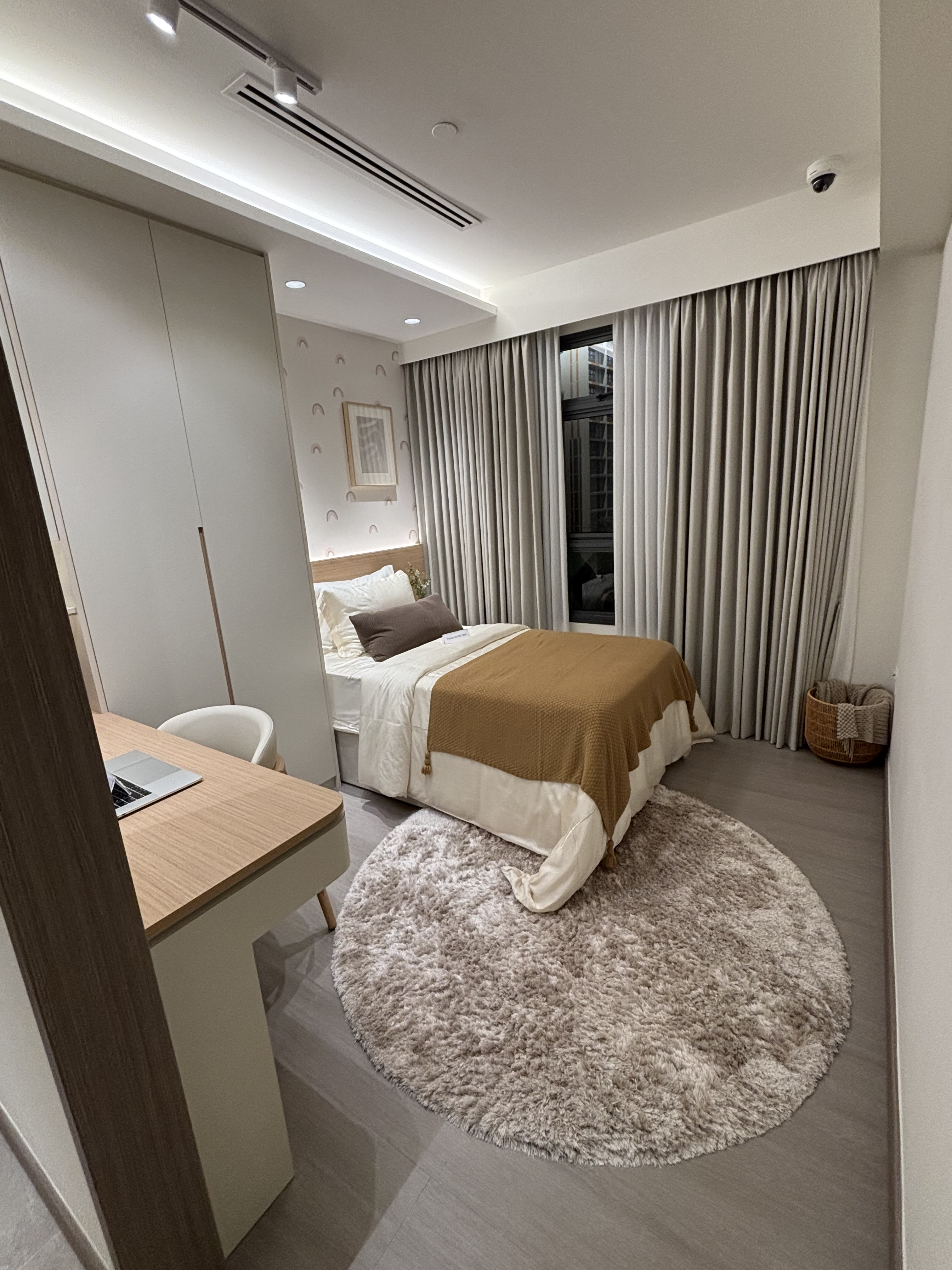
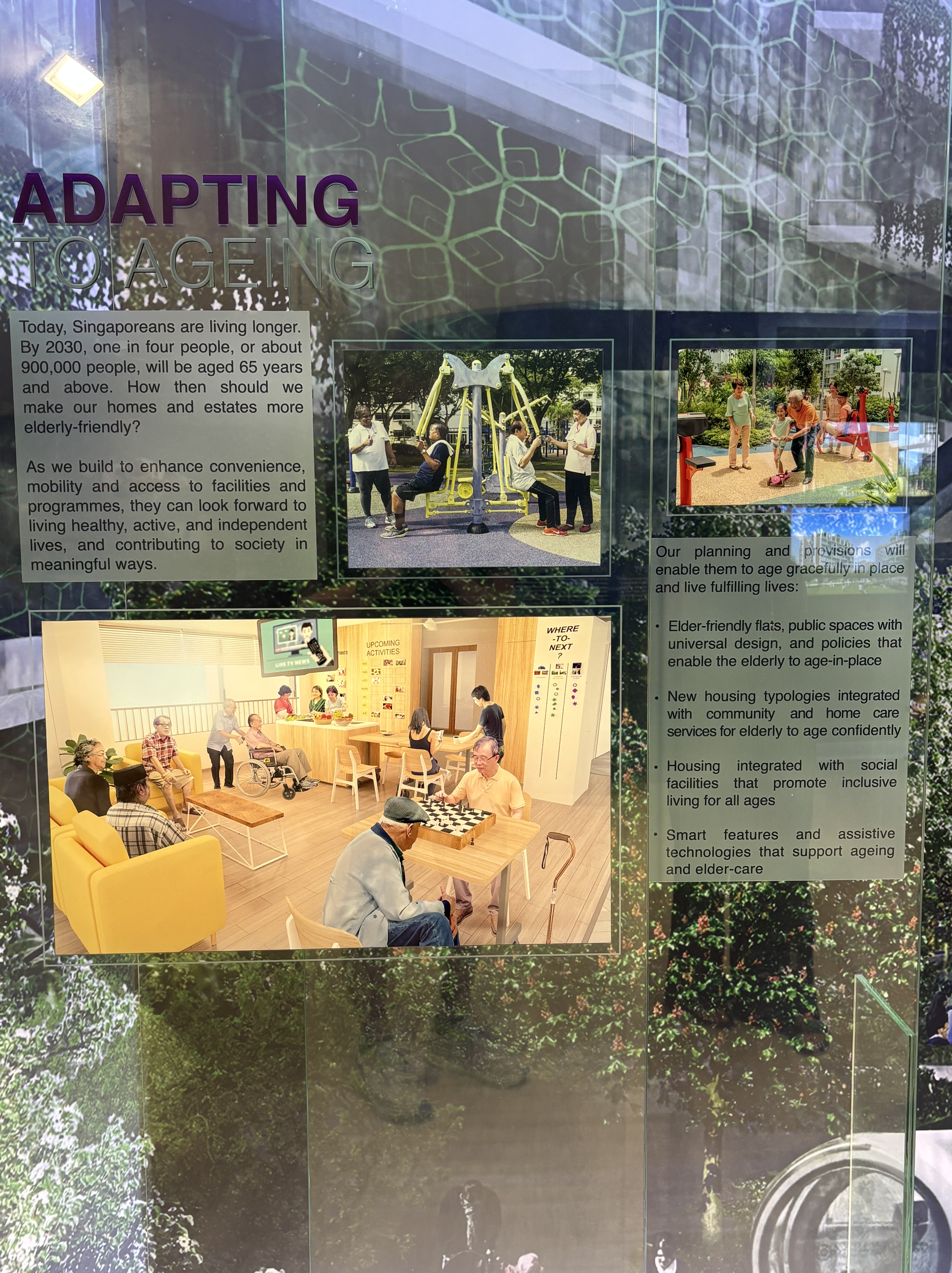
I was so taken with the city’s thoughtful approach to, well, everything that I met with a real estate agent to tour a massive public housing community, spend some time at the Housing Development Board headquarters and learn over some coconut jam toast and coffee how Singapore has navigated the global housing crisis. As it turns out, more than 80% of the population chooses to live in public housing because it is high-quality construction built in desirable neighborhoods and heavily subsidized by the government. It typically takes about five years to get approved for an apartment once you join the waiting list, but this may be expedited for those with large families or other demonstrated need. You can rent out your new place to someone else after 3 years or sell it on the open market after 5 years of living there, but most people stay. Homelessness is effectively non-existent.
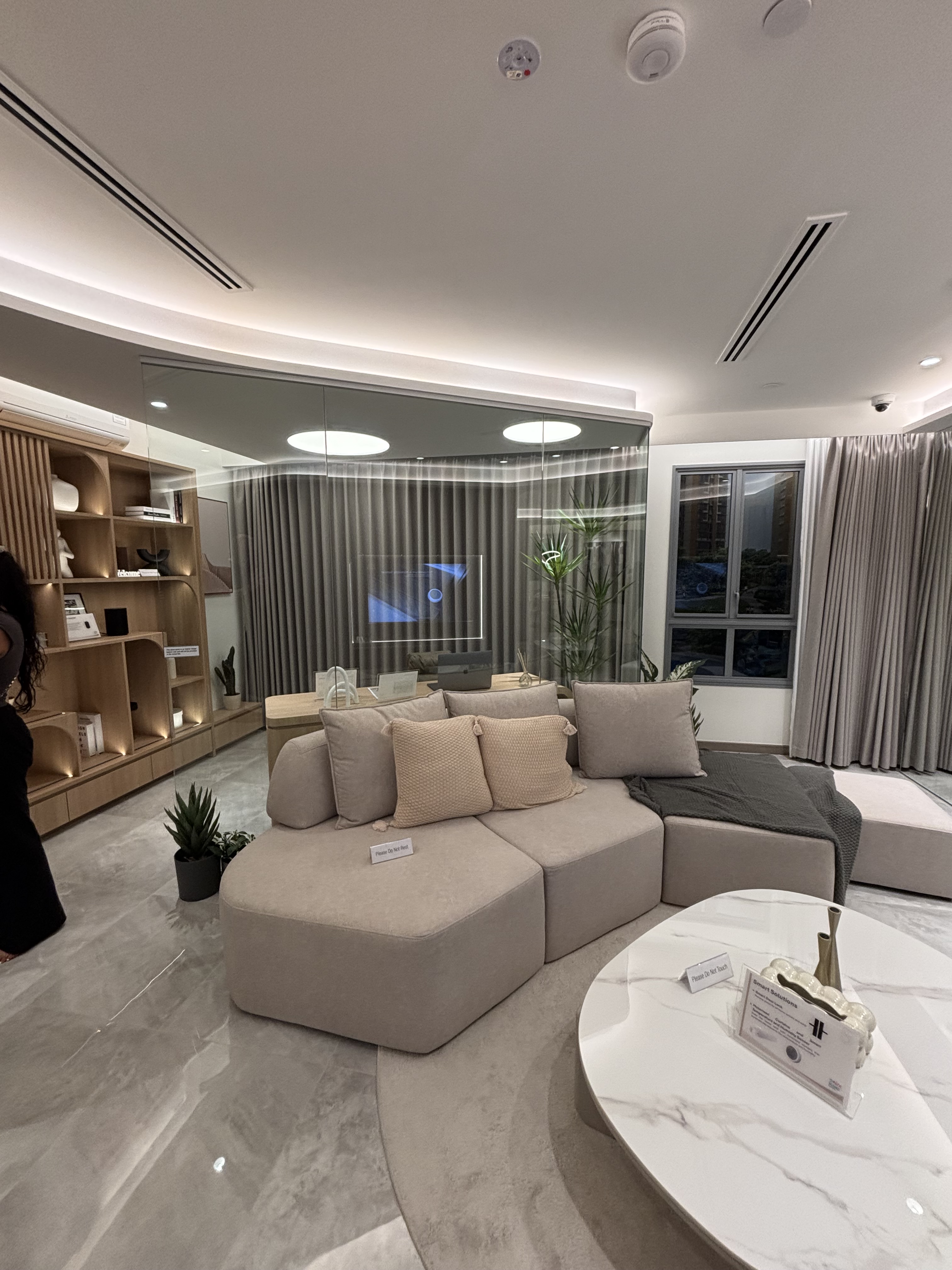

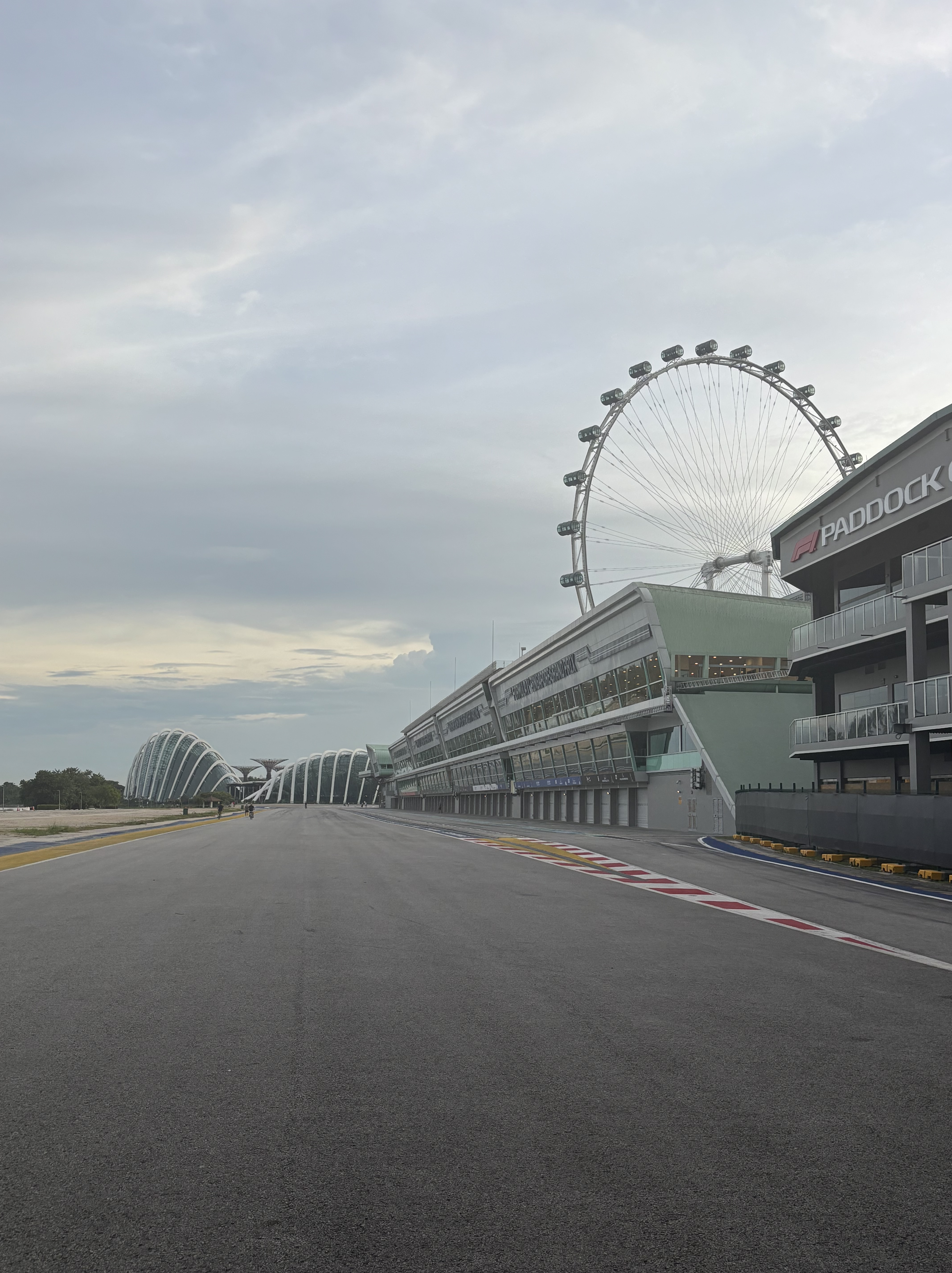
The Singaporean approach to religion was also enlightening. The country is secular by law, but the government has allowed leaders from each of the major religions to select two religious holidays each year that are celebrated by everyone. They also use them as a sounding board for major policy decisions, and the same religious leaders all bless the track before the annual F1 race (in recognition of the fact that they don’t pretend to know which one it is but hope that maybe someone’s God can protect it). Young people mostly fall into the 20% of the population that does not identify with any religion, but it’s not uncommon for older residents to spread their prayers around Buddhist, Taoist, Muslim, Hindu, Jewish and Christian places of worship.
Similarly, the makeup of each public housing complex is carefully allocated among different age, income, family status, ethnic and religious groups to encourage interpersonal interaction. Residents share common shopping, dining and recreational facilities. This organic exposure to differing viewpoints works. Nowhere else in the world have I seen so many people of varied demographic backgrounds casually socializing.
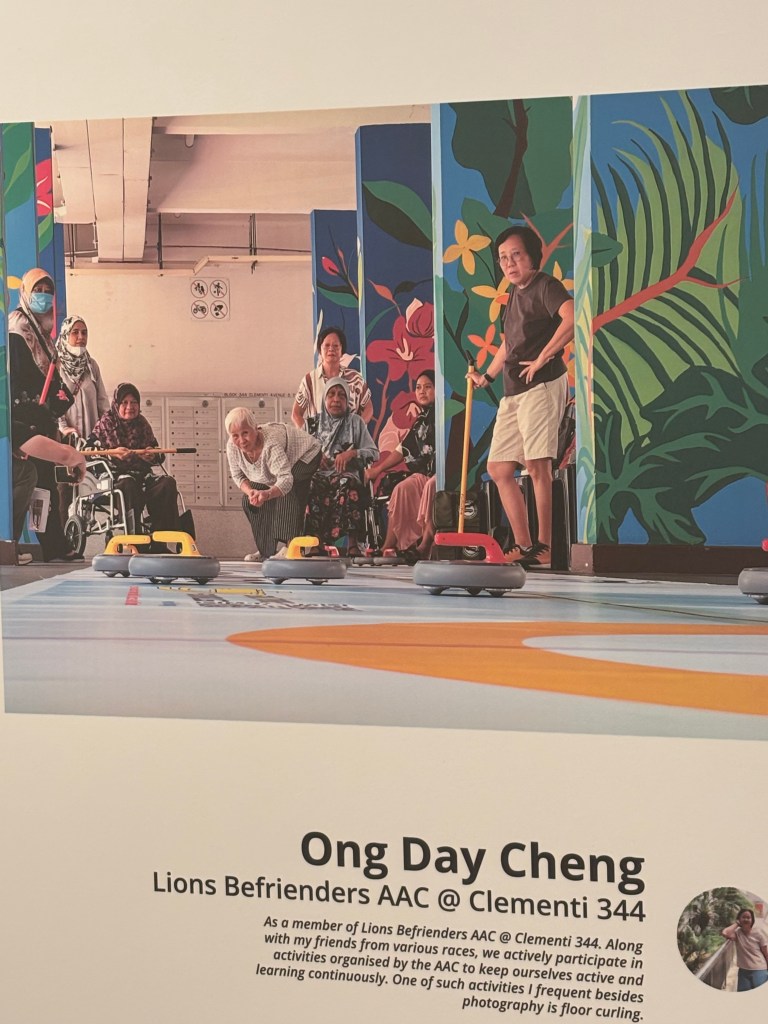
This is a photo of a photo of a photo I found at a free exhibit featuring senior artists outside the 56th story observation deck at a high-end shopping mall, but hopefully it gets the point across. I assume they also observe the curling tradition that the winning team has to buy the first round of beers after the match.
Singapore’s biggest challenge has always been its physical location. It occupies such a small area – roughly 20 miles by 30 miles in total – that it is unable to devote land to farming and has no natural resources like oil or minerals to exploit. Everything must be imported. Even the drinking water – which is safe to drink straight from the tap, unlike pretty much any other country in the region – must either be imported from Malaysia, recycled or desalinated prior to undergoing an extensive filtration process. But the real enemy is the weather.
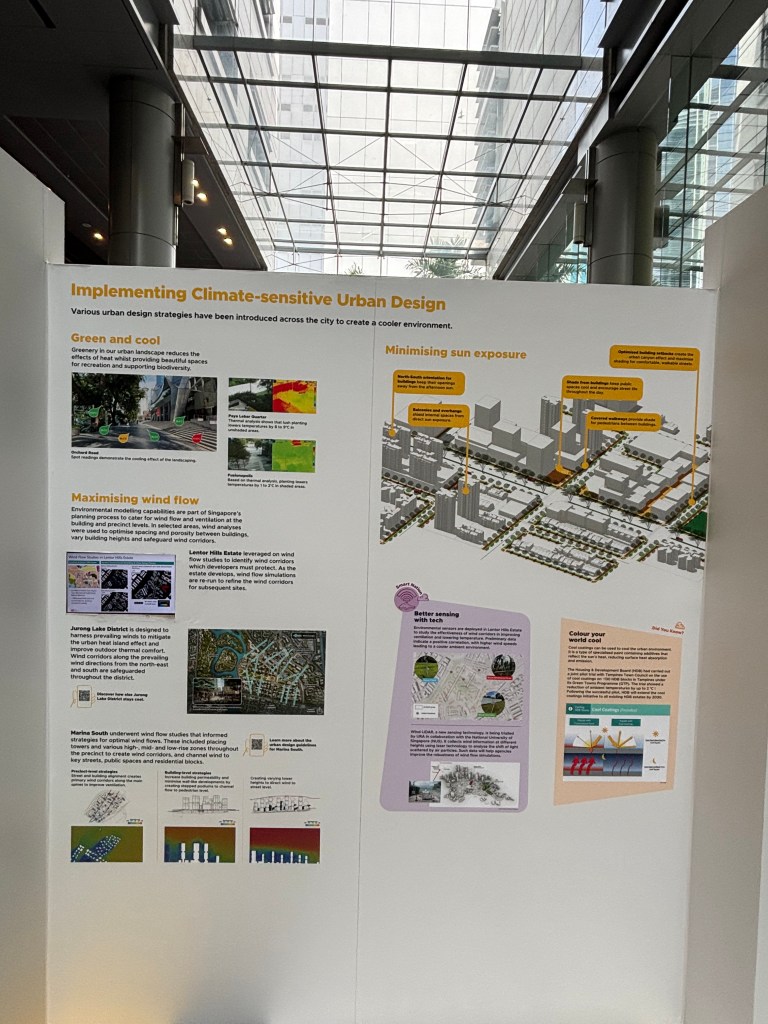
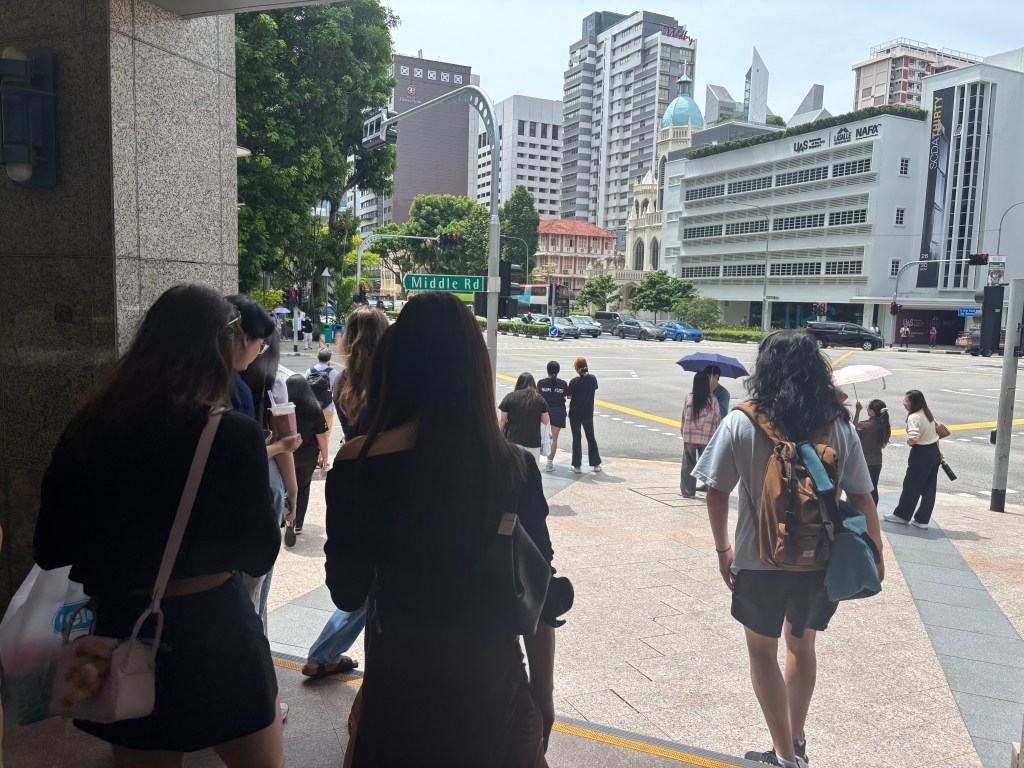
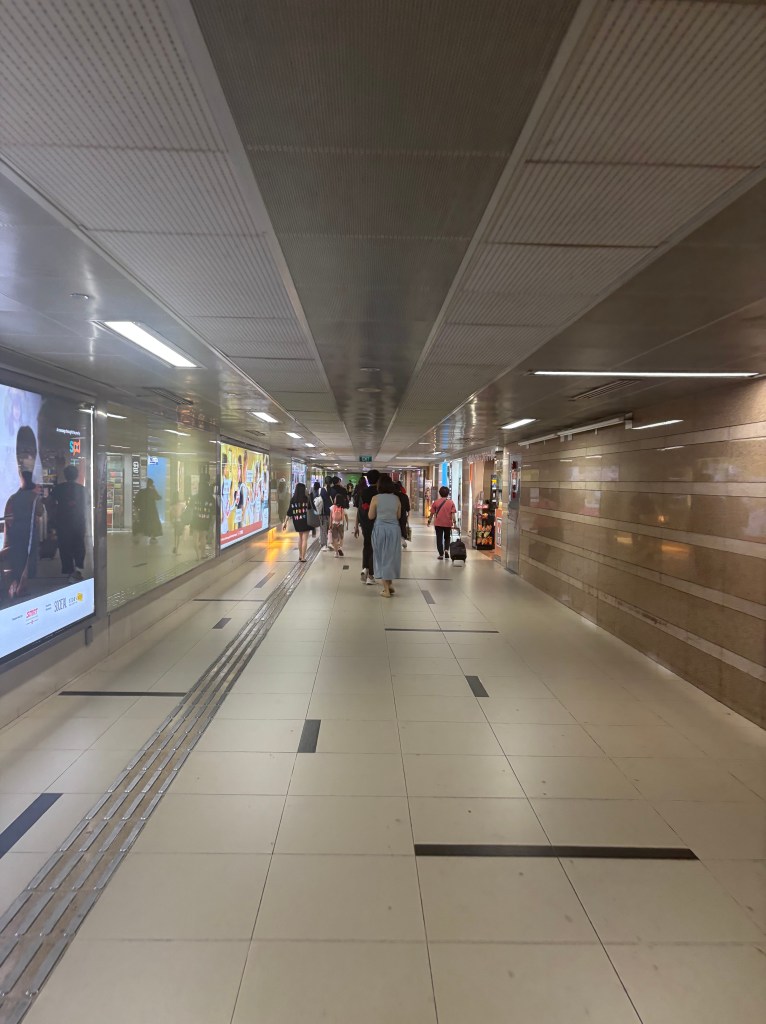
Singapore sits just one degree north of the equator, so it is always hot during the middle of the day. (It’s a stable temperature year-round, so the highest highs admittedly are nowhere near what we experience in Oklahoma.) Nevertheless, the city is doing everything it can to mitigate the problem. Architects maximize shade and account for prevailing winds when designing buildings, renewable energy is encouraged through government subsidies, automobiles are subject to massive excise taxes, and leadership has committed to having more trees than people by 2030. (The ever-transparent government logs every tree on a website showing its precise location, scientific and common name, age, expected size and carbon storage capacity.) Locals have their own tricks for managing the heat. At intersections, they will stand back from the street in the shade until the little green man shows up on the crosswalk sign. They also take advantage of the extensive MRT (subway) tunnel network to travel underground in the air conditioning. Many carry umbrellas for shade. I found it surprisingly easy to stay cool.
Somewhat at odds with the city’s reputation for being expensive, I spent all of $150/night (including taxes) for a corner room at a very nice and centrally located hotel, which would be considered a bargain in most U.S. cities. High-end dining is there for business travelers looking to impress and for those who just don’t know any better, but it is possible to enjoy a Michelin guide meal for less than $5 almost anywhere you find yourself in the city by taking advantage of hawker centers and food courts. The casual food scene is where Singapore really shows off its international bona fides. Simple but flavorful dishes like “chicken rice” and murtabak have inspired devoted customers and decades-old vendor rivalries. Comfortable patios line the riverfront if you are more in the mood to sit back and watch the world pass by with a beverage in hand.
At the end of the day, Singaporeans are rightly proud of their country. One could argue that they are operating at an entirely higher level on Maslow’s hierarchy of needs. For example, one of the hallmarks of the local food scene is what is known as the “chope” system. Essentially, you reserve your seat at a communal table by placing a personal item on it. Most commonly, people use an umbrella or a small package of facial tissue. However, the culture of trust is so strong that it is not uncommon to see people leave their phones, wallets or purses on an empty table or with a group of complete strangers to save their seat and walk away for half an hour or more to shop at an outdoor market or food court. Watching this happen multiple times restored a little of my faith in humanity. It makes one wonder what the world could accomplish if we all prioritized education, health care, housing and public safety.


 The Global Slowmad
Leave a reply to Global Slowmad Cancel reply