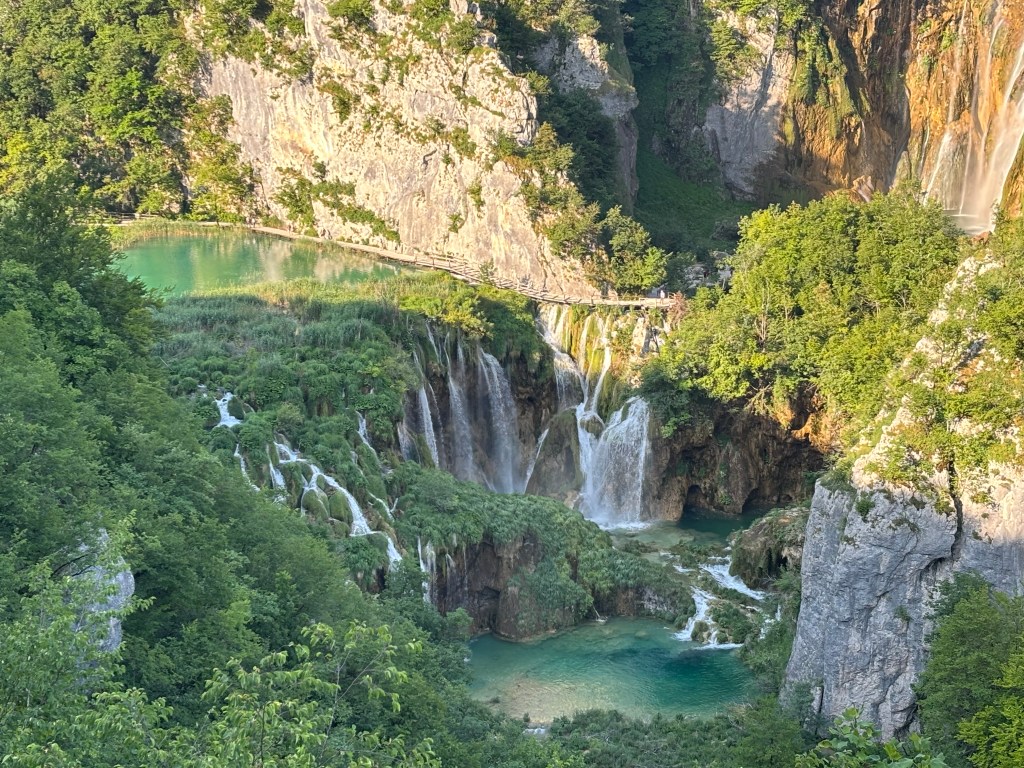
With all due respect to TLC, we believe you should go chasing waterfalls – at least the ones we saw when we visited Plitvice Lakes National Park as a side trip from Ljubljana, Slovenia.
We had seen some pictures online and read a little about what a lovely area it was, but we really weren’t prepared for the scale or the sheer number of Instagram-worthy sights at this spectacular park in central Croatia near the border of Bosnia and Herzegovina. It was the most stunning collection of natural scenery we have encountered so far on this journey and one of the most visually impressive places we’ve ever been.
The Plitvice Lakes are organized like a gigantic landscape fountain, with a handful of “upper lakes” that collect rainfall and snow melt from the surrounding mountains, combined with water from natural springs, then cascade down to a series of “lower lakes” that are connected to the upper lakes via an elaborate system of waterfalls. The sheer beauty of the area was enough to land the park on the UNESCO World Heritage List in 1979.
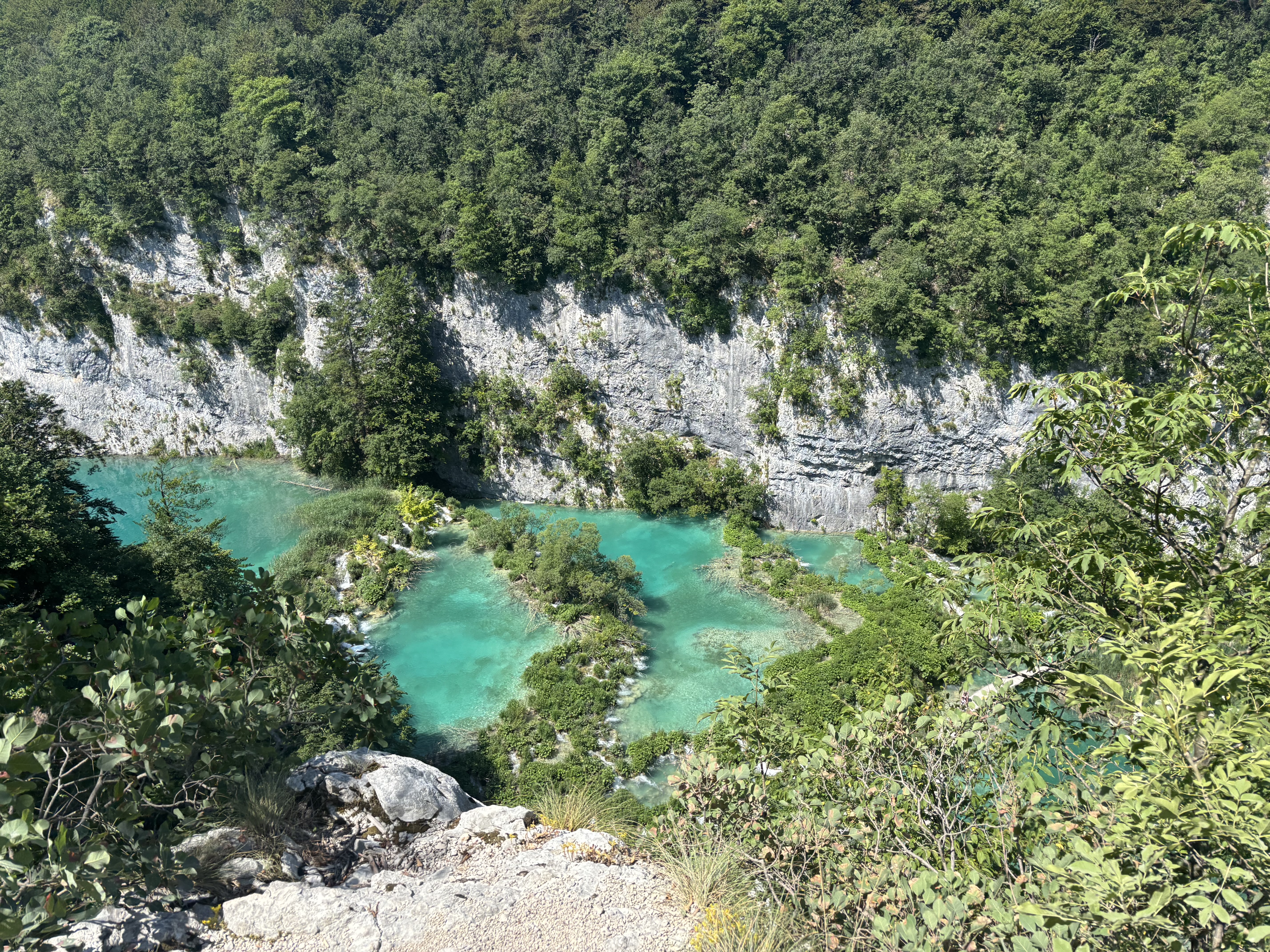

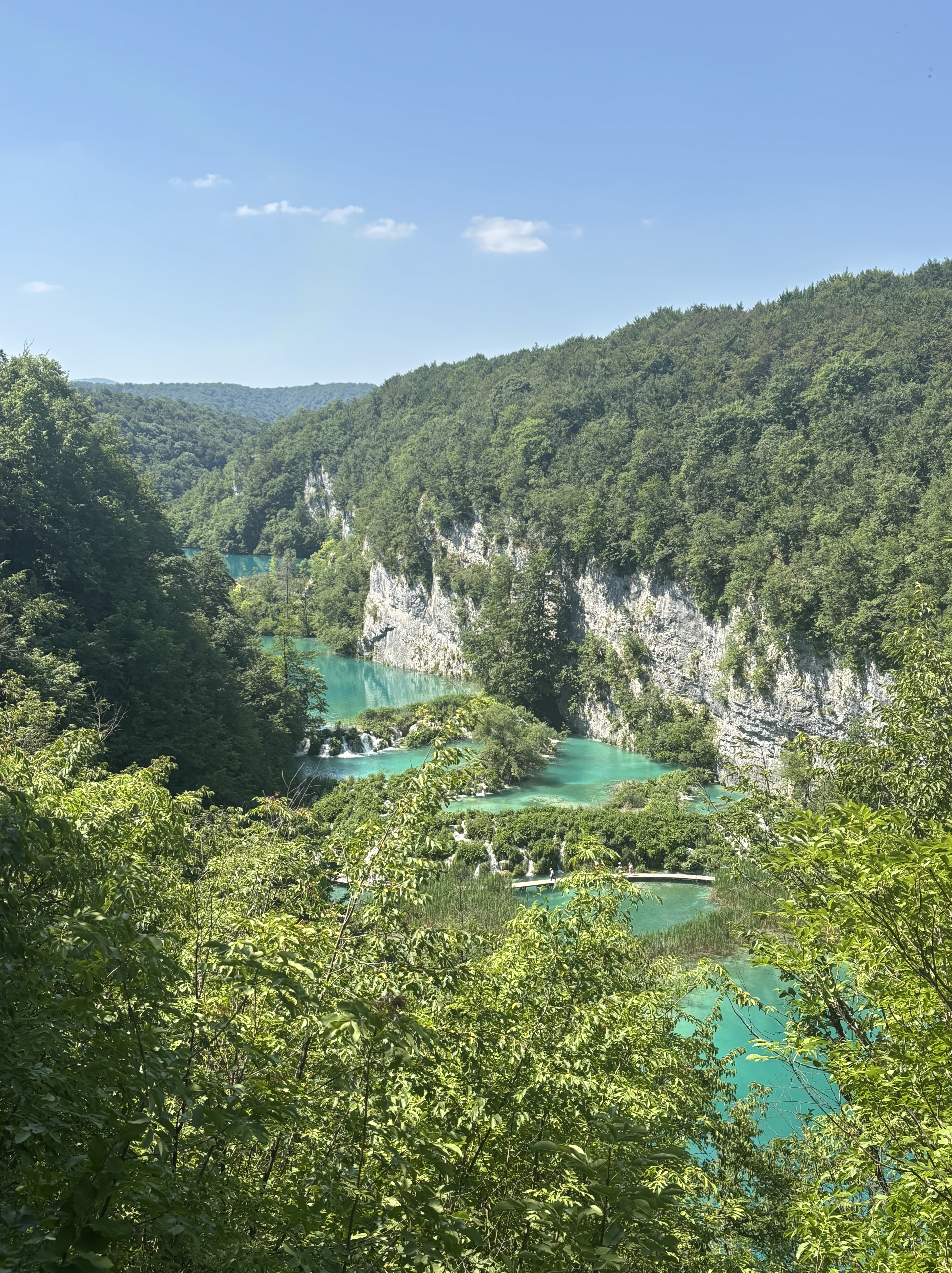
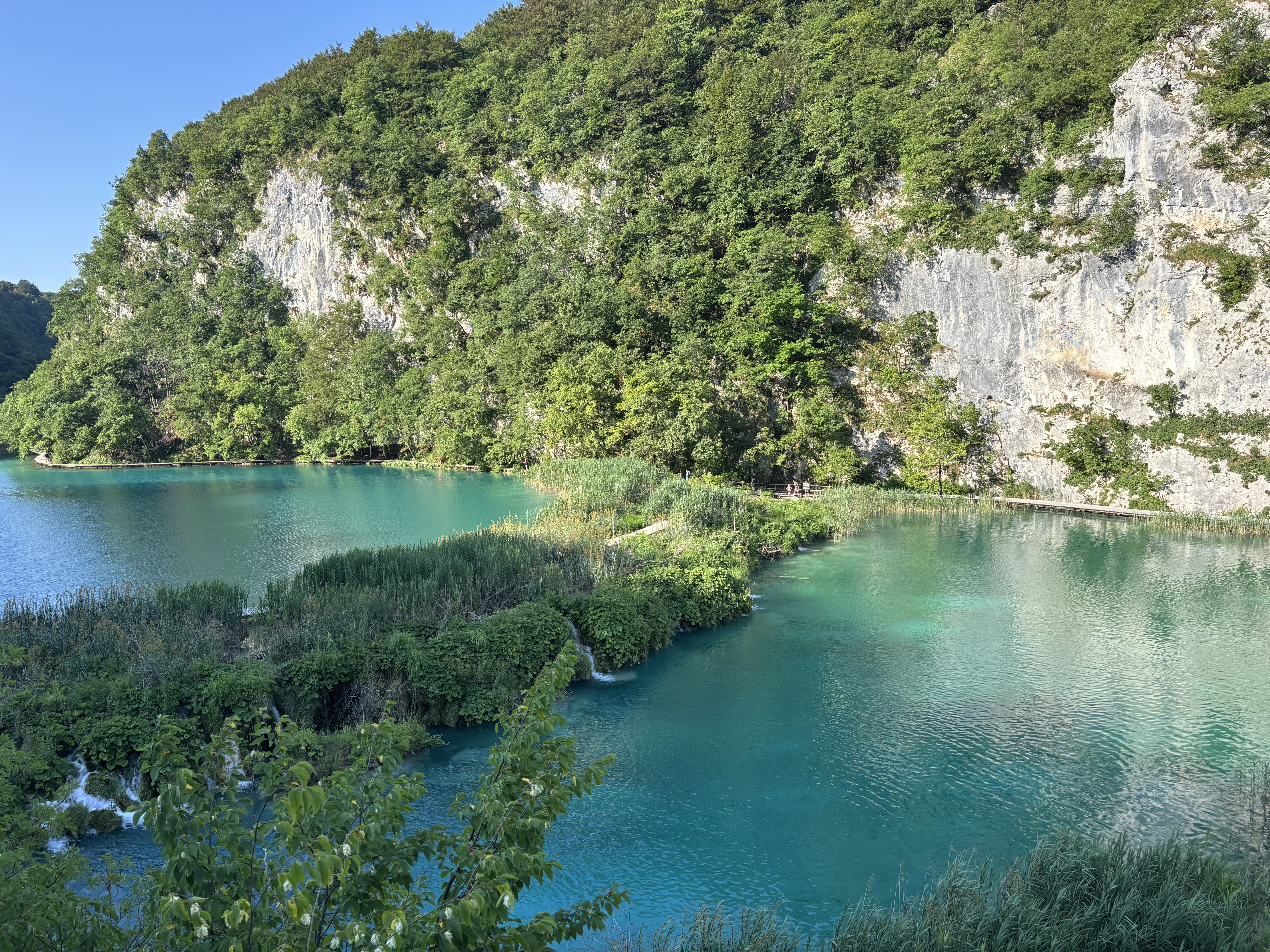
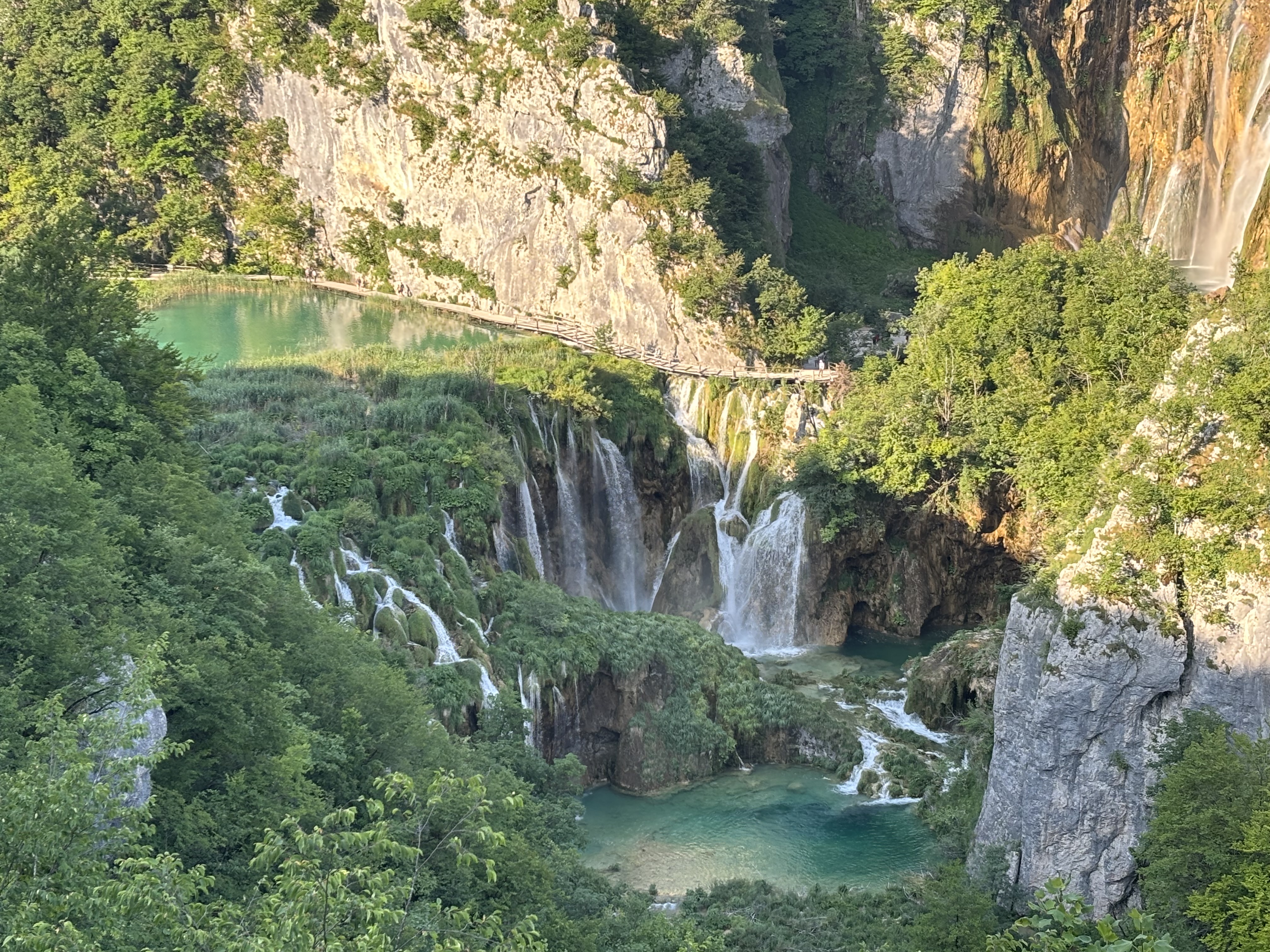
Our (admittedly limited) understanding of the area’s geology is that the movement of fresh water through the abundant chalk in the rocks below results in sedimentation of tufa/travertine that causes the shape of the lakes and even the location of the connecting waterfalls to move around periodically. Likewise, the water levels vary seasonally, so the park will look a little different every time you visit. The upper lakes formed in dolomite, and the lower lakes formed in limestone.
In practical terms, this means the water is constantly being filtered such that the water clarity and visibility depth are extraordinary for a freshwater lake. The fish are on full display in this real-life aquarium. And the colors. OMG the colors. Wow. Just wow. You will see every shade of blue and green that you can imagine as you move around the park and see the sun, sky, reflections and shadows hit the water from different angles. The pictures are pretty, but it’s SO much more impressive in person. It’s almost like waking up on an Asia album cover (sans the sea monster) or a water-oriented planet in some kind of fictional fantasy universe.
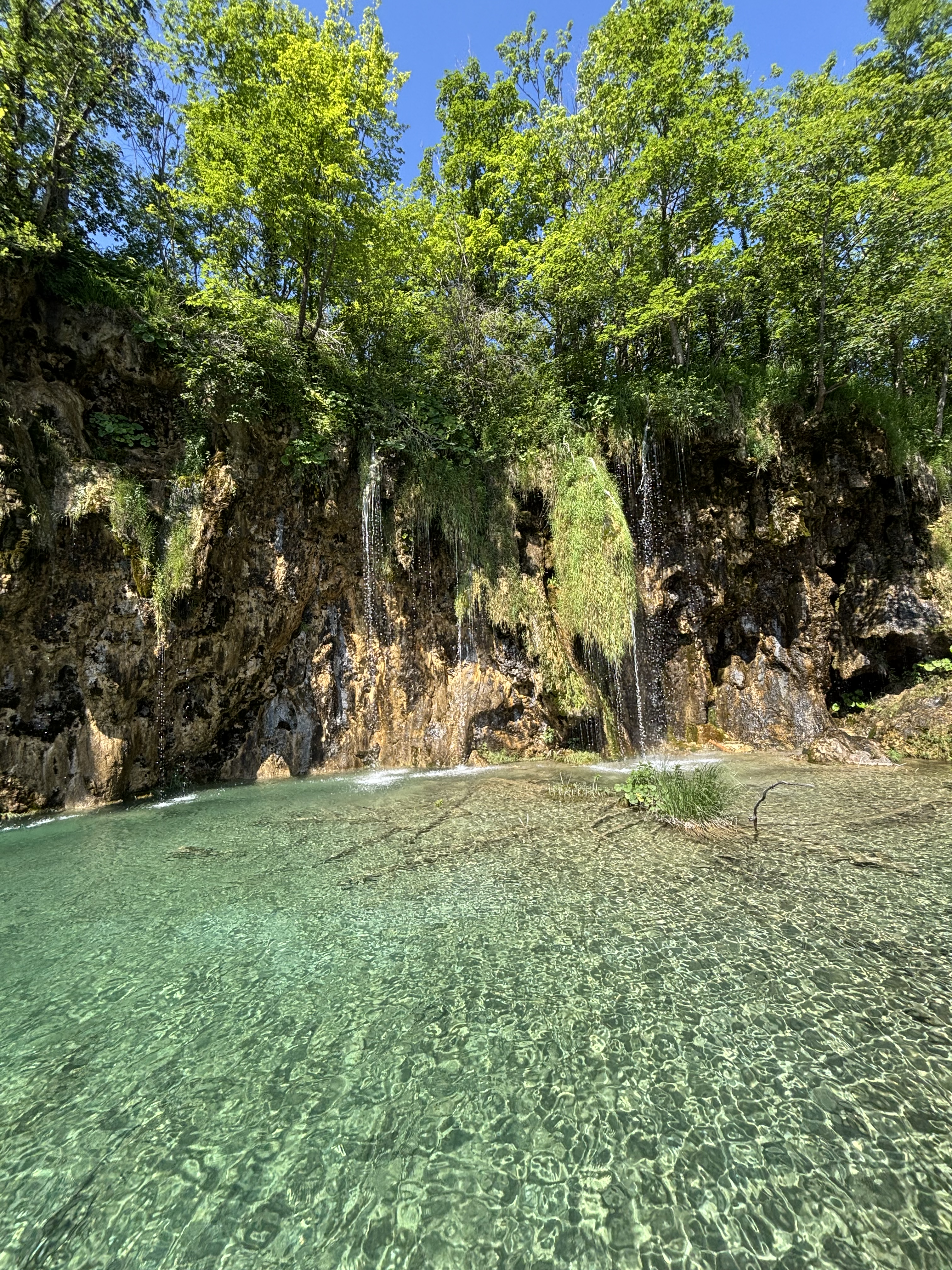
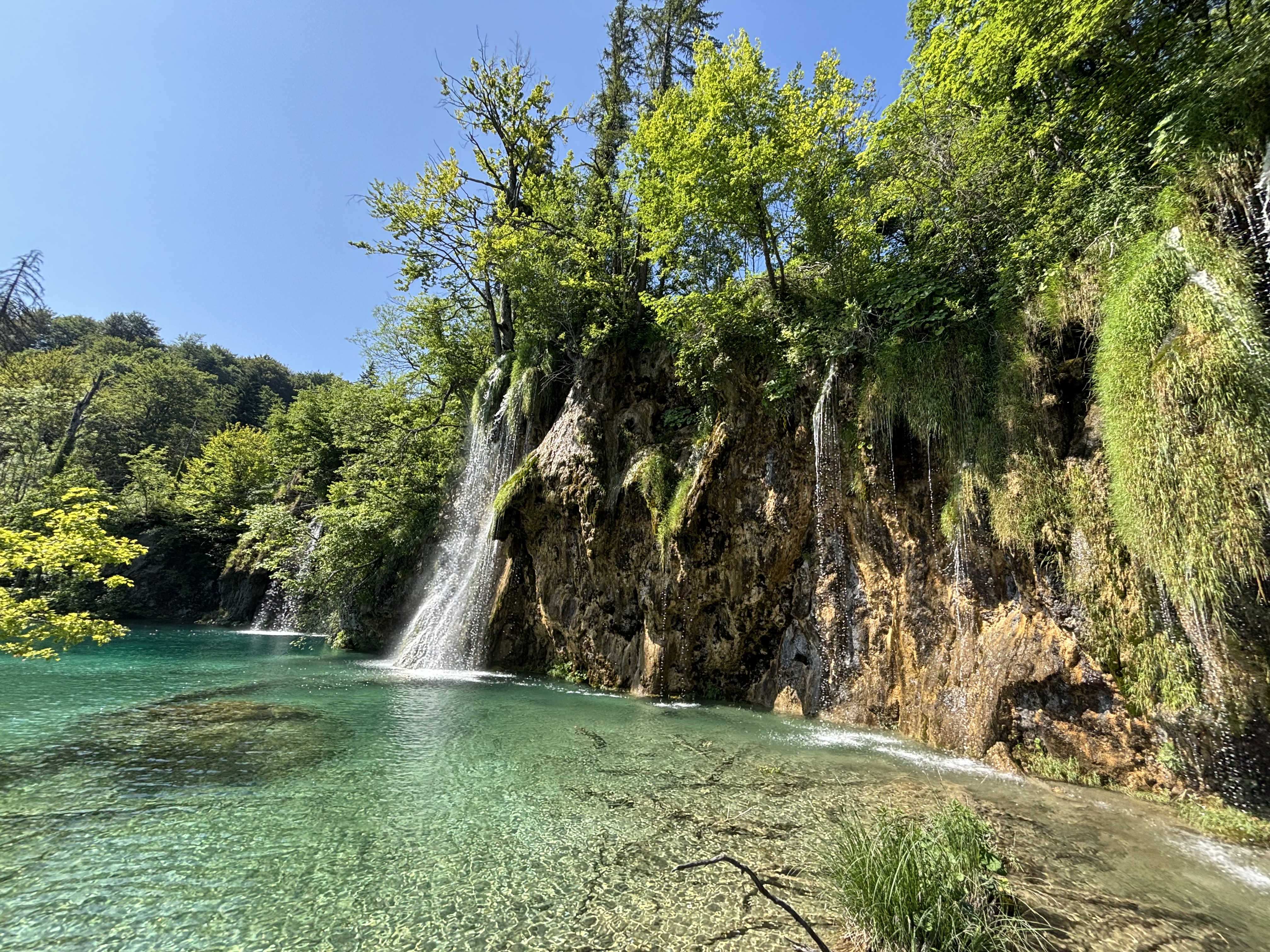
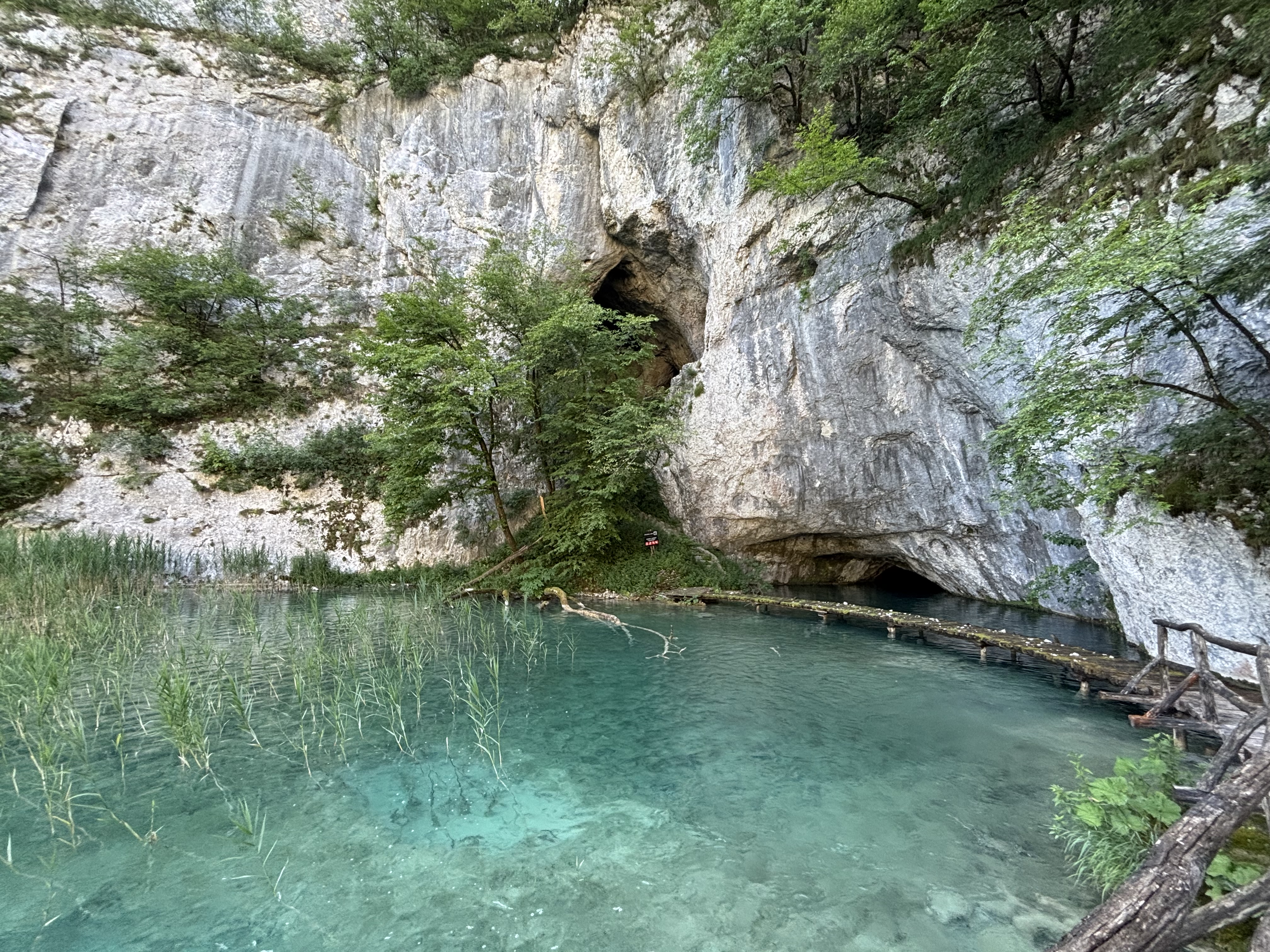
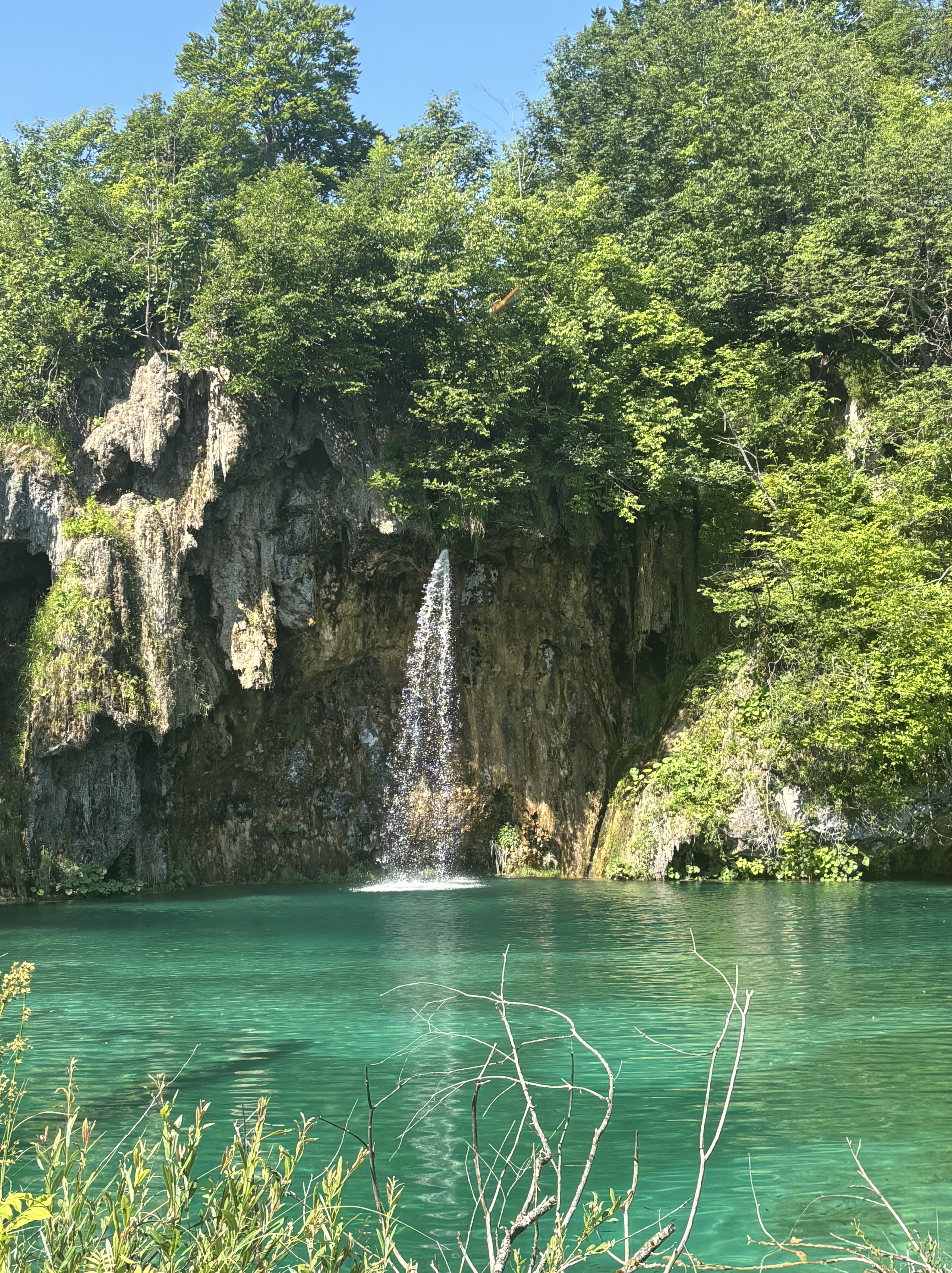
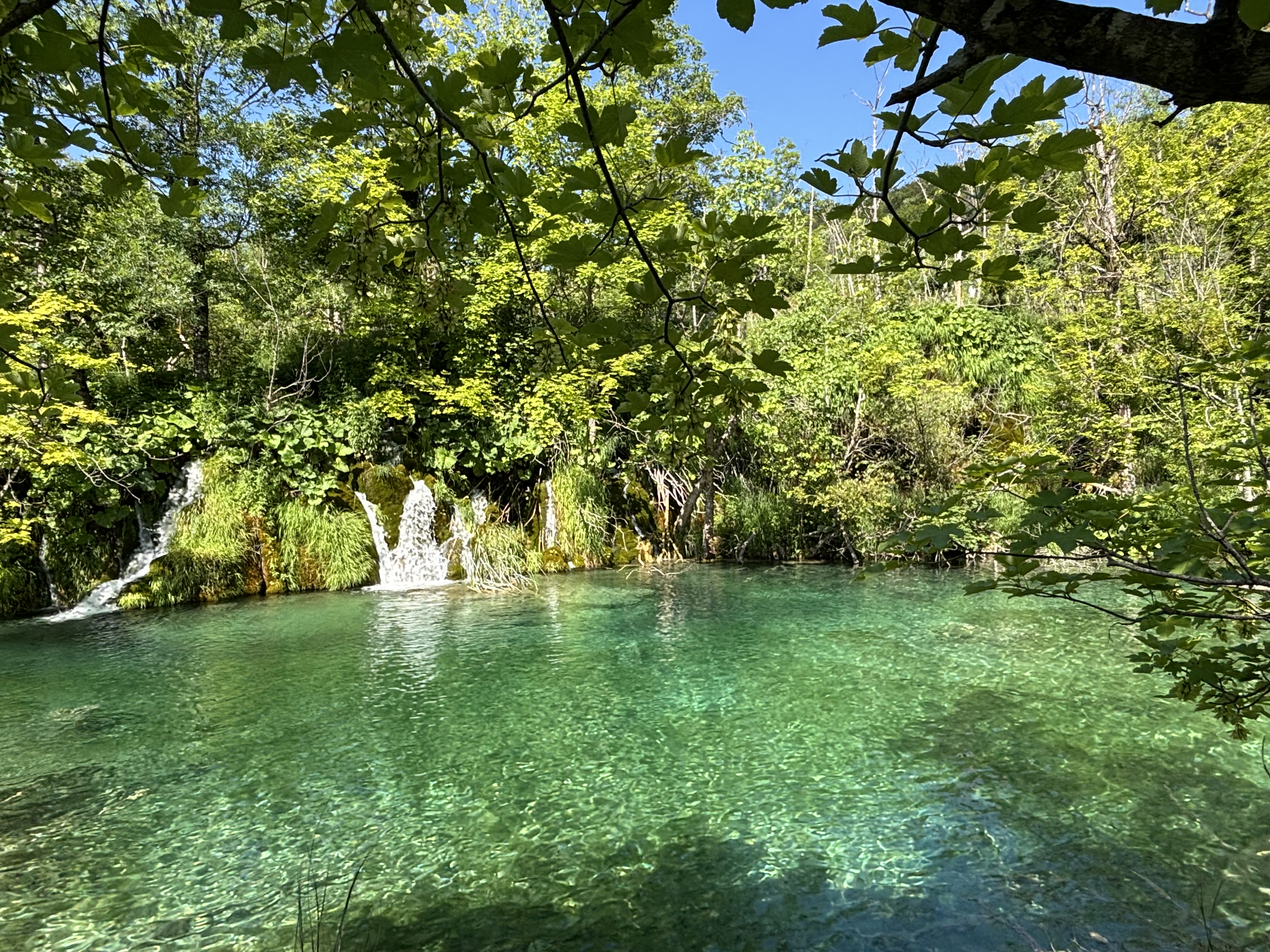
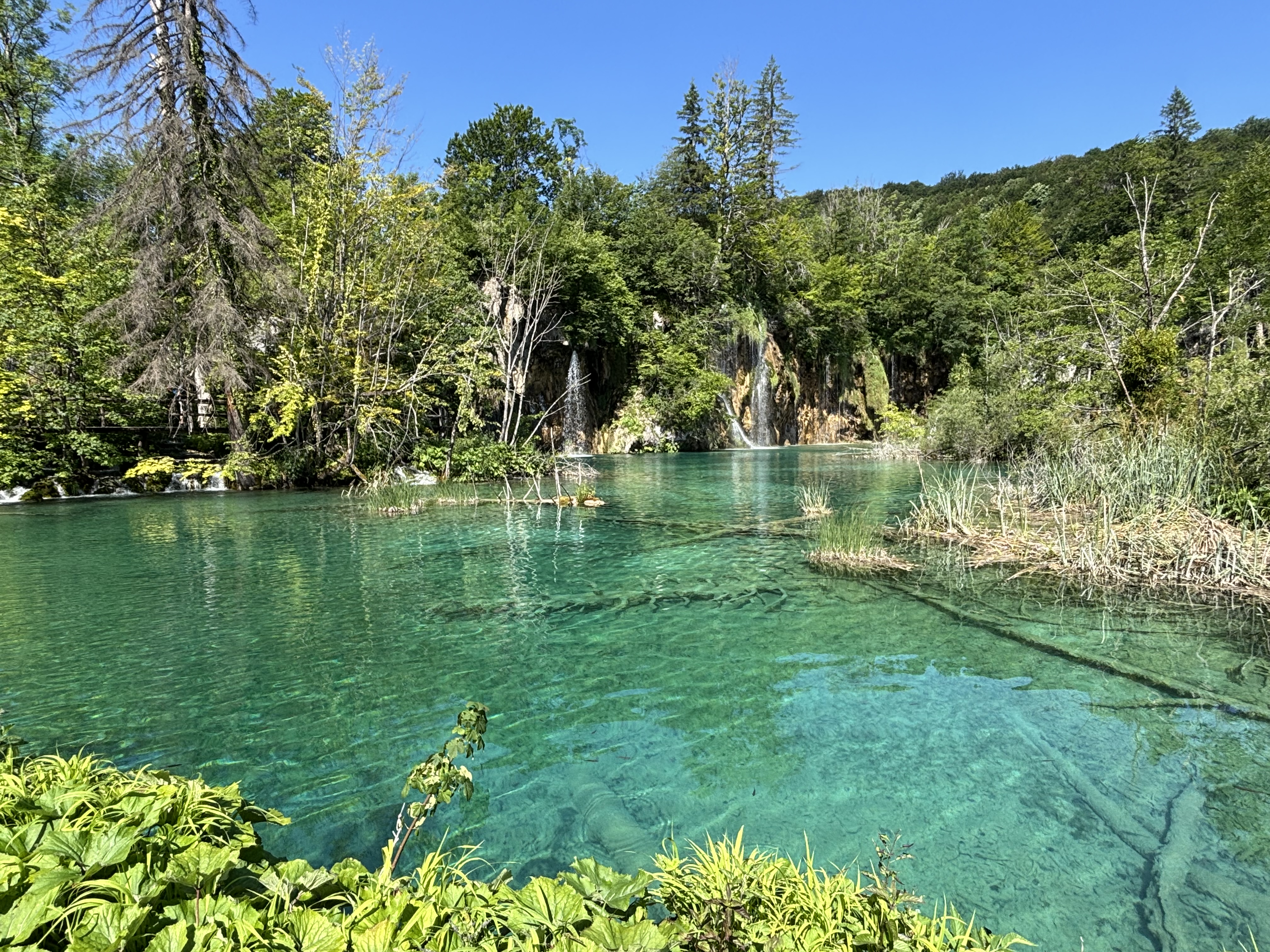
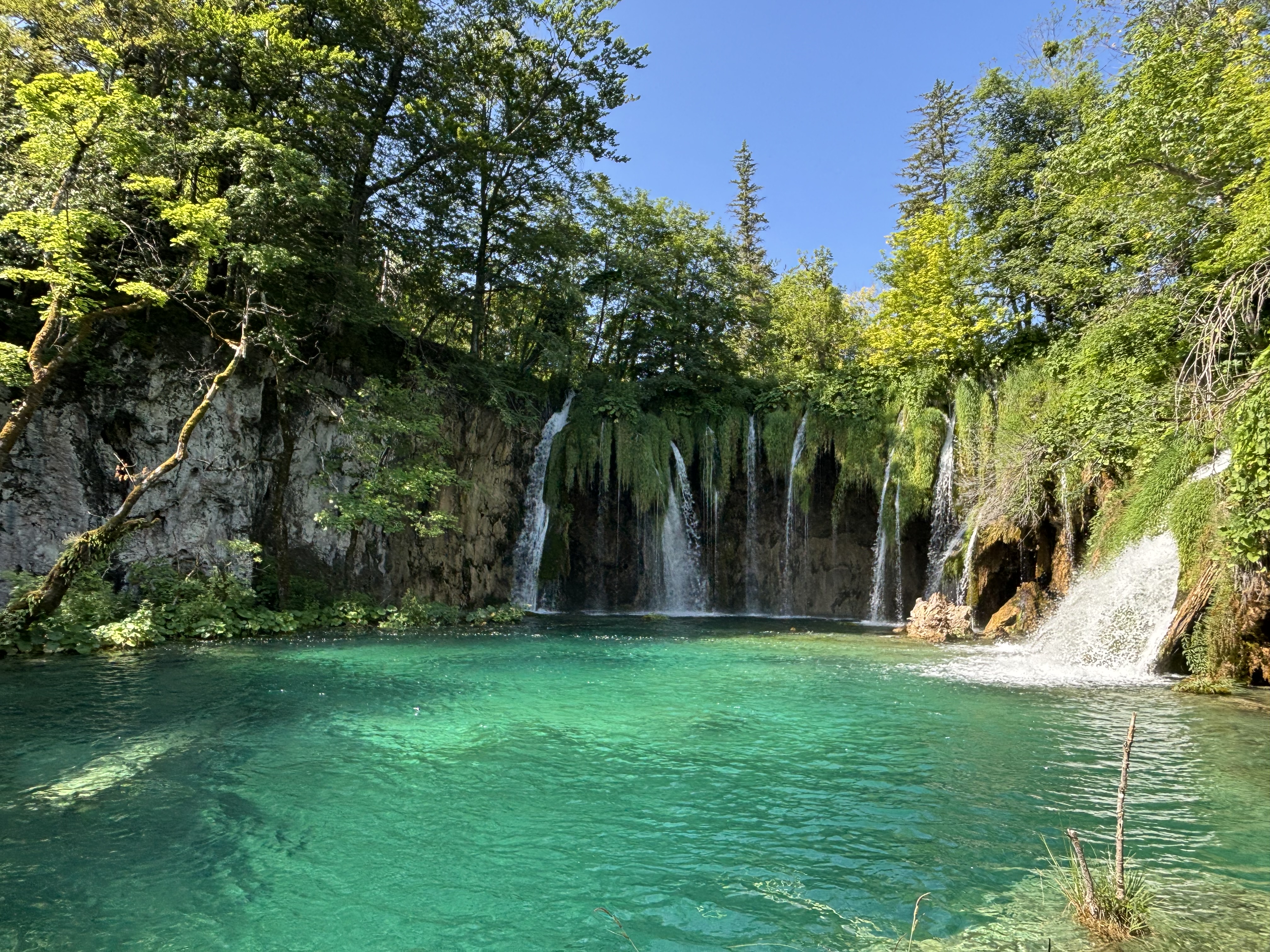
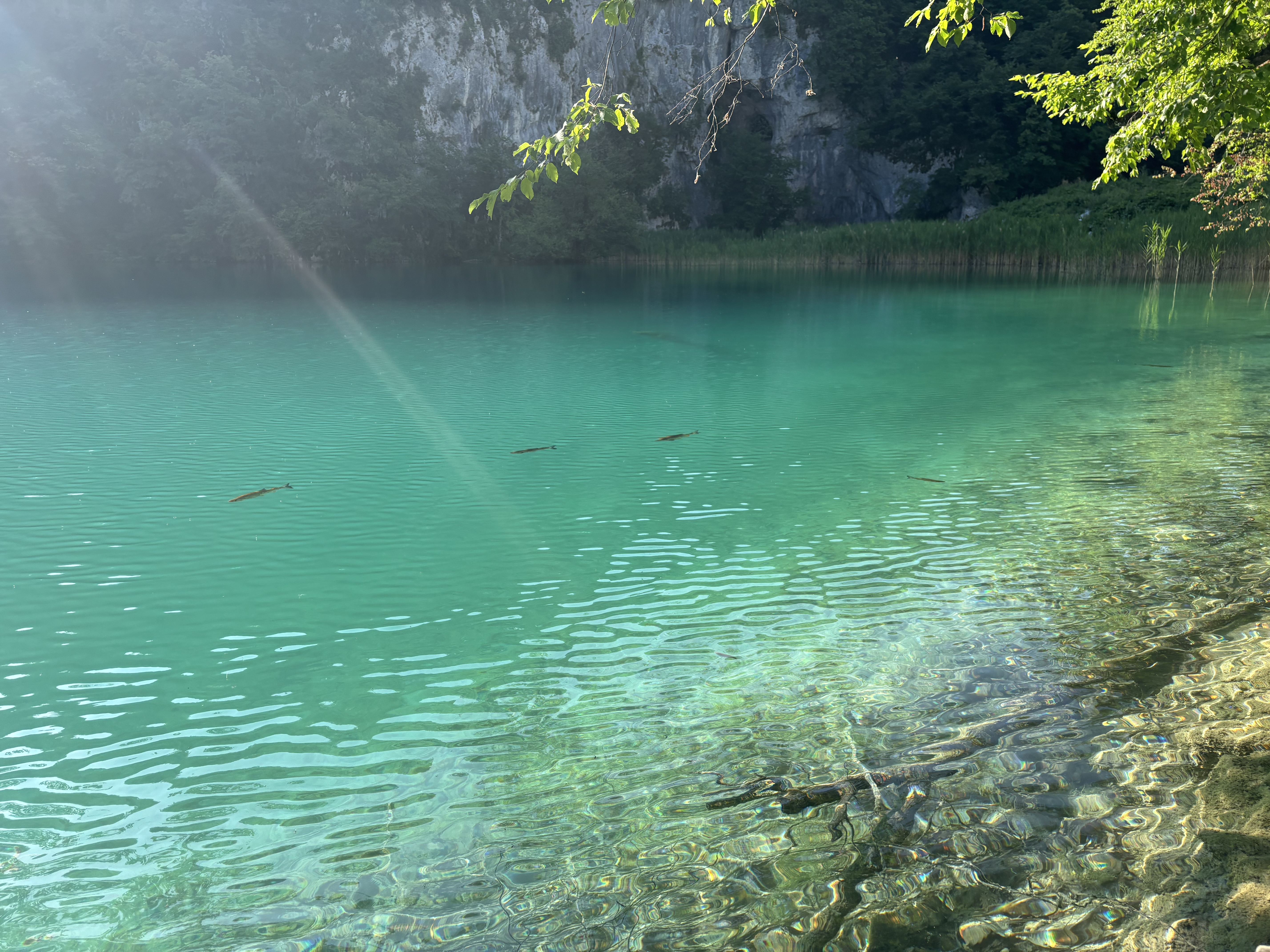
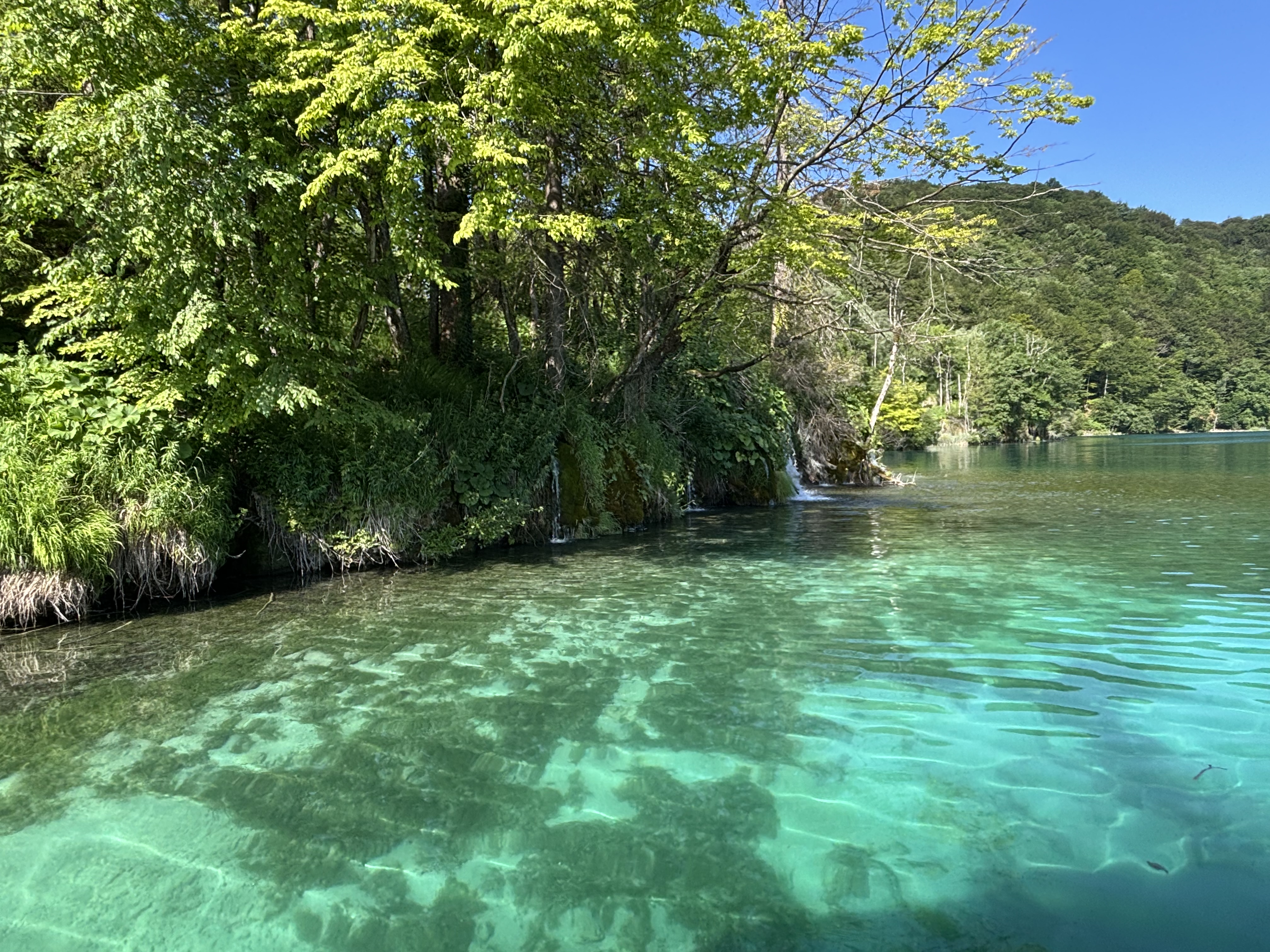
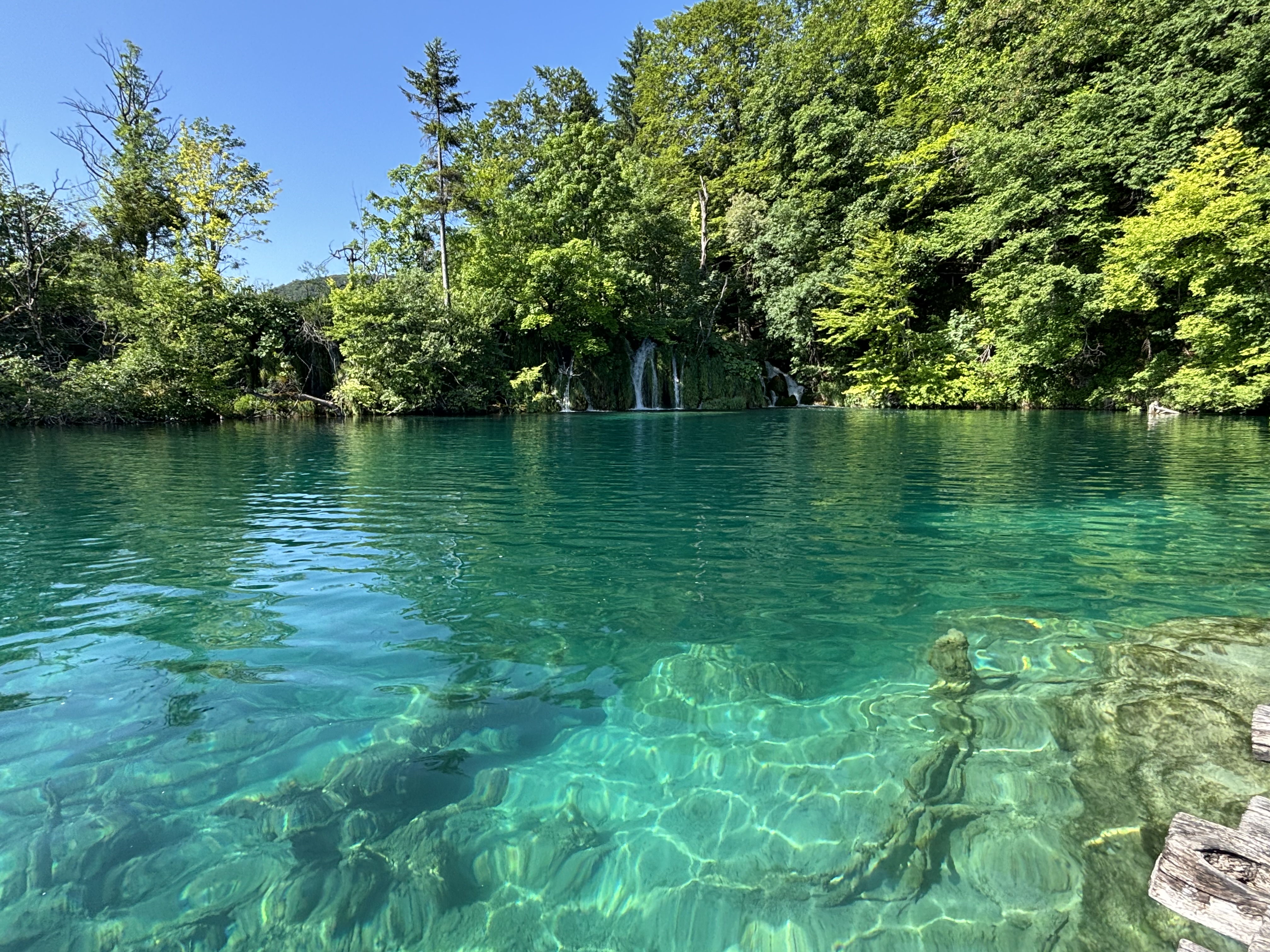
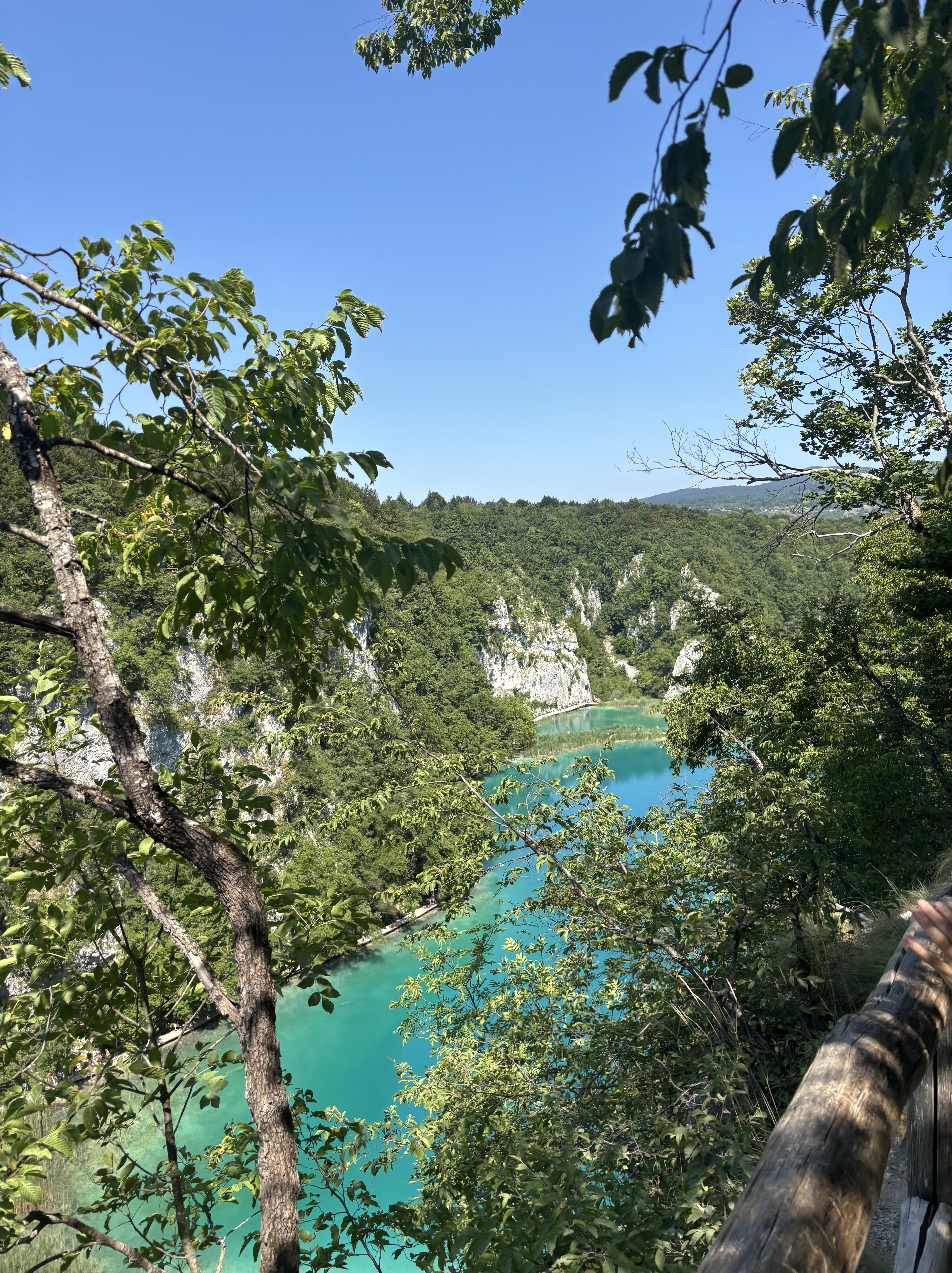
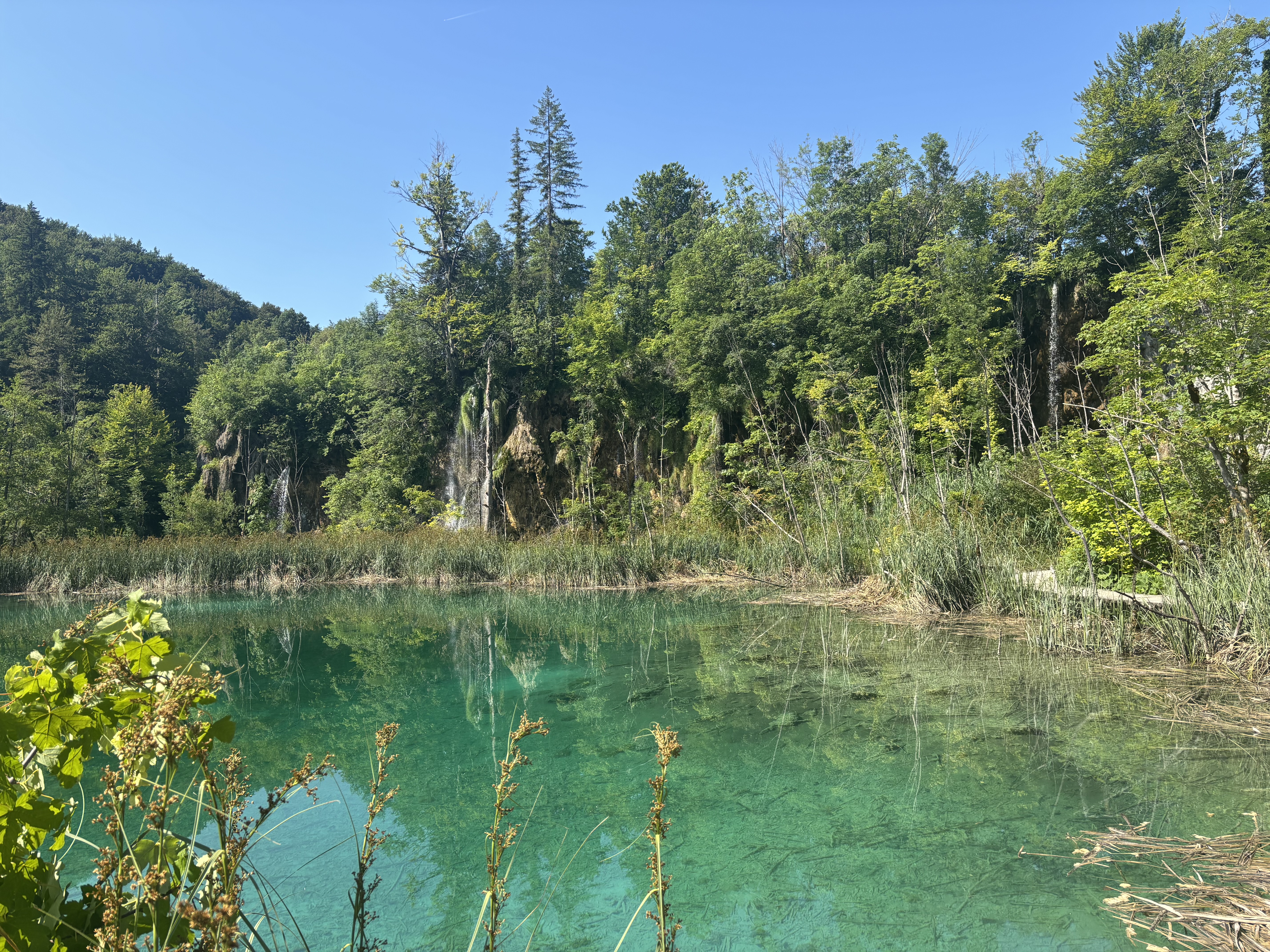
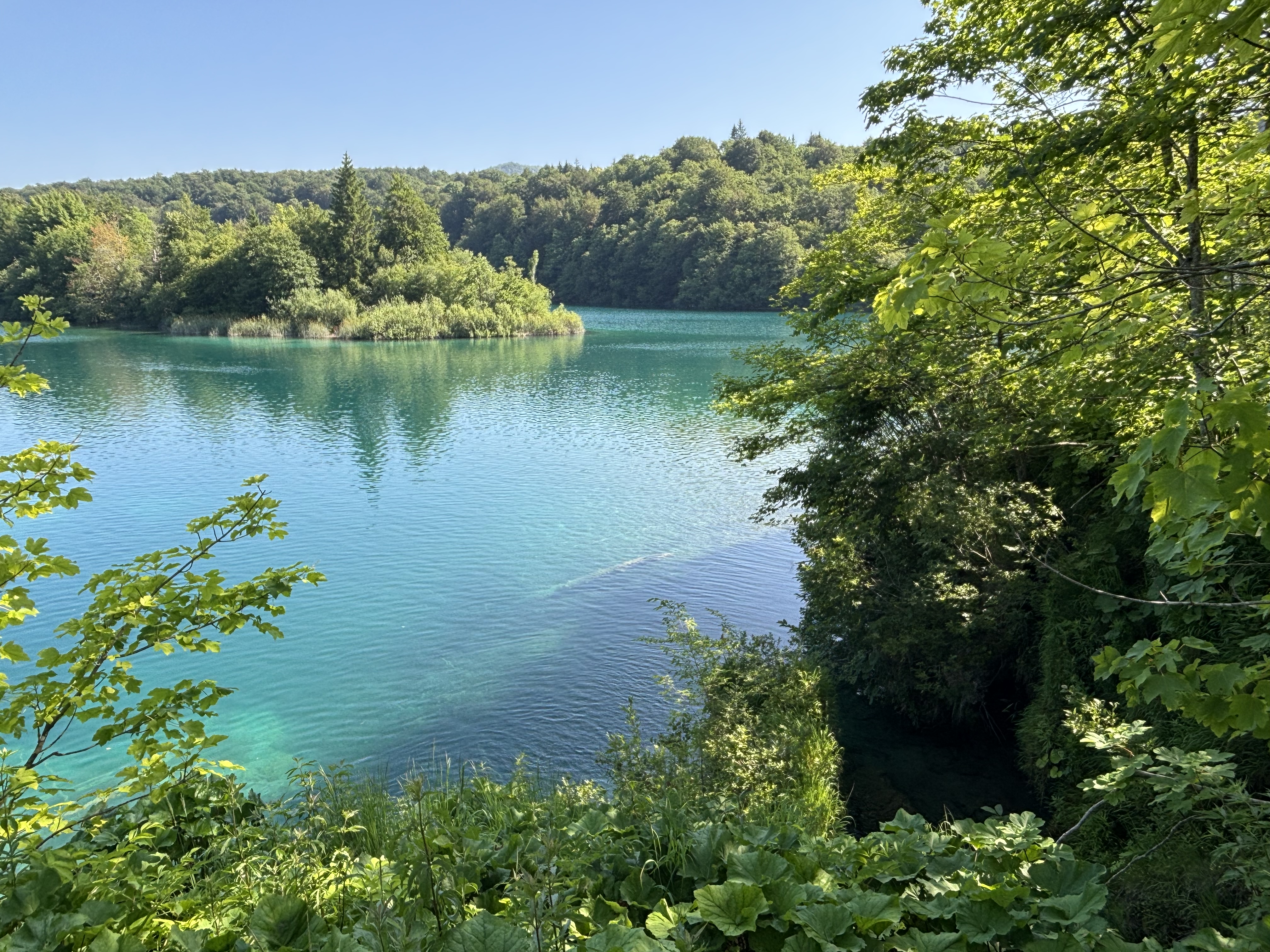
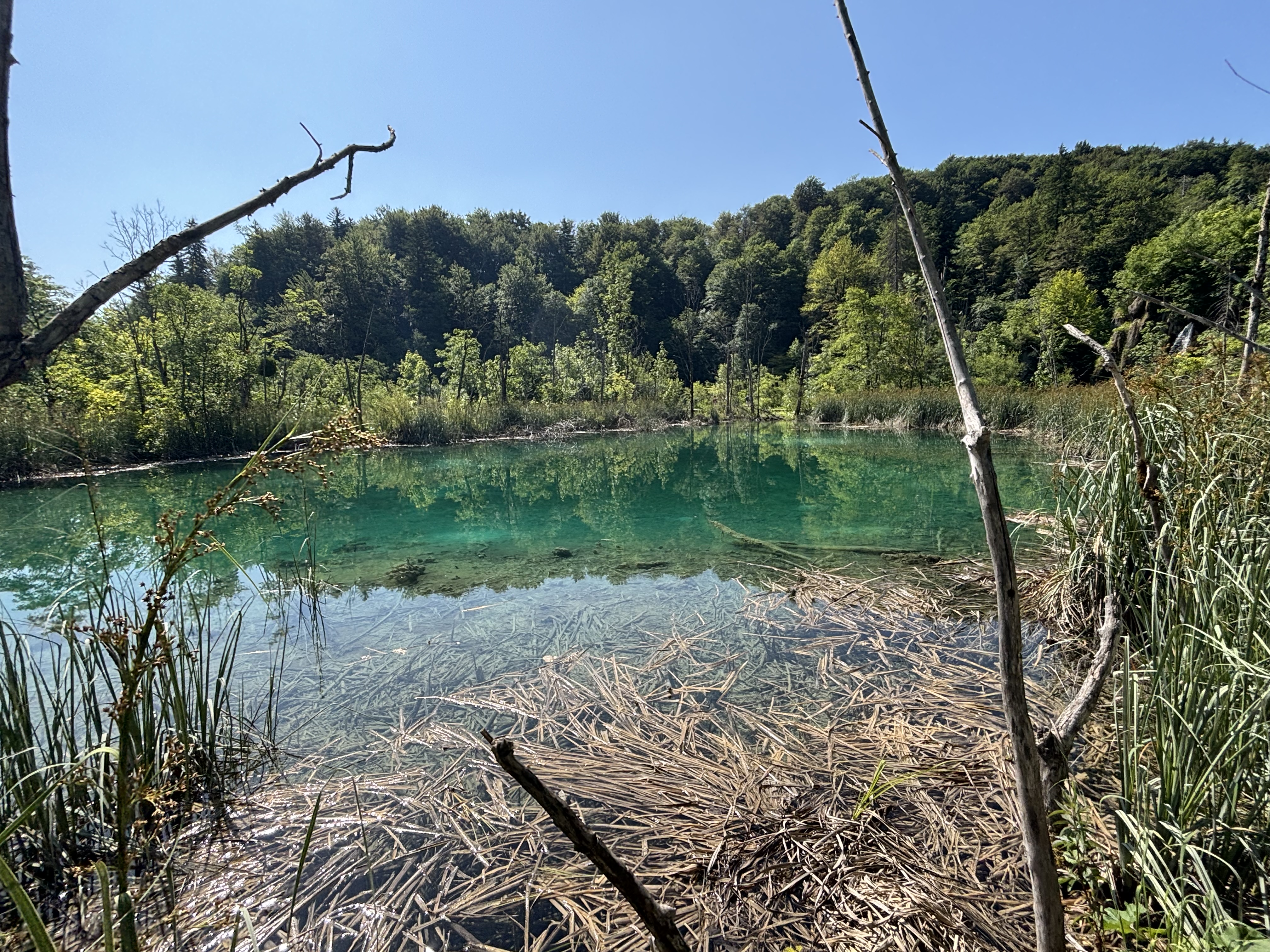
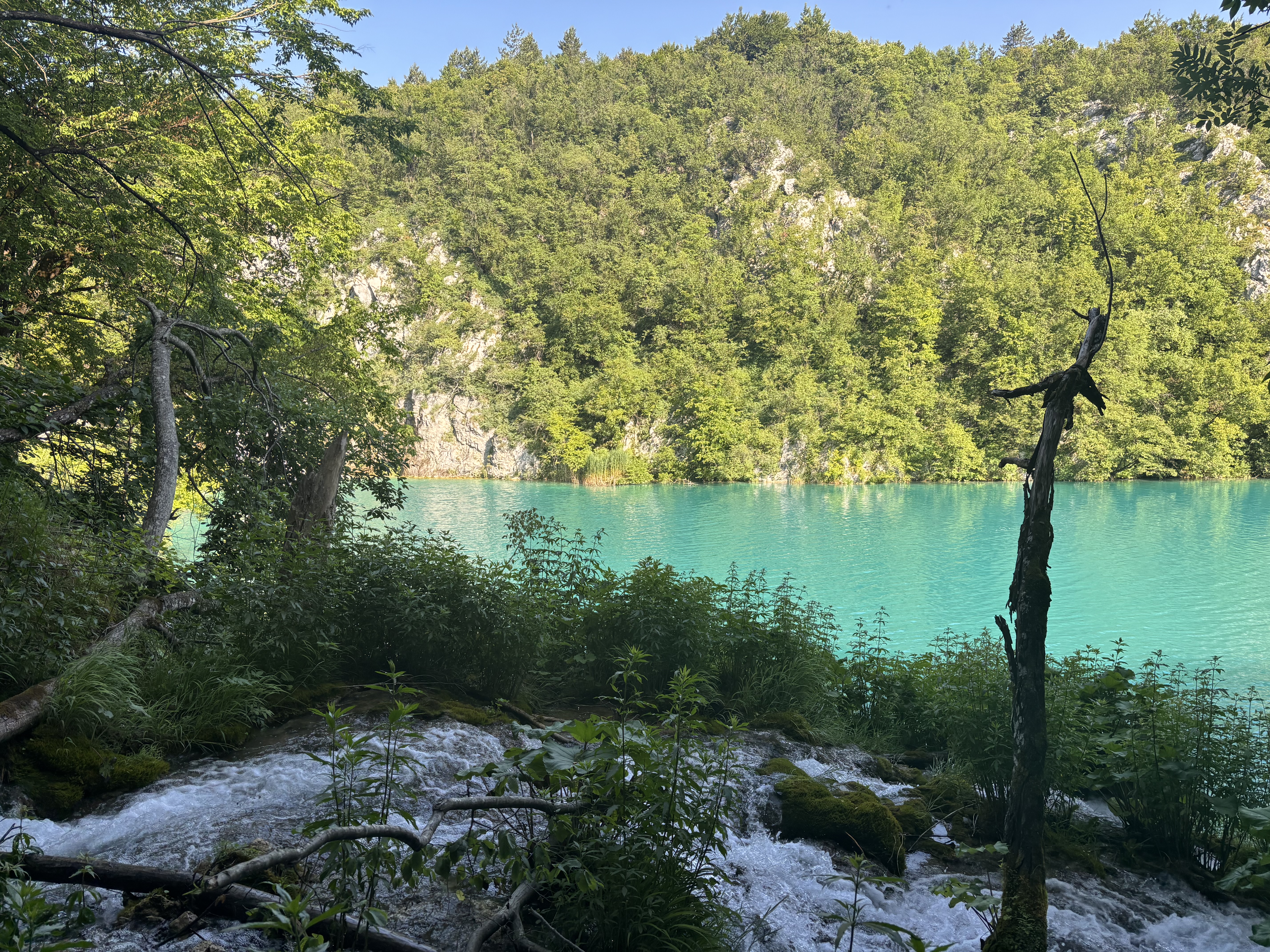
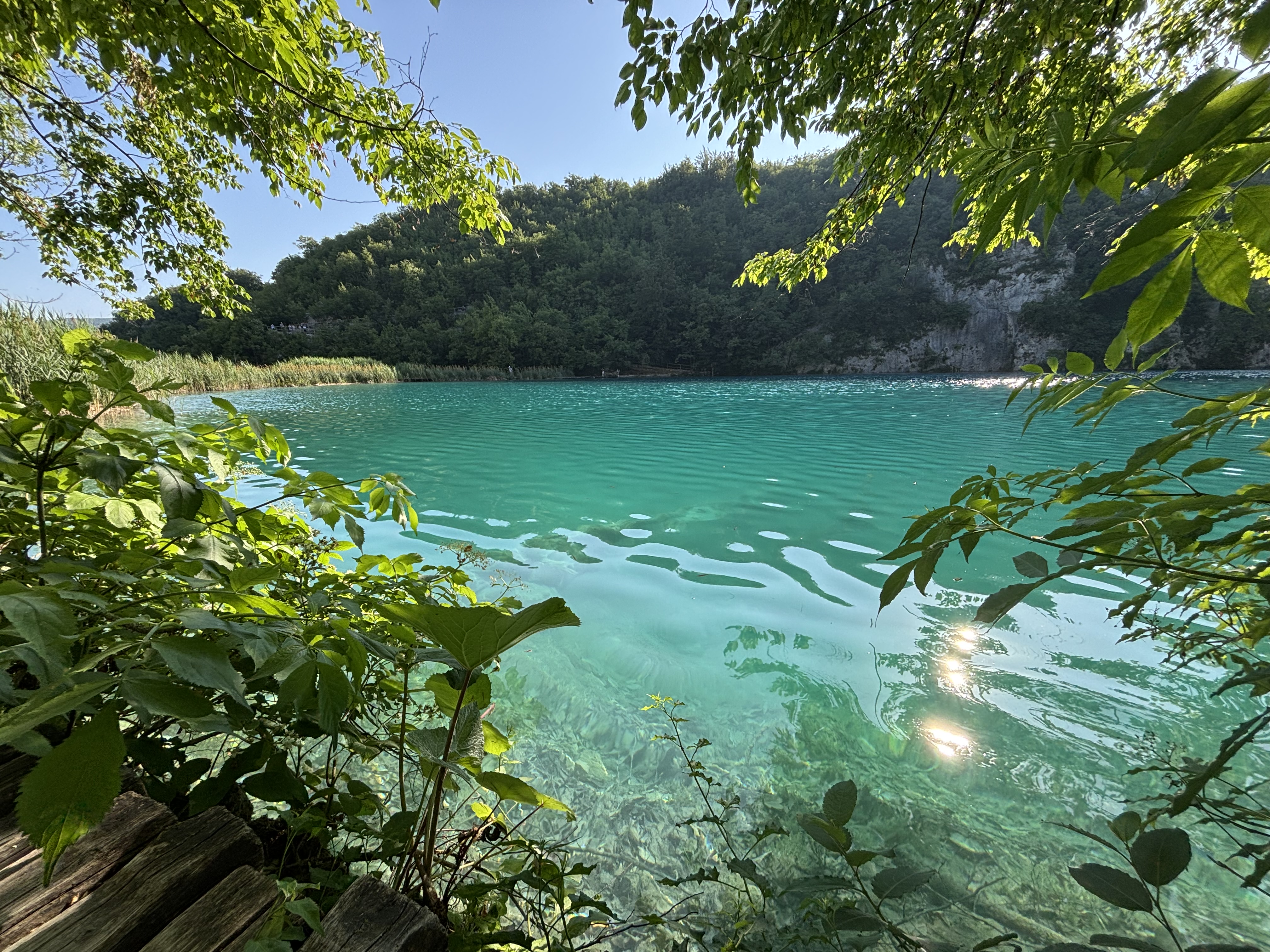
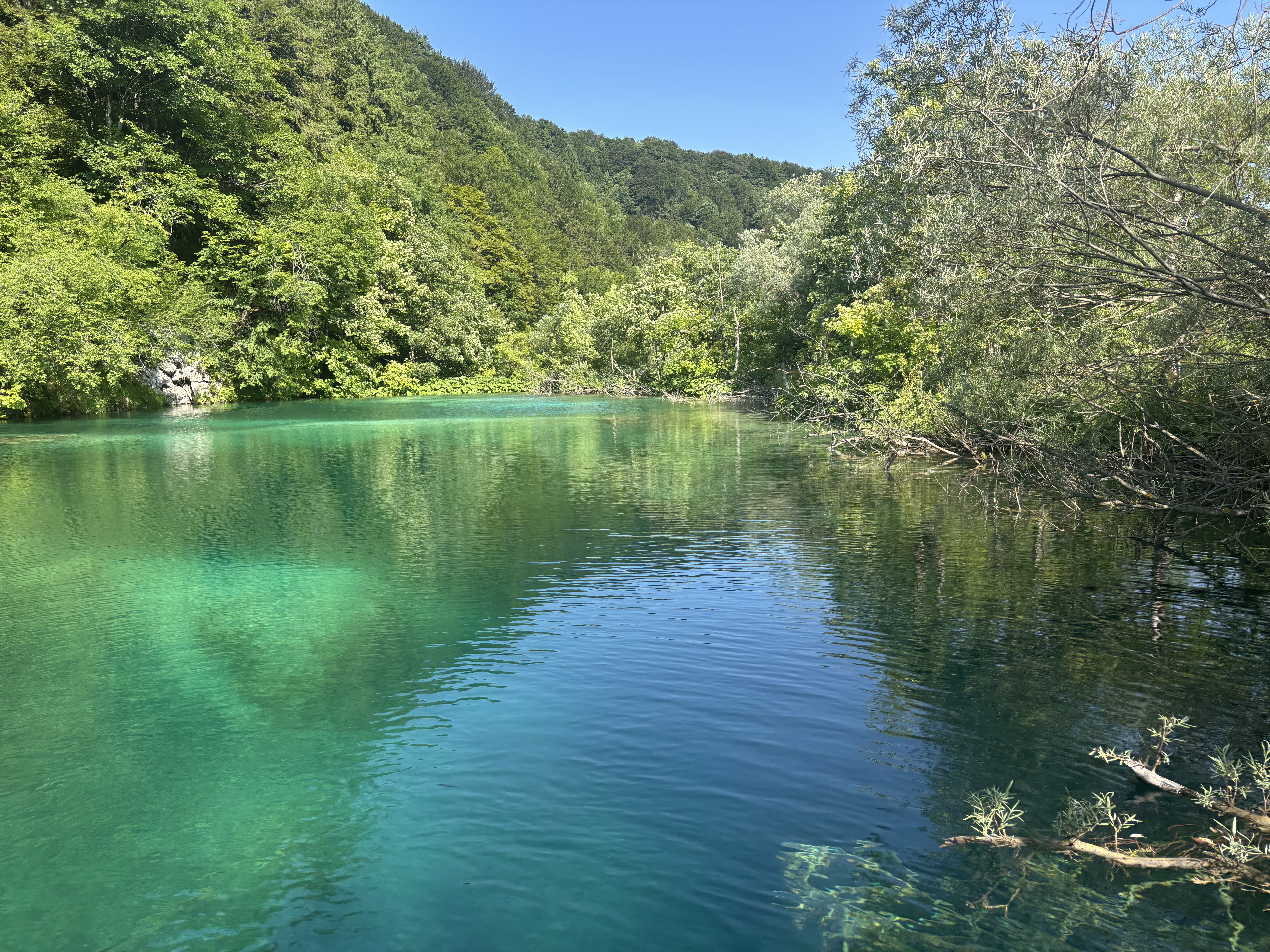
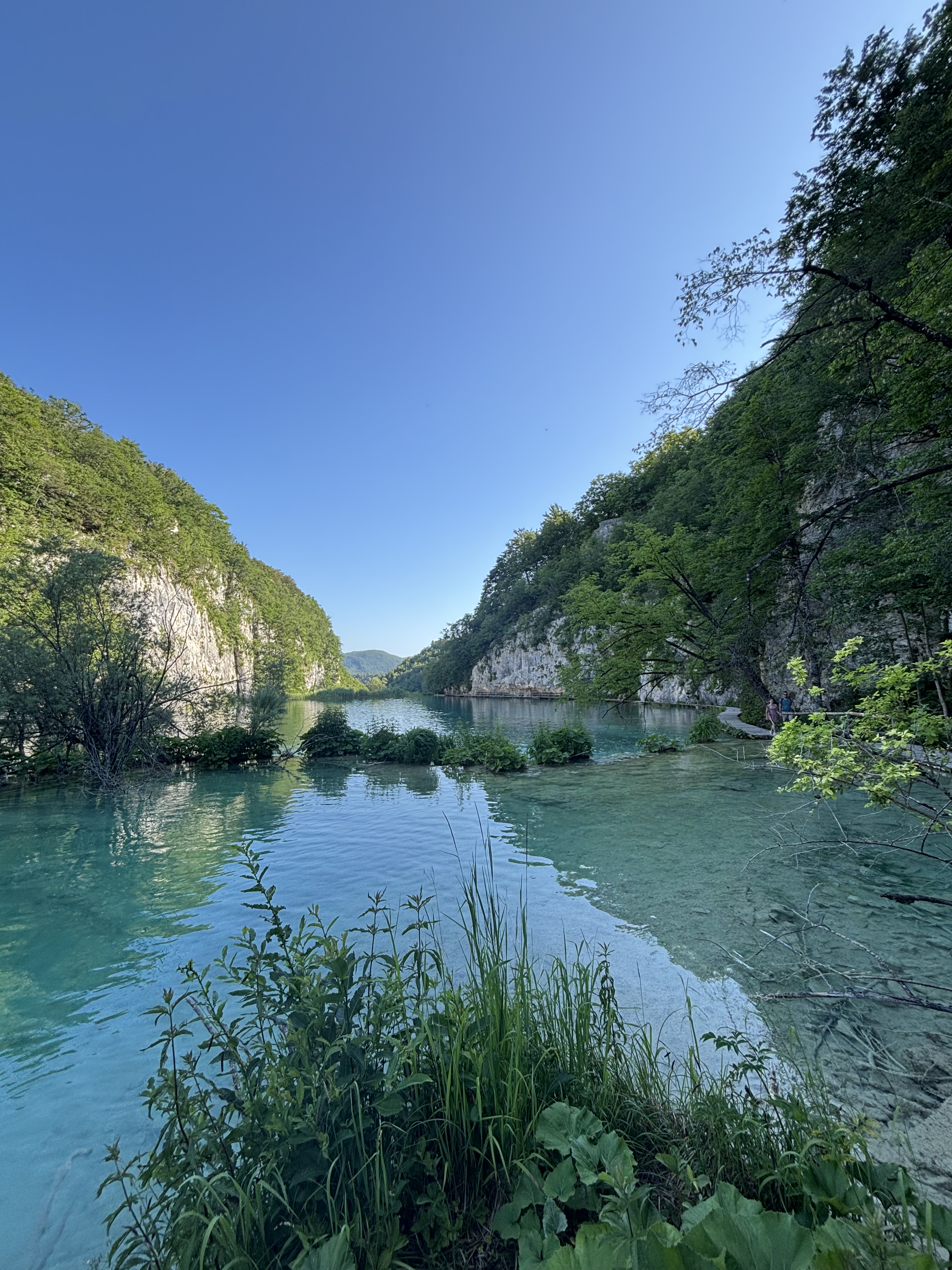
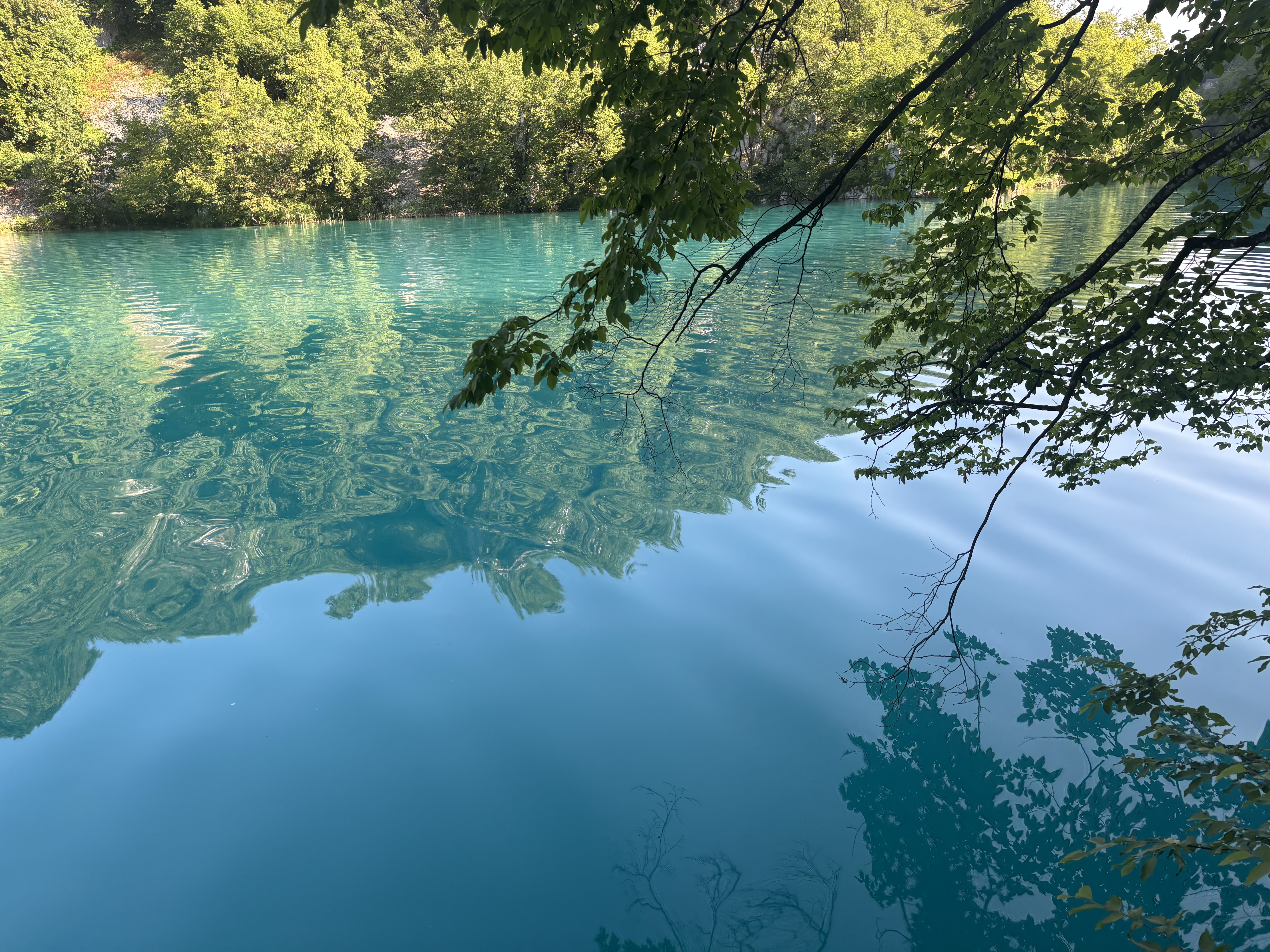
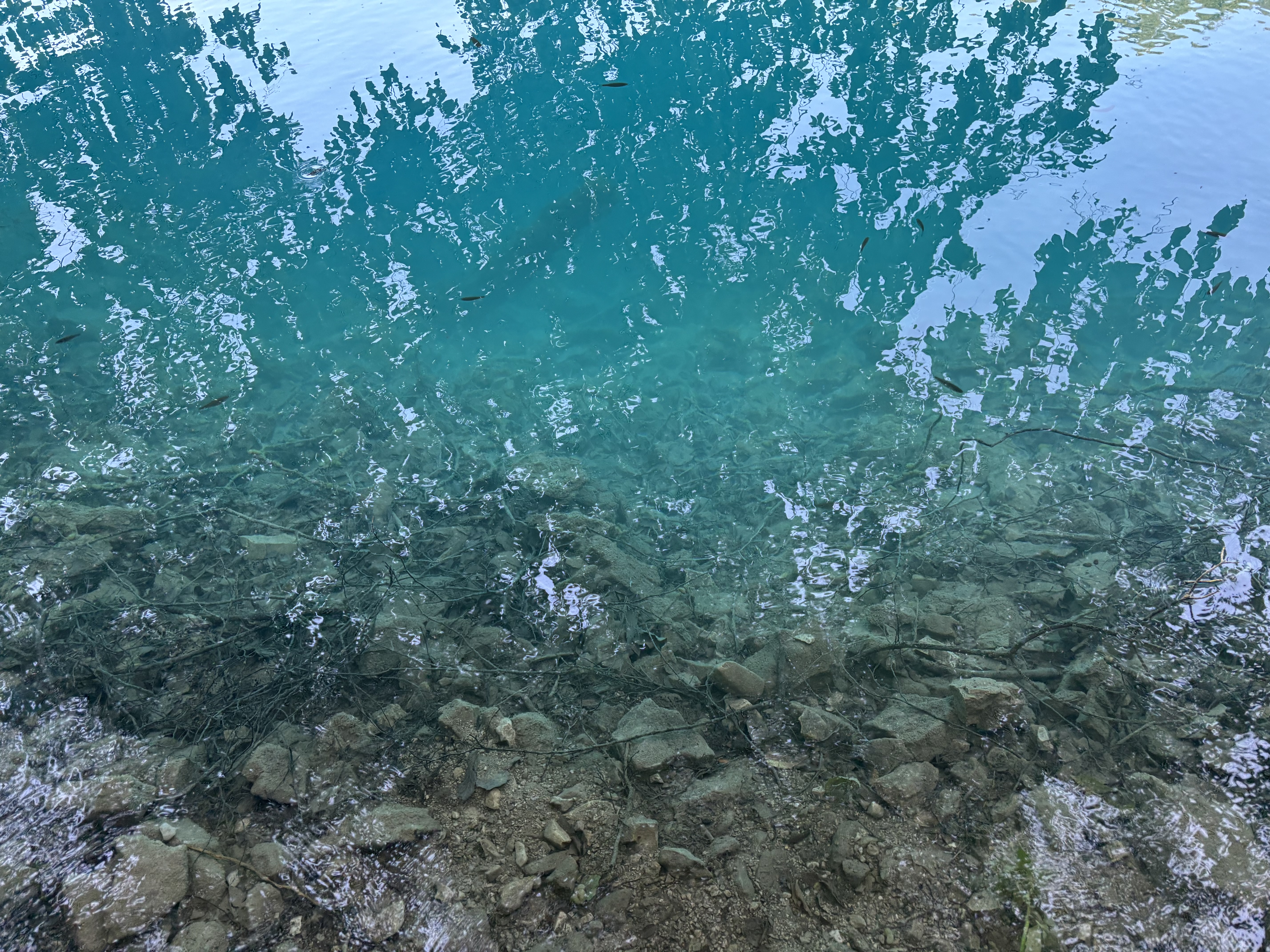
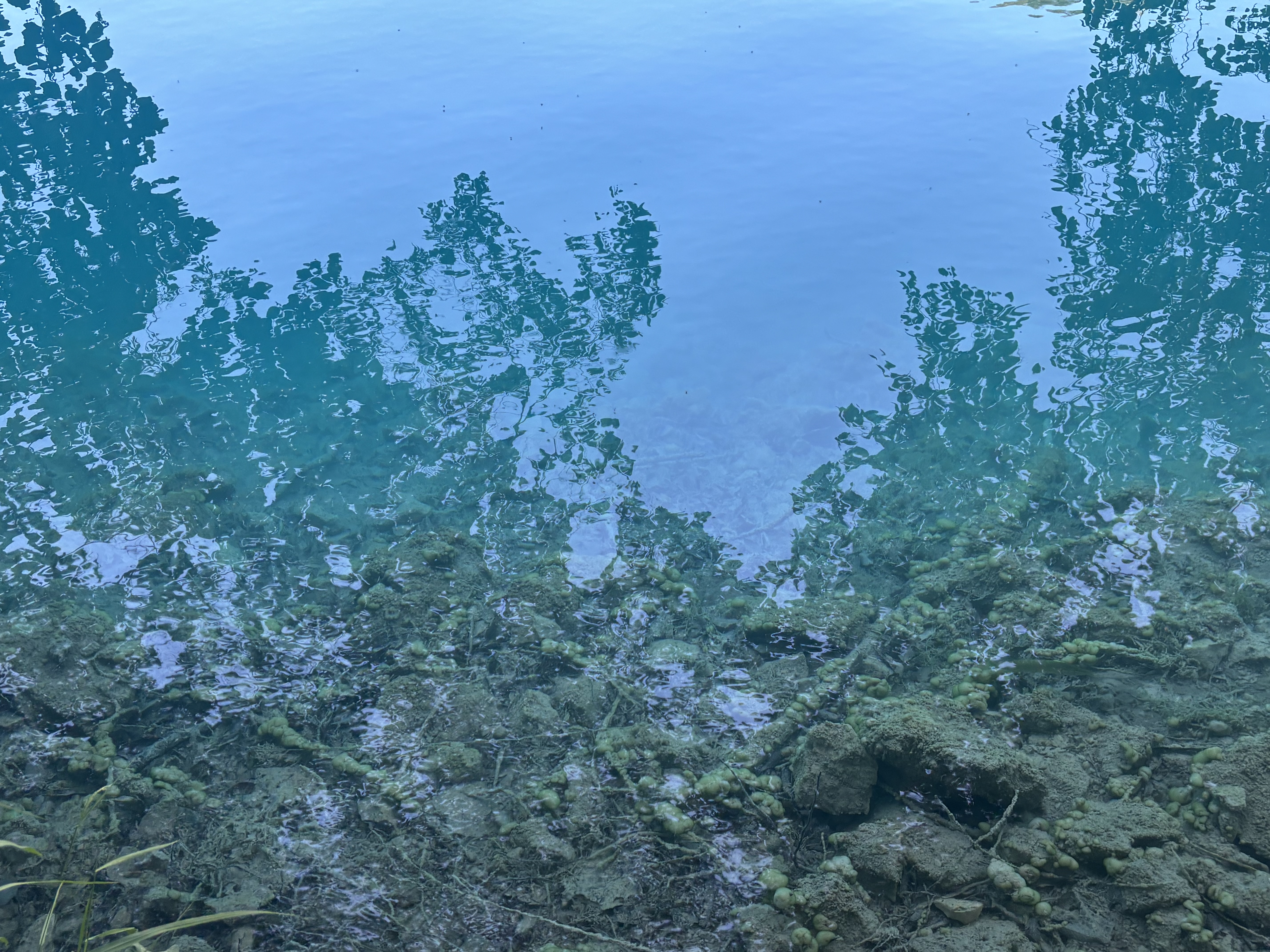
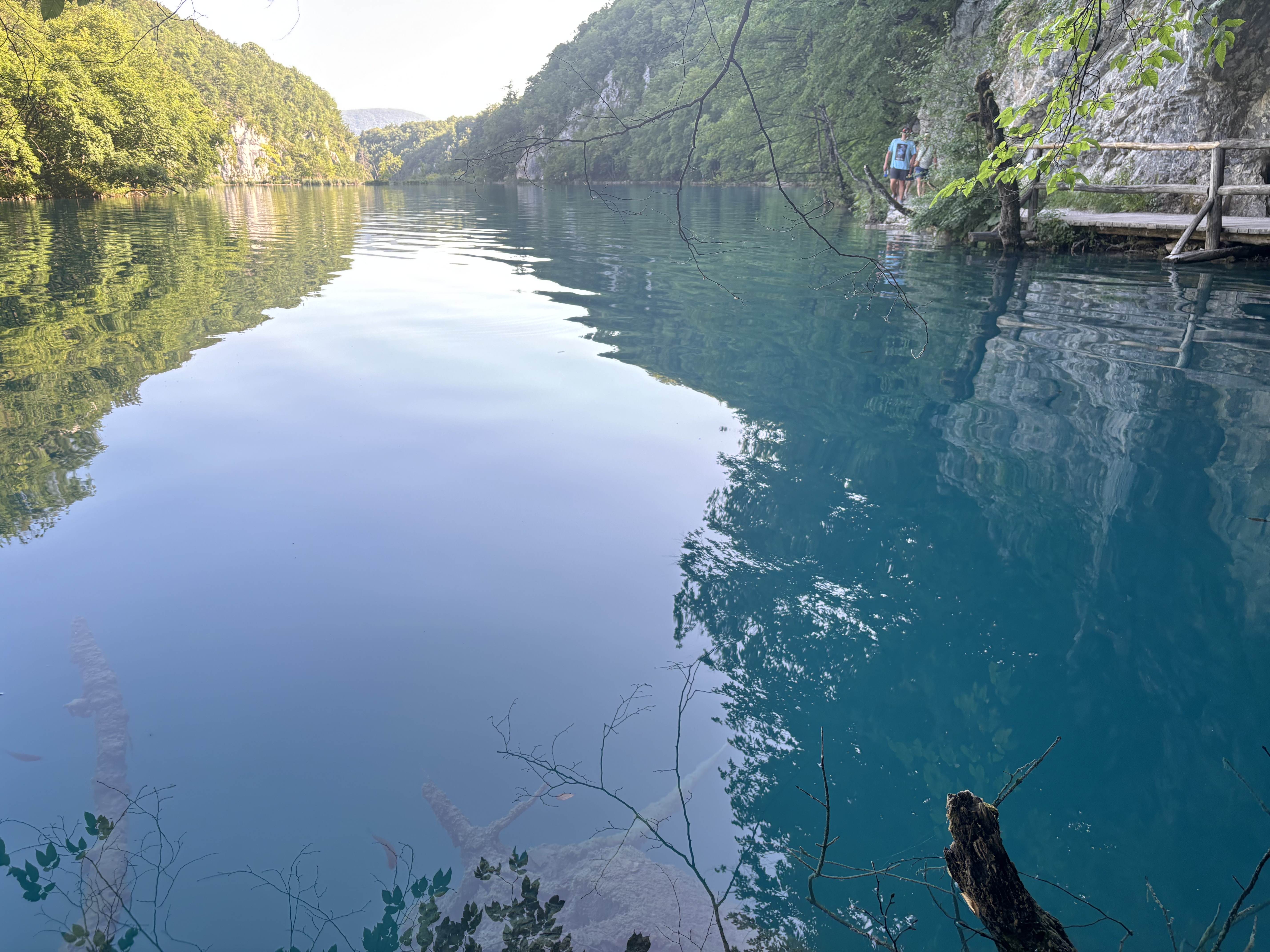
The waterfalls (more than 90 in total) are pretty spectacular too. Some are little more than small streams that babble underfoot. Others appear as gigantic waves cascading over the cliffs. In some locations around the park, the sound of crashing water is deafening. Elsewhere, the topography entirely shields the waterfalls from earshot, resulting in a conspicuous stillness. It’s a different natural environment around every corner, which makes the roughly 2-mile hike along the main path a fun sequence of new discoveries.
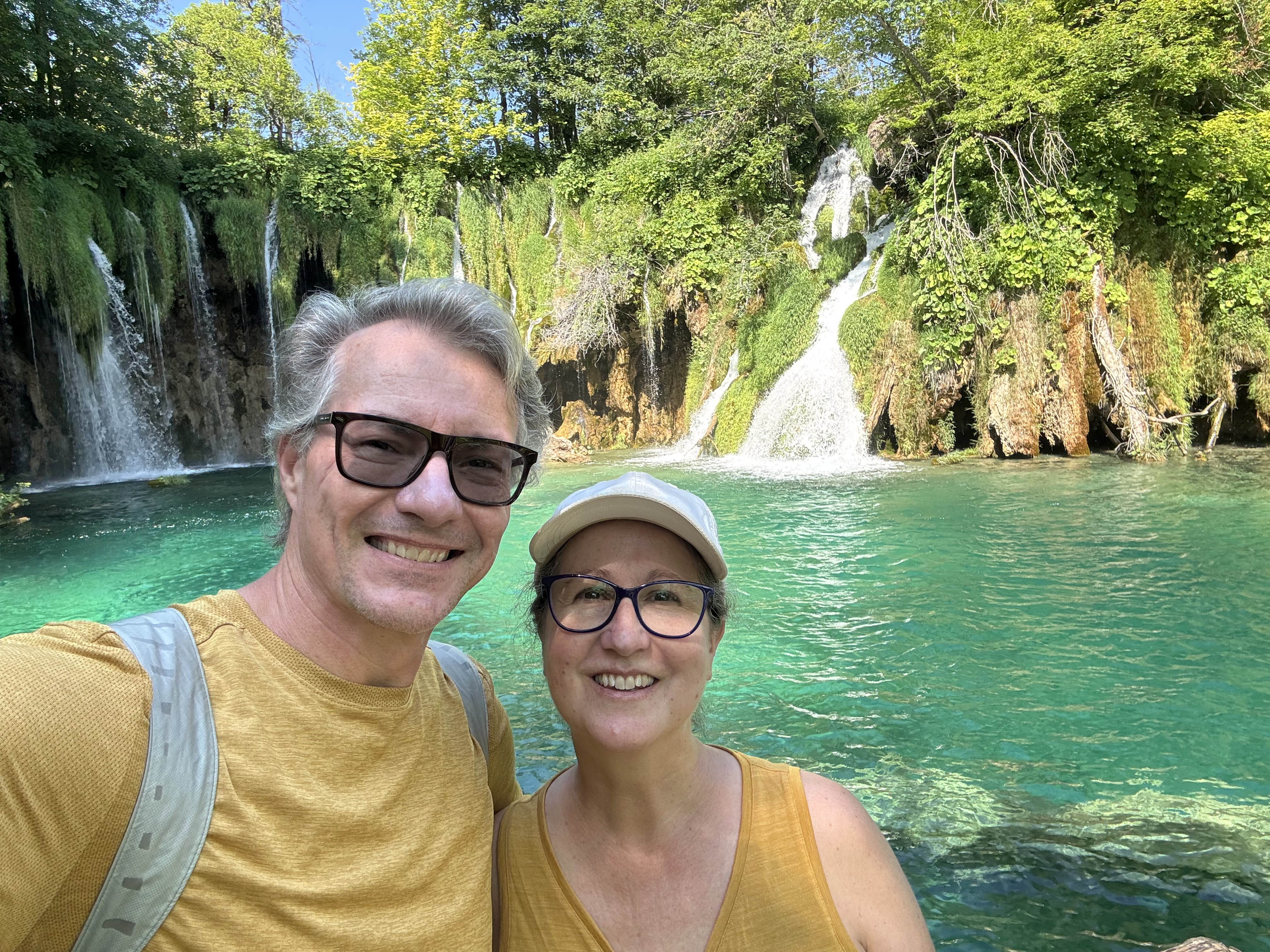

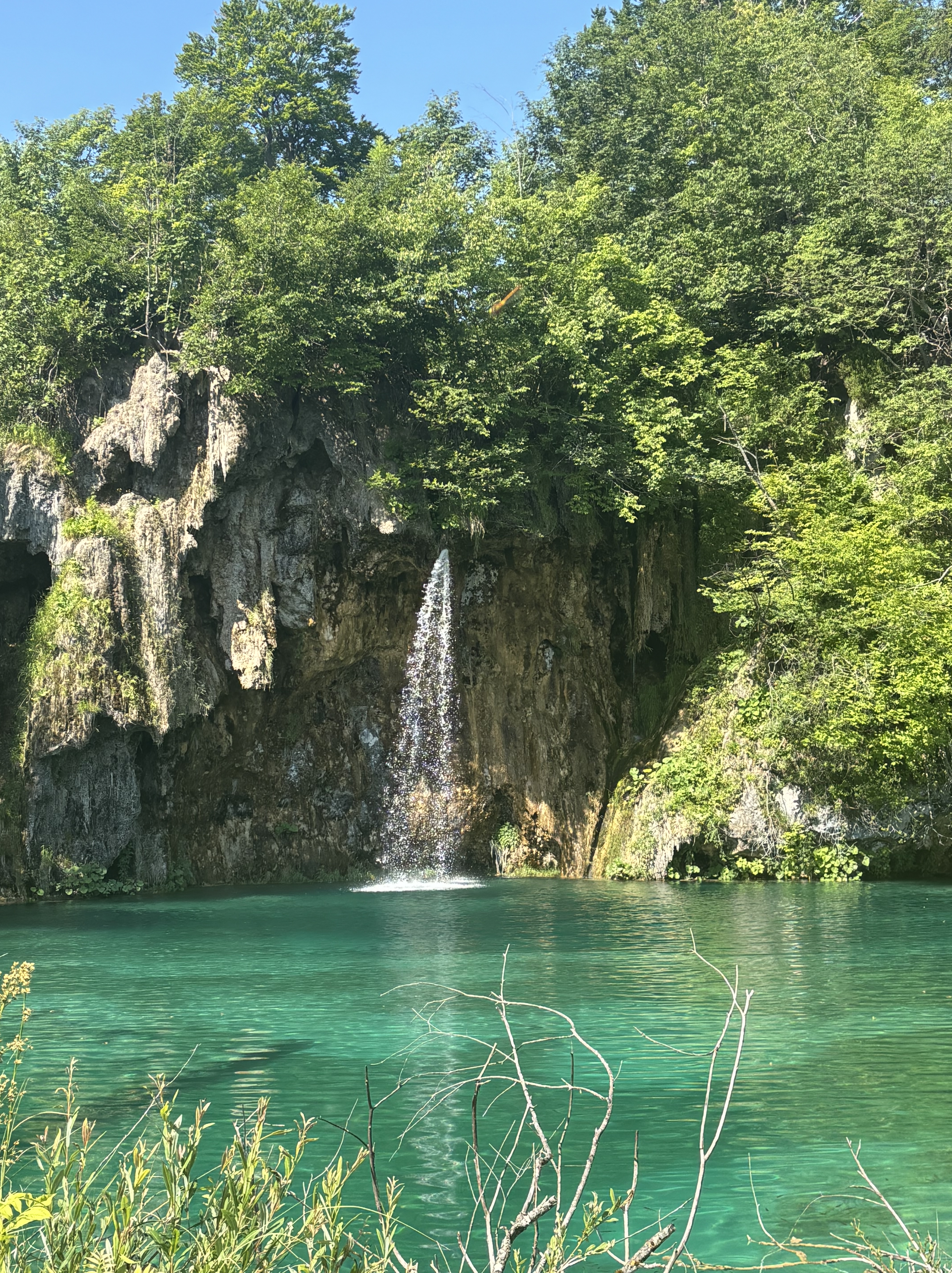

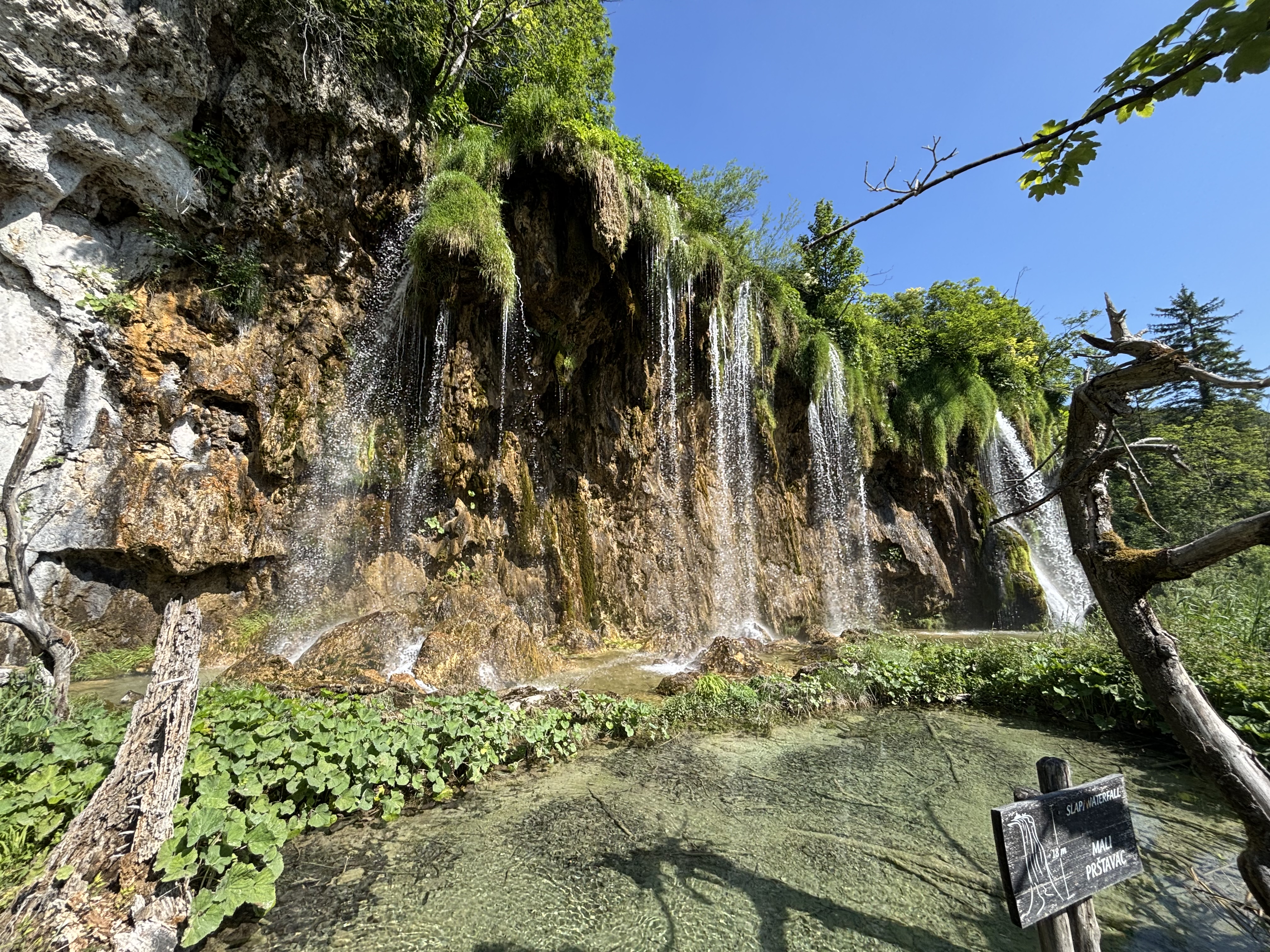
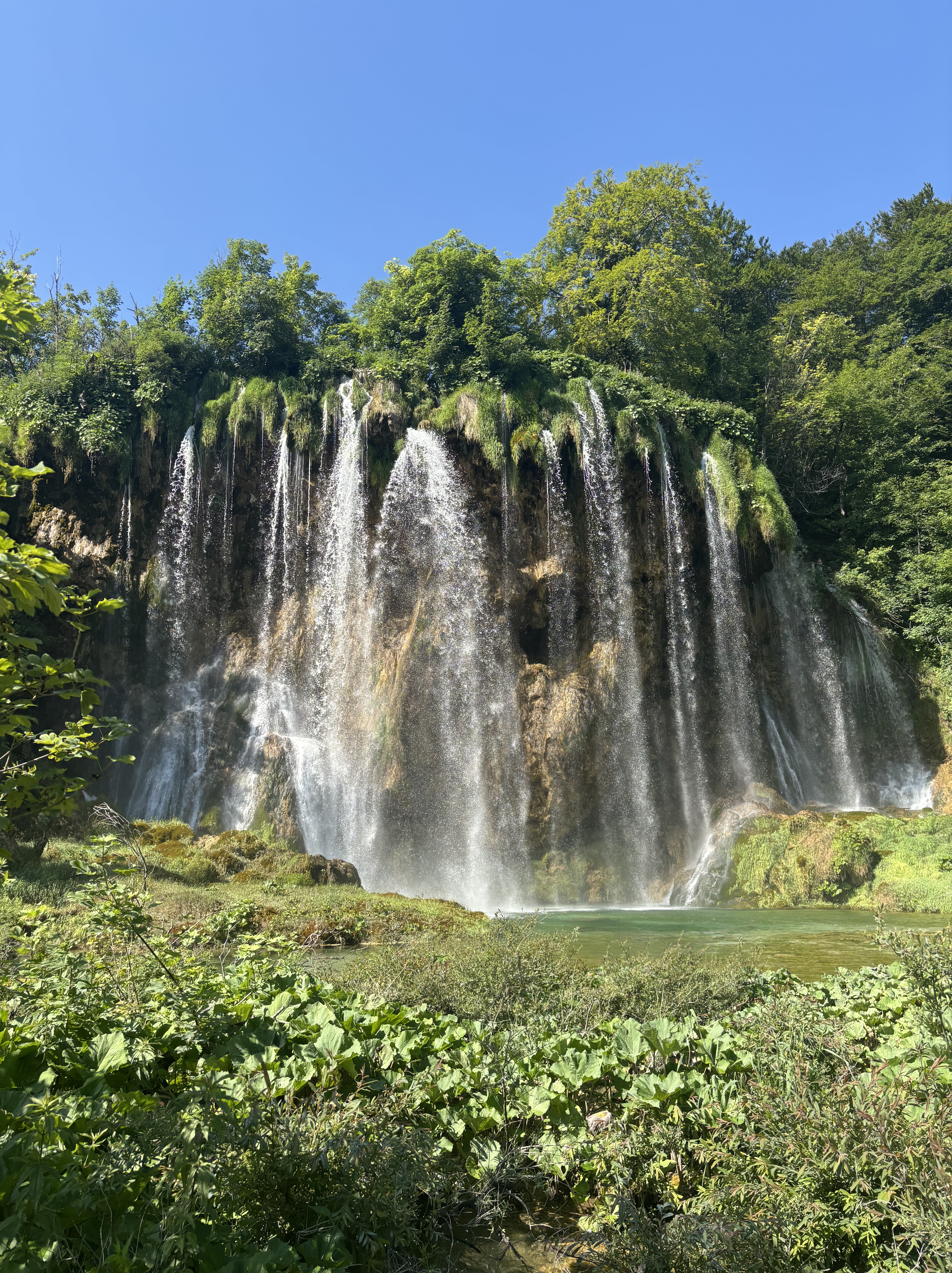
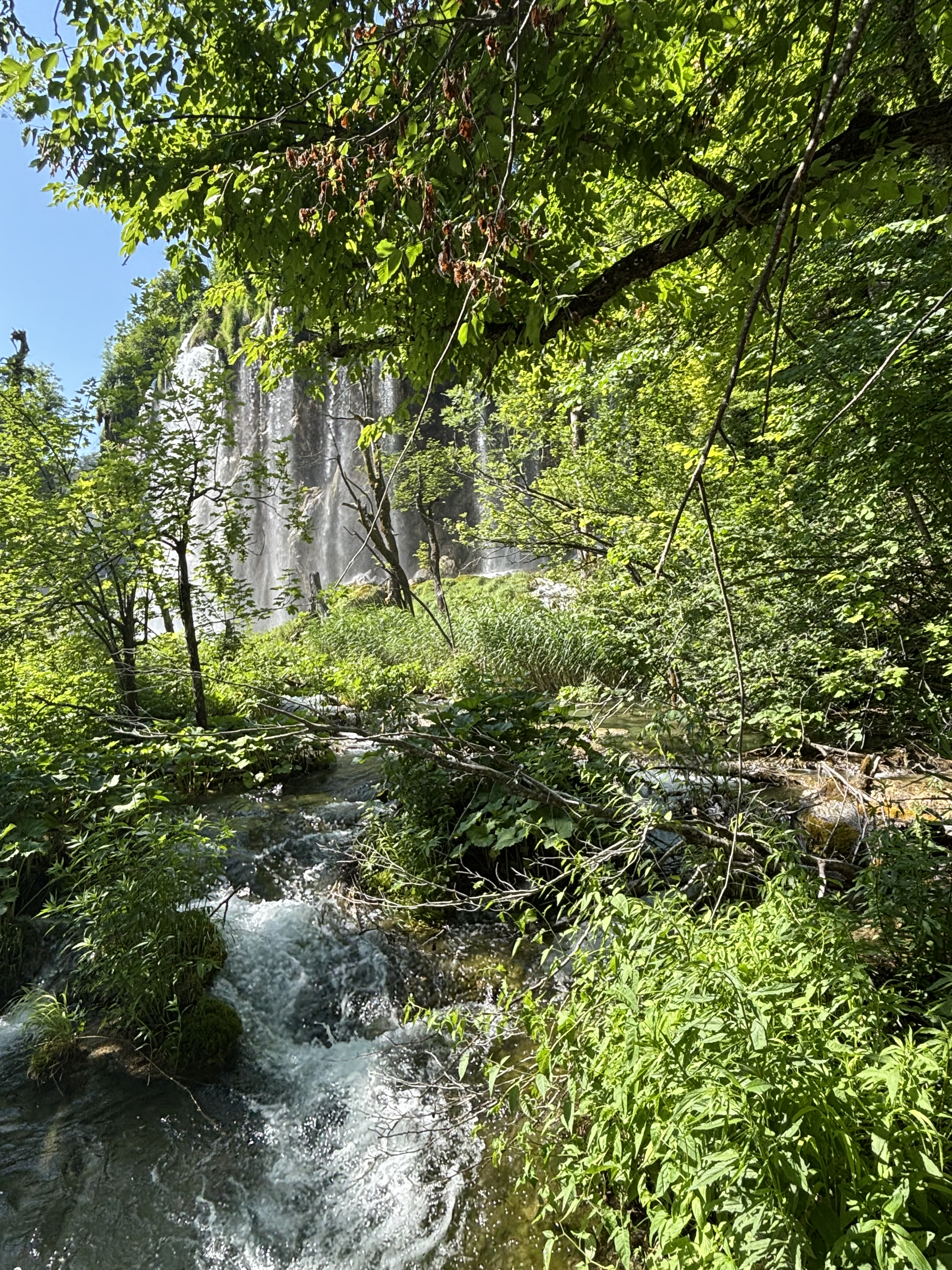
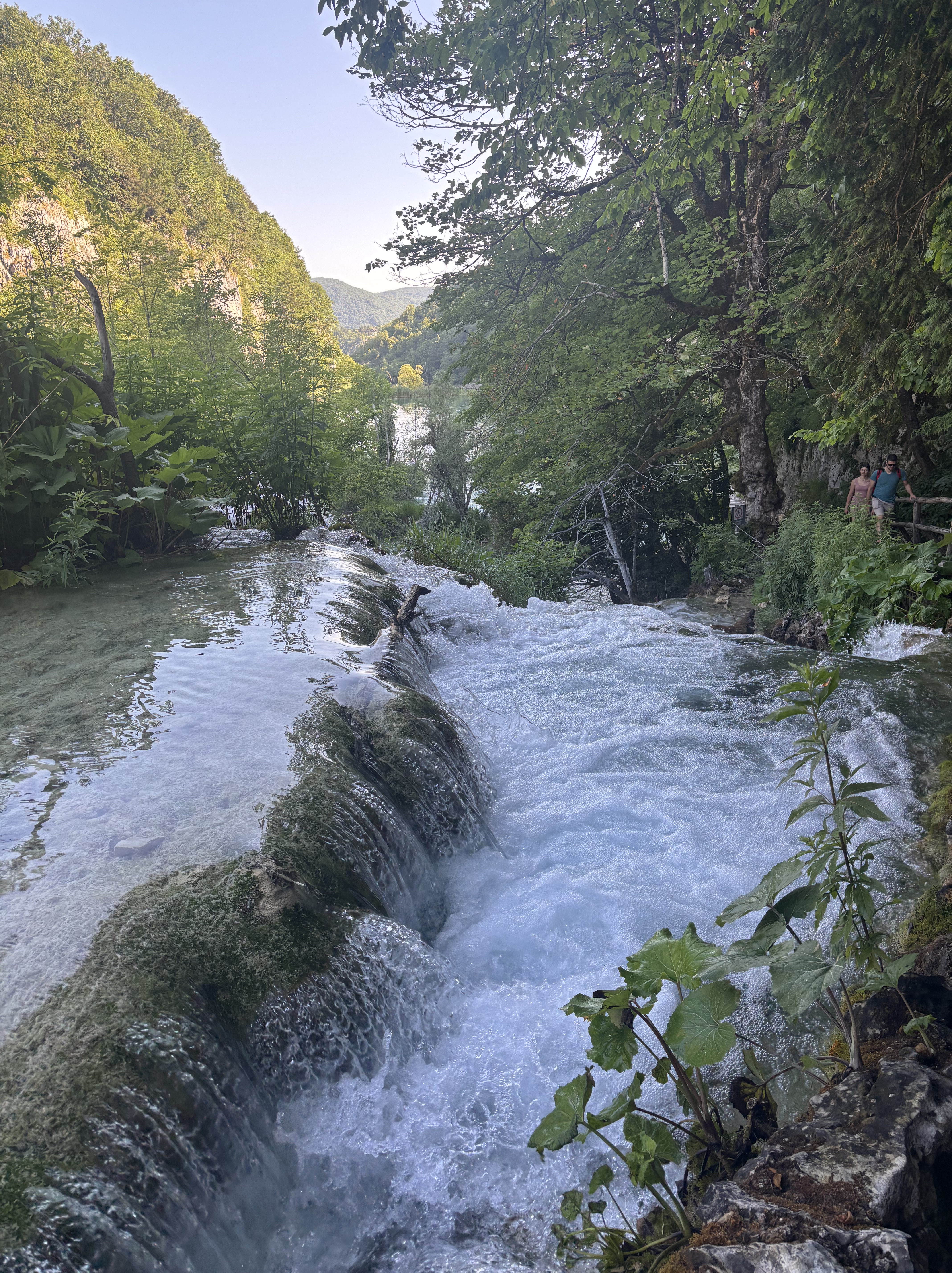
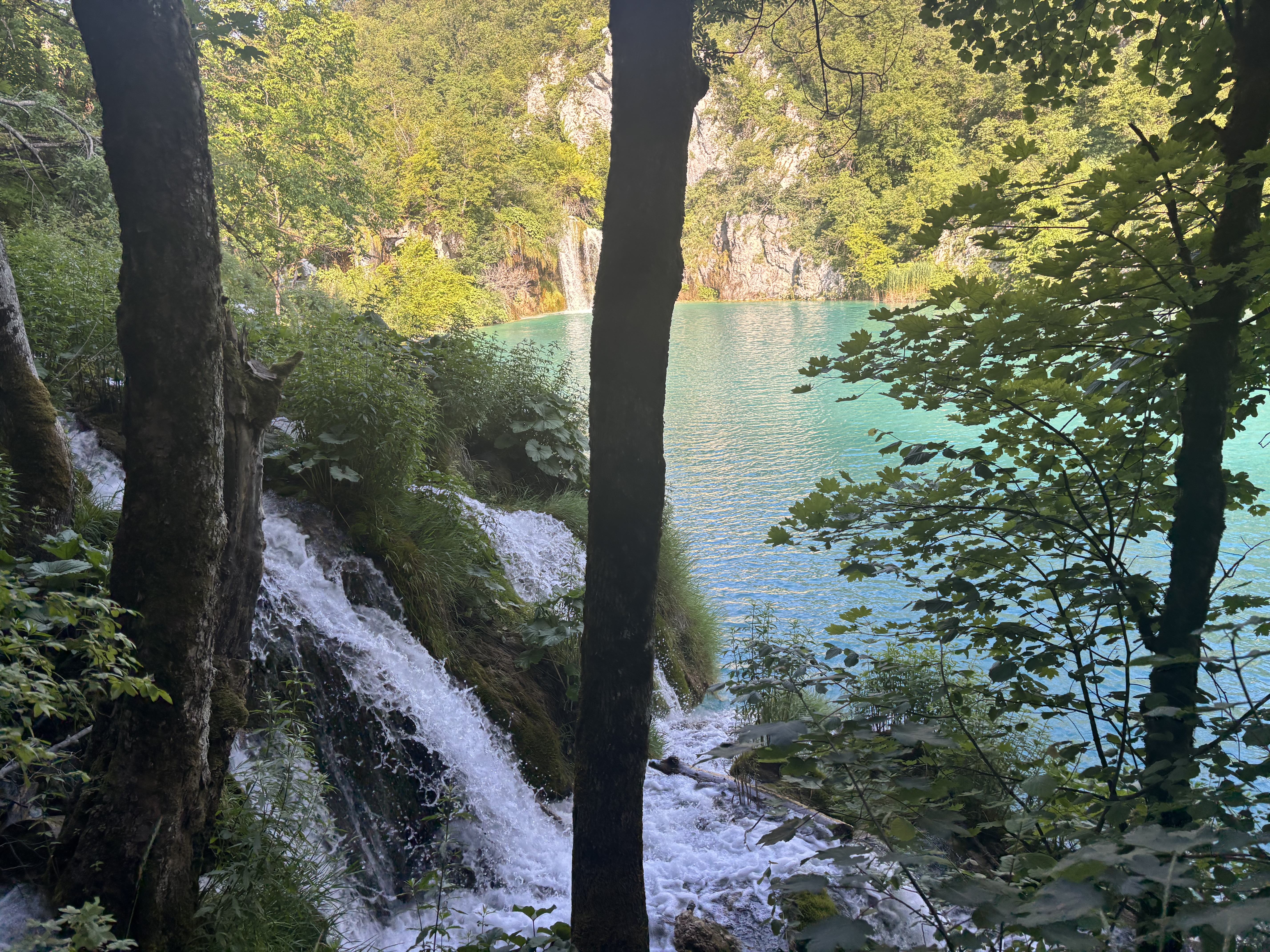
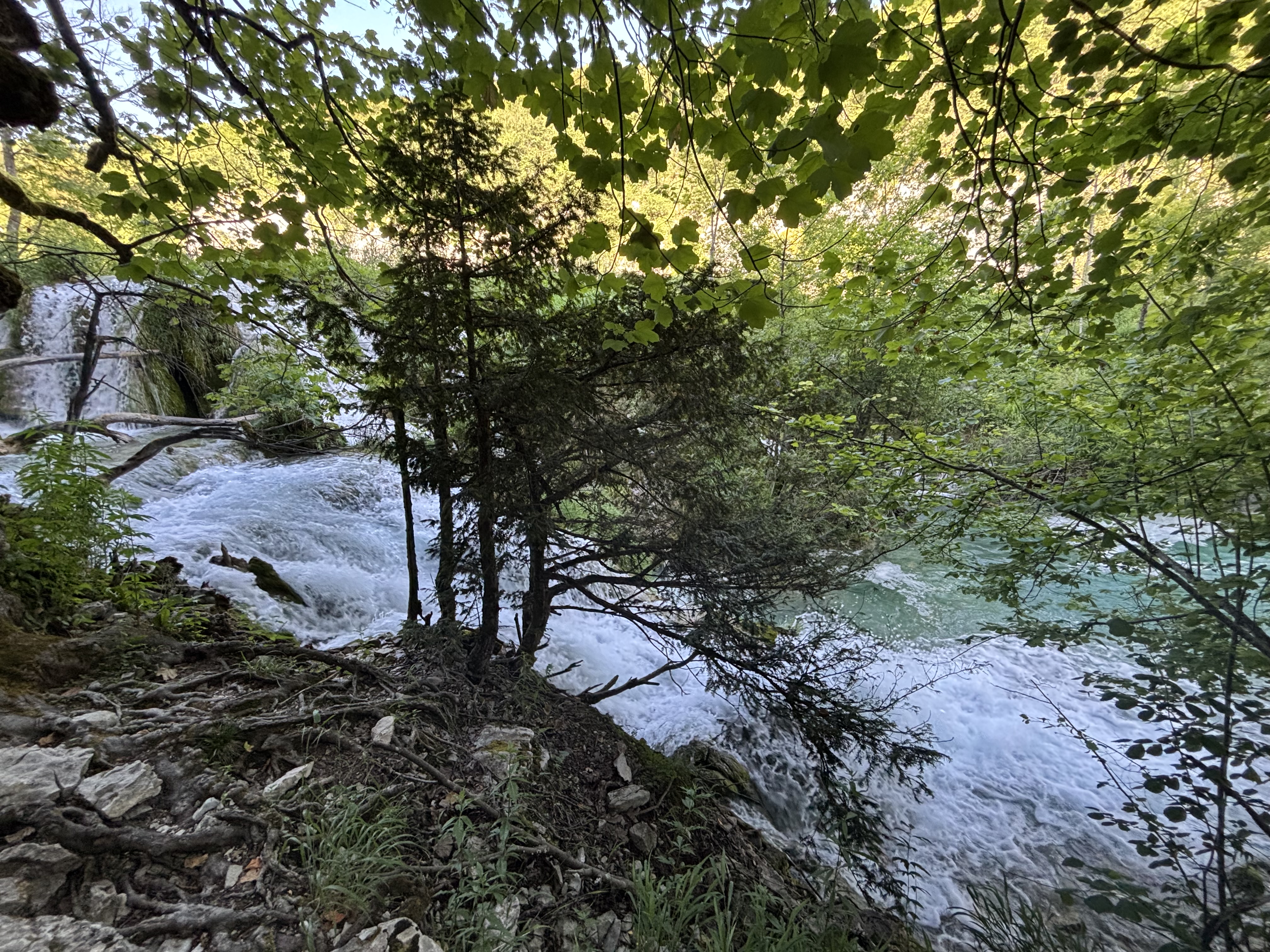
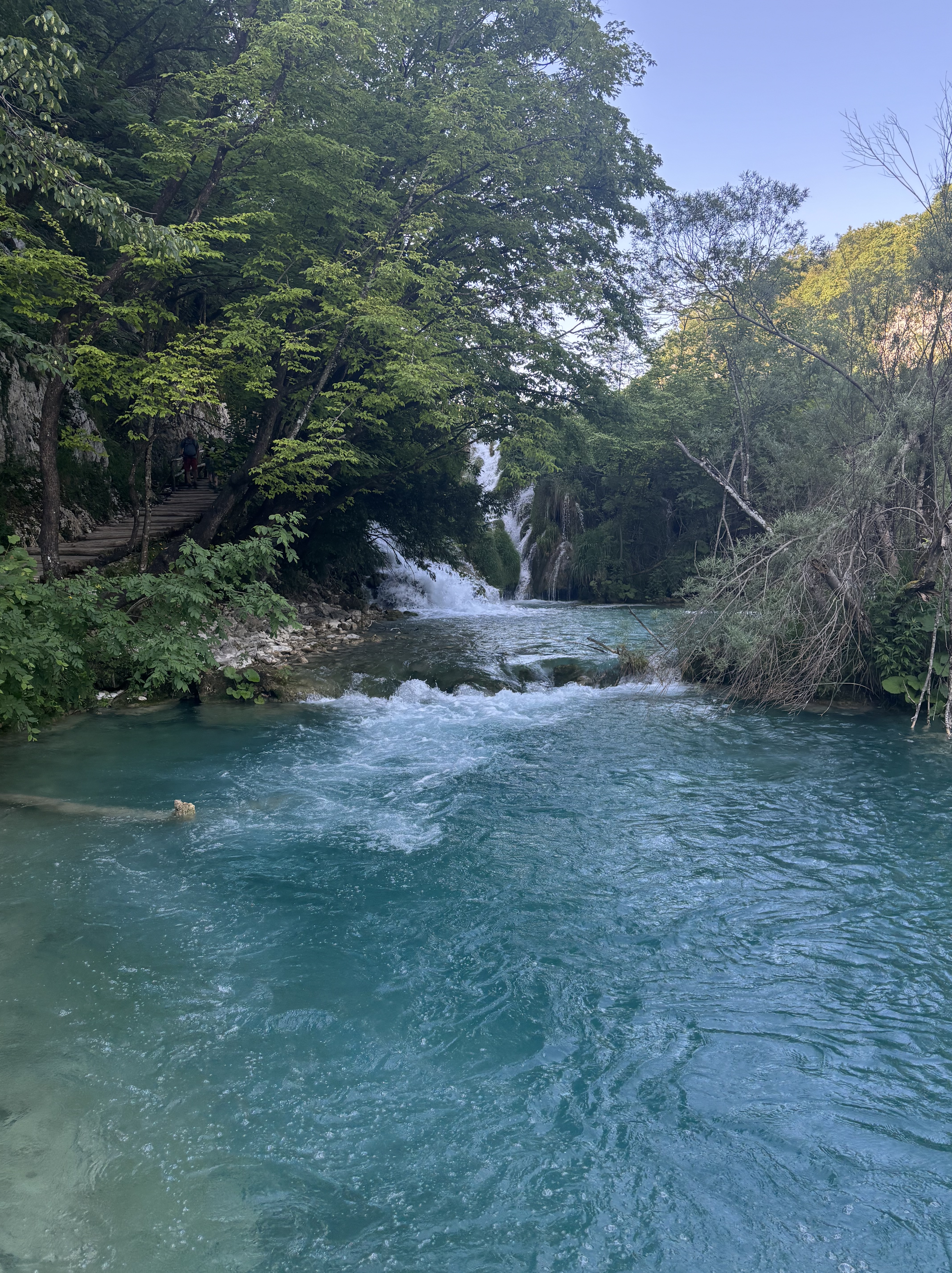

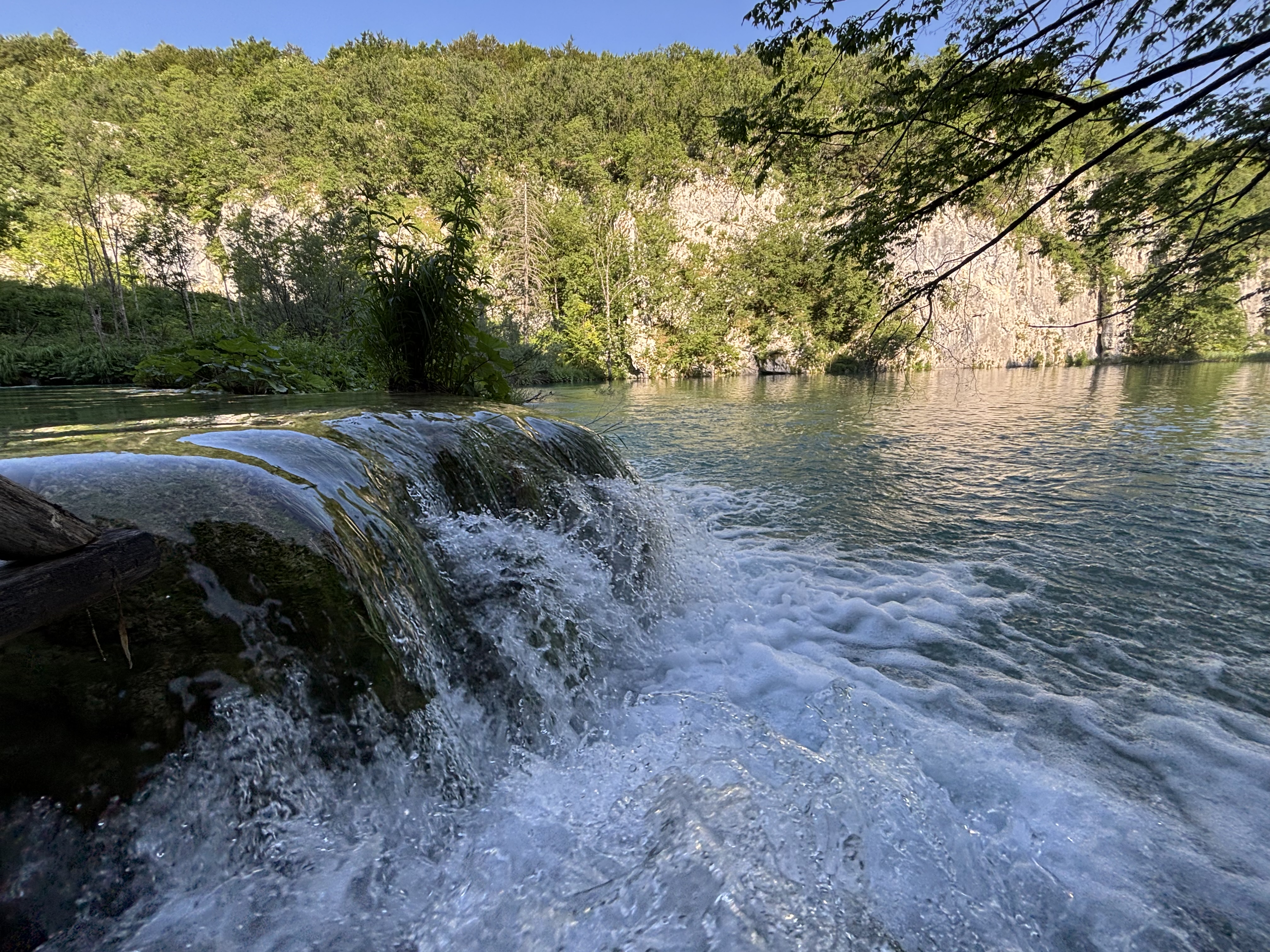
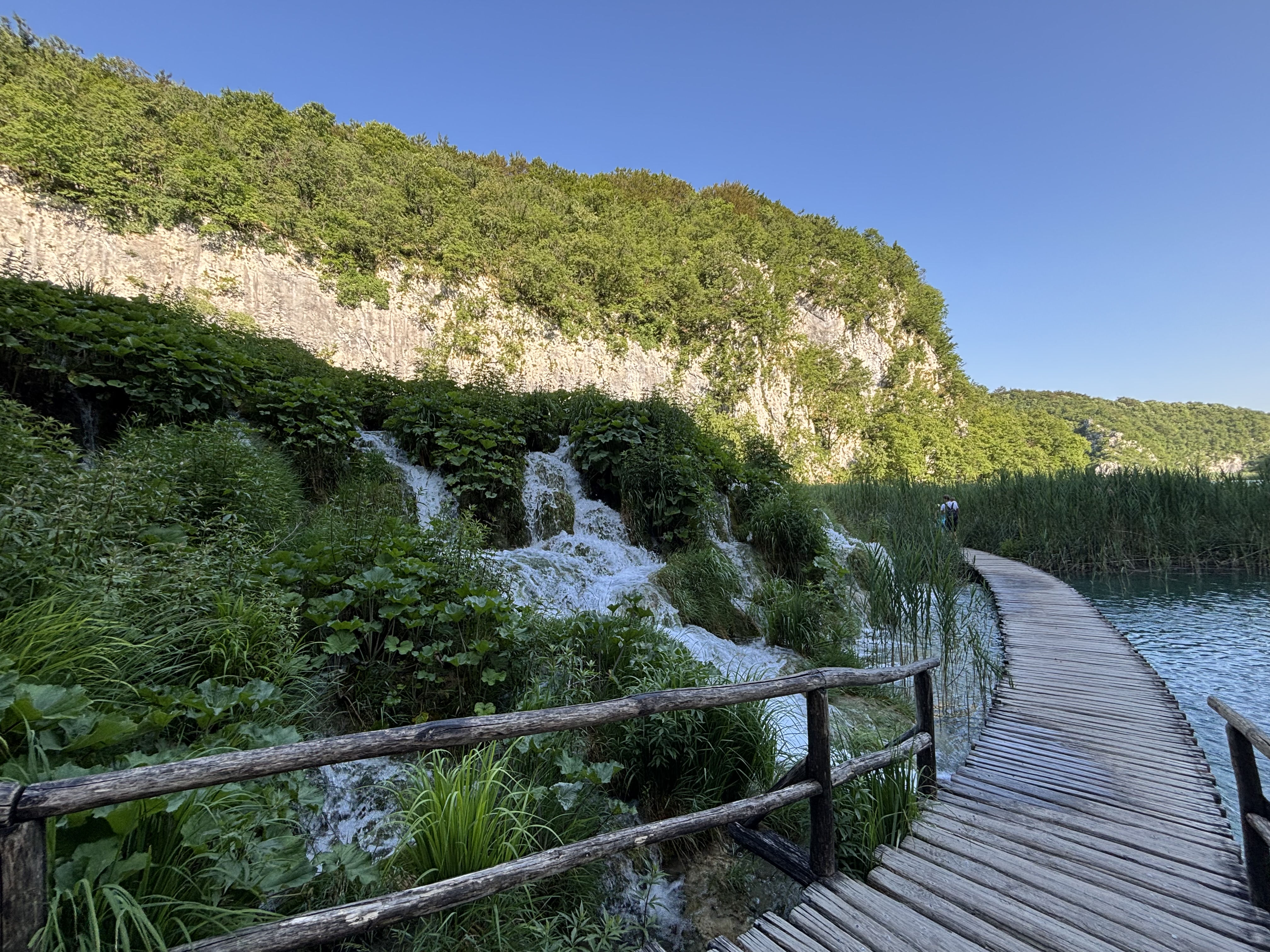
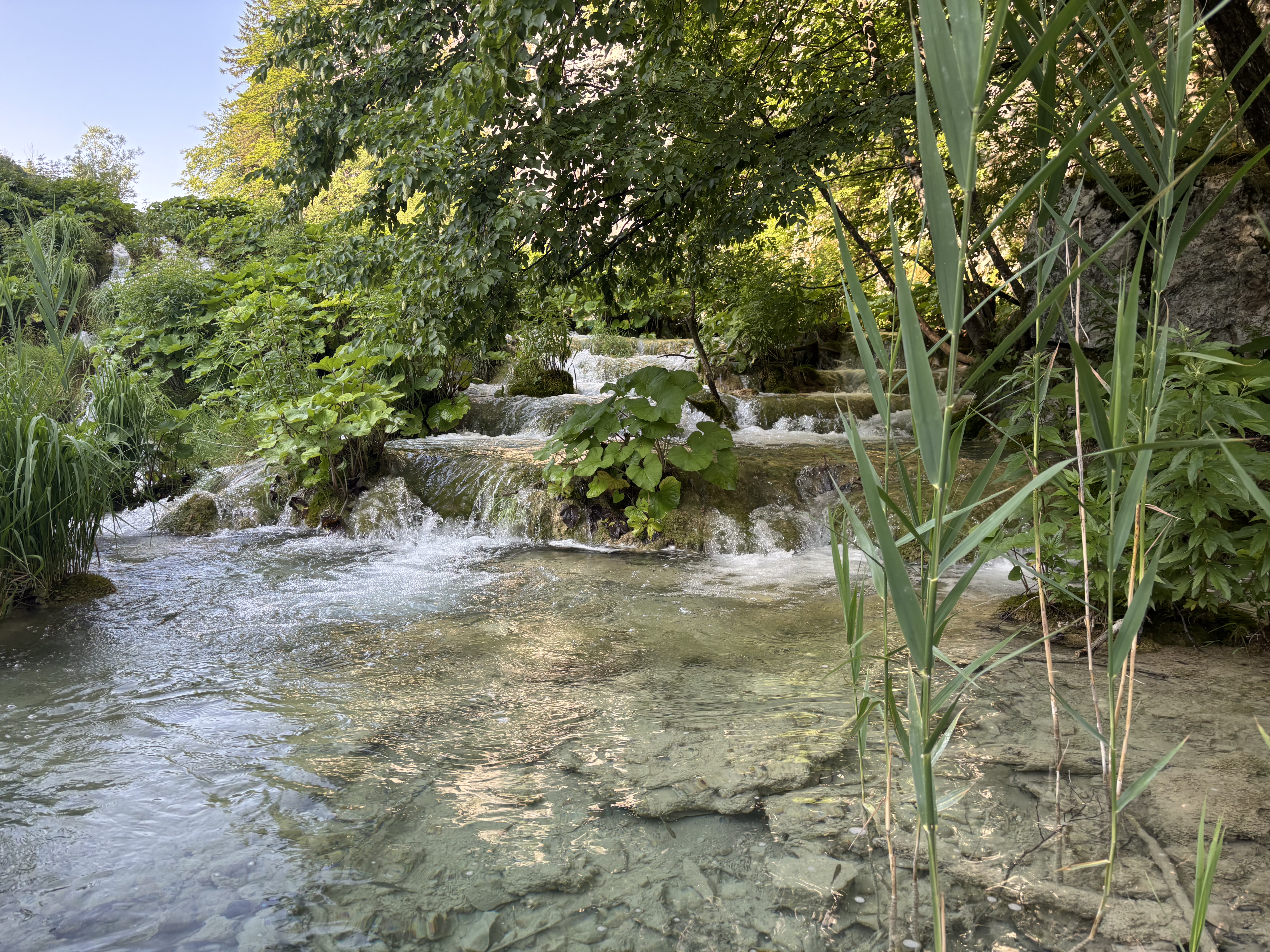
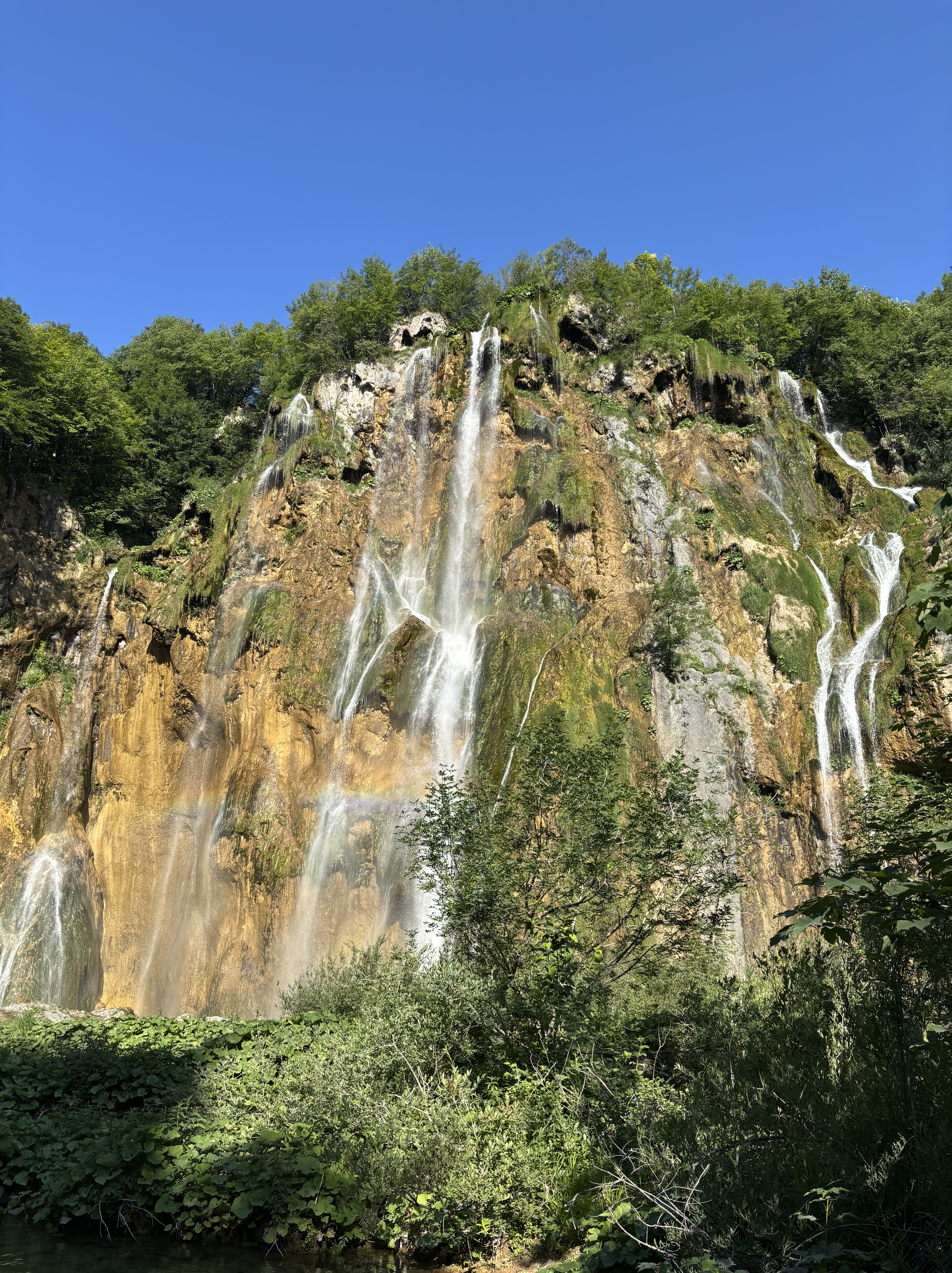

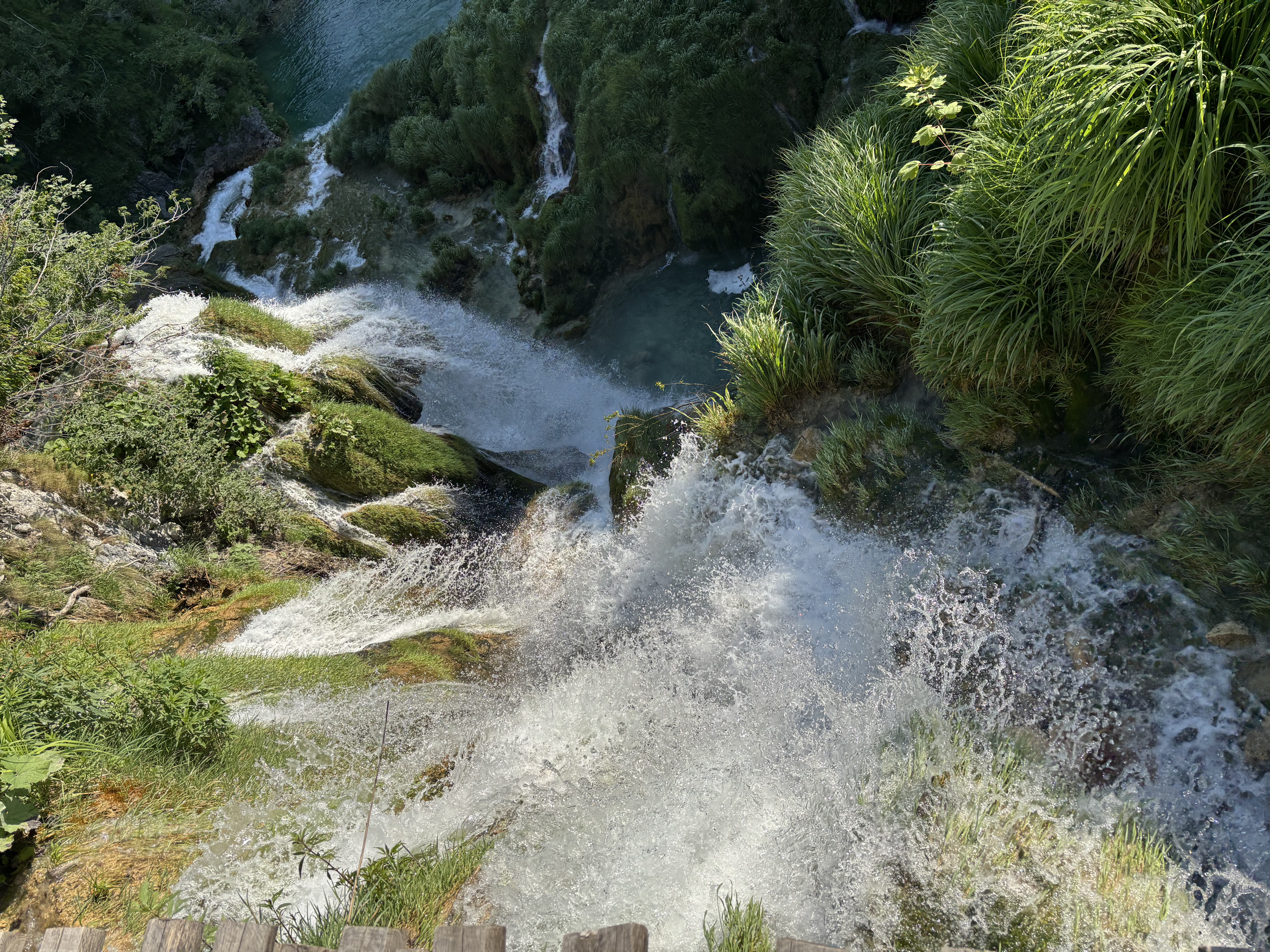

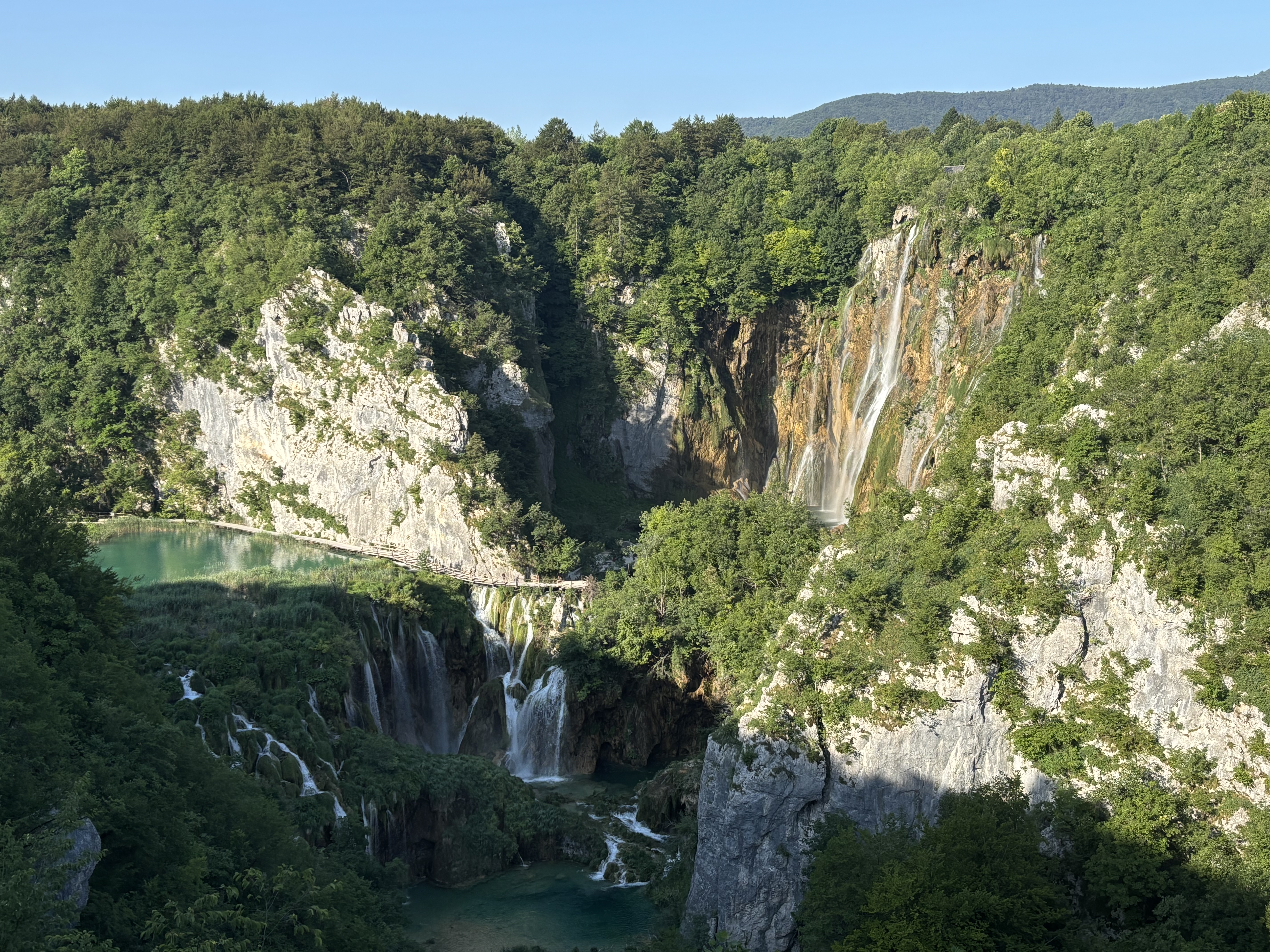
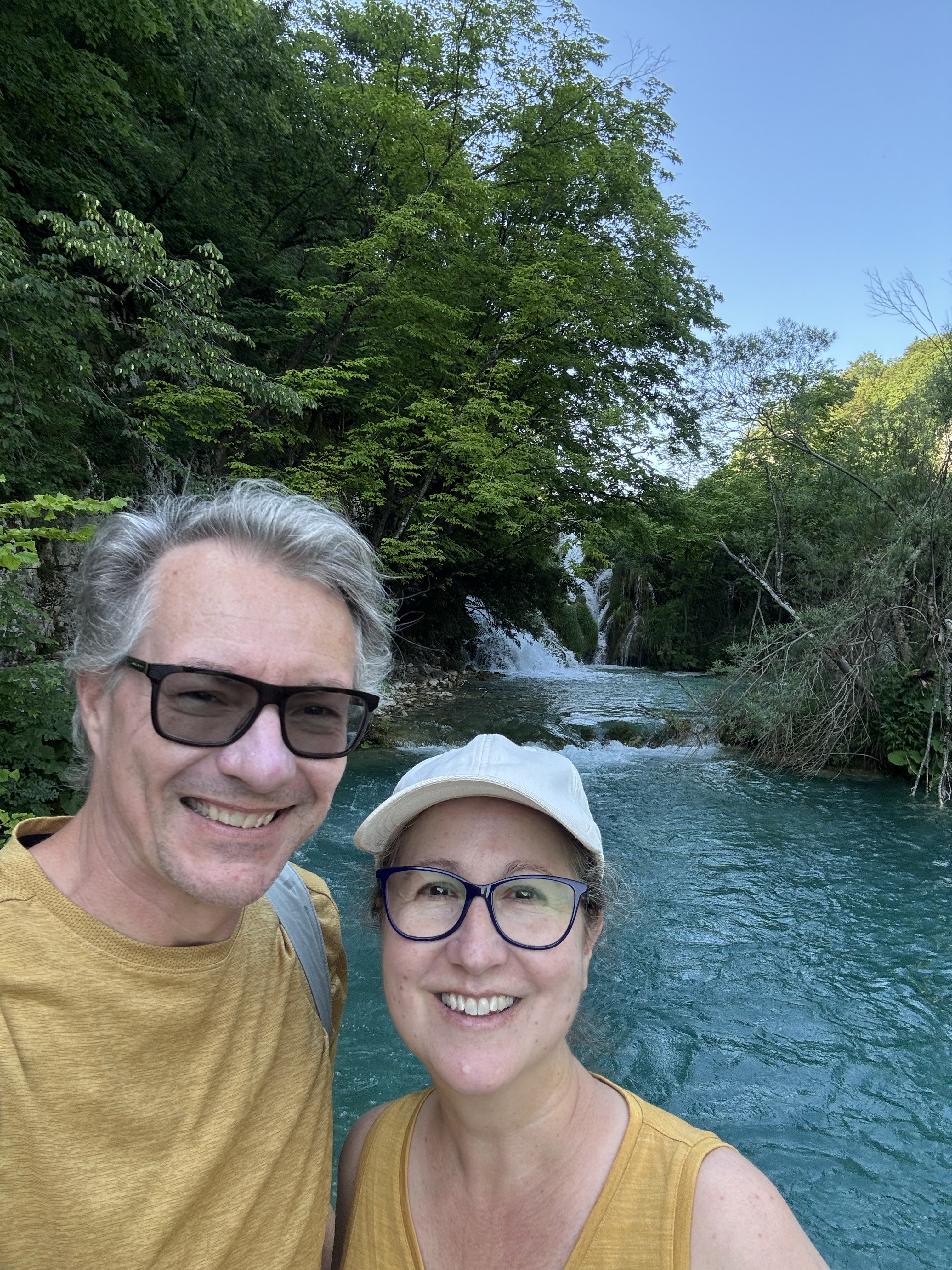
To visit the lakes, you must choose between one of two entrances, each of which involves a bit of a downhill trek to the actual lakes (meaning the uphill return voyage to your chosen parking lot is a little more challenging and a little less accessible than what you typically find in the U.S. National Park System). We entered at Entrance 1 and were met with a panoramic view of the lower lakes almost immediately. The park was designed with a series of stairs and wooden boardwalks (there are VERY few handrails, so exercise caution if traveling with small children or the chronically uncoordinated) that zigzag across the lakes, as well as over and under waterfalls when not following the shoreline. The park itself is a large complex, containing at least sixteen lakes of varying sizes, so most visitors will cover a significant portion of their visit by taking one of the electric ferry boats that glide silently across the glass-like surface of the upper lakes. It is theoretically possible to hike the entire circumference of the park by following the trails along the shoreline and surrounding mountains, but that would require a level of fitness beyond that of most humans we know. (Sea monster mileage may vary.)
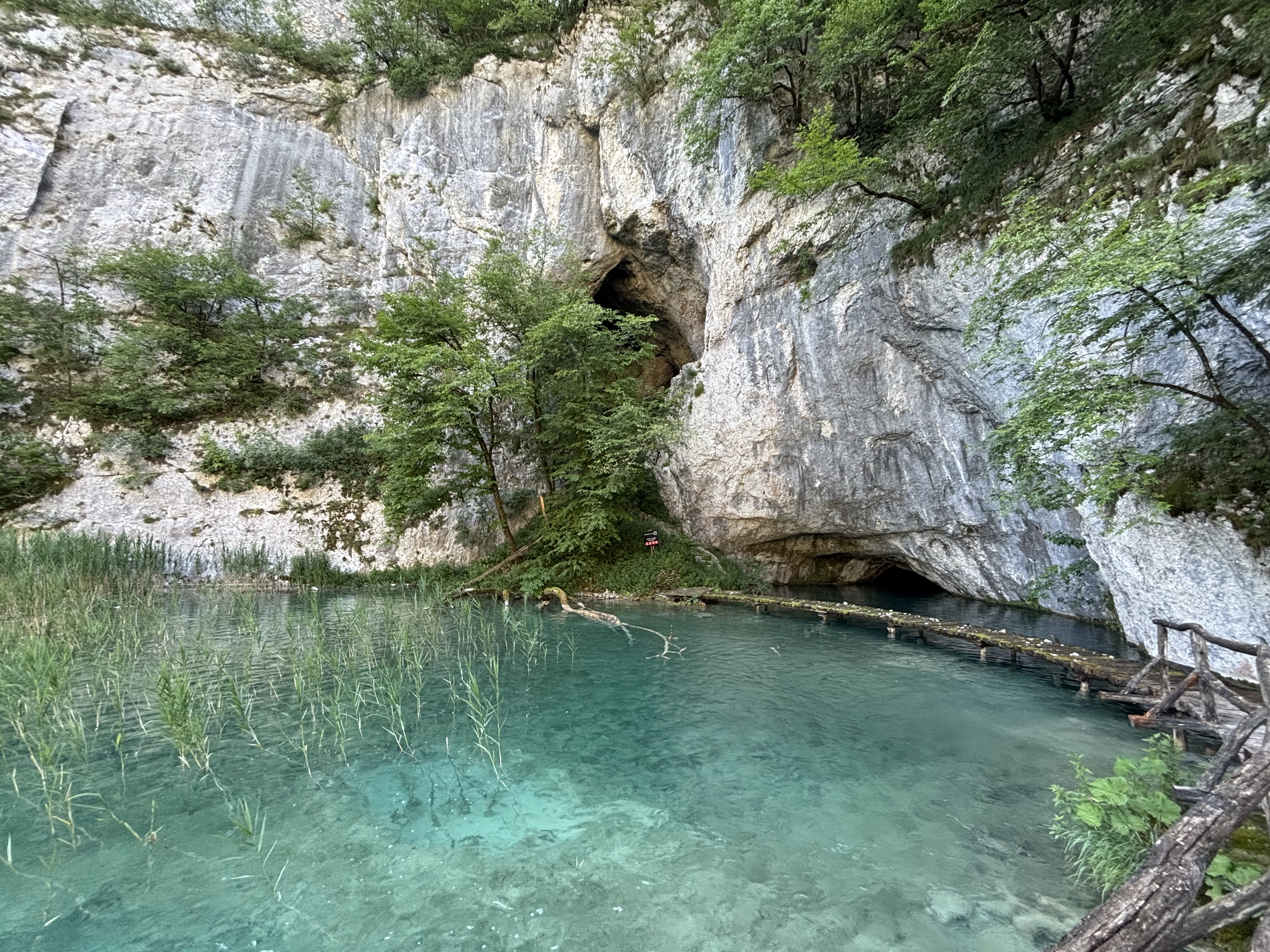
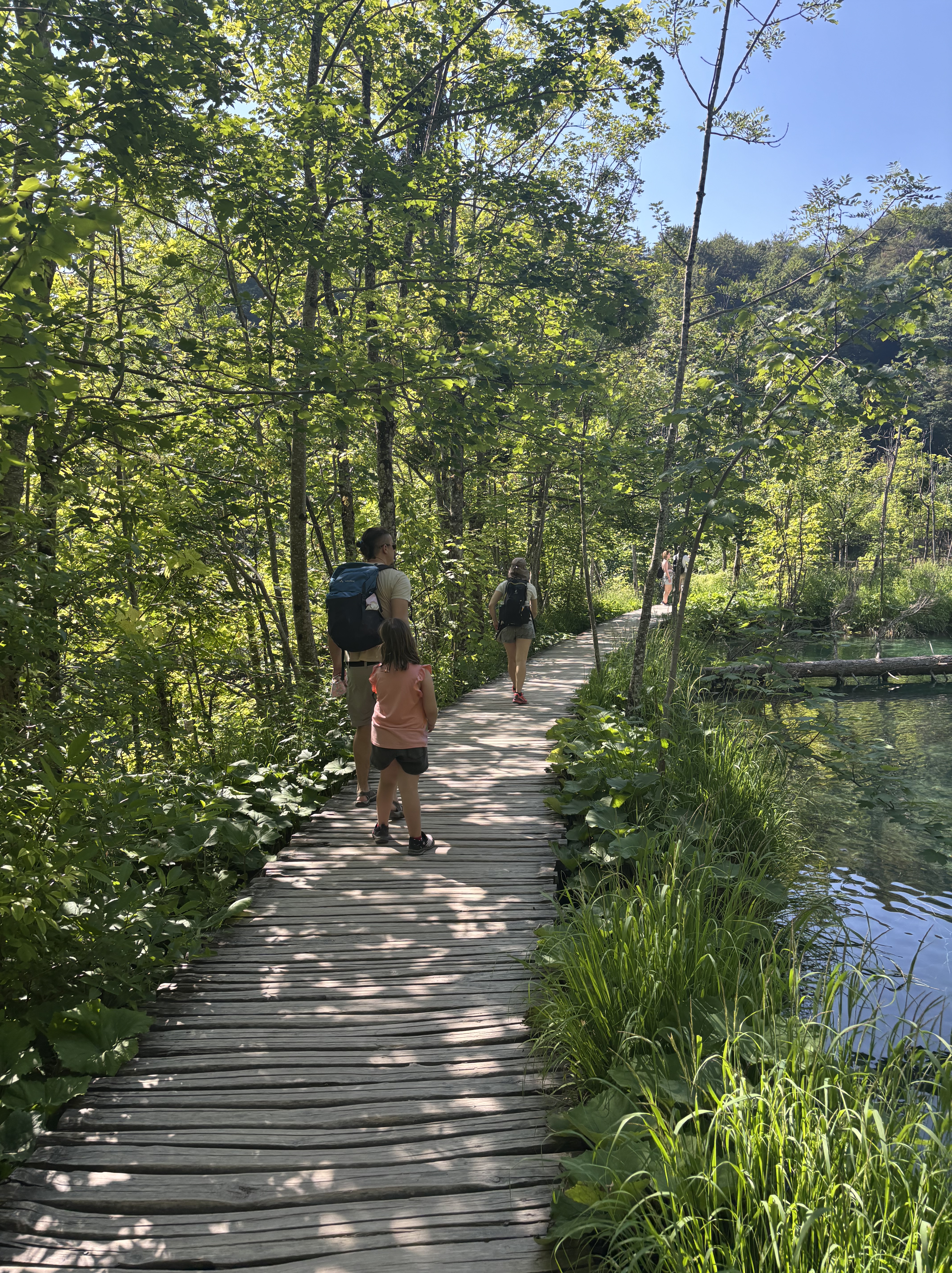
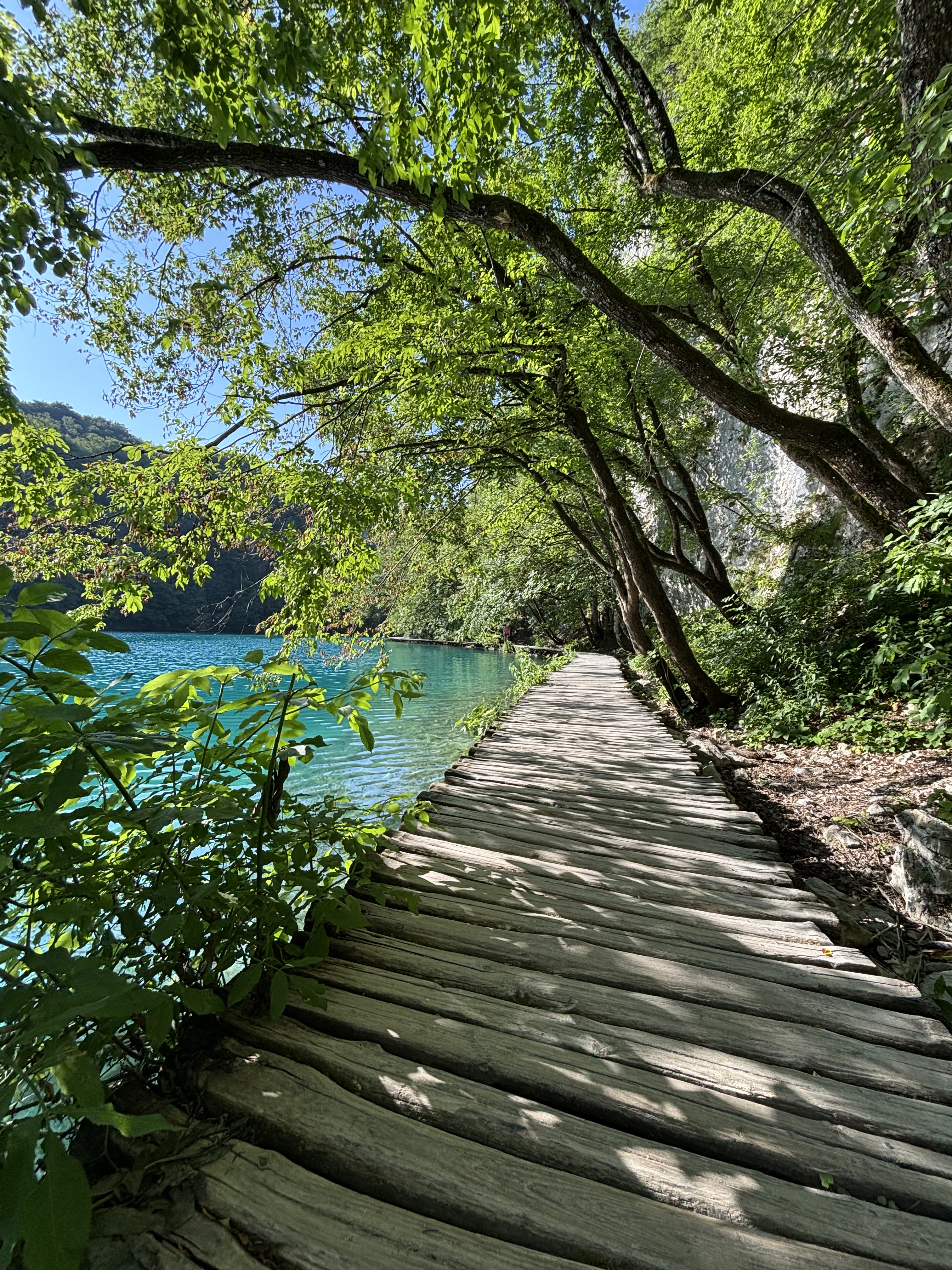

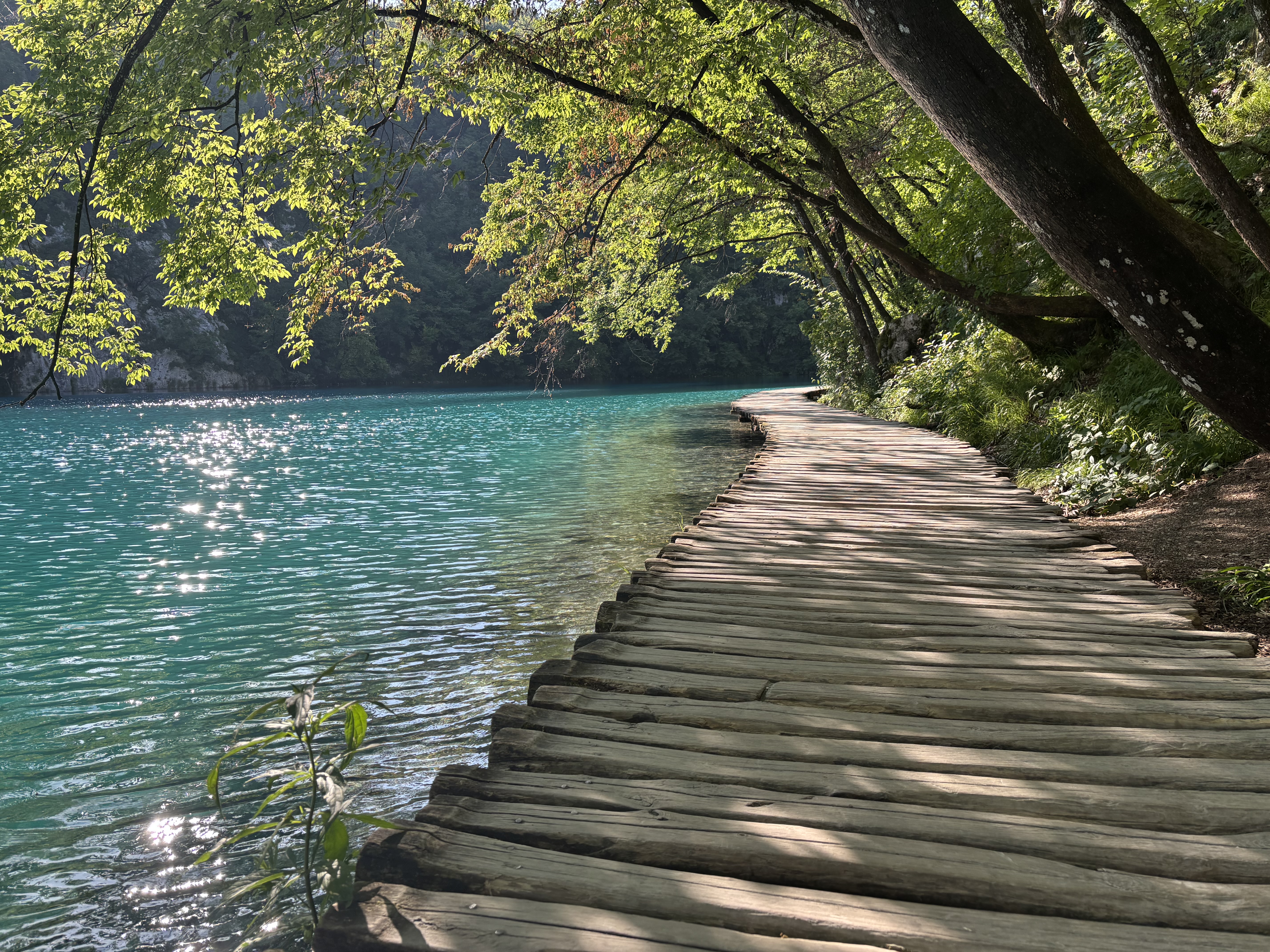
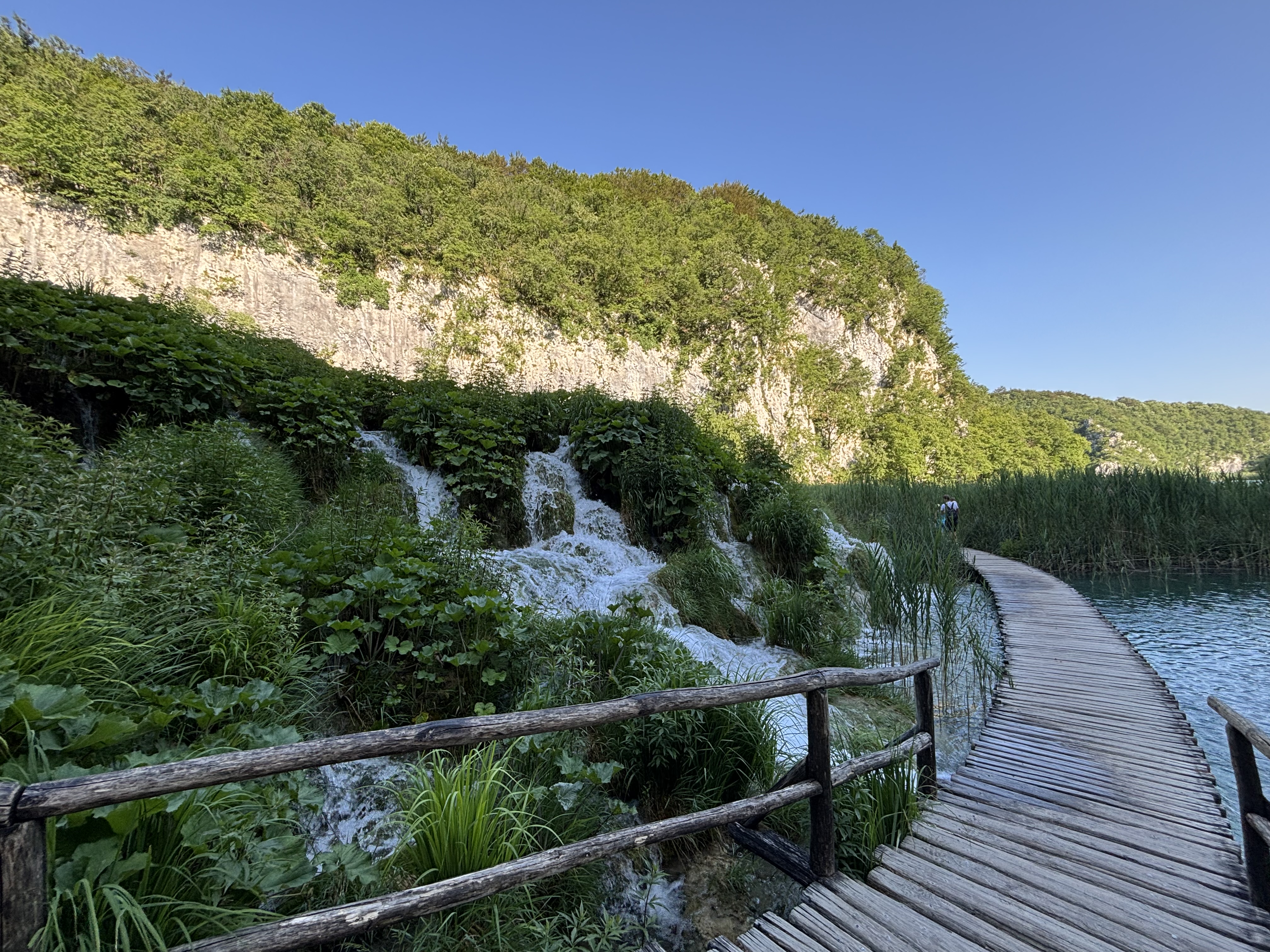
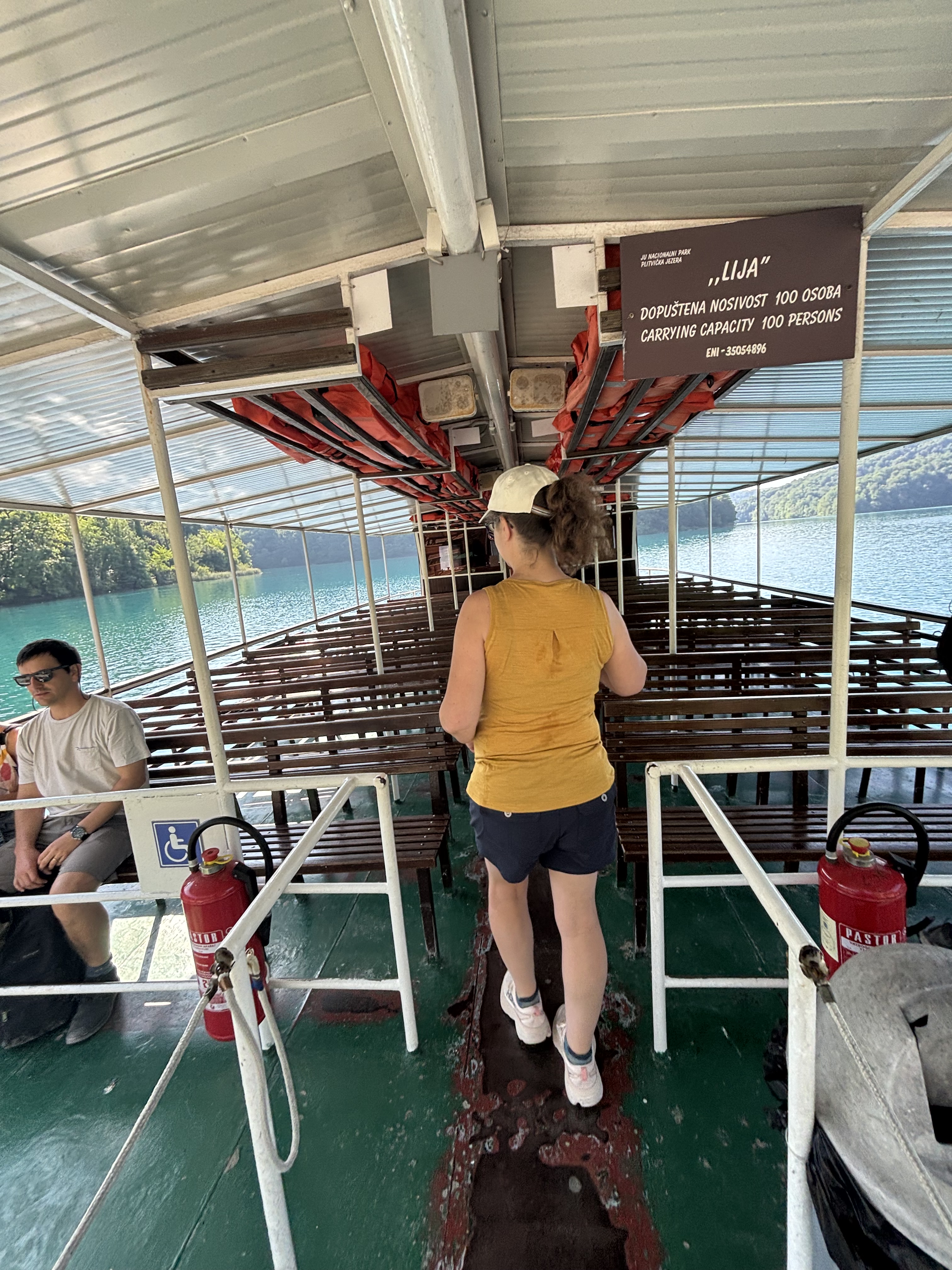

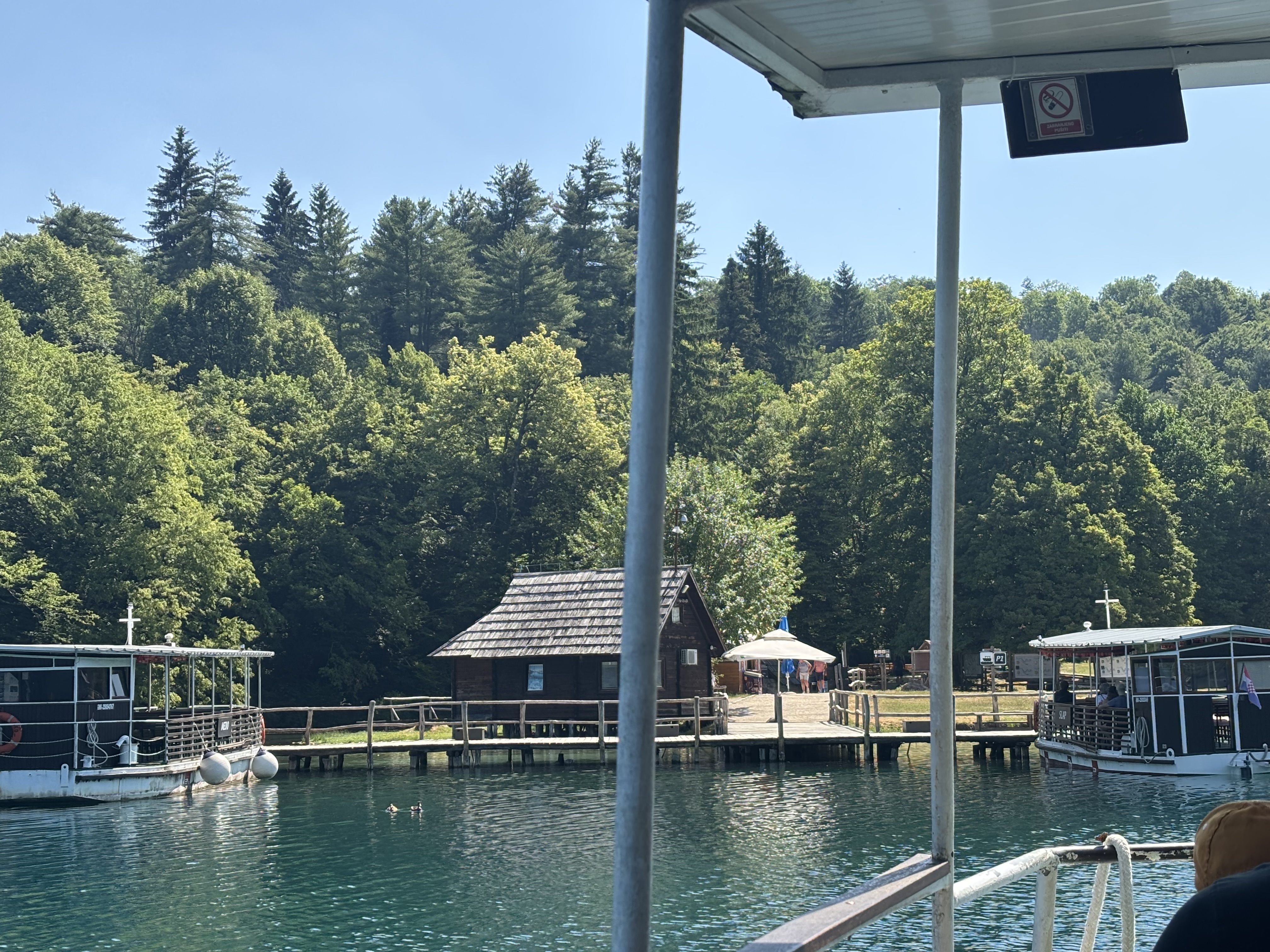
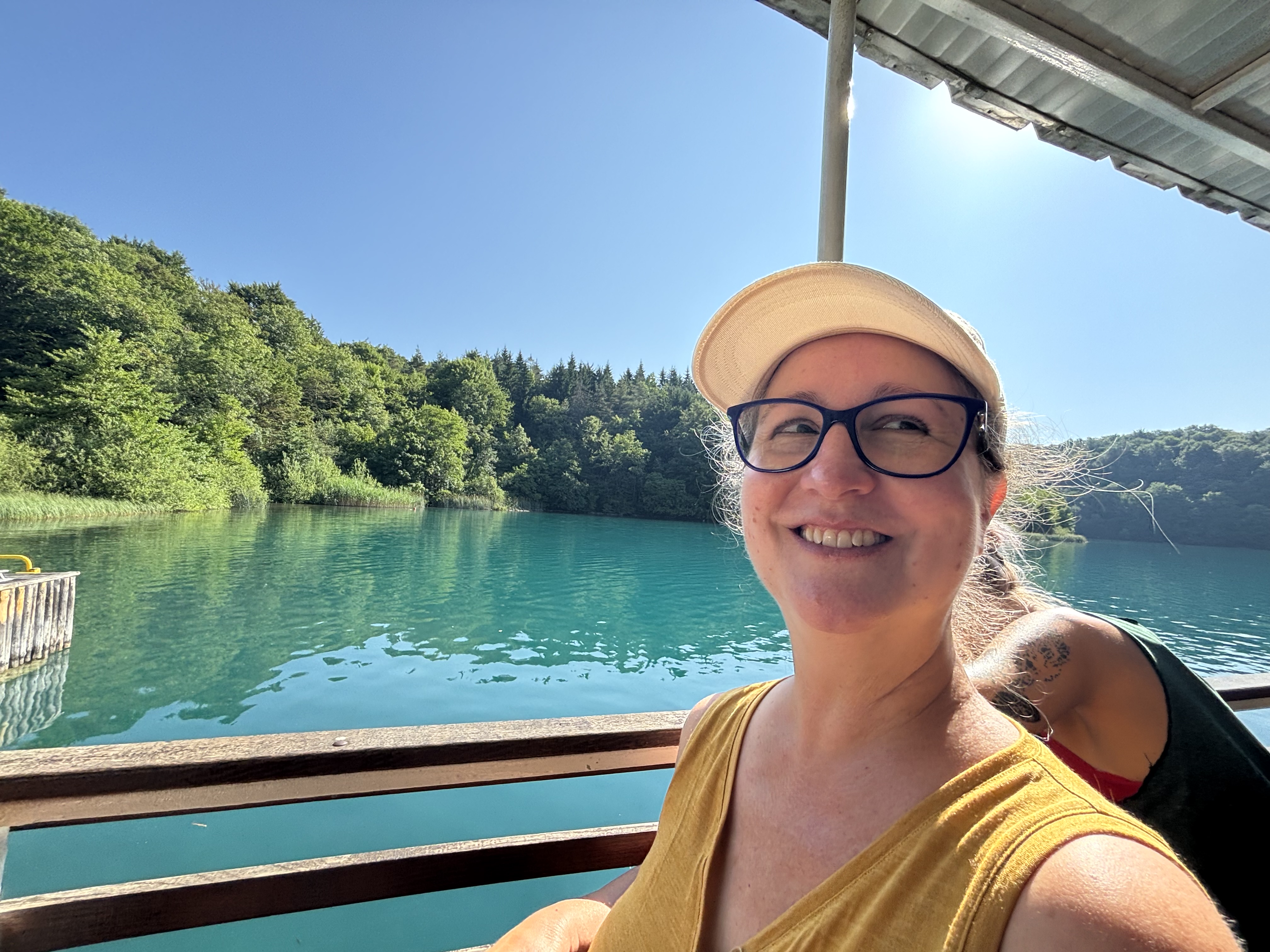
To make the most of your visit, we strongly advise to arrive early (before 8:00) or late in the afternoon to avoid crowds if visiting during the summer high season. The park uses a timed entry system and tends to run out of tickets during high season, so you need to plan at least a week in advance. We opted for an early morning visit, and it was still getting pretty crowded by the time we left the park. We spent the night before at the Plitvice Miric Inn, a typically clean and friendly albeit unremarkable (and cash-only) Rick Steves recommendation since there were no viable opportunities for hotel points redemptions in the area, and we opted for a surprisingly good dinner at Black River Steak and Pasta House near Entrance 2 instead of the two “family-friendly” spots within walking distance of our lodging. A final word of caution: you may want to avoid the shuttle bus to the parking lot and just plan on hiking a little farther or hailing a cab if you finish your park visit at the wrong entrance late in the day. There is still a long, uphill hike to either parking lot at the end of the shuttle ride. More importantly, it was a particularly (near-record) hot day when we there, but the shuttle bus seats were already wet with the prior occupants’ sweat and smelled quite ripe by the time we boarded. Ick.
Shuttle bus experience notwithstanding, the Plitvice Lakes are pretty close to a can’t miss stop if you happen to be in the area and worthy of a side trip for anyone on an extended visit to Zagreb, Ljubljana, Split, Rijeka or Trieste. We’re confident you won’t be disappointed.
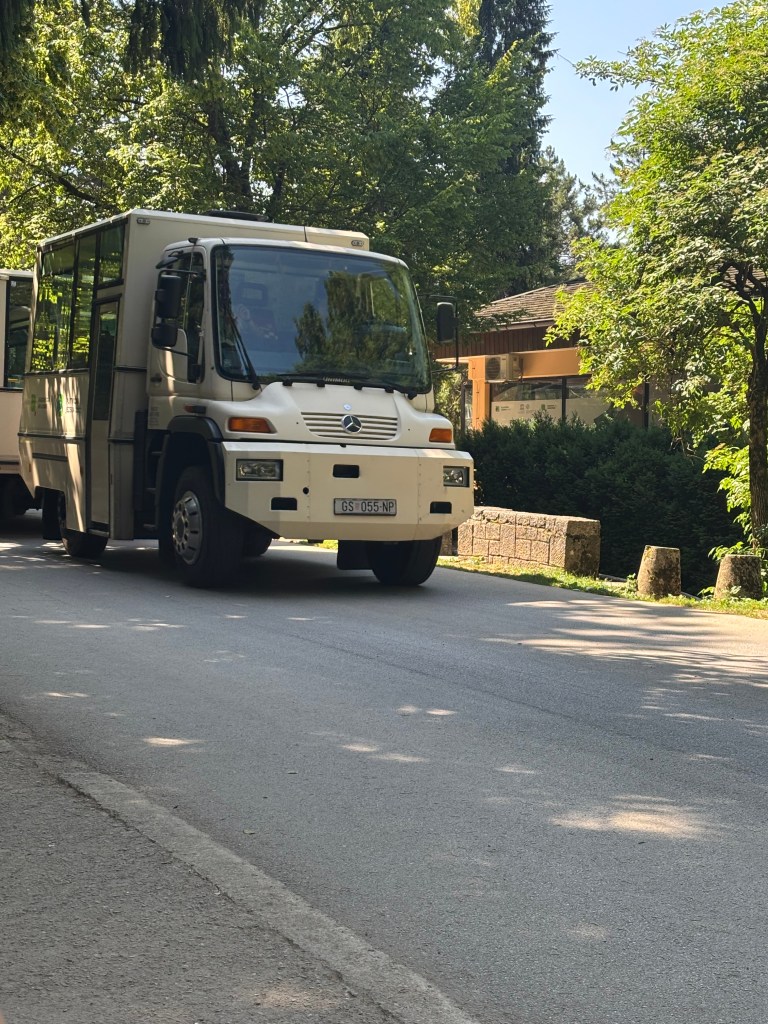
The shuttle bus, moist and stinky.


 The Global Slowmad
Leave a reply to Anonymous Cancel reply