Today we answer the question: how can you have a travel blog with (almost) no pictures?
We took a road trip to one of the many natural wonders of Slovenia – the Skocjan Caves in the western part of the country, just miles away from Italy and Croatia – but we unfortunately don’t have much more than our own memories to share because photography is strictly prohibited inside the enormous cavern system. The rationale is two-fold. First, they apparently got tired of people falling over the railing and injuring themselves. Second, the lights along the trail are triggered by motion sensors, and the lights stay on longer – which can damage the delicate ecosystem over time – if people are constantly stopping to take pictures. Fair enough. They do allow professional photographers to enter the caves to take pictures from time to time, so we would encourage you to give it a quick google.
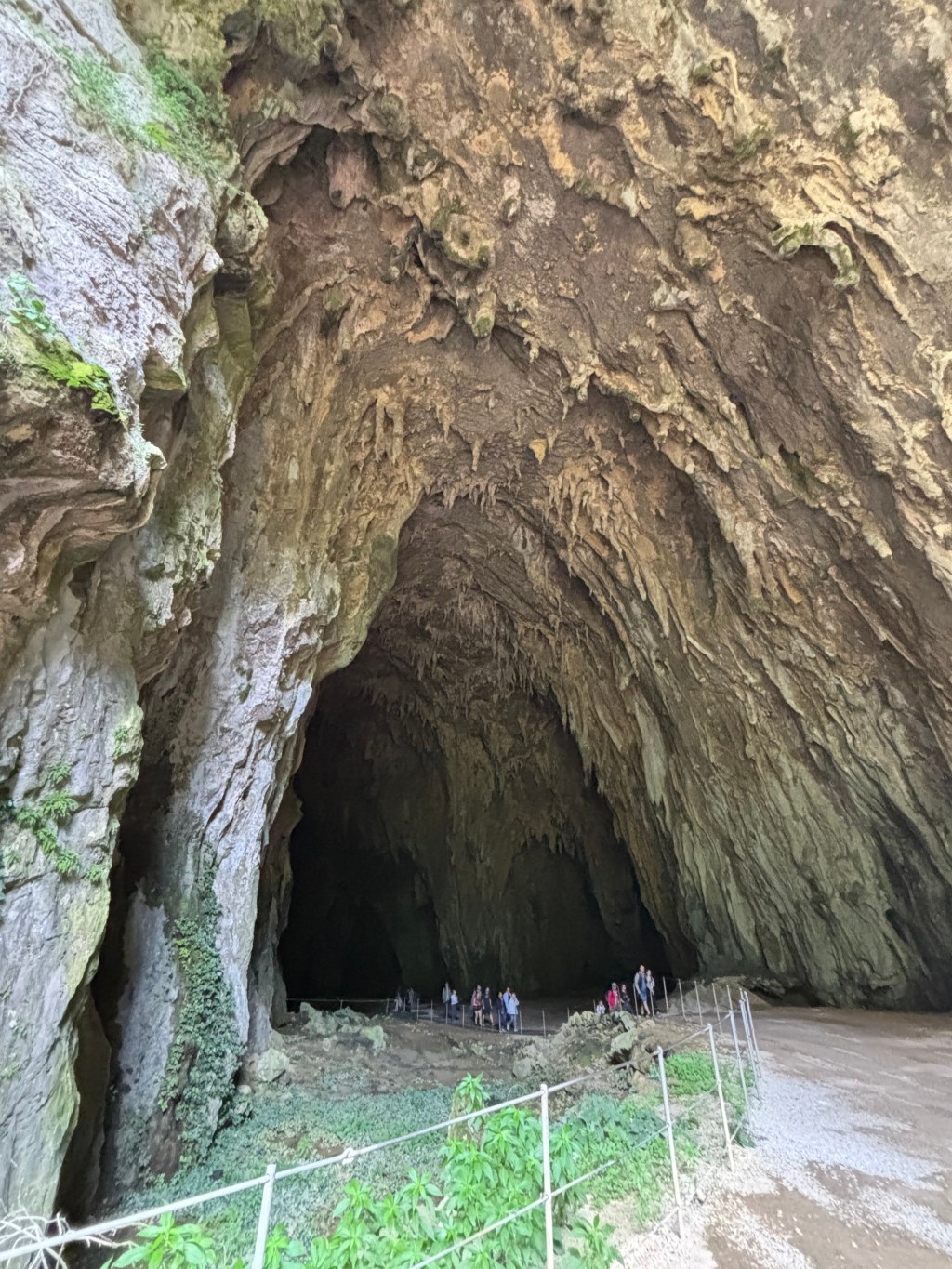
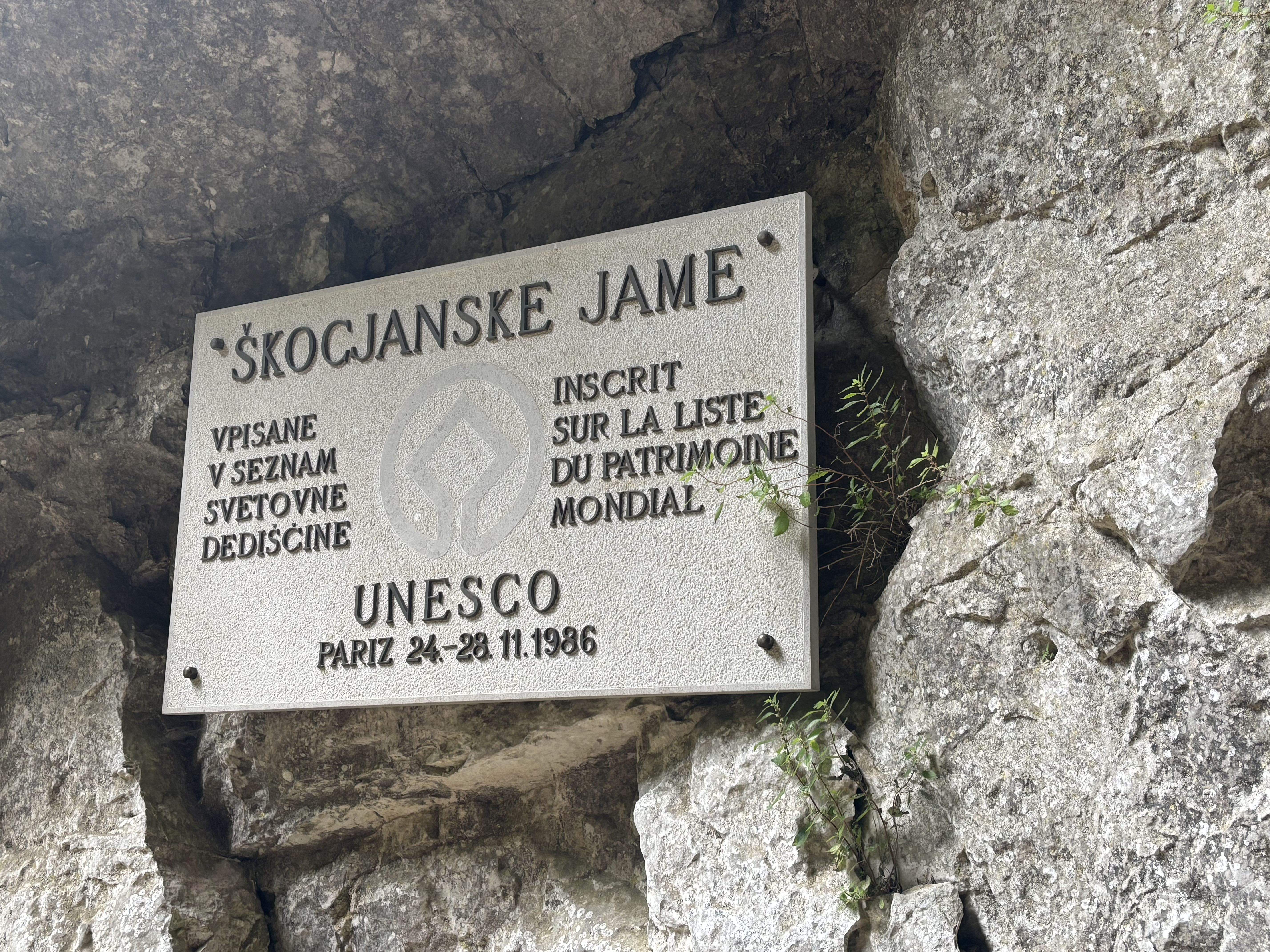
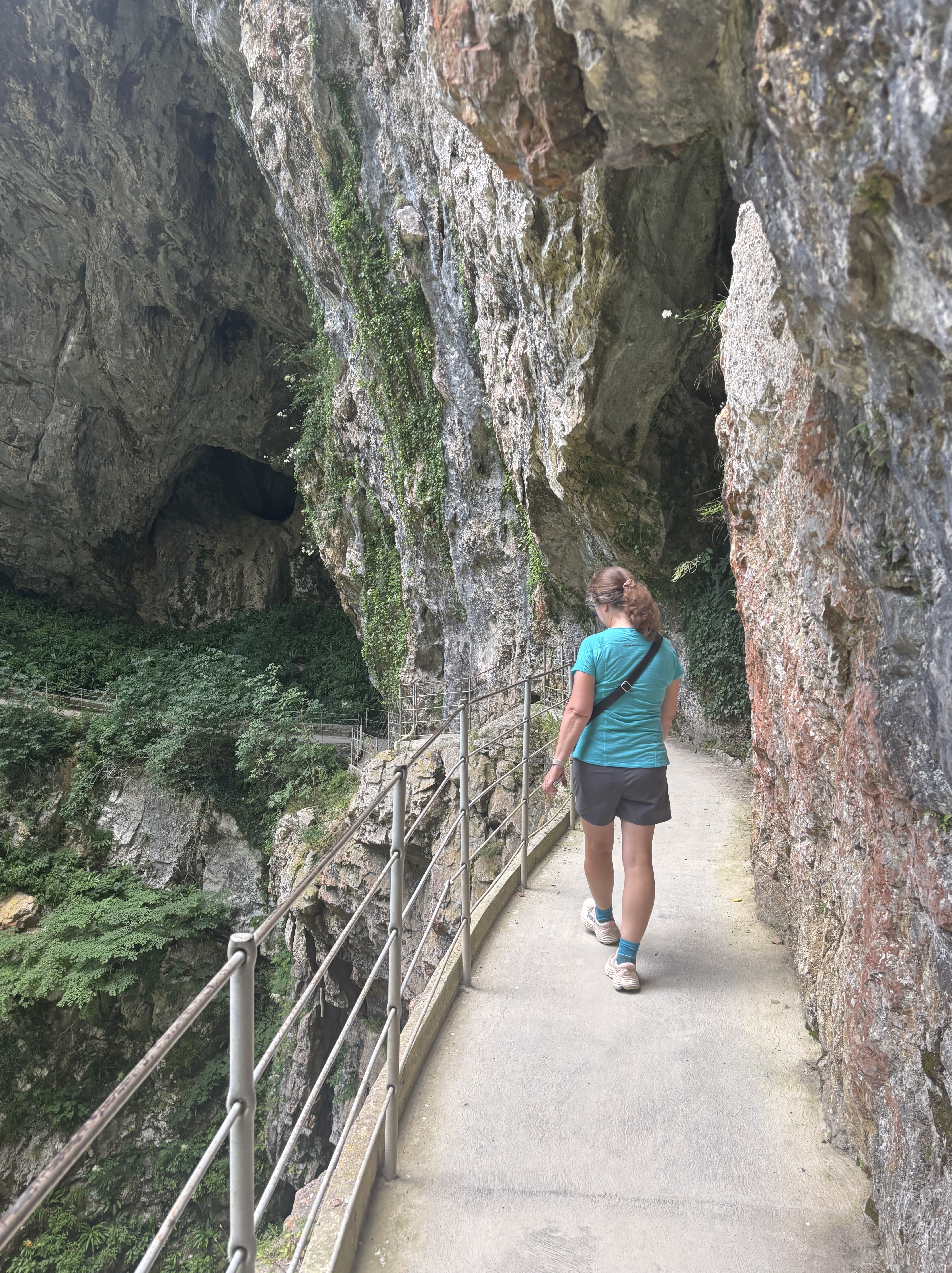
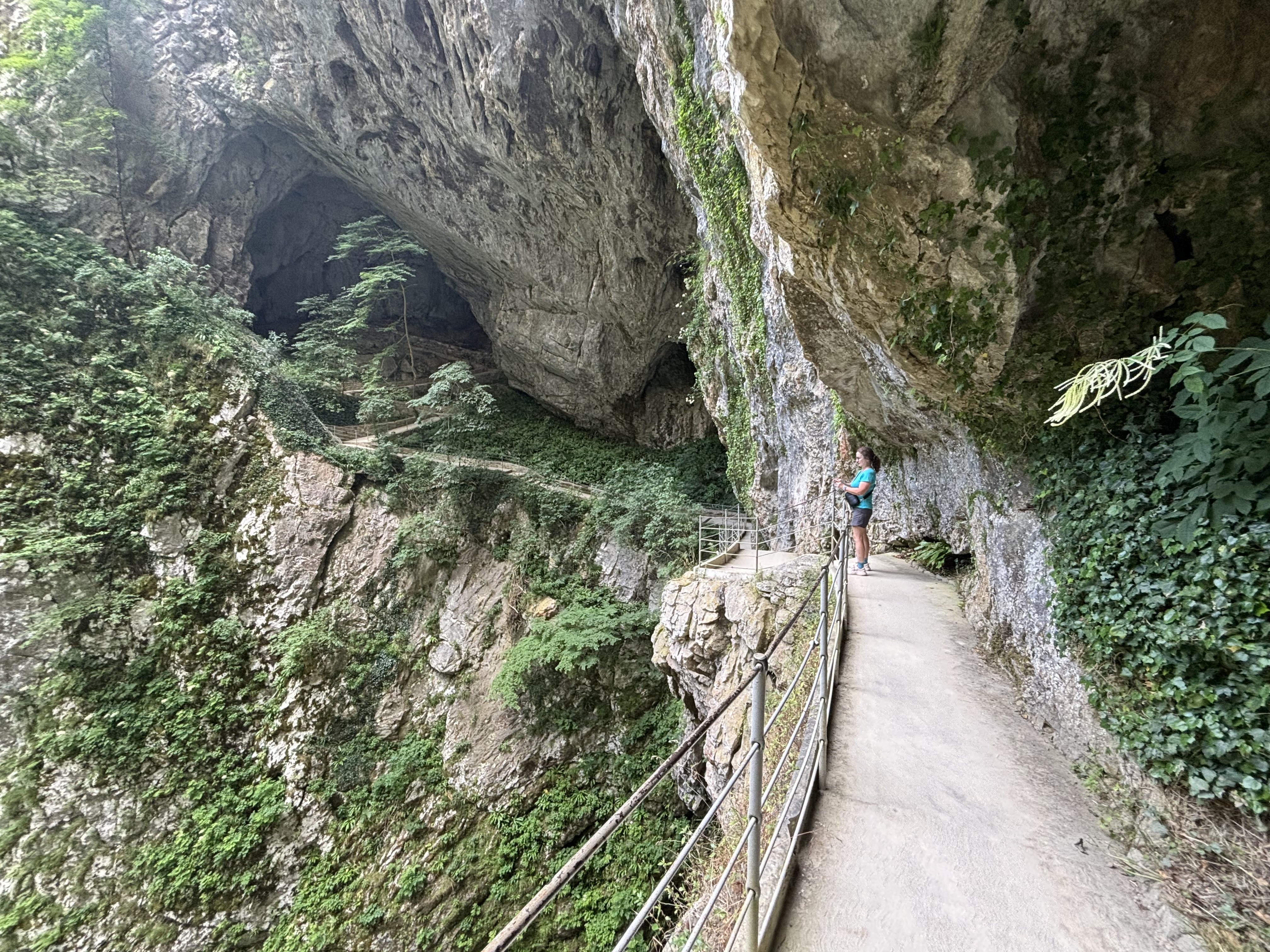
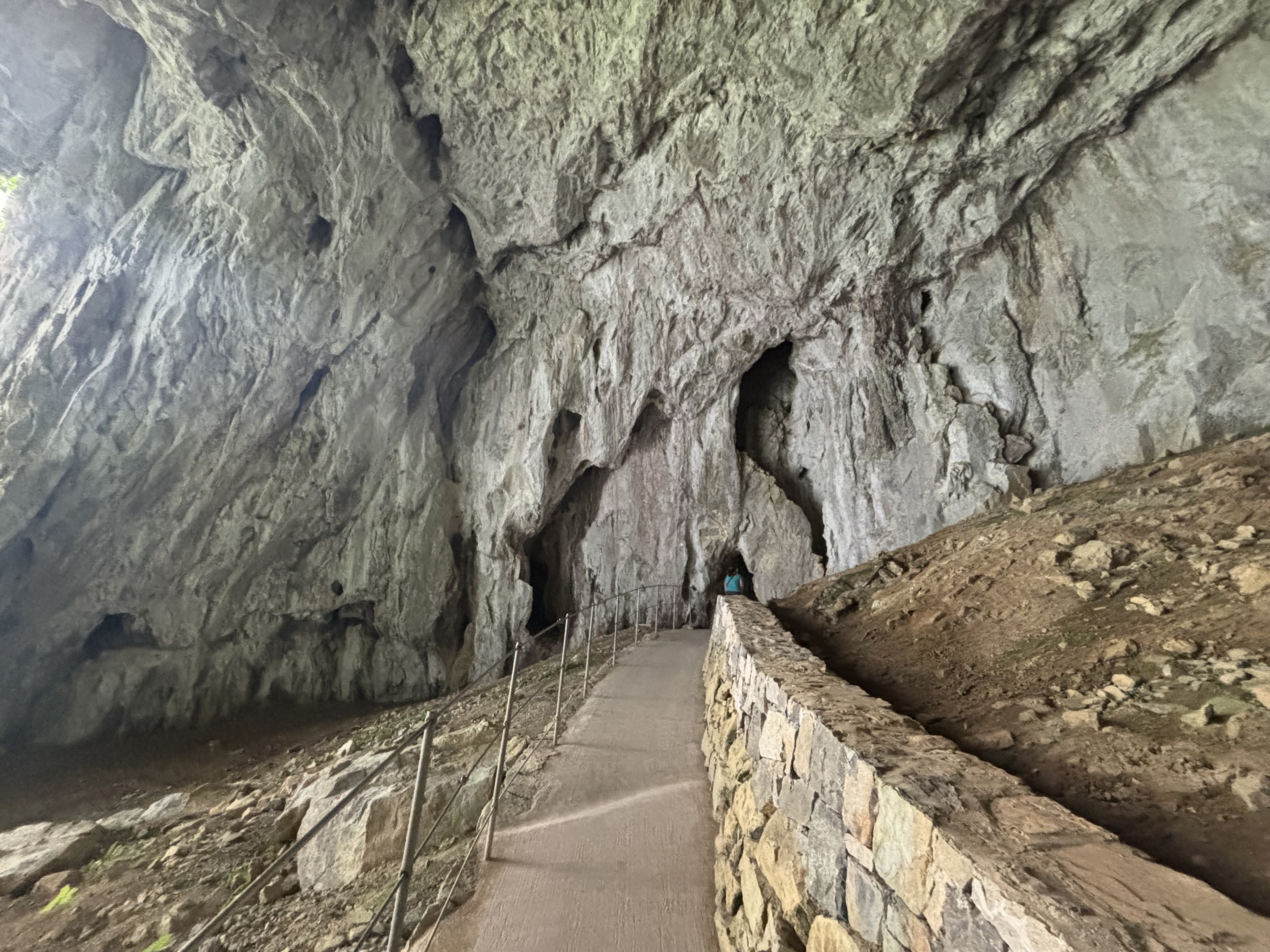
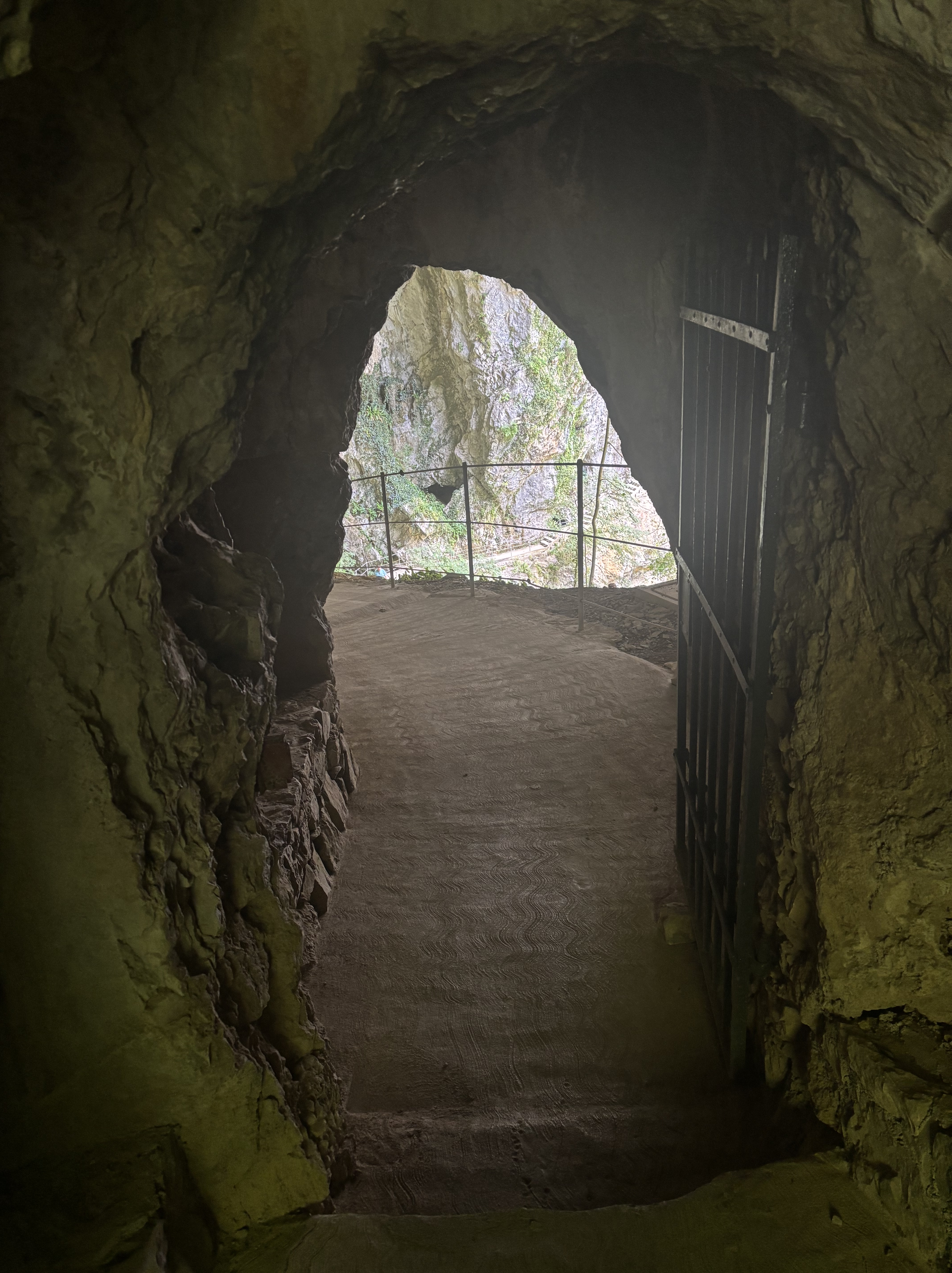
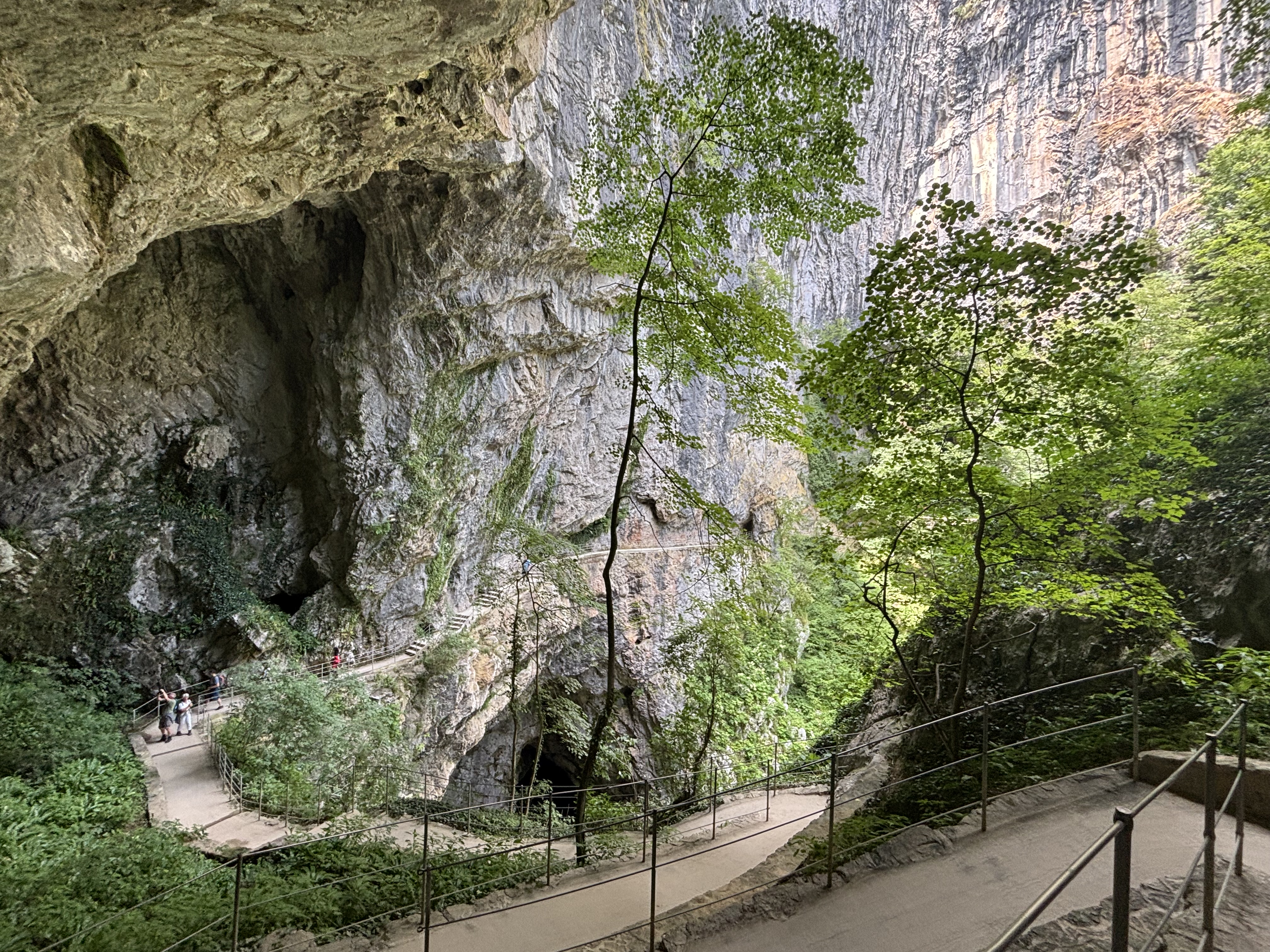
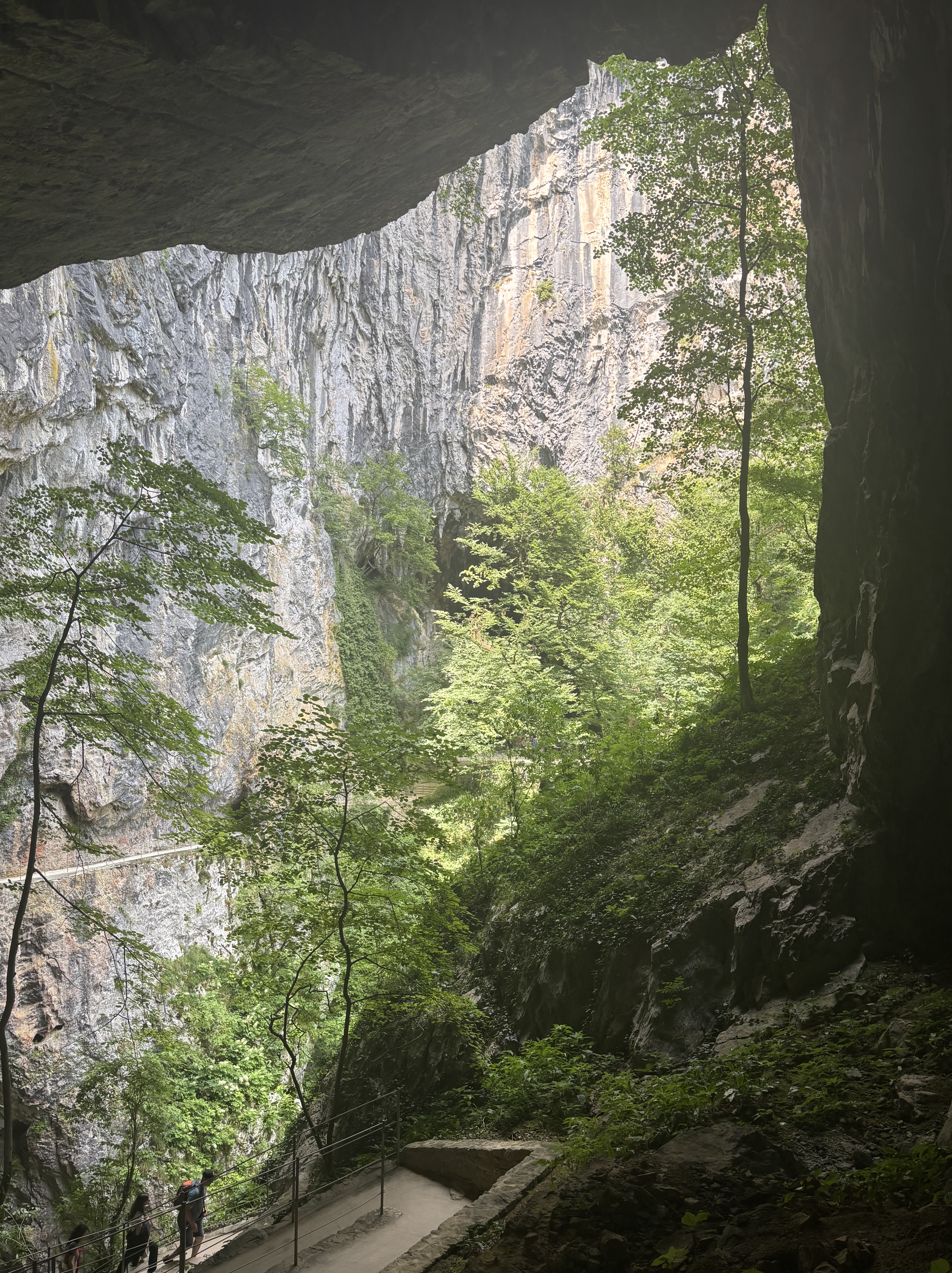
The Skocjan cave system (there technically is a circumflex “^” above the “S” that is pronounced “Sh” in Slovenian, the “c” is pronounced “ts” and the “j” sounds like a “y”) was designated as a UNESCO World Heritage Site in 1986, but it has been a tourist attraction since at least the early 1800’s. Archaeologists have found evidence of human habitation in the area more than 10,000 years ago, and it was a popular religious pilgrimage site more than 3,000 years ago. The whole area is interesting, and we did capture a few pictures of the natural cave exit and the surrounding valley.
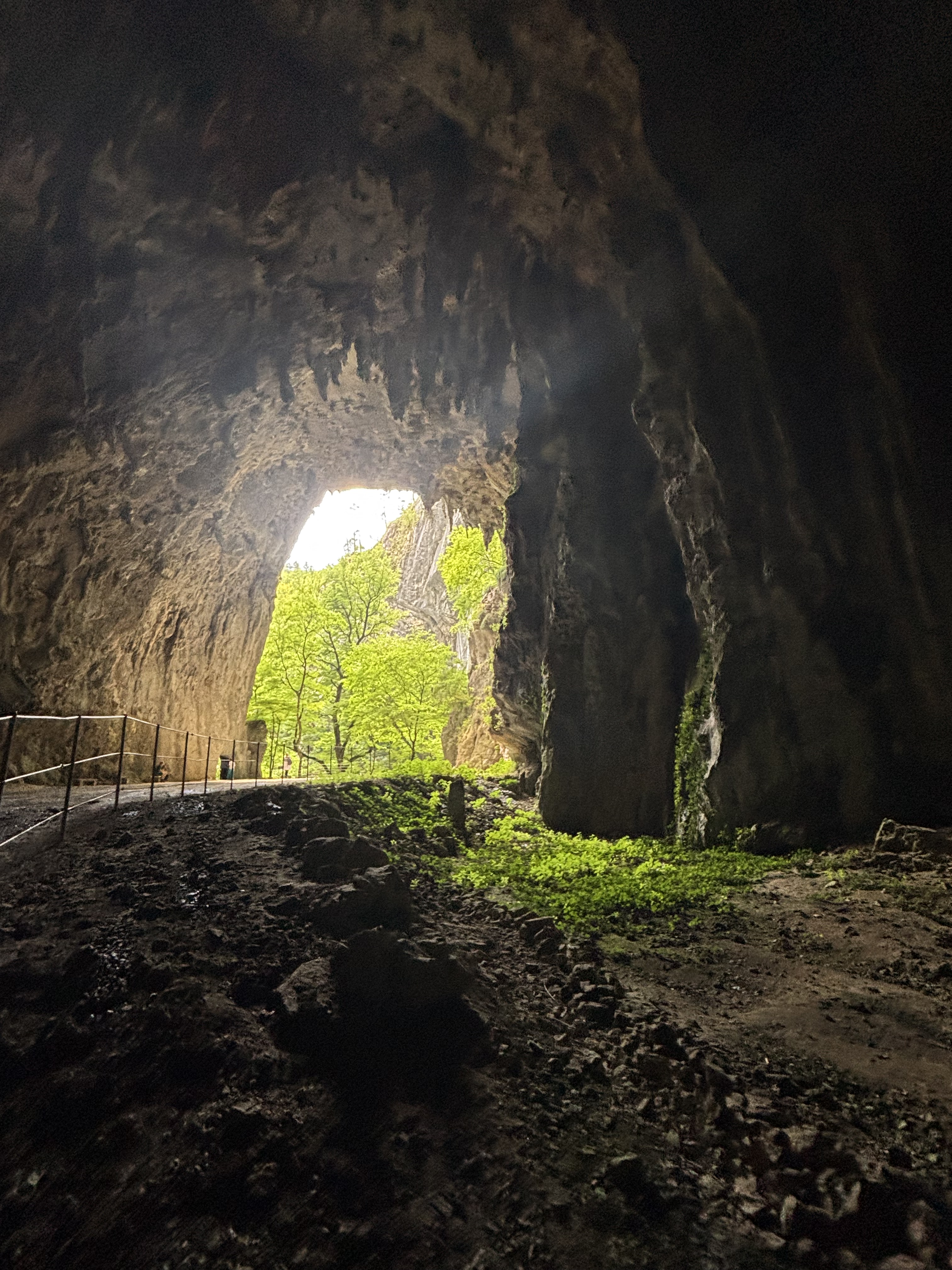
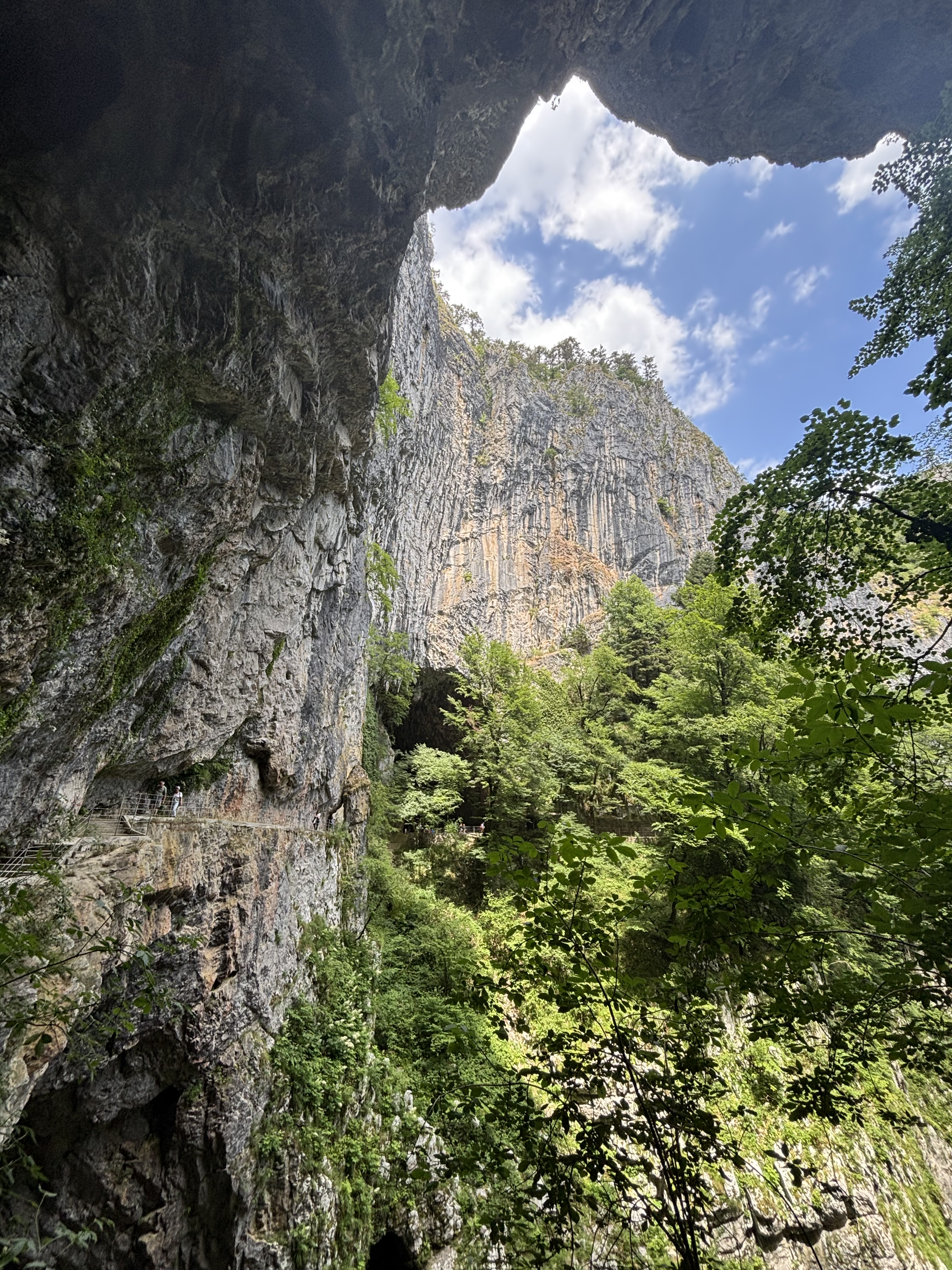
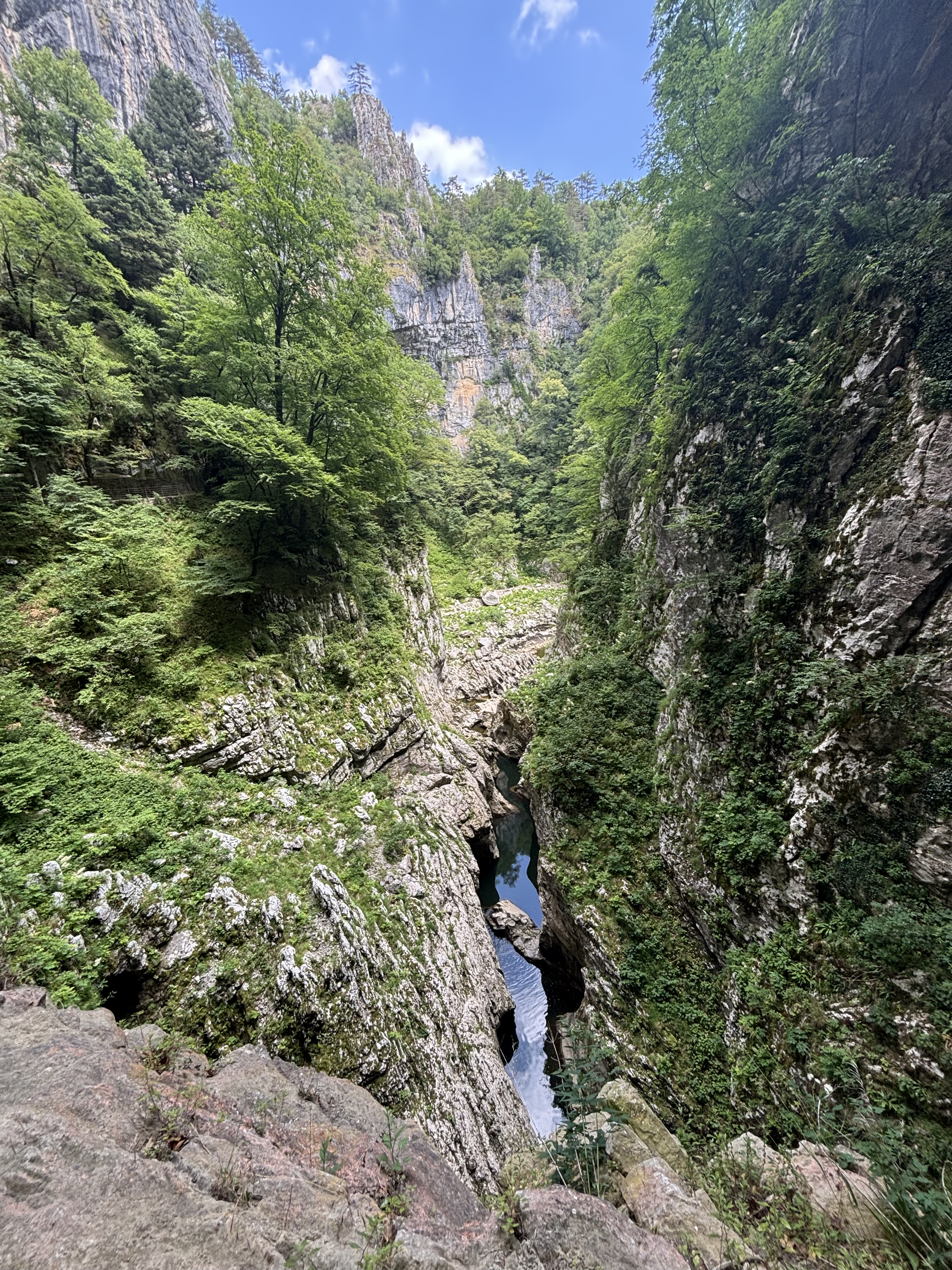
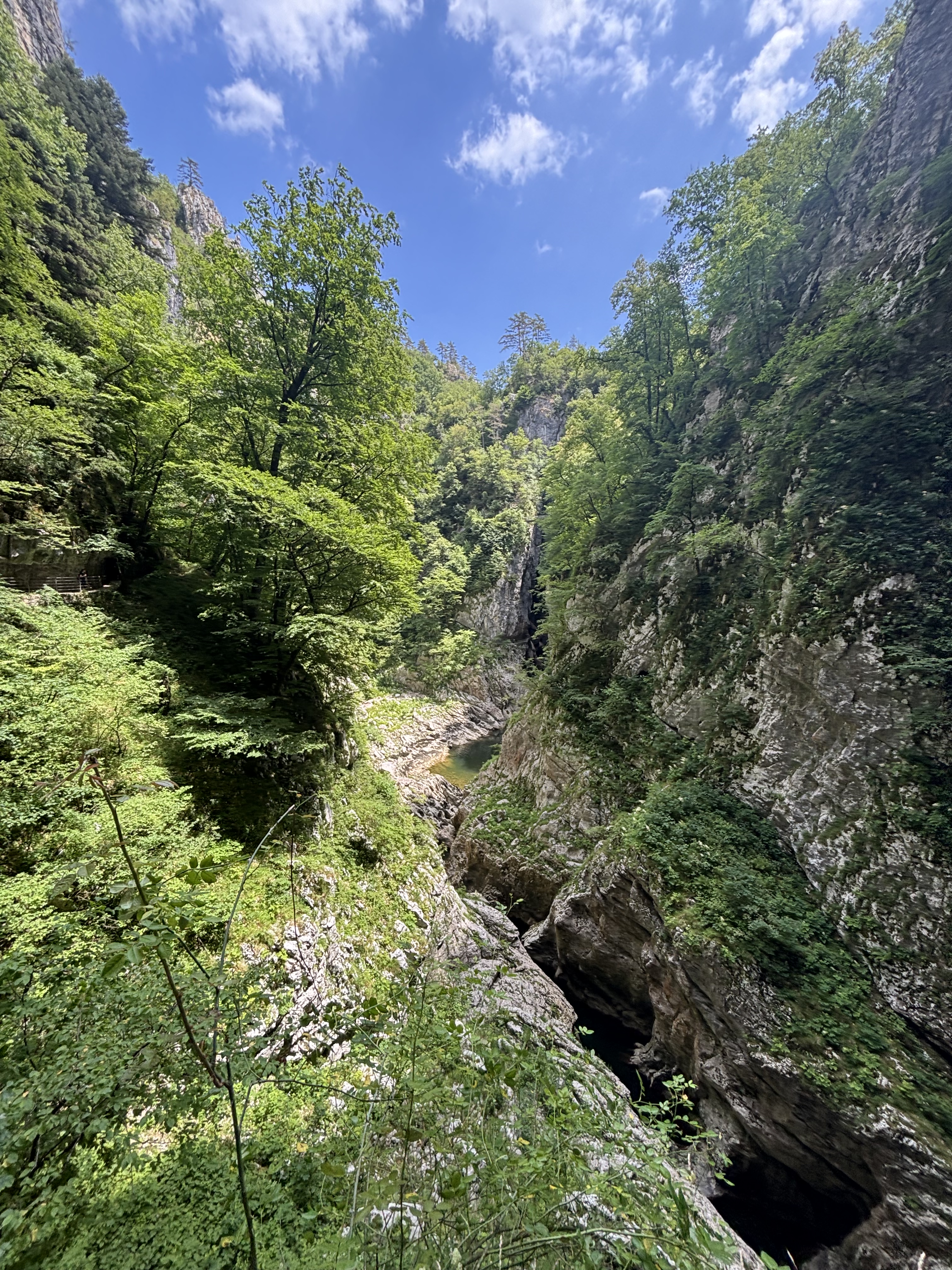
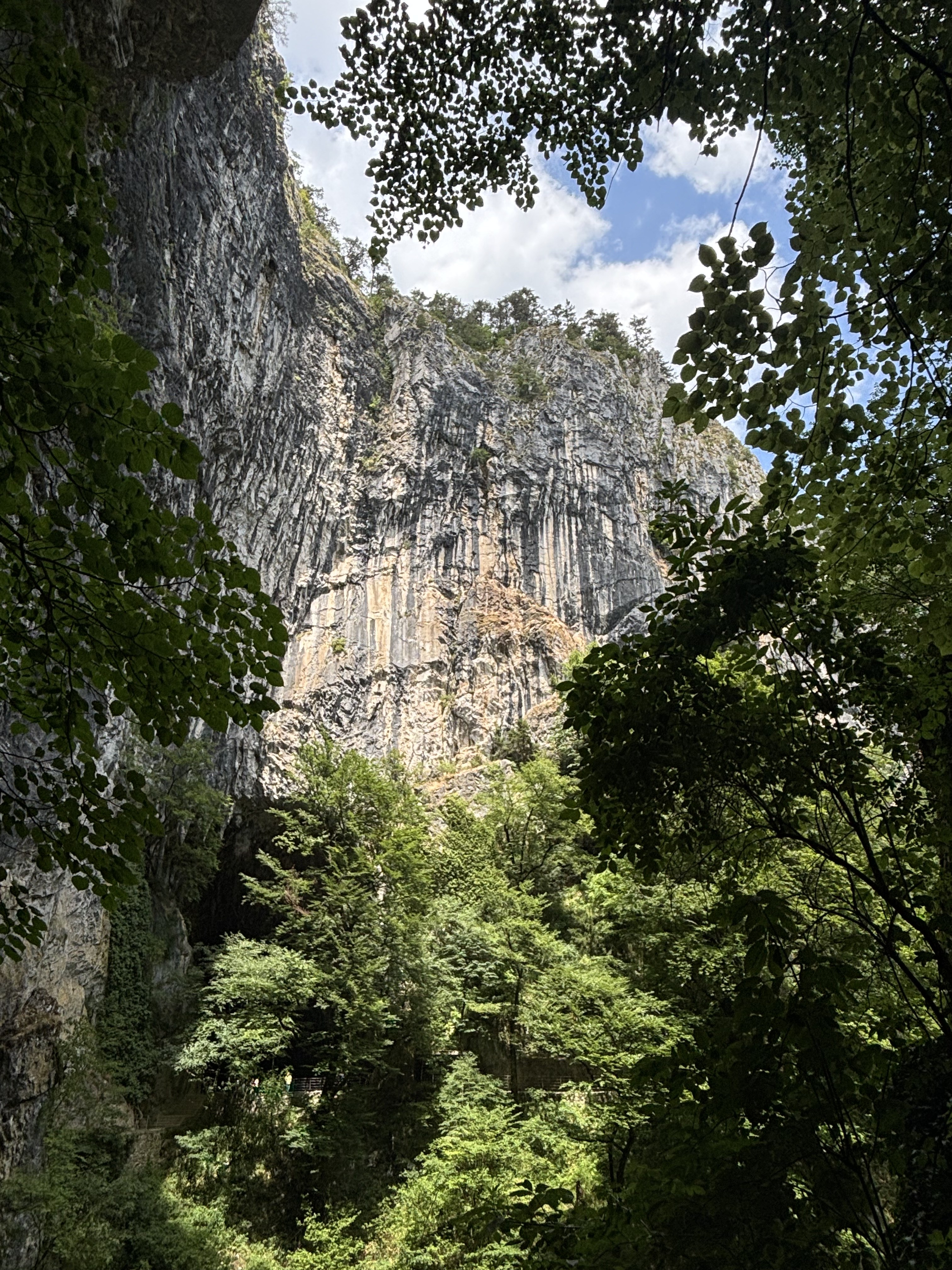
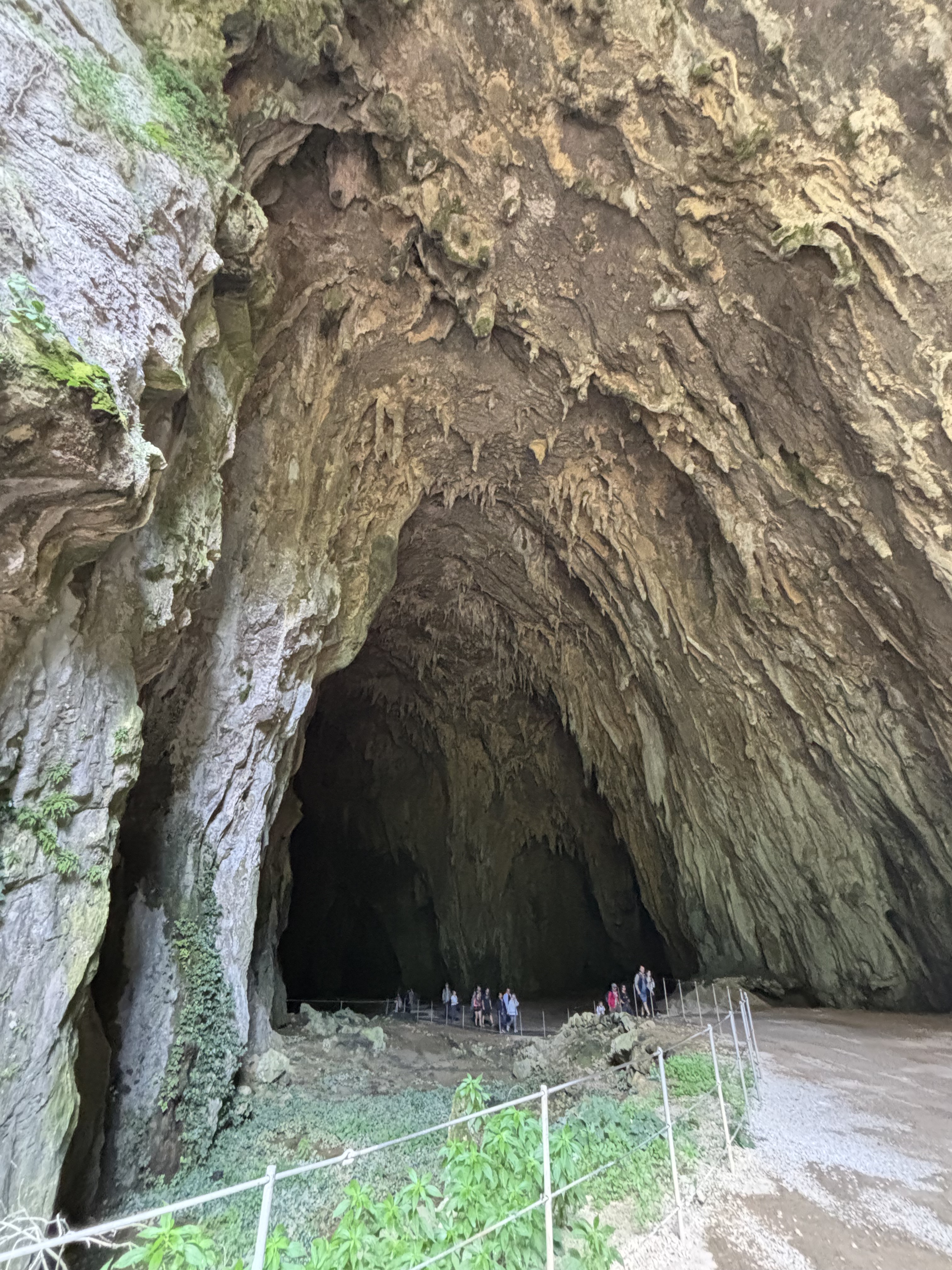
The highlight attraction is the gigantic canyon that runs through the middle of the cave, carved by an underground river. The massive, subterranean gorge is approximately 2 miles long, anywhere from 30 to 200 feet wide, and more than 450 feet deep. One of the chambers it passes through has a volume of more than 78 million cubic feet, making it the largest in Europe and one of the largest in the world.
The inside of the cave is truly spectacular. It’s easily the most impressive cavern that either of us have ever been inside. You can see other visitors across the canyon as tiny specks in the distance, which helps provide some perspective as to just how massive the place really is. The interior has your usual assortment of stalactites, stalagmites and columns, but on a grander scale. One chamber is eerily quiet, while another features the constant crashing of waves from the raging river below.
The original trail did not have hand railings, and you can still see where significant chunks of it were washed away in one of the frequent floods. Water levels regularly rise and fall inside the cave by more than 300 feet during heavy rainfall, so it would have been a dangerous expedition back in the day.
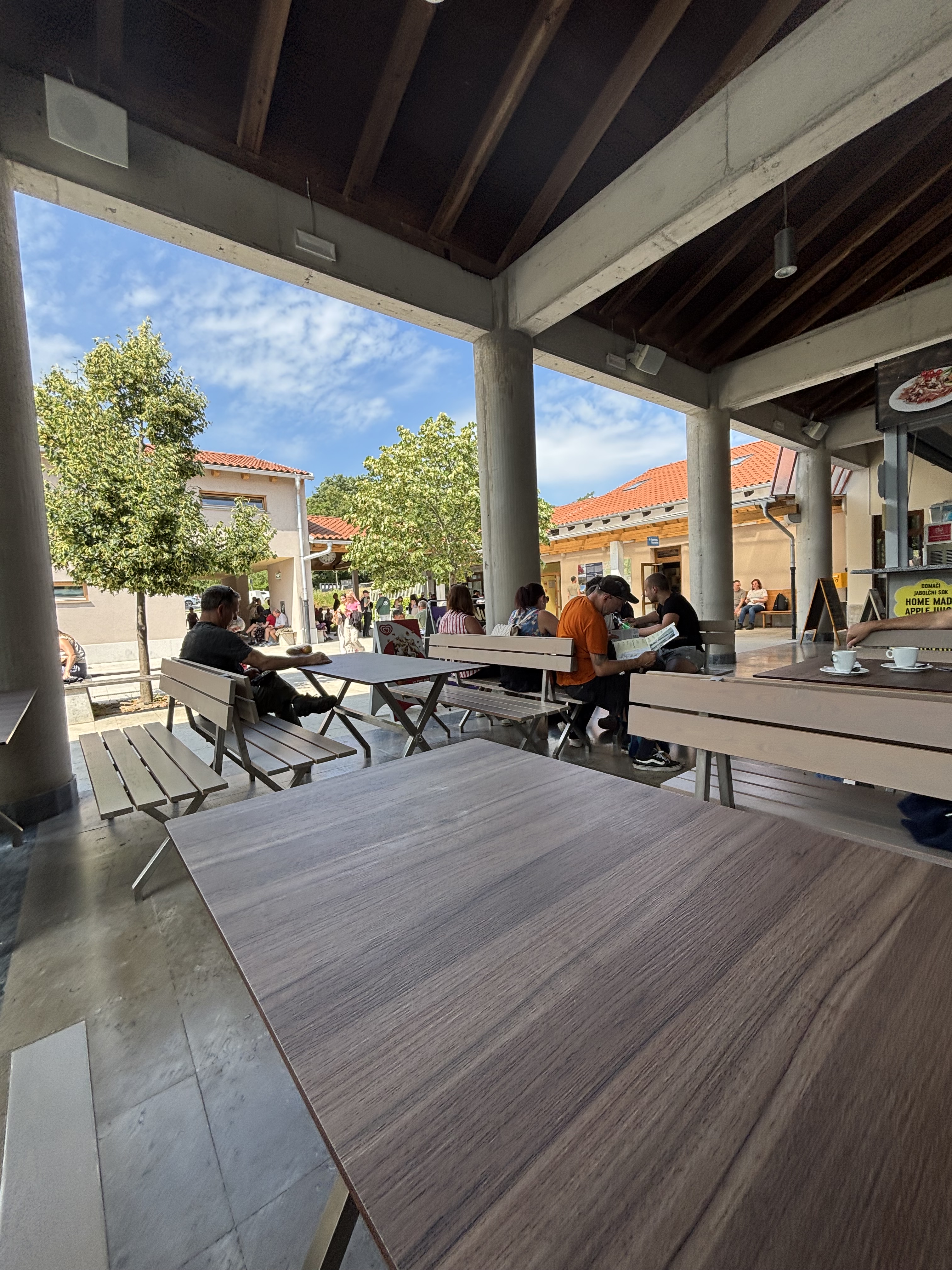
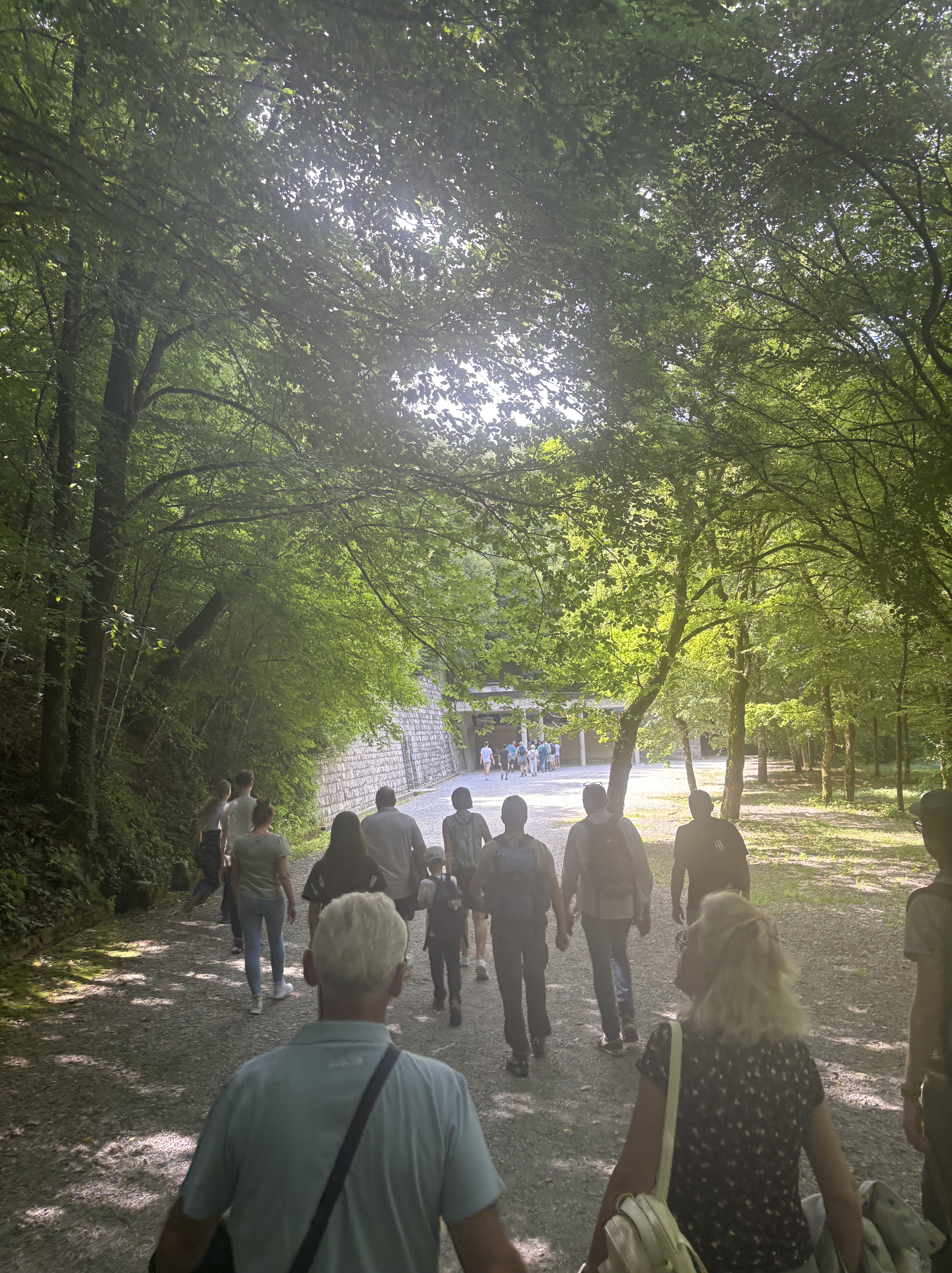
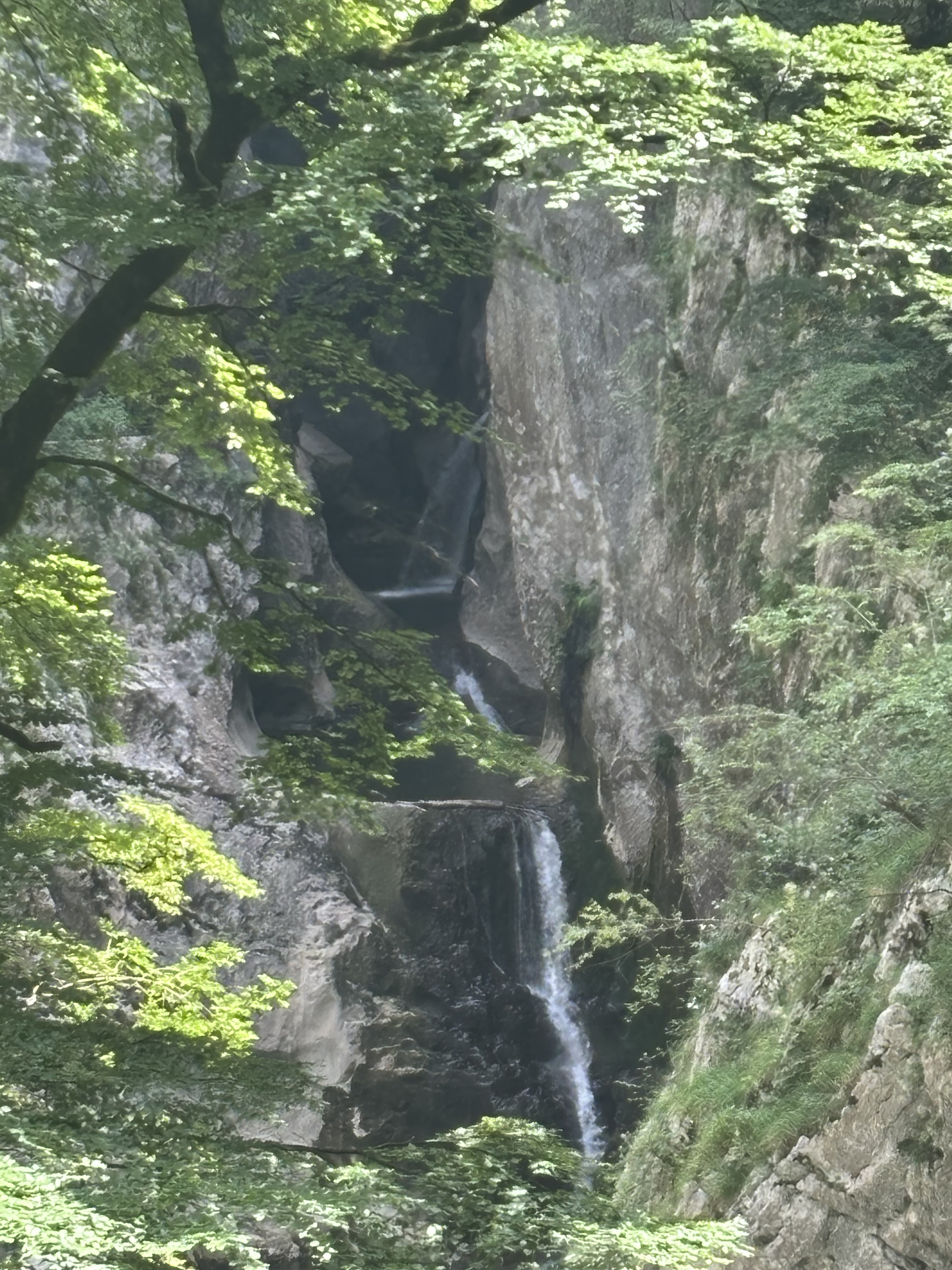
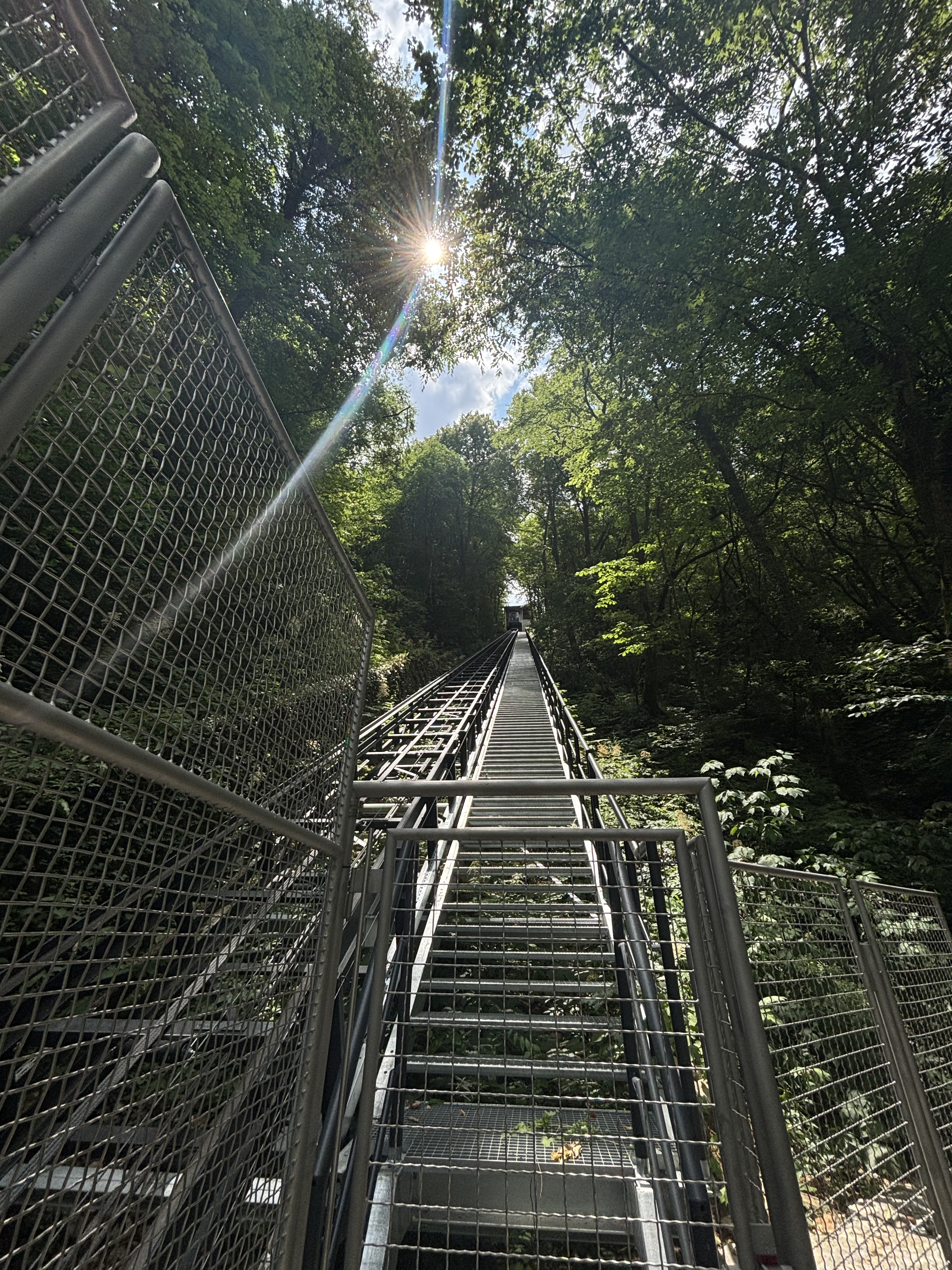
Even now, it’s a more challenging visit than your average tourist cave. You can only go inside as part of a group accompanied by one of a handful of official tour guides. It’s a popular attraction, so it is important to buy tickets in advance during peak season. Upon arrival at the visitor center at your designated entry time (you can easily kill a few minutes at the cafe and souvenir shop if you arrive early), guides instruct you to follow them to a secured door deep in the woods, where everyone is only then separated into Slovenian- and English-speaking groups. (Our guide informed us that there are approximately 500 steps inside the cave, but we later learned that does not include the mile or so you cover inside the cave or the rather steep hike to get from the cave exit back to the visitor center.) We chose the “easy” paved return path along the edge of a cliff past caverns and waterfalls to a funicular and can imagine even that route being challenging for some.

The inside of the cave maintains a constant temperature of around 55 degrees Fahrenheit, so we had read that it’s a good idea to bring a jacket or sweater. There’s really no need for that. The tour through the cave is strenuous enough to keep your body warmed up. And if you are visiting during the summer months, that’s just more gear you will have to haul back to the top of the mountain when you are done.
We did not see any of them, but one particularly interesting occupant of the cave system is an aquatic salamander known as the “olm” (a/k/a the “human fish”) that can grow more than a foot long and looks like a creepy science experiment gone wrong. It’s the sort of creature you’d expect Andy Serkis to portray. Because they live underwater and in complete darkness, they have no skin pigmentation and are completely blind. However, they have keen senses of smell and hearing, and it is believed that they can use the earth’s magnetic field to orient themselves. They are predatory, prefer to swallow their food whole, can go up to 10 years between meals and will resort to cannibalism on occasion.
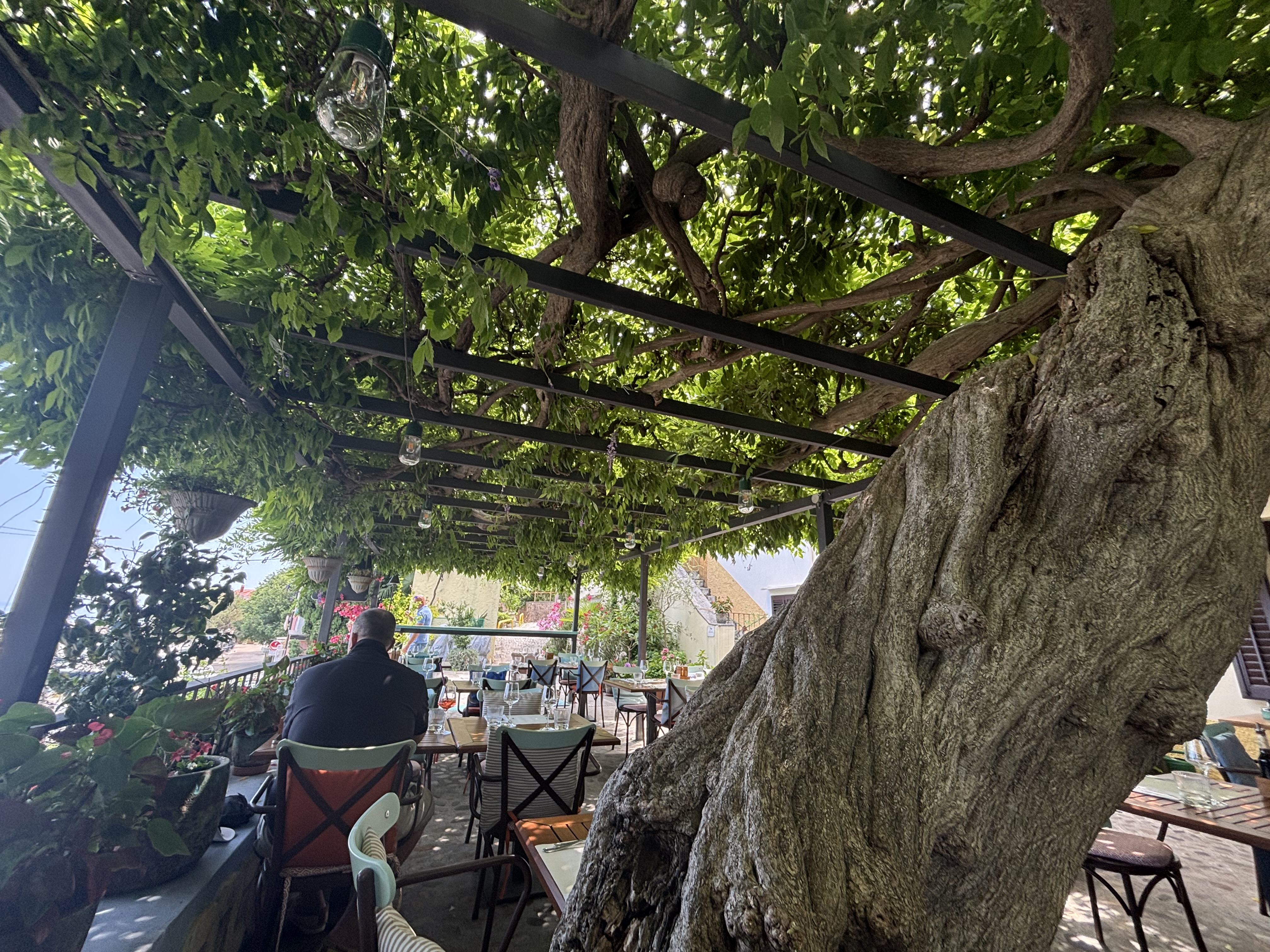
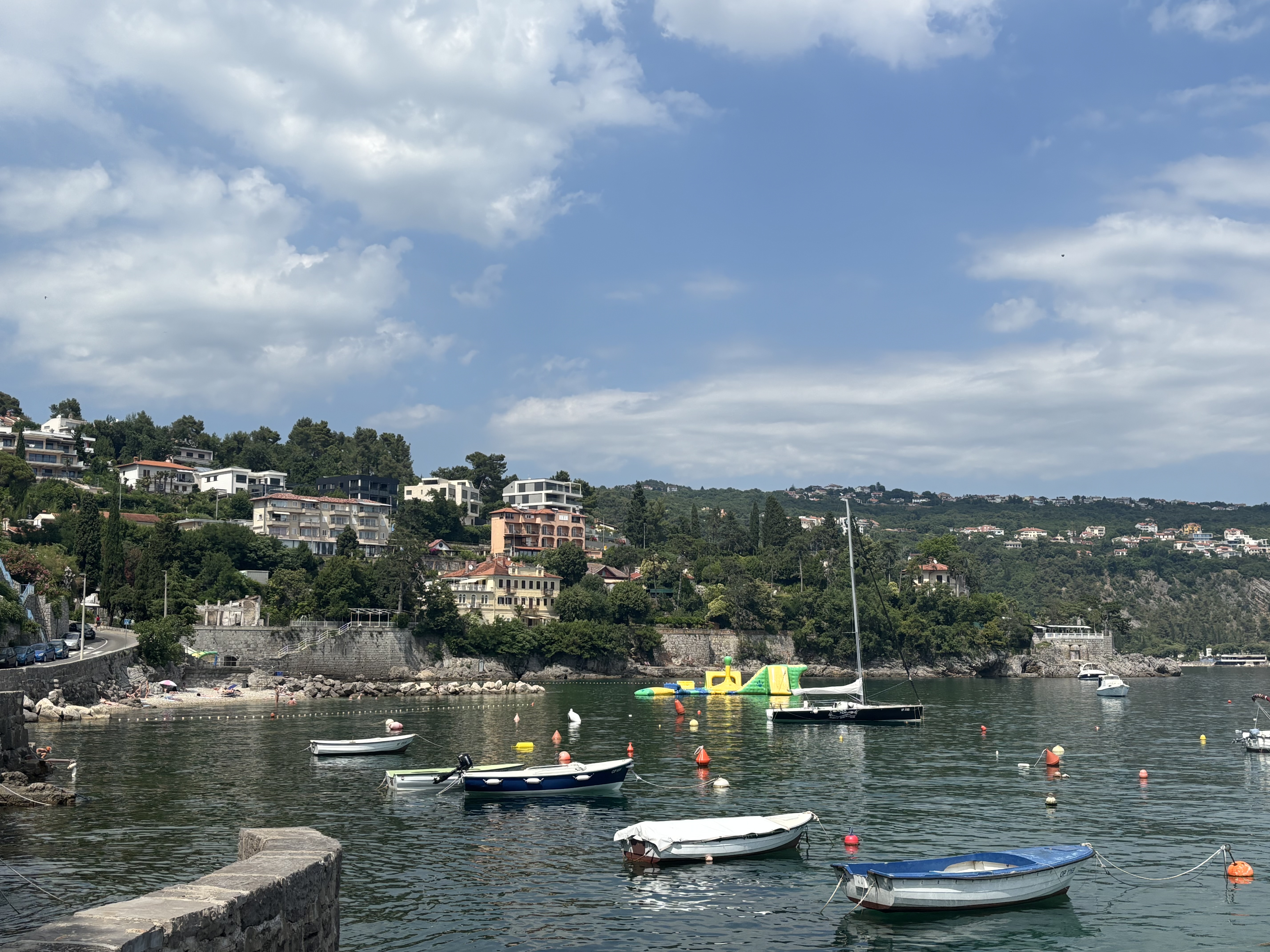
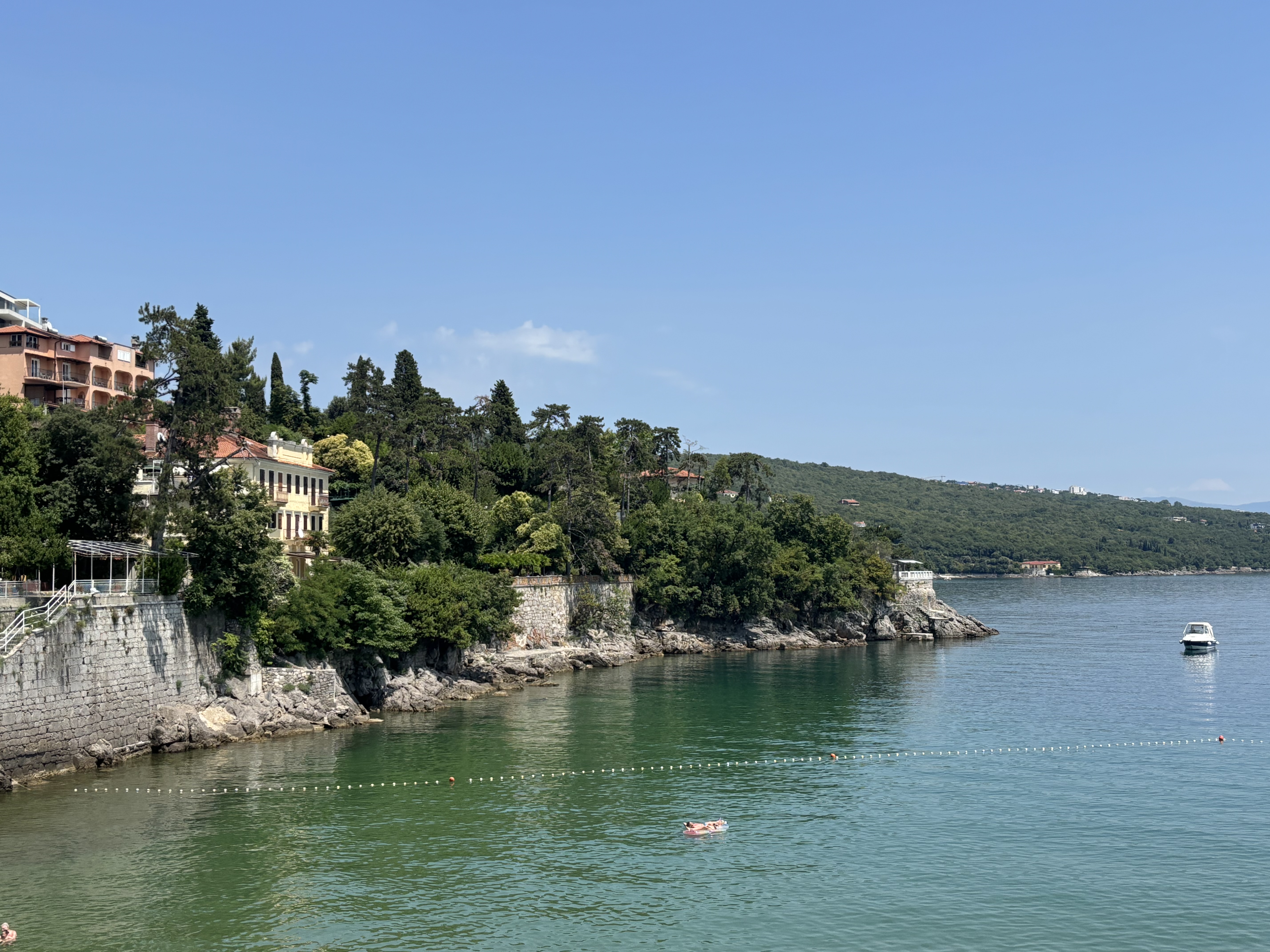
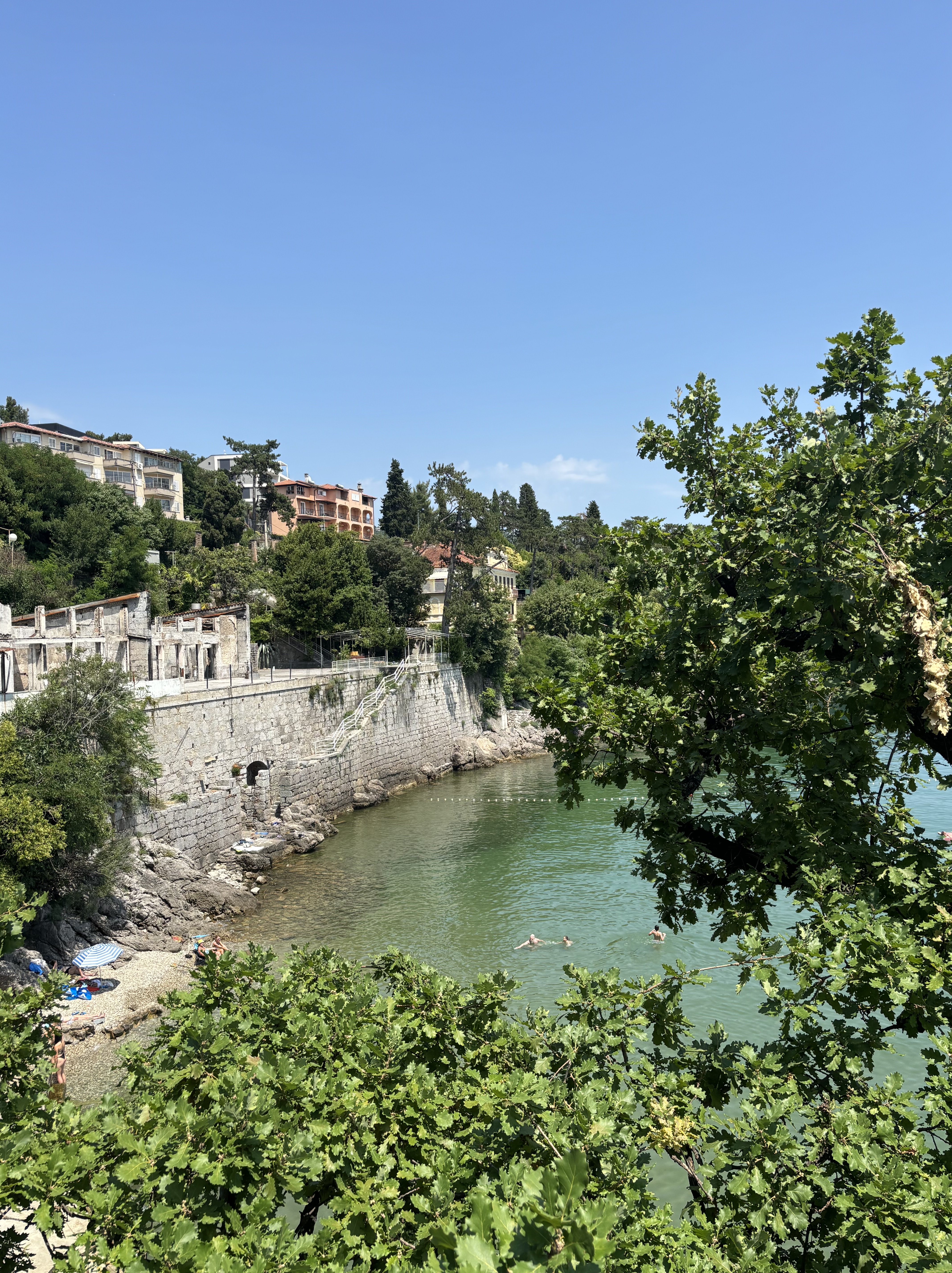
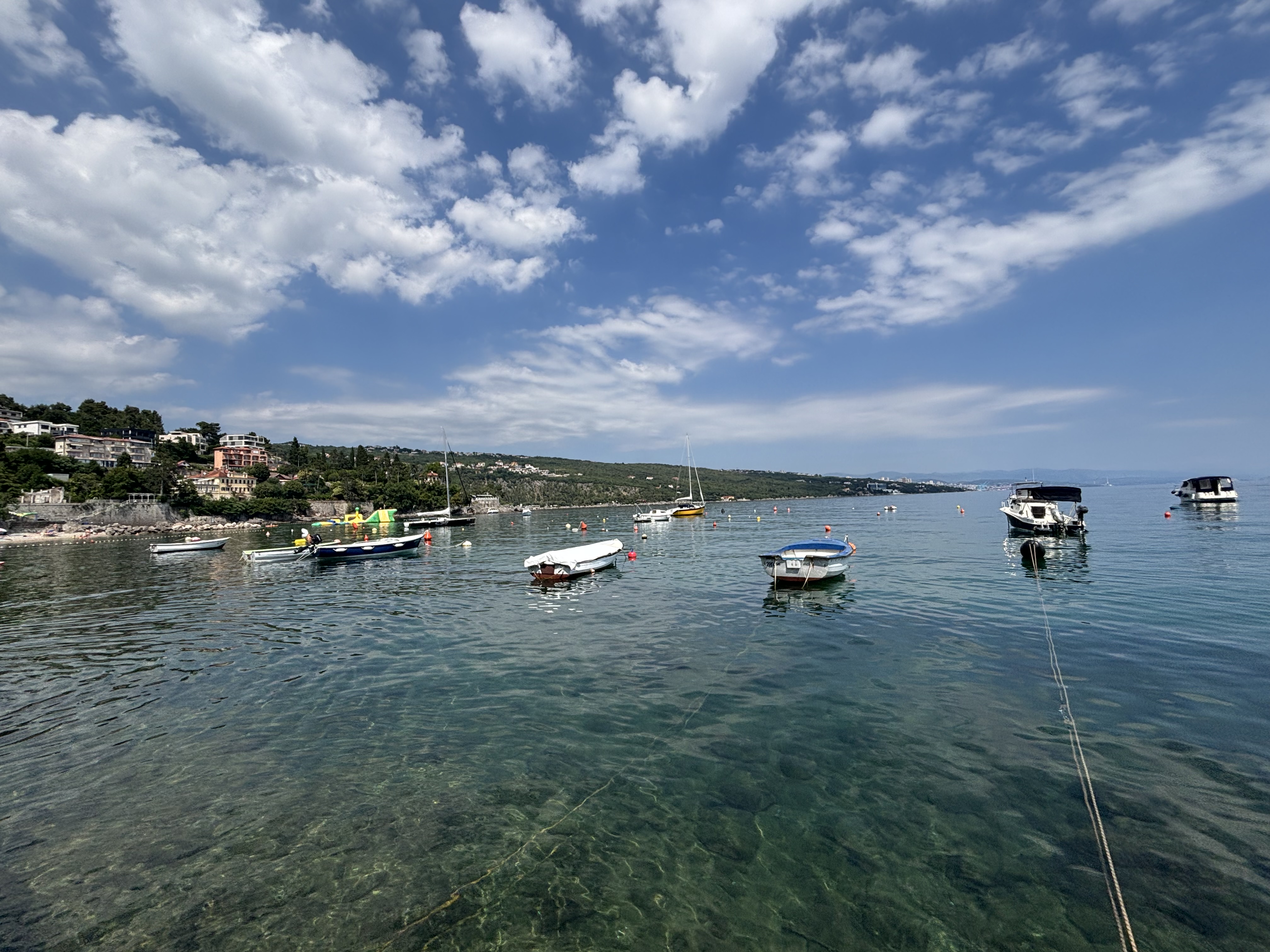
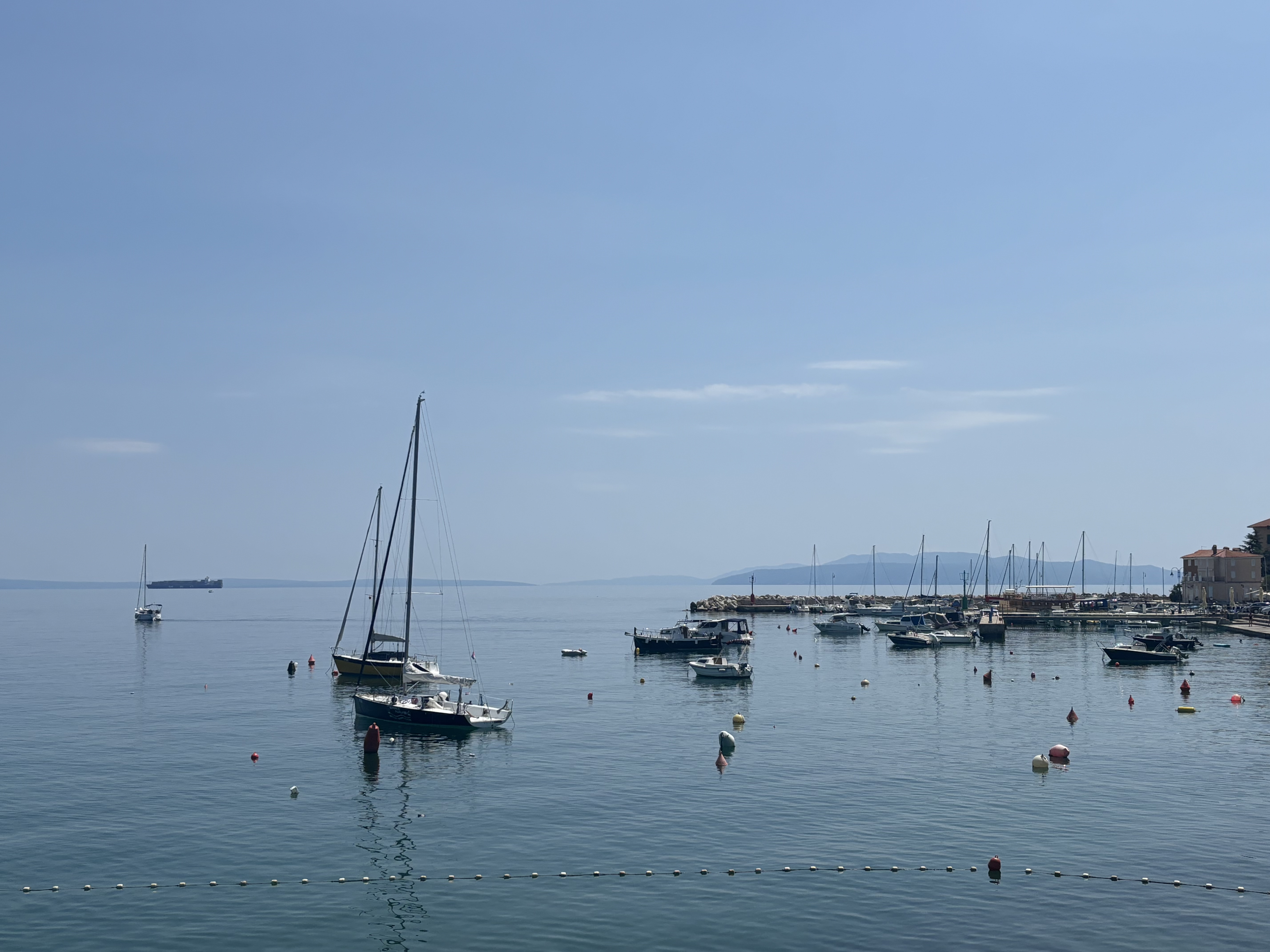
If you are in the area, Skocjan Cave is definitely worth a couple hours of your time. Most visitors to Ljubljana who want a cave experience will opt for Postjona, which is closer to the city and an easier all-around experience due to the tram that escorts you through the cavern. But the consensus among locals was that Skocjan is more visually stunning and less crowded than Postjona, so that’s the one we chose. It’s a quick side trip too. We arrived at the cave mid-morning, hit the road again after completing our tour and were on a terrace overlooking the Adriatic by early afternoon. (See below for a few pictures of Opatija.) Skocjan also is close to the breeding farm for the famous Lippanzer stallions if that’s your sort of thing and only a few minutes from the Italian border. The drive itself is scenic, the roads are smooth and parking is easy. And if you happen to be devoured whole by a human fish while you are inside, don’t worry – there won’t be any photographic evidence.


 The Global Slowmad
Leave a reply to Anonymous Cancel reply