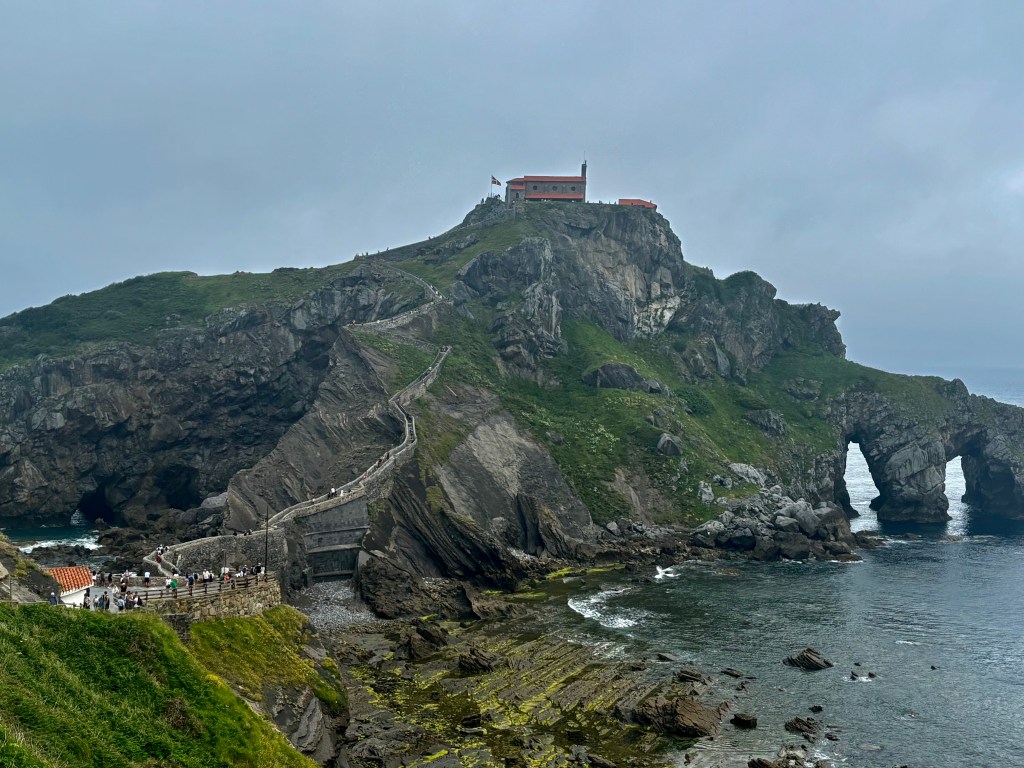
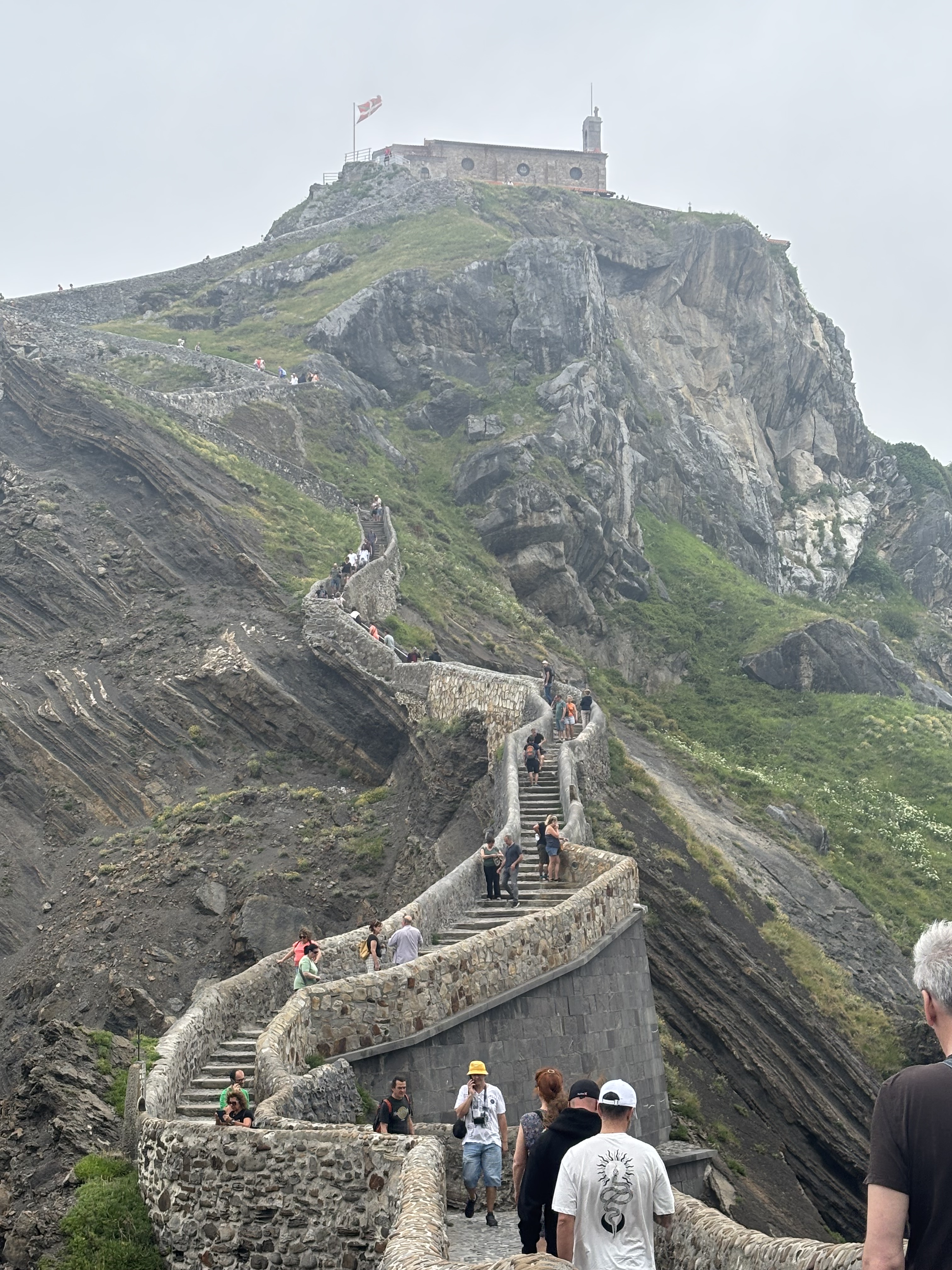
For our first side trip from Donostia-San Sebastian, we decided to visit San Juan de Gaztelugatxe. Of note, the visually striking islet also was used as the filming location for the fictional Dragonstone (ancestral home of the Targaryen family) in the Game of Thrones television series. The production team used CGI to superimpose a castle at the top in place of the small chapel that sits there in real life. The chapel’s origins date back to the 10th Century, but it has a long history of being attacked and otherwise catching fire (presumably unrelated to dragon activity), only to be rebuilt. The last such rebuild was completed in 1980.
The drive to Gaztelugatxe from San Sebastian is scenic and easy. The roads in this region of Spain are well-maintained, and some brilliant engineering went into building the elaborate system of tunnels that effortlessly move automobiles through the mountainous terrain. Even the “highway” route takes you through massive valleys full of evergreens, creeks and occasional patches of perfectly manicured farmland. Animals graze freely on the sides of the mountains, making you wonder how they avoid tipping over and rolling down the hill.
Unfortunately, our serene road trip came to a jarring halt when we arrived at Gaztelugatxe. A long line of cars was waiting to pay to access the parking lot, and it took a full 30 minutes for us to make it through the queue. (Darla gave up on the parking effort about halfway through to wait in a separate but similarly lengthy line for the WC.) We were there on the last Friday of the summer where you could access Gaztelugatxe without a reservation and it showed. Tickets were already sold out for the rest of the weekend, so you definitely want to book this adventure ahead of time.
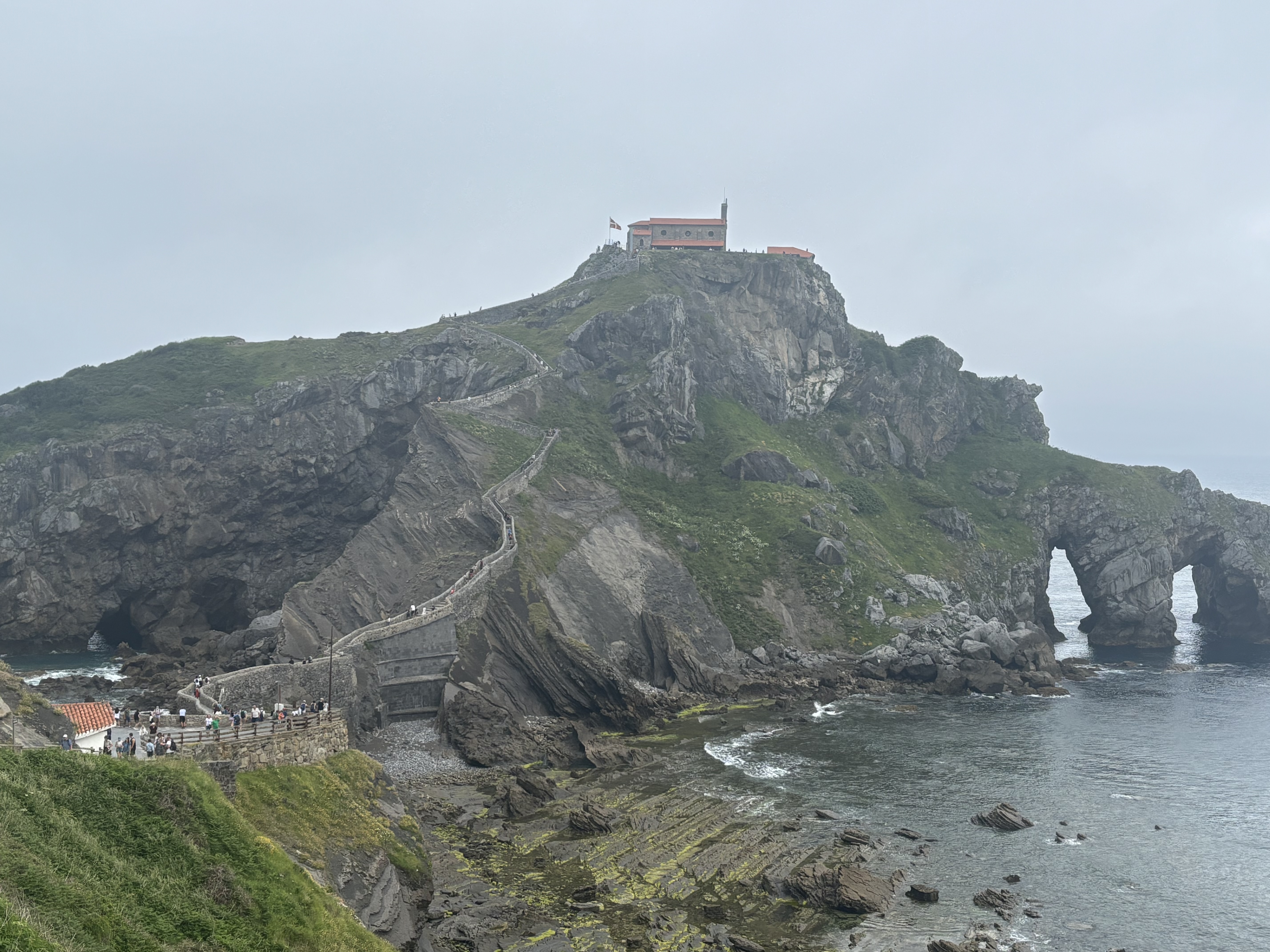
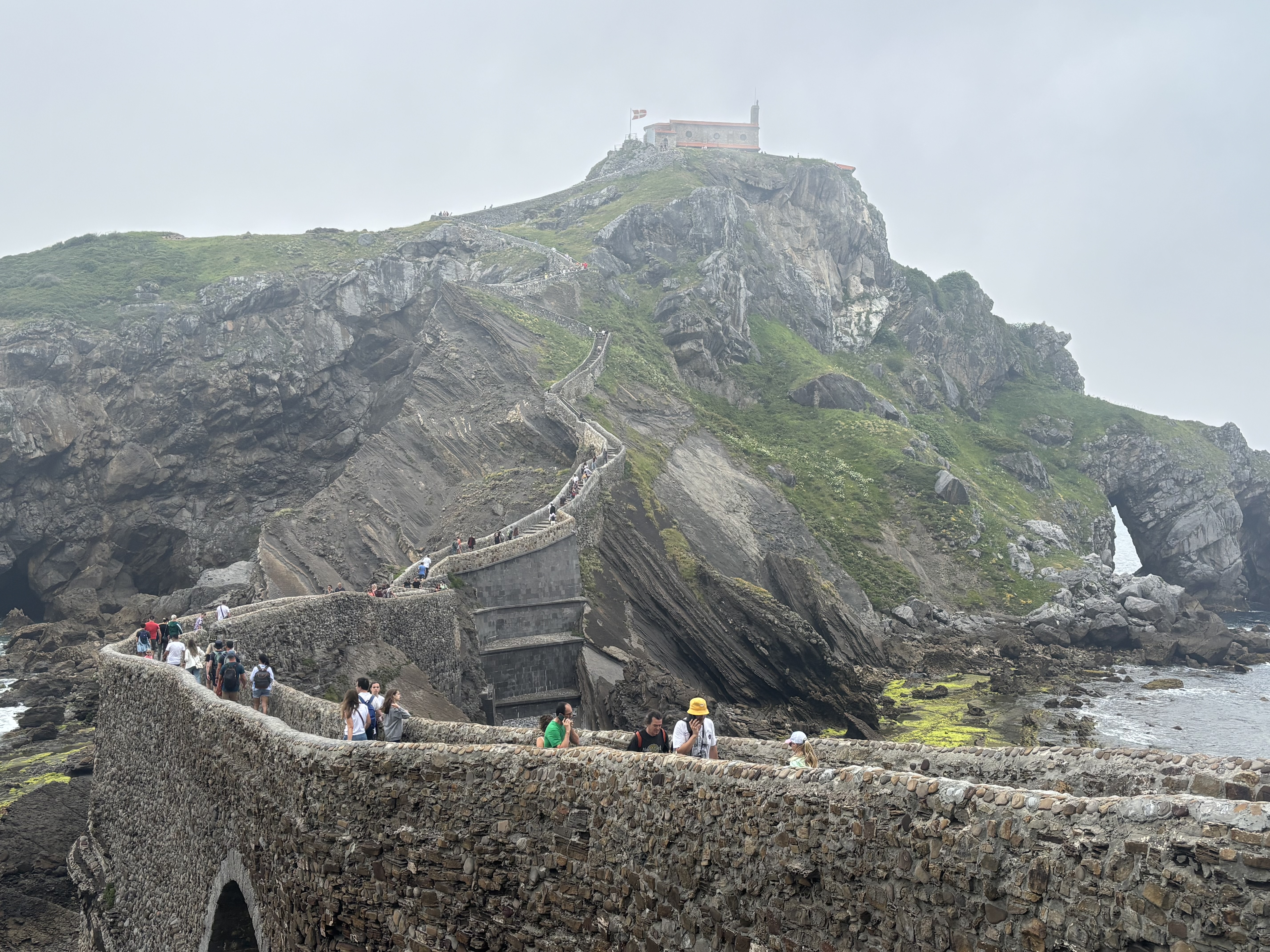
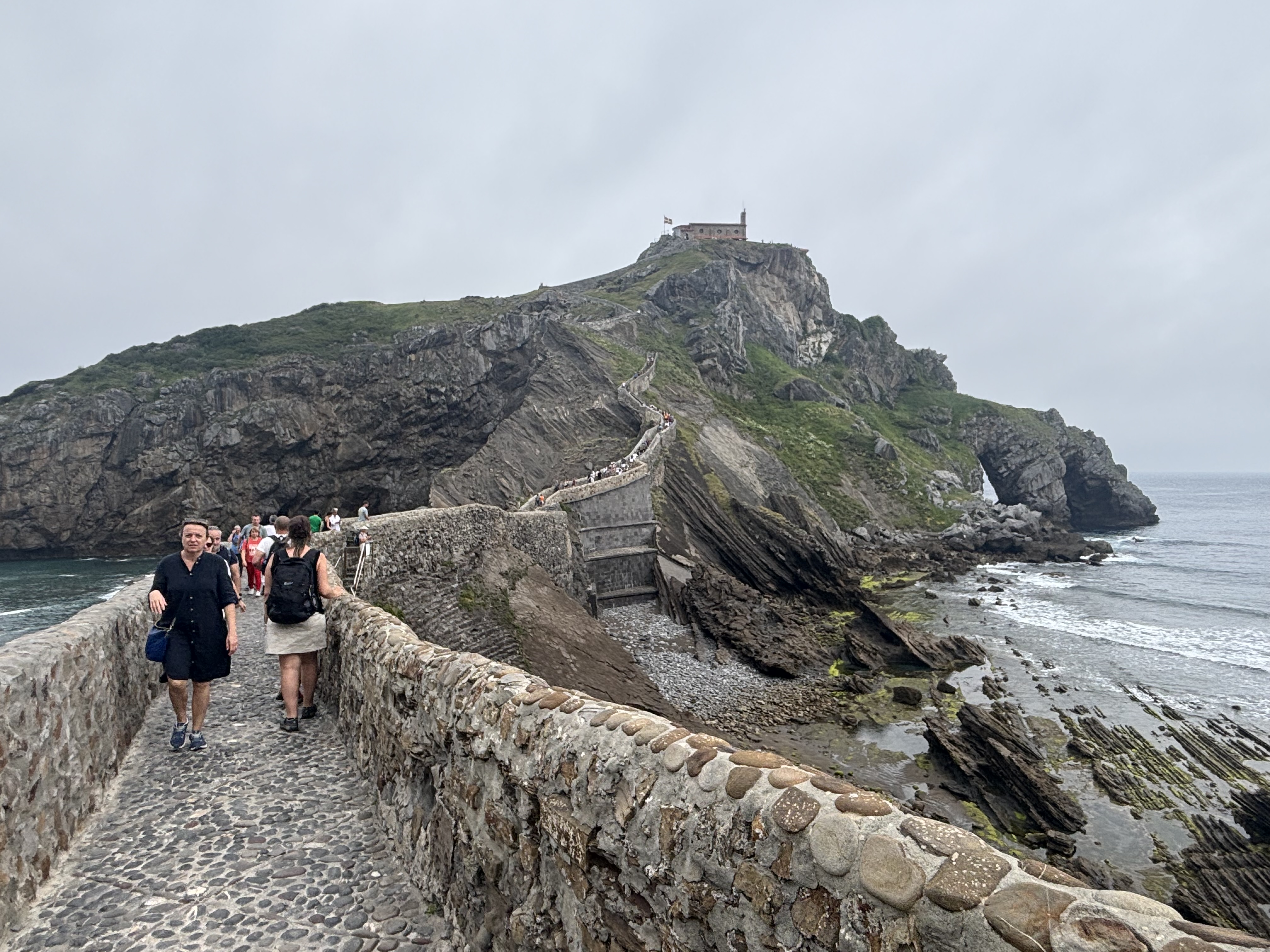
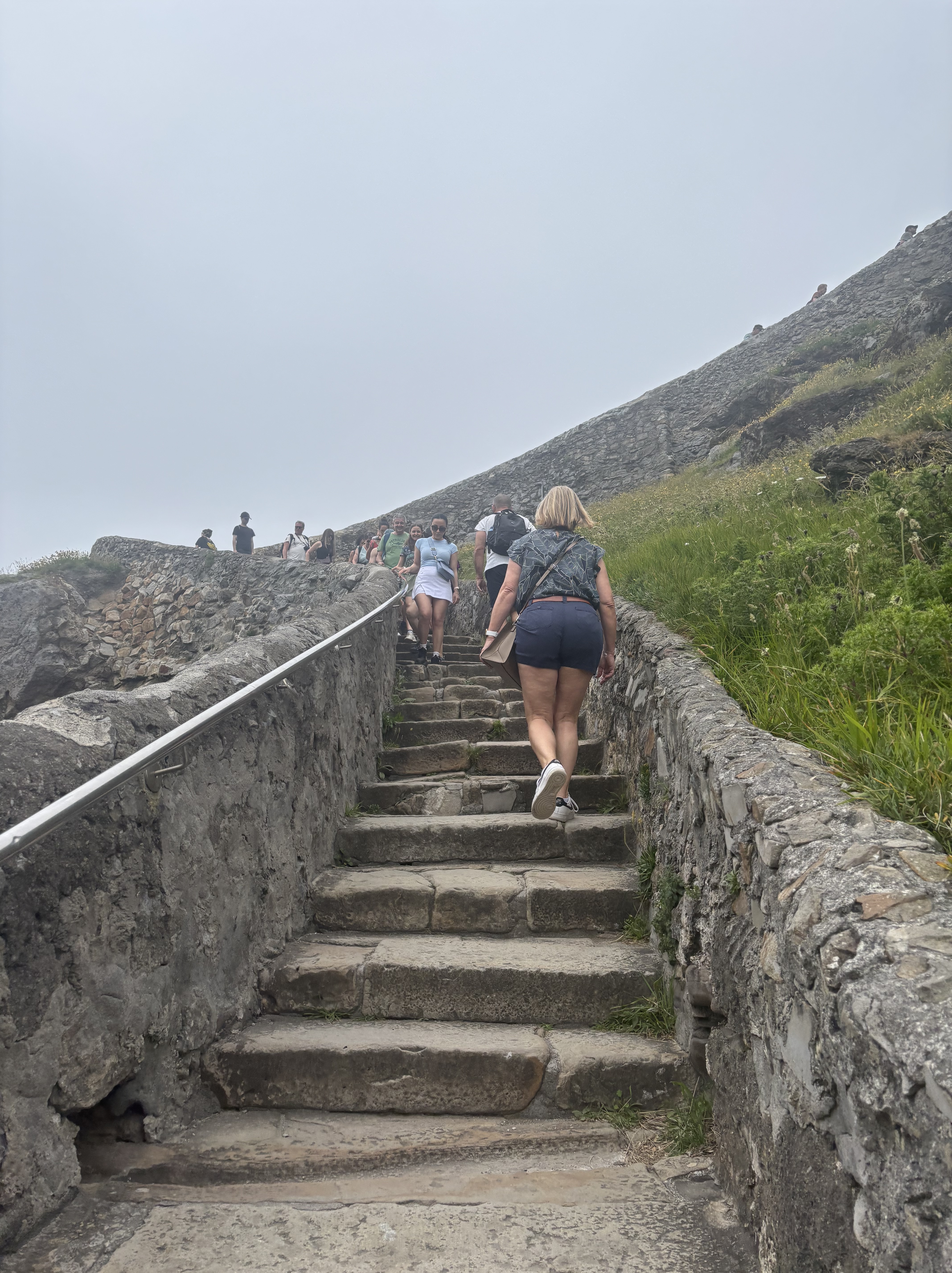
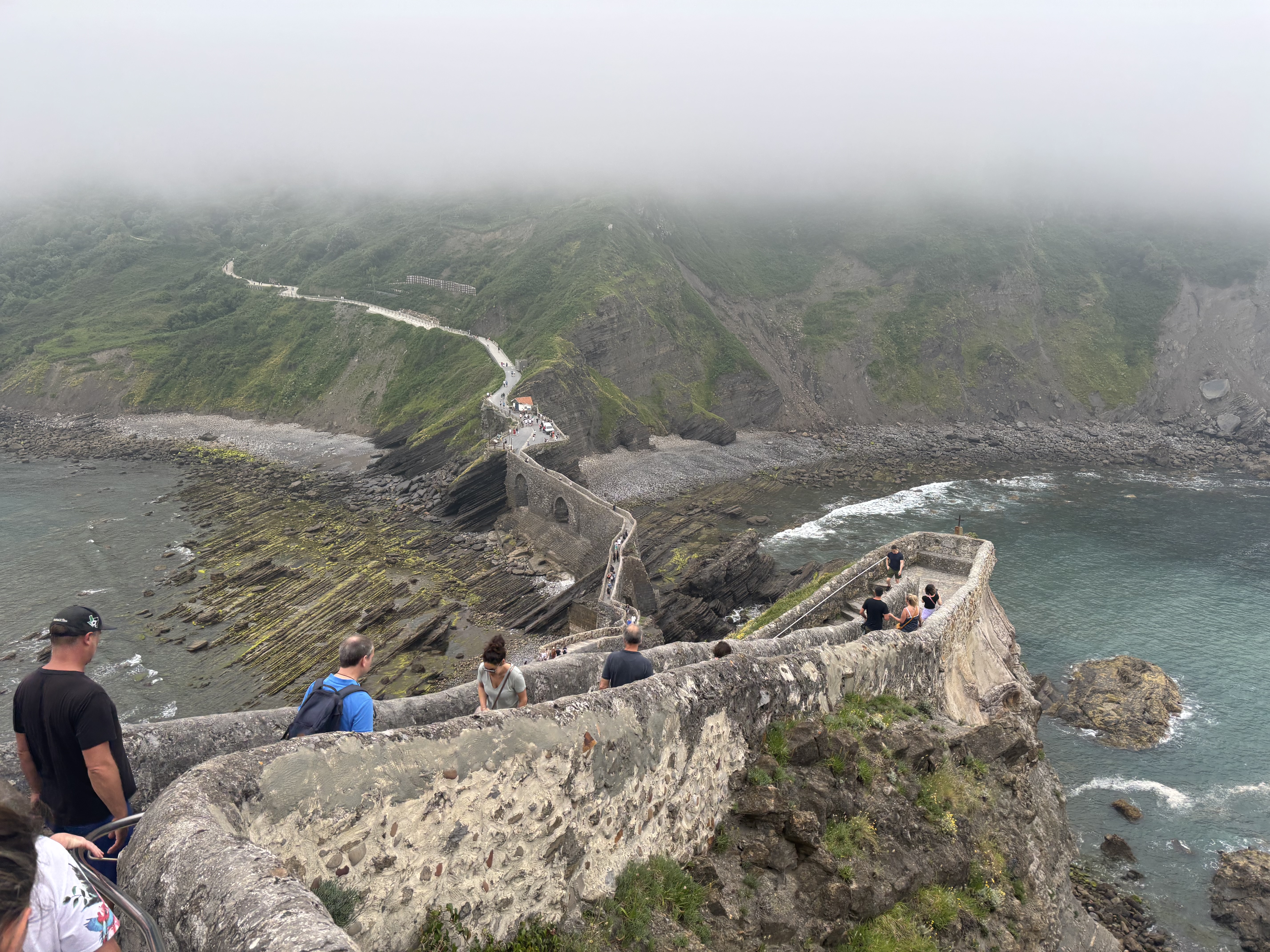
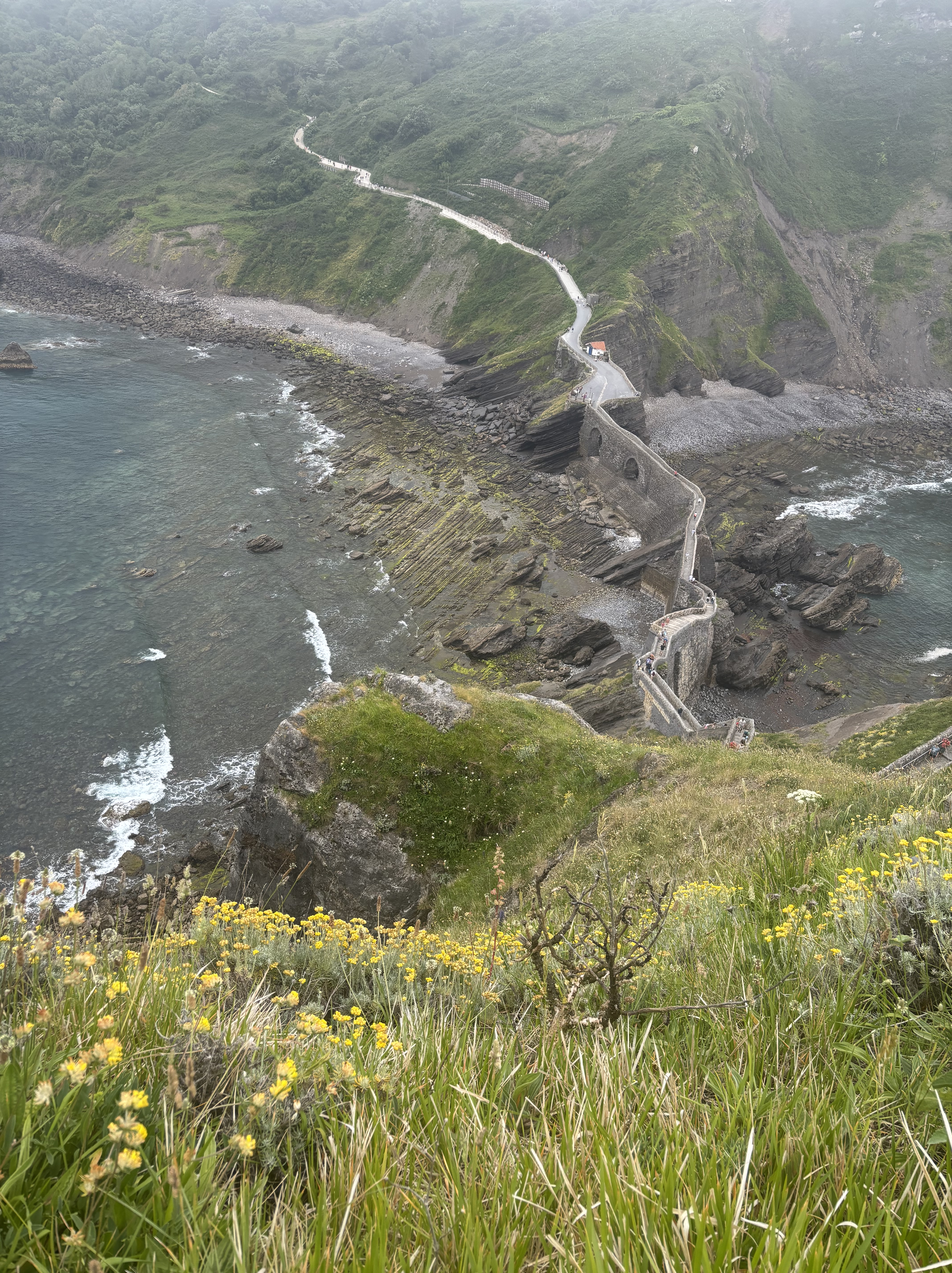
The hike to the chapel is rather challenging. You start at the top of a cliff where there is a lovely café and no real hint as to what lies ahead of you, then descend several hundred feet down a cobblestone path to the base of the cliff. There is a scenic overlook a short distance down the path, where most visitors stop just long enough to take a few photographs before returning back up to the café to enjoy a cold beverage. Darla chose this option. Stuart, however, continued down the path, past viewpoint number two, across the stone bridge and up another 241 steps to reach the chapel at the top. (But who’s counting.) The views were breathtaking, and the pictures really don’t convey the scale of everything.
It’s important to take time to savor the view from the top and remind yourself why you chose this fate for yourself, as the return voyage awaits. The steps down from the chapel are easy enough, but ascending the cobblestone ramp back to the café and parking lot is akin to climbing up a blue diamond ski slope in season. It had rained overnight, so the rocks were damp and slippery in spots. As you slog your way back up the cliff, you find yourself navigating around people who have reached their physical limit and chosen to stand, sit or simply lie down in the middle of the trail. All in all, it’s a 1.7-mile in-and-out hike with not a whole lot of level ground. A difficult but rewarding little trek.

From Gaztelugatxe, we hopped back in our rental car and drove back across the mountain range to the historic city of Burgos. We knew that Burgos is an important stop for pilgrims on the the Camino de Santiago and was briefly the capital of Spain during the Franco dictatorship but not much else. After a hair-raising adventure trying to get our car down the narrow parking garage ramp at our hotel, we checked into a riverview suite that we booked with points (Stuart pretty much refuses to pay cash for airfare or hotel stays) at the AC Hotel Burgos and barely took time to drop off our belongings before heading out to explore.
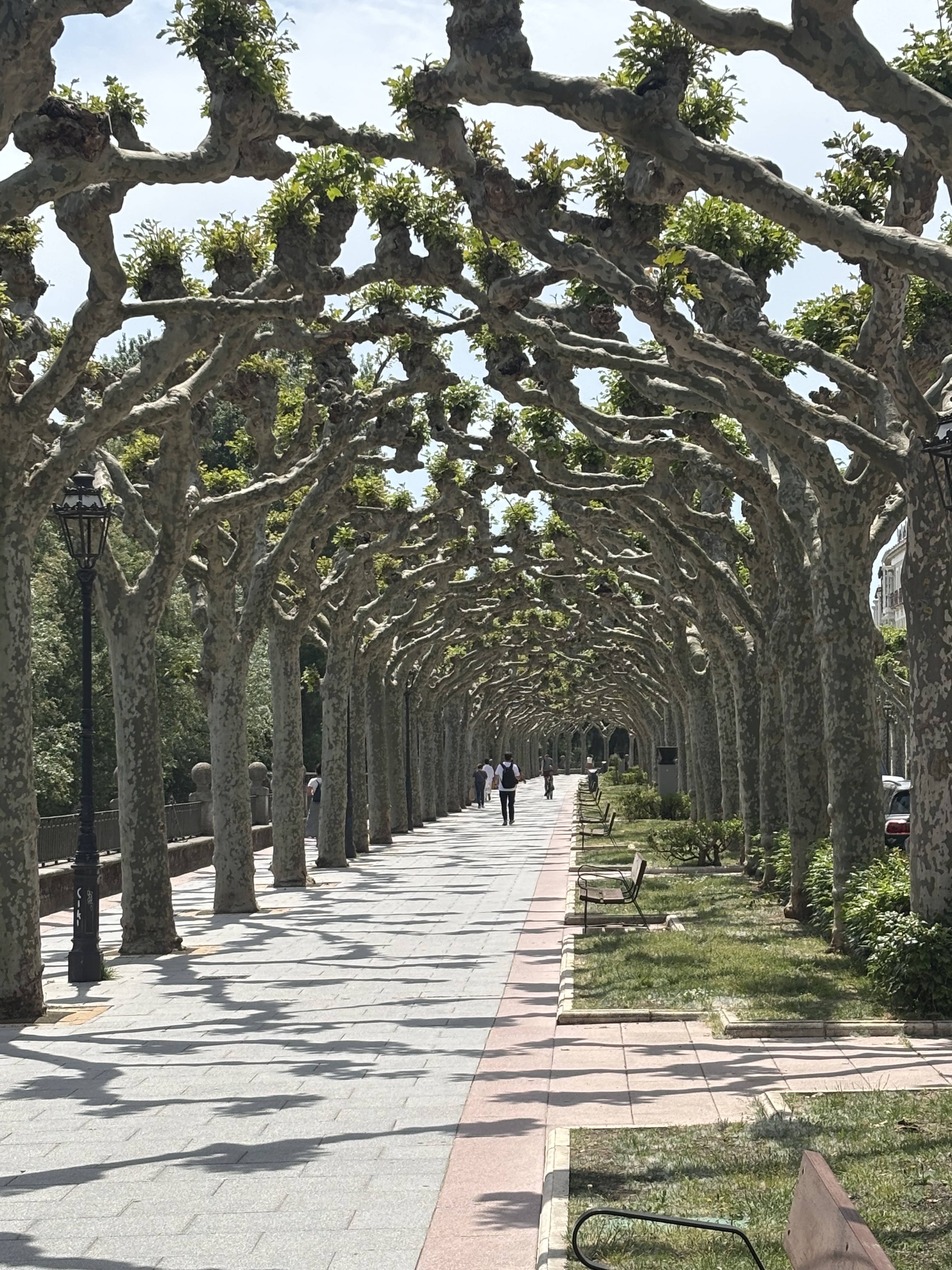
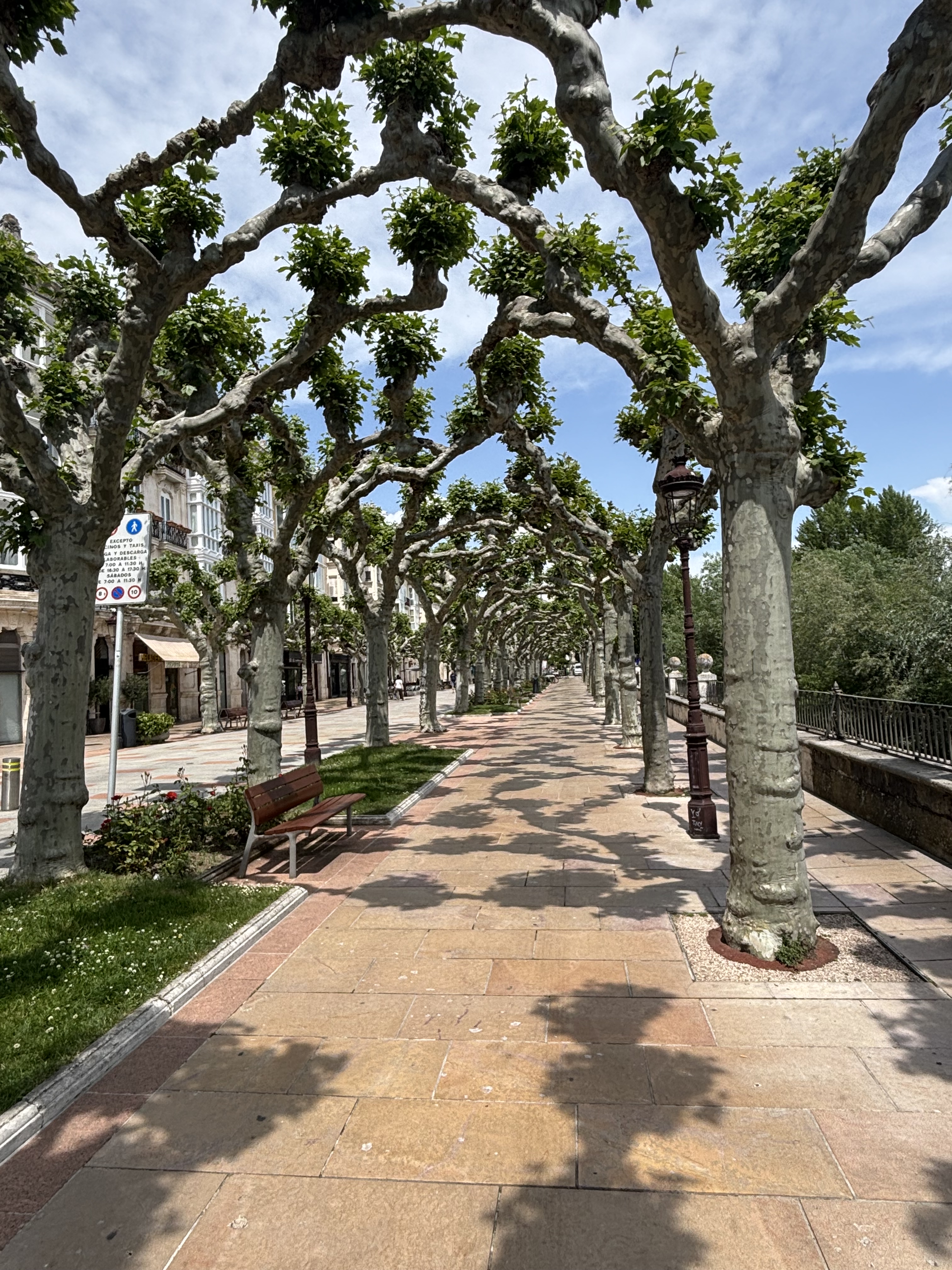
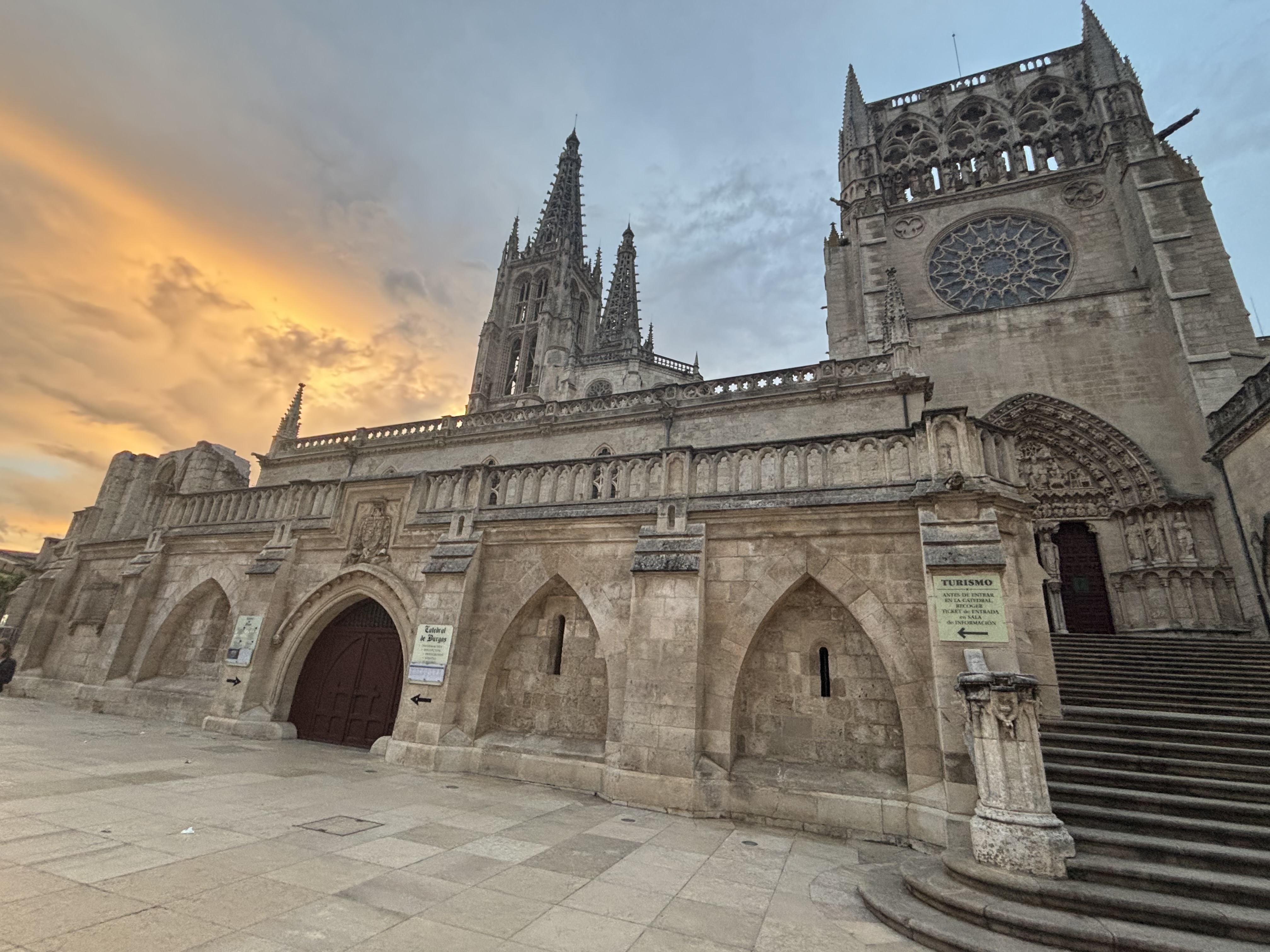
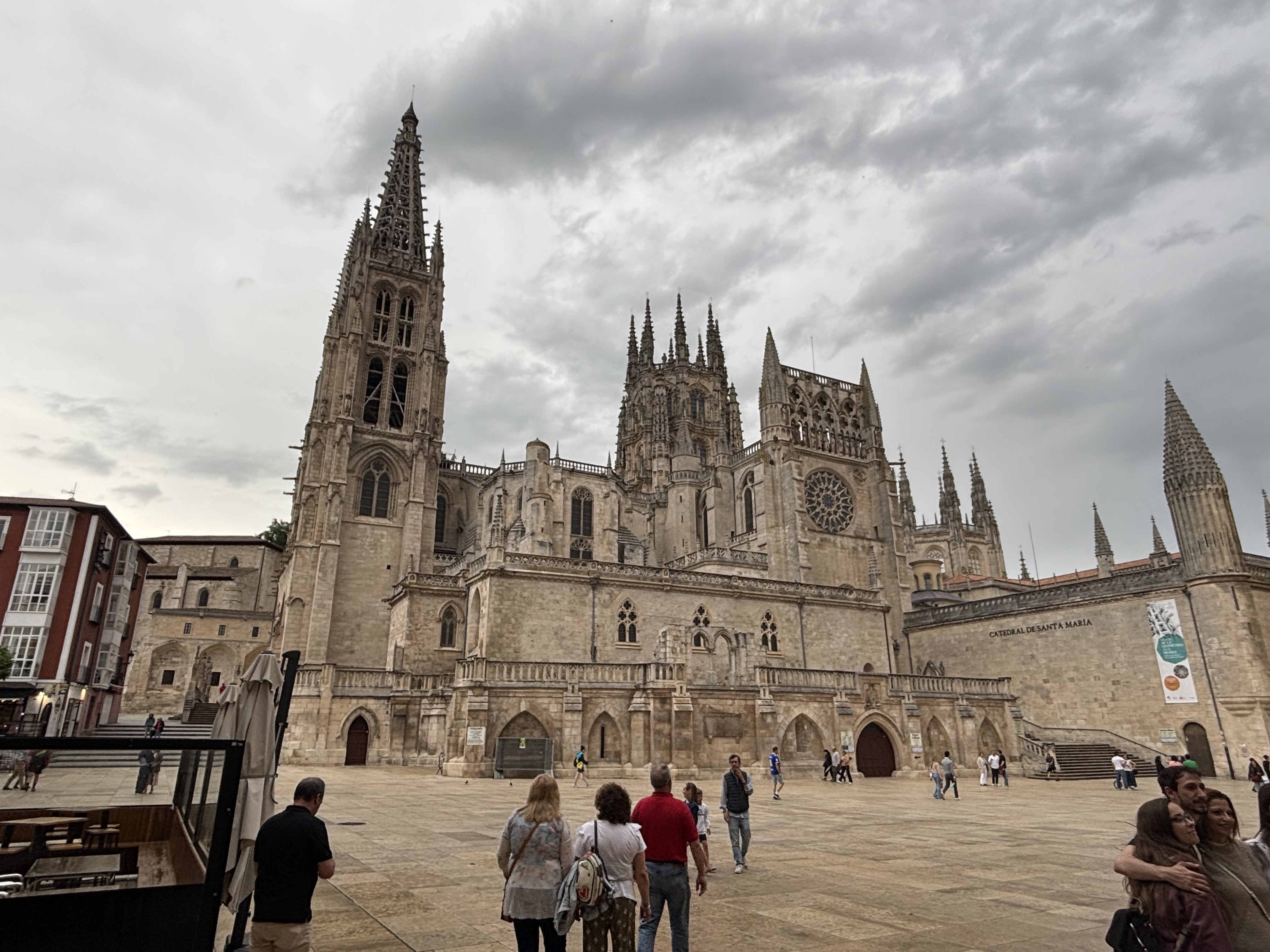
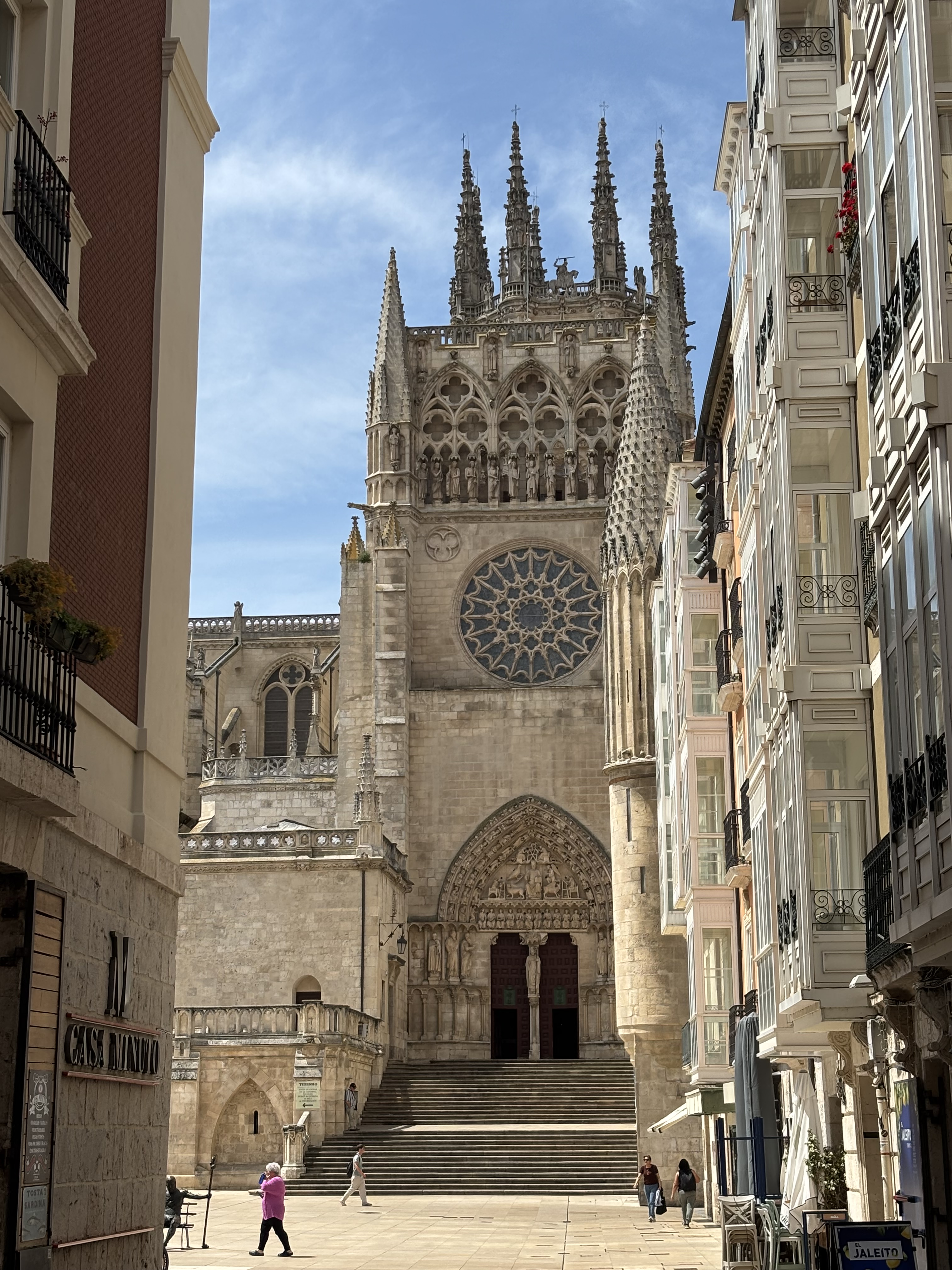
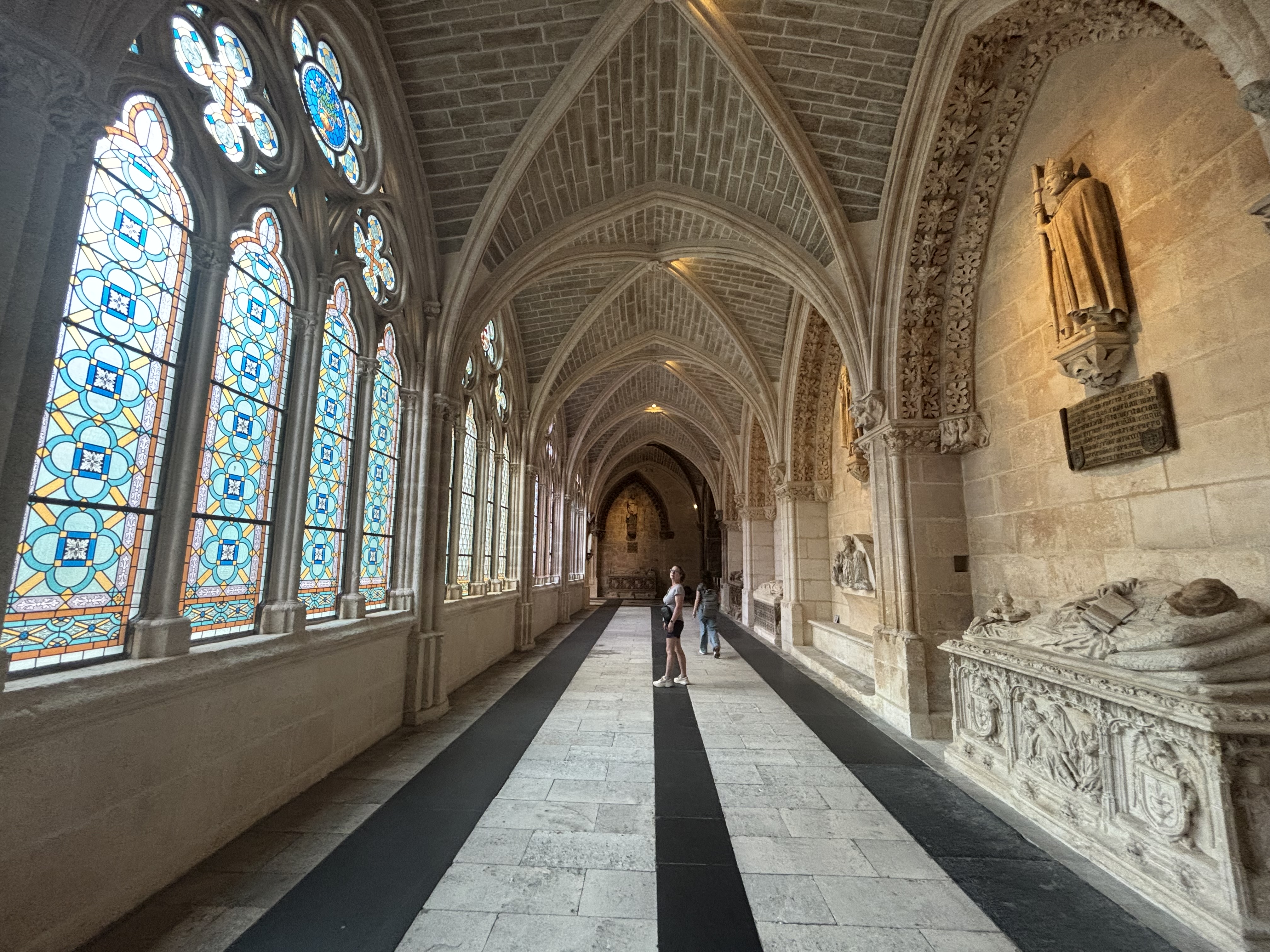
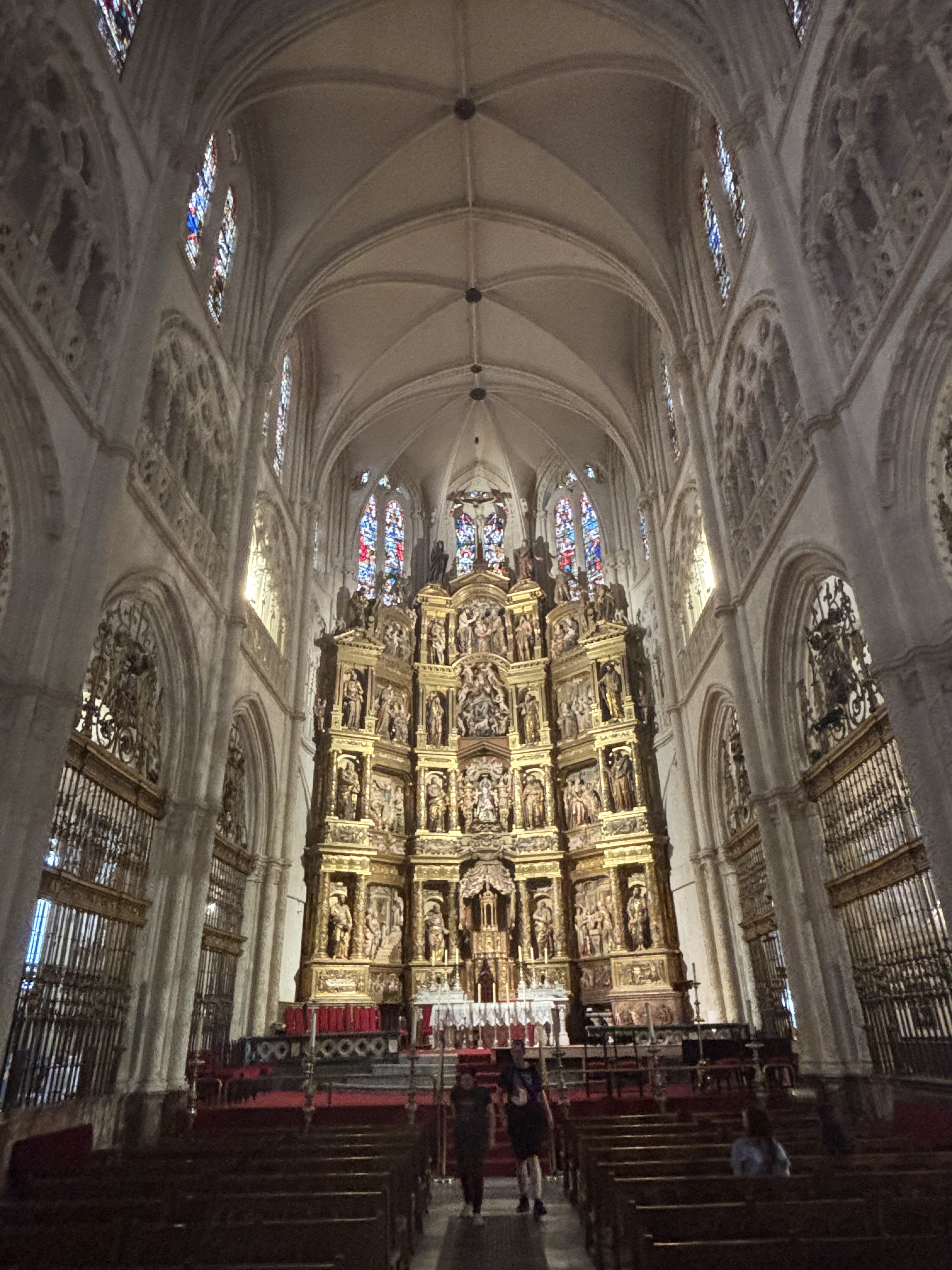
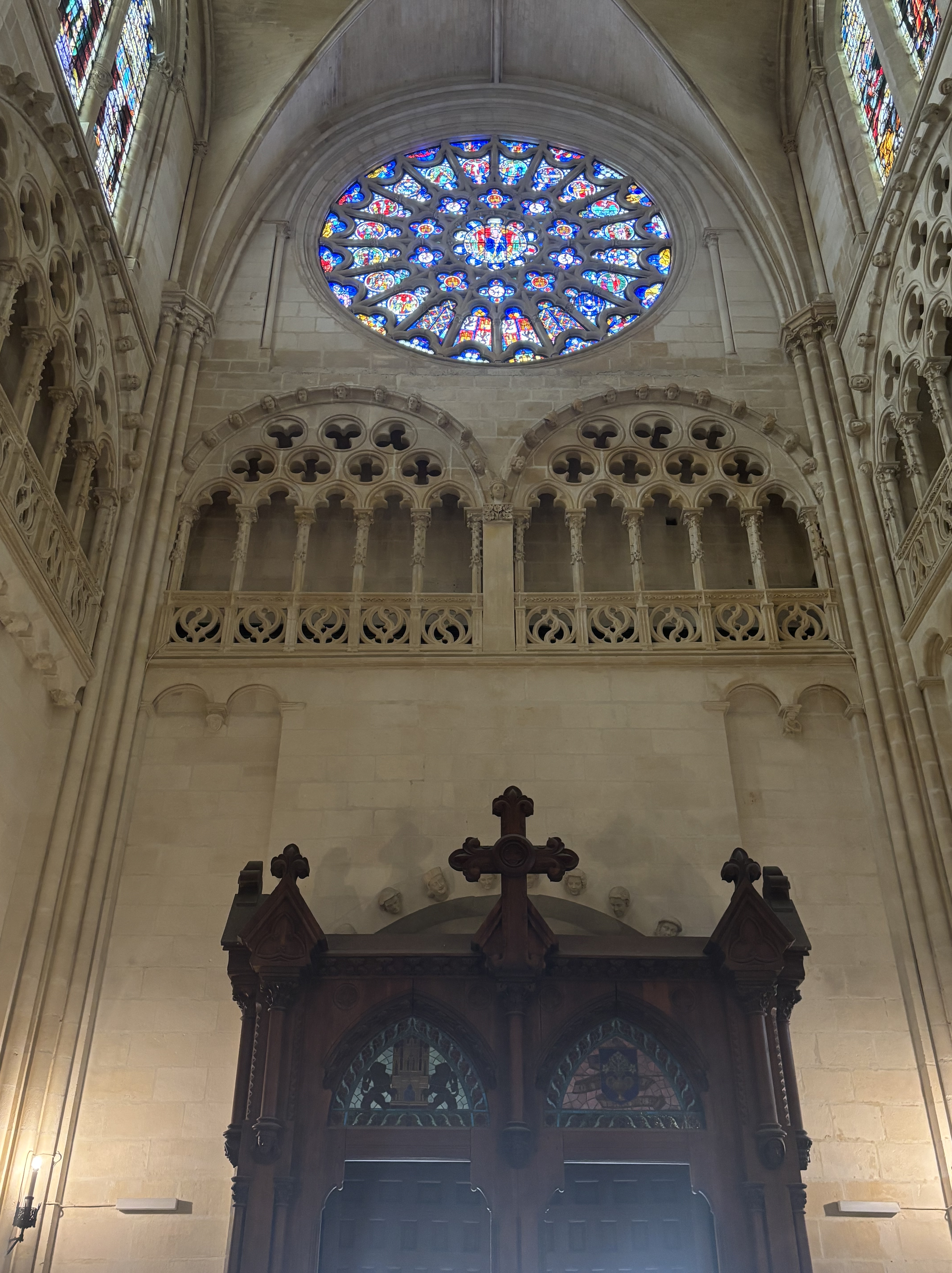
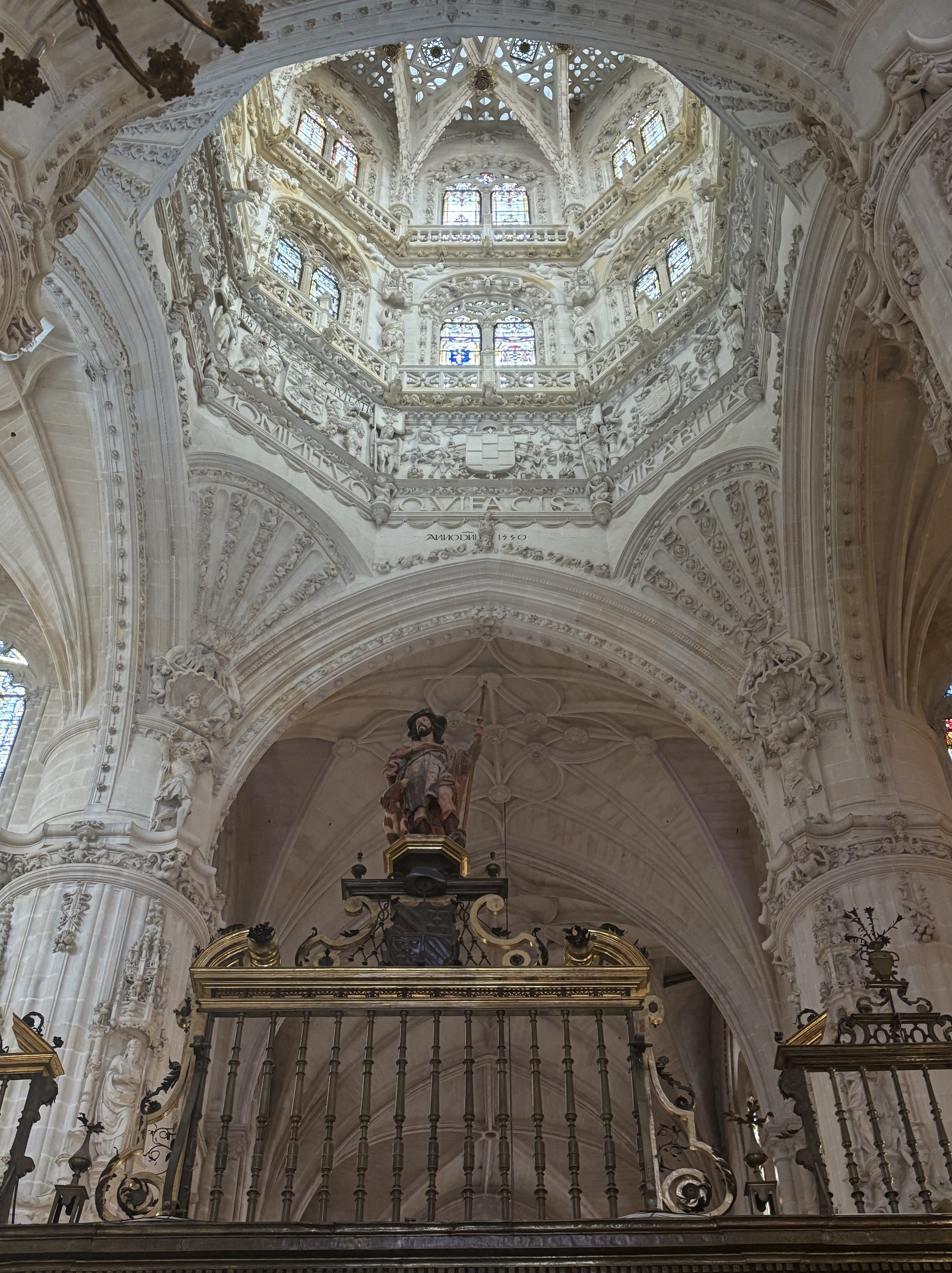
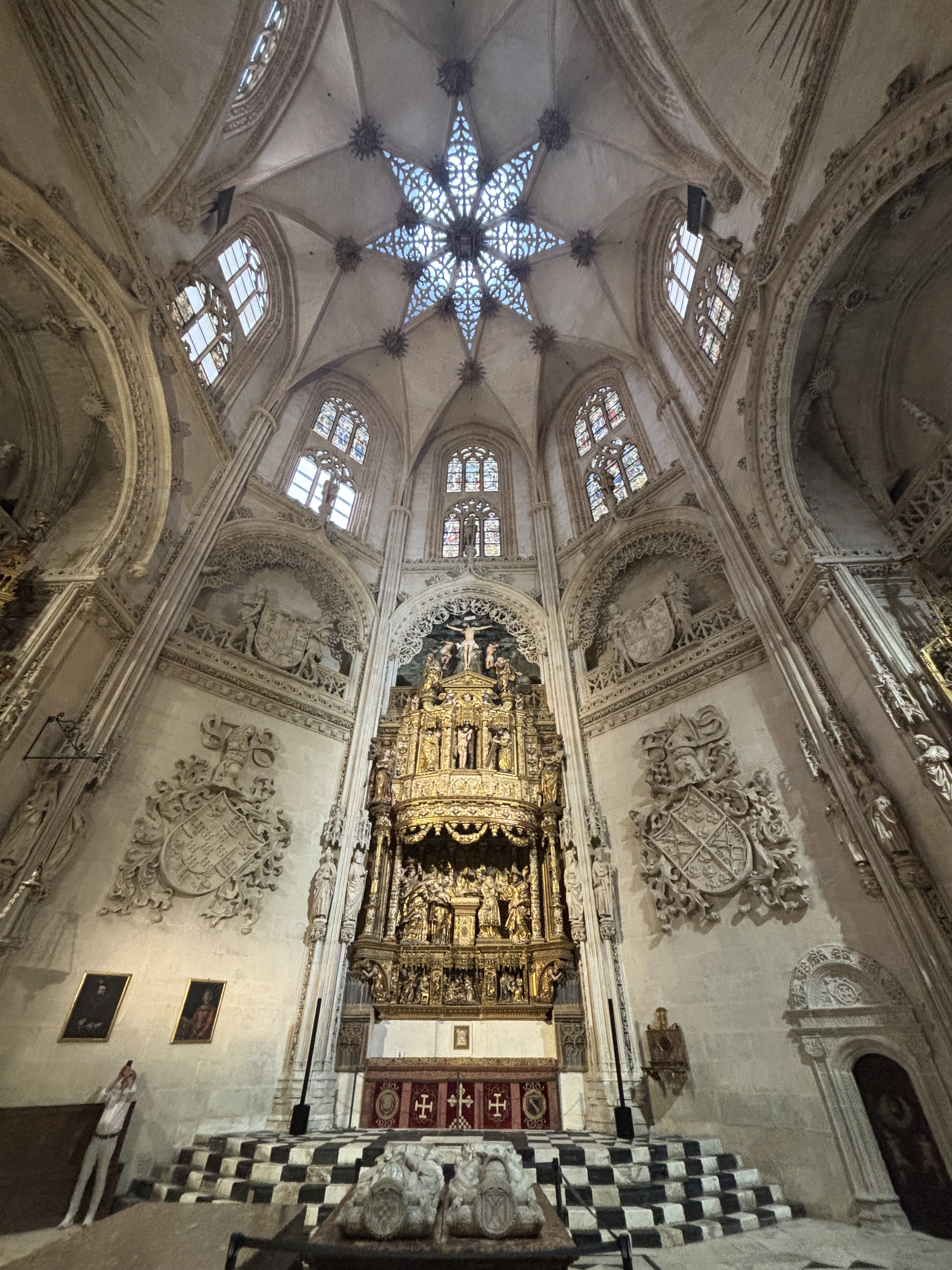
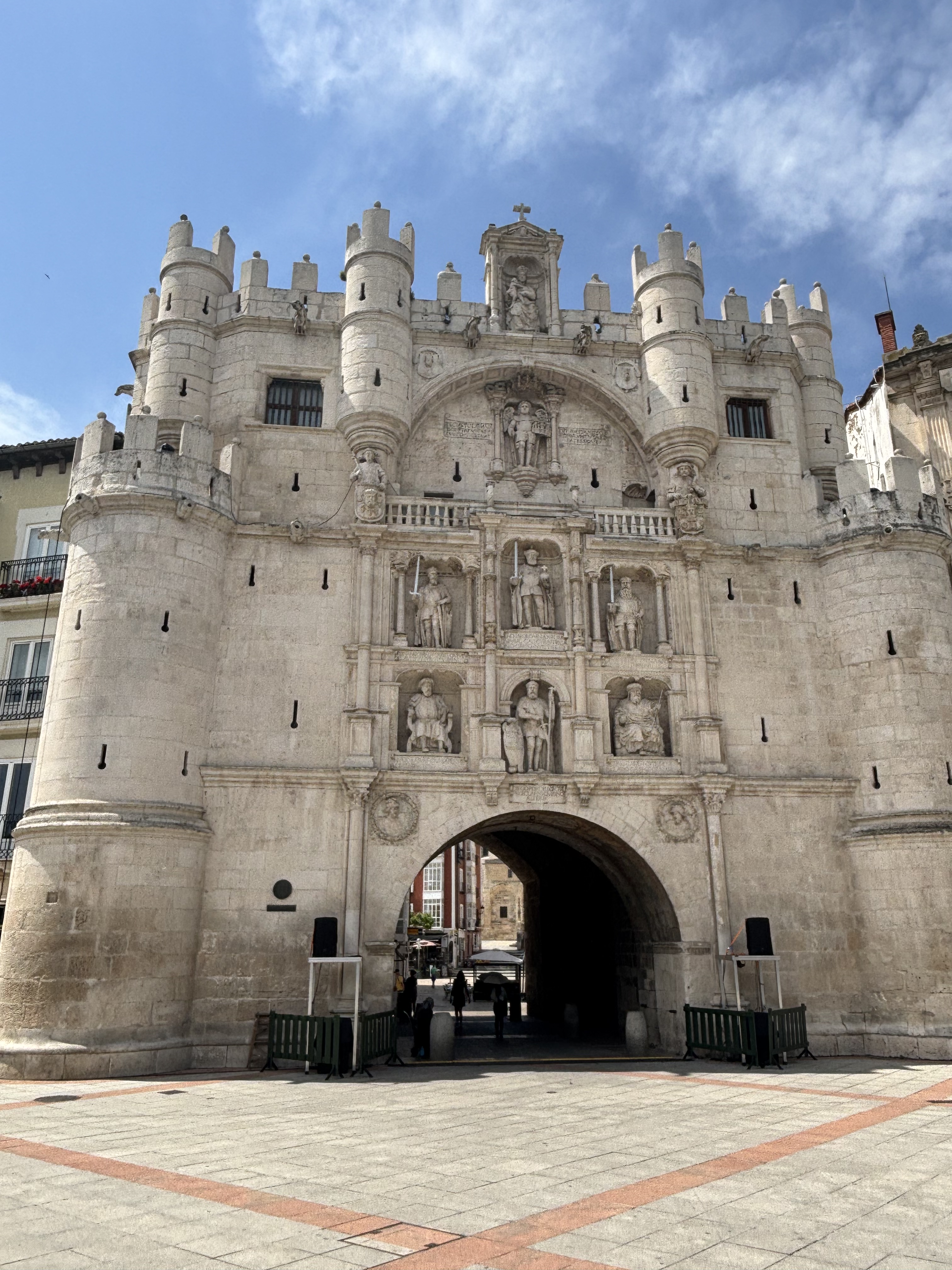
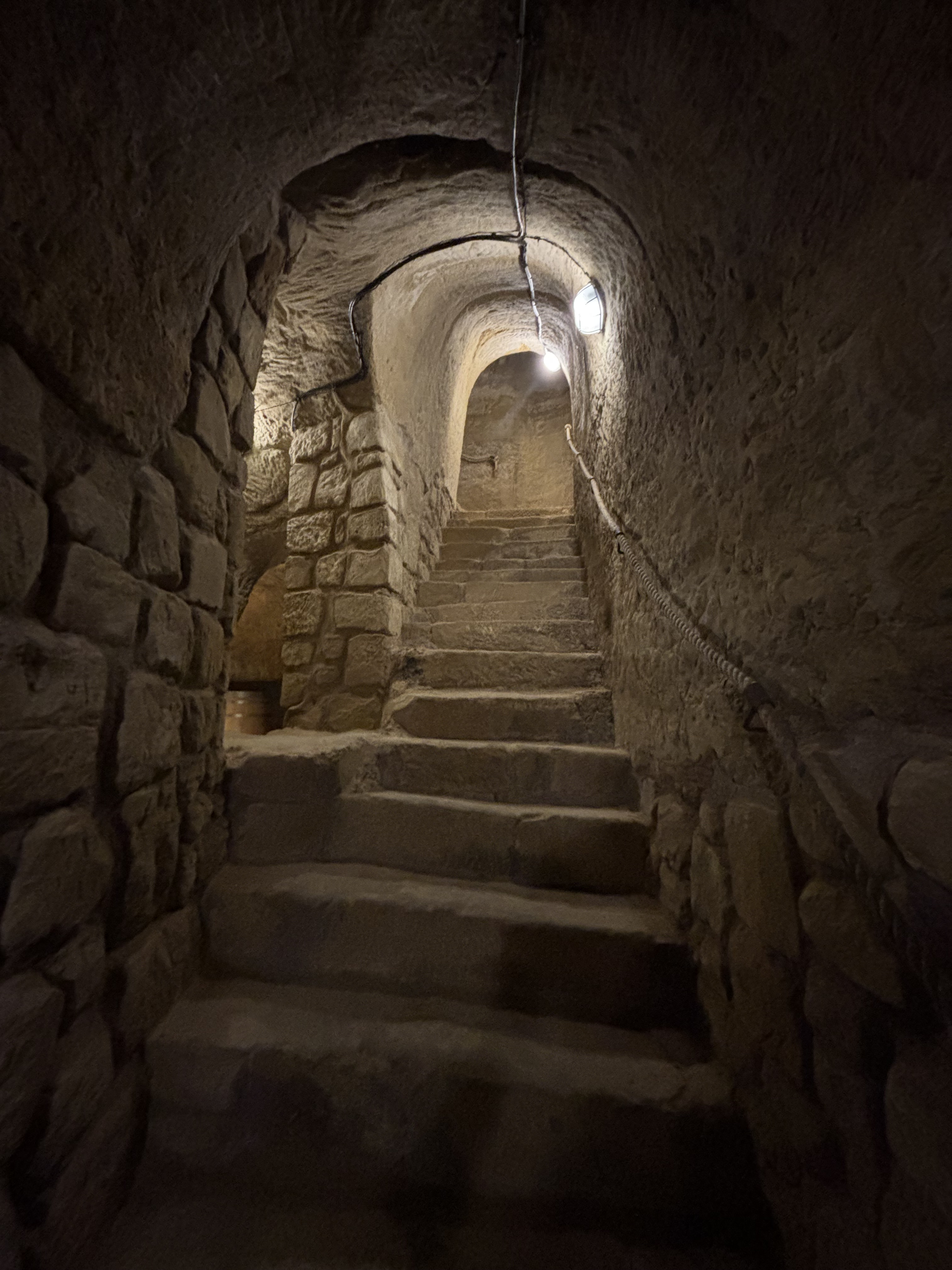
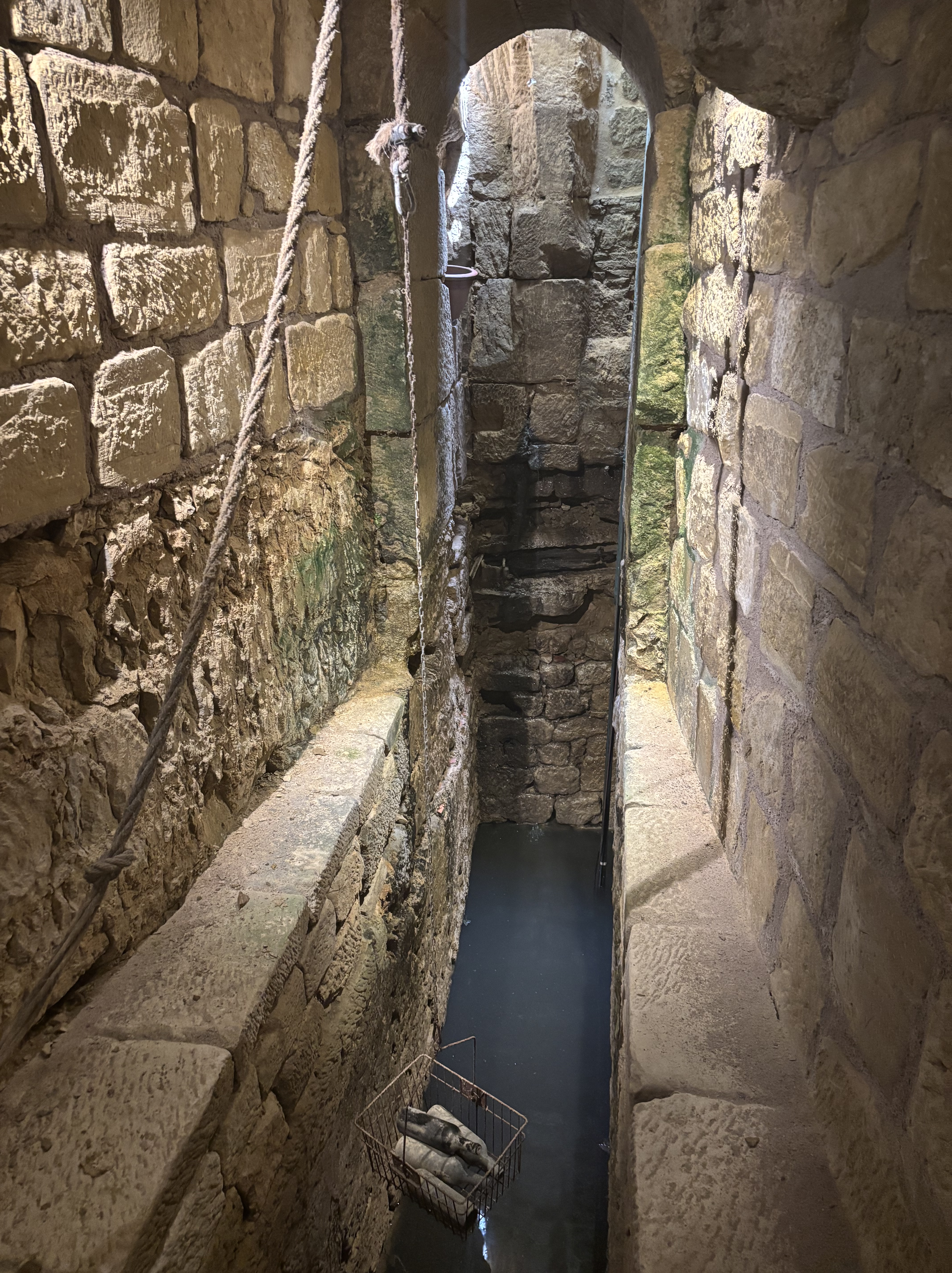
We were struck immediately by how beautiful the town is. A picturesque river runs through the middle of town, with tree-lined walkways and grand buildings on either side. An ancient city gate leads to one of the most impressive Gothic cathedrals in Europe. We enjoyed some delicious pintxos at a vermuteria and decided on the spur of the moment to take a quick pop into the cathedral, just to check it out. Little did we know just how massive the place was. We moved quickly, but it still took us a full 45 minutes to make our way through the labyrinthine series of altars, chapels, hallways, tunnels and galleries before finally reaching a gift shop and exit. The building was impressive and deserved even more of our time, but we were on a different mission.
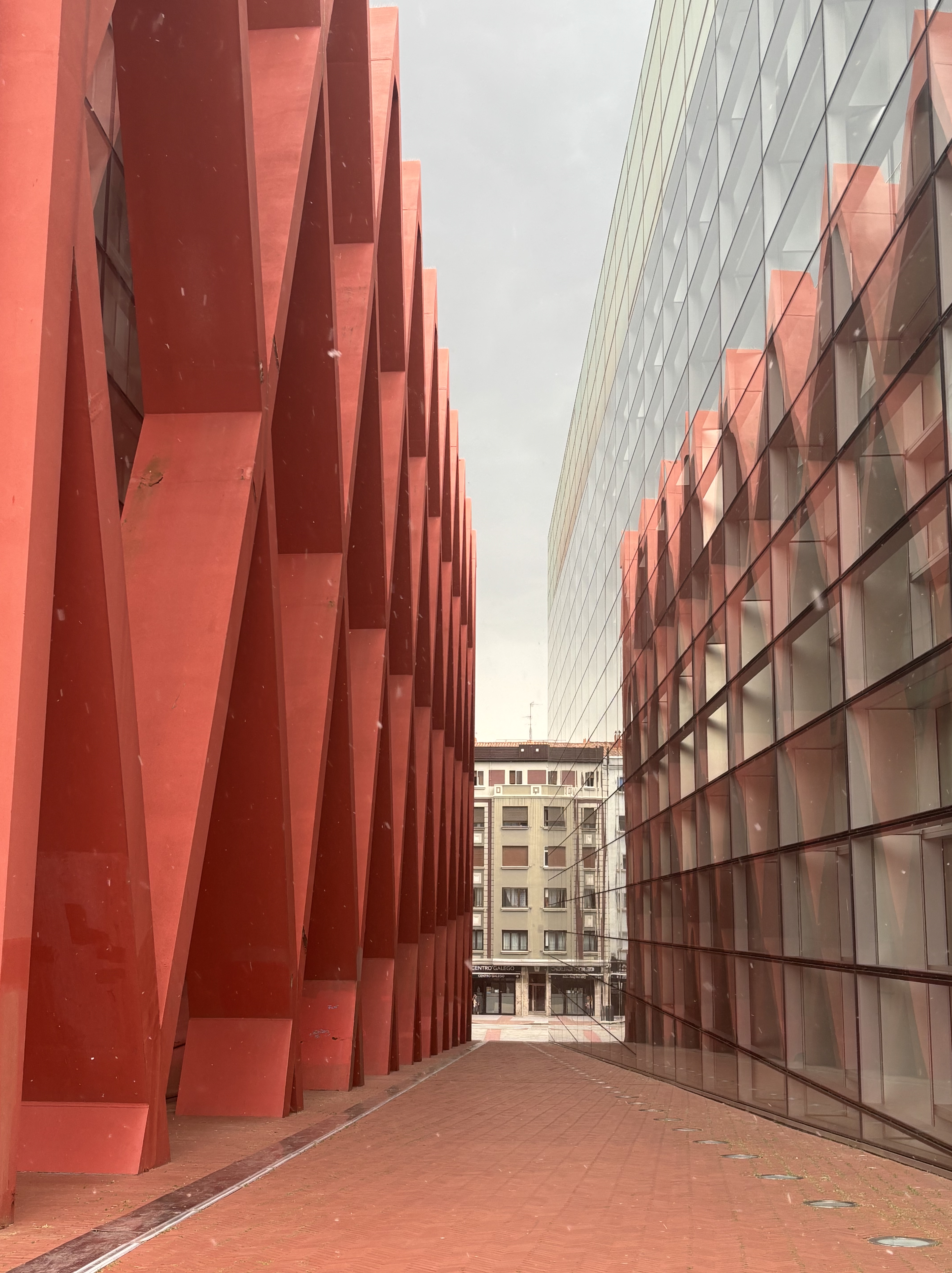
Atapuerca is an active archaeological dig a few miles outside of Burgos and is relatively famous for being the location where the oldest human fossils in Europe were unearthed. These fossils are on display at the Museum of Human Evolution in Burgos. The museum is modern, meticulously curated and informative. They have done an outstanding job of integrating ancient fossils and artifacts with demonstrations of modern DNA testing techniques, highlights from ongoing archaeological expeditions around the world and a full-scale model of the front half of the ship that Charles Darwin lived on for five years before writing his seminal work. It’s a really impressive space, and the irony was not lost on us that this museum exists in one of the most religious cities in all of Spain.
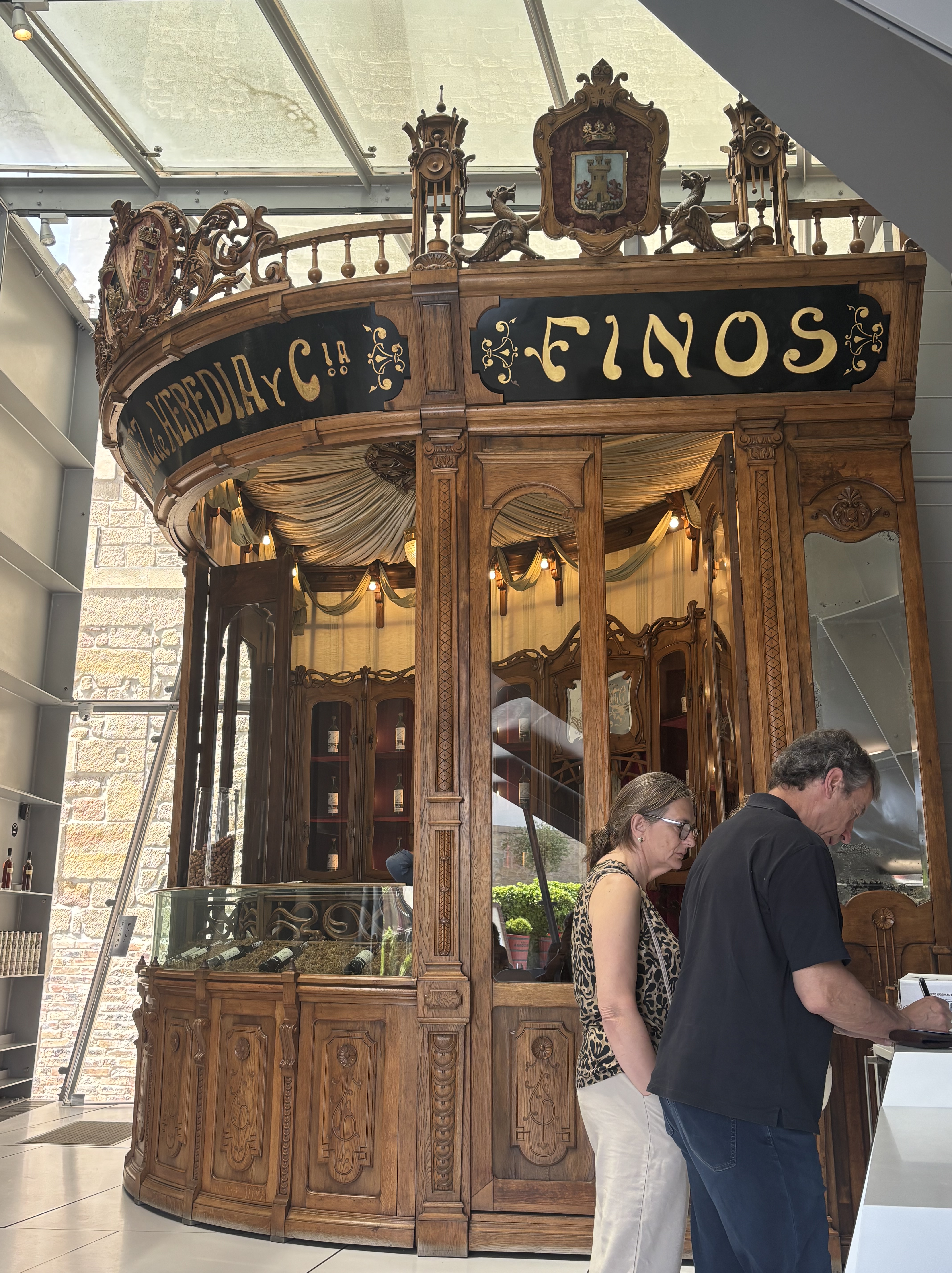
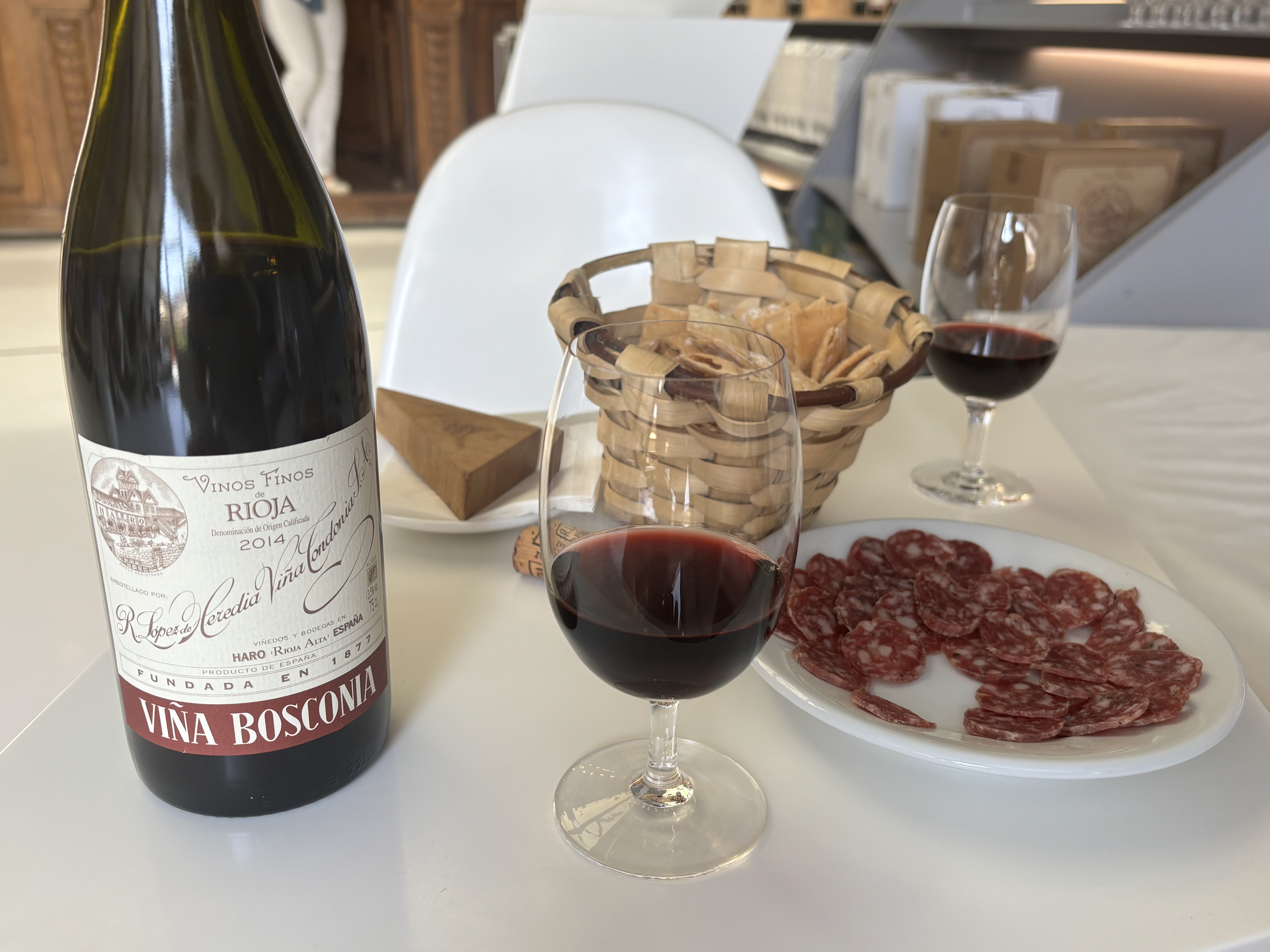
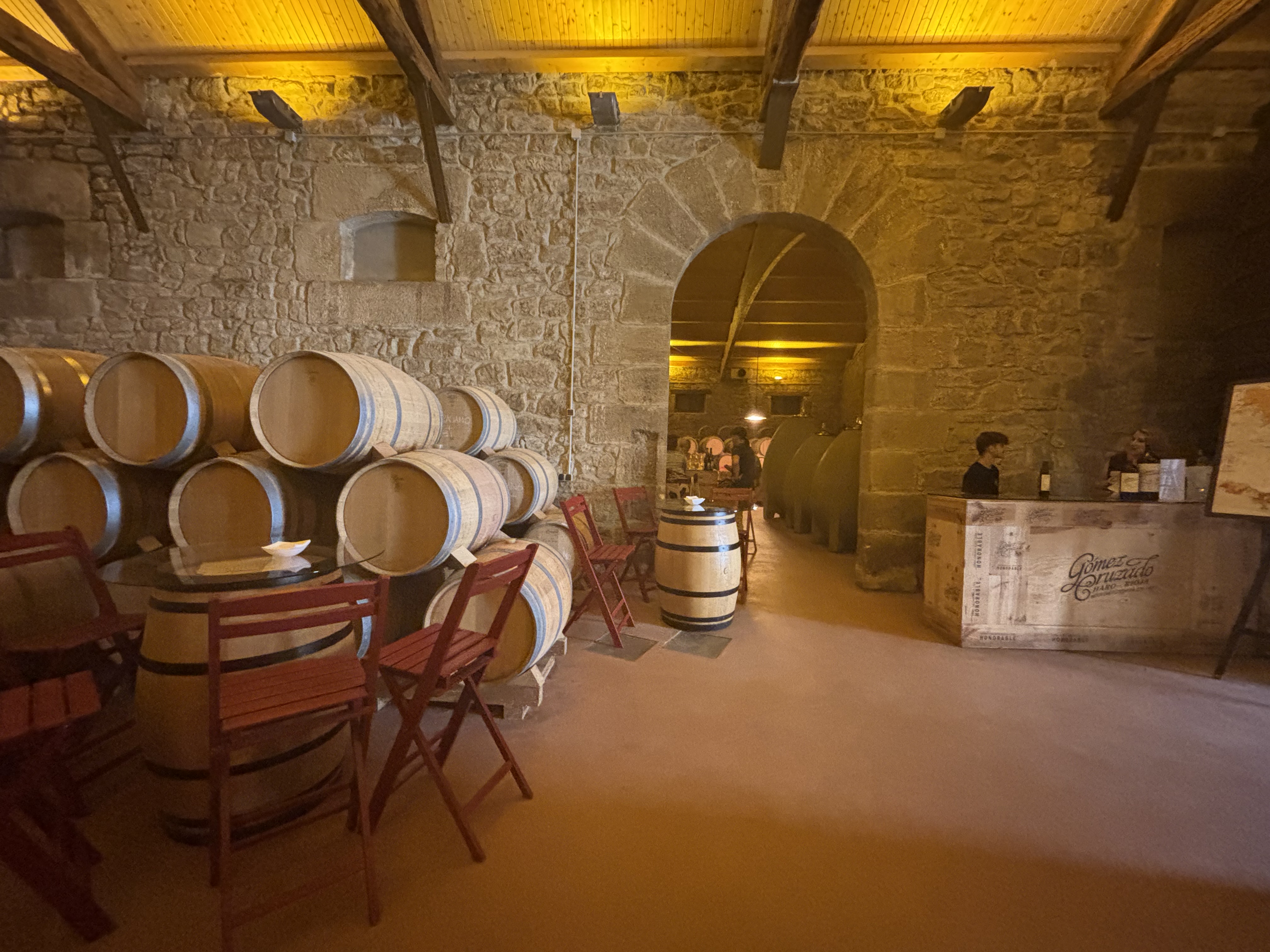
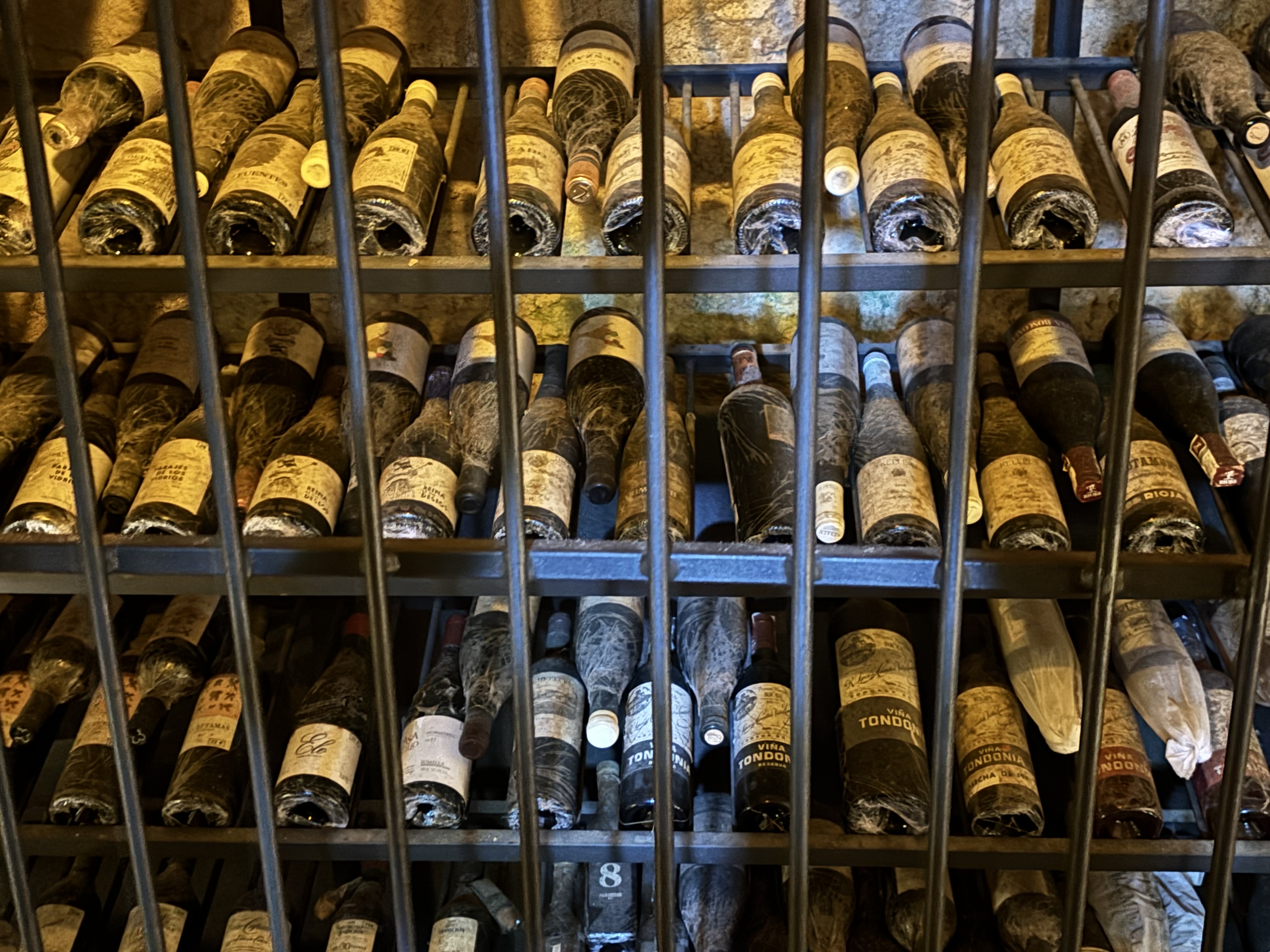
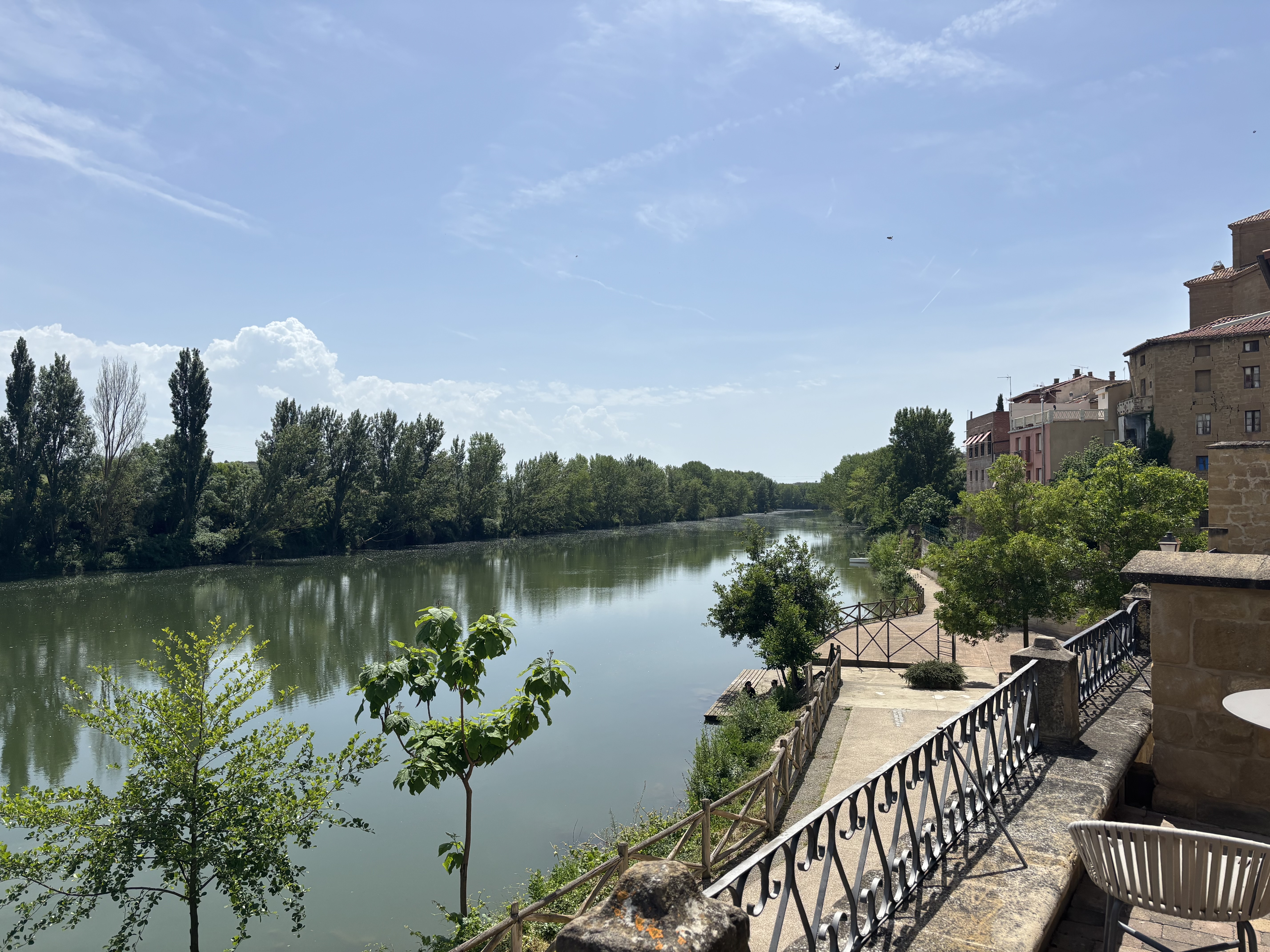
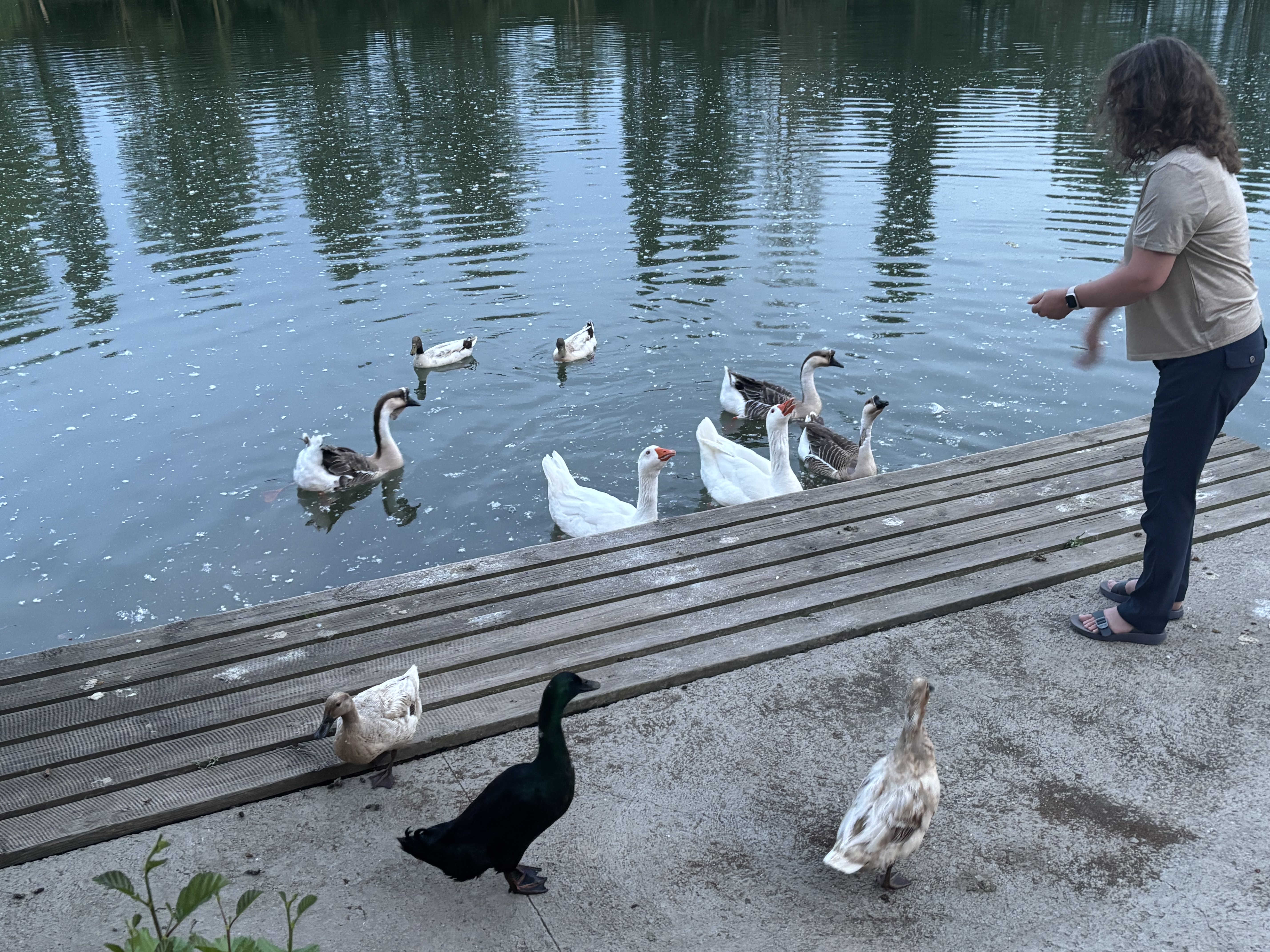
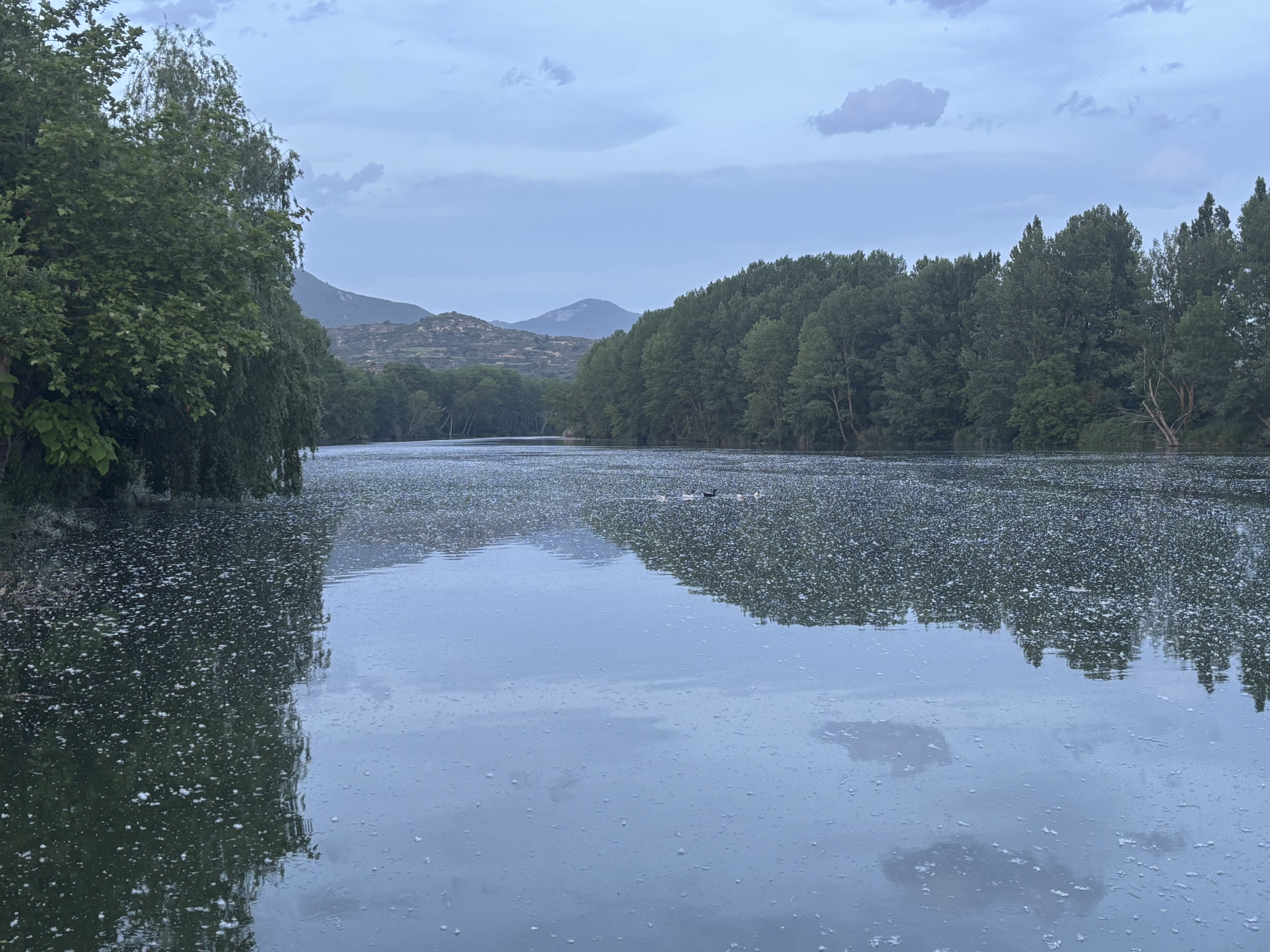
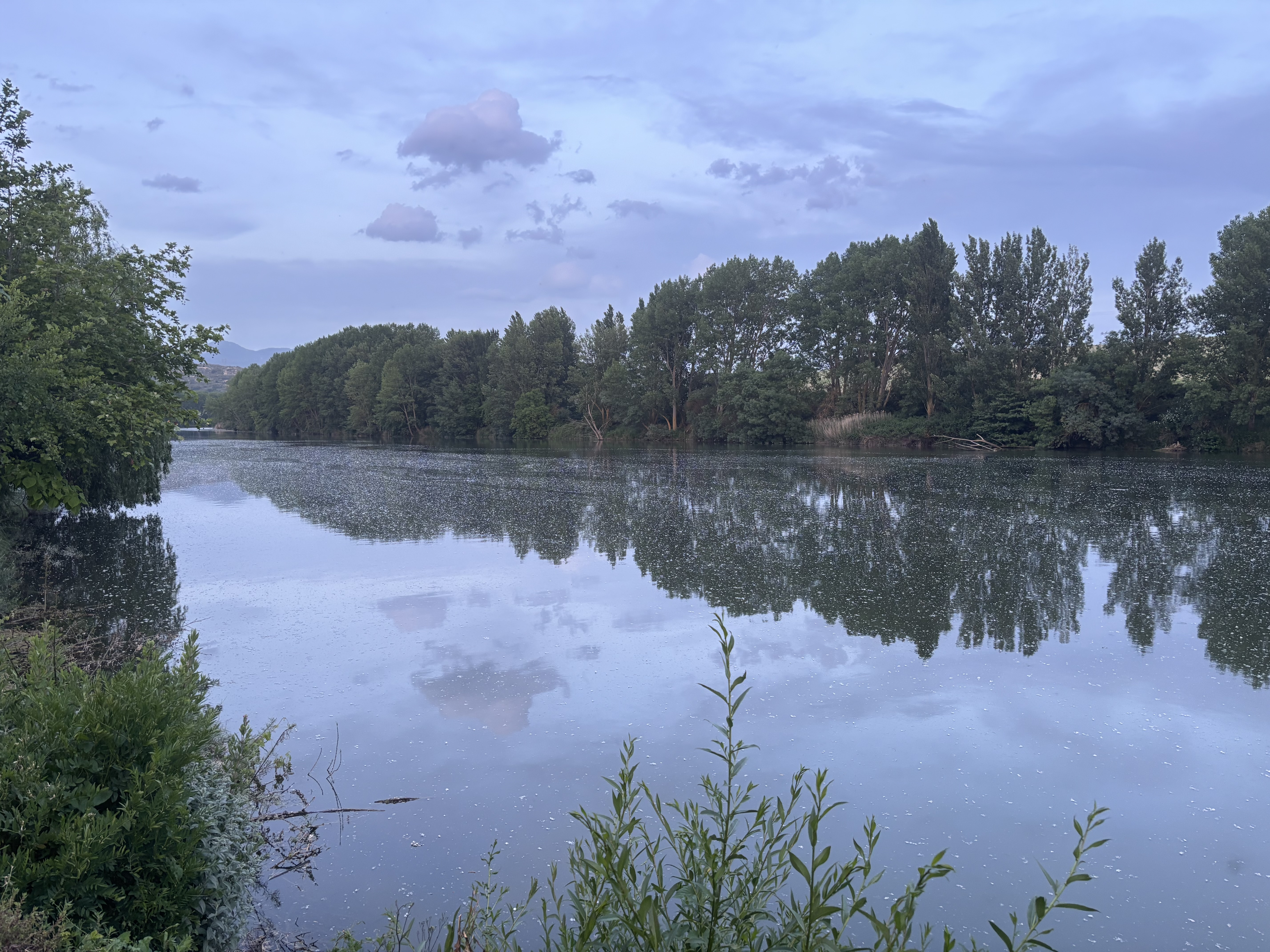
We initially had planned to meet up with one of our son’s friends for lunch the next day, but she unfortunately was feeling ill, so we modified our plans on the fly and drove to La Rioja instead to enjoy what the region is known for: wine. We enjoyed tastings at Gomez Cruzado, Roda and Lopez de Heredia (our favorite) in Haro before retiring early to our hotel. Palacio Tondon is a Marriott Autograph Collection property housed in a meticulously restored 16th century manor home nestled along the water in an ancient village surrounded by vineyards. We were upgraded once again to a riverview suite thanks to our Marriott status, and we enjoyed some wine and charcuterie on the terrace before retreating to our room to siesta. (When in Rome and all.) It was an unusually hot day (roughly 93 degrees Fahrenheit), so we waited until after dinner to explore the town by foot this time, but we particularly enjoyed seeing the swallows and waterfowl along the riverfront.
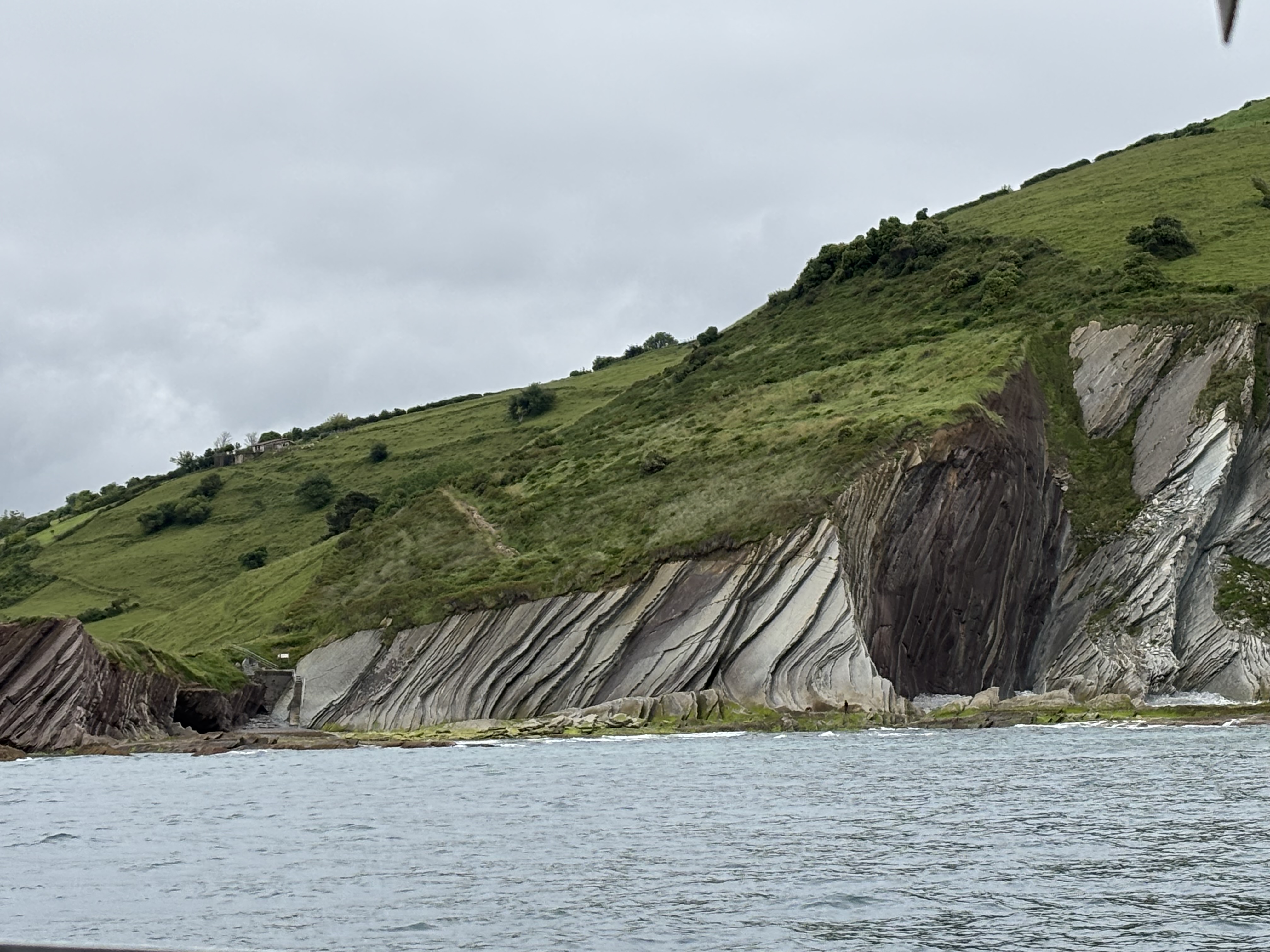
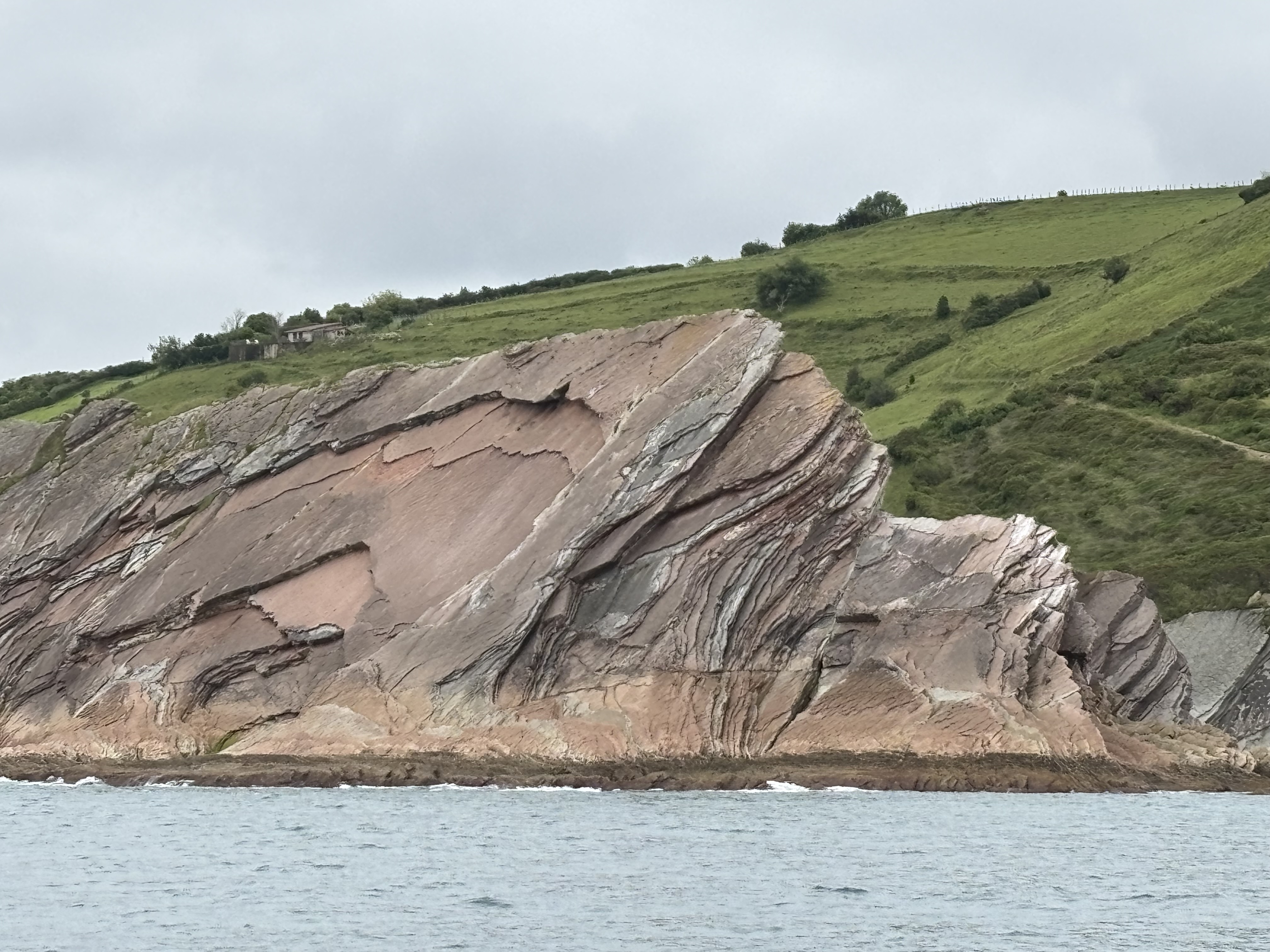
We slept in the next morning for the first time in weeks and barely made it to Zumaia in time for our boat ride to view “flysch.” It was a cold, rainy day to be out on the water – a big change from the day before – but we donned our raincoats and boarded the small tour boat. The live tour was in Spanish, but there is a poorly synchronized audio guide in English available via a mobile phone app. The flysch looks like layers of the earth’s crust flipped sideways. If you are a geology nerd like Darla, you may be interested to know that flysch was formed from alternating layers of sandstone and mudstone that were deposited over time through sedimentation before being tilted up to 90 degrees toward the sky due to tectonic forces. (Stuart just thought it looked cool.) Flysh is most famous these days as yet another Game of Thrones filming location, but it is most significant for its role in documenting much of the earth’s history, including the global extinction event that wiped out the dinosaurs approximately 66 million years ago. It is the highlight of the Basque Coast UNESCO Global Geopark and is best viewed from the ocean.
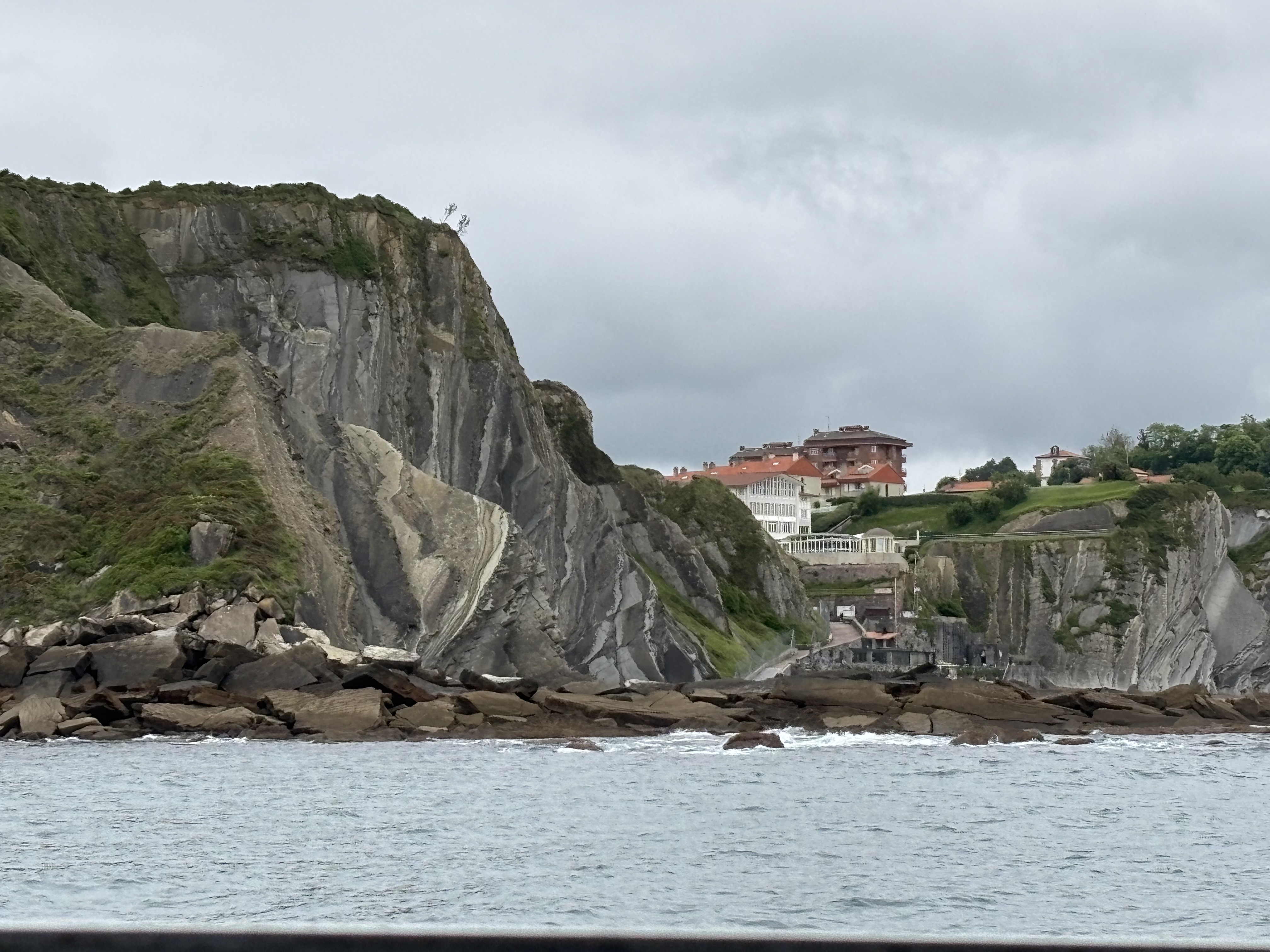
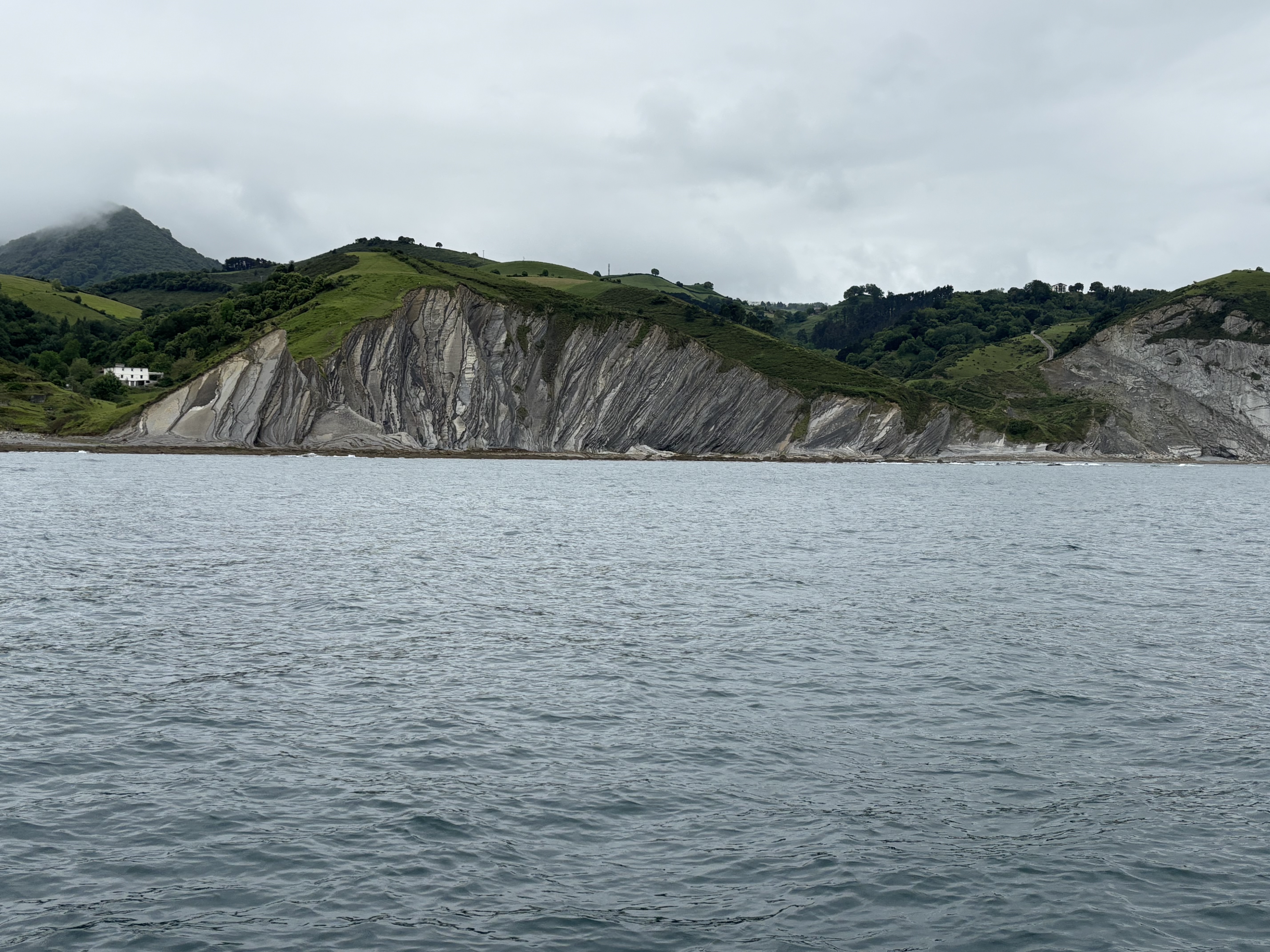
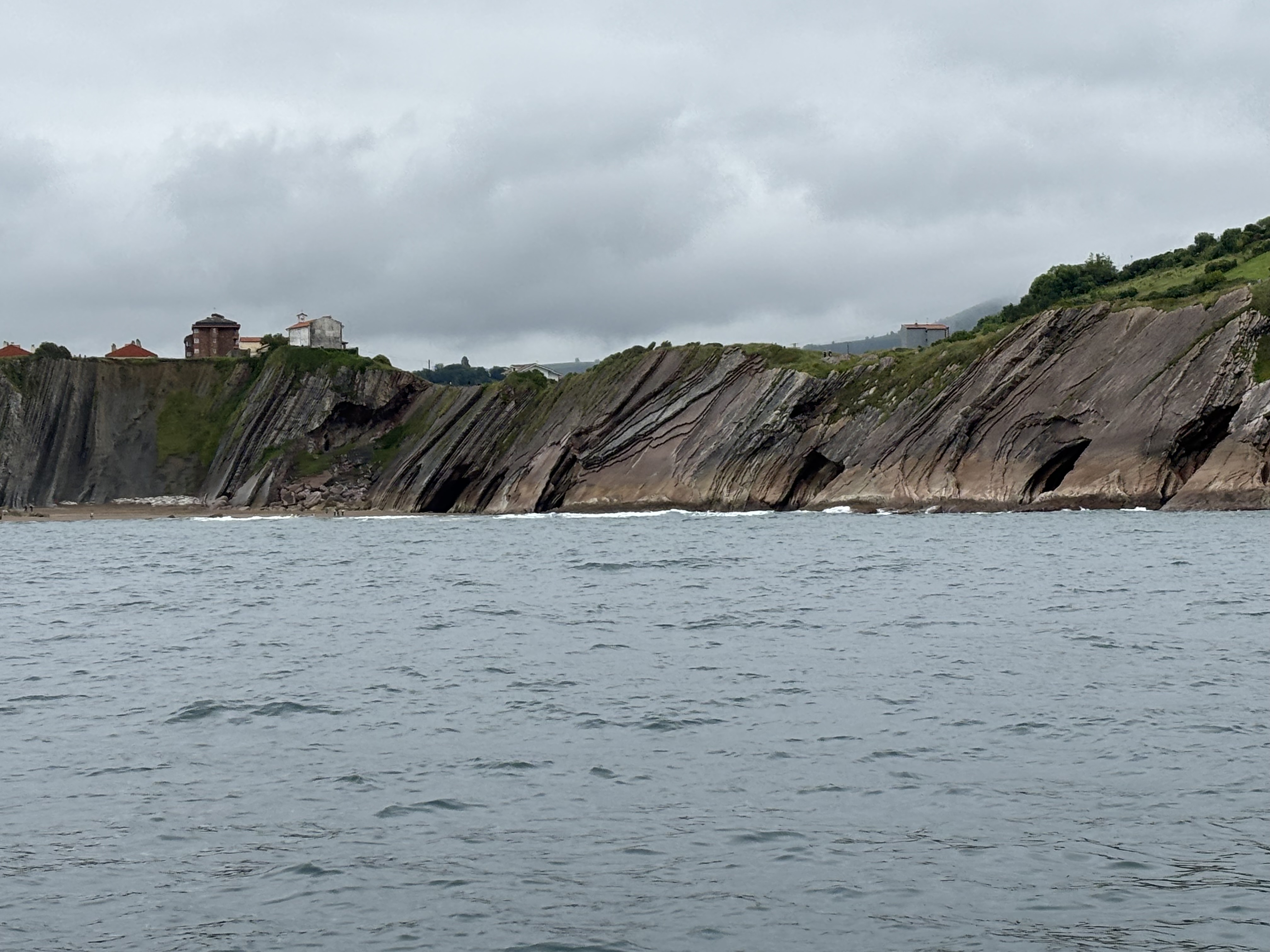
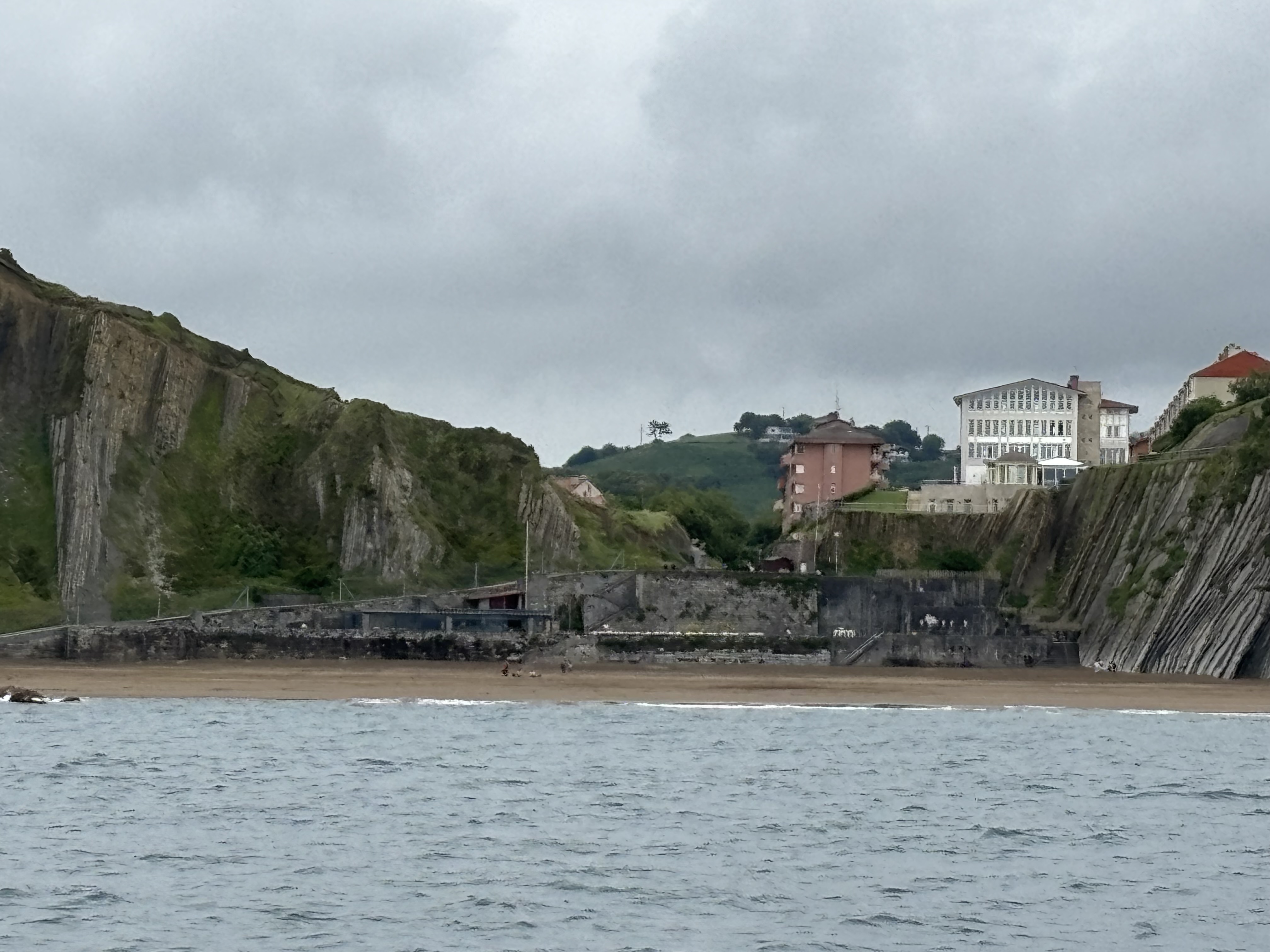
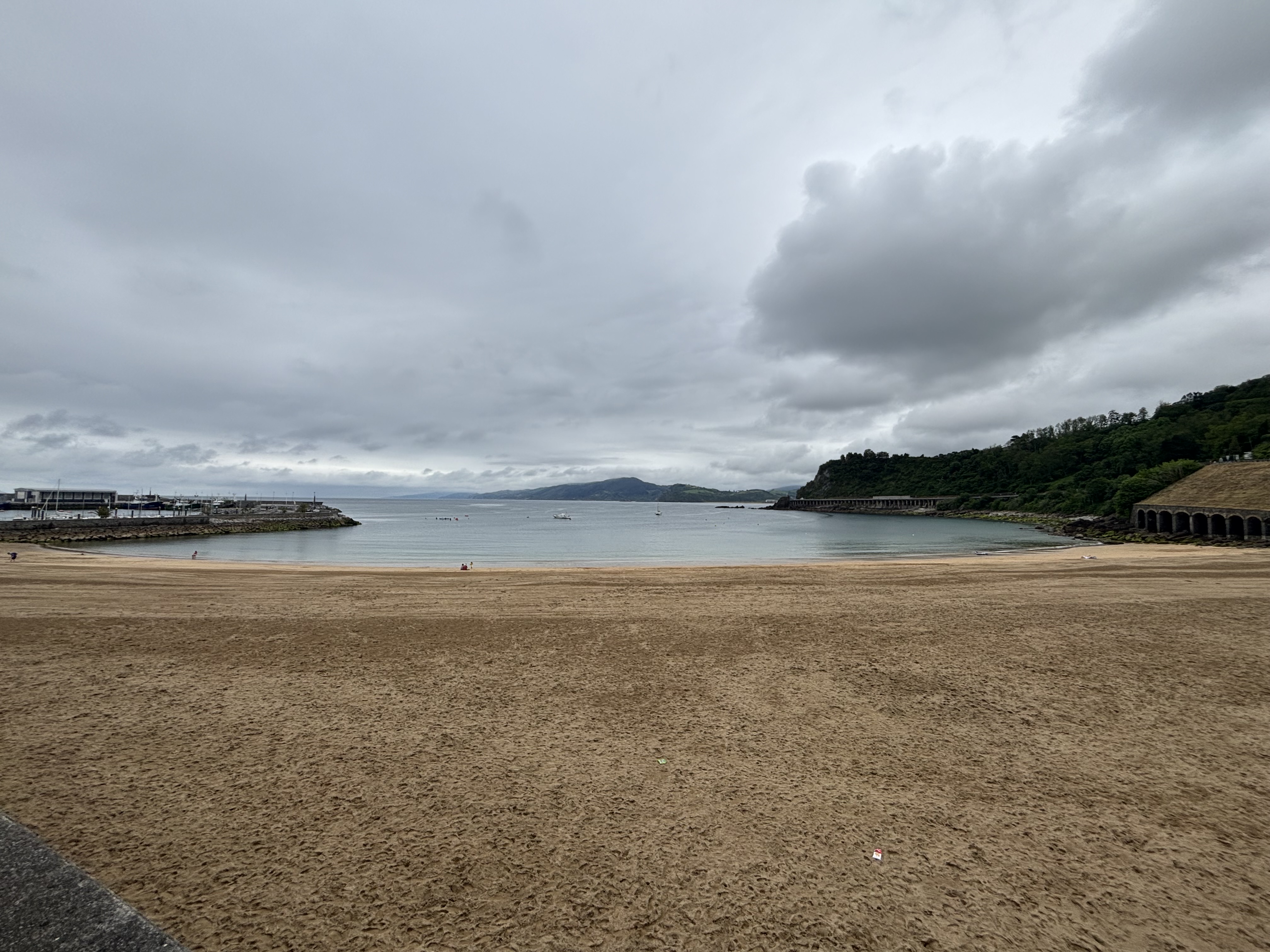
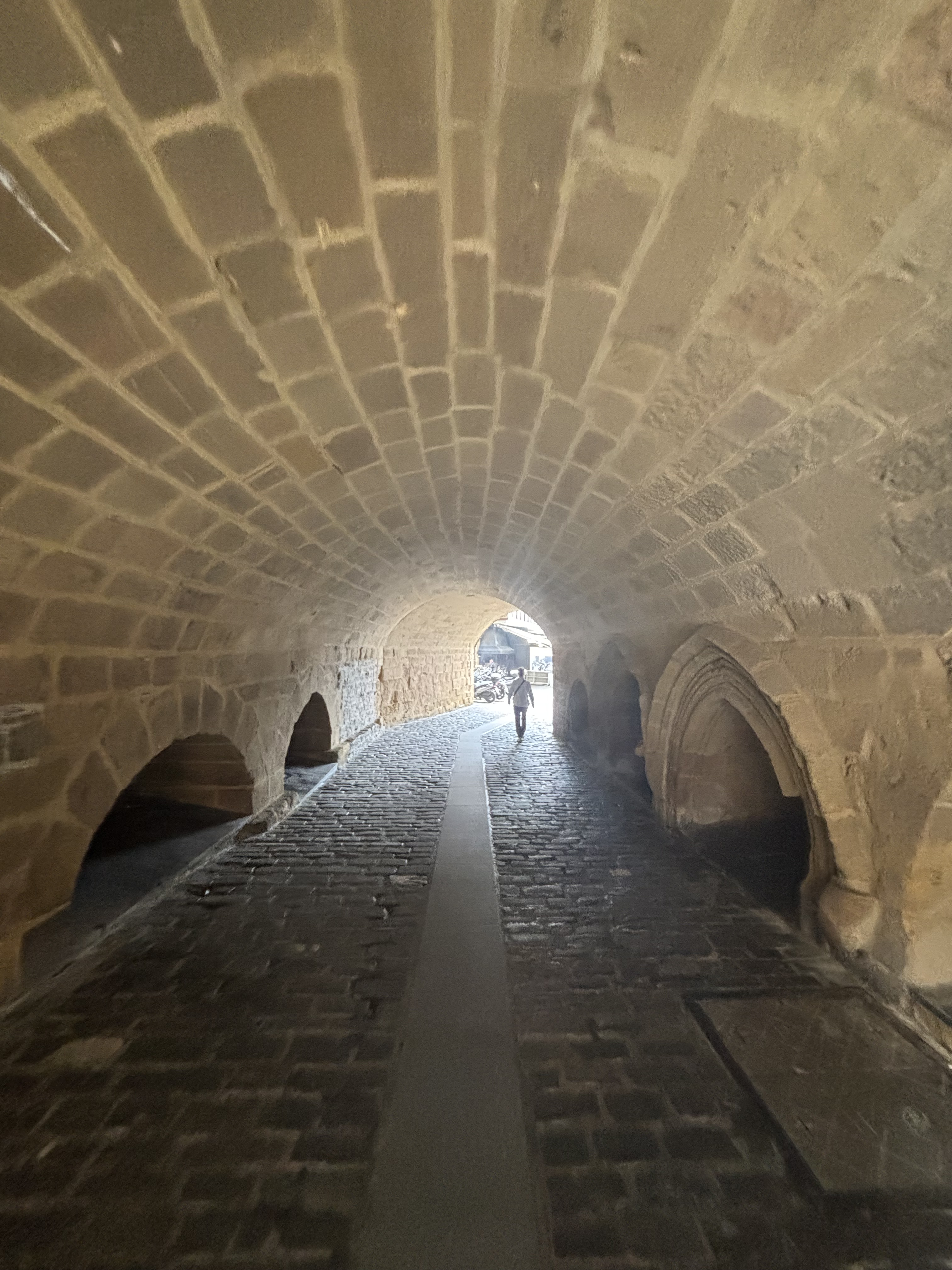
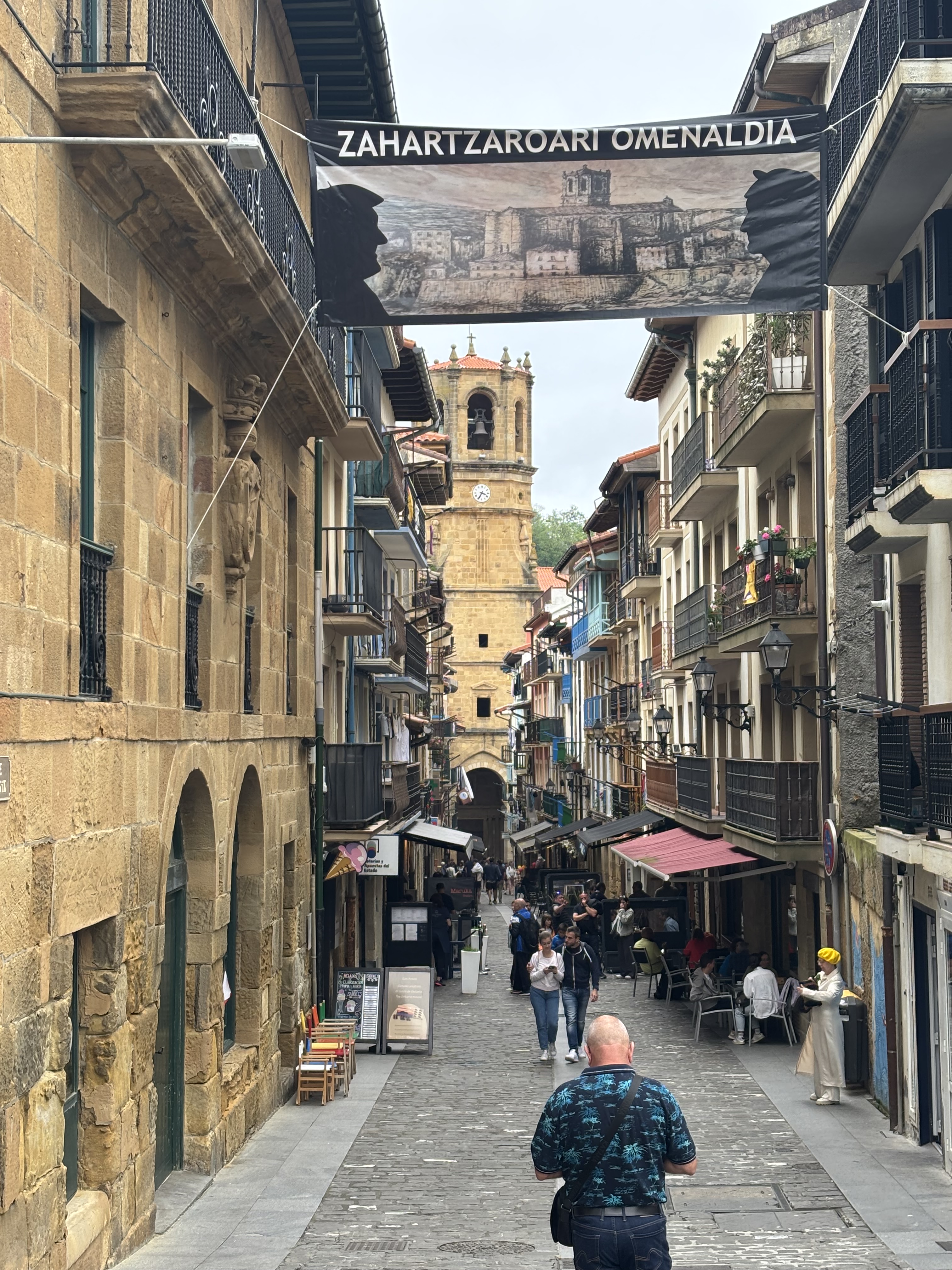
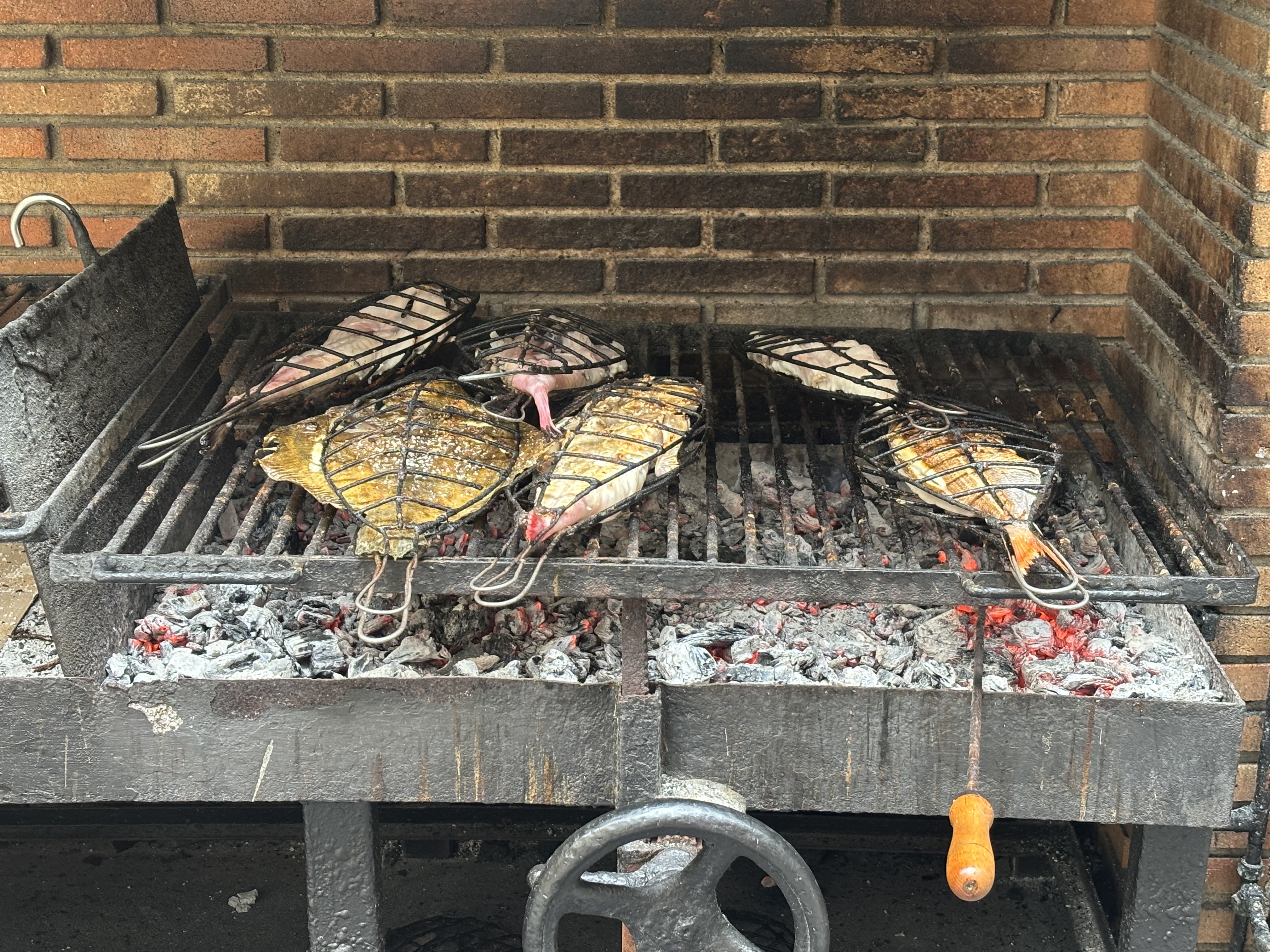
We closed out our Bay of Biscay day with a quick stop in Getaria, another beach village that was the birthplace of Cristobal Balenciaga and Juan Sebastian Elcano. Balenciaga gained worldwide fame designing fancy clothes, and Elcano faded into relative obscurity despite being the ship captain who eventually completed Ferdinand Magellan’s epic voyage to circumnavigate the globe after Magellan died in the Philippines. Today, the town is noteworthy for the charcoal grills that line the ancient streets, slowly cooking whole turbot for tourists who saw Anthony Bourdain eat the same dish on Parts Unknown years ago. But alas, the limits of the parking meter did not leave us time for any grilled fish. Fortunately, our own epic voyage ended a little better than Magellan’s, with zero reported deaths and somehow no scratches on the rental car.



 The Global Slowmad
Leave a reply to Anonymous Cancel reply