As slow travelers, we generally are looking to stay someplace for a month or more. We want a kitchen because that allows us to save on food costs by shopping at local markets and cooking many of our own meals. We also prefer having a washing machine in the unit for convenience. And we really like having a little room to spread out. This means we typically stay in short-term rentals instead of hotels.
We have explored the major short-term rental websites (e.g., AirBNB, VRBO, HomeStay, Booking.com and Expedia), as well as several local and regional apartment rental companies. In the end, there are a lot of annoying and potentially problematic things about AirBNB (when things go wrong, they can REALLY go wrong), but it’s still the best overall product that we have found. It has a particularly large inventory of properties, robust search tools and a slick user interface. So that’s mostly what we use. If we were more comfortable negotiating prices and terms with hosts and/or start staying for multiple months at a time, we might change our approach.
We have developed what we think will be a fairly reliable process for finding suitable lodging on AirBNB. (We will explain how we save money on our AirBNB stays in another post on another day.) Here are the steps we follow to find a place to stay:
- Research Potential Neighborhoods: We do some preliminary internet research about unsafe, high crime and most desirable neighborhoods for our target destination. We prefer to stay in or near the city center on a first visit and like to be within a short walk of shops and restaurants, and a sketchy neighborhood can ruin even the best apartment. Local subreddits tend to be particularly insightful, but you have to learn to differentiate between legitimate concerns versus contributors who are simply uncomfortable around people who look different from them. Also keep in mind that a “bad” neighborhood in European cities may just be a single block (often due to poorly maintained public housing) in an otherwise safe area.
- Features: We run a basic AirBNB search using the following filters:
- 28-day stay – This allows us to identify properties offering “monthly” discounts without inadvertently excluding properties that want to avoid 31+ day stays due to local landlord-tenant laws.
- Entire House – We don’t want to share bathrooms or common areas.
- Kitchen – We like to be able to eat what we want, when we want. It saves a lot of money if you are willing to cook some of your own meals, and you get the predictably fascinating experience of shopping with locals as an added bonus.
- Washing machine – We like clean clothes but don’t want to spend all day at a laundromat. We can find other ways to immerse ourselves in local culture.
- WiFi – We don’t want to be reliant solely on our eSIMs.
- Max Price – We use the slider bar in the search tool to determine approximately how many properties are in the price range we want to pay and may adjust our maximum rental rate up or down a little based on available inventory.
- Neighborhood Focus: We zoom in/out on the search page map to further limit the results to any preferred/undesirable neighborhoods based on #1 above.
- Rating Sort: Open separate browser tabs for each of the remaining properties in the target area that meet the above criteria and have at least 10 reviews averaging 4.85 or above. AirBNB guests tend to be generous graders because they don’t want hosts to give them low marks either (we’ve read that some hosts even offer partial refunds to get guests to raise a low rating or even remove negative comments altogether), so anything below 4.75 is suspect, and anything below 4.50 is a serious red flag. The algorithm behind the AirBNB default sort does a pretty good job of showing the most desirable properties first, but Stuart likes to be thorough and goes through the whole list every time anyway. For high-inventory regions, we may use the OneTab browser extension or open the individual listings in batches.
- Cancellation Policy: We eliminate all listings that only allow cancellation within 48 hours after booking. AirBNB doesn’t allow you to select this as a search filter, so it requires a quick glance at each individual listing. This leaves us with listings that allow cancellation up to 30 days before the stay begins — you never know when life is going to interfere with your travel plans.
- First List: We “heart” (save) the listings that have made it this far in a dedicated “Favorites” list in our AirBNB profile titled with the city and arrival month. (Keeping separate favorites lists for each city helps keep things organized and even lets us scout out potential properties well before we decide on our travel dates.)
- First Look: Now we are ready for the time-intensive part. We review each remaining listing more carefully, looking for pictures of the living room (does it have comfortable seating?), bedroom (does the bed look comfortable enough for 2 adults to share?), bathroom (is it clean, modern-ish and of decent size?) and kitchen (is there an oven, stove, vent fan, refrigerator and freezer?). We also want to see evidence of natural sunlight, and an outdoor balcony is always a nice bonus. If there are not pictures of something, we assume it’s not there or is not in good shape.
- Second Look: For properties that pass the “ first look” test, we start reading prior guest reviews. We check the lowest-rated reviews first because they often identify potentially disqualifying features (e.g., mold, mildew, cigarette smoke, loud noises, clogged drains, leaking pipes, uncomfortable beds, worn-out furniture, broken appliances, difficult hosts), then move on to the most recent reviews to make sure they are still trending in a positive direction. Darla has particularly good intuition for anticipating potential problems based on seemingly innocuous user comments.
- Sleuthing: By this point, we usually have narrowed our list down to only a handful of options. Stuart then uses the Street View feature on Google Maps and the “approximate” location on the AirBNB map and any pictures of the exterior to locate the specific property and check out its immediate surroundings. This often involves a bit of detective work and is admittedly a step beyond what most would find reasonable in a rental search, but it’s a great way to get a feel for how “livable” a neighborhood will feel and appreciate just how much noise and smoke the night club downstairs might generate. (No, thank you.) You do you.
- Hosts and Rules. Finally, we do a deep dive into the listed amenities and check out the host’s other properties, biography and policies to make sure there are no final surprises. We tend to be skeptical of corporate property management firms and hosts with a lot of other properties with poor reviews. We also want to avoid properties with onerous rules that will make it hard to relax and enjoy ourselves.
And that’s the process. In theory, anything that survives our AirBNB screening gauntlet should be a solid choice, so the final decision is just a matter of personal preference. We’ll find out soon enough if all of this work pays off with comfortable lodging!
Update: Our first stop in Lisbon has been a win overall (quiet street, central location, easy access to Metro, HUGE living space, fully stocked kitchen, balcony, 10-foot ceilings), but we were surprised to discover upon arrival that our very nice apartment did not come with any soap or shampoo for the shower. So there’s always one more thing we can add to the checklist.


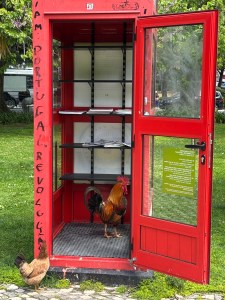
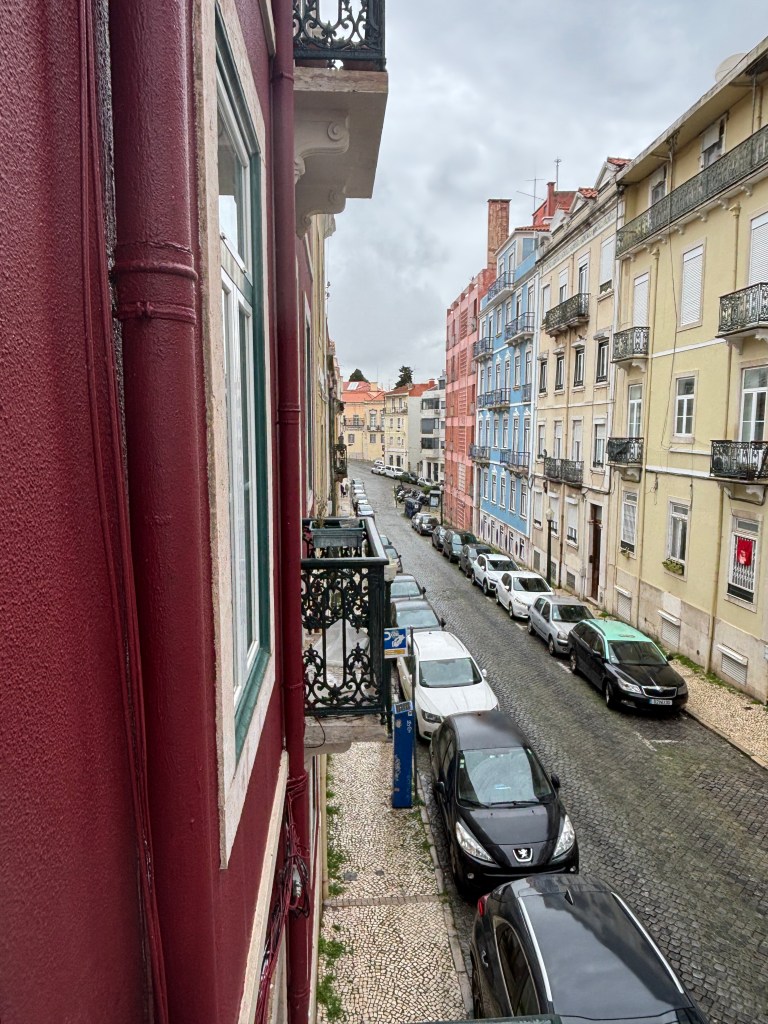
Pictured above: View from our balcony and a few of our neighbors.


 The Global Slowmad
Leave a reply to Global Slowmad Cancel reply