Have you ever watched a movie or television show set in an exotic location and wondered to yourself what it would be like to actually live there? Do you ever find yourself frustrated trying to find a little peace and quiet among the hordes of people who inundate popular tourist destinations over major holidays? Are you looking for more authentic experiences when traveling? Have you ever returned from an overseas vacation feeling even more exhausted than when you left home? If so, welcome to our blog; those are the problems we are trying to solve.
What’s the Opposite of Fun?
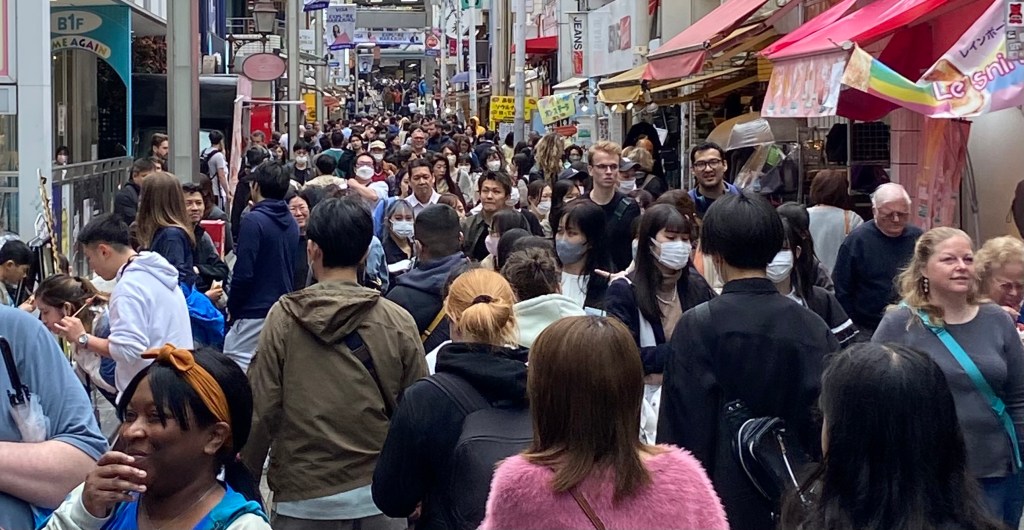
Conventional travel is not relaxing. We have always enjoyed seeing new places, and Stuart even spent a semester “studying” abroad in London while in law school. But the demands of work life meant that traditional vacations were far too short to allow time to slow down and enjoy our surroundings. Even on the rare occasions when we were able to fully disengage from work for a few days while on vacation, we would return to find an even larger mountain of messages, deadlines, bills and general chaos. And travel itself can be stressful and exhausting, in no small part due to the Greyhounding of the Skies; if we wanted to experience overcrowding, long lines, unexplained delays and mystery smells, we could just visit the DMV.
Conventional travel is expensive. For most international vacations, airfare is the single largest expense. We hate wasting money, and we always felt uncomfortable about spending hundreds or even thousands of dollars on our tickets to paradise, only to return home a few days later. The daily expenses of travel add up quickly too. Hotels are not cheap. Eating out for every meal thins your wallet quickly. Fancy drinks come with fancy prices. Tourist attractions seem to be specifically designed to impart maximum financial pain. In most parts of the world, it’s much more expensive to travel as a tourist than to live as a local.
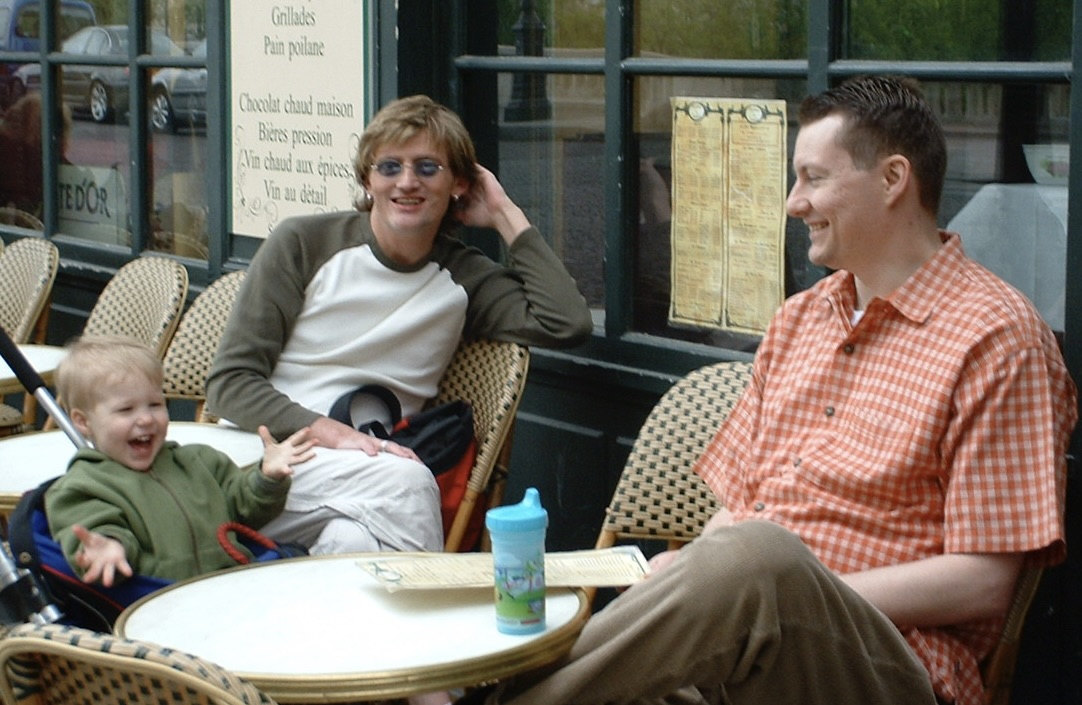
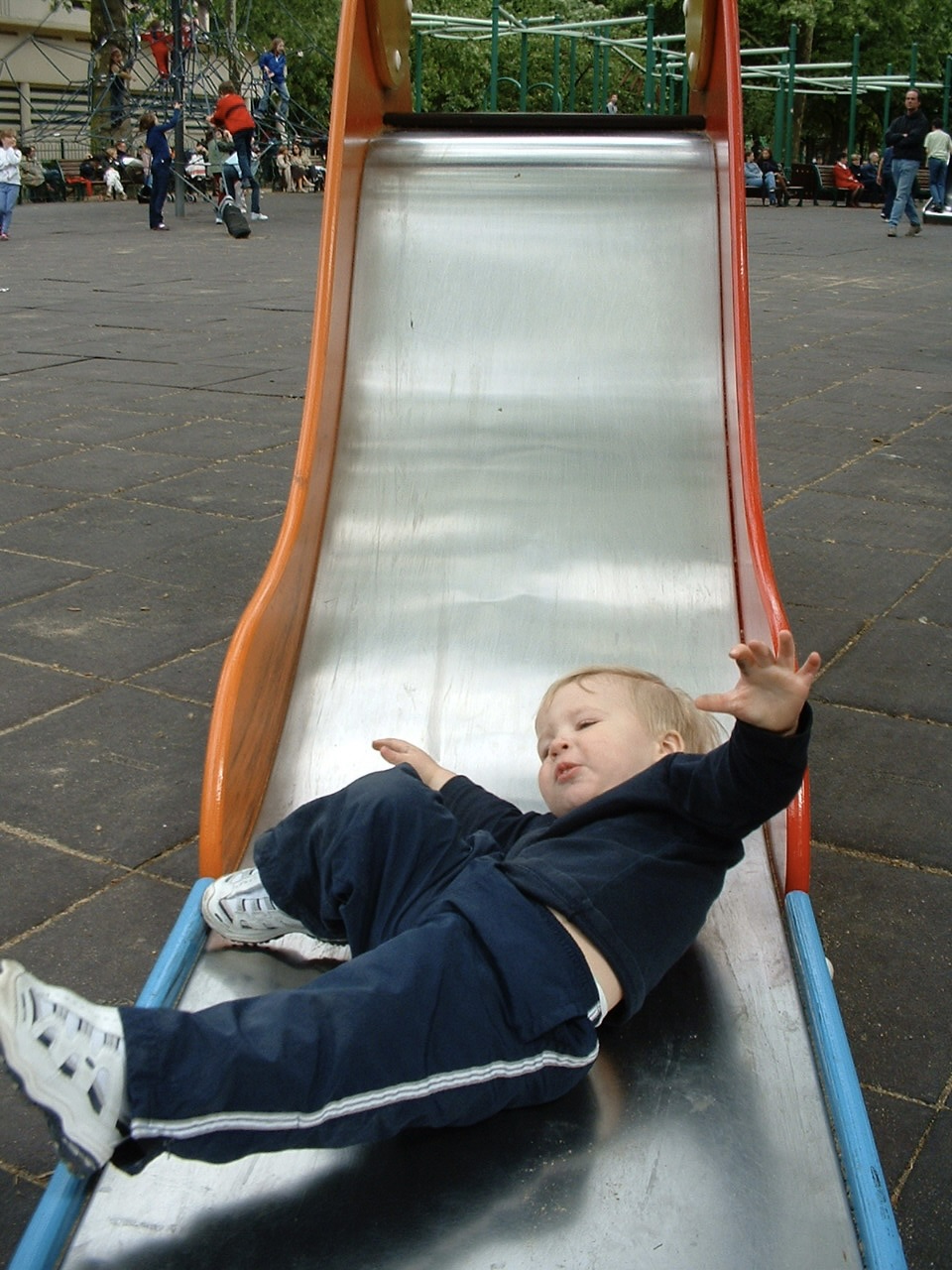
Slow travel is a better option. This is our working hypothesis anyway. Our best travel experiences have involved spontaneous interactions with locals, not popular tourist attractions. We are not ready to choose a forever home somewhere and may always have a little bit of nomad in us, but we do want to spend more time at each stop as we explore what the world has to offer. If you only fly once every 30-180 days, it saves money and hassle. If you stay at AirBNBs or similar rentals for a month or more and are willing to cook some of your own meals, you save on housing AND food. Long-term stays also mean that you are not rushing to make the most of every moment of every day. You get to dig beyond the tourist surface of your destination and see how locals actually live. You have time to slow down and sip a coffee or craft cocktail at a café. If you travel with young children, they will enjoy running around a playground with local kids way more than being dragged through an overcrowded museum.

Travel hacking and FIRE principles make slow travel possible for anyone. Like most people reading this, Stuart was still toiling away at a corporate job when we decided that slow travel was for us. We had a little money set aside in a brokerage account and a 401(k) plan, but it felt like retirement was in the distant future — if at all. We needed a shortcut. We’ve always been pretty savvy shoppers, and Stuart has a particularly good mind for numbers. Stuart started learning everything he could about points and miles and slowly began applying for credit cards, signing up for online shopping portals and opening various bank and brokerage accounts to collect sign-up bonuses and maximize rewards on daily spending. We plotted our projected income and expenses for the next 35 years on a spreadsheet, complete with anticipated investment earnings, inflation adjustments, tax formulas, Social Security income and required minimum distributions from our retirement plans. Most importantly, we continued to live below our means even after Stuart was promoted into an executive role toward the end of his career.
The Globe Is the Biggest Travel Hack. One of the most important light bulb moments for us was when we did the math and realized that, in most cases, it is cheaper to live overseas than it is to live in the USA. If you calculate how much the average American spends each month on a mortgage or rent, one or more automobiles and health insurance, it’s a pretty big number. It’s easy to spend quite a bit less in each of those expense categories elsewhere in the world. You may end up in a small apartment in the city center instead of a suburban McMansion, but we prefer being in walkable locations where you don’t even need a car. And international health insurance coverage is only a fraction of what Americans are used to paying. It’s a big commitment that most people (understandably) are not willing to make, but selling, donating or storing your possessions and becoming a full-time nomad is a totally viable alternative to a traditional retirement. And it’s no longer completely out of the question for those still in the workforce given the relatively recent acceptance of remote work and advancement of digital nomad infrastructure.
Bottom Line. This website will chronicle our adventures and missteps along the journey to becoming global slowmads. Over time, it may include location reports, travel tips, gear and technology reviews, personal finance strategies and a lot of totally unrelated personal musings on life in general. For now, it may just look like a random travel journal or the sort of content you usually scroll past without actually reading in your social media feed. It’s also our first-ever blog, and we are sorely lacking in the technical skills required to build even a “simple” website like this one. We don’t profess to be experts on any of these subjects and will be learning how to fly this literary plane at the speed of the written word as it hurtles through the sky. In any event, we promise to tell it as we see it. We hope you enjoy the ride.

 The Global Slowmad