
We have a working hypothesis that it would be less expensive to sell everything and slow travel the world on a long-term basis than it is to live in most places in America as retirees these days. In 2025, we had a chance to test our hypothesis during 8.5 months of continuous travel in Europe and Asia. A big part of our strategy involves the use of credit card rewards to help pay for airfare and lodging. We will share some other things we learned – and mistakes we made along the way – in future posts, but here is a high-level recap of our points and miles activity in 2025.
Earnings Summary
We accumulated somewhere north of 694,000 points and miles from various reward programs in 2025. This was quite a bit less than our 2024 tally, but keep in mind that we spent most of the year on the road and were not around to work on collecting those valuable sign-up bonuses. Here’s the earnings breakdown:
- We earned 425,000 points from signing up for 4 new credit cards early in the year (compared to 1,730,000 points from 14 new cards in 2024).
- We earned at least 245,145 points through regular spending charged to our credit cards. (The actual tally is probably a little higher because our tracking tool does not account for some special, promotional rates.) We use credit cards for every possible expense and have all cards set to autopay the balance in full every month to avoid any surprise interest charges.
- We earned 22,396 American Express Membership Rewards points merely by clicking through the Rakuten browser extension when shopping online.
- We earned 1,212 miles from the Alaska Airlines Atmos dining rewards program. We link cards via the program website and earn miles when we happen to dine at a member restaurant (which was quite rare while overseas).
- We earned a whopping 575 Marriott Rewards points from using Uber and Uber Eats.
Conservatively assuming an average value of 1.4 cents per point (which is quite a bit less than what we actually were able to redeem points for last year, as summarized below), our 2025 credit card activity generated more than $9,380 in potential value that we will be able to use in the future. We also earned $503 in statement credits from occasional spending on a cashback travel card.
Redemption Summary
The entire reason we work so hard to accumulate points and miles is to redeem them for travel experiences we couldn’t afford or justify otherwise. Some of the easiest and best point redemption opportunities are for airfare:
- Our process typically involves converting American Express, Chase, Capital One or Citi points into miles once we’ve found a good award flight through special tools like seats.aero, point.me or pointsyeah.com. The trick is knowing that you are not limited to using the mileage program of the airline you are flying. You occasionally can get a better deal from an affiliated airline instead, and it’s often easier to obtain those affiliate miles. For example, we redeem a lot of Alaska and Air Canada miles despite rarely flying on either airline.
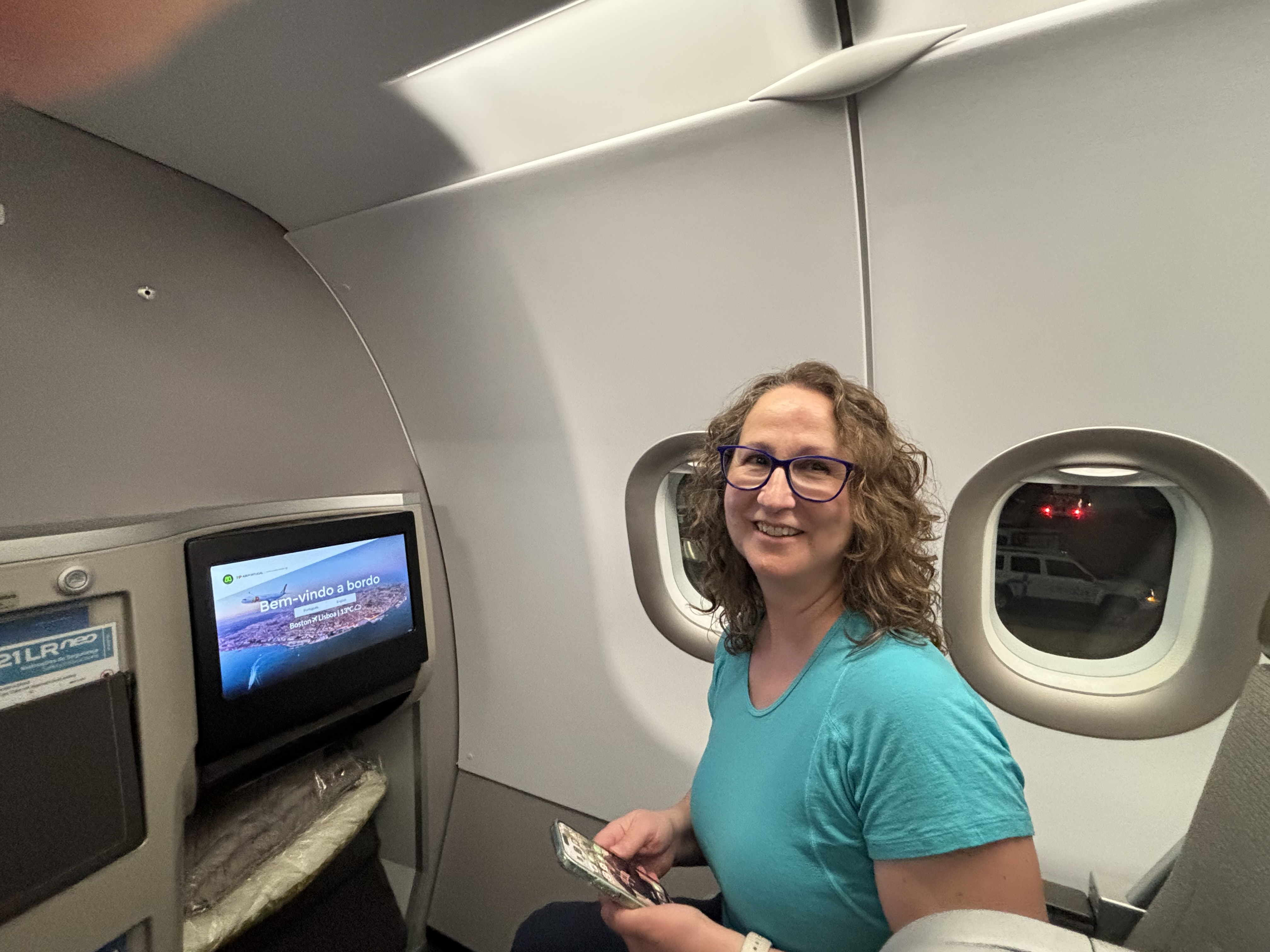
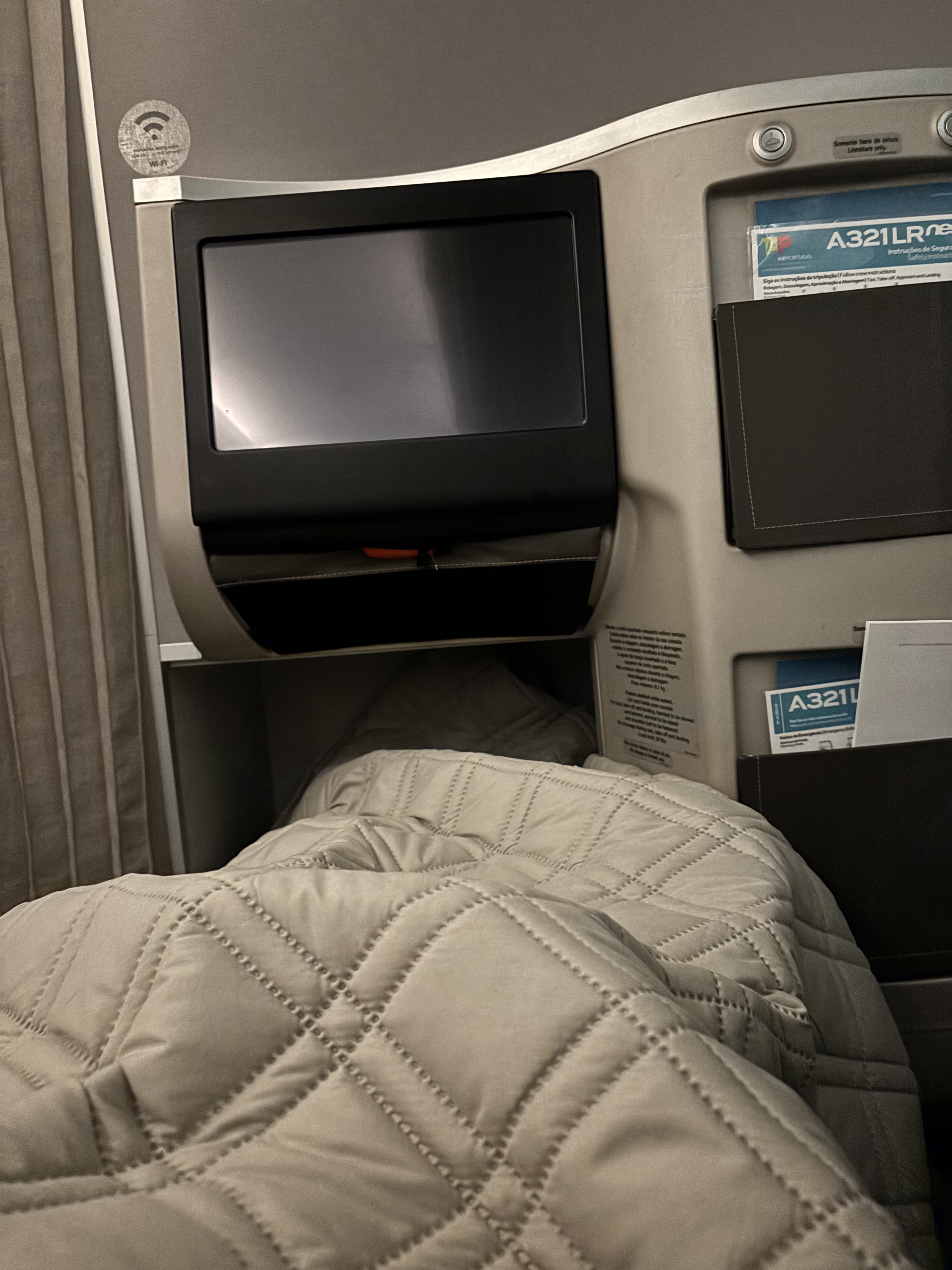
- Our six months of slow travel together included ten combined flights for Darla and Stuart, two more when Alex visited us in Scotland in August and one more for Darla’s return to the states in early October. The total cost for all 13 flights (eight of which were in business class, including lie-flat seats on four of five transatlantic legs!) was 468,500 miles + $972. Without miles, these flights would have cost more than $13,000.
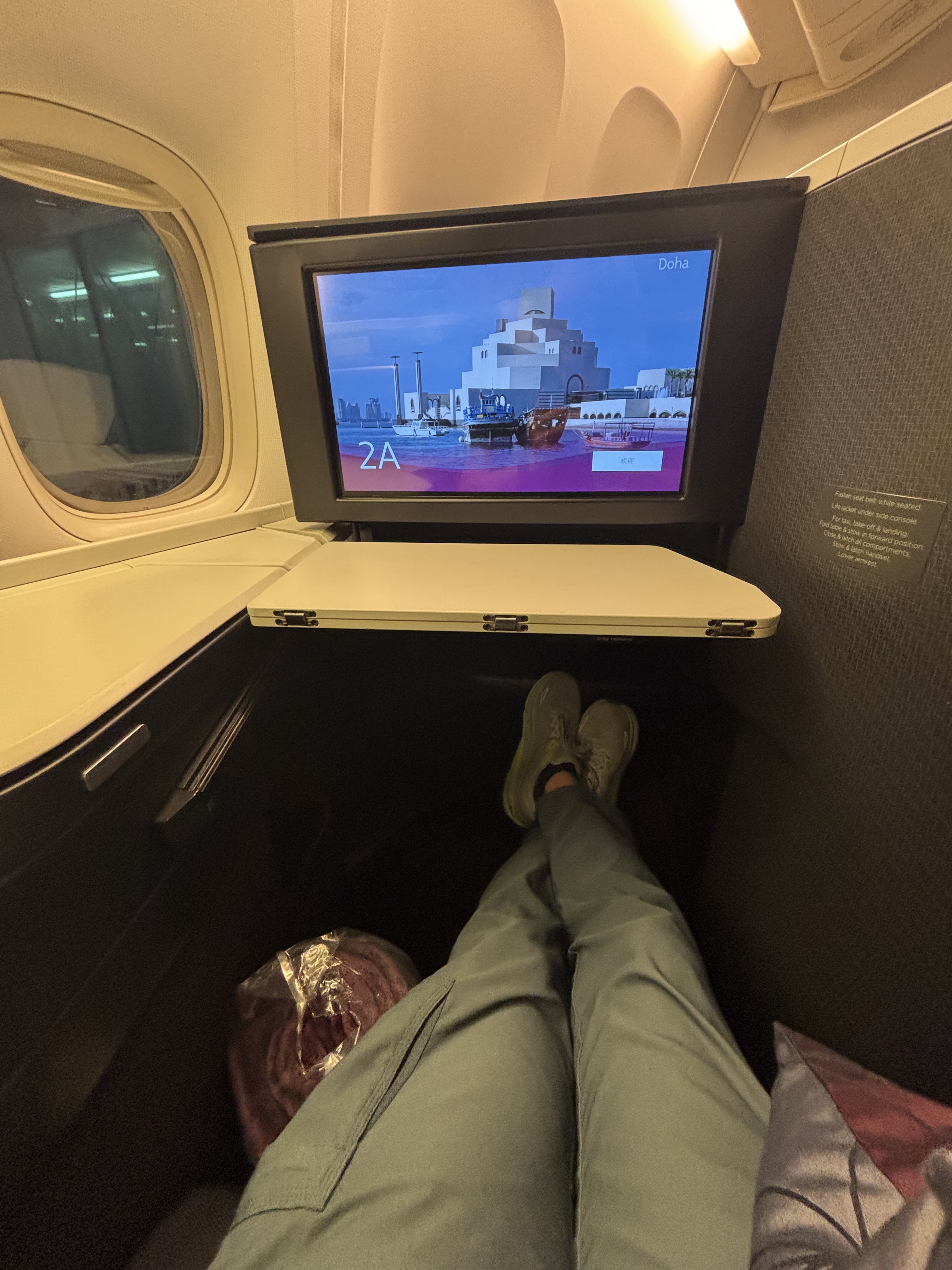
- Stuart’s solo travel the rest of the way around the globe over 10 weeks included 15 flights (including lie-flat business class seats on the four longest legs) at a total cost of 317,000 miles + $1,108 (compared to at least $7,500 without miles). The Priority Pass lounge benefit really paid off in Asia as a way to get some high-quality food and relaxation on long travel days. The in-flight experiences with Qatar, Singapore and Cathay Pacific were particularly memorable, and the Qatar business lounge in Doha wins the prize for best pre-flight experience.





As you might expect, lodging was one of the most expensive components of our 2025 travel adventure and required a hodge-podge of solutions:
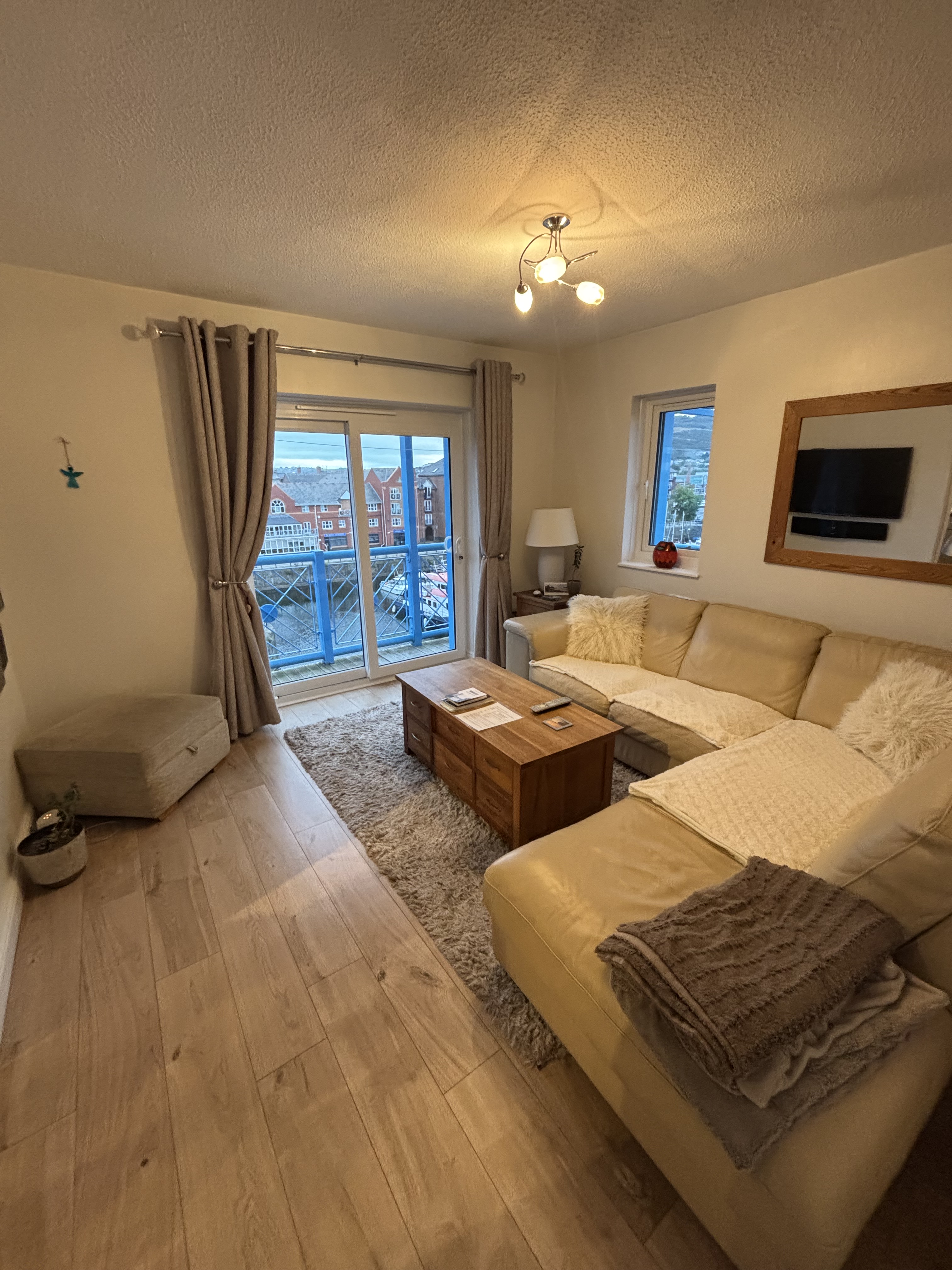
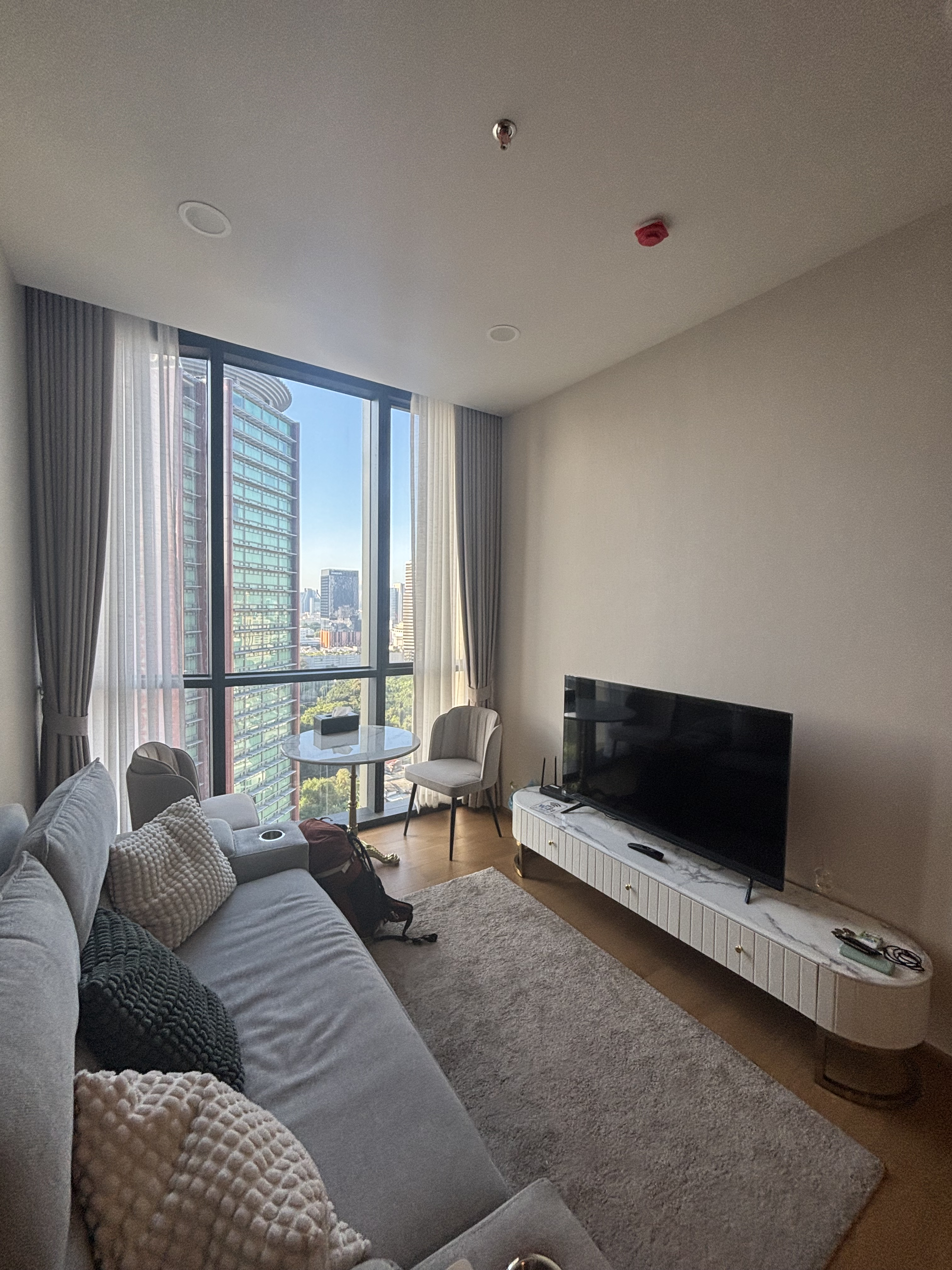
- As explained in our post about our AirBNB strategy, we generally prefer short-term rentals with kitchen and laundry facilities for longer stays. Natural light is a must, and we will sacrifice a little indoor space for a balcony with a view. (Darla has rarely been happier than when she was sitting on our wraparound balcony in Swansea watching the boats and boaters go about their day in the marina below.) We secured quite a few monthly (28+ day) discounts at AirBNB rentals that we paid for with AirBNB gift cards we purchased on sale – often taking advantage of bonus spend categories on our credit cards – before we left home. We also negotiated a couple of additional discounts along the way when rentals turned out to be not quite as advertised. Thanks to these strategies, we estimate that we saved at least 30% off the standard AirBNB nightly rate on average.
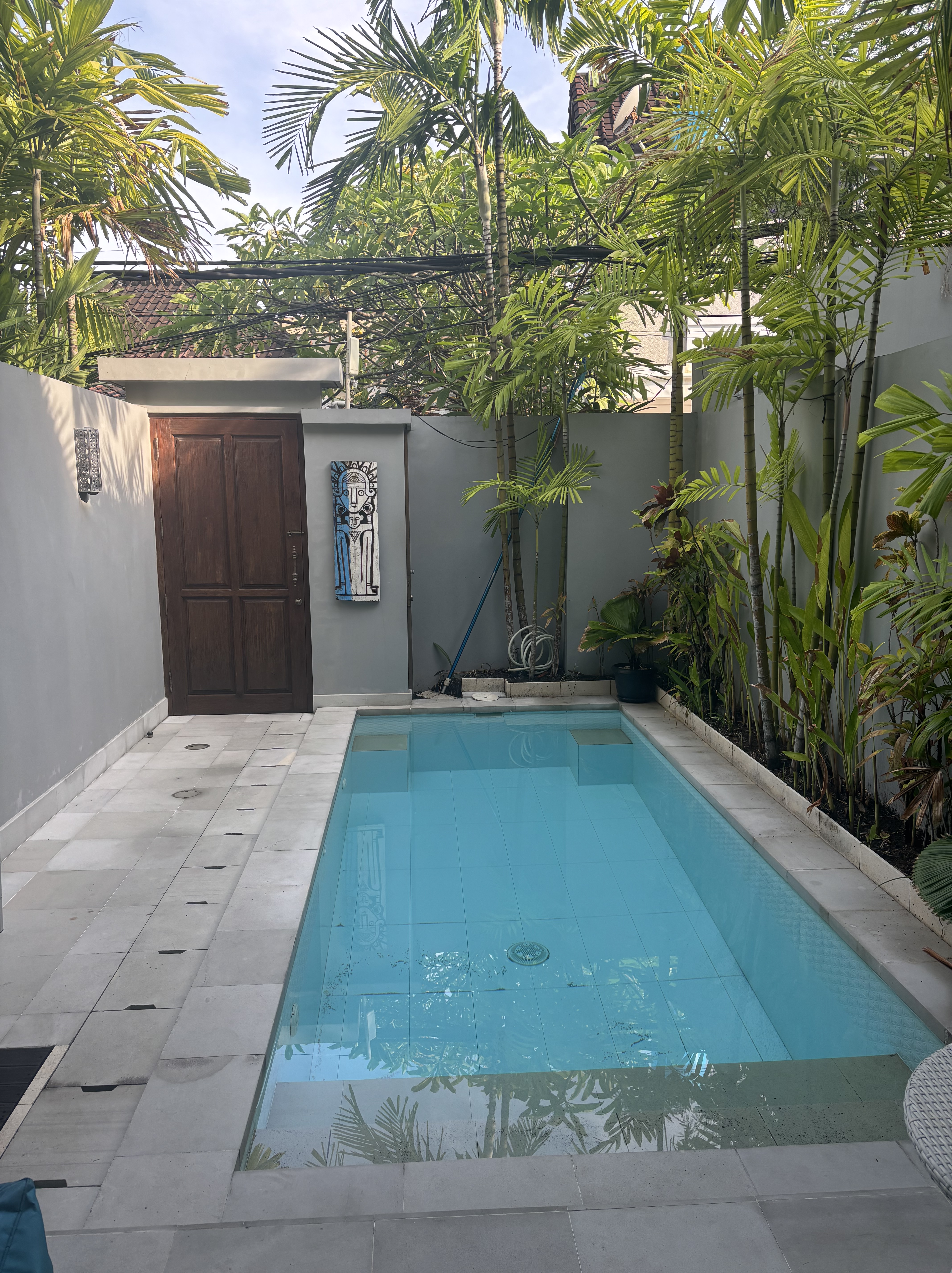
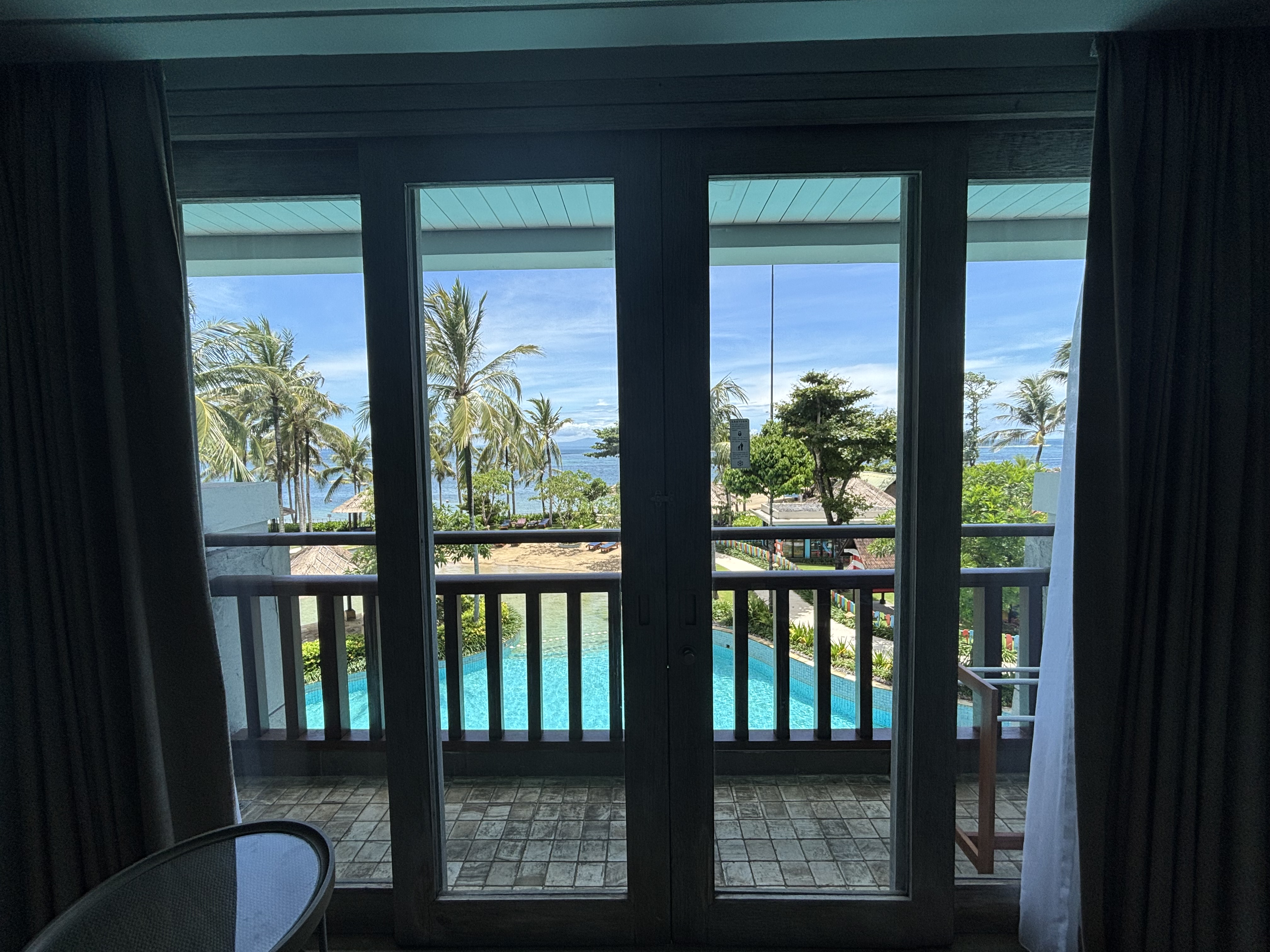
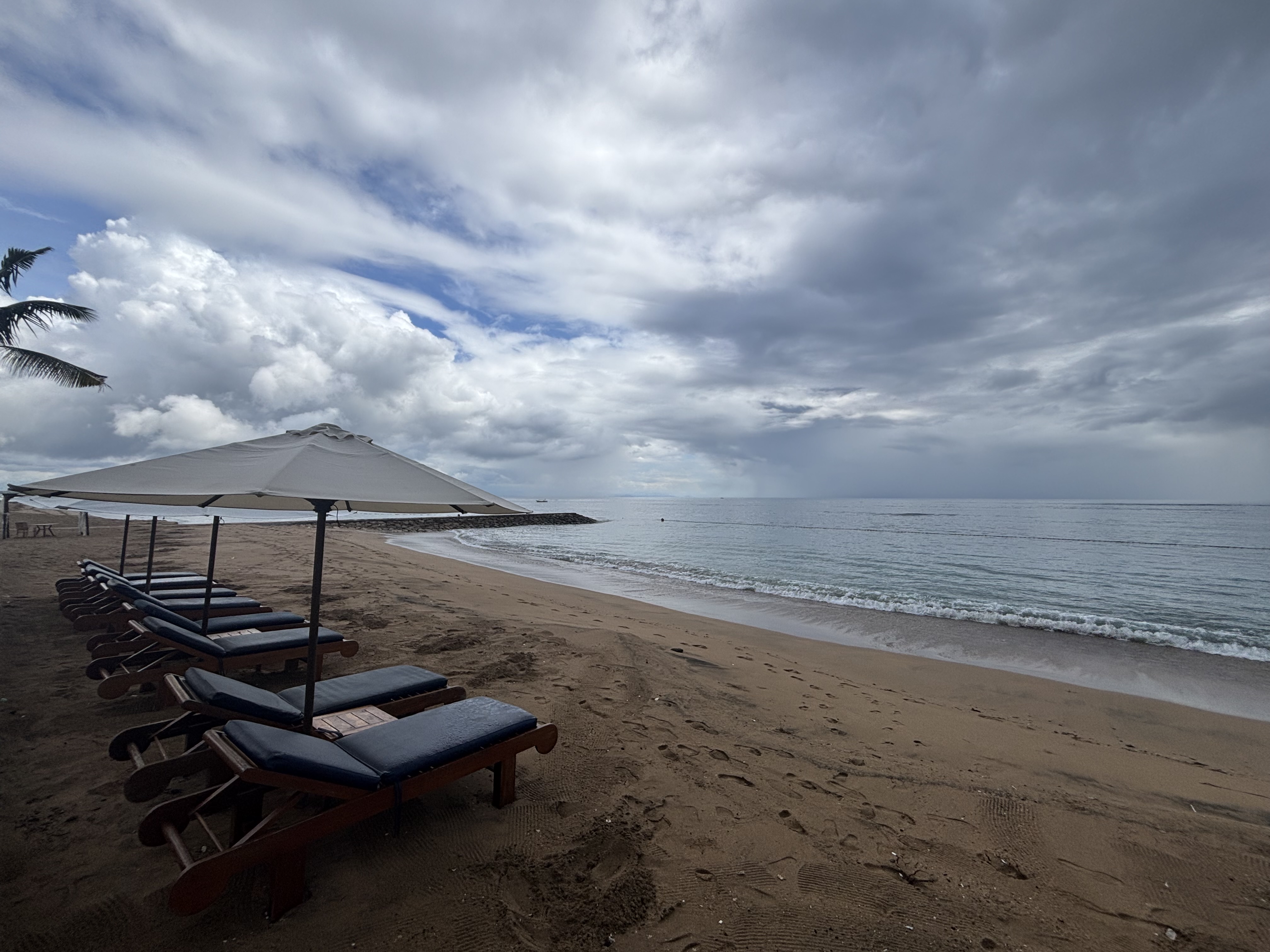
- We also redeemed several free hotel night certificates earned via credit card spend, used up some hotel points and took advantage of several credit card rebates for 45 nights in various hotels. We mostly used hotels for side trips, short stays and when arriving late at night in a new location. But there were a few memorable stays along the way, like the Lumiares Hotel and Spa in Lisbon, the Palacio Tondon La Rioja in Spain, the Waldorf Astoria in Doha, the Conrad Bali in Indonesia and the Canaves Oia Suites on Santorini.
- All told, we used 252,00 in hotel points + $26,551 in net cash (after deducting the value of discounts, credits and rebates) for 258 nights away from home in 2025, translating to a cash outlay of roughly $103/night. It’s a significant amount and is not something we are looking to repeat every year, but by way of comparison is barely higher than our all-in housing cost of approximately $100/night to own a modest home in Tulsa, Oklahoma. It served as a useful proof of concept that being a full-time nomad is financially feasible. In hindsight, we easily could have lowered our lodging cost by at least 25% by avoiding the most expensive cities (e.g., Dublin, Edinburgh) and parts of town (e.g., staying in the surfer neighborhood of Gros instead of touristy old town San Sebastian, or in trendy Shoreditch instead of posh Notting Hill) and frankly might have had an even more enjoyable experience away from the tourist crowds and associated prices.










Unfortunately, food and entertainment are not easily solved with points and miles. We ended up spending about the same amount on the road in 2025 that we do when we are at home in Tulsa, but your mileage may vary. We took advantage of free hotel breakfasts when available, sought out interesting bars and restaurants at Hilton properties to use up our quarterly Hilton credits and found a few good card-linked discounts on ticket and tour booking sites, but the biggest savings came from having our own kitchen most of the time and not trying to squeeze in multiple tourist sights every day like we used to do on more conventional vacations.
Bottom Line
The points and miles game is not for everyone. (Check out our post on 12 Credit Card Rewards Rules for Beginners.) Stuart really enjoys the mental challenge, as it can be like trying to solve a complex puzzle where the pieces are constantly moving. But not everyone wants their financial life to be that complicated. There are plenty of ways that credit card shenanigans can go wrong, and it requires quite a bit of attention to detail to get it right. We consider ourselves to be intermediate-level players at this point and still learn new tricks every week. However, if you are patient and willing to tolerate a few hiccups along the way, it can really make your travel budget go a lot farther.

 The Global Slowmad
Leave a comment