Hong Kong is disappearing.
Not literally, of course. This “special administrative region” of China squeezes more than 7.5 million documented residents into a territory of approximately 430 square miles, making it the most densely populated metropolitan area in the world. If anything, Hong Kong continues to get even more congested over time, a fact which contributed to the high death toll from the massive fire that engulfed an overcrowded and under-maintained apartment complex late last year.
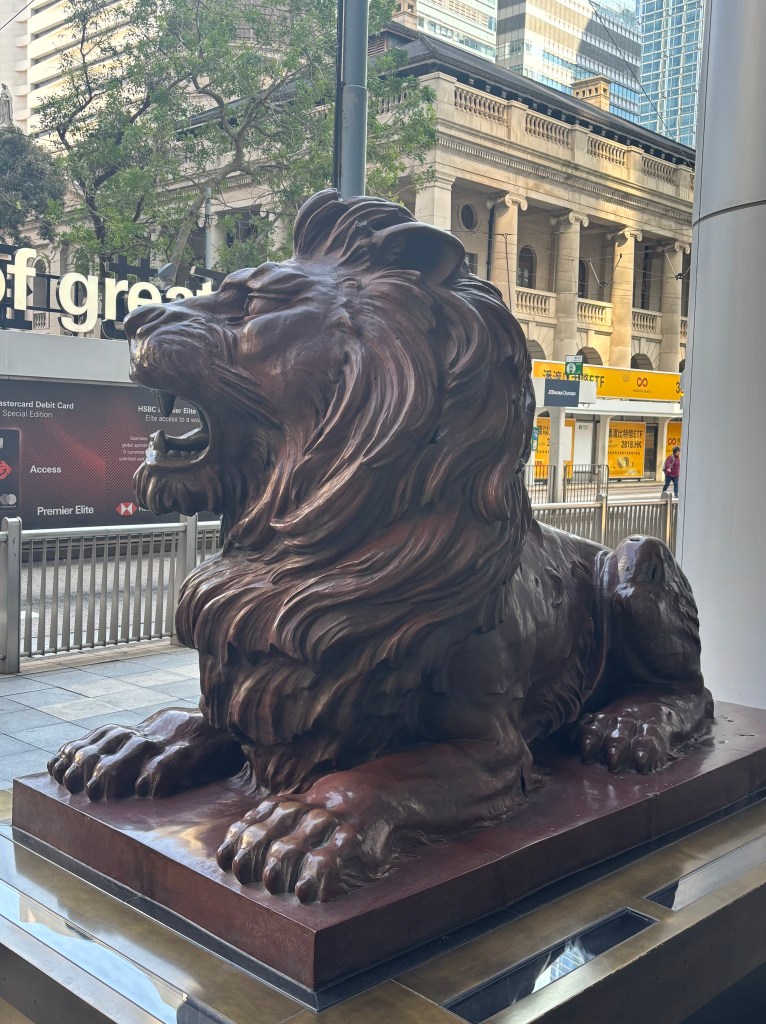
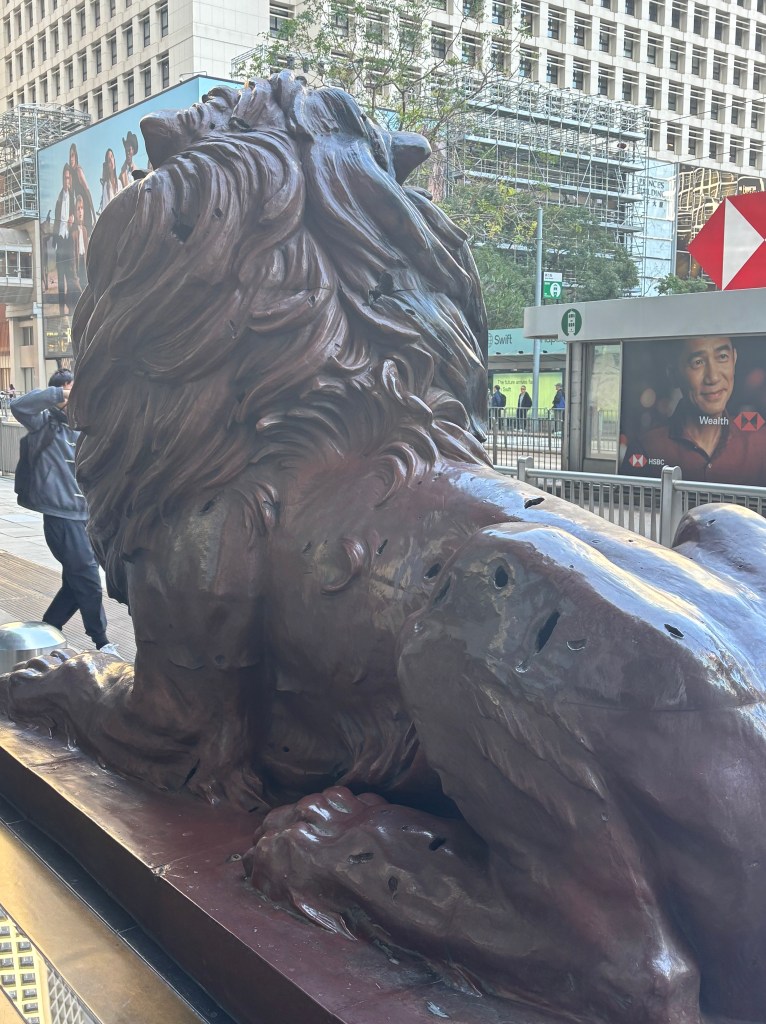
But Hong Kong is very much losing its unique culture and heritage. It spent centuries as a nondescript fishing village and maritime port before the British Empire claimed it from the Qing Dynasty in 1842 after prevailing in the First Opium War. It was briefly occupied by Japan during World War II (it was bombed on the same day as Pearl Harbor, famously damaging a couple of lion monuments that now sit outside the HSBC building) before returning to British control until an eventual handover to China in 1997. For most of its modern history, Hong Kong was allowed to operate with a great deal of autonomy and became an epicenter of global capitalism. It was neither British nor Chinese.
The separation agreement negotiated between China and the United Kingdom in 1984 nominally requires China to preserve Hong Kong’s existing legal, economic and political systems for 50 years. The “one country, two systems” model is supposed to preserve Hong Kong’s autonomy in matters of local concern while operating within a broader national framework. Many residents were (rightfully, as it turns out) skeptical about the new structure, and Hong Kong experienced unprecedented levels of emigration in the years leading up to the formal handover.
The influence of the Chinese government was subtle at first but became more pronounced when it first began to “pre-screen” nominees for local offices in 2014. Massive civil protests in 2019 were met with increasingly oppressive measures to quell dissent and exert control over local politics. Public criticism of the Chinese Communist Party is no longer permitted. During my stay, a wealthy British newspaper owner and democracy advocate, Jimmy Lai, was convicted for organizing protests against the government in violation of a national security law that was not enacted until after most of the acts in question occurred. The legacy Hong Kong systems are fraying, and even that artifice will be removed in another 20 years.
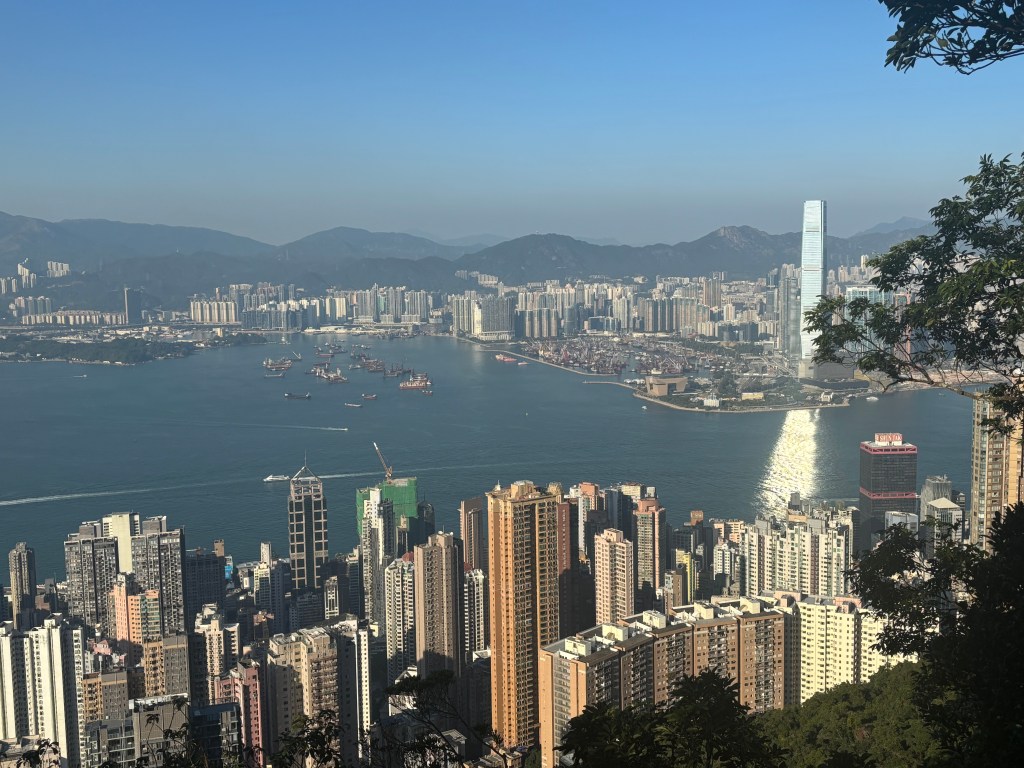
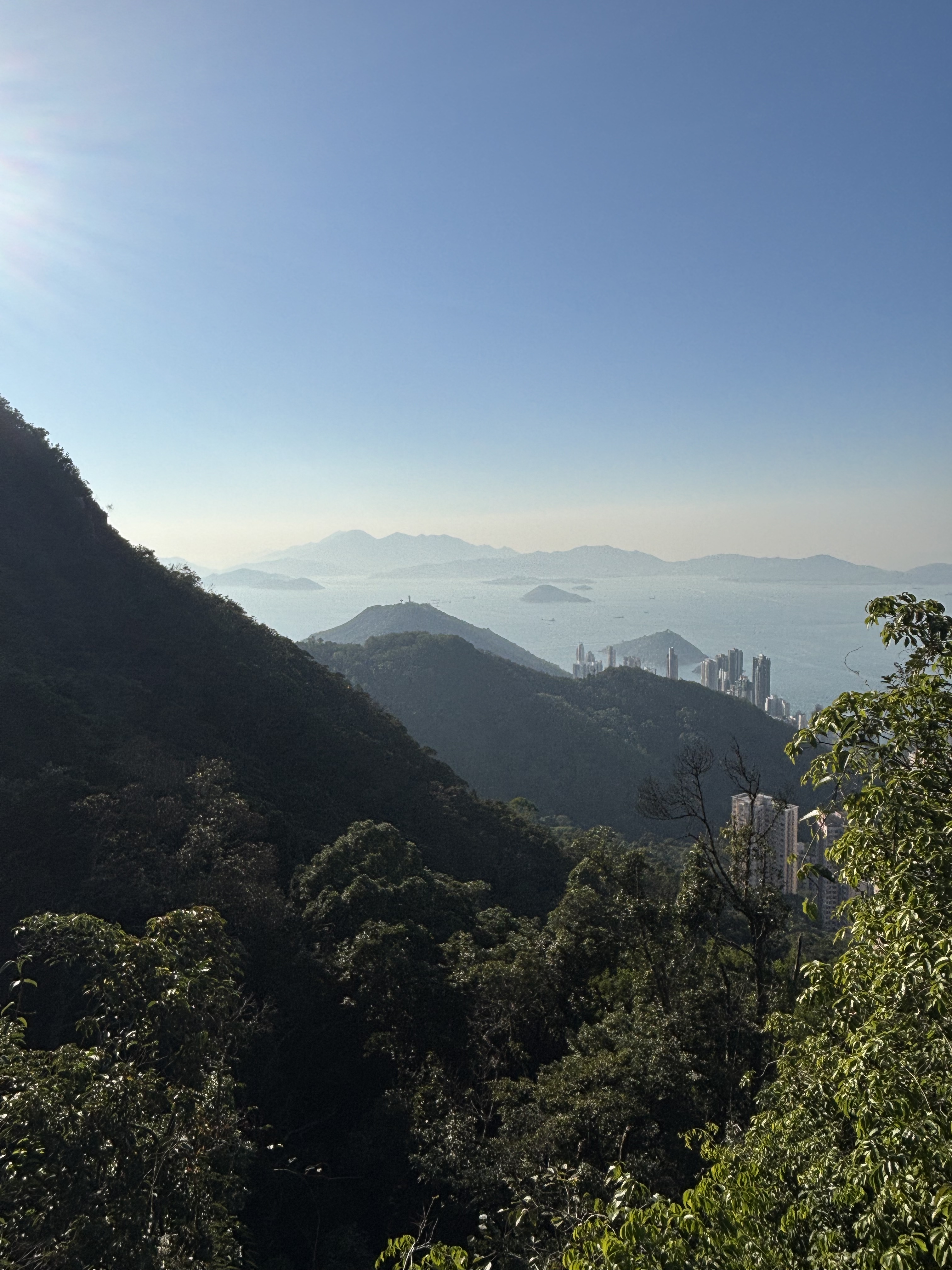
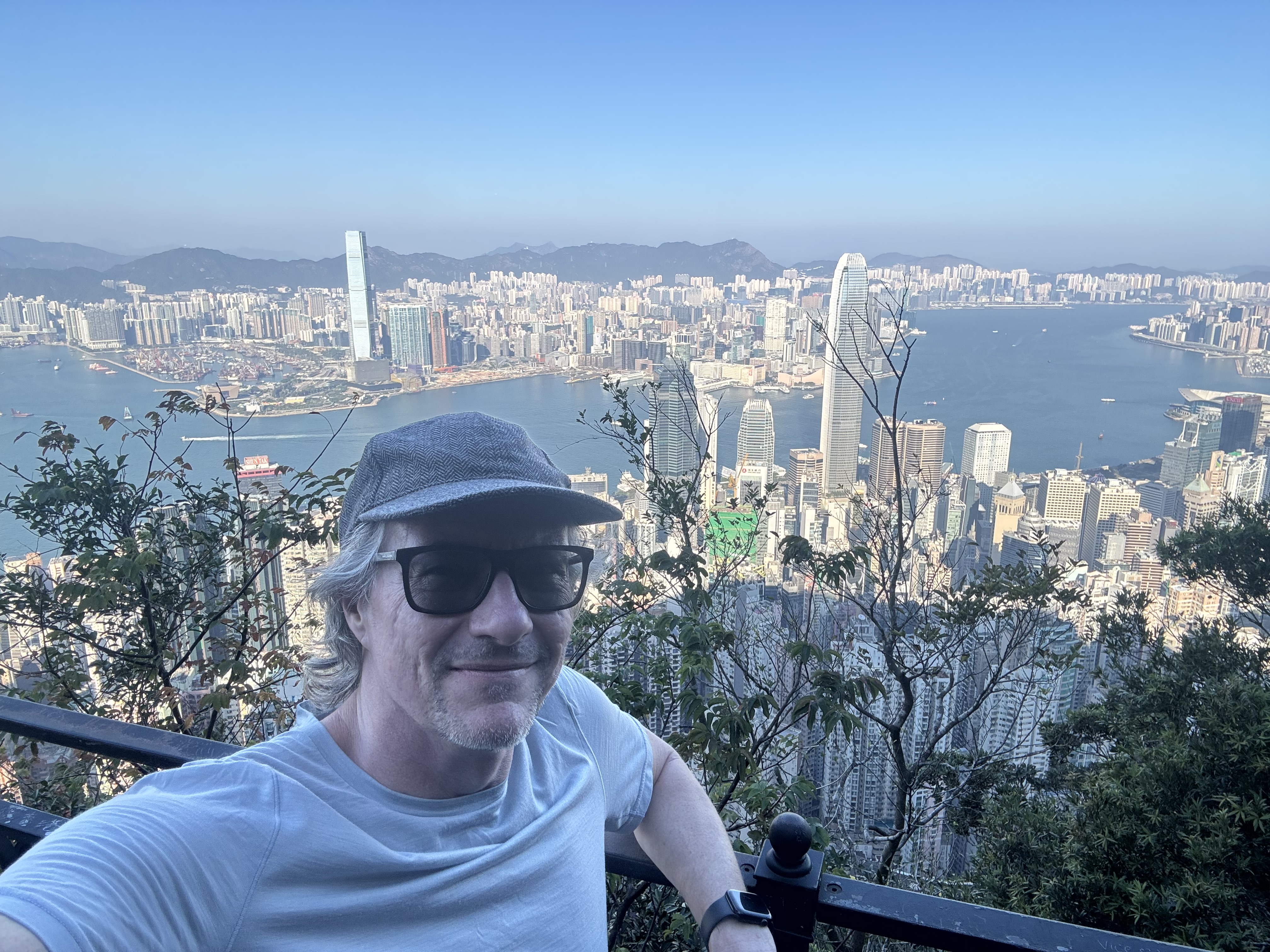
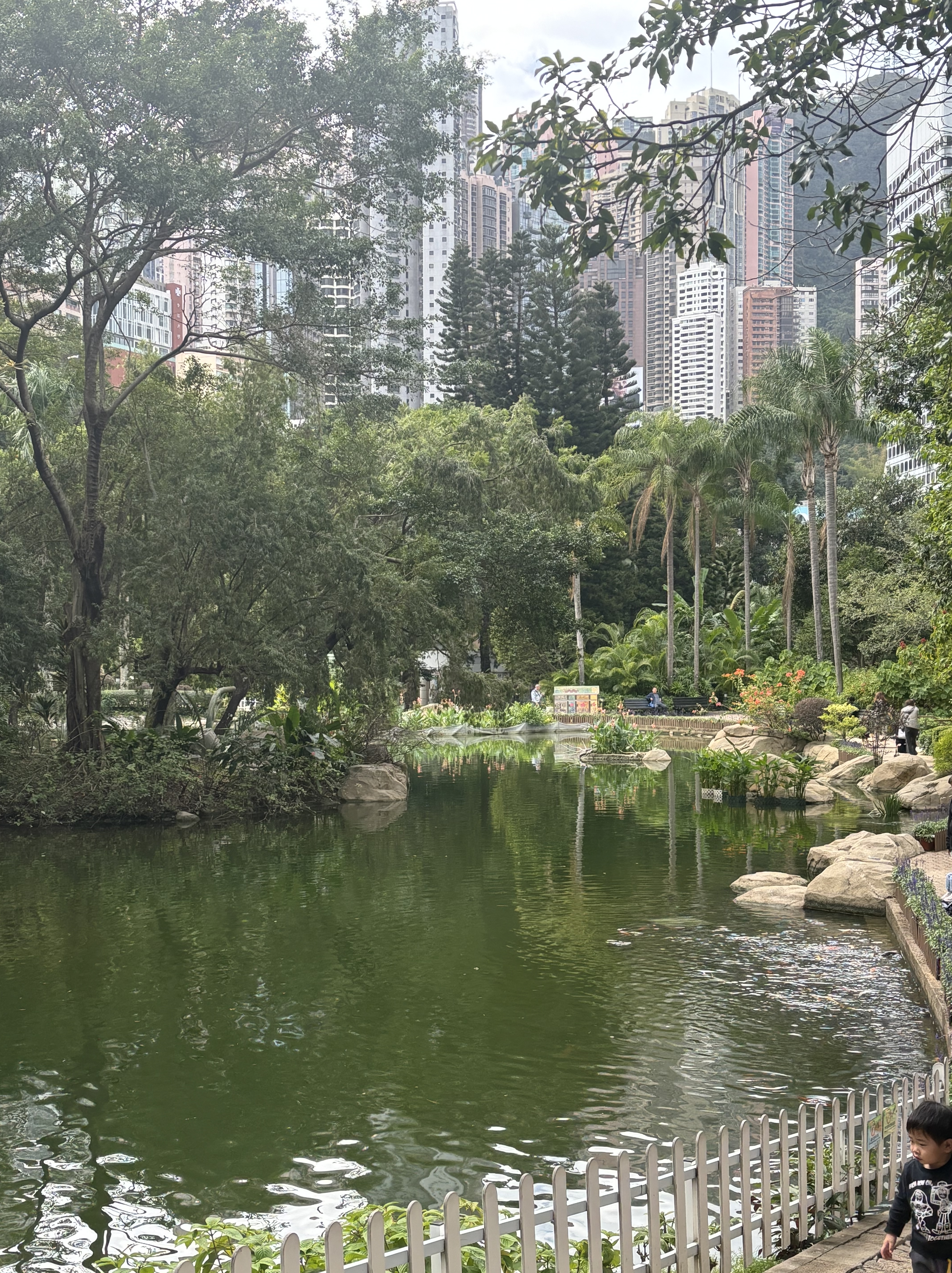
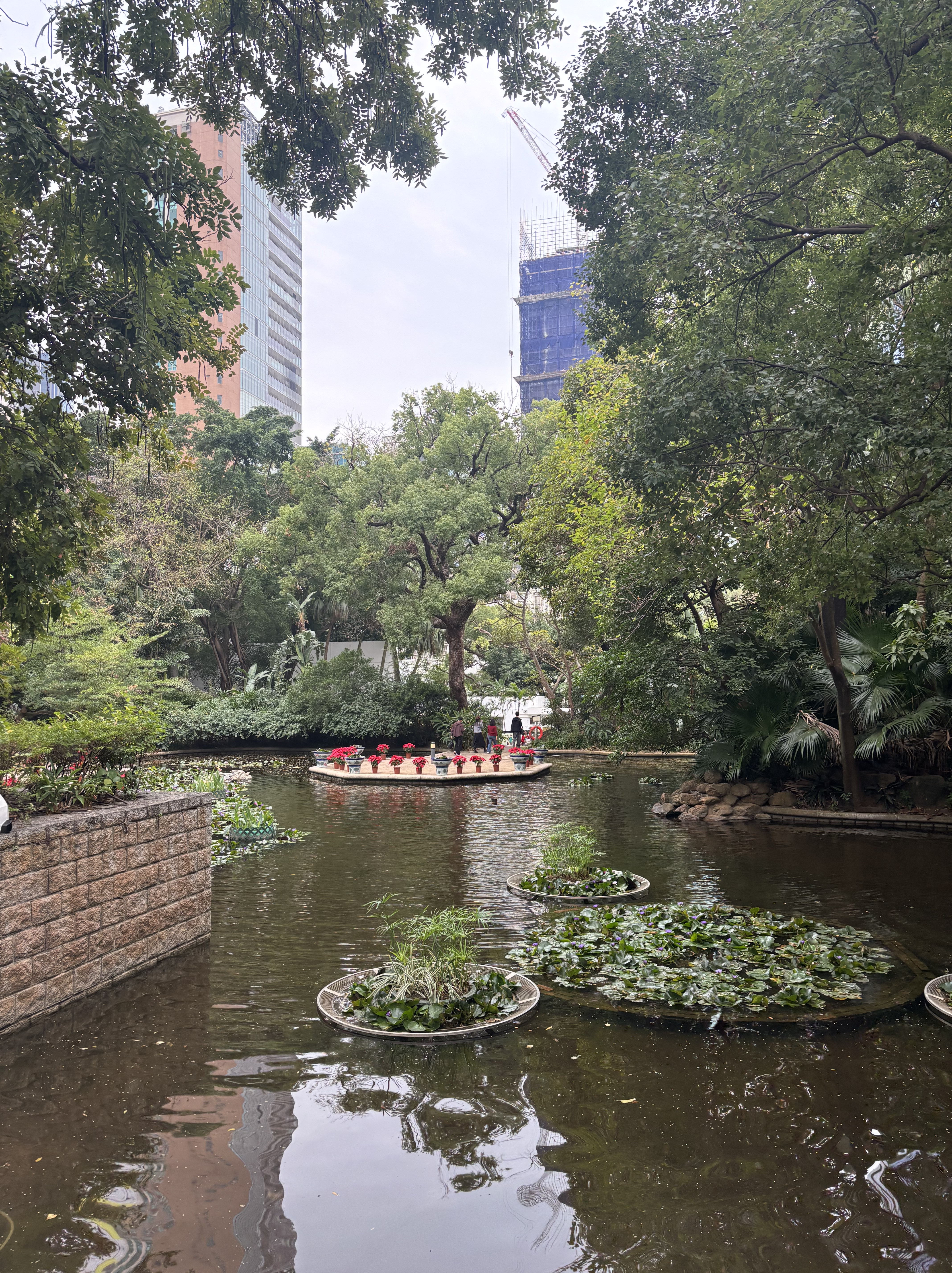
It’s really a shame, as there is a lot to appreciate about this place. For one thing, it is aesthetically beautiful in a way that few cities can match. The world’s largest number of skyscrapers stand proudly against a backdrop of green mountains and blue ocean. In the modern skyline, feng shui competes with urban chaos. (The fact that the window cleaning apparatus on top of the HSBC building looks suspiciously like cannons pointed at taller bank buildings encroaching on its territory is not coincidental.) Boats large and small traverse the harbor, ferrying passengers and cargo from island to island.
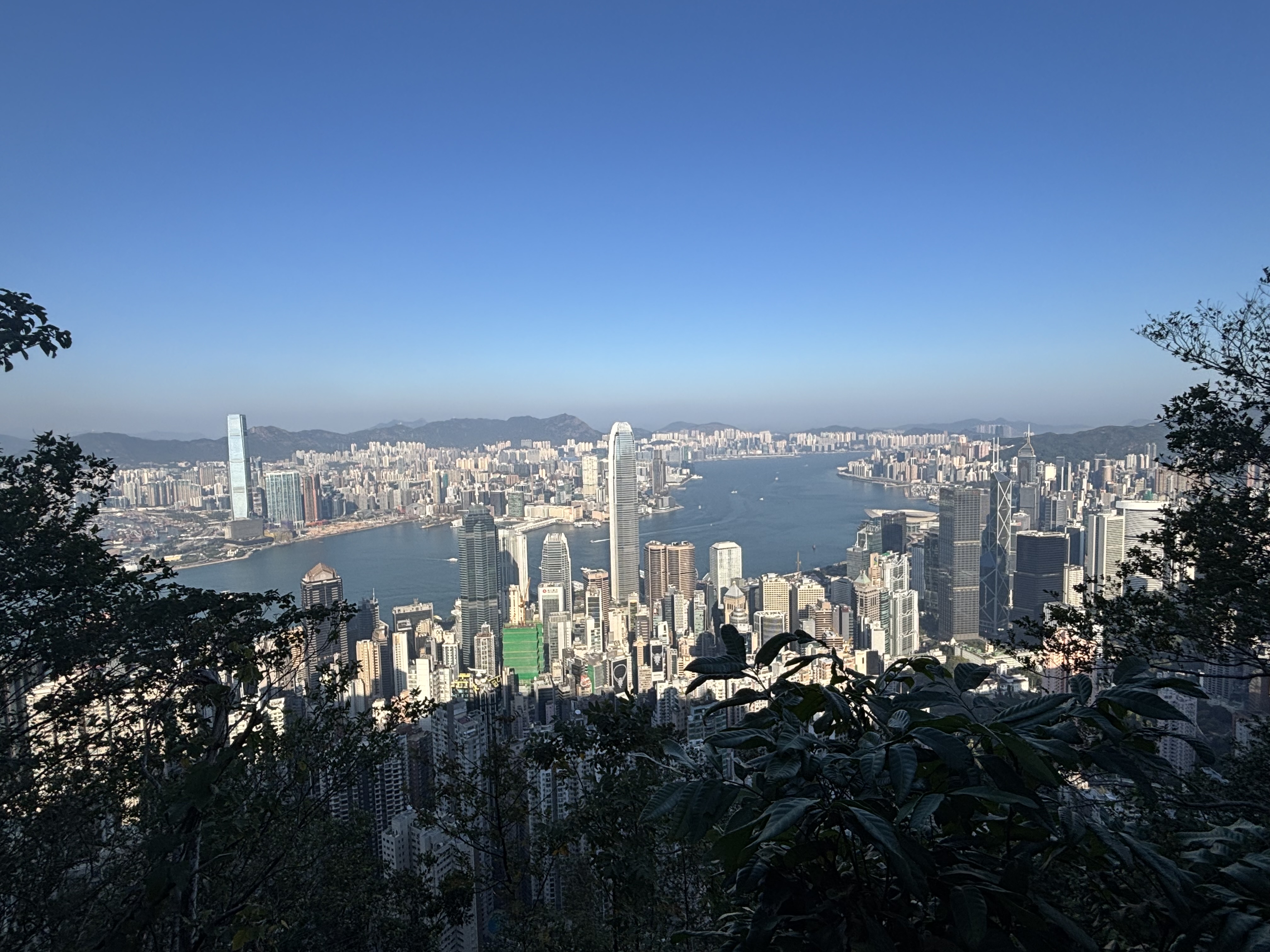
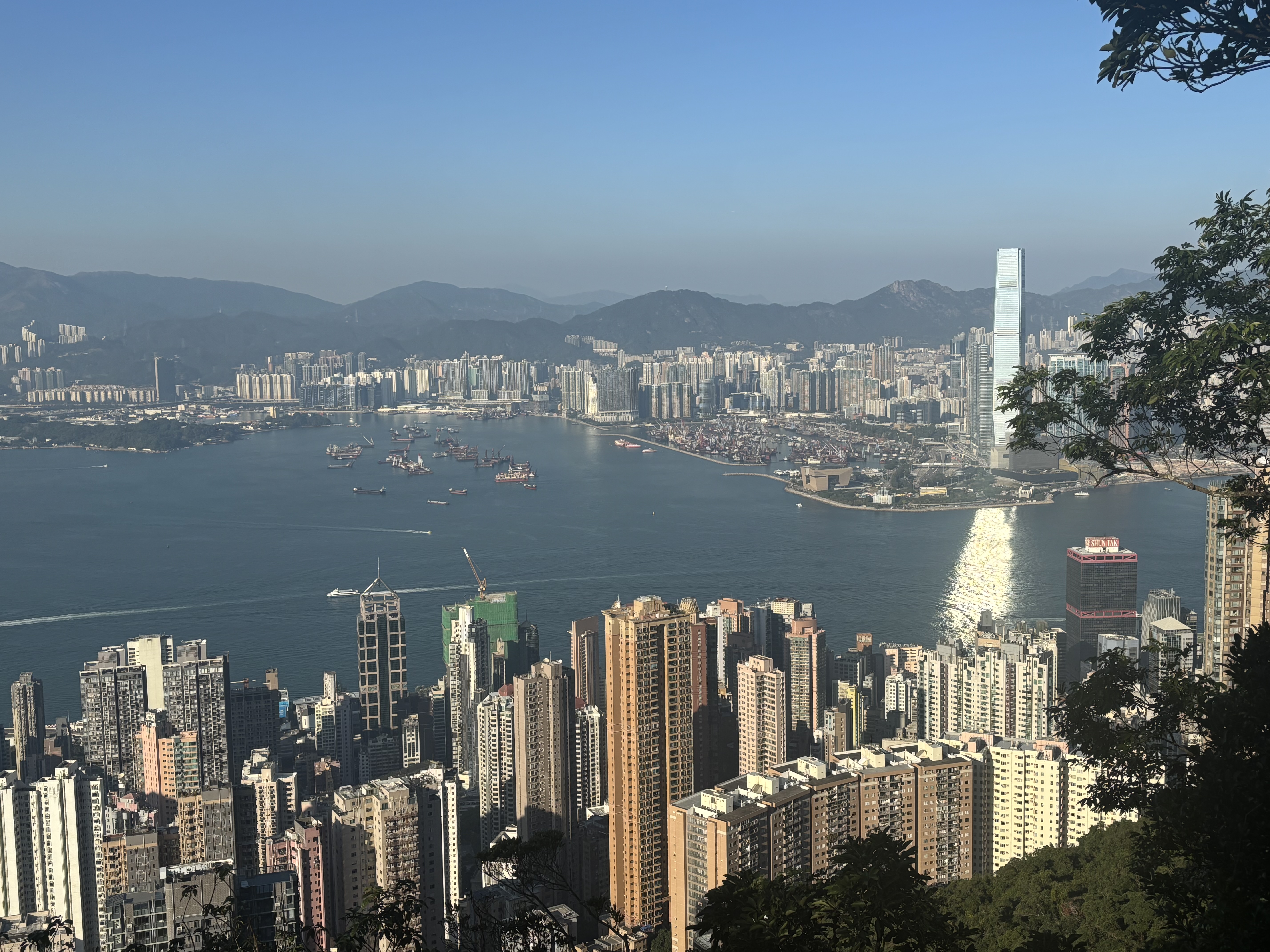
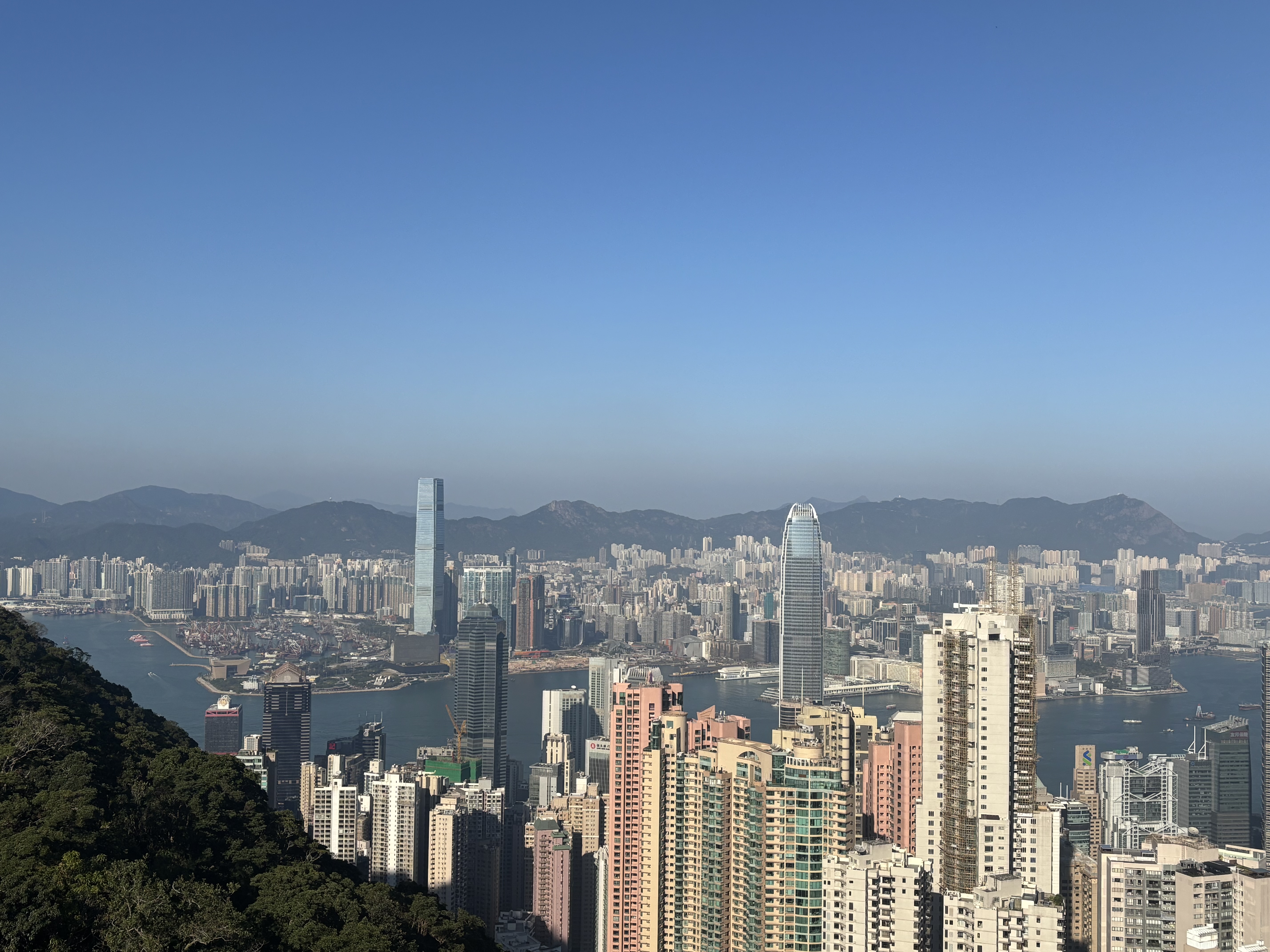
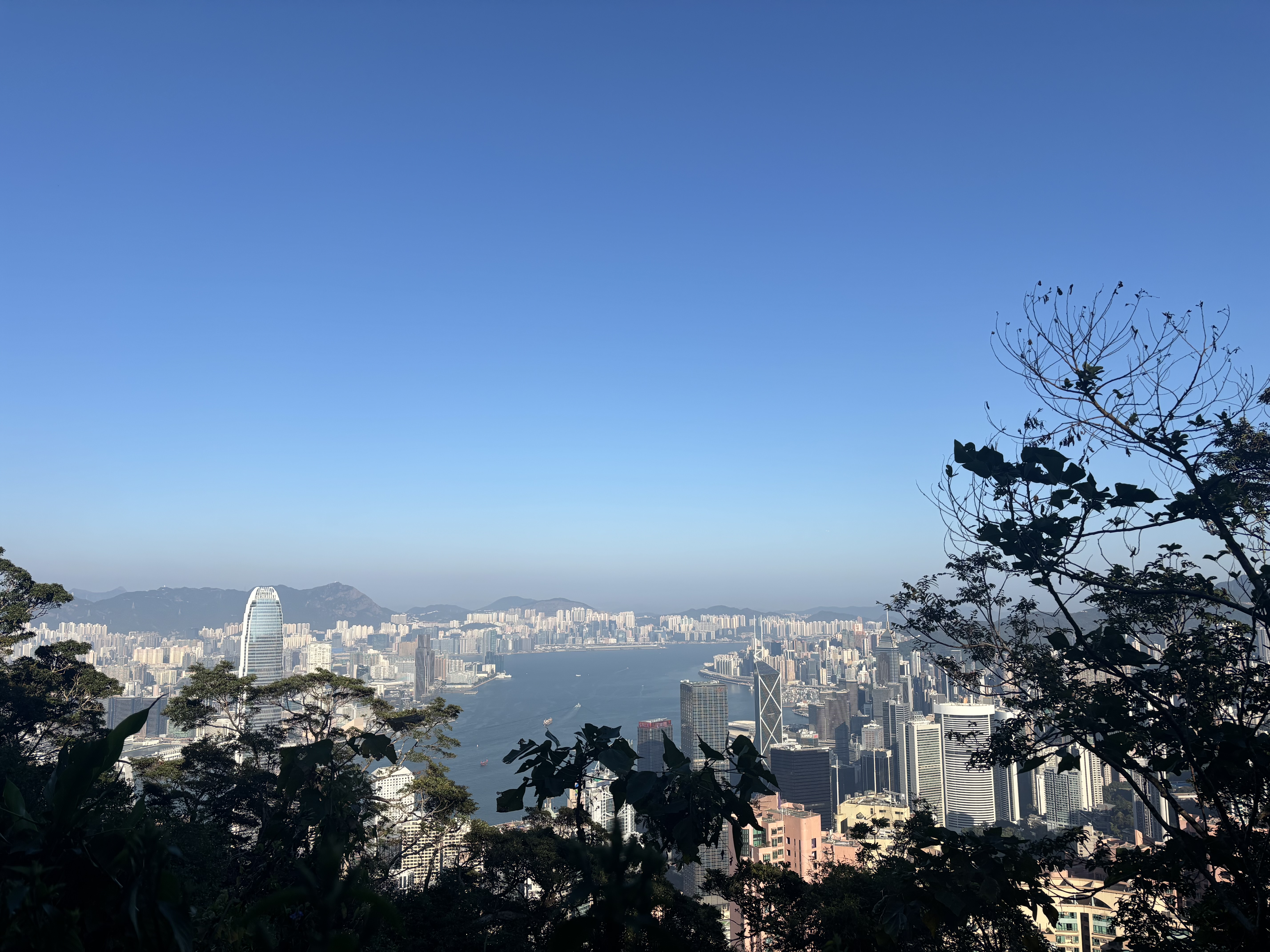
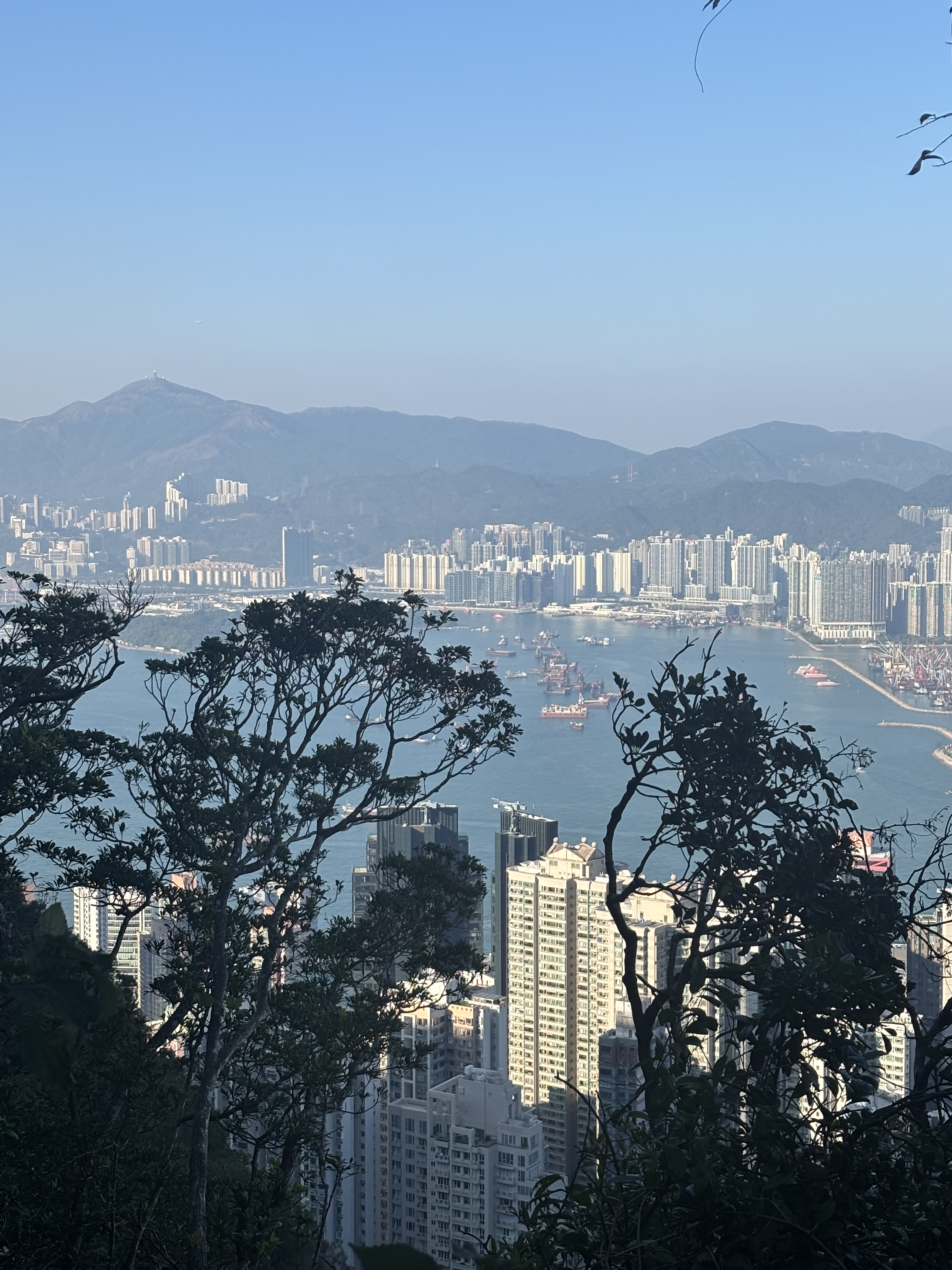
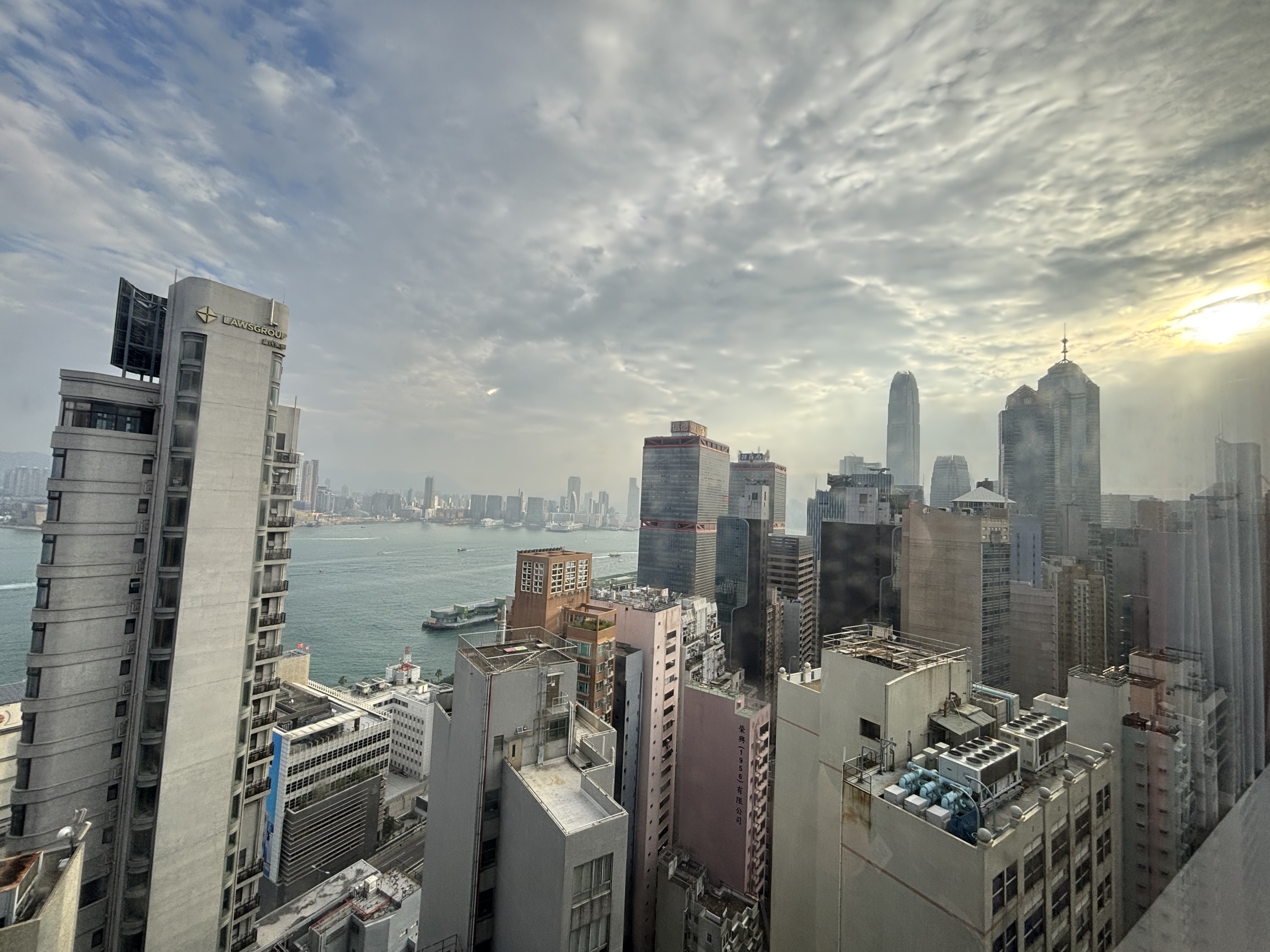
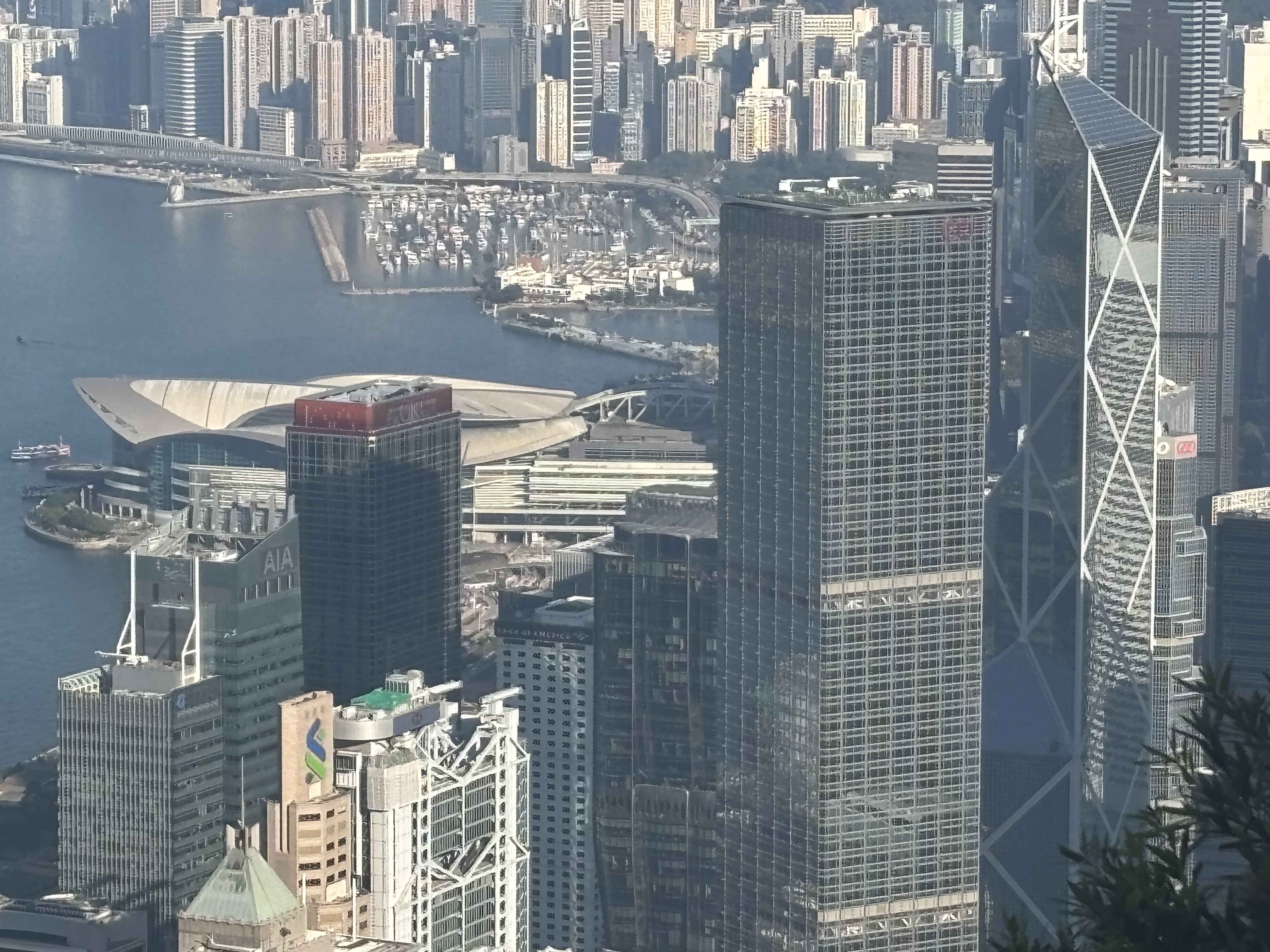
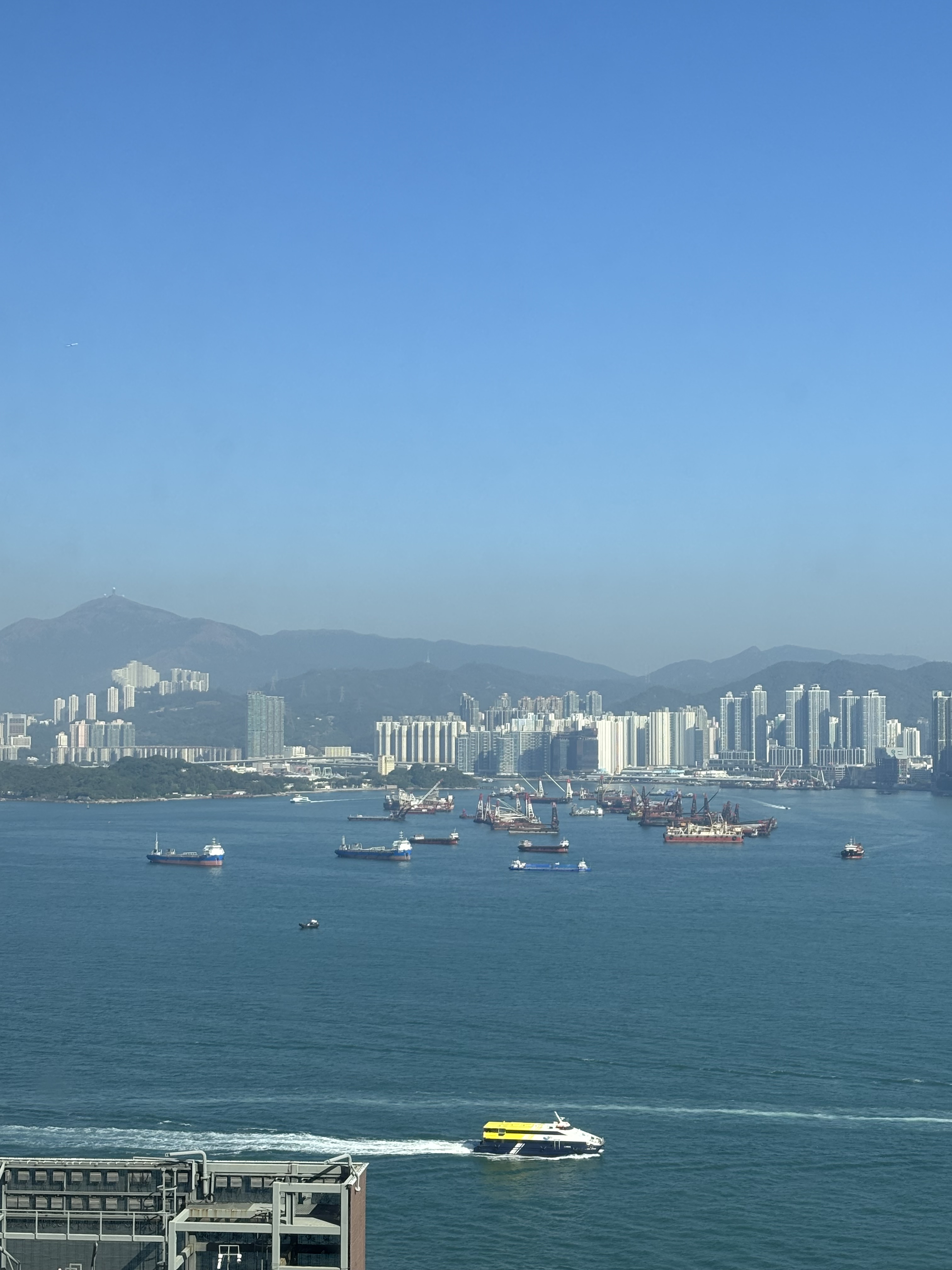
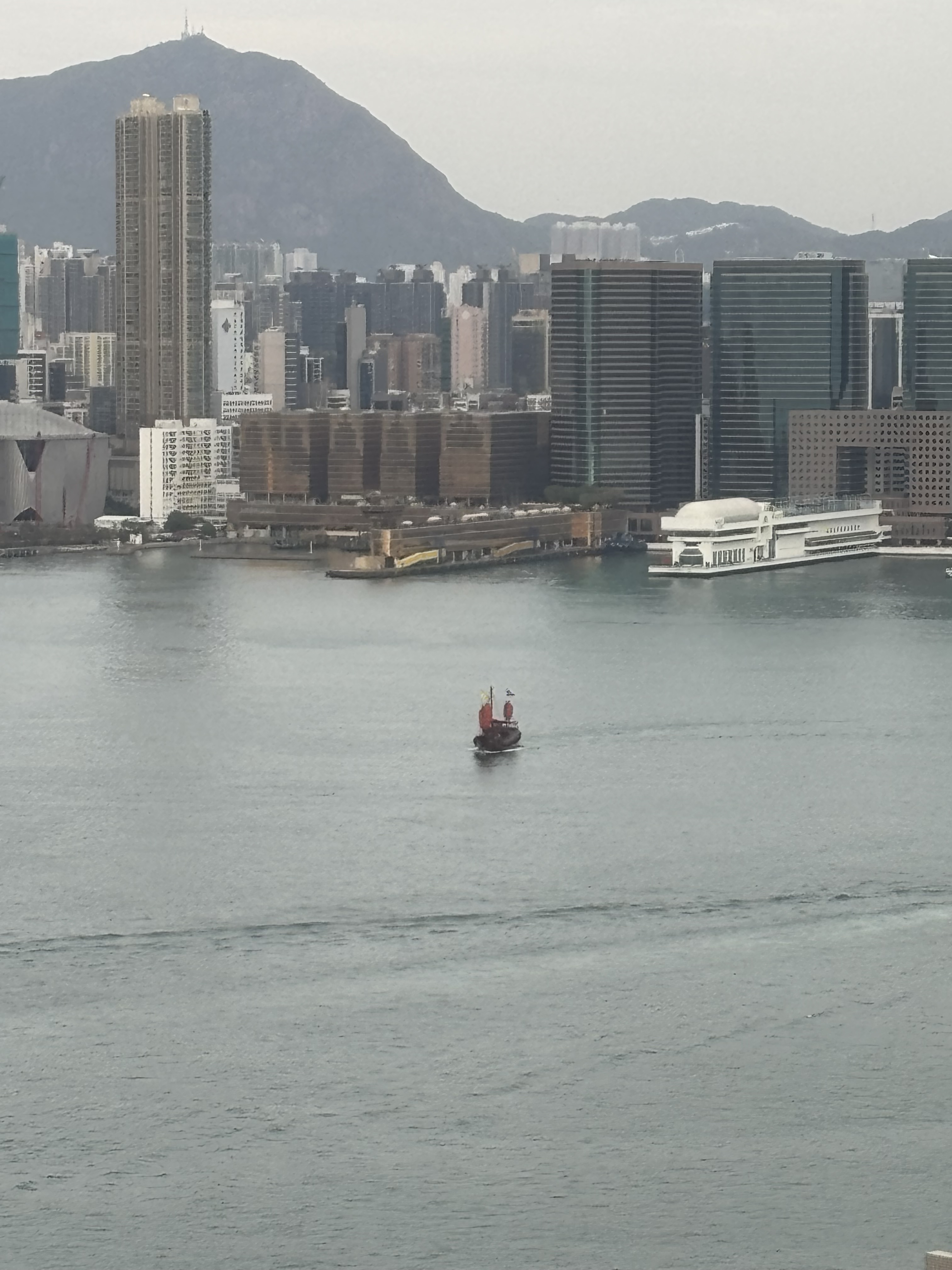
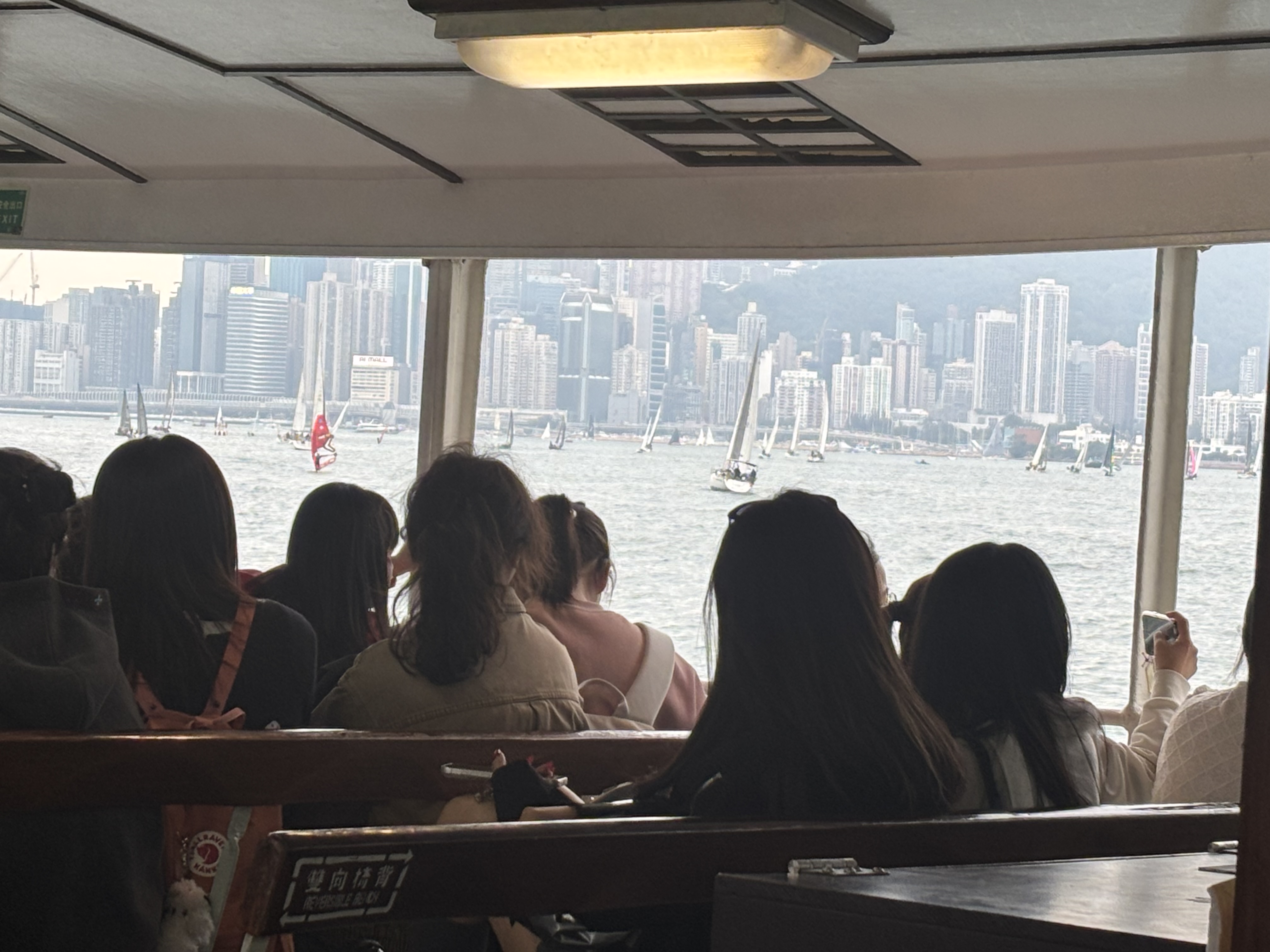
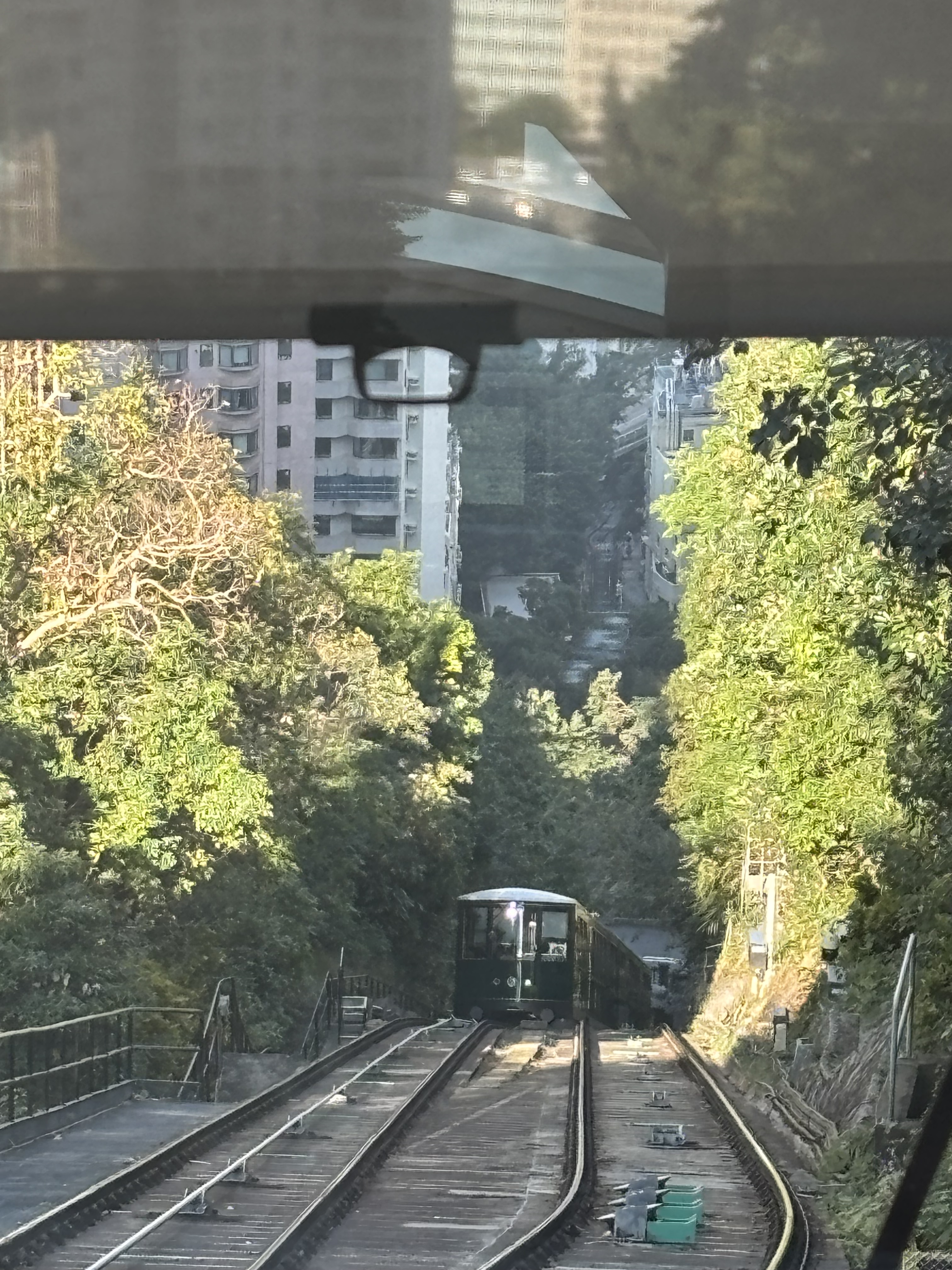
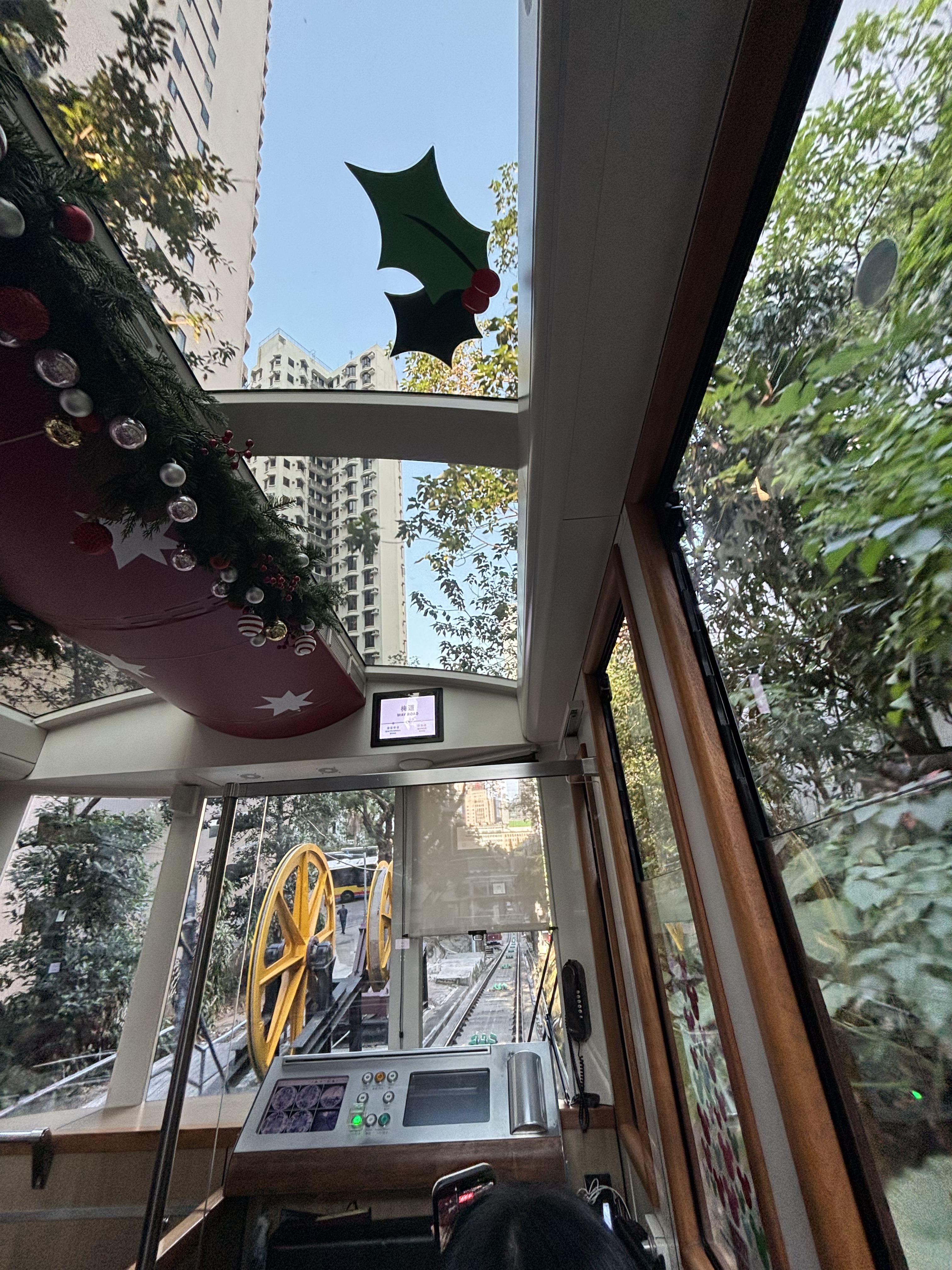
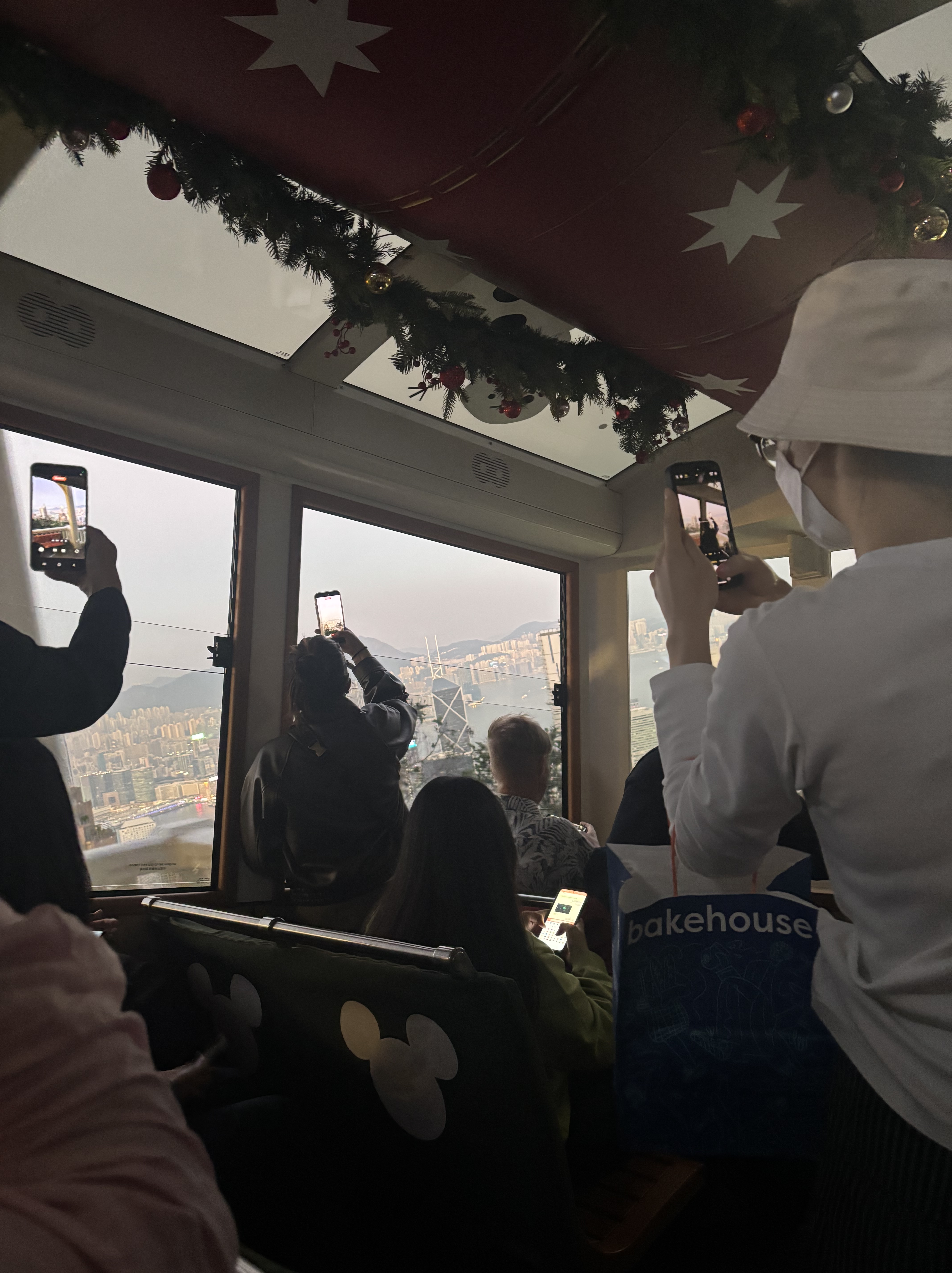
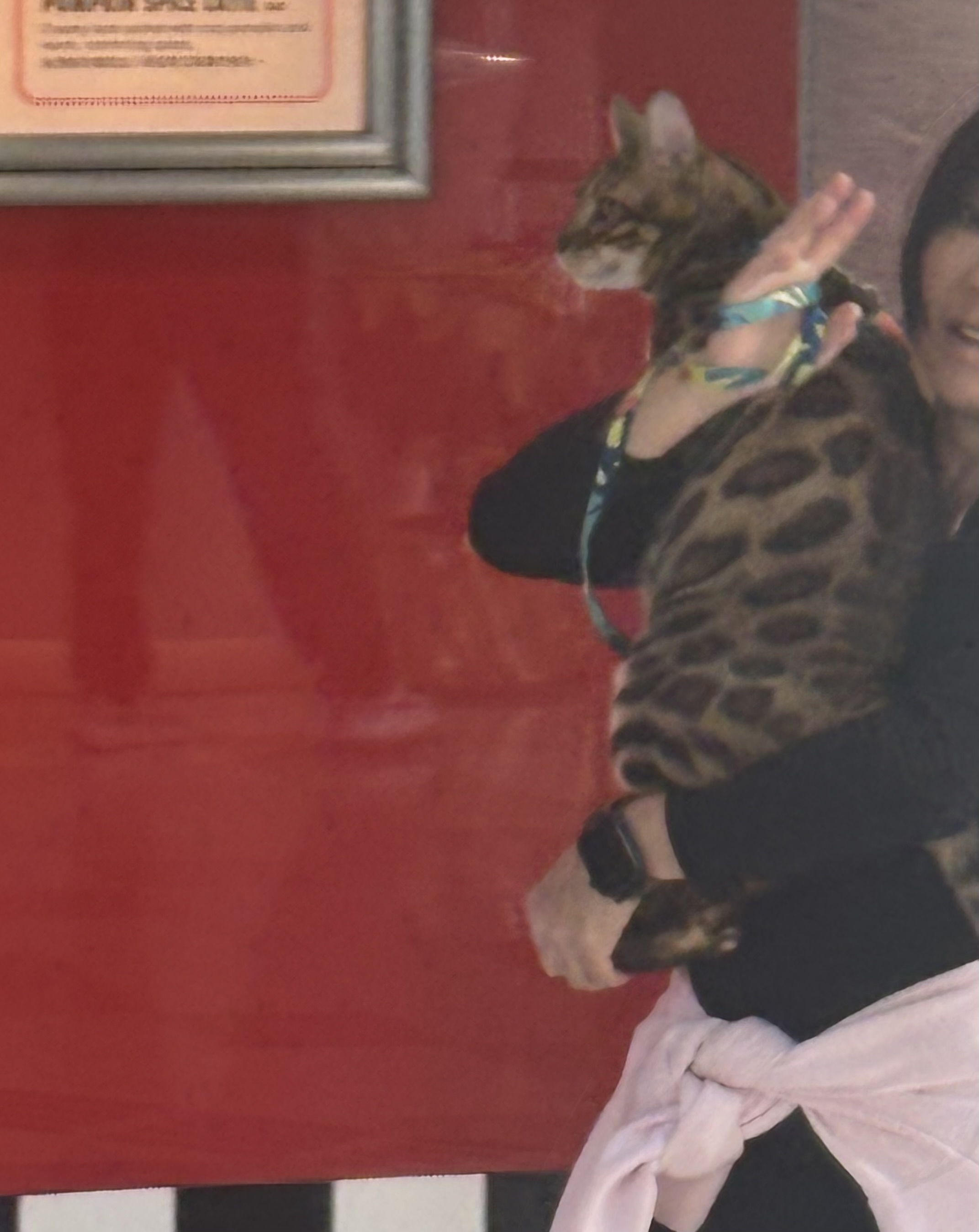
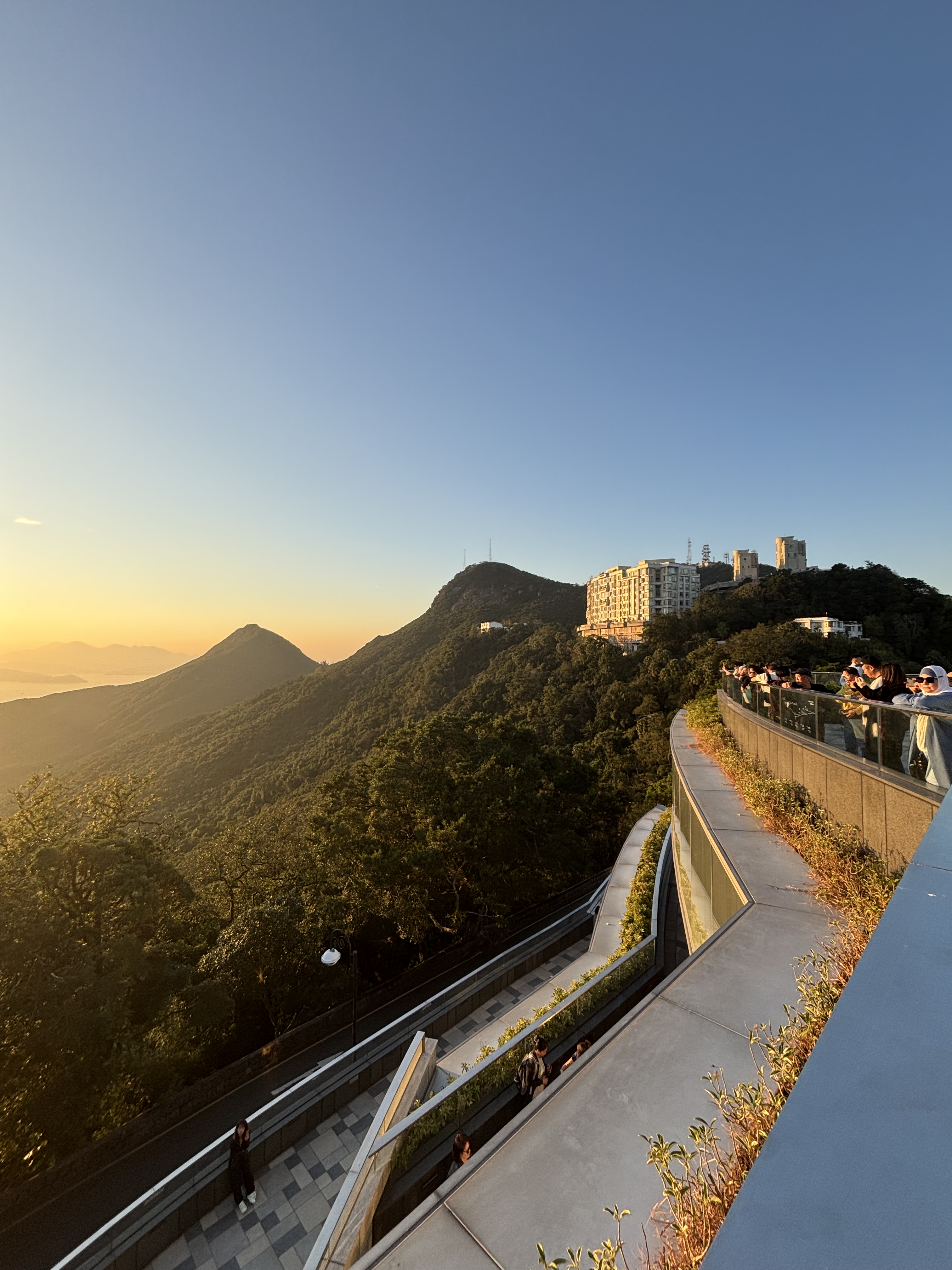
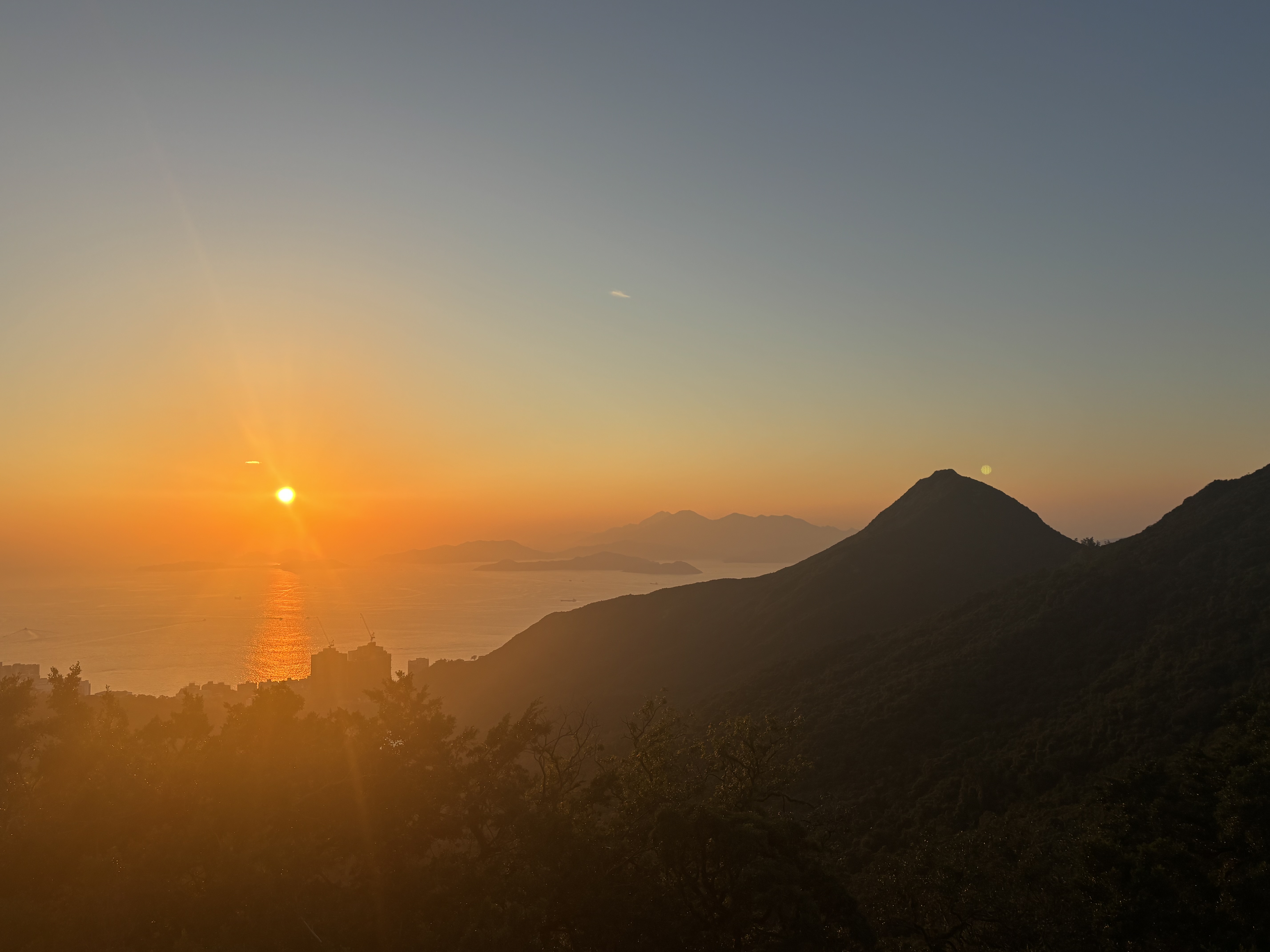
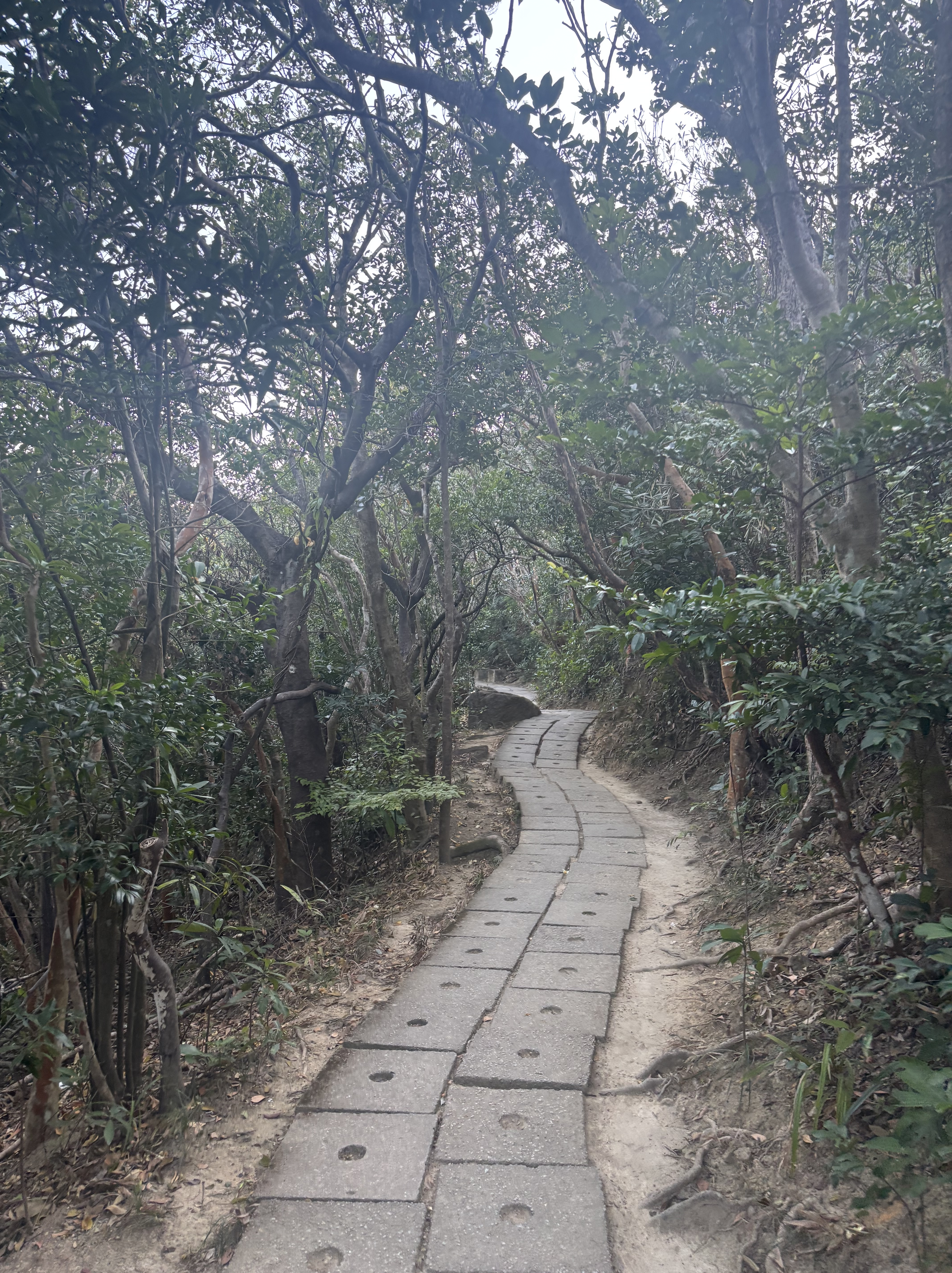
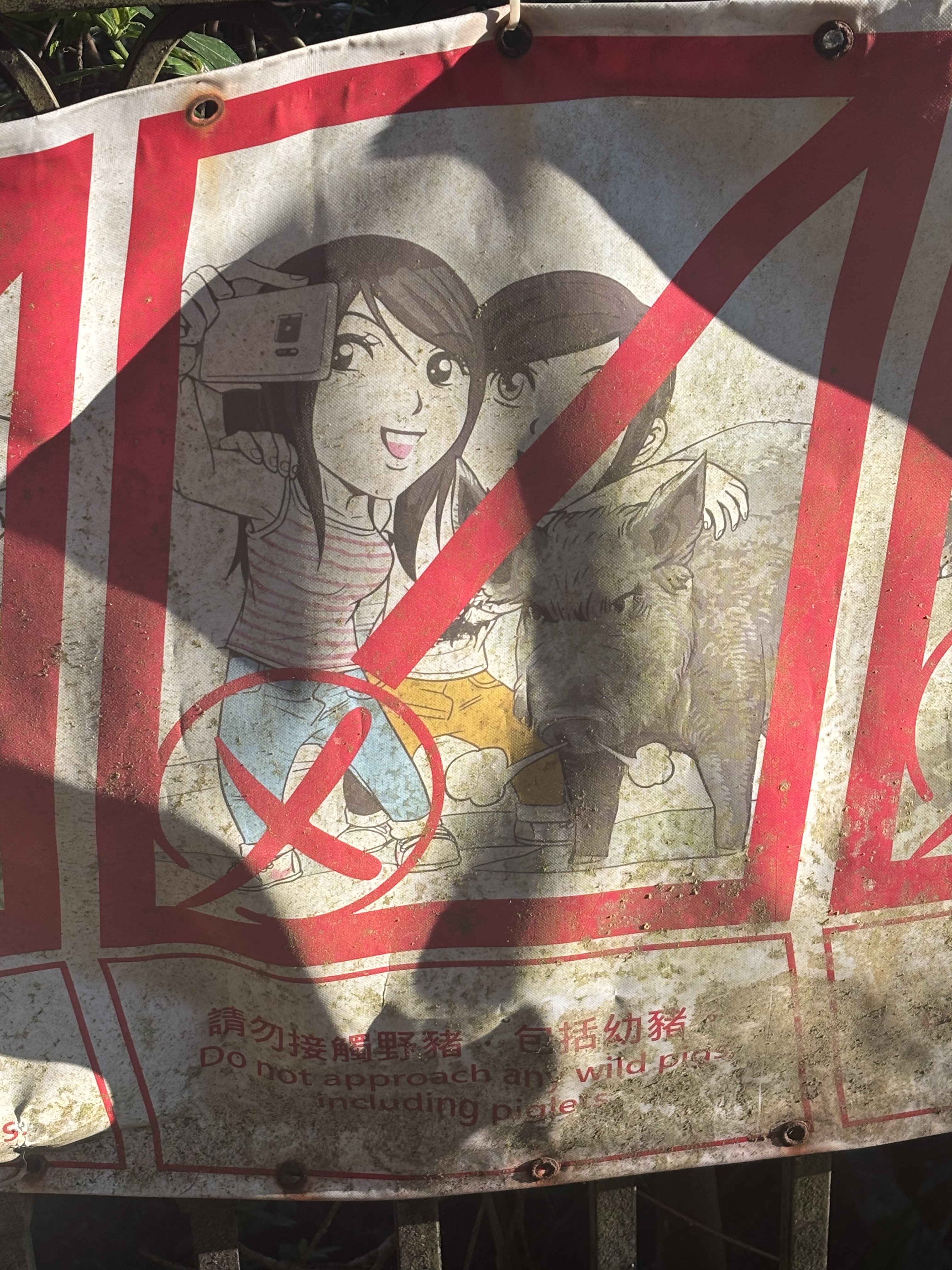
The city was built into the hillside, with steep streets and passageways reminiscent of San Francisco. The world’s largest system of escalators allows pedestrians to move from the bustling port to the trendy upper town in about half an hour. Trams climb the nearby mountains, offering breathtaking views of the scene below with iPhones galore in the foreground. True to form, a shopping mall awaits you at the top of the mountain, where one might just see the world’s largest cat on a leash amidst those there for the sunset. But the best views are from the uncrowded nature trails that circle the top of the mountain, where signs helpfully remind city folk not to take selfies with wild hogs.
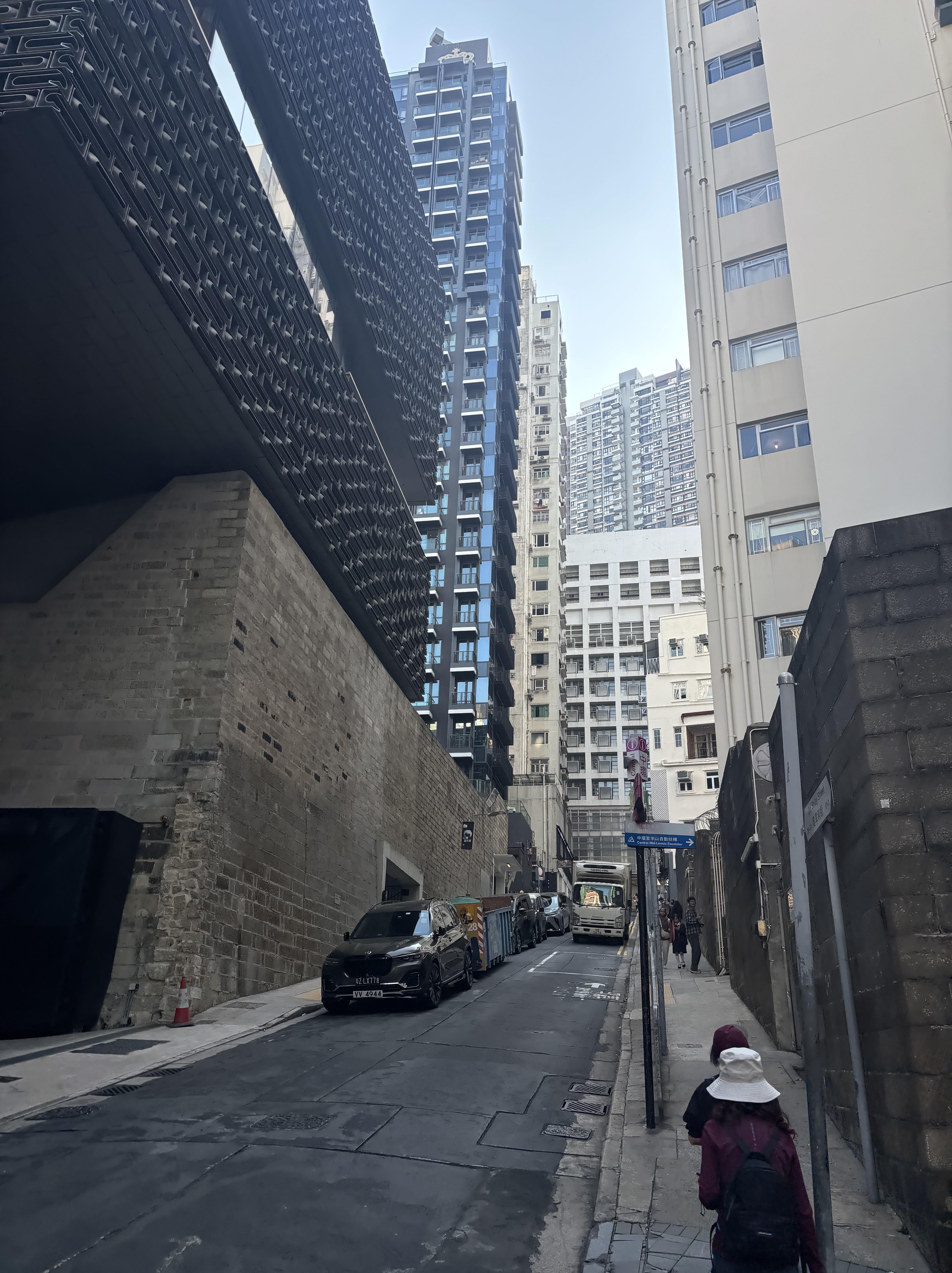
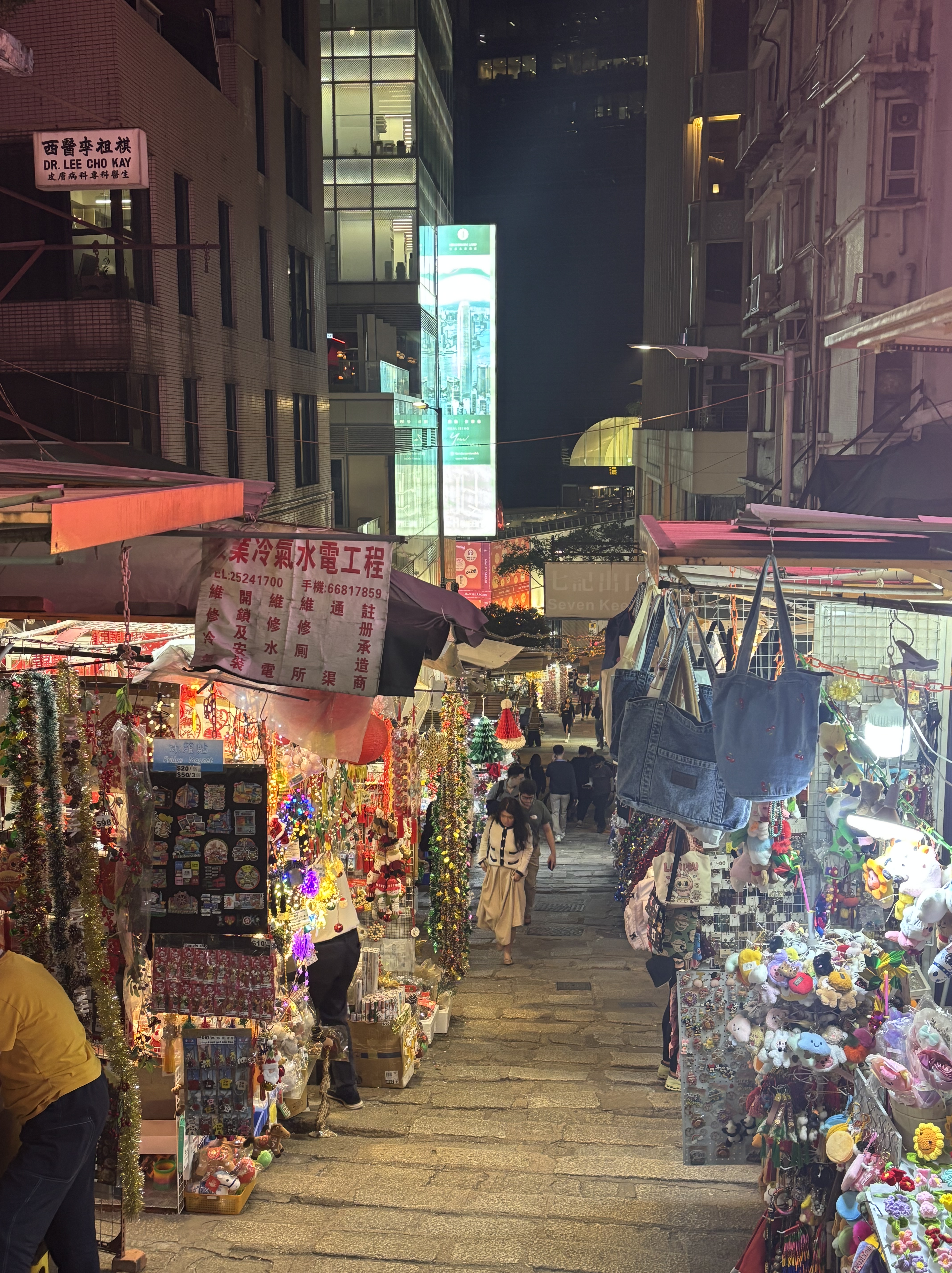
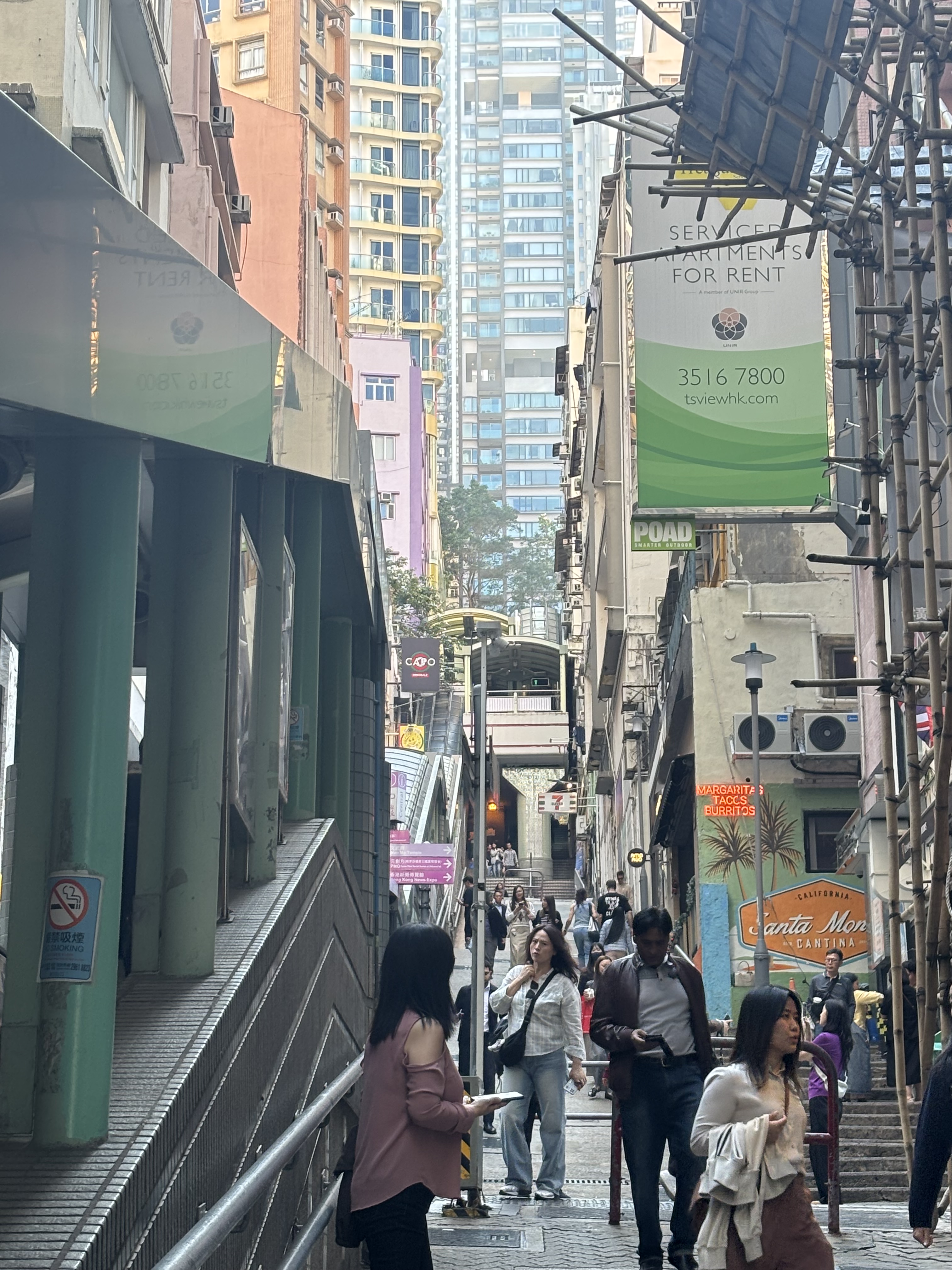
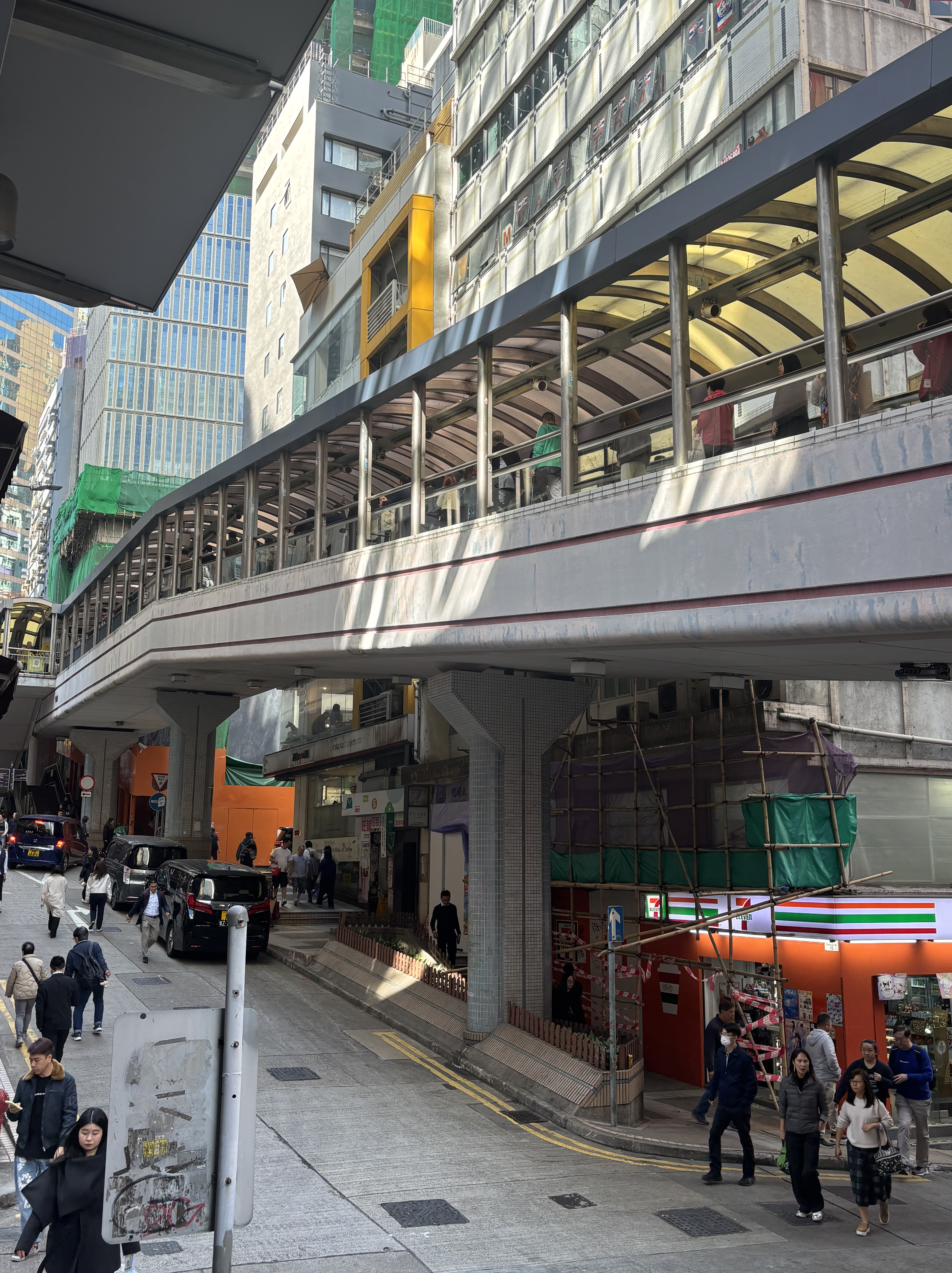
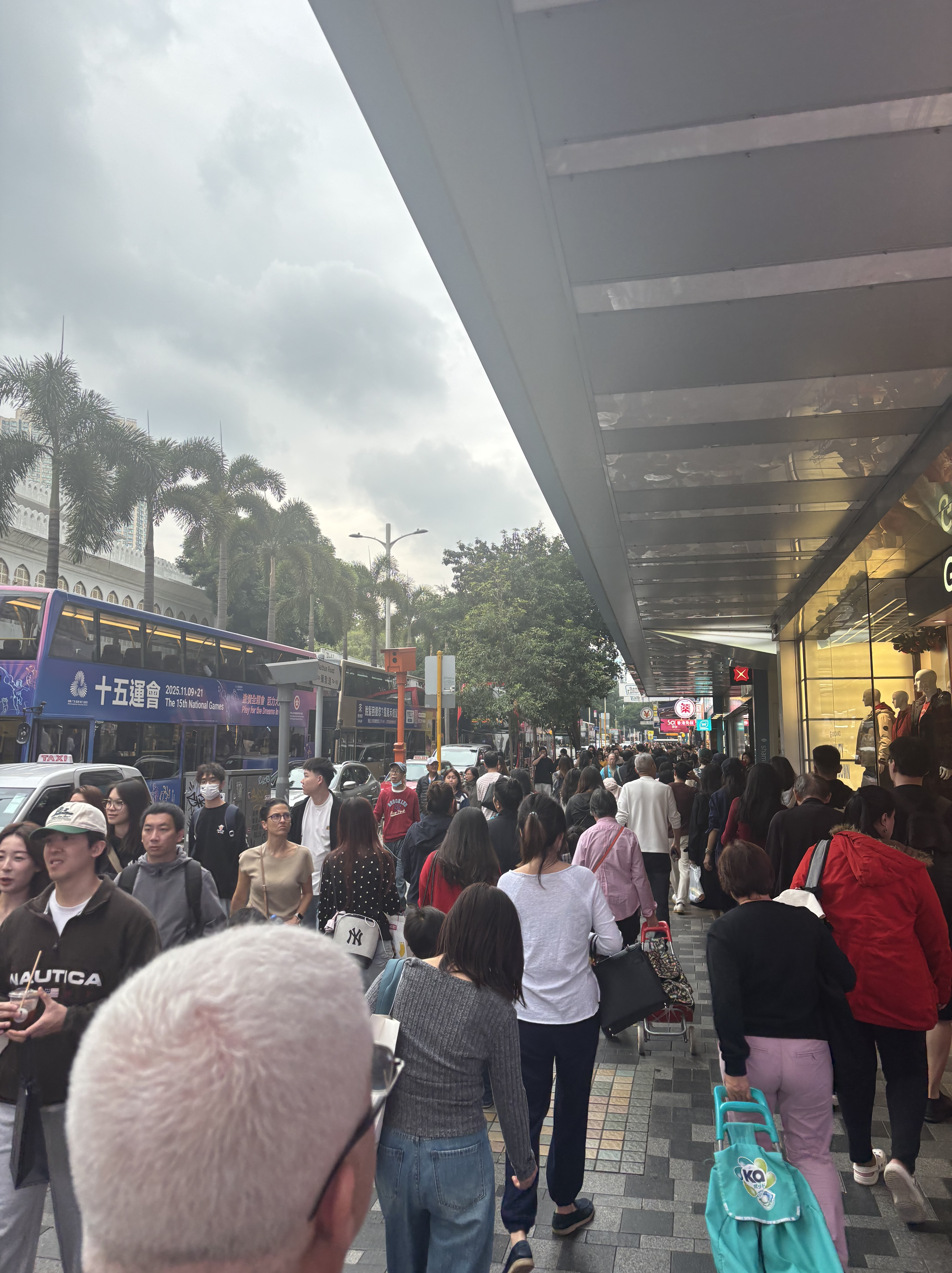
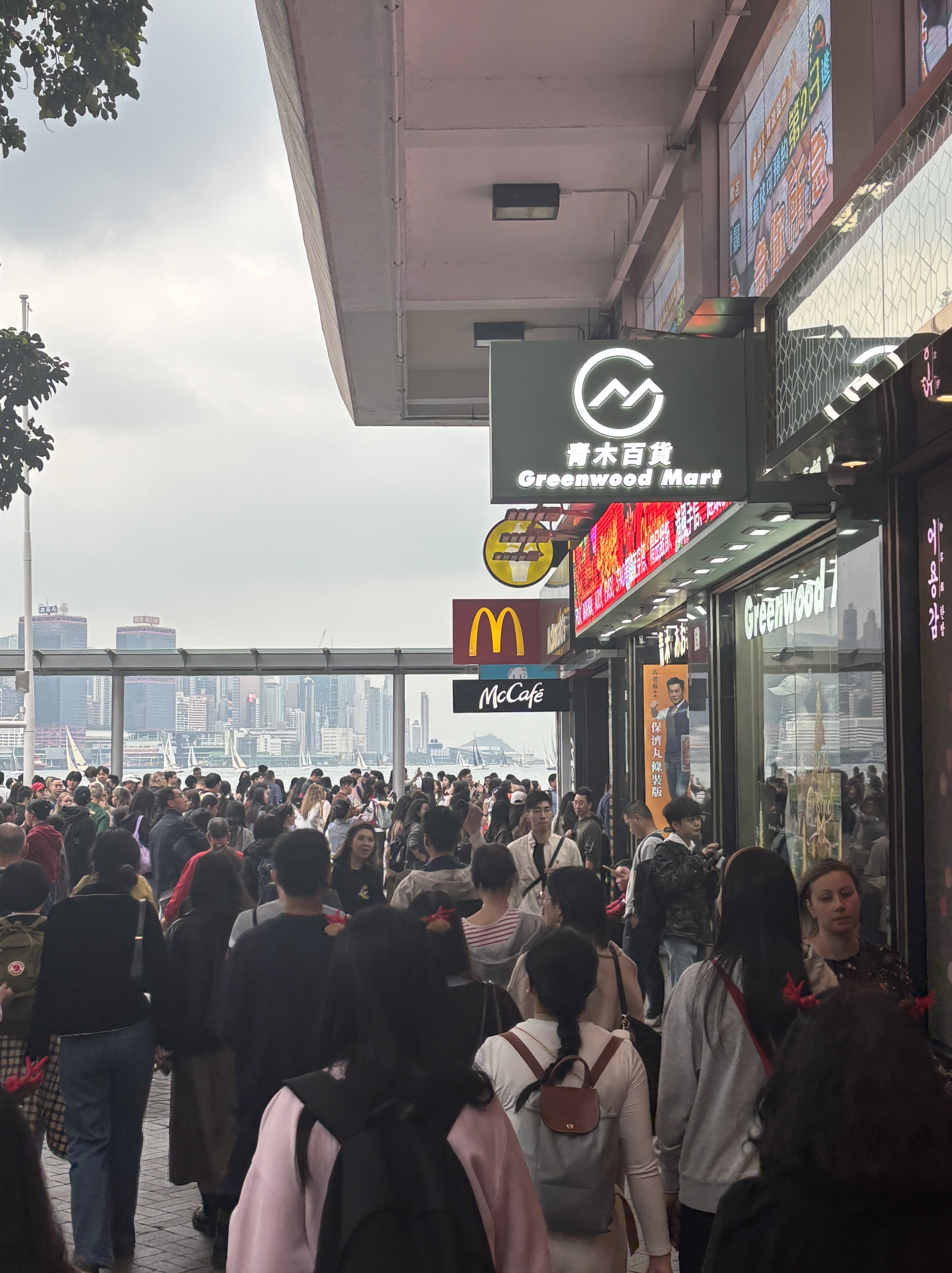
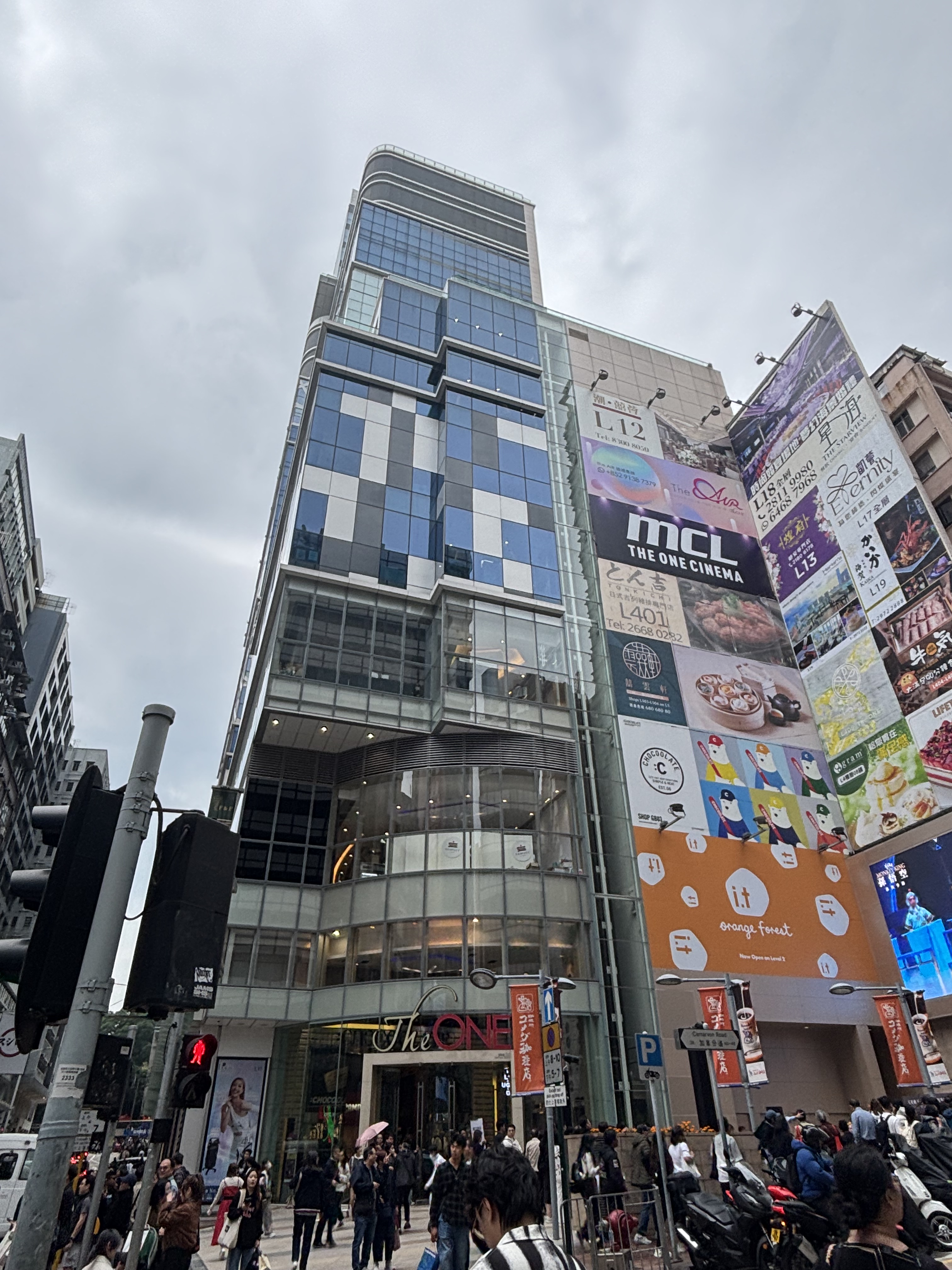
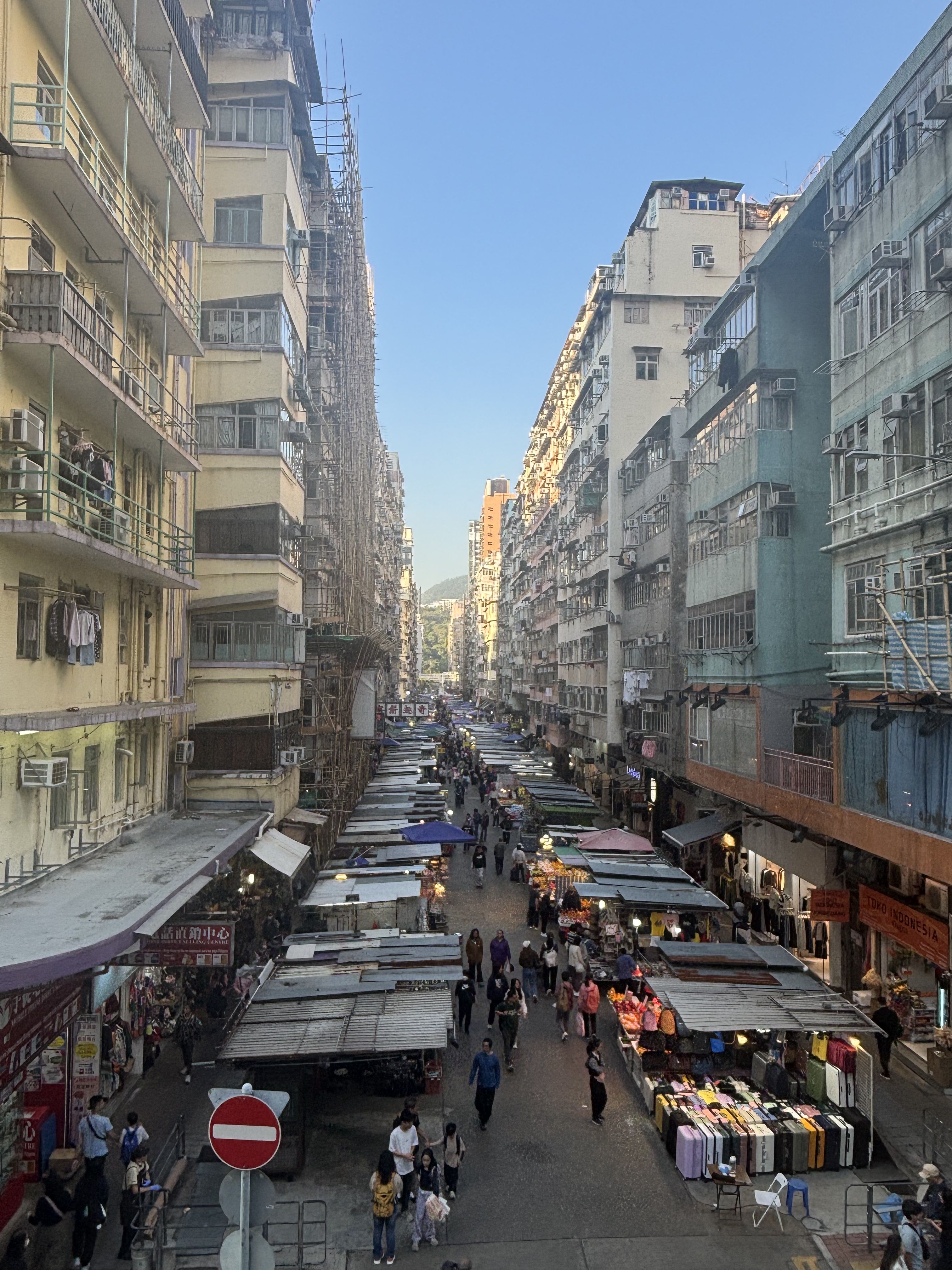
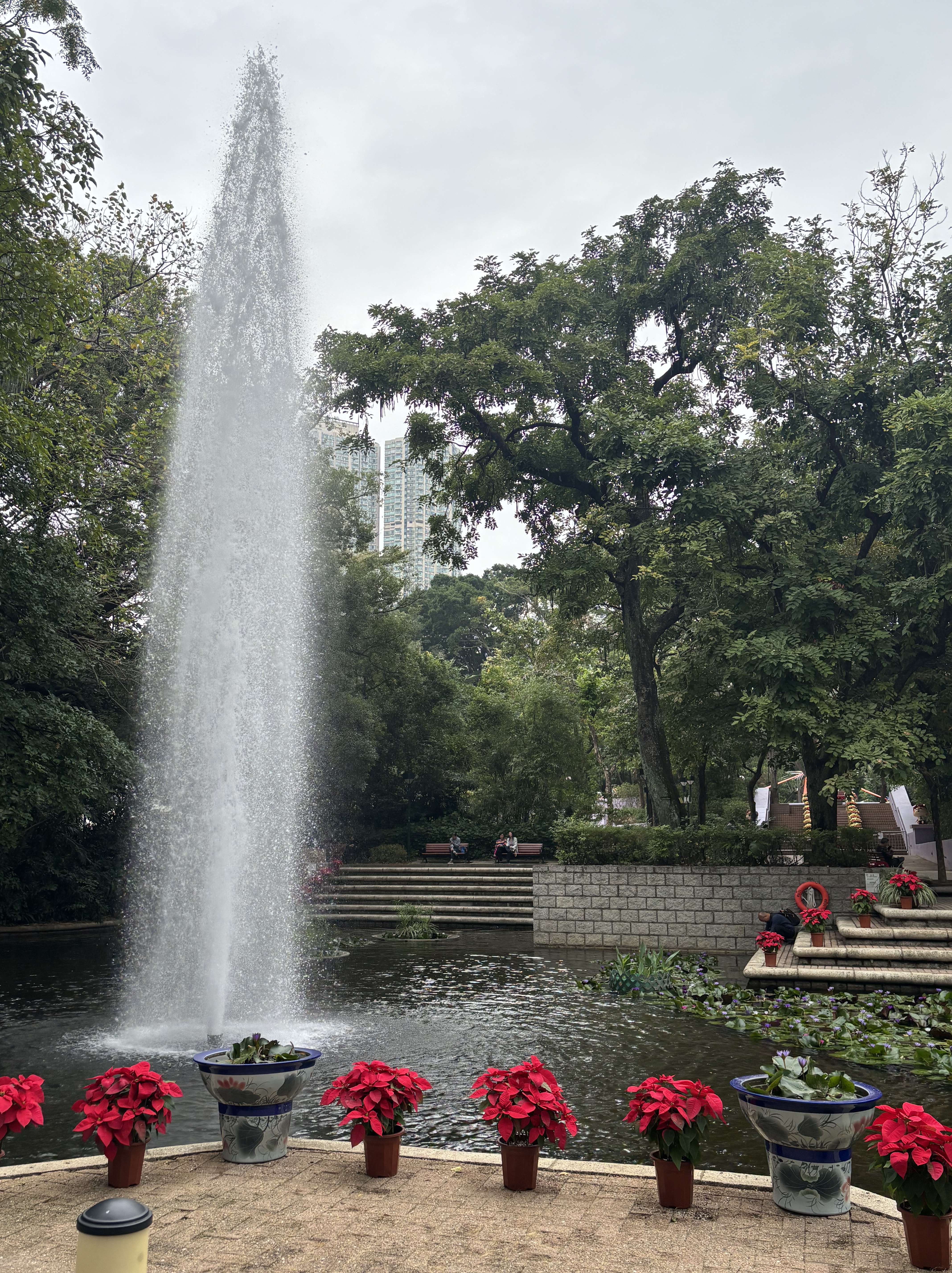
Up close, it’s a full sensory experience. Noises, smells and flashing lights greet you around every turn. Taxi drivers recklessly careen around blind corners in older model Toyota Crowns. Street foods come with unexpected flavors and textures. Traditional markets and tea houses back up to modern shopping malls. Goldfish Street is an aquarium enthusiast’s paradise. Sidewalks teem with tourists and expats fighting for space with slow-moving locals pushing overloaded carts of cardboard boxes, making it challenging to surf the waves of oncoming pedestrians. British tourists patiently queue for no reason, while Chinese tourists treat every counter as a game of musical chairs where fighting for space is a contact sport. The chaos is interrupted only at the lovely city parks and at intersections, where everyone obediently waits for the little green man to avoid being ticketed by the jaywalking police.
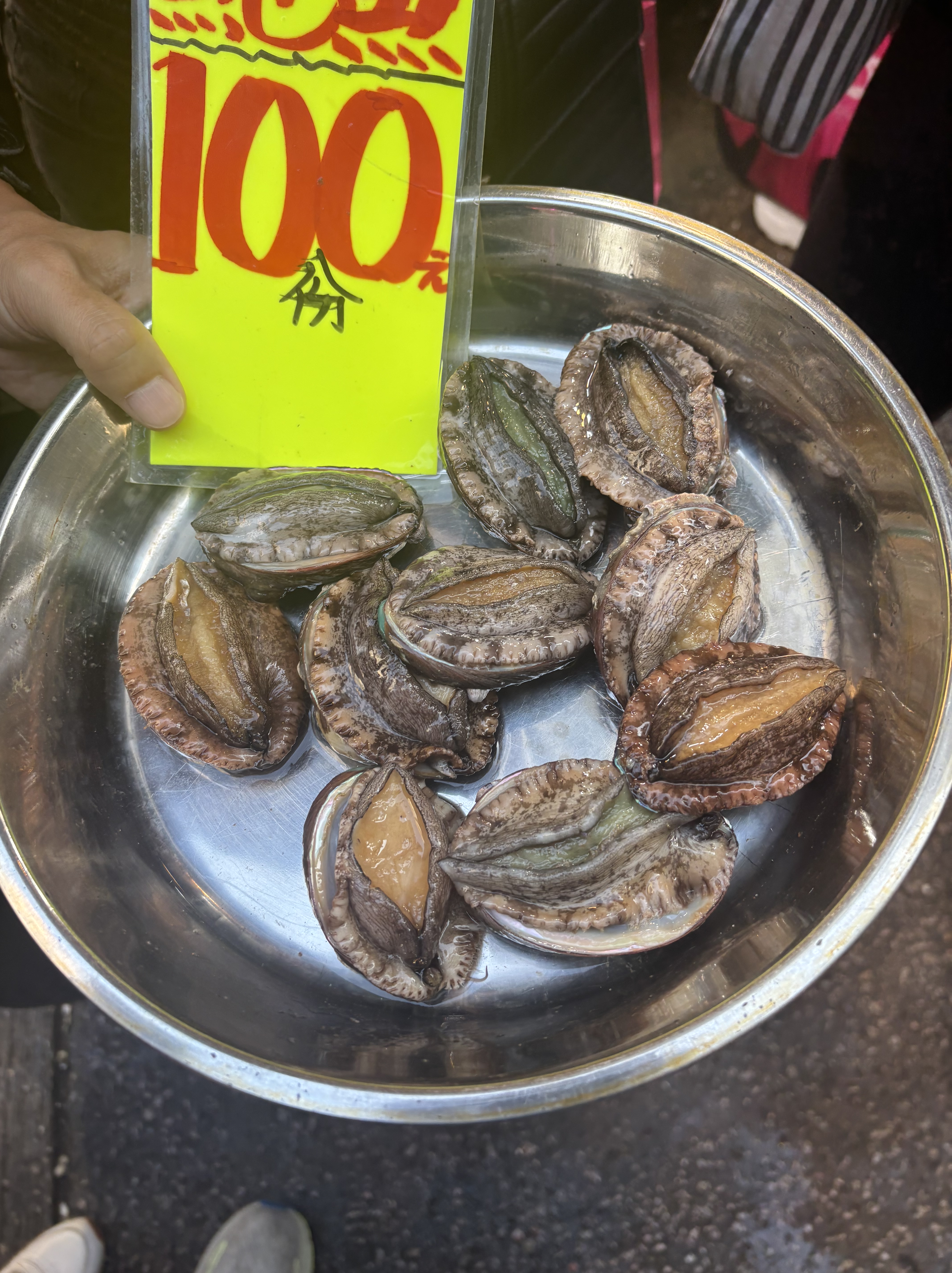
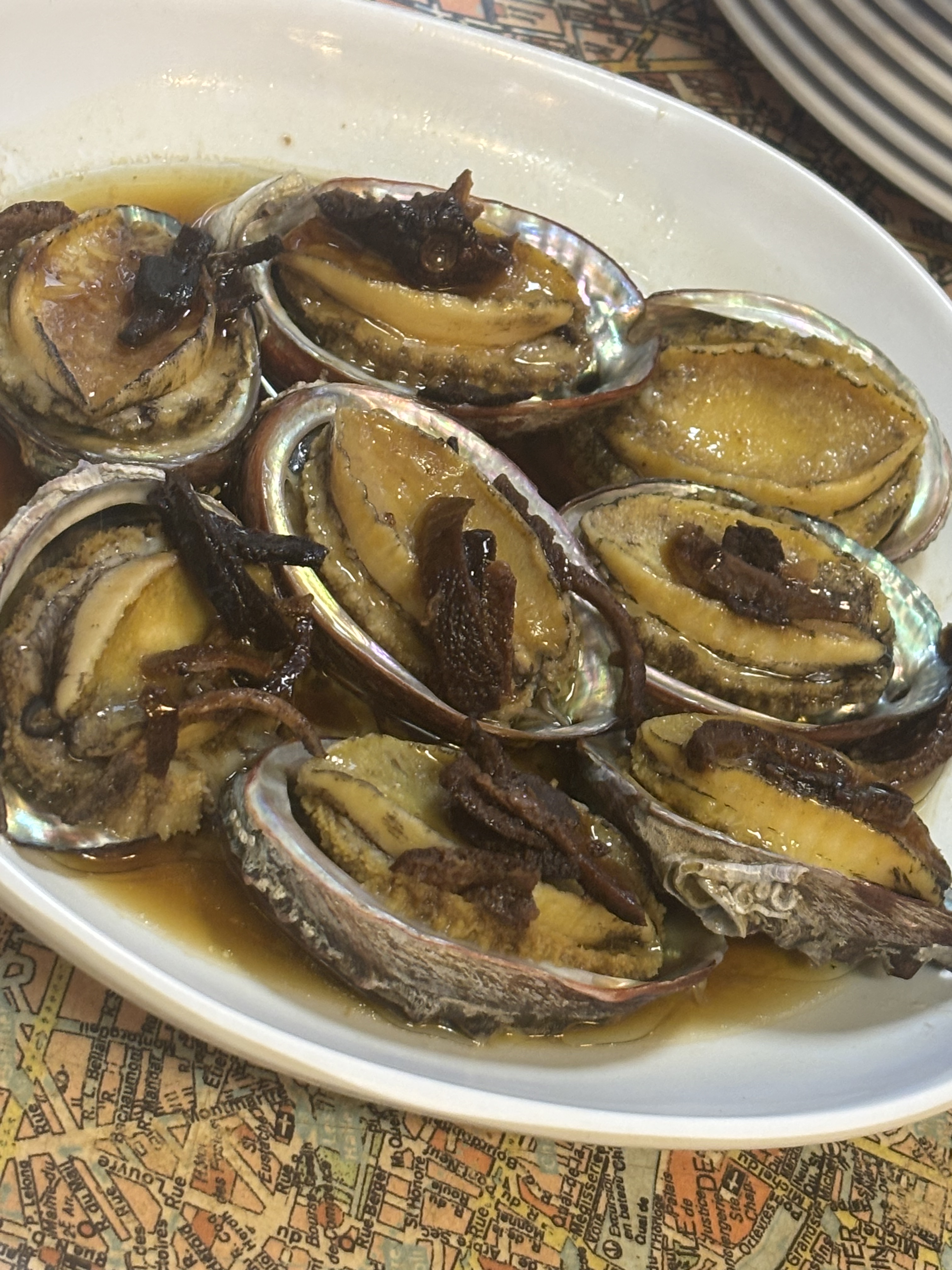
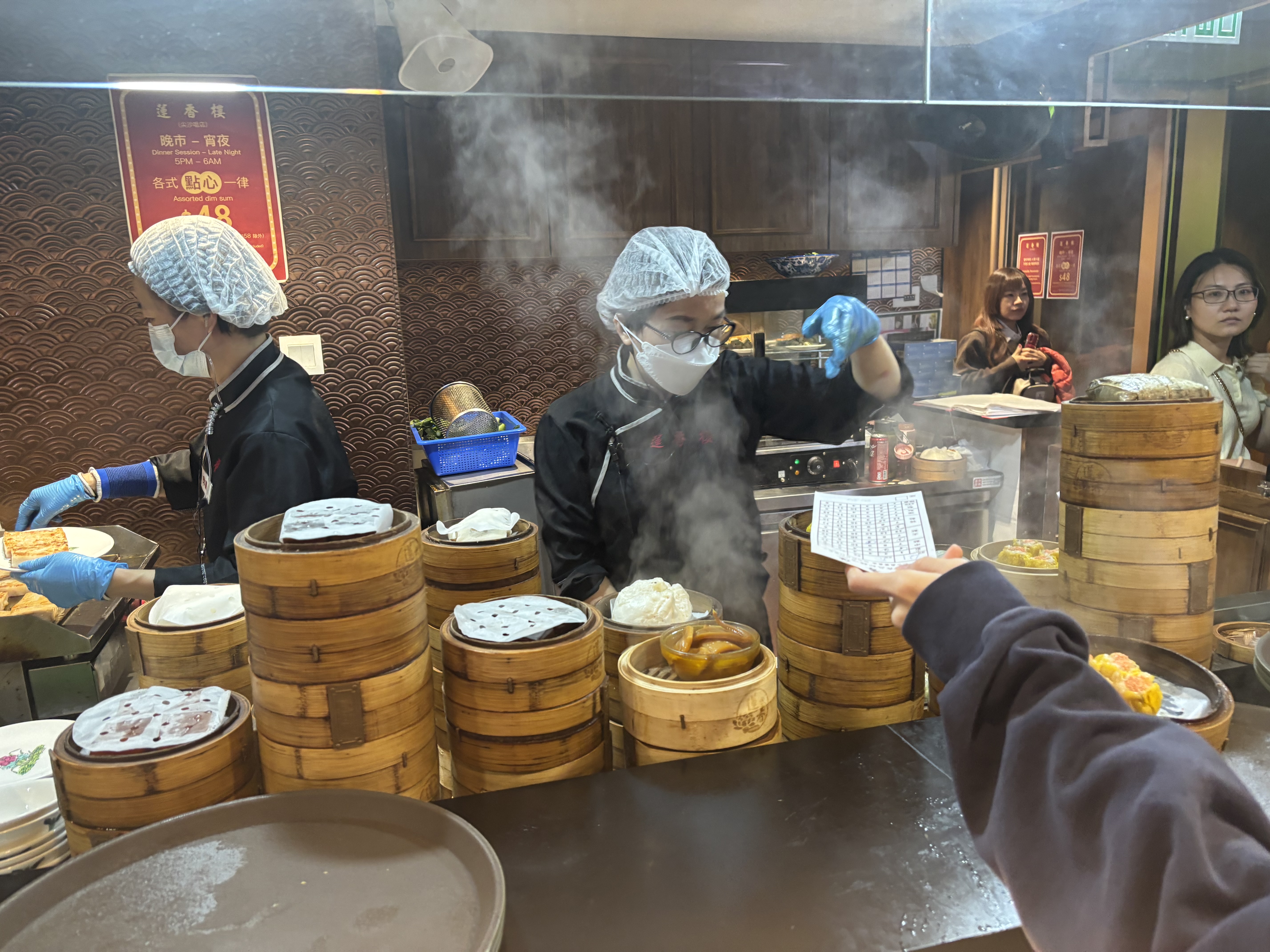
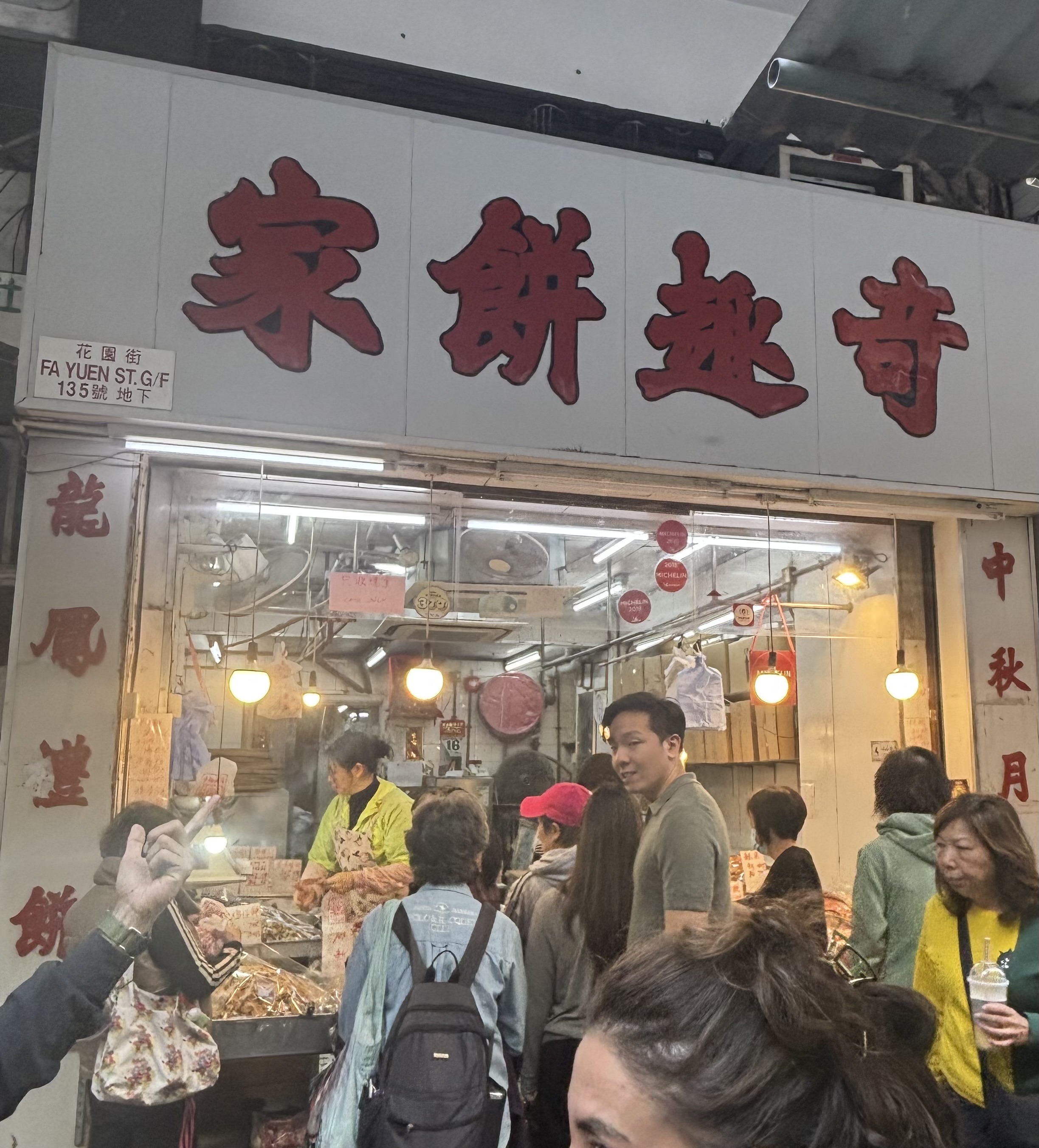
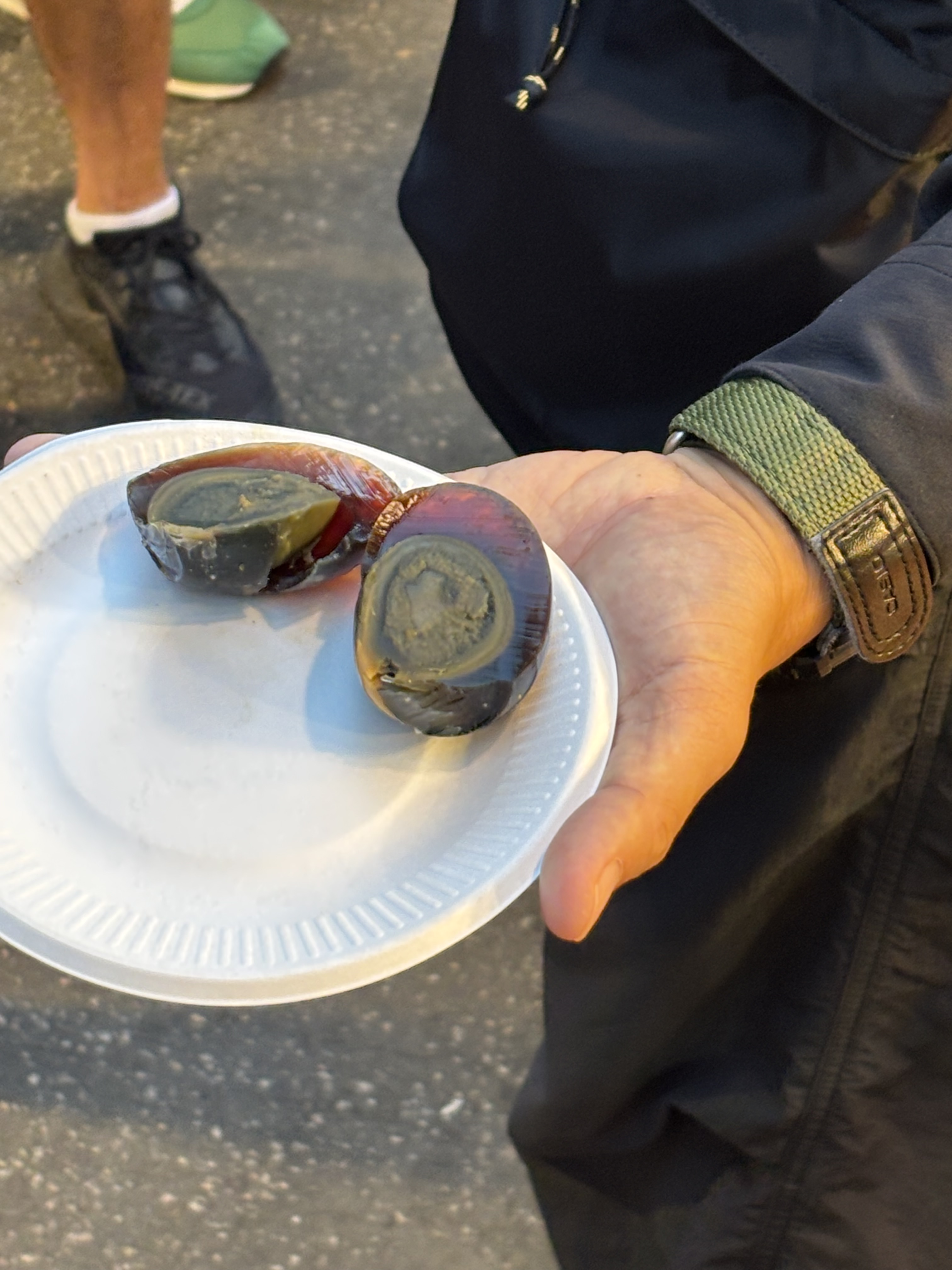
The dining scene is epic and adventurous. Restaurants represent every corner of the world at every imaginable price point. It’s dim sum heaven. Food stalls showcase pastries and all manner of fried fare. Whole roasted ducks and geese hang from ceilings. Live seafood and chickens await their own fate. My food tour included a homemade walnut cookie from a tiny mom-and-grandma bakery with Michelin credentials, a “wife cake” with winter melon, homemade soy sauce, a sweetened ginger vinegar cookie with dried tangerine peel (Yum!), dried scallop, fresh-sauteed abalone, duck liver sausage, spicy pork sausage and the infamous century duck egg with a slice of fresh ginger. The century egg indeed looked awful but tasted pretty much like a regular egg with a more gelatinous texture.
It’s hard not to notice the large glass jars full of exotic plants and dried animal parts in shop windows as you walk around. Traditional eastern medicine is still in widespread use here. It may seem strange to a westerner, but residents of Hong Kong have some of the longest lifespans in the world, so something is working. My hotel happened to be situated in the neighborhood that was the primary port for the exotic concoctions that formed the basis of Chinese medicine for centuries, and it still houses several warehouses and a demonstration garden.
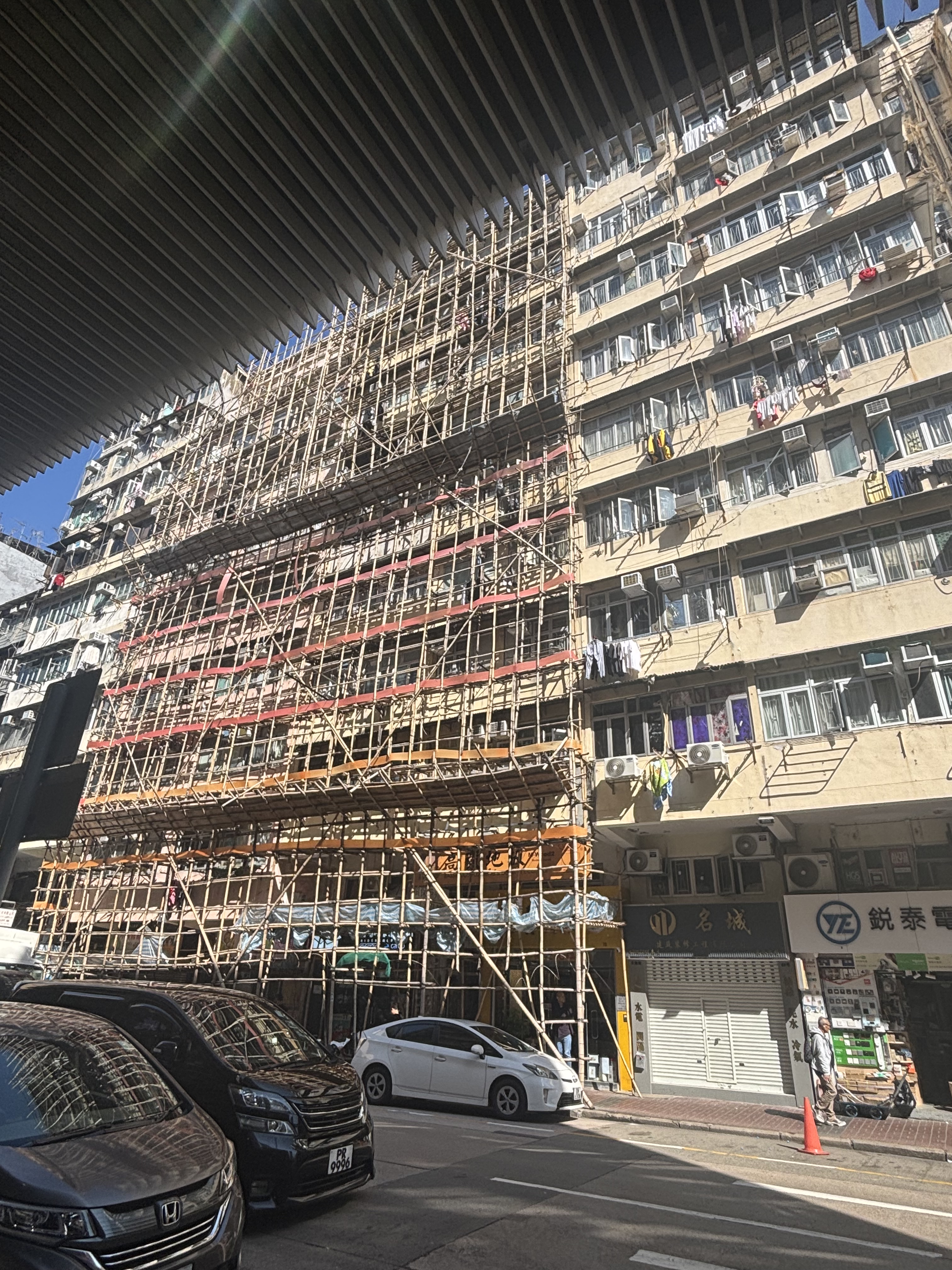
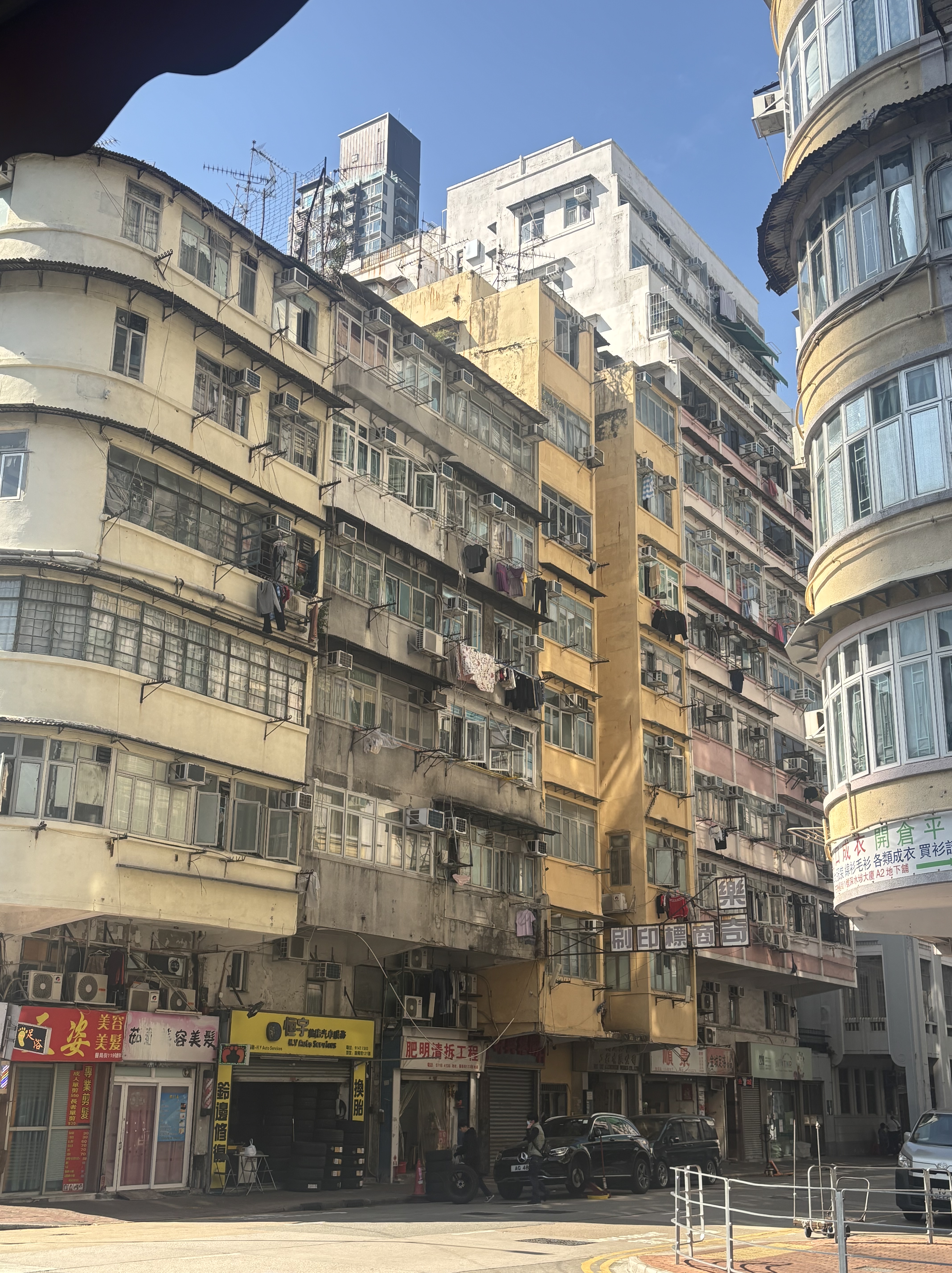
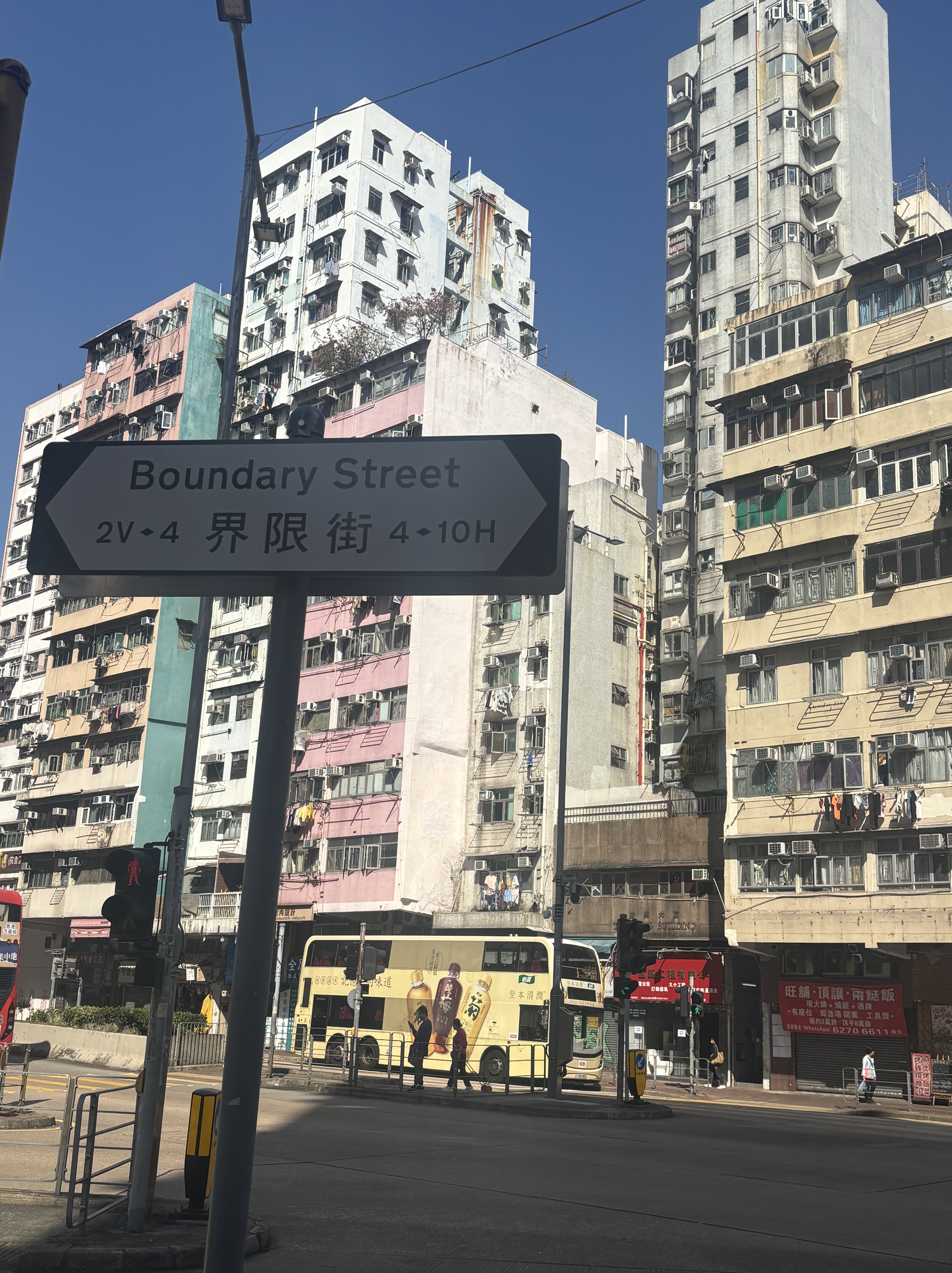
It’s also hard not to notice the incredible disparity in wealth if you venture beyond the glitzy business and shopping areas. Hong Kong is home to the most billionaires per capita and the most expensive housing market in the world but also hides pockets of extreme poverty. Unfortunately, the worst remnants of unfettered capitalism have only been exacerbated under the current leadership. I joined a “dark side of Hong Kong” walking tour in the Kowloon district on the mainland to witness this up close. We were allowed inside one of the thousands of subdivided 10 square meter apartments rented out to day laborers, walked backstreets dotted with sex workers and methadone clinics and observed tent cities in public parks. It’s an entirely different world from the high-rent districts only a couple of subway stops away.
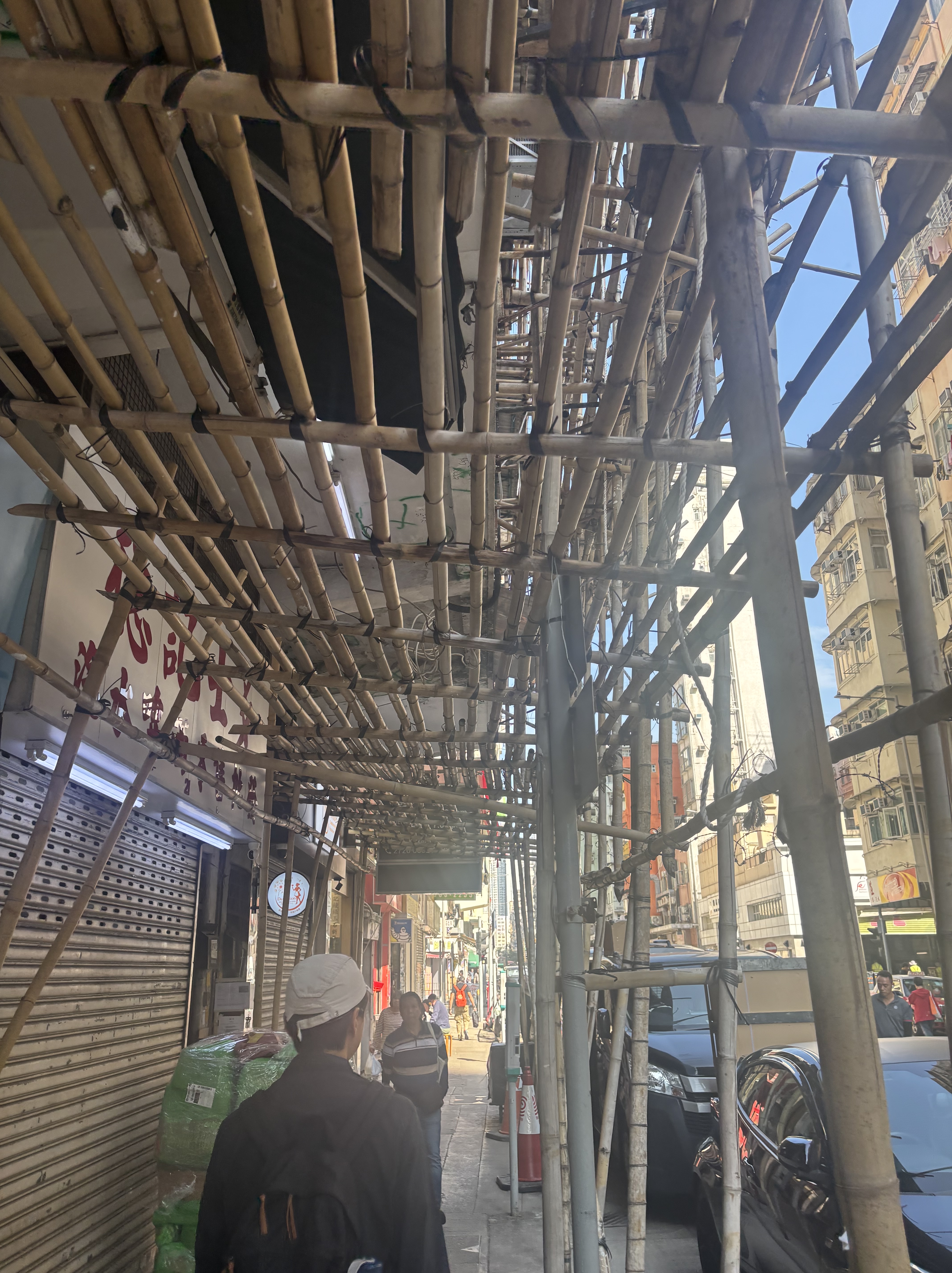
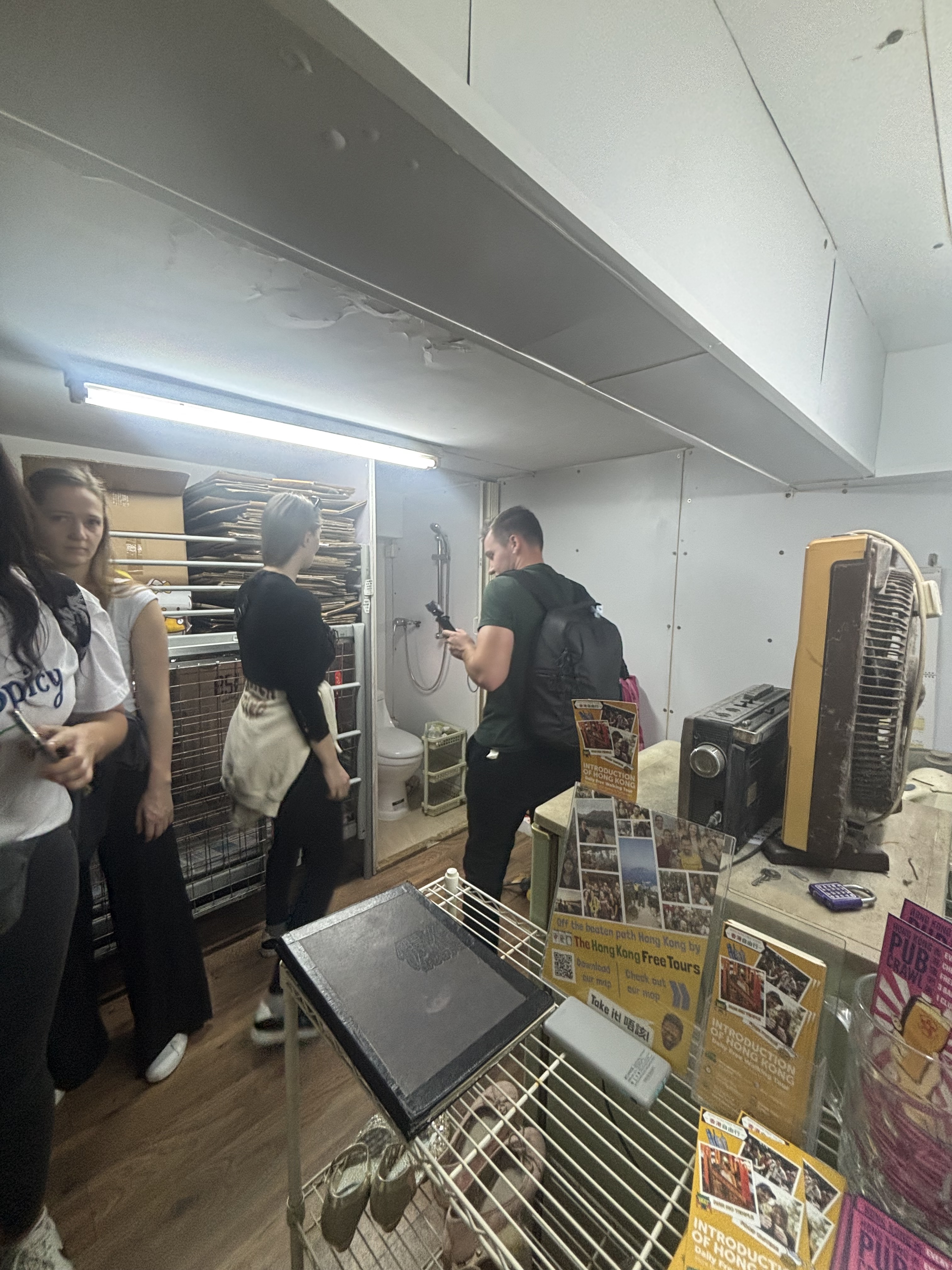
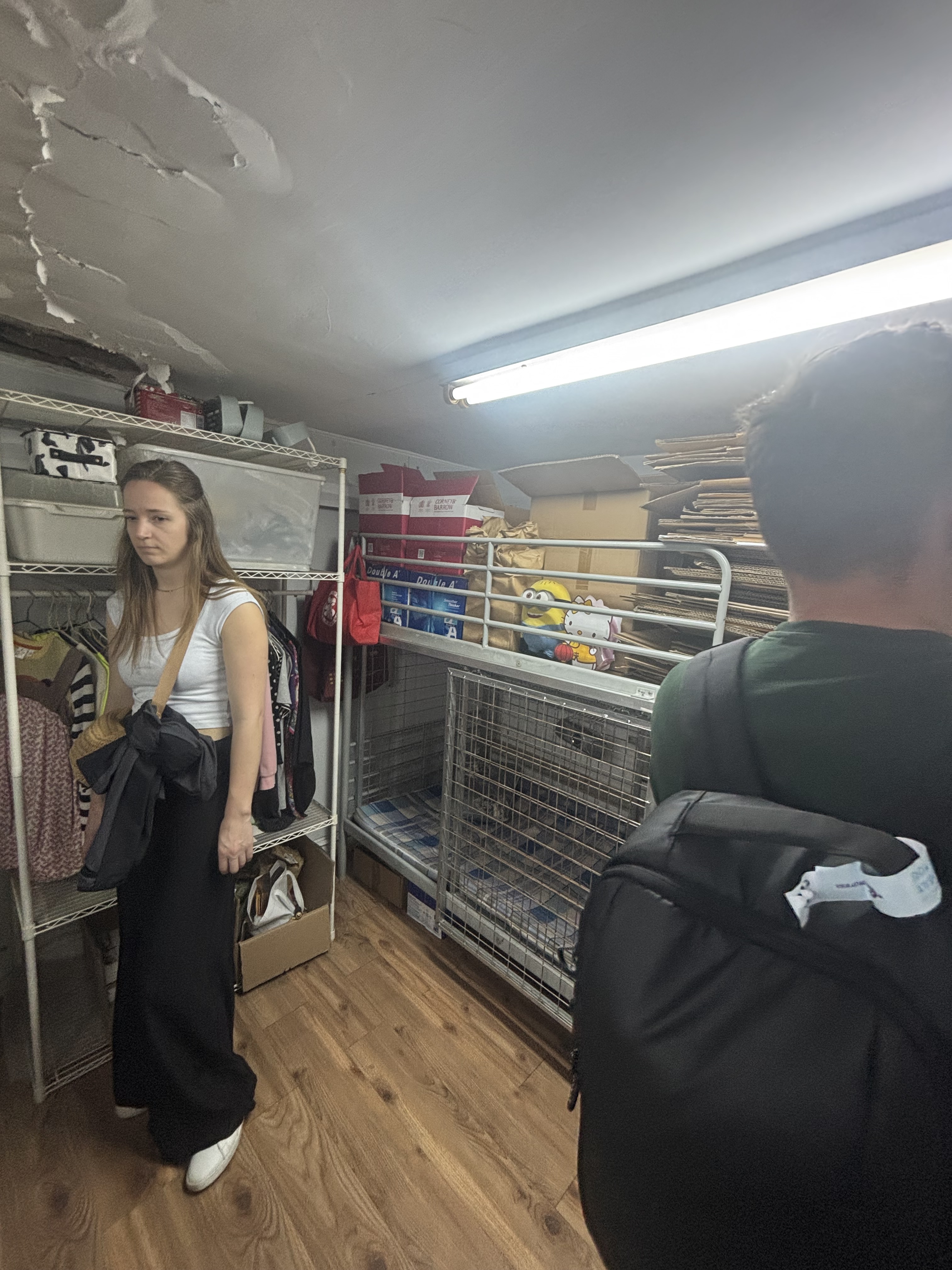
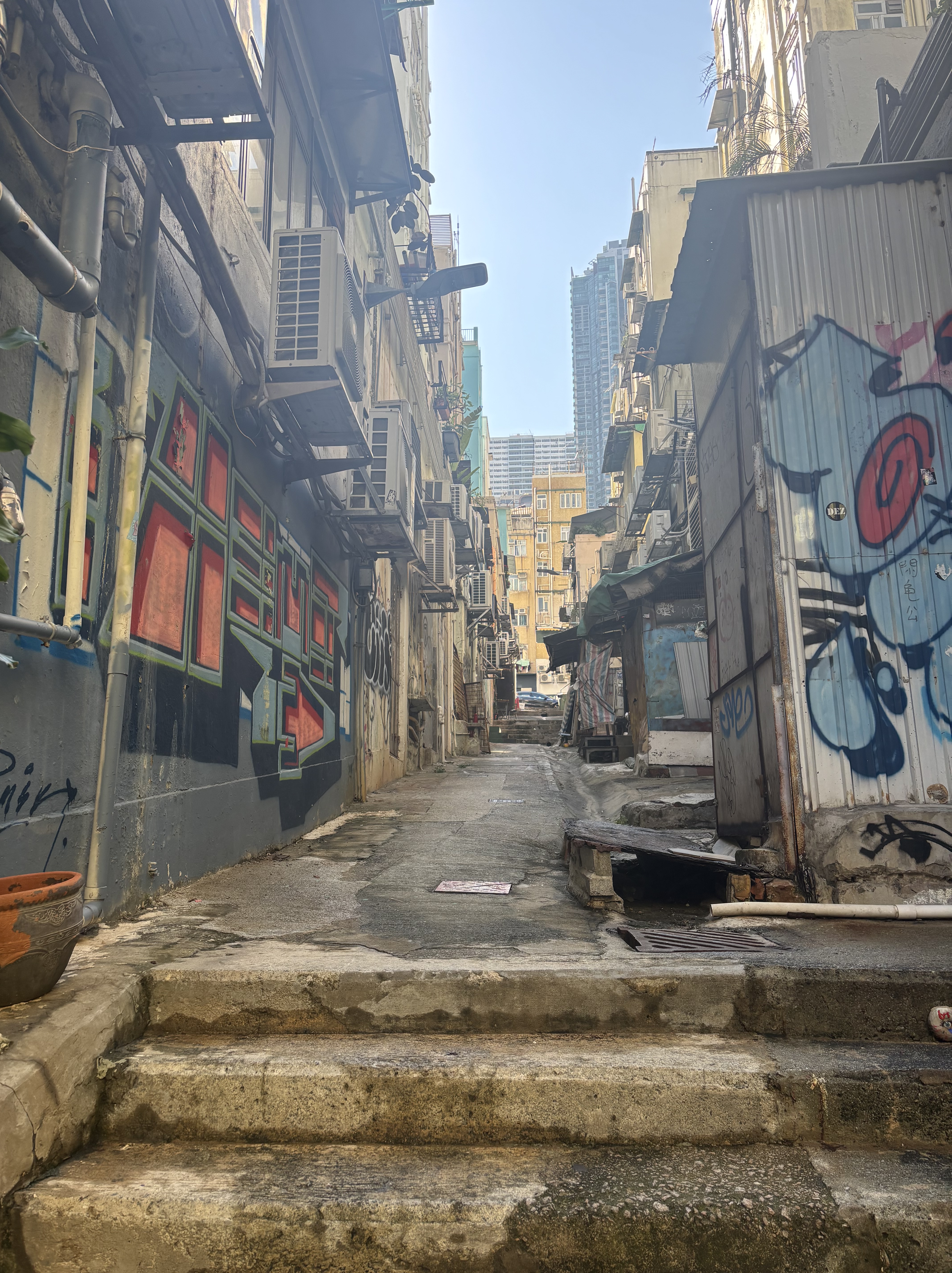
In the end, I’m thankful I made it to Hong Kong when I did. It was a bucket list destination I’ve wanted to see for years. Weather was nearly perfect. The food was amazing. The timing of my visit allowed me to meet up with a high school friend and his family who are finishing up a three-year expat assignment nearby. And I genuinely feel like I caught the end of an era. I fear that the changes coming to Hong Kong are not for the best. It’s difficult enough to balance eastern tradition and culture with western legal and economic principles. Doing so under a regime that severely limits freedom of speech, press and expression is going to be nearly impossible.
Just as these may be the last days of Hong Kong as we know it, this was the last stop of my 2025 travel adventure. It served as a fitting reminder that time is fleeting and all things change. Make time to visit the places that intrigue you while you still can. Otherwise, much like a century egg, they may only vaguely resemble their original form.

 The Global Slowmad
Leave a comment