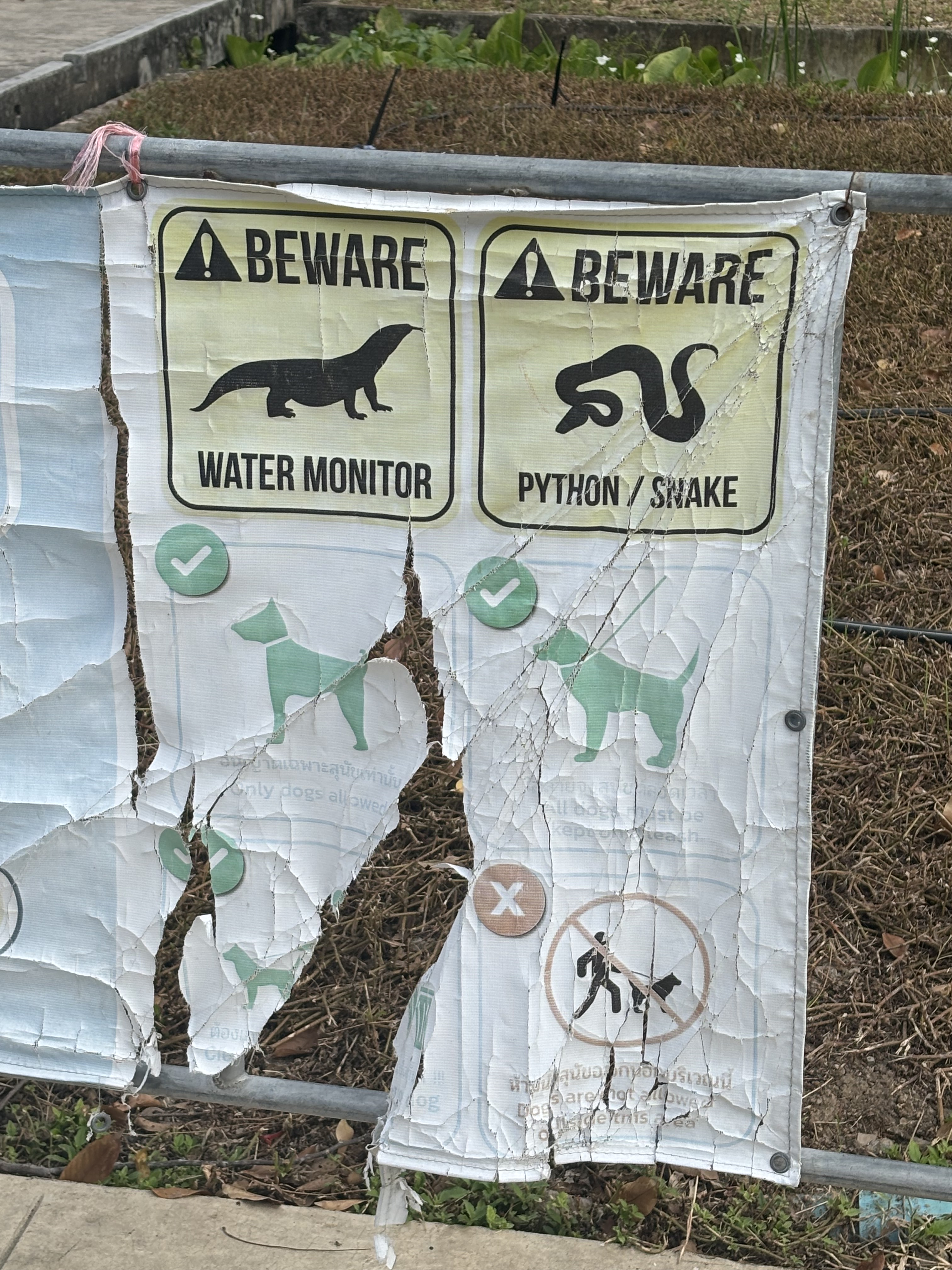
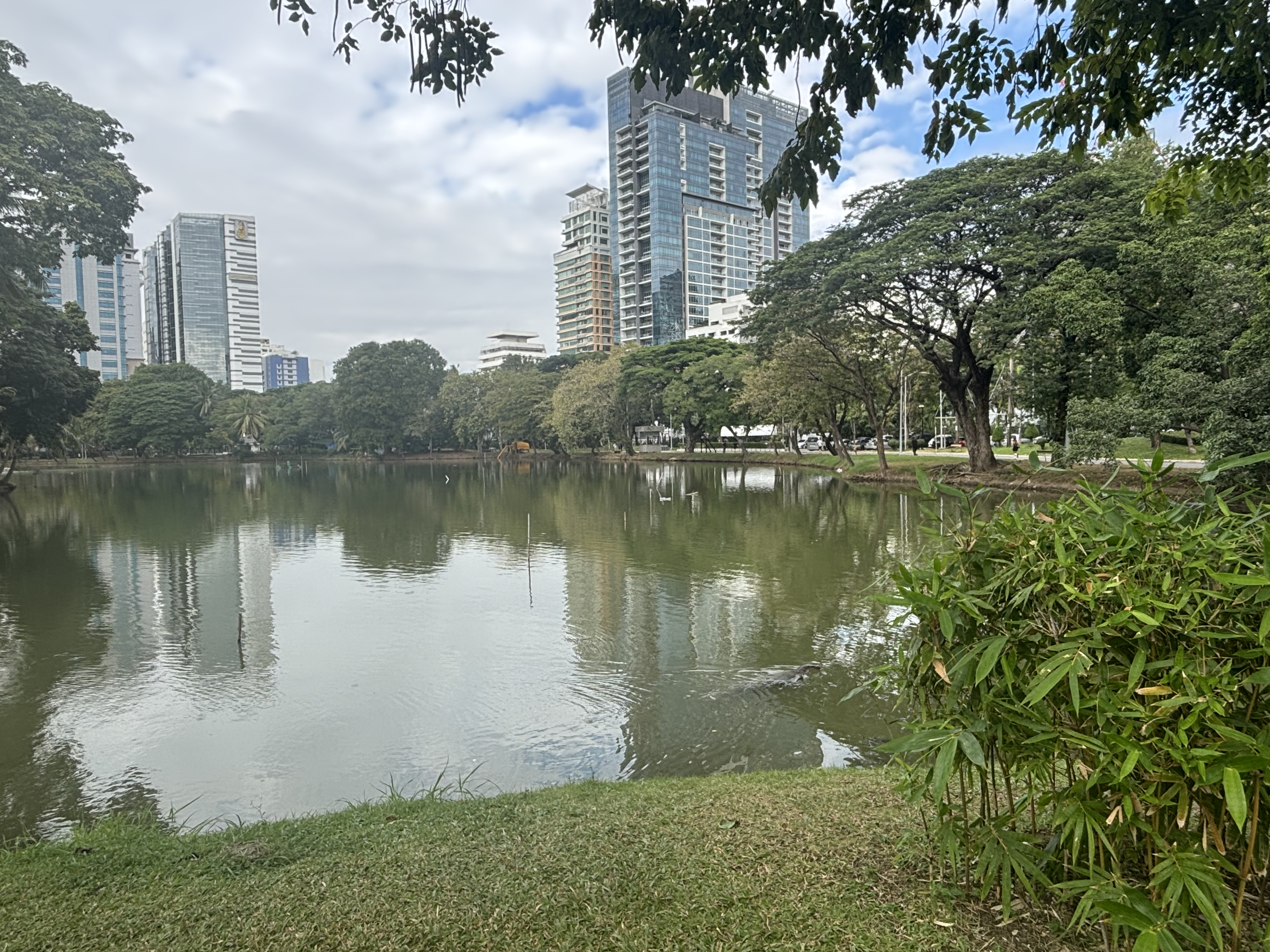
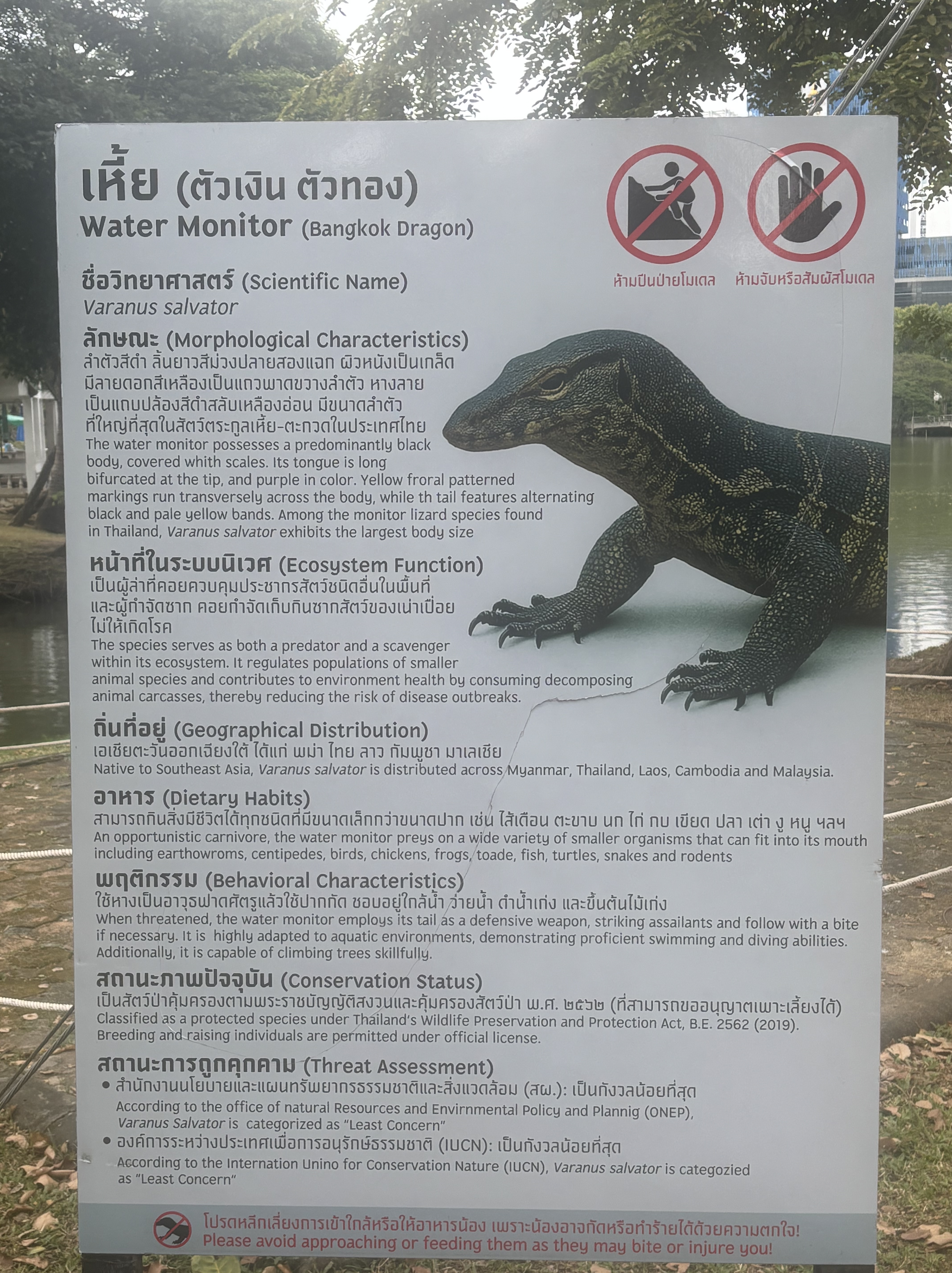
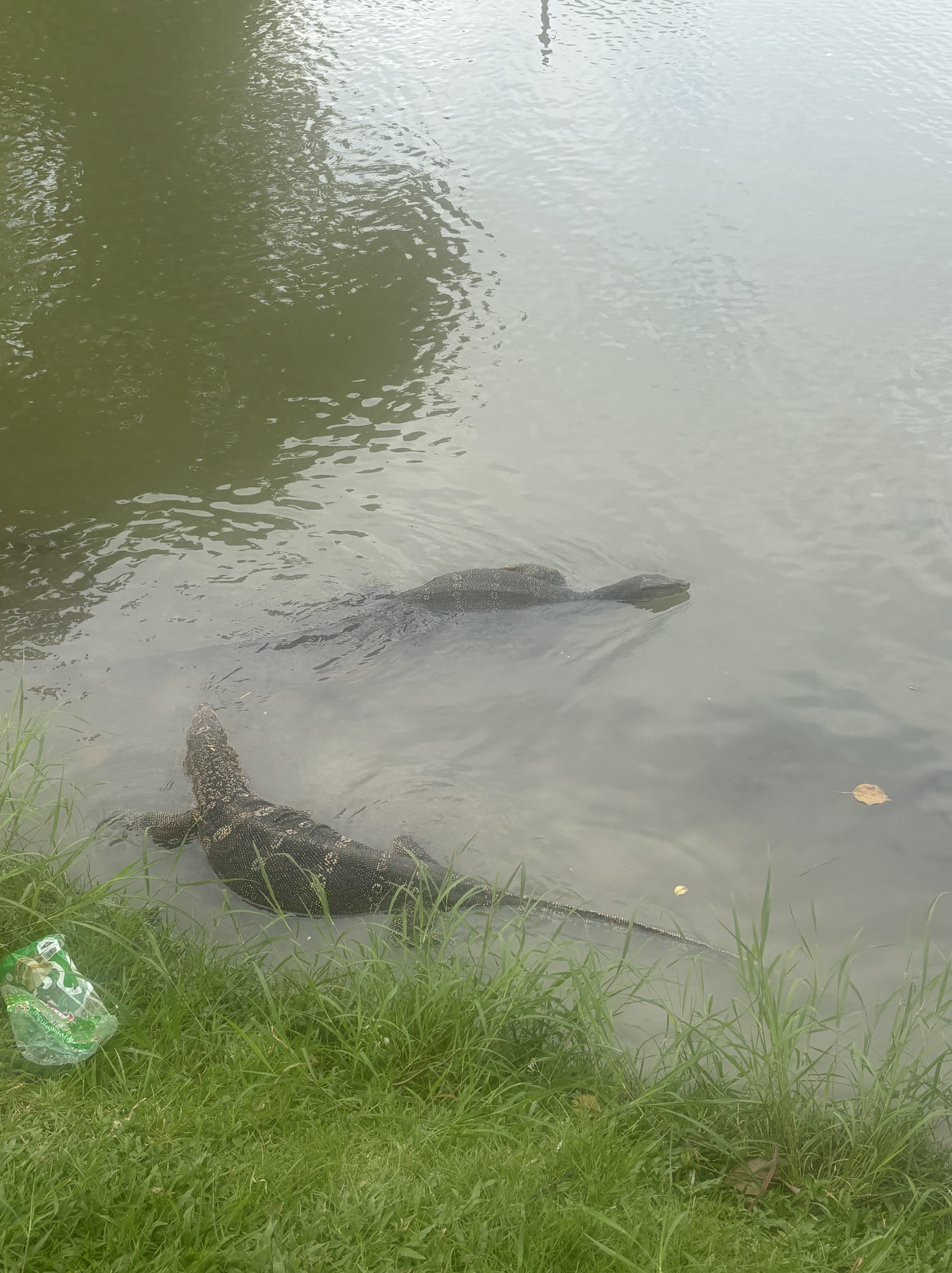
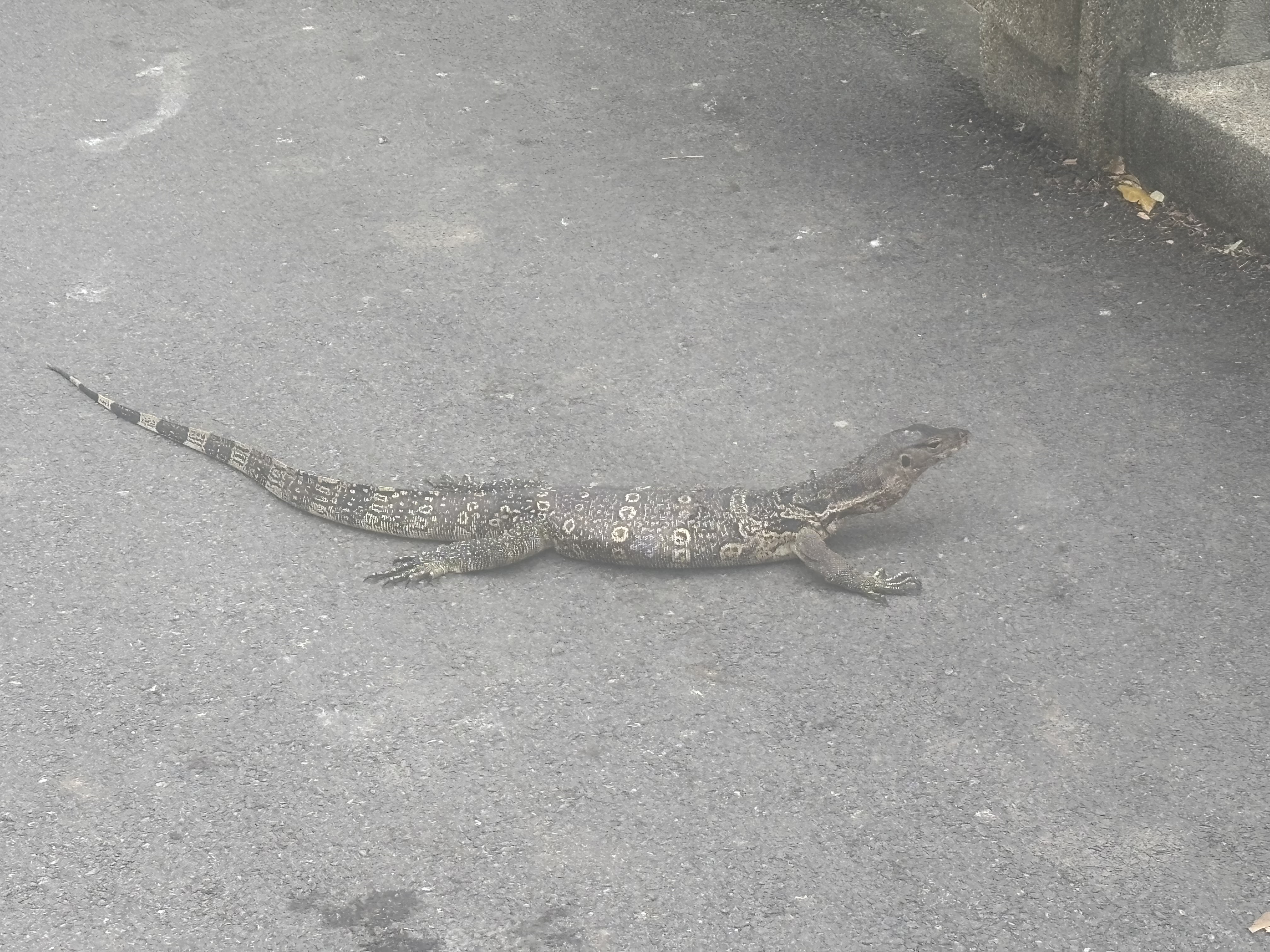
Ok, technically they were water monitor lizards. And the city’s official position is that the ponds in Lumphini Park do not contain raw sewage, only excess algae that results in an unattractive surface foam and a foul odor. But the prehistoric critters might as well be baby dragons when they are three feet away. And the fact remains that pretty much all the water in Bangkok looks – and smells – a little like sewage.
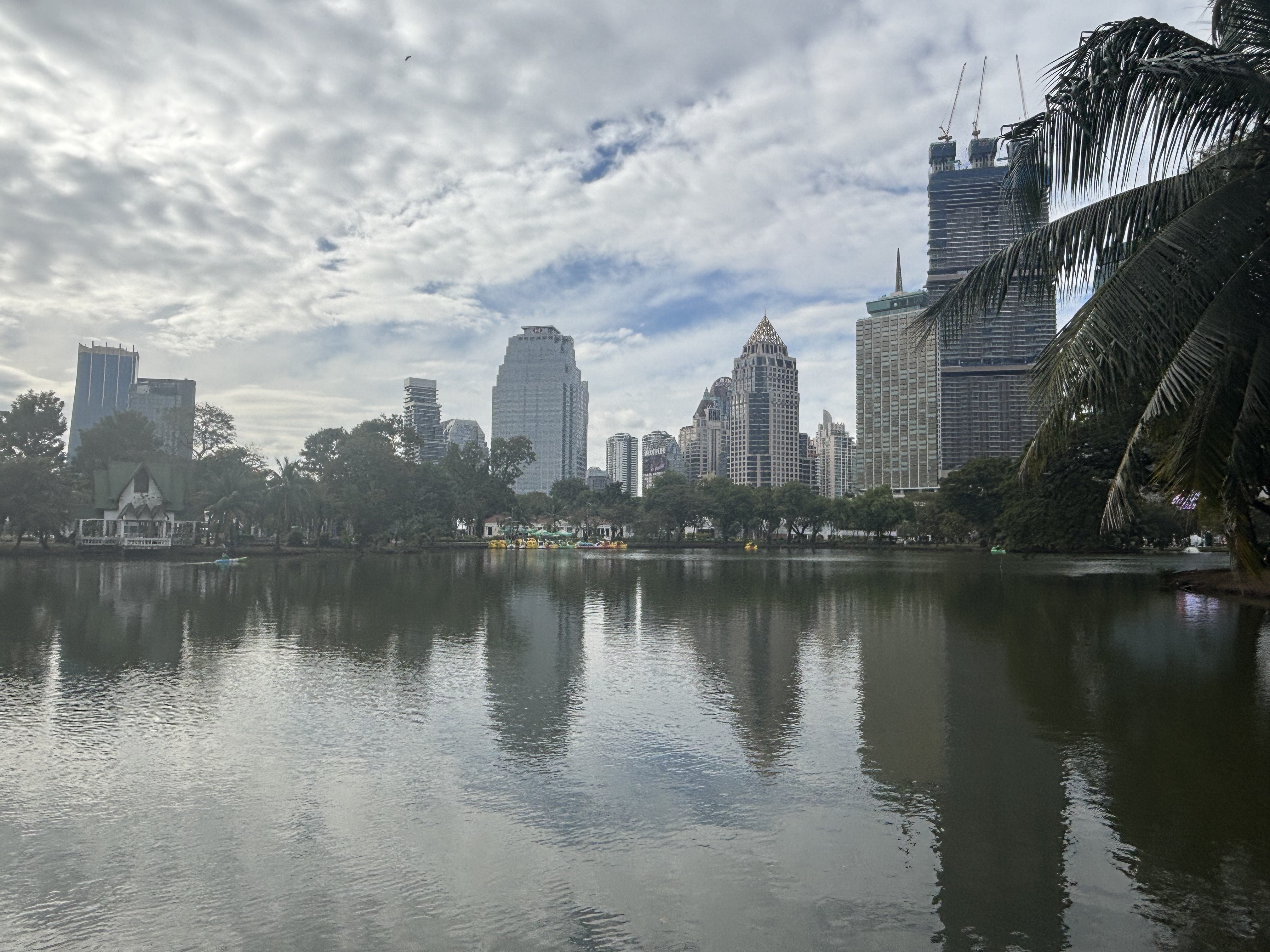
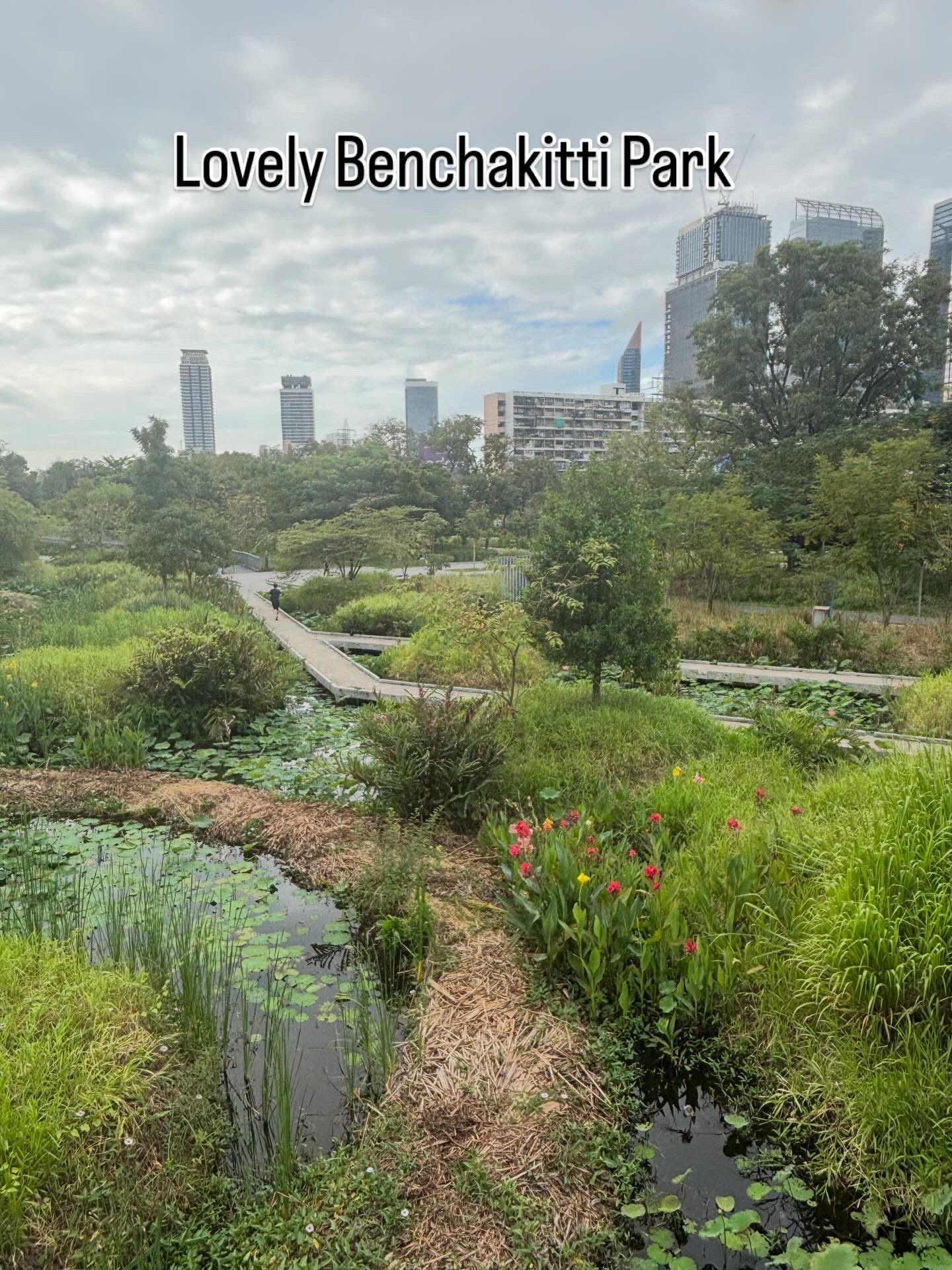
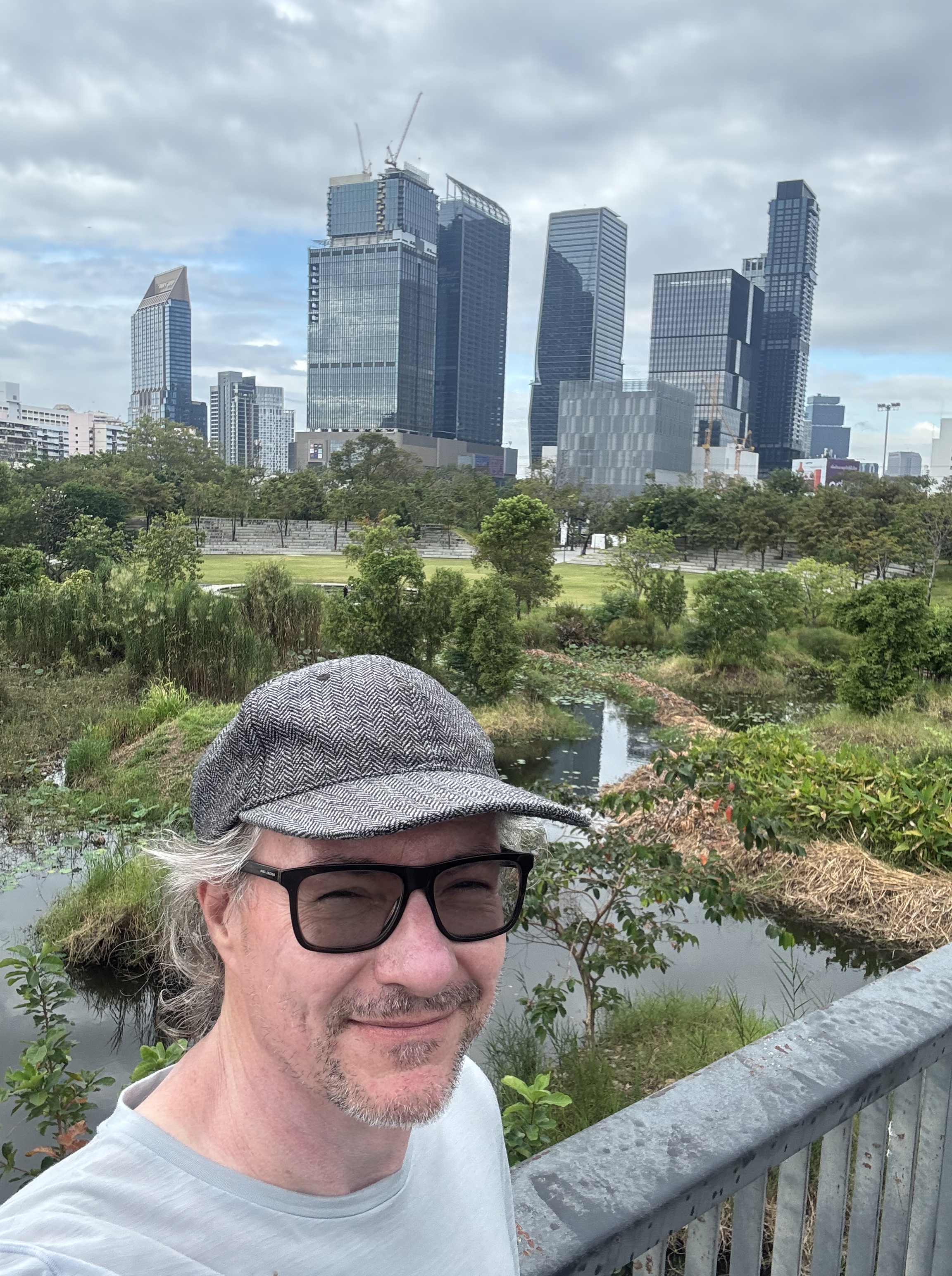
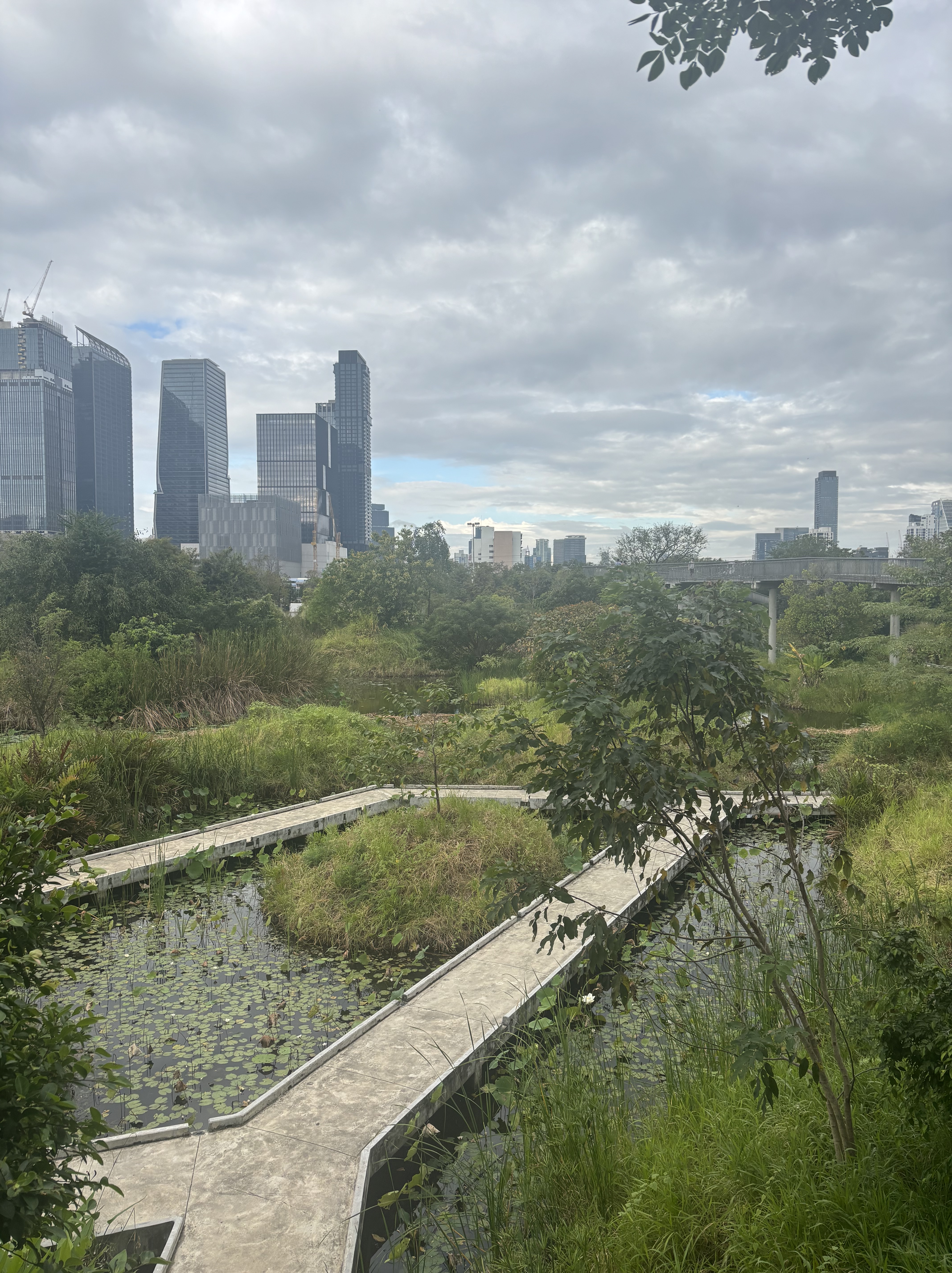
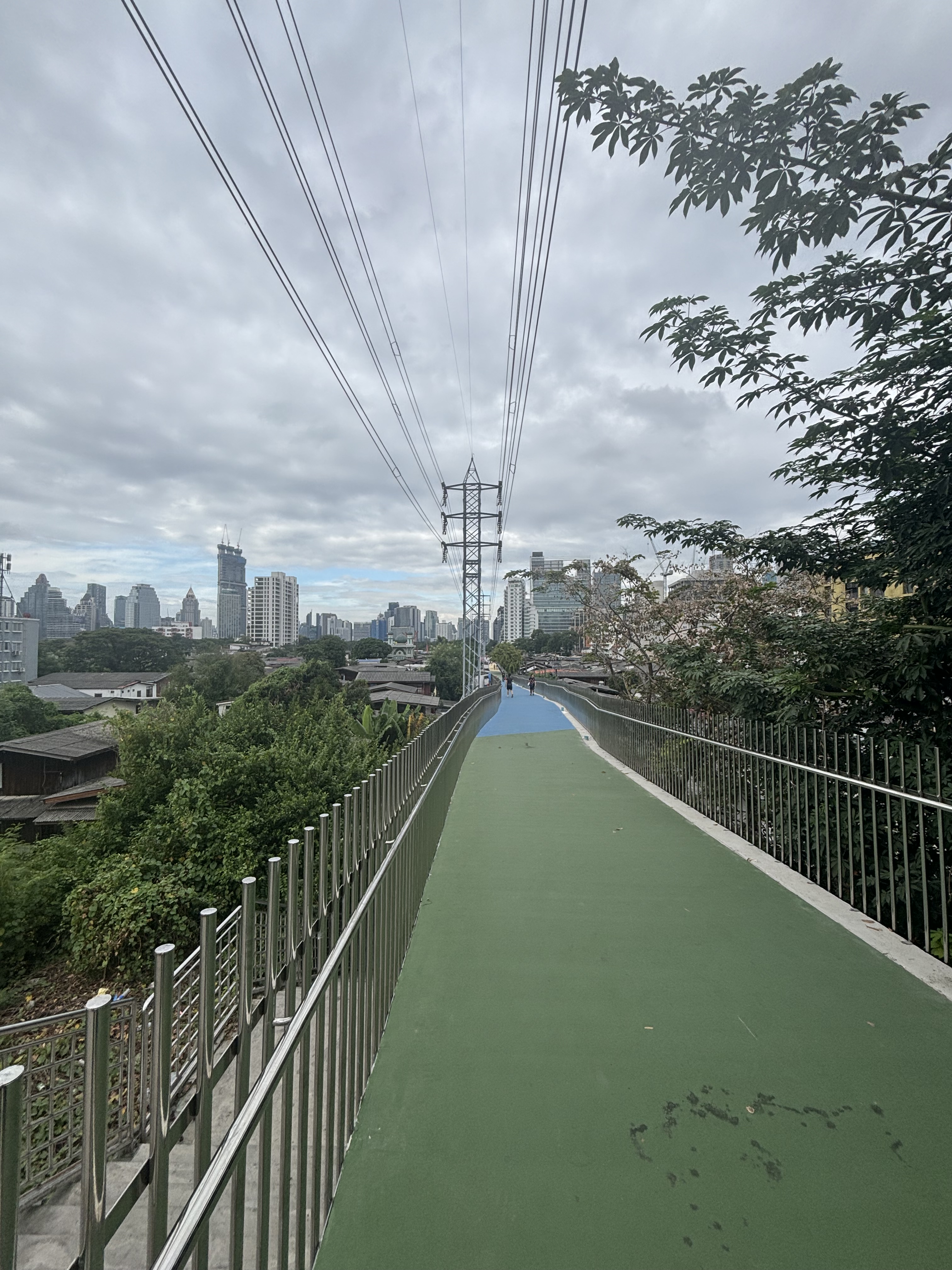
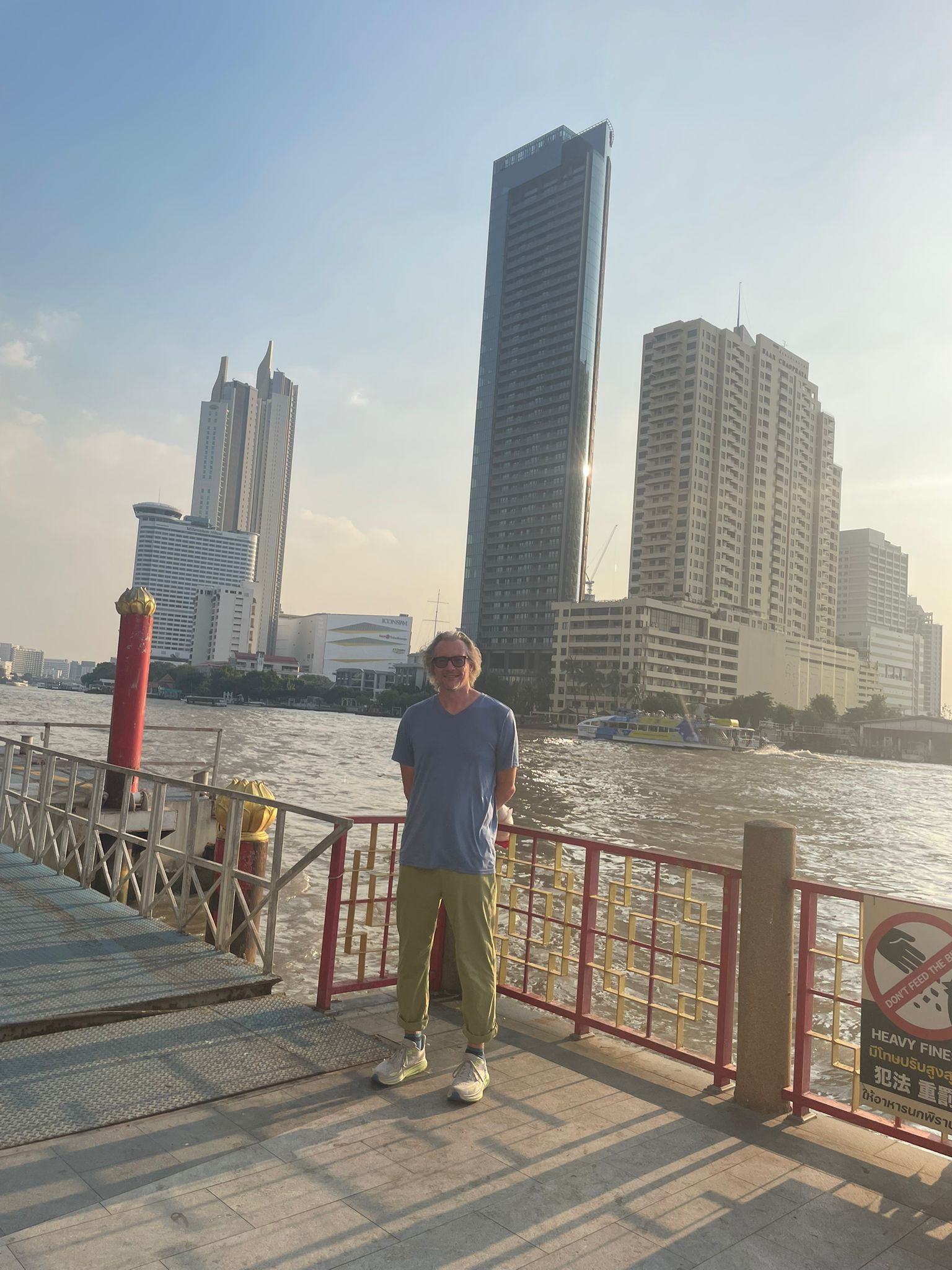
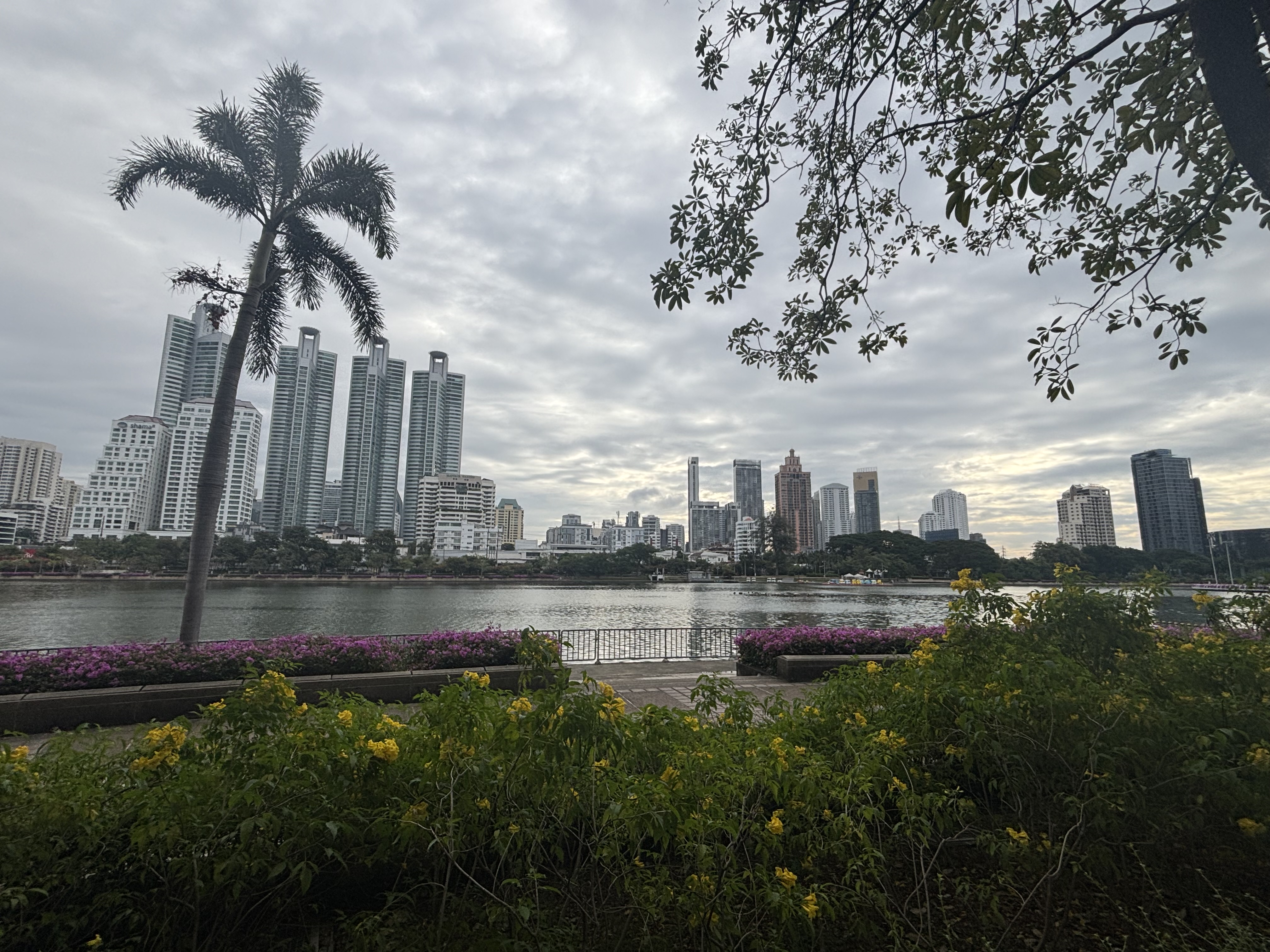
Travel guides, bloggers and influencers rave about Bangkok, and it regularly ranks as one of the most visited tourist destinations worldwide, but I came away decidedly underwhelmed. For starters, it’s hot, crowded and dirty. The city has simply grown too much, too fast. There is very little in the way of tree canopy or clean water to offset the extreme humidity, concrete and automobile exhaust that contributes to exceptionally poor air quality. Leaders are attempting to reverse the city’s status as the least green city in Asia, but that’s a difficult thing to undo once you’ve let it get to this point. The city recently renovated and built a lovely network of walkways through Benchakitti Park and even built a rooftop-level bridge to nearby Lumphini Park, the latter of which resembles a cross between a mid-American fairground and a wastewater treatment plant dominated by roving gangs of amphibious, slow-moving reptiles. No jogging after dark for me. (The creatures really are all over the place – and are not confined in any way.) The rivers are filthy. The tap water is not safe to drink. The air is not fit to breathe. Make no mistake: this is an unequivocally urban destination with a bit of a dinosaur problem.

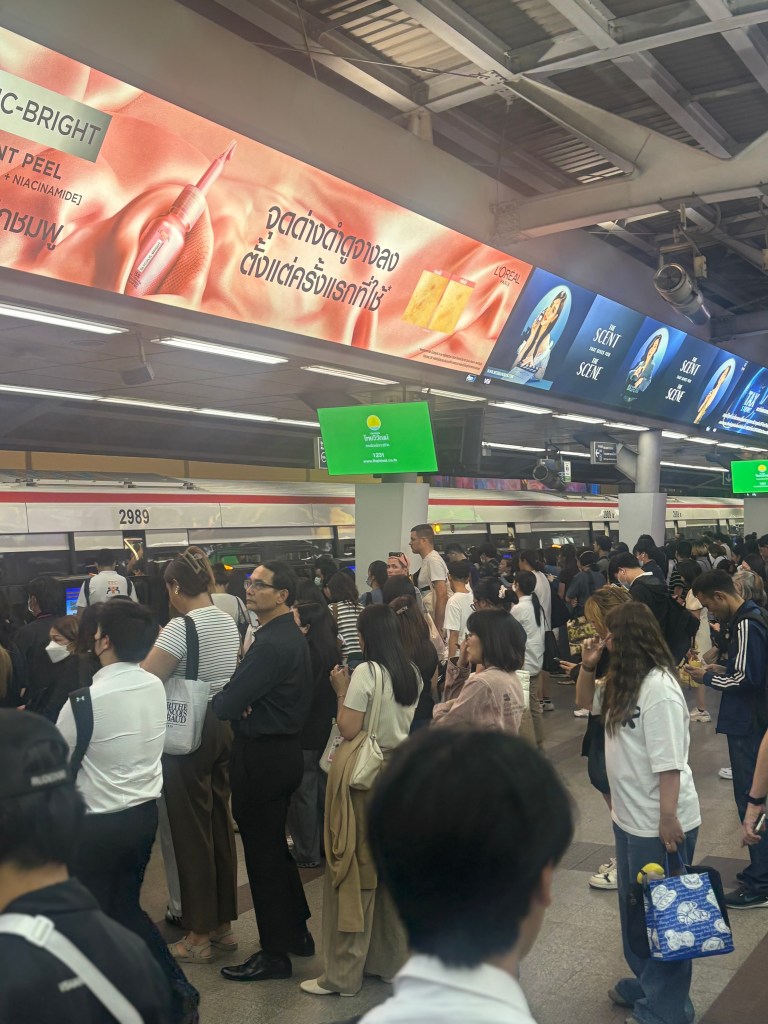
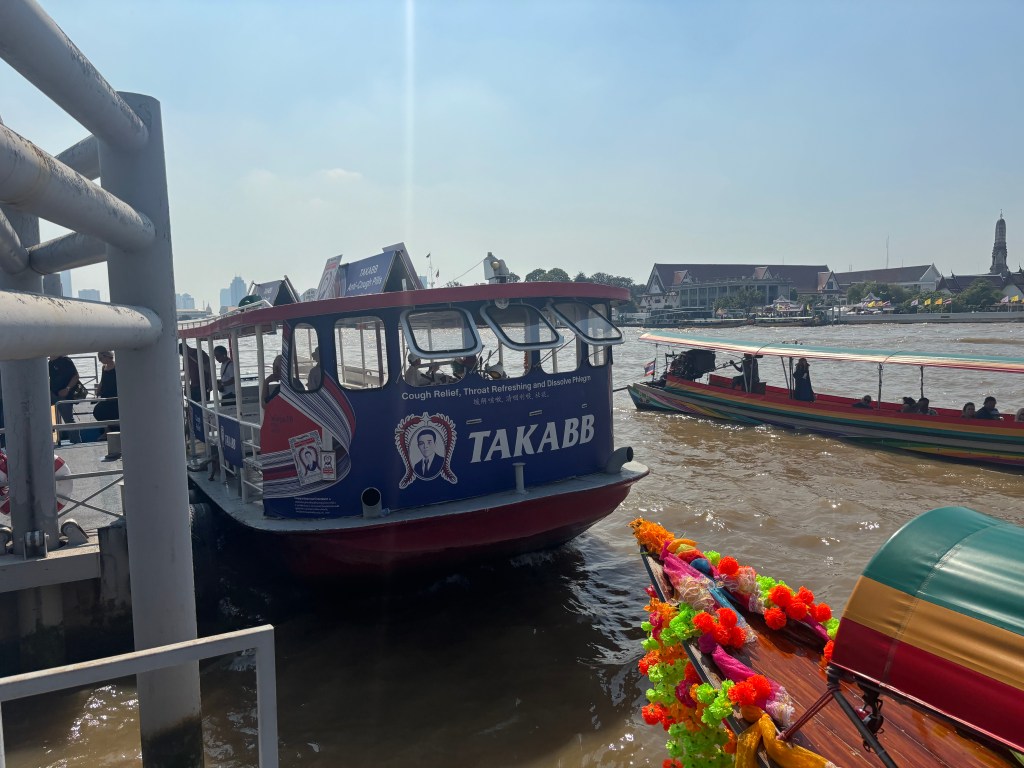
The MRT (subway) network was frustrating because some of the lines require different methods of payment (physical tokens instead of multi-ride fare cards or the Apple Pay and credit card readers I found elsewhere), meaning that I had no choice but to wait in line at a kiosk anytime I rode those lines. In addition, MRT access was surprisingly limited in entire sections of the city, meaning that you either had to commit to a long walk, pay for a Grab/taxi or ride an ancient bus through the painfully slow traffic. The MRT stations were mostly above ground and had an open-air design, with many entrances only accessible via a steep set of stairs, so you were hot and sweaty by the time you joined the rest of the sardines trying to fit back into their little tin can train cars at each stop. Water taxis are uncrowded but painfully slow. I found myself avoiding any attempt to get around other than on foot during rush hour.
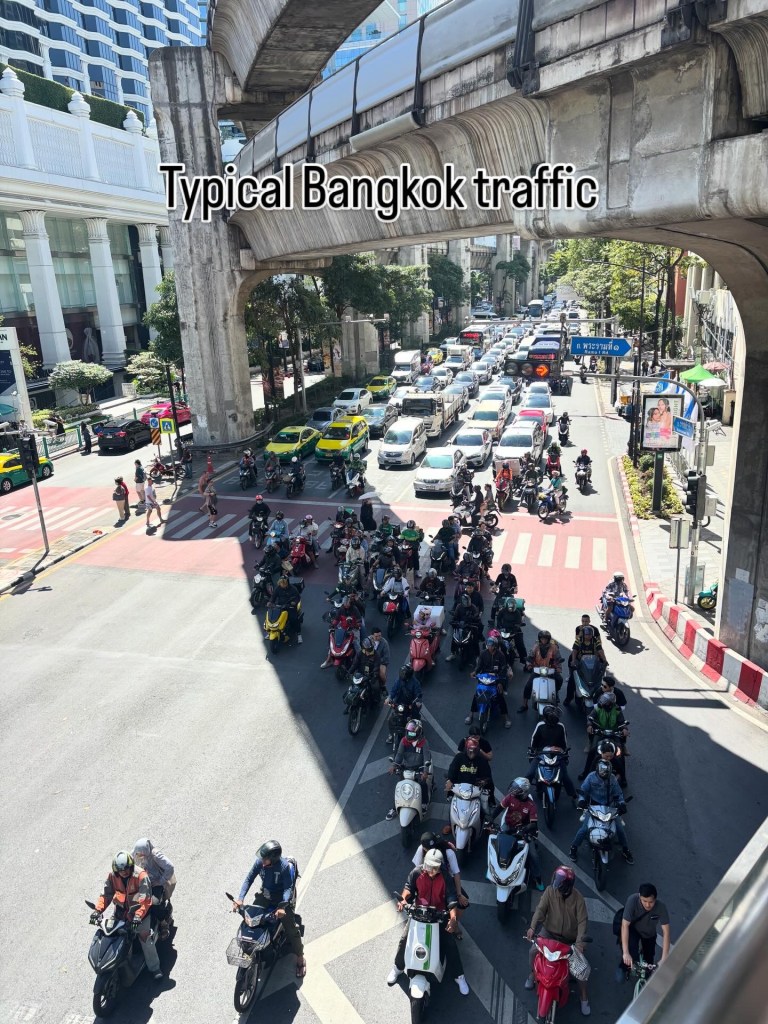
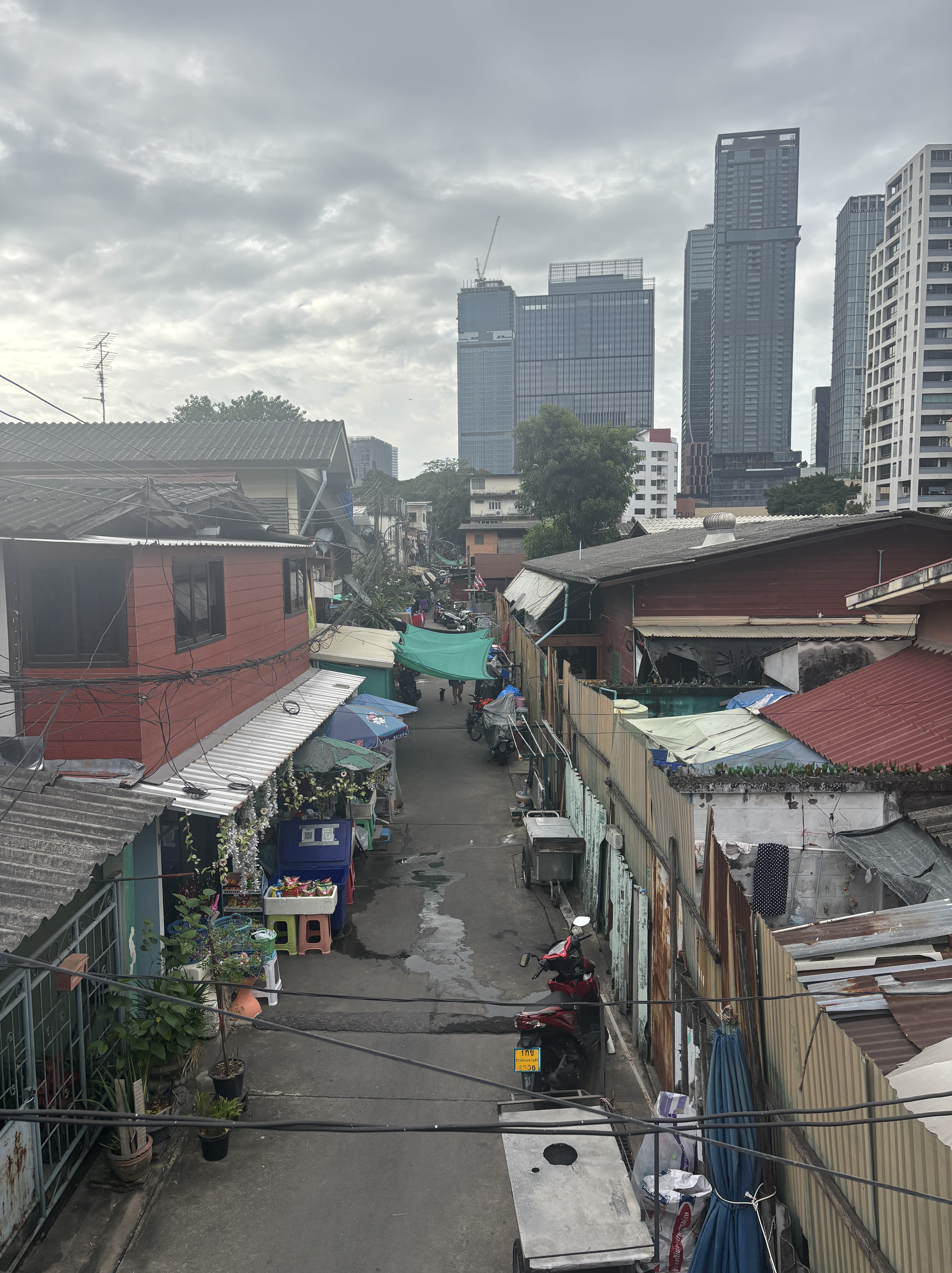
The city has been in the news quite a bit over the last week for a couple of crane collapses, a tragic but not unforeseeable development. Construction is happening all over the place, but much of the equipment appears quite old and poorly maintained. There do not appear to be any uniformly observed building standards, and ramshackle structures often back up to impressive skyscrapers.
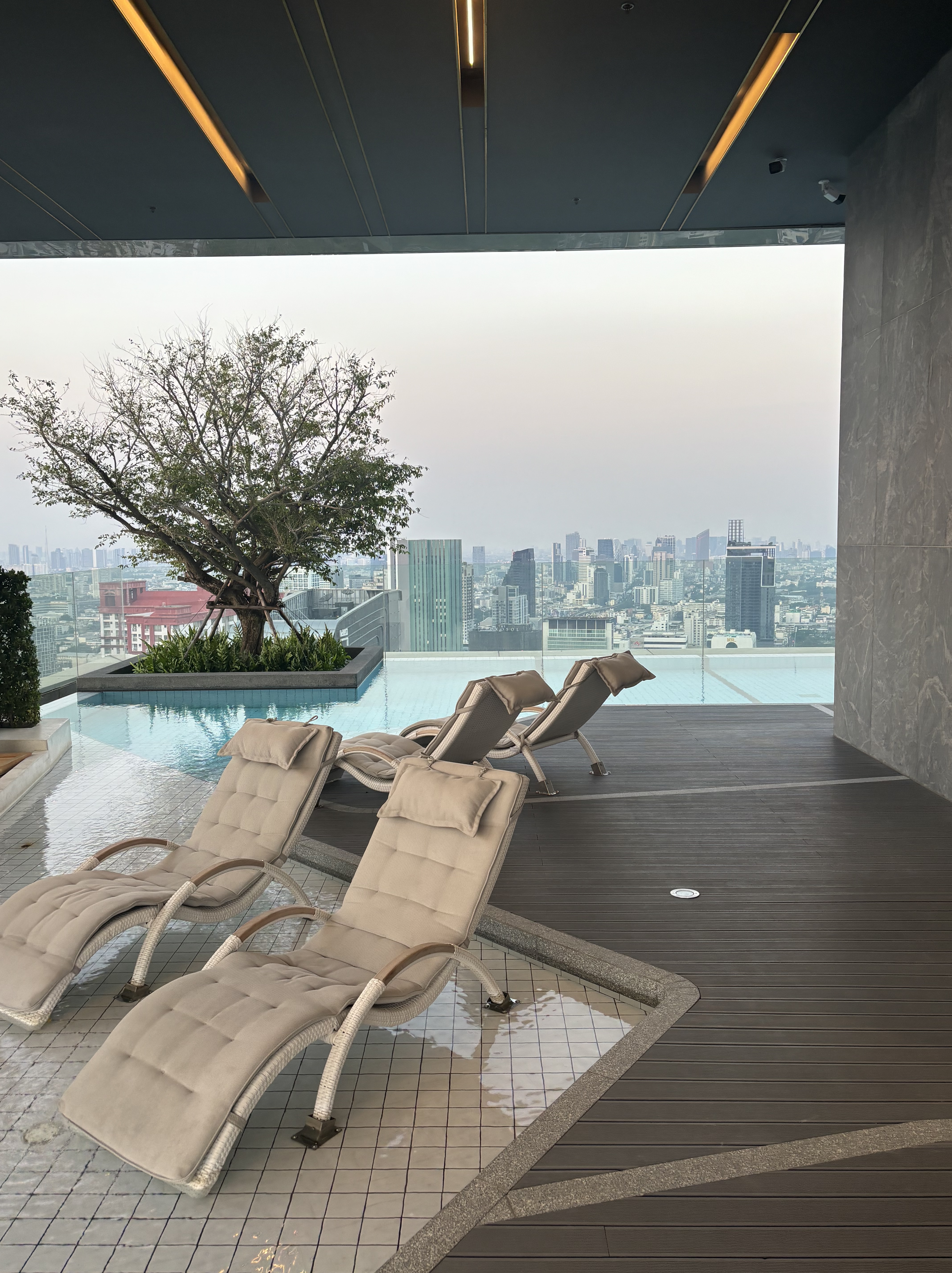
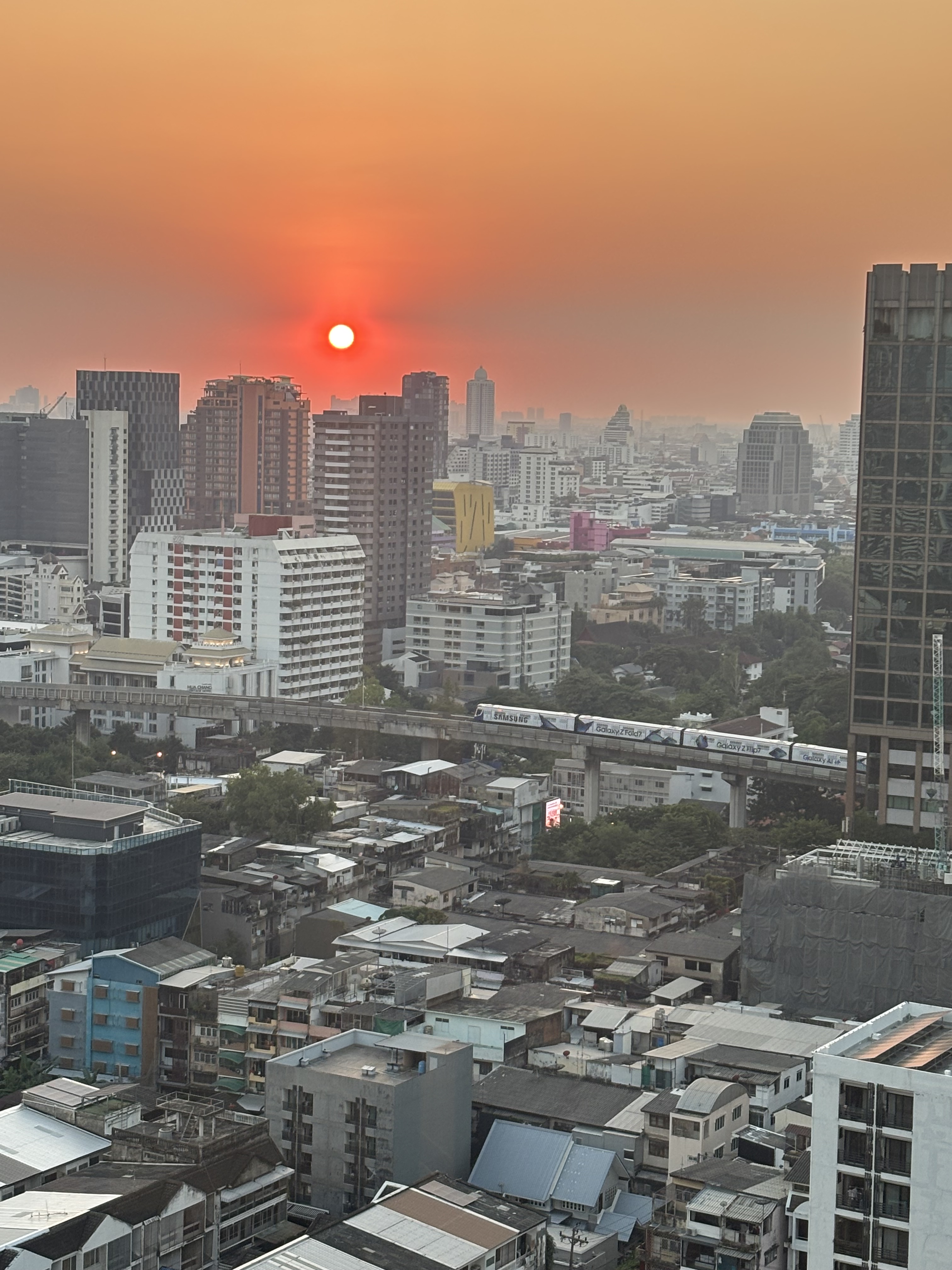
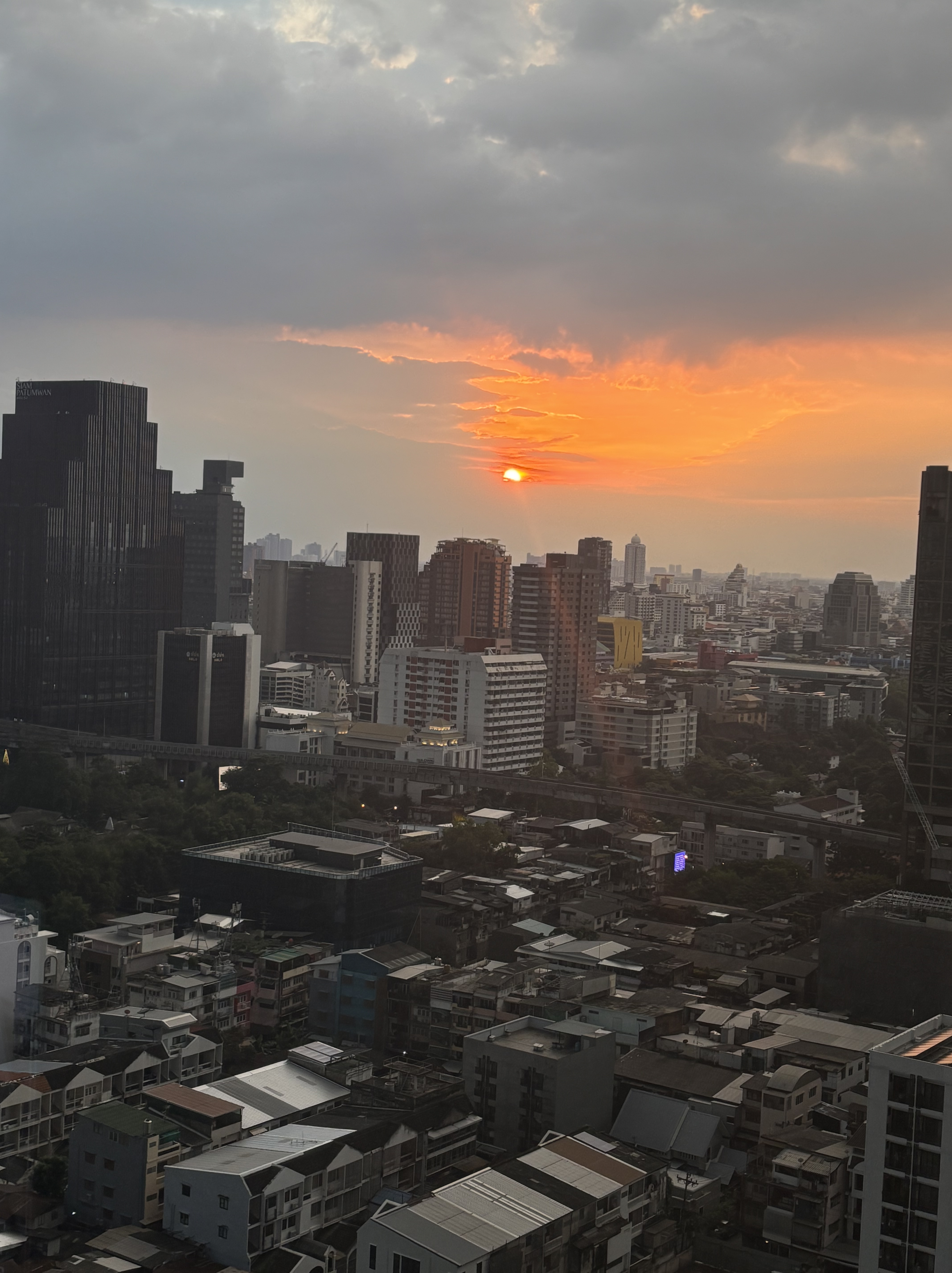
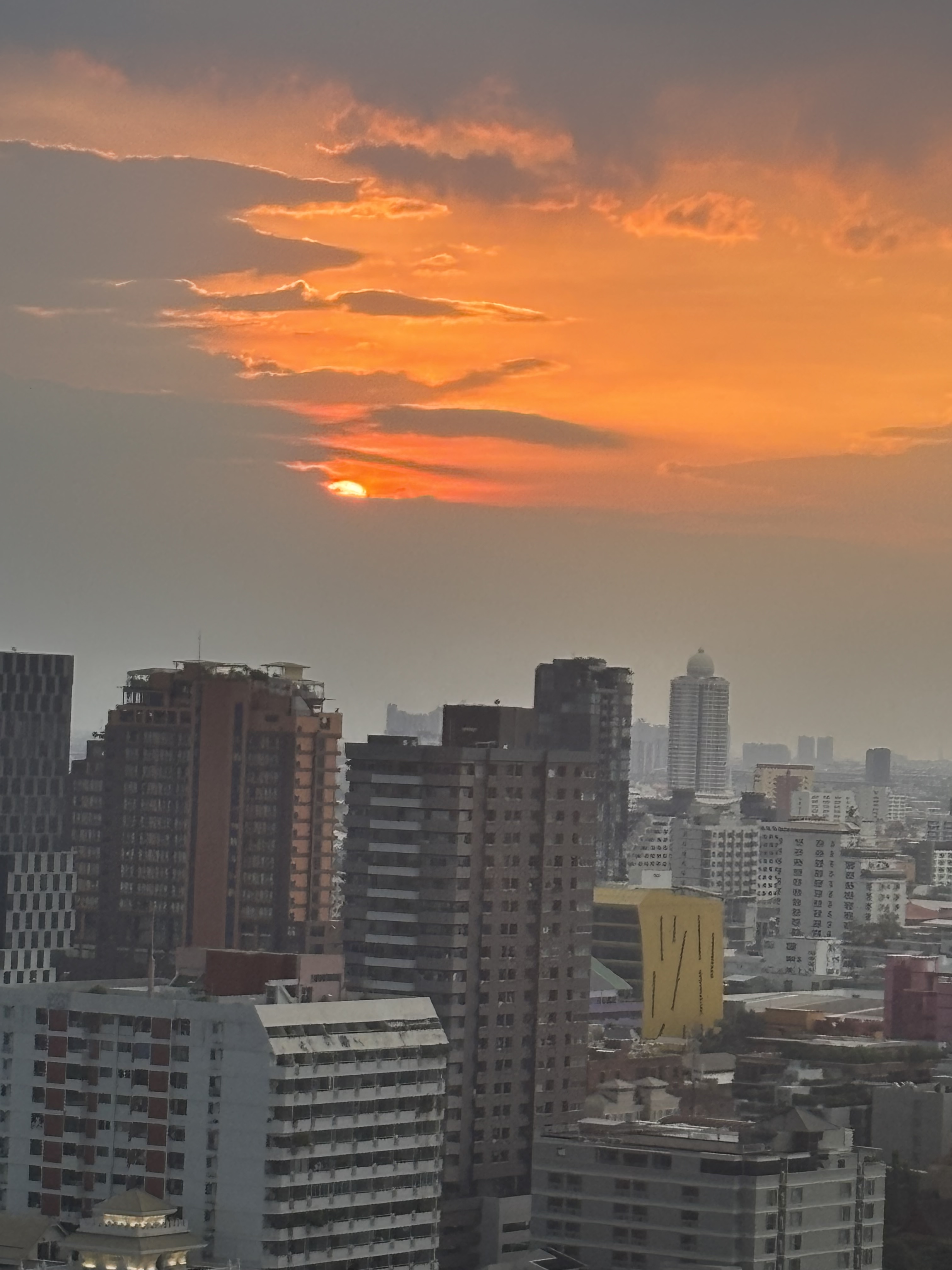
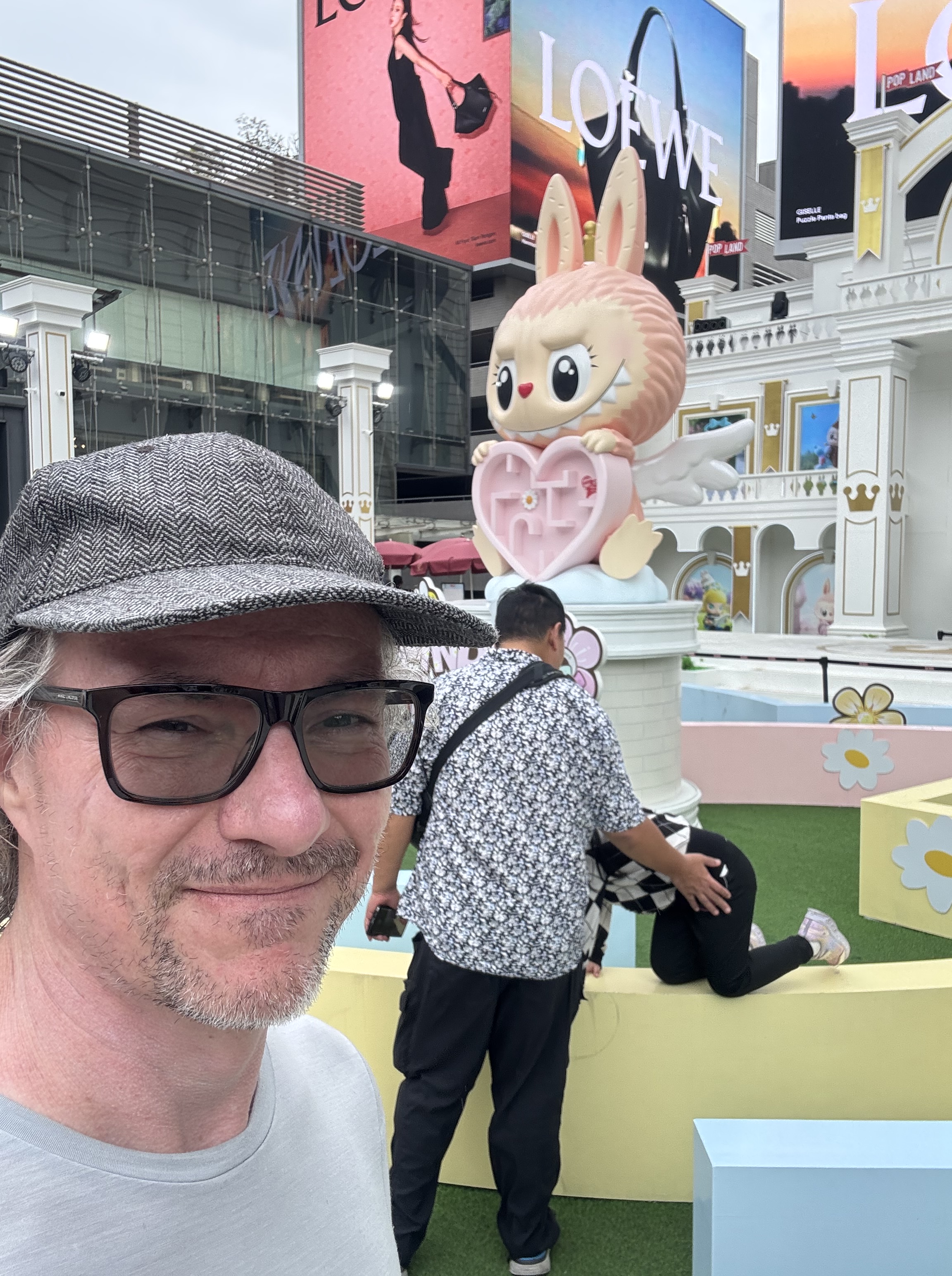
Like many places I visited, there is an overabundance of high-end (and mostly empty) high-rise apartments and enough office towers to make for a moderately pleasing skyline and sunsets from rooftop pool decks. (In fact, my AirBNB was in a high-rise complex so new all of the appliances still had the original adhesive labels on them and the electrical outlets were still covered with cellophane.) Many of these newer and nicer buildings can be found near giant shopping malls that rival anything else you’ll find in Asia in terms of scale and sky-high prices. In fact, there are shockingly few bargains to be found here. High-quality merchandise is sold at premium prices, and the cheap stuff is of remarkably poor quality. But there also is a tremendous amount of visible poverty and deplorable living conditions around the city. Bangkok’s official population is 11 million people, but I was told that the actual population is perhaps twice that because so many migrant workers travel to the city for months at a time, sharing tiny rooms off the official books.
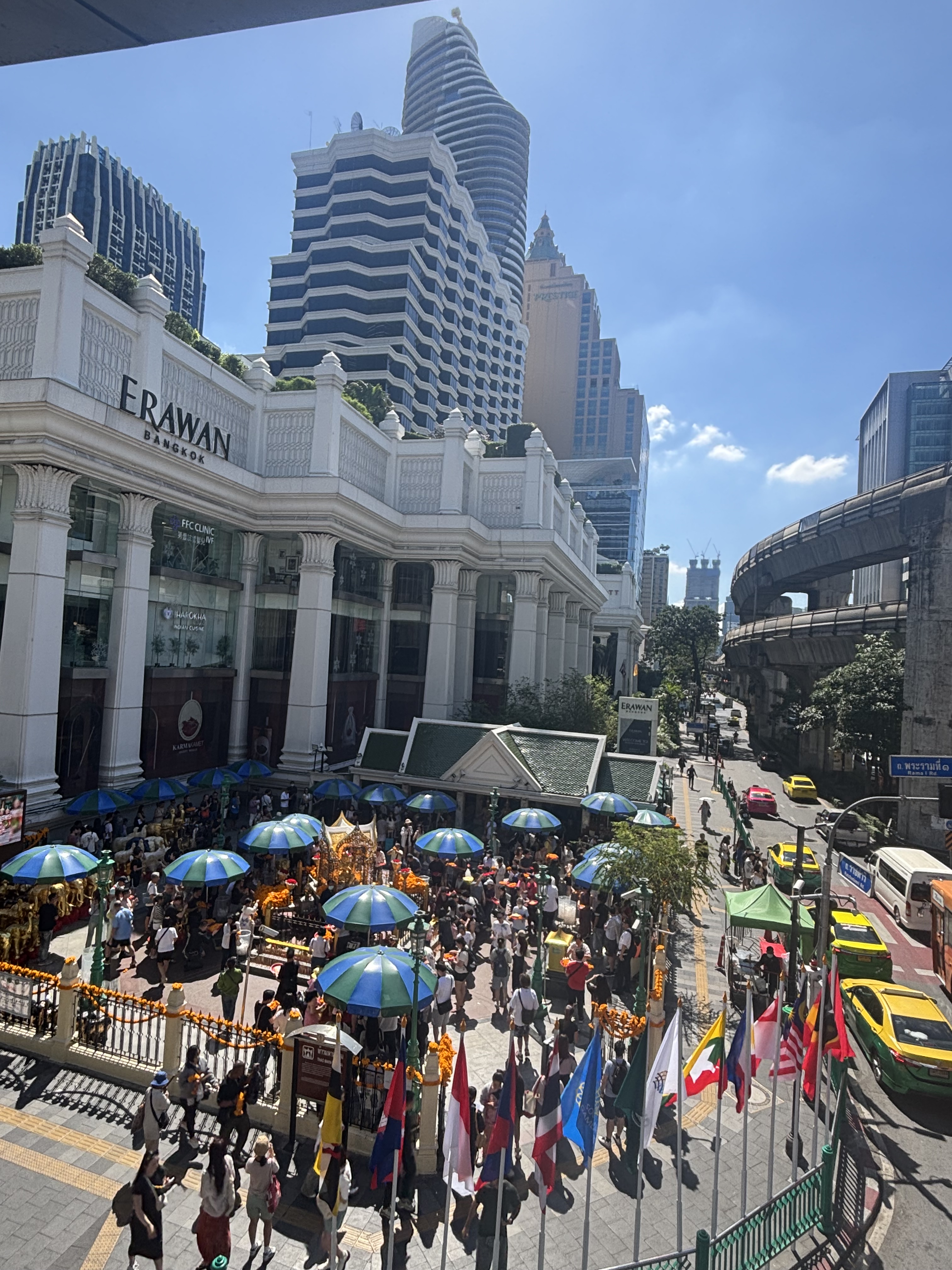
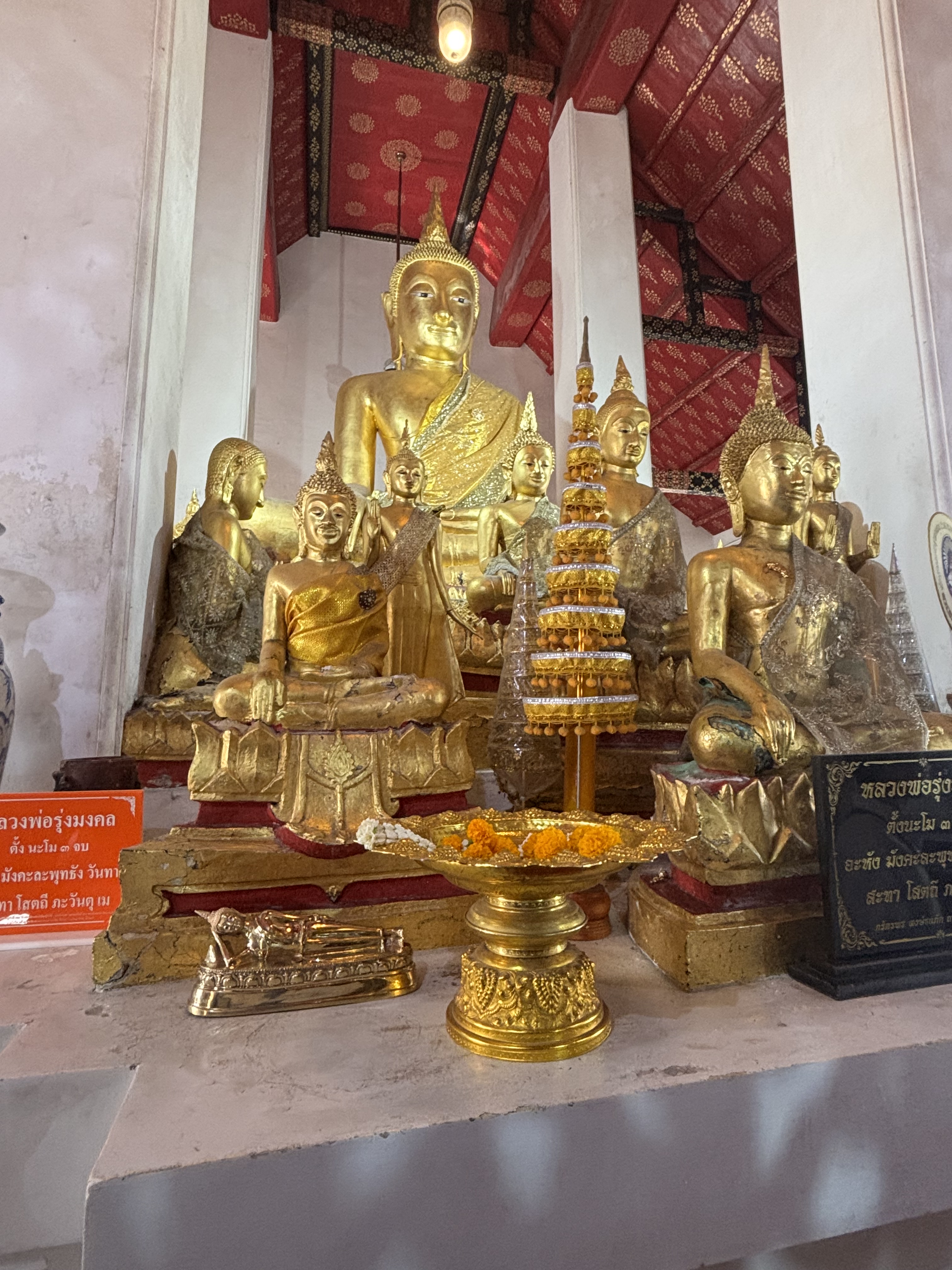
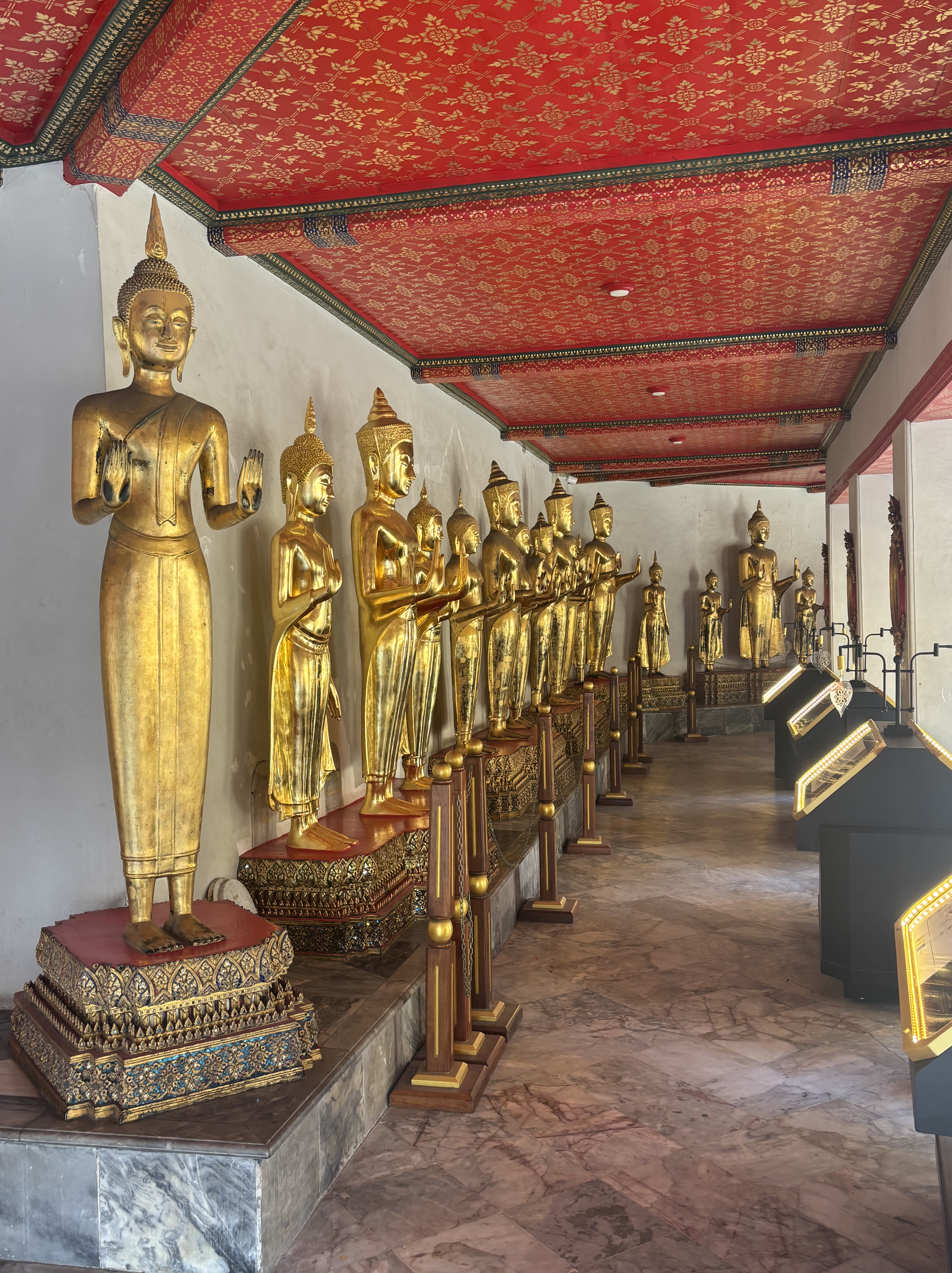
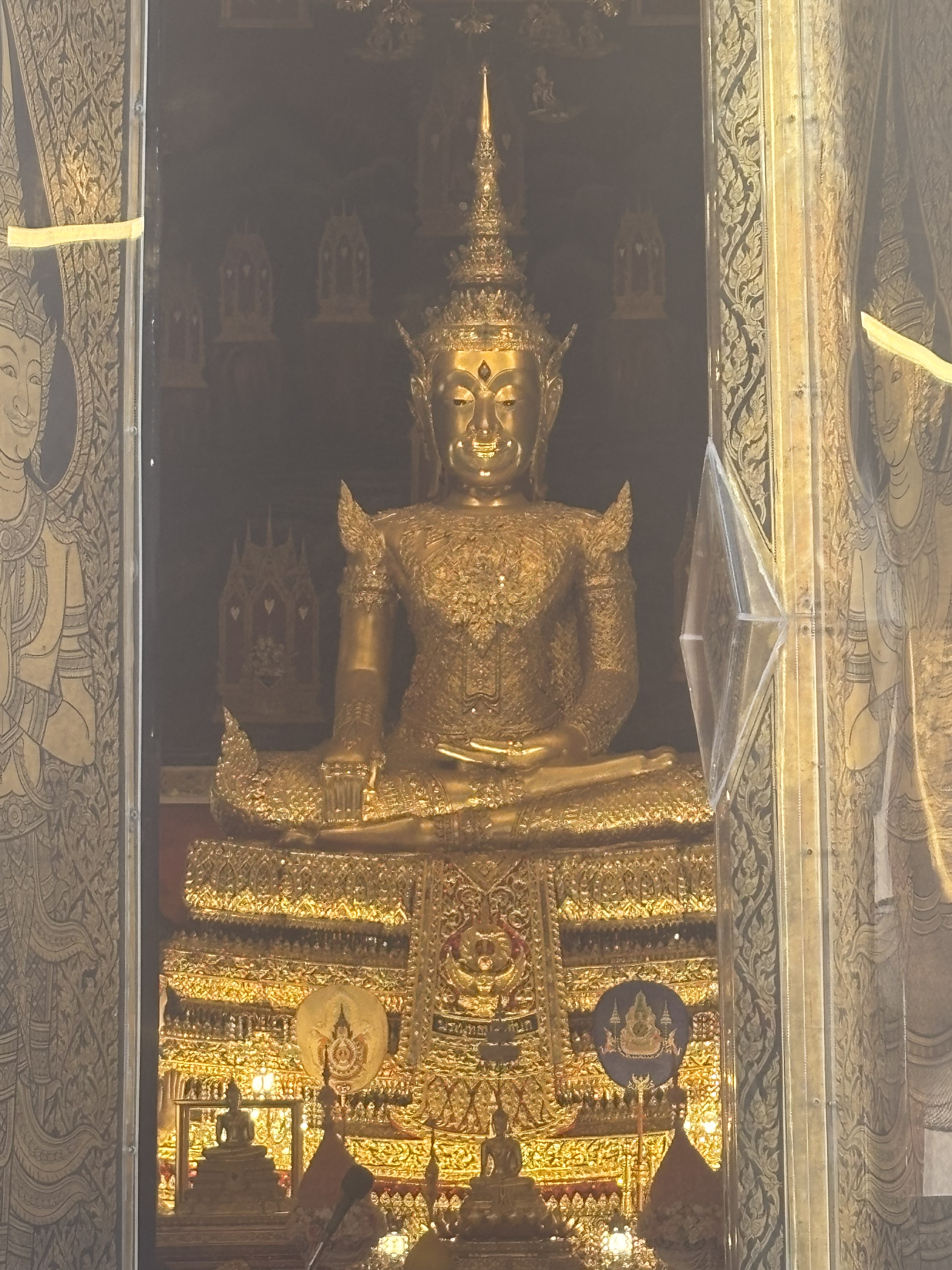
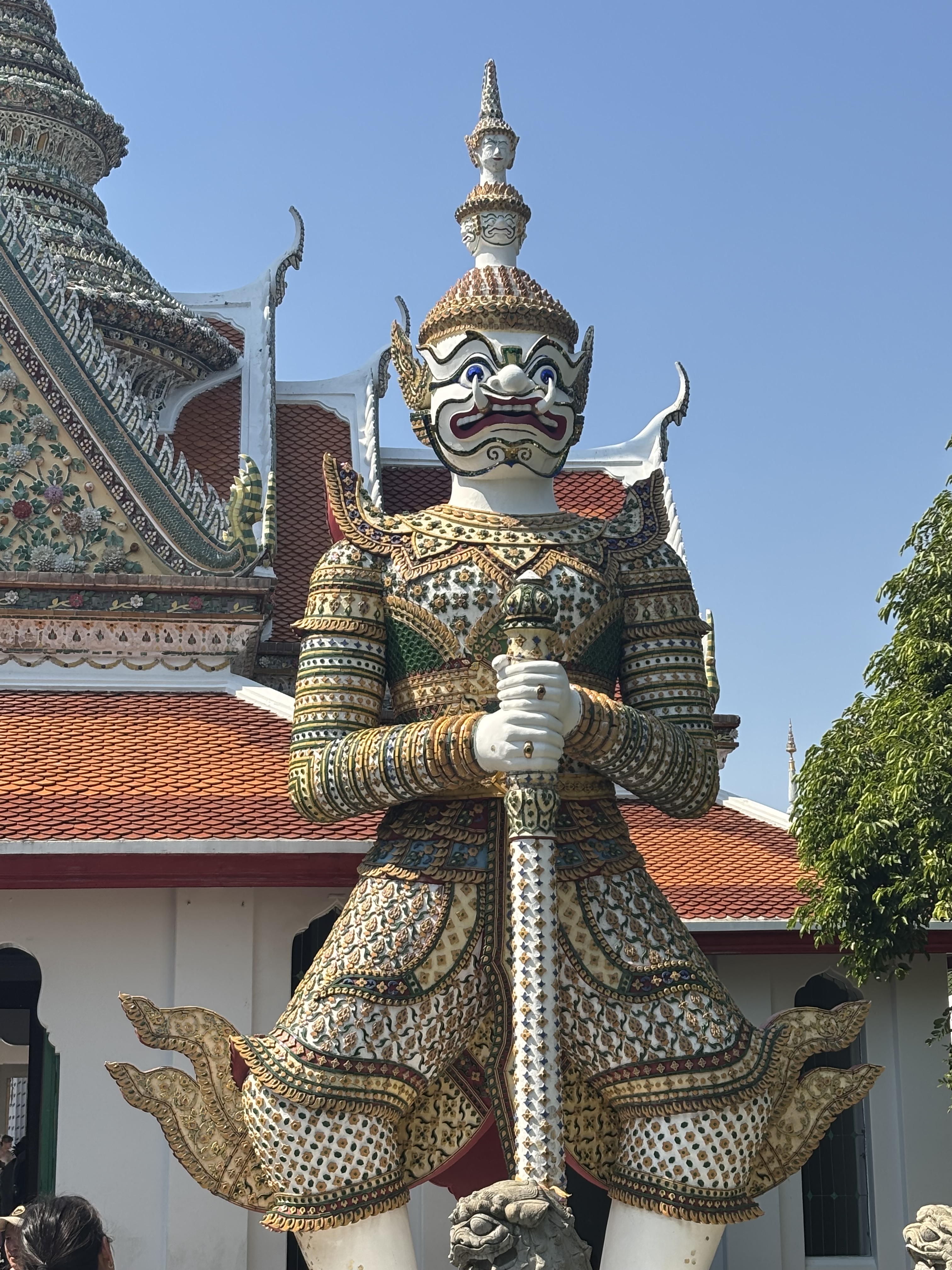
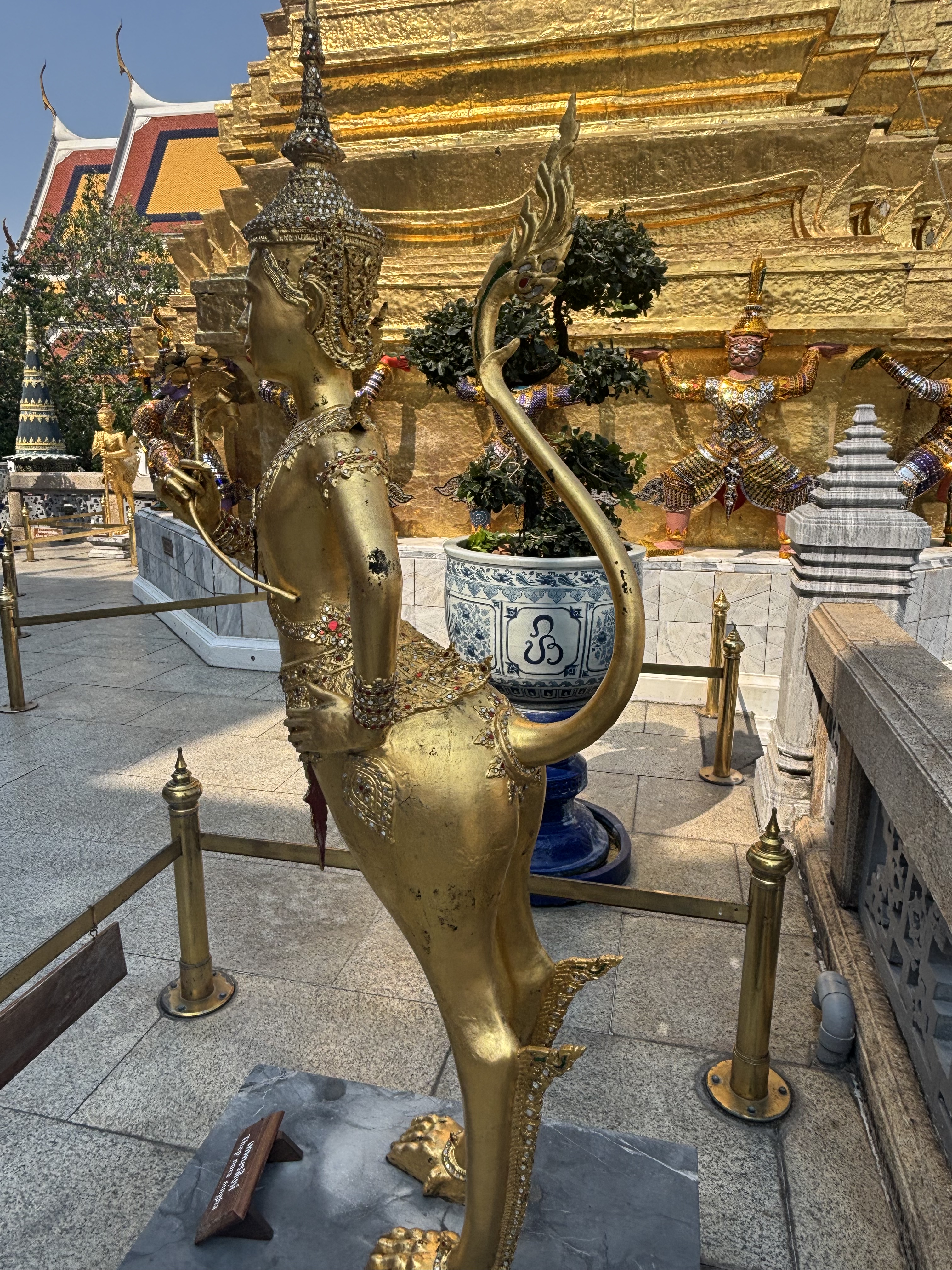
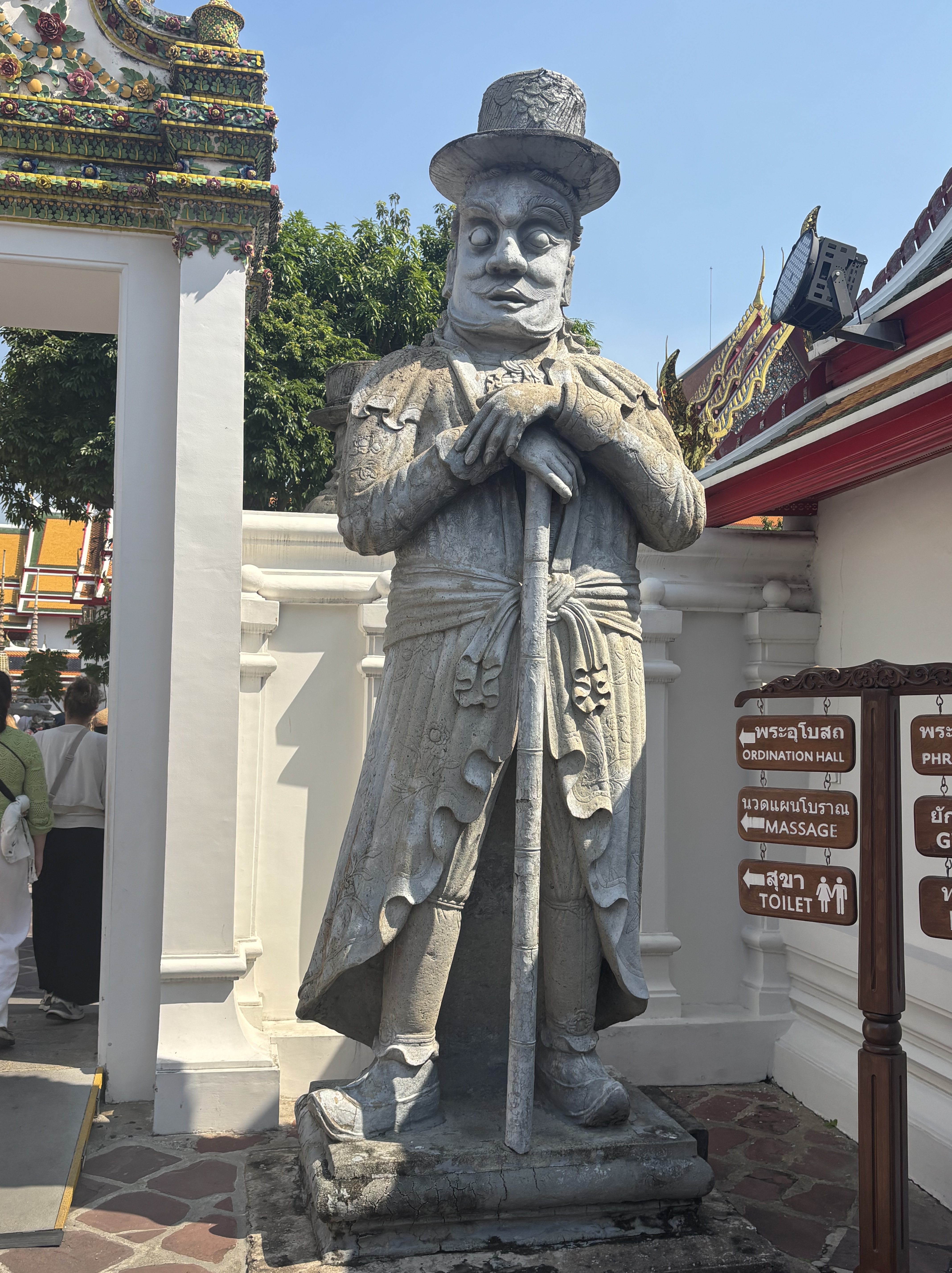
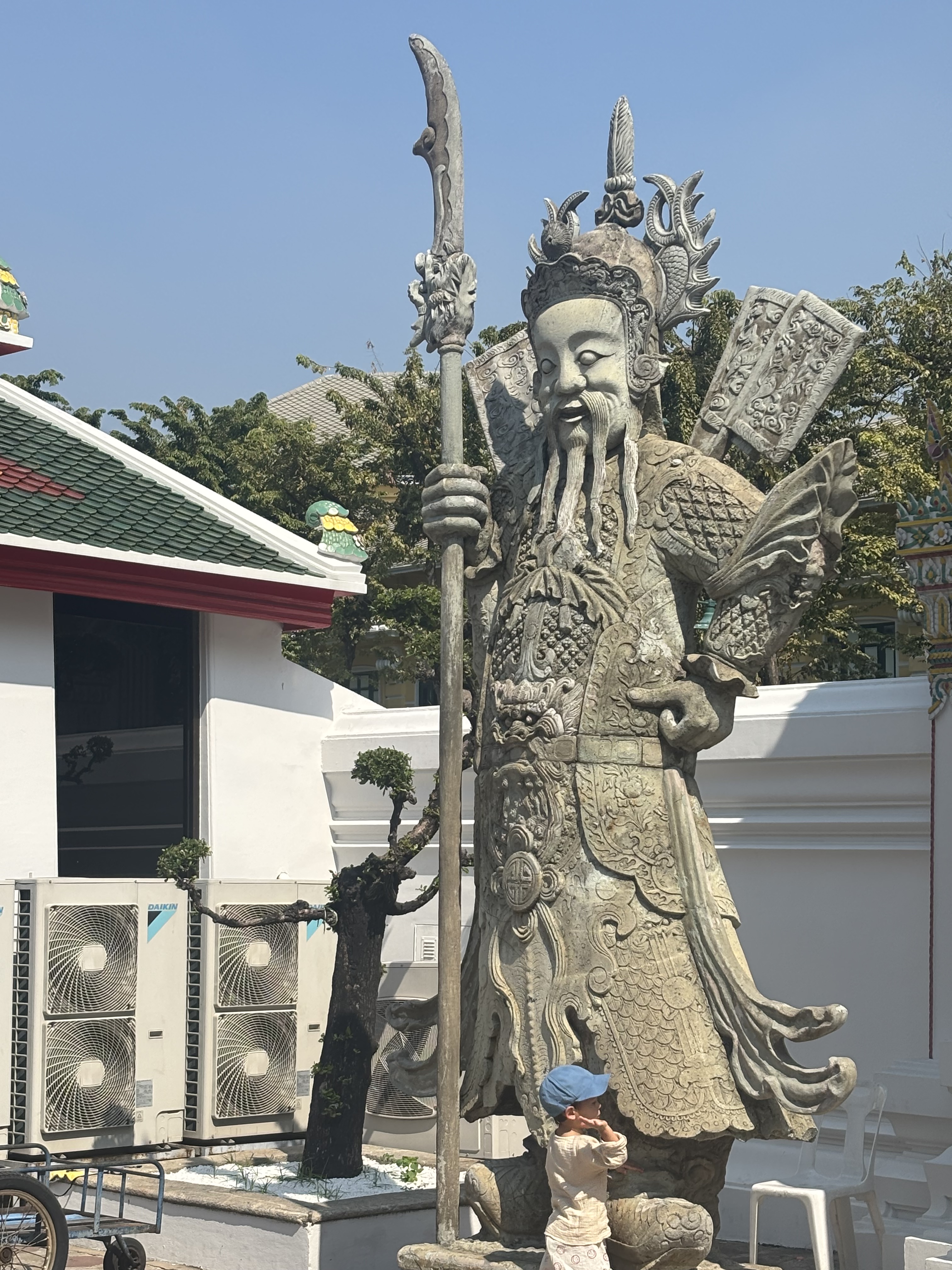
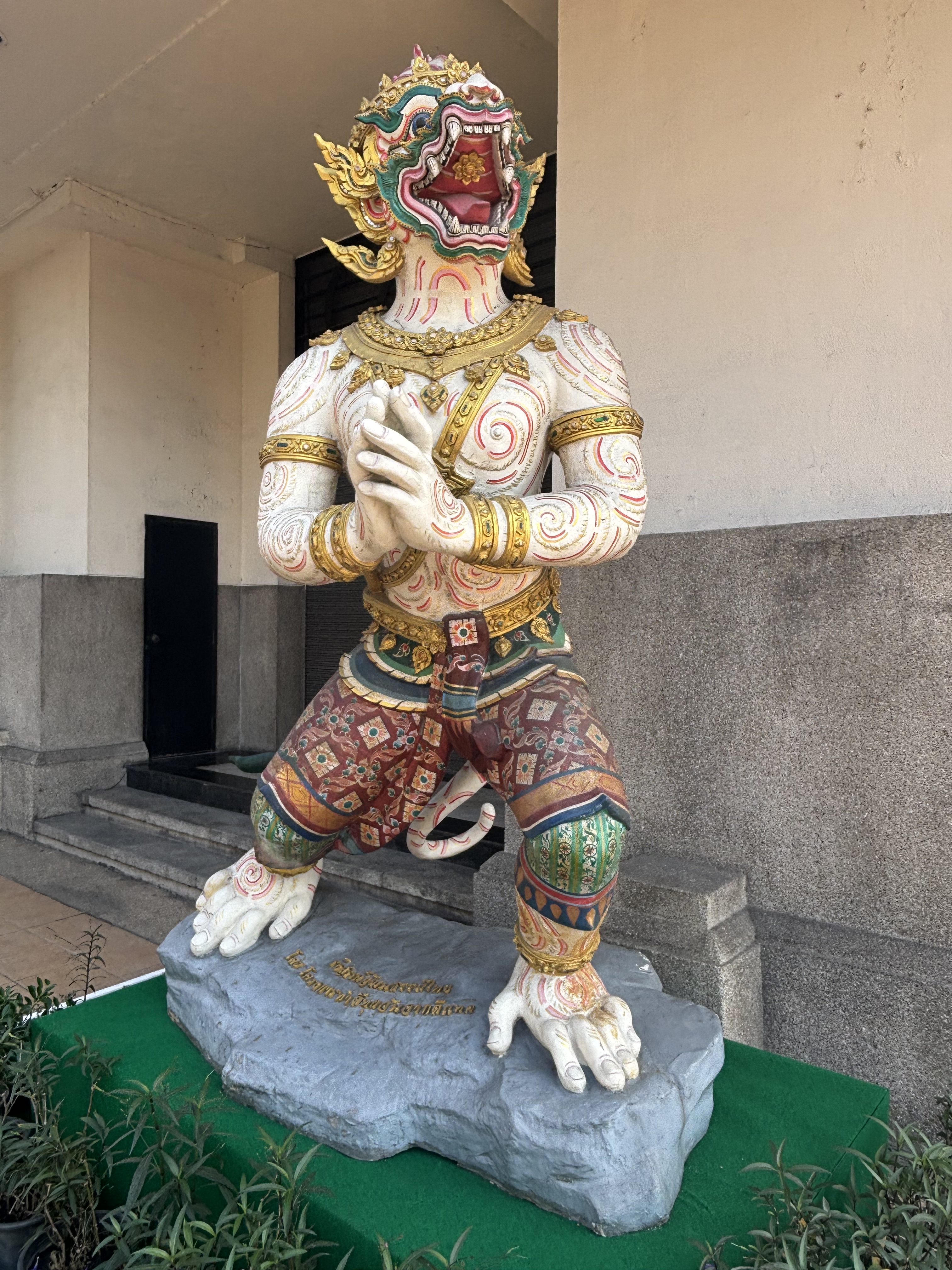
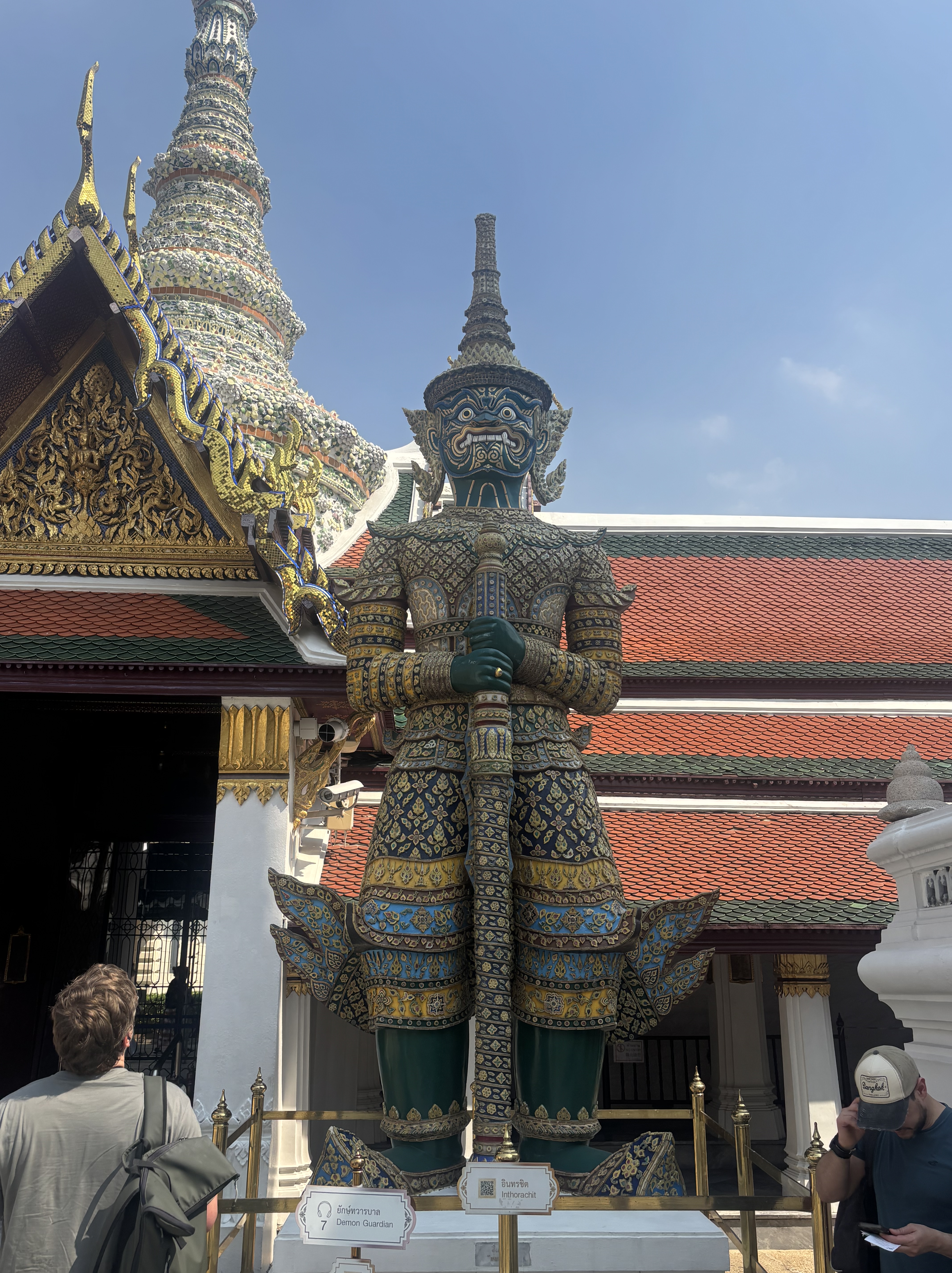
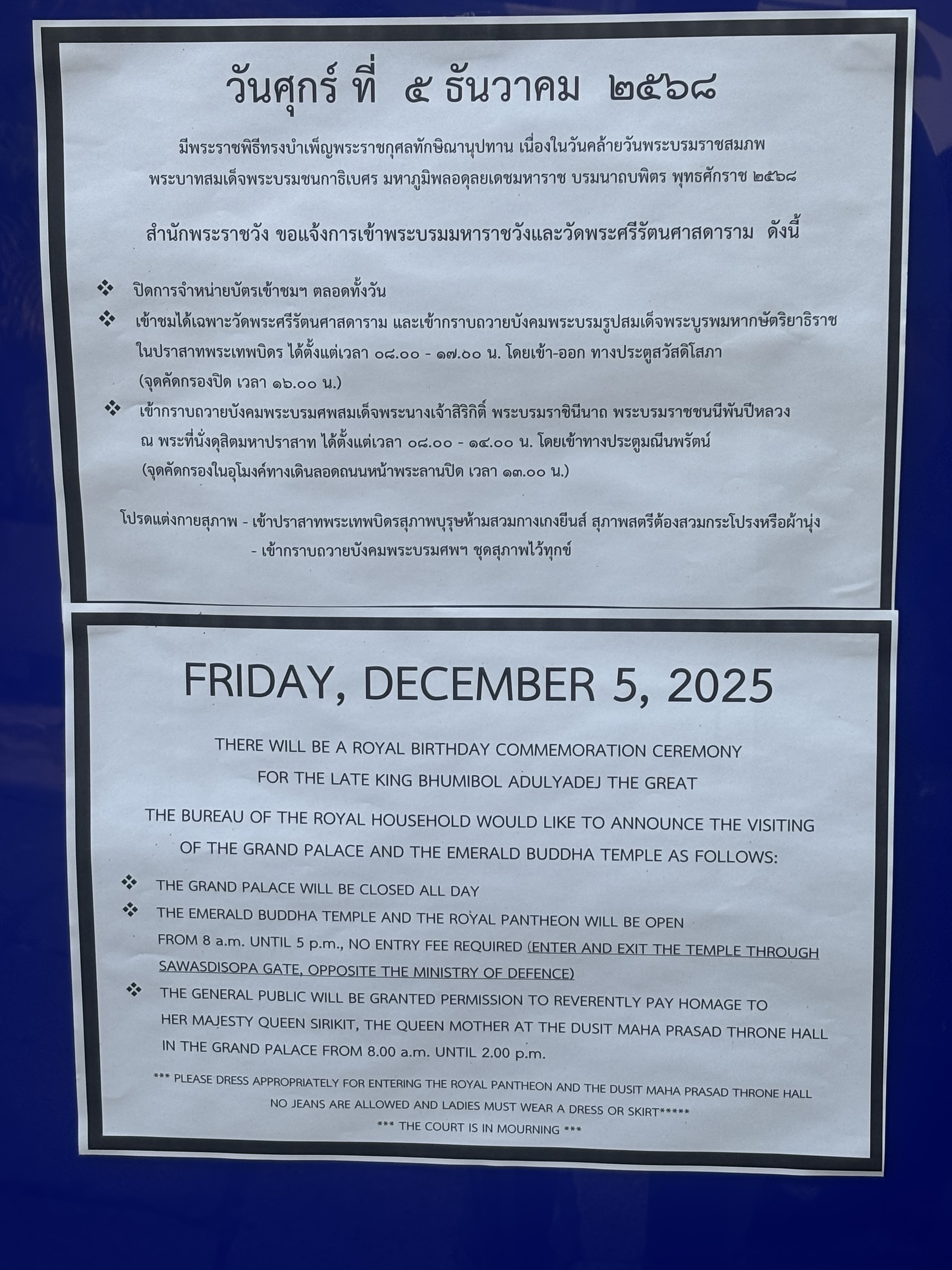
Sightseeing was similarly disappointing. I quite enjoyed one private food tour, but my two cultural tour guides were sub-par. The palace grounds and nearby Buddhist temples had less visual appeal than others I’ve visited. Way too much concrete and gold paint. The most interesting aspect was the somewhat unusual artistic technique of cementing ceramic objects to the side of the pyramid-ish towers to create color and take advantage of the sun’s reflection. I never figured out if the statues outside the entrances were intended to be comical or intimidating. It probably didn’t help that I was there on a week of mandatory mourning for a former king, with opportunities to “view” the current queen, all of which made the whole royal family thing feel a little like a cult.
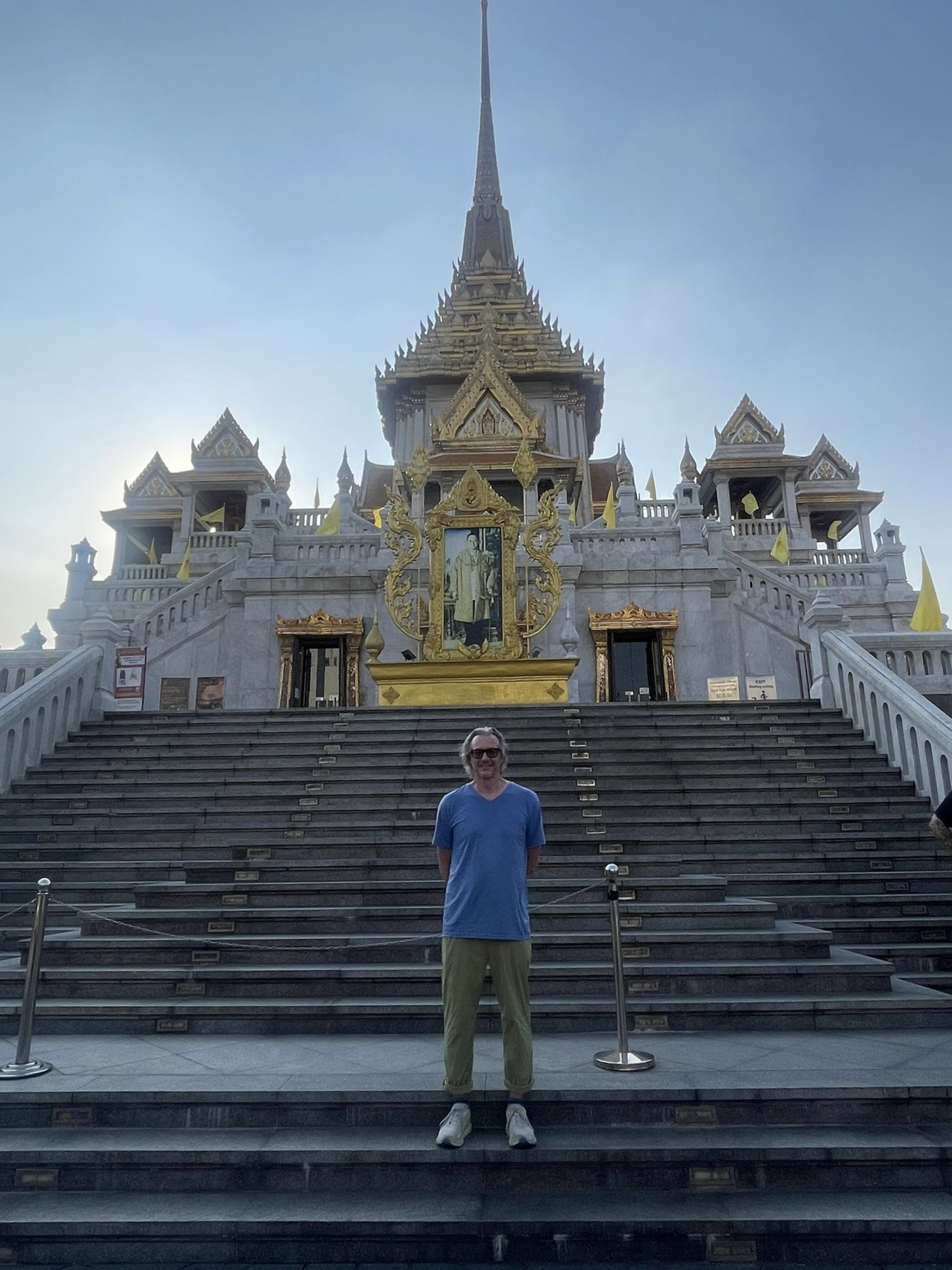
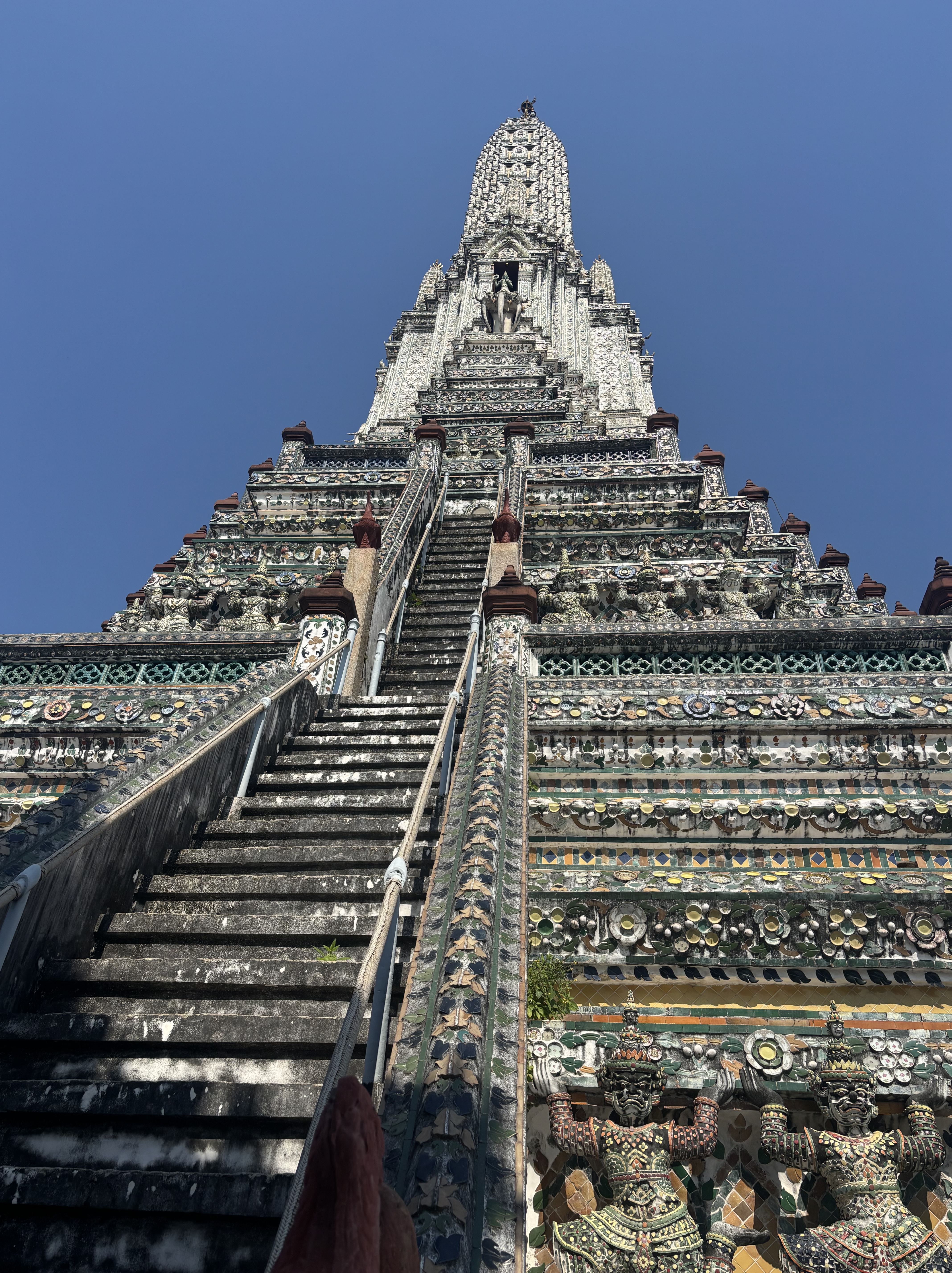
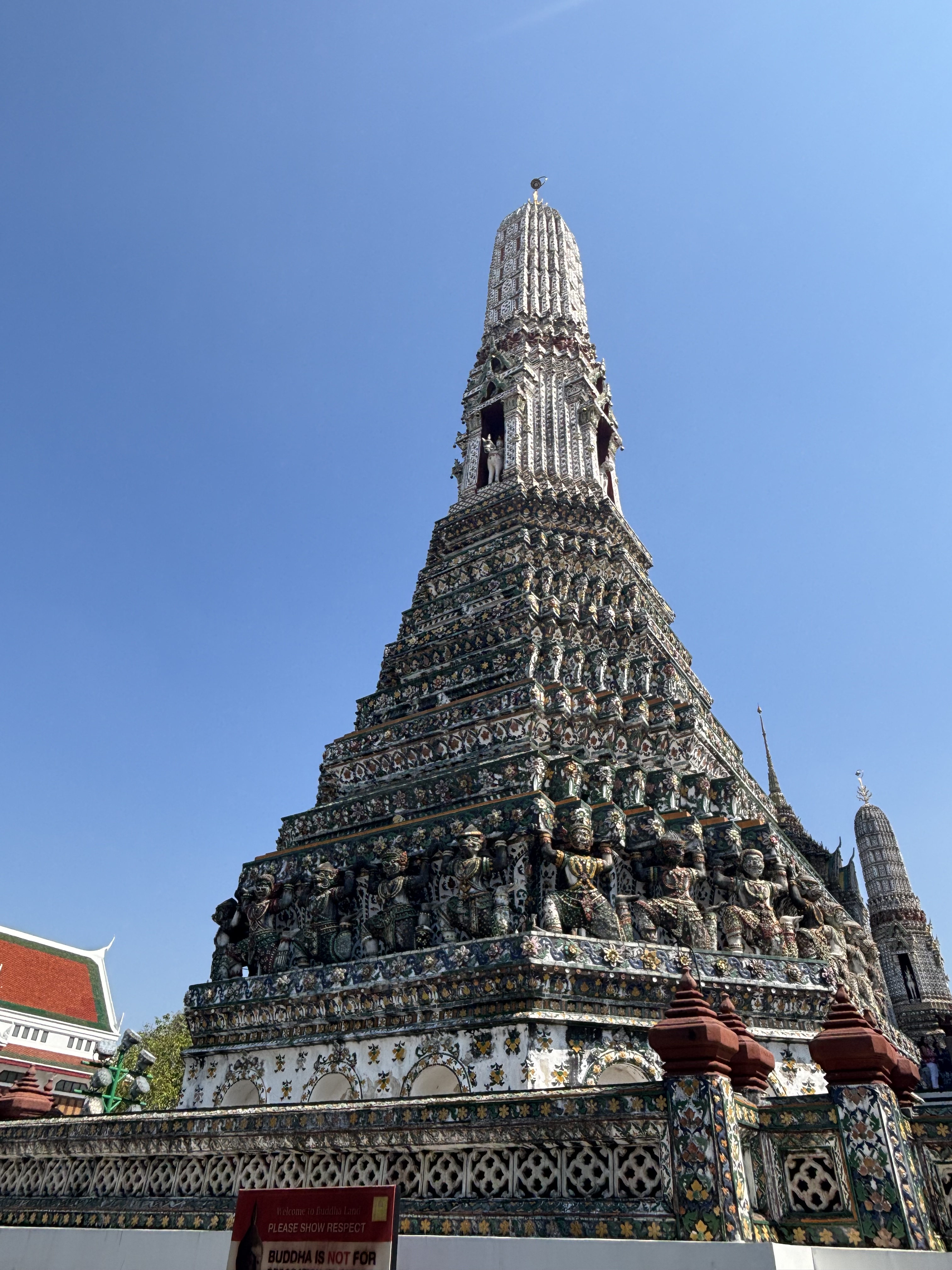
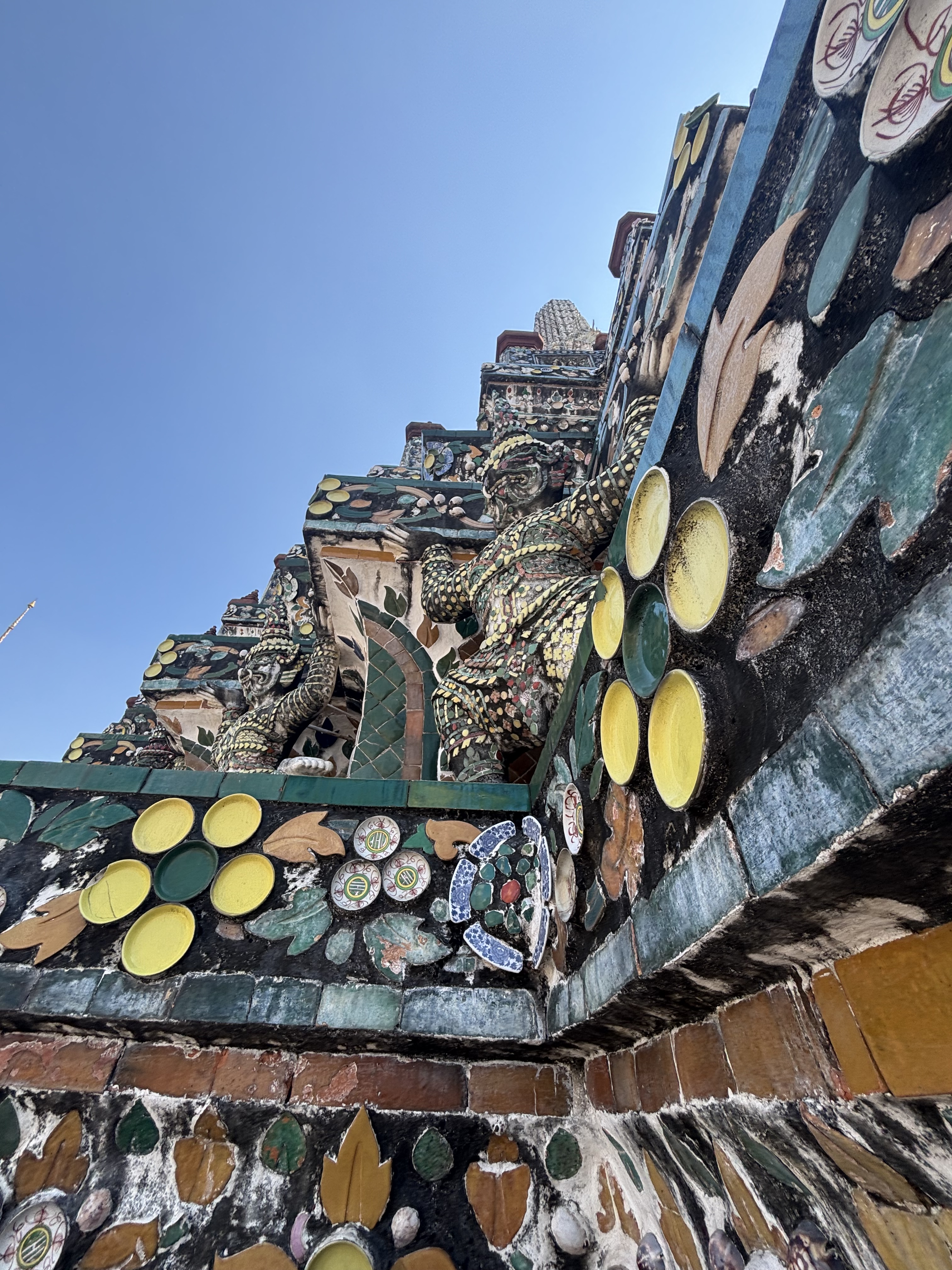
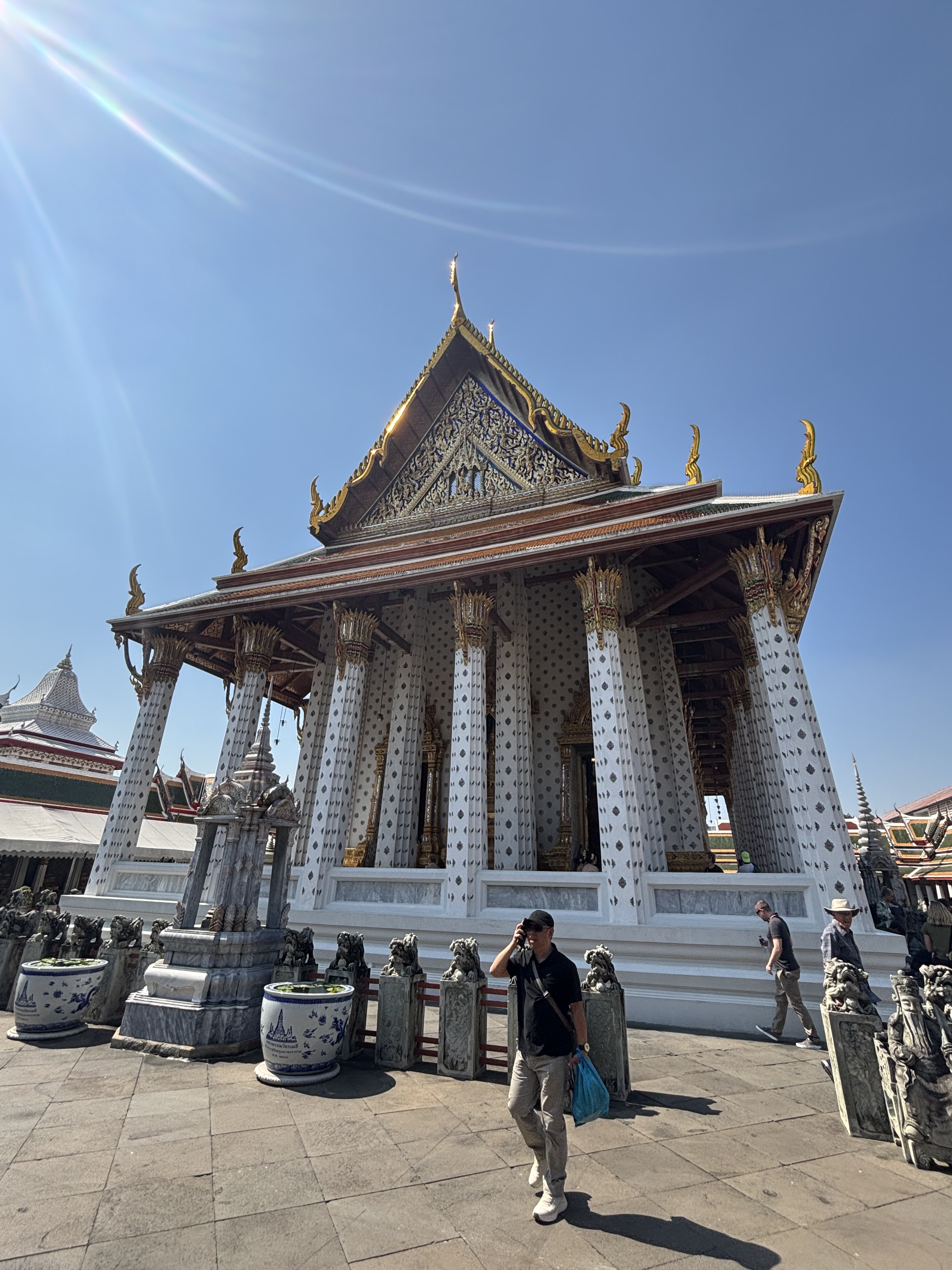
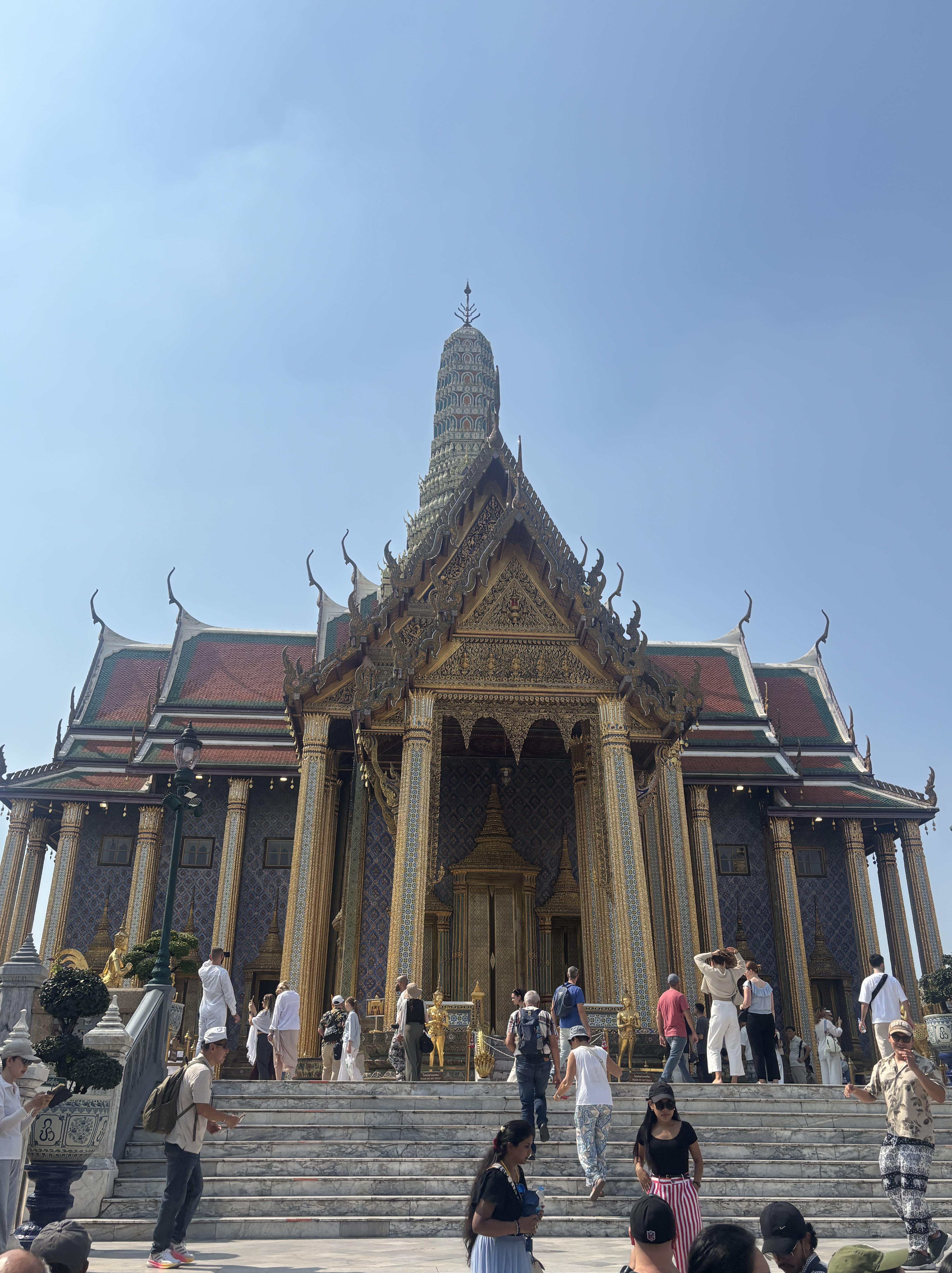
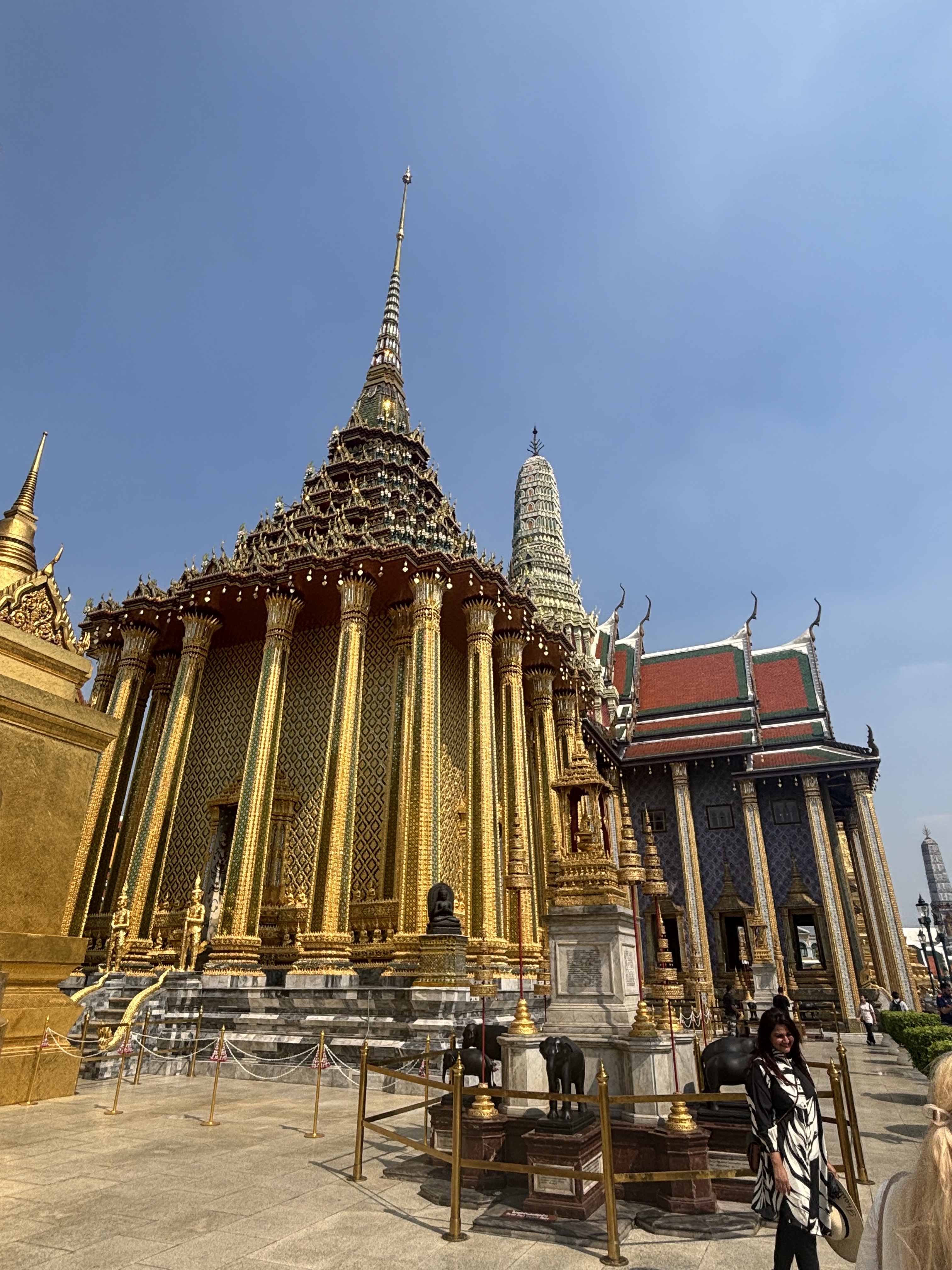
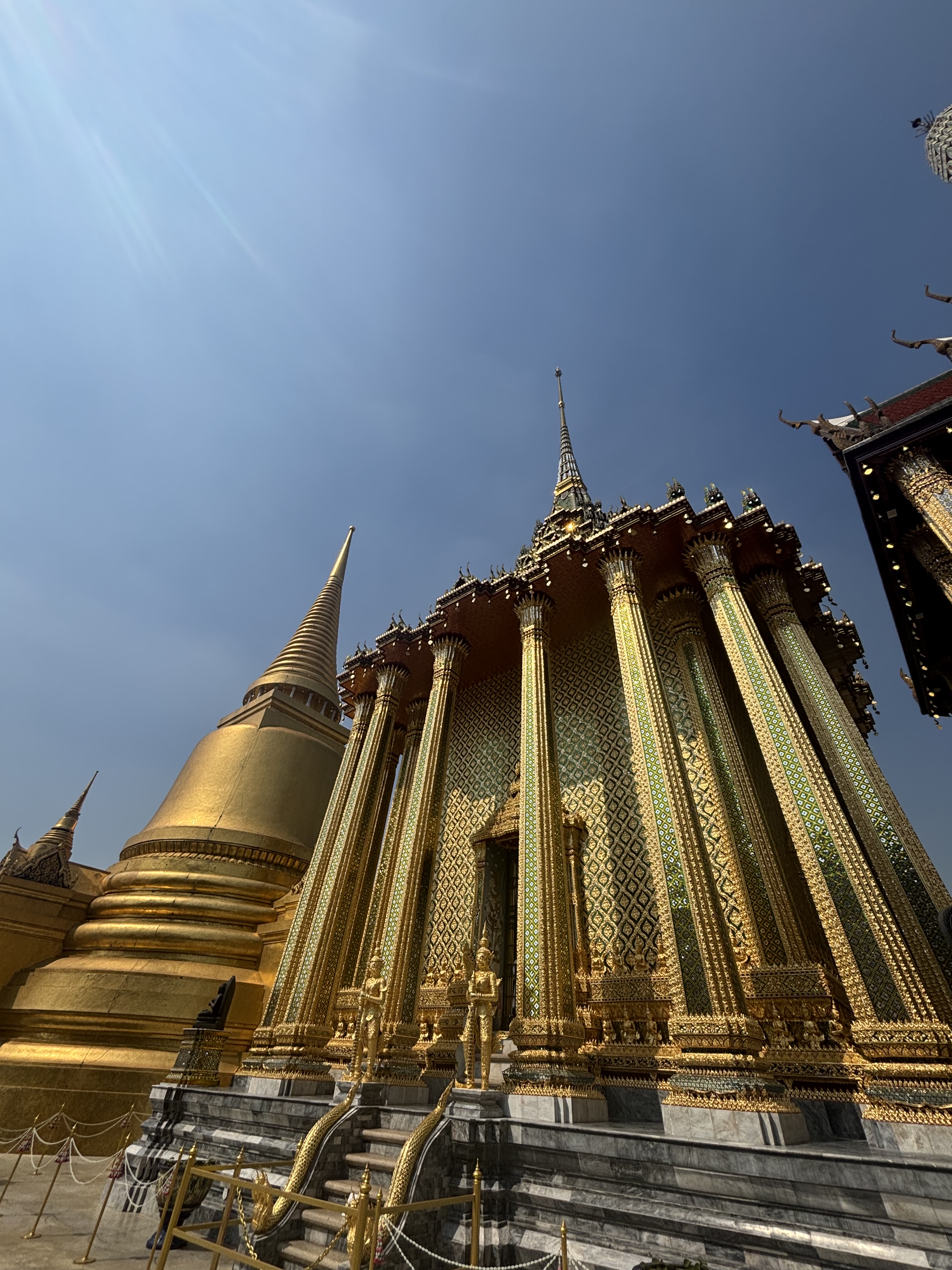
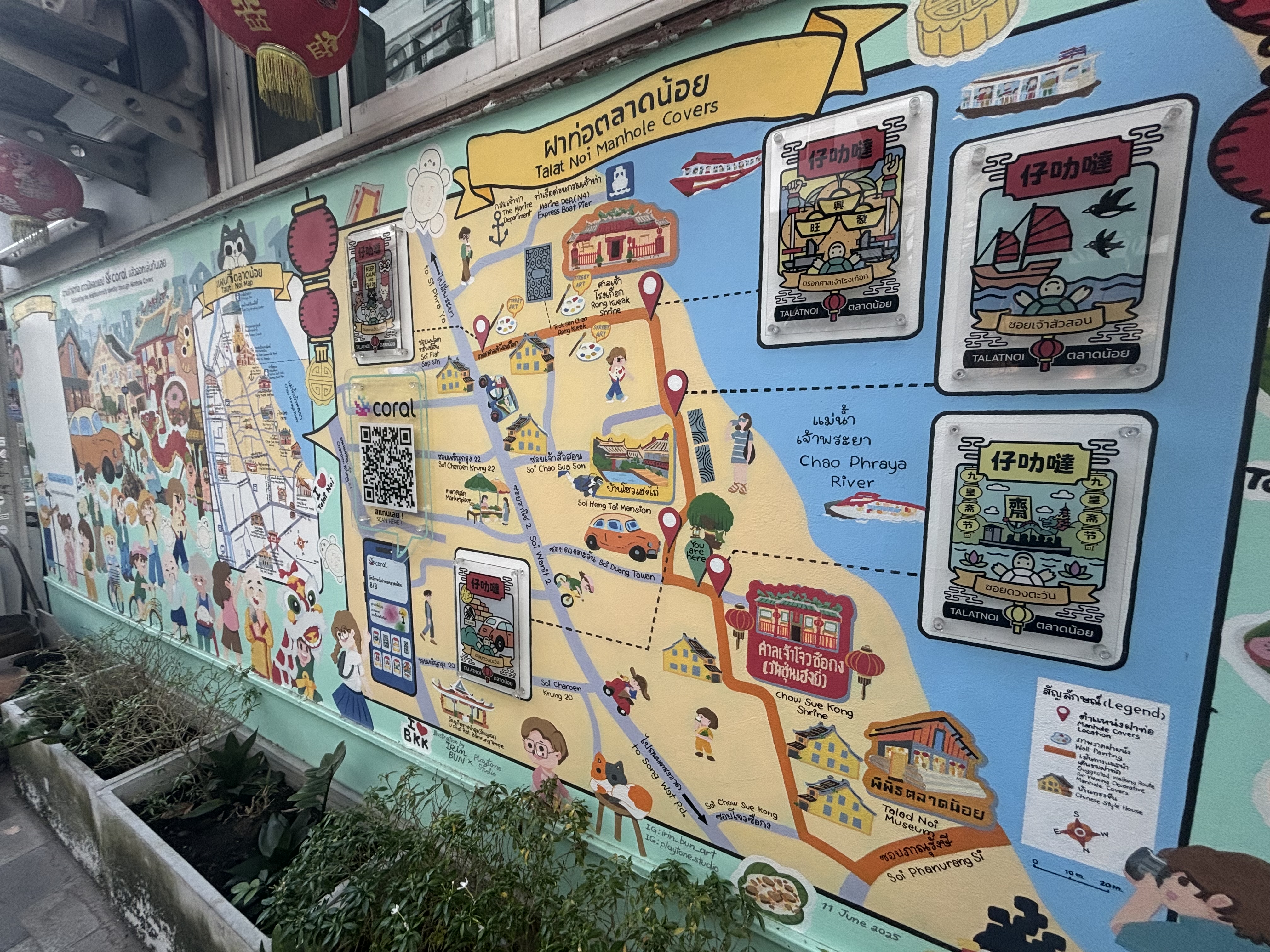
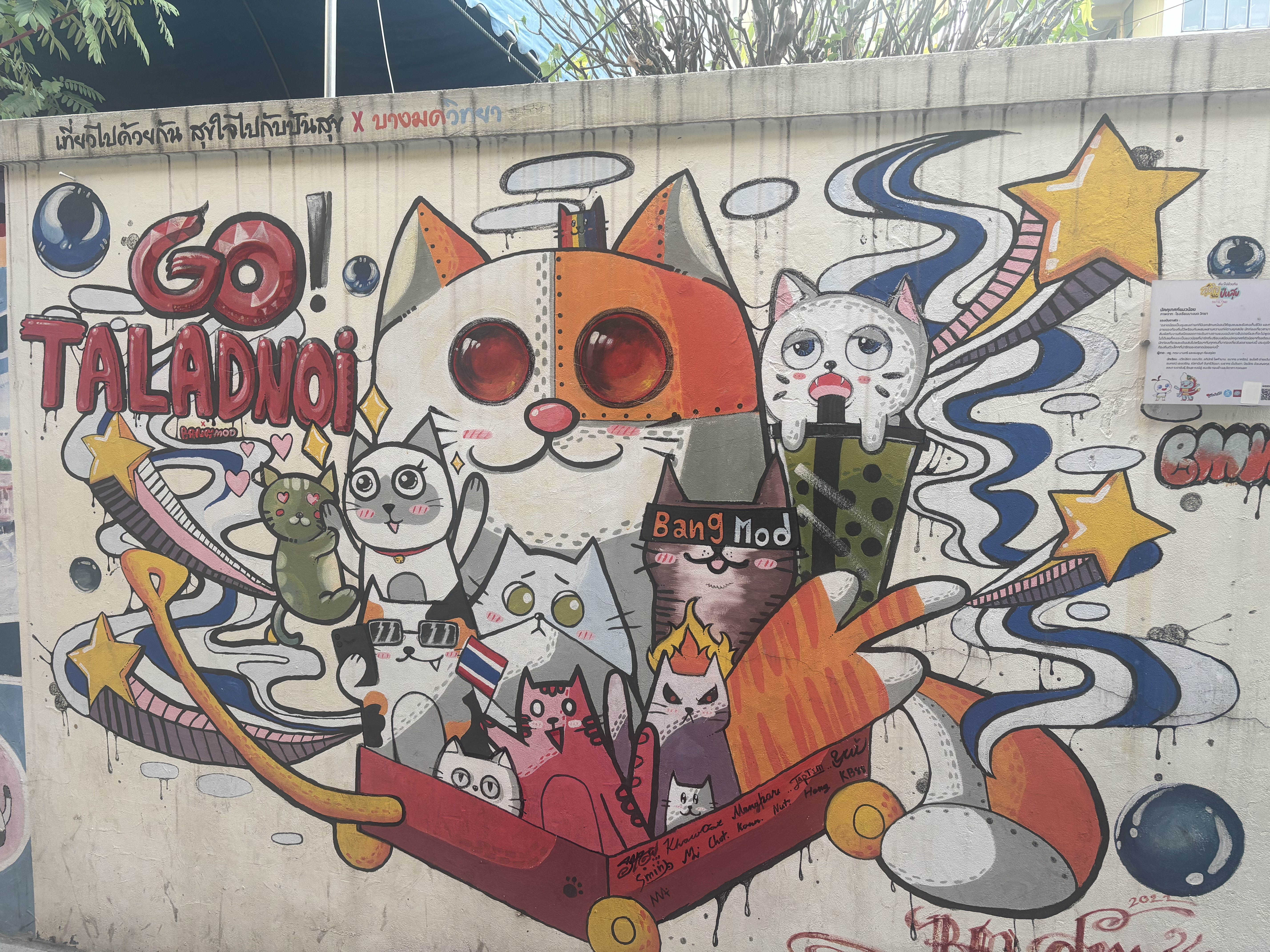
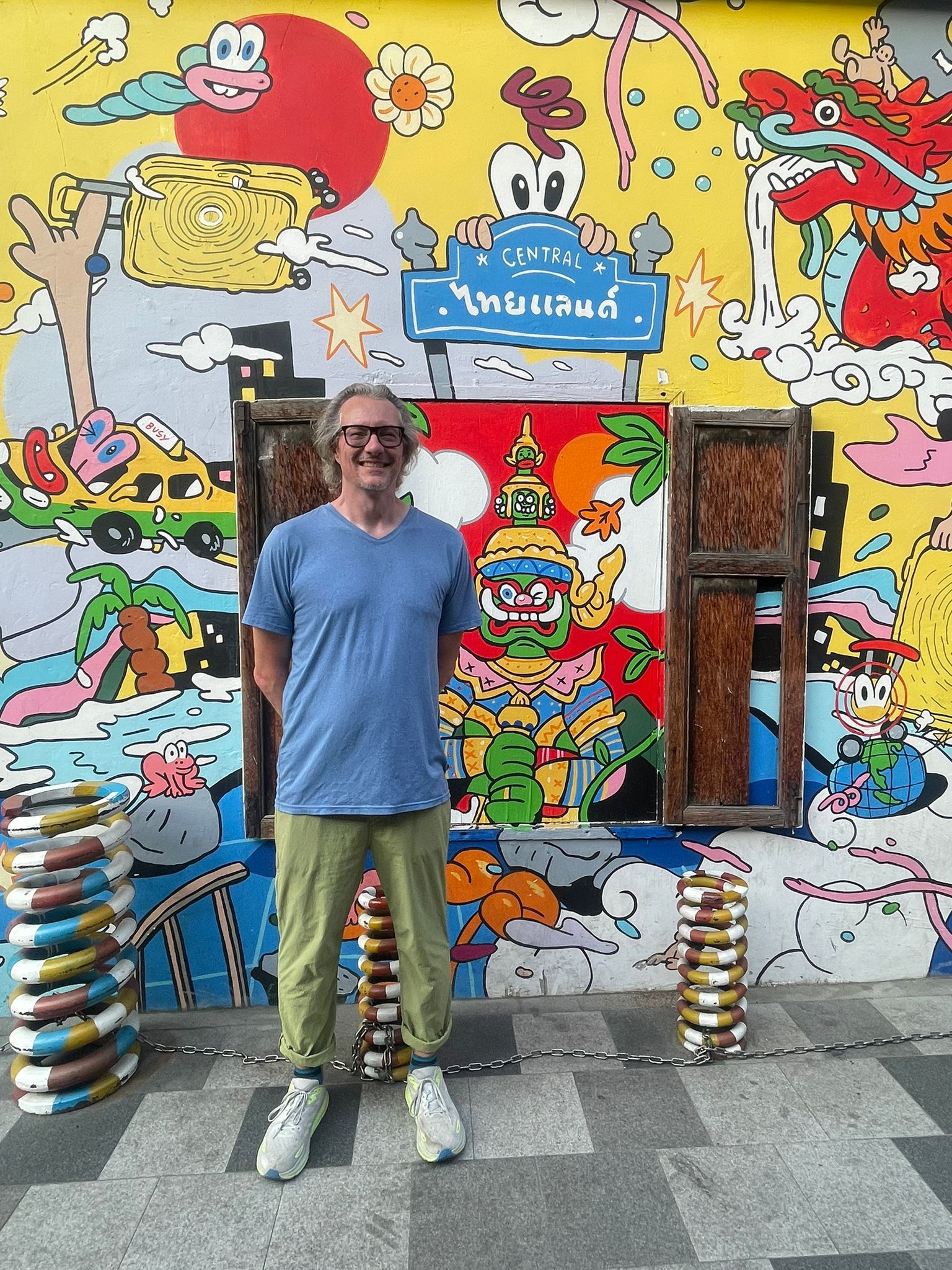
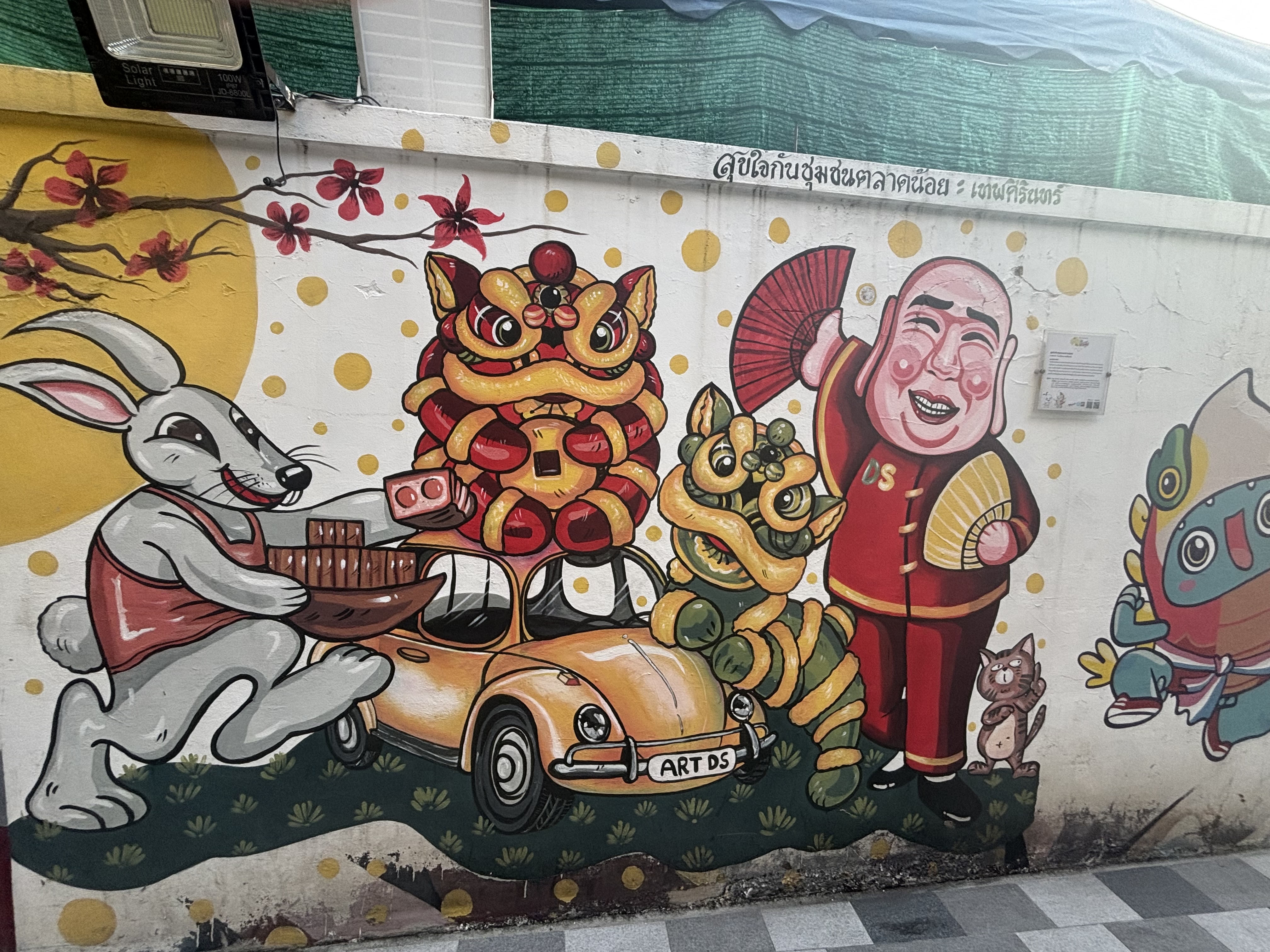
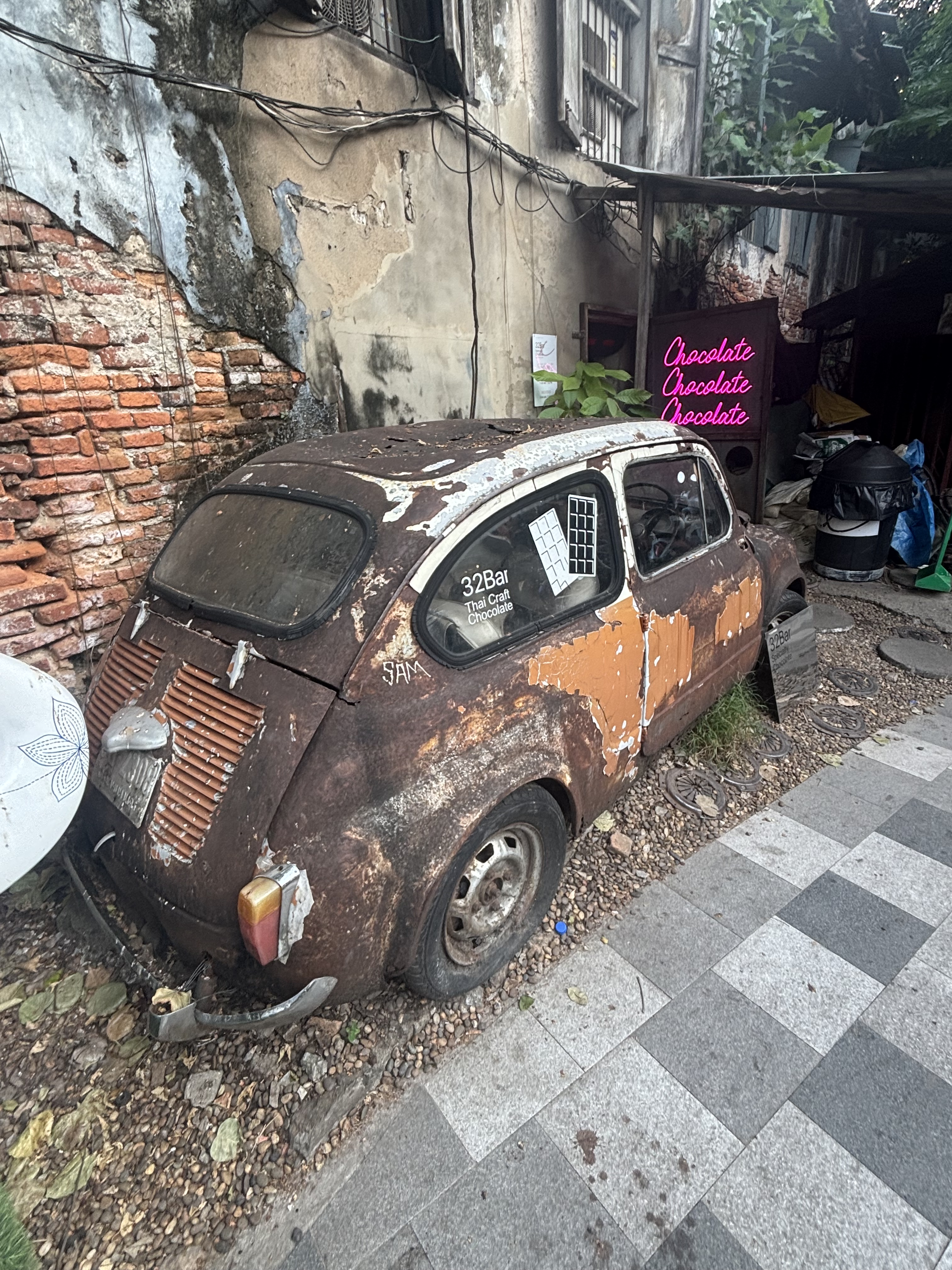
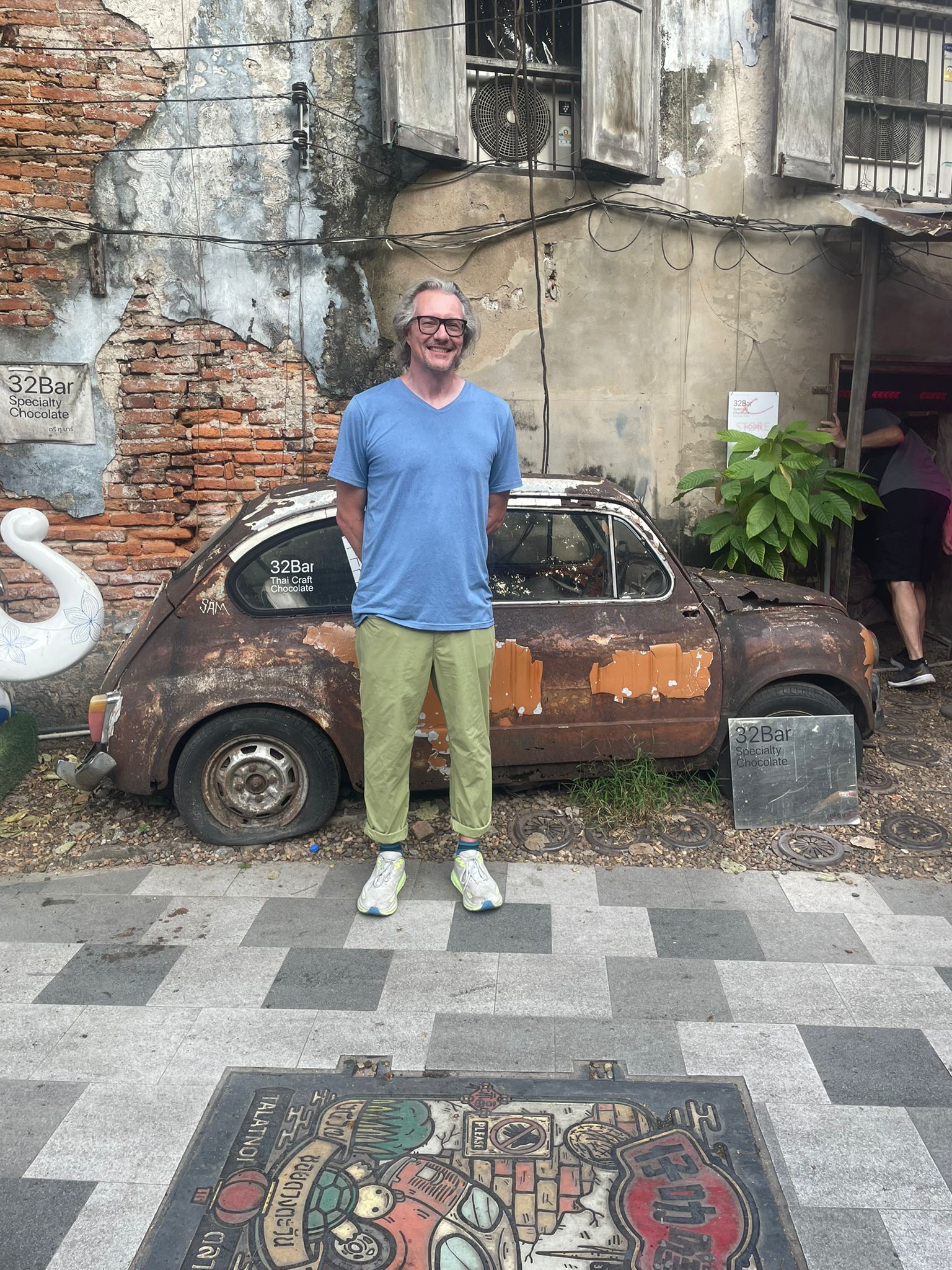
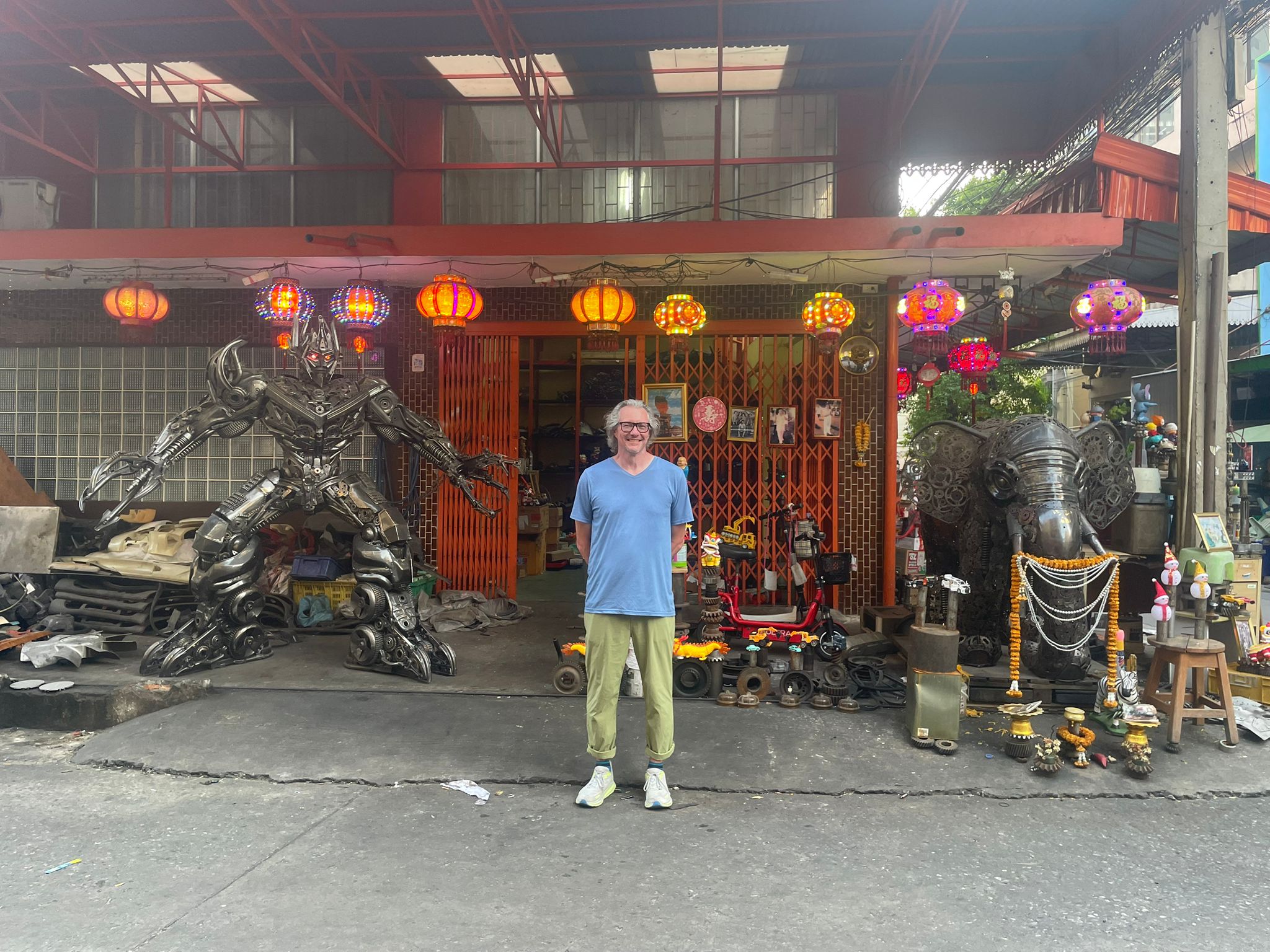
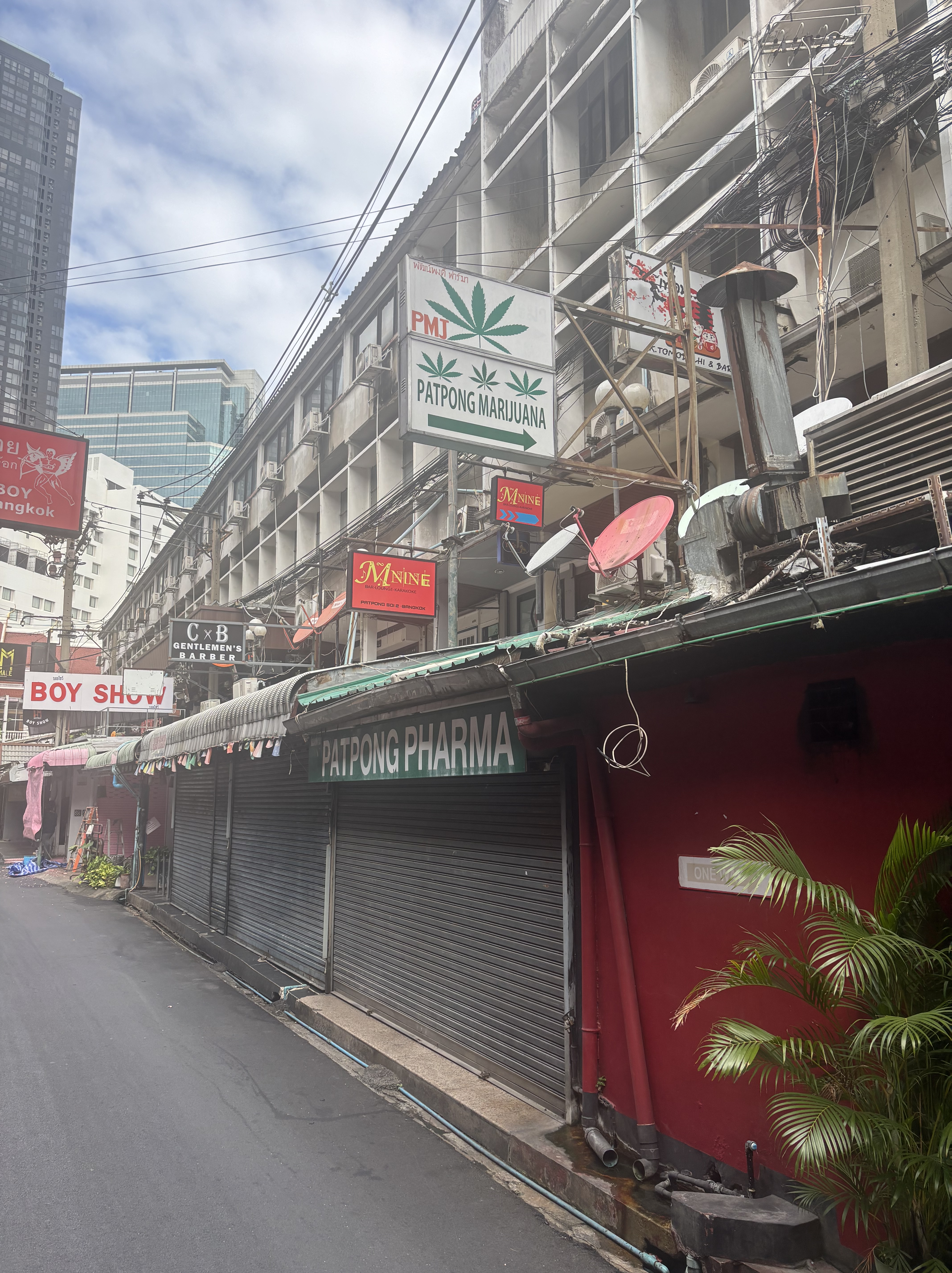
The trendy Talat Noi neighborhood on the south end of Chinatown has become a rather commercialized caricature of itself. The surrounding streets are considerably more interesting, as they are filled with a seemingly endless number of machine shops where old men sit in garages rebuilding automobile and motorcycle engines to ship around the world. But that’s probably not what most people are here to see. Khao San Road is more tourist trap than backpacker haven these days. And the legendary red-light districts are mostly for tourist looky-loos as well. They attempt to disguise a strong vibe of sadness and desperation with neon and noise. It’s like downtown, backstreet Las Vegas 40 years ago. They perhaps have some appeal to the spring break party crowd or very old men looking for very young companions, but there’s nothing there for me.
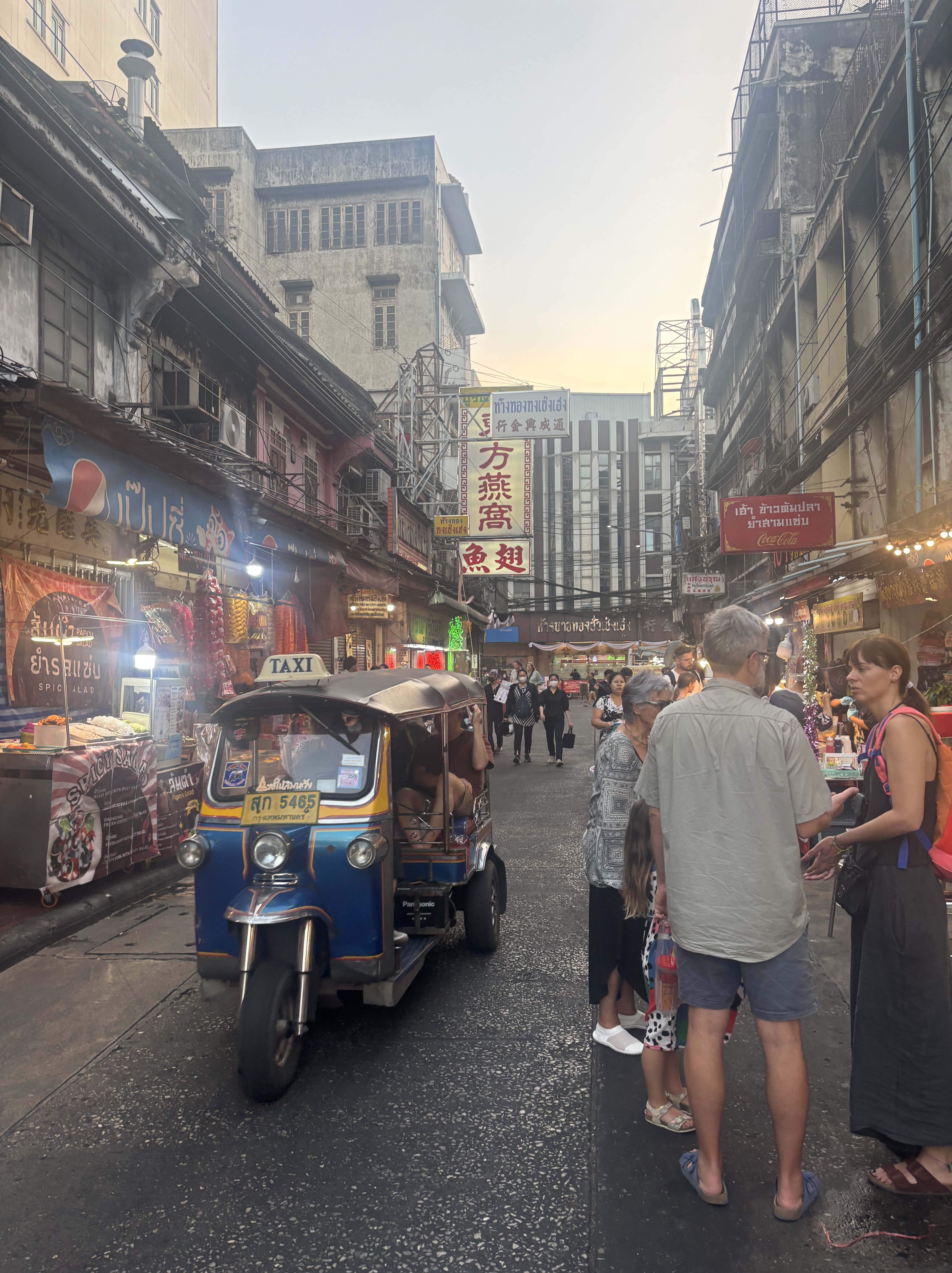
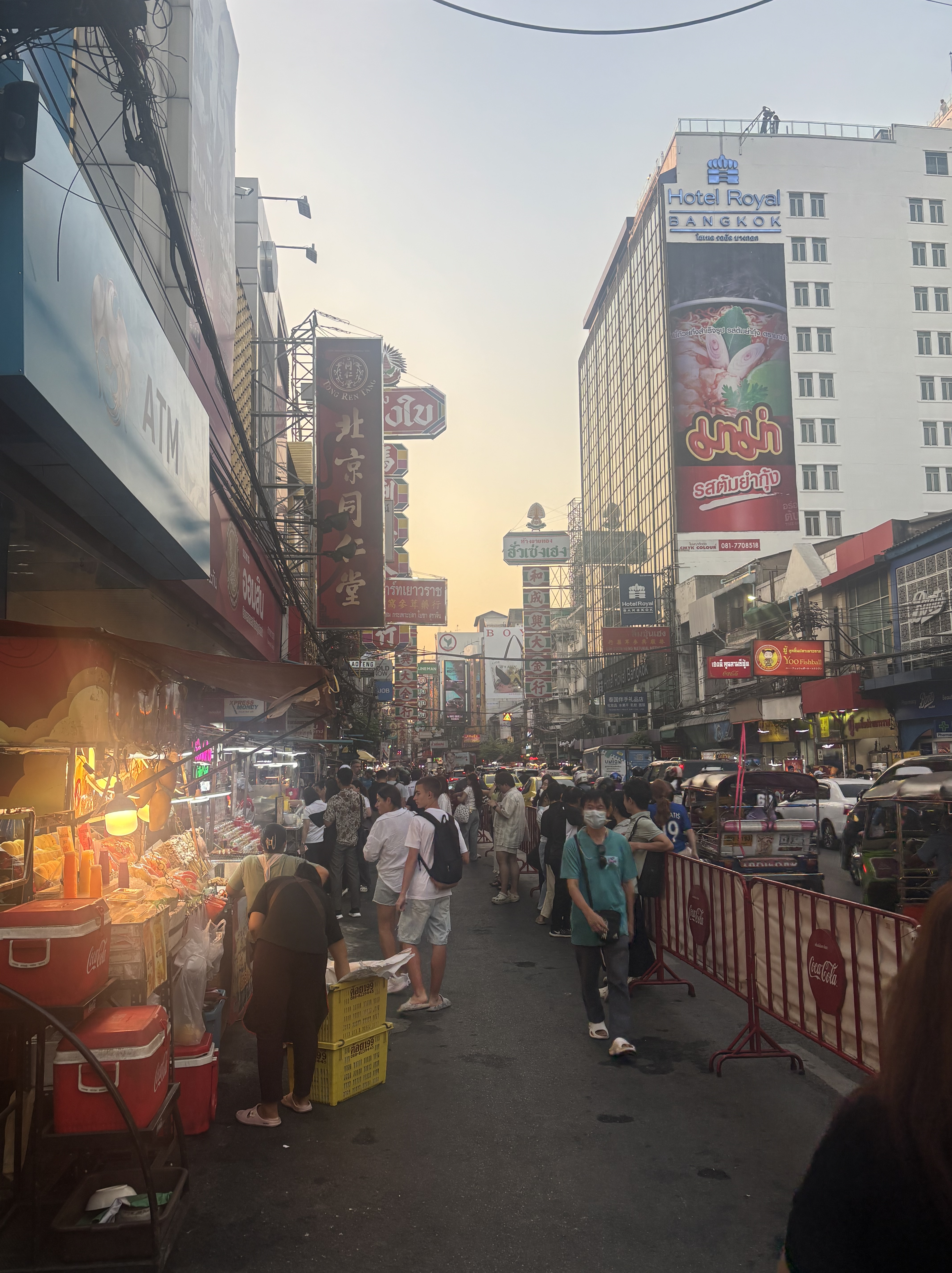
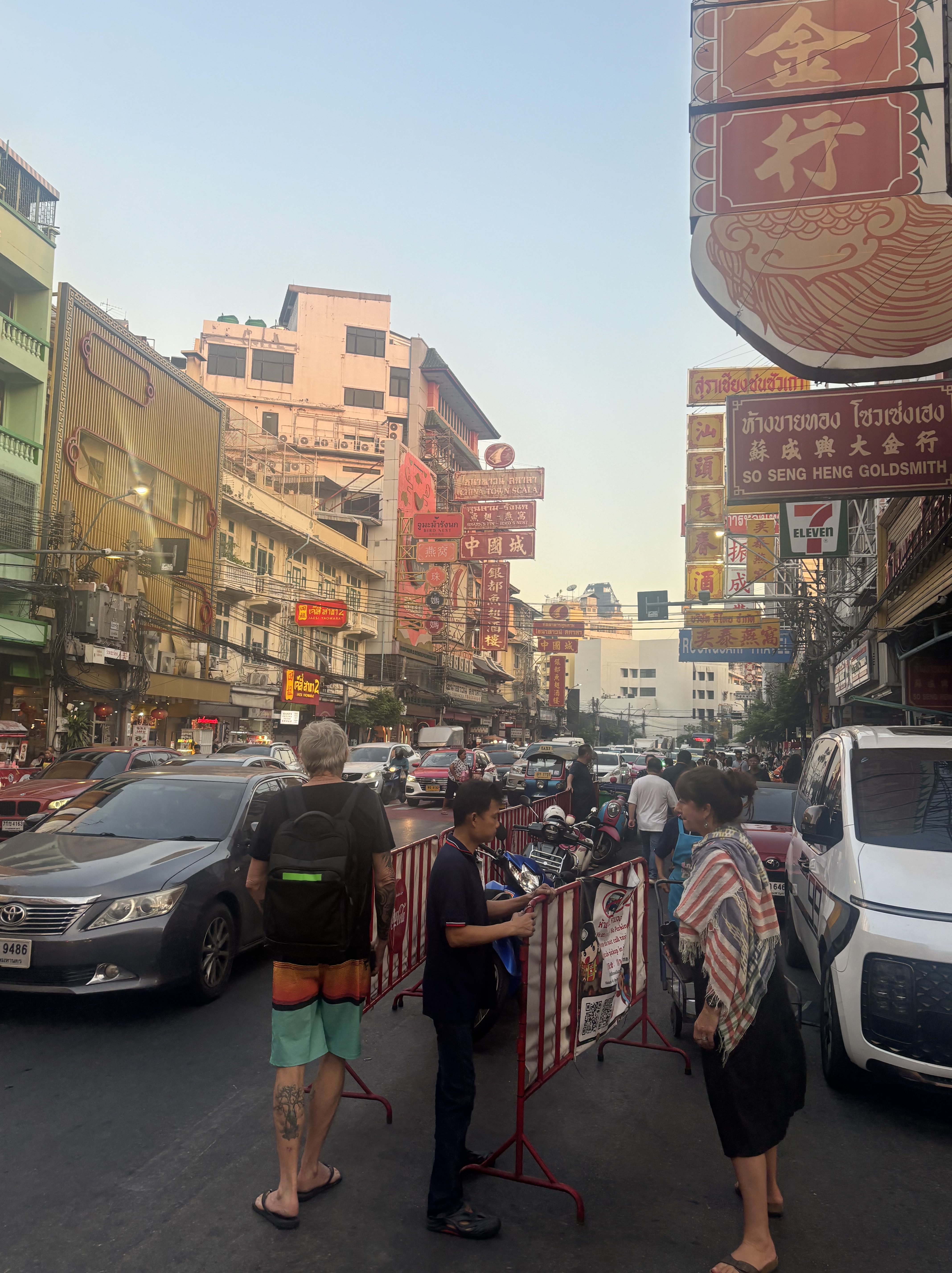
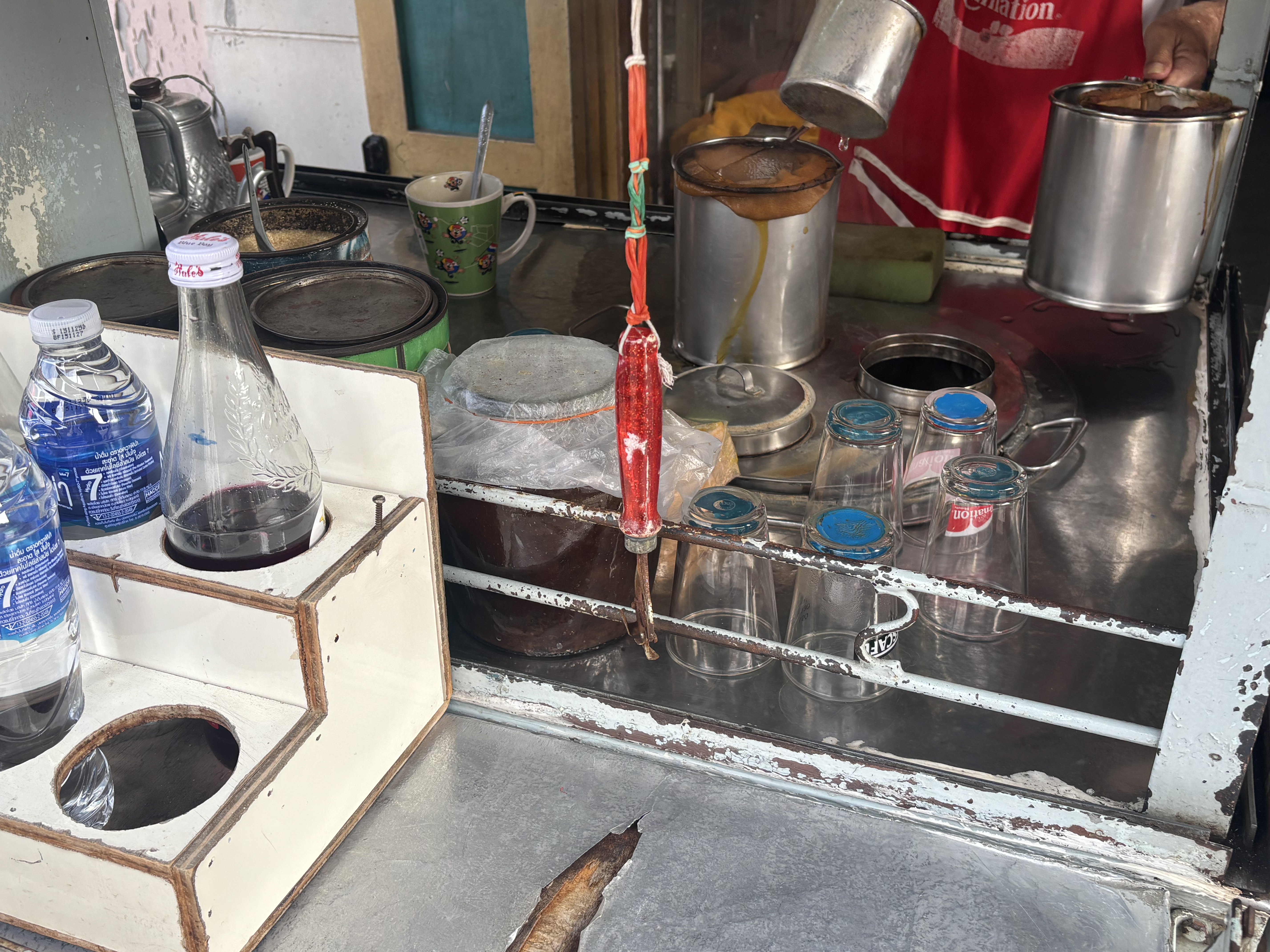
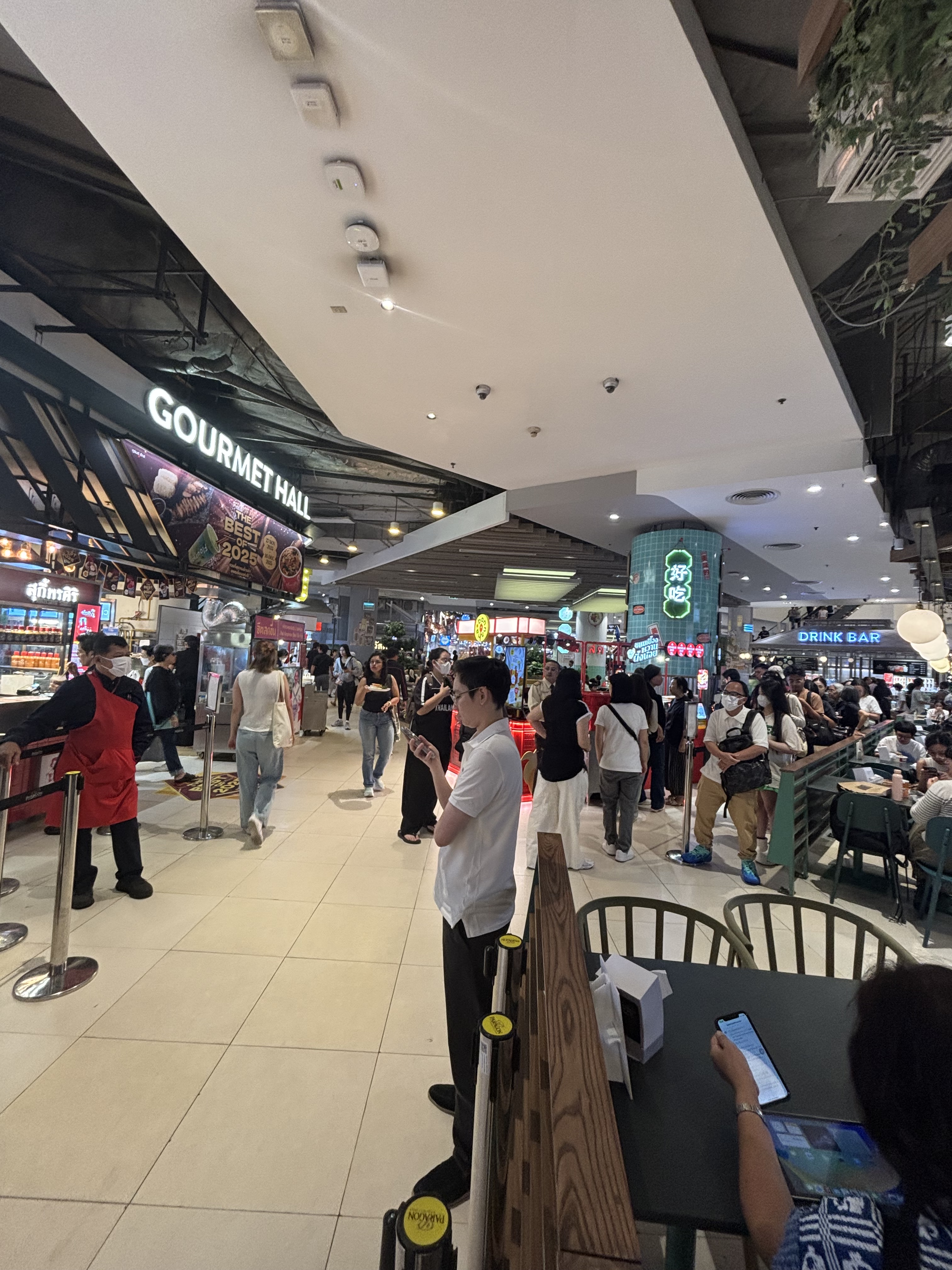
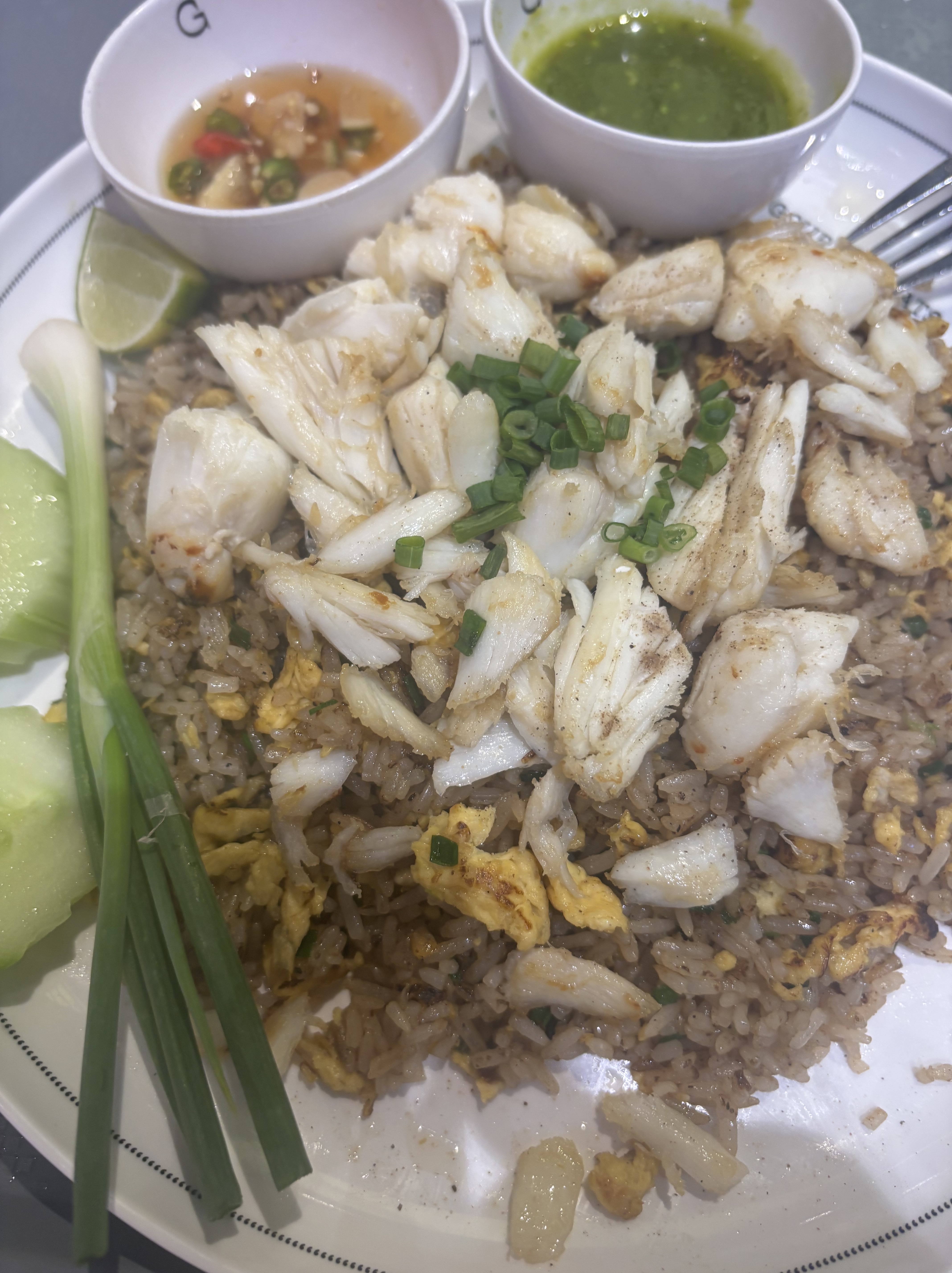
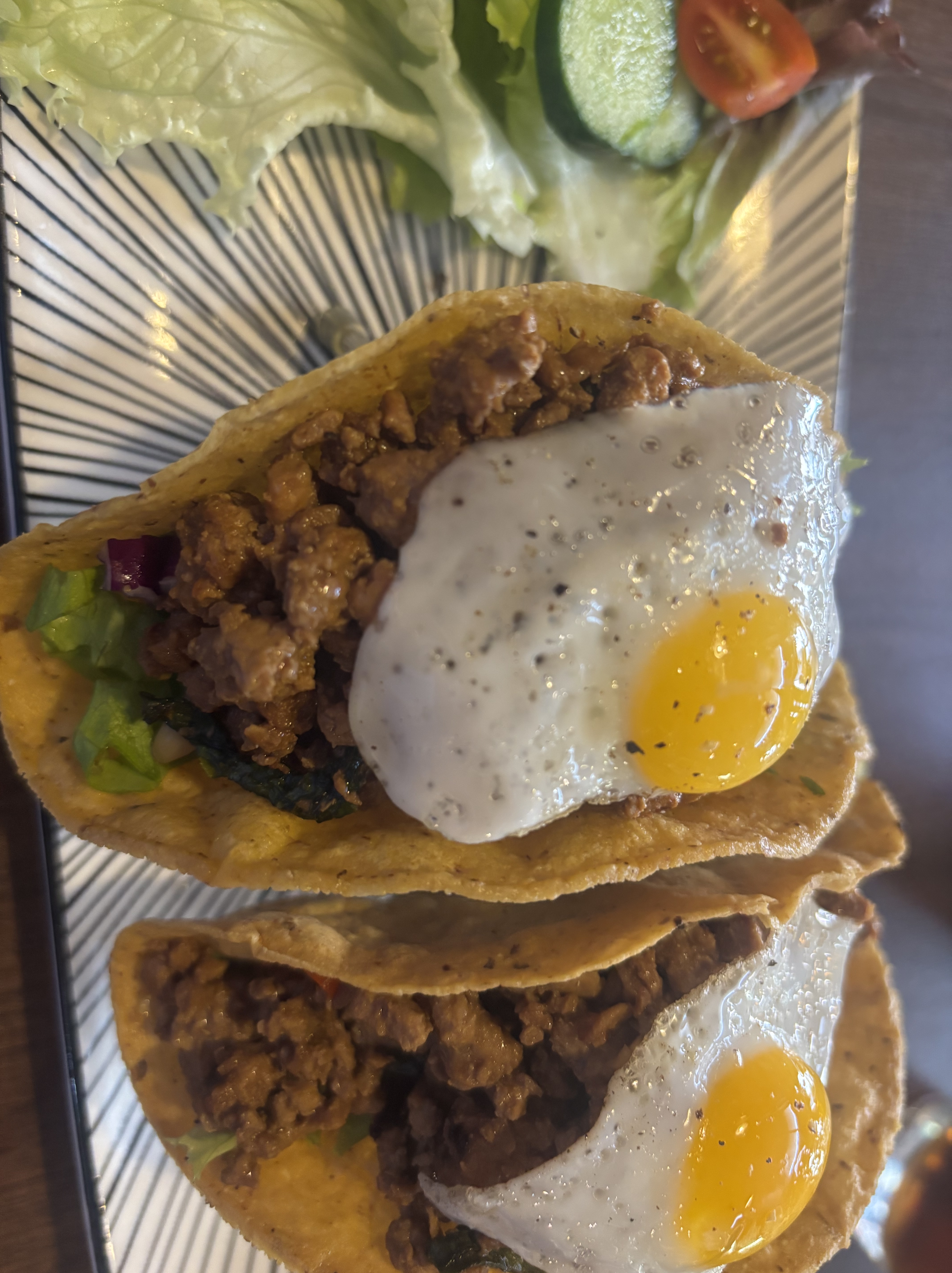
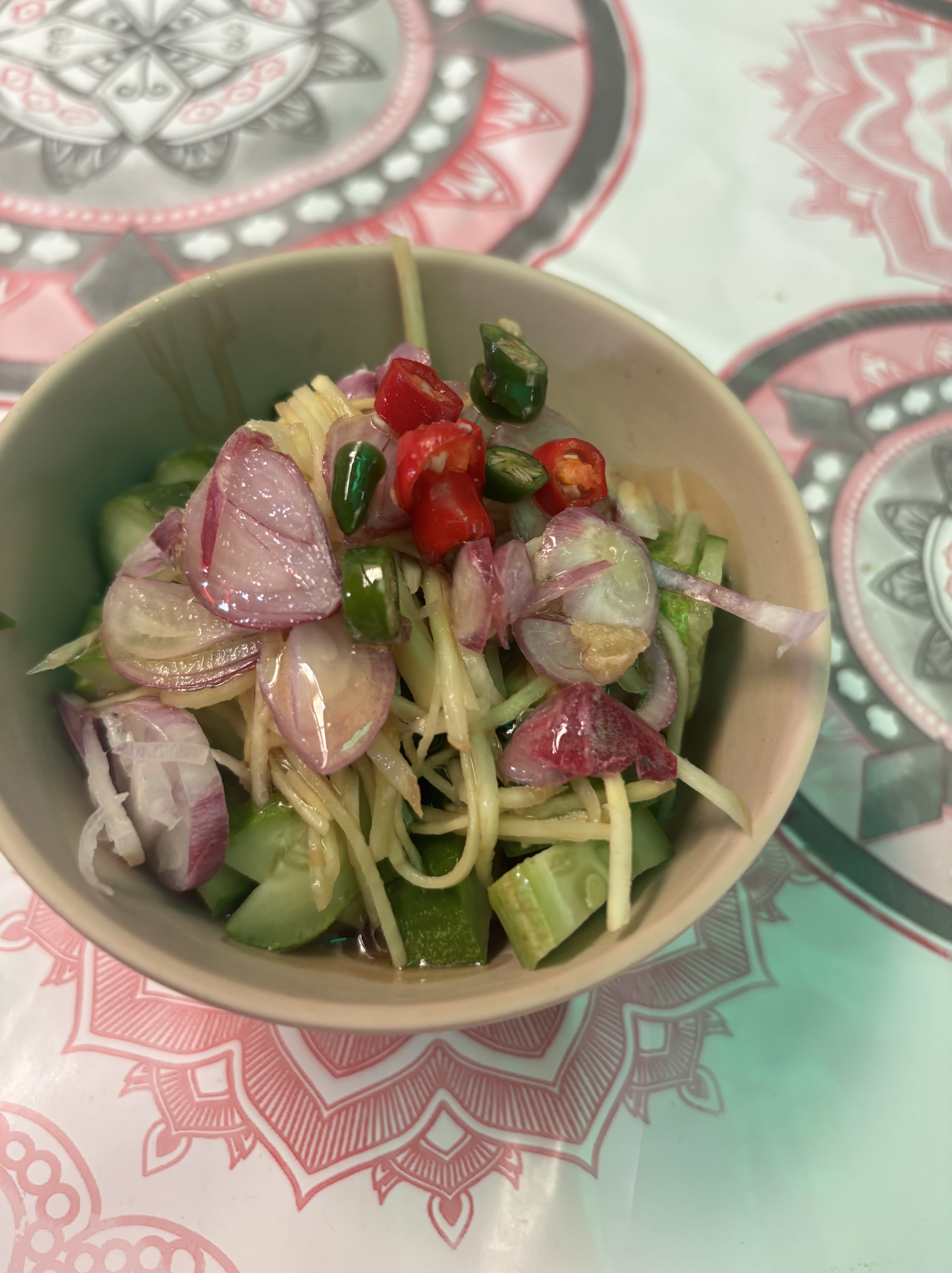
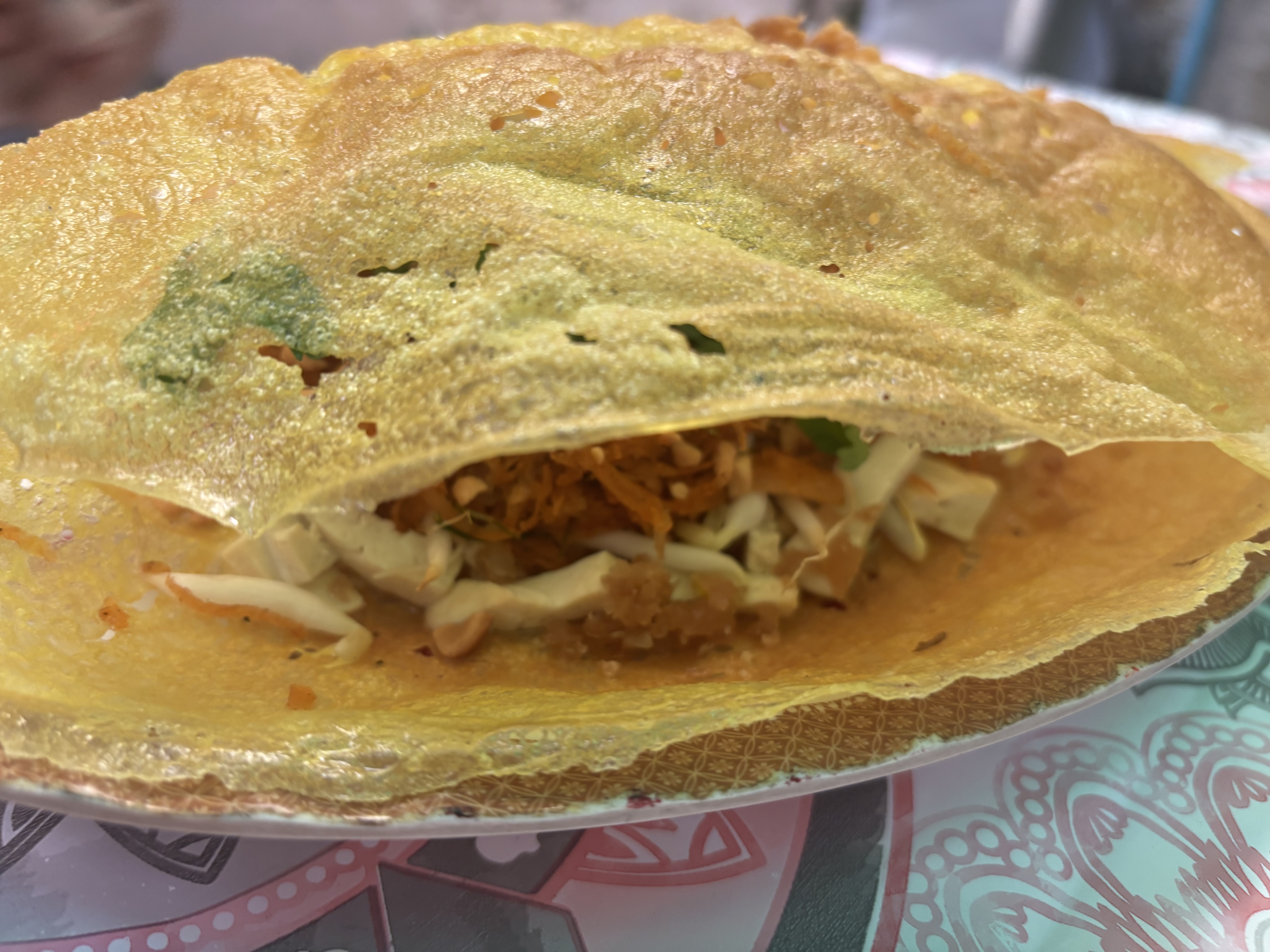
Food was a highlight but required some effort. Street vendors abound, but it can be a challenge to find anything familiar that hasn’t been cooked in a deep fryer. The popular Yaowarat Road street market is best avoided due to the large crowds, noisy traffic and unimpressive price-to-quality ratio. There are a few hidden gem markets off the beaten path in places like Nang Loeng, but you might need a private guide to make the most of those. Traditional Thai tea comes with a show, as it is filtered by passing it from container to container before your eyes. Locals seemed to prefer the soy milk stalls anyway. Restaurant quality varies widely. I actually had pretty good luck with the food courts at high-end shopping malls. I ate some of the best (crab rice, pad kra pao tacos, mung bean pancake) AND worst (fish lung soup) food of the year in Bangkok.
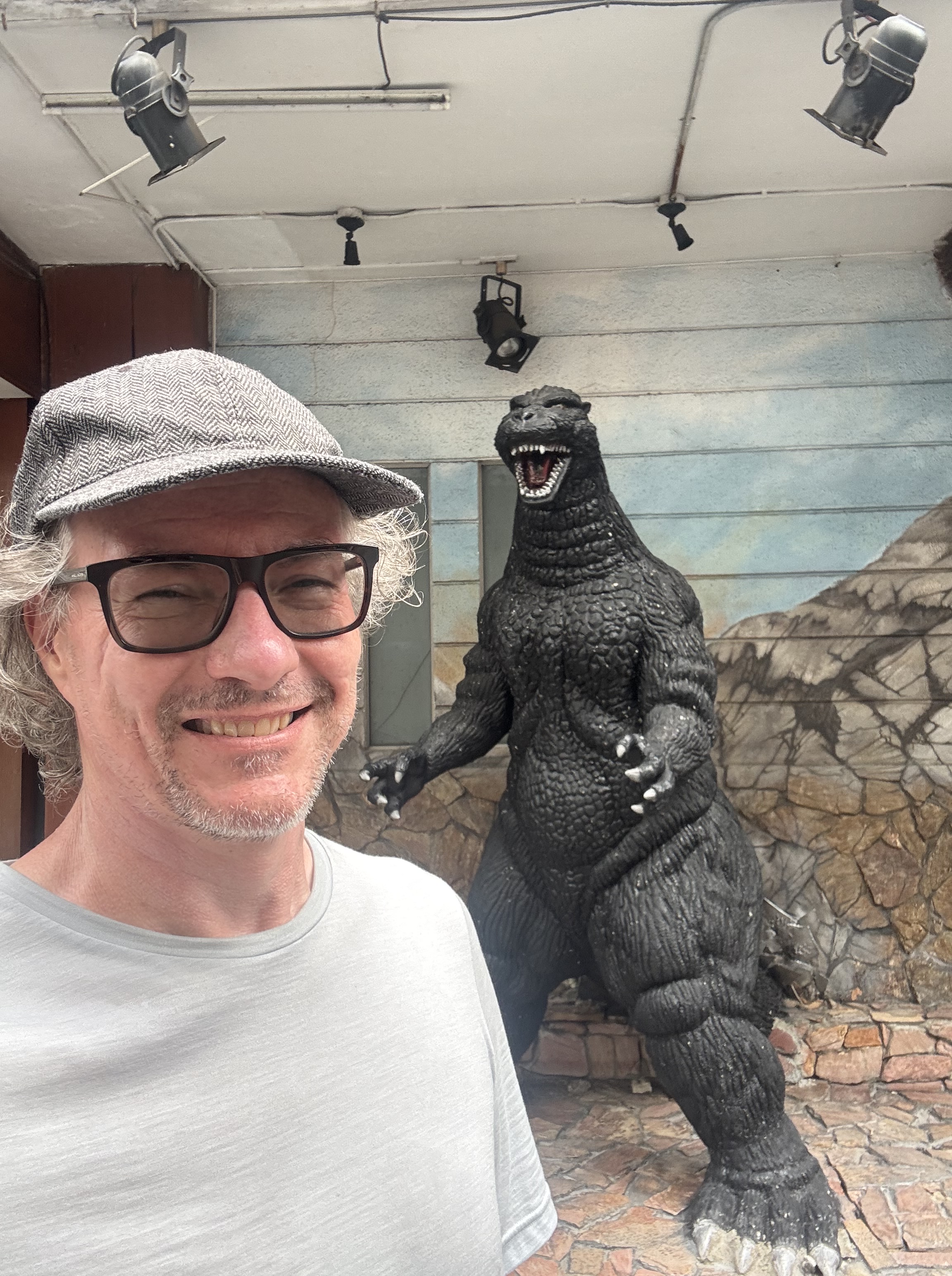
In the end, Bangkok did not have enough redeeming qualities to overcome the heat, crowds and general filth. The Thai people are great, but I’m not sold on the vision of leadership. Of course, it’s only a matter of time before they start building more temples to celebrate the reign of their new Lizard King anyway.

 The Global Slowmad
Leave a comment