
My visit to Siem Reap, Cambodia, coincided with a brief cease-fire from the nearby border conflict with Thailand that has been on-again, off-again for decades. To say that Cambodians harbor a grudge against their more prosperous and well-known neighbors would be an understatement. I was repeatedly informed during my stay that Muay Thai kickboxing, Thai cuisine and much of Thai culture really is Cambodian in origin. I haven’t attempted to verify the assertion, but I was even told (on a food tour of all things) that Cambodian kickboxers were once banned from competition because they were so much better they were embarrassing their Thai counterparts.
This beef has some serious history behind it. The Khmer Empire was the dominant force in southeast Asia for more than six centuries, from 802 until 1431. From their relatively remote capital of Angkor, the Khmer regime ruled all of what is now Cambodia, along with large portions of modern-day Thailand, Laos, Vietnam, Myanmar (Burma) and even China. The Khmer rulers amassed a great deal of wealth, power and military might, taking full advantage of the region’s abundant water supply and importance as a trade route. A great deal of impressive art and architecture from this period is on display at the Angkor Wat Museum (no hats or cameras allowed) and on the exterior walls of the temples themselves, and the Angkor Wat complex remains the largest religious site in the world, larger than all European cathedrals combined.
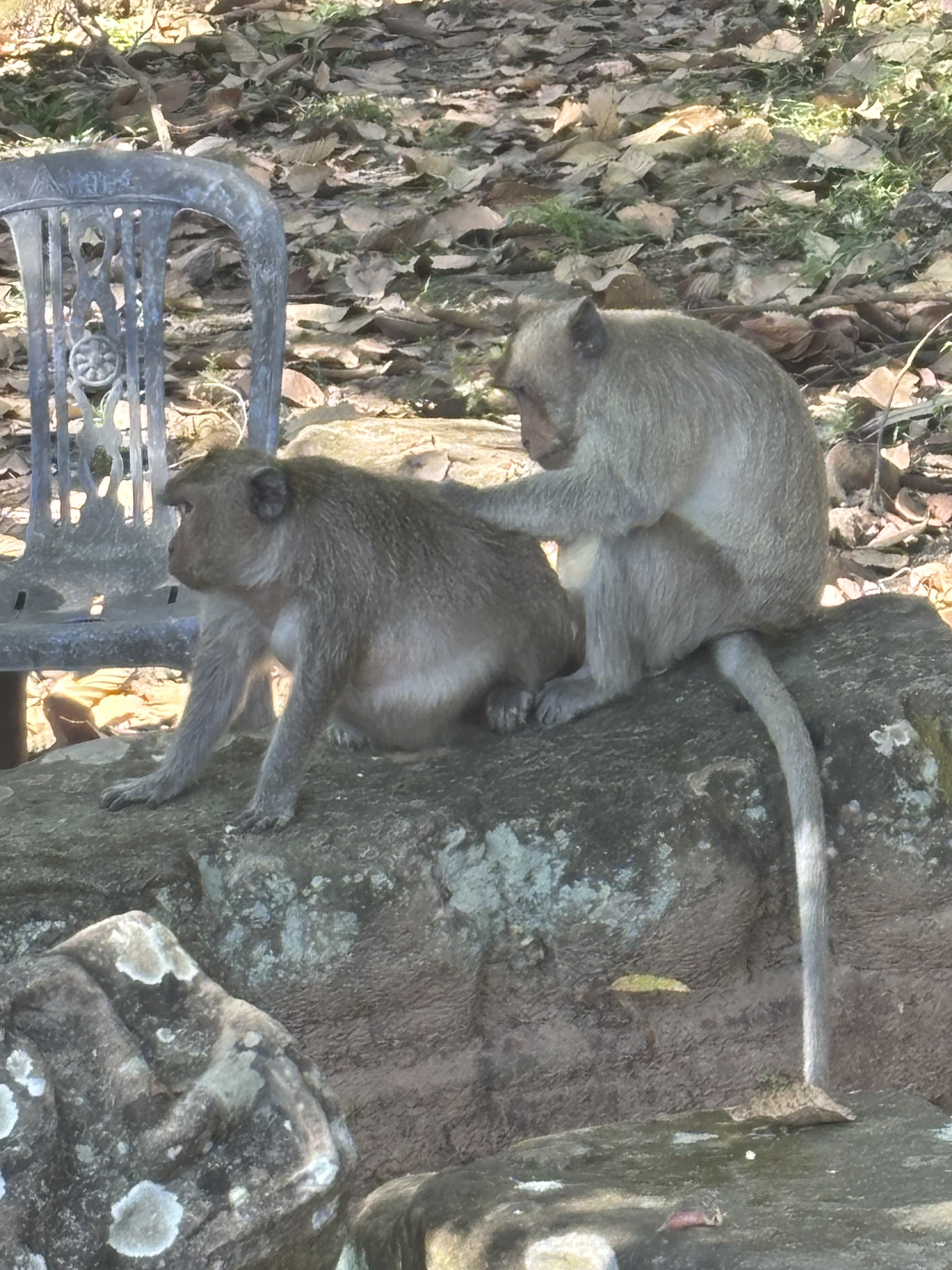
Angkor Wat was at the center of an extensive array of temples scattered around the region. Although originally Hindu temples, Buddhist elements were added in the 14th Century when Khmer leadership changed the official religion. This makes for some unique (and sometimes confusing) decorative features. The standard tourist protocol involves leaving your hotel at 4:30 a.m. to catch the sunrise over the main temple at Angkor Wat, then joining a tuk-tuk caravan to parade through several more stone structures that are slowing being taken back by nature in the surrounding countryside. I hired an excellent young guide named Tom (who happens to live with extended family near a target of intermittent Thai airstrikes) for this endeavor who helped me avoid the worst of the crowds. I’m not a particularly spiritual person and did not experience any life-changing revelations but did find it pretty cool to tour Ta Prohm (of Laura Croft: Tomb Raider fame), Banteay Kdei, Bayon and Angkor Thom. And you do have to watch out for thieving monkeys.
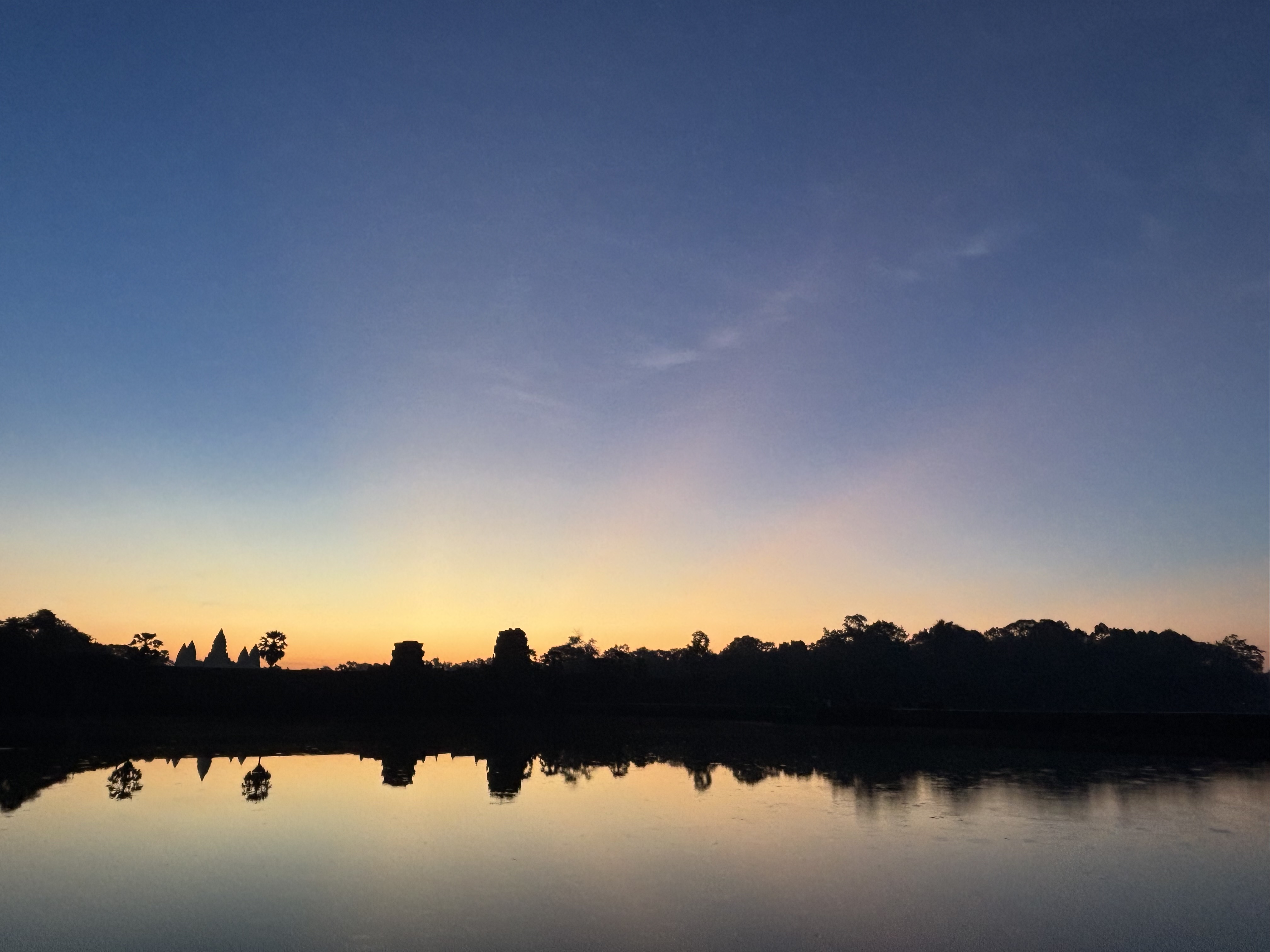
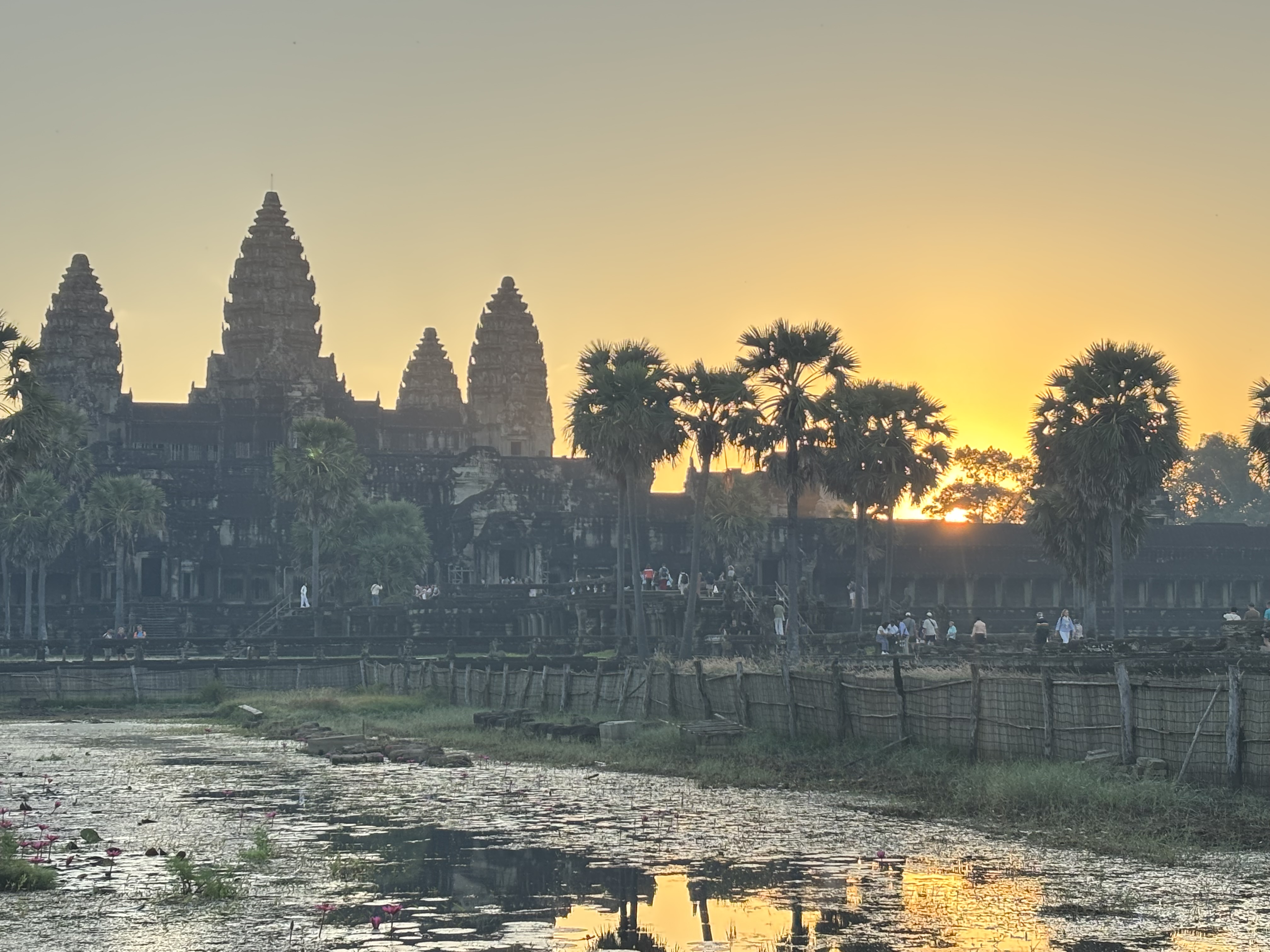


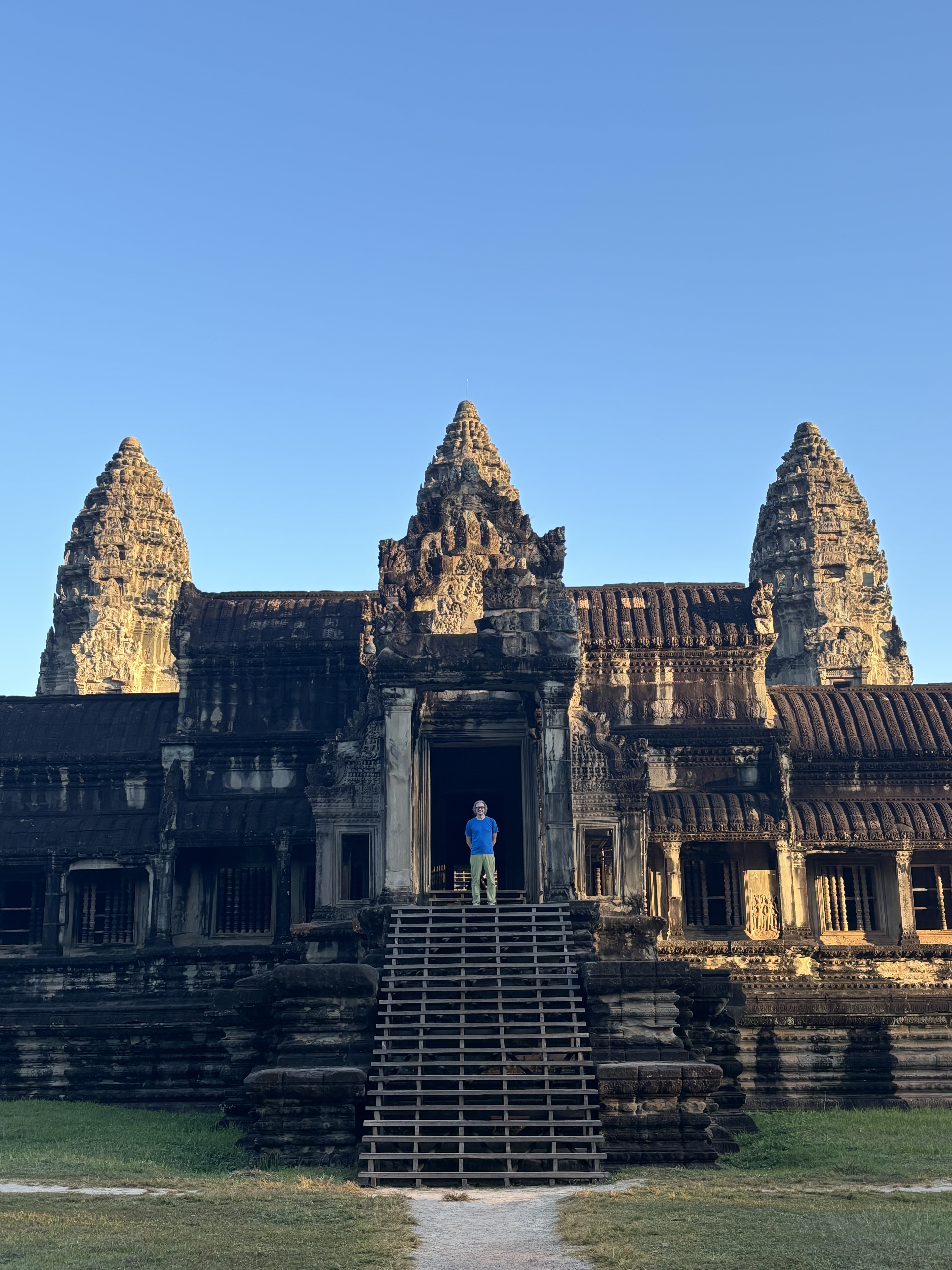
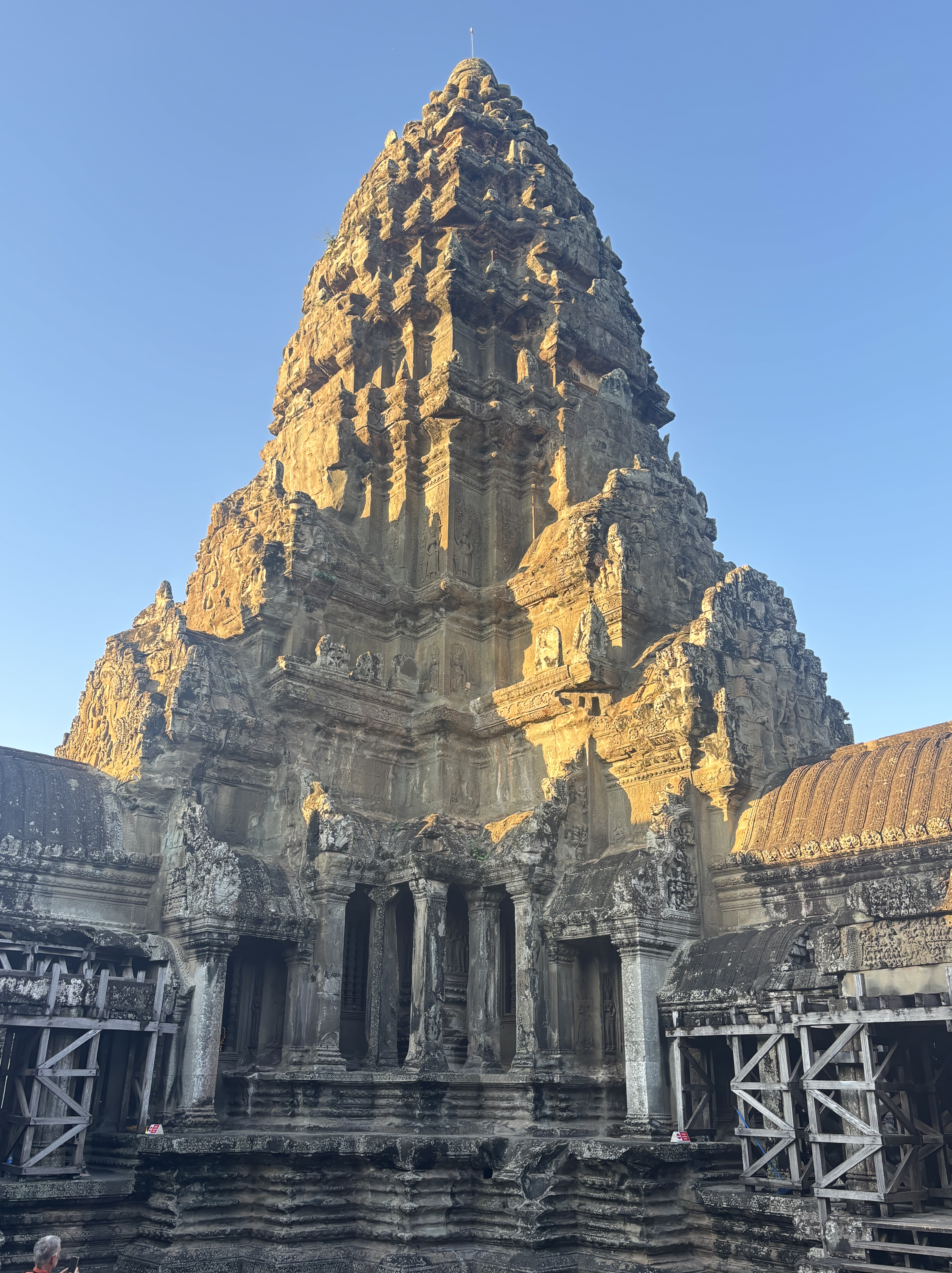


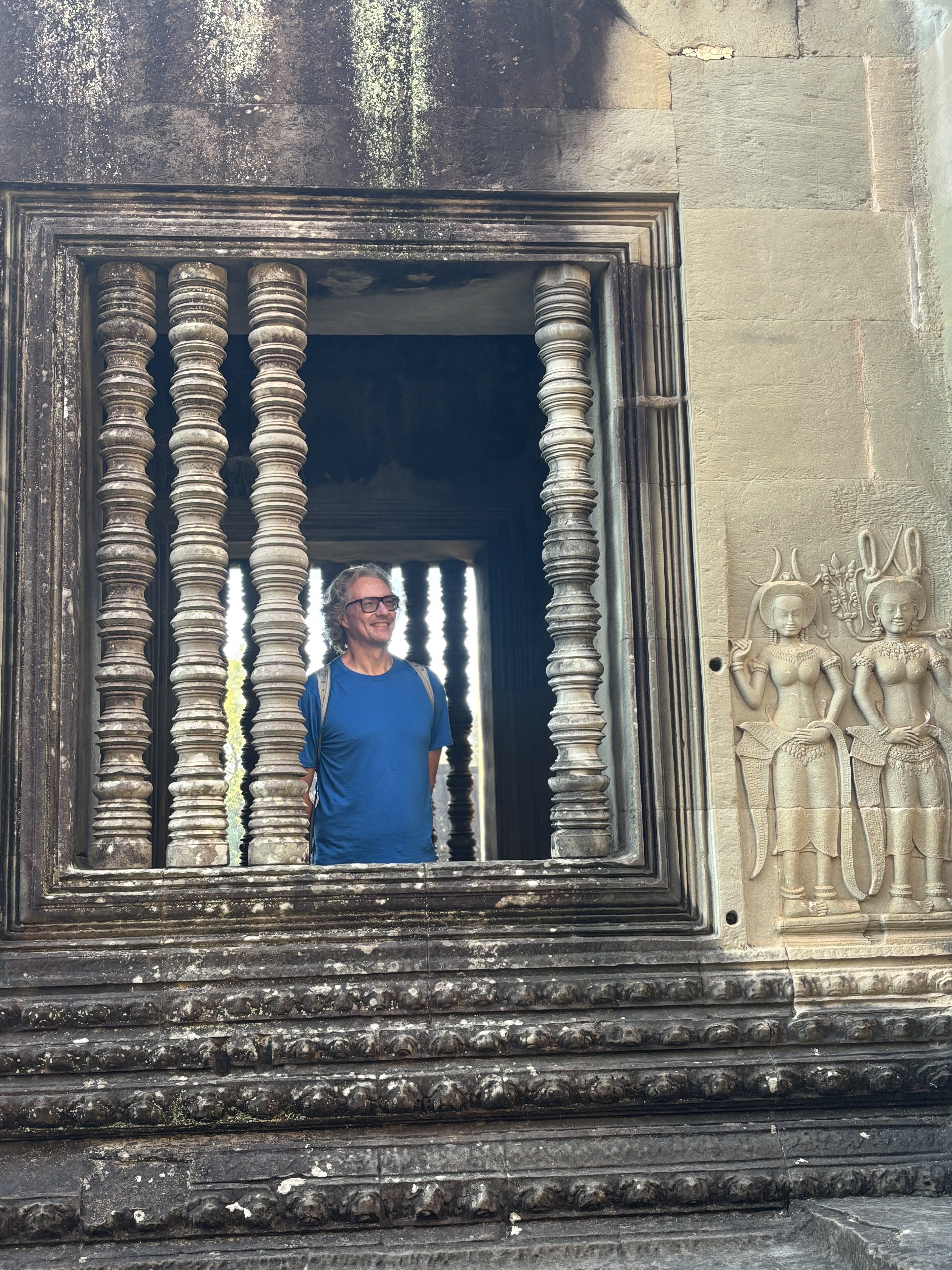


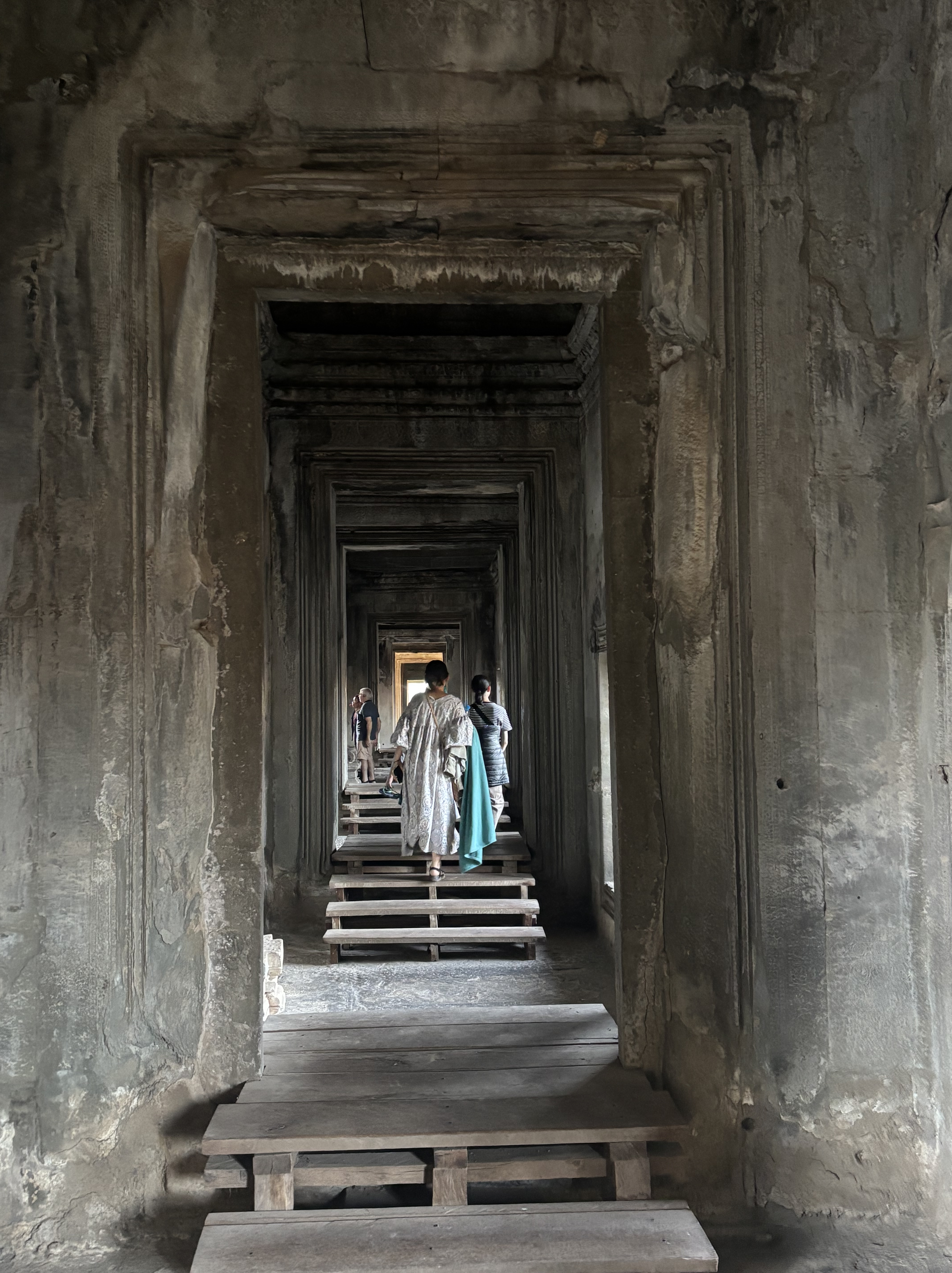
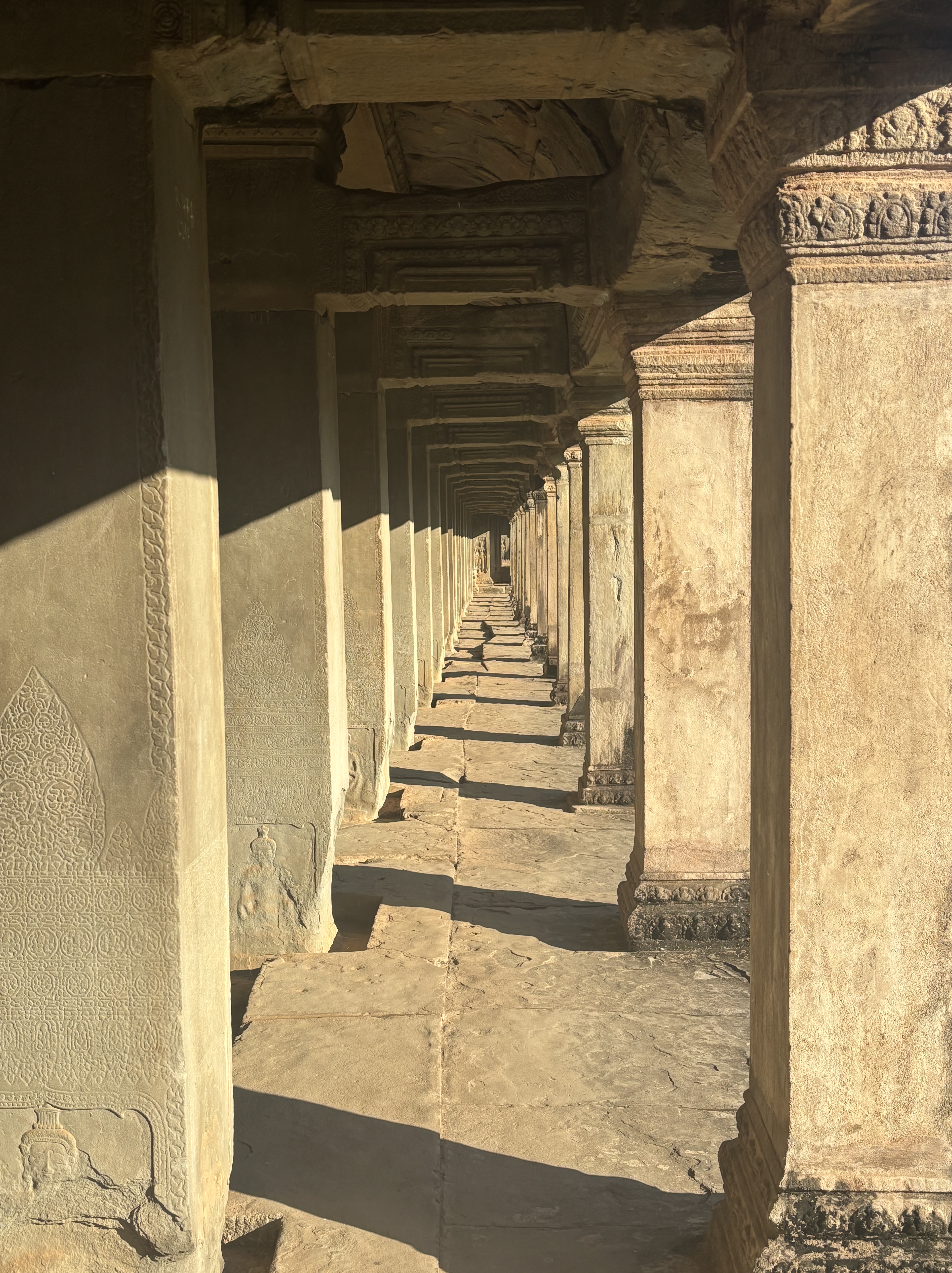
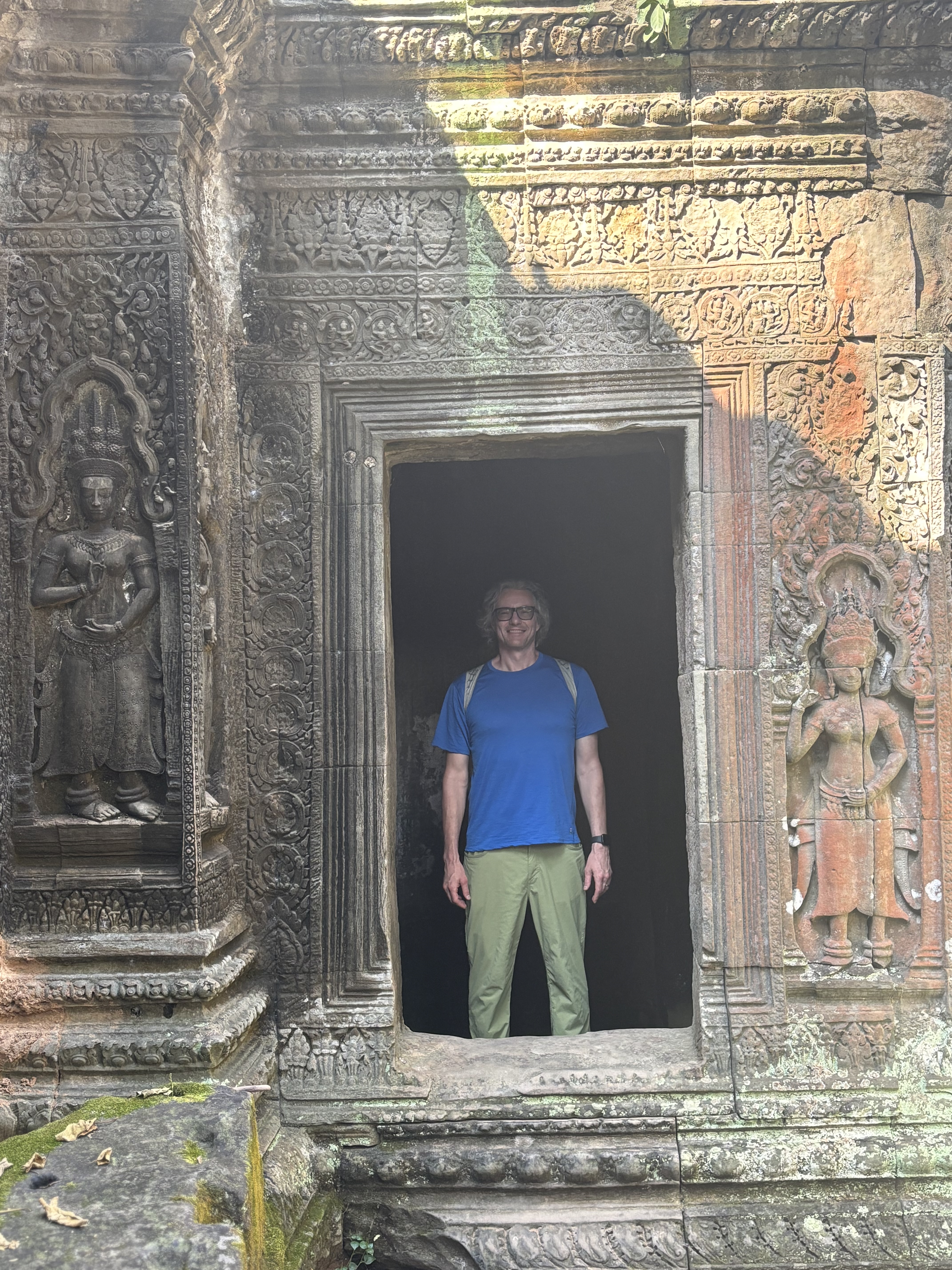


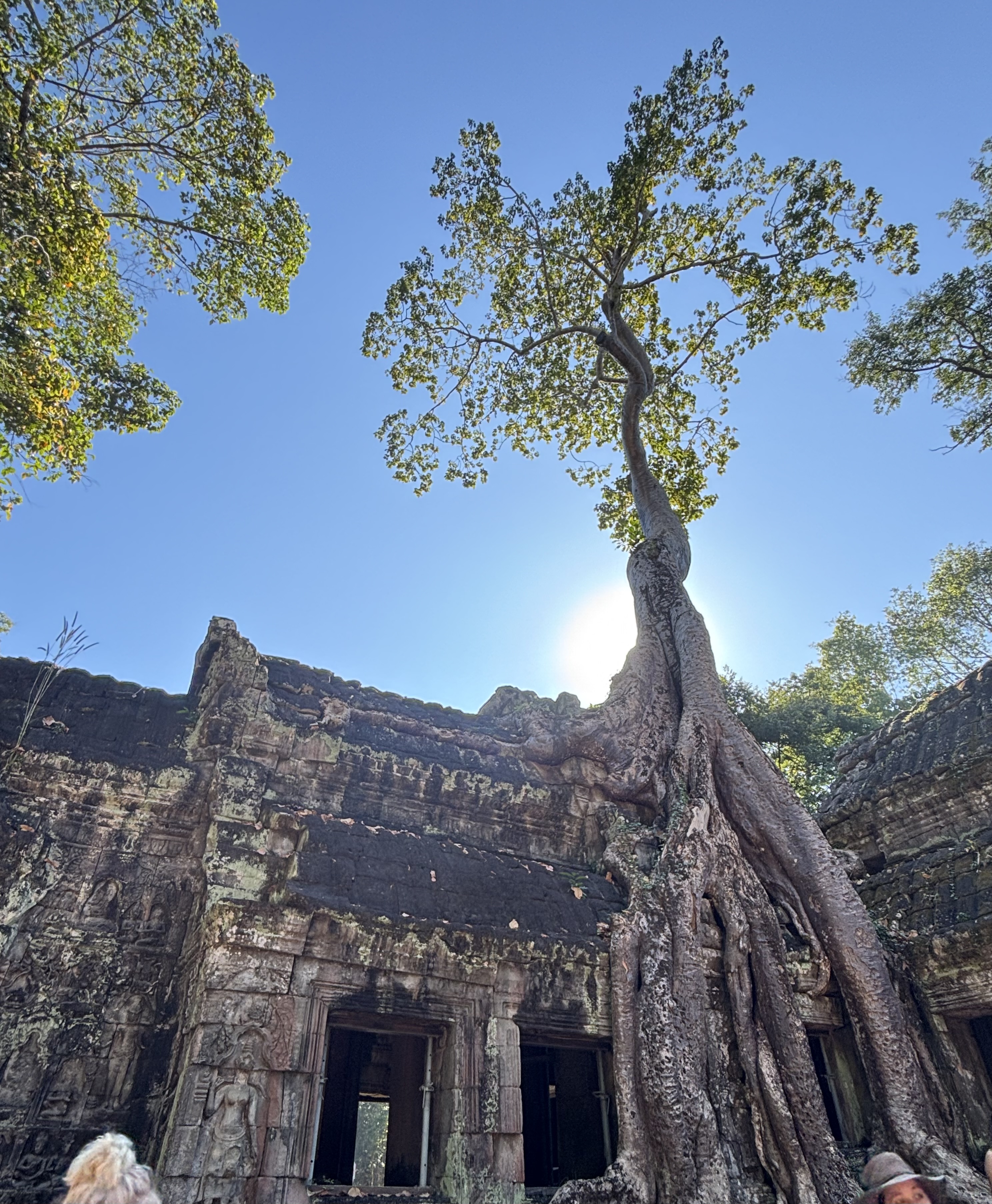

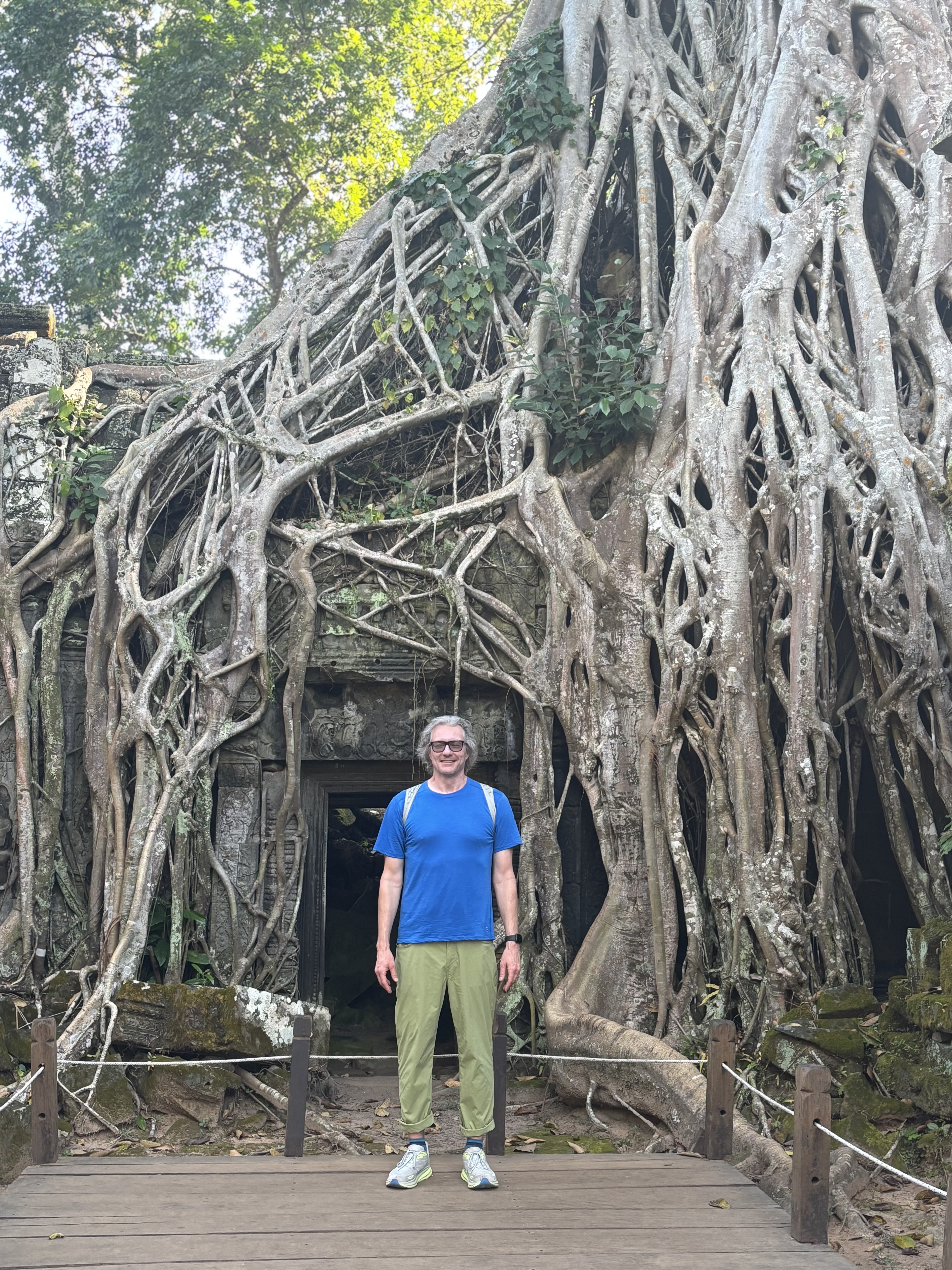
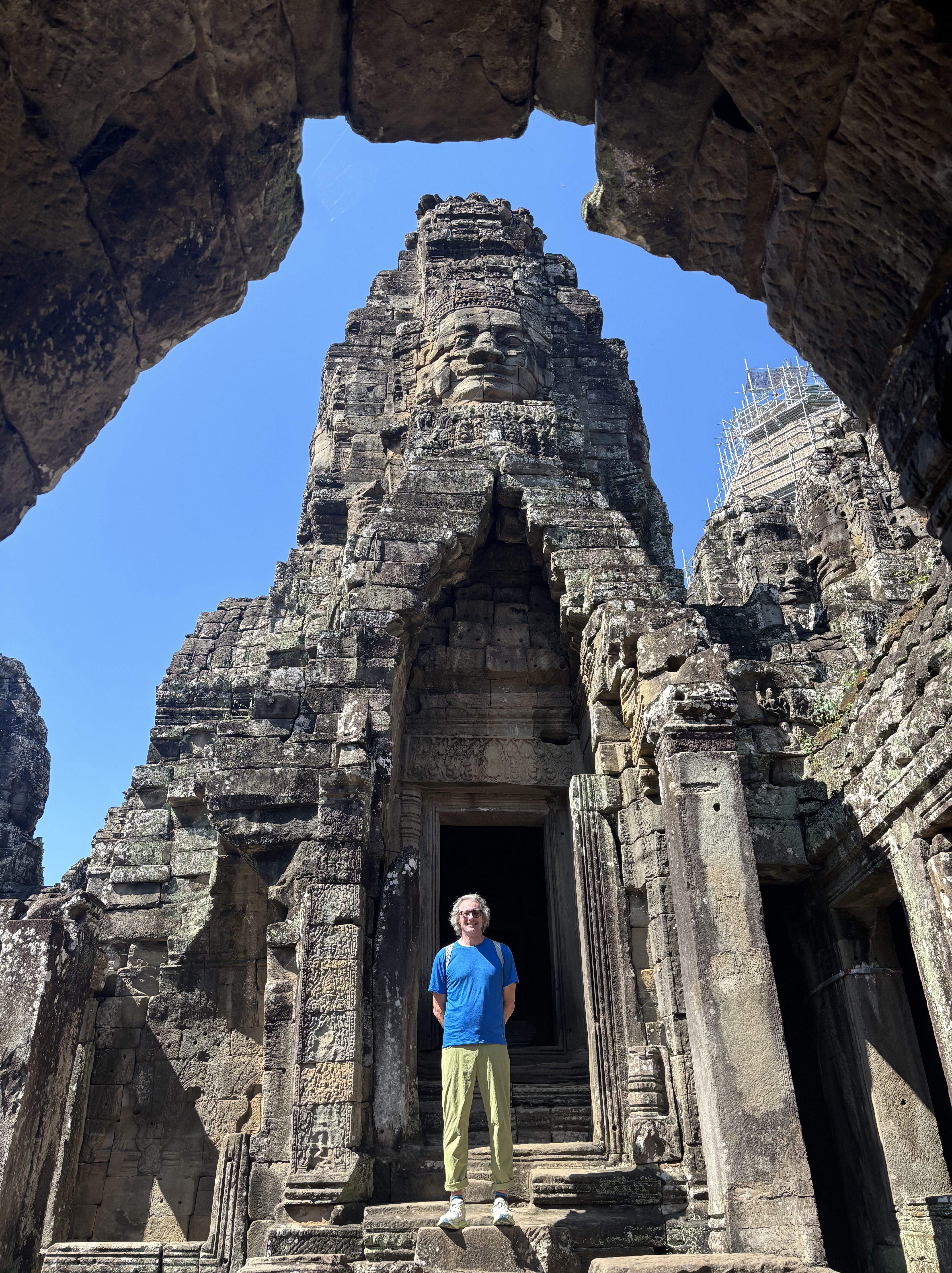



These days, Khmer refers to the language and the primary ethnicity of the local population. Cambodia is the country, and citizens are technically Cambodian, but most people I met self-identified as Khmer and the cuisine is often described as Khmer too. The Khmer are quite proud of their heritage.
Unfortunately, things went downhill quickly for the Khmer Empire after 1431. Internal drama among Khmer leaders made the region vulnerable to periodic takeover by invaders from Siam and Vietnam over the next few centuries, and the area became part of French Indochina in 1907. When the French “rediscovered” Angkor Wat and turned it into a major tourist attraction, nearby Siem Reap began to develop from a rural backwater into the busy town it is today. But that progress was interrupted by a civil war in the 1960’s that would eventually see the brutal communist Khmer Rouge regime rise to power. Like other cities in Cambodia, the population of Siem Reap was driven into the countryside and went through a couple decades of extreme hardship. The recovery began after the death of Pol Pot in 1998, but progress has been sporadic and incomplete.
A good way to appreciate just how traumatic it must have been to live in Cambodia during the Khmer Rouge era is to visit the APOPO Visitor Center on the northern outskirts of Siem Reap. The facility was established in 2014 to train giant pouched rats (a/k/a HeroRats) to sniff out landmines throughout the Cambodian countryside. The one-hour tour and demonstration is equal parts horrifying and heart-warming. It is shocking to see just how many innocent people lost limbs and lives to landmines that rendered so much of the surrounding farmland unusable for decades. Literally every square meter of the country must be scanned for the hidden explosives. Rats are ideal for this task because they have incredibly sensitive noses and are light enough not to set off the landmines if they step on one. They go through extensive process of socialization with human handlers, click training with positive reinforcement to earn food rewards and scent training to identify the smell of landmines. To graduate, they must pass a series of trials with a 100% accuracy score. Those that do not reach this standard are retrained as tuberculosis detection rats. The rats don’t like hot weather, so their day begins early, with handlers applying sunscreen to them in the dark before attaching a specially built harness for a 3-hour work shift before they are returned to the comfort of an air-conditioned trailer. The rats spend their retirement years showing off their skills (and earning risk-free treats) for tourists at the visitor center.





Due to its proximity to Angkor Wat, Siem Reap is host to approximately one-half of all visitors to Cambodia. A handful of upscale hotels occupy grand old buildings from the French colonial era, a cluster of noisy bars on Pub Street entertain the rowdiest of the tourist crowd and a couple of “Made in Cambodia” markets showcase local artisans, but the overall infrastructure is somewhat lacking. You can’t drink the tap water, trash bins are uncommon, sanitation is an afterthought, many of the older buildings are crumbling, most newer buildings are poorly constructed, minor flooding is common along roadways, sidewalks are rare, tuk-tuks and motorcycles have little regard for traffic laws, and merchants sell bulk clothing items from China and produce from who-knows-where out of makeshift tents along the street.
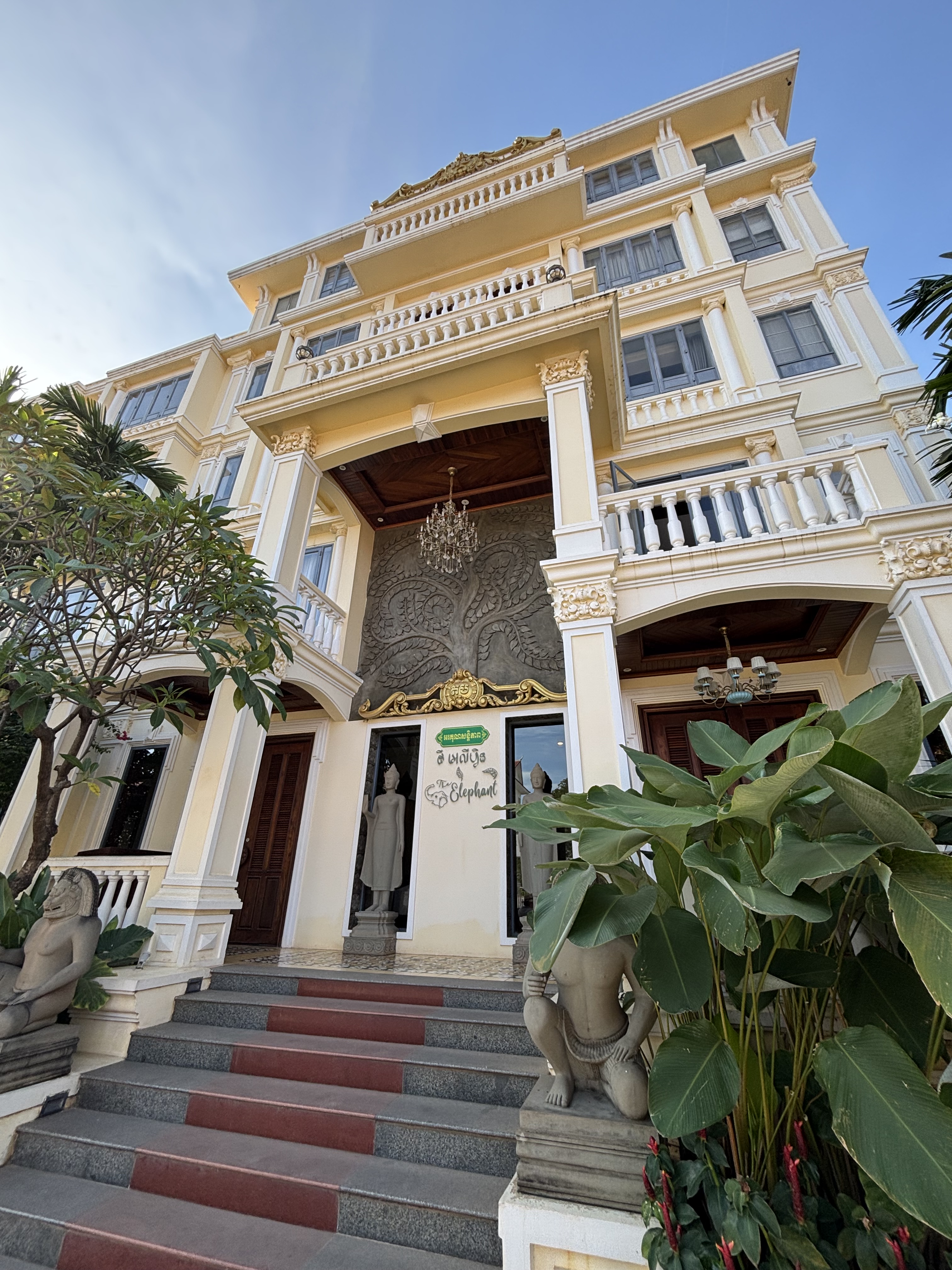


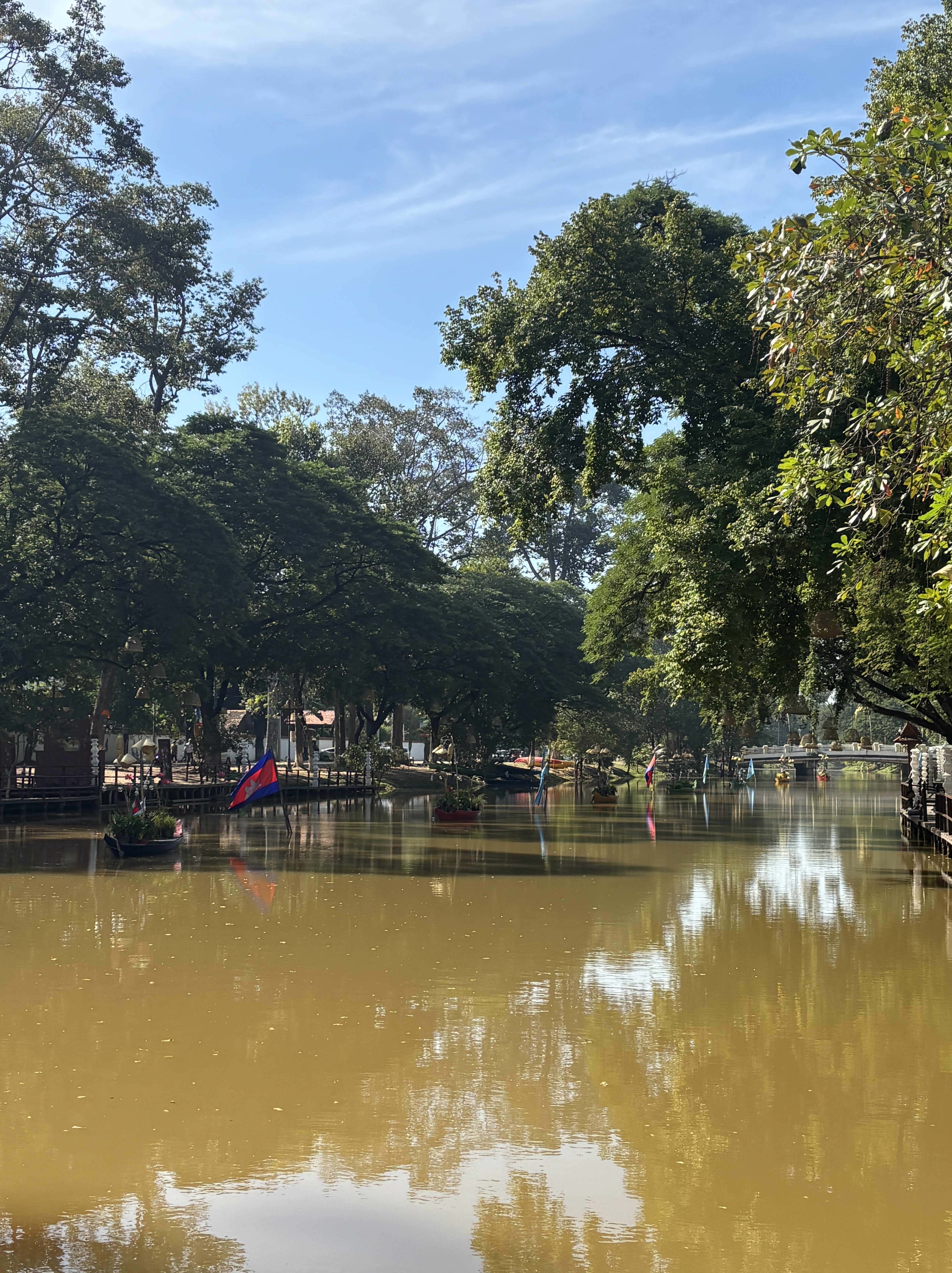

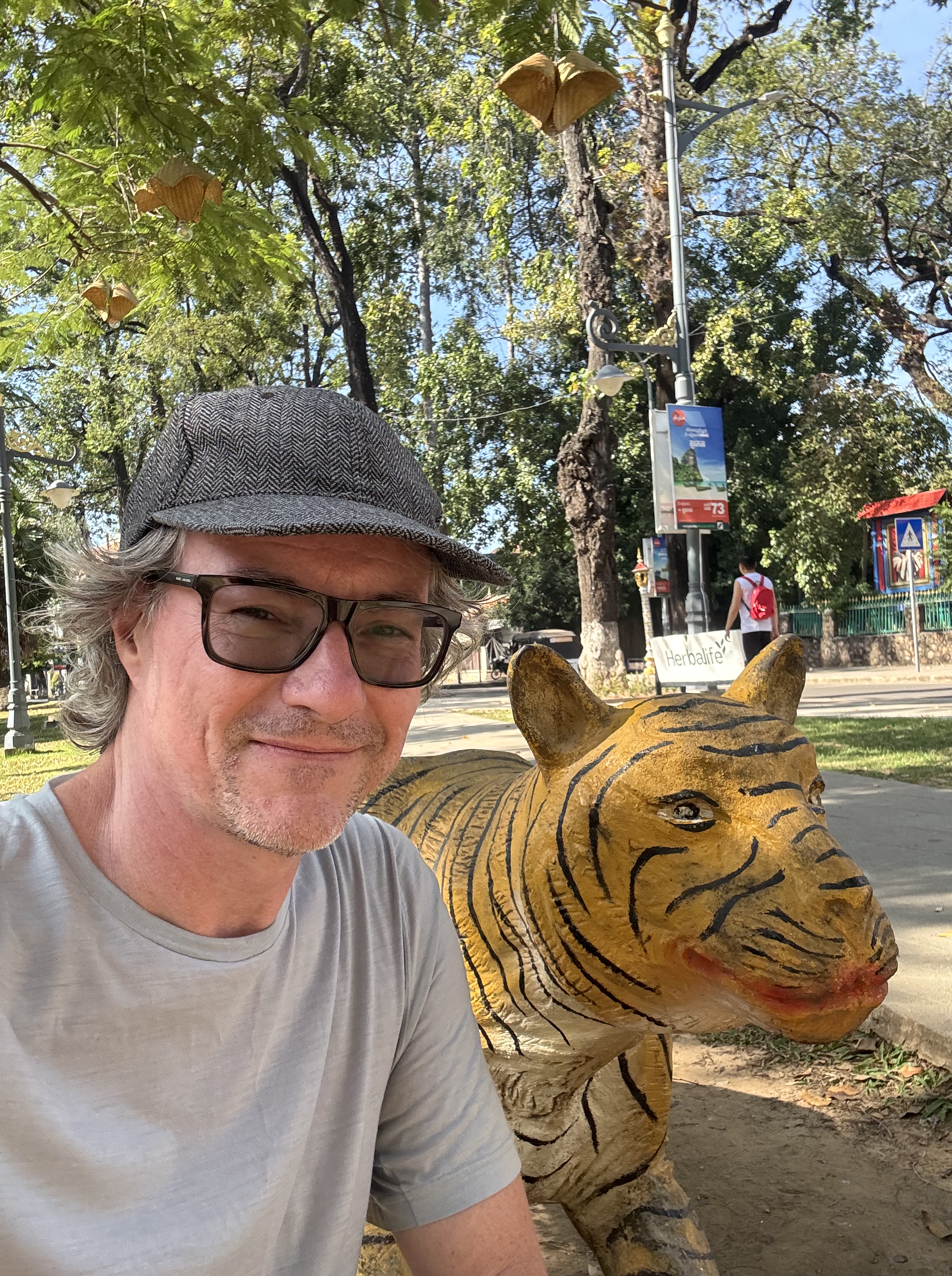
Things get even more dire as you travel through the countryside and see that many homes don’t even have four intact walls. An army of laborers make the daily journey to Siem Reap from the countryside because that’s the only way to find work. The widespread poverty among much of the population is all too evident, which contrasts sharply with the lavish royal palace grounds and the exorbitant entry fees tourists are charged at major attractions. I asked several people but never figured out exactly why there are so many older-model Lexus RX-300’s roaming the streets of Siem Reap. Answers ranged from reliability to prestige, but it struck me as profoundly odd to see so many 25-year-old luxury SUVs fighting for space with tuk-tuks and motorcyles but very few automobiles manufactured within the last 20 years.
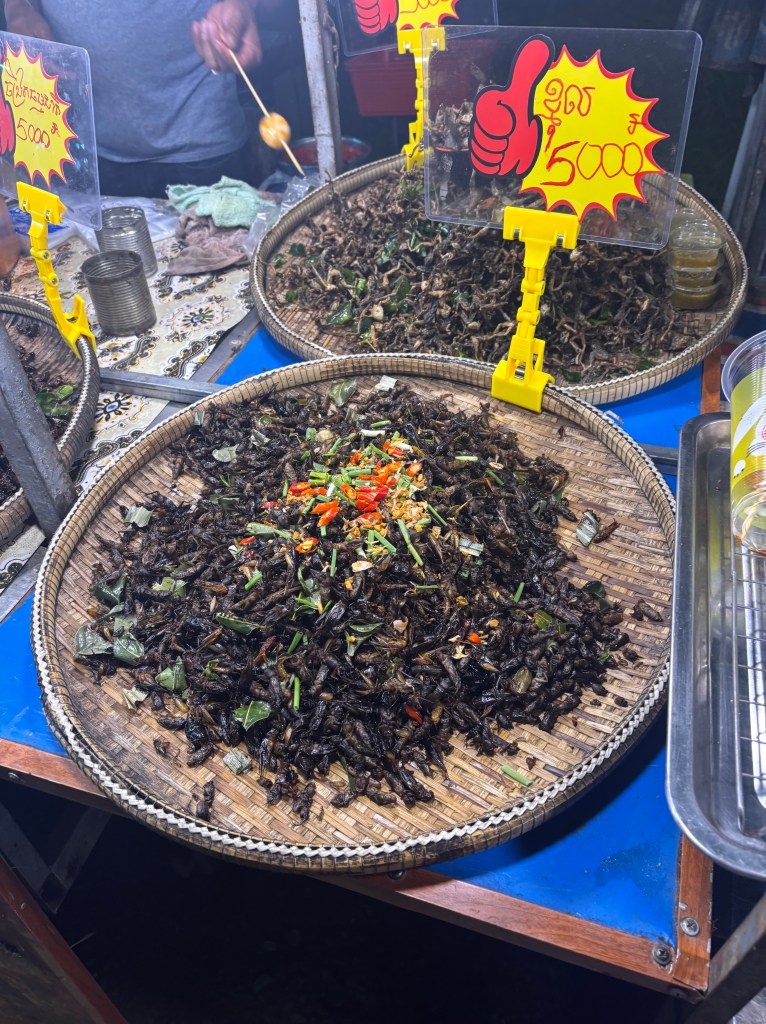
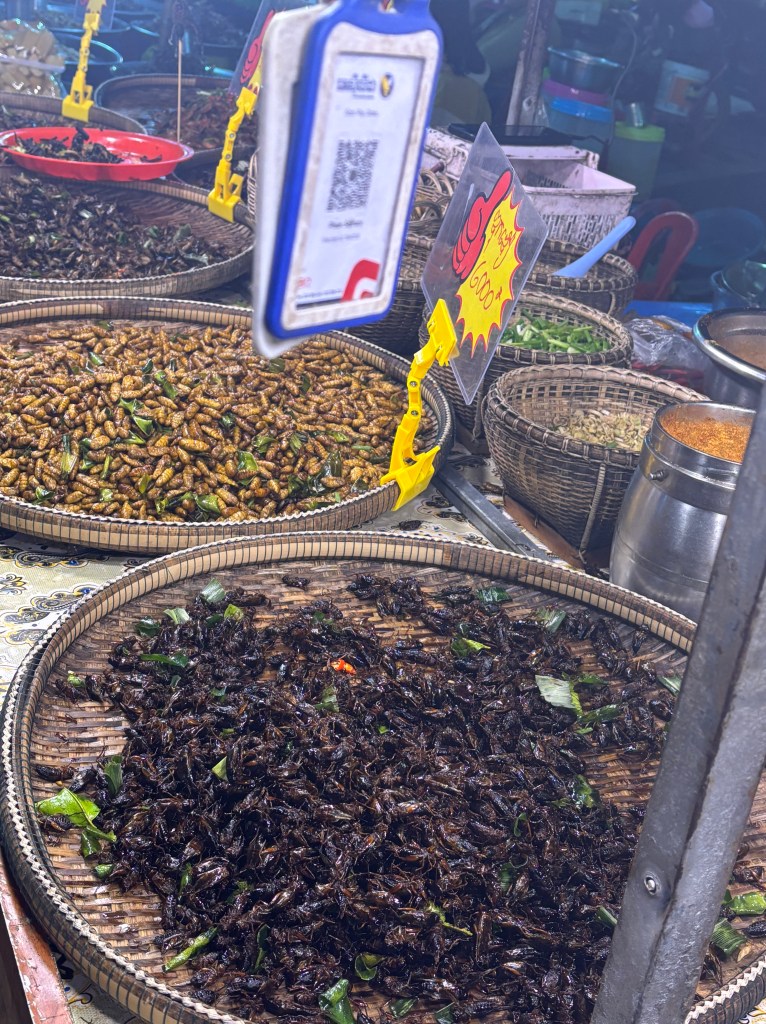
Cambodians are known for their exceptionally omnivorous diets, including everything from insects to snakes and small mammals, but that trait clearly developed out of necessity from decades of having no other options. I became curious – or perhaps just desensitized – after seeing so many locals eating things that initially seemed exotic and unappealing that it took surprisingly little coaxing for me to try a sequence of crazy treats on a night-time food tour at a bustling market along a major road (the city built a covered market a few blocks away but the vendors refuse to use it): a whole baby frog, crickets, grasshoppers, beetles, mealworms and any number of things I’d rather not know more about hidden in admittedly tasty soups and stir-frys. The frog, of course, tasted like chicken. The crispy texture and slightly metallic notes of the winged insects were offset by the pleasant spice of the peppers they were fried with. The mealworm, on the other hand, was decidedly unpleasant. A crunchy exterior concealed a way-too-mushy interior and flavor vaguely reminiscent of bad tofu.
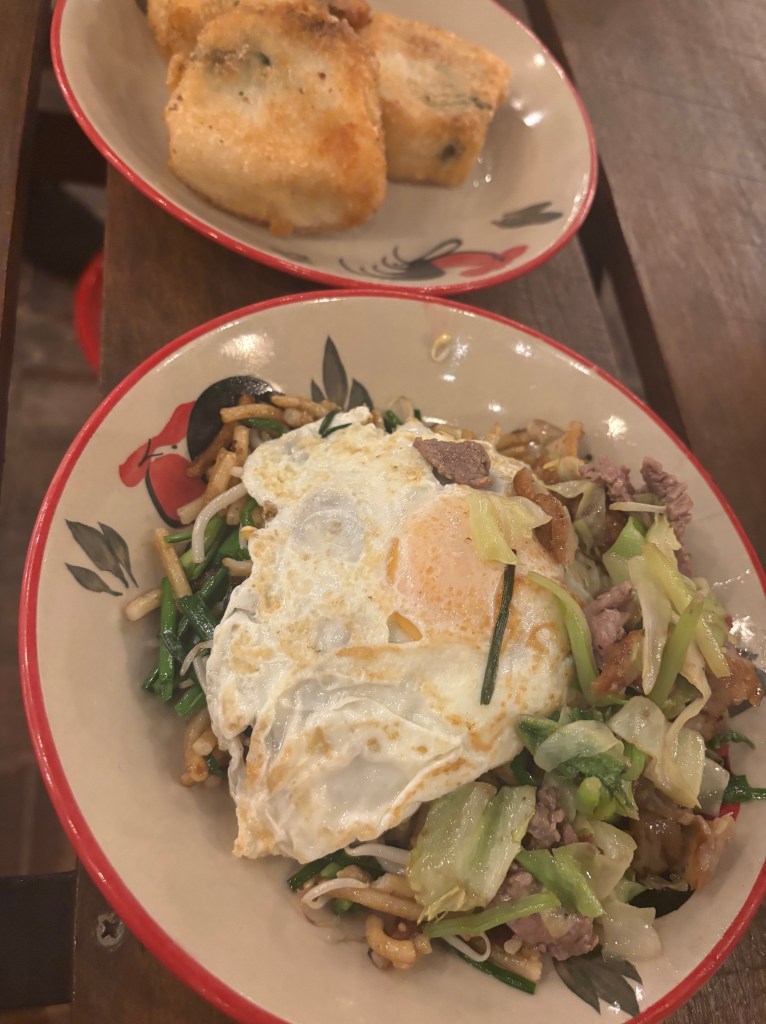
So . . . is it worth a slow travel stop? Honestly, I’d probably have to vote no. To be fair, most of the serious travelers I’ve met LOVE Cambodia. Despite its tragic history and an ongoing military conflict, the country is a safe and interesting place to visit, the people are friendly and your US dollars go a long way. Angkor Wat is a must-see destination for the Instagram influencer crowd and more spiritually minded visitors to southeast Asia. But it’s also hot, messy and too opportunistically commercialized for my liking. Siem Reap is clinging desperately to the tourism industry as a matter of survival, so I can’t fault the locals for how the town has developed but really wish there was more middle ground between people authentically struggling to get by and the artificial tourist machine. It’s a delicious curry served with just a little too much mealworm for my taste.

 The Global Slowmad
Leave a comment