My last post shared some of the many “delights” from my week in the cultural melting pot that is Istanbul. But as George Costanza taught us in a memorable Seinfeld episode that also involved a Turkish prison hypothetical, colliding worlds can be problematic.
For starters, nothing in Istanbul is easy. I was there in shoulder season, and it was still difficult to escape the crowds.

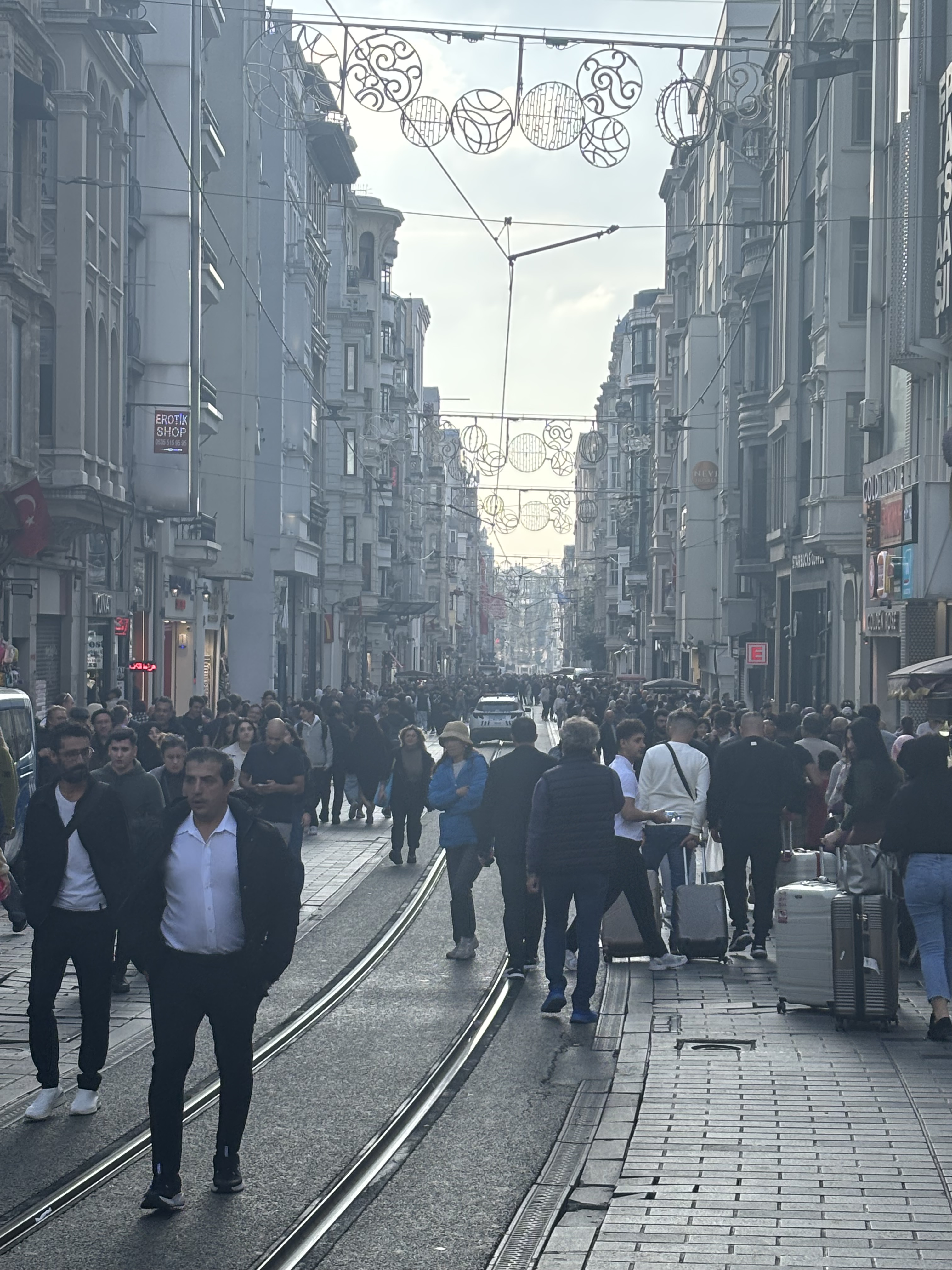
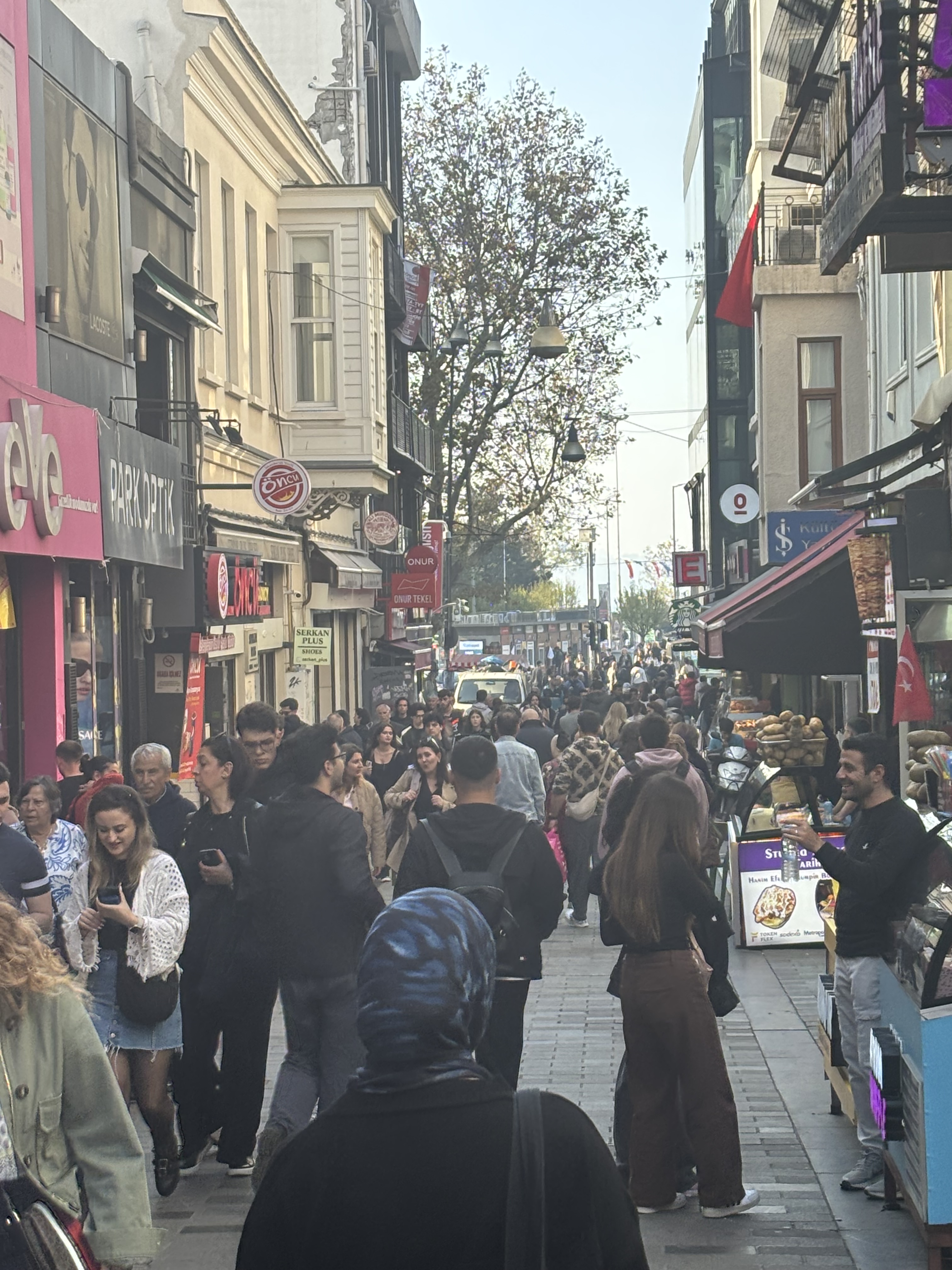
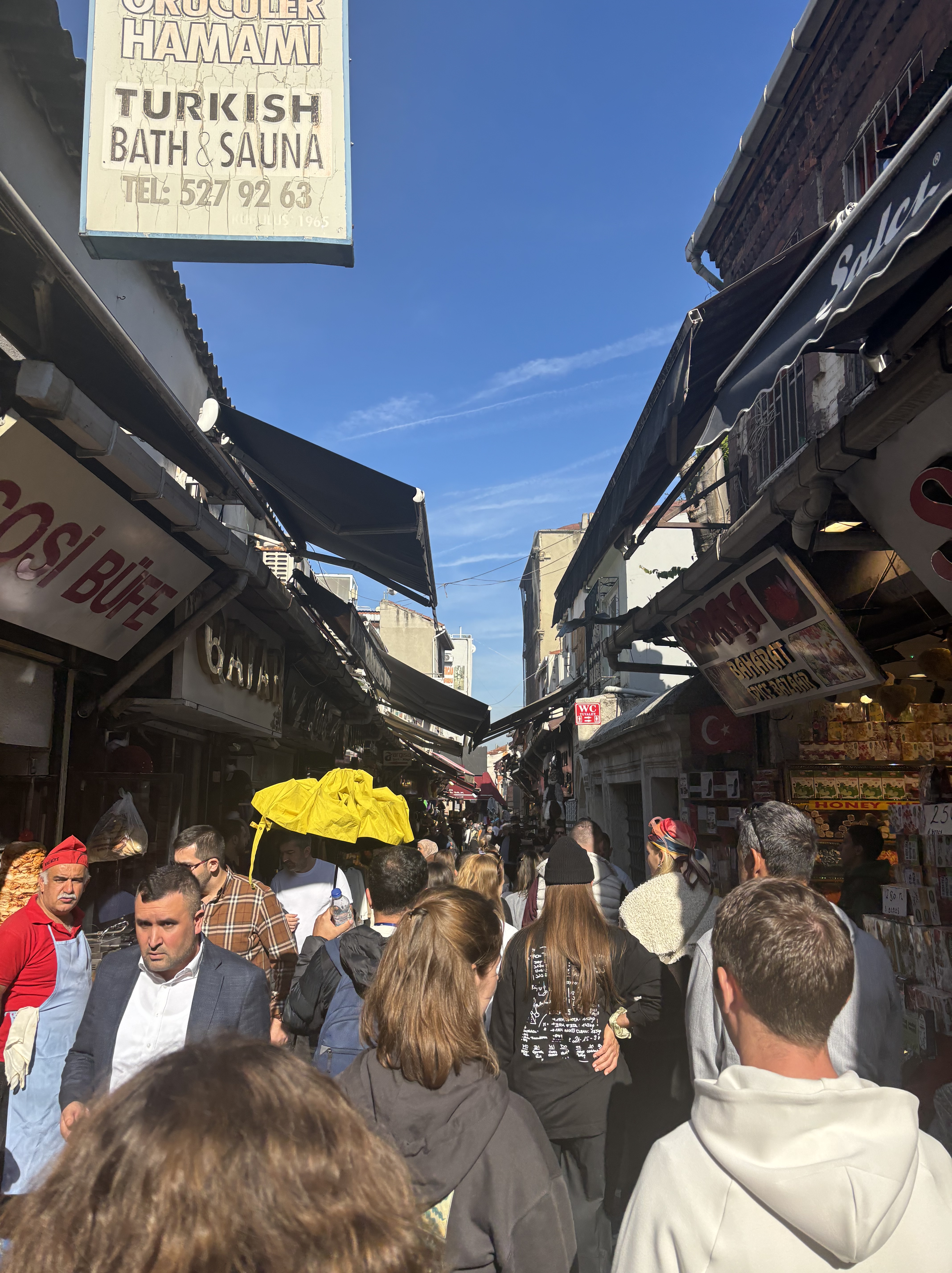
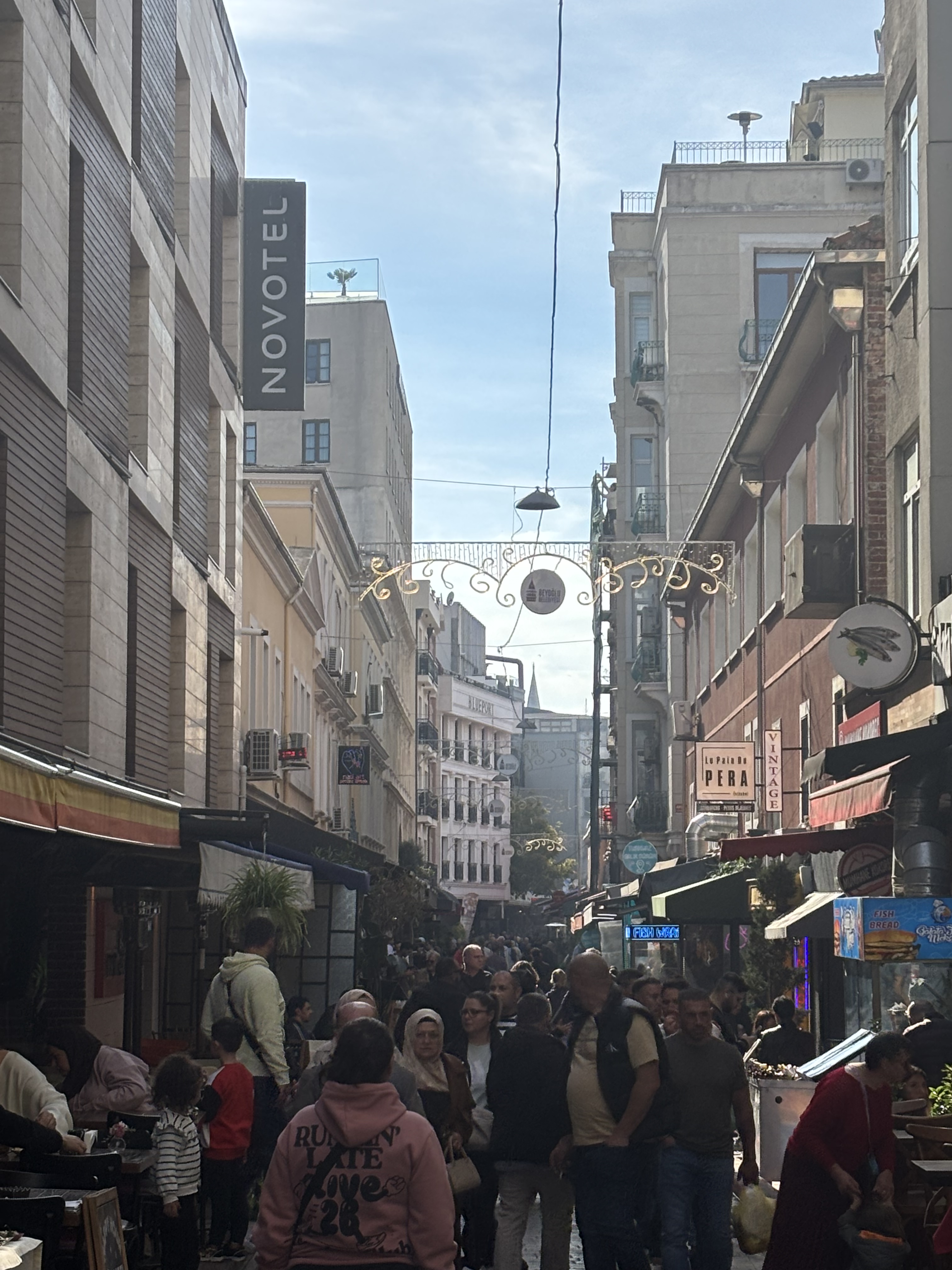
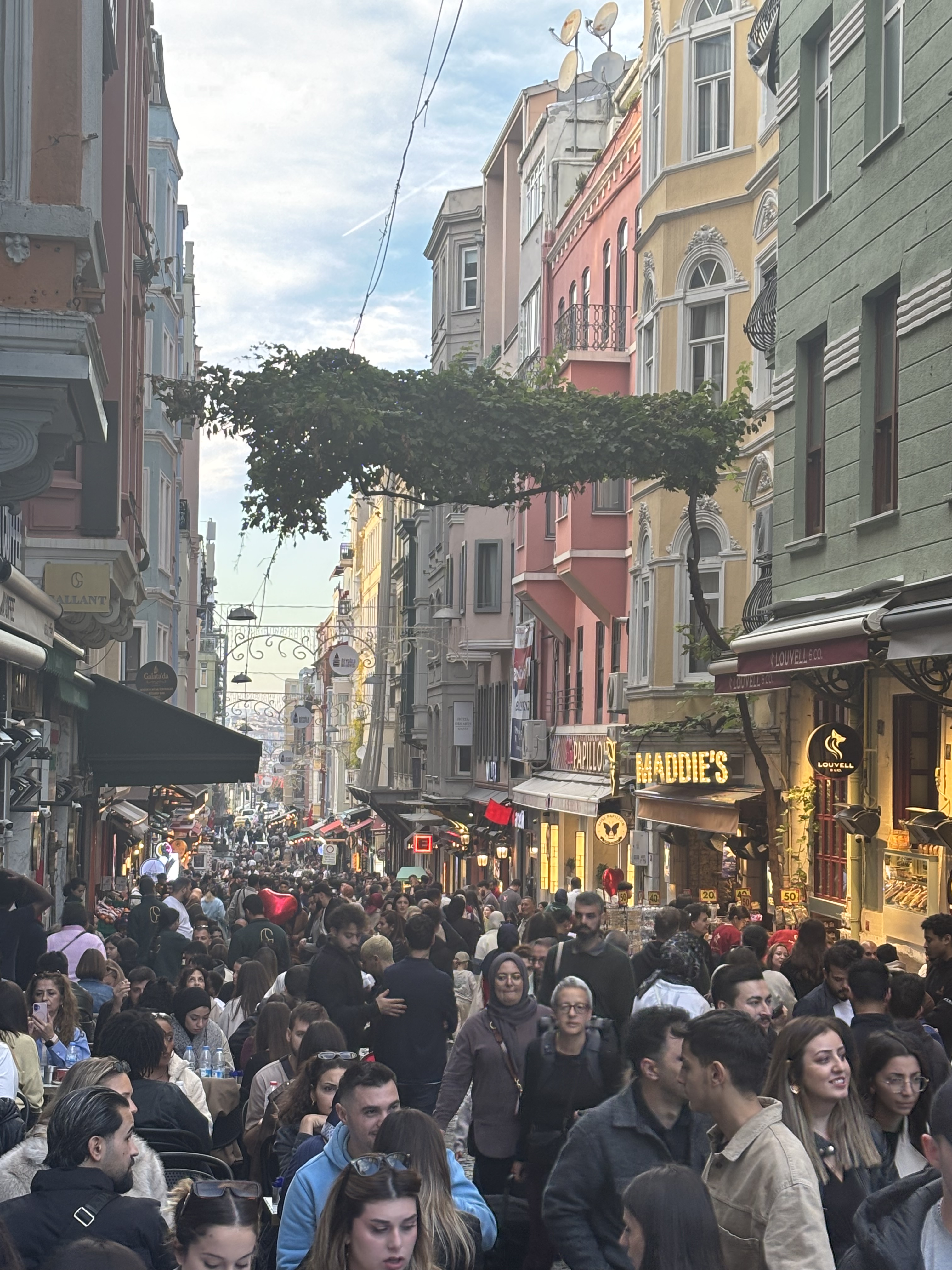
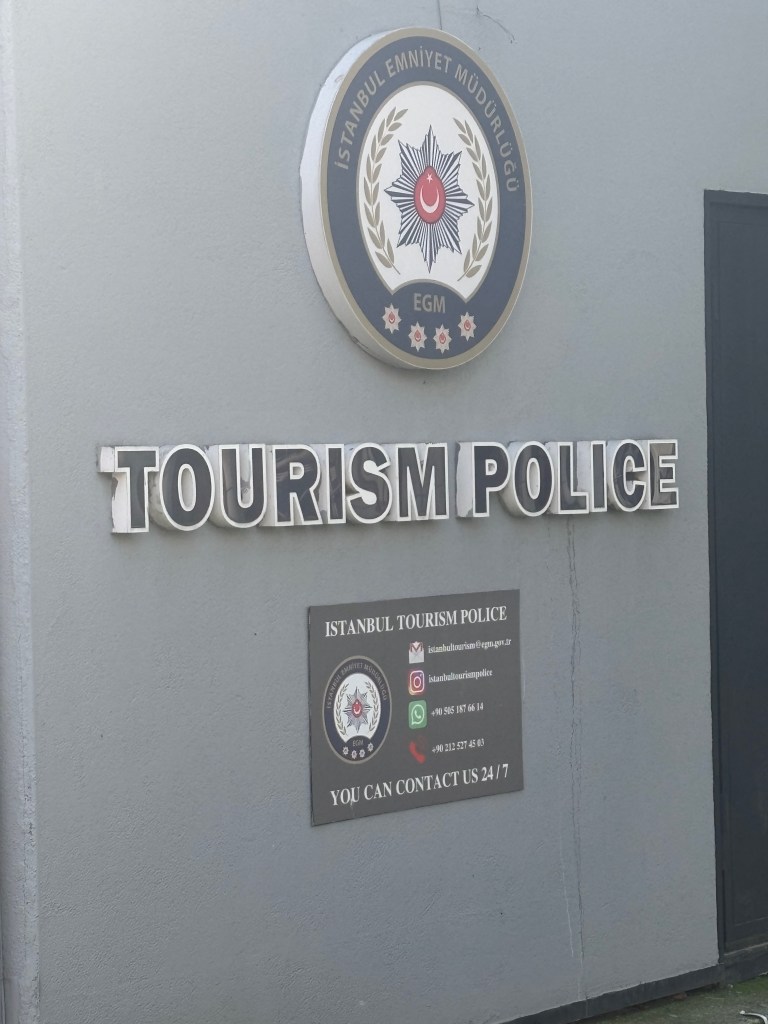
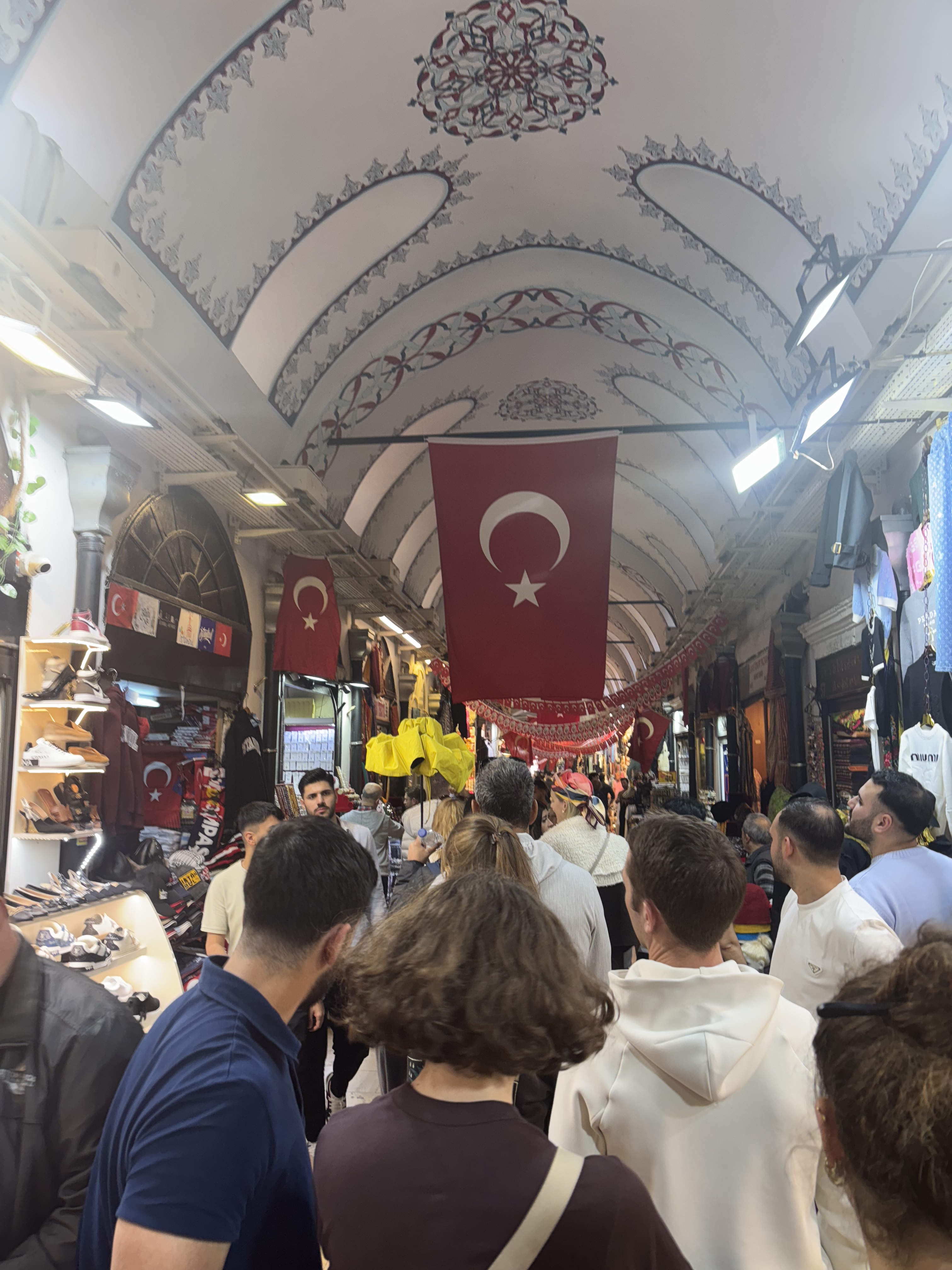
To get to any of the main attractions, you must fight your way through not just the slow-moving tourists, but also a gauntlet of men — it’s always men — trying to lure you into a carpet shop. They get particularly clingy when the mosques are closed for prayer because they know you have limited options. Their first step often is to offer helpful tourist advice to build false trust. Asking where you are from is just their way of keeping the conversation going. And it turns out that every Turkish man has a cousin from Oklahoma. What a small world. Another common scam involves a guy who “accidentally” drops a brush while walking in front of you then offers to shine your shoes if you alert him to it, initially for free but eventually demanding an exorbitant amount. Even getting a bite to eat in popular areas requires you to politely decline the aggressive sales pitches from a never-ending stream of food purveyors. It’s exhausting. If only there was an elite law enforcement unit for this sort of thing.
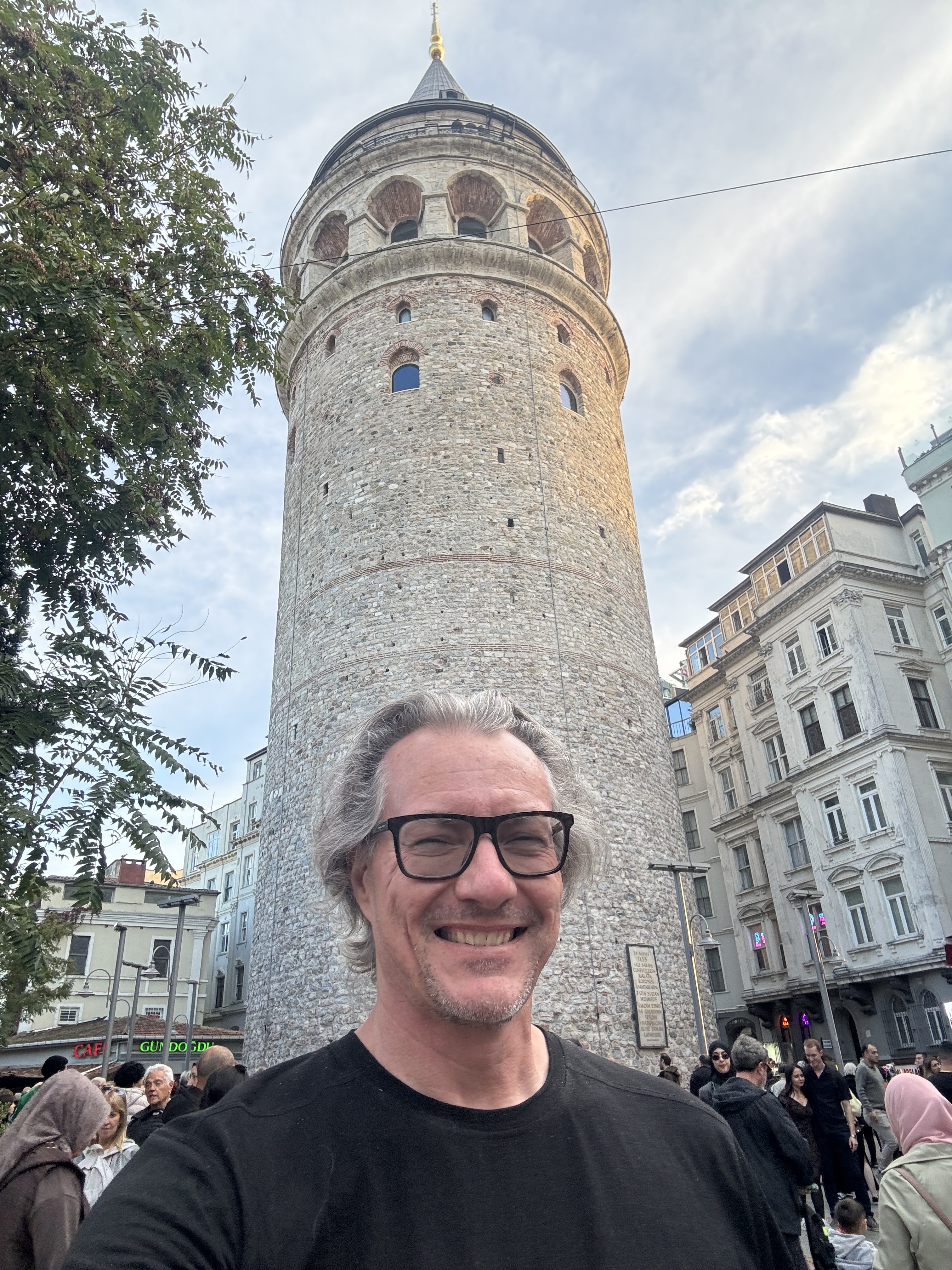
Craft beer and cocktails can be surprisingly difficult to find on the European side of the Bosphorous – even in the lively neighborhood where I stayed near the Galata Tower – and even more so in conservative neighborhoods on the Asian side. Kadikoy, a trendy and more relaxed district full of college students across the strait in Asia, is where you want to go for a decent beer at a reasonable price. Unfortunately, I repeatedly struggled to figure out which ferry to take since the signage is limited and confusing, but I ultimately accepted that getting lost and sailing to some random neighborhood was part of the adventure.
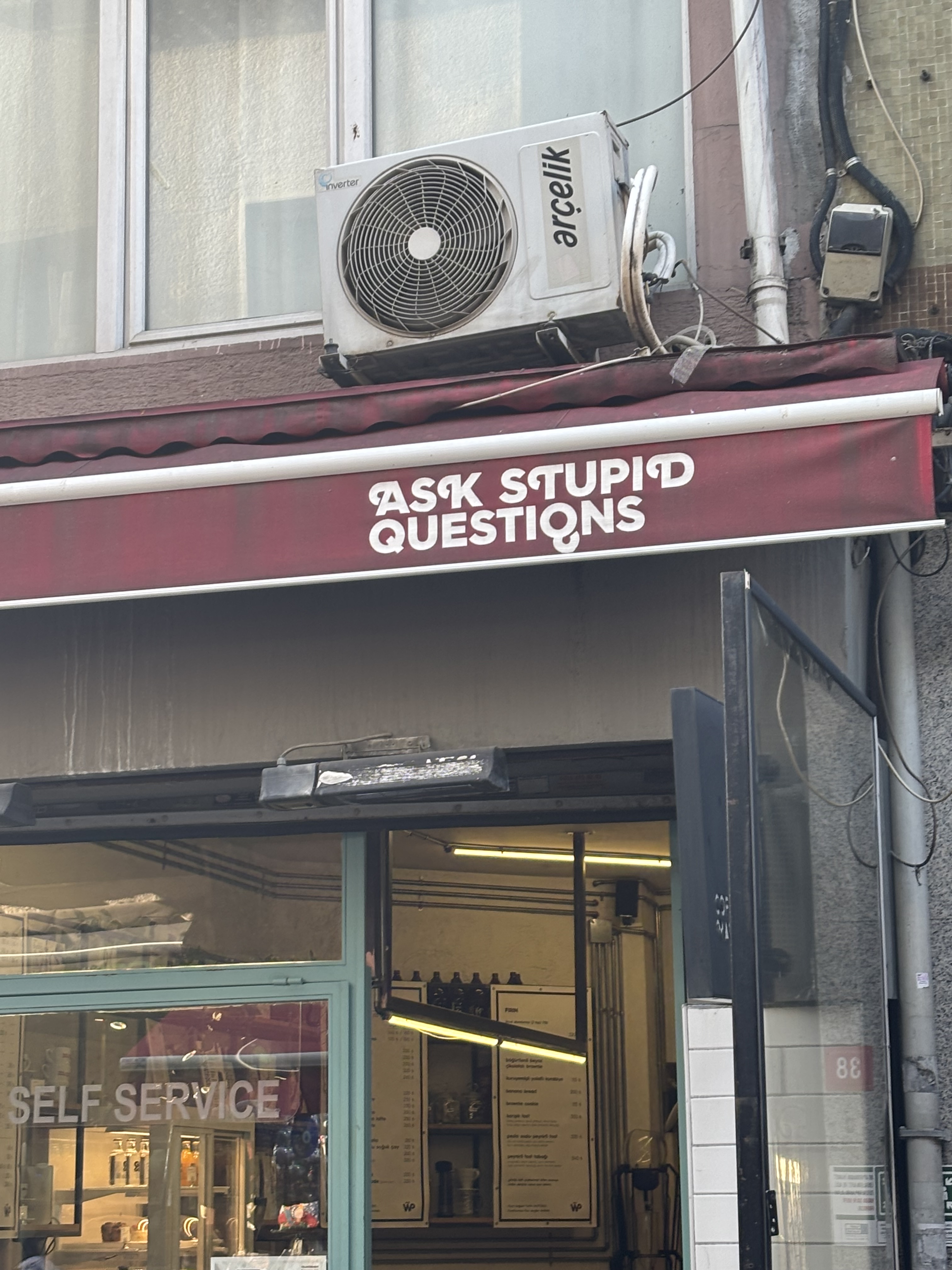

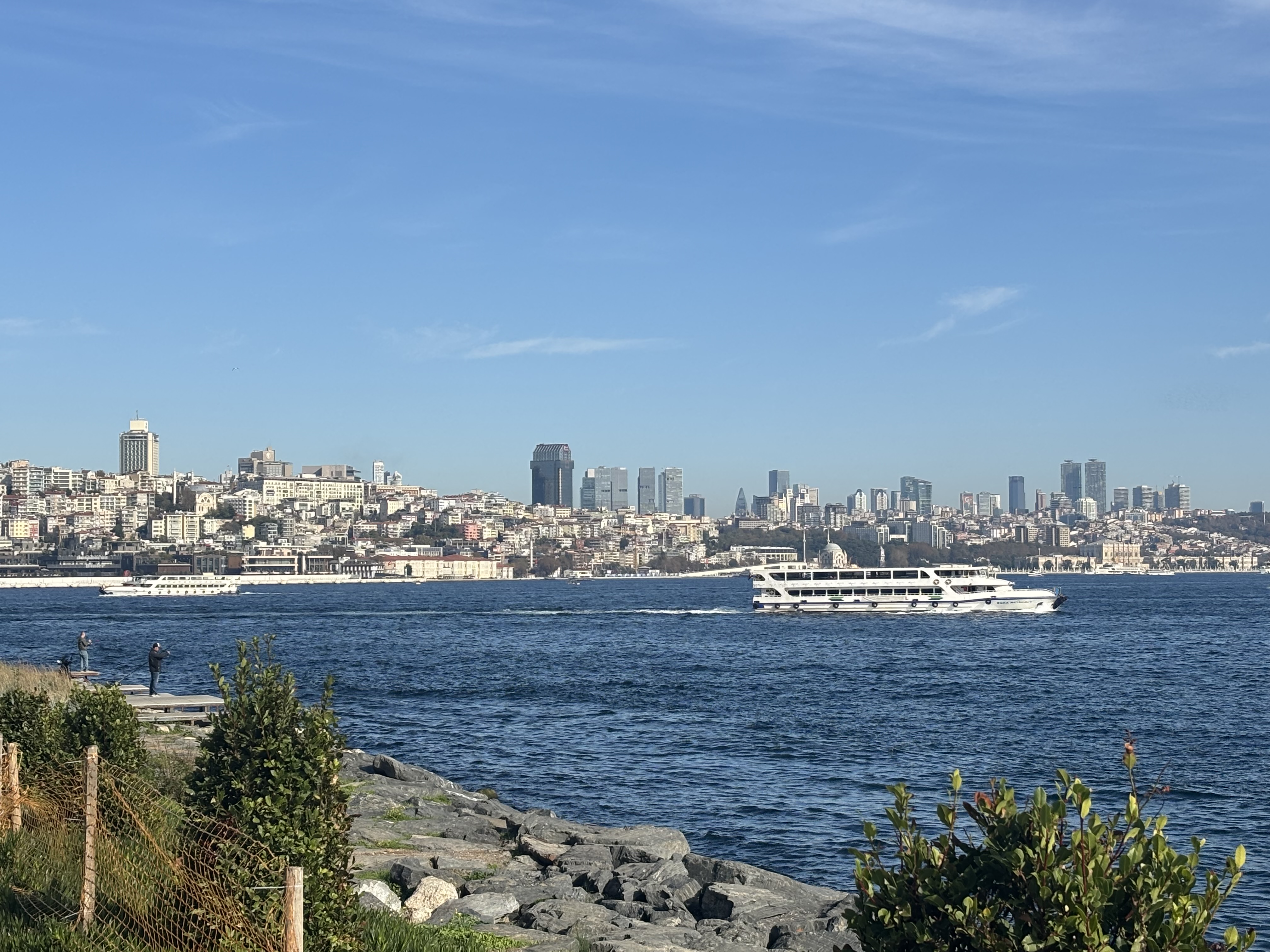
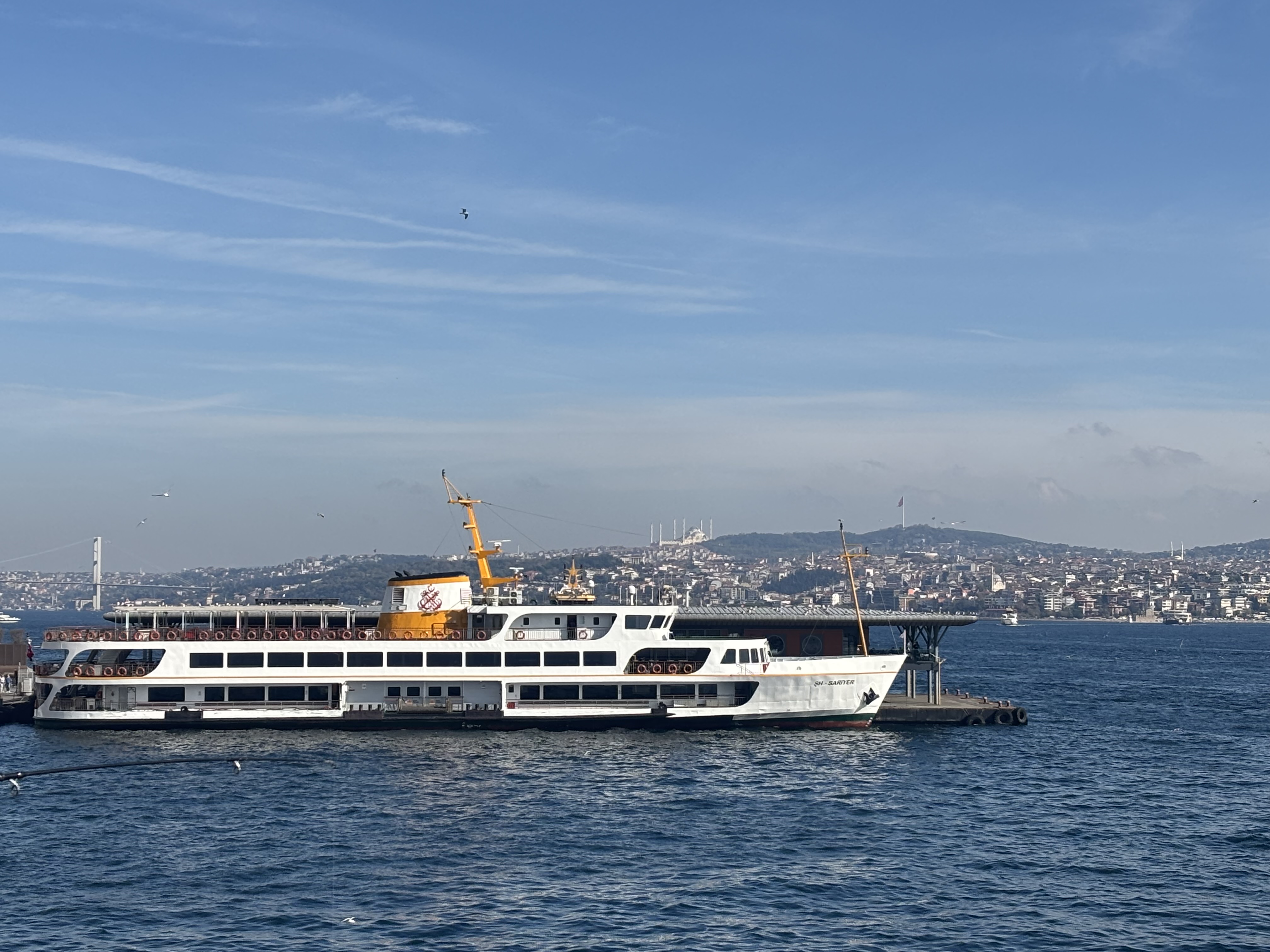
Ubers/taxis are only worthwhile when traveling long distances. Otherwise, you’re just going to be sitting in traffic absorbing exhaust fumes. One driver even left me alone in the cab in the middle of my first (yes, I said “first” – more on that later) ride to the airport because he got hungry and decided to stop at a cafe for a take-away snack.
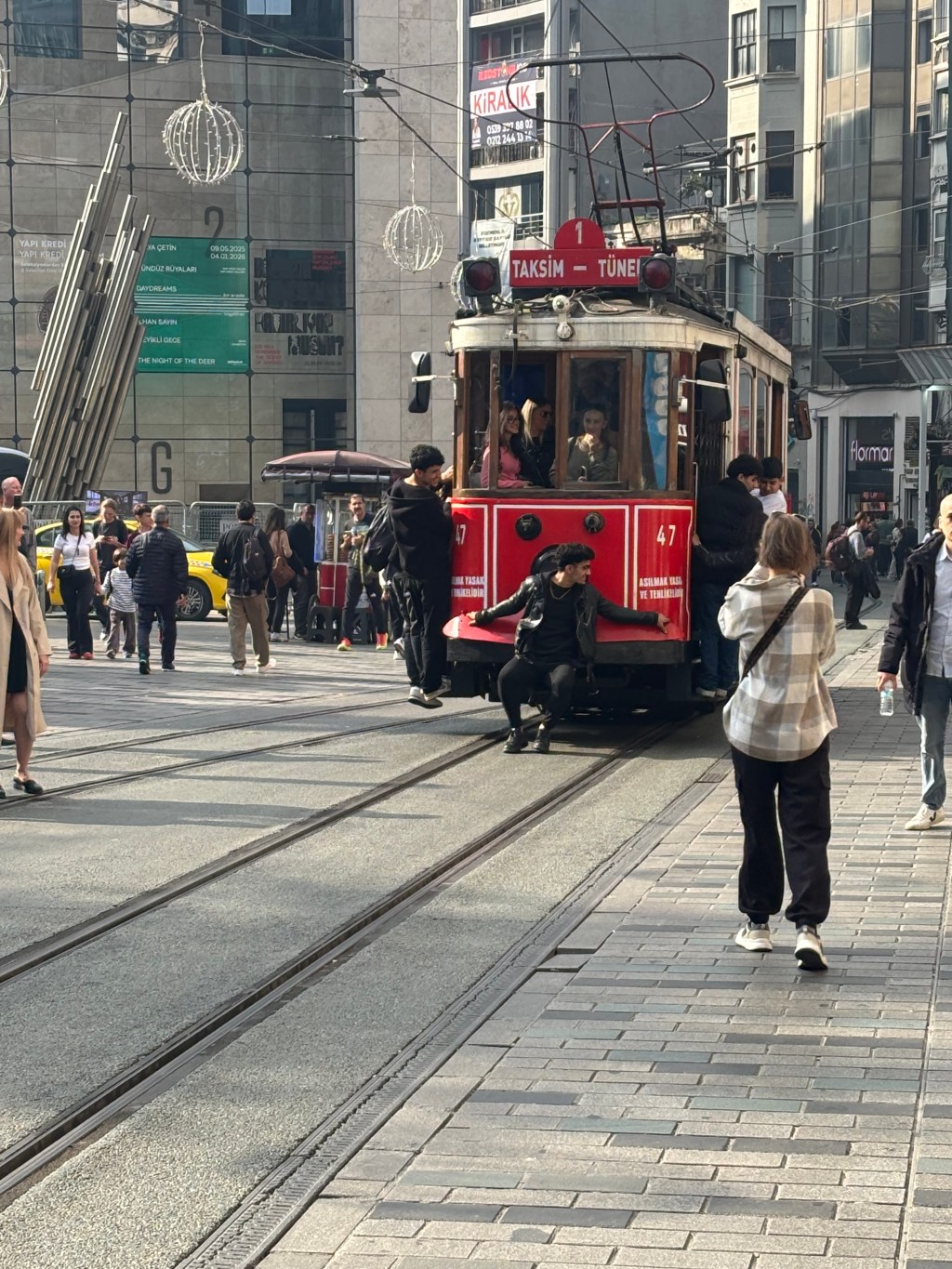
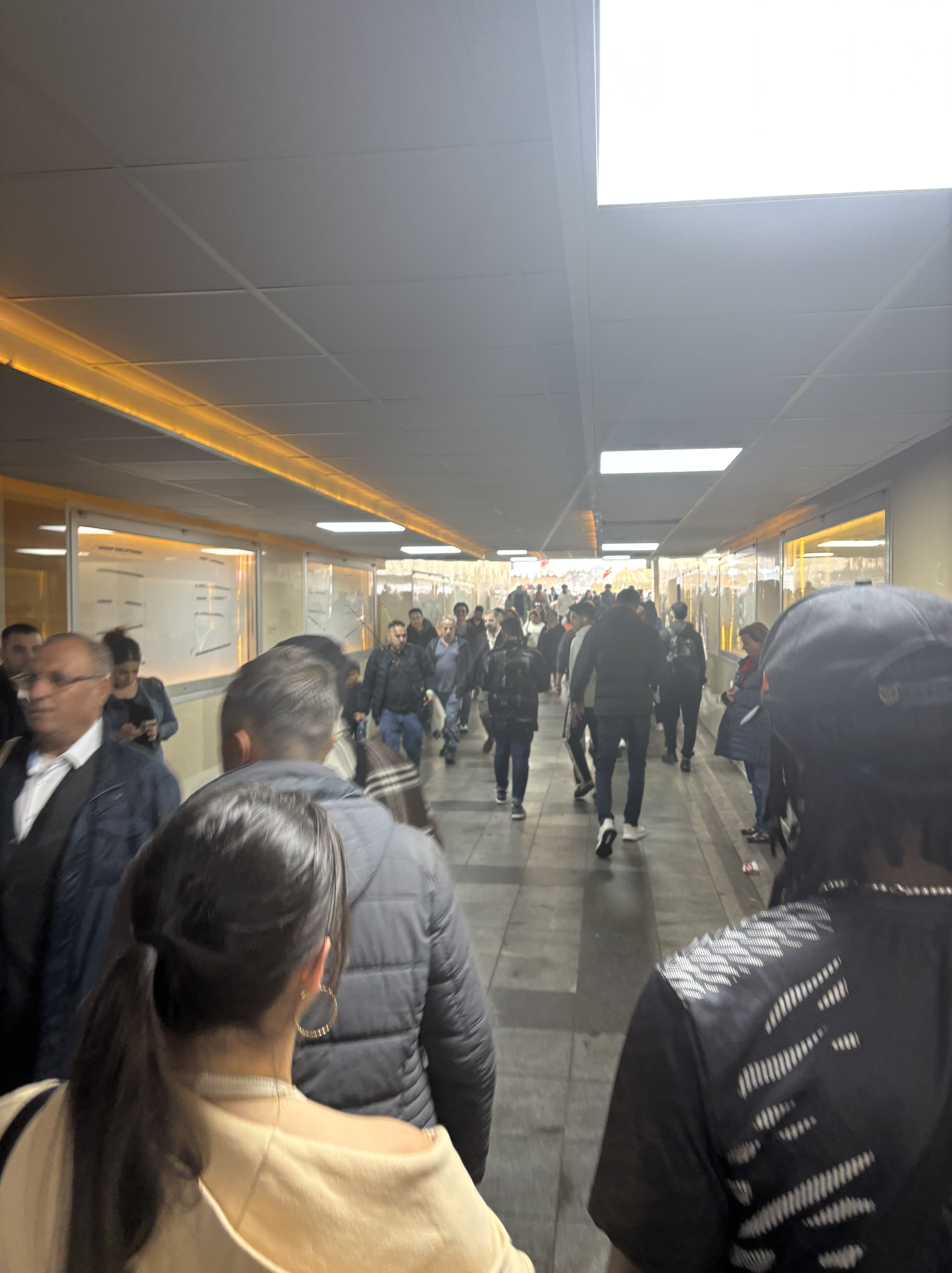
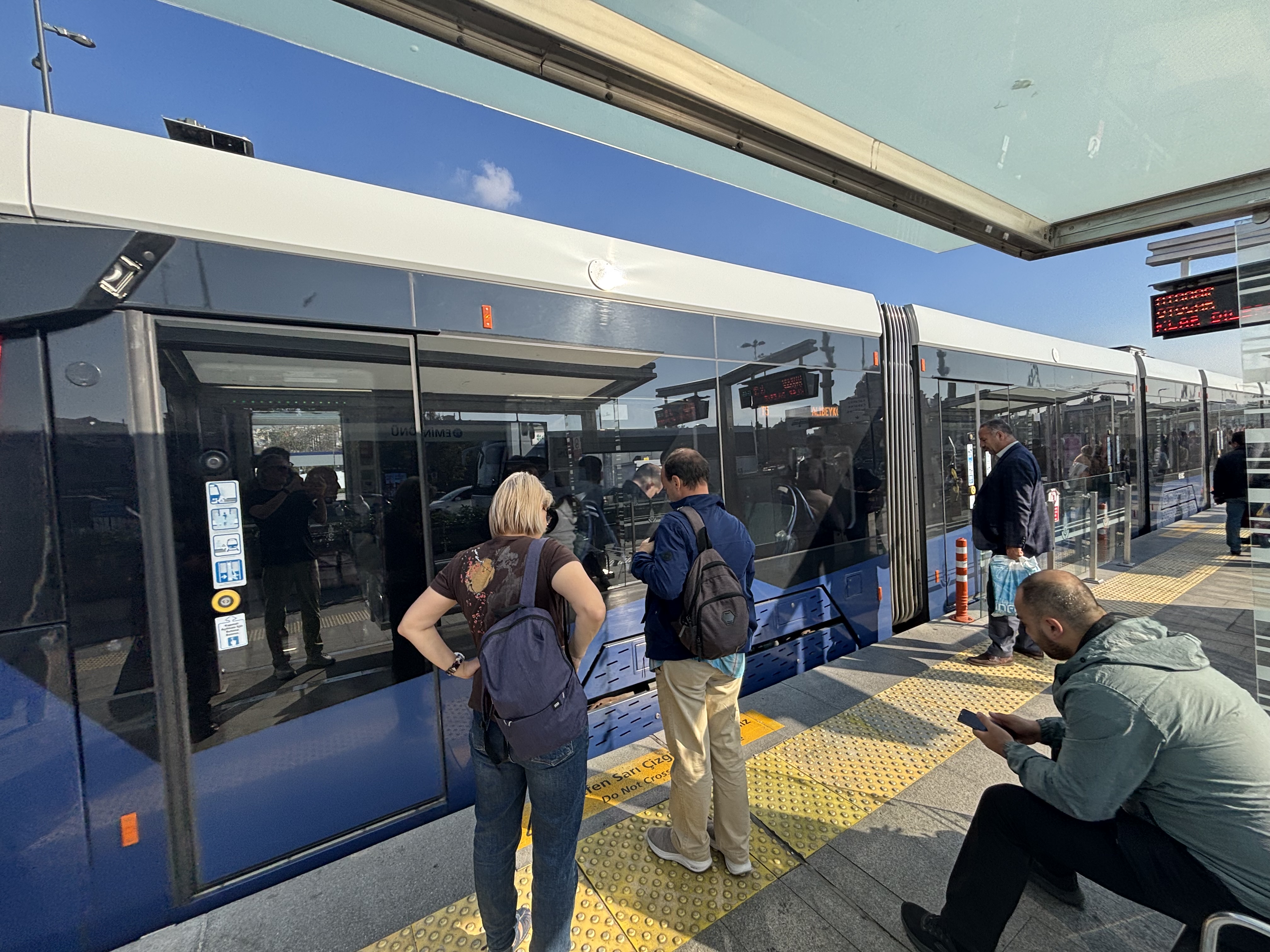
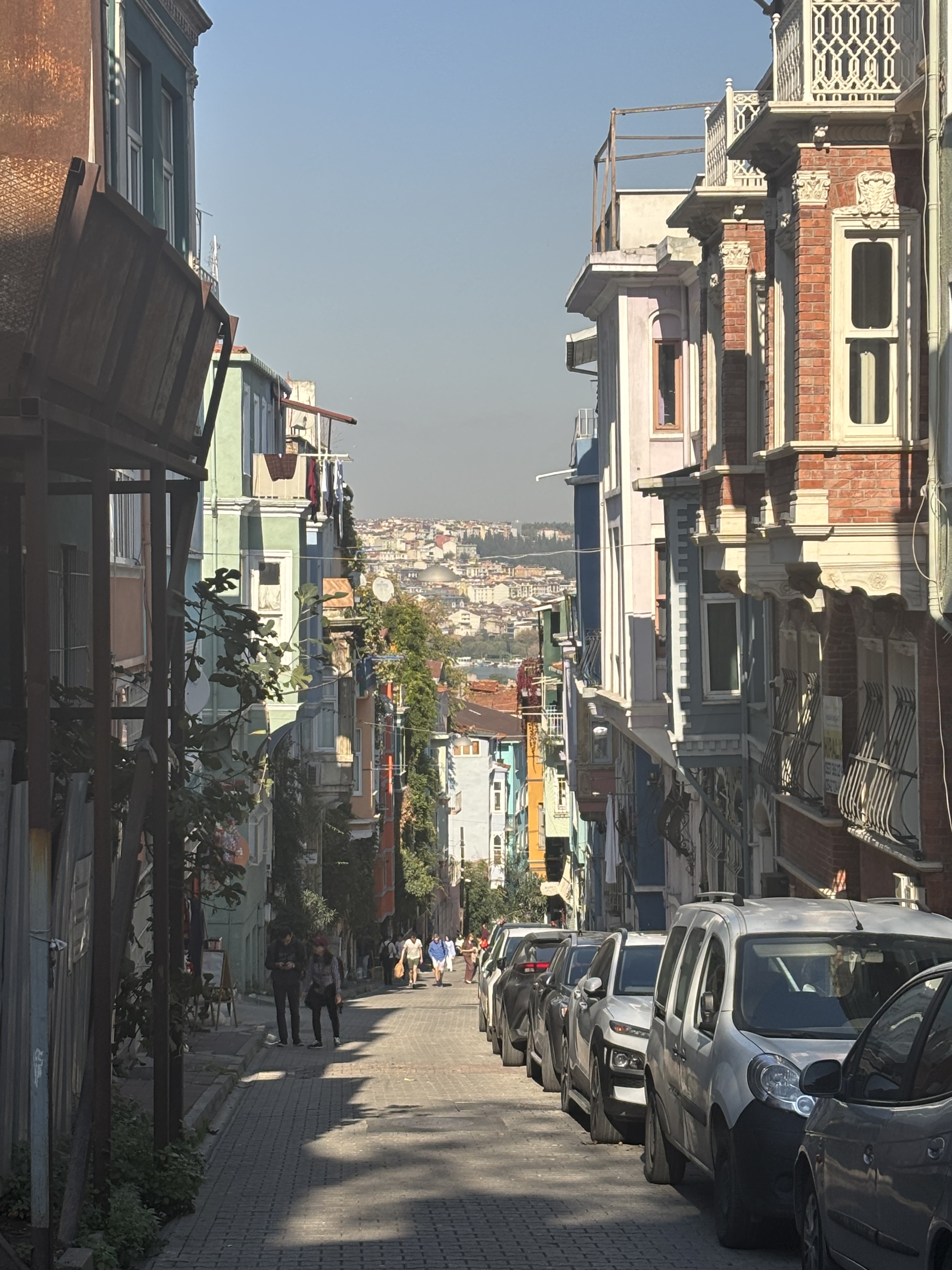
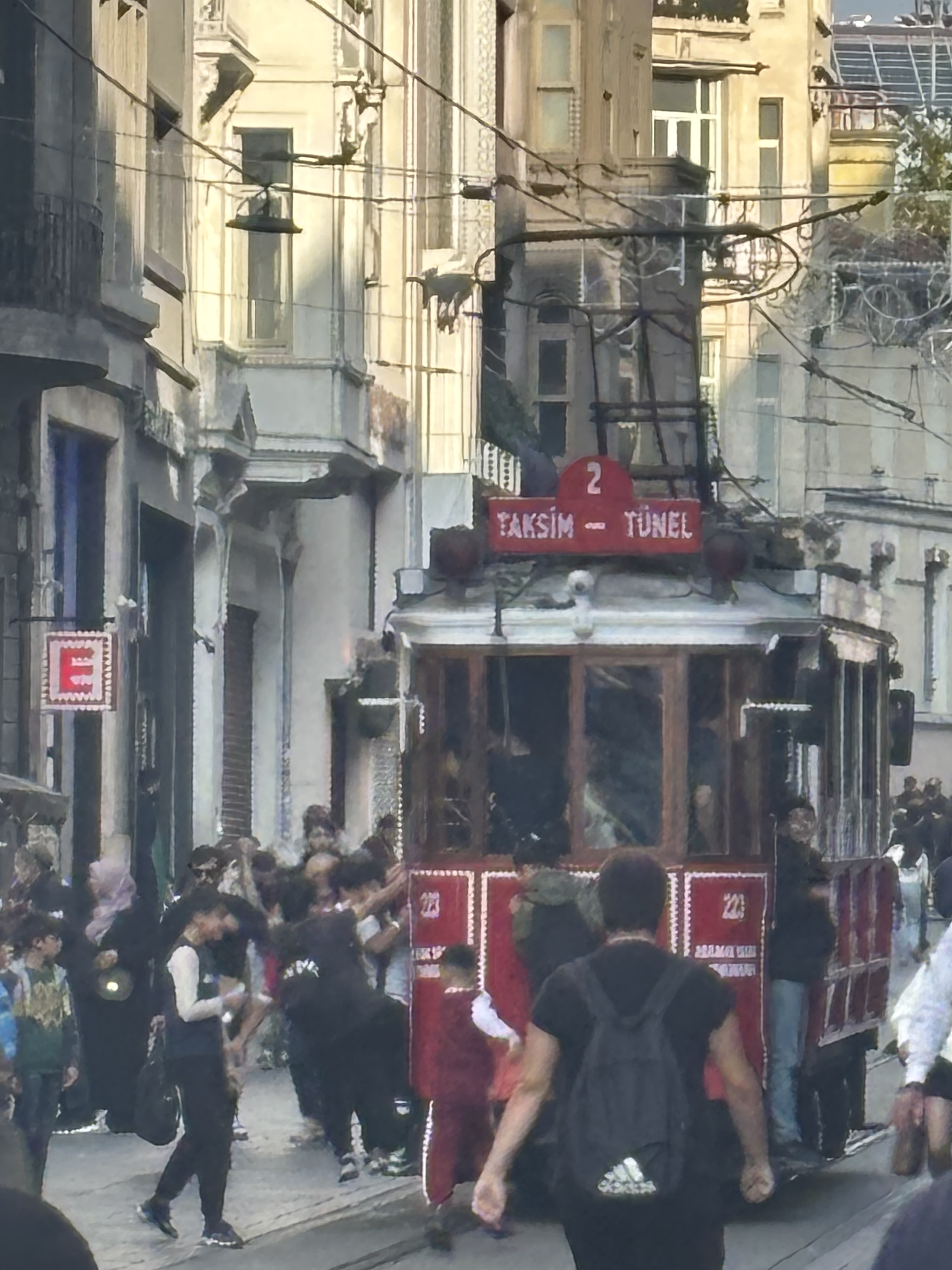
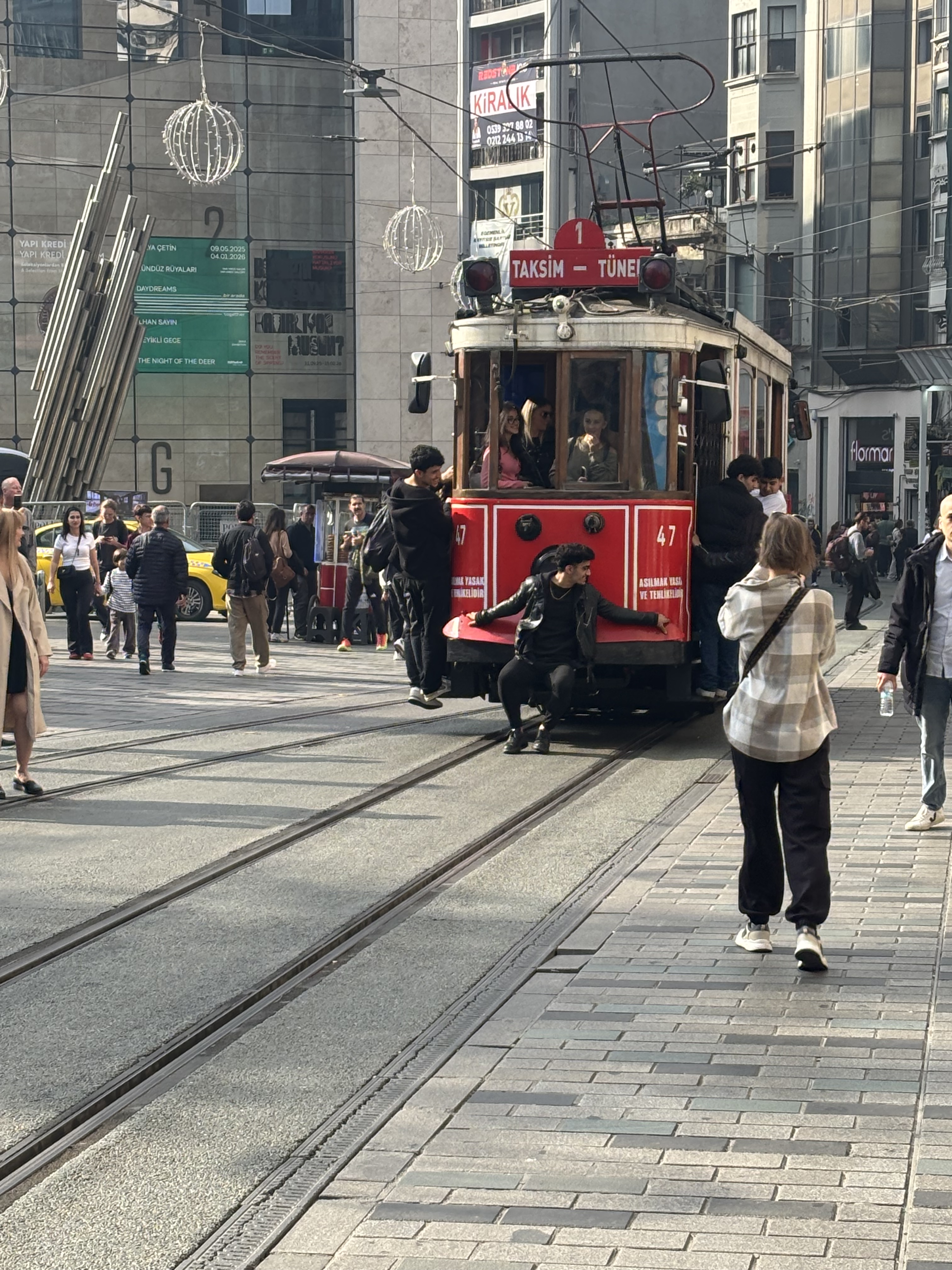
Fortunately, the side streets in the tourist areas are quite walkable. The trick to crossing major thoroughfares is to take advantage of underground tunnels and shopping malls connected to tram and subway stations. You do have to be mindful of hills, but the public transit system is an efficient and cheap way to navigate those. With the exception of the historic tram that runs along Istiklal Street (which people seem to get a weird thrill out of hanging onto the side of or even riding on the back of), the train/tram cars and buses were never too crowded. Dolmas are a ridiculously cheap shared minivan that are very popular on the Asian side to connect gaps in the public transport system. And ferries are cheap, uncrowded and scenic.
One challenge of visiting Turkiye is the visible intrusion of the government (sometimes but not always under the guise of religion) into daily life. I say “sometimes” because it’s only a moderately Islamic country; most locals have adopted western dress and a pretty laissez-faire approach to all but the mid-day Friday prayer. In any event, the right-wing populist AK party has followed the standard authoritarian playbook, taking control of the media and the courts, as well as curtailing the rights of marginalized groups.
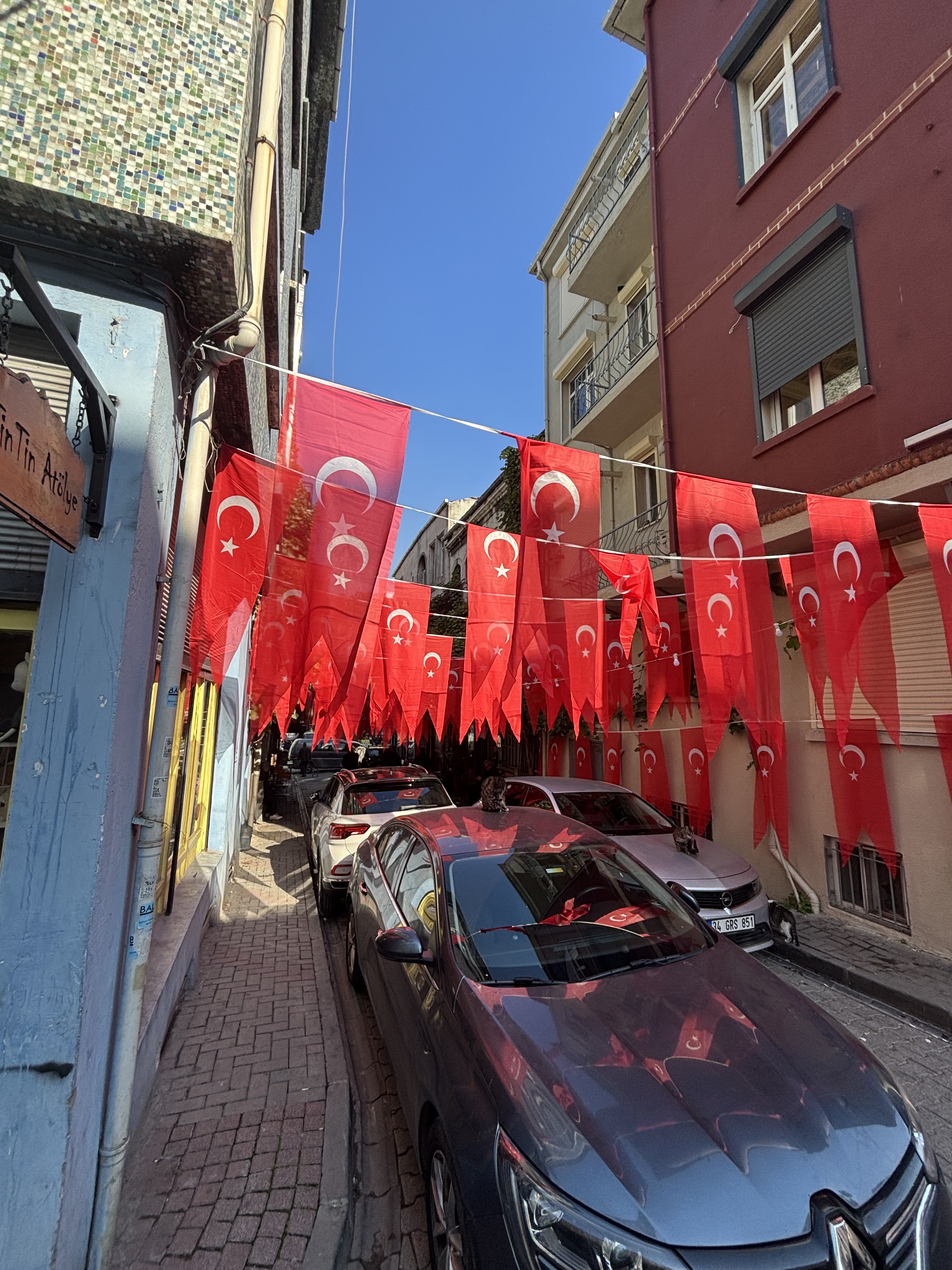
I was there only a few days after Republic Day (Turkiye’s version of Independence Day), so the sheer number of flags and images of the current leader on display around town was a little jarring. There really was not a lot in the way of street art, but way too much of it was aggressively anti-Israel (and seemingly not just in empathy about the Palestine situation). The state previously declared 2025 the “Year of the Family,” citing Turkey’s declining birth rate as an existential threat and accusing the LGBTQ+ community of undermining traditional values. Istanbul’s Pride Parade has been officially banned since 2015; thousands of locals risk arrest every year to celebrate anyway. And the riot police regularly stationed outside museums and schools and churches is just a bad look. The government’s assumption seems to be that something bad could happen anytime people gather in a public place.


Even more troubling is the fact that the Mayor of Istanbul, who happens to be the current president’s biggest political rival, was imprisoned on somewhat dubious charges of corruption earlier this year, just days before his party’s primary for the next presidential election. Prosecutors are requesting a 2,000-year sentence. One local shared with me that it is not uncommon for Turkish politicians from opposition parties to find themselves in legal trouble after gaining some popularity.
I also have more personal grievances. I travel with an Amazon Fire Stick and pay for a VPN with a dedicated IP address so I can plug in and watch my favorite tv shows from anywhere in the world. It’s an easy way to stay in touch with what is happening at home. But not in Istanbul. Everything worked fine for about two hours, then my VPN suddenly stopped transmitting data. I tried a different connection, which lasted for about half an hour. I was never able to get my VPN to connect again. After doing a little research, I discovered that the state has banned all of the most popular (and effective) commercial VPNs, along with numerous western websites. It was unnerving to feel so isolated from whatever was going on in the west, and I couldn’t shake the feeling that I was being watched. Oh, and the Internet in my apartment conveniently seemed to go down altogether anytime there was a call to prayer. Not cool.
My personal hell was trying to ship home a down puffer coat, a merino wool shirt, a lightweight hoodie and some wool socks since the rest of my trip will be in tropical weather. Alas, the post office will only ship documents for reasons they would not share with me. DHL was going to charge $140 for an overstuffed envelope that weighed about a pound, only accepted cash and wouldn’t promise it would clear customs. No other options. So here I am in 90-degree weather still toting around my winter wardrobe.
I also struggled with airports, but this was all on me. It turns out there is one international airport on the European side and one in Asia. Each a looong way from the city center. I realized upon arrival at IST that I was supposed to be at SAW. DOH! (Which, ironically, was my next destination. If you think this post is snarky, wait until you see my thoughts on Doha.) My heart sank as I prepared for another long and expensive “express” taxi ride. I considered but thought better about asking the driver if he had already eaten as I entered the cab. However, I was delighted only a few minutes later to discover that the route would take me across the 15 July Martyrs Bridge from Europe to Asia. I had tried (too late) to sign up for a half-marathon just because that is the one day each year when you can cross the strait from Asia to Europe on foot (most of the locals stop at a cafe en route and never finish), and now I was finally getting to cross the massive suspension bridge across the Bosphorous in my final minutes in the country.


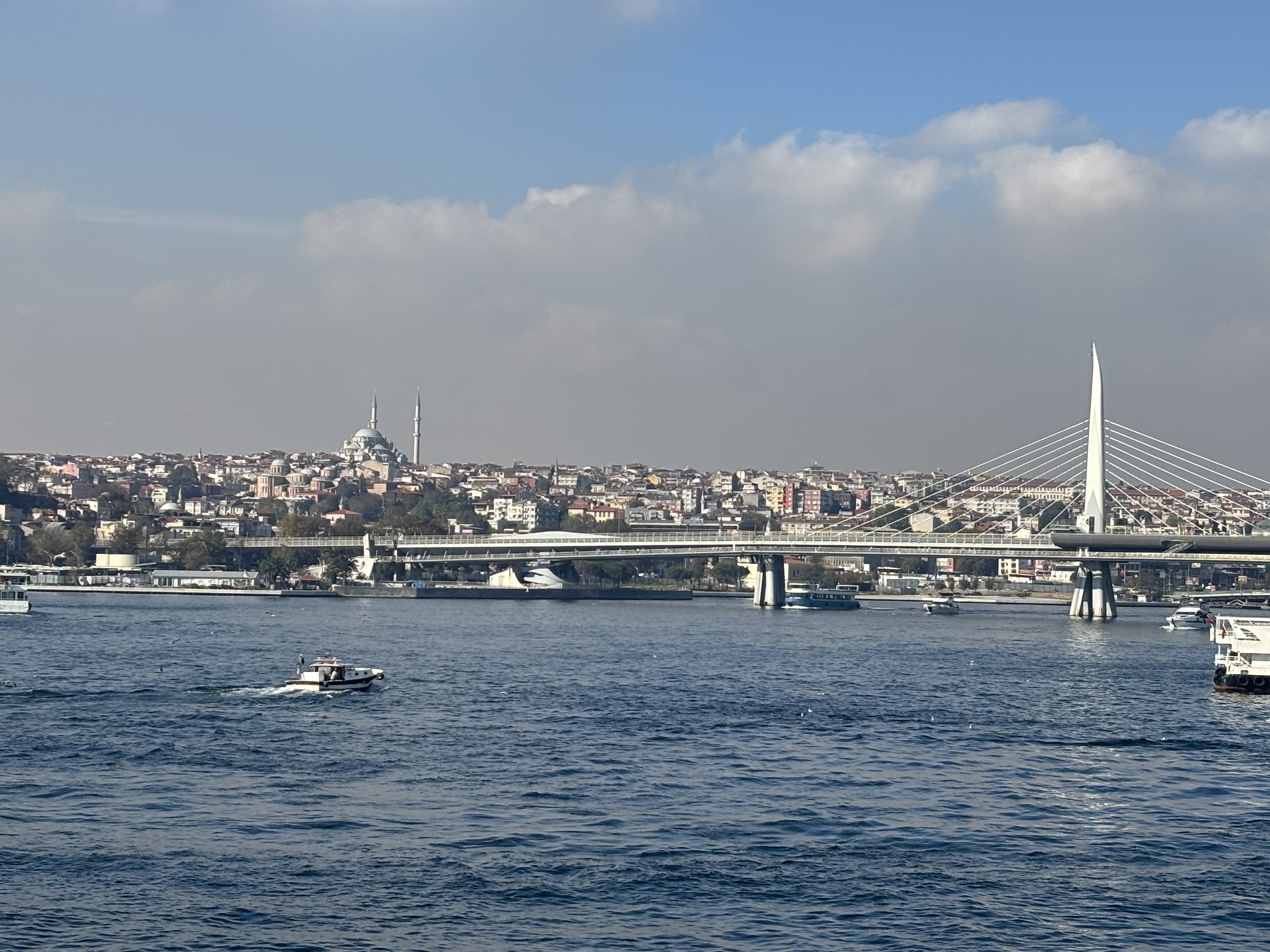
And that’s pretty much the way things go in Istanbul. Always rewarding, never easy. Equal parts frustrating and fantastic. The city pushes you almost to the breaking point then amazes you with something spectacular that you’ve never seen before and will never forget.


 The Global Slowmad
Leave a comment