
One could argue that Istanbul is the most strategically important city in the history of the world. Sitting at the crossroads (technically, straddling a strait) between Europe and Asia, it has long been a major port and trade route. It was a leading center of commerce and military entanglements during multiple empires – Persian, Greek, Roman, Byzantine, Ottoman – and played a key role in the early growth of Christianity (then known as Constantinople, as They Might Be Giants taught us) and, later, Islam.
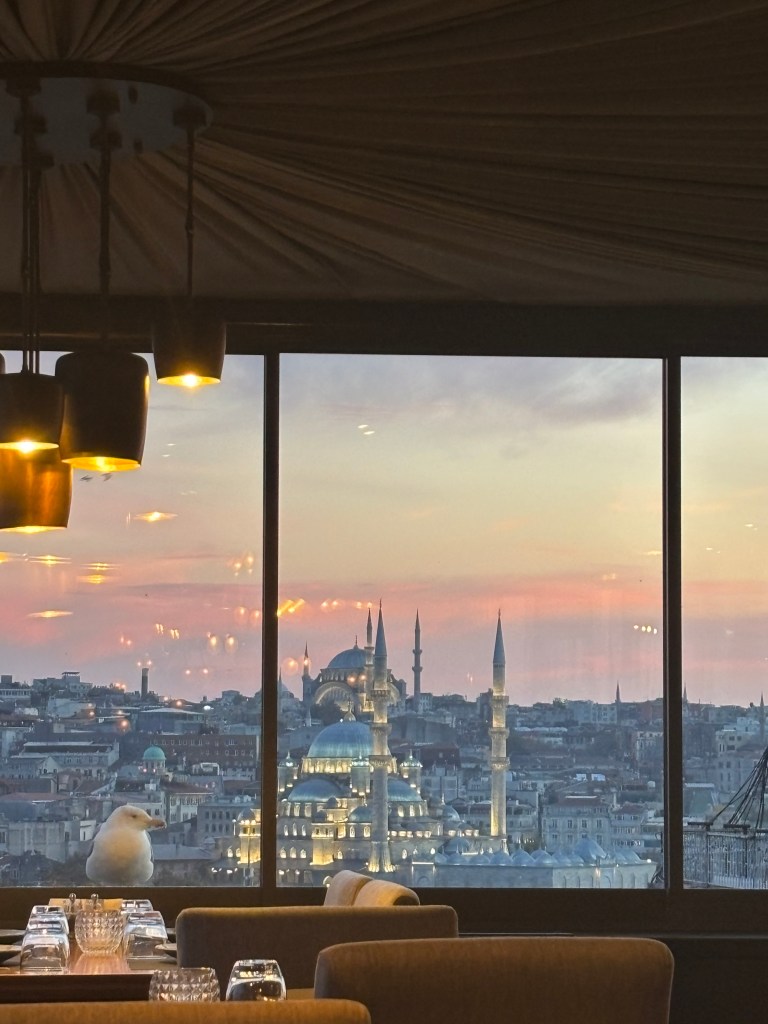
Istanbul also is one of the most beautiful cities in the world. It is effectively a cluster of hills rising from the water, with buildings climbing up the sides to take advantage of the epic views. The city is still closely connected to its maritime roots, as local fisherman line up along the sides of bridges and boats skim across the water. Towers and domes add further visual interest to the skyline. Streets wind their way between and around buildings like an elaborate maze. Architecture runs the gamut from historic Ottoman to classic European to ultra-modern. The 4,000+ shops of the grand bazaar and numerous neighborhood markets invigorate your senses with myriad colors, scents and sounds. It is all quite a sight to behold. Imagine San Francisco with minarets.
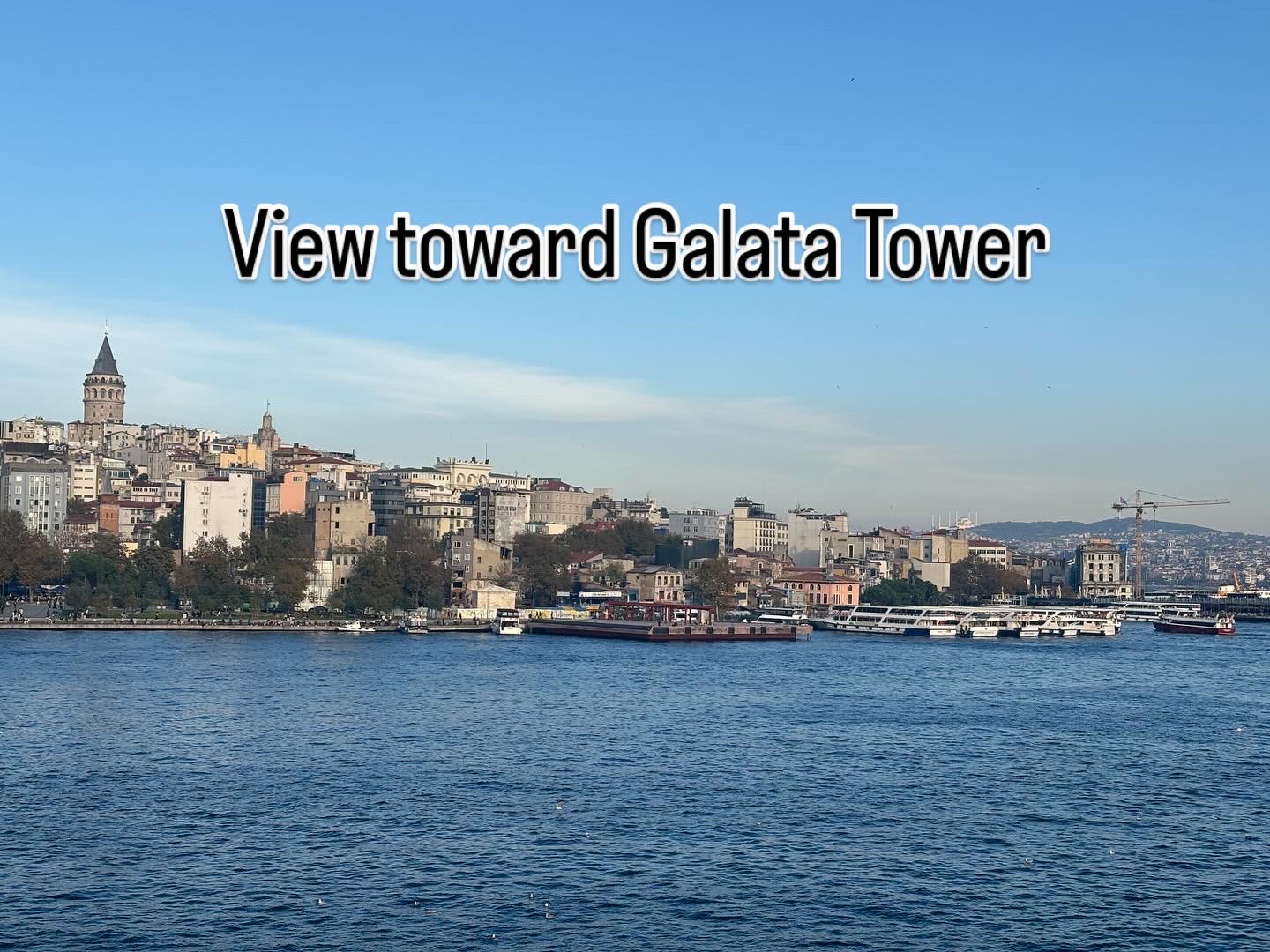
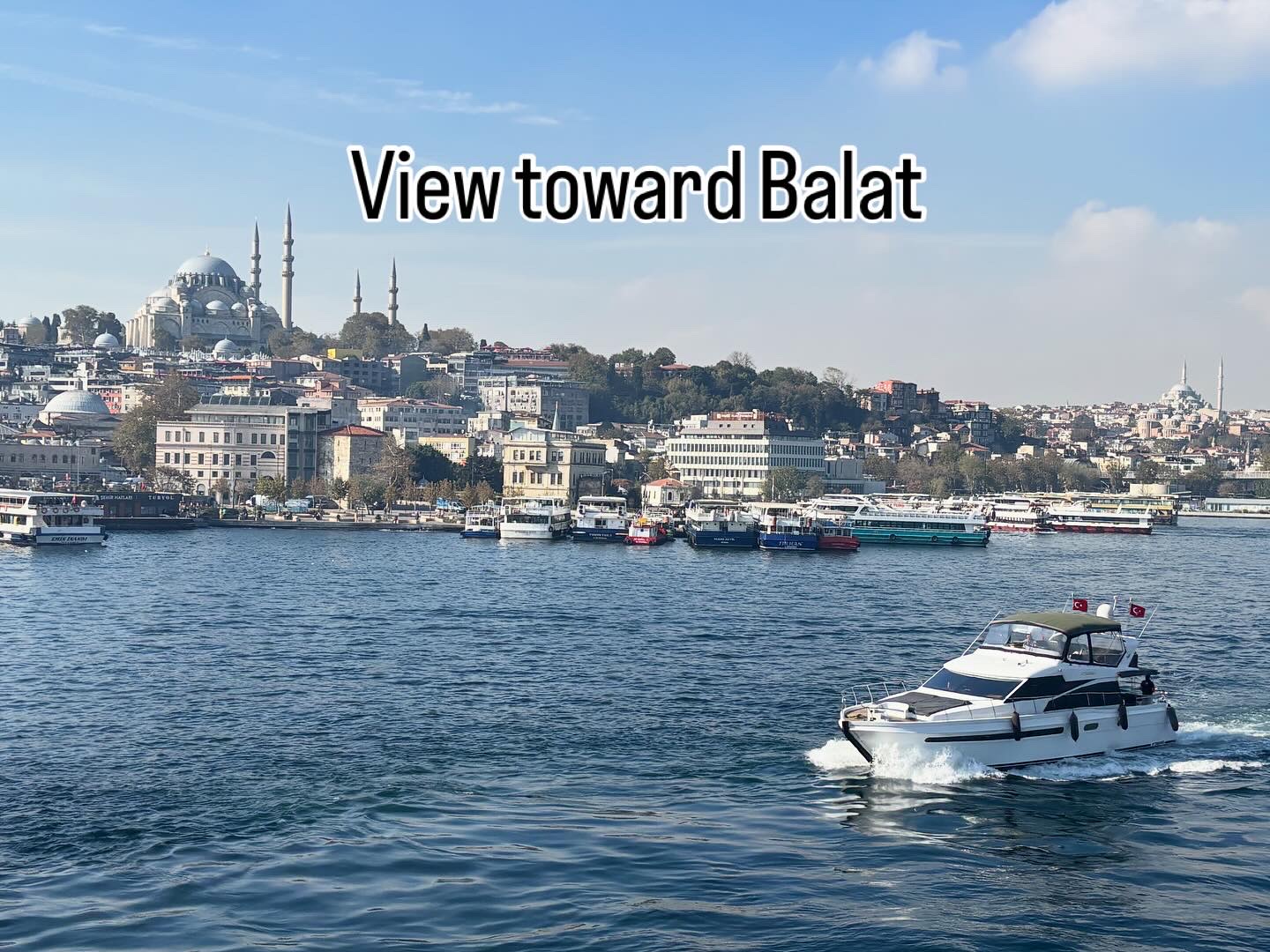
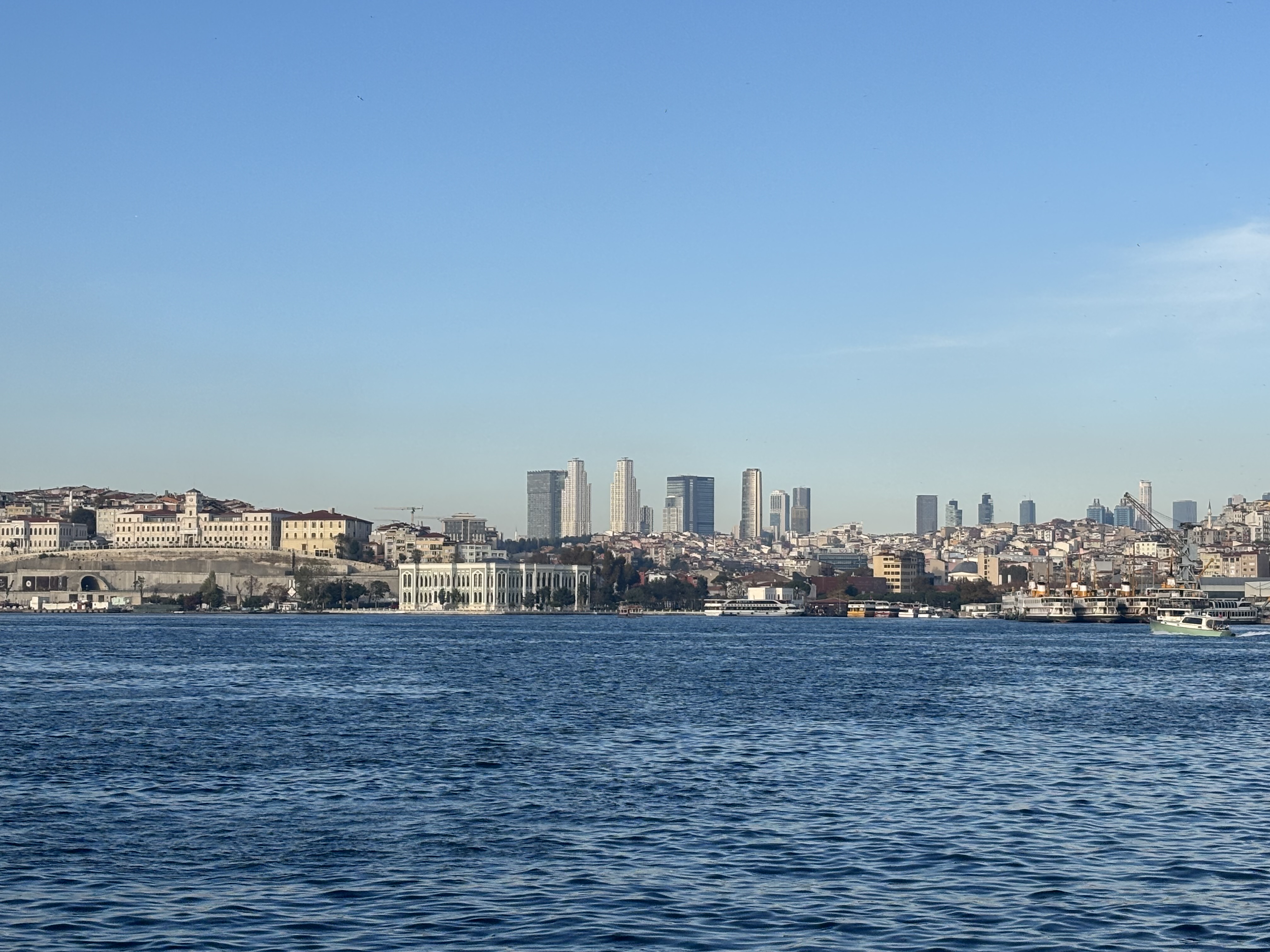

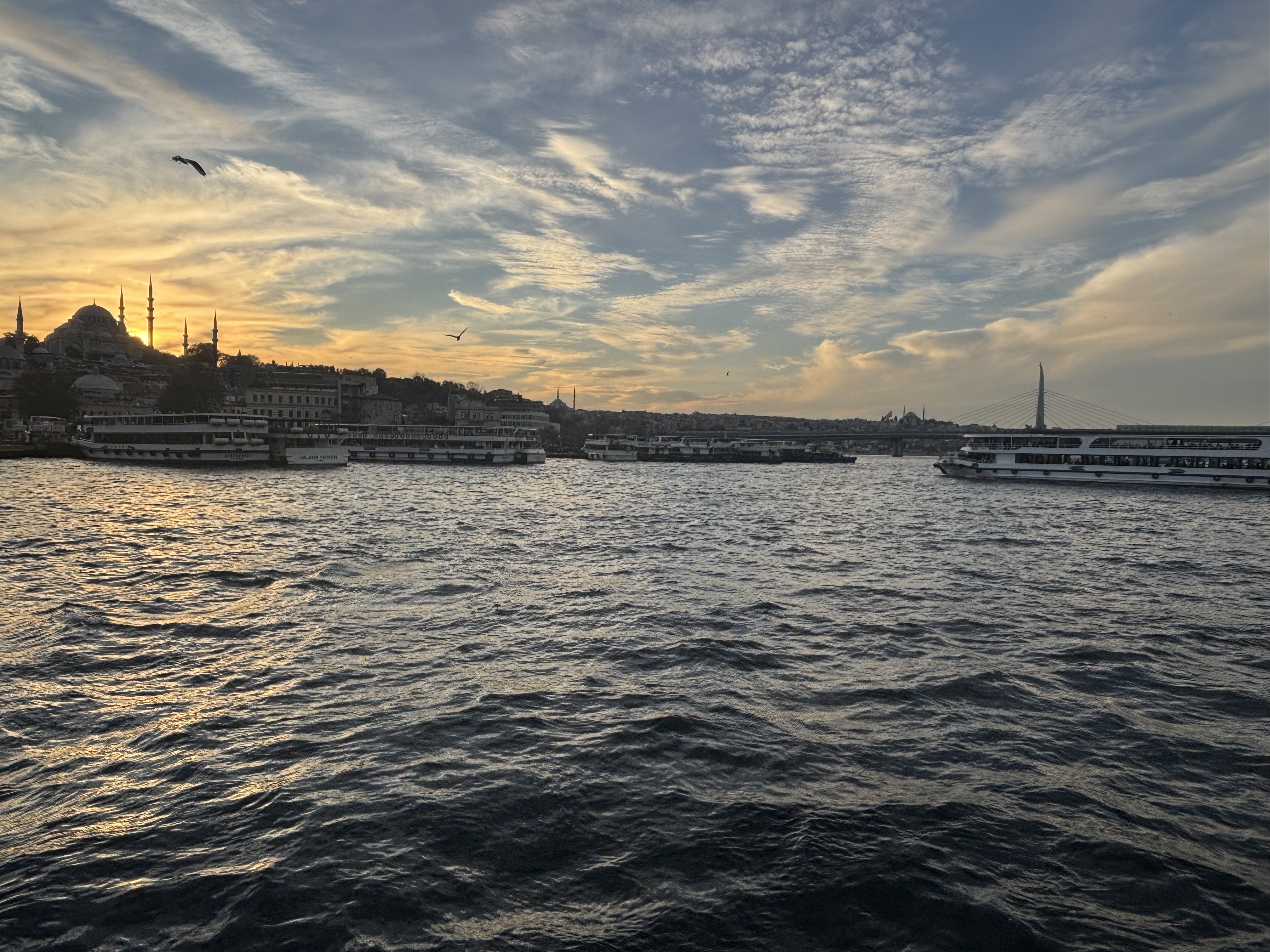
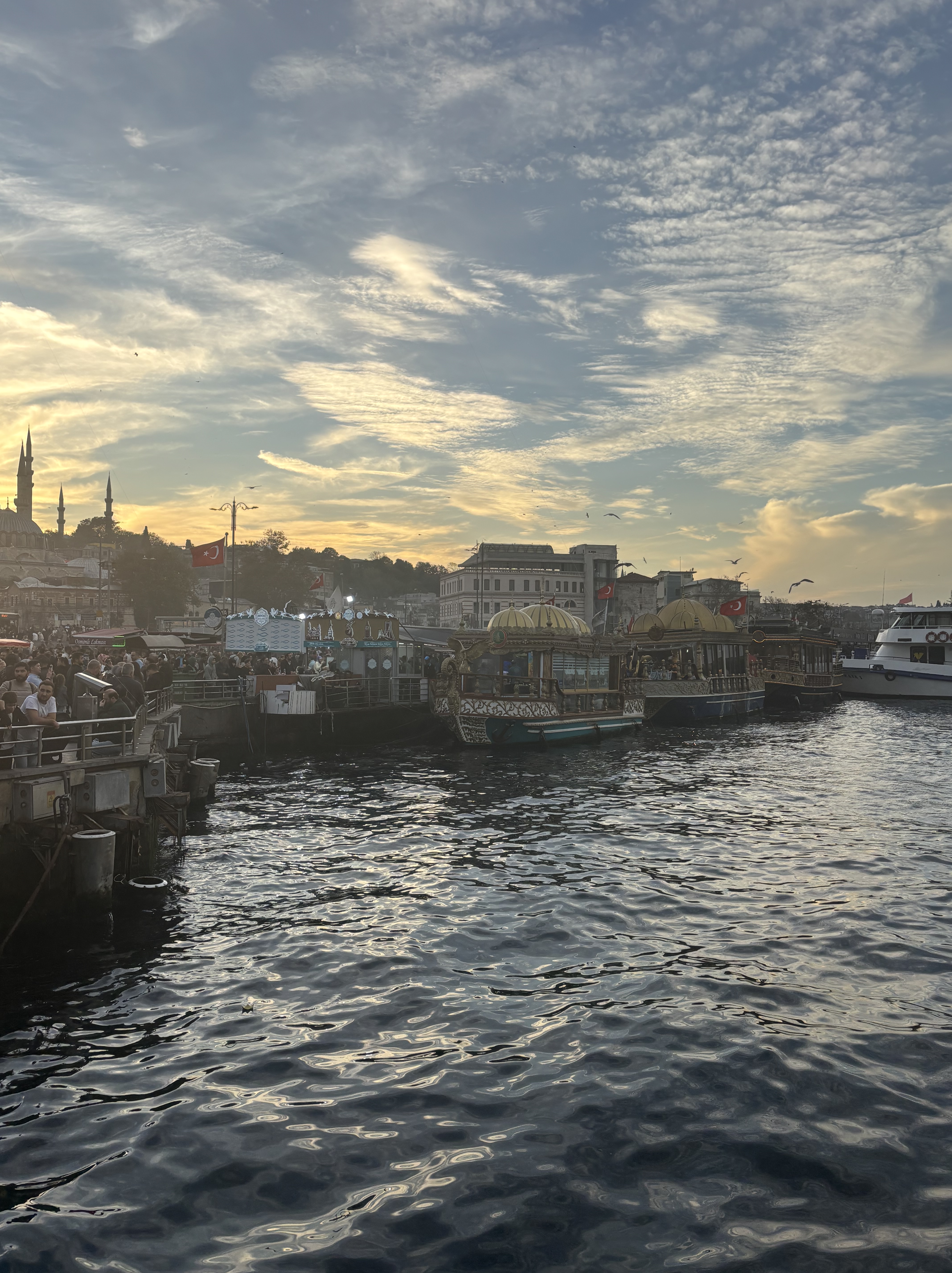

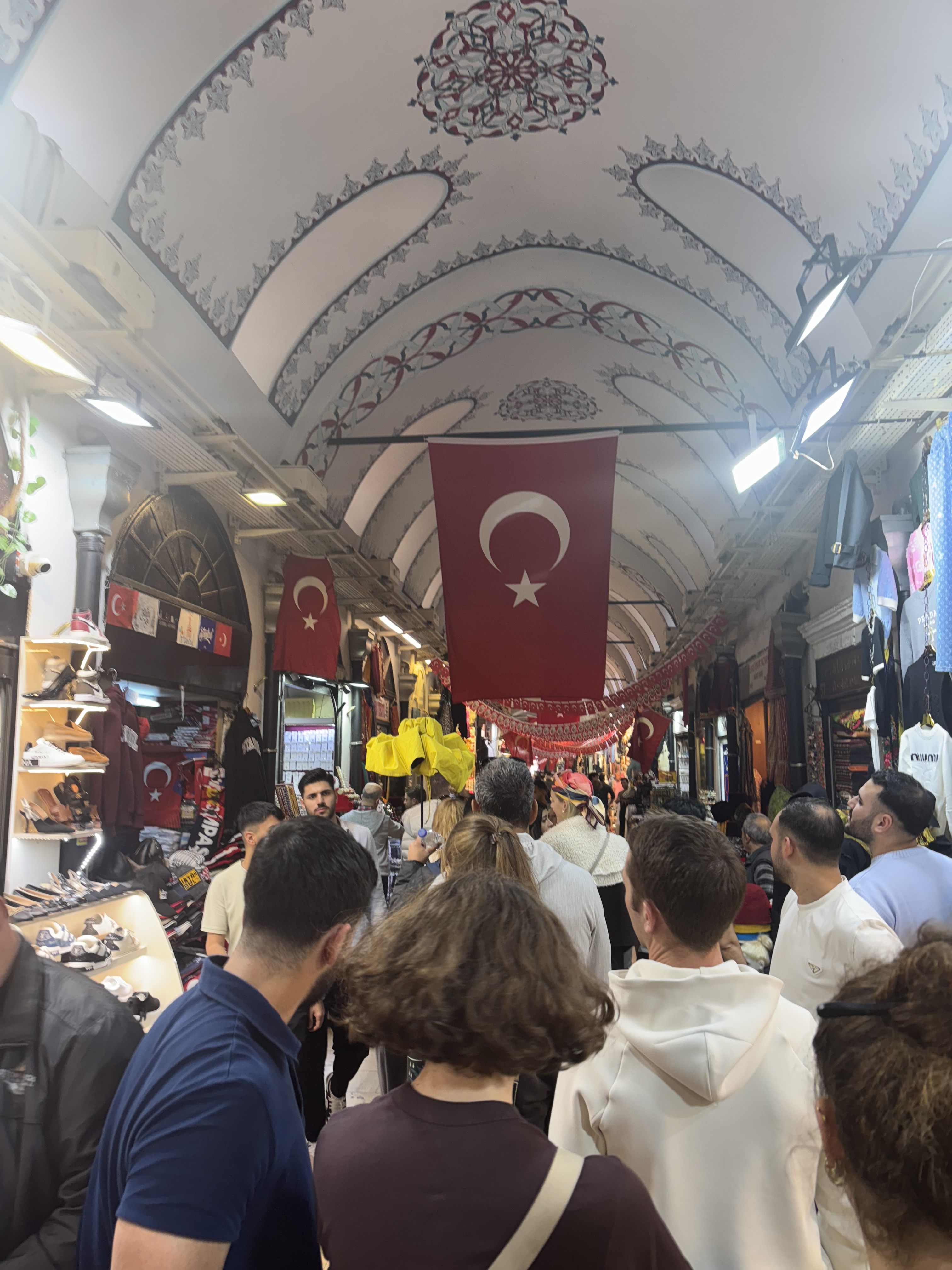
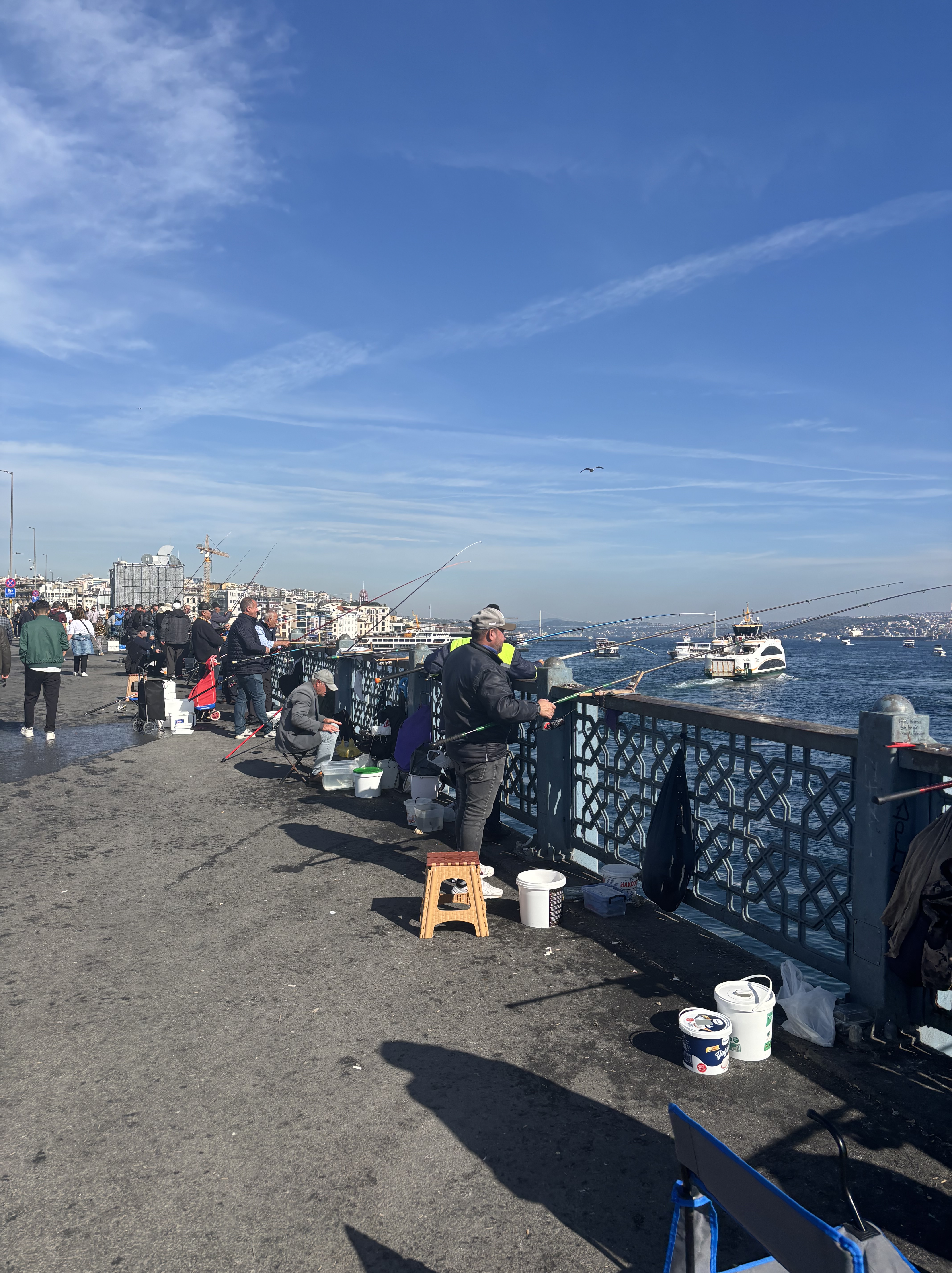
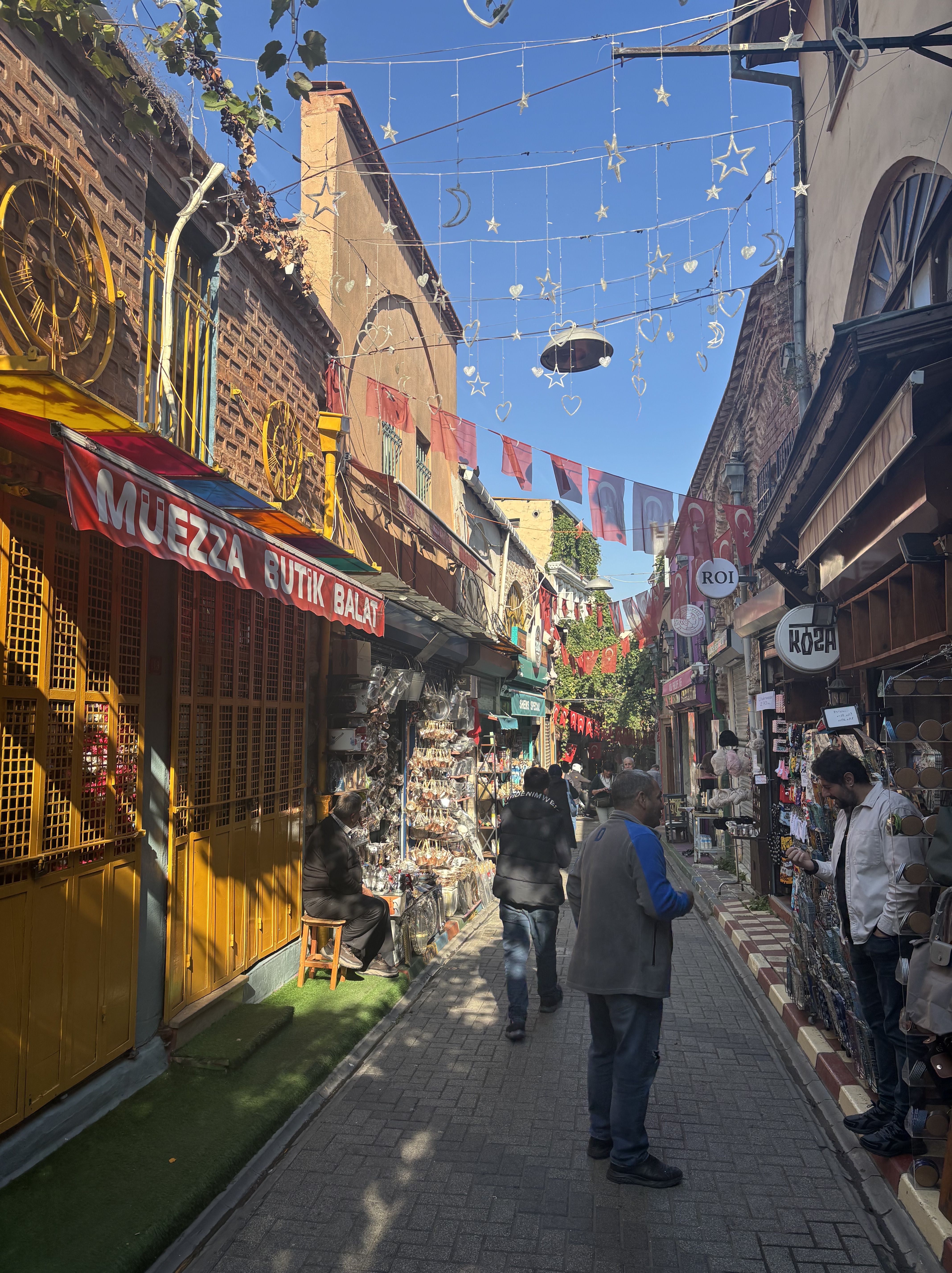
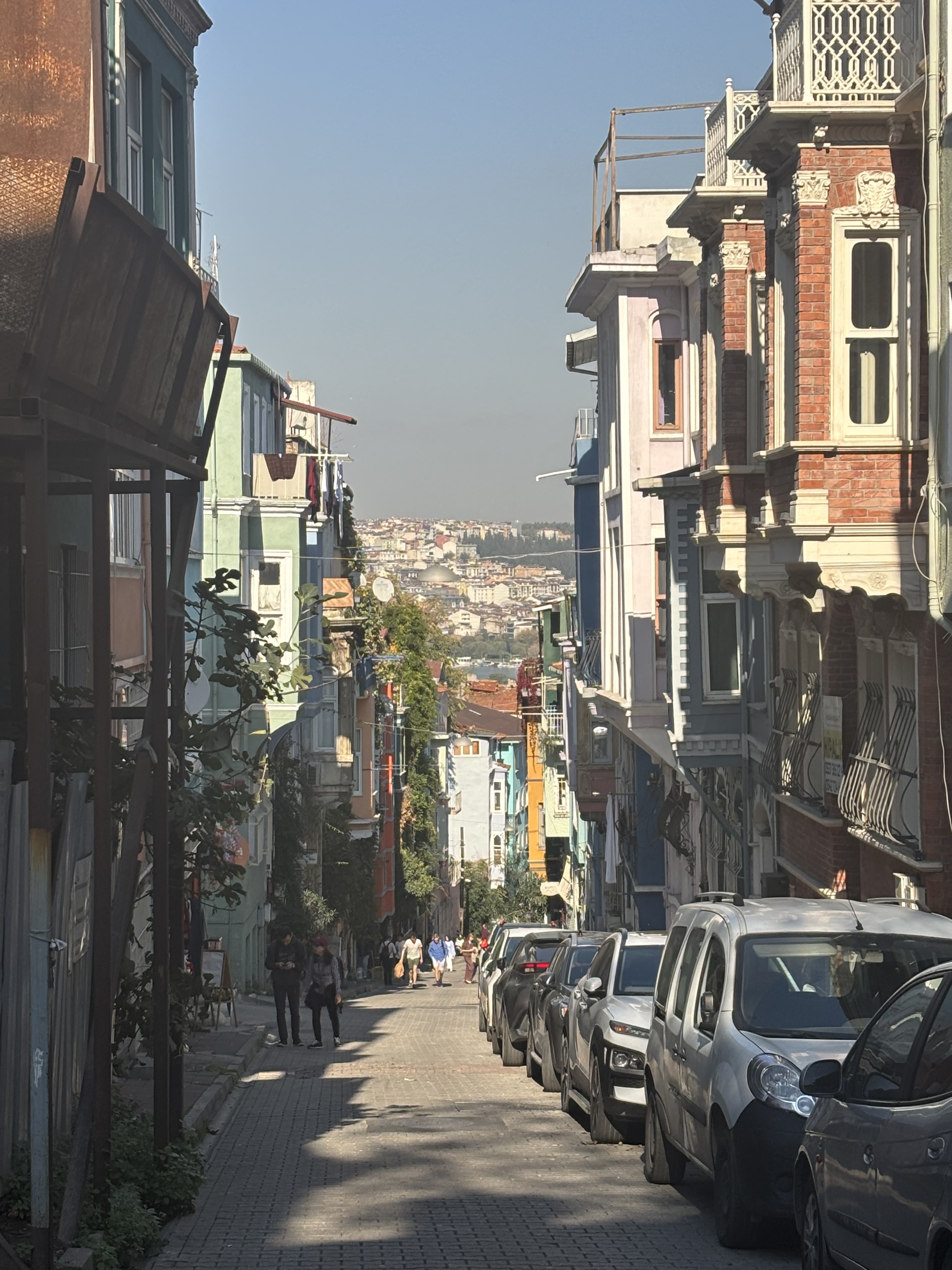
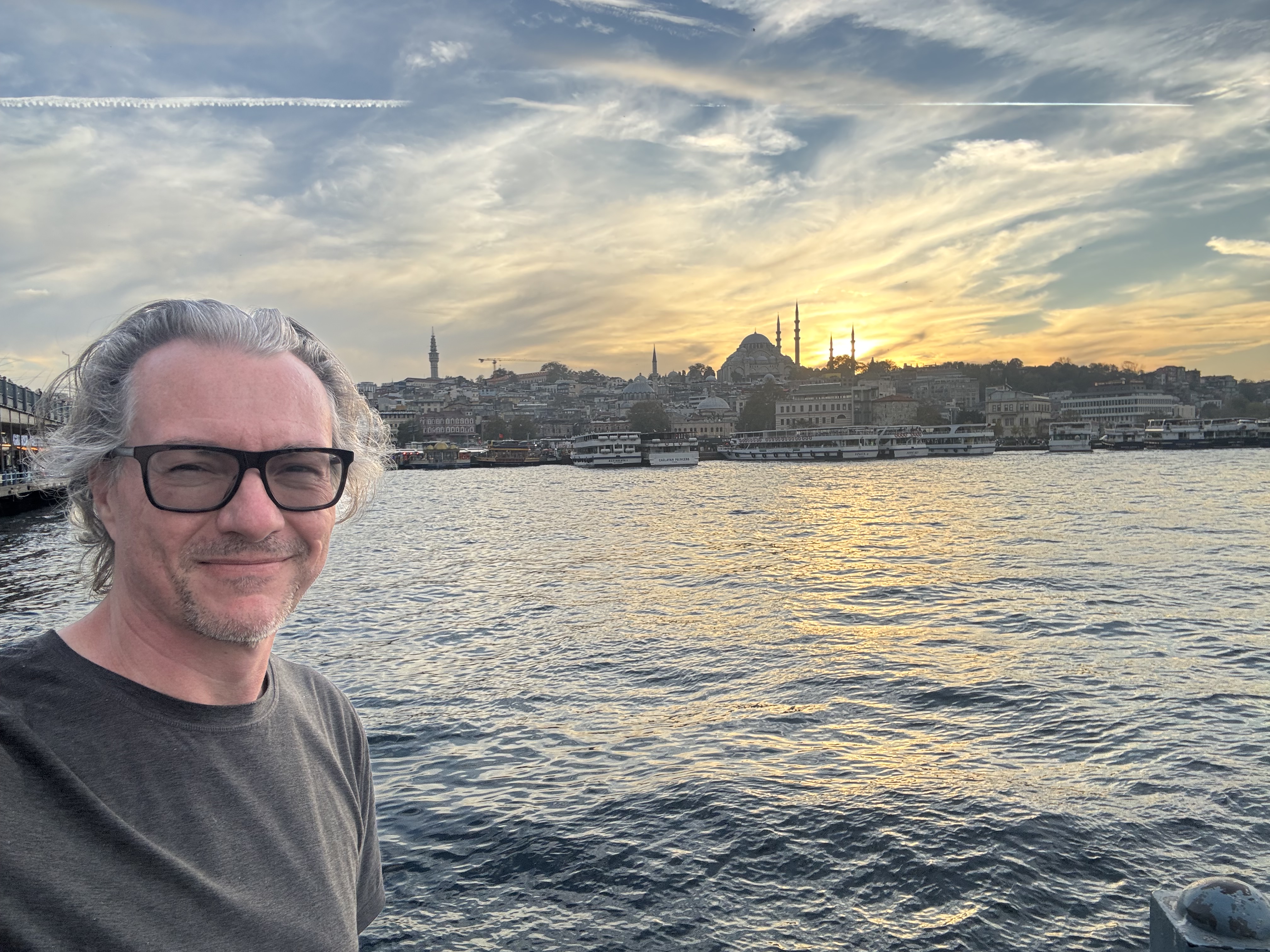
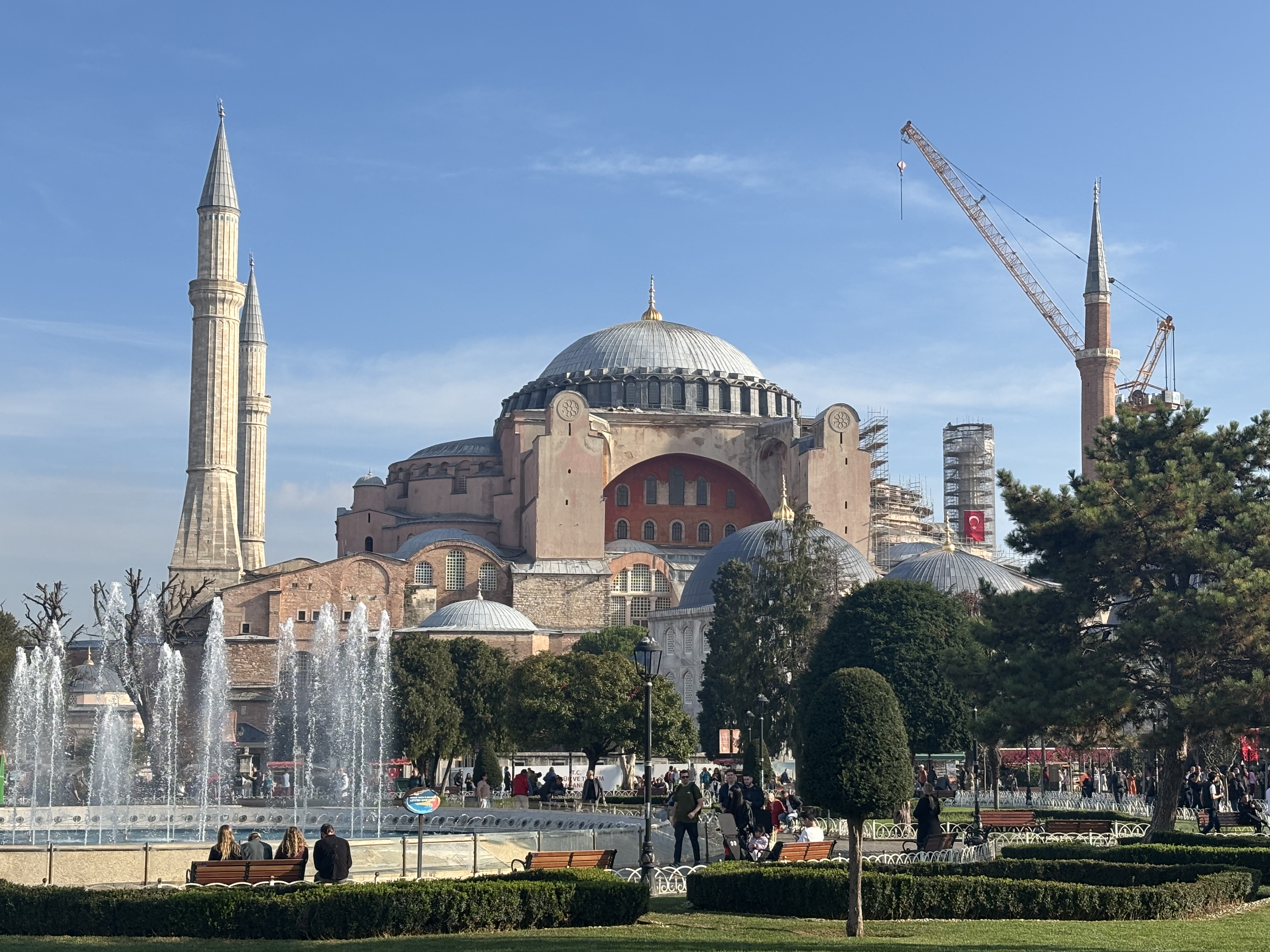
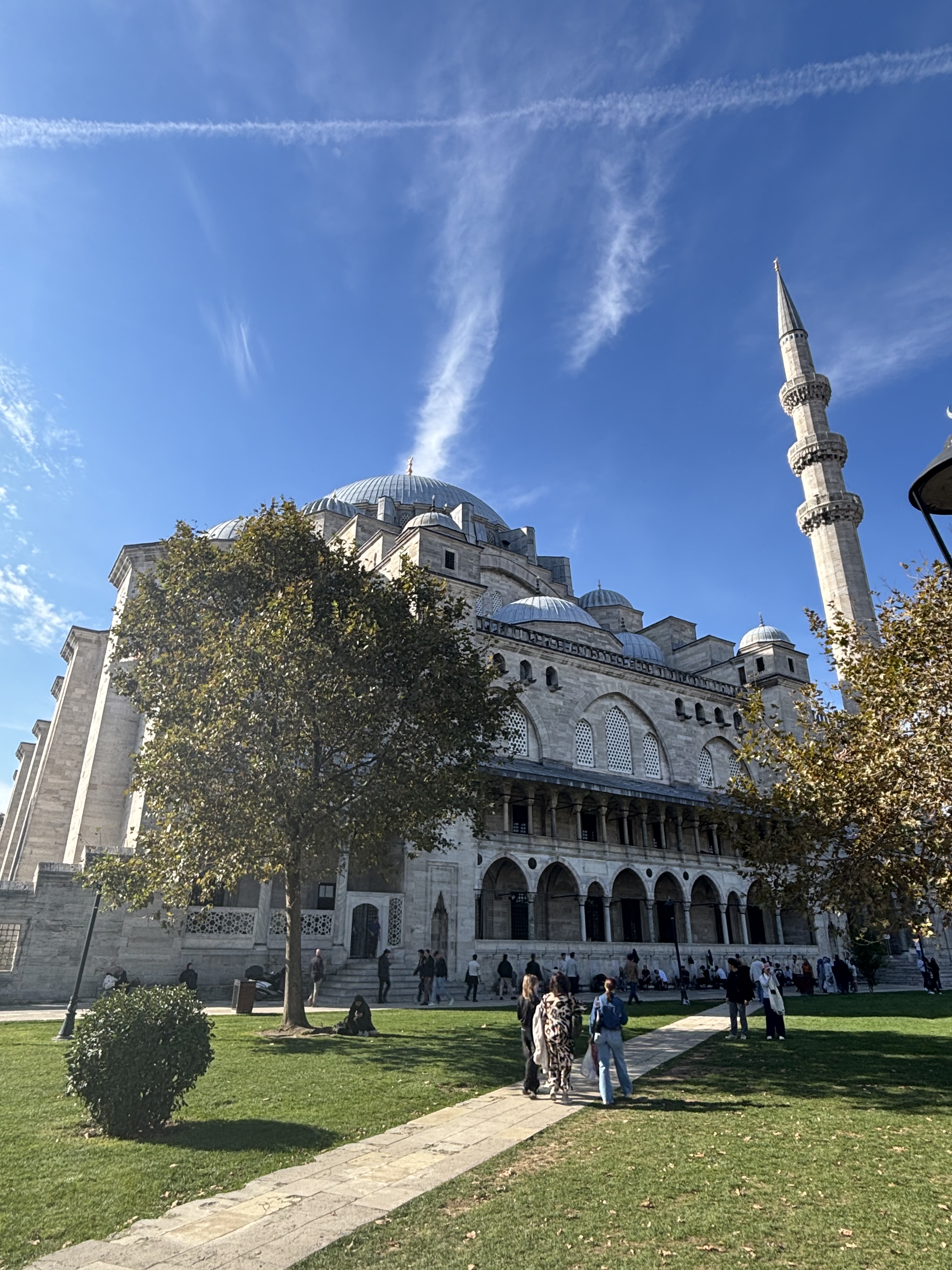
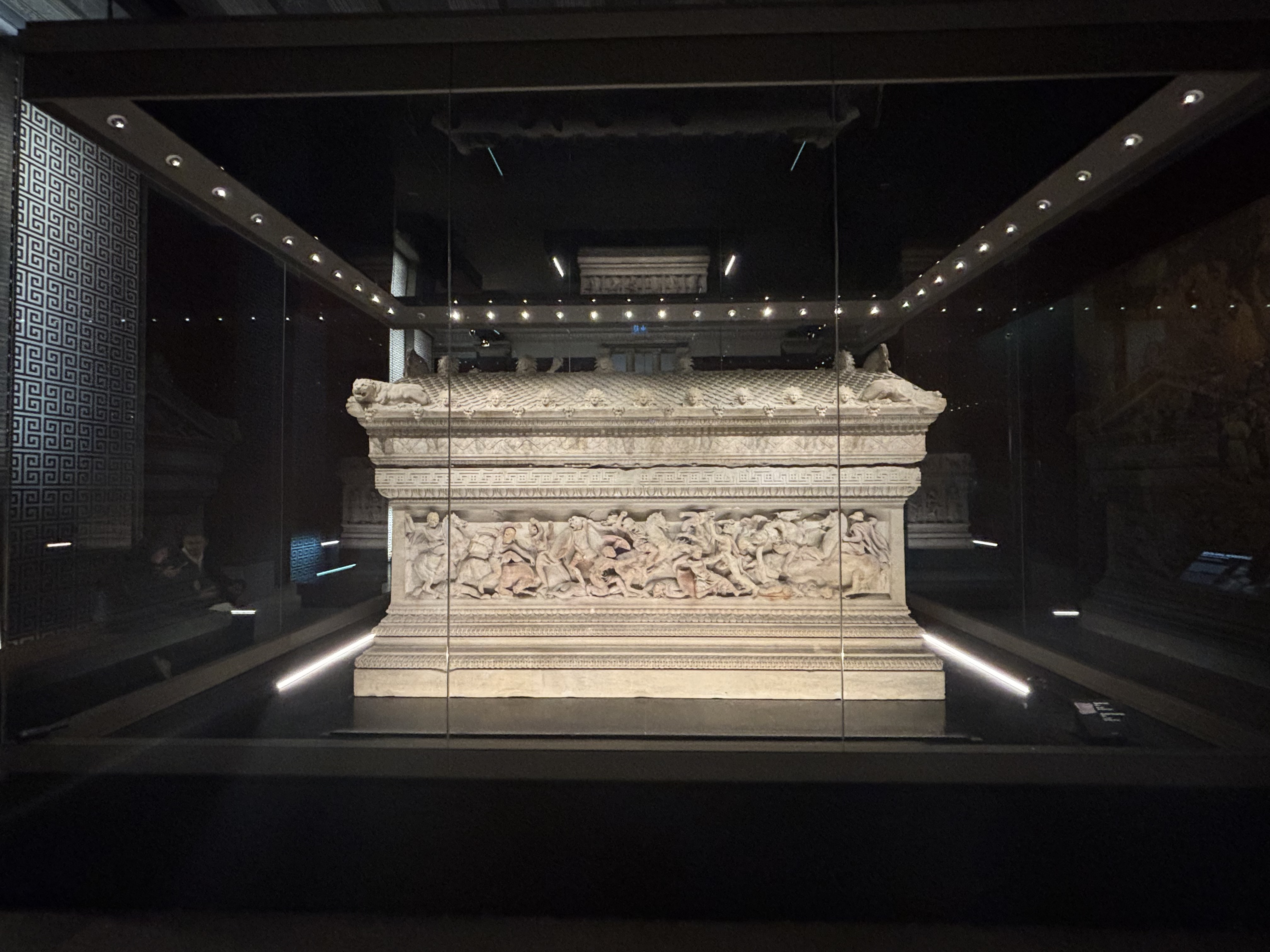
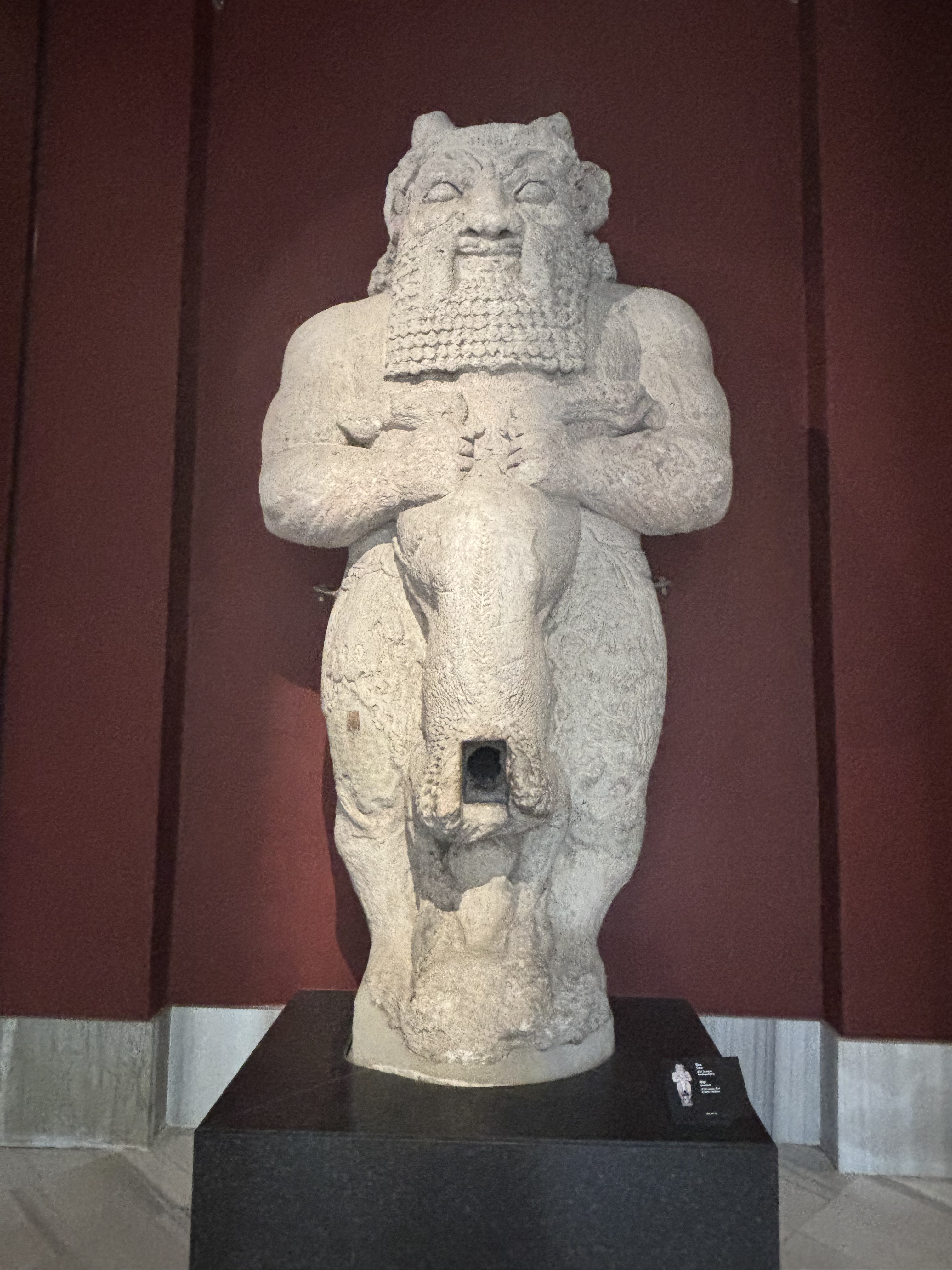
The famous mosques are beautiful and somehow calming despite the maddening crowds. The museums and palaces (at least those open to the public) are impressive too. In fact, I enjoyed the Istanbul Archaeological Museum quite a bit more than its Athens counterpart. Your entry fee comes with a complimentary set of wireless earbuds and instructions to download an English-language app that guides you through the massive exhibit space.

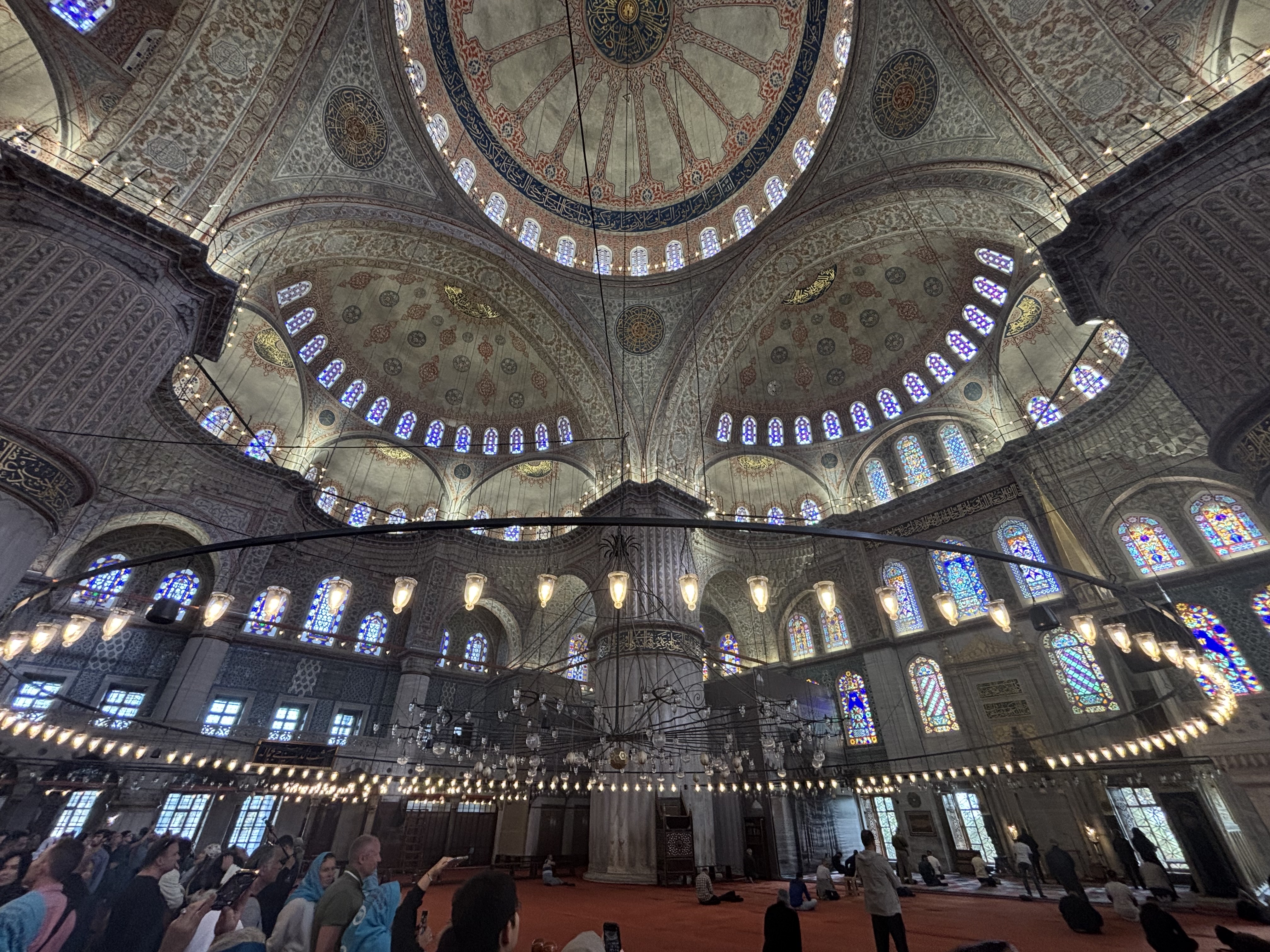
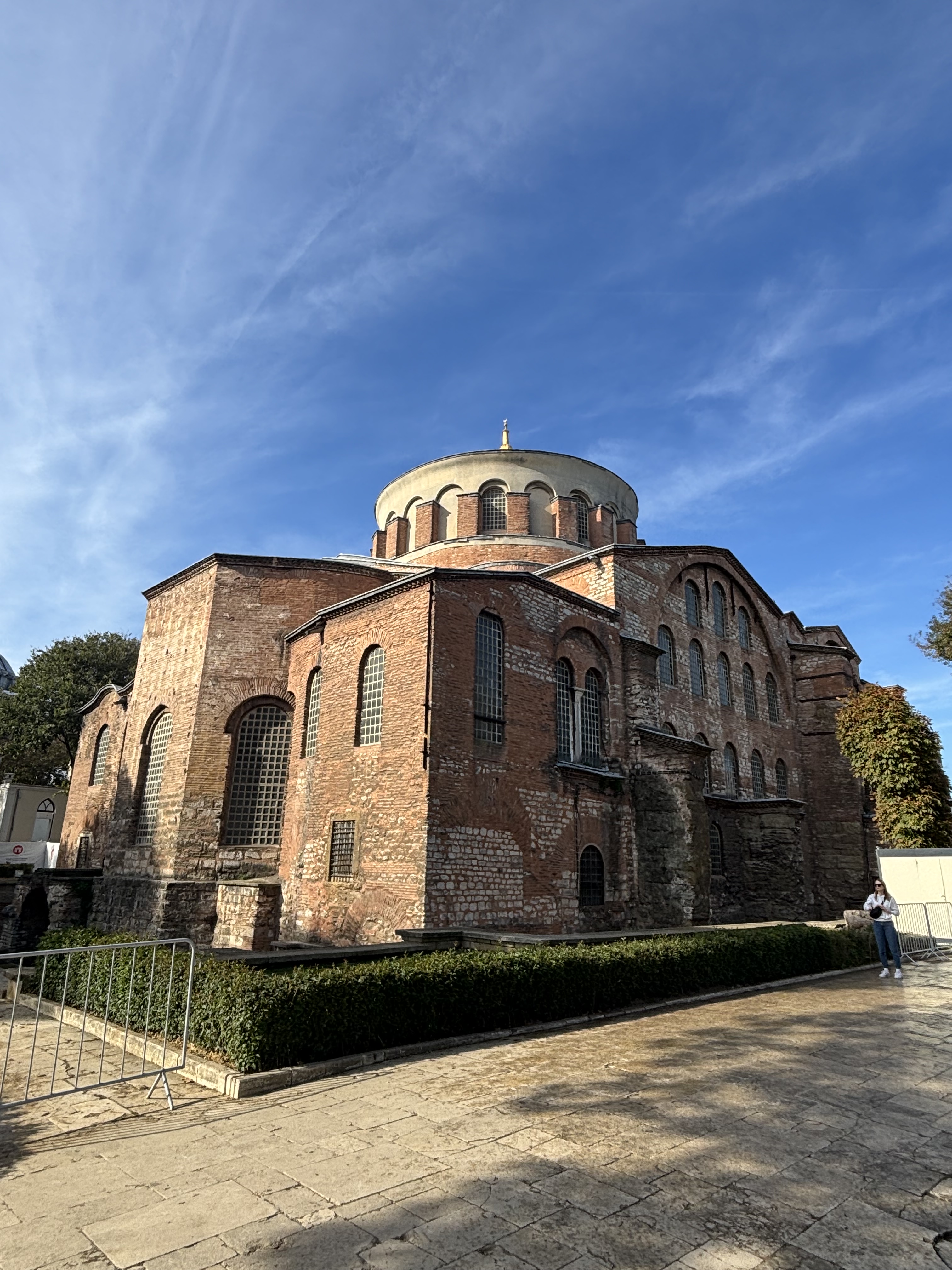
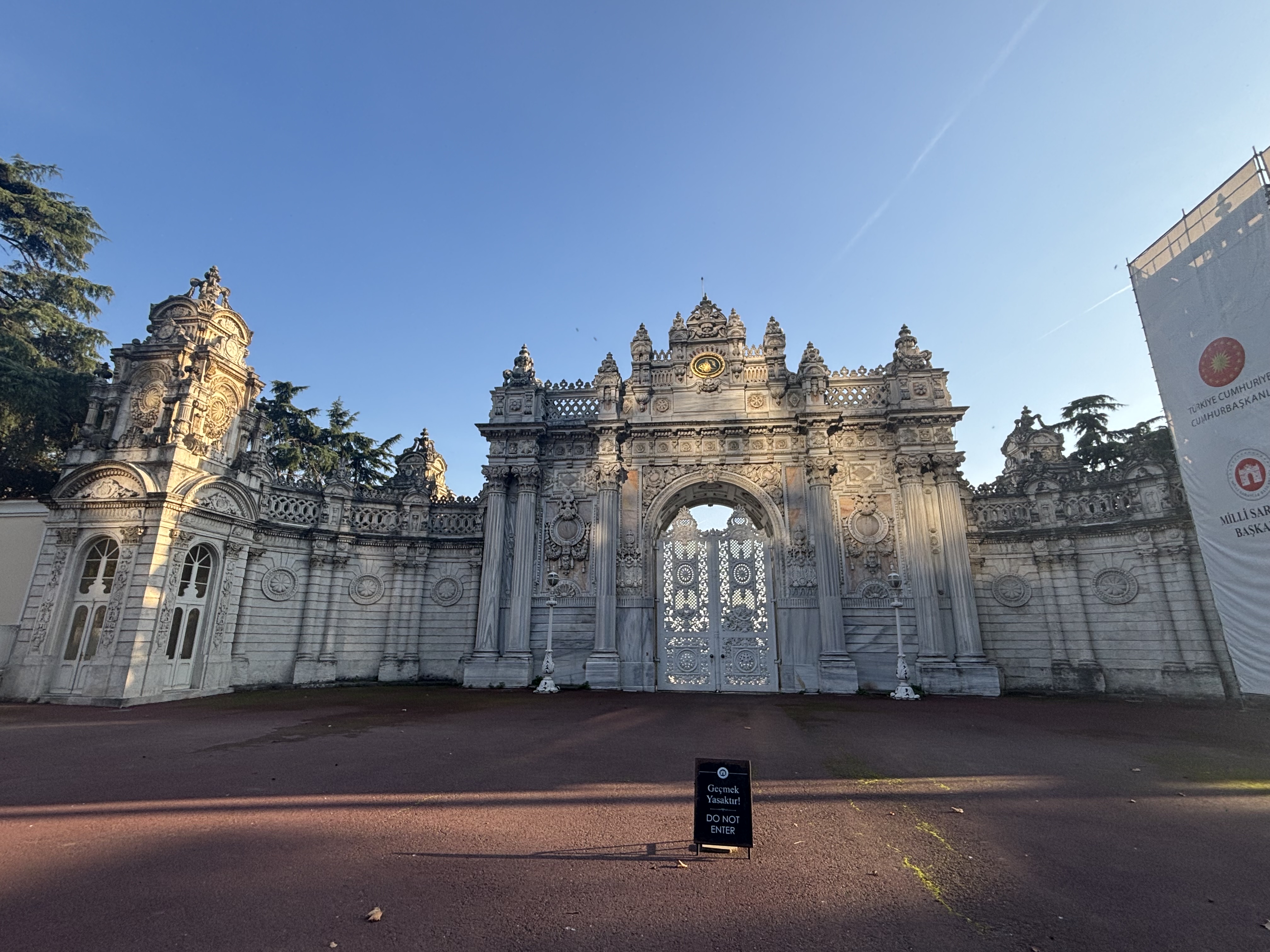
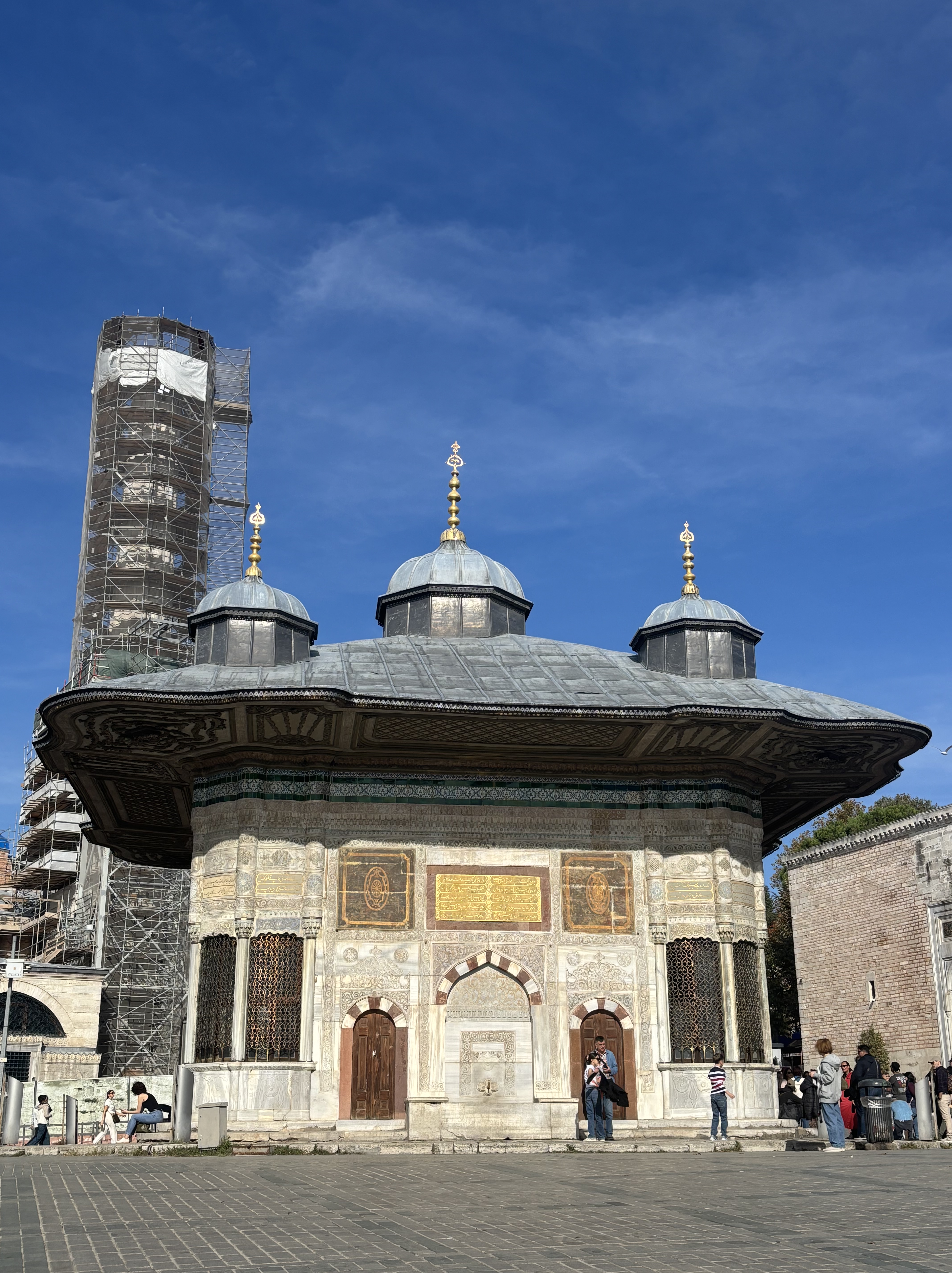

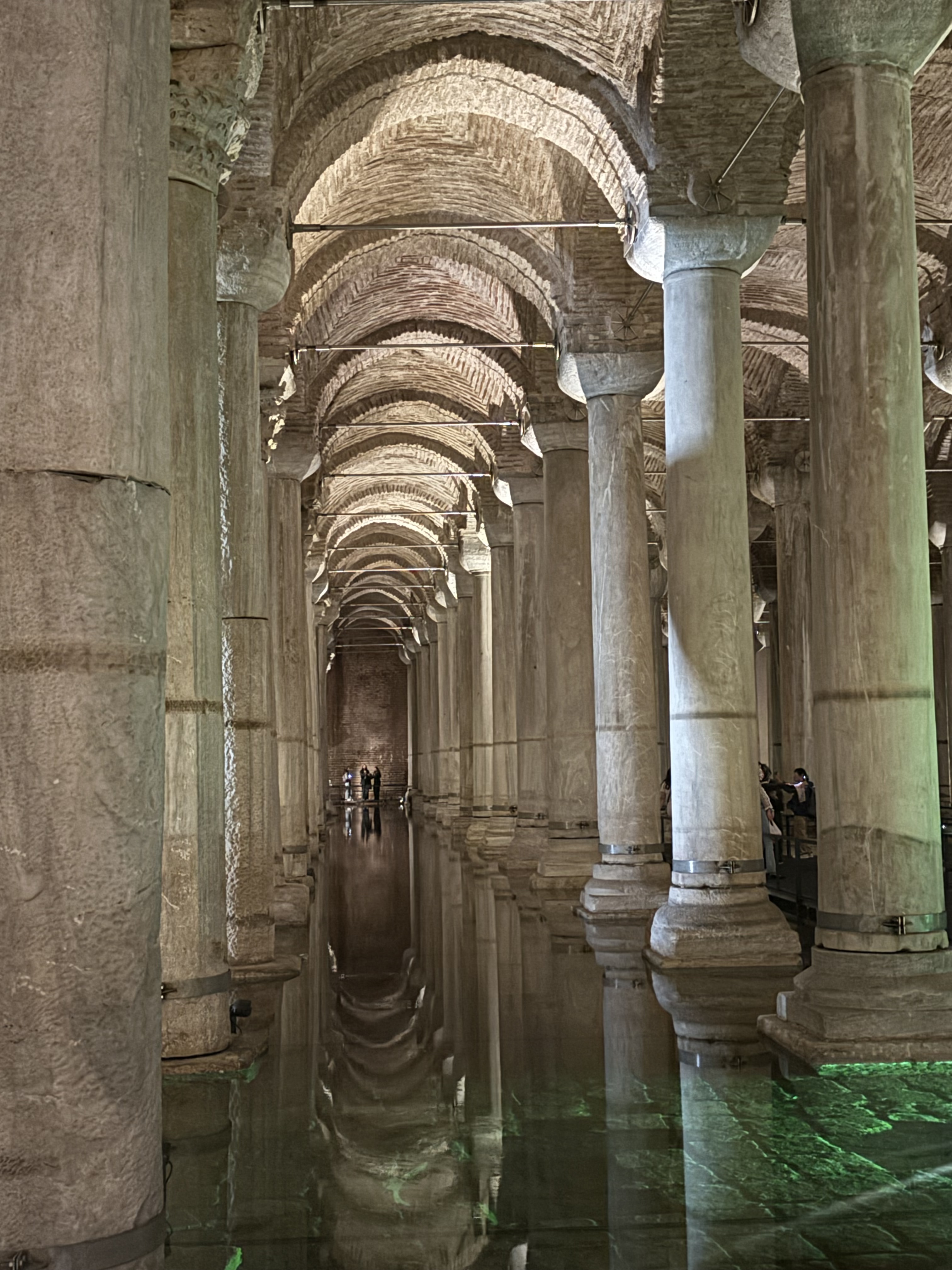
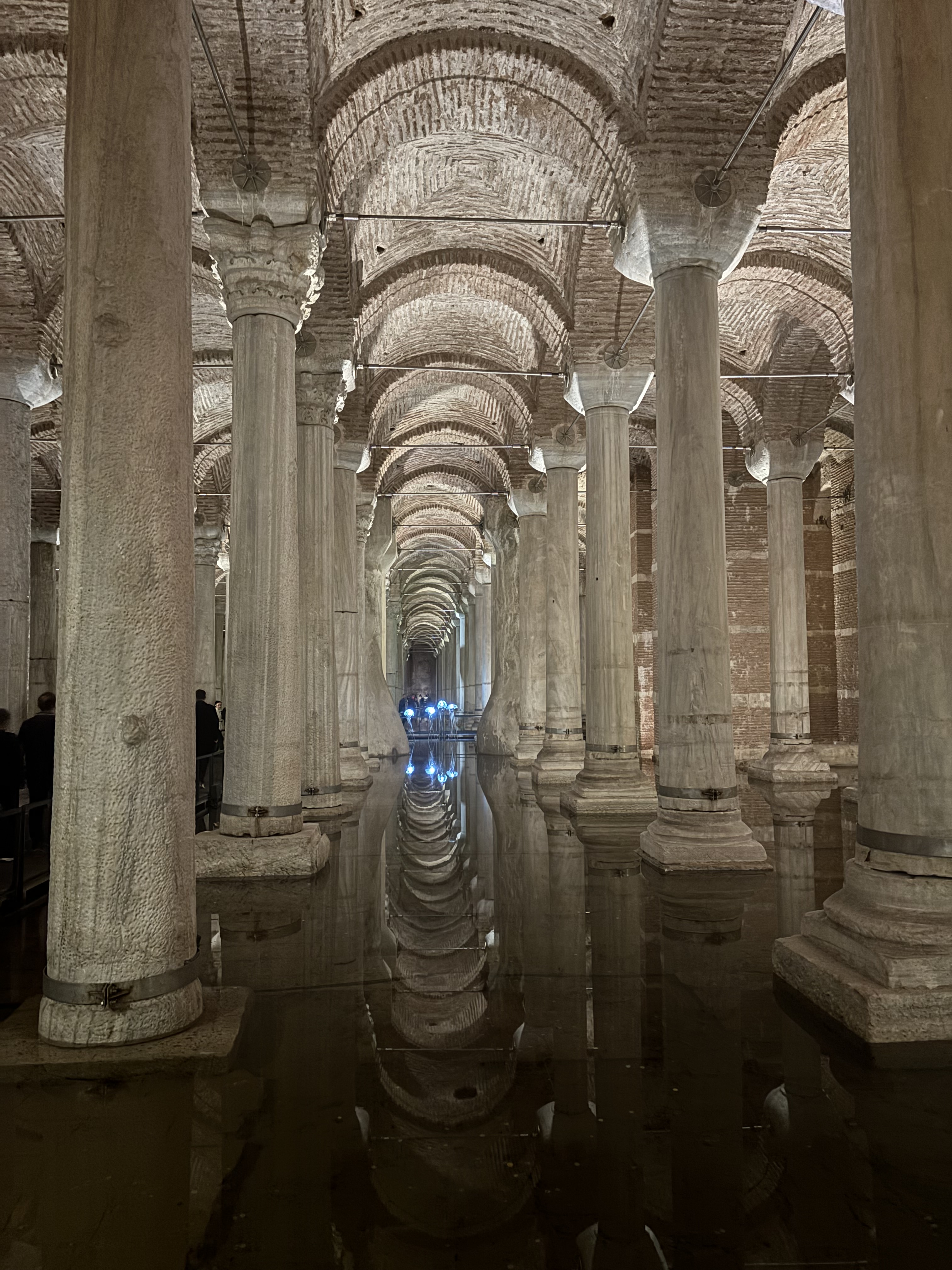
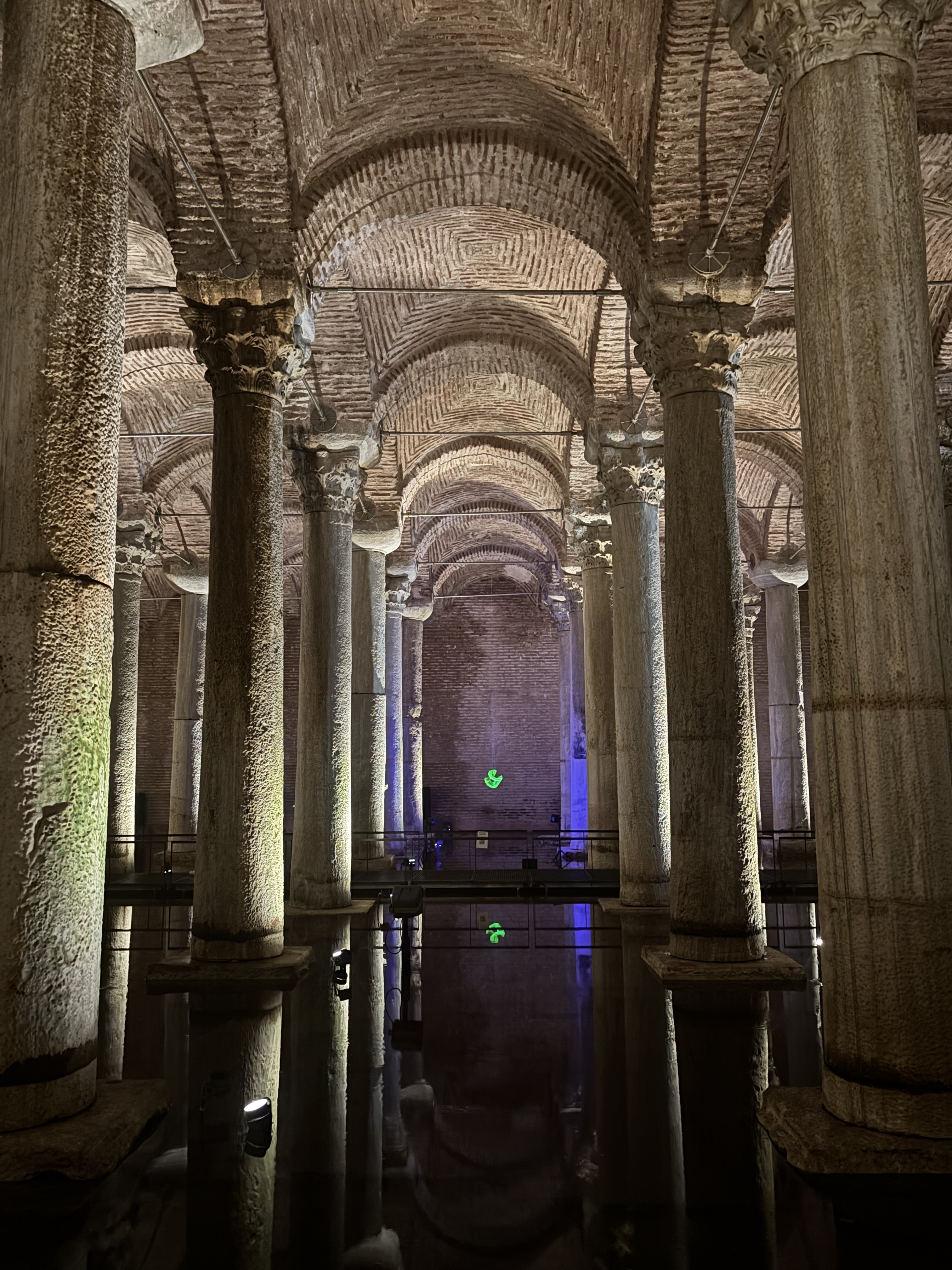
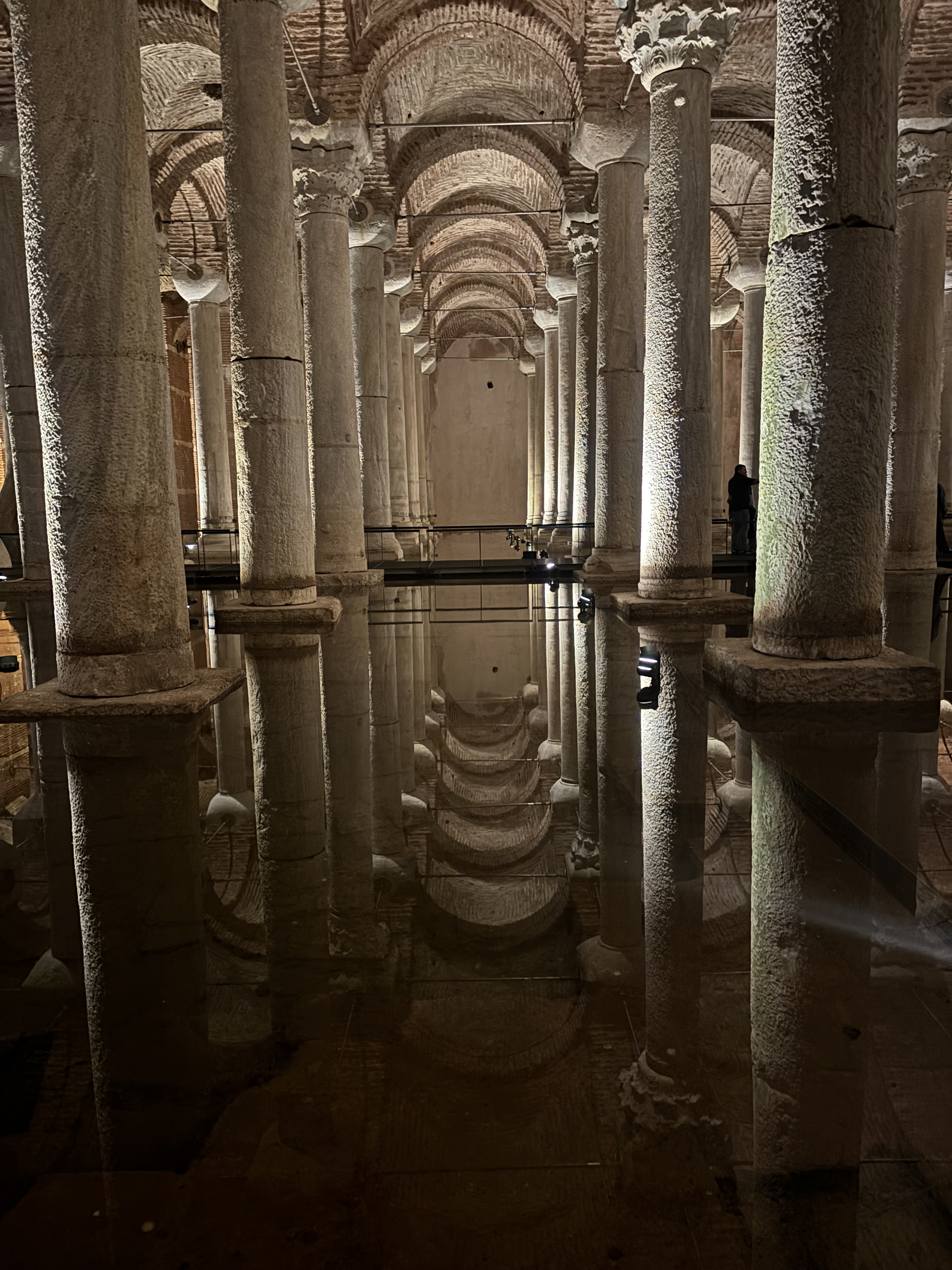
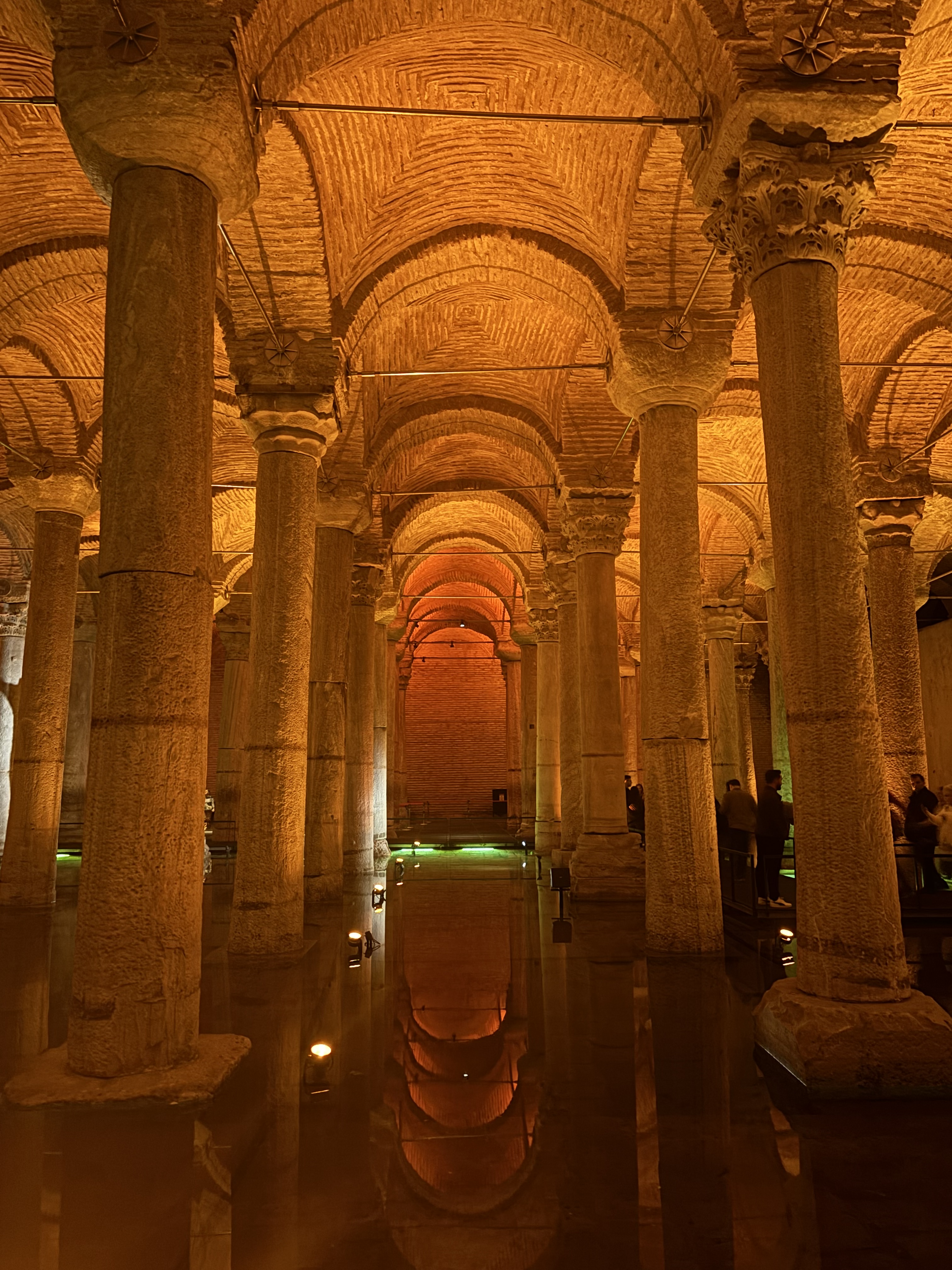
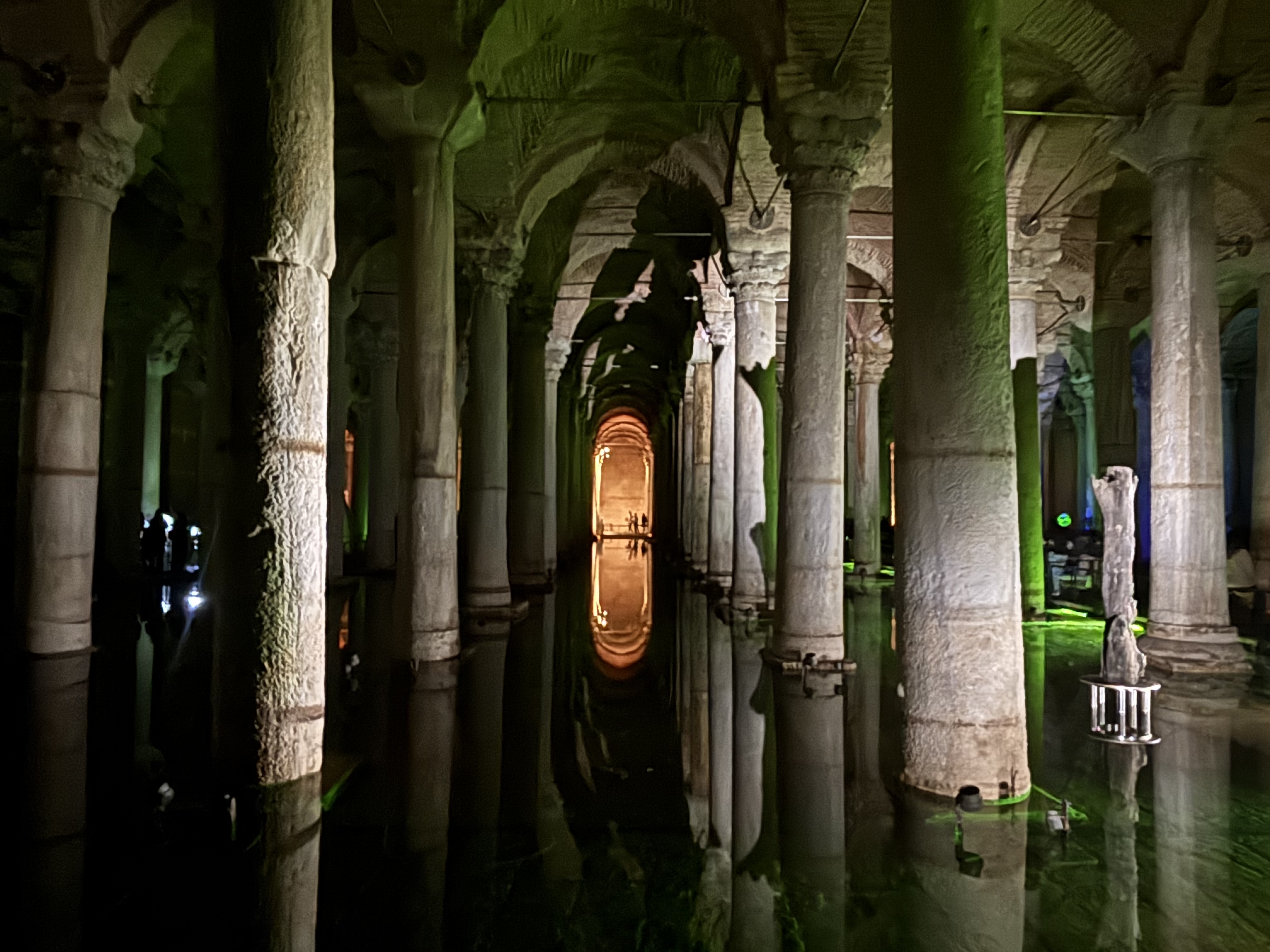
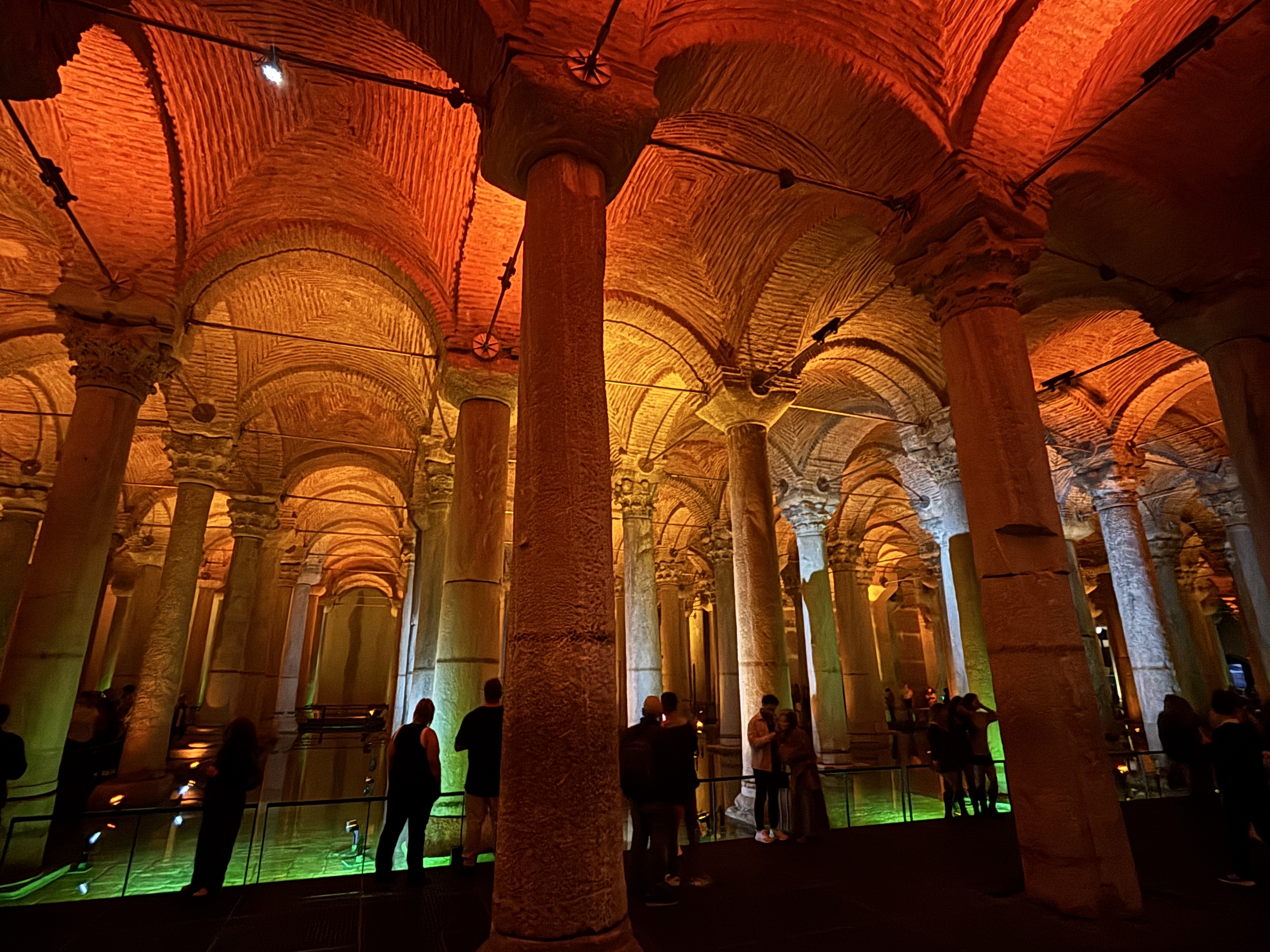
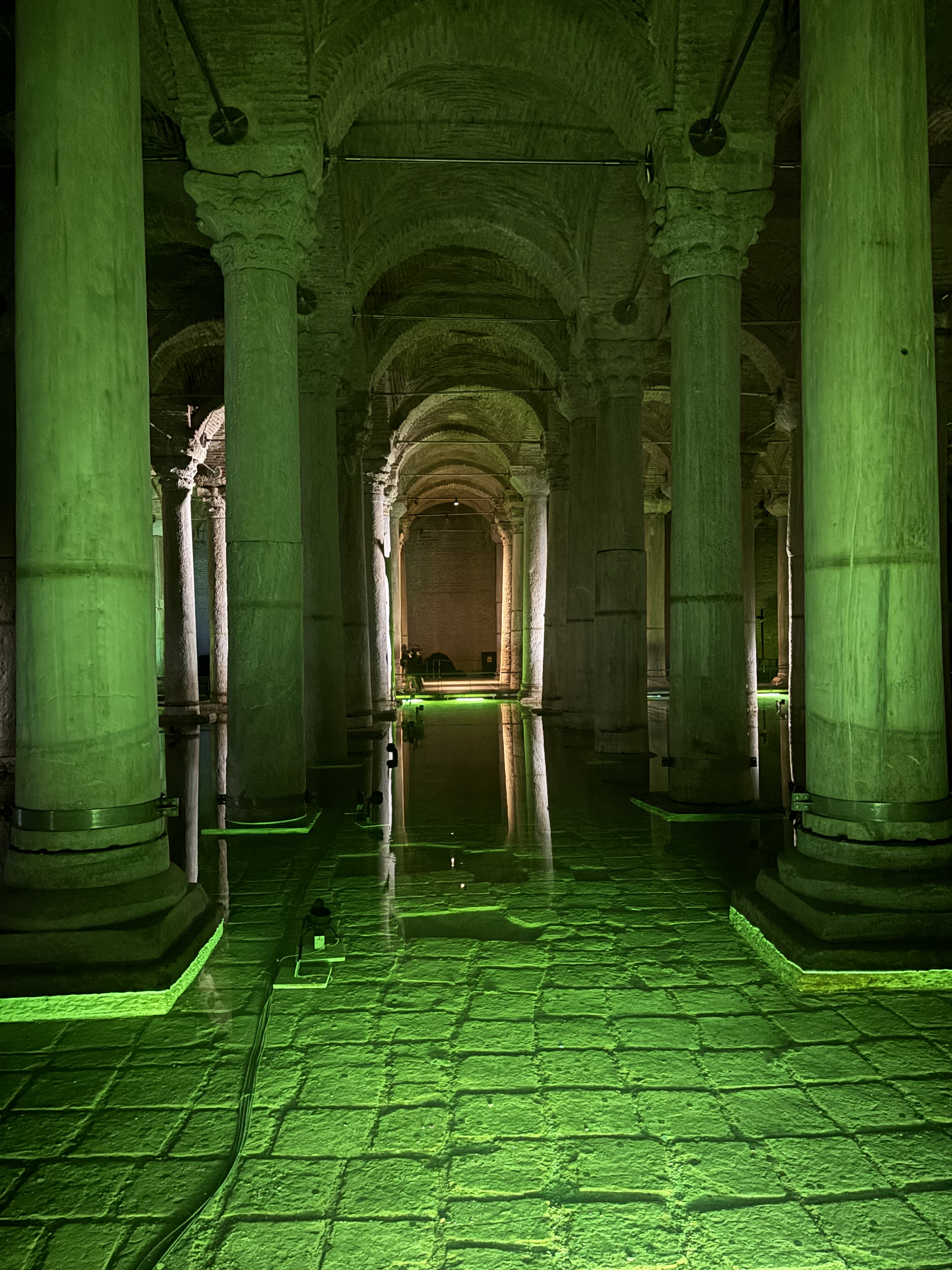
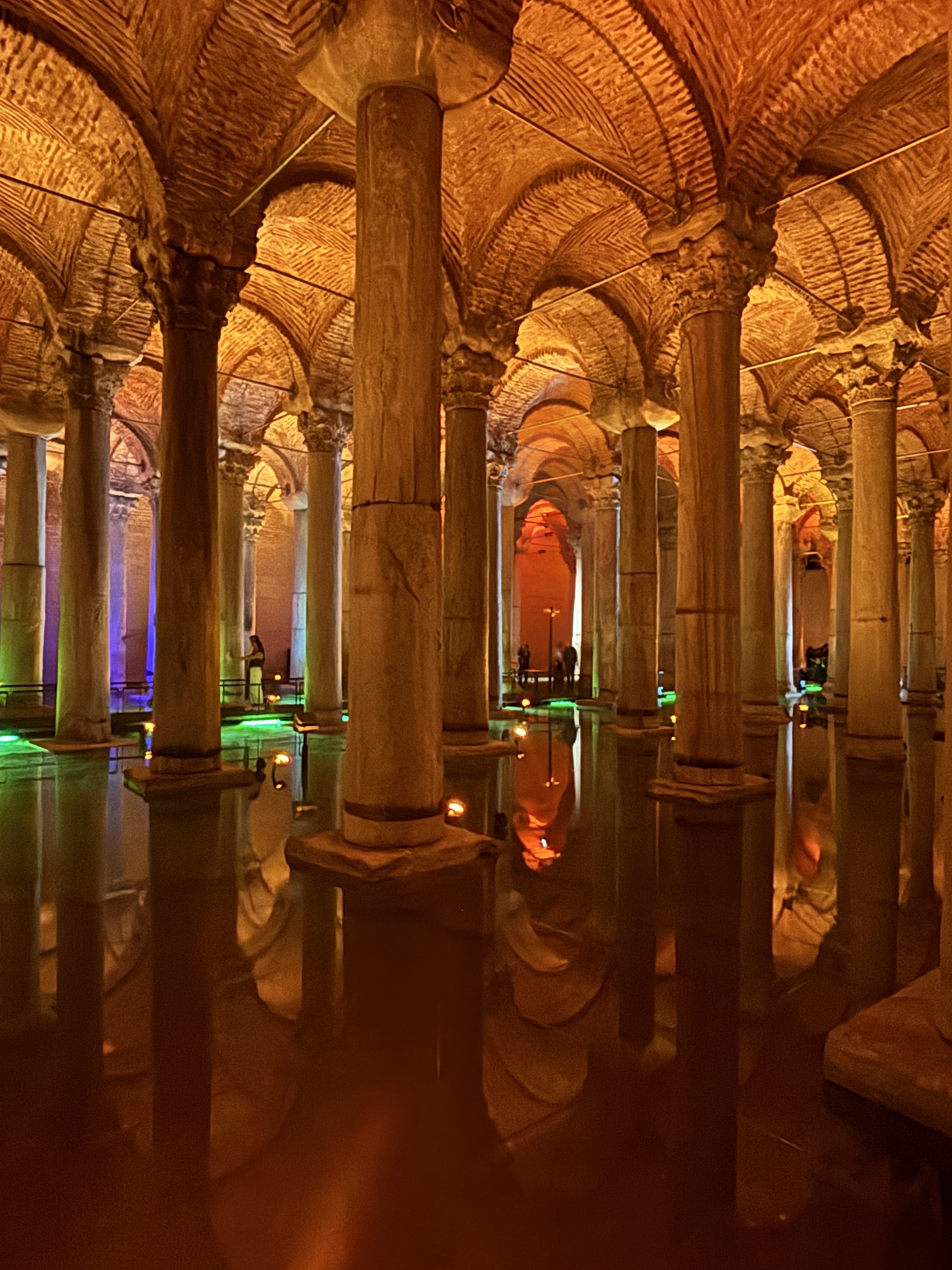
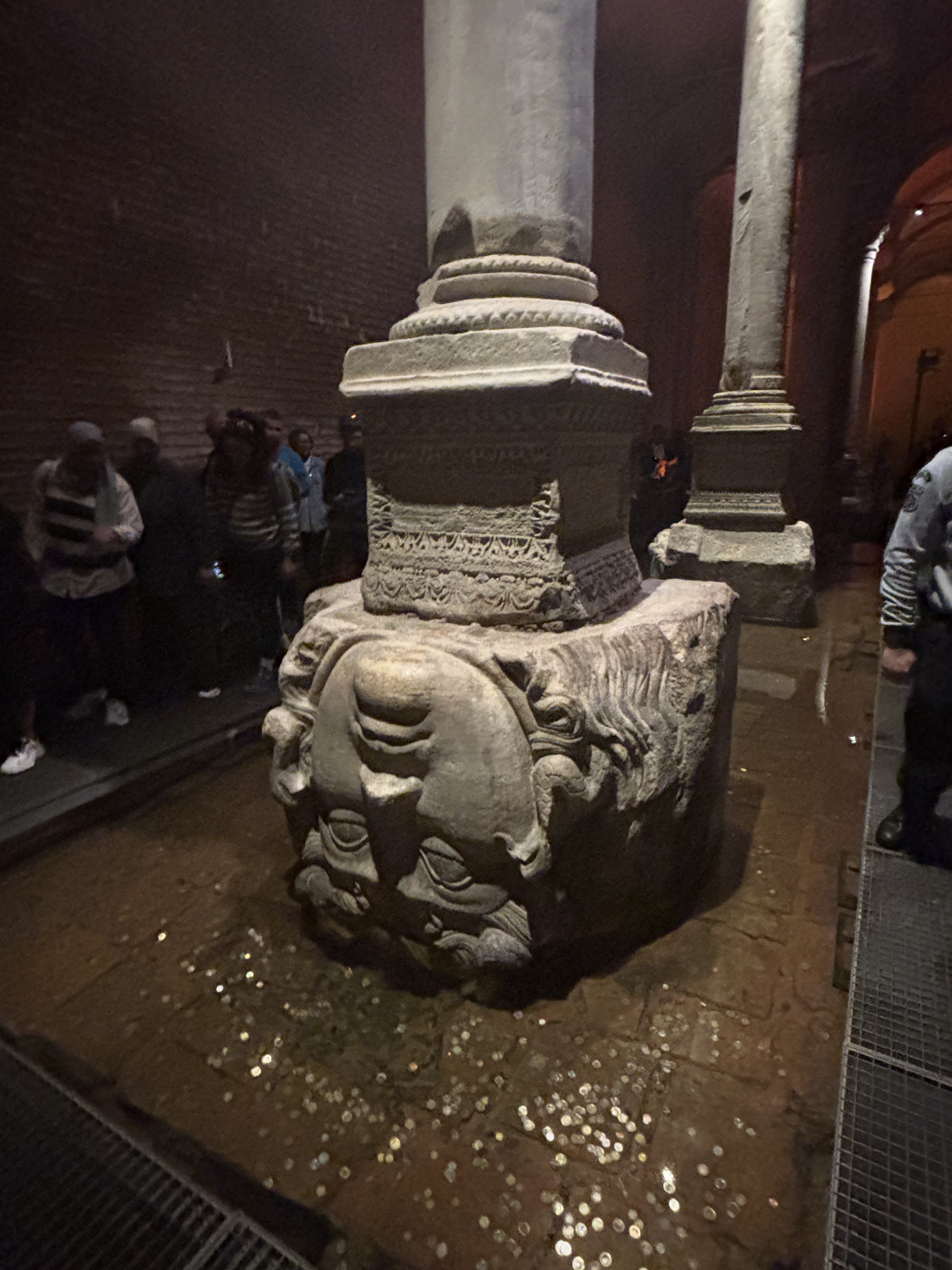
You definitely will want to visit the Basilica Cistern (special shout-out to Bart for this recommendation). This giant underground attraction once was a municipal water supply built with grand columns and stones collected from around the empire. Today, it also houses a nicely curated collection of modern sculptures and an array of lights that change color every minute or so, making it an ideal setting for any aspiring photographer or social media influencer. Or an old man with an iPhone.
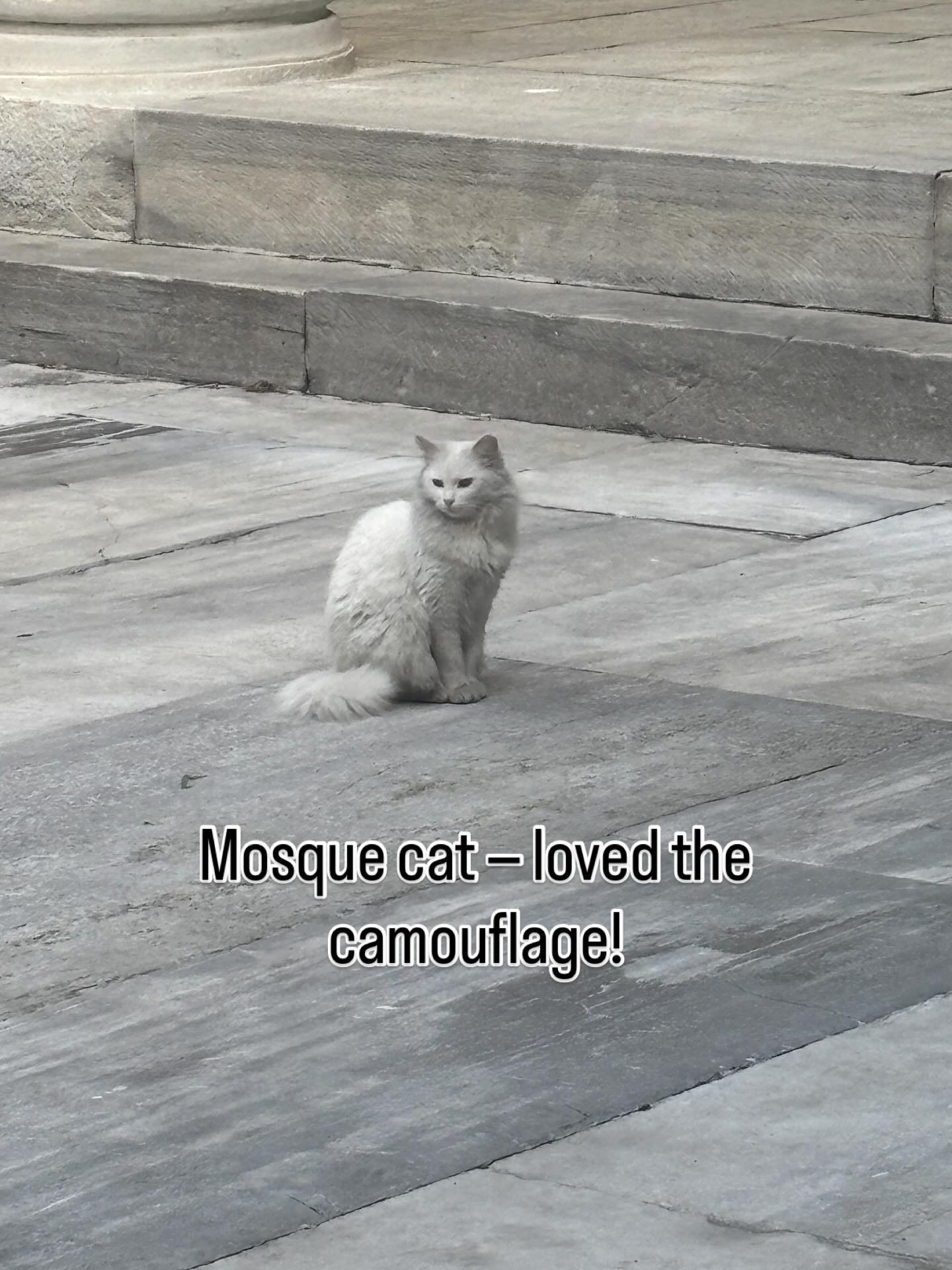
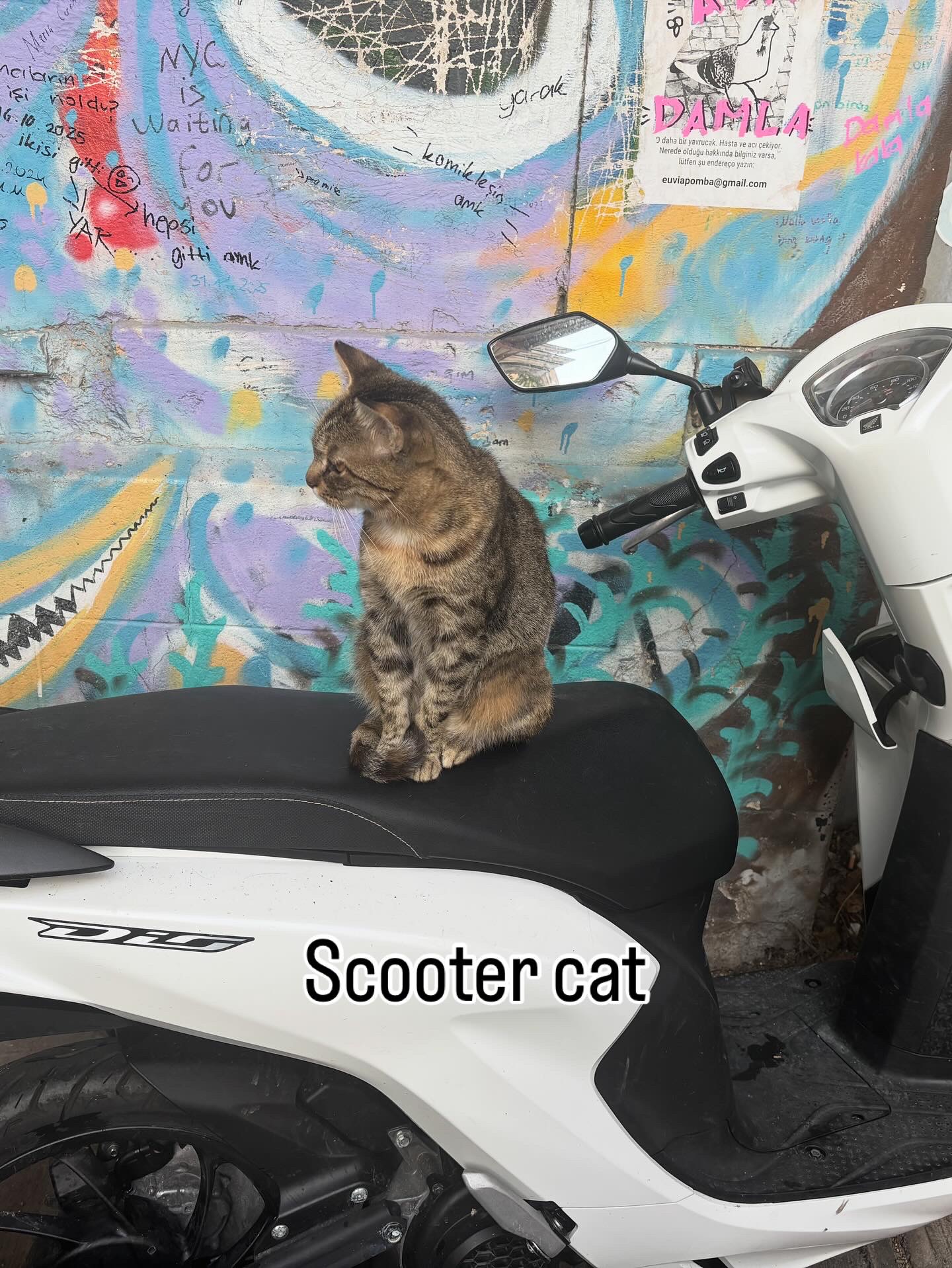
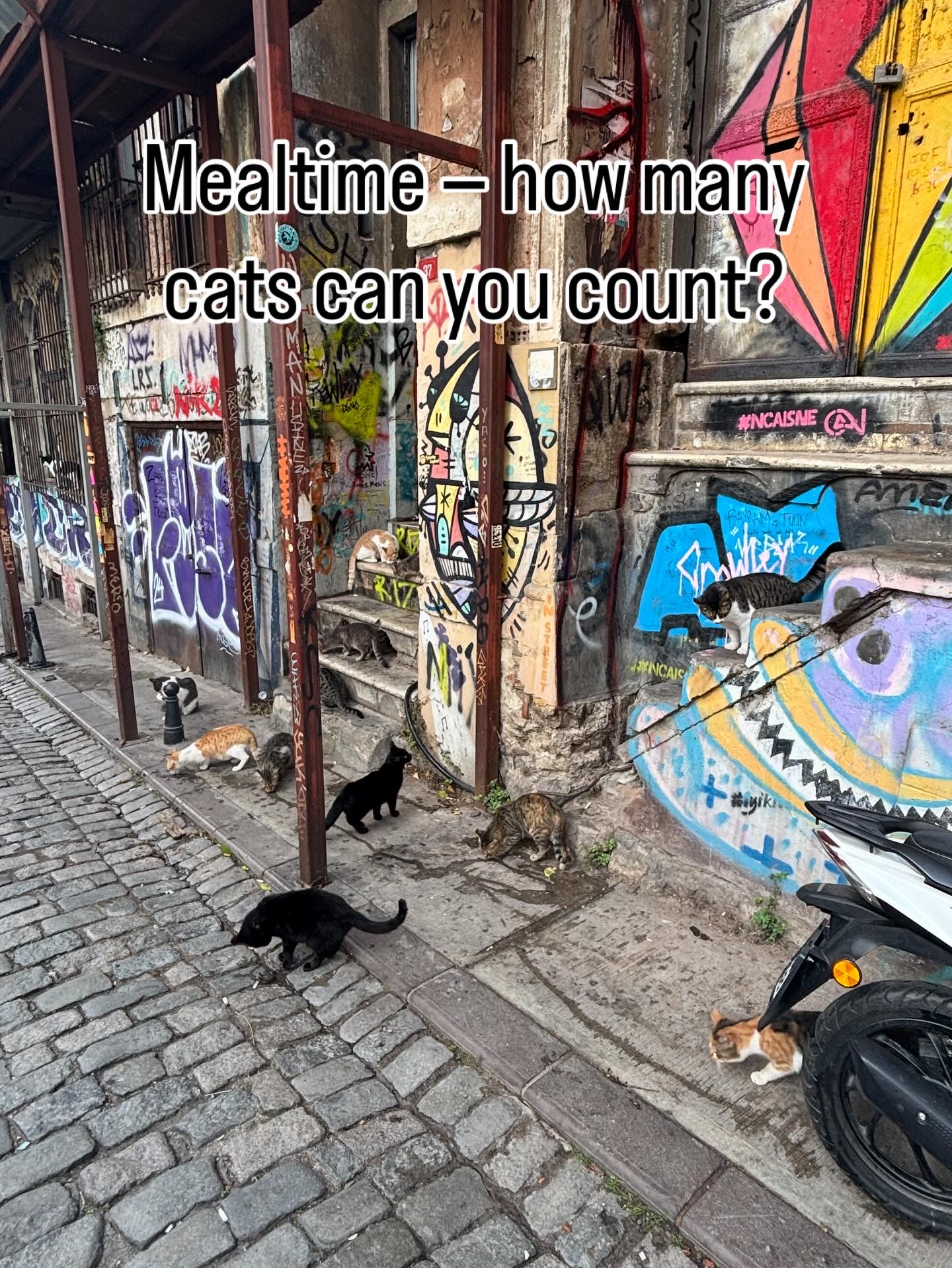
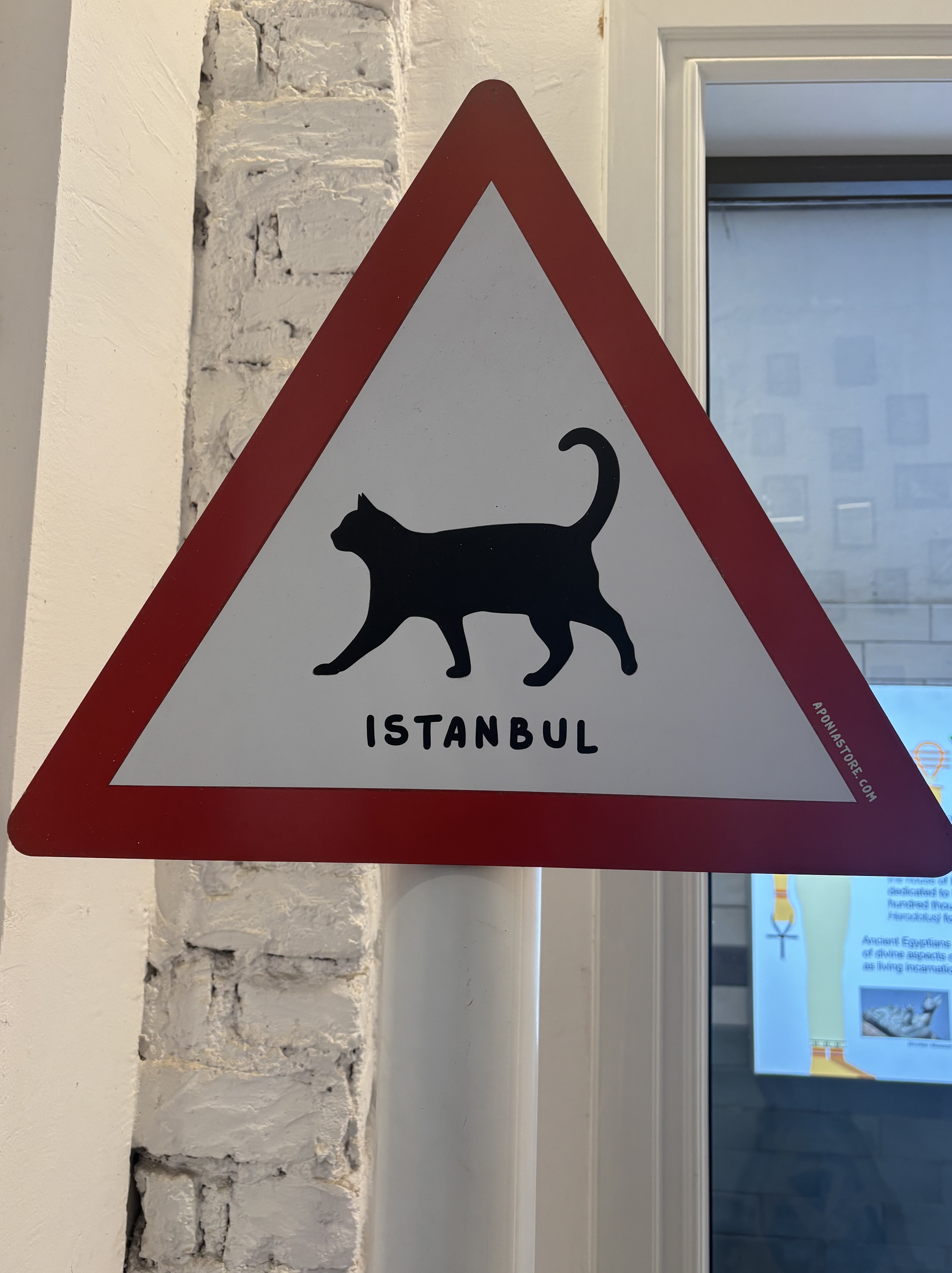
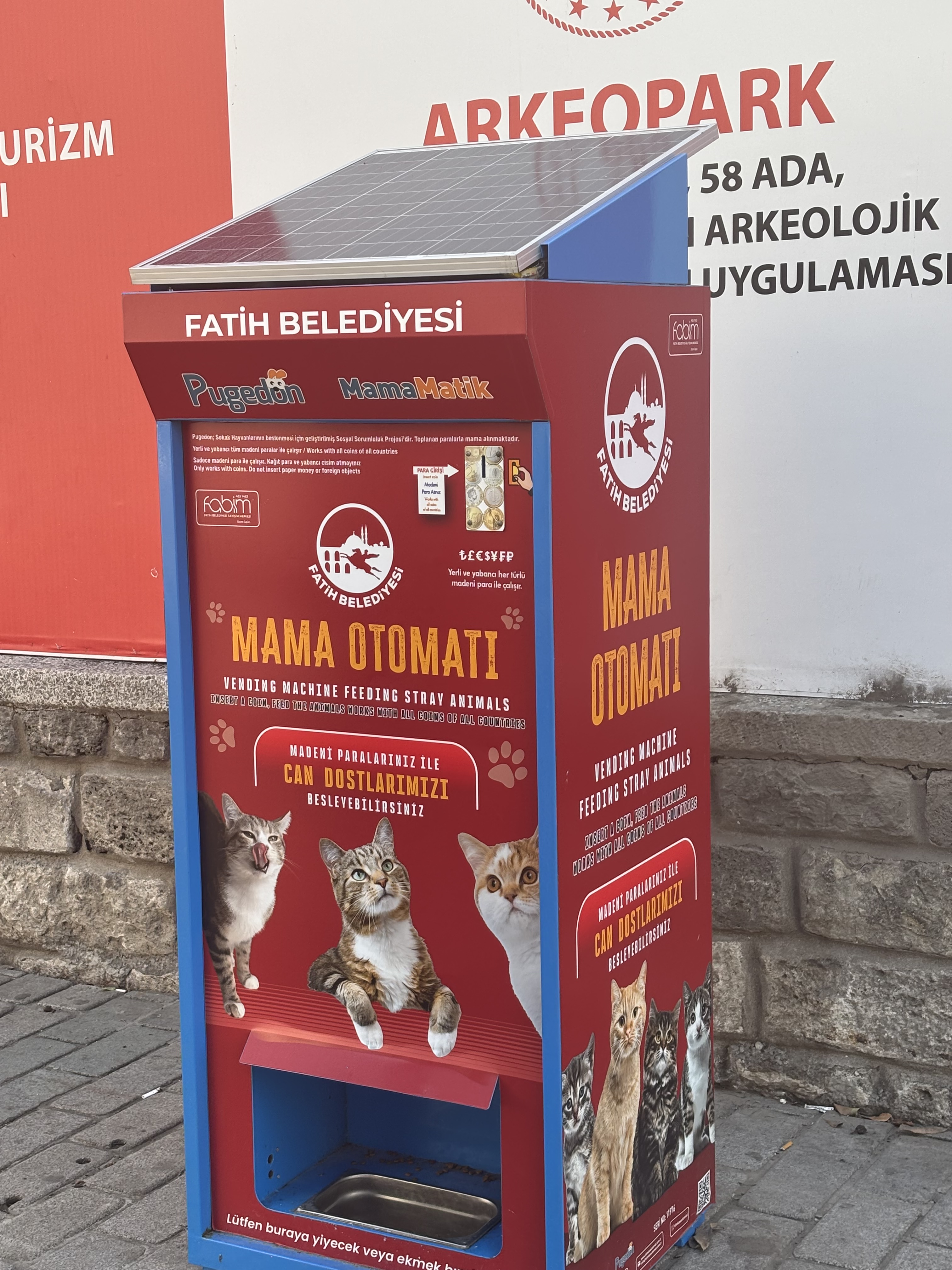
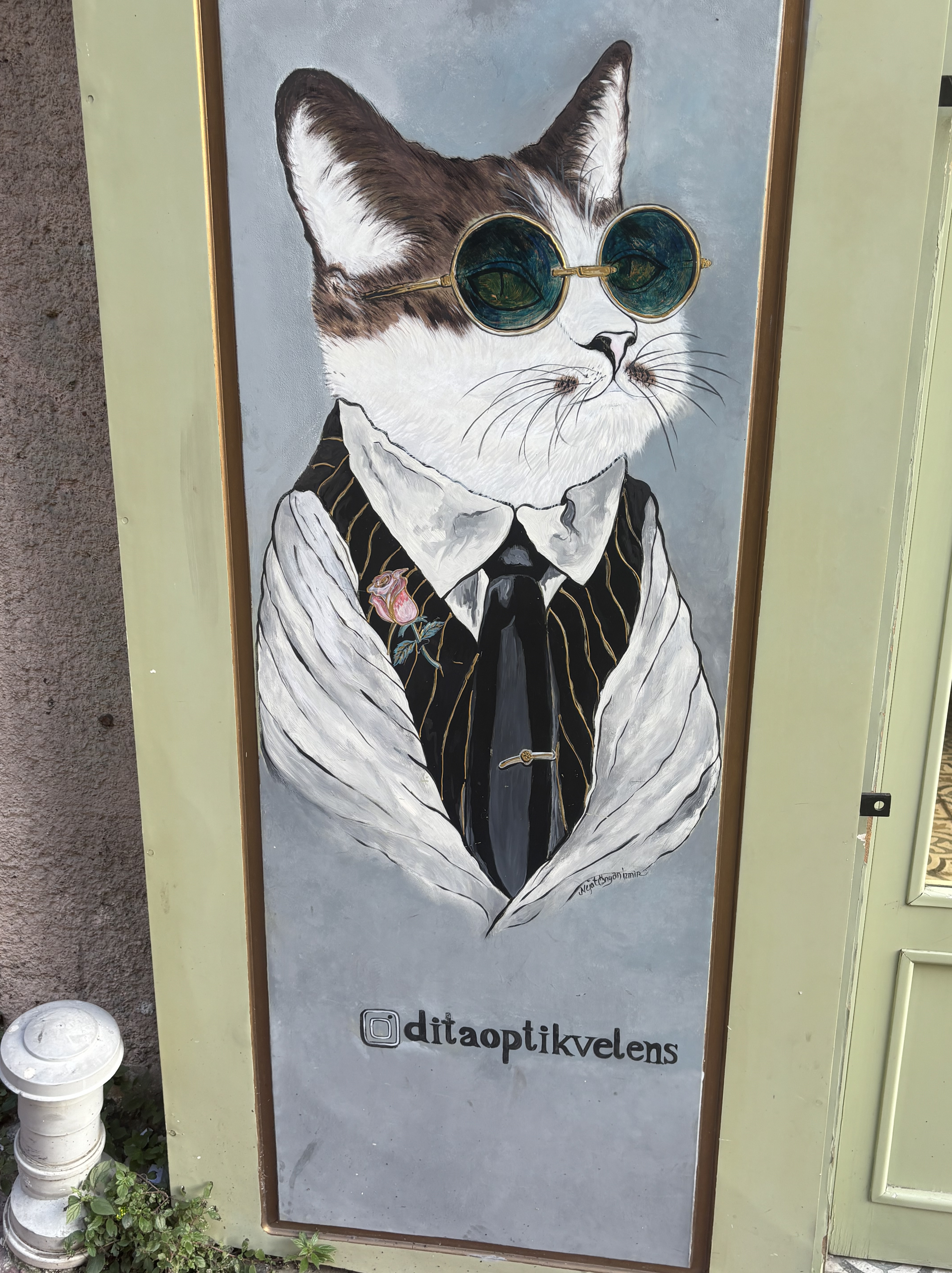
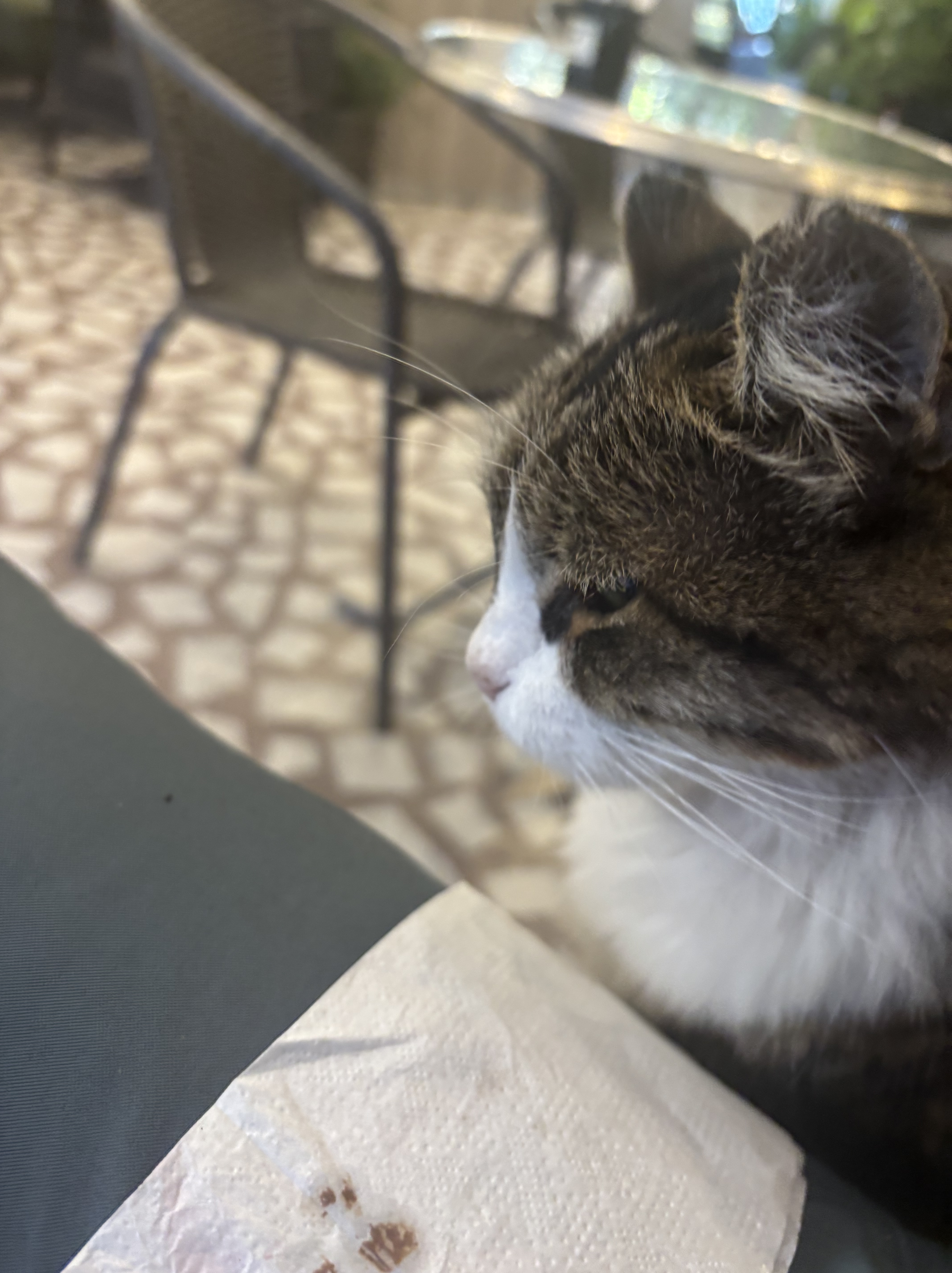
Istanbul also surprises in more subtle ways. Despite being a city of 16 million people, I’m pretty sure that cats outnumber the humans. They are beloved members of the urban scene, and most cafes leave out water and food bowls for the feline community – often inside the restaurant and with an open door for come-and-go access. The interesting thing to me is the animals are generally smaller and much friendlier than what I’ve encountered elsewhere in my travels. I had barely been in the city for five minutes when a fluffy gray cat spotted me from a bakery across the street, crossed the road, entered the café where I was sitting and jumped in my lap in the hope of getting some of my simit (a distant relative of a sesame seed bagel — in my case, served with a side of Nutella that I most definitely did not share).

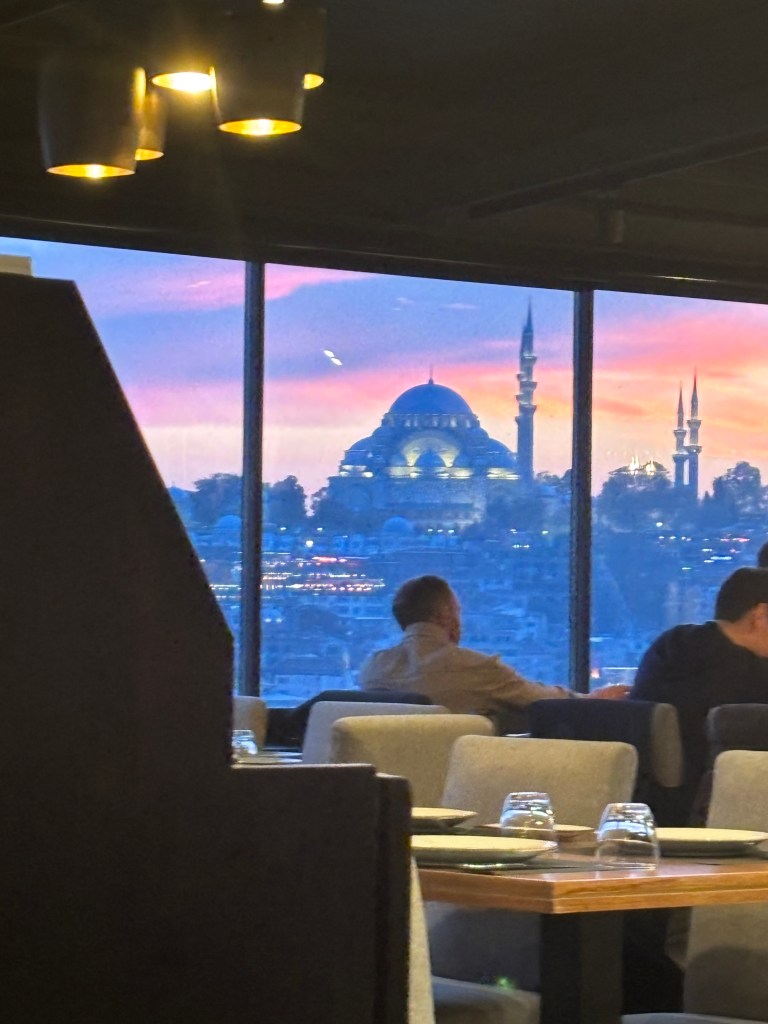
And while we’re on the subject of food, Istanbul was worth the trip for that reason alone. As the intersection of so many cultures over such a long period of time, Istanbul has developed an impressive repertoire of culinary delights. I enjoyed some amazing dishes during my stay here, and for a fraction of what I would expect to pay in the USA or even western Europe. And the views aren’t too shabby either!
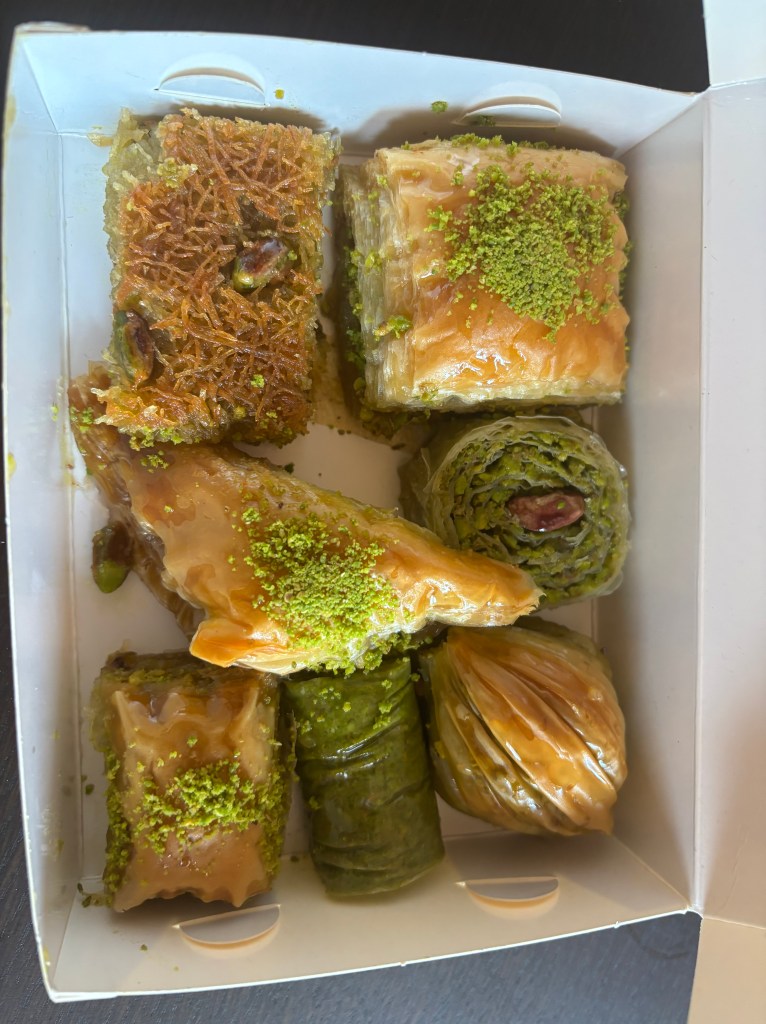
The baklava is every bit as good as you might hope for, and it comes in many different varieties. My favorite was a “new style” baklava that is served cold with condensed milk similar to a tres leches cake.
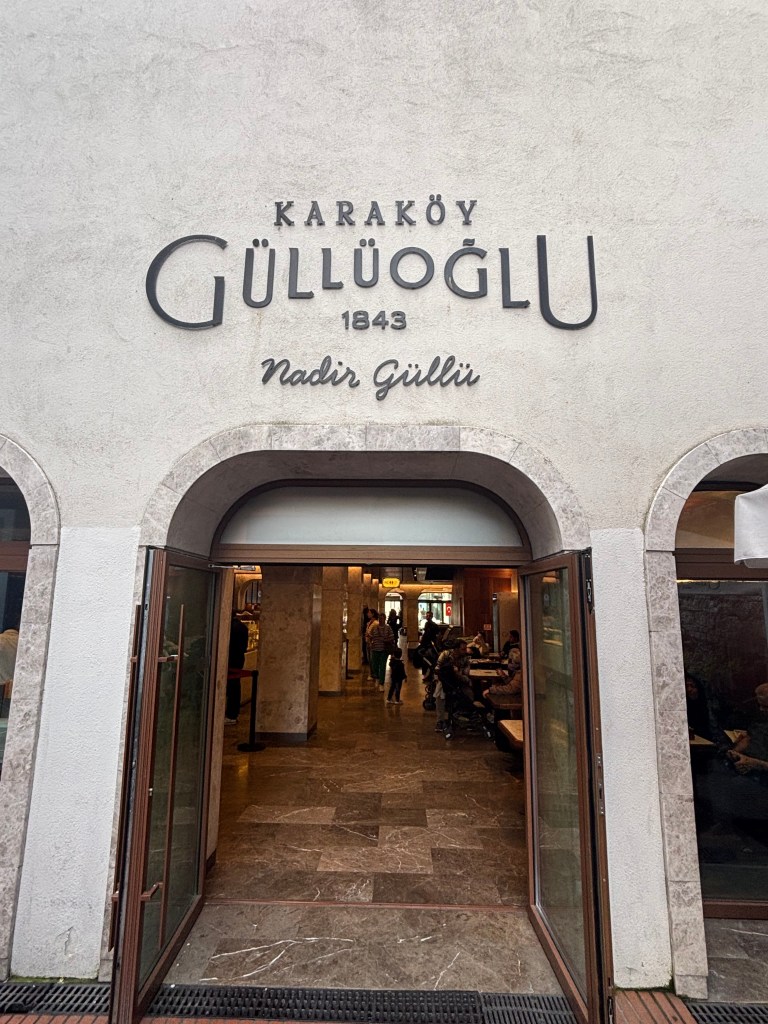
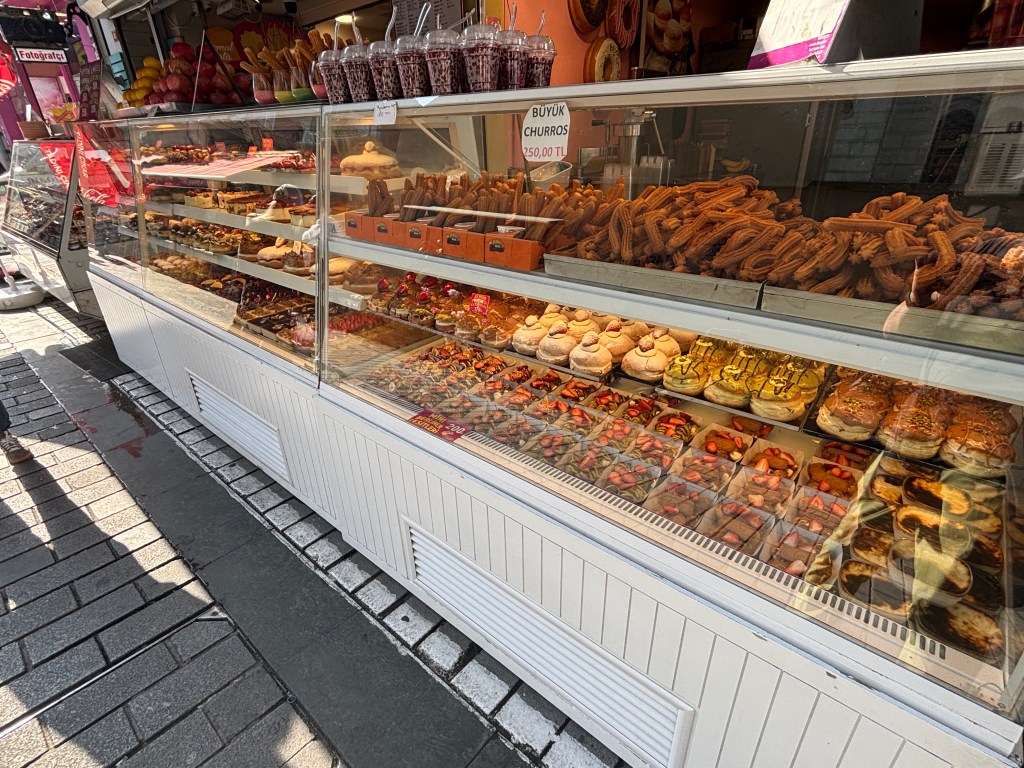
The mezze and entrees were consistently great. In fact, I don’t think I ate anything I disliked the entire stay. I took a street food tour and sampled more than a dozen dishes for the equivalent of about $10 USD total. Borek (phyllo dough with fillings), sahlep (wild orchid tea), pide (flatbread) and manti (small dumplings in a garlic yogurt sauce) were an excellent representation of the city’s international influences. The cig kofte (bulgar wheat and tomato paste with spices wrapped in lettuce) was a particular revelation, and the friendly woman who ran the tiny storefront I visited was happy to customize the bite-sized delicacy according to my personal preferences (extra spicy, extra lemon). Turkish mussels are in a class of their own, as they are partially steamed, then stuffed with rice and seasonings before completing the steaming process and sprinkled with lemon juice. To my real surprise, I even enjoyed a traditional street food called kokorec made of ground sheep intestine cooked on a spit similar to doner kebab.
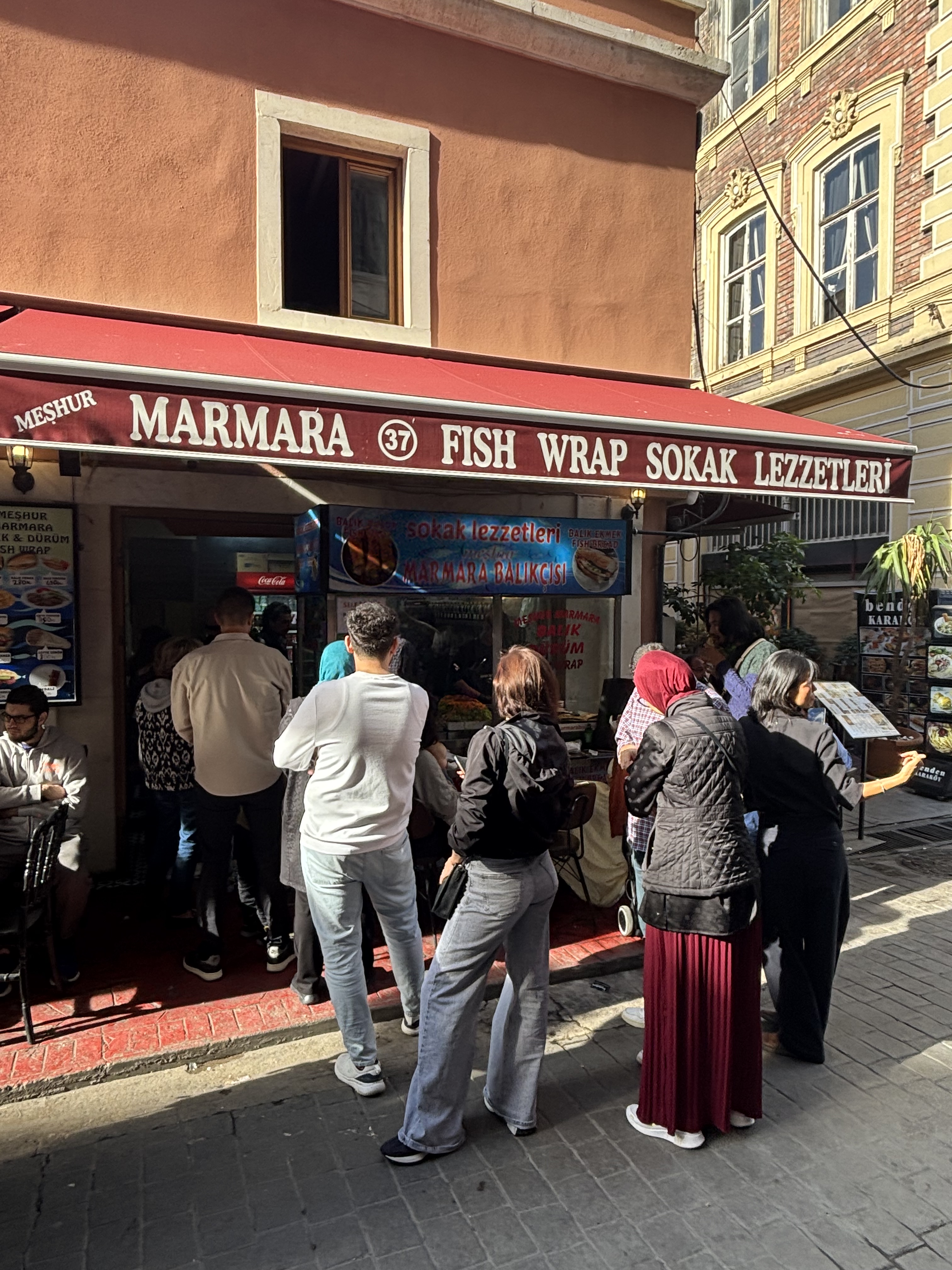
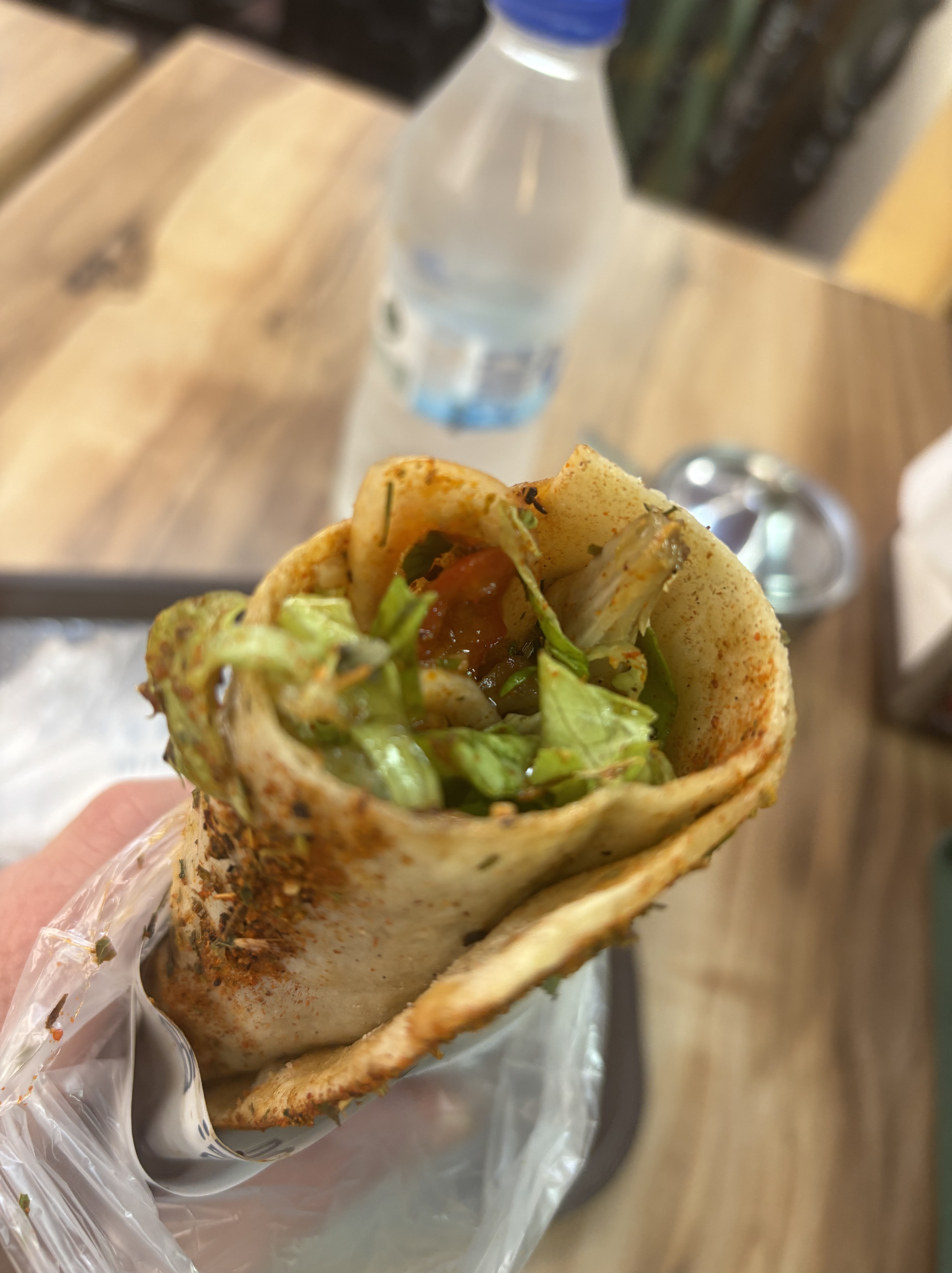
But if there is one thing I will remember from my time in Istanbul it is balik durum. This simple but complex dish consisting of grilled fish wrapped in lavash bread with onions, peppers, salad and a bunch of added oils, sauces and spices is bursting with flavor and is my new favorite thing in the world. I will probably spend a ridiculous amount of time and expense trying (and failing) to replicate it in my home kitchen in a couple of months.

Istanbul, like its cuisine, leverages the best of its many global and cultural influences to create something greater than the sum of its parts. But as anyone who has ever worked in the DEI space (yes, I believe DEI still has an important role to play in our society despite being widely miscast and misunderstood — but that’s another rant for another day) knows, the road to integration can be bumpy. More on that next time . . . .


 The Global Slowmad
Leave a comment