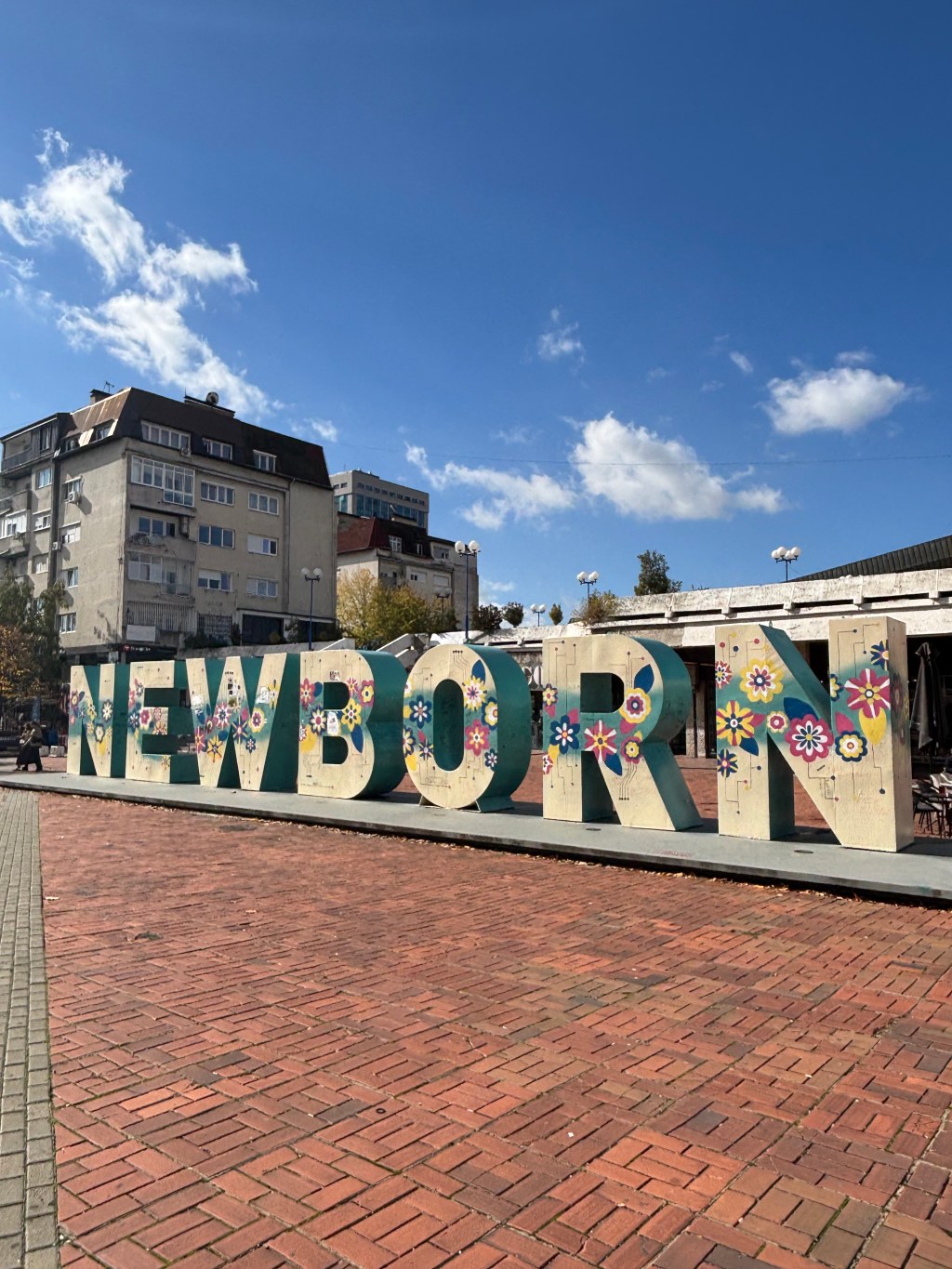
Kosovo is the newest country in Europe and one of the youngest in the world, having only declared its independence from Serbia in 2008. Kosovo is a teenager. It’s still finding itself.
The bus ride from Tirana was a beautiful if somewhat unsettling journey. The Tirana East Gate bus station has no useful signage and the buses themselves are unmarked since they drive similar routes for many different tour companies, so you have to look for a small paper sign showing your desired destination taped to the windshield and hope for the best. The route takes you through a particularly scenic section of the Balkans full of small villages, winding streams and impressive vistas. Even the rest stop was in a lovely setting. Most of the passengers were relatively quiet, but a couple of teenagers a few rows behind me chose to entertain themselves during the entire four-hour ride with carpool karaoke. My noise-cancelling headphones got a lot of use.
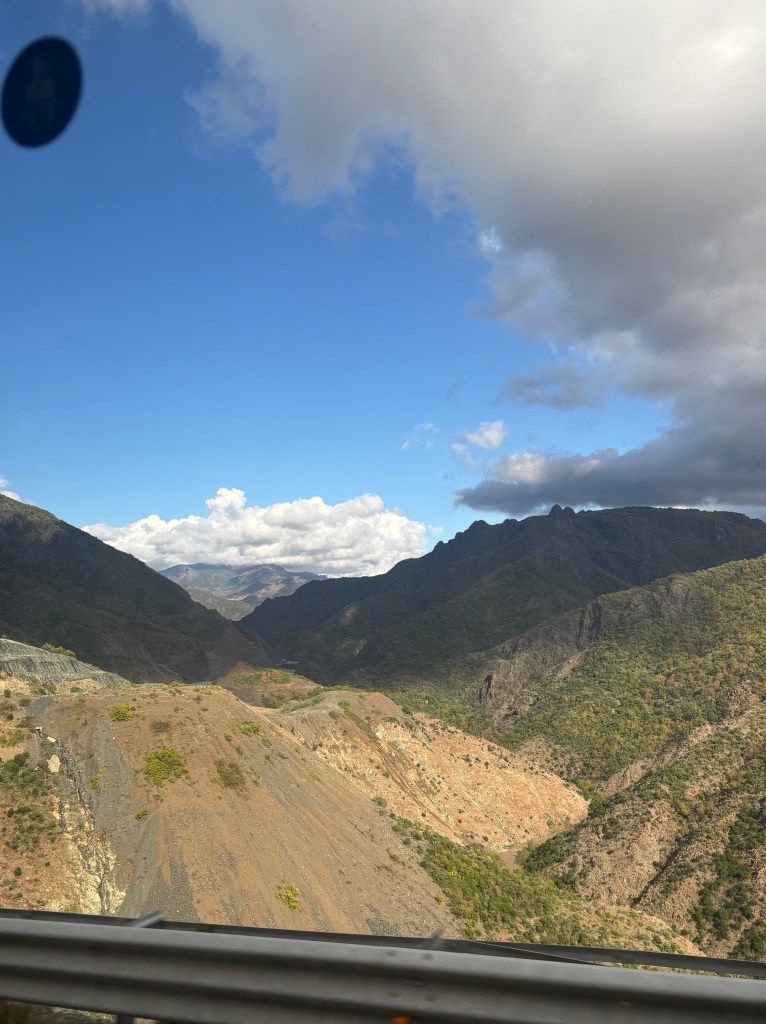
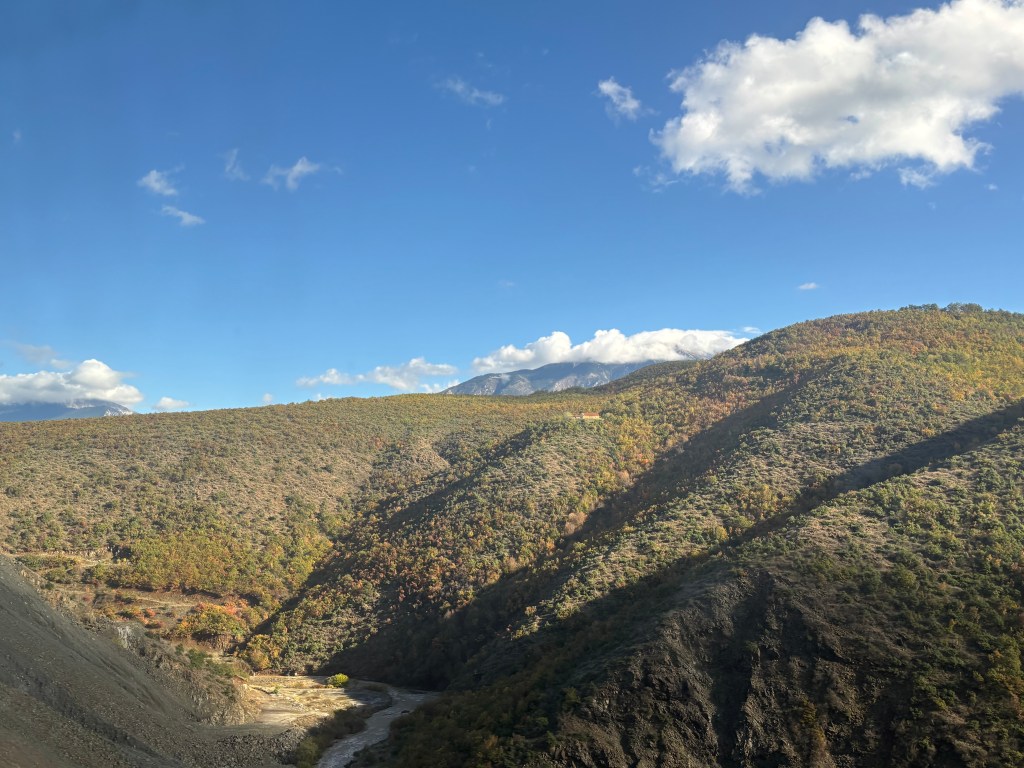

A heavily armed officer boarded the bus and collected our passports with nary a word nor a smile as we crossed the border into Kosovo, and we did not get them back until we were about 30 minutes on the other side. No one else seemed concerned, so I did my best to sit tight. I was already a little frazzled from the Albanian pop duo in Row H and residual stress about my passport situation, so I was eager to disembark and make my escape. Unfortunately, the last five miles of the trip took well over an hour. I’ve lived in Los Angeles and Washington DC, and the rush hour traffic in Prishtina was worse than anything I’ve ever seen. I wish I had thought to take some pictures, but even that would not capture the cacophony of car horns that really completed the experience.
As it turned out, the dropoff point was different than what had been posted on the website when I purchased my ticket, so the 400m sunset walk to my AirBNB ended up being closer to 4,000m. Thanks to the traffic delay, it was now fully dark as well. After navigating between idling cars to cross the series of major motorways southwest of the city center, I began to notice a lot of modern apartments, western hotel chains, boutique shops and other signs of Balkan yuppiedom. I later learned that this had all come about during COVID when residents were flocking to the suburbs for more space. It also happens to be the only neighborhood in town where new construction (or repairs or even general maintenance) is a thing.
I was in for another surprise when I finally reached my AirBNB. Here’s what the entry and main stairwell looked like:
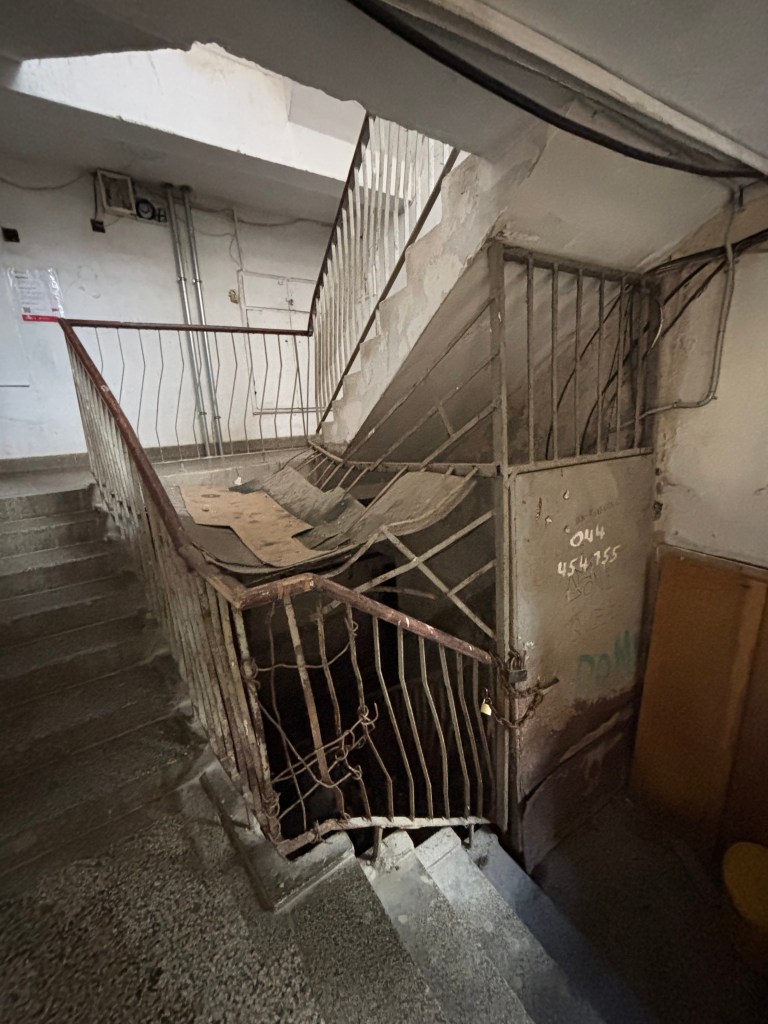
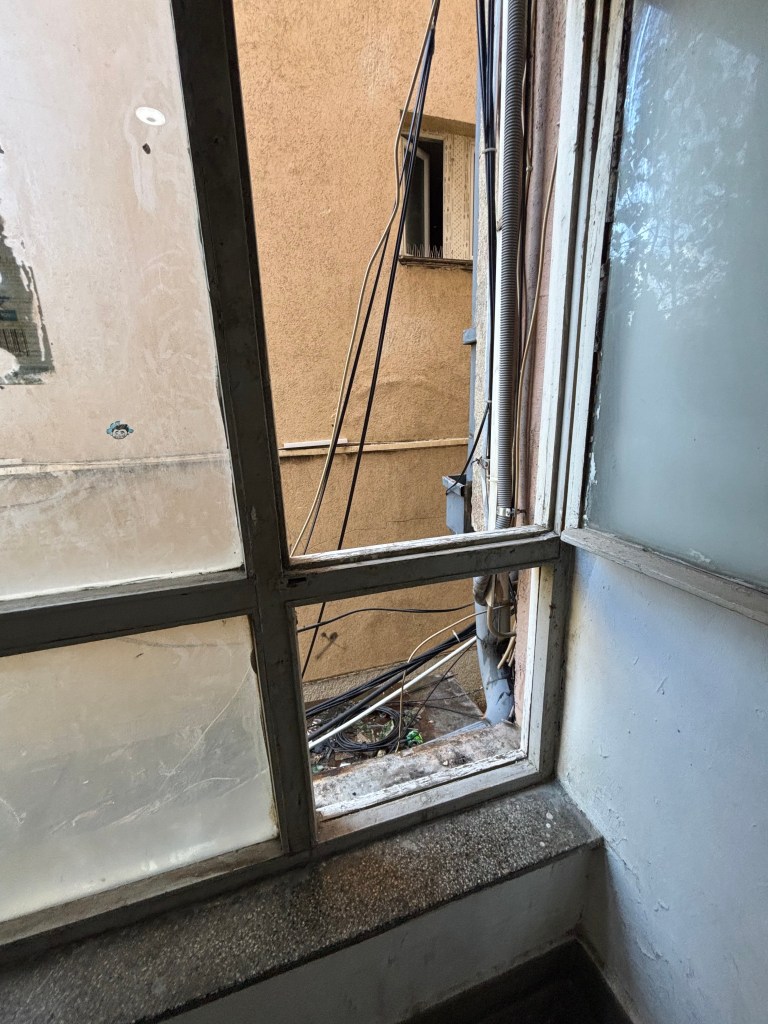
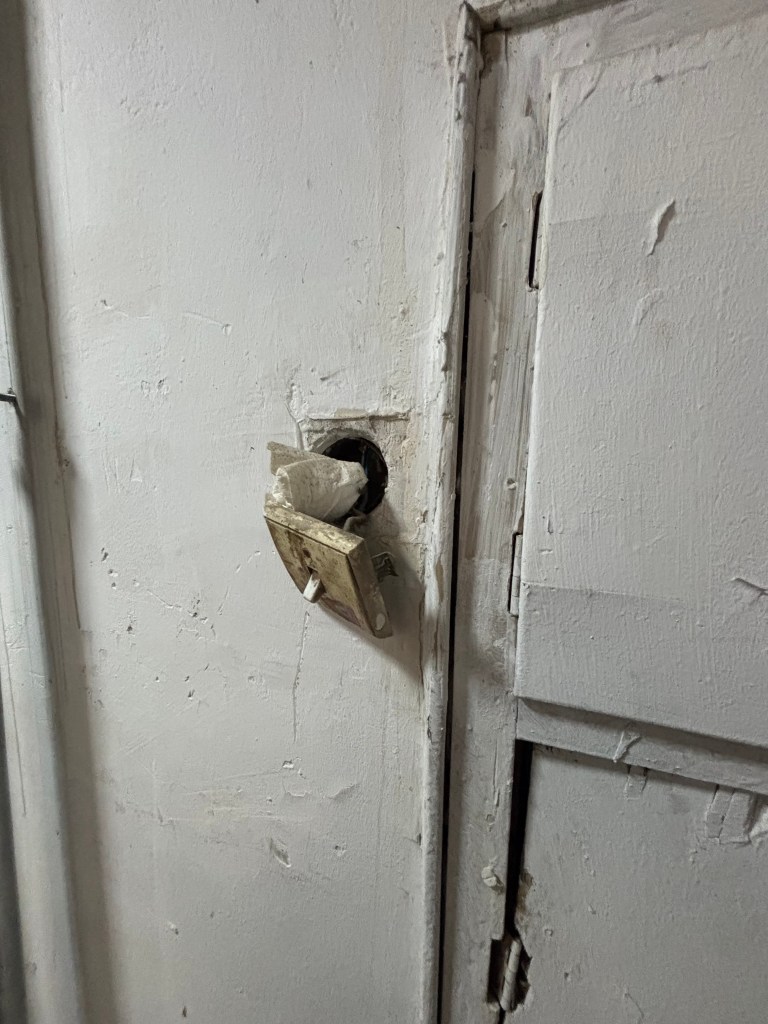
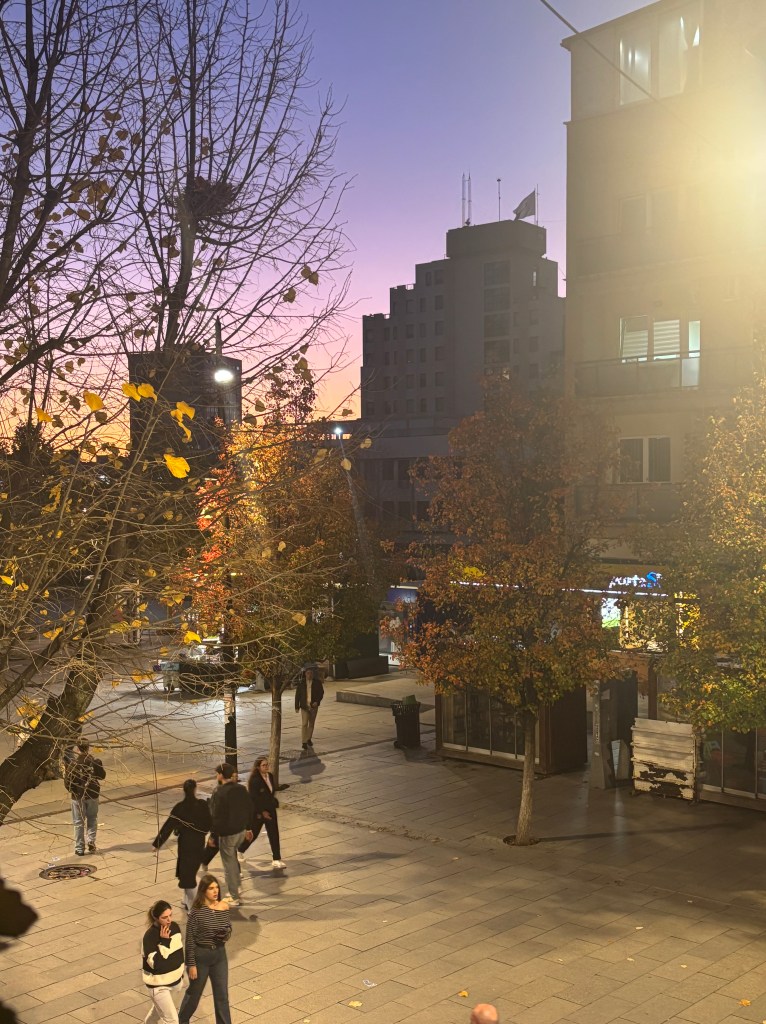
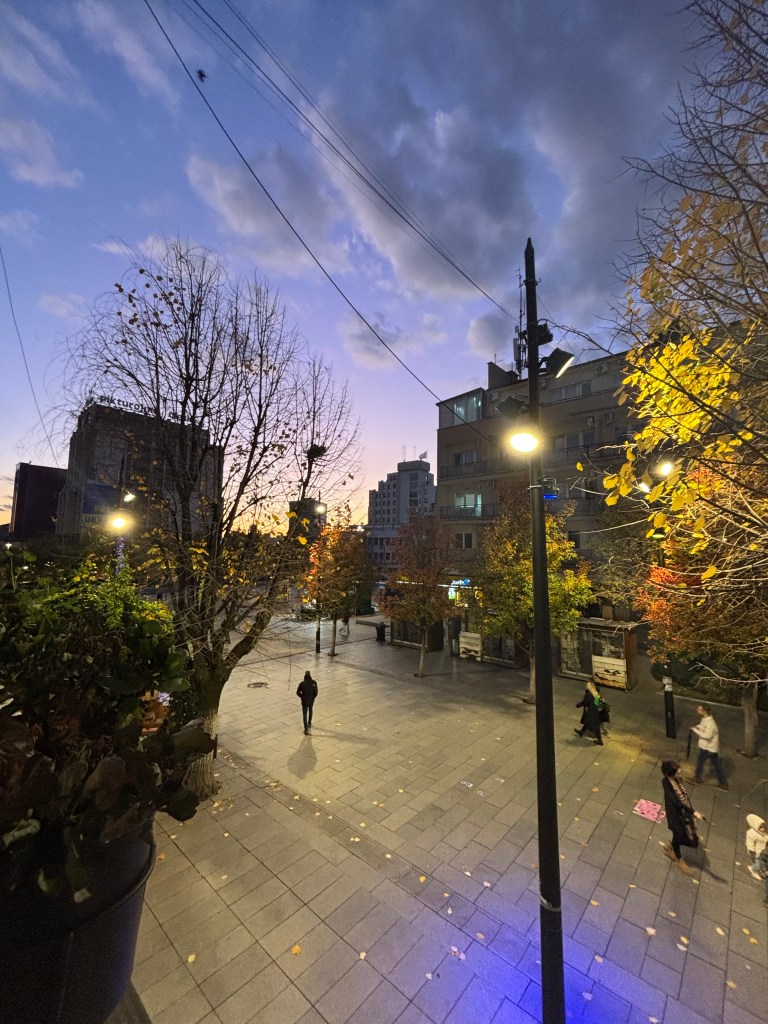
The apartment itself was ok. The kitchen oddly lacked a trash bin, the WiFi was spotty, the hot water was fleeting, and the power went out altogether for about 6 hours one afternoon, but I loved the view from my private balcony and it’s hard to argue much at the price point ($60/night for a large 2-bedrom flat).
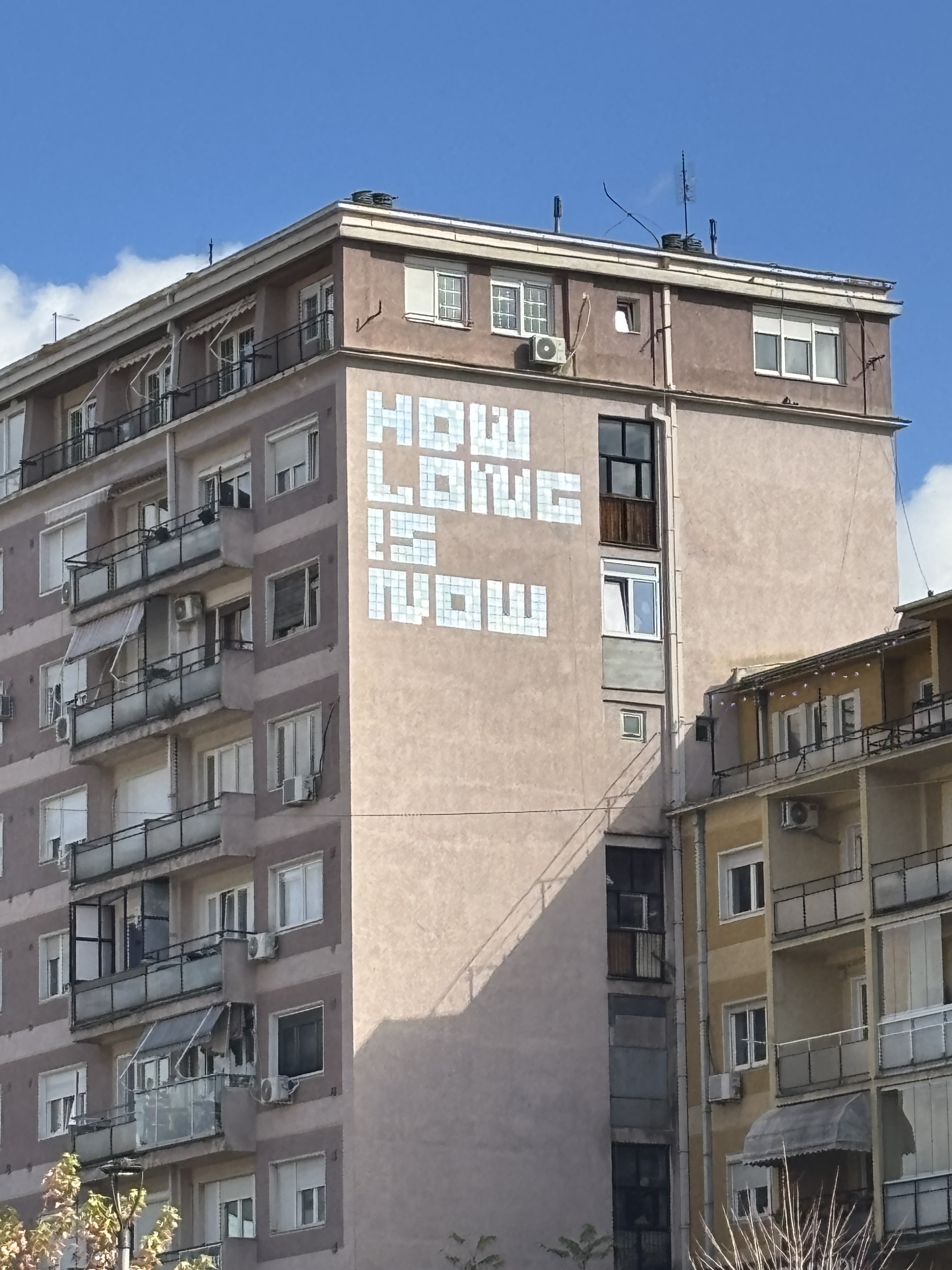
This level of disrepair is not uncommon among the cinder block communist buildings of the city center. But it is interspersed with lengthy pedestrian boulevards full of smartly dressed couples, a strong café scene and a surprising amount of western pop culture.
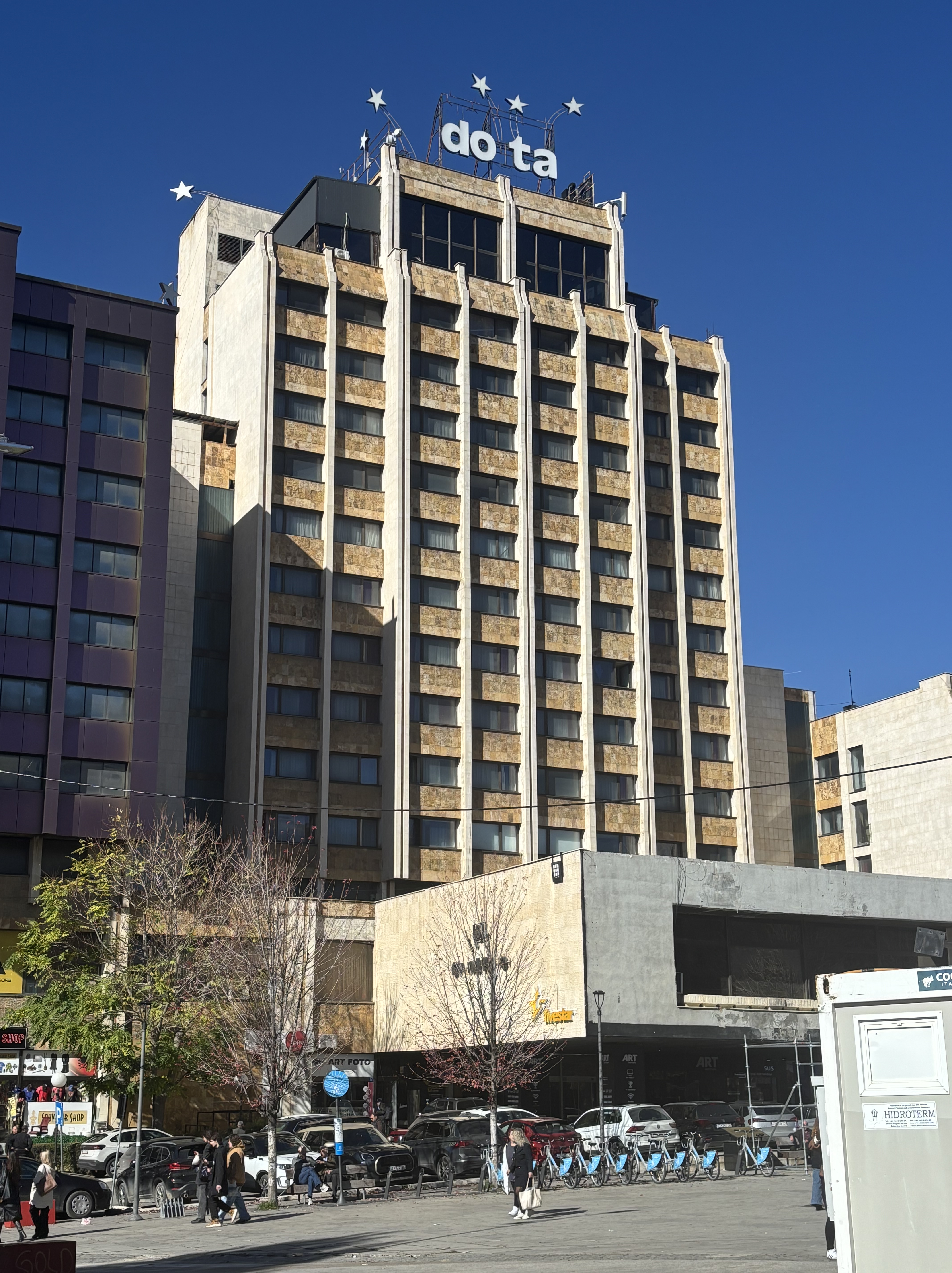
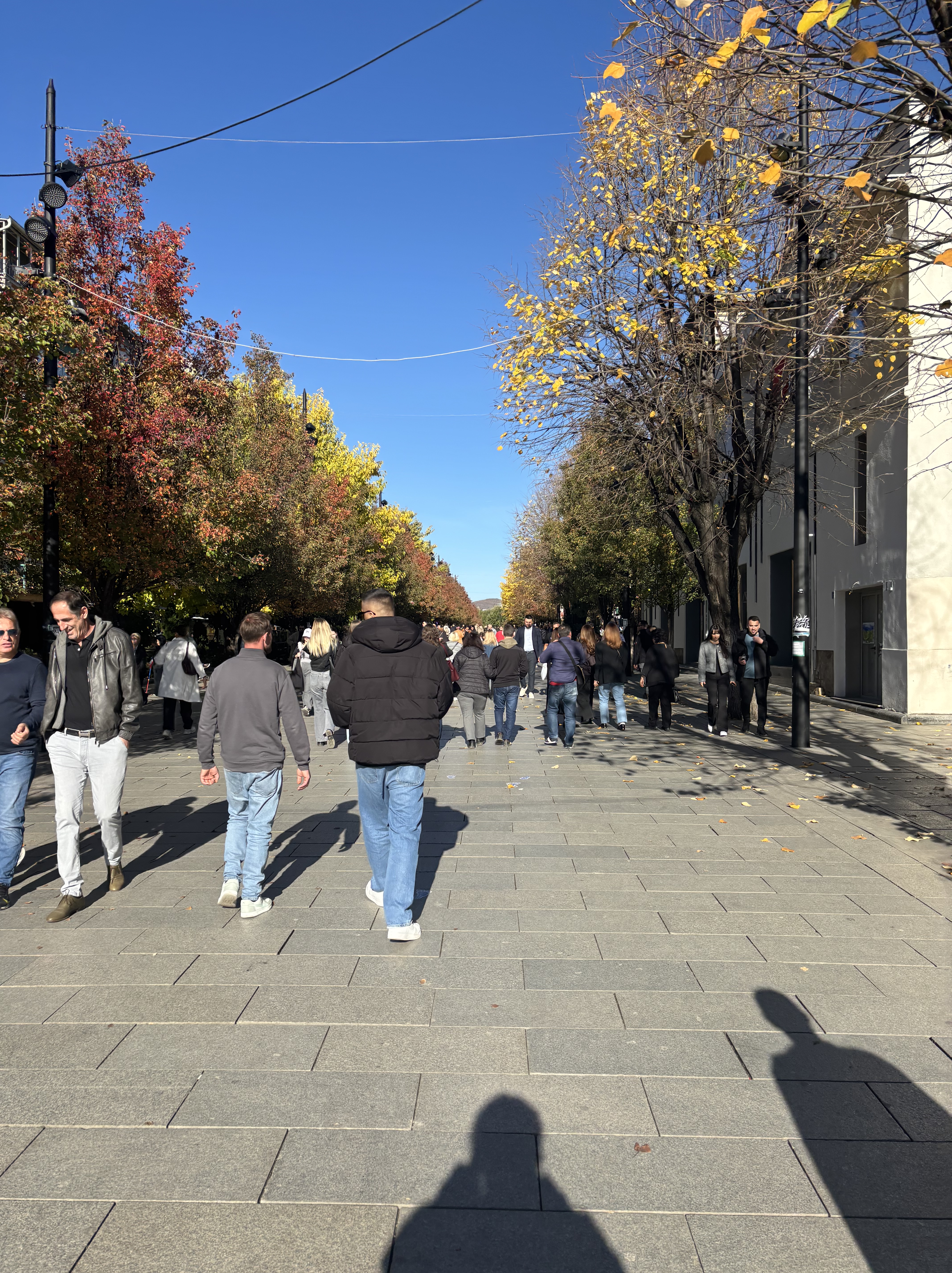
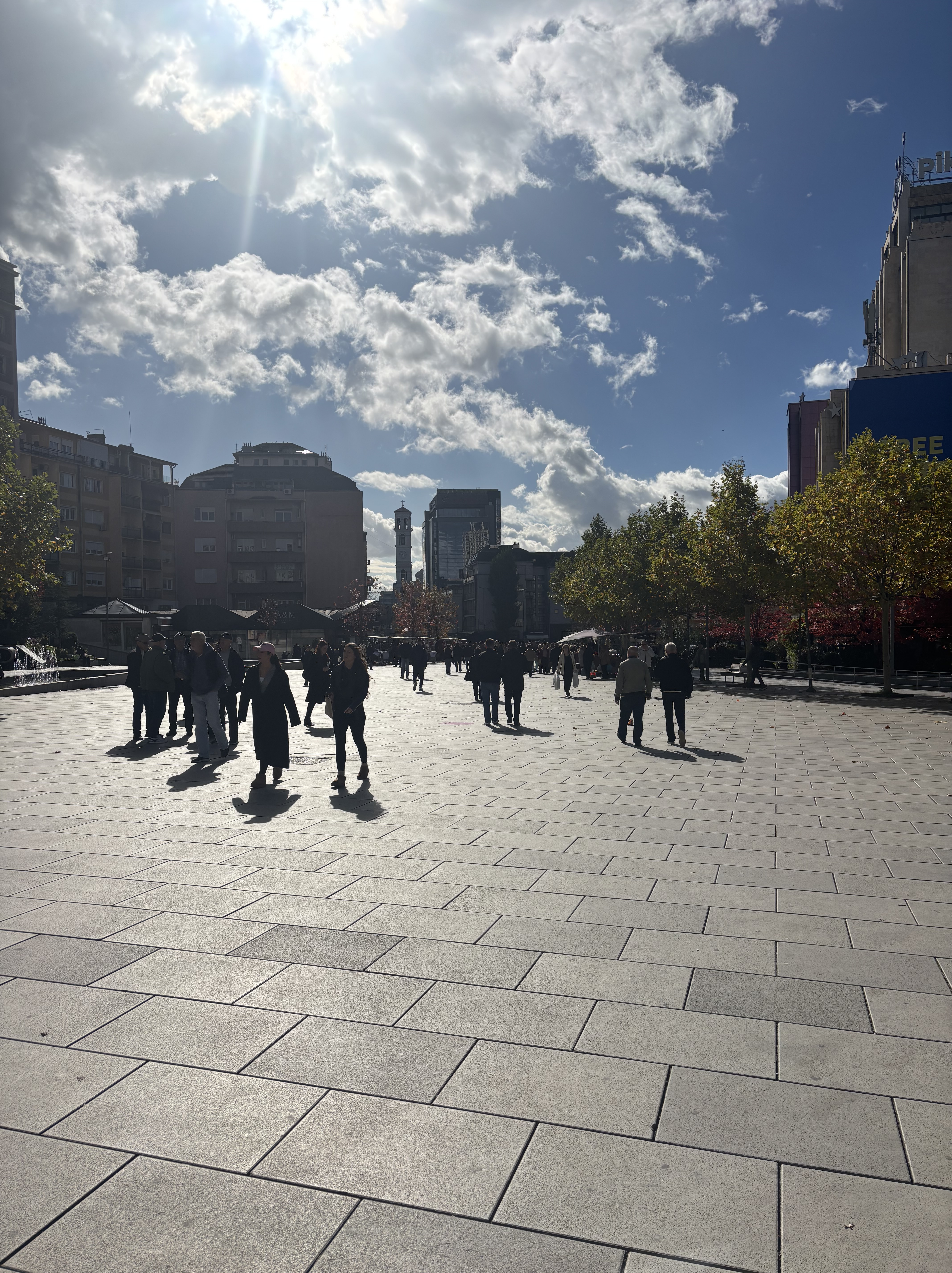
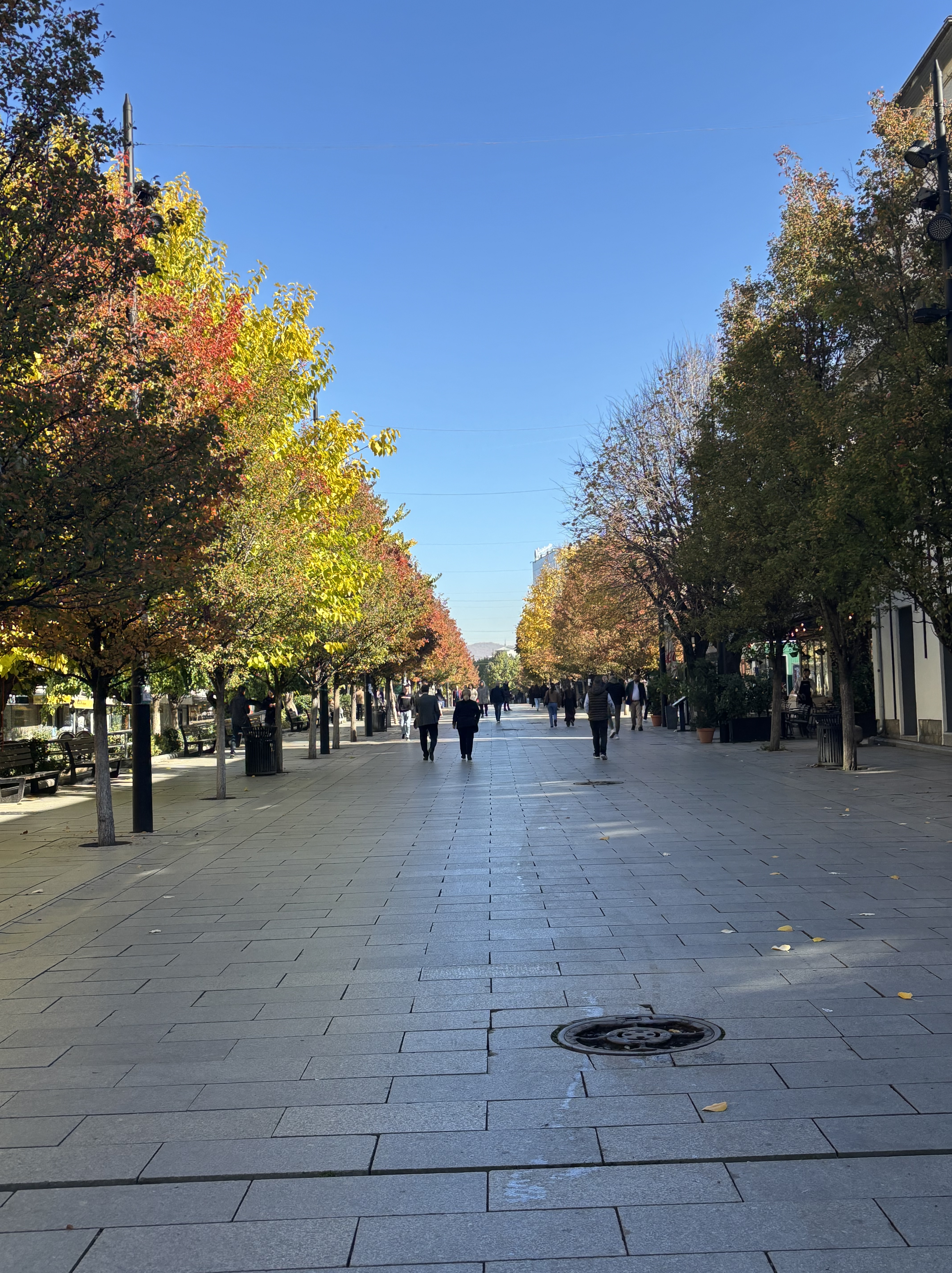
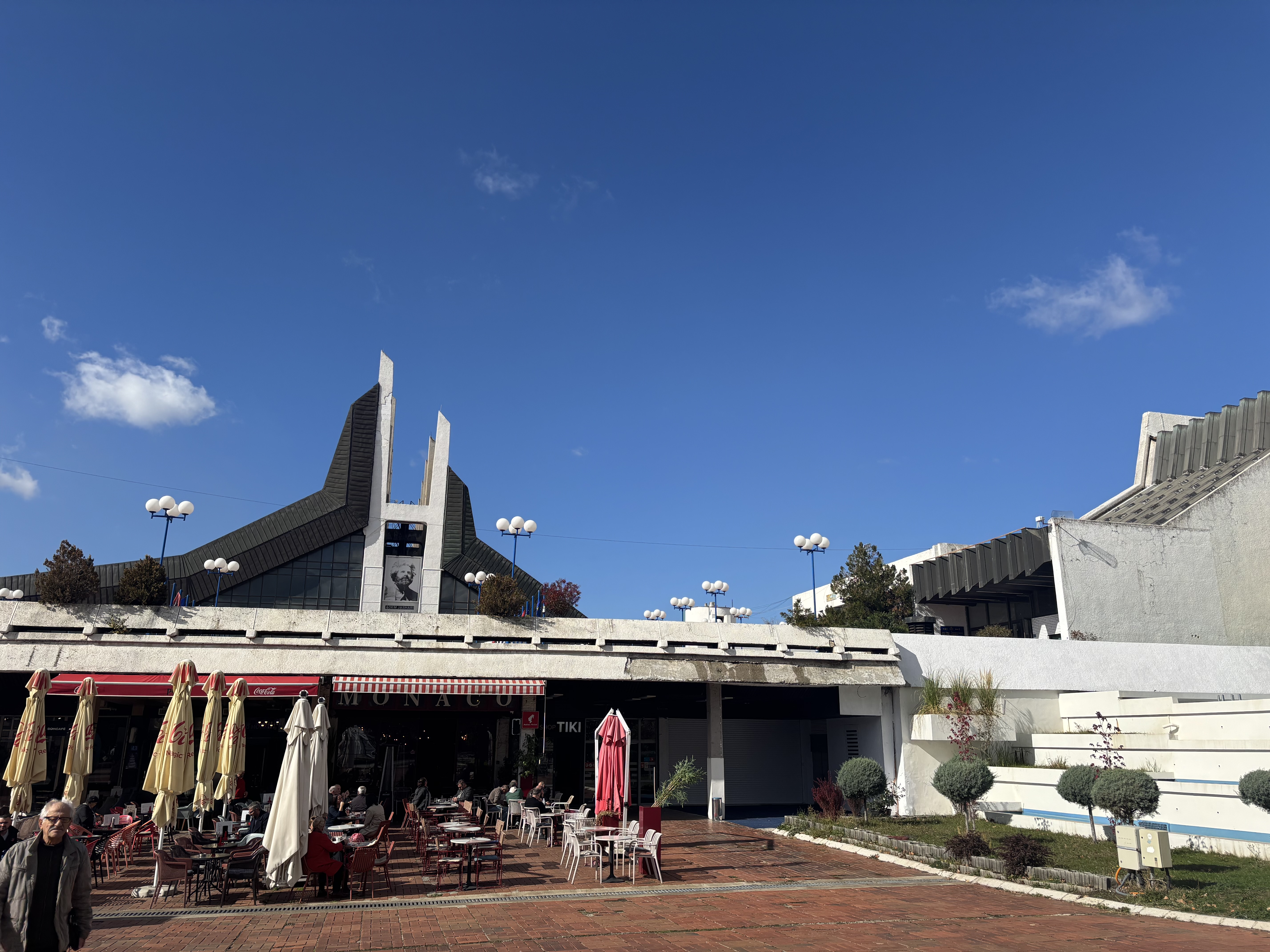
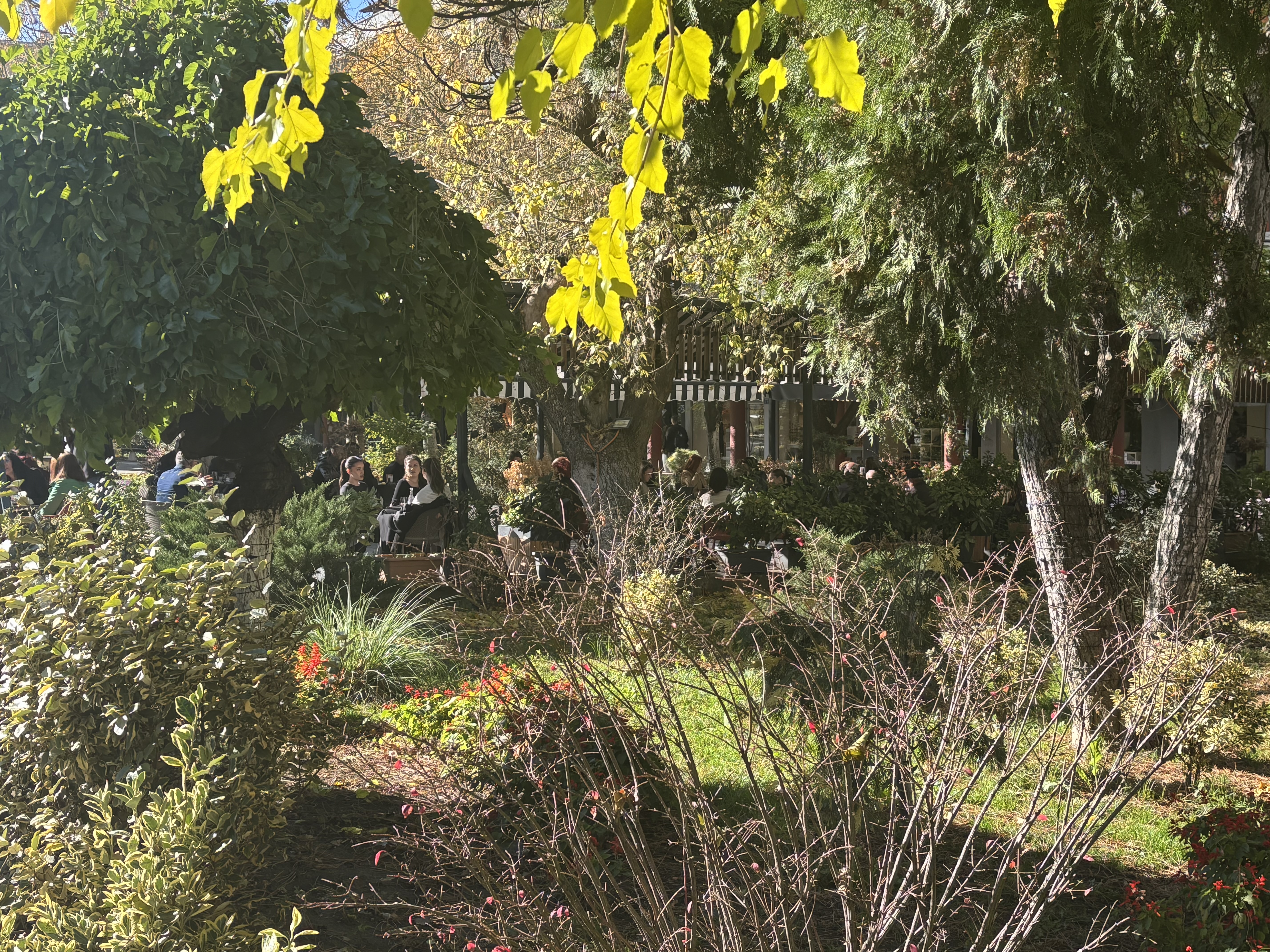
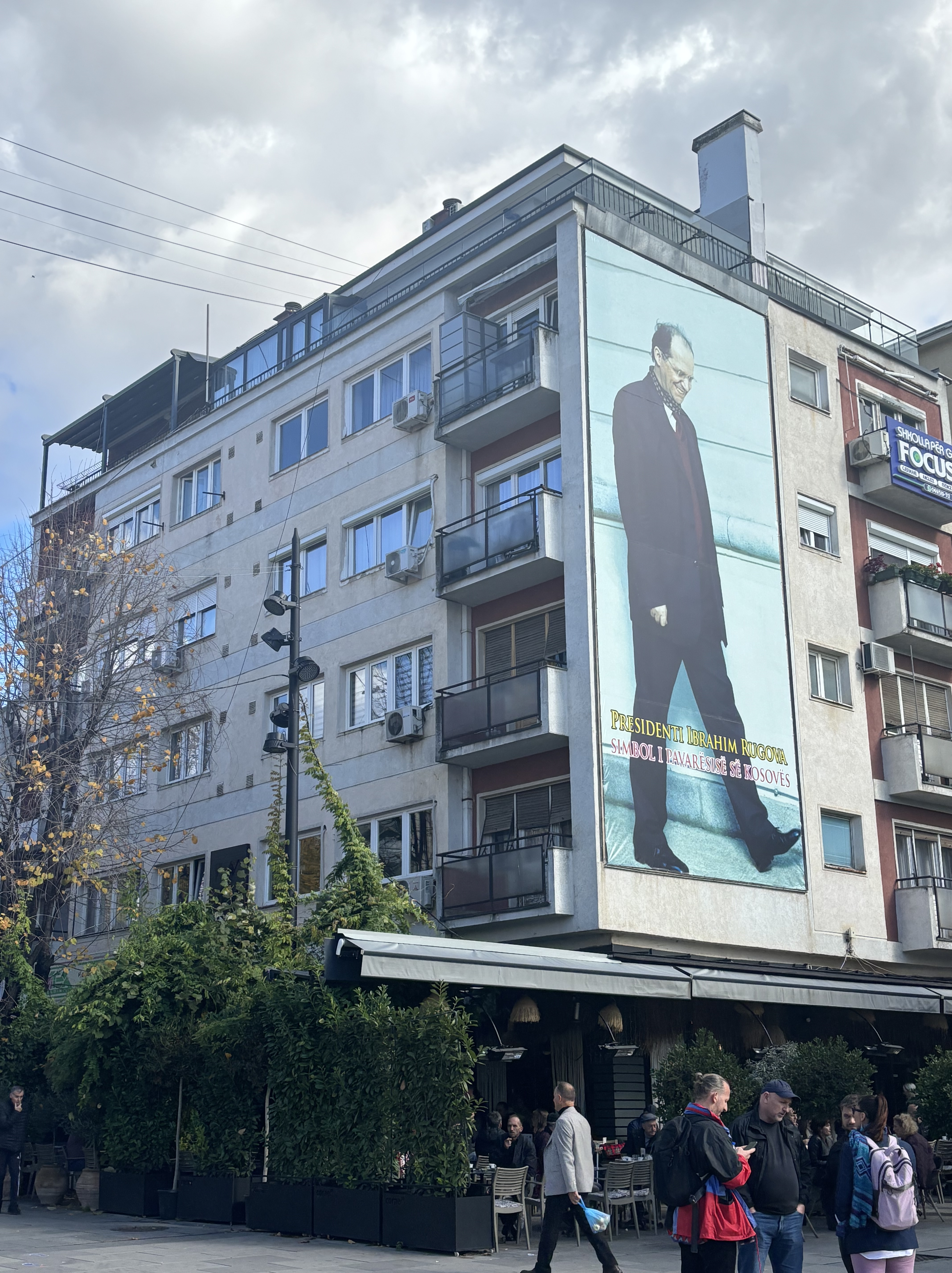
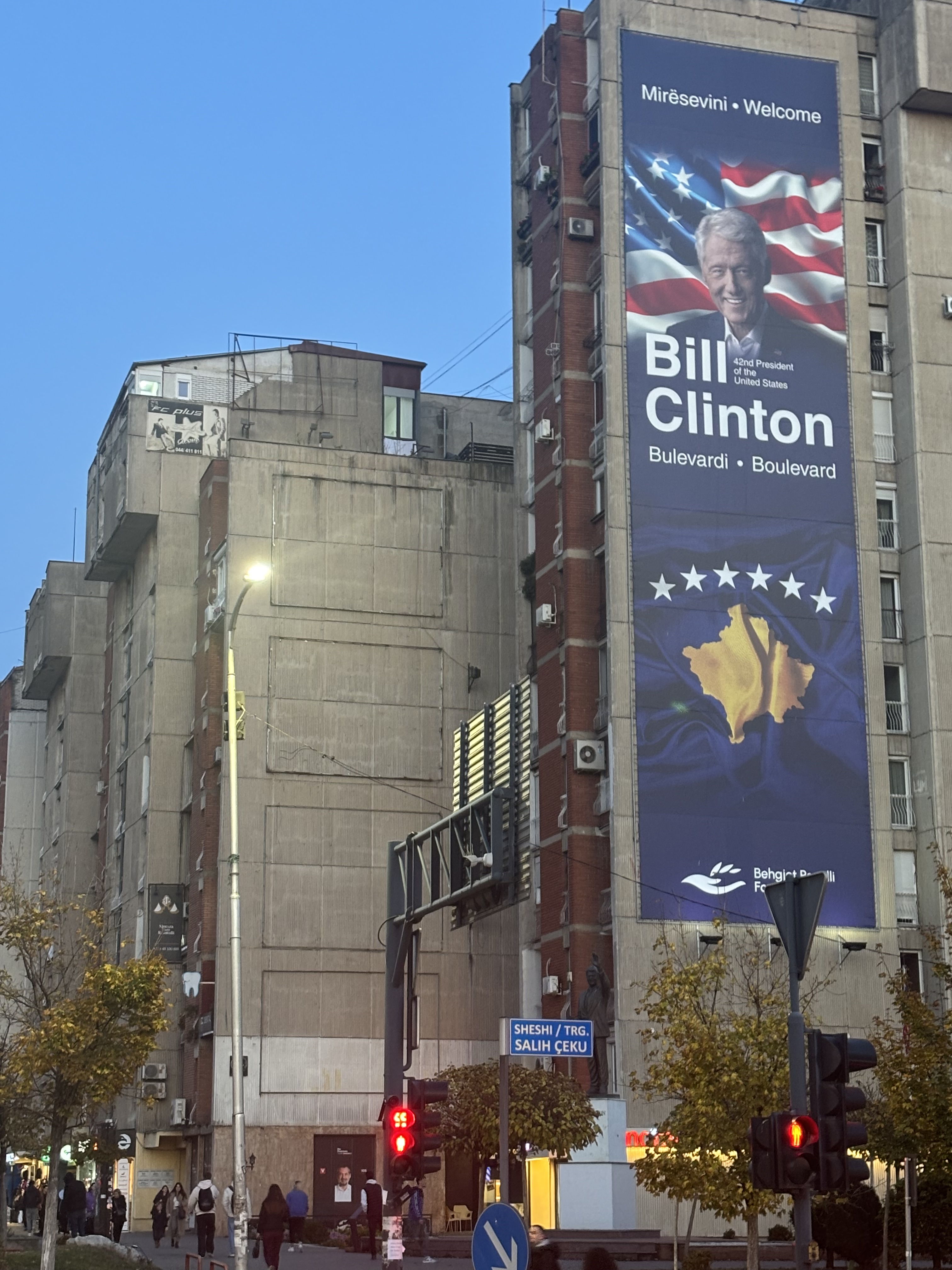
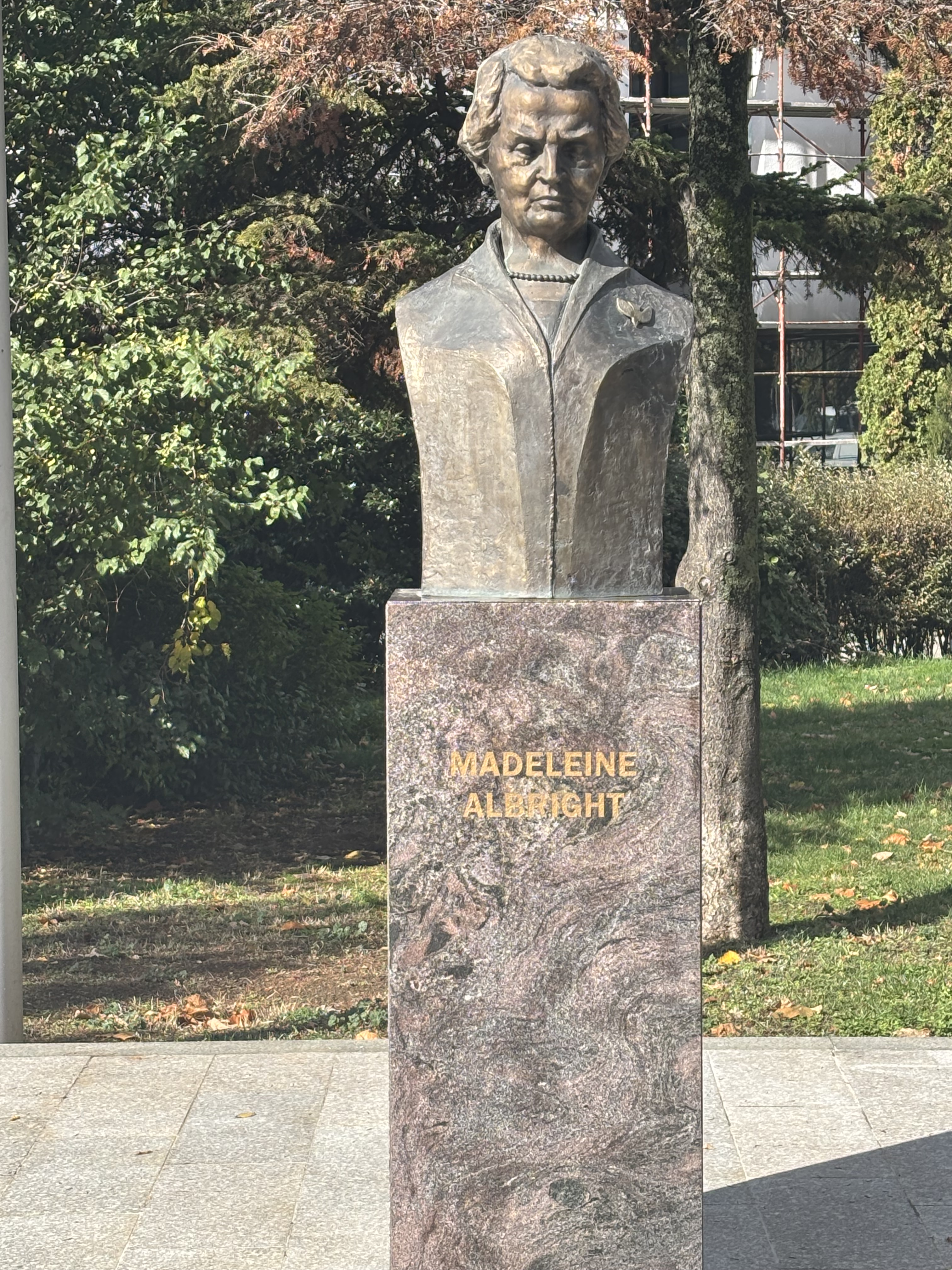
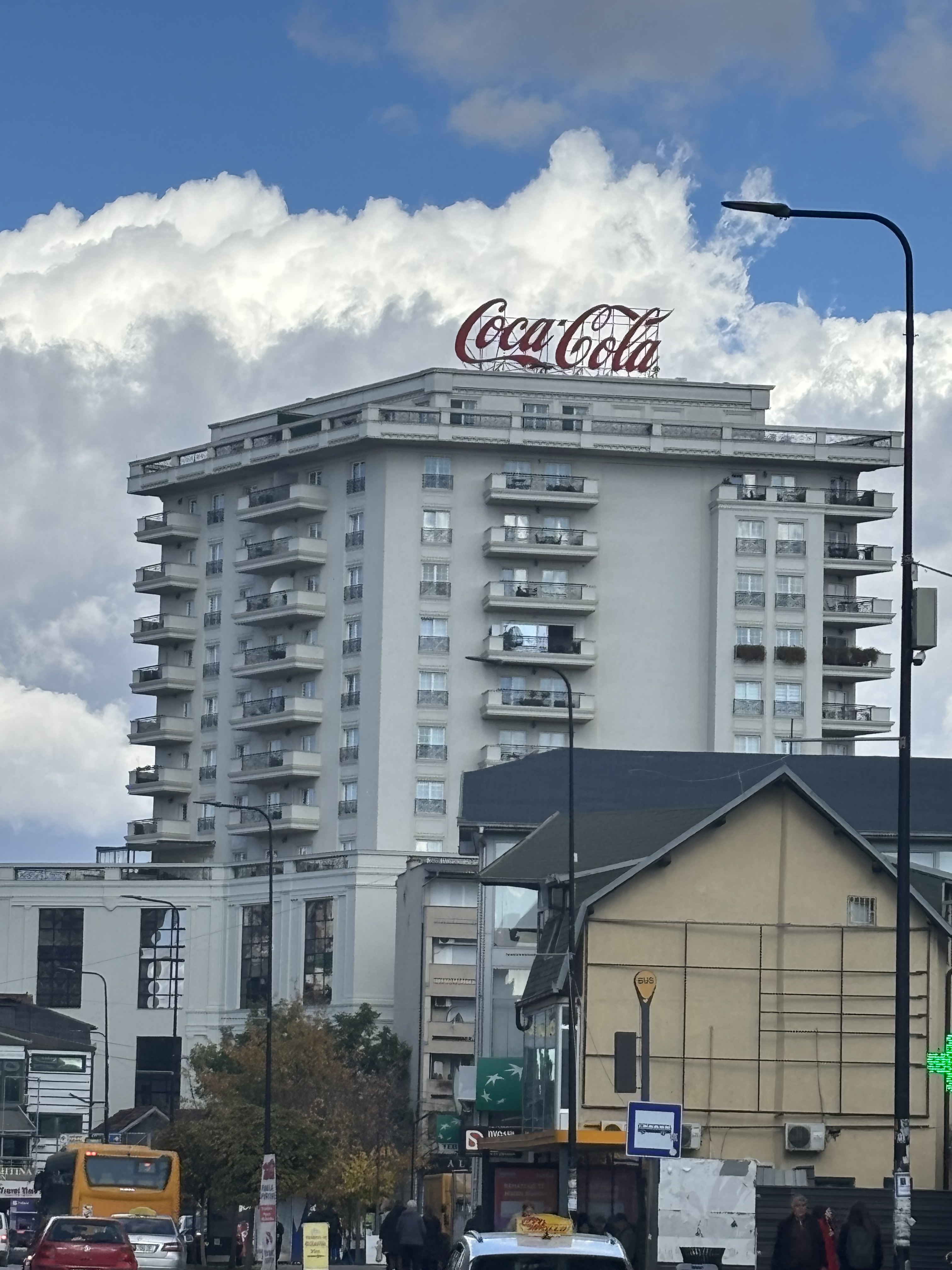

The vast majority of Prishtina’s residents are culturally Muslim and ethnically Albanian, but most do not go to mosque, do not wear hijabs and enjoy partaking in a strong drink or four any time of day. In fact, religious tolerance is specifically written into the secular country’s constitution, and they are quite proud of that fact – with the notable exception of an abandoned Serbian Orthodox church that is overwhelmingly disliked as a symbol of their pre-independence era.
Likewise, Kosovars may share a common language with Albanians but have a very different lived experience. The communist regime in Kosovo under Yugoslavian rule was much less severe than what Albania experienced, but Kosovo endured a lengthy and brutal conflict with Serbia in the aftermath of Yugoslavia’s collapse. Some Kosovars are openly nostalgic for the relatively peaceful period that was the mid-20th Century, whereas Albanians are eager to forget that era. (Of note, Prishtina is commonly spelled Pristina by English sources like the BBC, but this apparently is an old transliteration error due to how “s” is pronounced in Albanian.)
Despite its cultural nuances, tradition generally prevails over innovation here. The street vendors still cater to locals, not hipsters — and sell some of the largest vegetables you’ve ever seen. And Kosovo’s communist past seems to have a lingering effect on how people are living their daily lives. It feels like people have no particular place to be and no particular task to do. The cafes are full of people sipping coffee, smoking cigarettes and chatting with their friends all day long and deep into the night.
On the other hand, Prishtina embraces the world. Locals are highly supportive of Ukraine – even though Ukraine is one of a handful of European countries that still has not formally acknowledged Kosovo’s own sovereignty. Its biggest export seems to be international pop stars (e.g., Dua Lipa, Rita Ora, Mother Theresa). It has become a popular home base for budget-conscious travelers and digital nomads (you can get a room at the hotel where the President of Yugoslavia used to stay for $35/night). The language barrier is virtually non-existent, as everyone under 40 speaks fluent English. Food is cheap and good (think hearty and flavorful grilled meats, breads and pastries).
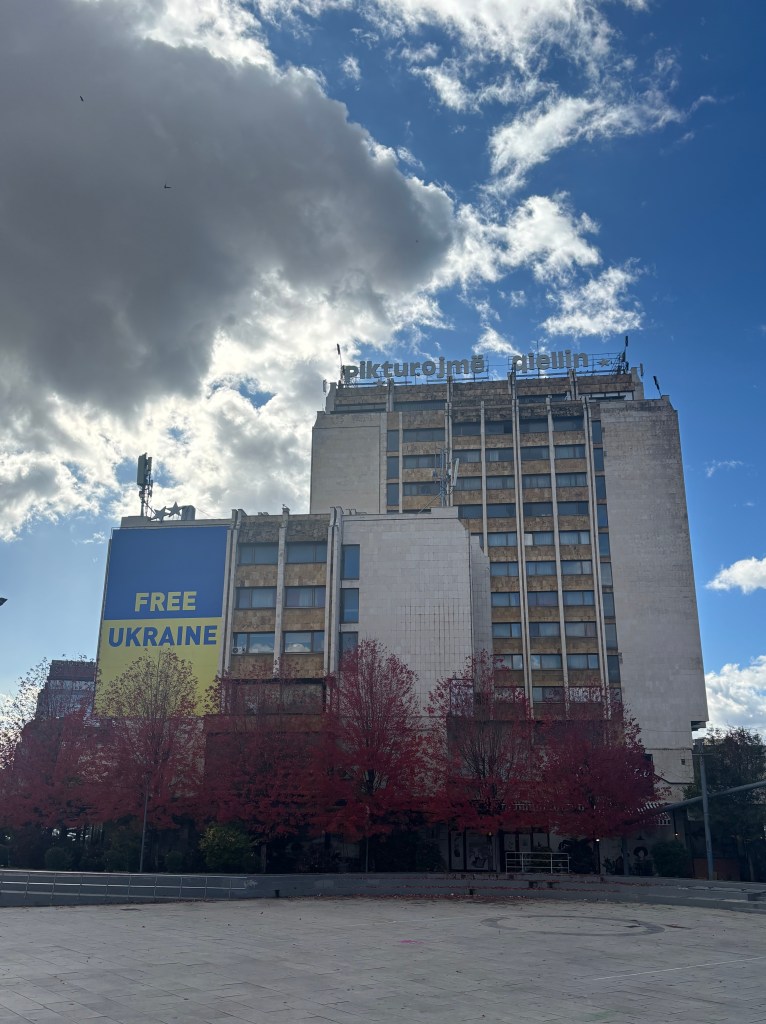
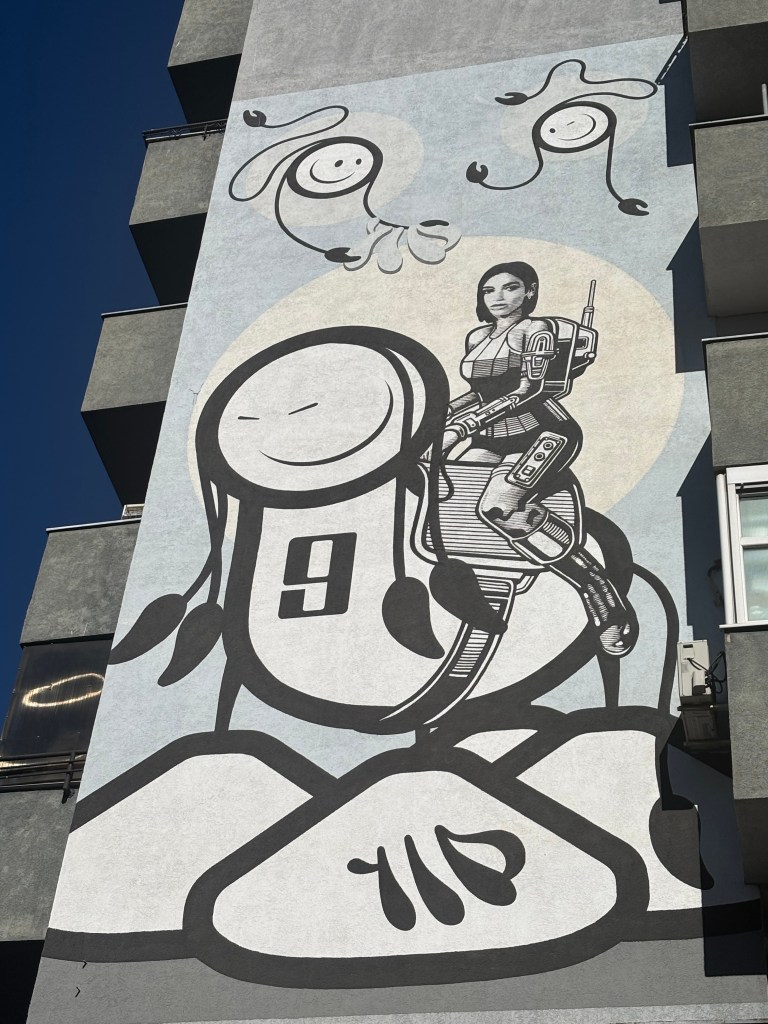
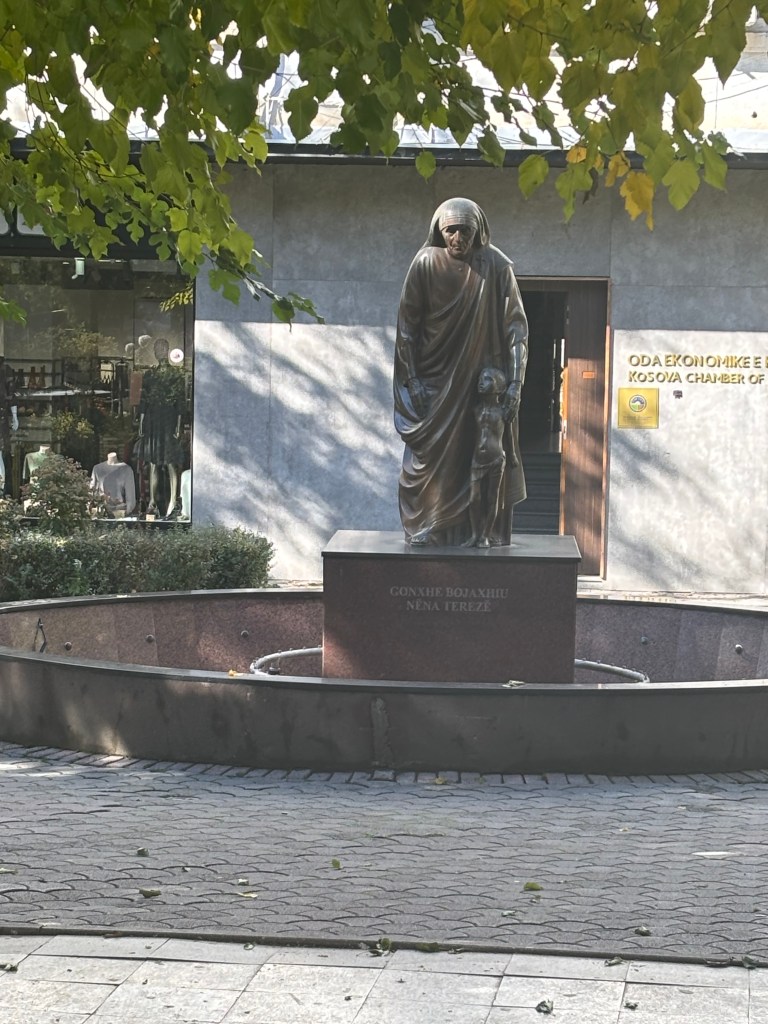
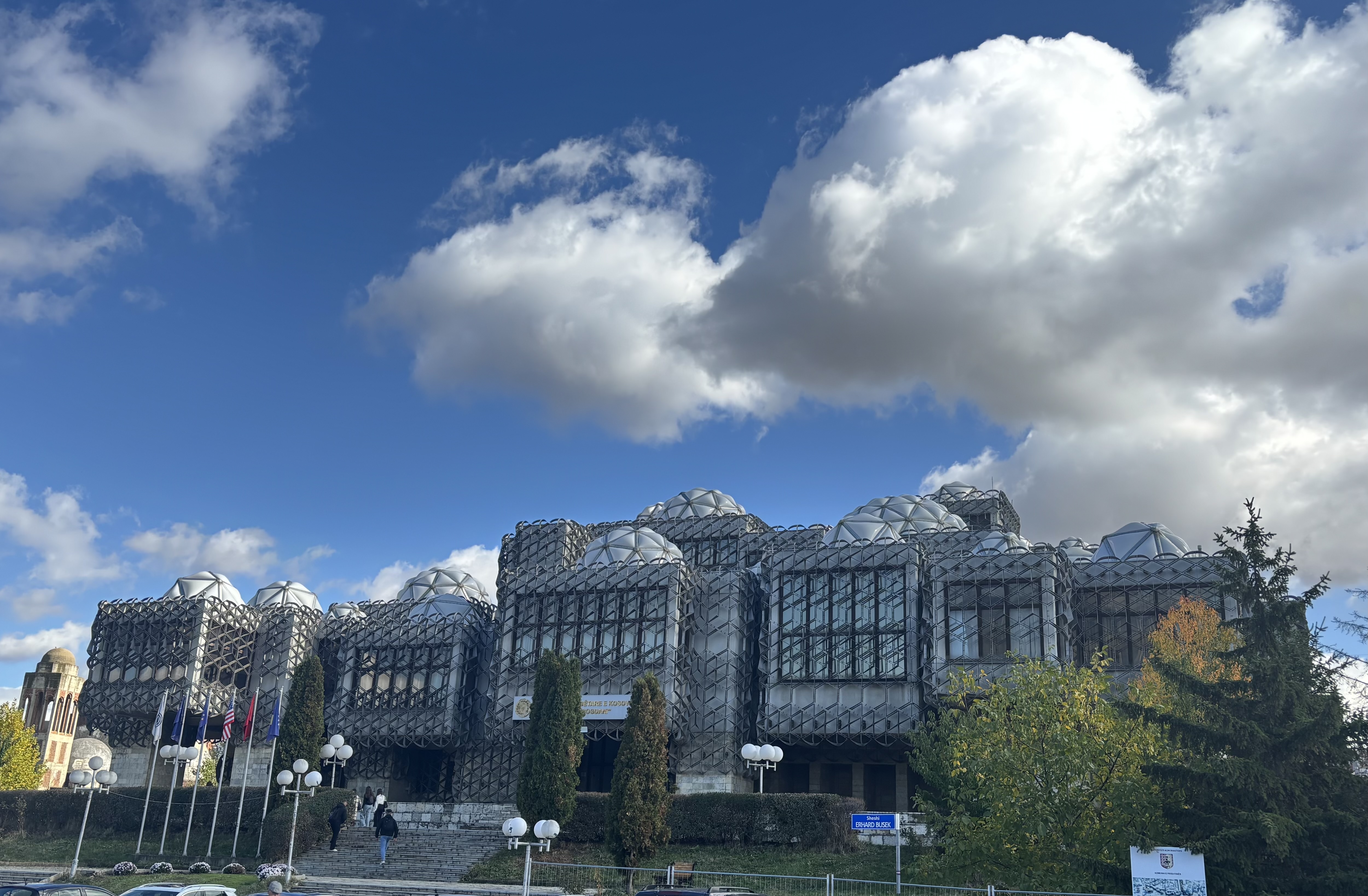
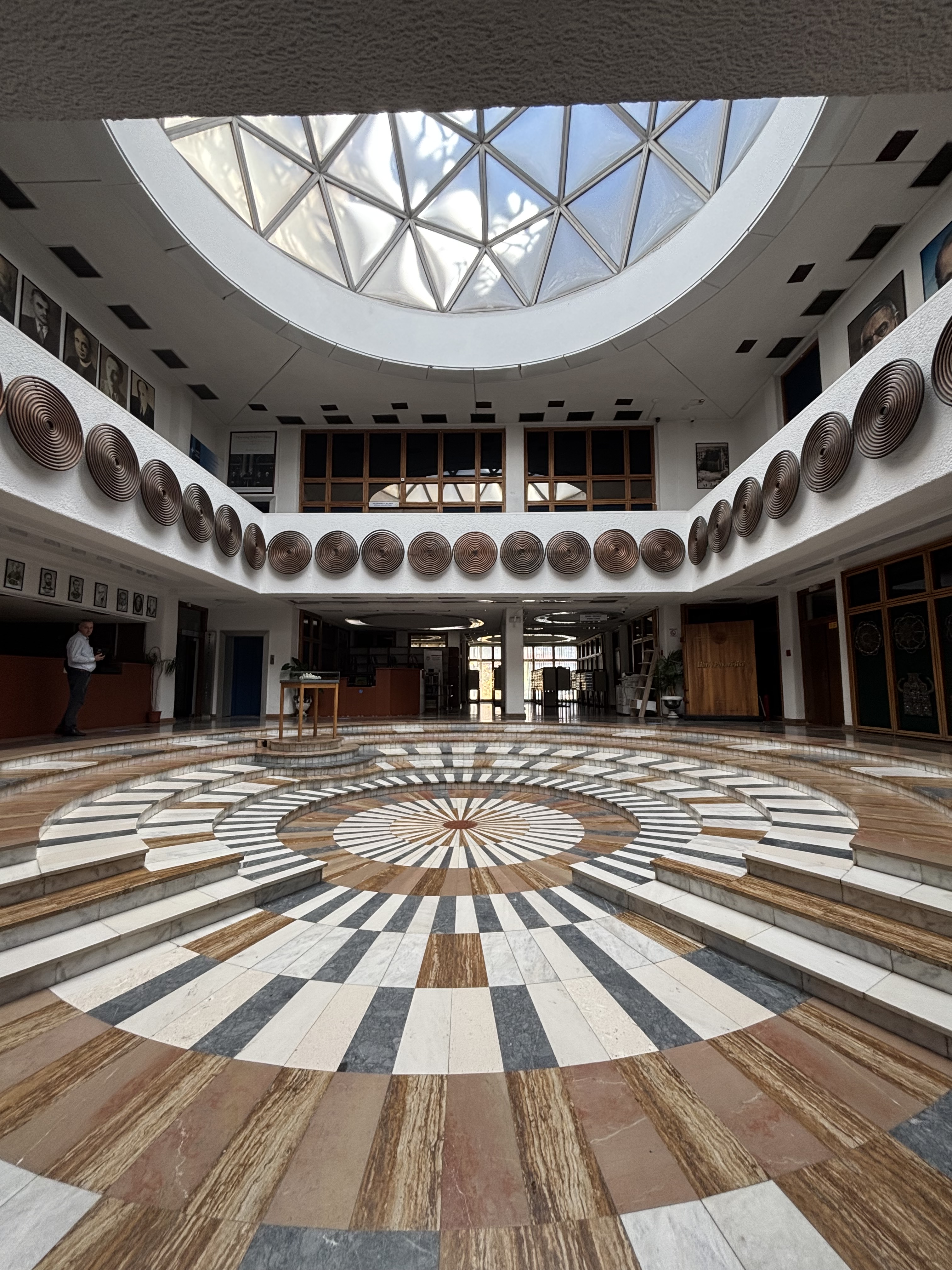
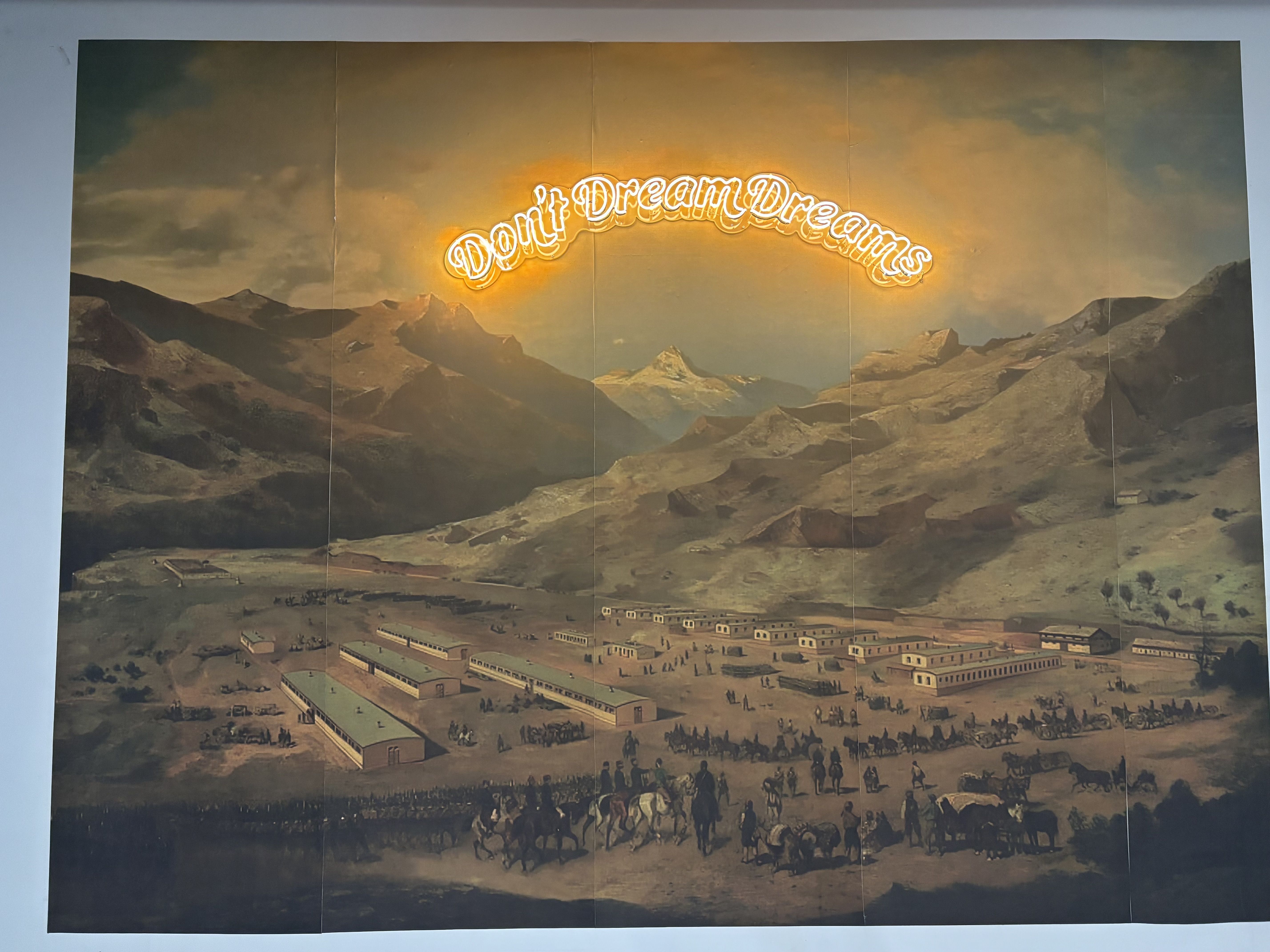
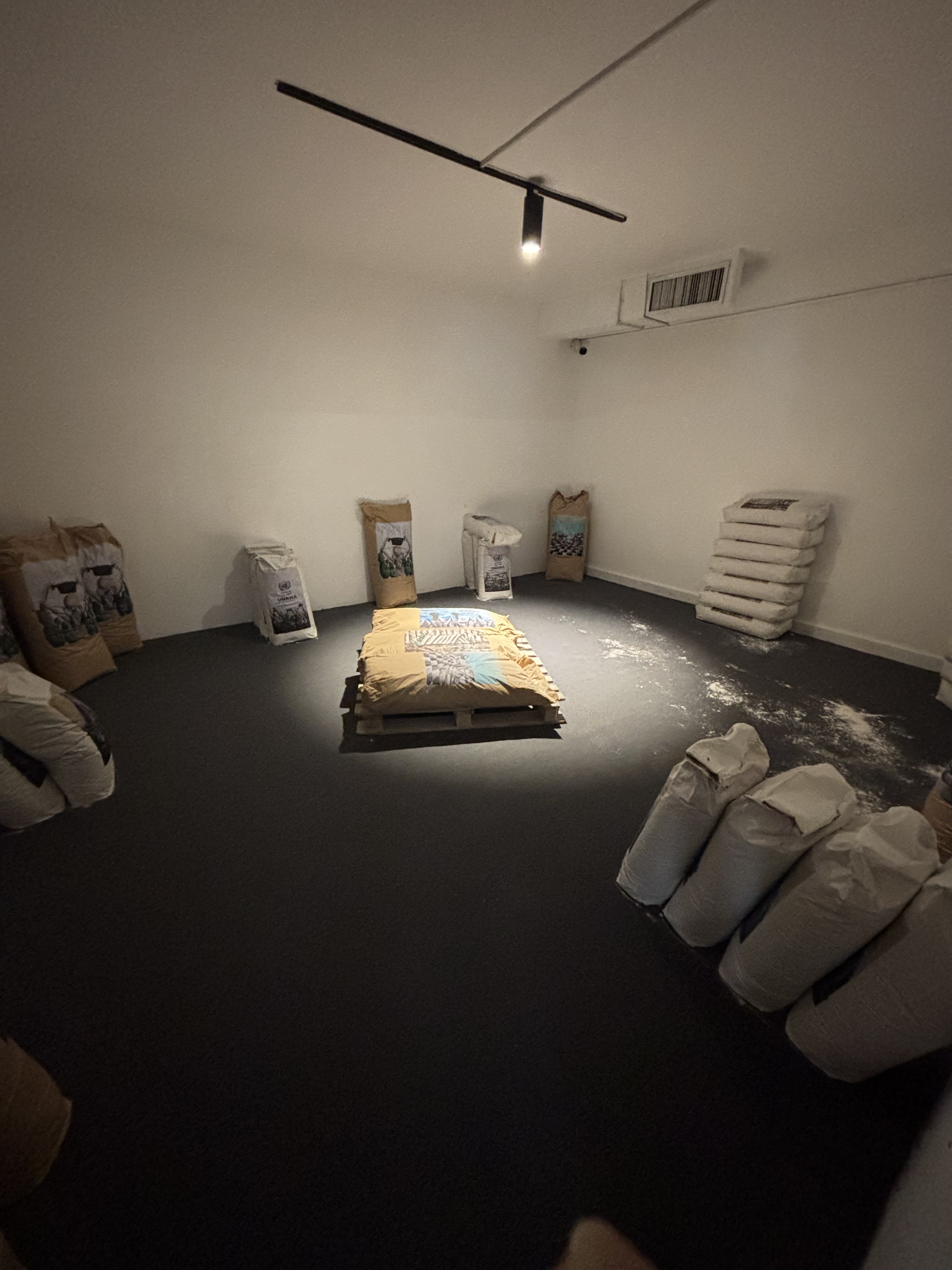
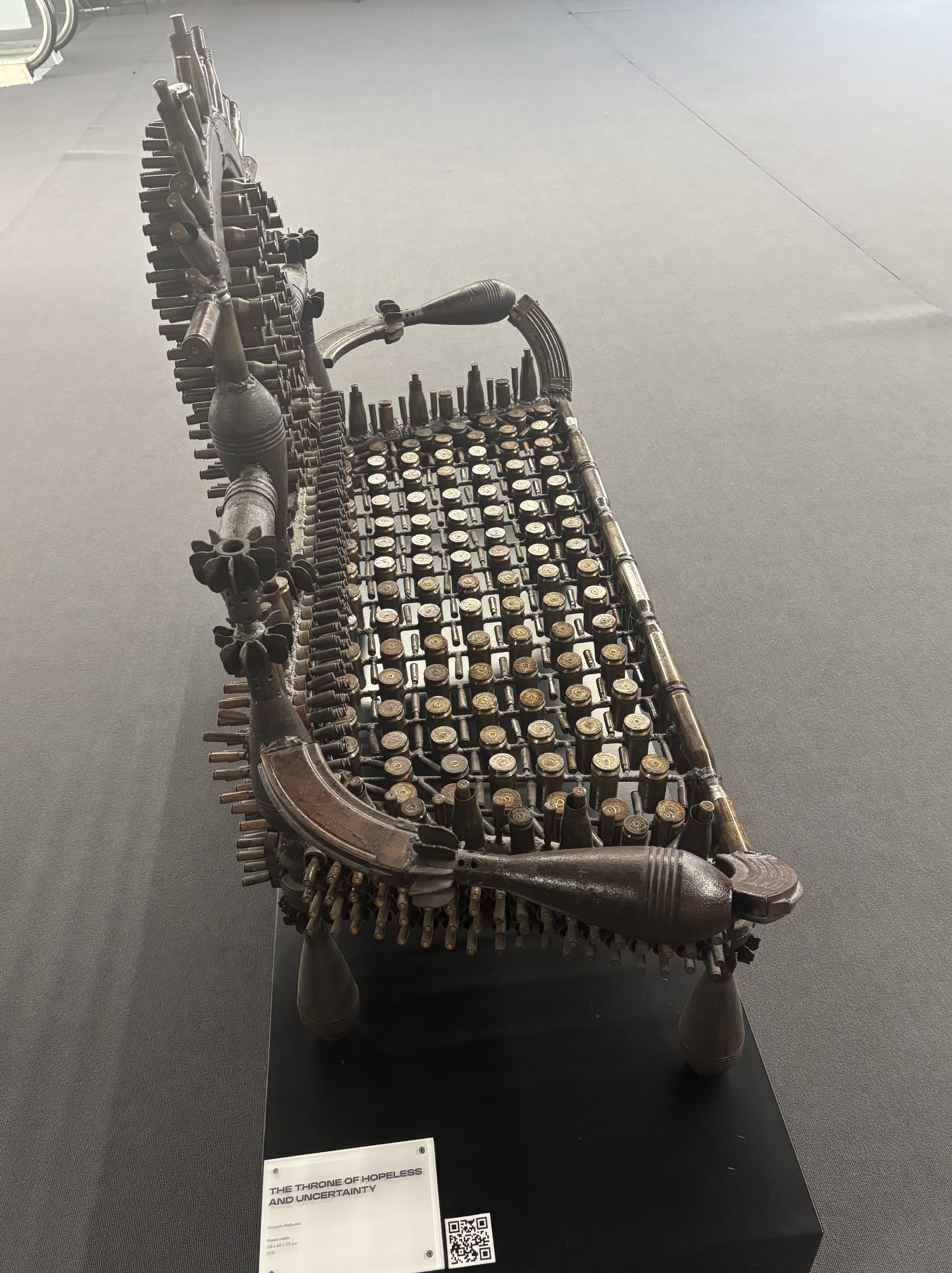
Unfortunately, it also was difficult to find enough activities to occupy my time. There are very few tours available, and the guides have a well-deserved (verified by my own experience) reputation for being no-shows. Google and TripAdvisor reviews of the most popular attractions are not kind, and I can’t argue much with them. The Ethnographic Museum only had one small Ottoman-era house open to visitors, the National Museum was closed altogether for repairs of an unspecified duration, the Reporting House can be completed in about 5 minutes, and the biggest tourist draw in town is the modern-for-its-time Byzantine/Islamic/Brutalist National Library of Kosovo. Much of the local art is (understandably) rooted in past suffering and feels a little heavy.
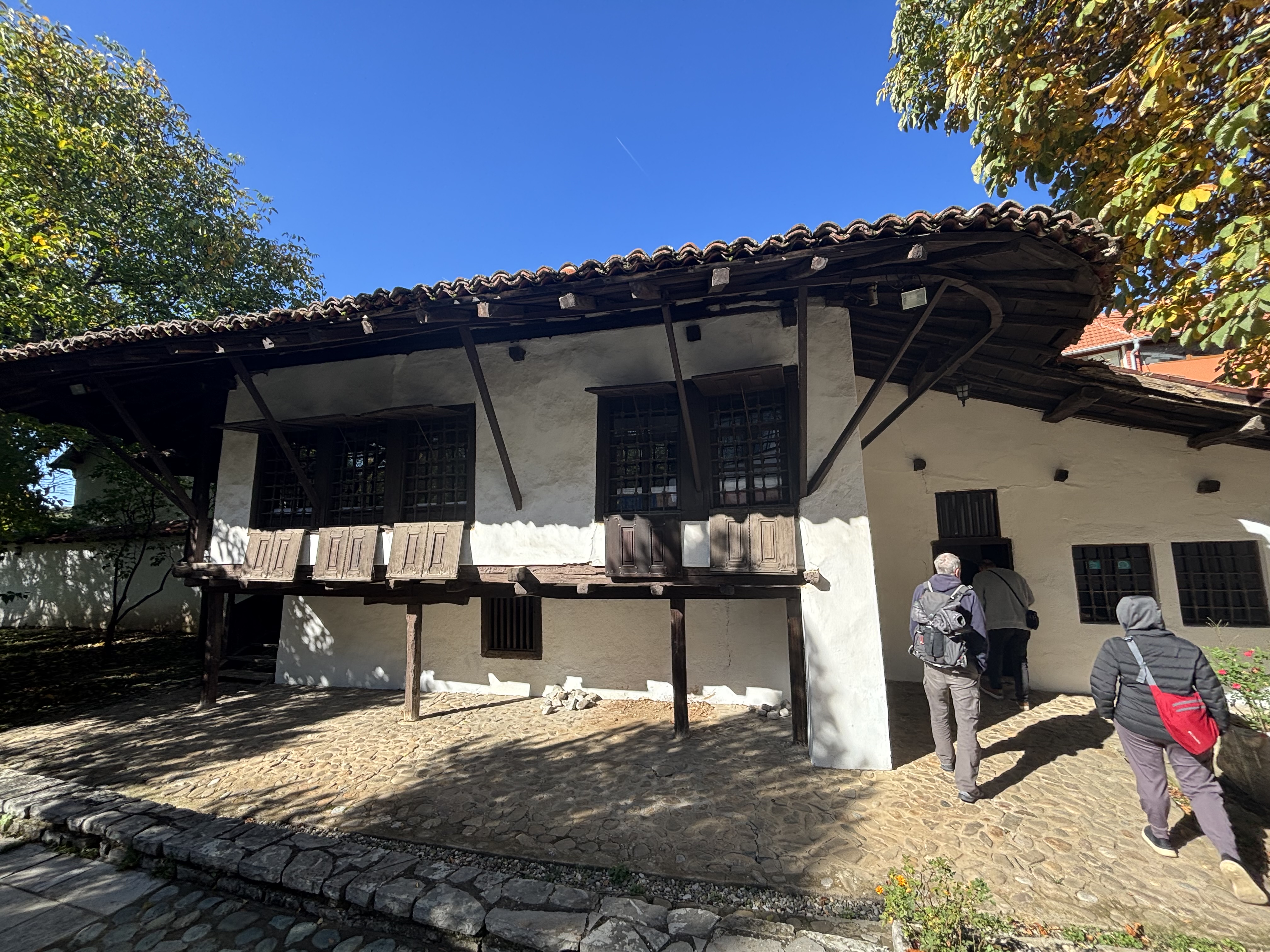


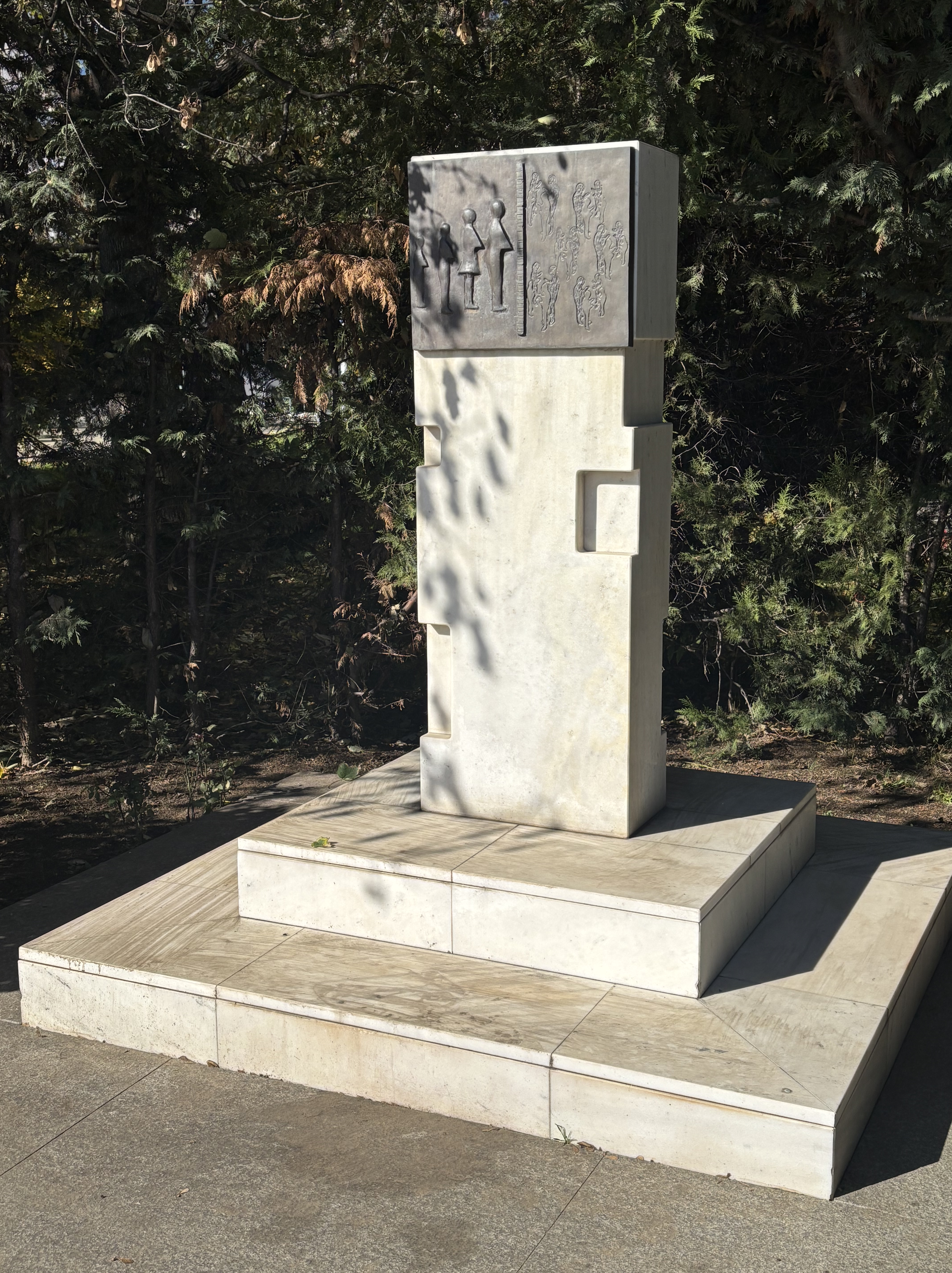
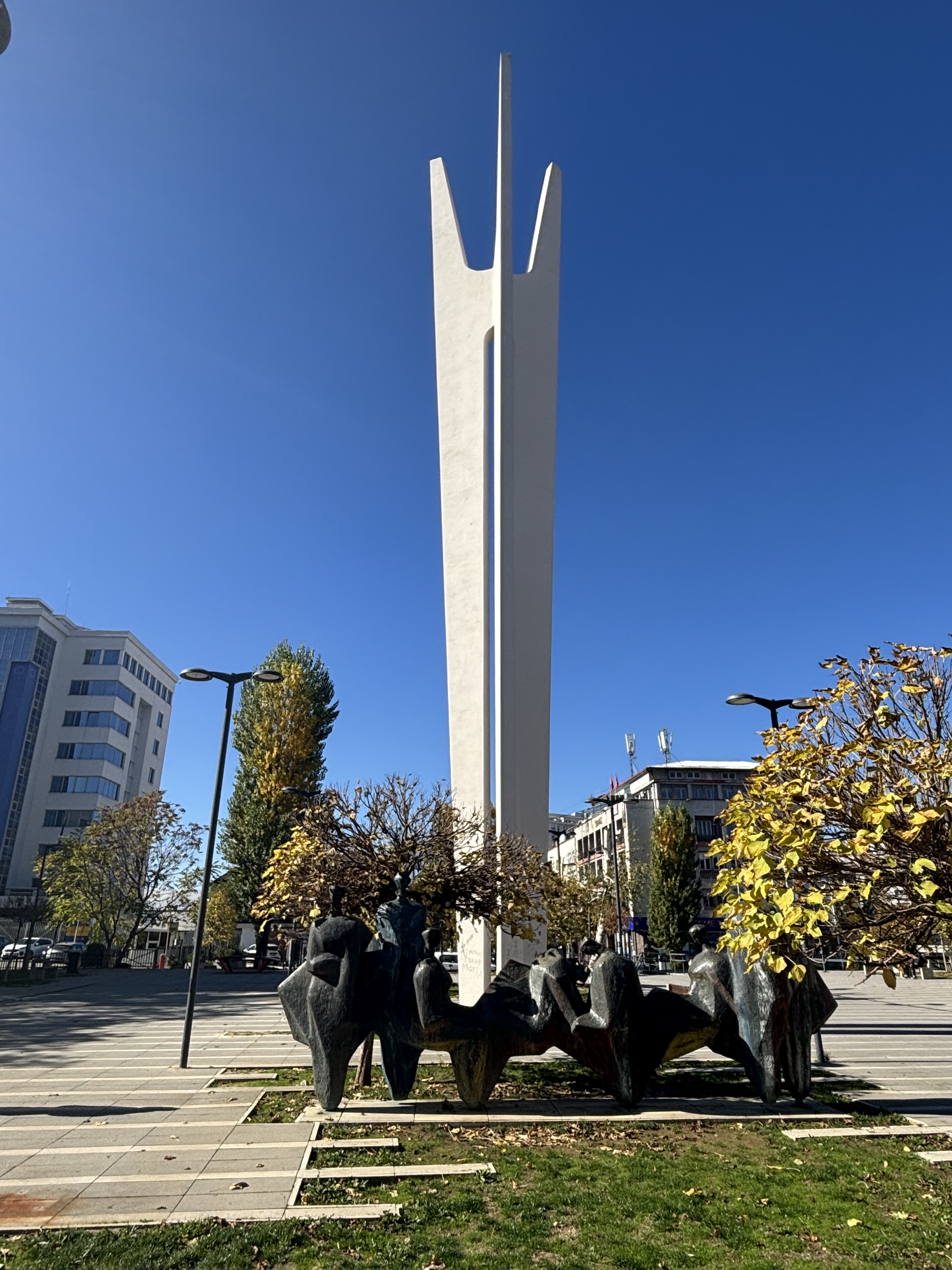
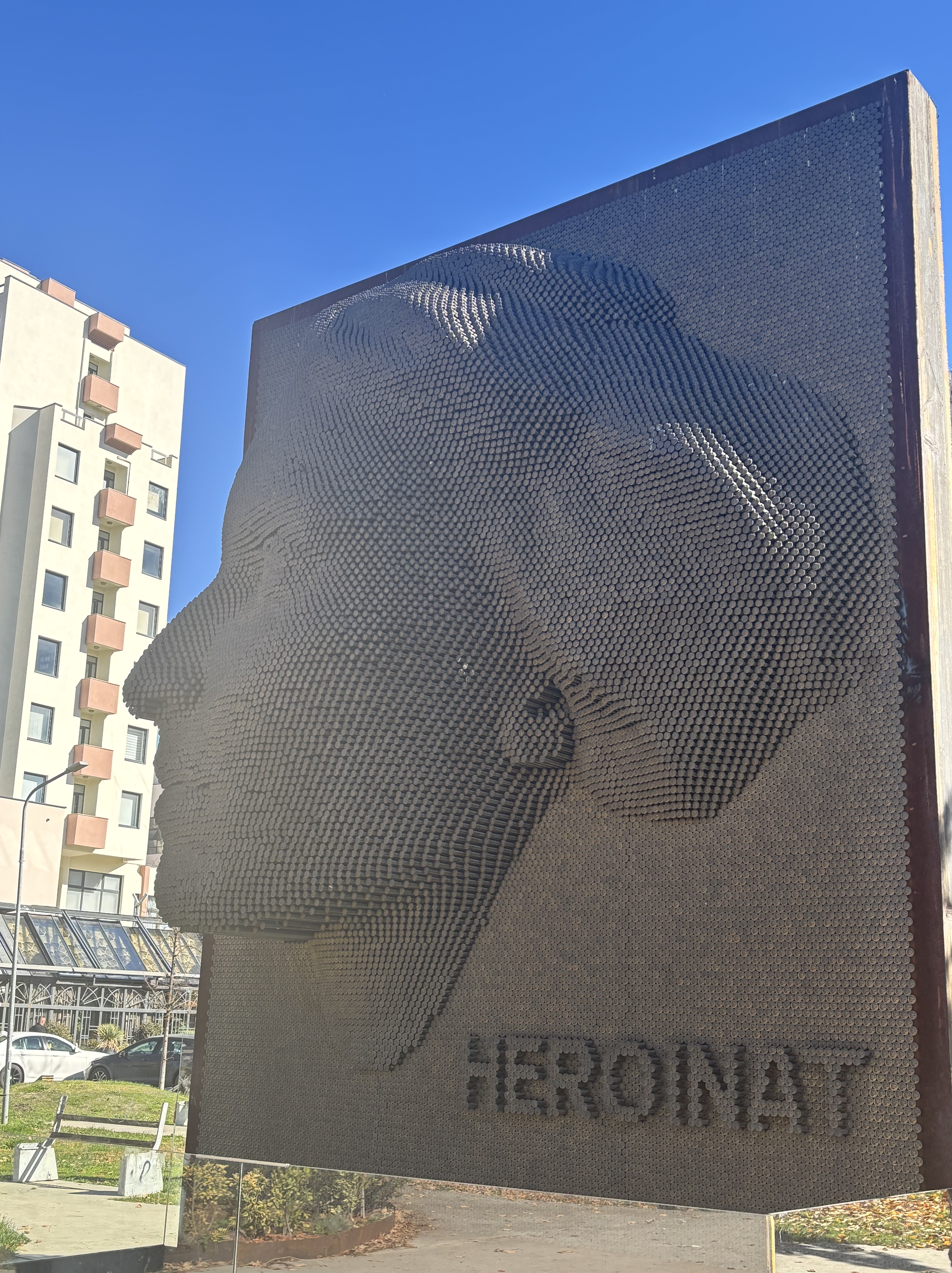
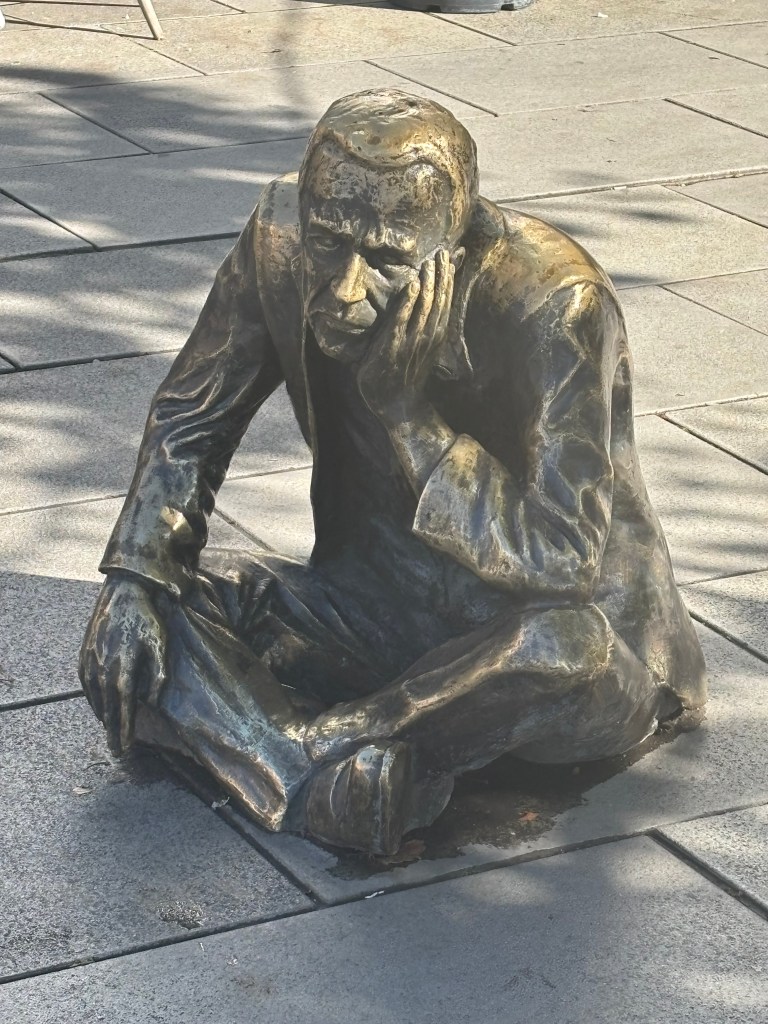
At the end of the day, Prishtina is a nice enough place to live but – at least for now – is not an especially compelling place to visit. If you are determined to tick Kosovo off your European travel bucket list, you honestly might do better to focus on its beautiful mountain parks and villages or the more culturally and historically significant town of Prizren. During my own time in Prishtina, I resorted to a lot of aimless wandering and sunset people-watching from my balcony. But I often felt a little like the guy in the peaceful protest statute in front of my building.

 The Global Slowmad
Leave a comment