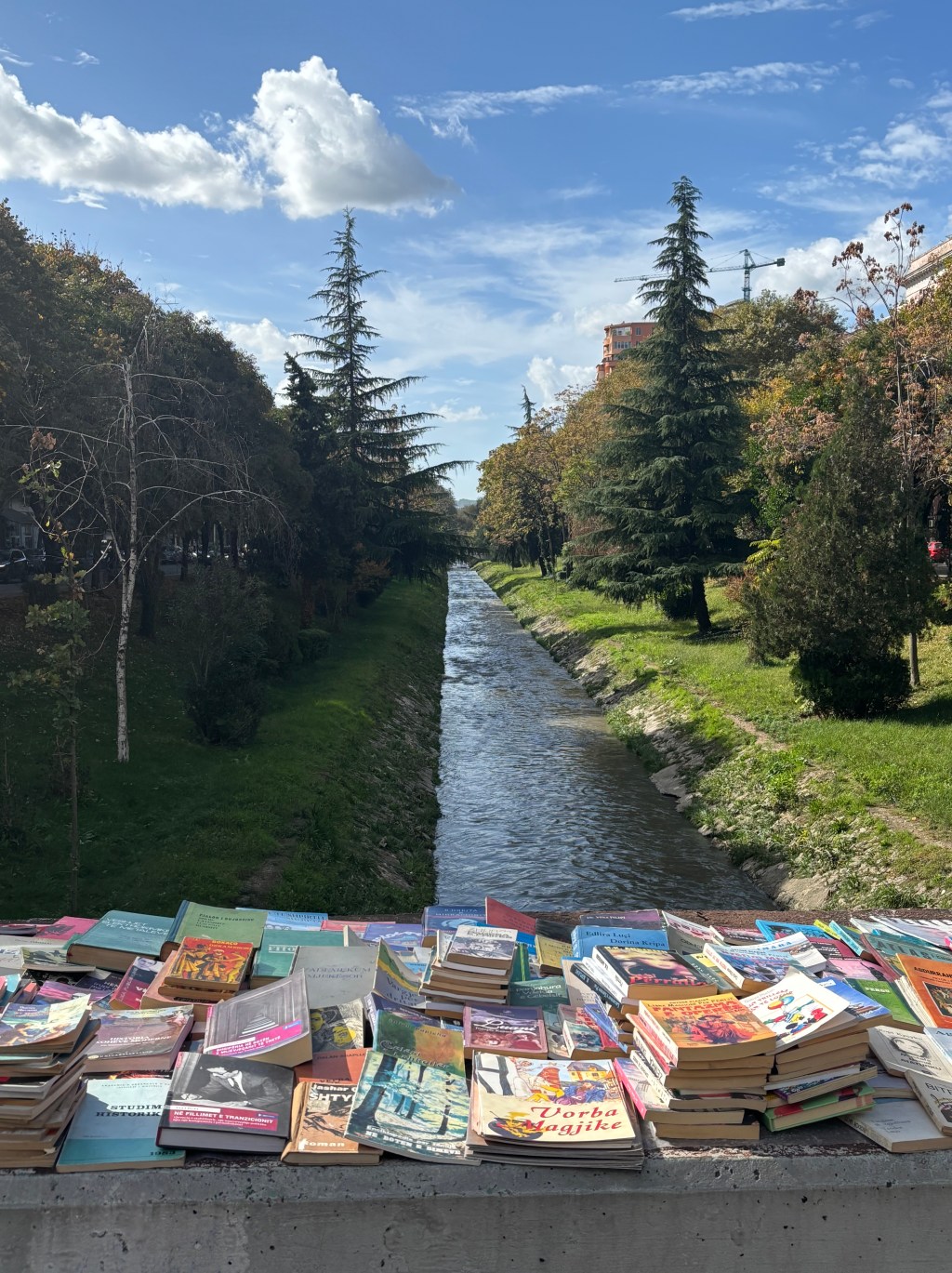
If Athens is all about ancient history, Tirana is all about the very near future.
Tirana seems eager to erase its past, and for good reason. Tirana was never a particularly important city before being named as the capital of Albania when the country declared its independence from the Ottoman Empire in 1912. But even that freedom, along with any semblance of prosperity, was short-lived.
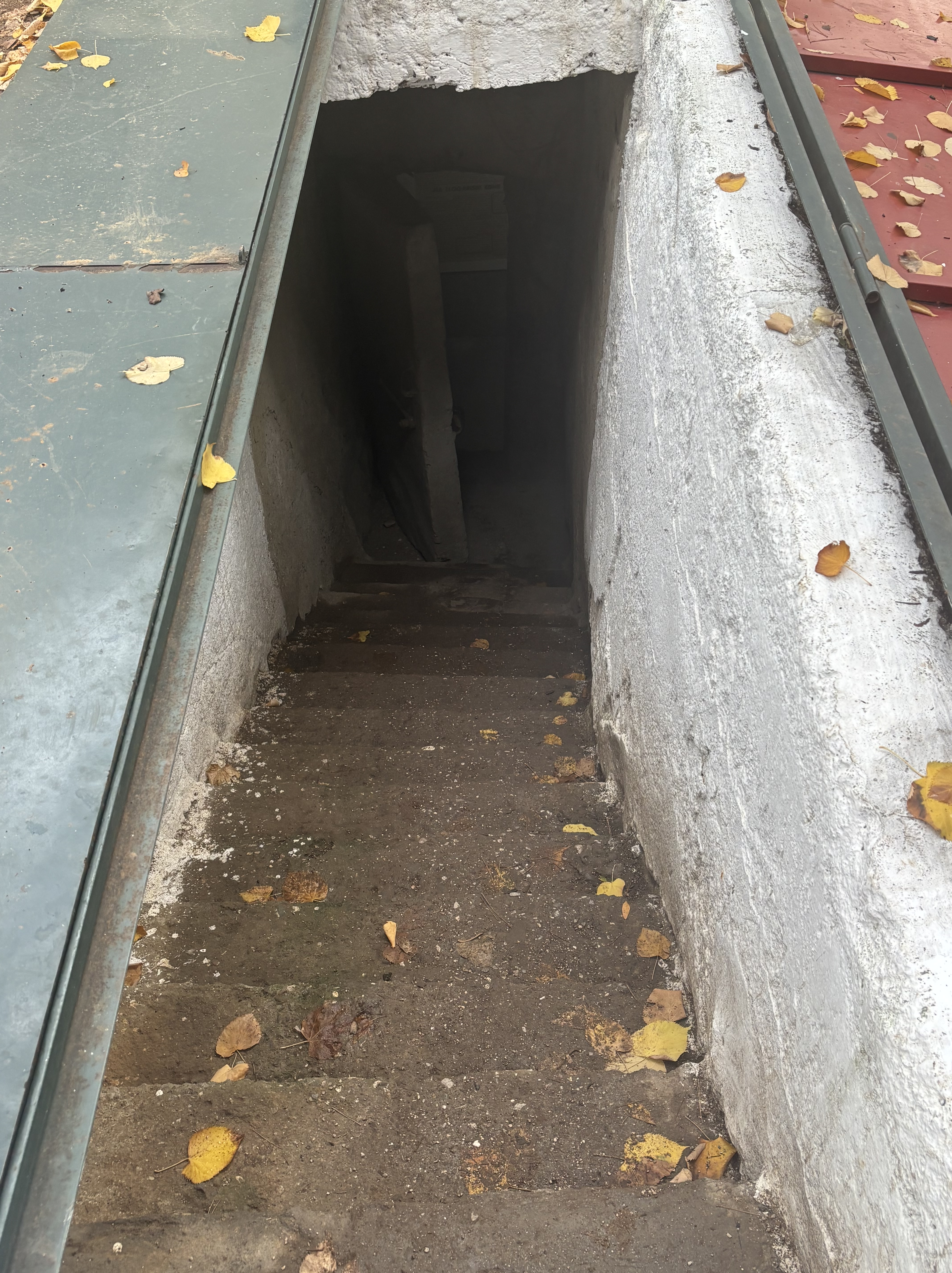
Albania endured a particularly harsh version of communism beginning in 1943 under the 40-year rule of Enver Hoxha, a former schoolteacher. I’m not a licensed psychologist, but I’m pretty confident in diagnosing Hoxha with a severe case of paranoia. Citizens were told via the state-run media propaganda machine that Albania was the only surviving socialist country and was under attack from all sides. He insisted on building approximately 175,000 underground nuclear fallout bunkers around the country — some of which are now open to tourists. Albania essentially closed itself off from the outside world. As a tour guide explained, they had no meat, were not allowed to grow beards, were not allowed to get tattoos, were not allowed to own a car and had never even seen a banana.
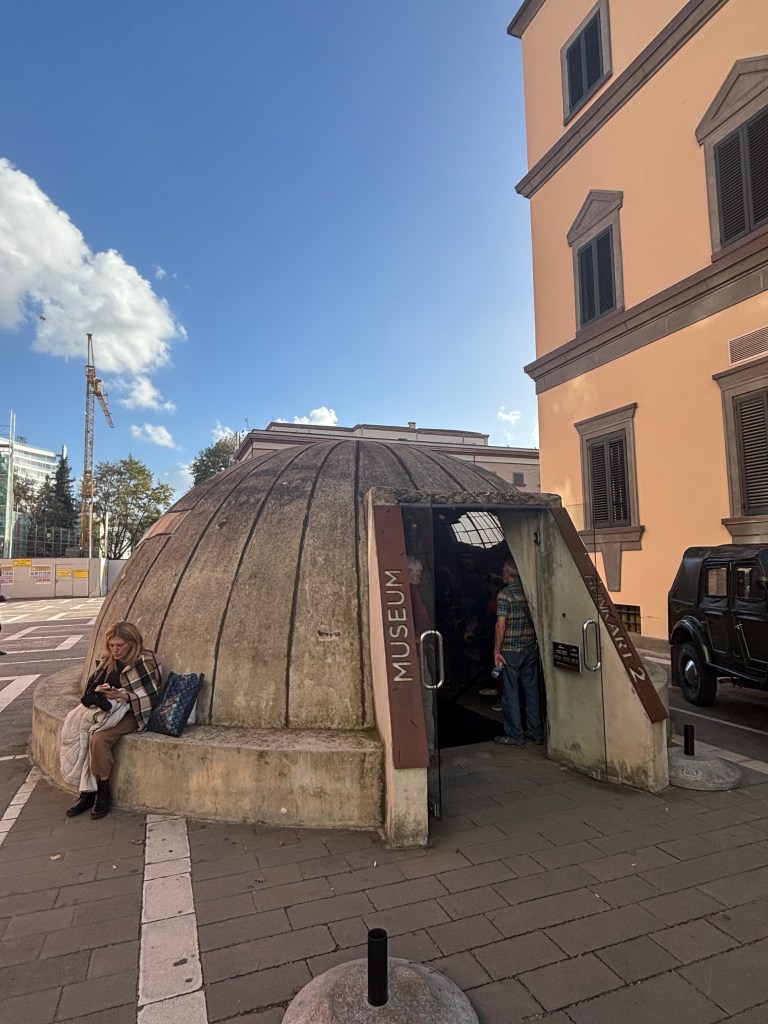

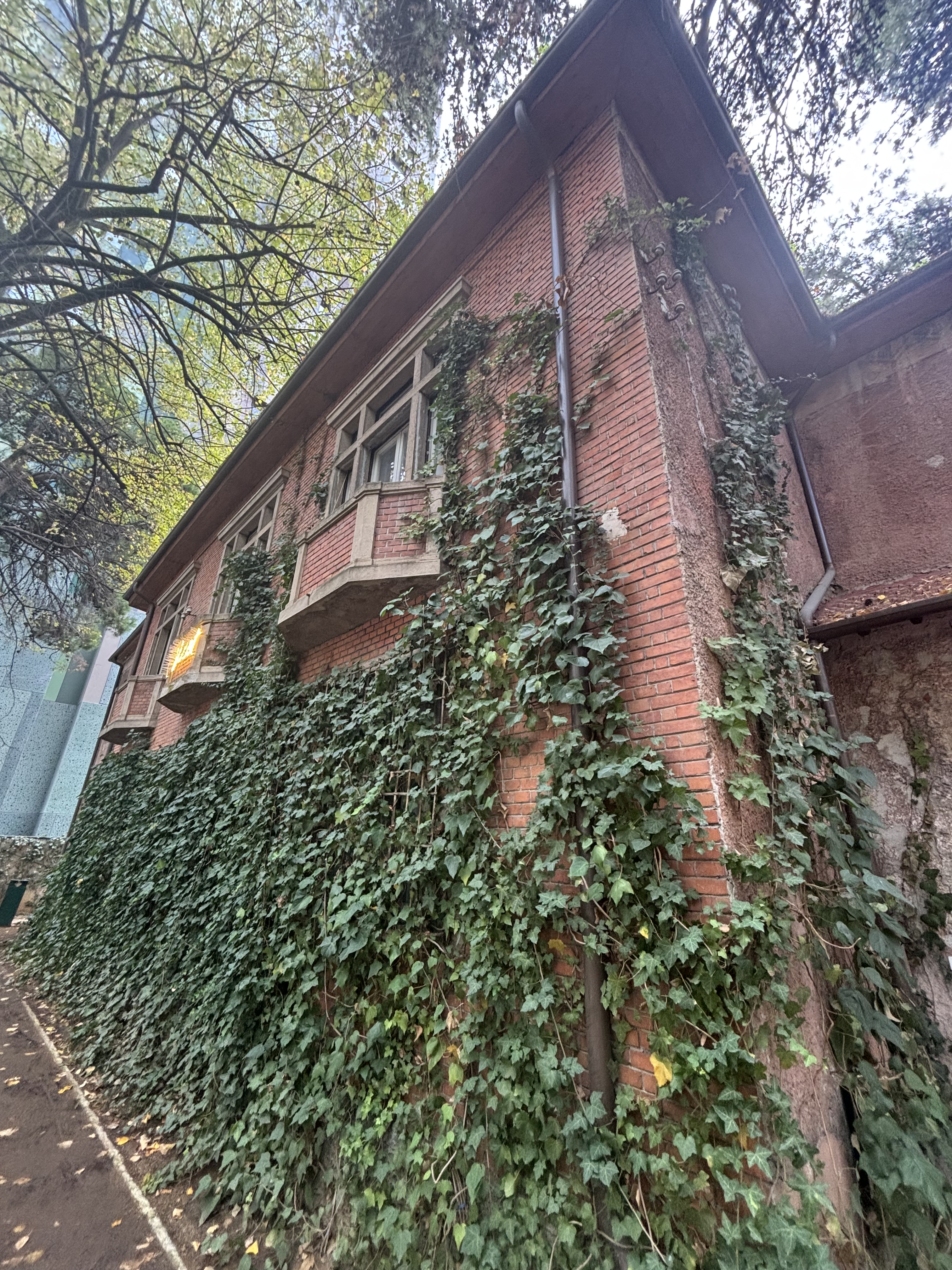
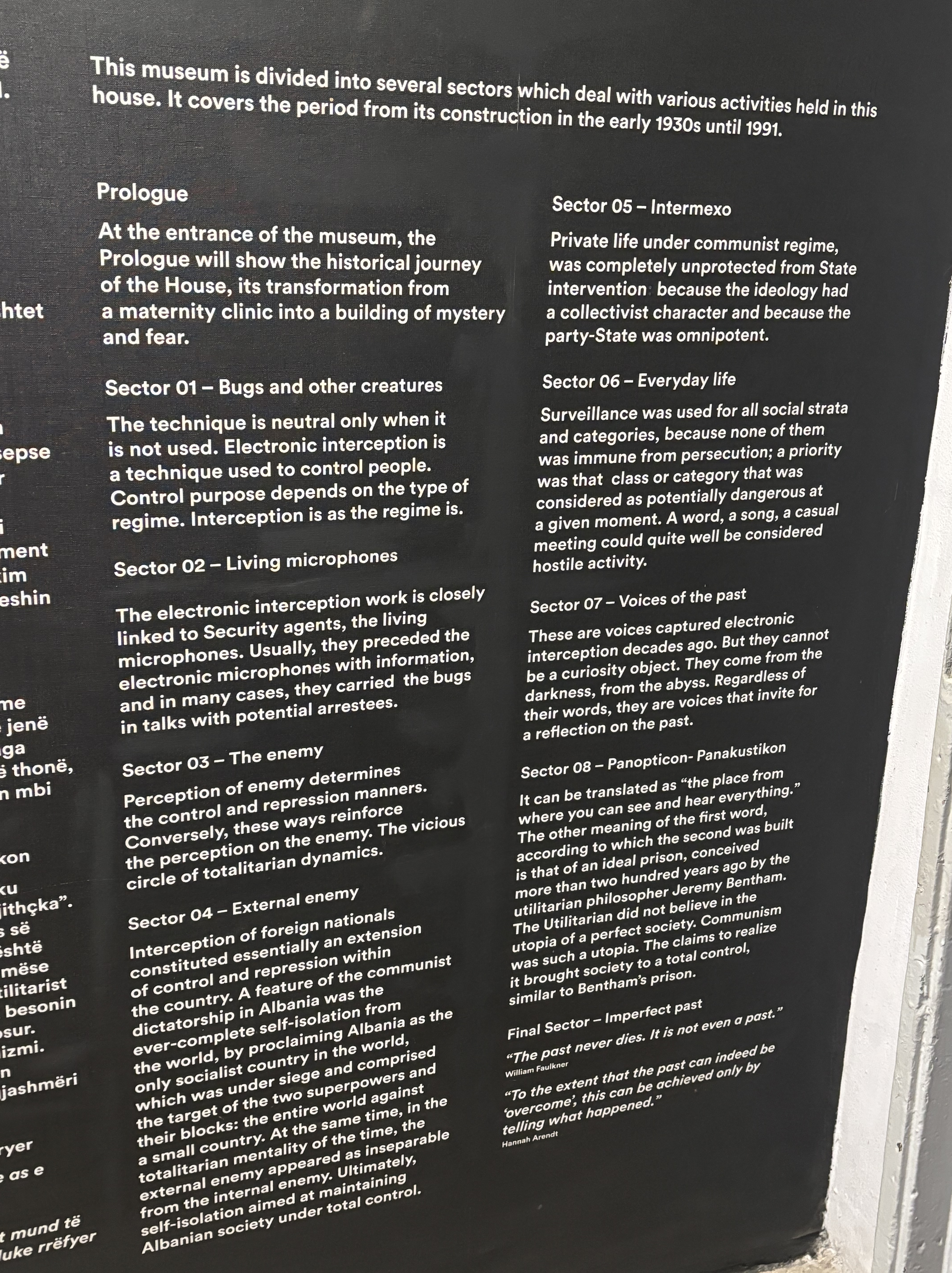
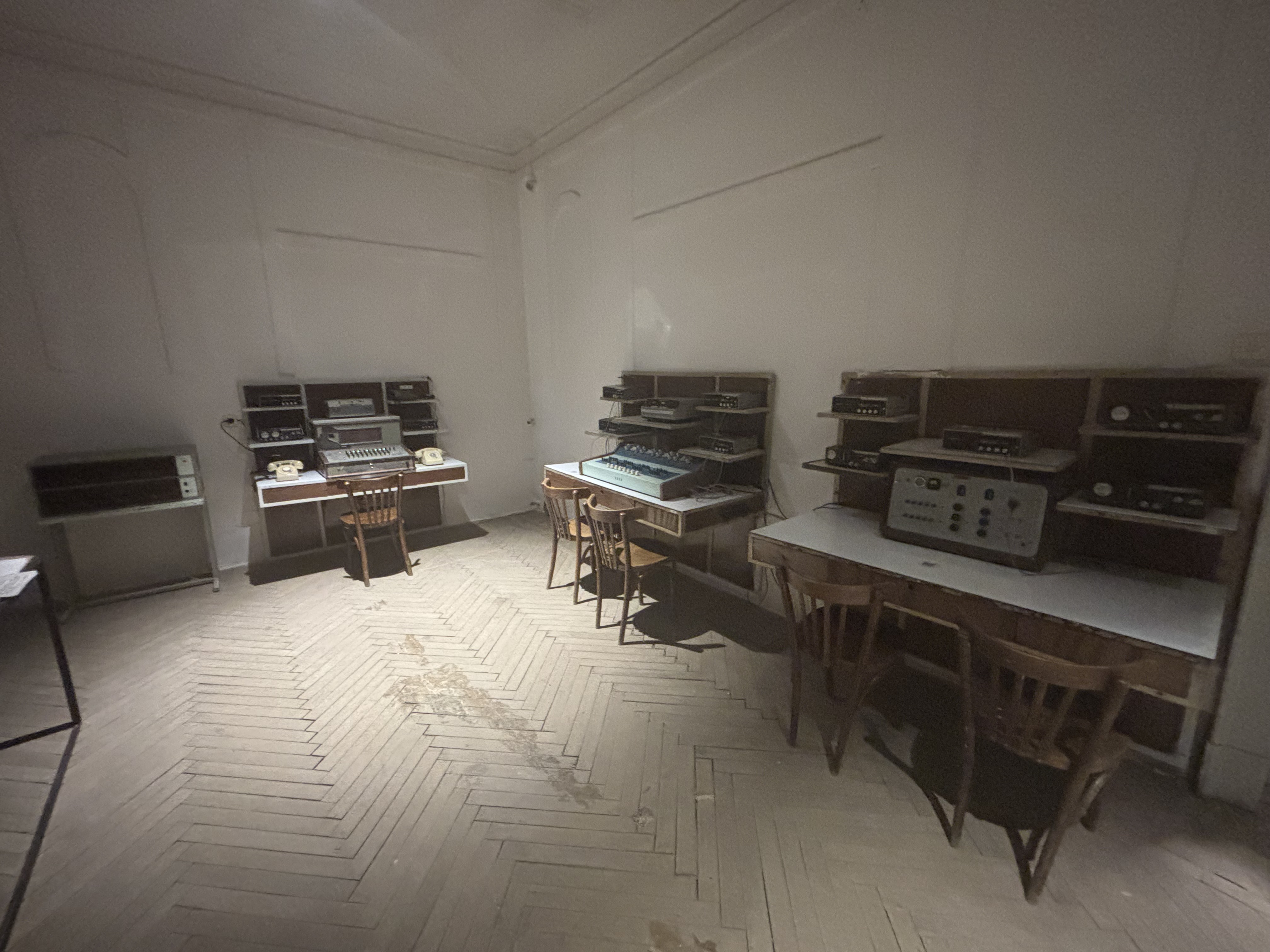
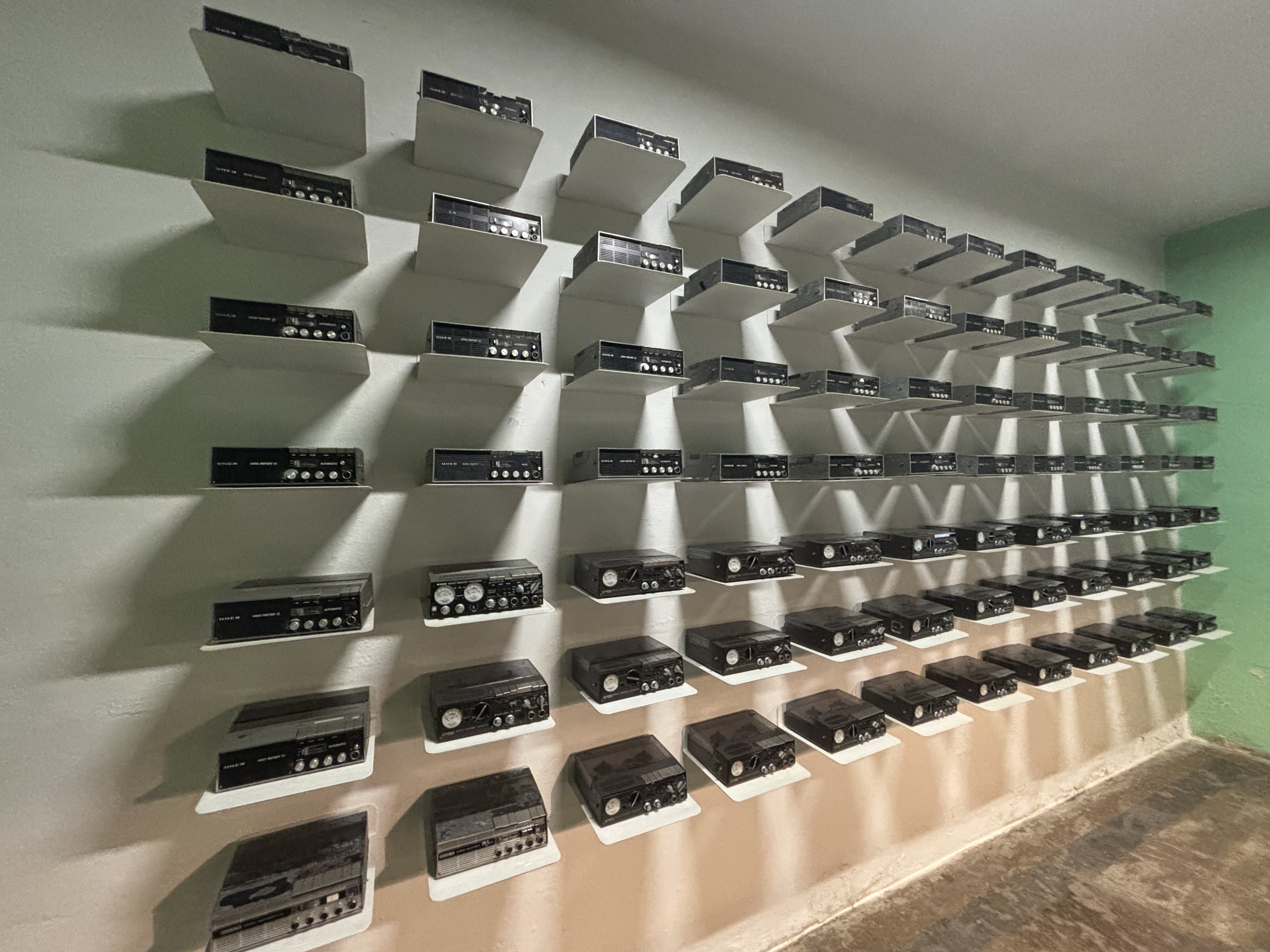
Hoxha also instituted an elaborate system for spying not just on international visitors, but on the people of Albania itself. He converted a private maternity clinic into an espionage and interrogation headquarters known colloquially as the “House of Leaves” (now a museum open to the public – cash only) due to the thick foliage that hid the secret doings inside. From here, the Sigurimi secret police coordinated a network of informants, hidden bugs and visual surveillance of suspected enemies of the state. Thousands of citizens were imprisoned or placed in forced labor camps, and the family members of any suspected insurgent were destined for a lifetime of scrutiny. It’s understandable why locals who survived the Communist era might want to wipe the slate clean and start over.
The more interesting thing is what’s happening now. Albanians are very much enjoying their liberation from the constraints of the Hoxha regime and enthusiastically embracing everything they had been denied access to for decades (including but not limited to meat, beards, tattoos, cars and bananas). Albania desperately wants to join the European Union and shed its reputation as a haven for political corruption, international money laundering and a notorious mafia.
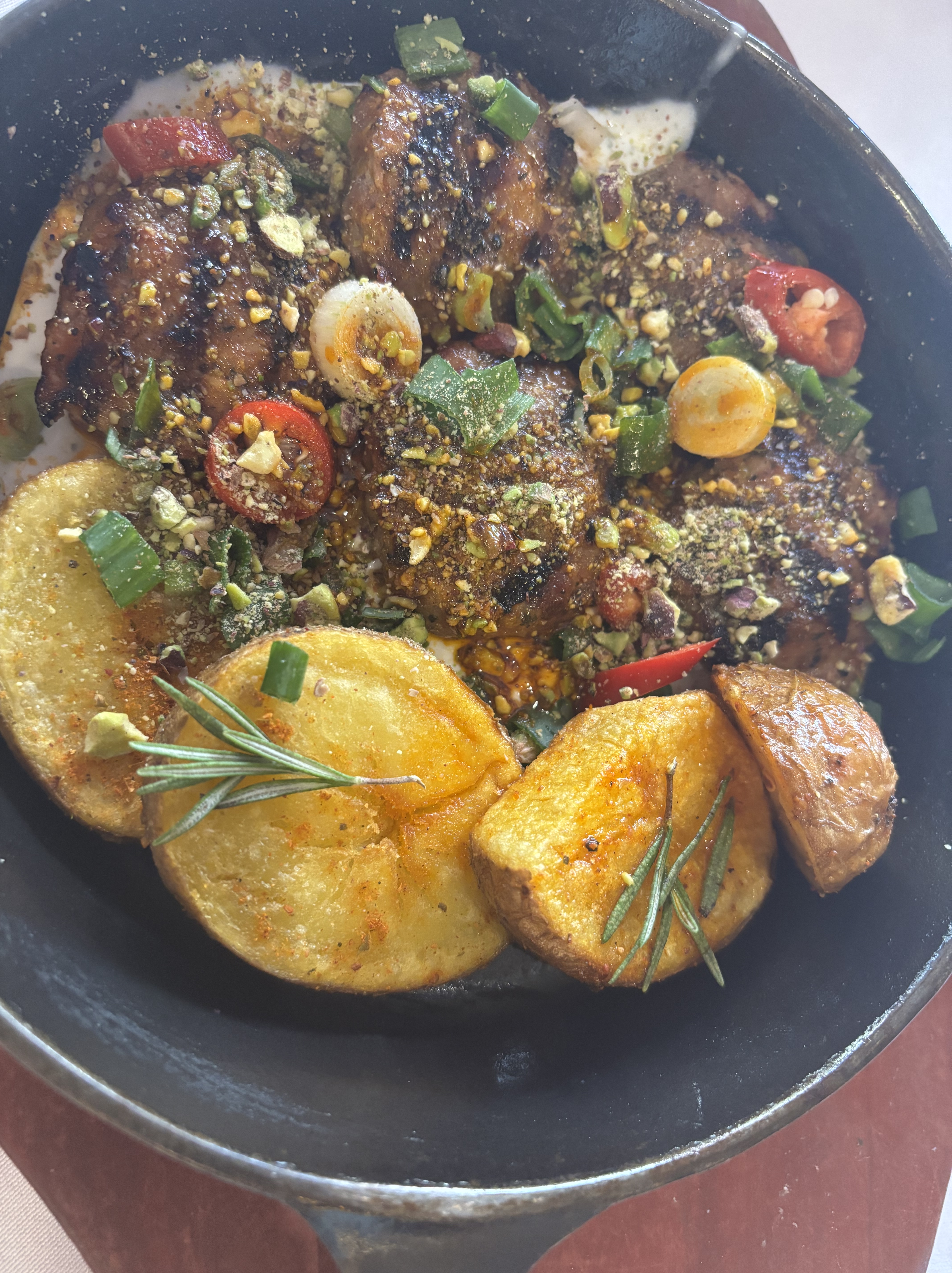
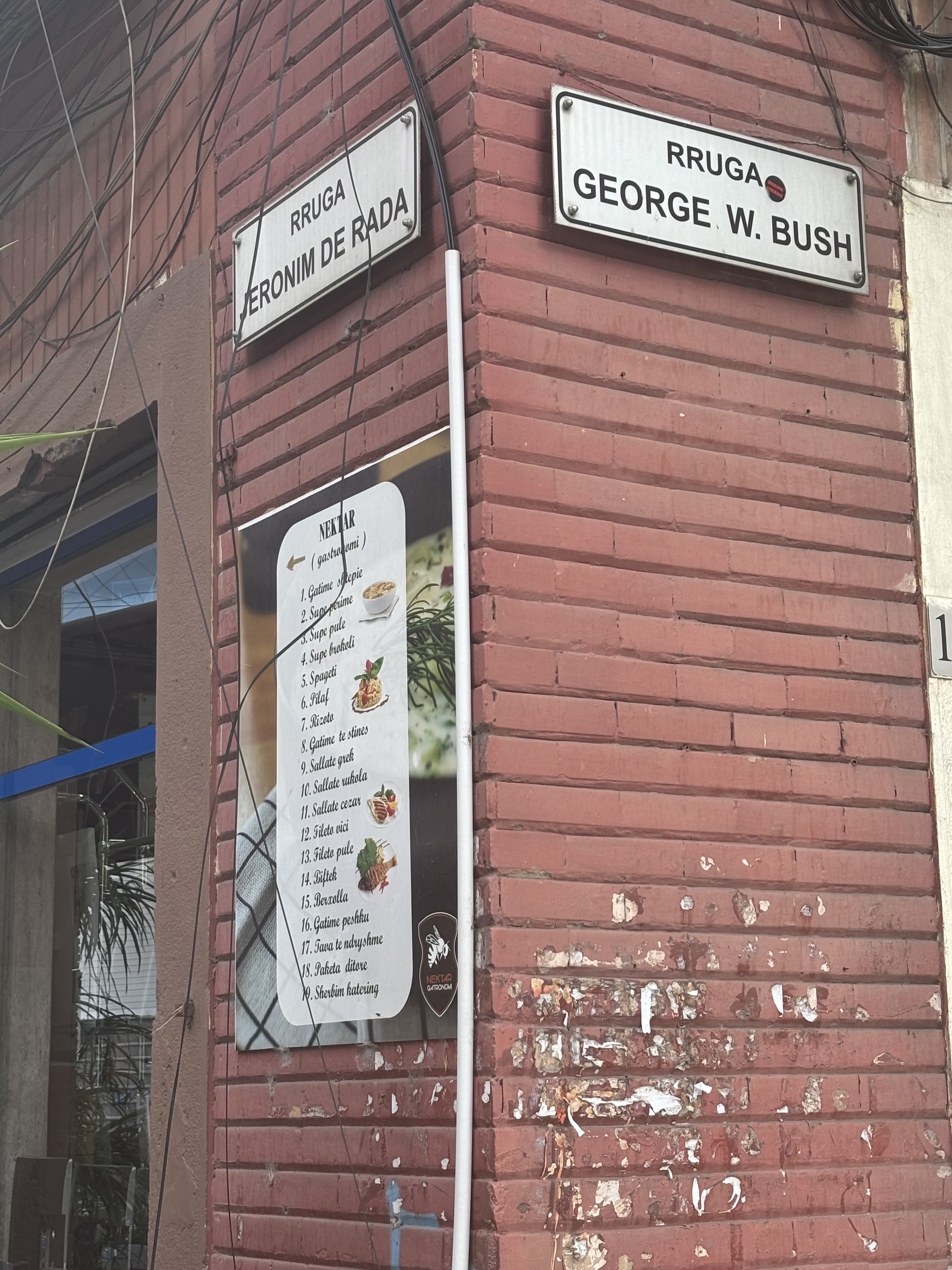
The food scene is still evolving and by no means world class, but it is increasingly global and dirt cheap. The public/street art scene is coming along too. The formerly atheist nation by state mandate now self-identifies as 51% Muslim, but it is not uncommon to see interfaith marriages and commingling of religious traditions. It particularly amused me that the largest mosque is on George W. Bush Road. If nothing else, recognition of so many religious holidays provides a good excuse for everyone to take the day off.
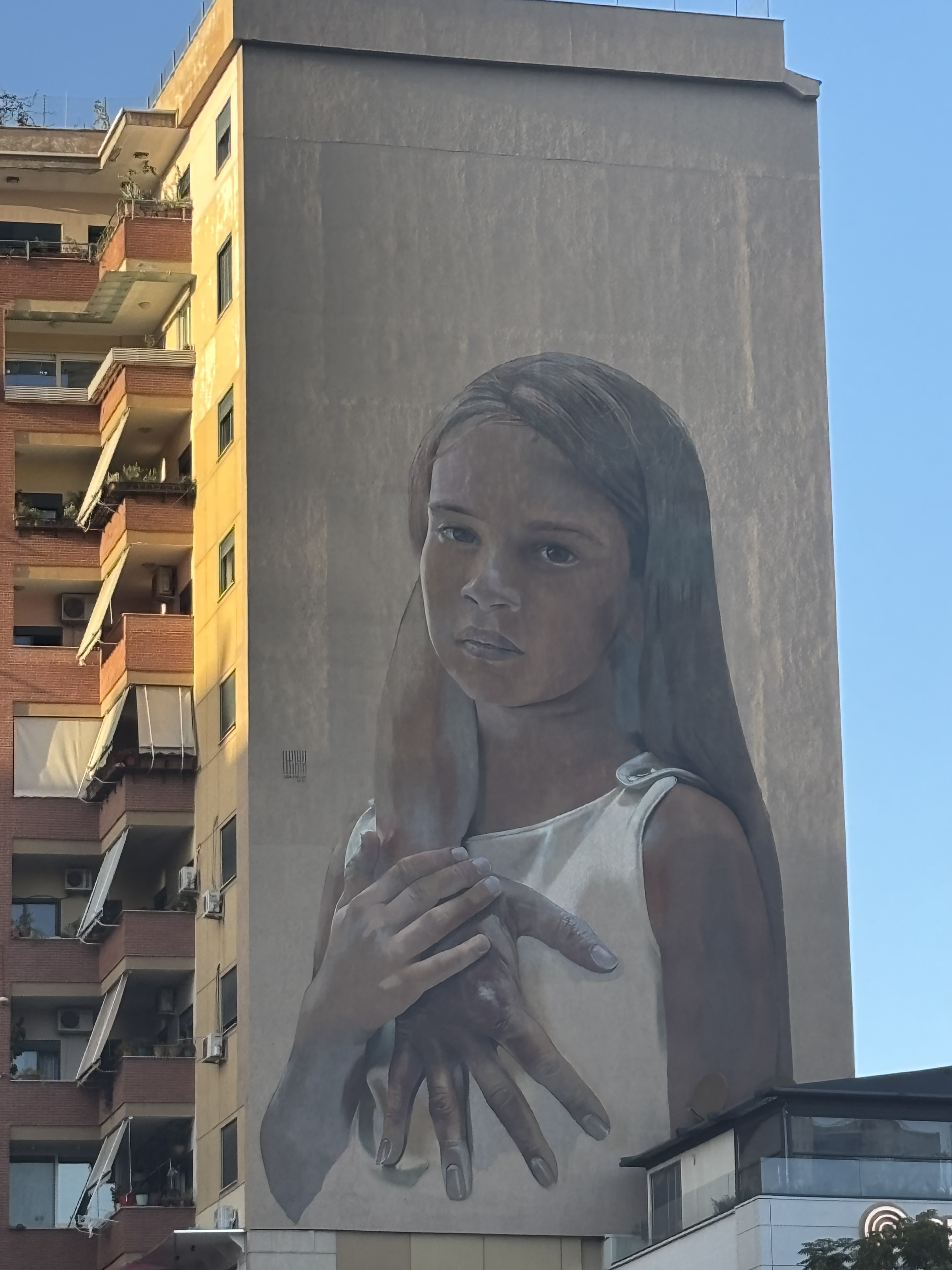


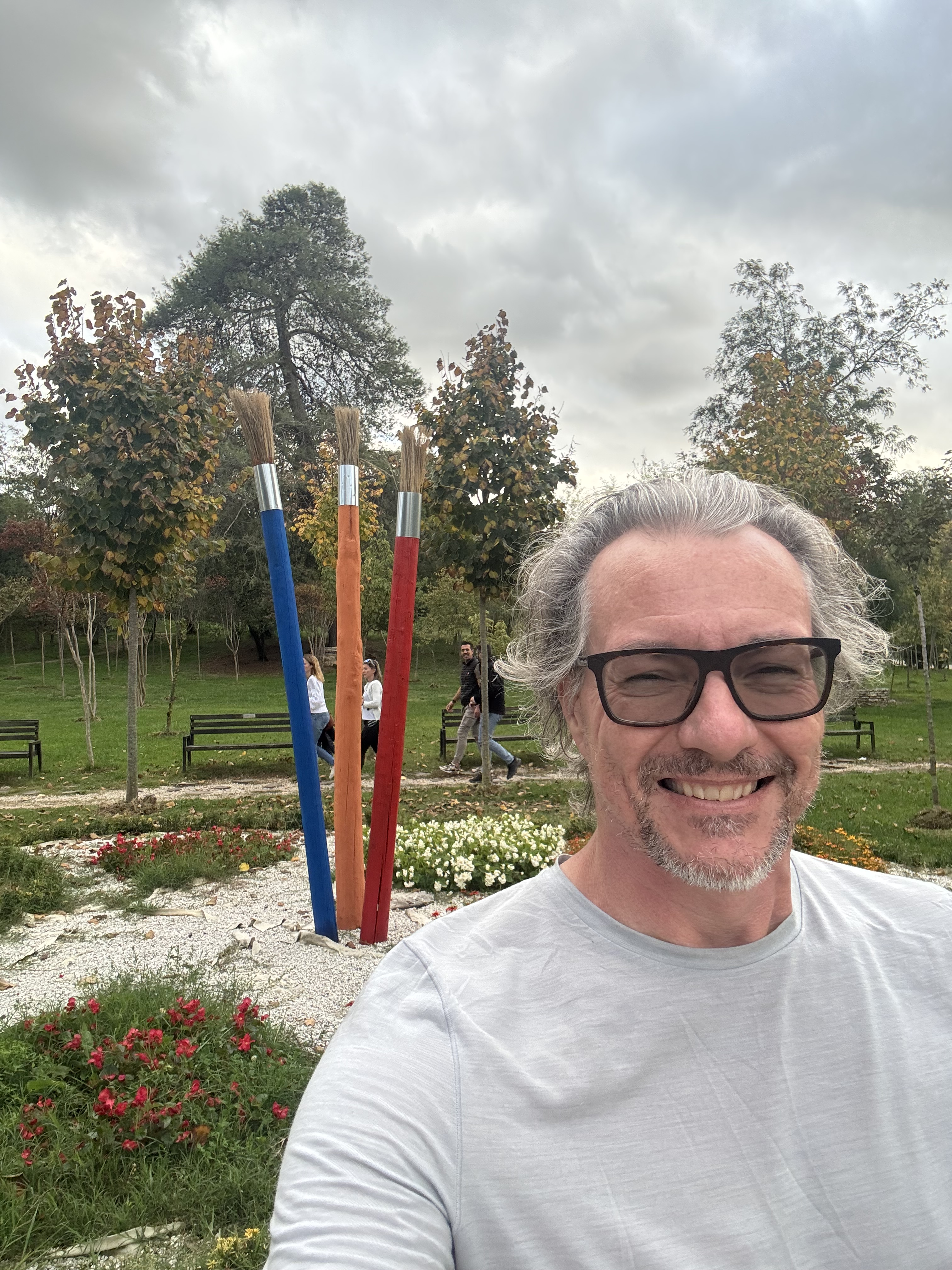
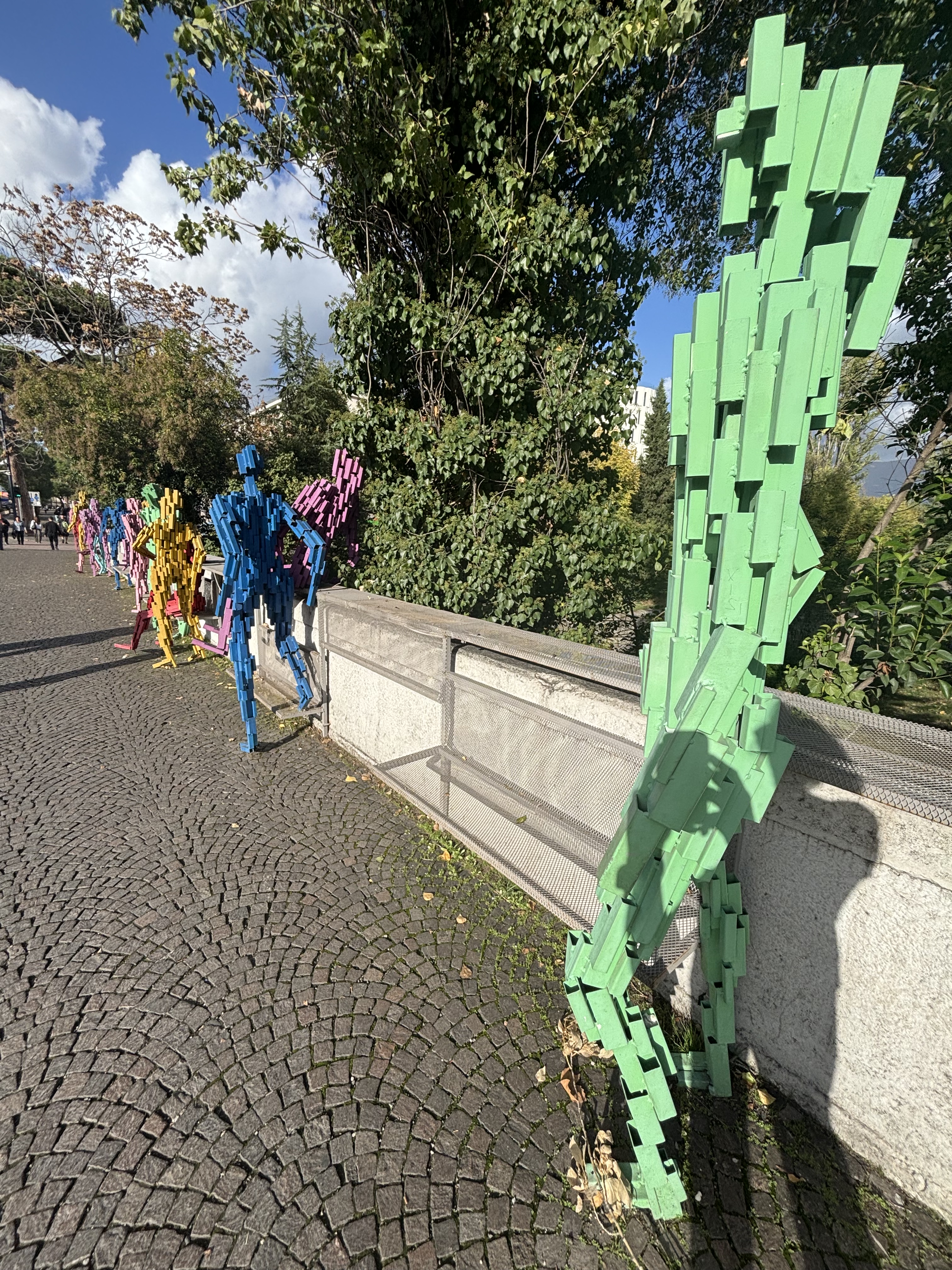
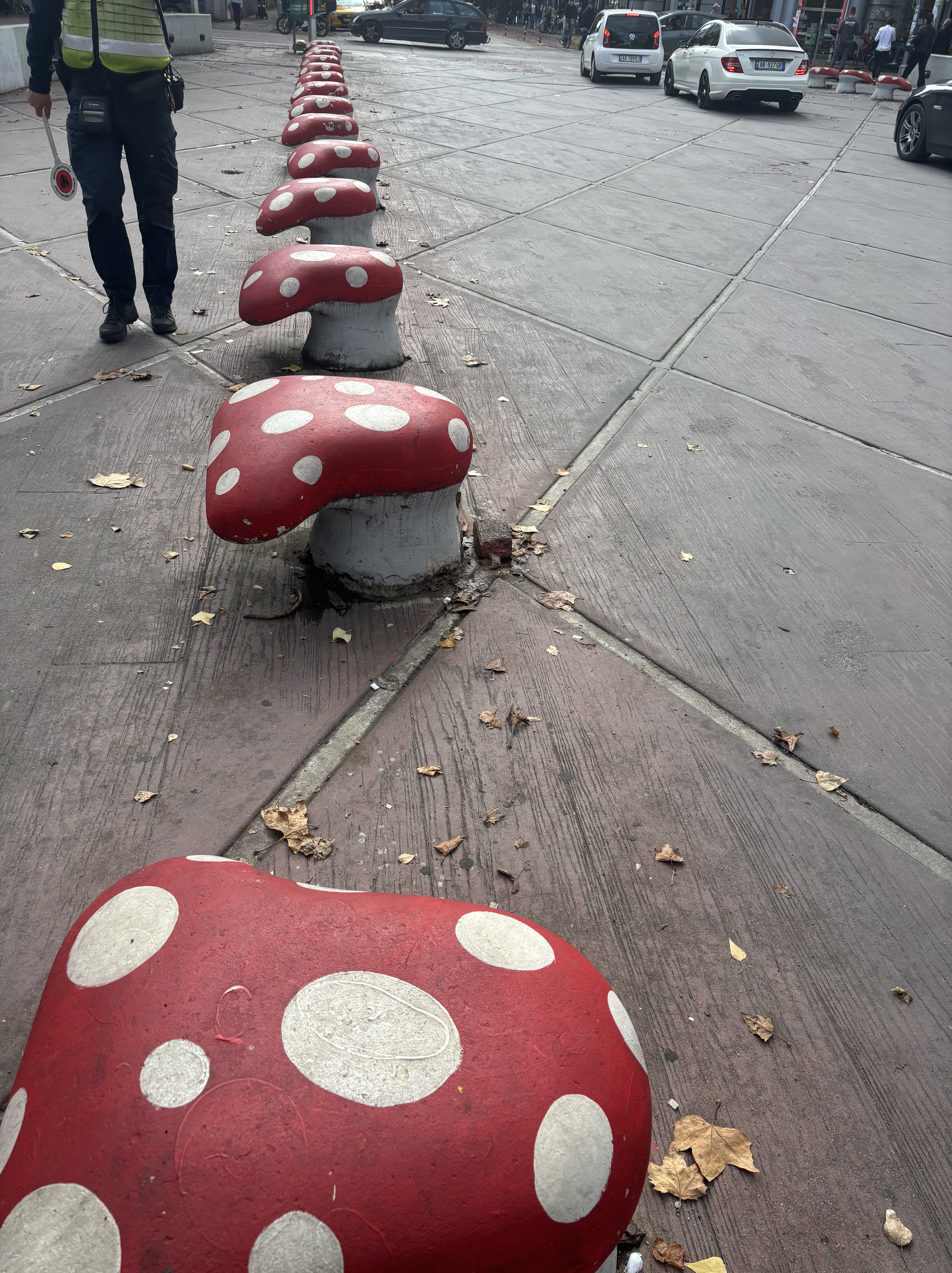

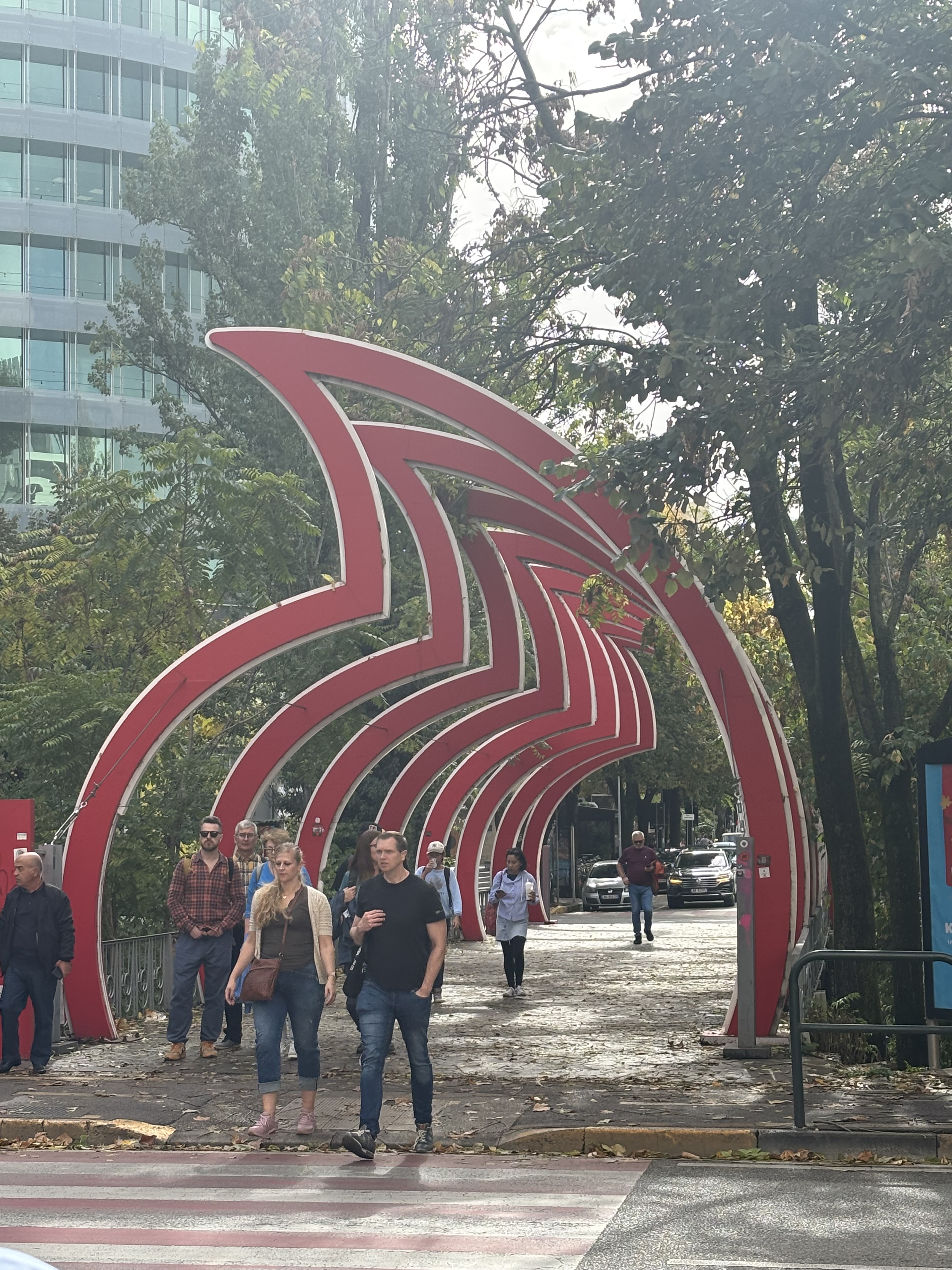
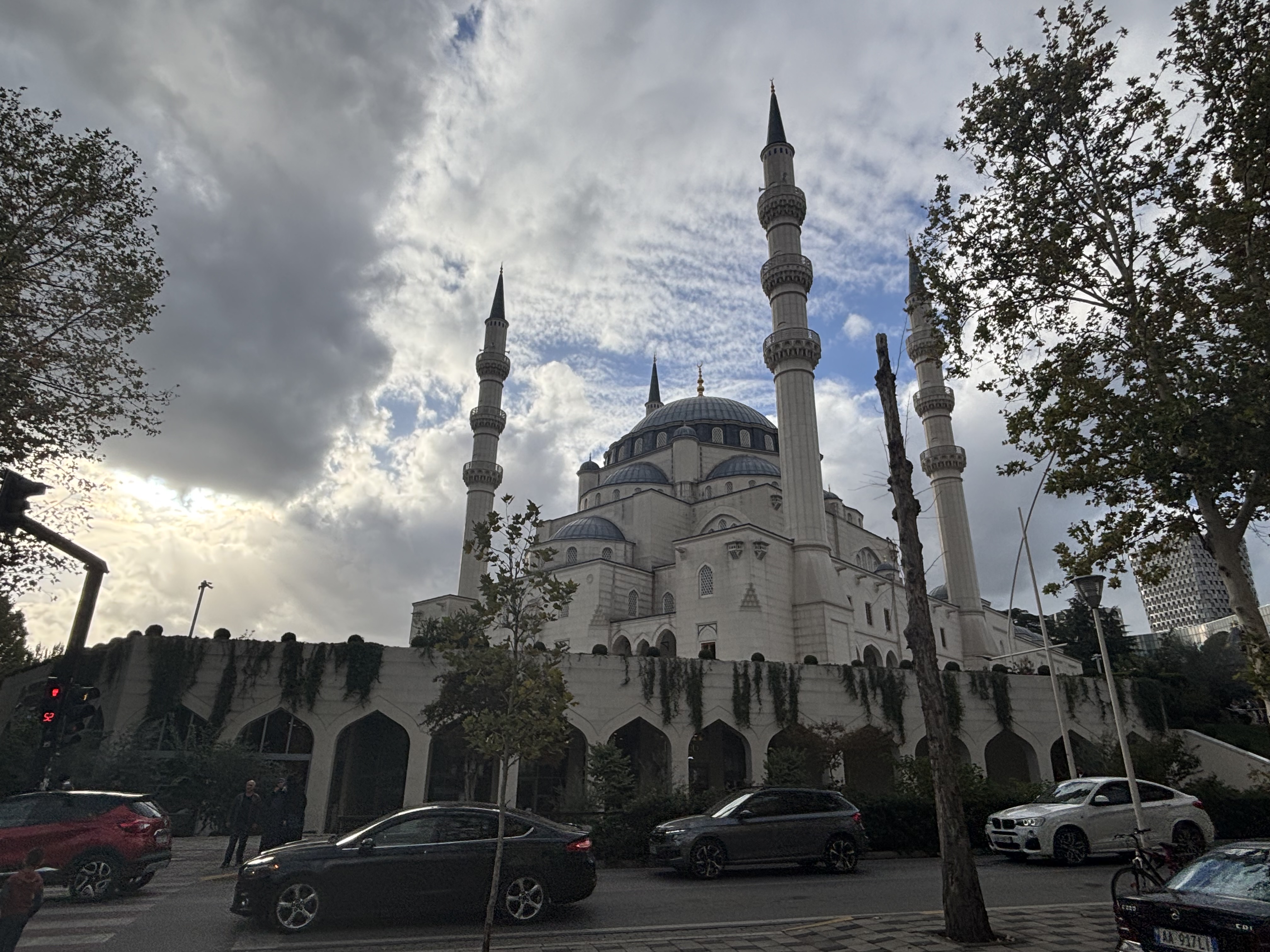
But the real reason to visit Tirana is its modern architecture. Tirana has become an architect’s playground over the last five years. The skyline is starting to resemble something a child might dream up after watching Blade Runner. But it’s all part of an organized plan known as Tirana 2030 created by an Italian architect, Stefano Boeri. For those familiar with Reston, Virginia, or The Woodlands, Texas, it’s a similar planned community concept with dedicated space for skyscrapers, shopping districts and green spaces — but on a MUCH larger scale — in a city just a little larger than Tulsa, Oklahoma.
Each building is more outrageous in design than the one before it, and there seems to be little regard for the poor engineers who have to figure out how to make it happen, much less how they are going to find enough skilled workers to actually perform the work. Consider this (frustratingly difficult to photograph) building with an exterior that replicates the physical topography of Albania:


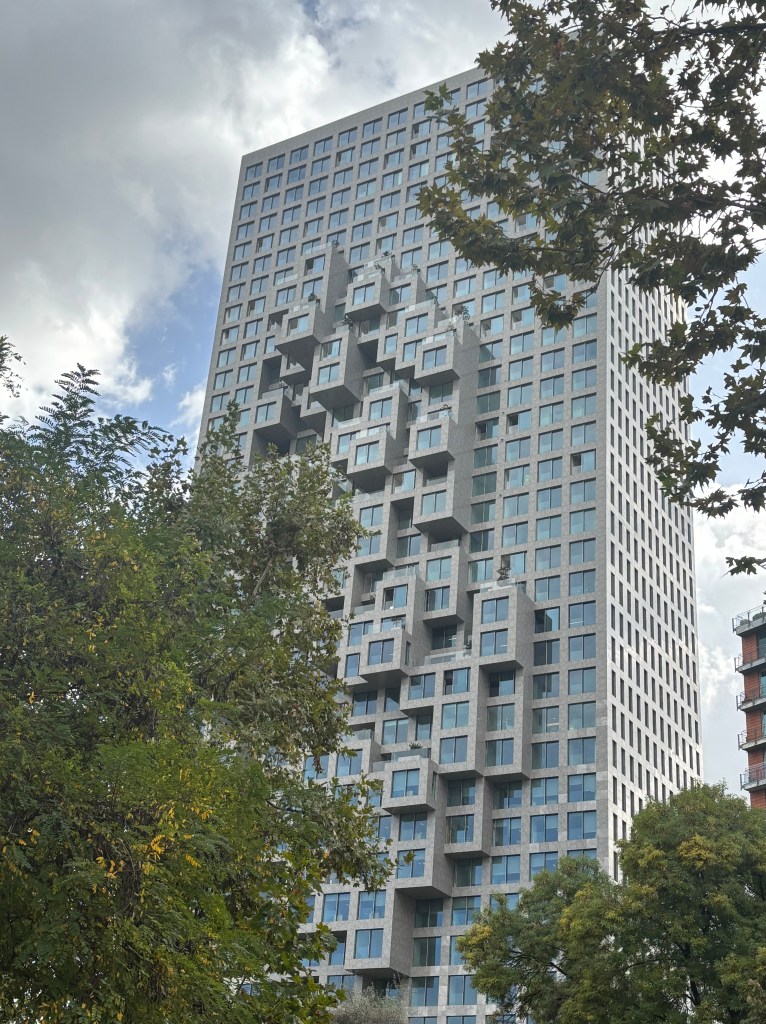
Or this building that mimics the bust of Albania’s national hero, Gjergj Kastriati a/k/a Skanderbeg, a former Ottoman hostage-turned-warrior who eventually turned against the empire, united Albania and joined forces with the Venetians to block Ottoman expansion into the region until after his death in 1479 (supposedly the structure will include dense shrubbery on some of the lower terraces to fill in his substantial beard):

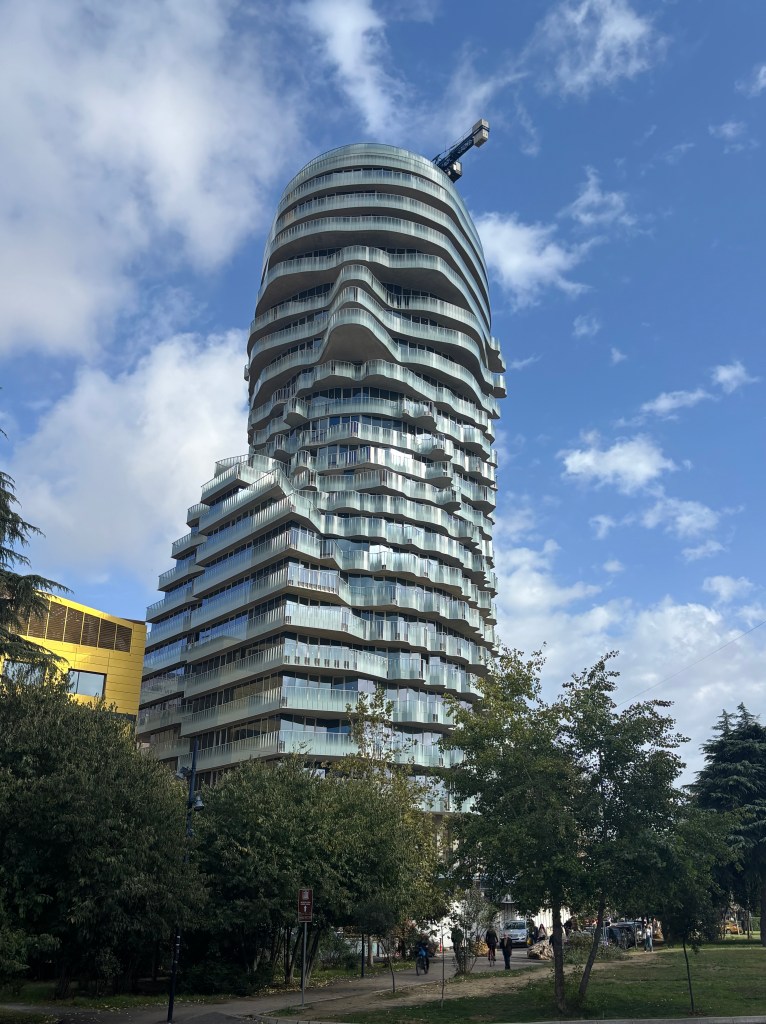
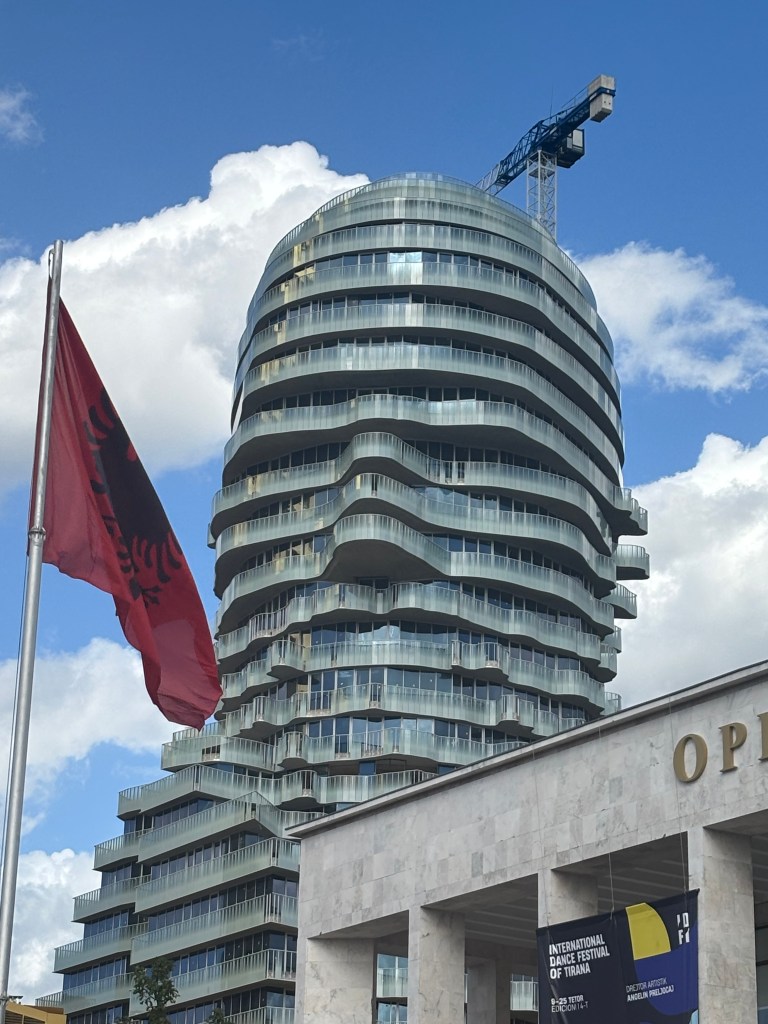
Here are some more:
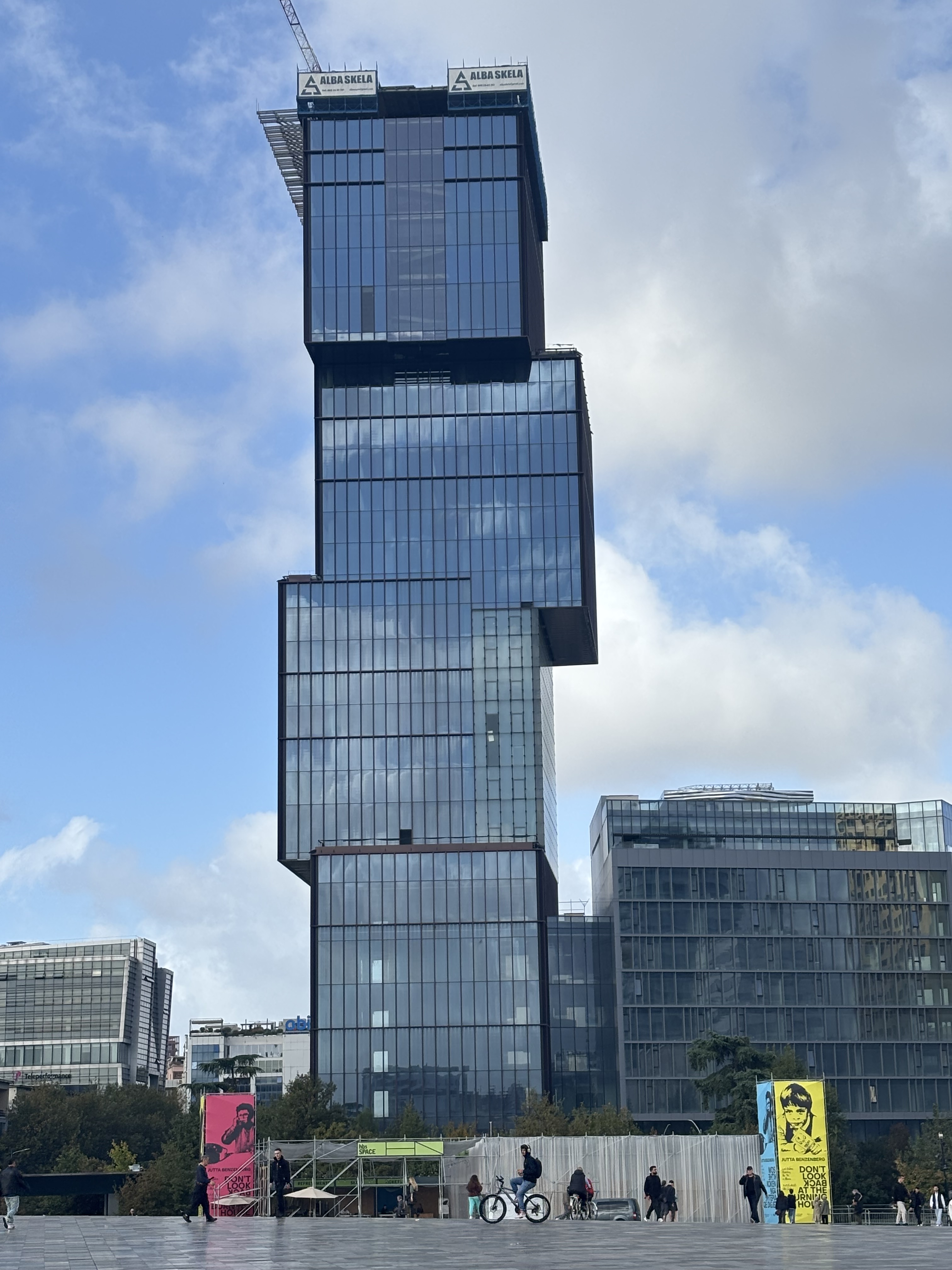

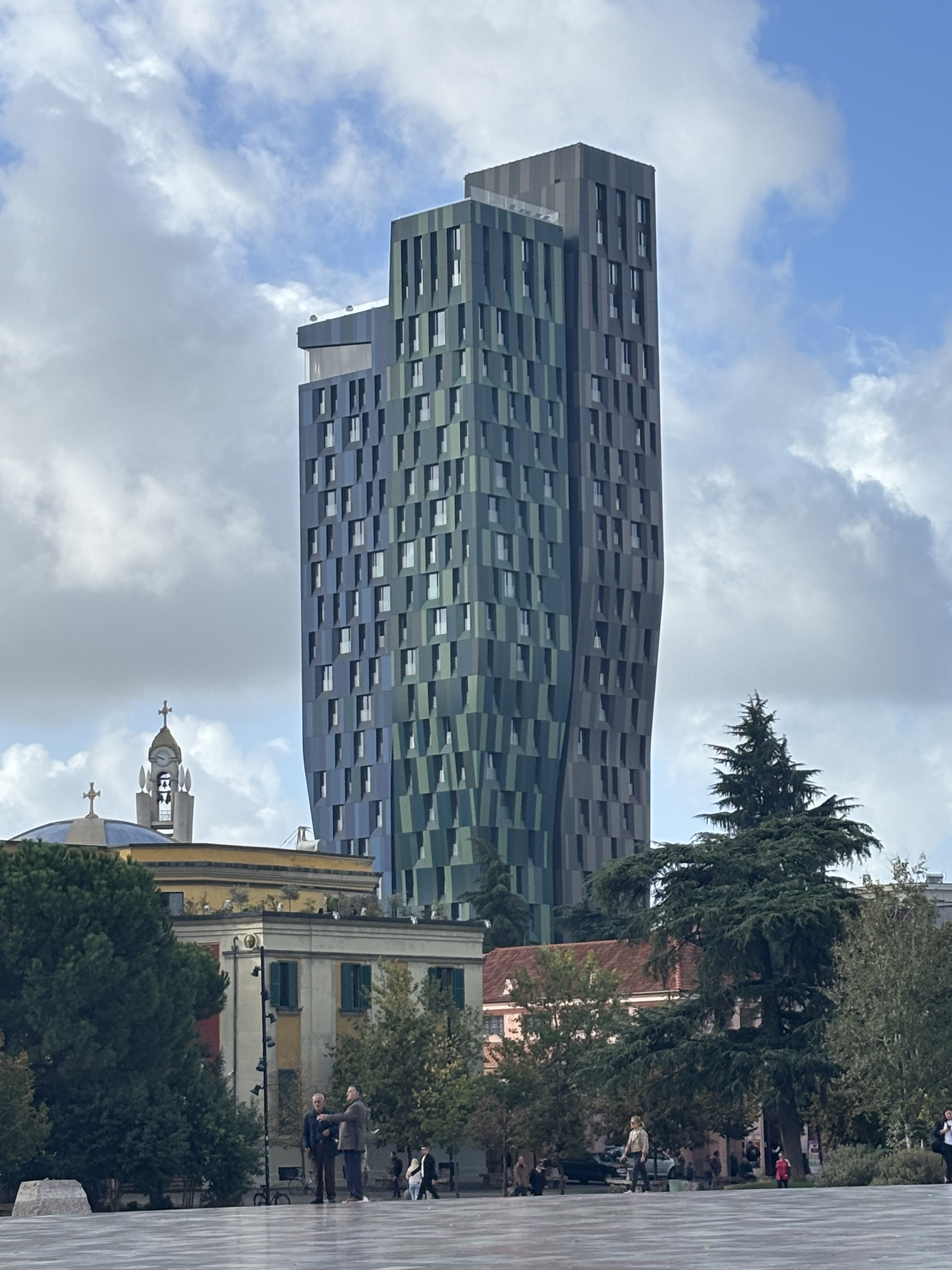
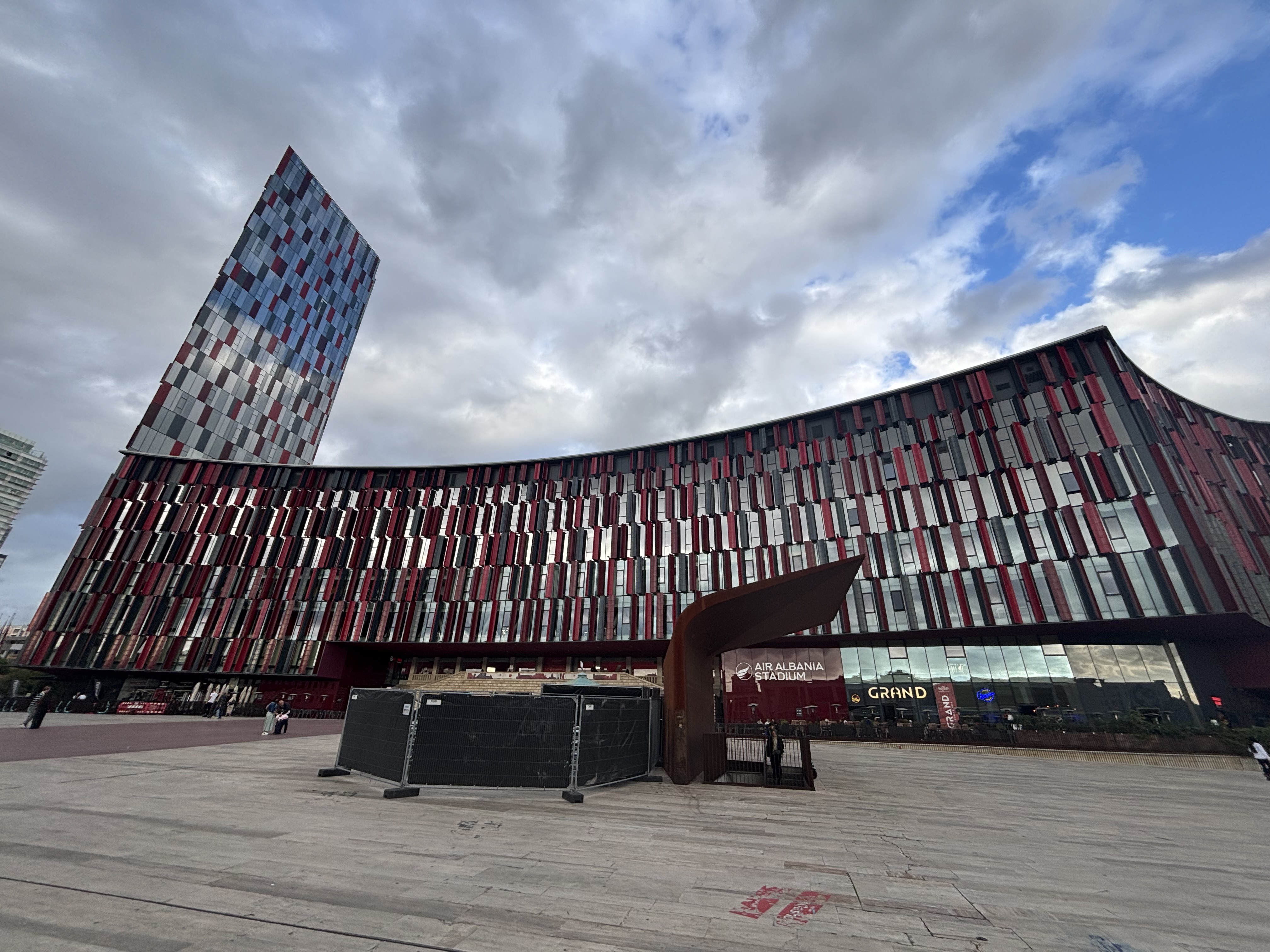
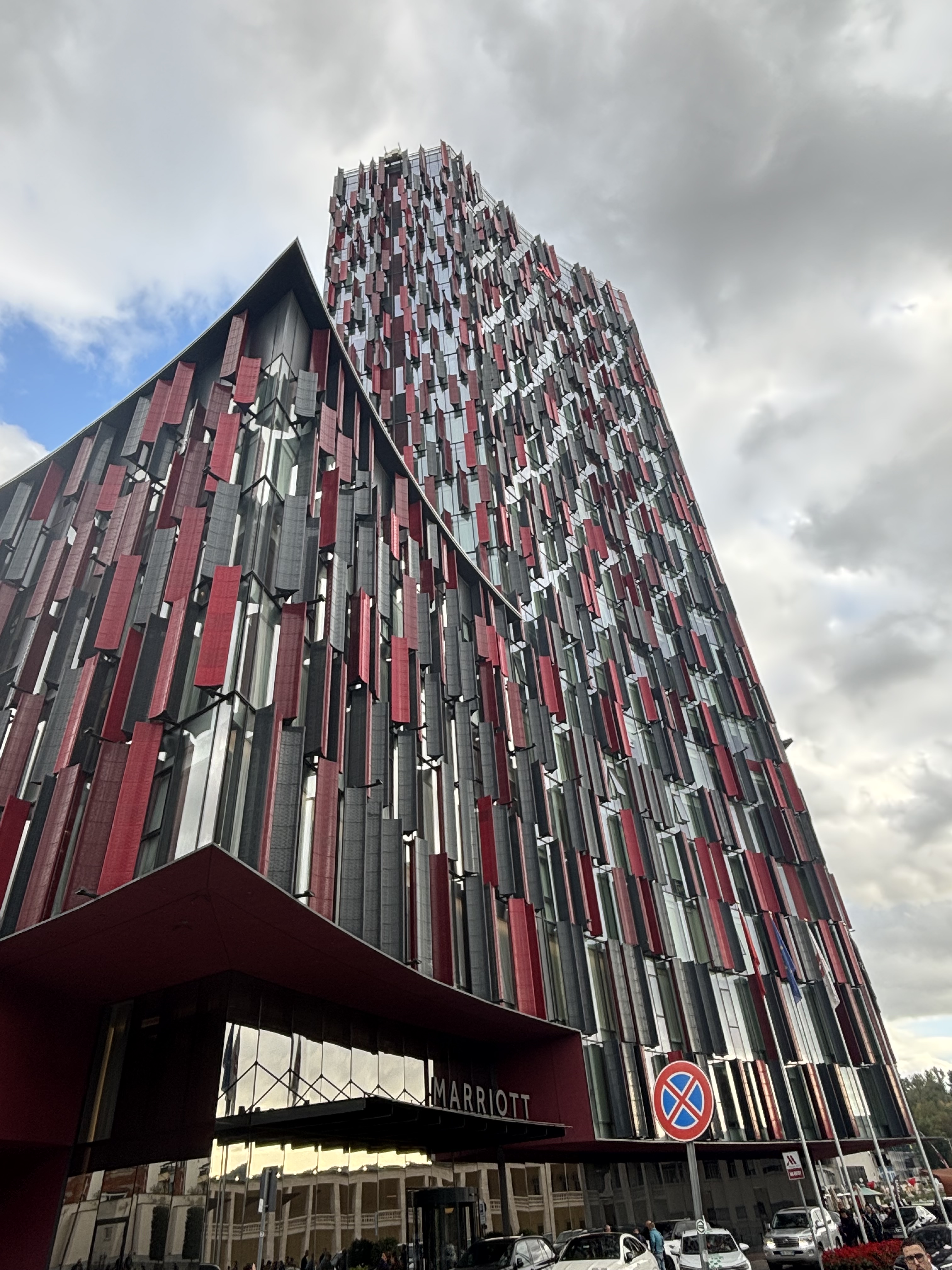
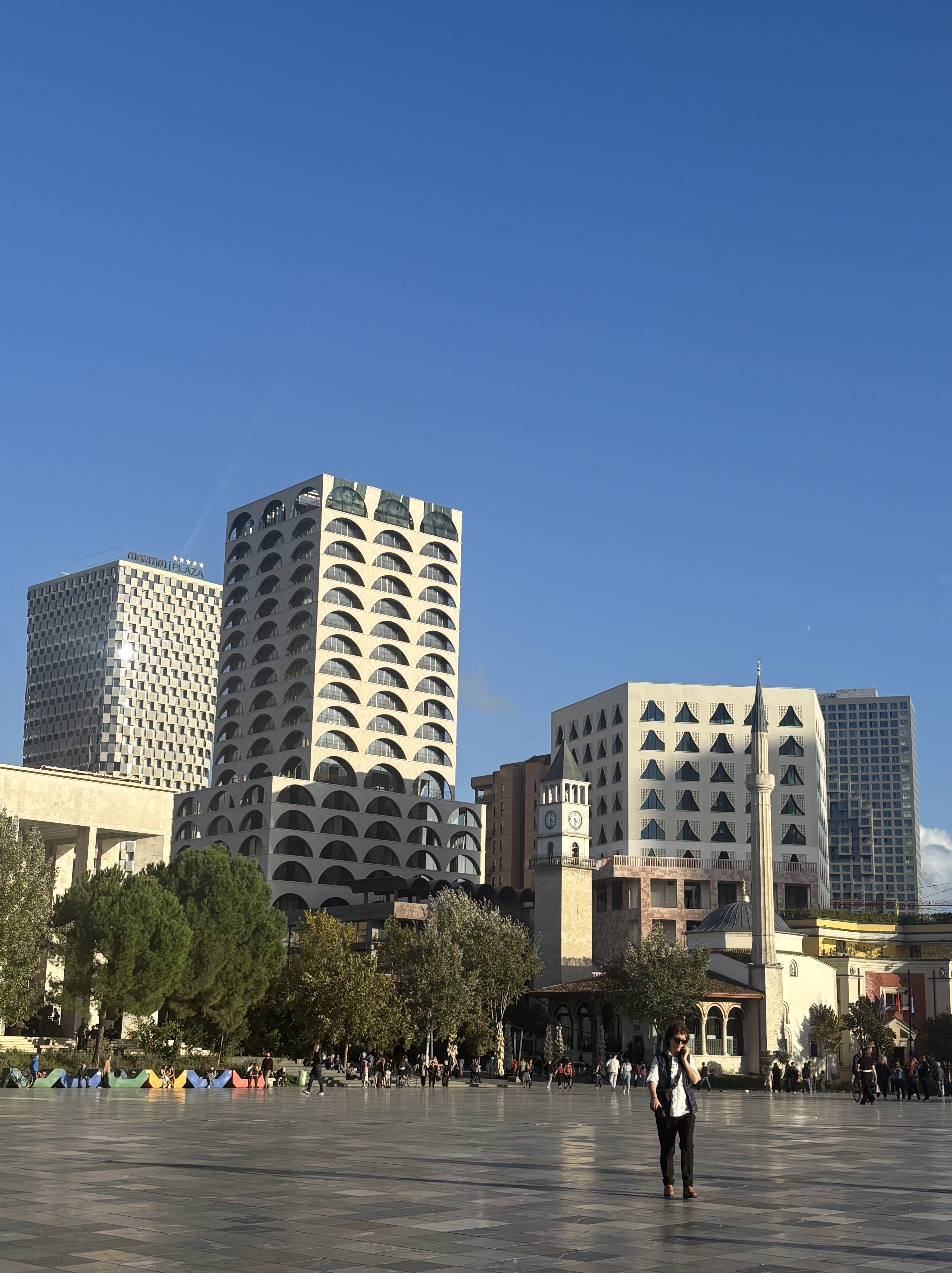
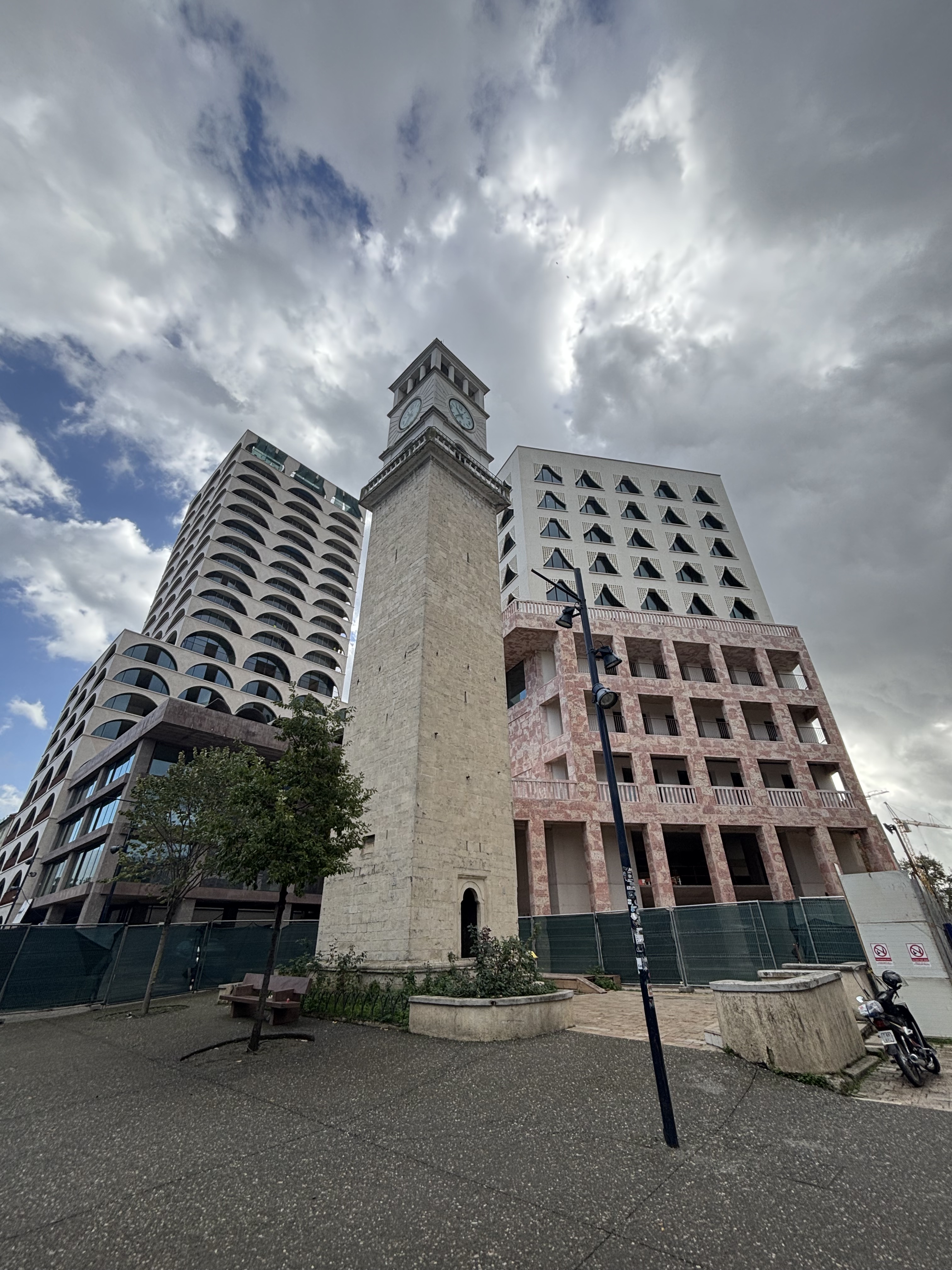
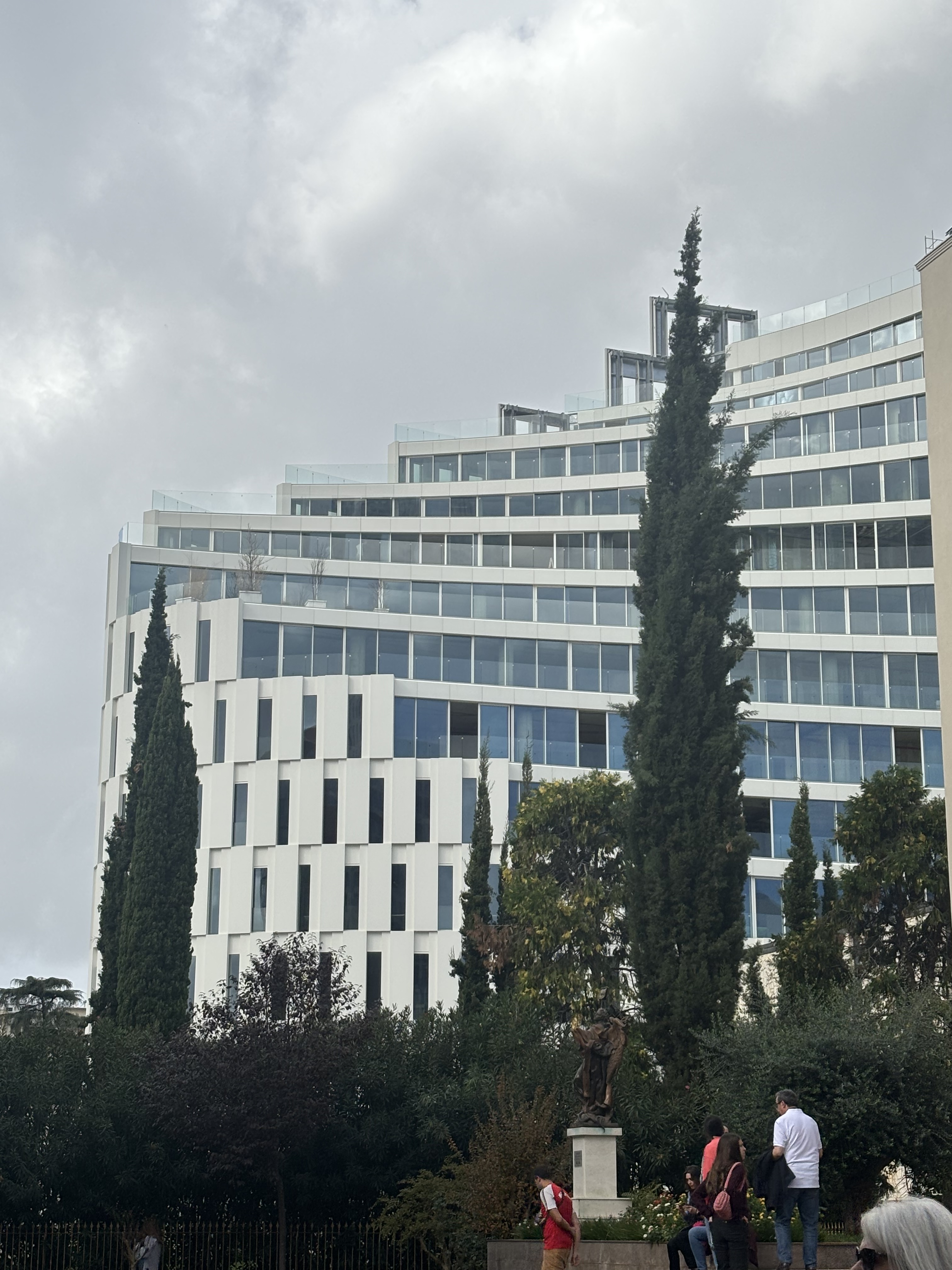
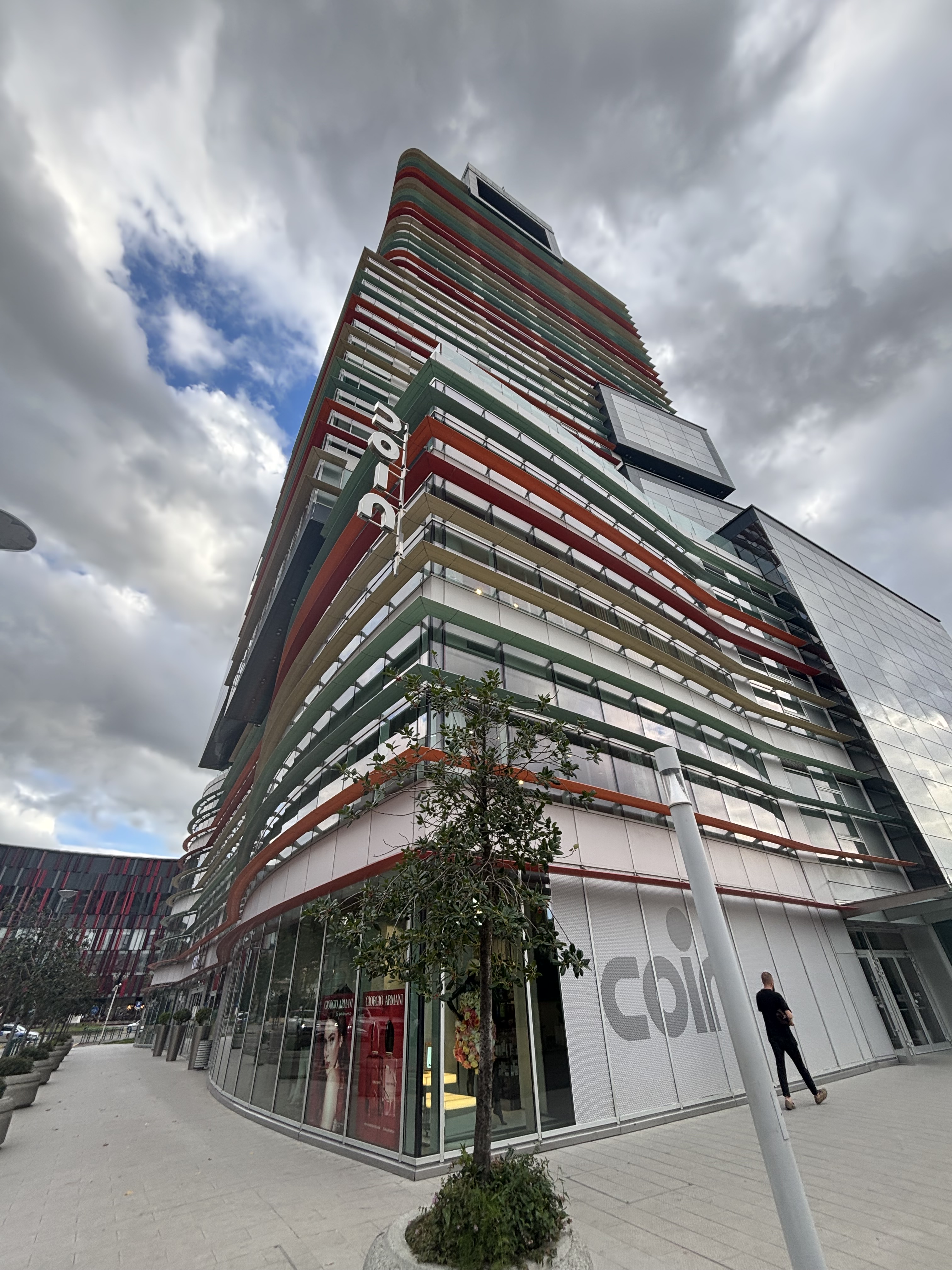
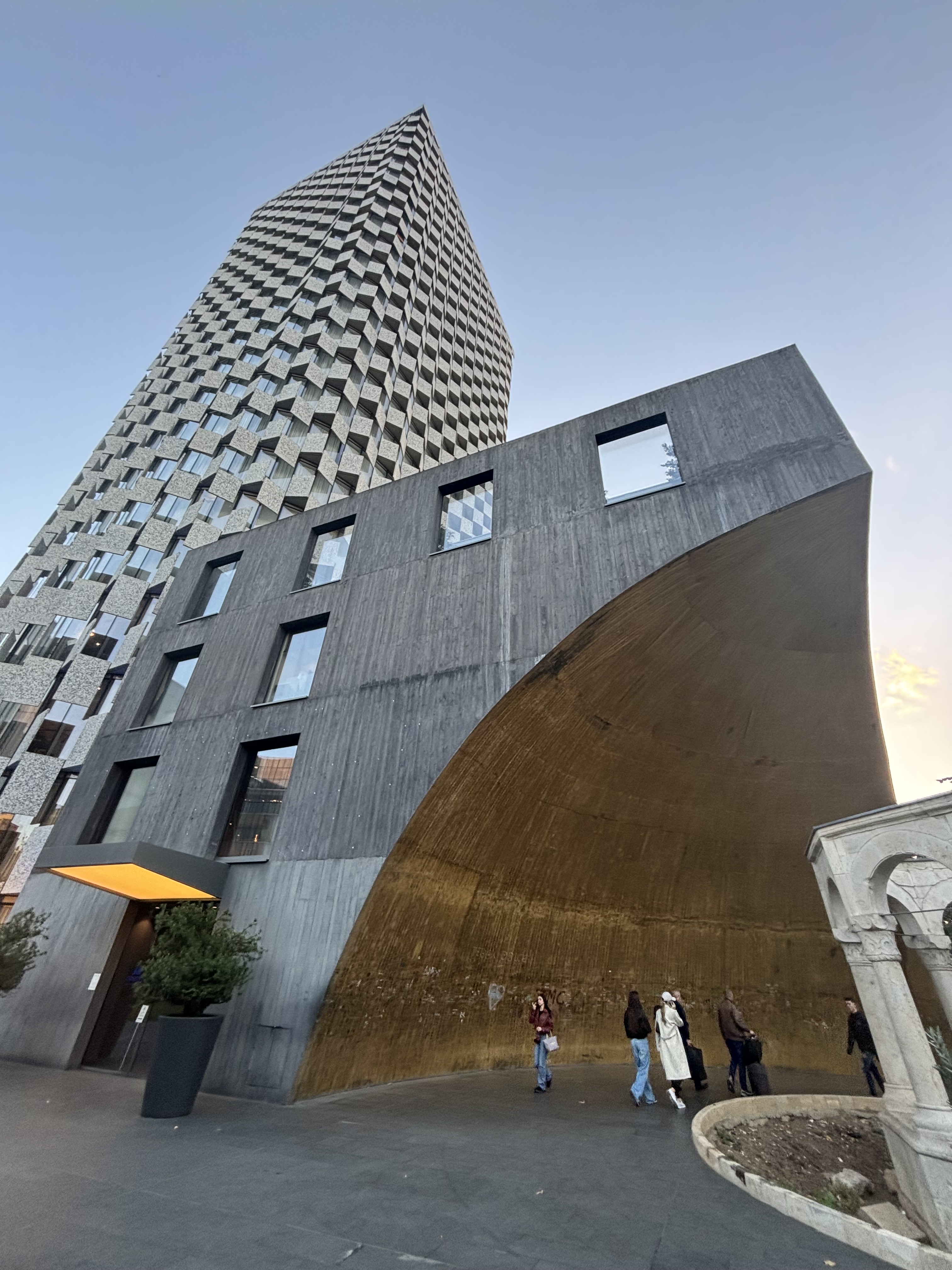
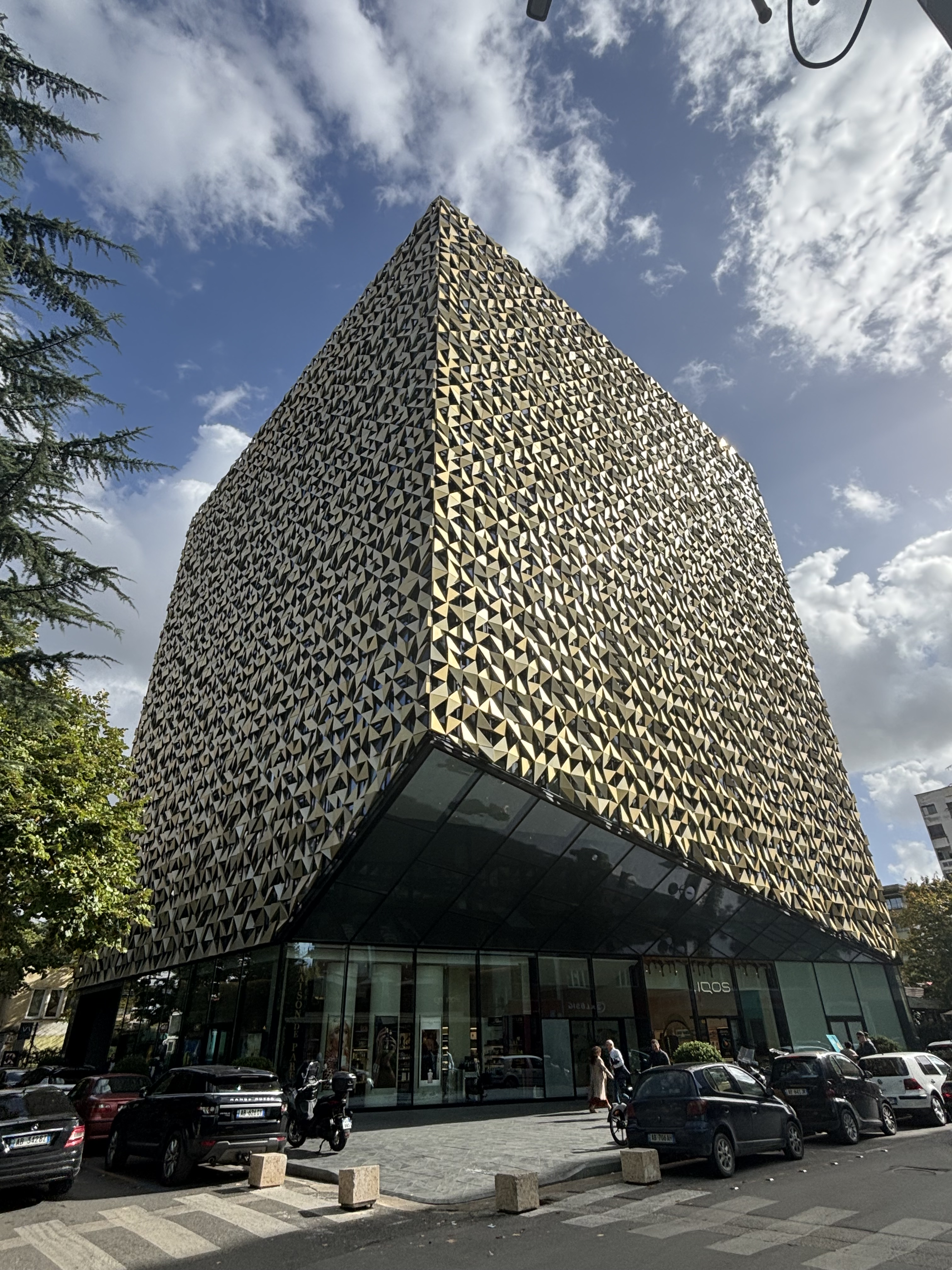

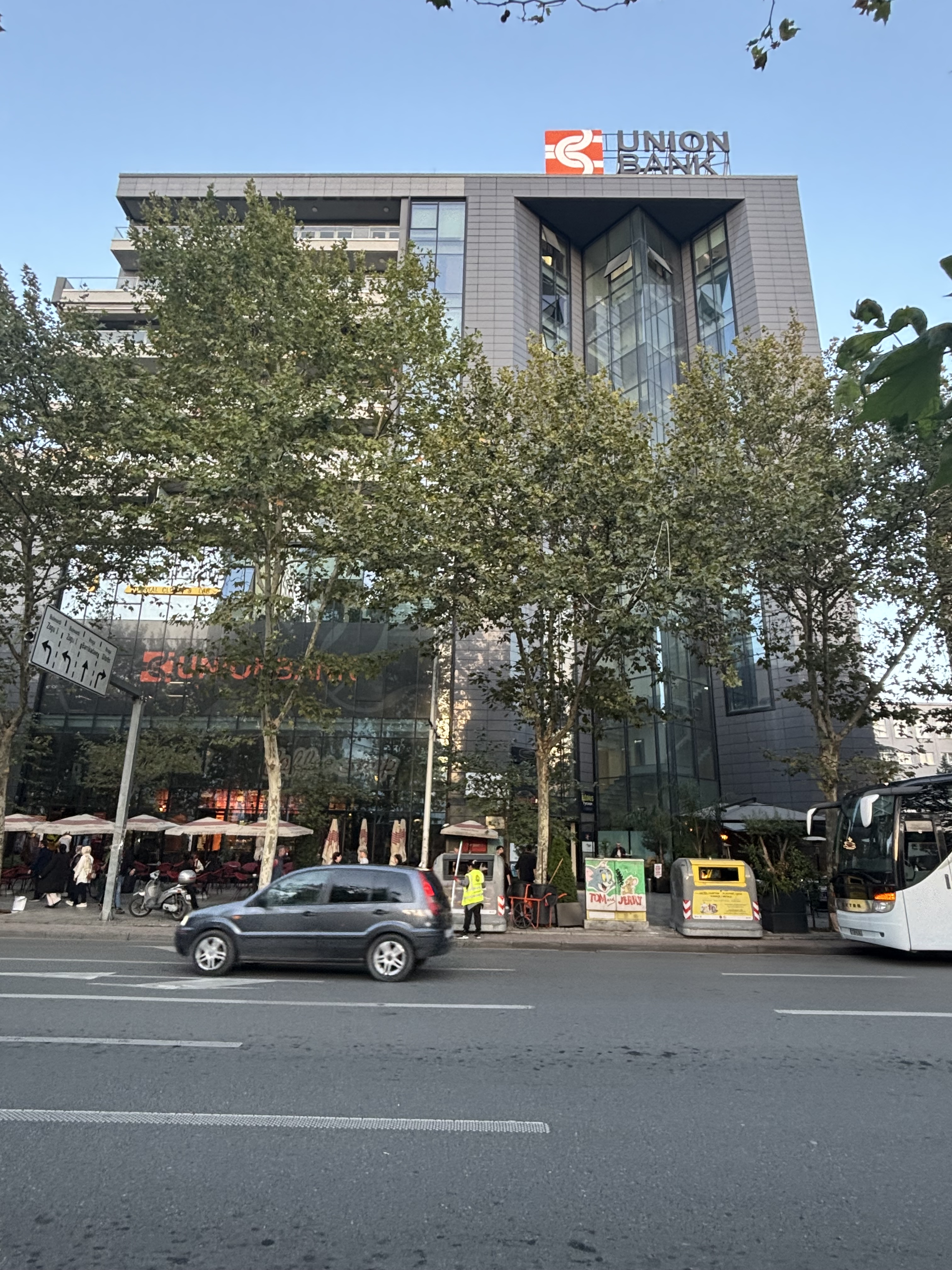


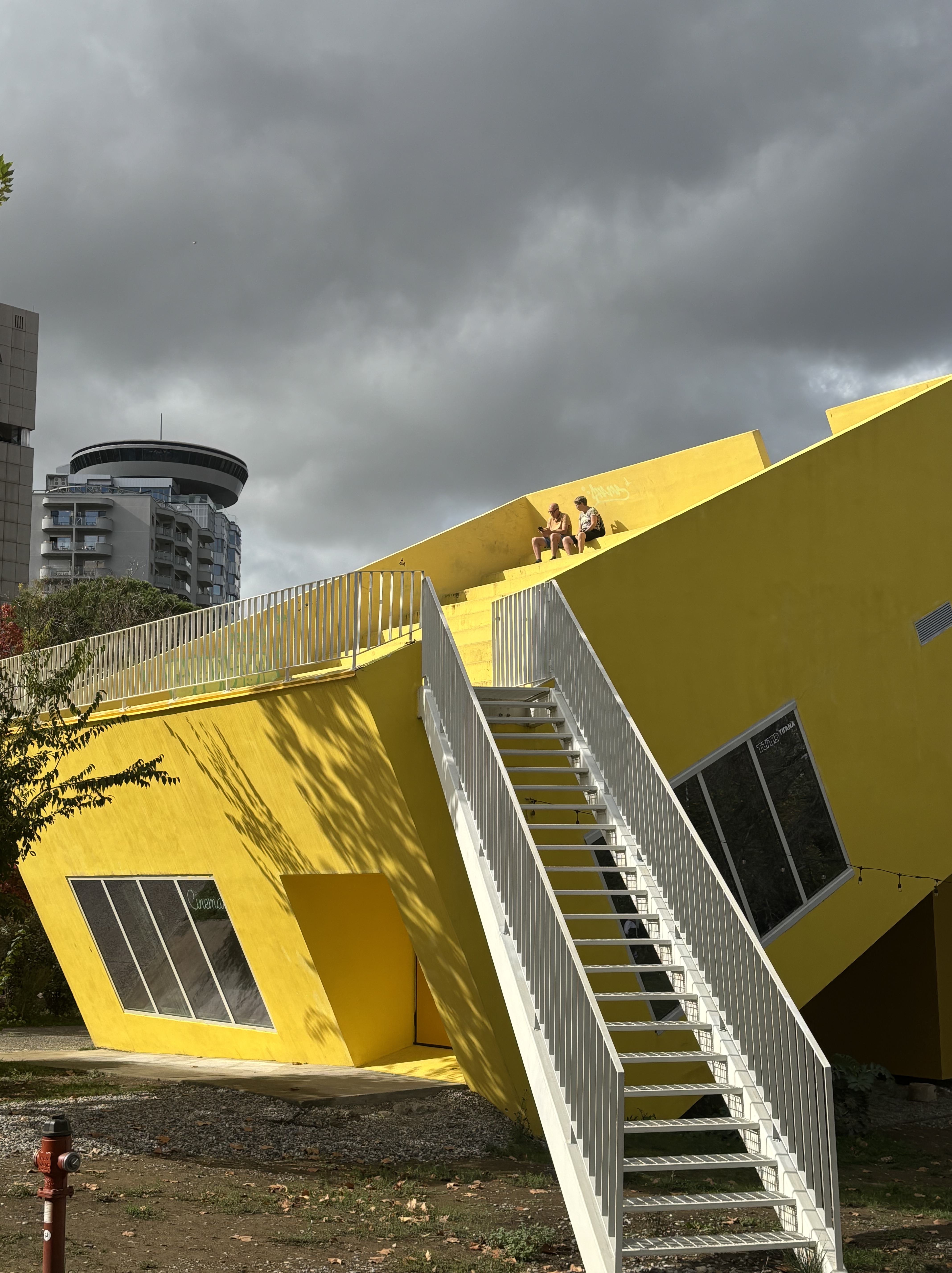
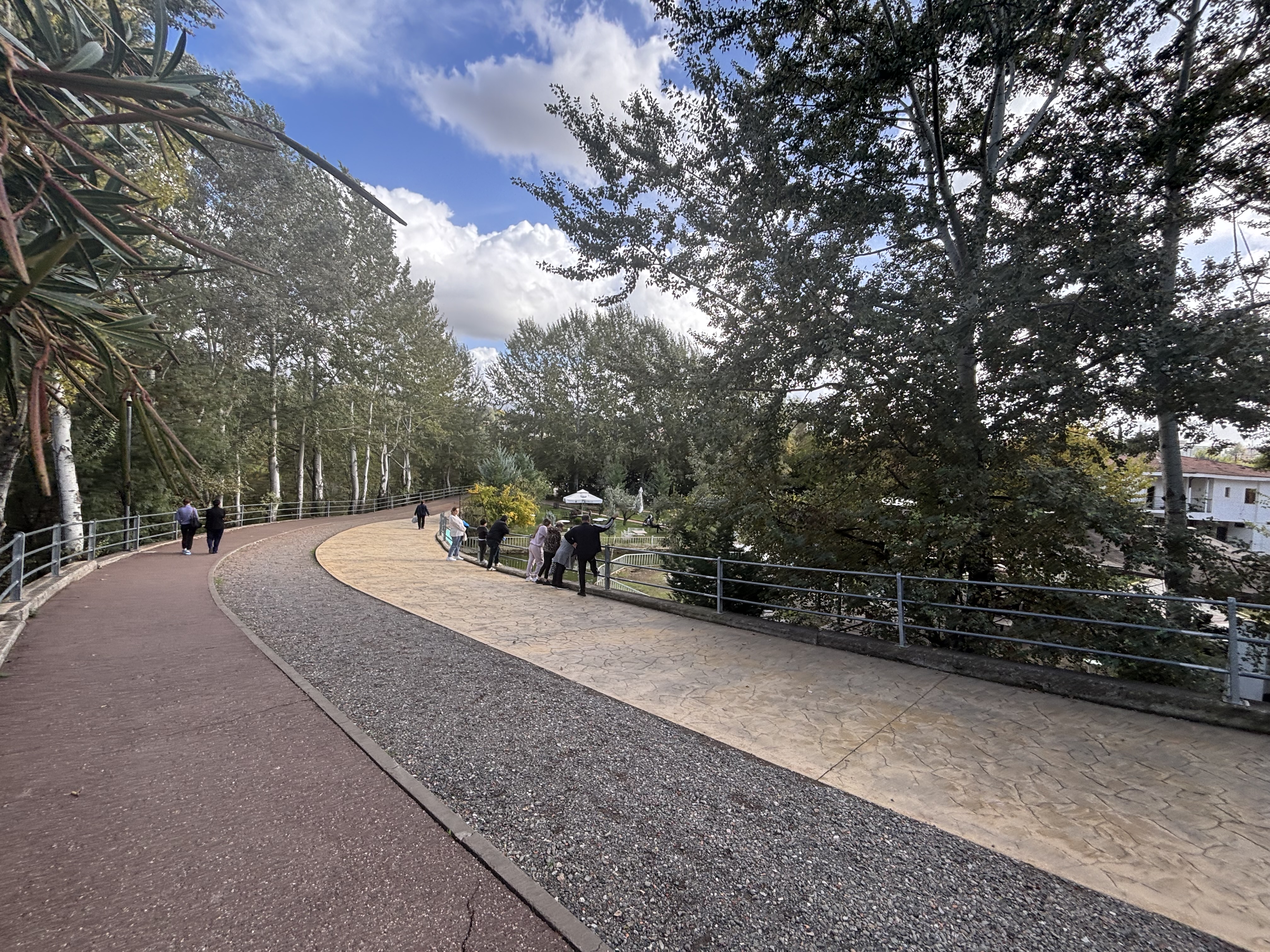
Believe it or not, there is MUCH more to come. Everything that has been constructed to this point is merely a “mid-rise” or “high-rise”; Tirana is just now breaking ground on four new skyscrapers that will dwarf everything built so far. The mock-ups are mind-boggling. It will make for quite an interesting cityscape given the existing parks, squares, pedestrianized streets, (mostly empty) bike lanes and enchanting lakeside walking path.
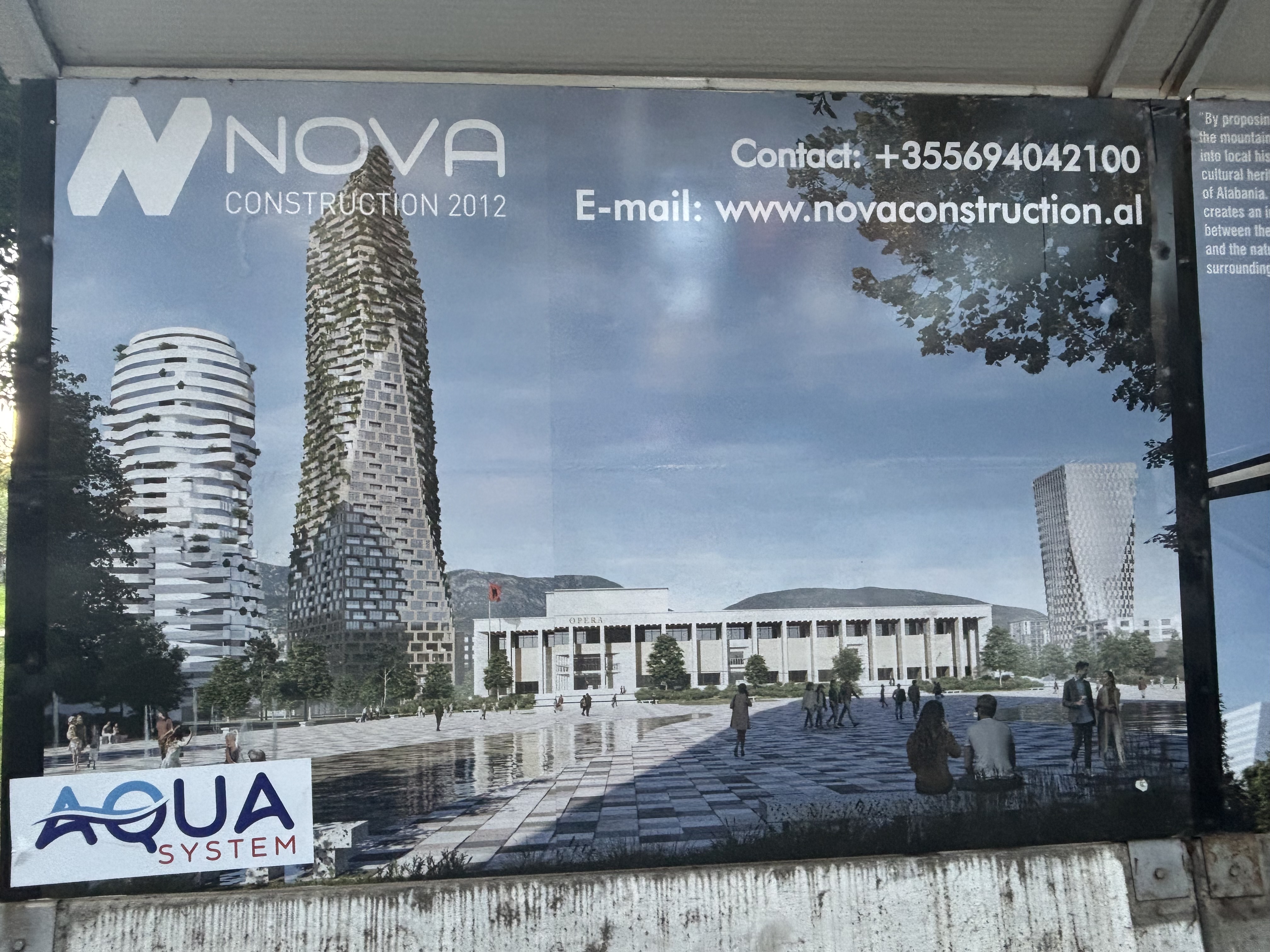

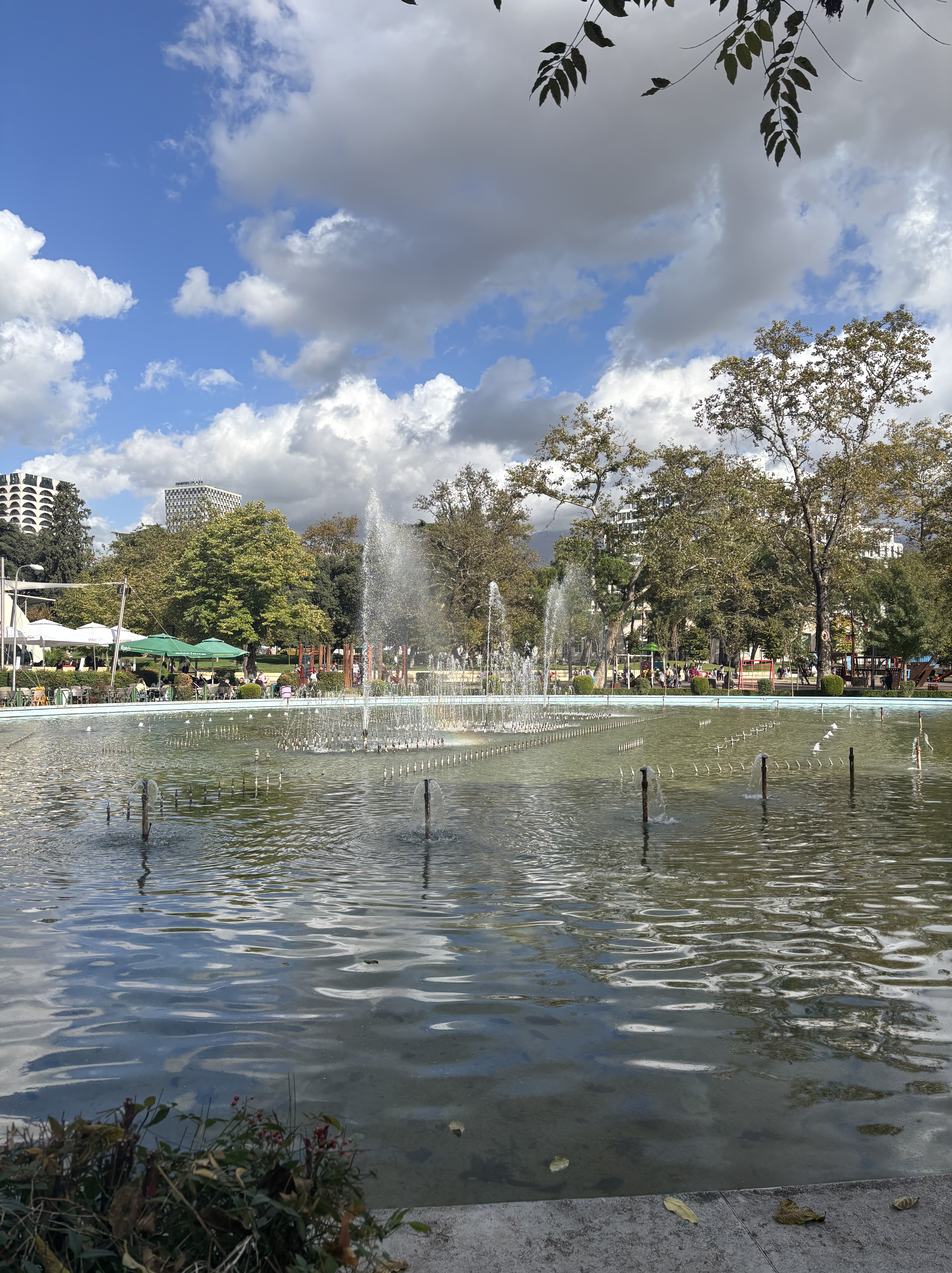
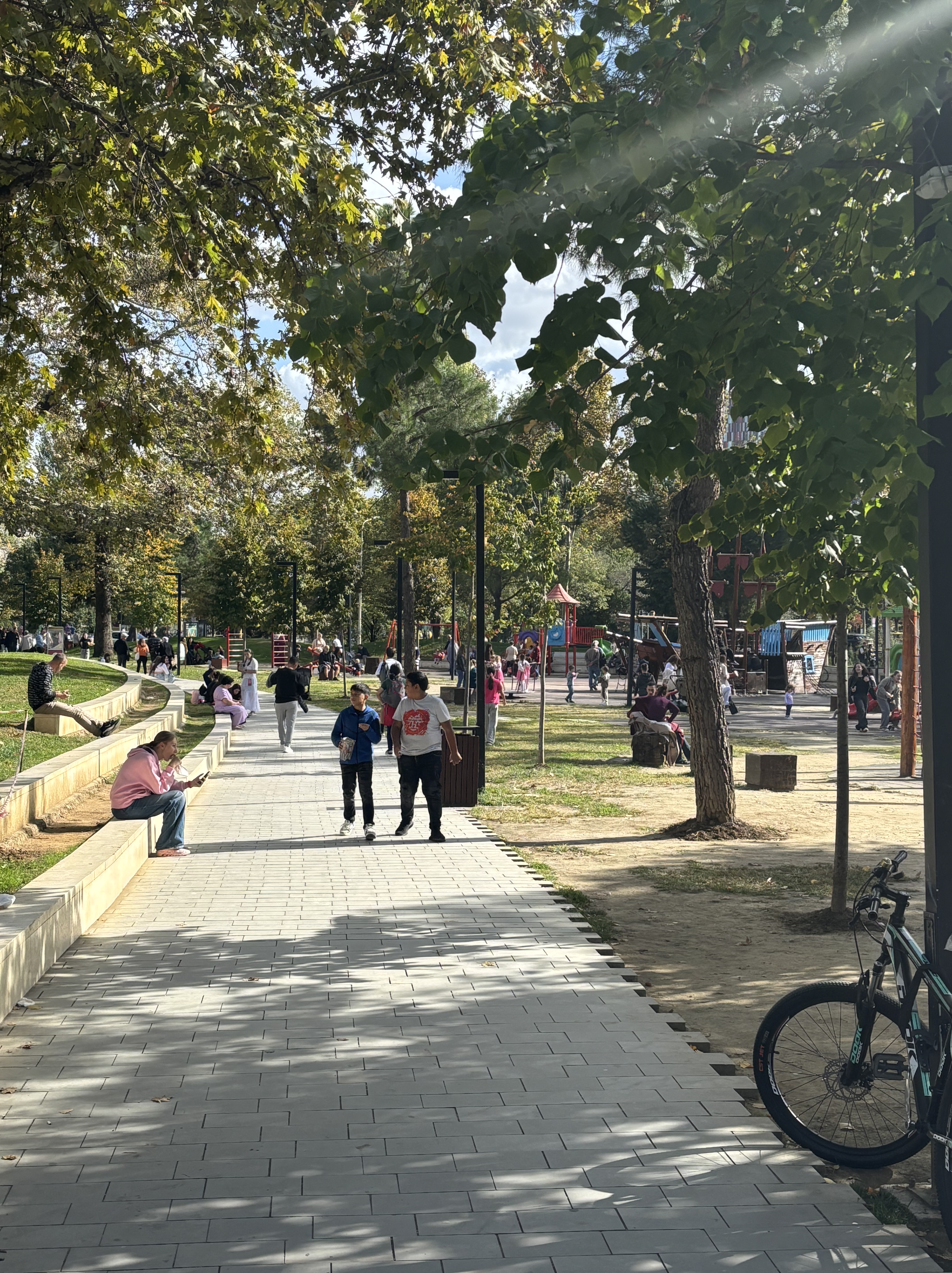
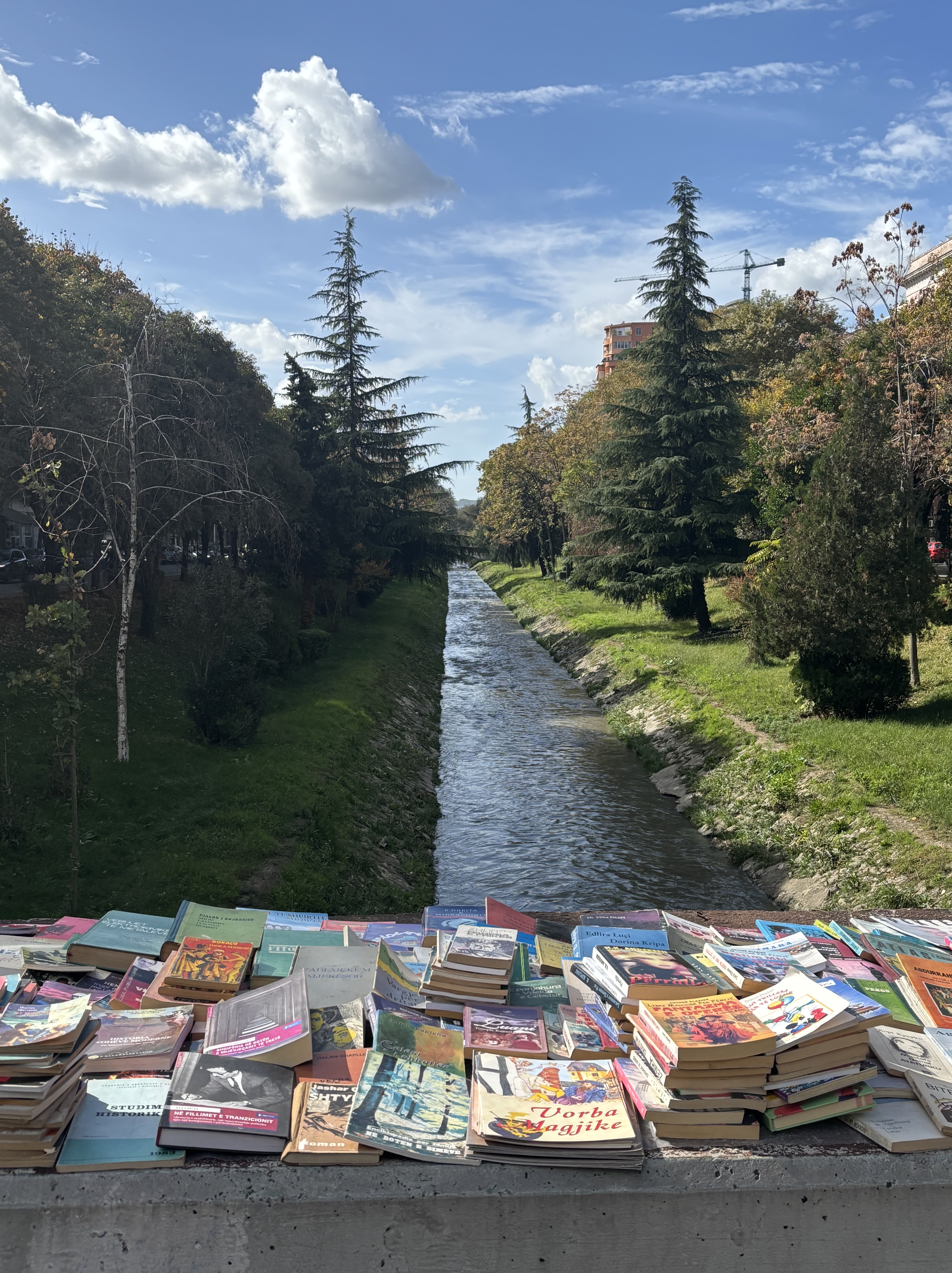
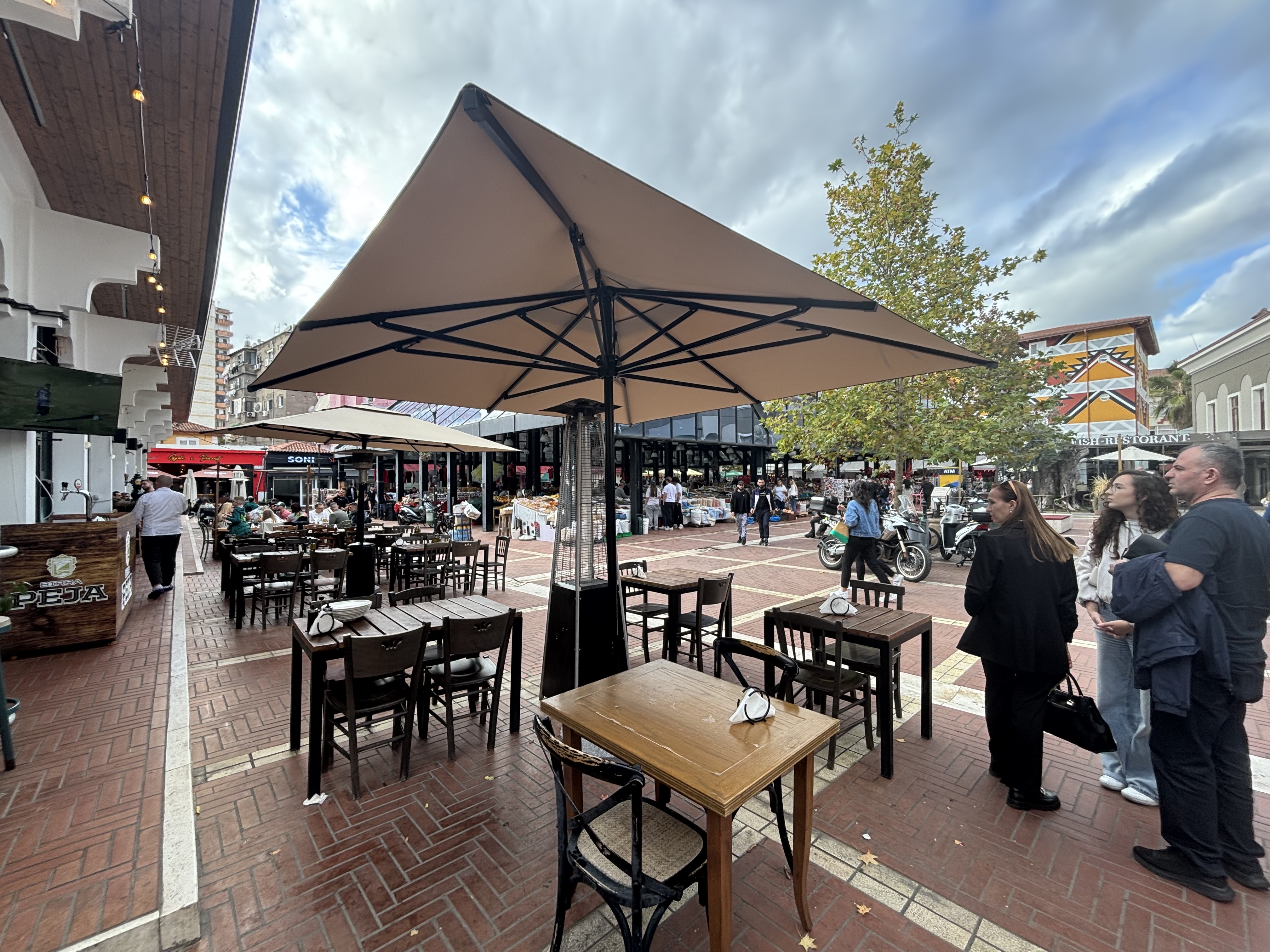
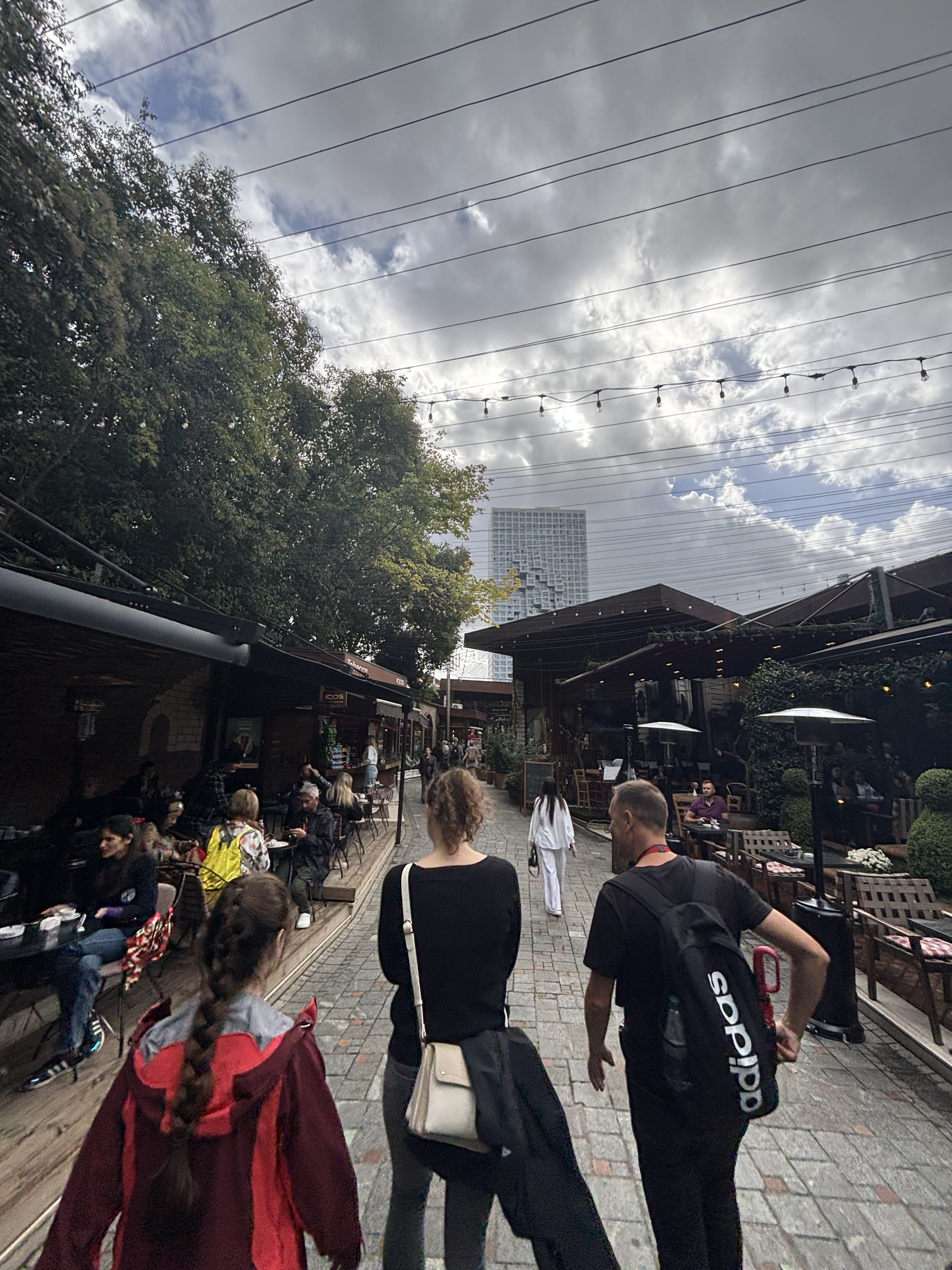


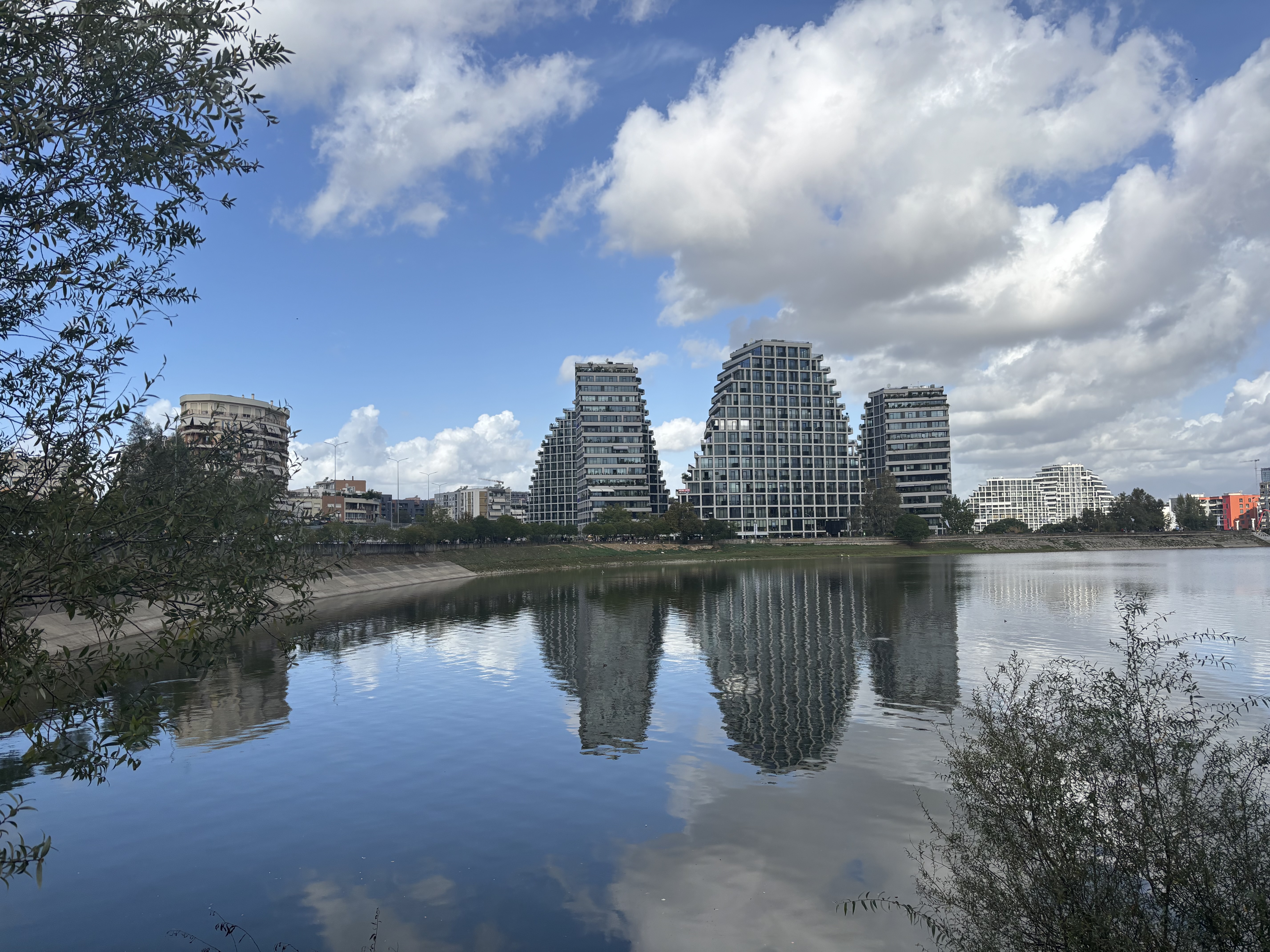

Tirana might be only a few years away from becoming the futuristic utopia we’ve all been waiting for, but I’m not packing my bags just yet. I still have some unanswered questions:
- Where is the money coming from? This level of new construction is reminiscent of Dubai, but at least you know that’s all being paid for with oil money in an attempt to diversify the local economy. How did one of the poorest countries in Europe come up with this much cash? The thousands of people required to build out the plan are not working for free, and Albania is still primarily a cash economy. Is there really that much demand for new office space and luxury condos? Most of the completed buildings have low occupancy, and they haven’t even started on the truly big stuff yet. Is this effort financed with debt? Is there an element of philanthropy? Is this some Albanian billionaire’s vanity project? Are the rumors about it being financed with laundered money from around the globe true? I don’t know what’s really going on, but it sure feels like a Chinese ghost city starter kit.
- How will people move around between neighborhoods? Traffic is already nightmarish where the highway empties into the entertainment districts, and it doesn’t sound like there are plans to build a subway, any kind of above-ground tram or dramatically expand the public bus system. I worry that some of what is being built ignores the practical realities of how people live and work.
- What are the plans for people who can’t afford the new Tirana? The asking price for new business and residential space suggests these properties will be out of reach for the average Albanian. They clearly are targeting a wealthy, international clientele. On one level, everyone benefits from the buildout of infrastructure. The city could benefit greatly from upgrades to its roads, plumbing, trash collection and electrical grid. But gentrification tends to be tough on long-time residents. Will they be wiped out along with the other memories of Tirana’s past?
A wise man from Iowa once said, “if you build it, they will come.” I’m not convinced that’s the case for Tirana, but there is no question that it is worth a visit. During our European travels this year, people kept telling us that Albania is the trendy new spot for digital nomads and adventurous travelers. And Tirana is a city (literally) on the rise. It’s ridiculously safe. I’ve never seen so many young parents with small children in tow strolling casually through all neighborhoods at all hours. The addition of green spaces and the surrounding mountains make it a visually attractive destination. The café culture is reminiscent of western Europe. And the modern architecture will have you positively Levitating, embracing Radical Optimism or even falling in Love Again.*
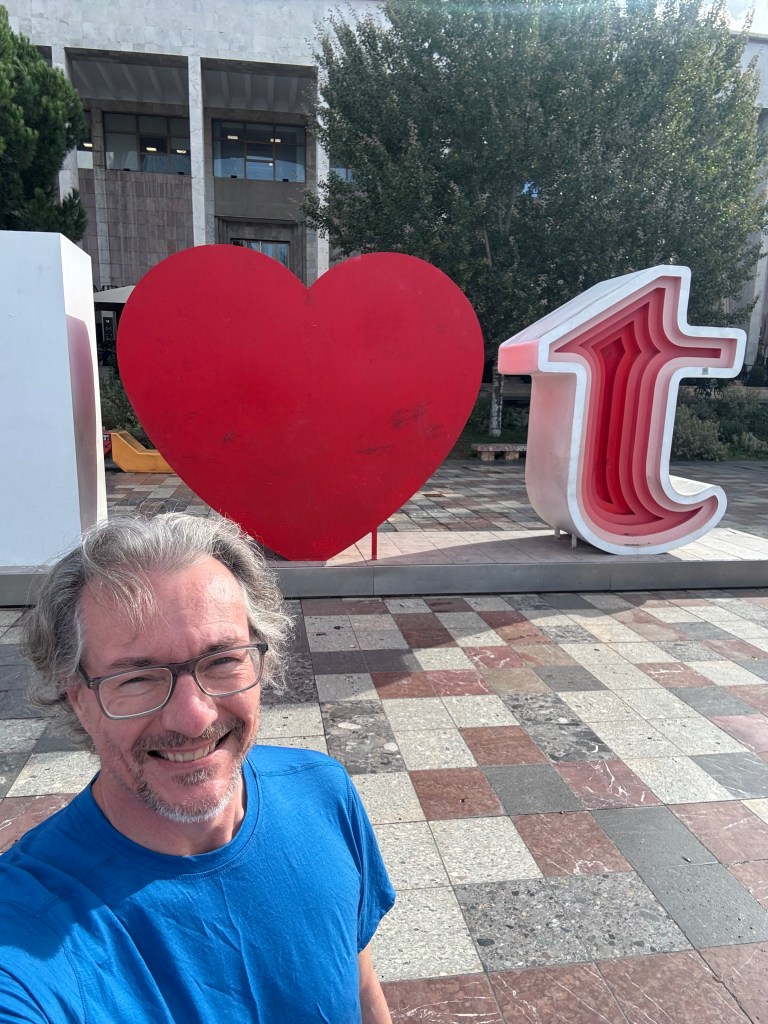
We have a Stua Lipa sighting
* Yes, I knew you all would all be excited to see the return of the footnote. I felt compelled to acknowledge that I am aware Dua Lipa was born in London to parents who technically are from Kosovo (where she ended up spending much of her childhood), but she is of ethnic Albanian descent and the Albanian people have wholeheartedly embraced her as one of their own, even formally granting her Albanian dual citizenship in 2022 (Kosovo did the same in 2025).

 The Global Slowmad
Leave a comment