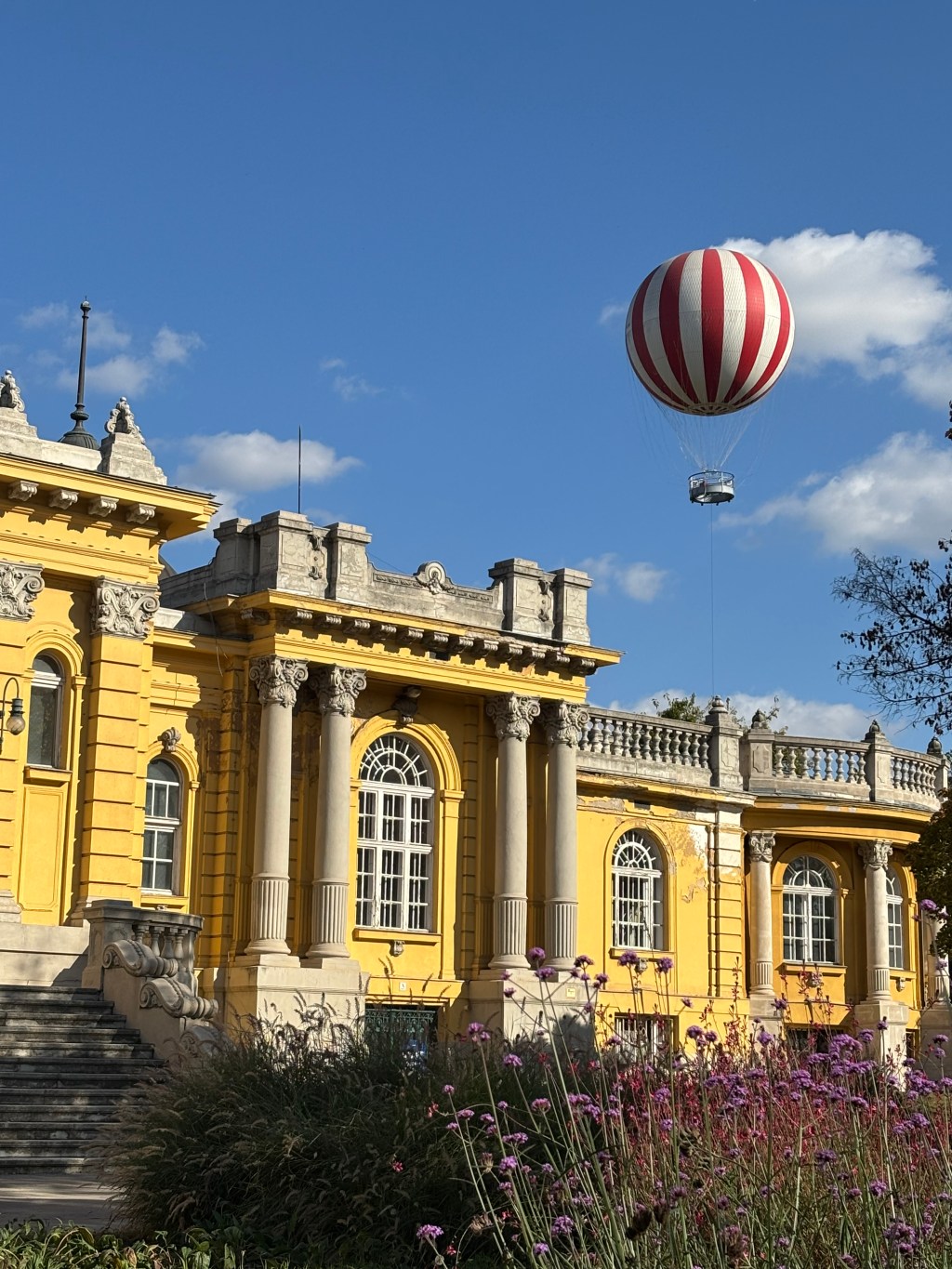
Thinking about going to Budapest? Here are ten things I recommend.
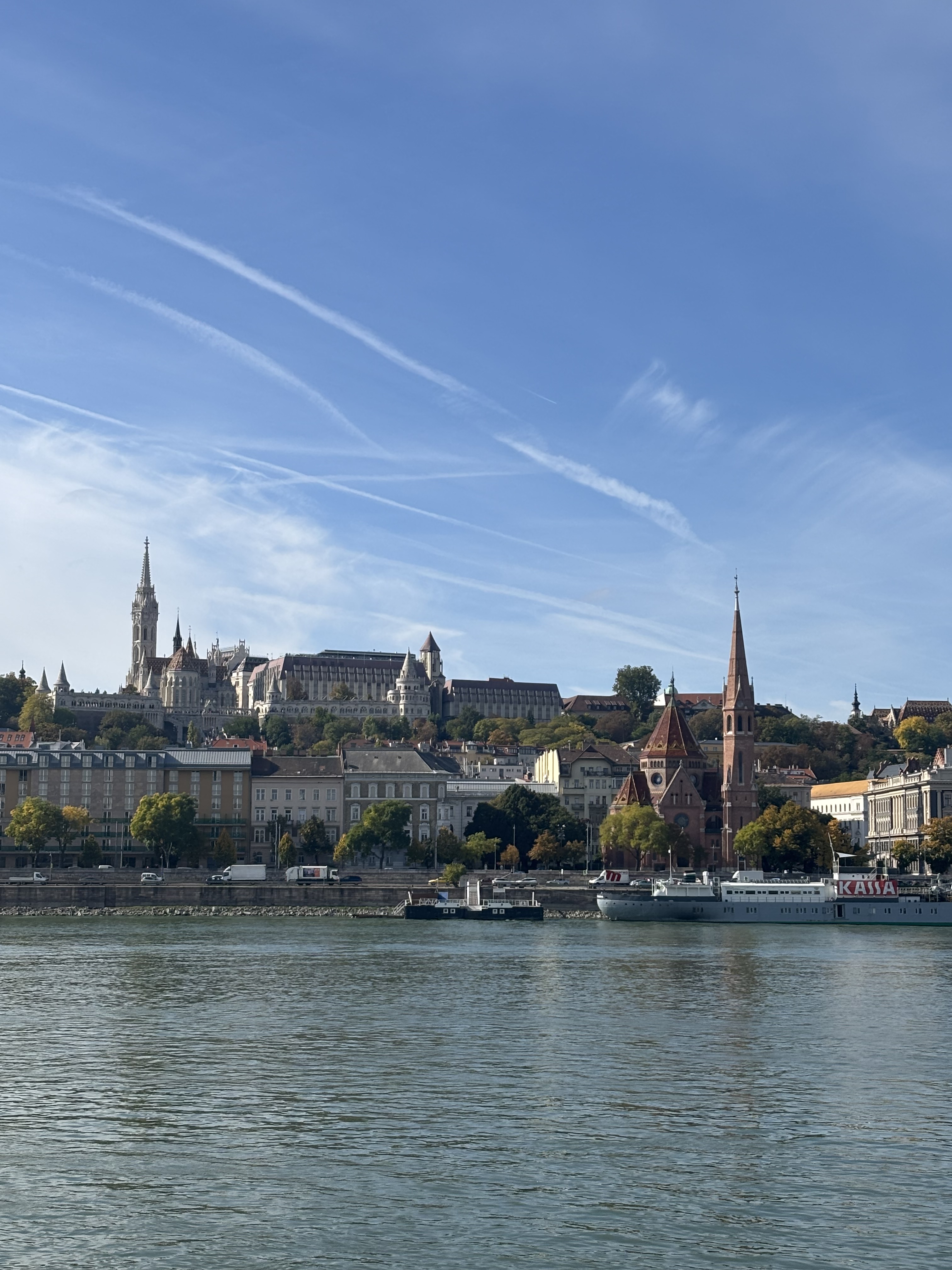
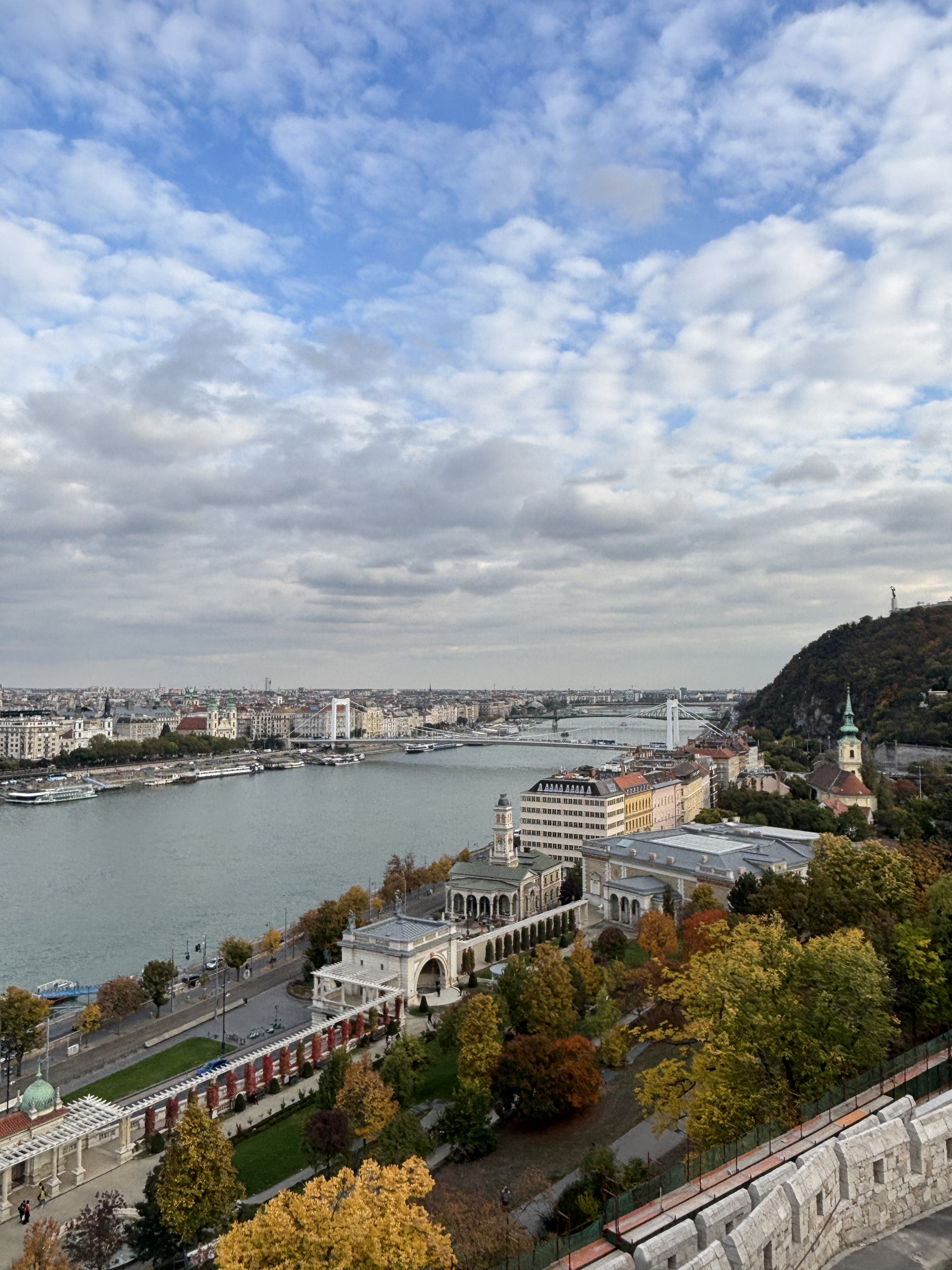
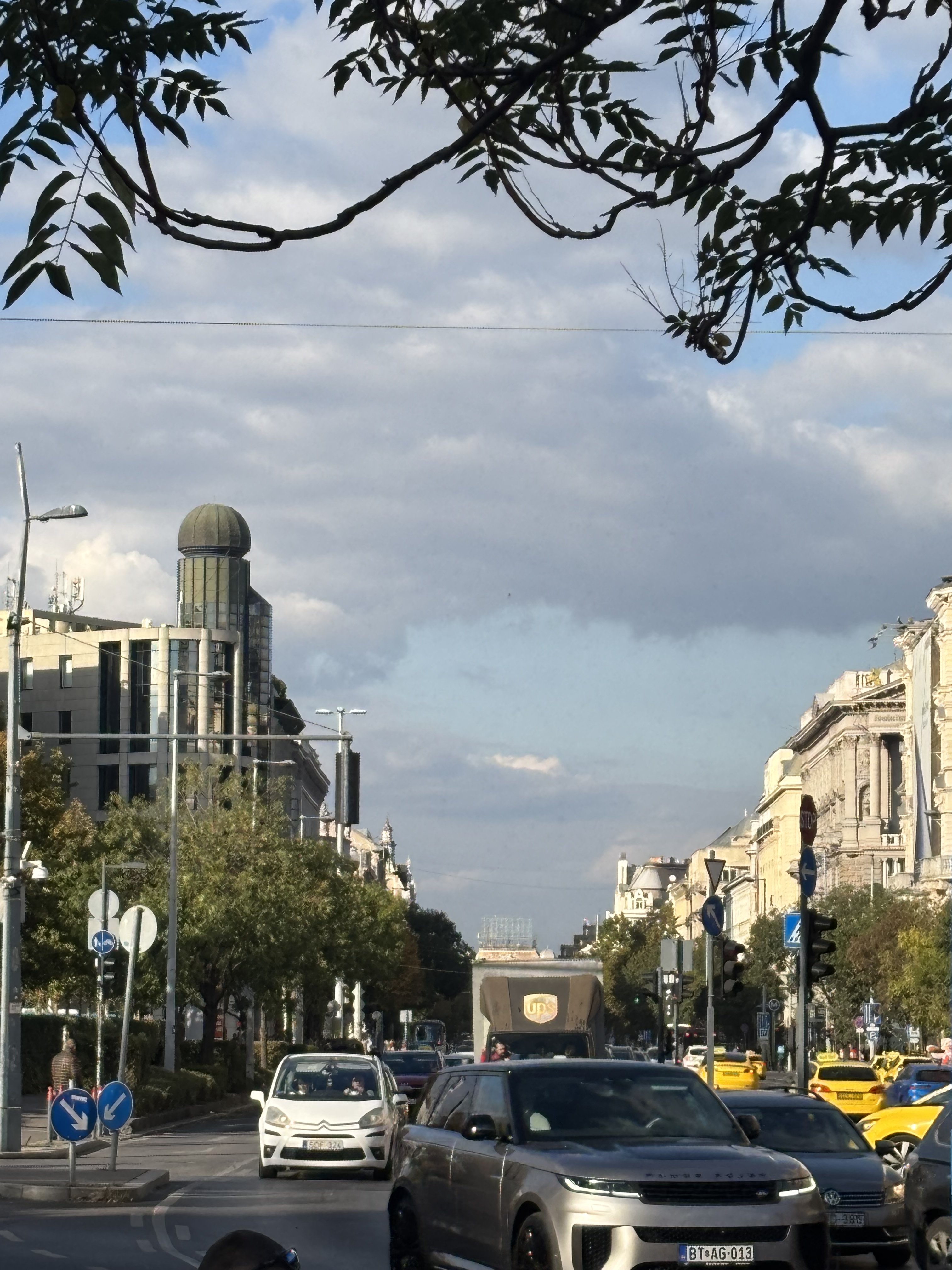
1. Organize your time by neighborhood. Budapest is a very walkable city, and public transit easily connects the more distant dots. However, from a logistical standpoint, it makes more sense to tackle the Buda (west of the Danube) side on one day and the Pest (east of the Danube) side on another day. Buda is the hilly backdrop for the castle and royal palace. Pest is flat and where you will find Parliament and a more conventional street grid full of museums, pedestrian squares and wide shopping avenues full of cars and people. Pest also is home to District VII (a/k/a the Jewish Quarter), the destination for historic synagogues, ruin bars, street art and trendy restaurants, which ideally deserves a day of its own. In any event, don’t be afraid to get a little lost. All of the central neighborhoods are safe (aside from the usual pickpocket risk in crowded areas), and you will see plenty of people out walking alone at night.


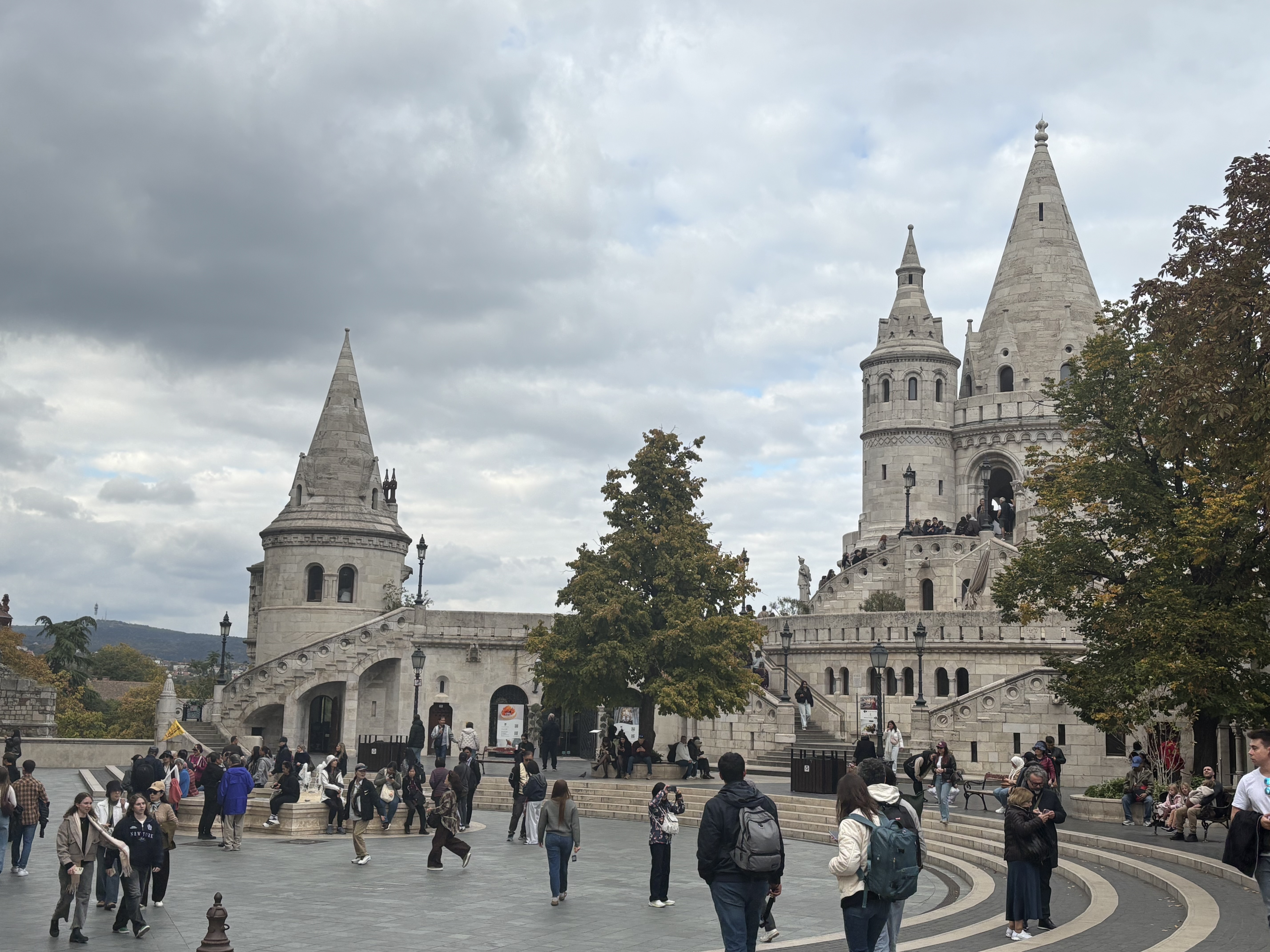
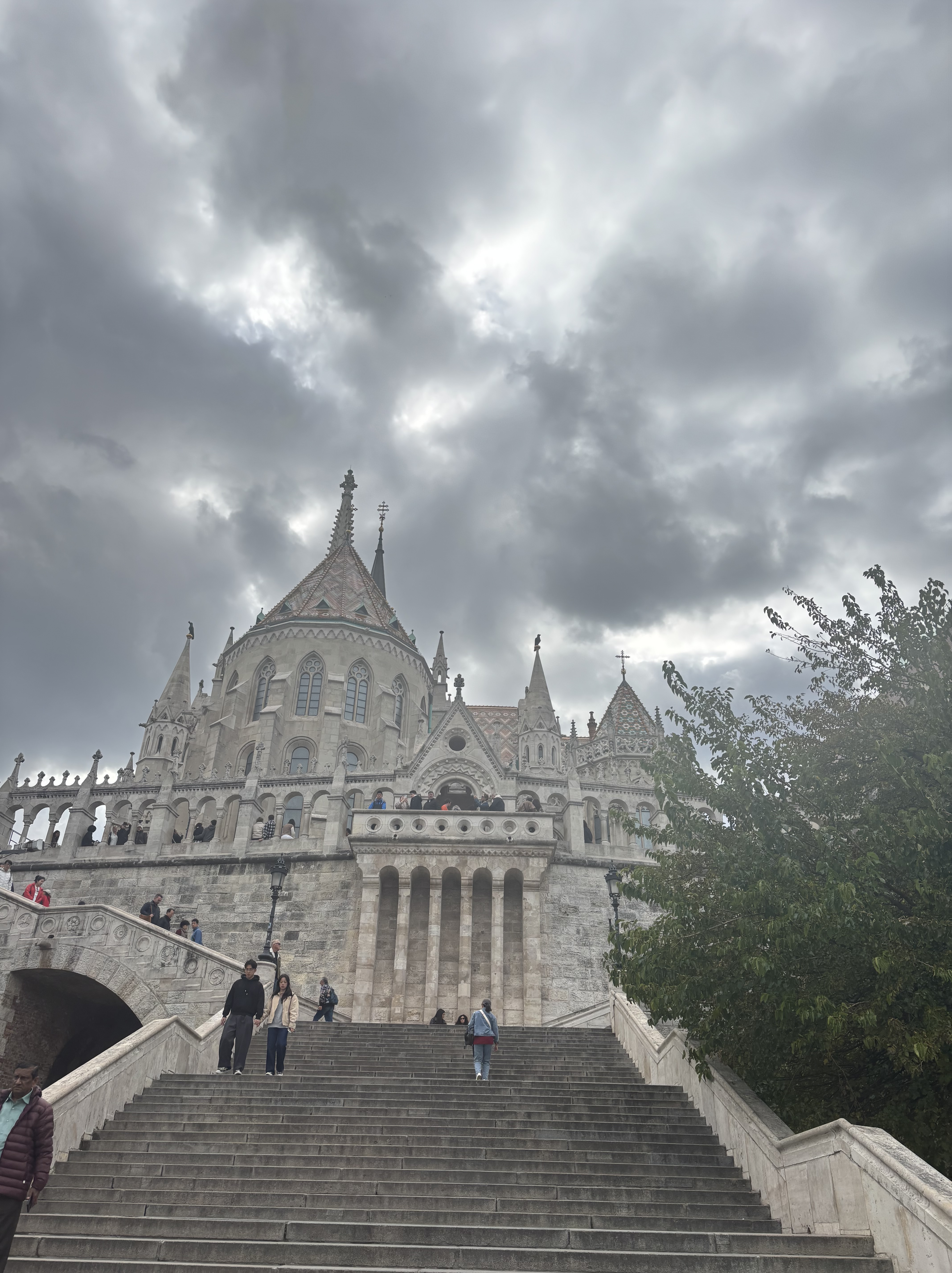


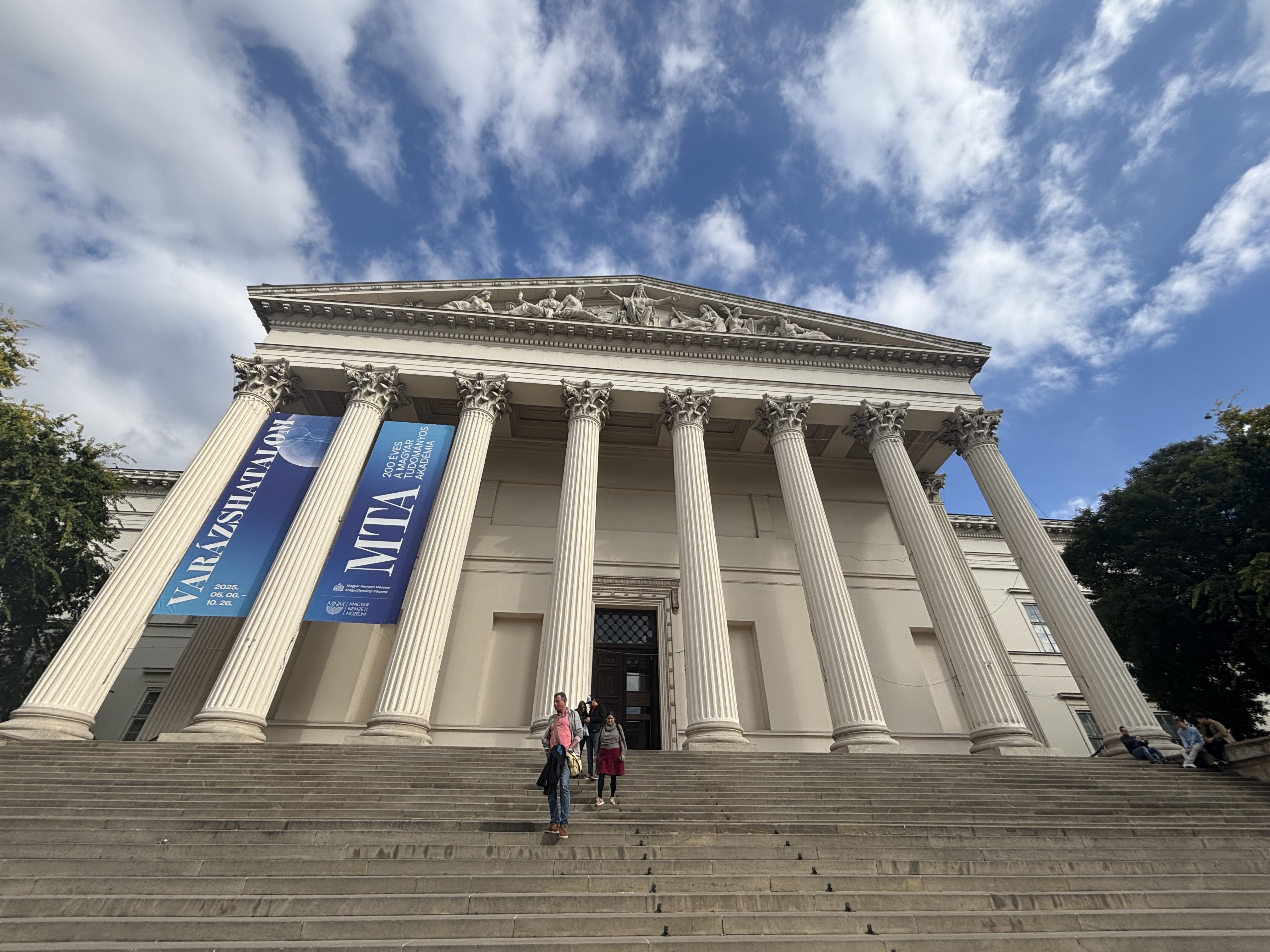
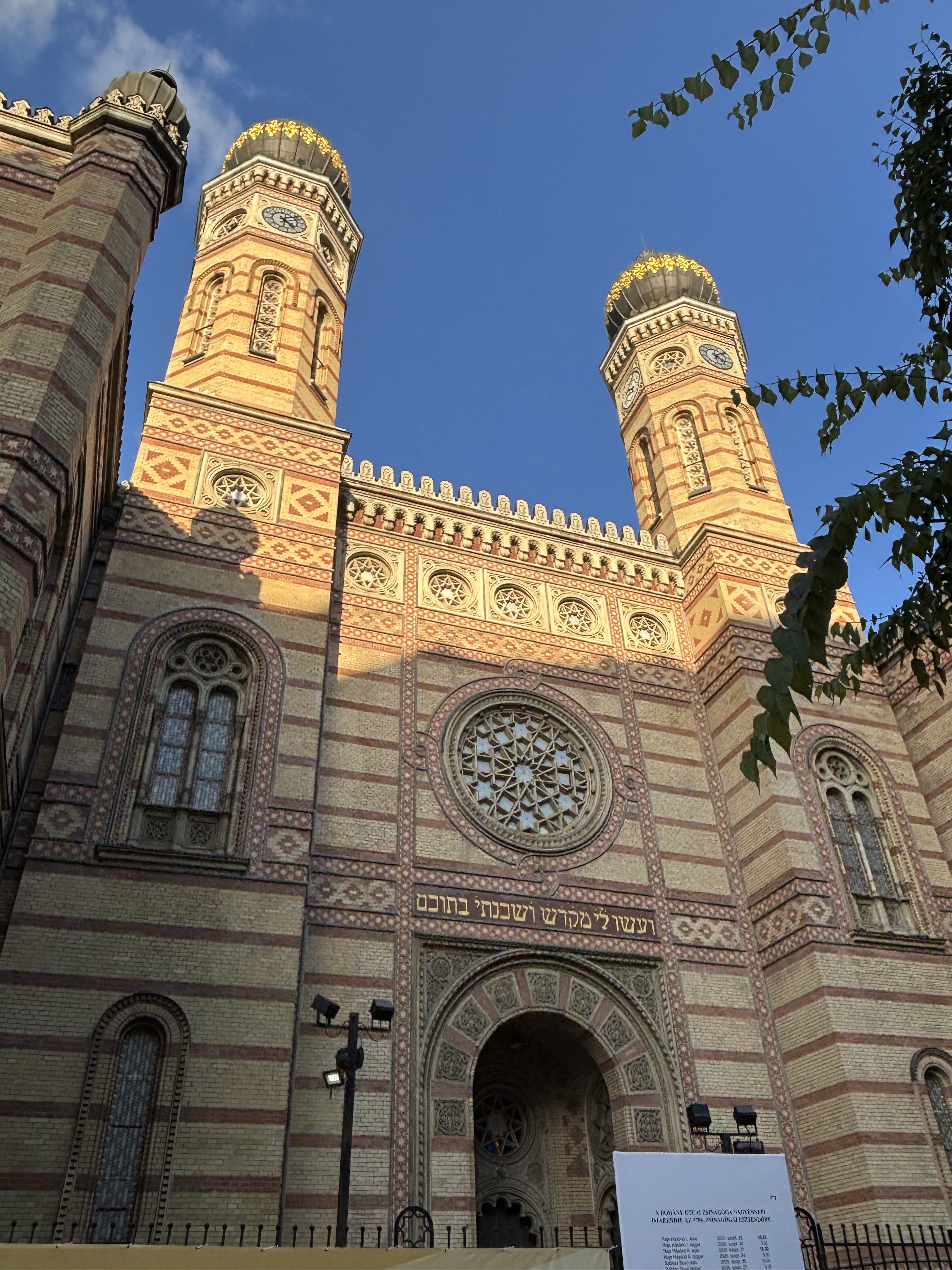

2. Take a walking tour. I’m a big fan of walking tours, as it’s the most efficient way to hear what locals think is important about their city. The history of Budapest is complex, and it can be helpful to get shorthand explanations of prior national tragedies – unless you just happen to like deciphering cryptic comments in poorly translated English on placards at the national museum. It’s also a good way to acclimate yourself to neighborhoods you otherwise might not be brave enough to explore on your own and get insider tips on bars and restaurants.
3. Learn a little Hungarian . . . but don’t bother learning that much. Hello (szia, sounds like “see ya” – I think of the singer) and thank you (Köszönöm, sounds like “koo-soo-noom” – similar to Henry Winkler’s character from Barry) will suffice. Yes, locals here are a little more difficult to connect with than in other places I’ve traveled and will genuinely appreciate your efforts to converse in their native tongue, but English is the universal language here. There were 18 different countries represented on one English-language walking tour I attended and 11 on another. If you look like a visitor, chances are you’ll be greeted in English wherever you go. In fact, I actually find it more helpful to focus on pronunciation than vocabulary so I can recognize place names when I see/hear them. For example, “s” is pronounced like “sh” and “sz” sounds like “s” in Hungarian. An umlaut means you linger on the vowel. You always emphasize the first syllable of the word. You’ll be surprised how far some basic phonetics will get you.
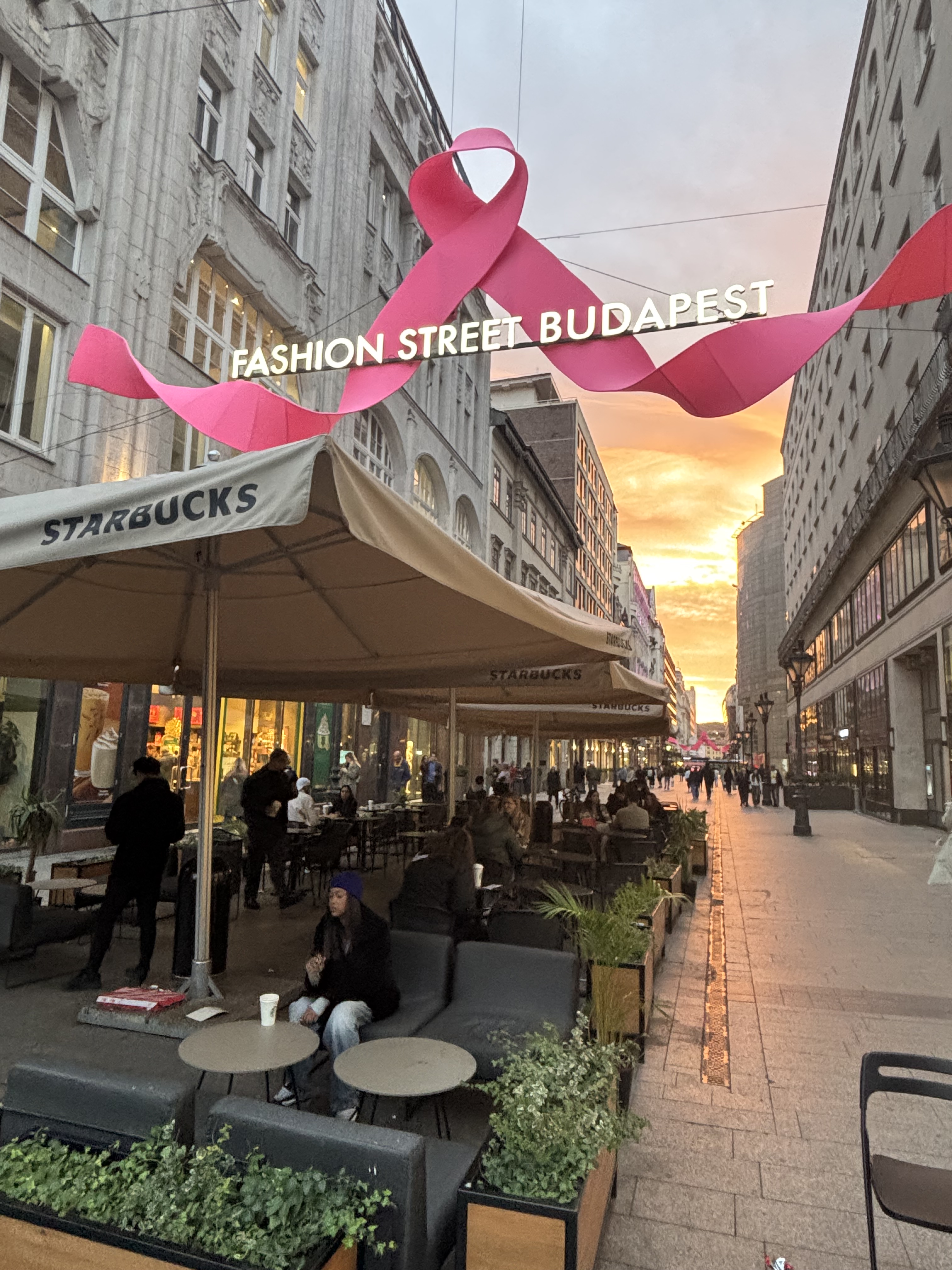
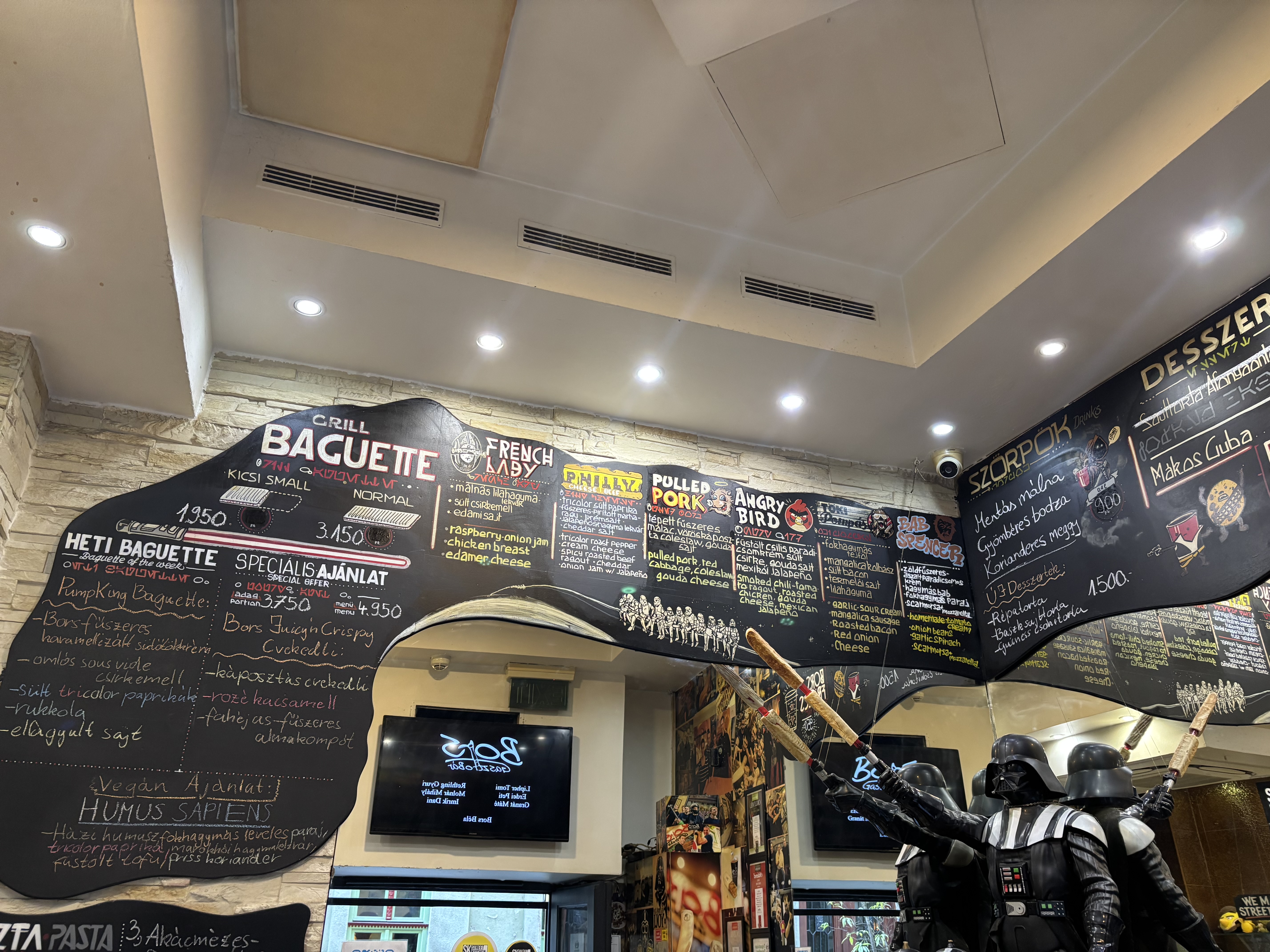
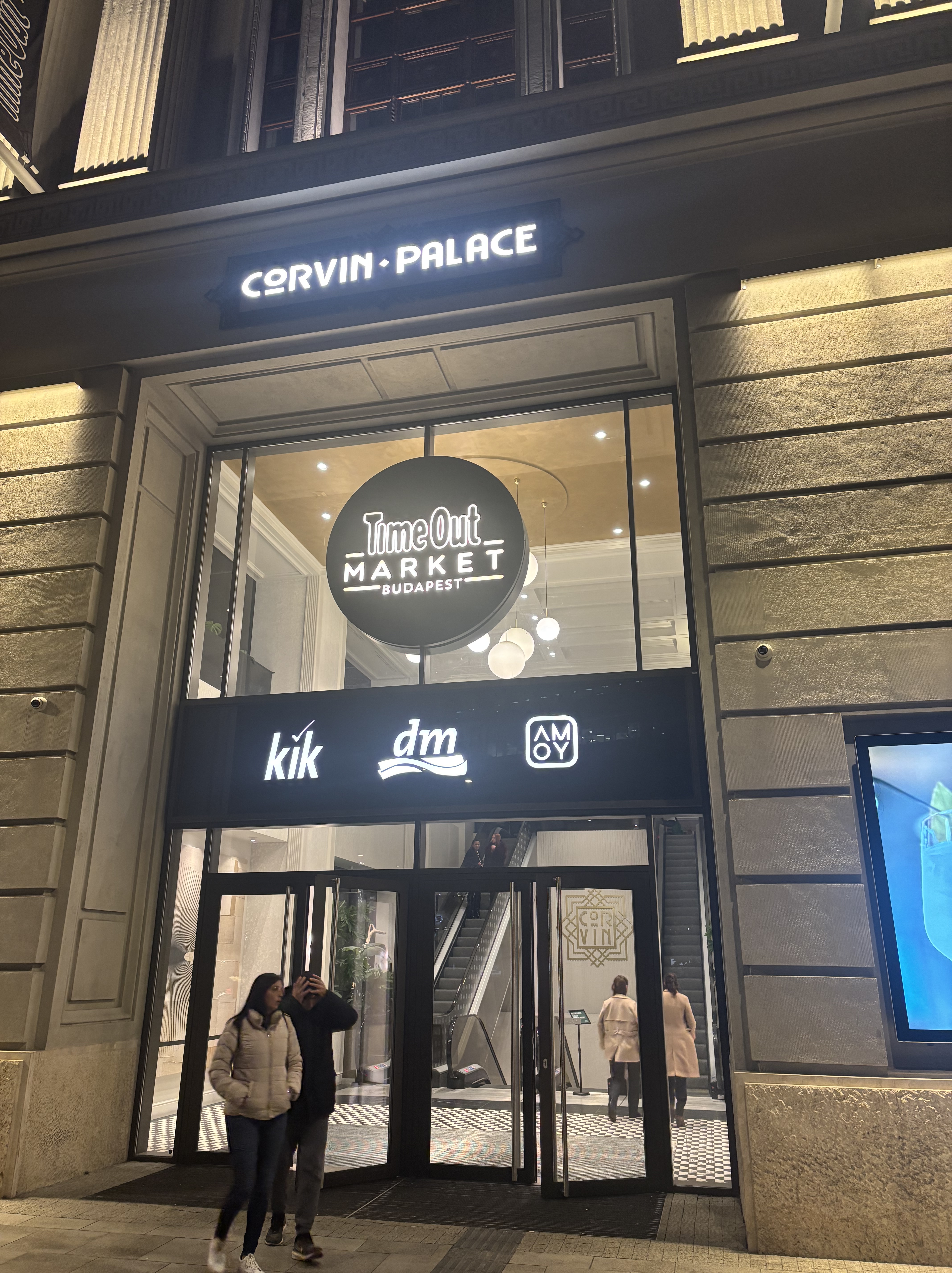
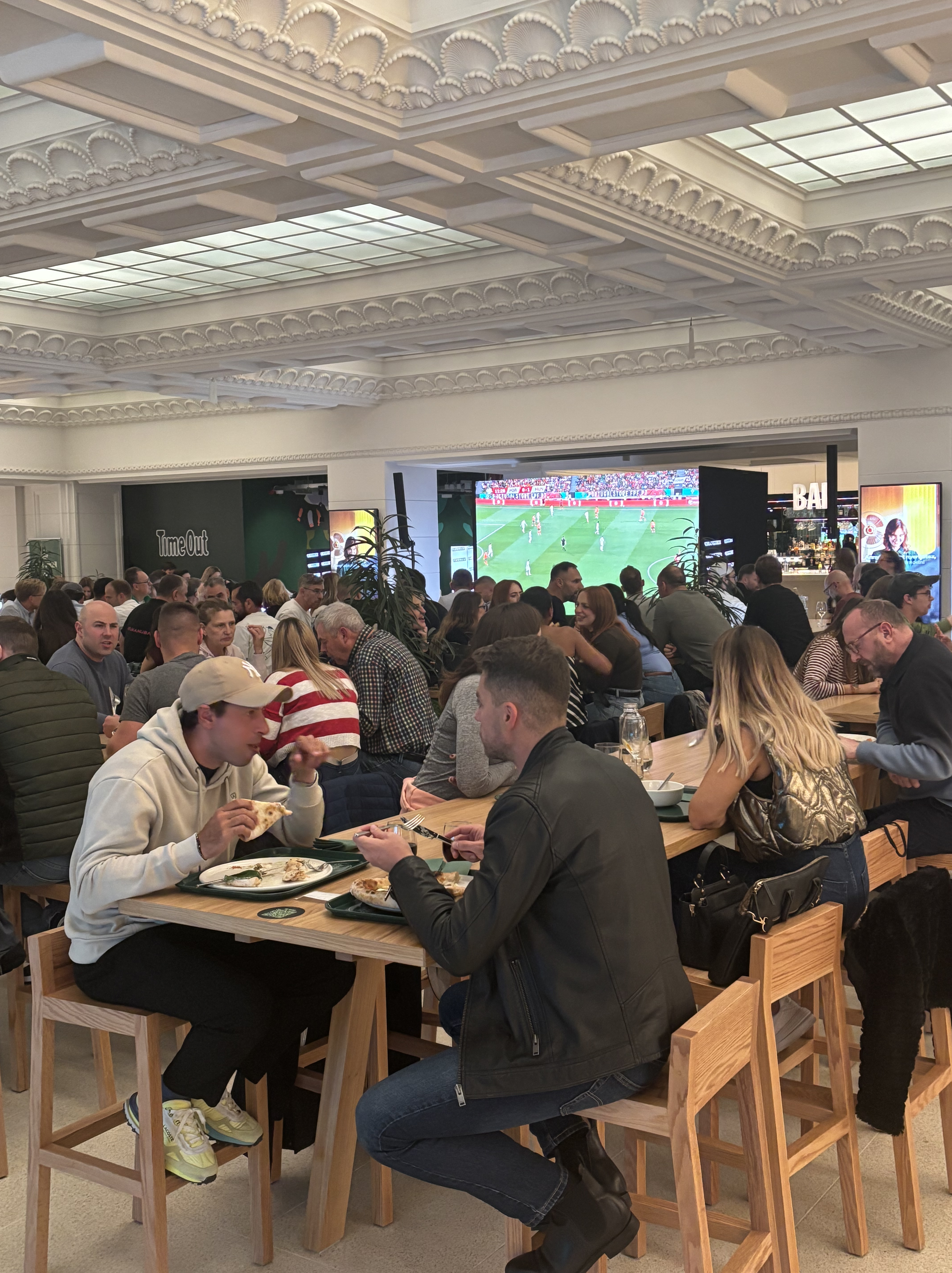
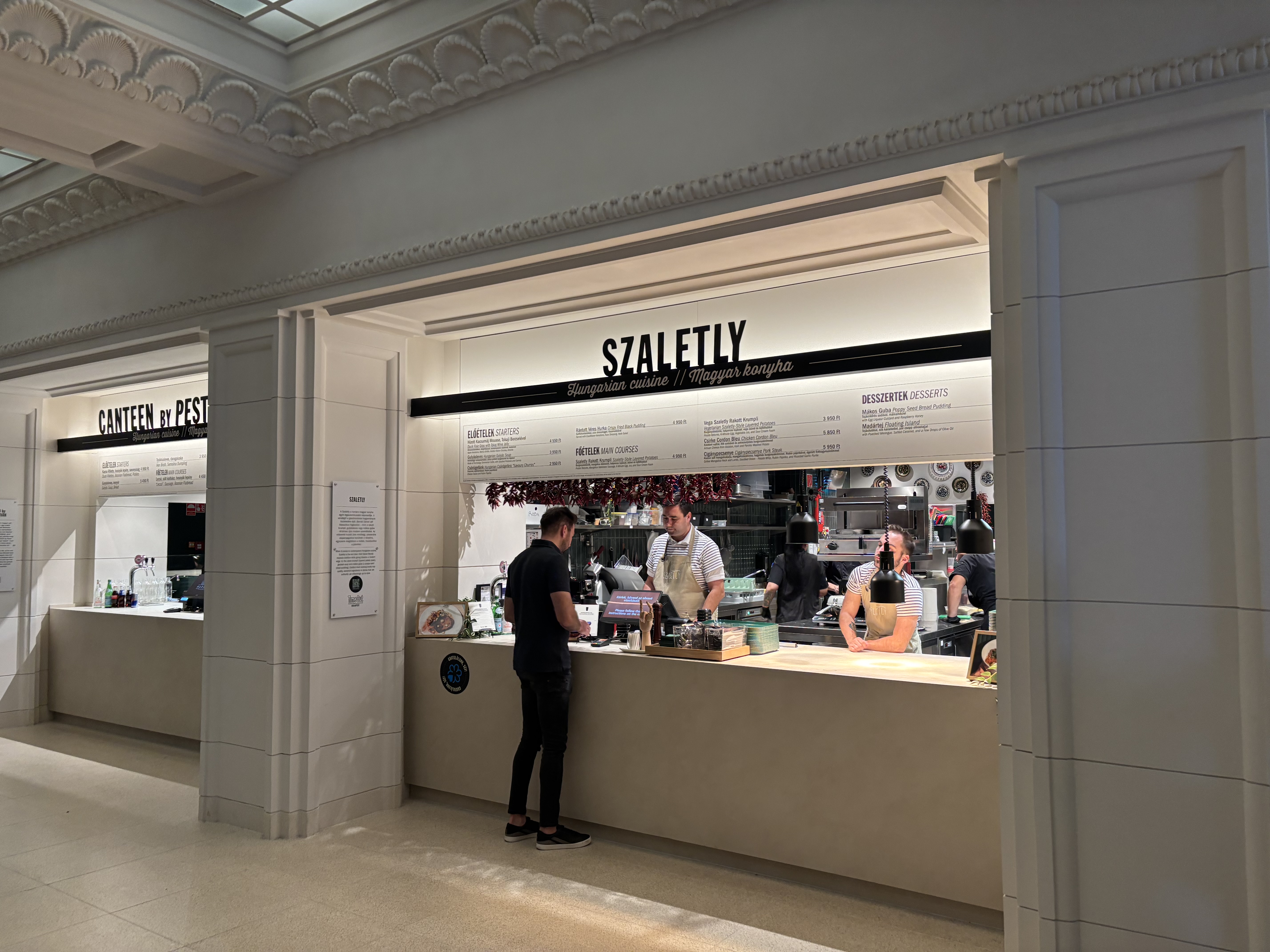
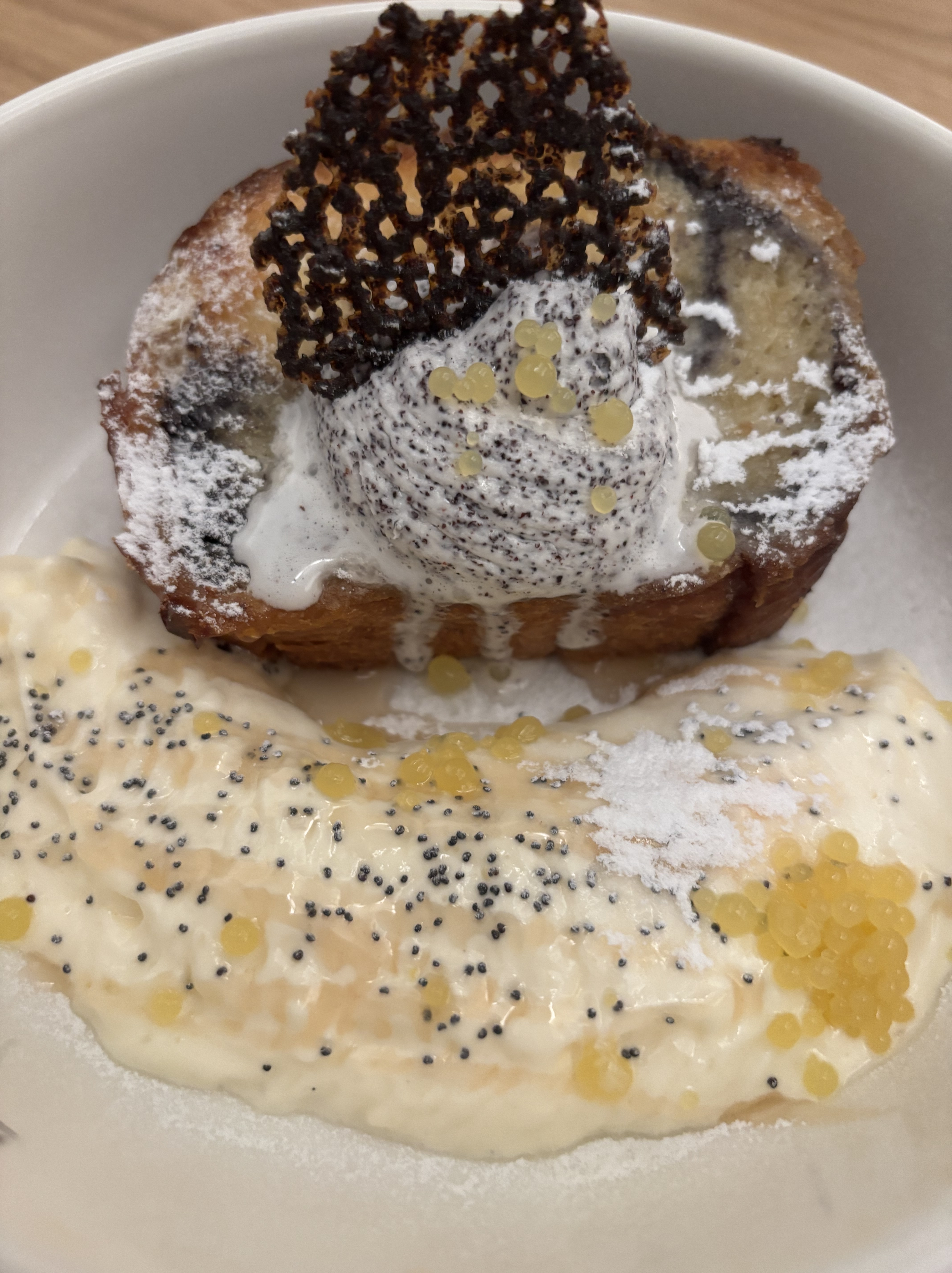
4. Eat and Drink. Then Repeat. You can eat incredibly well for remarkably little in this town. Budapest is a great place to venture outside your culinary comfort zone. The best goulash I’ve had in my life was served to me in a paper cup in a back alley. Hungarian wine is probably better than you think. The brand-new Time Out Market features relatively affordable fast-casual spots from some of the best chefs in the country. It’s too new for the guidebooks, so it’s mostly visited by locals right now and is a can’t miss location for food-focused travelers. Other great eats can be found by looking for Gault & Millaut stickers posted near the door (similar to Michelin but with more emphasis on the quality of the food than whether it’s a sophisticated dining experience). But a word of caution: admire them from outside or even poke your head inside to marvel at the decor, but don’t eat at the grand cafes along the prime shopping streets; they are an overpriced and merely adequate representation of Hungarian cuisine. Another word of caution: avoid the cone-shaped “chimney cakes” that are sold everywhere tourists are found; it’s like eating soggy cardboard.
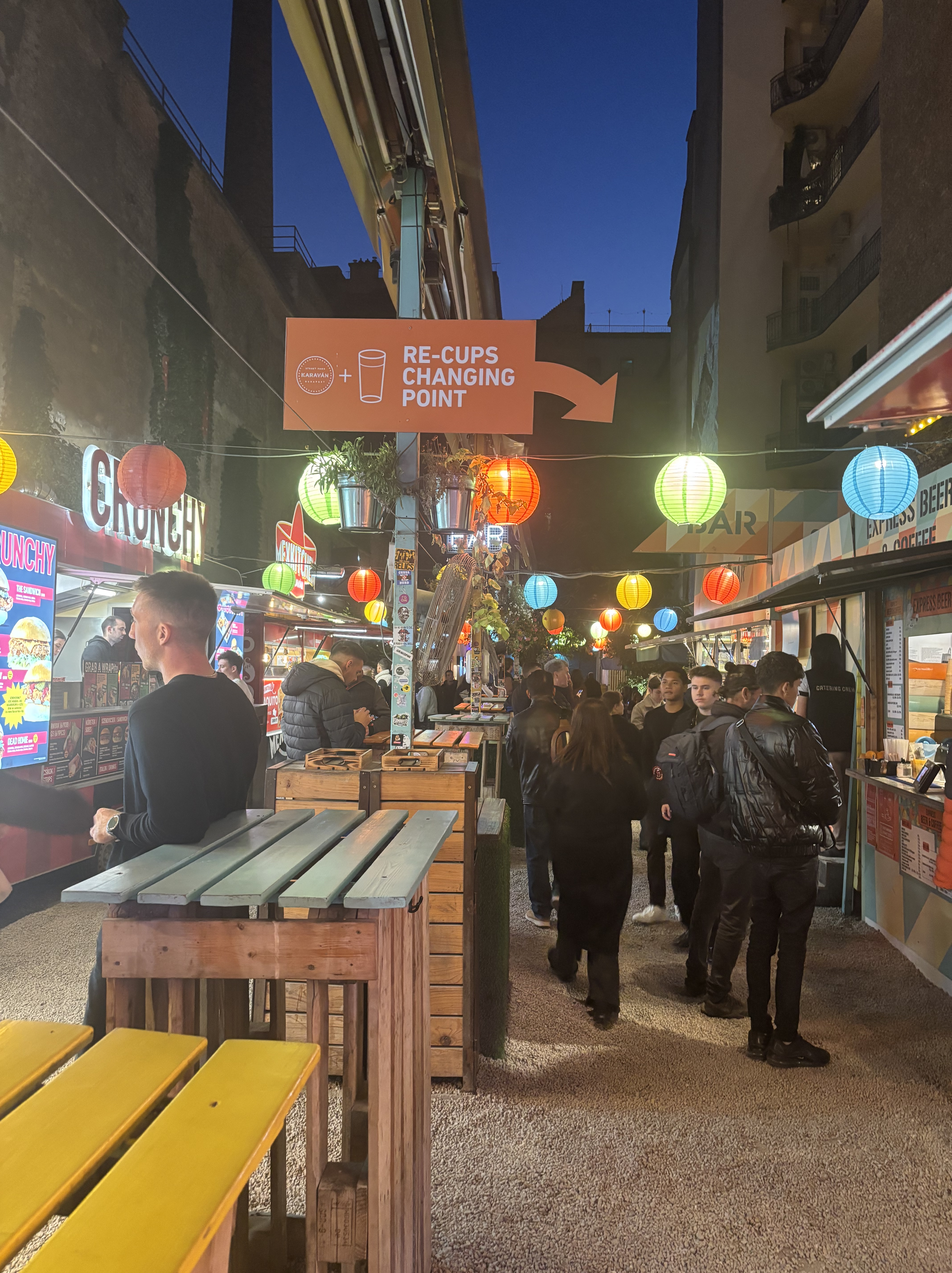

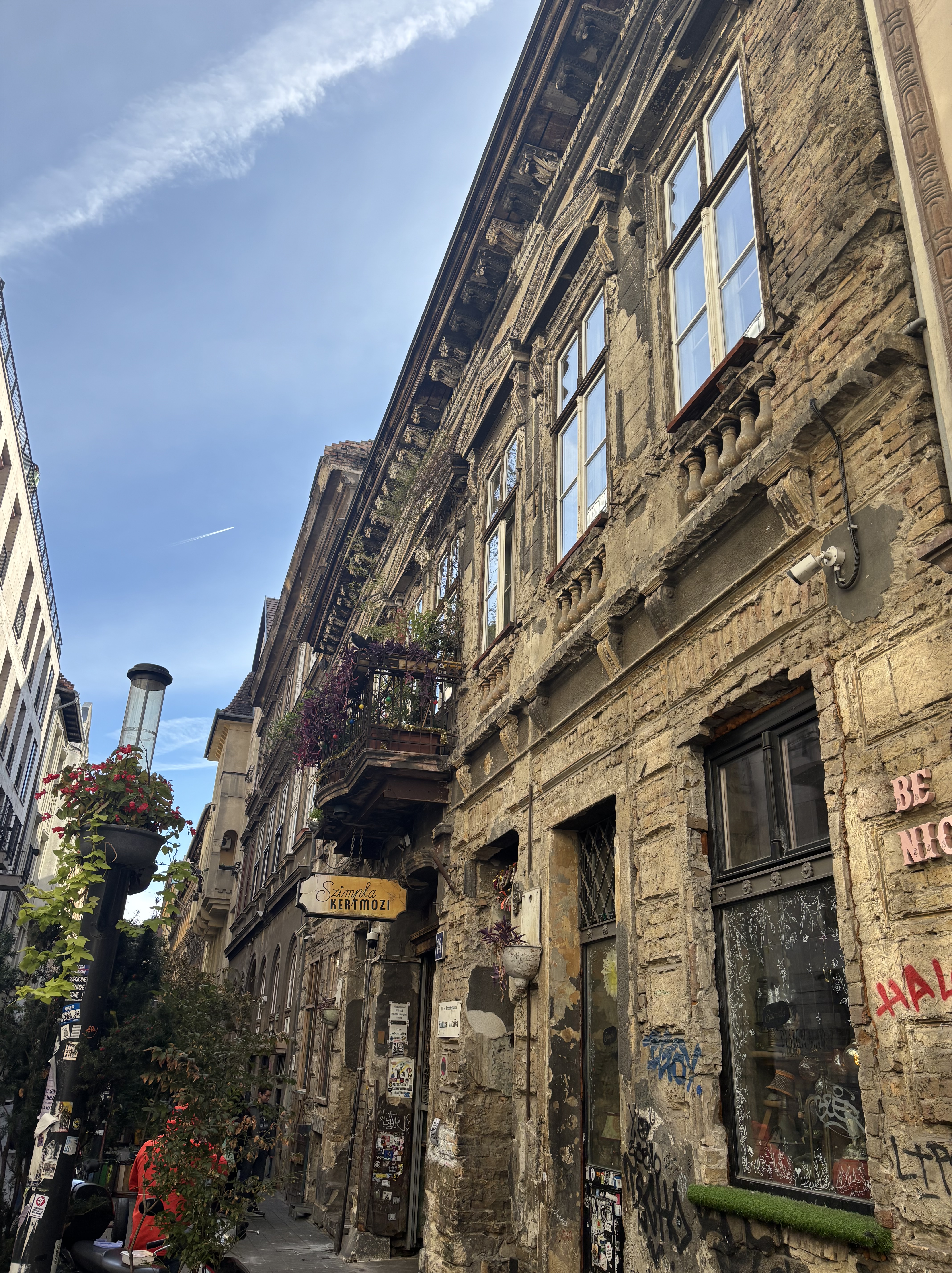
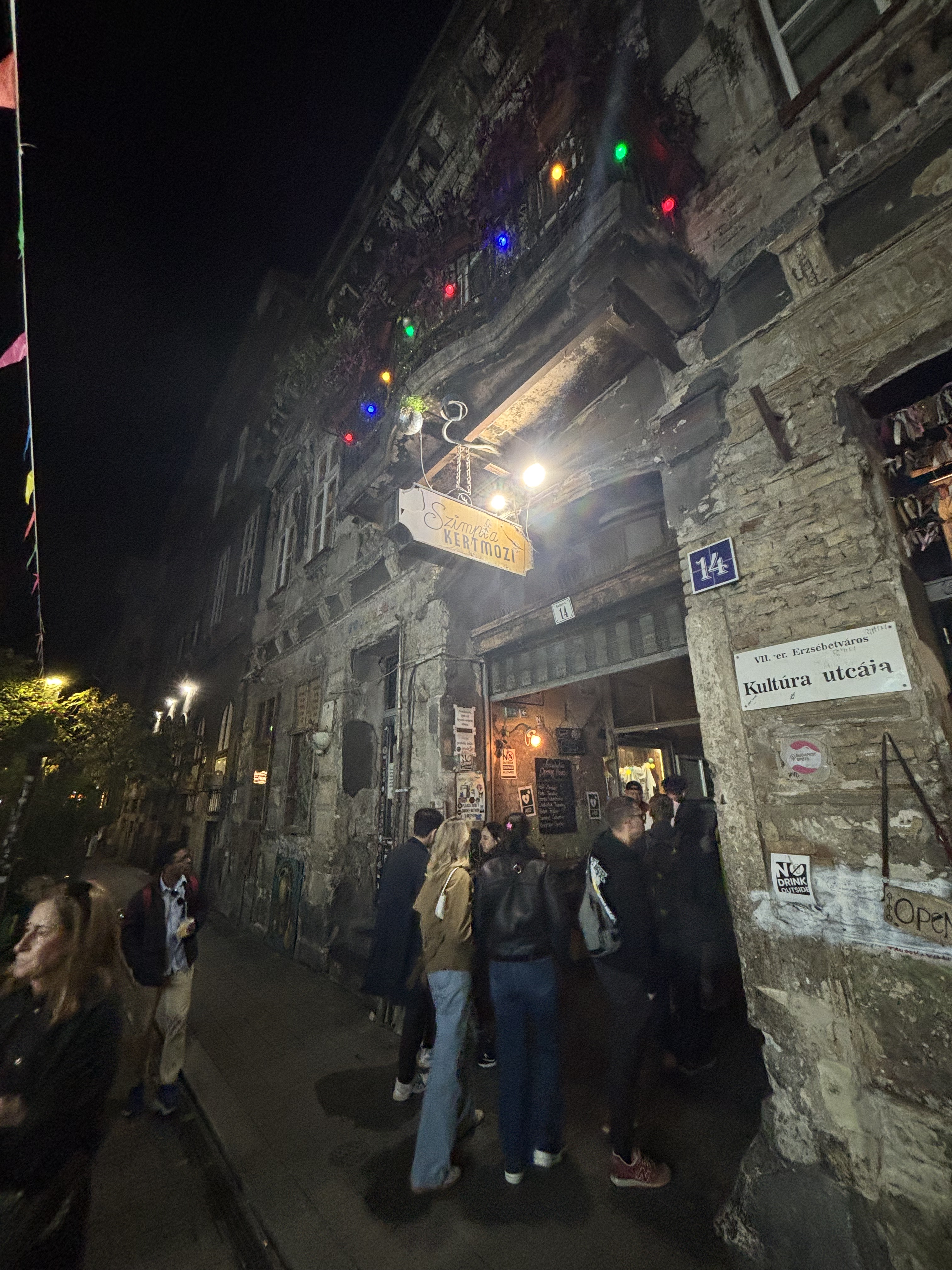
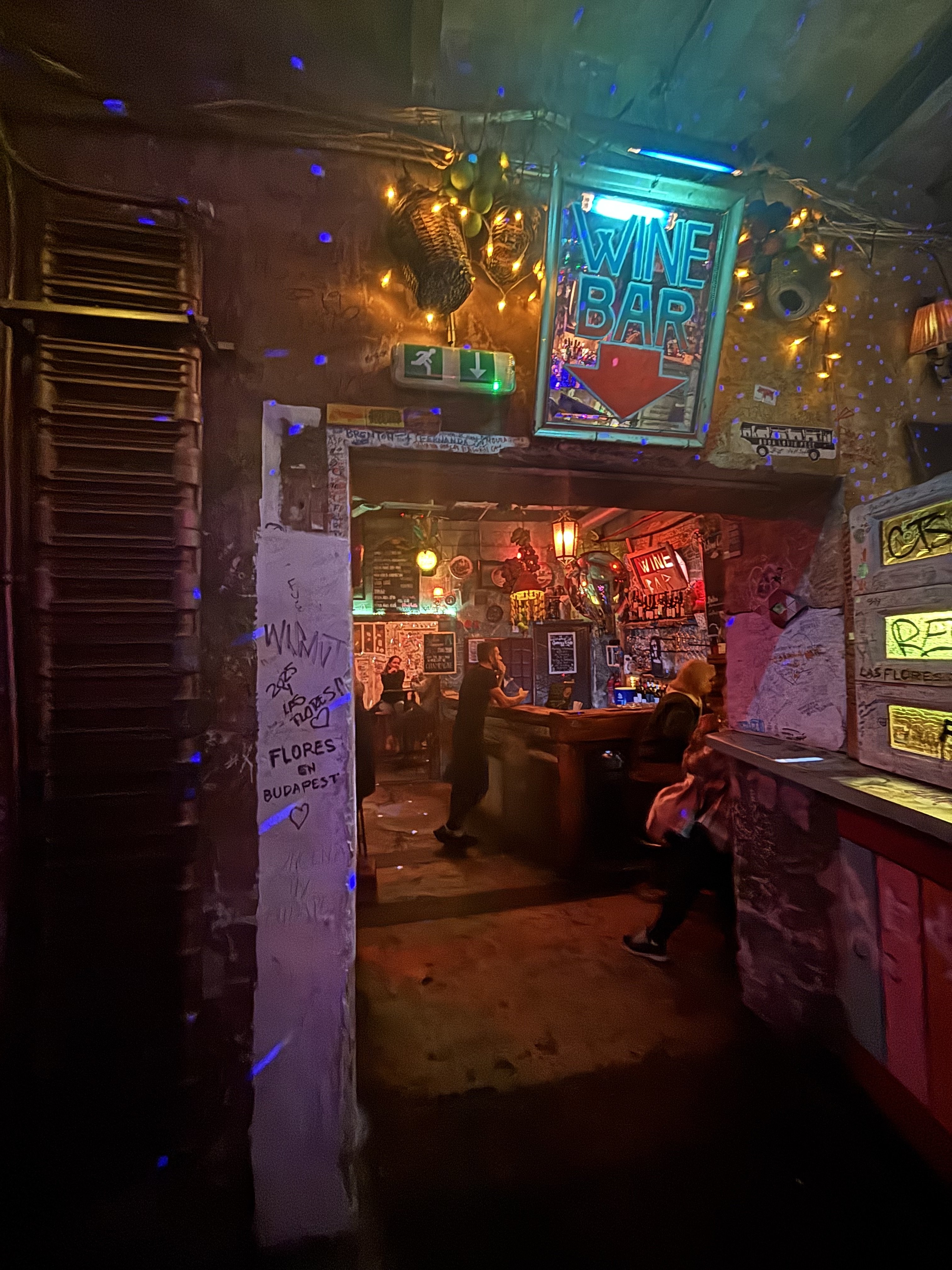
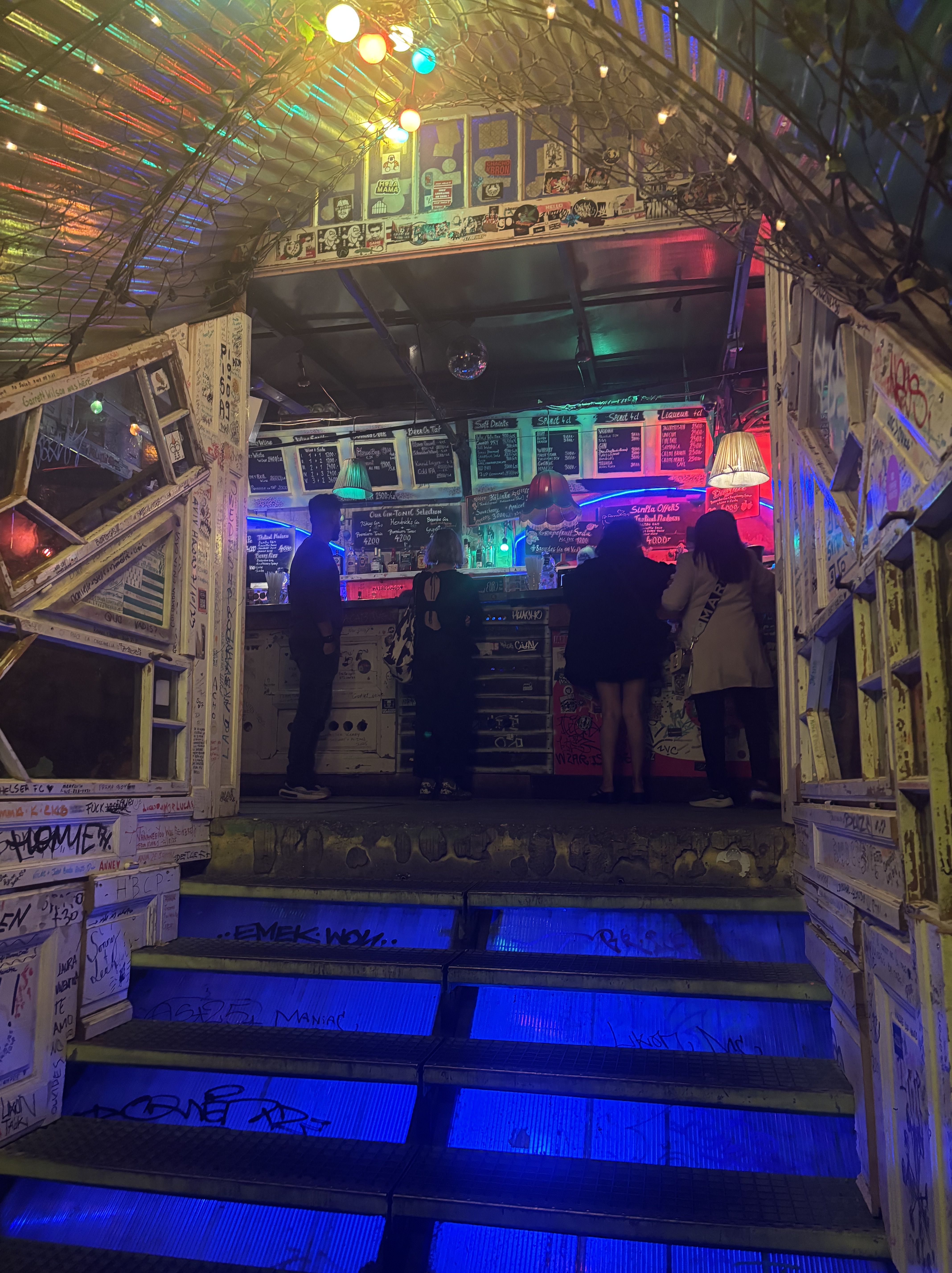
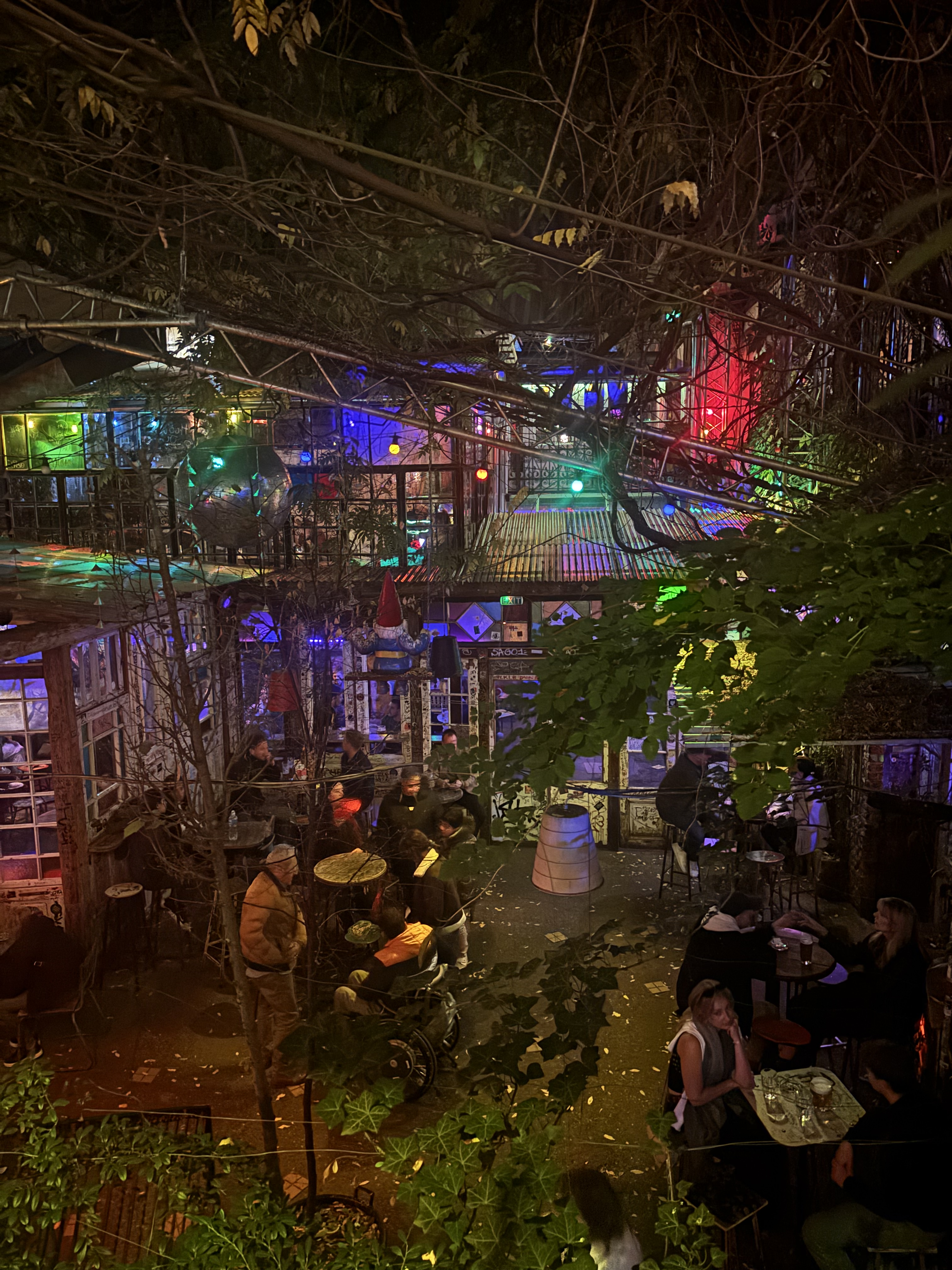
5. Ruin bars are strictly a tourist phenomenon at this point . . . but they are still worth checking out. My AirBNB was located directly across the street from the original ruin bar, Szimpla Kert. The drink prices are a little higher than some other nearby options, but the décor will blow you away. After the Iron Curtain fell in 1989, the city went through a difficult period economically. In the 1990’s, young people in the Jewish Quarter began taking over abandoned buildings, decorating them with assorted tchotchkes and turning them into low-overhead bars where they could hang out. These “ruin bars” have become quite trendy thanks to social media and are no longer the local haunts they once were, but they still have authentic character you just can’t replicate. And Szimpla Kert is HUGE, with nine different themed bars scattered about. You really have to see it to appreciate it.


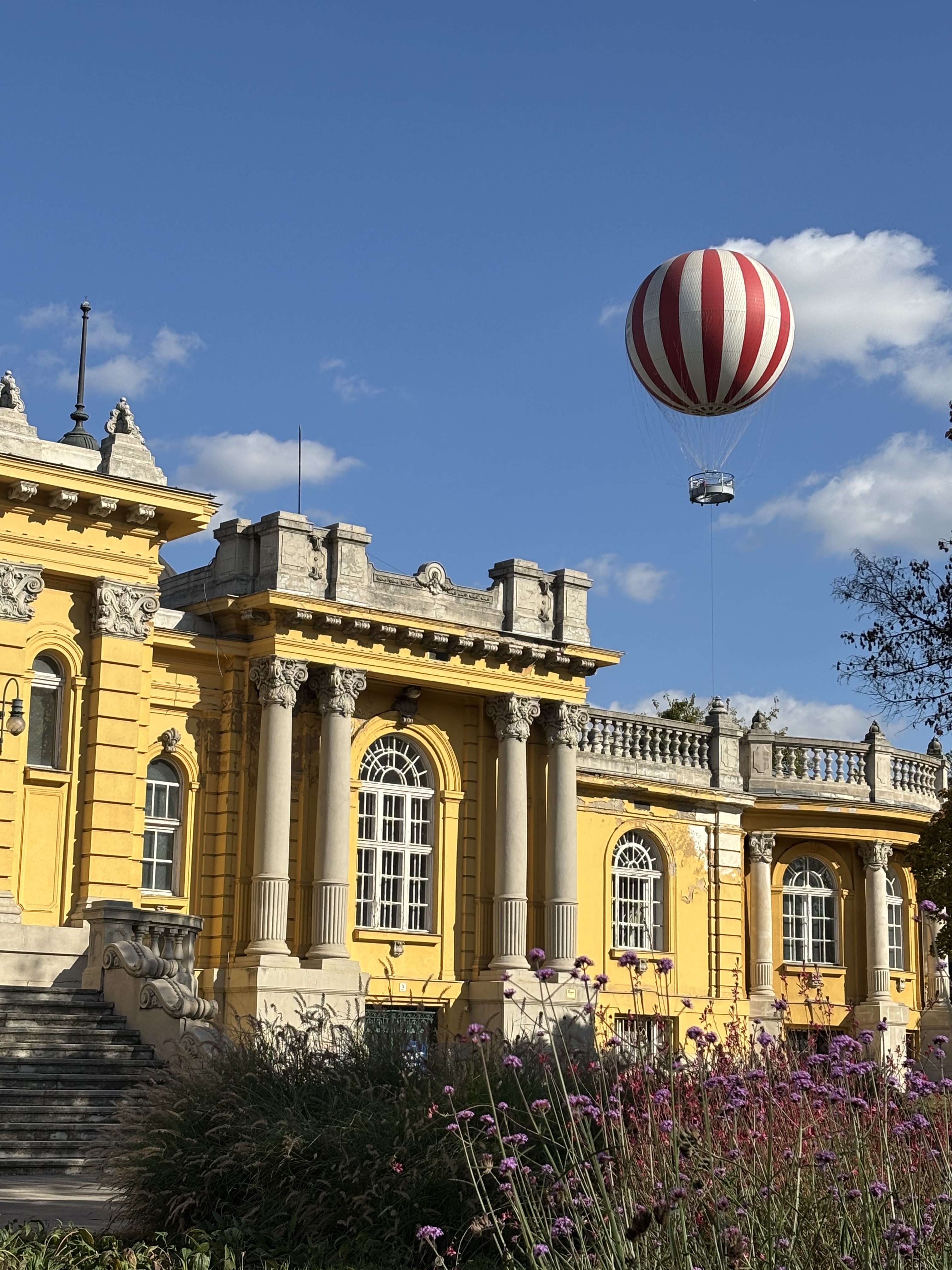
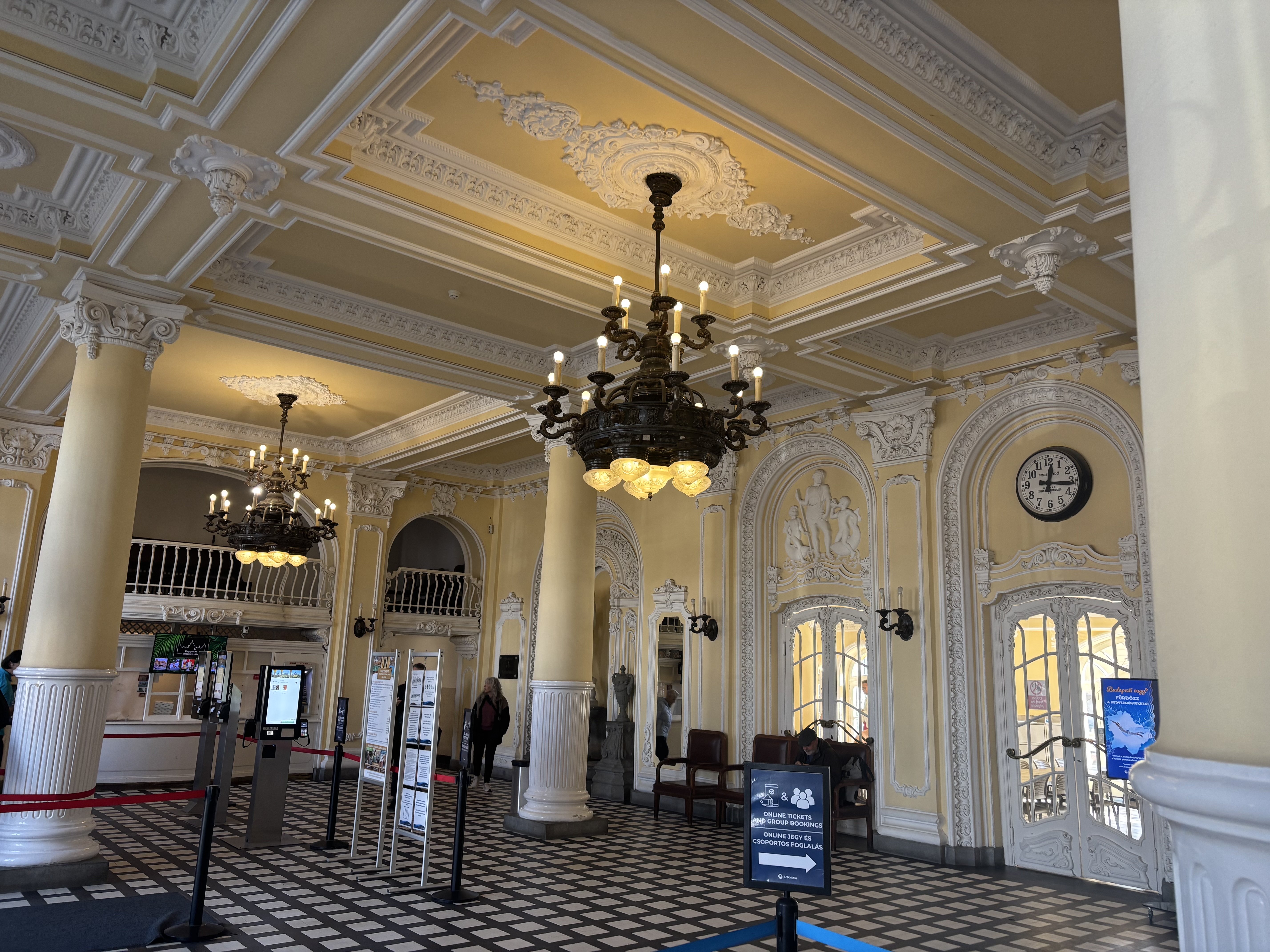
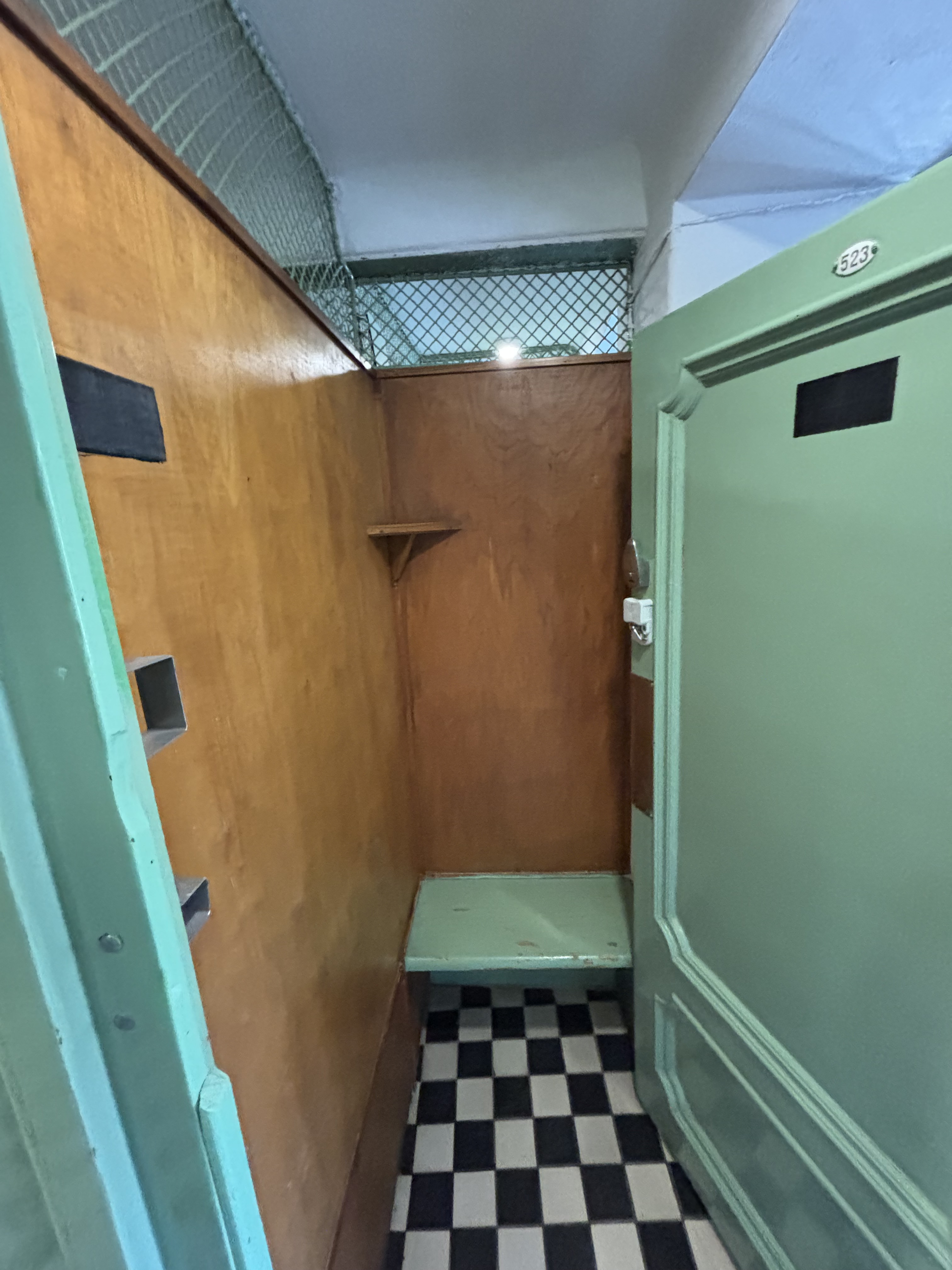
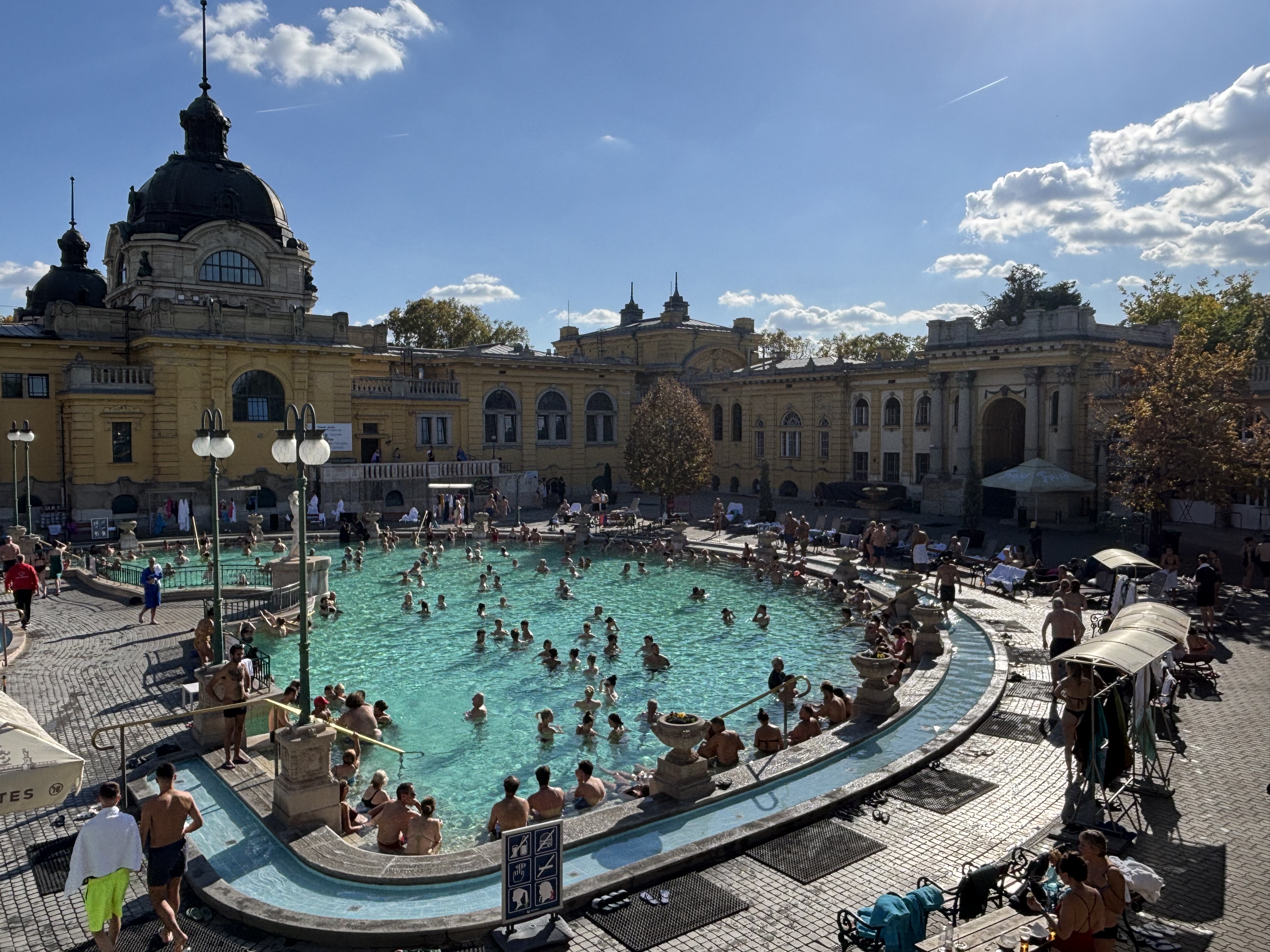
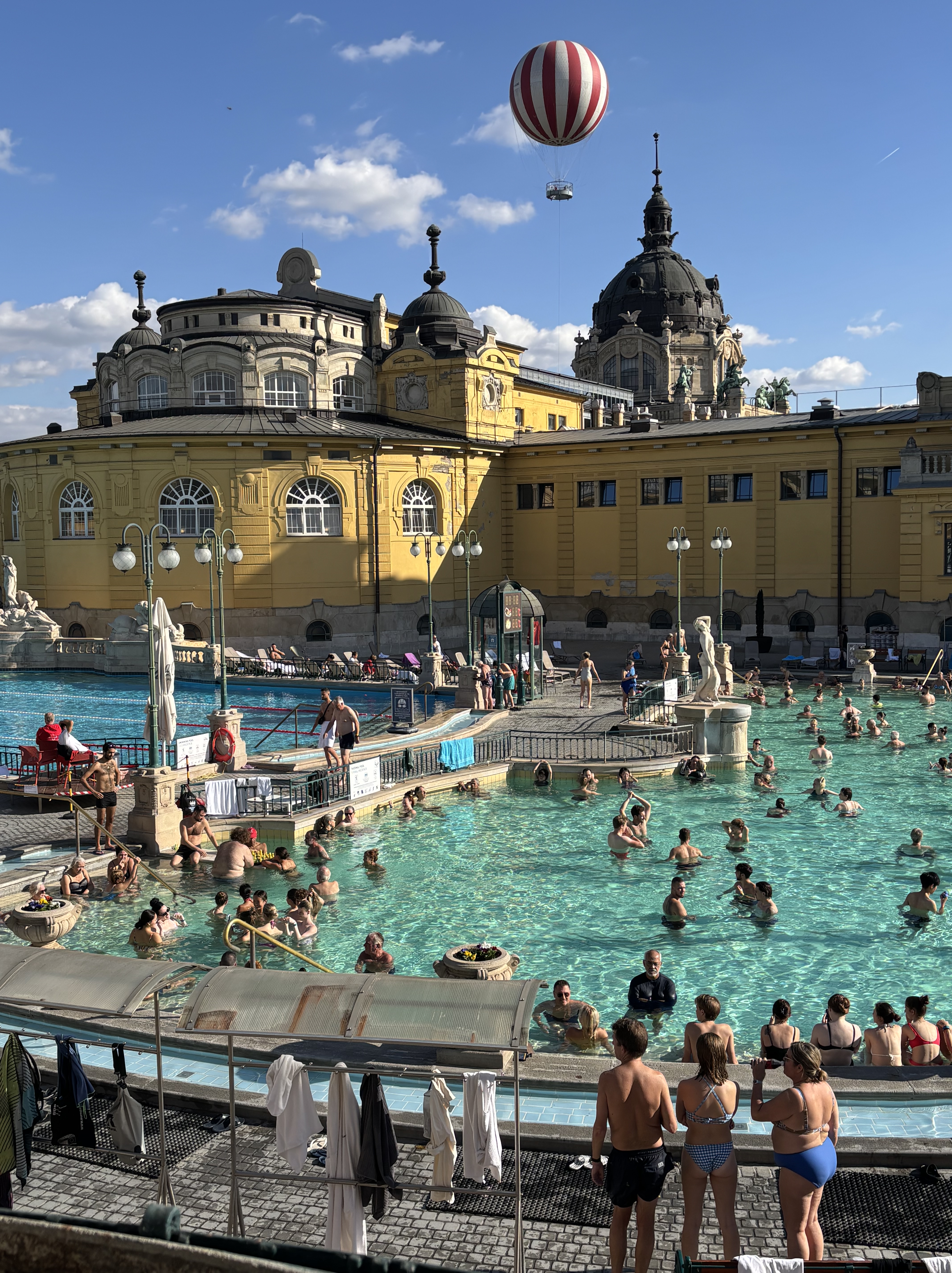
6. Soak in a thermal bath. I was pretty skeptical about this one. I don’t like being around people in general, much less splashing around with a crowd of strangers in an oversized fountain without the sanitary protection of standard pool chemicals. But I quite enjoyed myself. The buildings are grand, soaking in the giant pools of hot water is surprisingly relaxing, and it all has the feel of an old-school luxury spa. I did not try out any of the massage options or the admittedly intriguing beer spa but suffice it to say there are plenty of things to do even if you don’t want to join the humanity soup. It’s a little on the expensive side at ~$35 for entry and a small changing room, but it’s a unique experience.
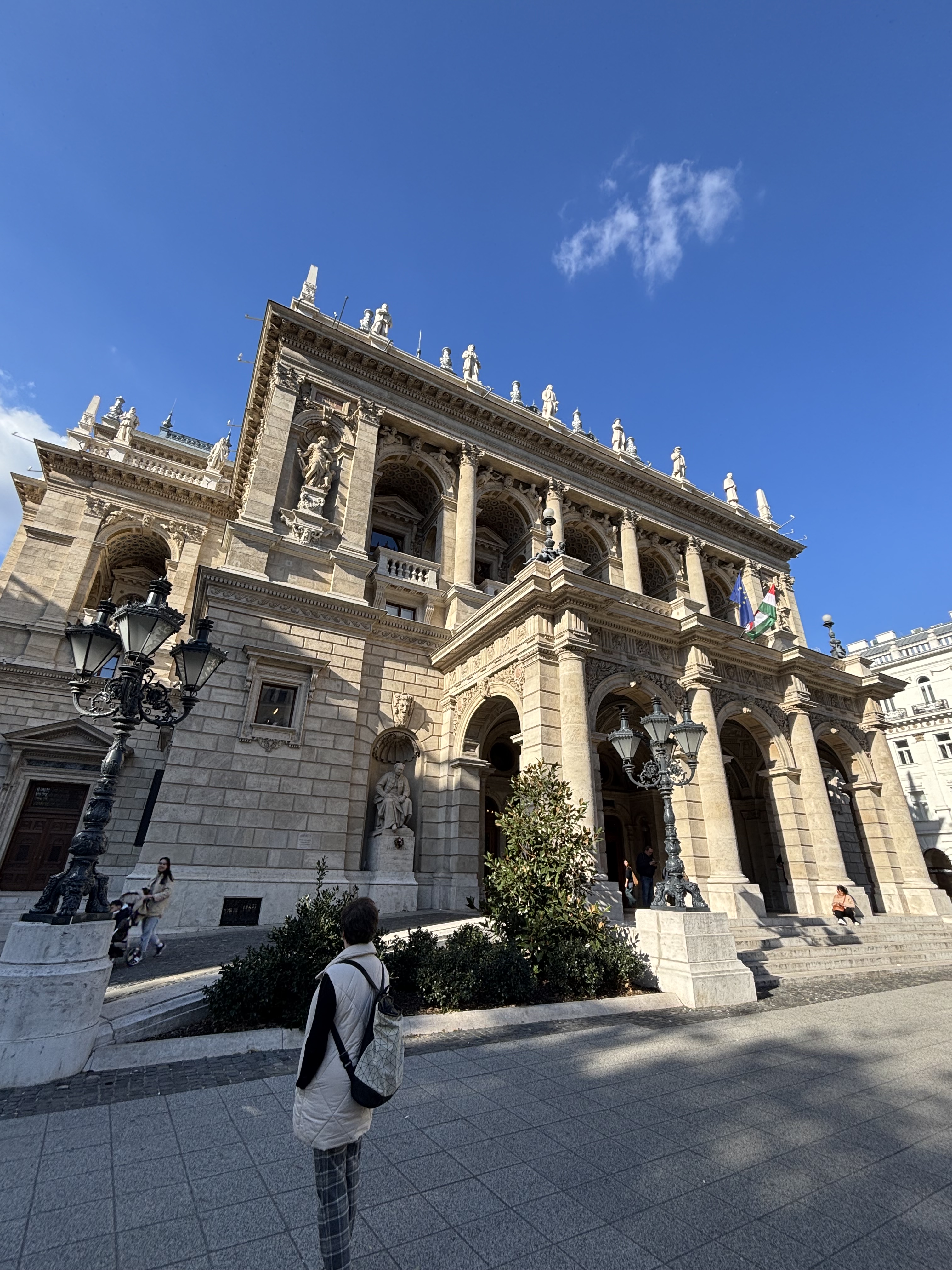
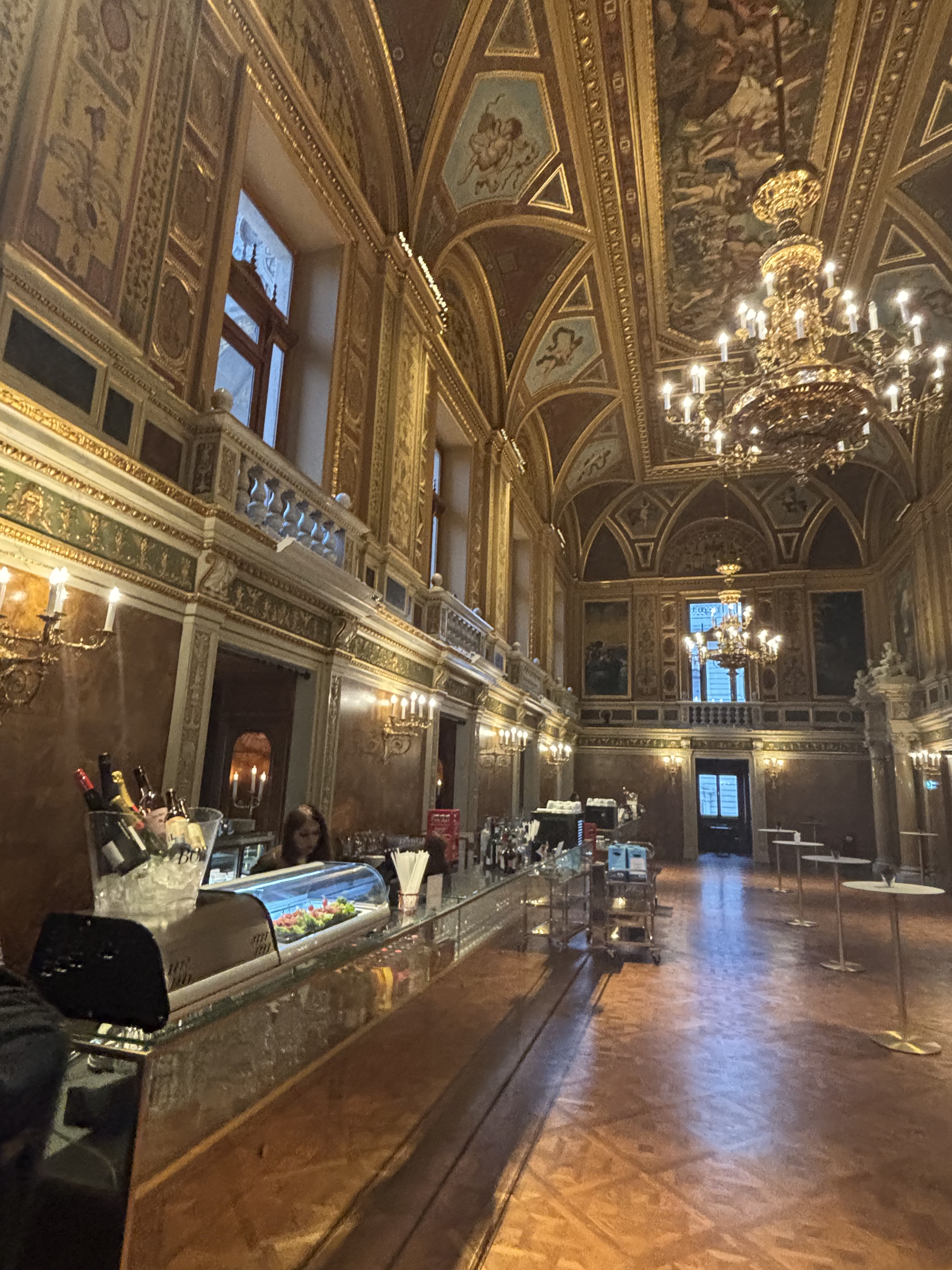
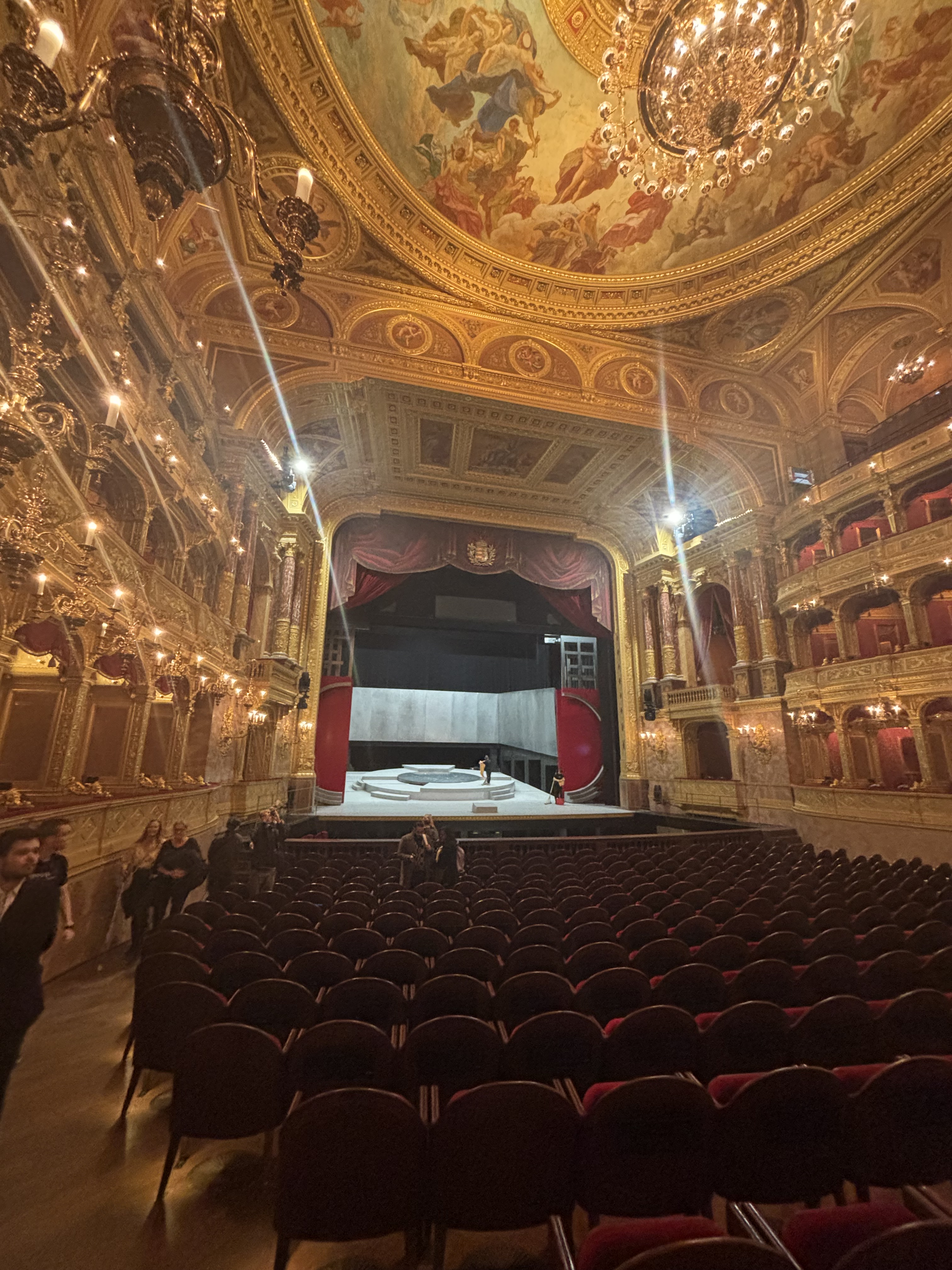
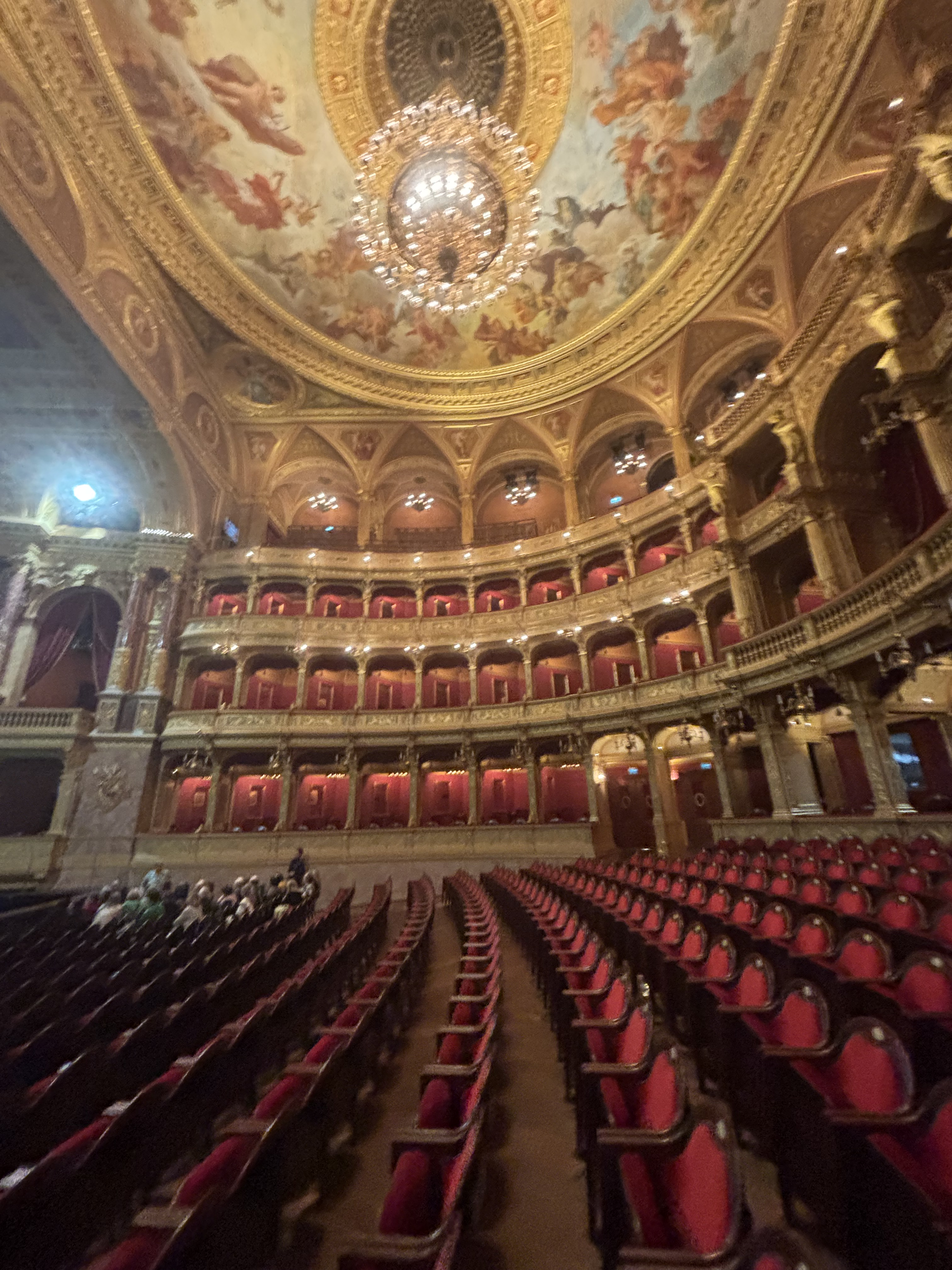
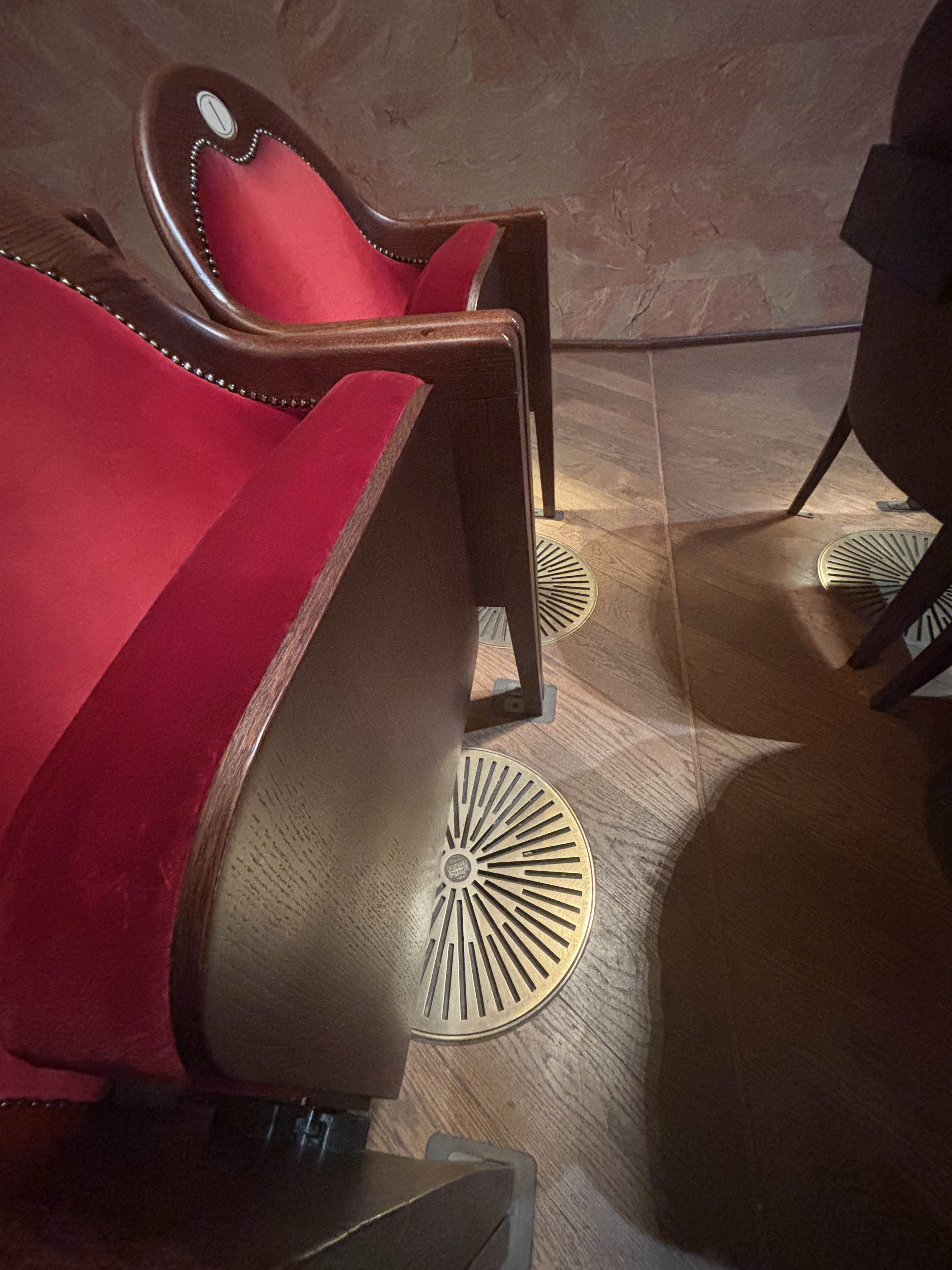
7. Book a guided tour of the Hungarian State Opera. I’m not an opera man (nor am I Adam Sandler), but this is a great way to dip your toe in this little pool of refined culture, as each tour comes with a brief performance at the end in the grand central foyer. If you are an opera fan, you will appreciate seeing behind-the-scenes areas like the royal box and the director’s entrance. But anyone can appreciate the building itself, an over-the-top stunner clad with marble and gold from floor to ceiling. It even featured an innovative air conditioning system with grates under the chairs that allowed cold air to come through from blocks of melting ice covered with hay in the basement.


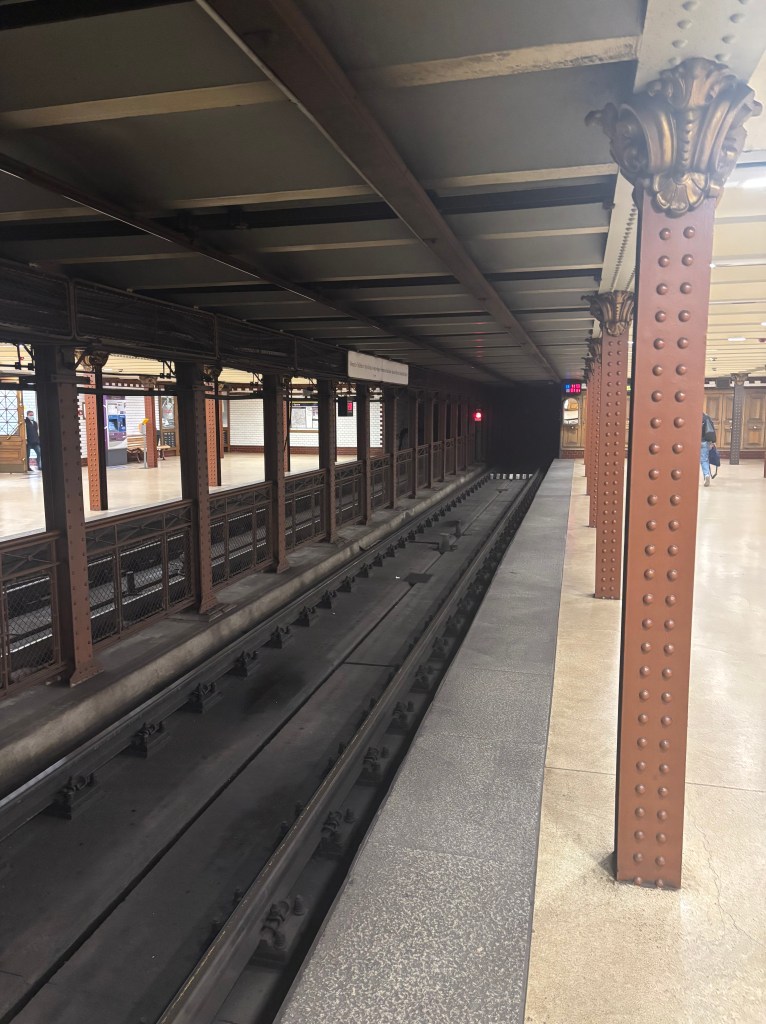
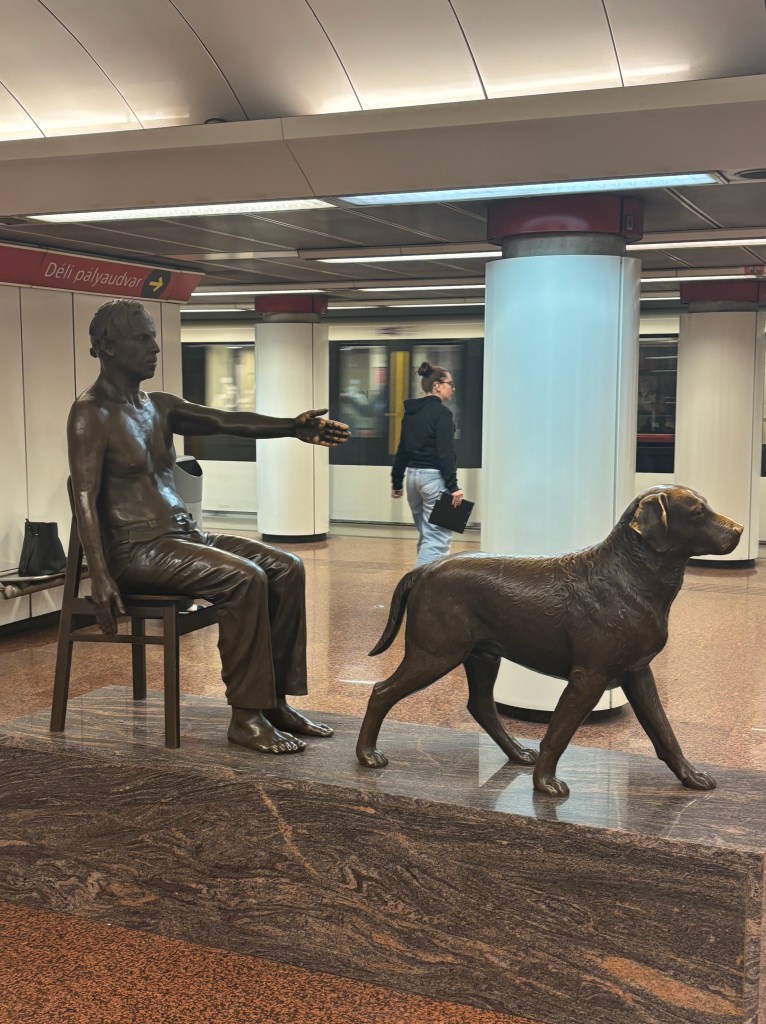
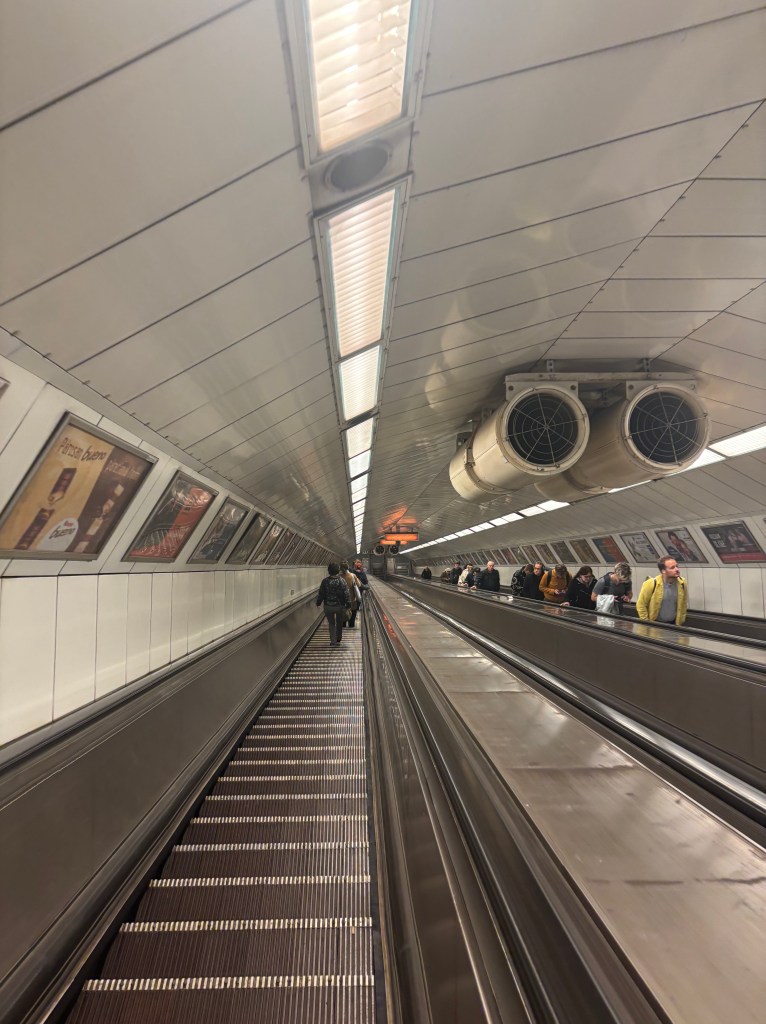
8. Ride the world’s oldest electric-powered subway line. London was the first city to open a subway, but Budapest’s electrified version was a big improvement over its steam-powered predecessor. Be mindful to “validate” your ticket by getting it stamped as you enter the station. (You risk being accosted by a ticket inspector and forced to pay a fine if you don’t.) Better yet, use Apple Pay or a credit card to “tap in and tap out” and ignore paper tickets altogether.
9. Use the 100E express bus to get to/from the airport if you are staying near the city center on the Pest side of the Danube. It’s a direct route, so it’s just as fast and way cheaper (9 Euros) than a taxi. I find airport transport to be one of the most stressful and confusing parts of travel. Taxi queues at the airport can be long, and Uber (which operates through the taxi service in Budapest anyway) seems to love finding creative ways to complicate its service. Sometimes trains and buses are a hassle too, but this one is easy. Exit baggage claim, walk a few feet to your left and pay for your ticket with your phone or a credit card as you board the 100E express bus.
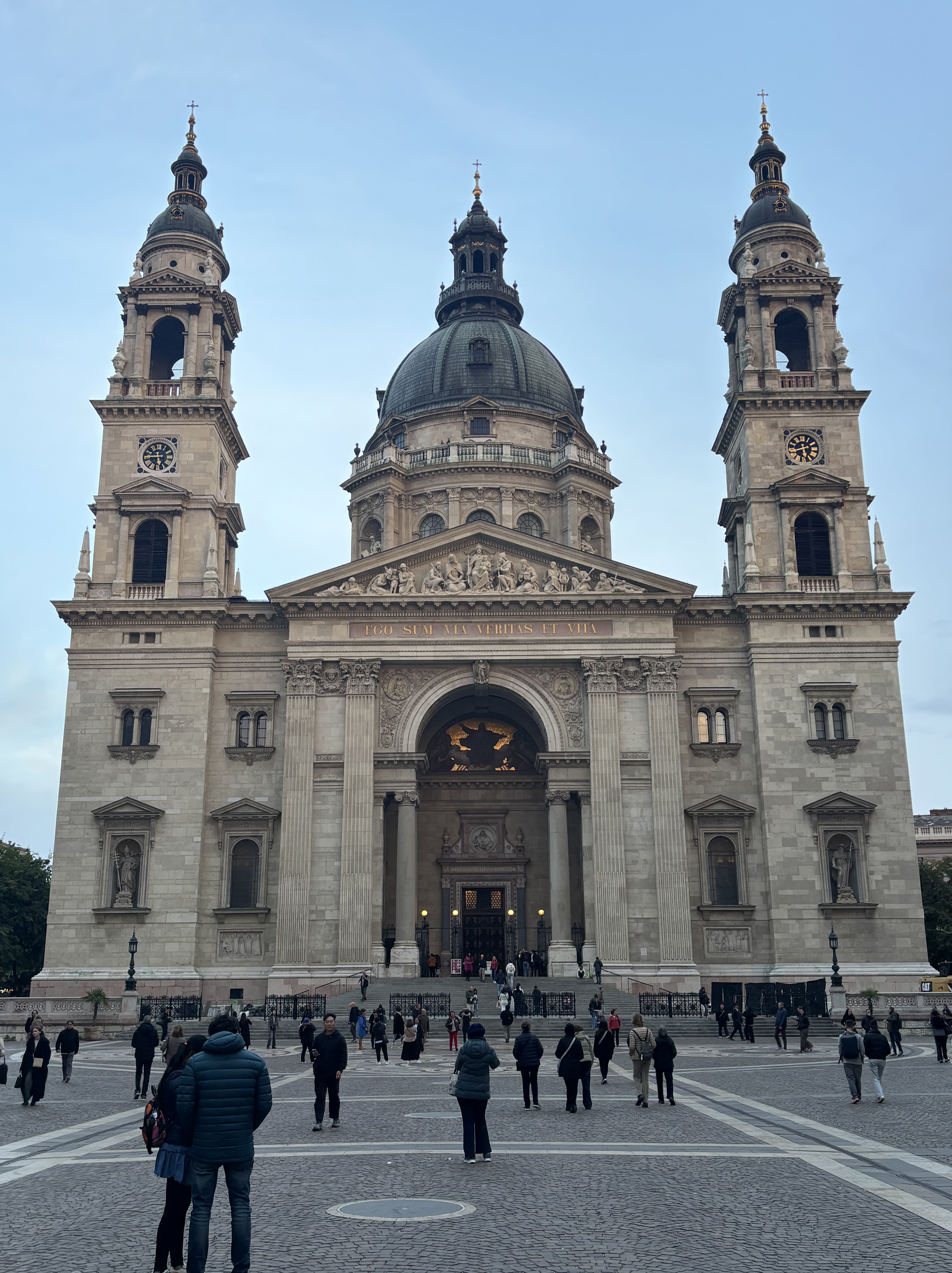
10. Take lots of pictures. It’s a beautiful city. The best scenic viewpoints of the river are on the Buda side due to the higher elevation, but there are plenty of architectural gems and interesting street art on the Pest side as well. It adds a little joy to my day every time I see an old photo from my travels, and Budapest is definitely a place to remember.

Thanks for reading! If you’re in the mood for a somewhat different take on Budapest, also check out my post about Hungary’s difficult history and current political situation.


 The Global Slowmad
Leave a comment