In the Strange Case of Dr. Jekyll and Mr. Hyde, Robert Louis Stevenson tells the tale of a respected scientist who creates a potion that unleashes an evil alter ego in increasingly violent ways. Stevenson grew up in Edinburgh and reportedly was inspired to develop this fictional character based on a real-life local legend named William “Deacon” Brodie. The infamous Mr. Brodie was a respected cabinetmaker and locksmith in Edinburgh in the 18th Century who used his talents to duplicate keys of the well-to-do during the daytime and commit burglary in the evenings to support his extravagant lifestyle and gambling habits. His nefarious activity became increasingly brazen over time, and he eventually was ratted out by a fellow thief, hunted down, tried, convicted and hanged in the town square before the largest crowd in living memory.
Edinburgh since has figured out that there is a lot of money to be made in naming streets, buildings, pubs and various other tourist attractions after Brodie and other notorious criminals. And that’s kind of a microcosm of our experience in the city. Its most endearing qualities come with a dark side, and its dark side always comes with an entrance fee.
To be clear, Edinburgh is a must-visit destination you really need to check out at least once in your lifetime. It’s also a slow travel nightmare.
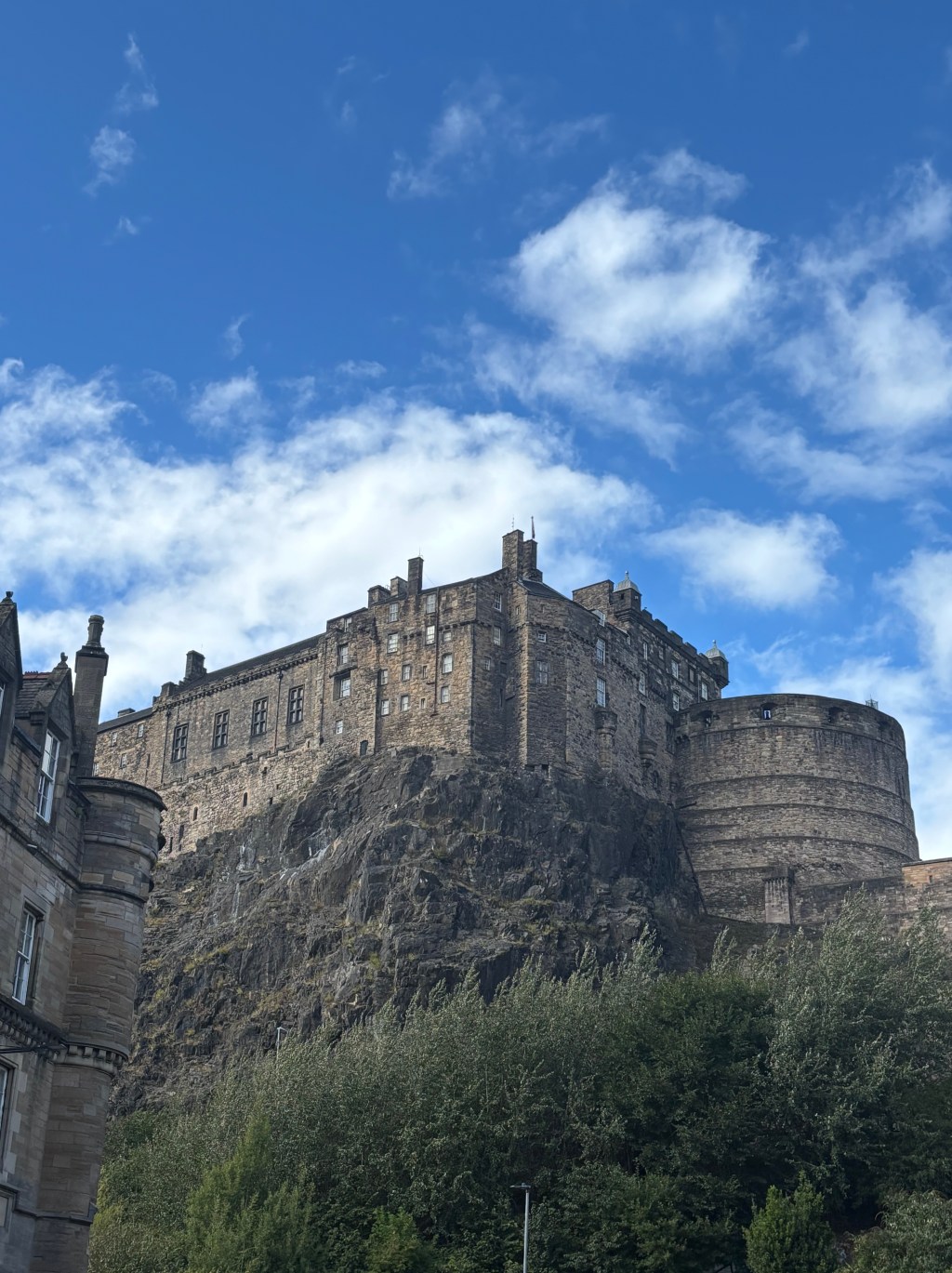
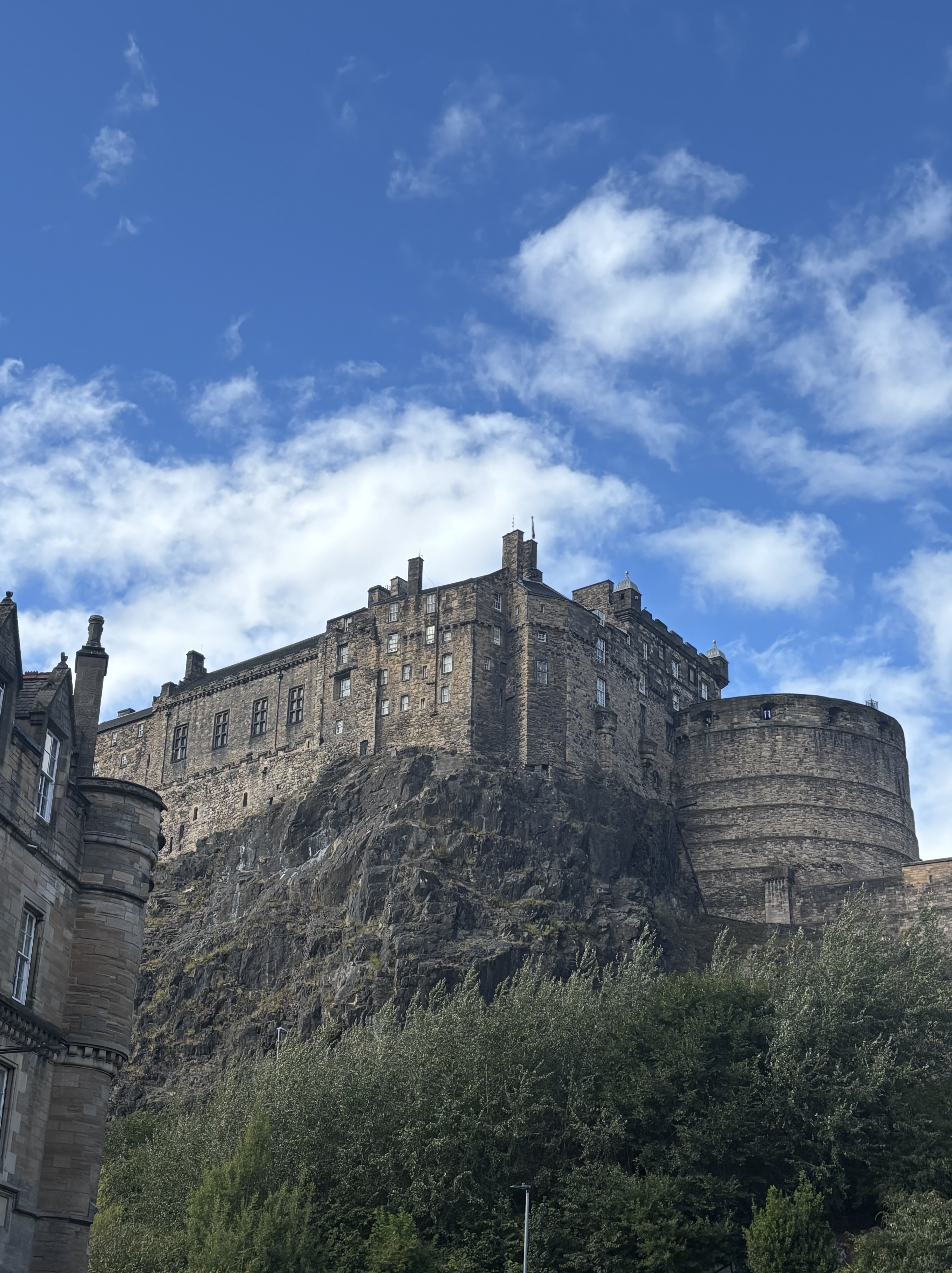
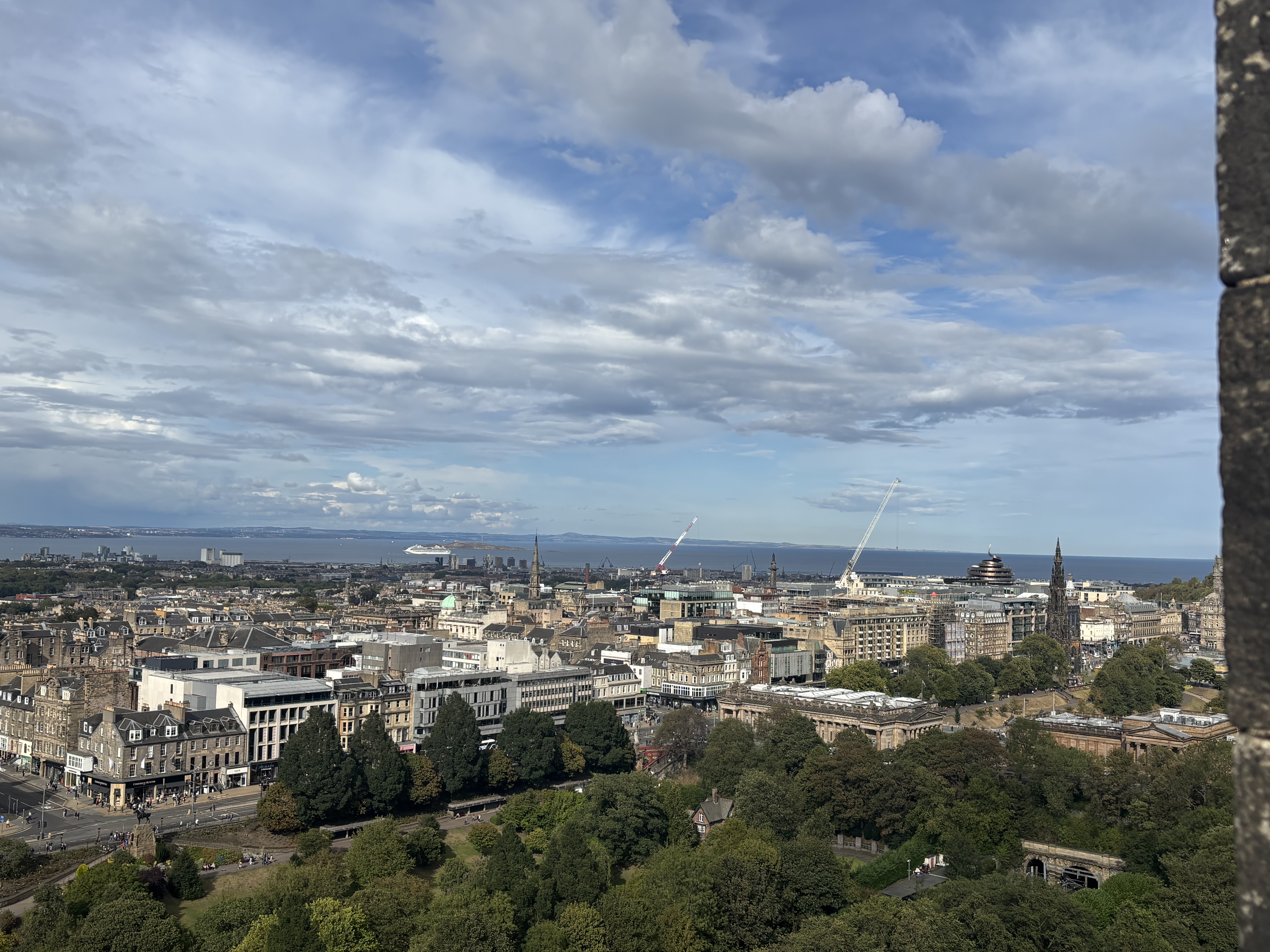
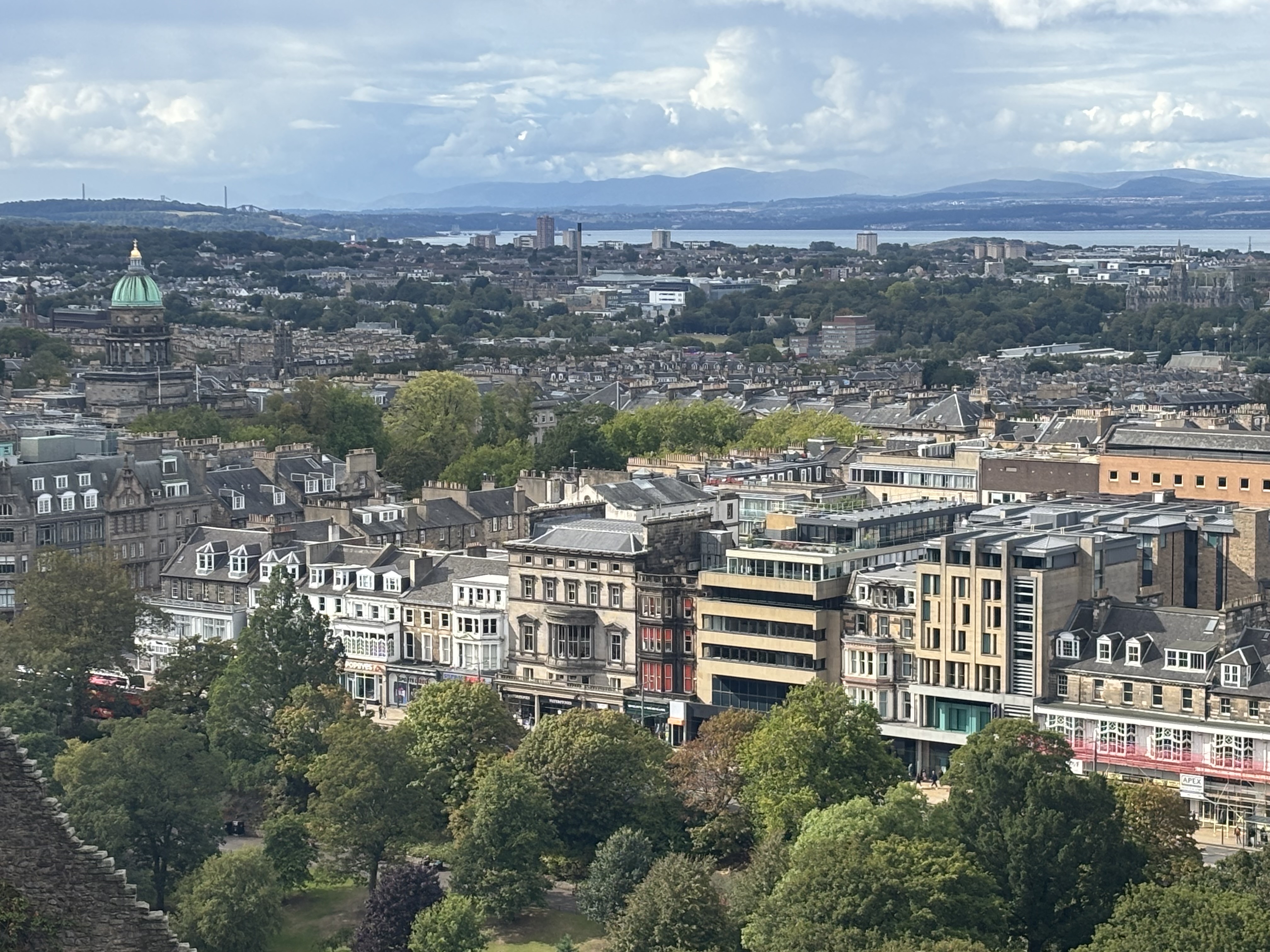
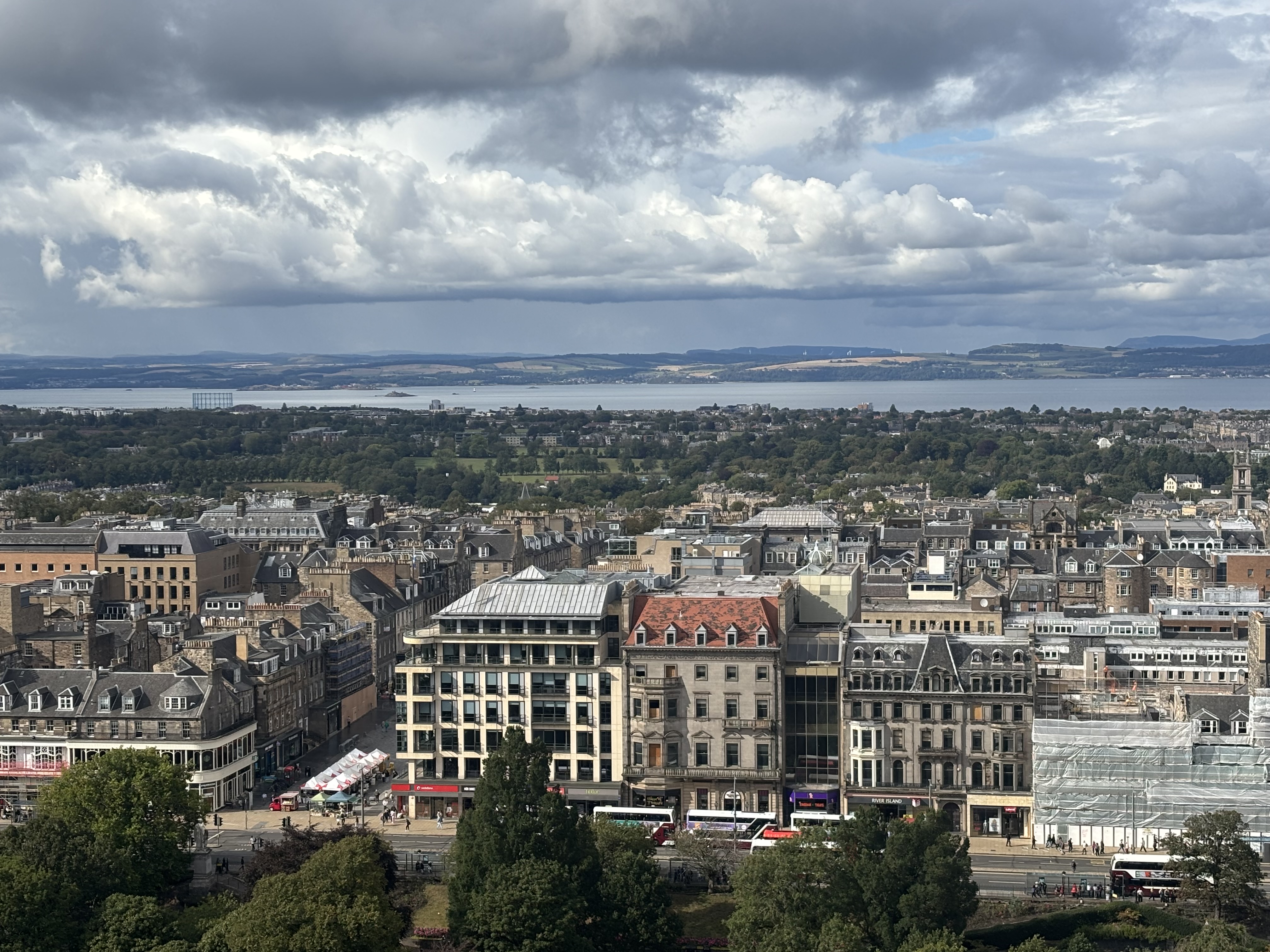
It’s a beautiful setting. Extinct volcanoes hardened into a handful of massive rock formations surrounded by valleys carved over eons by glaciers. A foreboding castle sits at the top of one such volcano, having served as a (mostly) impenetrable fortress for centuries before being used intermittently as a prison, a hospital and a tourist attraction. On a clear day from the castle, you can see the Firth of Forth in the distance, along with rolling hills, church steeples and rooftops. It’s a wonder to behold and is absolutely one of the most visually stunning capitals in Europe.
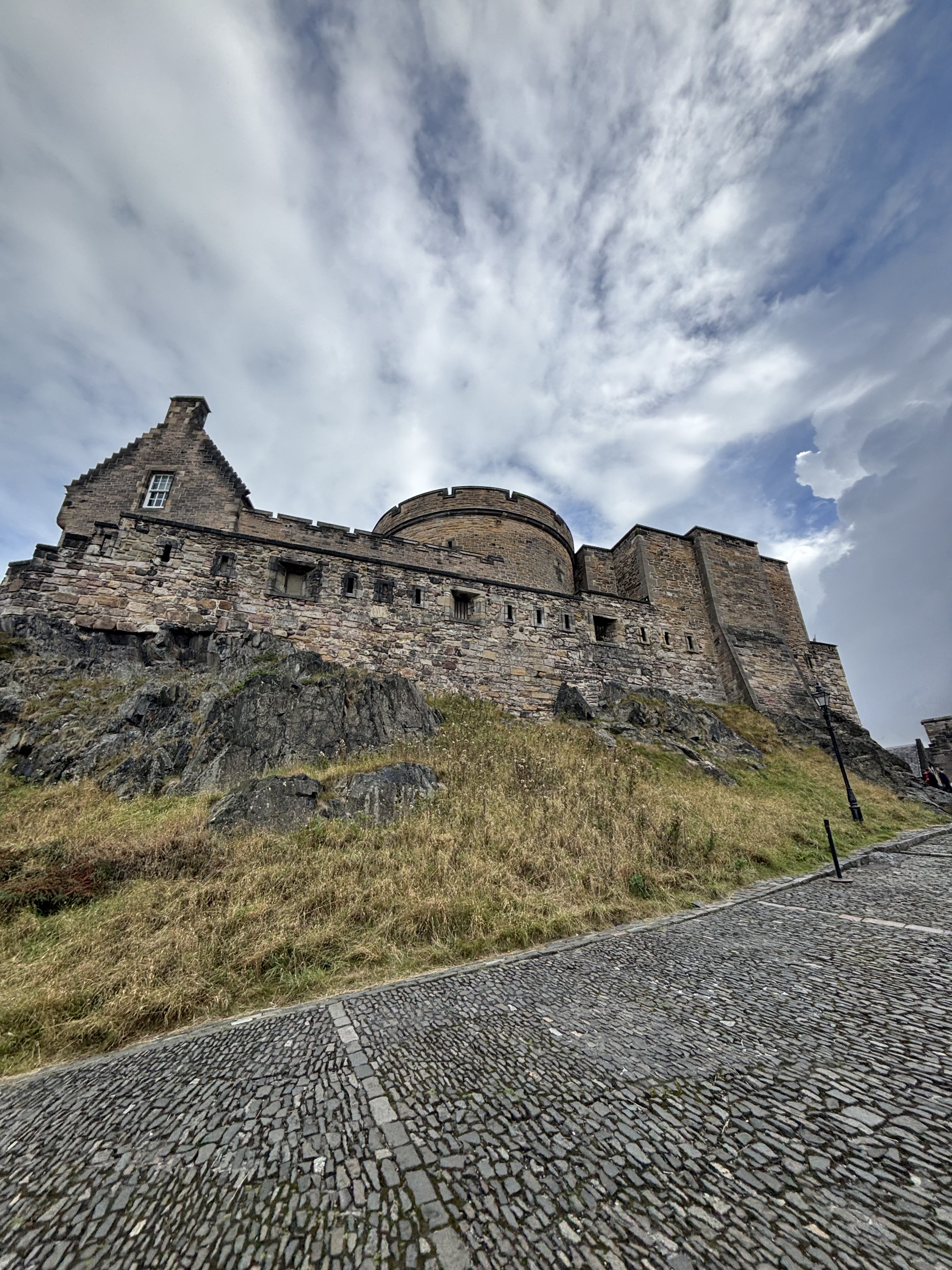

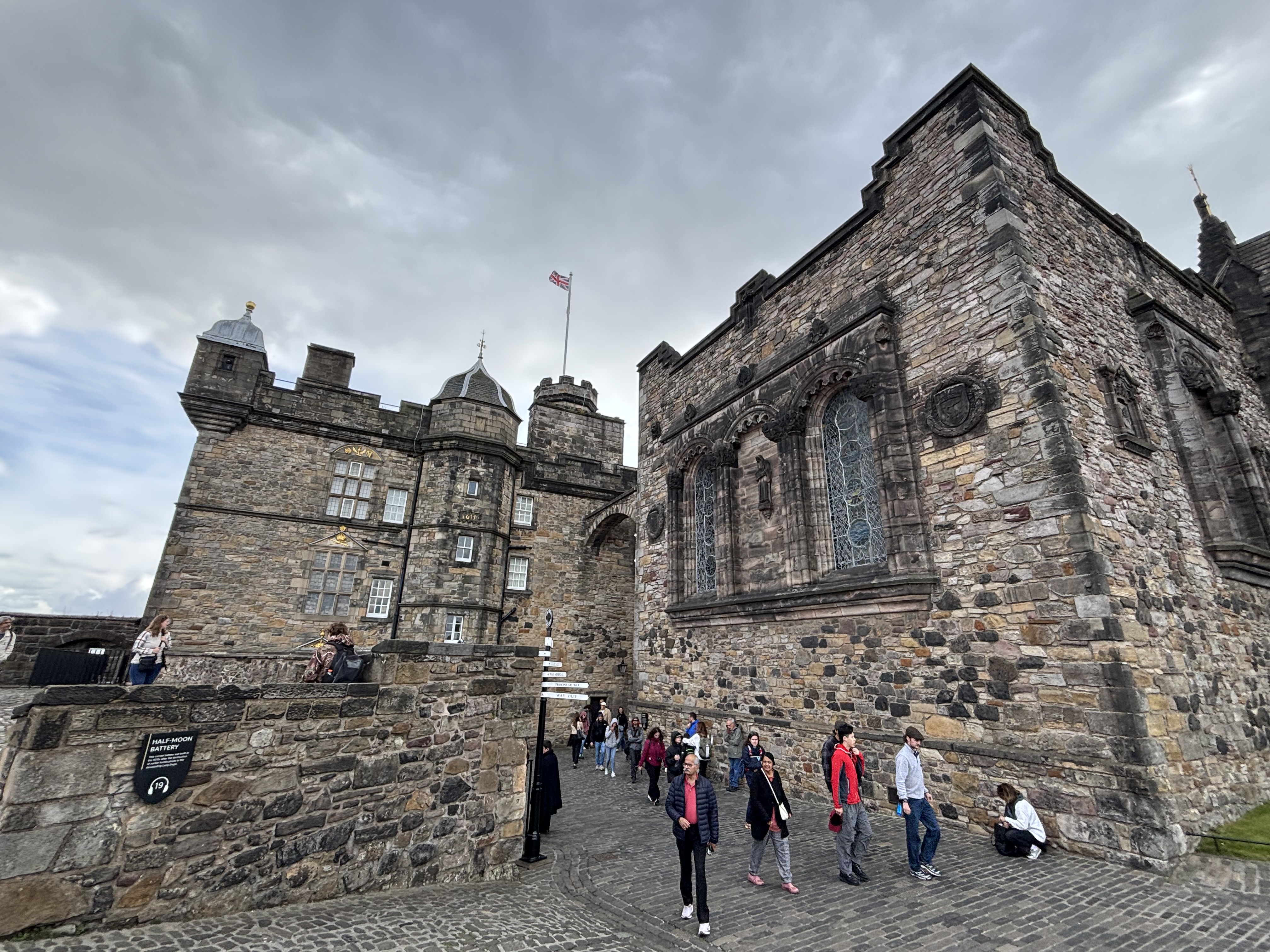
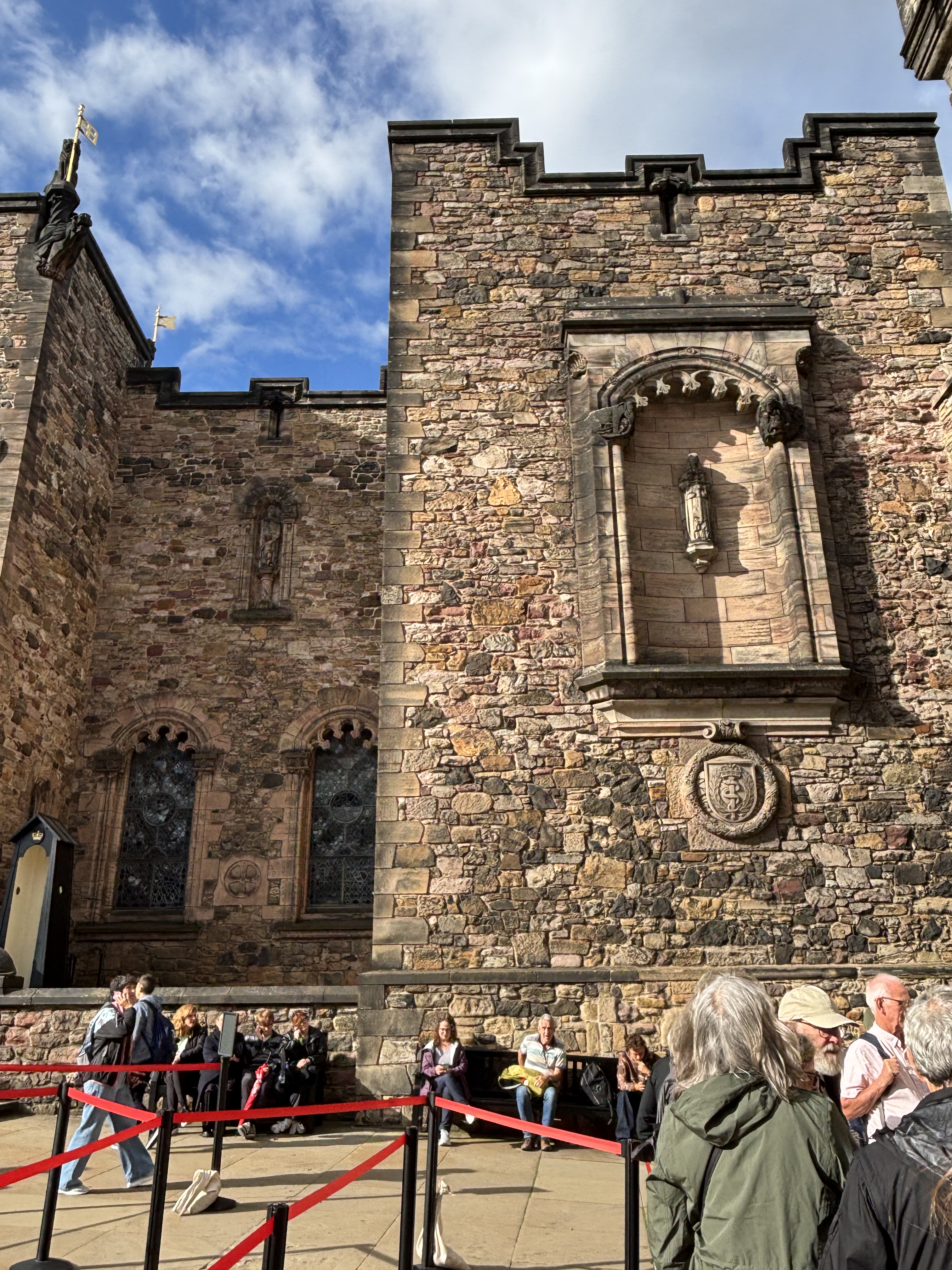
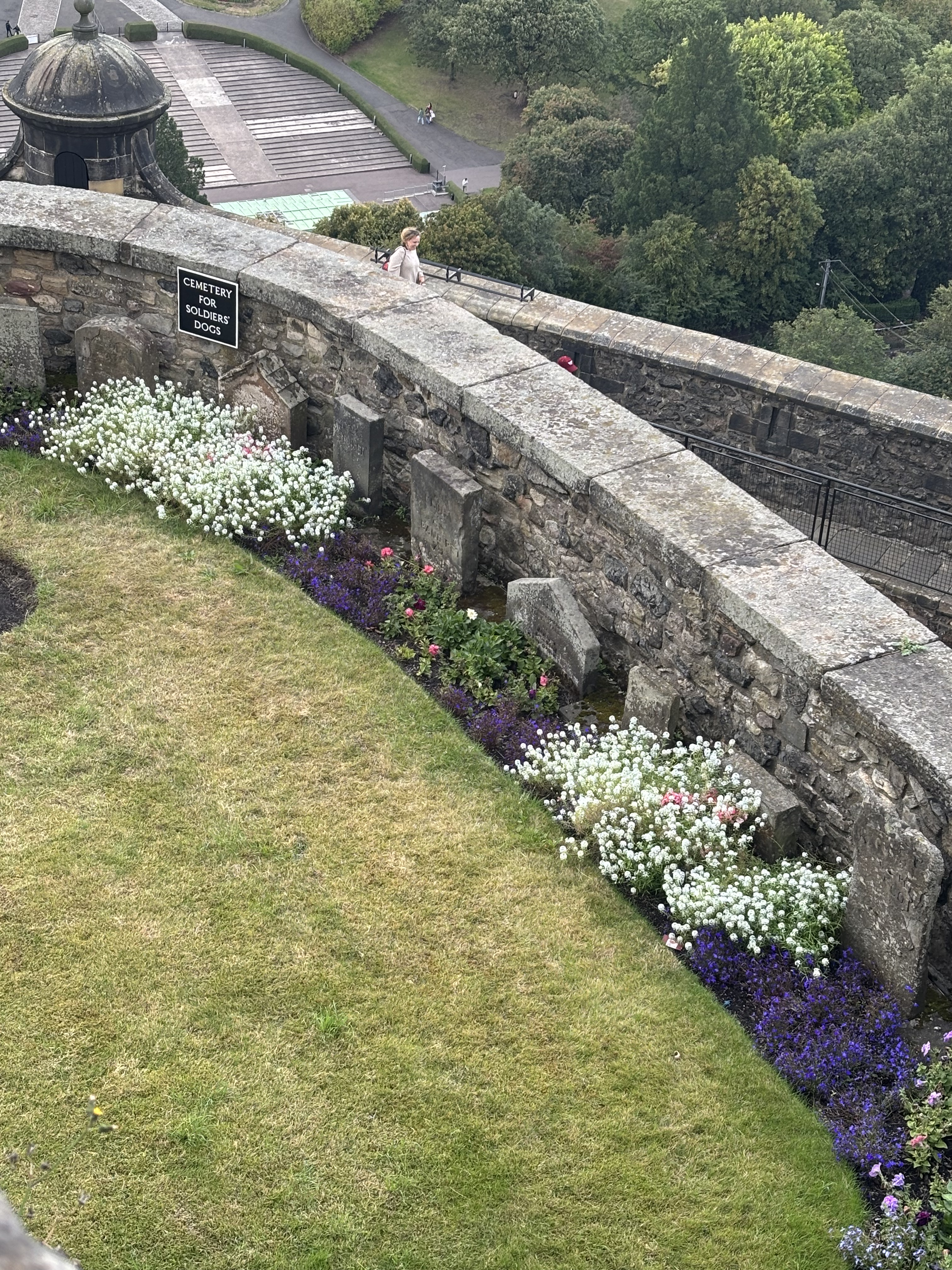
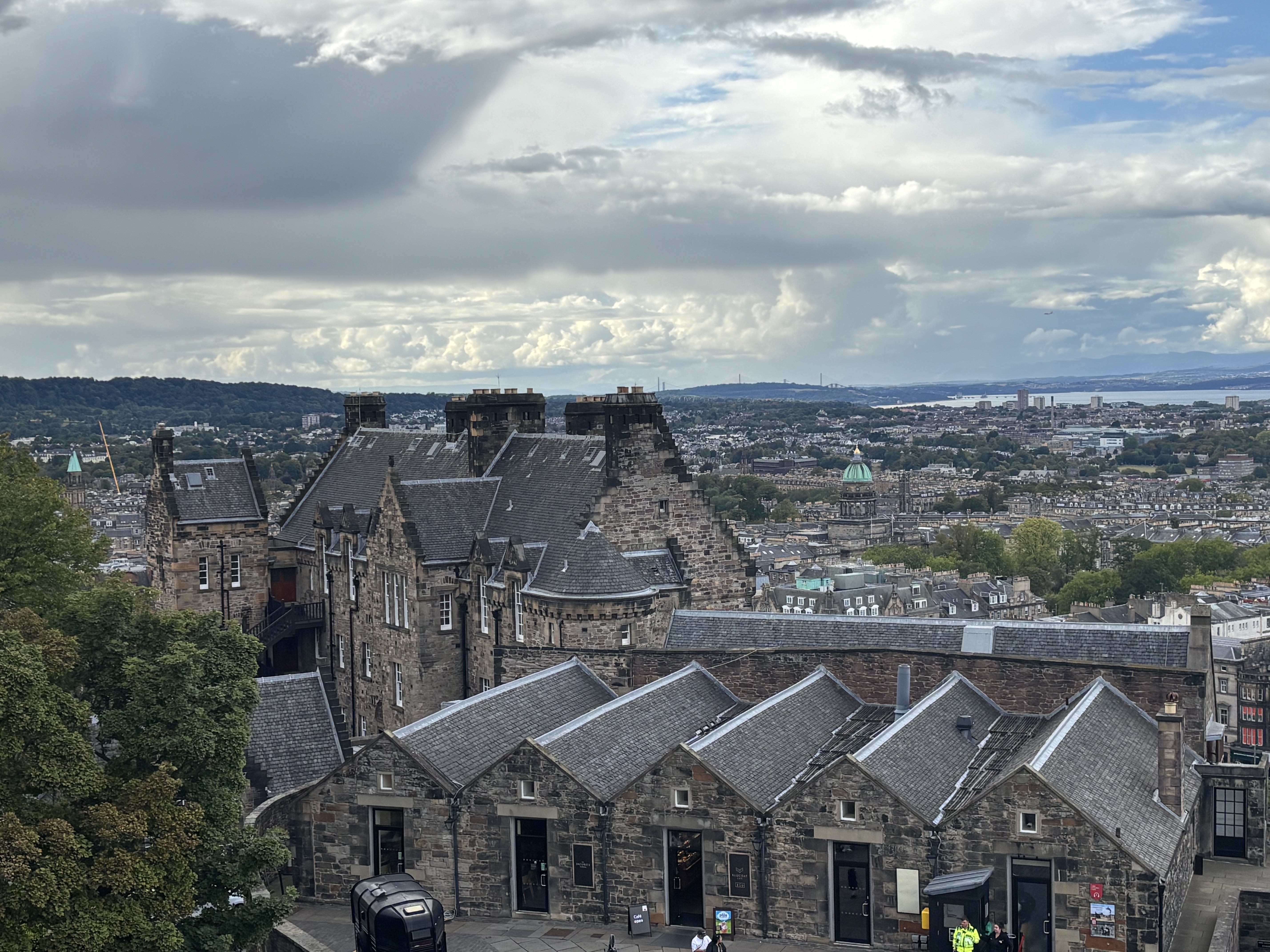
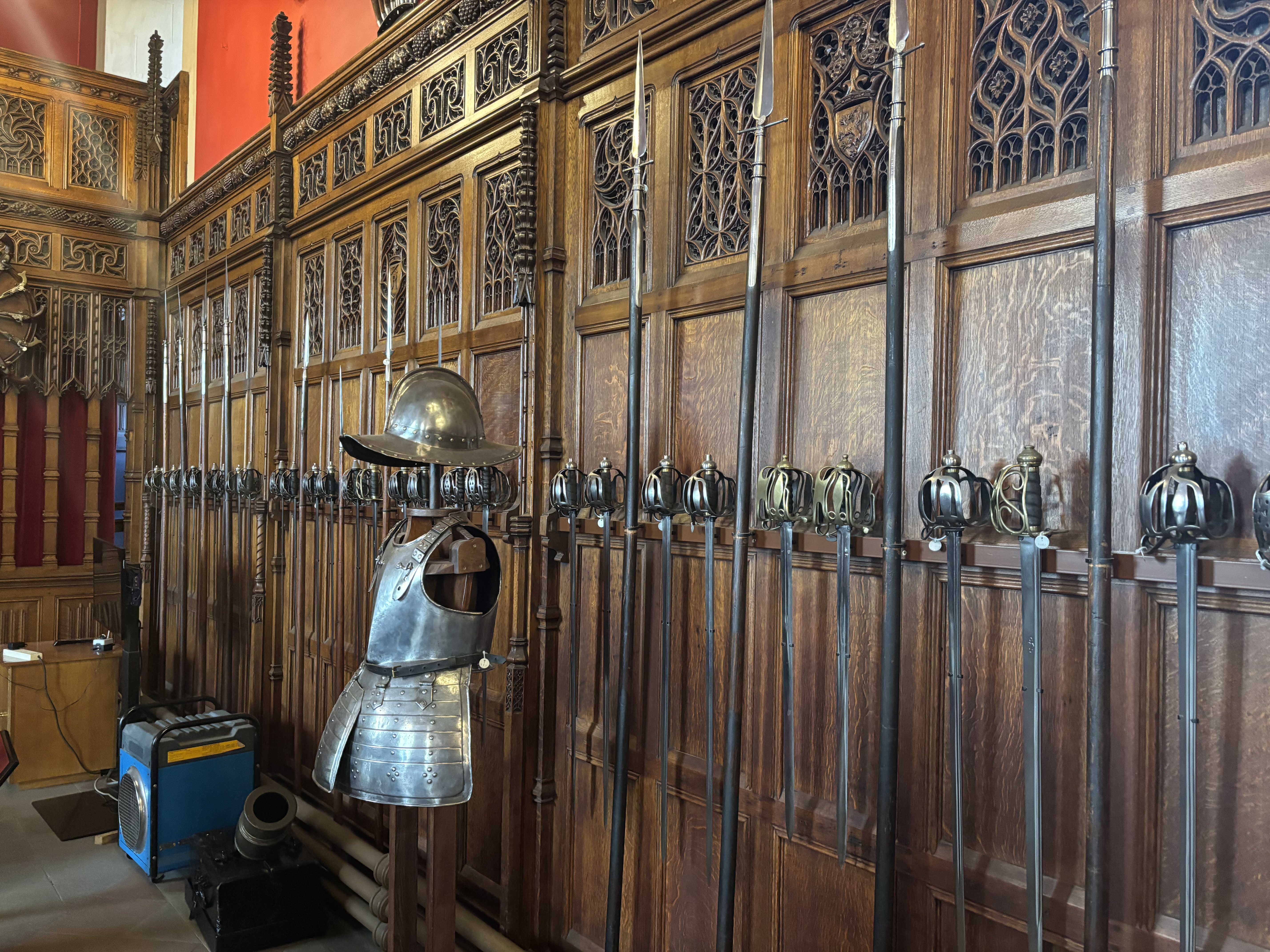
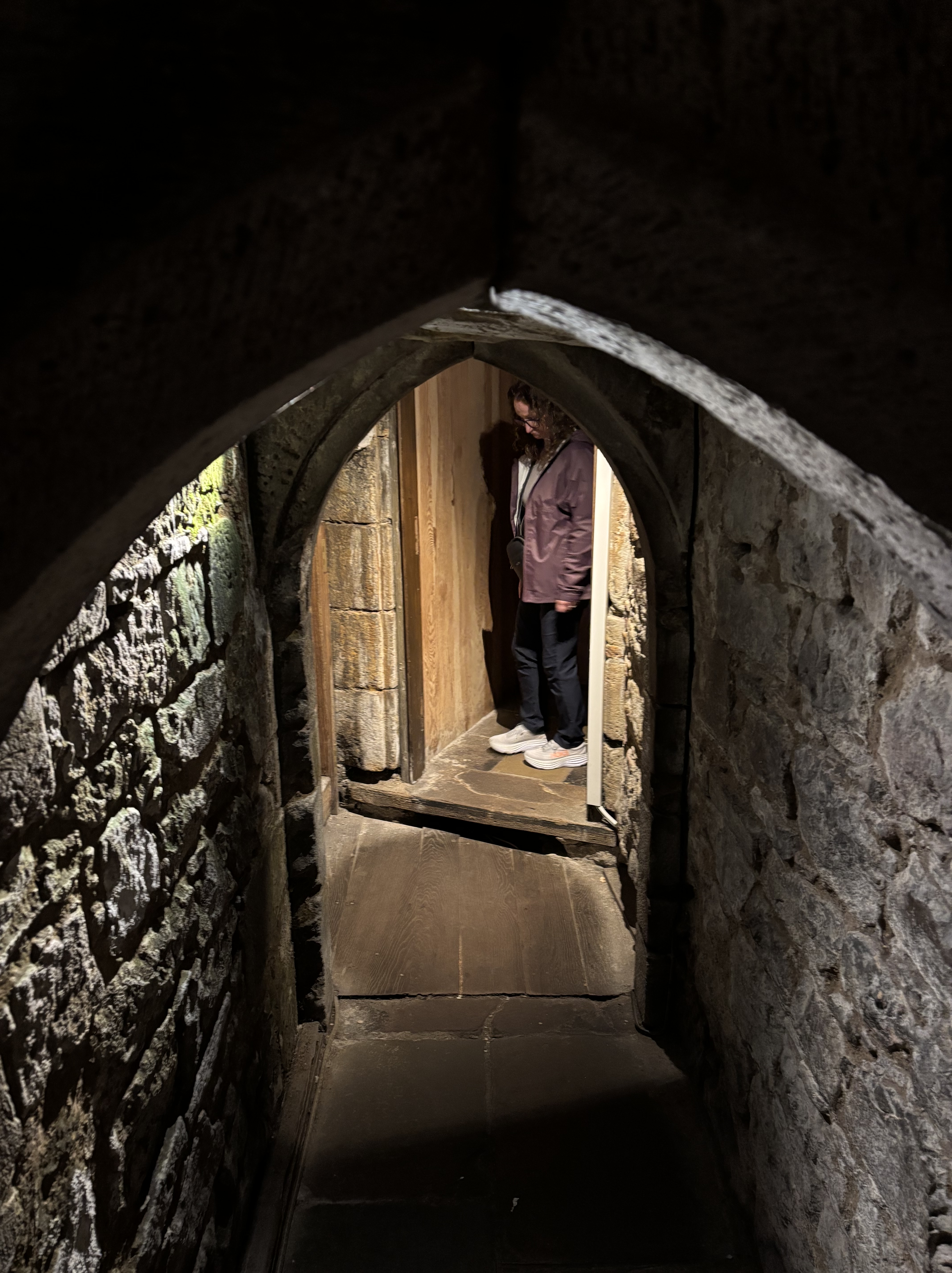
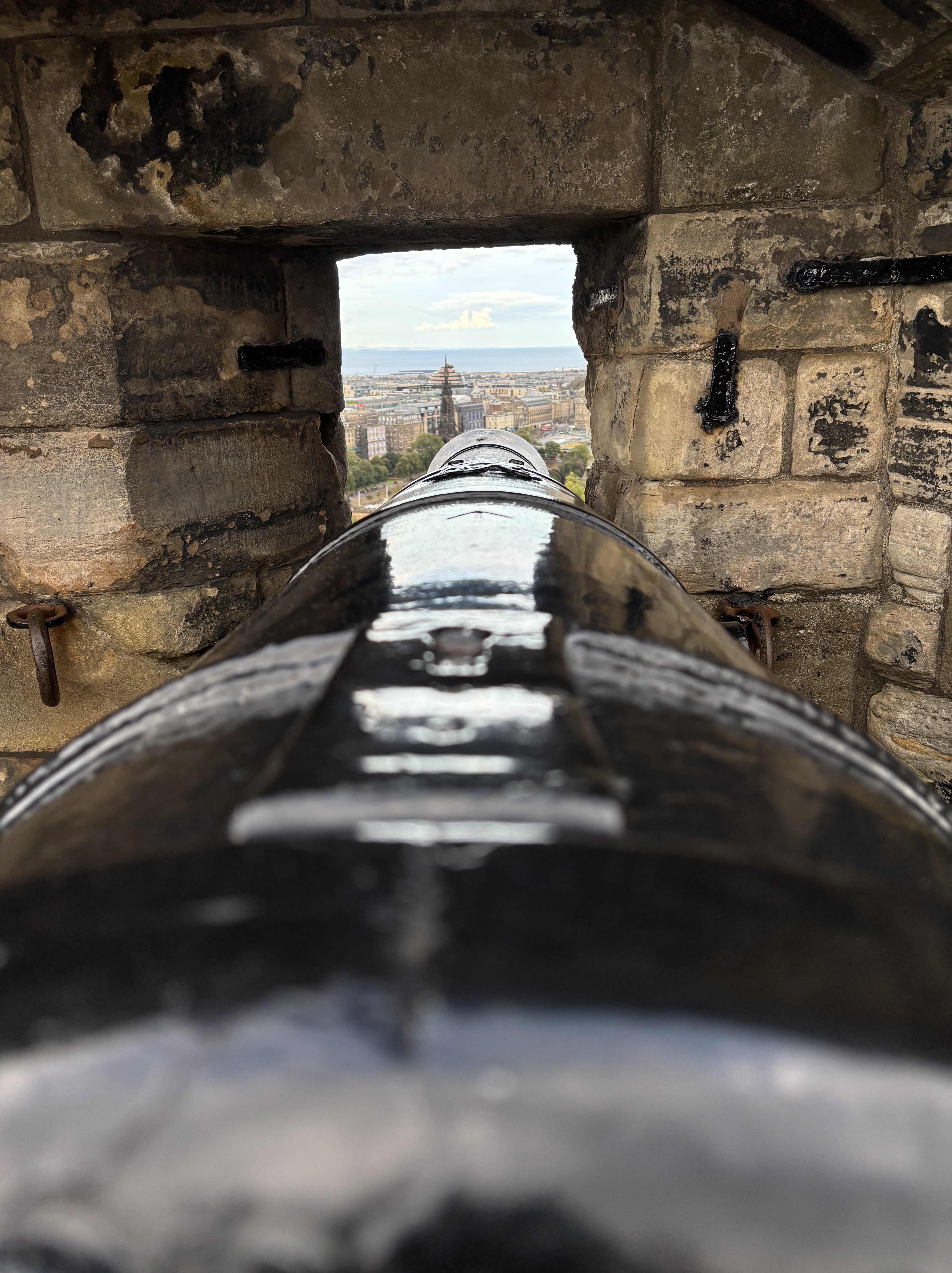
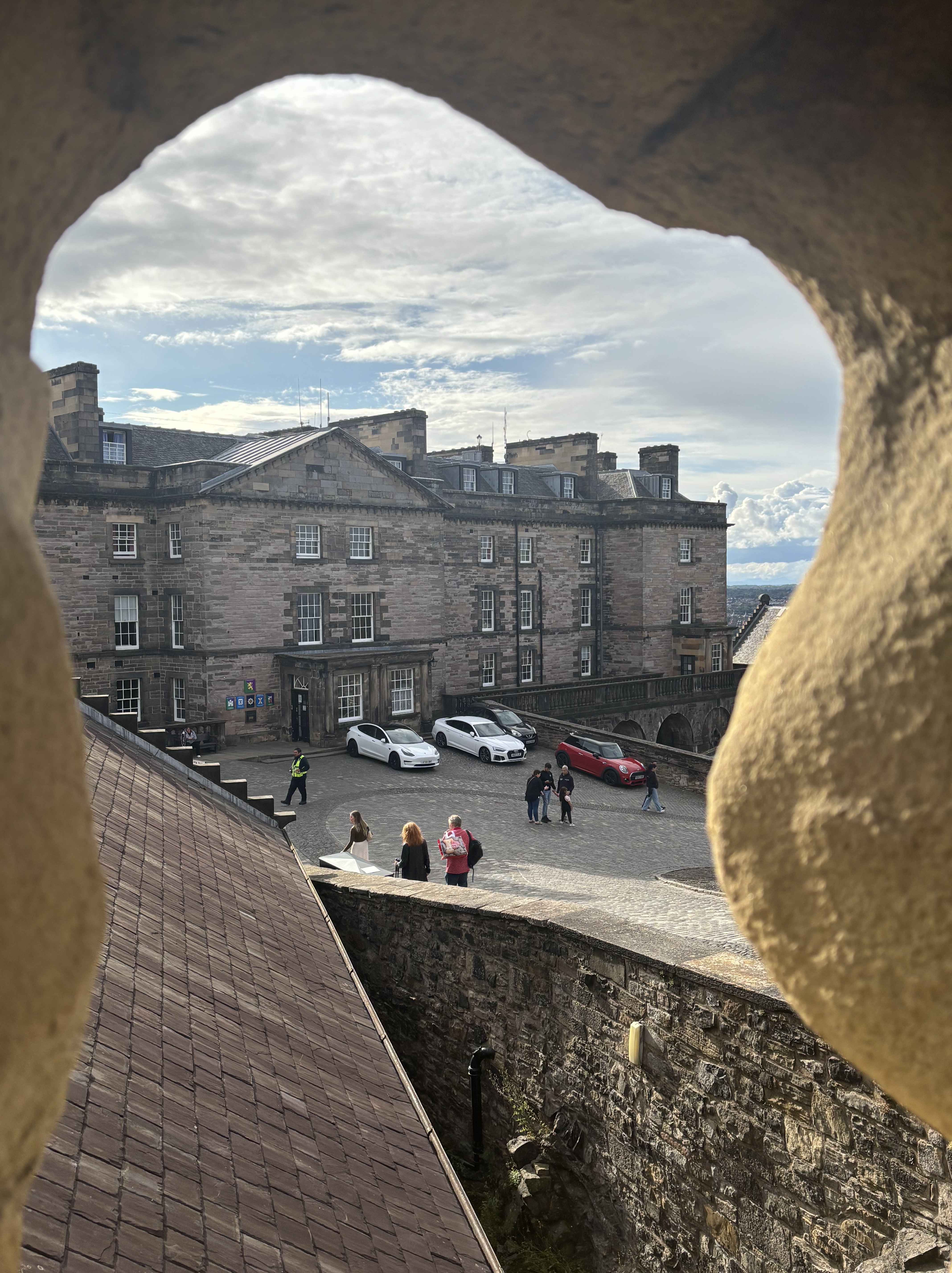

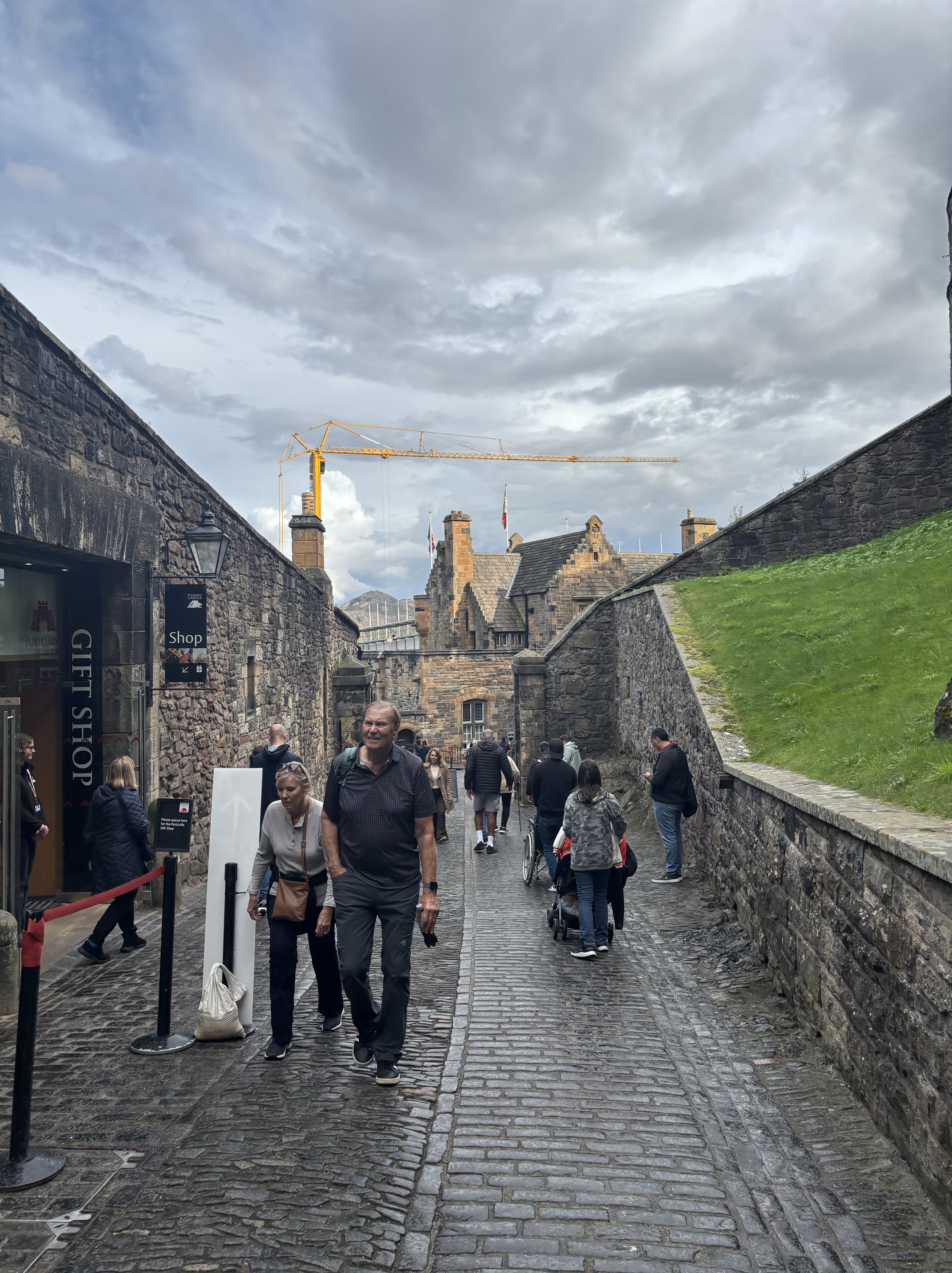
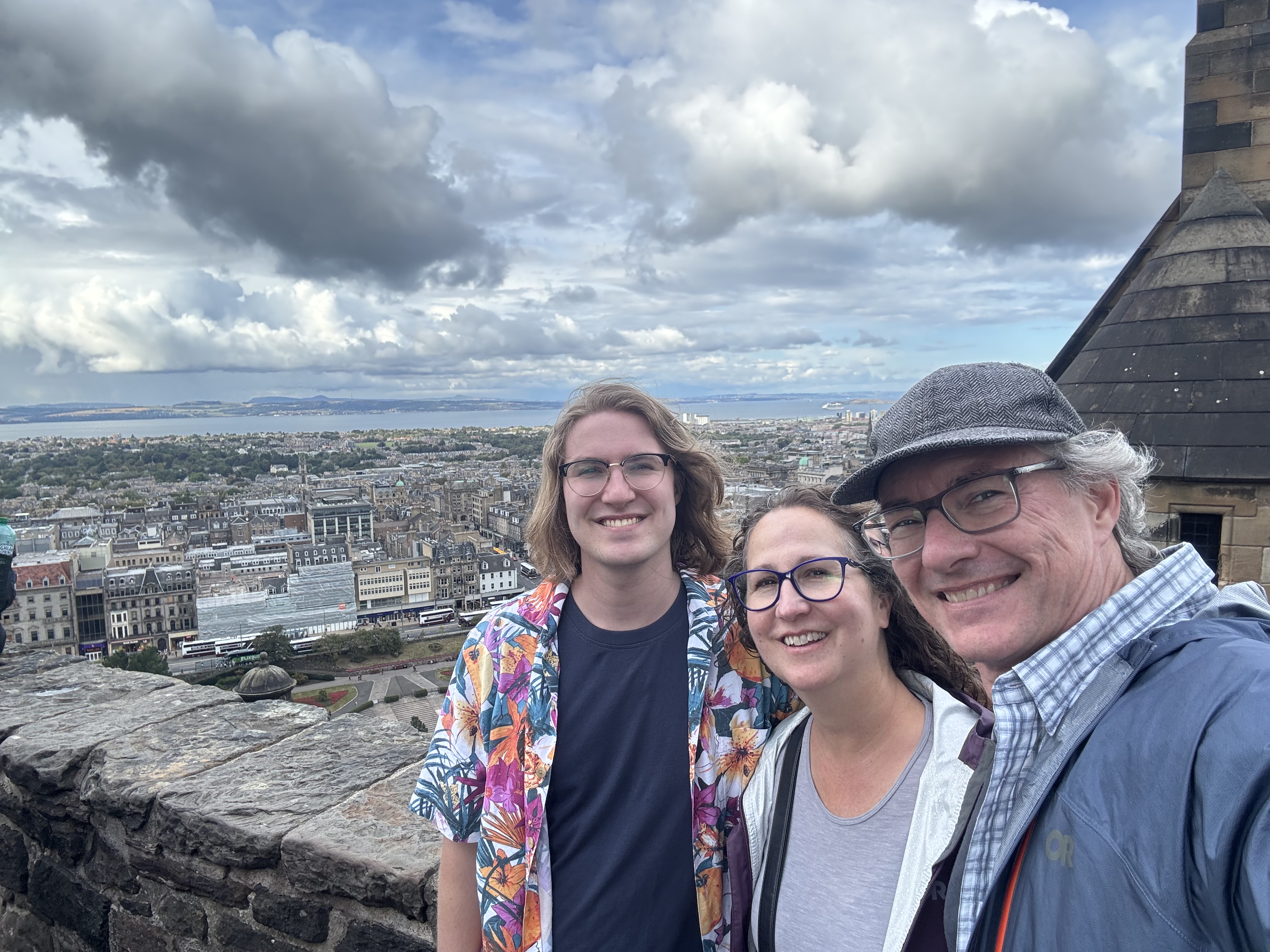
We visited late in the day to avoid the worst of the crowds and were further rewarded with a little blue sky. Unfortunately, the castle has the vibe of a medieval theme park thanks to the abundance of kitschy souvenir shops and cafes. The entrance fee is no joke either, and tickets for the timed admission windows tend to sell out days in advance. Similarly, the enchanting medieval streets outside the castle perimeter slowly meander their way down the hillside toward what once were the old city walls but are now lined with even more souvenir shops and other businesses eager to separate you from your retirement savings.
Because the original city (a/k/a the “Old Town”) was surrounded by giant mounds of rock on three sides and a lowland swamp on the other, there was nowhere to expand as the city’s population grew and it instead built upwards – in some cases up to 15 stories high. The poor lived at the top (where they had to climb all the way up no matter the weather – which often was terrible) and the bottom (where the buckets of waste would splash on the side of the building and accumulate outside their doorways) while the rich enjoyed the floors in the middle. You can pay – because nothing is free in Edinburgh – for a guided tour of the various underground tunnels and narrow closes.
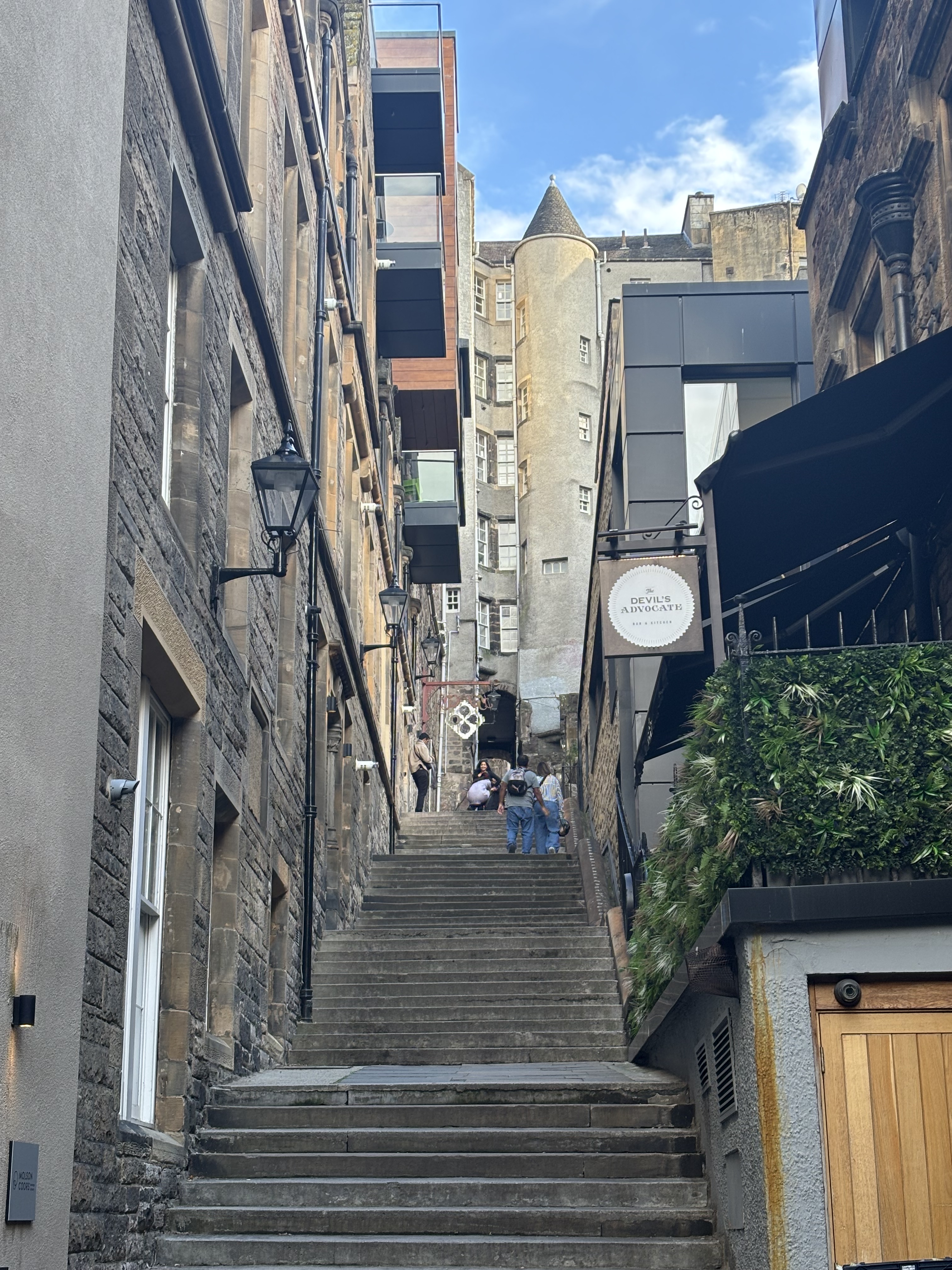
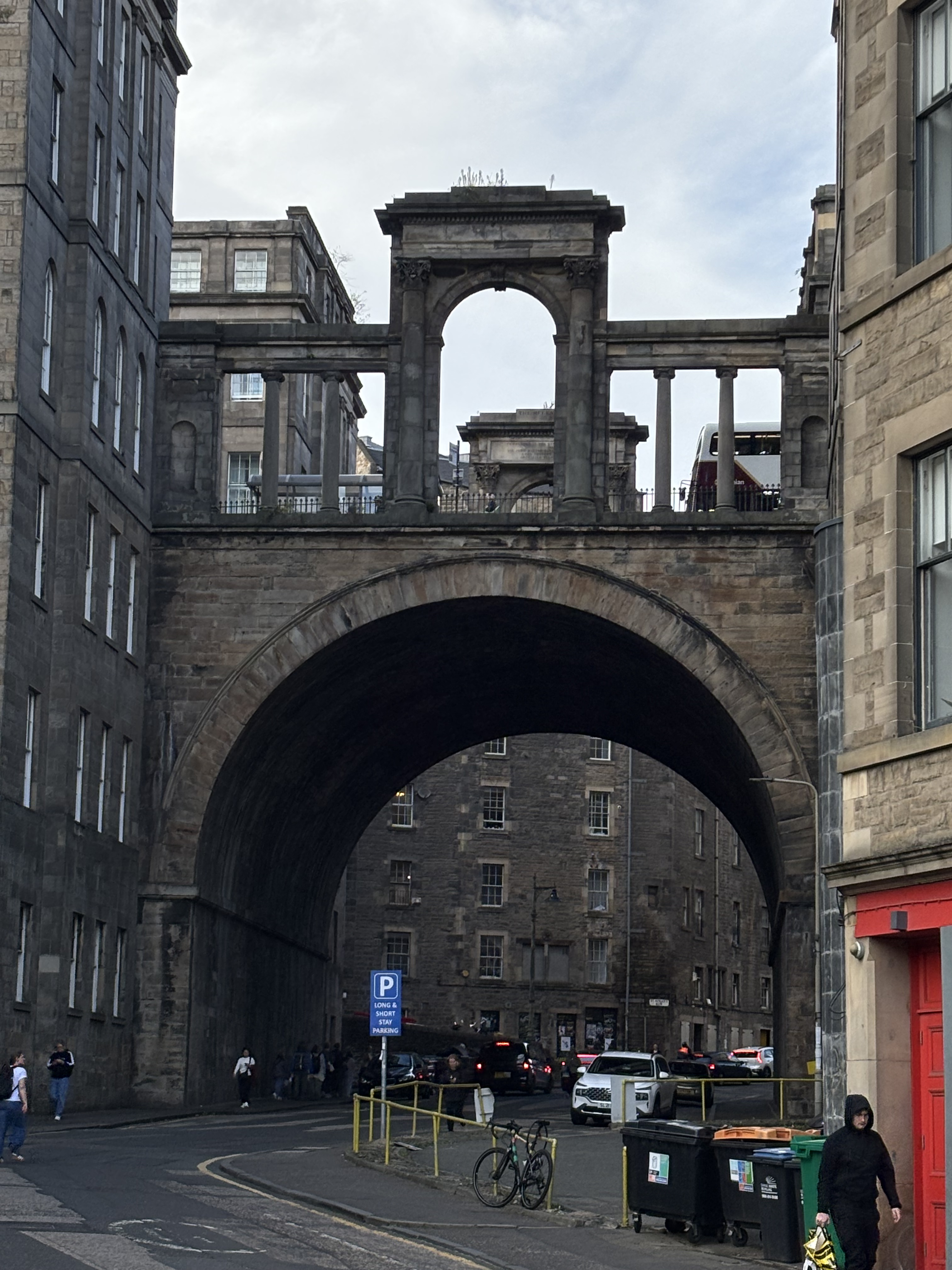
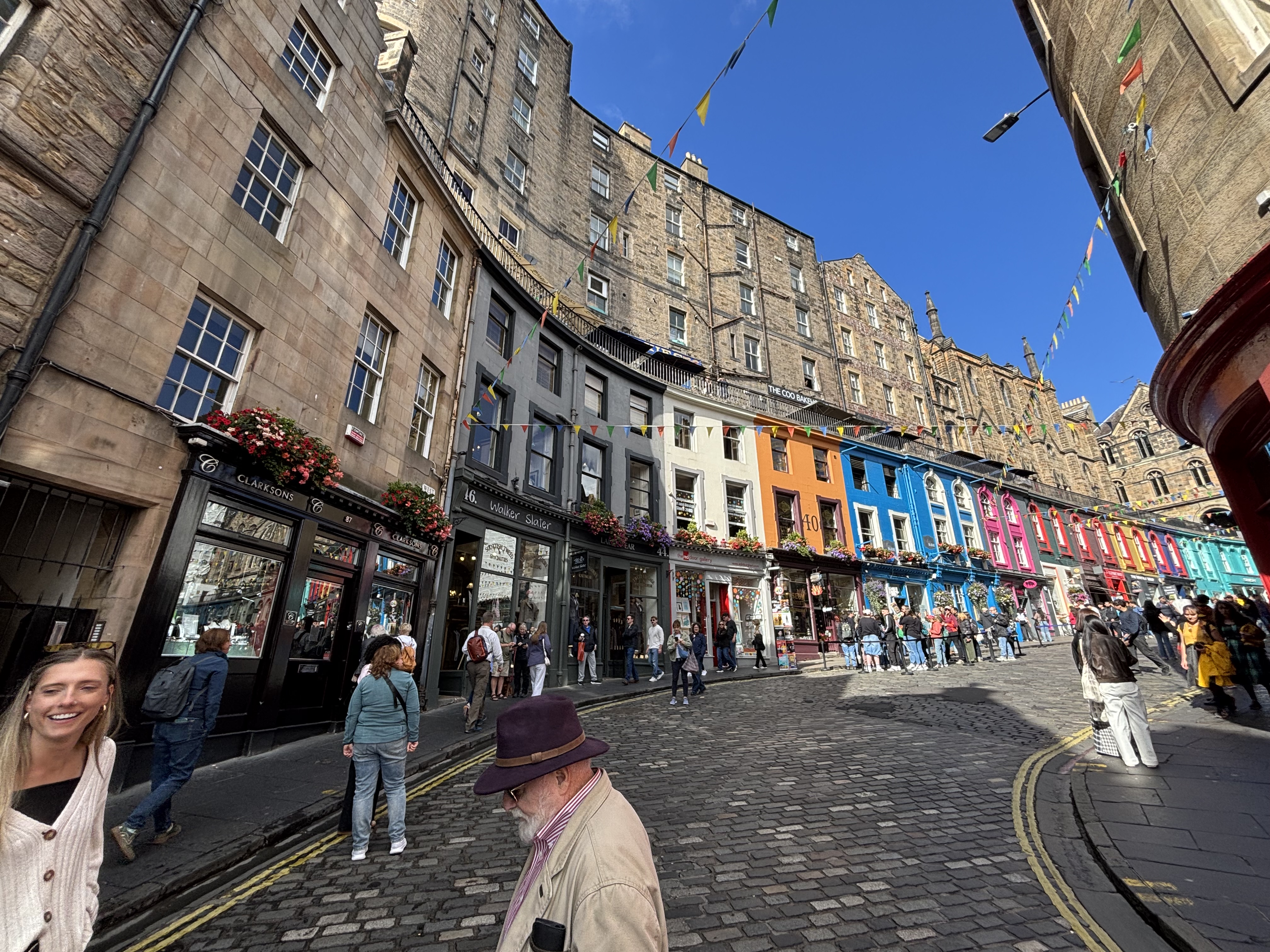
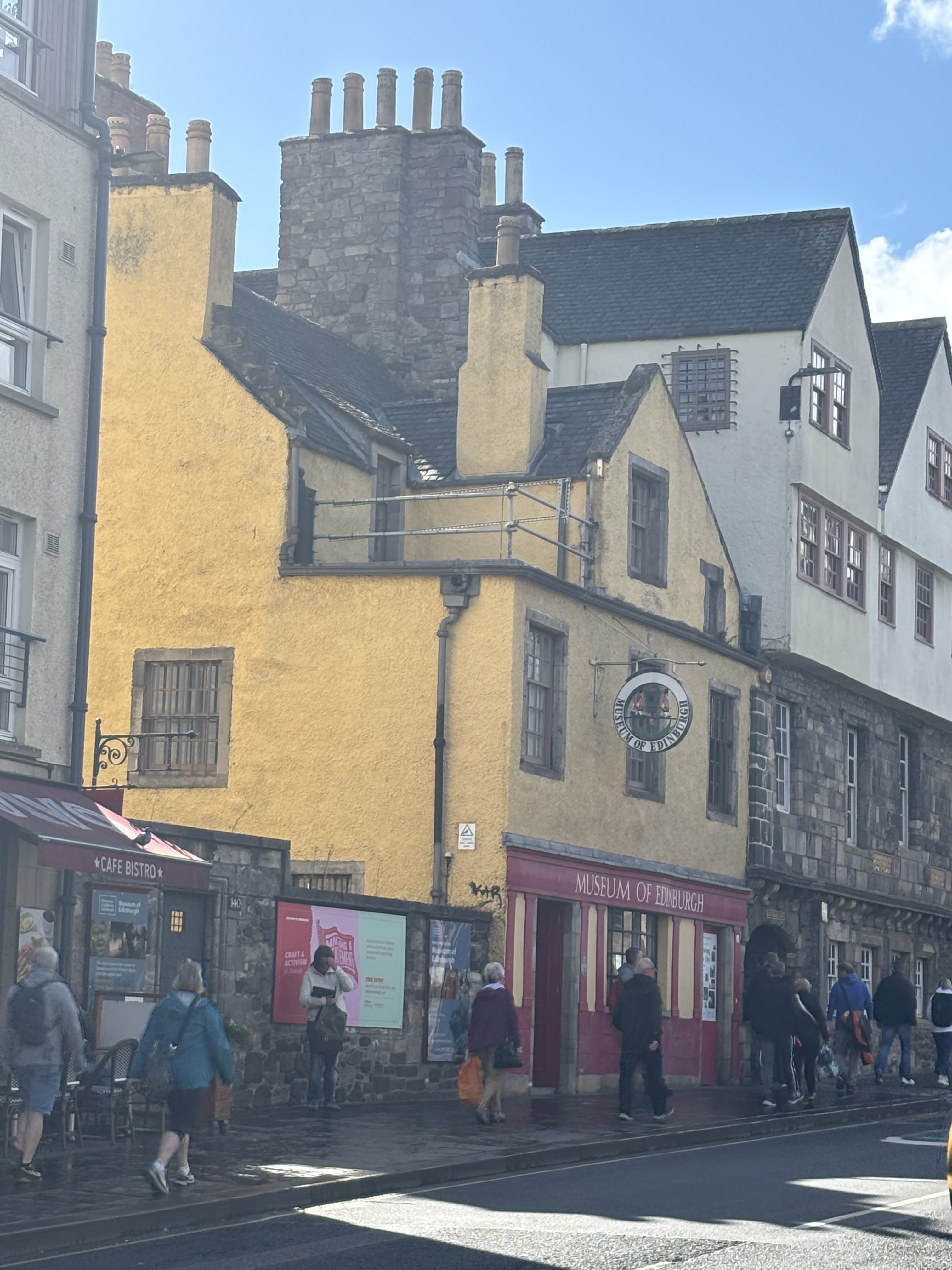

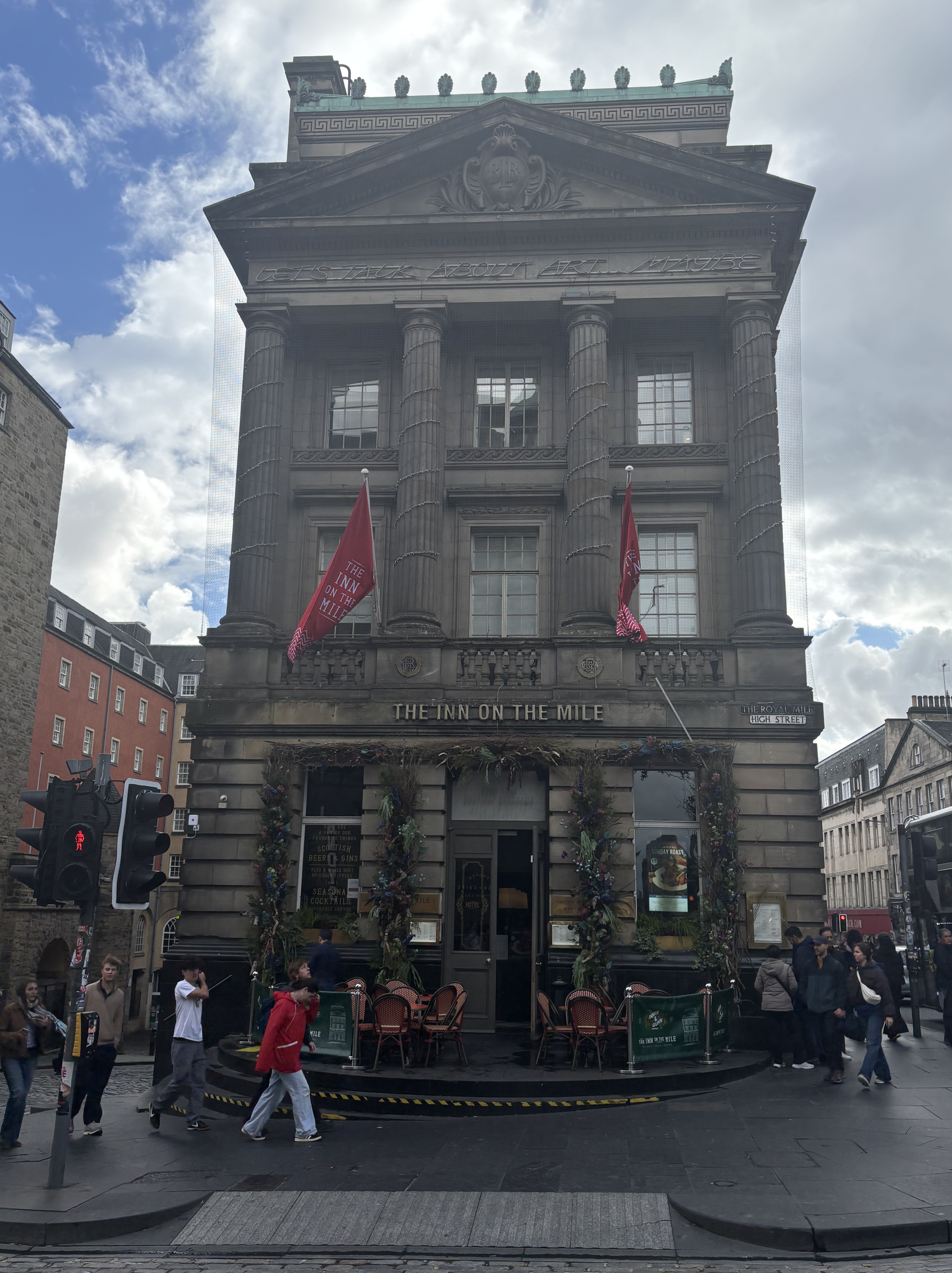

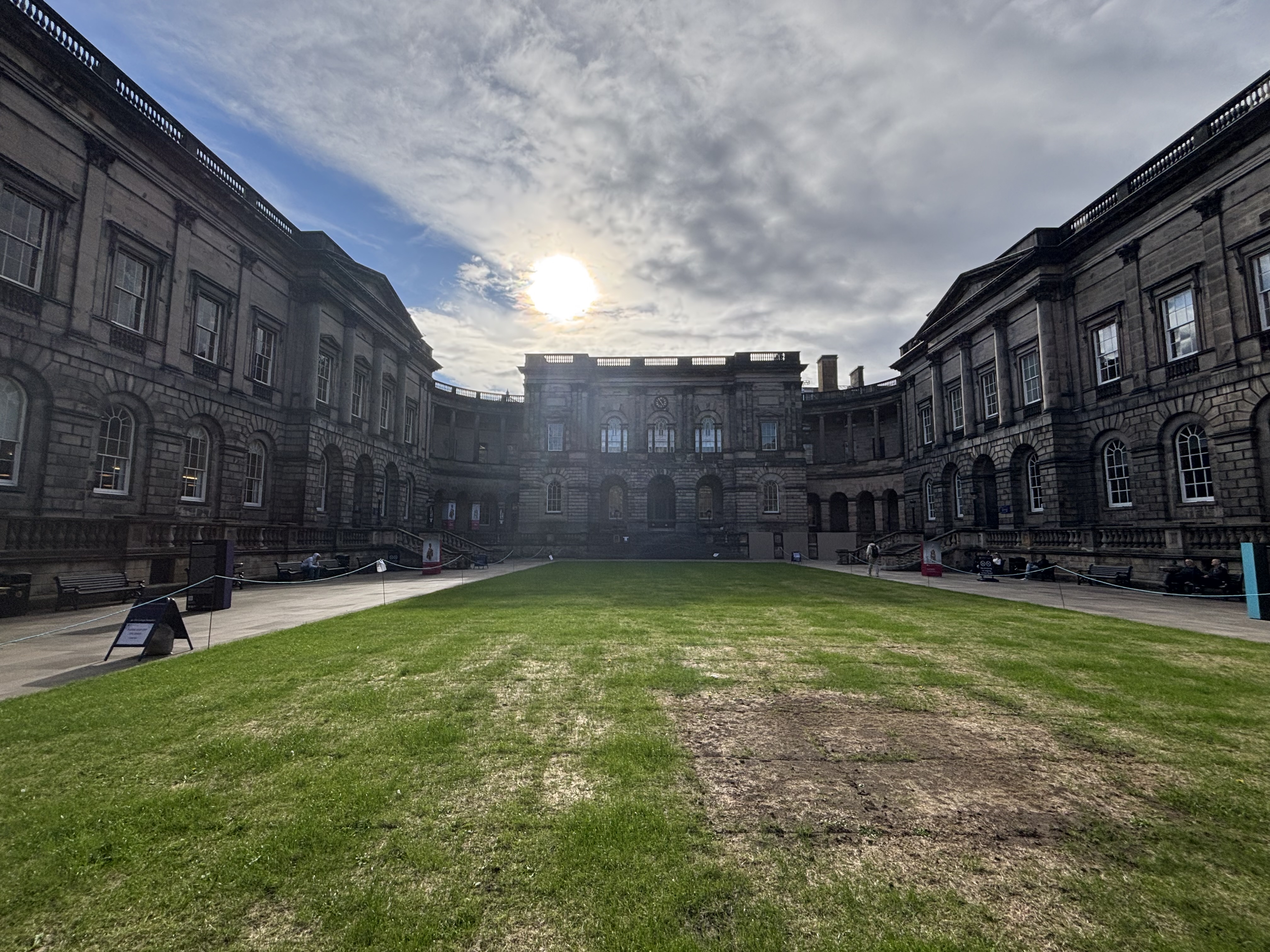
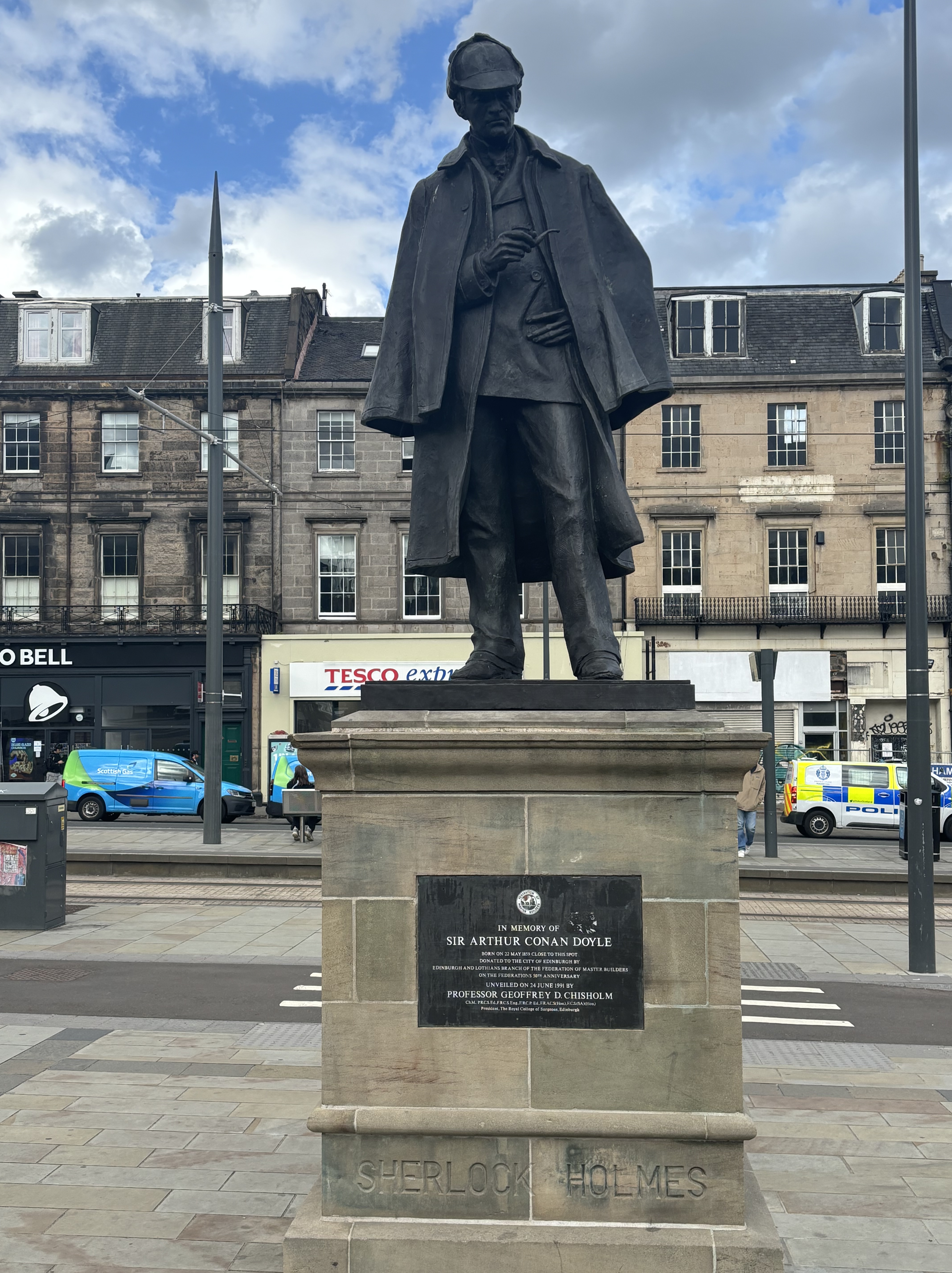
The old town had become such an overcrowded and disgusting slum by the middle of the 18th Century (although it is hard to imagine it being much more crowded than it is now) that the city decided to build bridges across the marshland and build a “New Town.” The New Town is a wonderful example of Georgian architecture, showcasing a neoclassical building style full of columns and balconies. (Confusingly, many of the buildings in the New Town are older than many of the buildings in the frequently burnt and thoroughly Disneyfied Old Town.) Arthur Conan Doyle, Walter Scott, Alexander Graham Bell and numerous other intellectuals and aristocrats were born or lived in the New Town at some point because it was “the” place to be in the self-proclaimed “Athens of the North.”

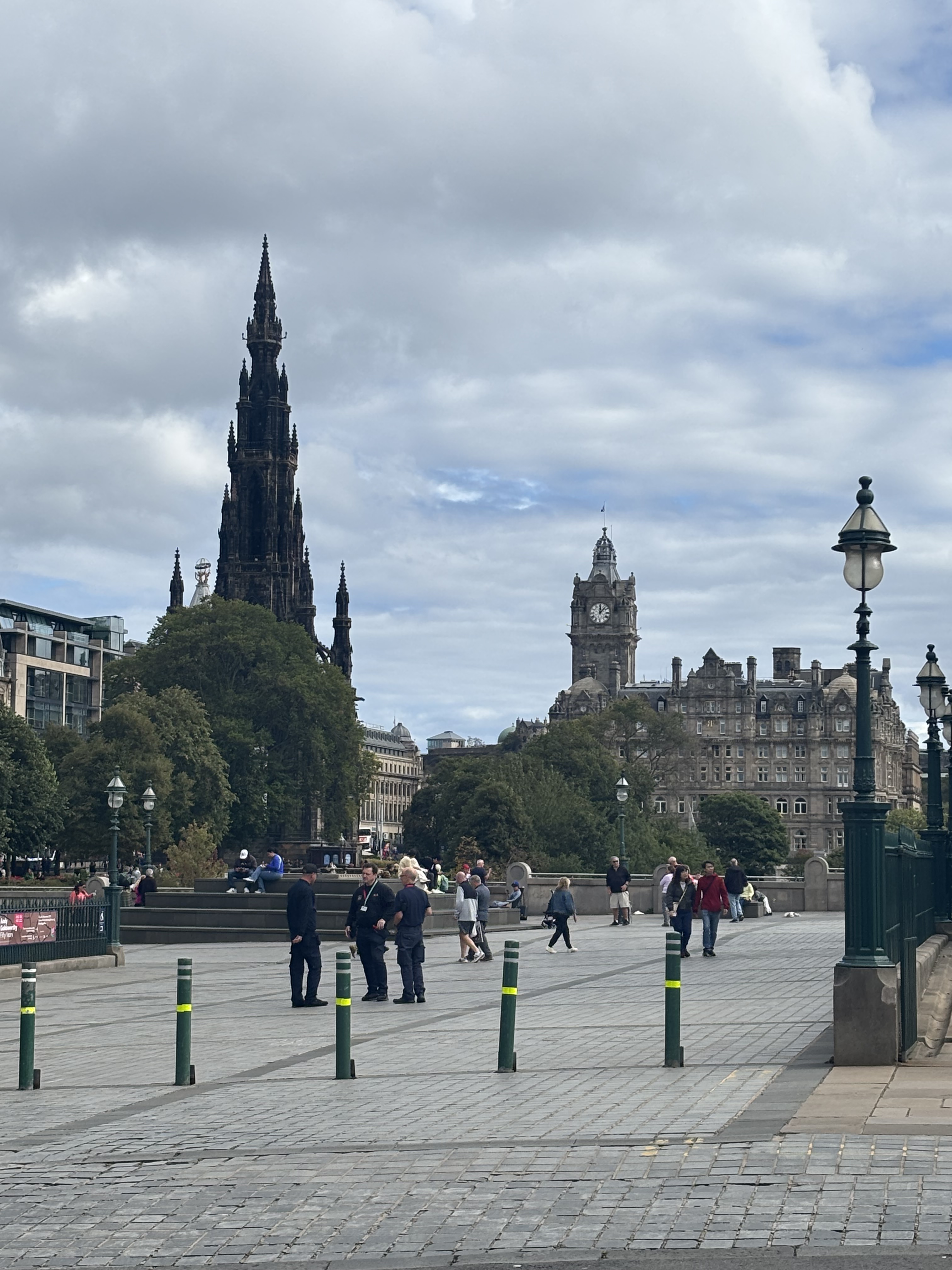
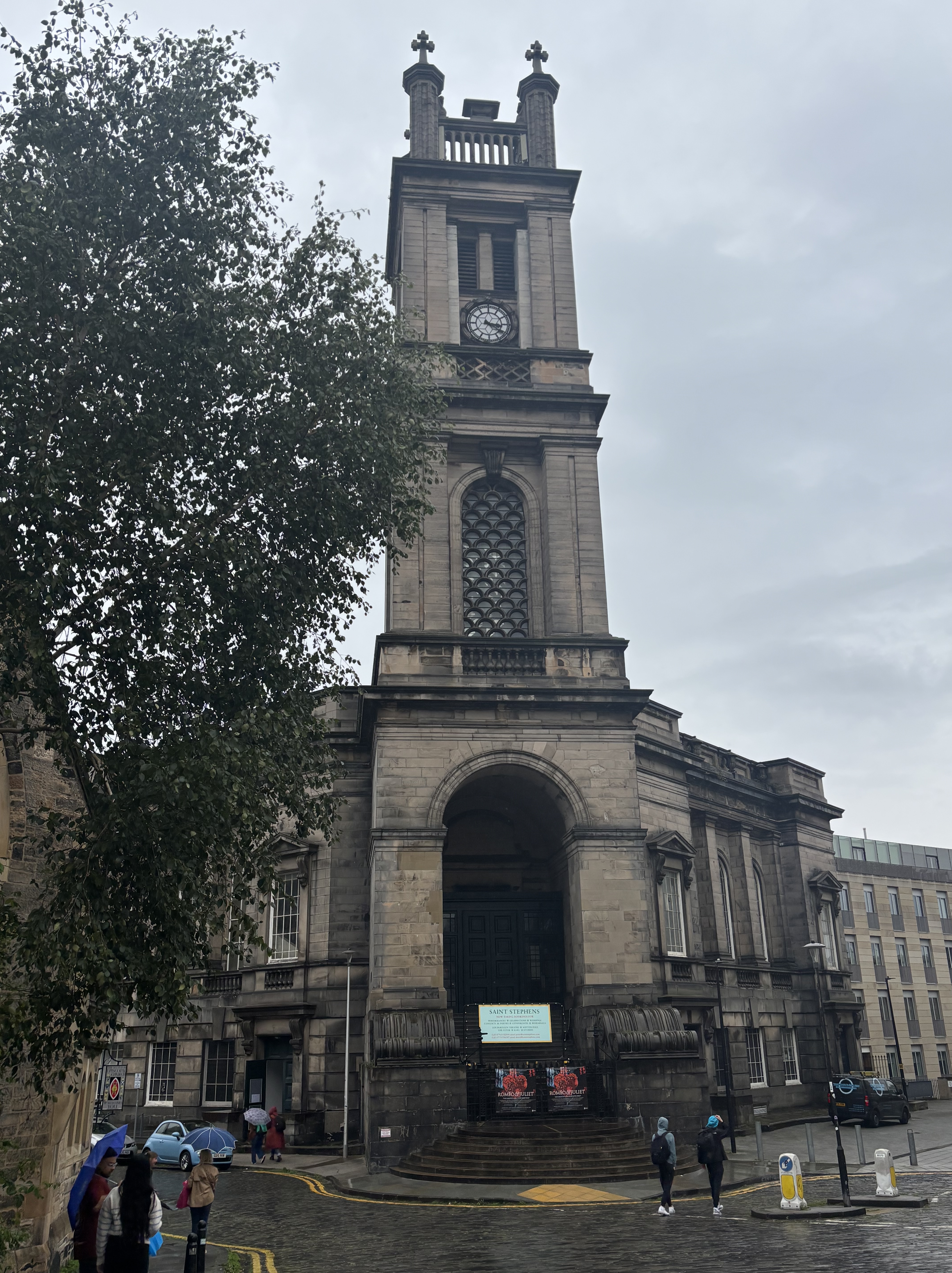
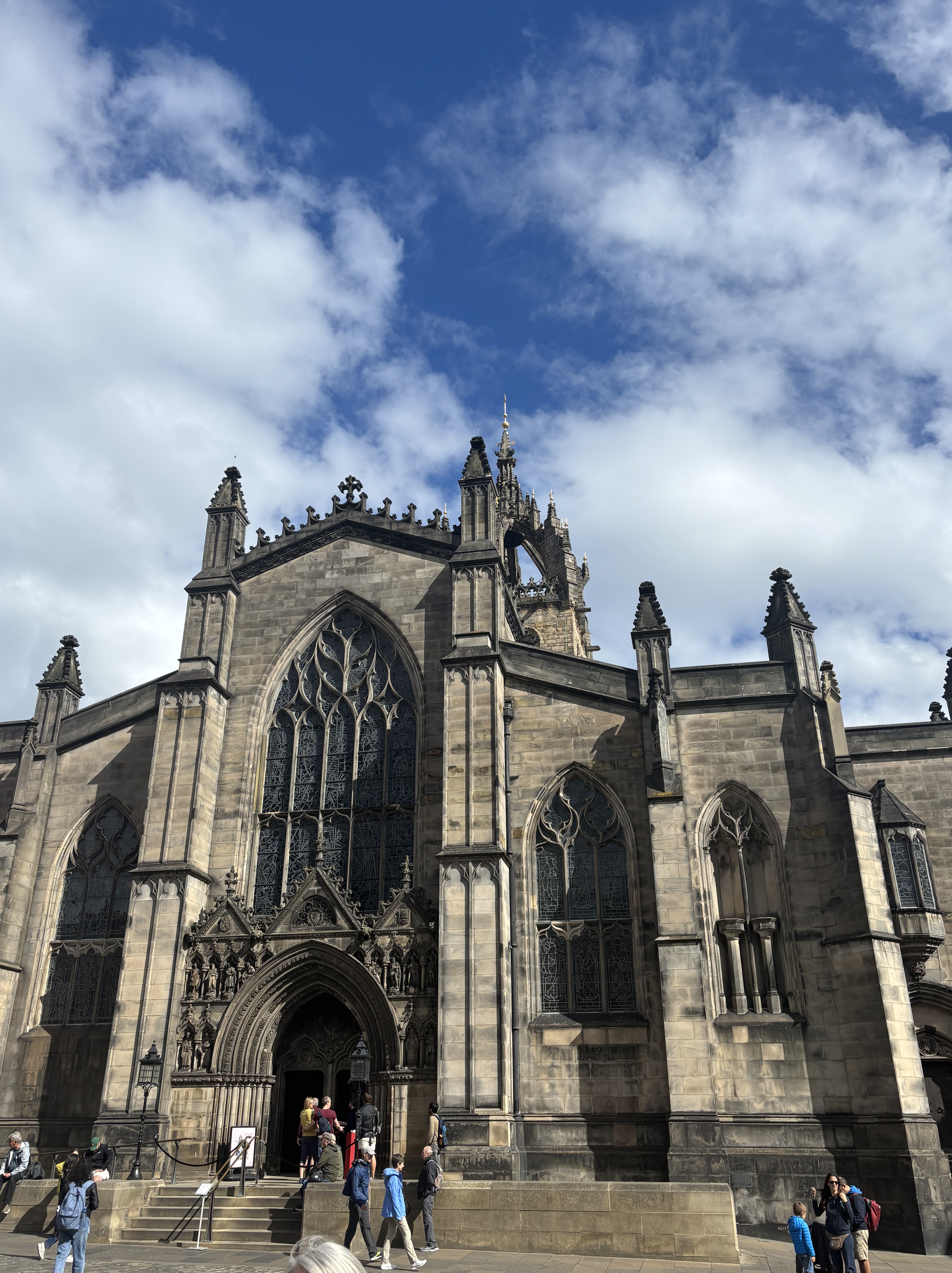
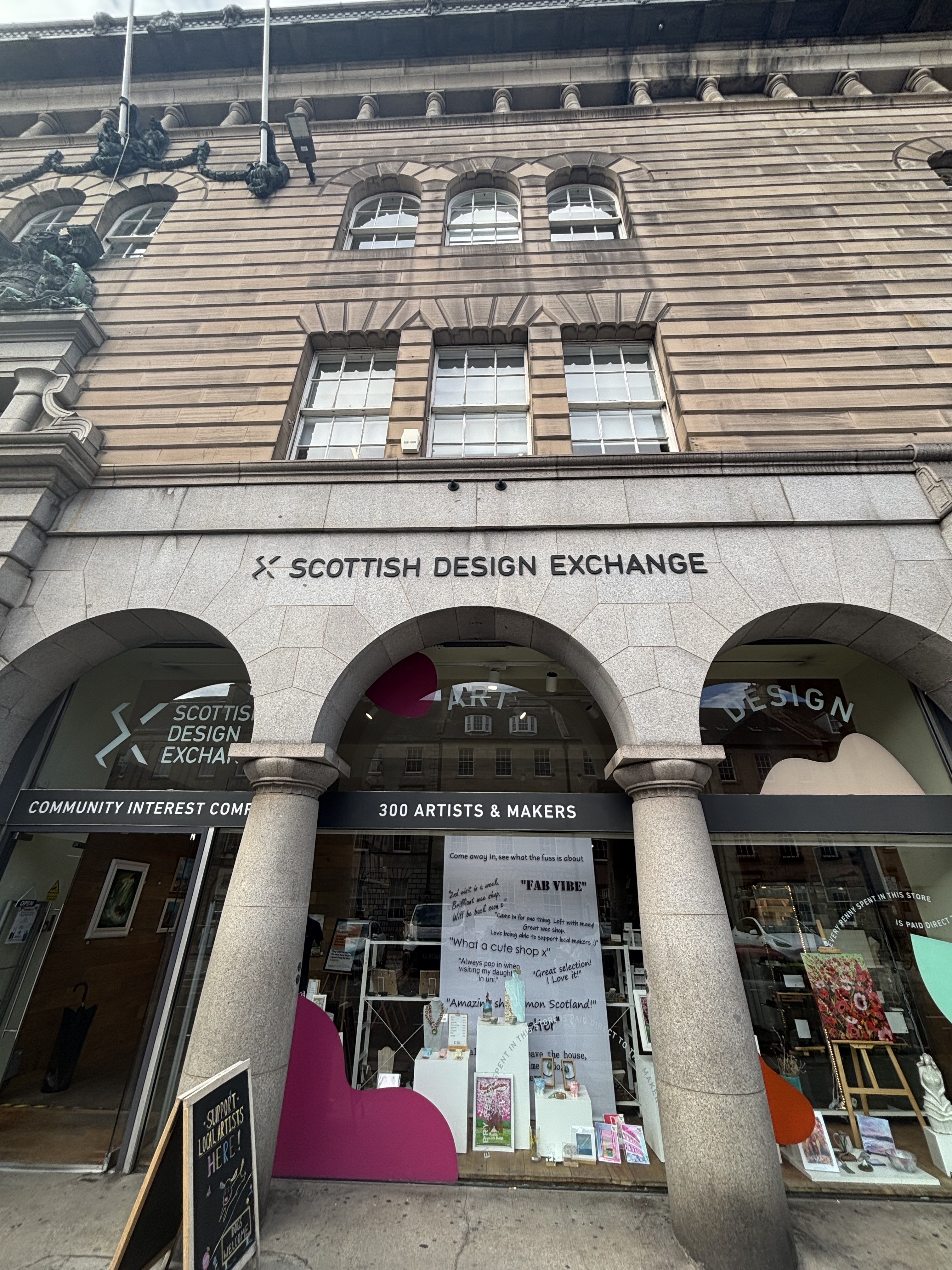
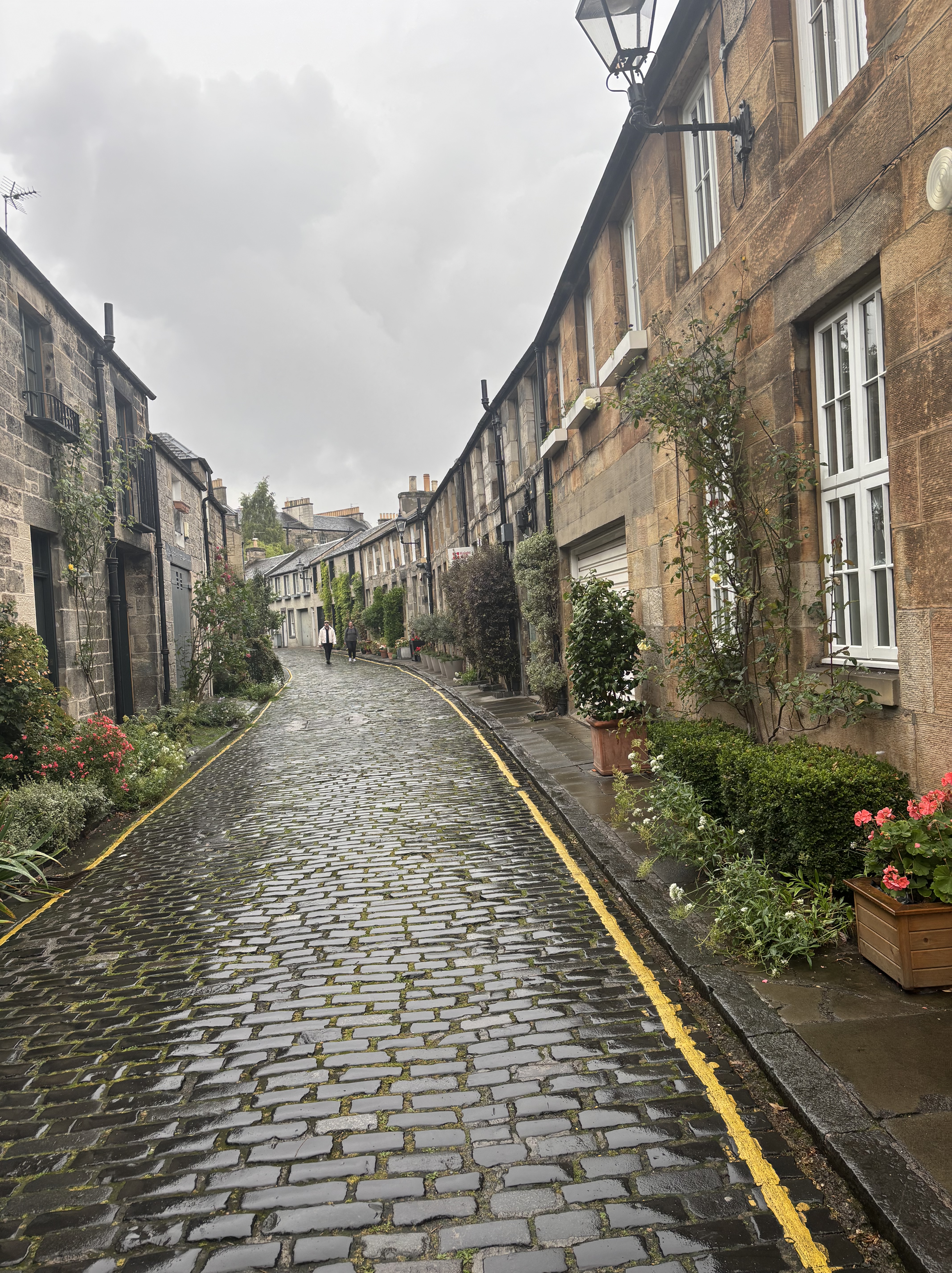
As a tourist, it is 100% worth spending a day or two braving the crowds to view the sights in the Old Town and a half-day to check out the New Town. But once you’ve done that . . . get the heck outta there! The place is quite Edin-boring once you scratch beneath the shiny grimy surface. (That’s essentially what Alex did, so kudos to him for scheduling the perfect stay in Edinburgh.) It’s simply too crowded to find an open space outdoors to sit down, the queues to get indoors are maddening, the tourist hordes entirely disregard the concepts of personal space and inside voices, everything is expensive and there are only so many attractions actually worth paying for. The J.K. Rowling impact only seems to have exacerbated the situation, as everyone wants to see the real-life places that inspired her books or at least patronize the opportunistic establishments that have been savvy enough to say they did.
From what we can tell, Harry Potter, witchcraft, murder (stories) and hen parties drive the local economy. We can’t speak for all our readers, but that’s not our cup of tea. (We prefer ours with a dram of whisky and minus the tea.) After a couple of days in the Old Town, we started feeling like we were on a slow-moving hamster wheel because we couldn’t stop walking but didn’t have anywhere in particular to go. And if that’s not enough to make you think twice about spending more time in the Old Town, keep in mind that you have to climb the hill to get to it. Even Uber sunk to new lows in Edinburgh, as it repeatedly asked if we would like to pay extra to get a driver in less than 15 minutes on the few occasions we consulted it.
We really felt for the Old Town’s most famous former resident, a Skye Terrier known as Greyfriar’s Bobby. He supposedly stood vigil at his owner’s grave every day for 14 years. We assume he was hoping desperately for someone to adopt him and take him to the Highlands so he could run free but instead was stuck in an unfortunate canine version of the movie Groundhog Day.

We’re pretty sure he wasn’t mourning the death of his owner; he was just sad to be stuck in Old Town Edinburgh for 14 more years.
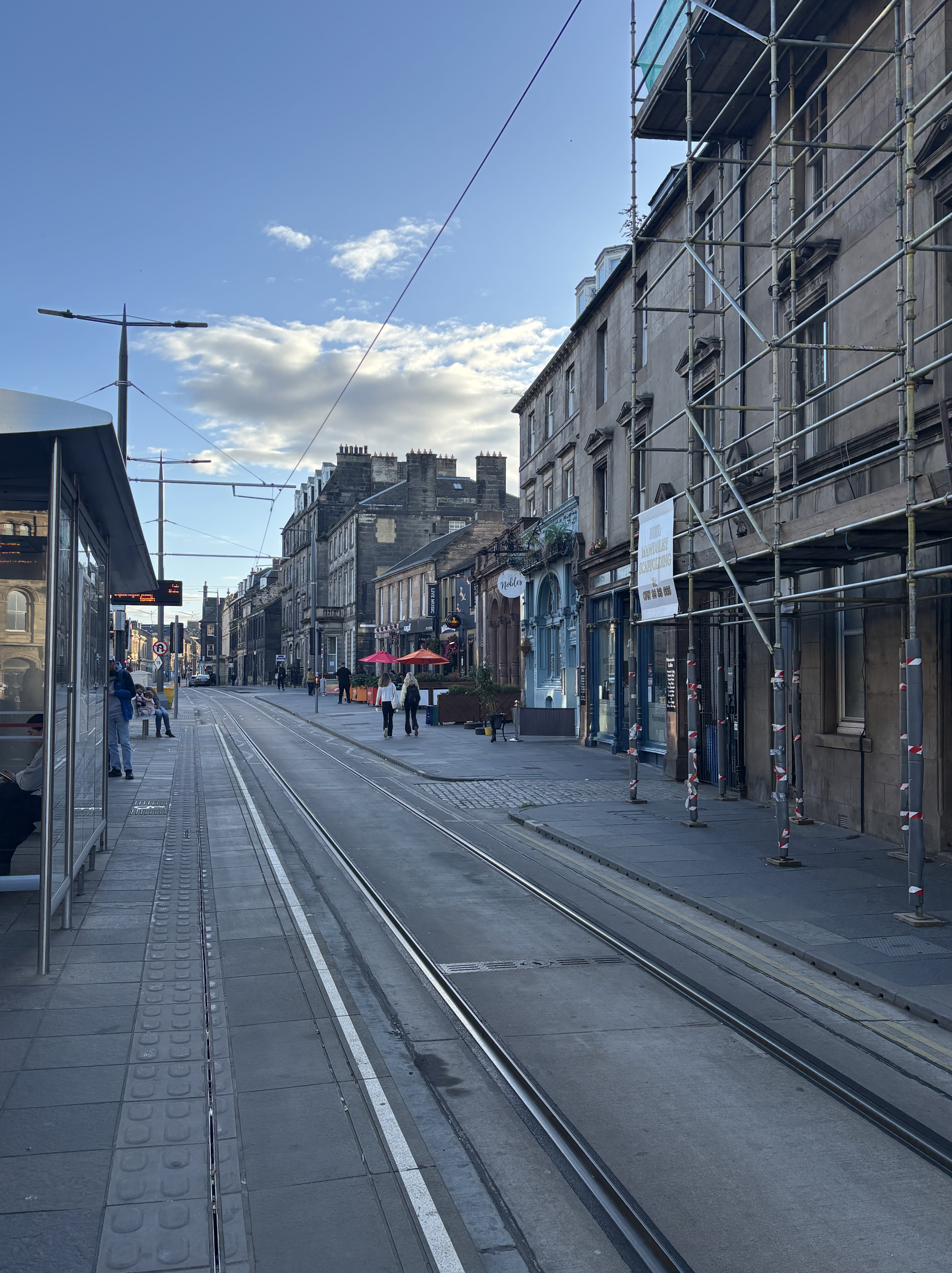
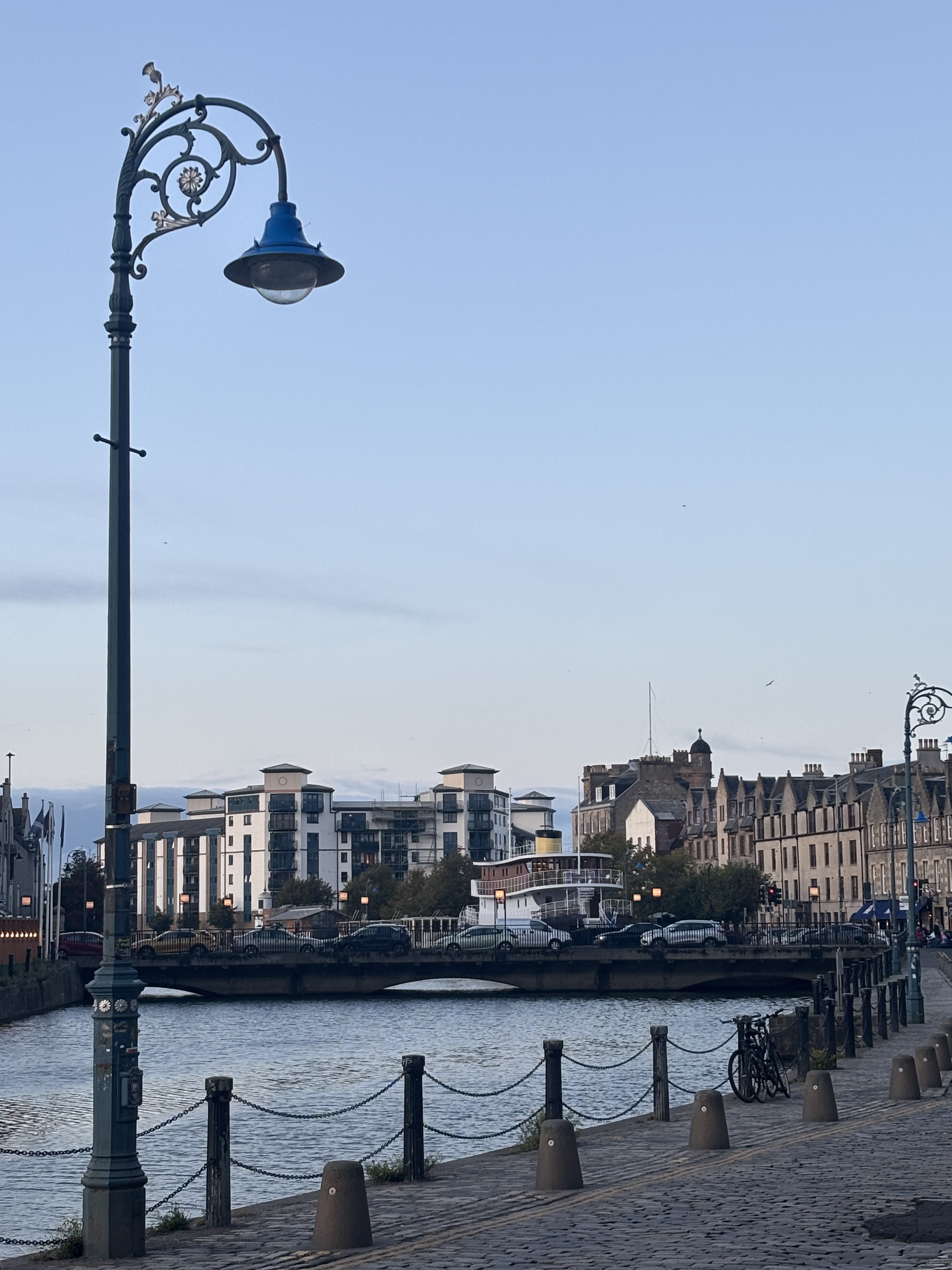
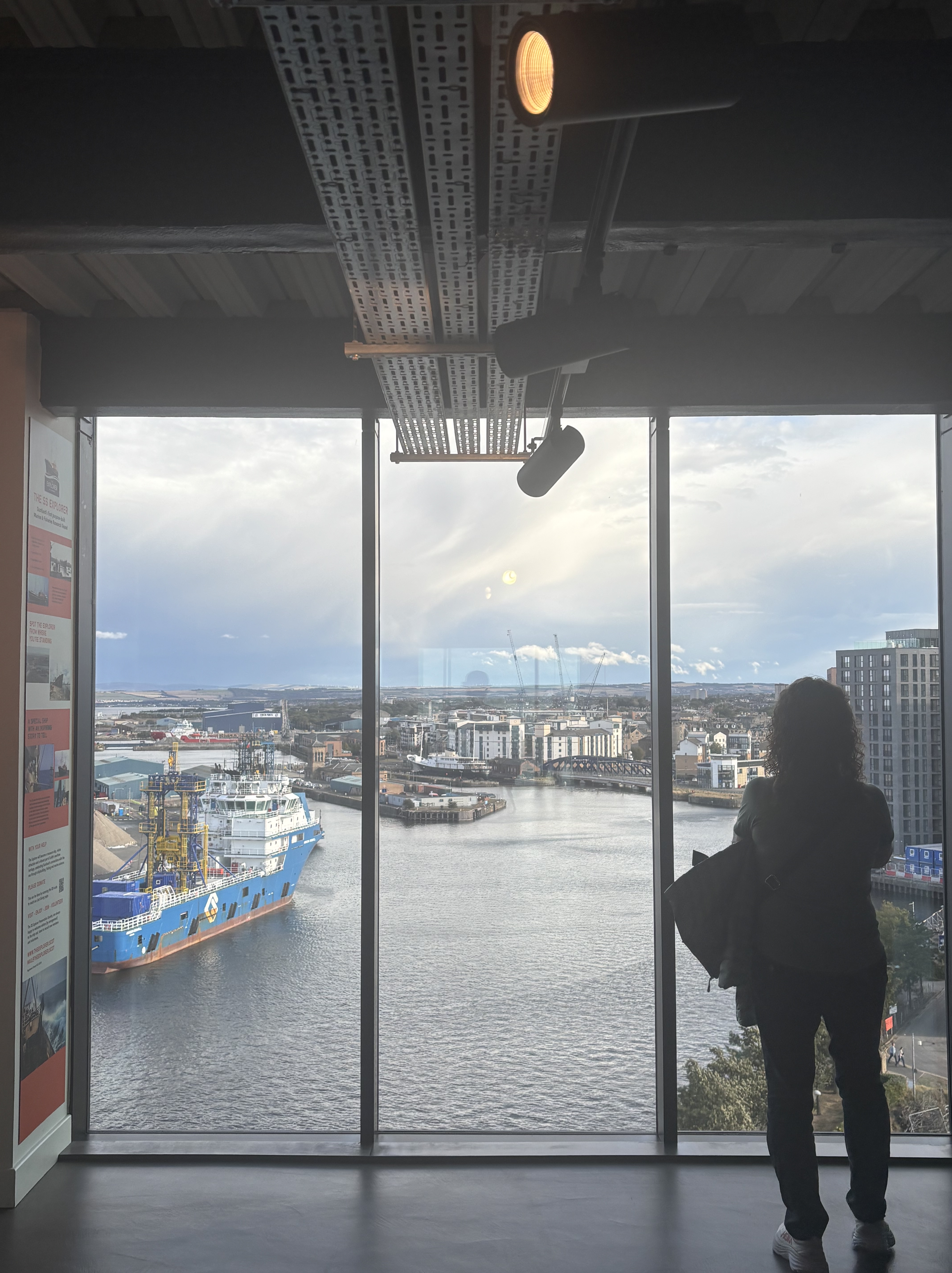
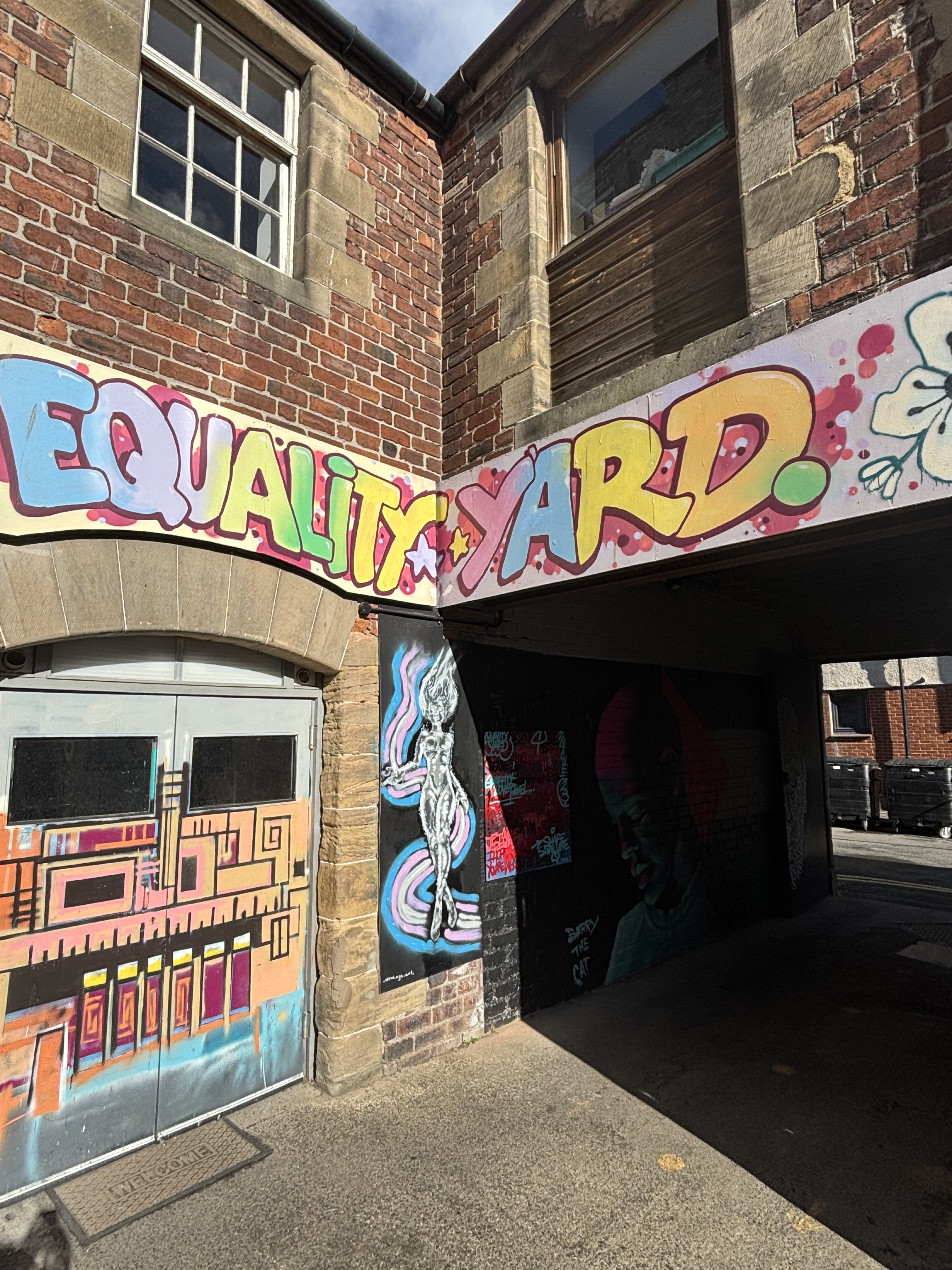
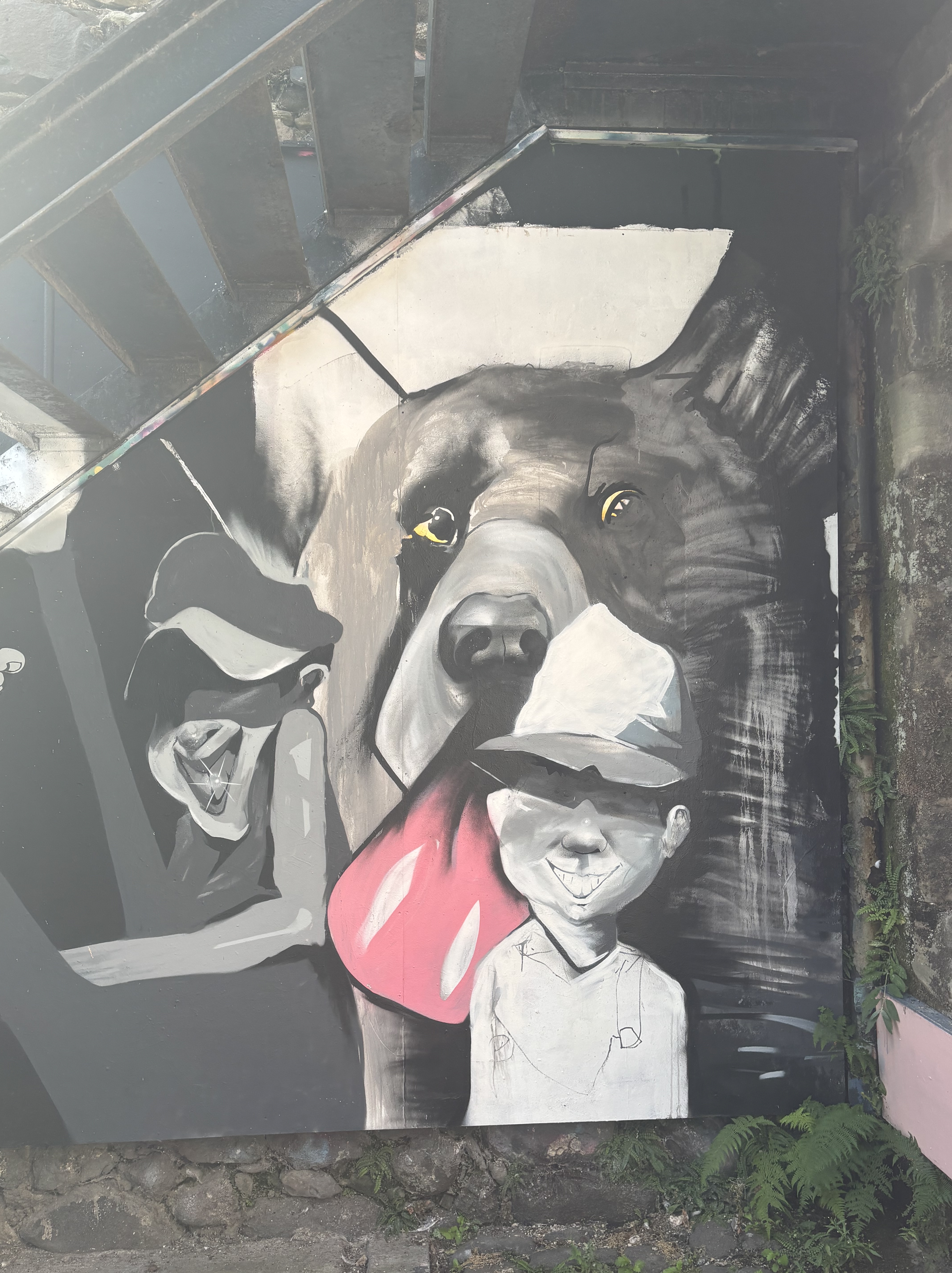
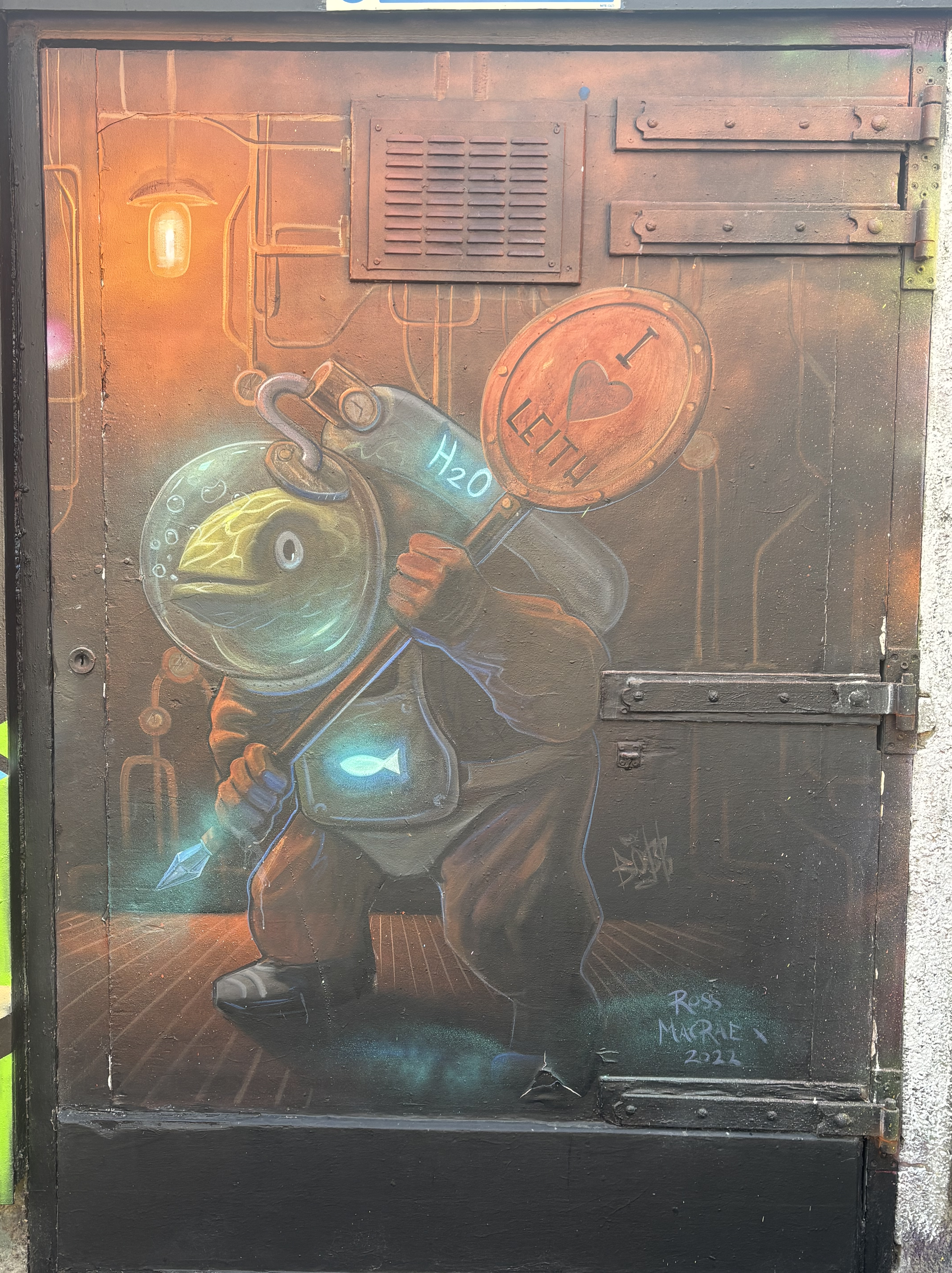
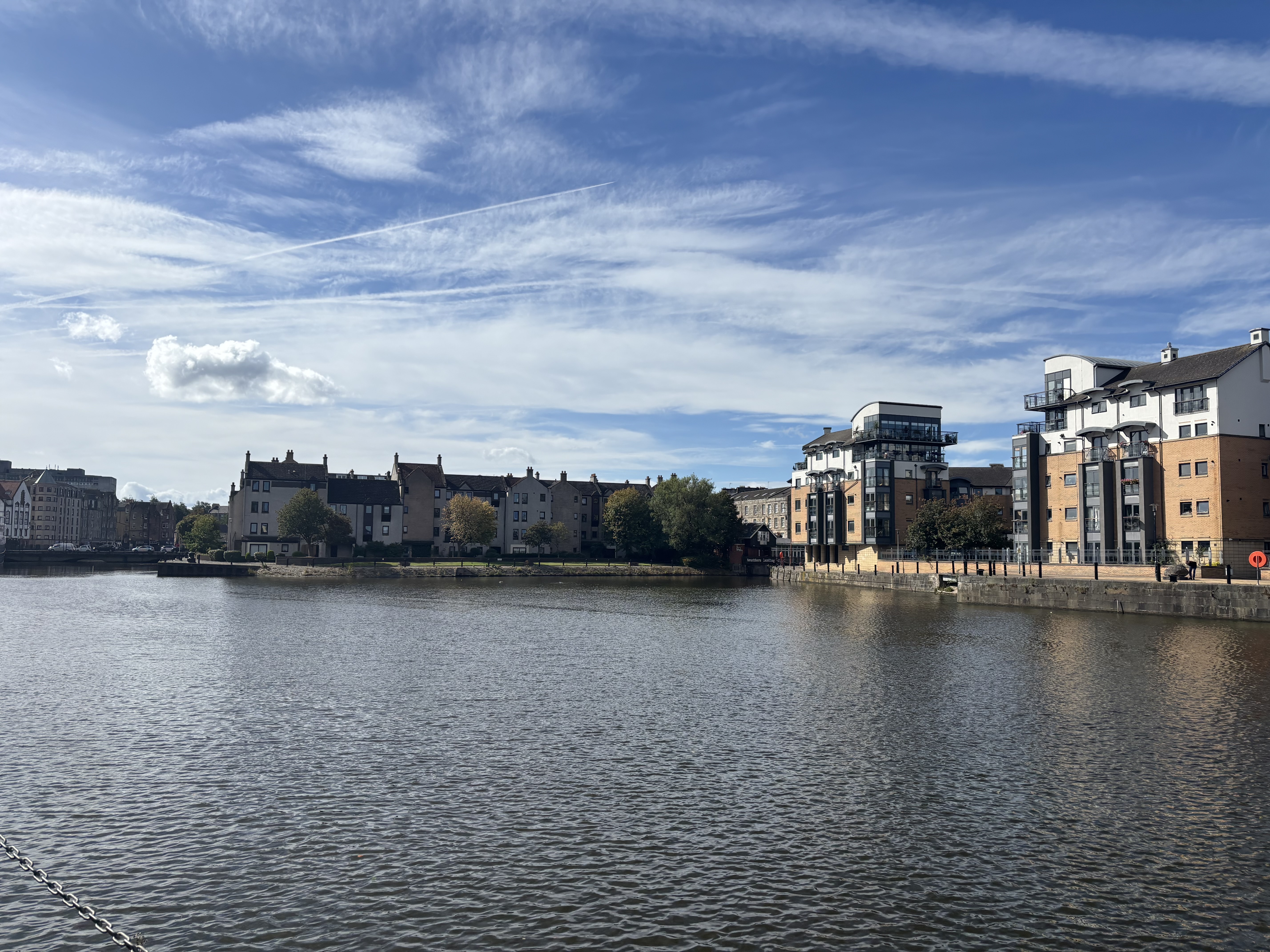
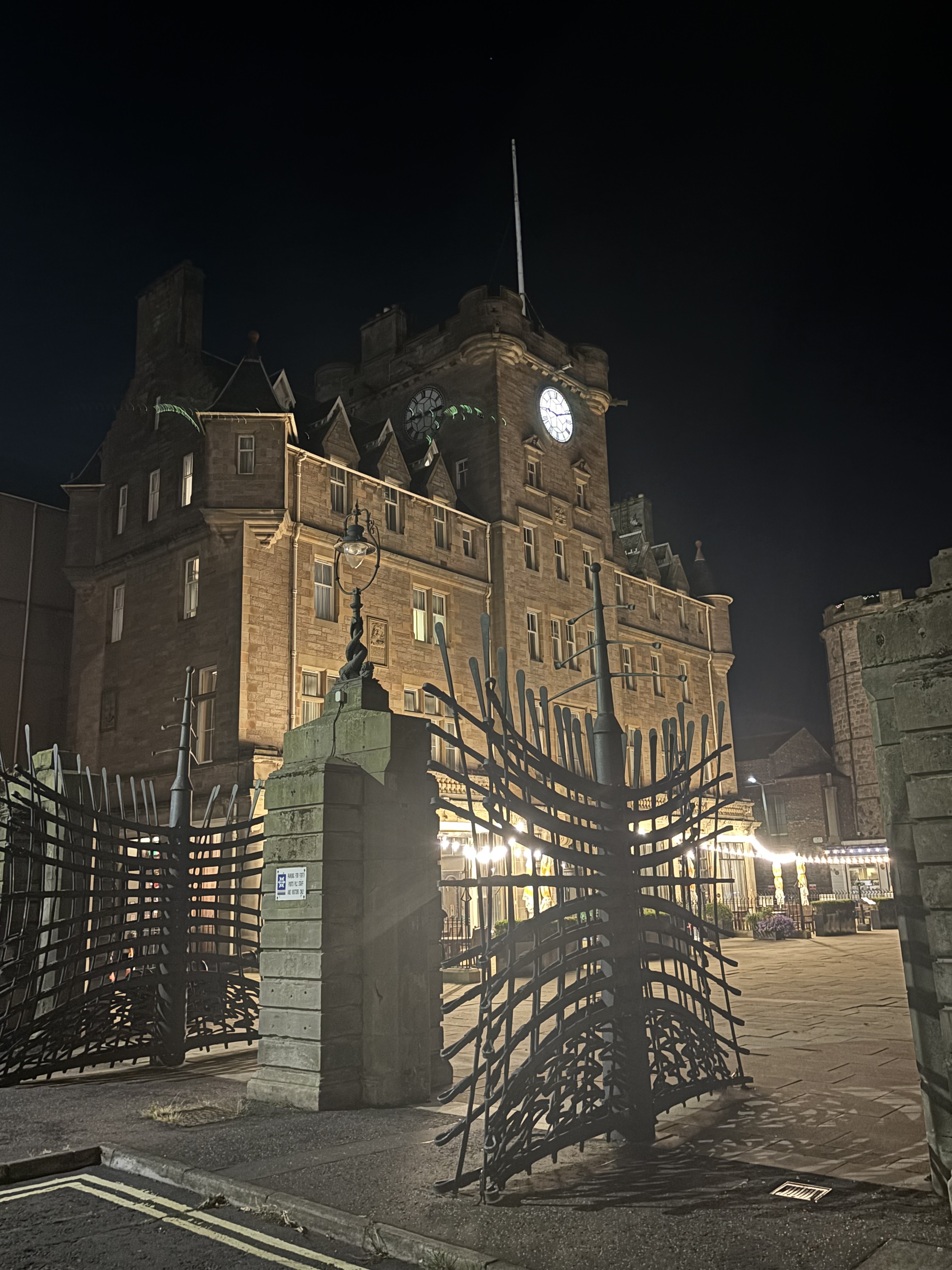
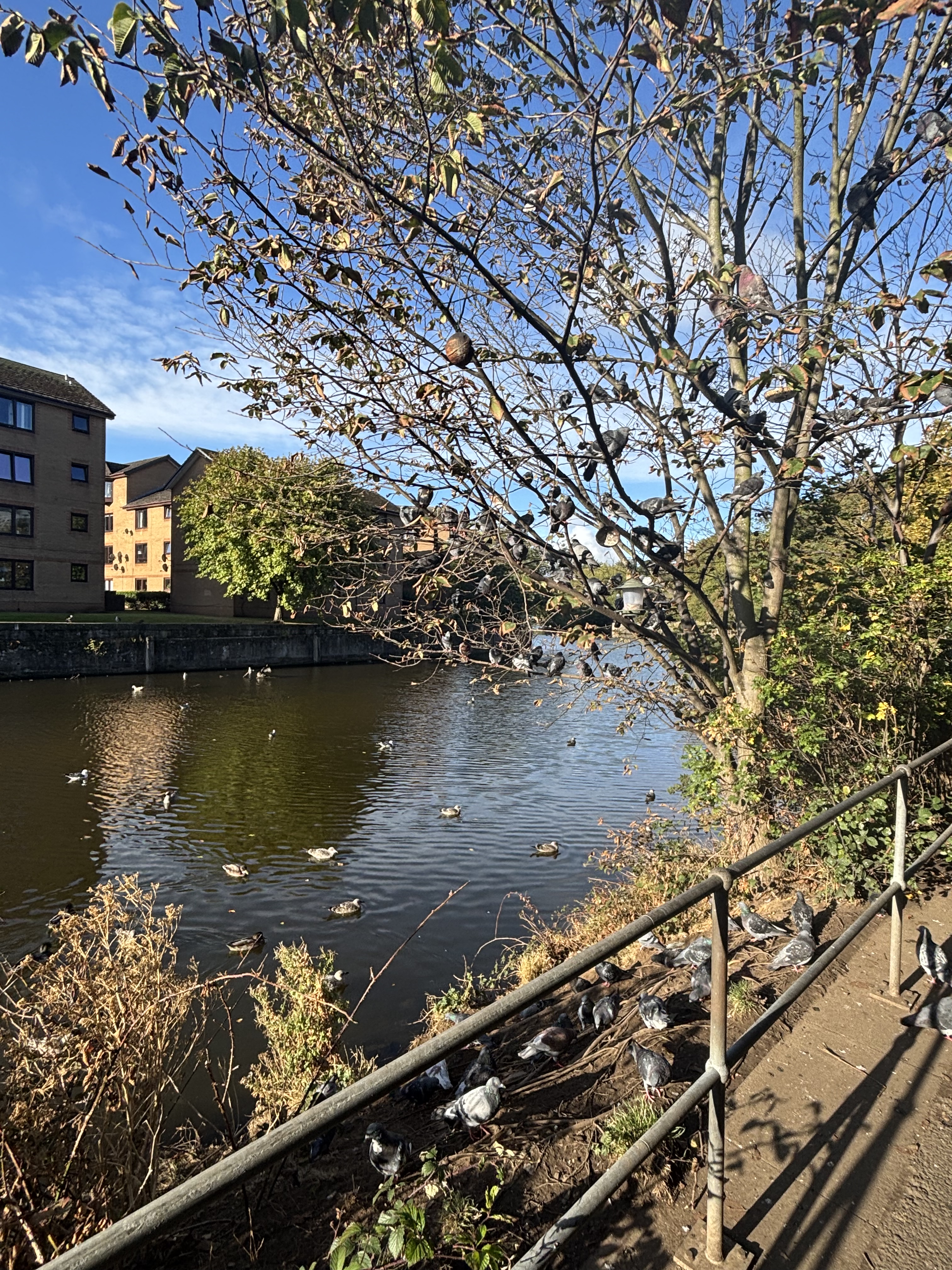
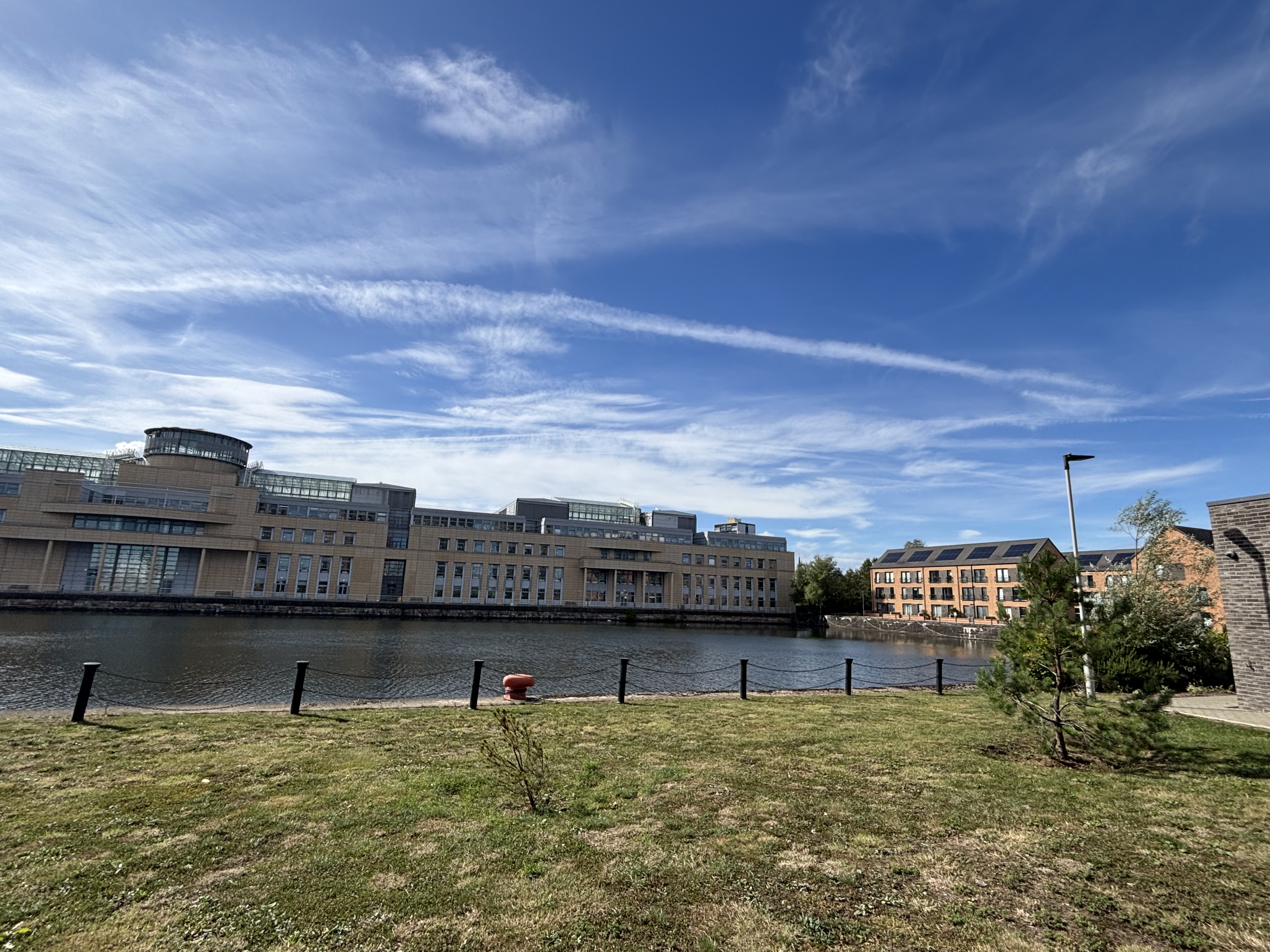
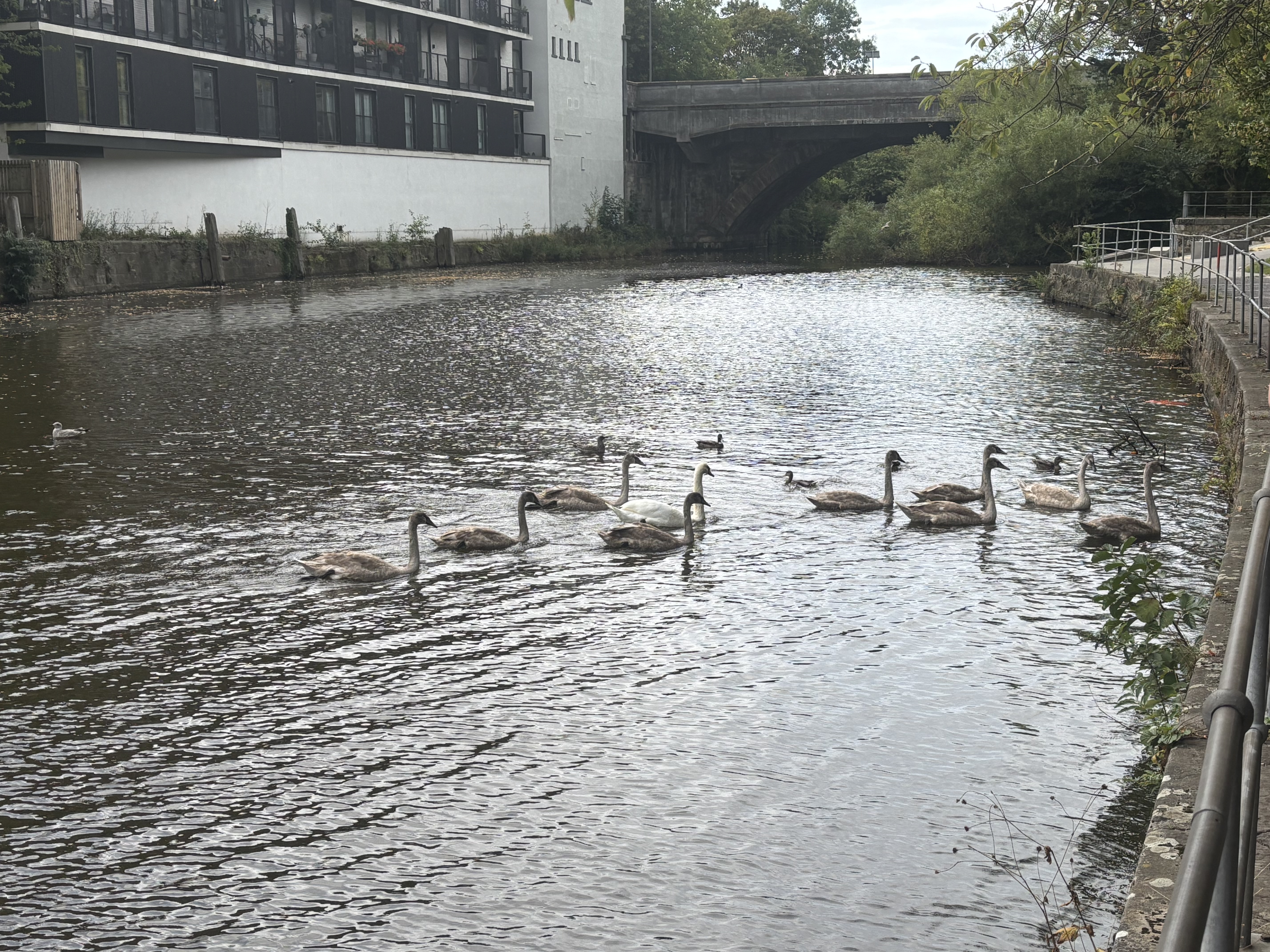
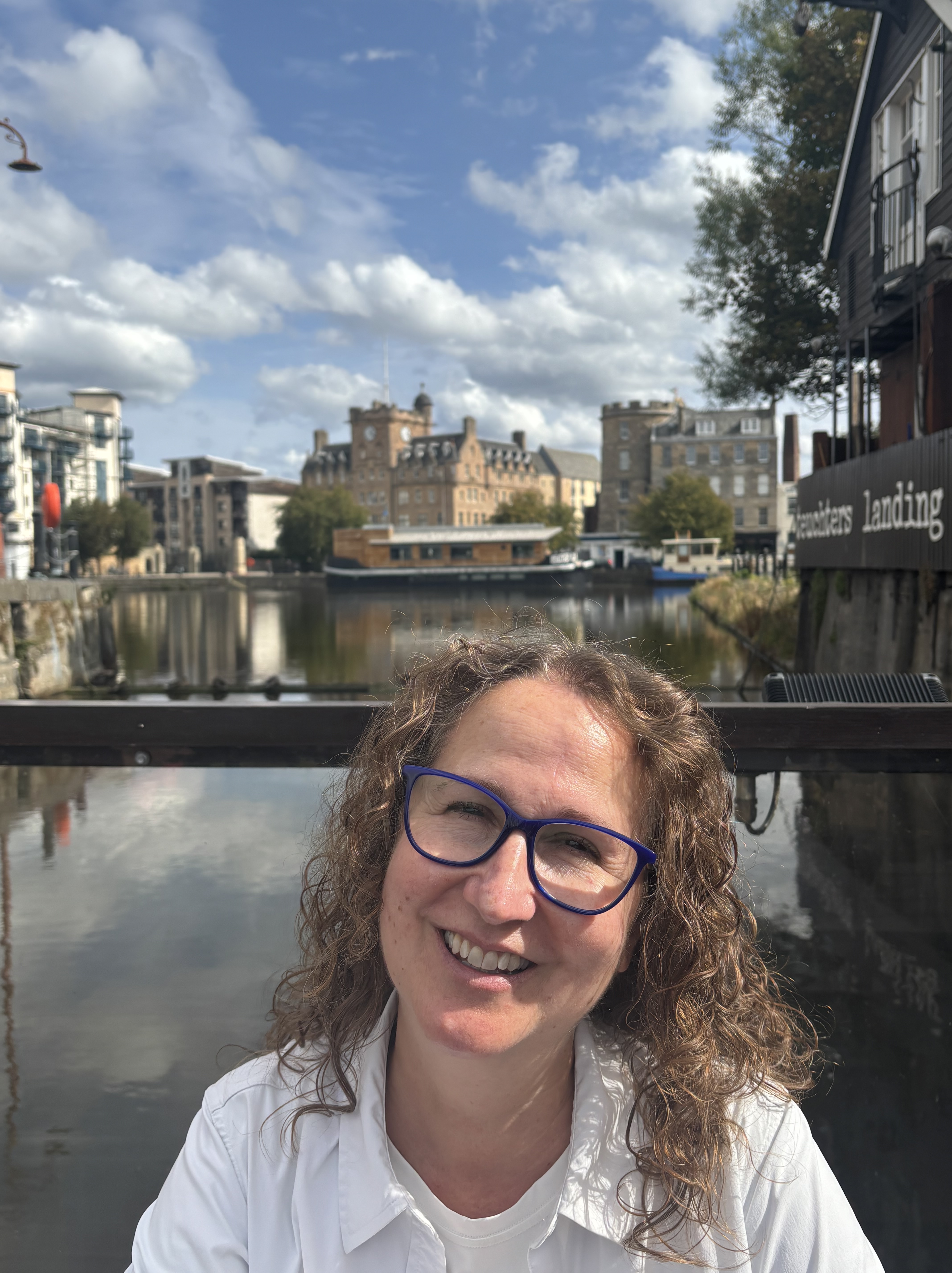
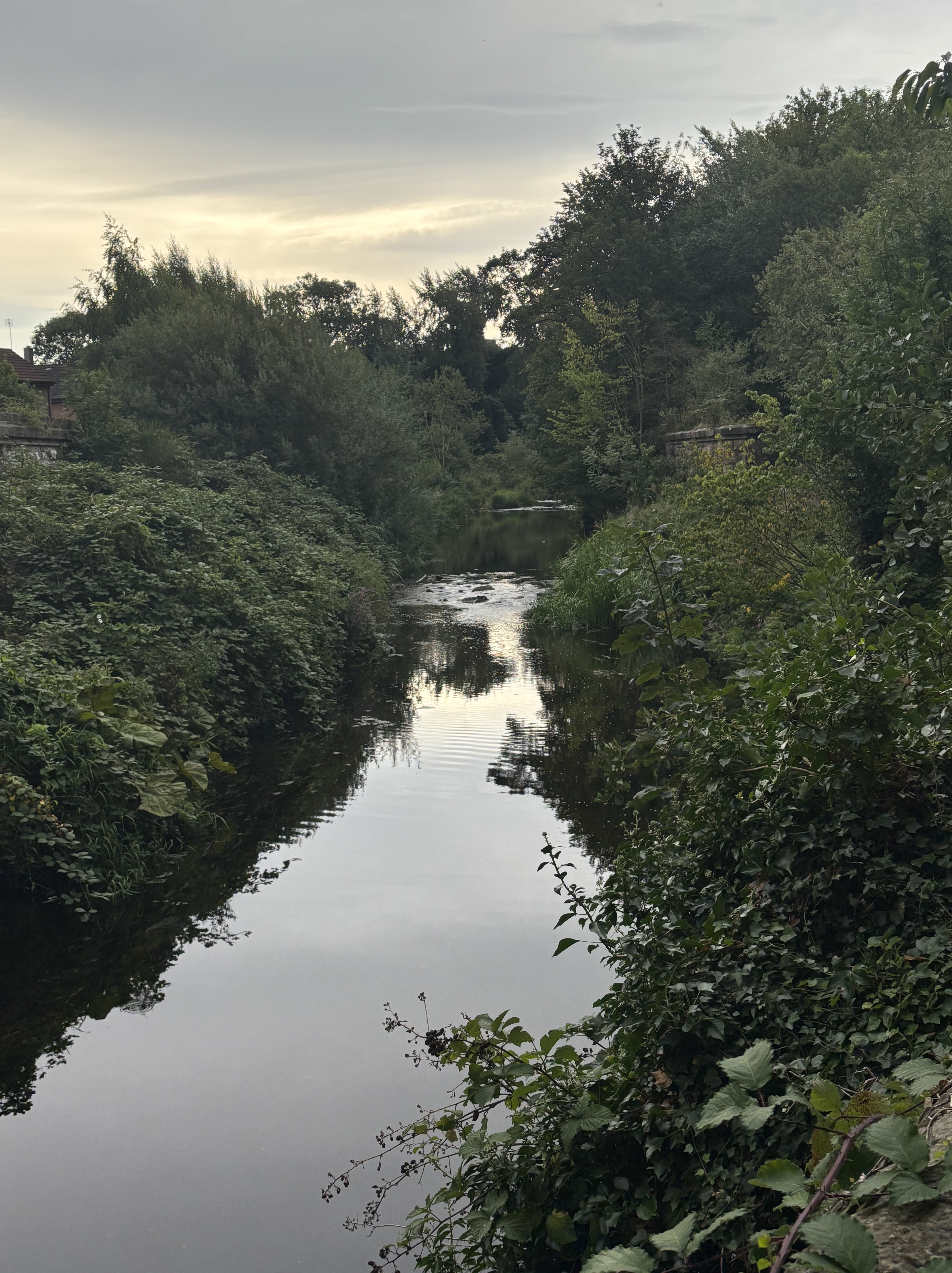
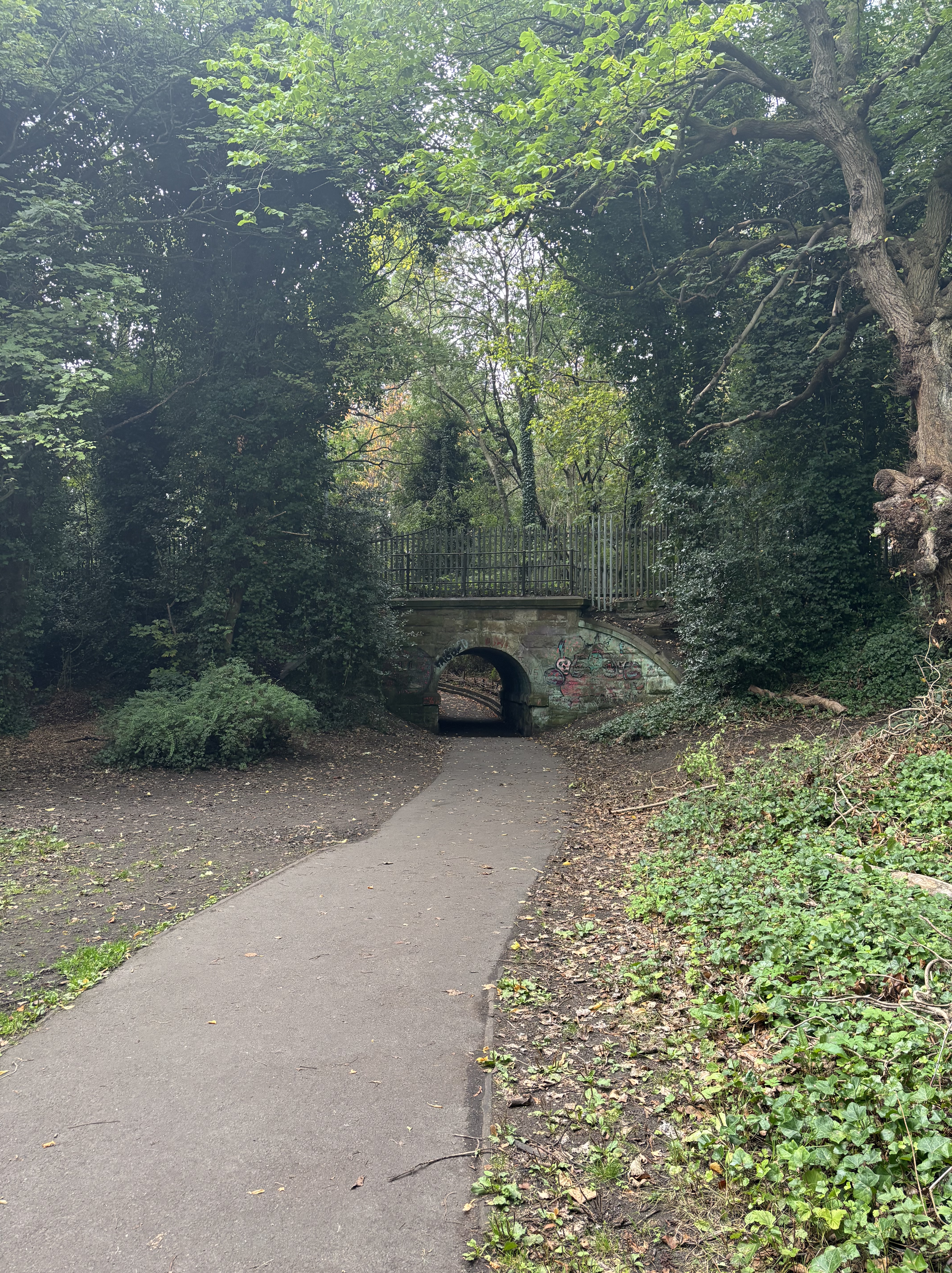
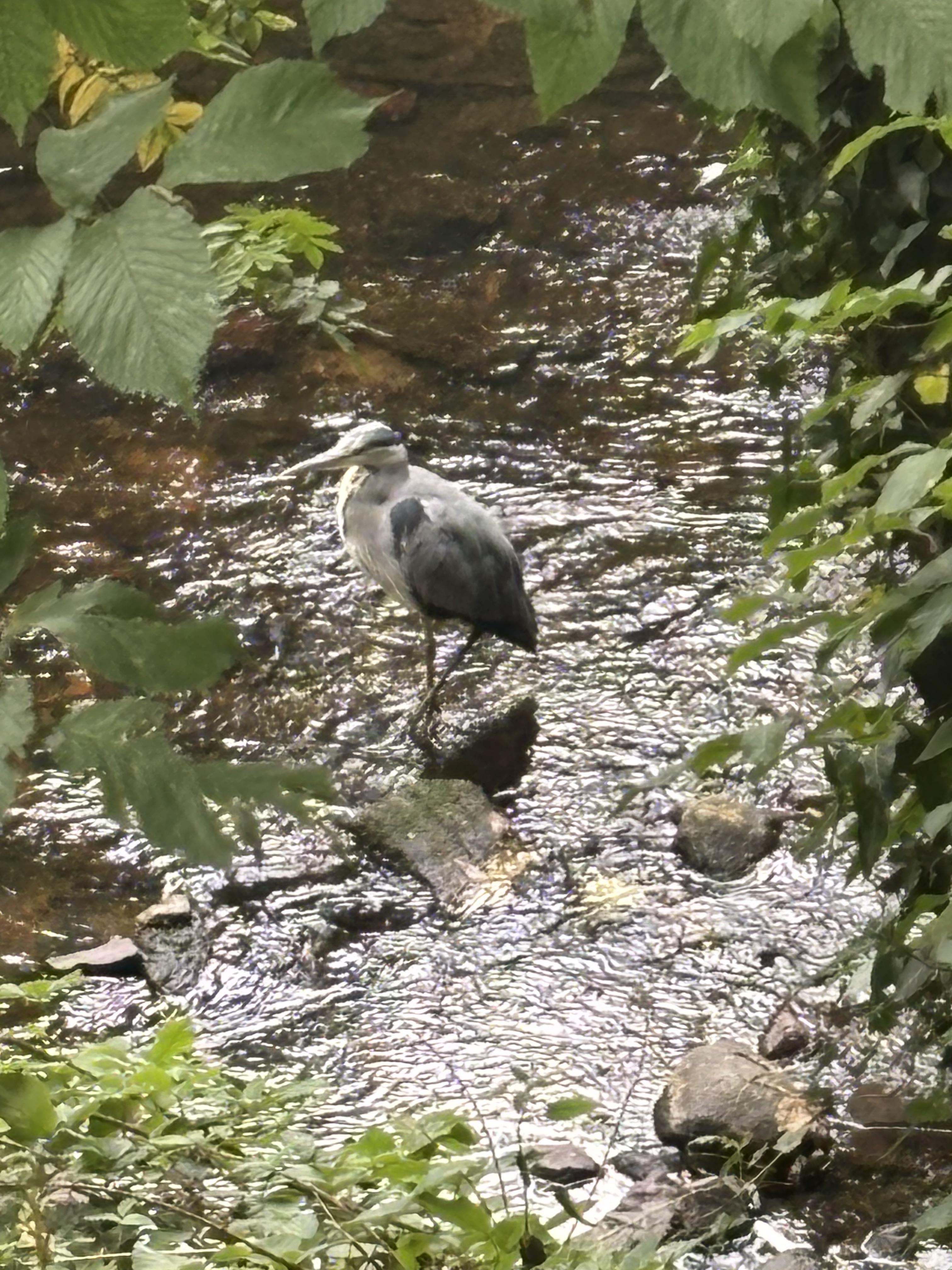
This brings us to our lodging choice: we decided to stay in the nearby suburb of Leith because it was much less expensive and much less crowded yet still offered easy access to all the tourist sights via a tram that runs every 10 minutes (you just have to remember to “tap on and tap off” to avoid a higher fare) and an efficient network of buses. We have zero regrets. Leith was not originally part of Edinburgh but was an important city in its own right as the most significant port on the eastern coast of Scotland and still has a very different vibe as a result. Leith went through its own rough era (in fact, the Brutalist “Banana Flats” housing complex a couple of blocks from our AirBNB was featured prominently in the novel Trainspotting) but is in full gentrification mode these days. They have a thriving street art scene and have done a nice job preserving historic architecture too. Many of the city’s best chefs also have relocated to Leith in recent years, so we ate quite well. There is plenty of natural beauty thanks to the ocean, the marina and the river (a/k/a the Water of Leith) that runs from Leith to Stockbridge. In fact, we spent entire afternoons walking the marked path along the Water of Leith to see where a pair of swans and their nine (yes, nine!) cygnets were hanging out on any given day. We really enjoyed our time in Leith and would happily return.
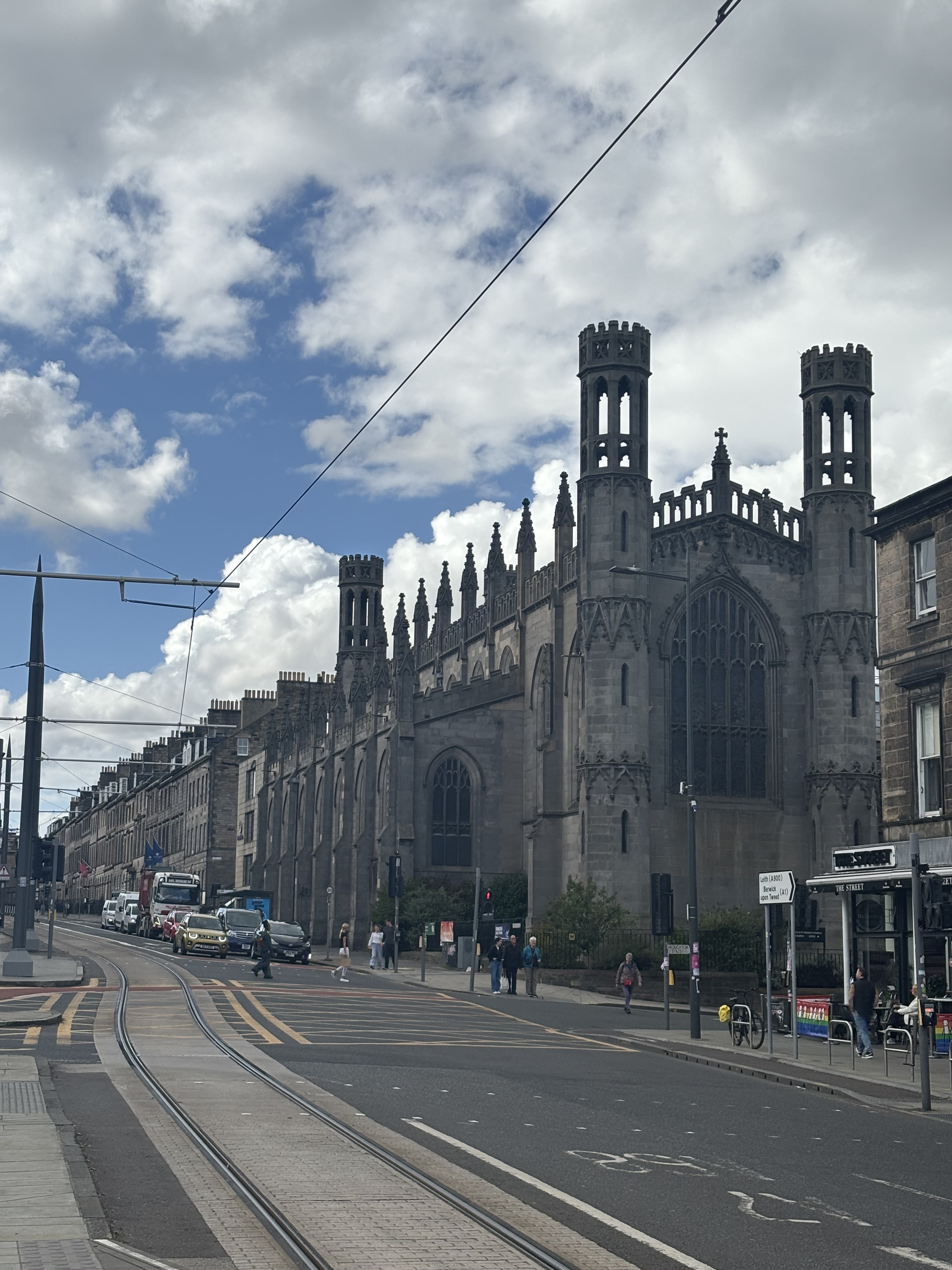






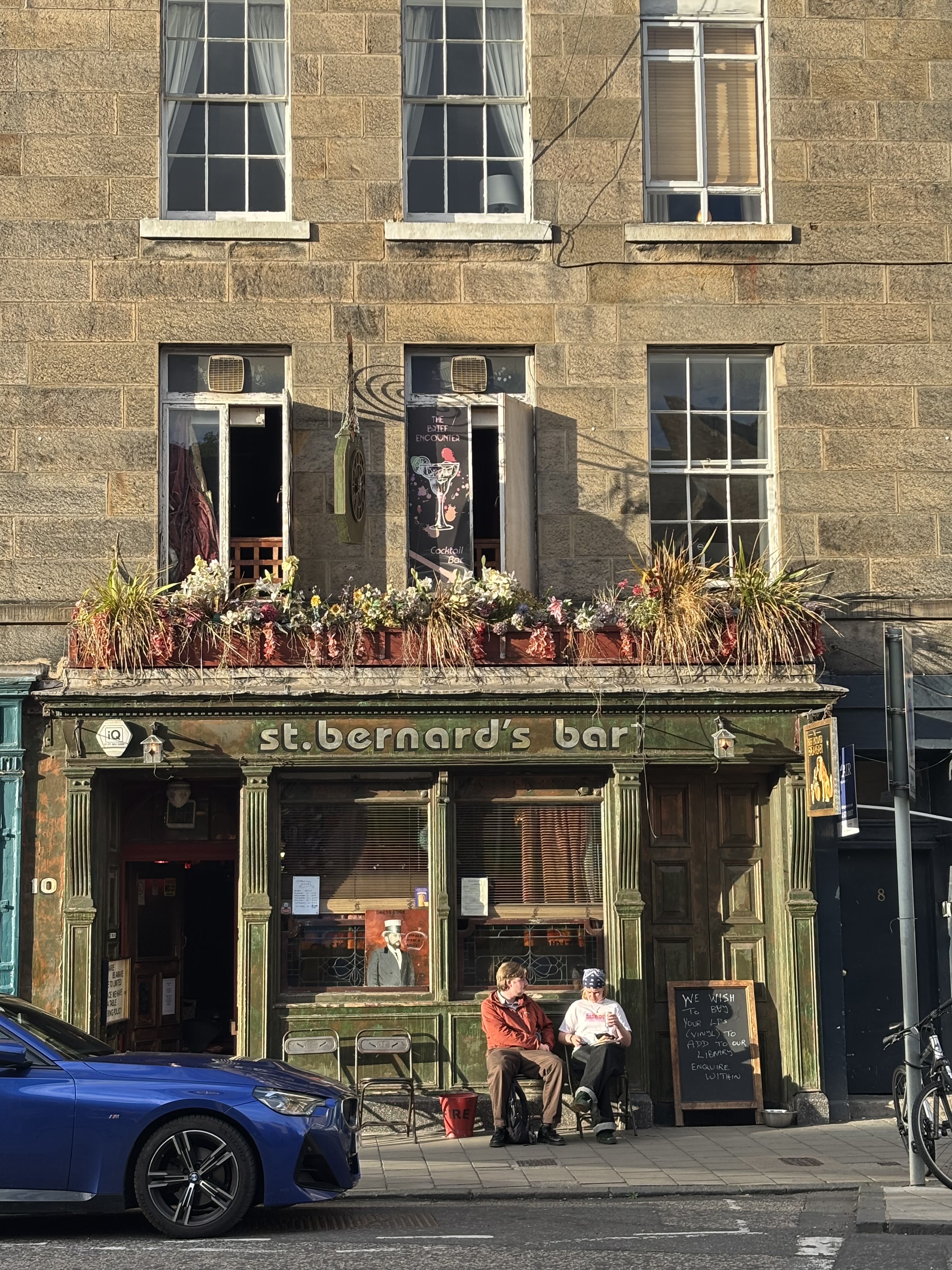
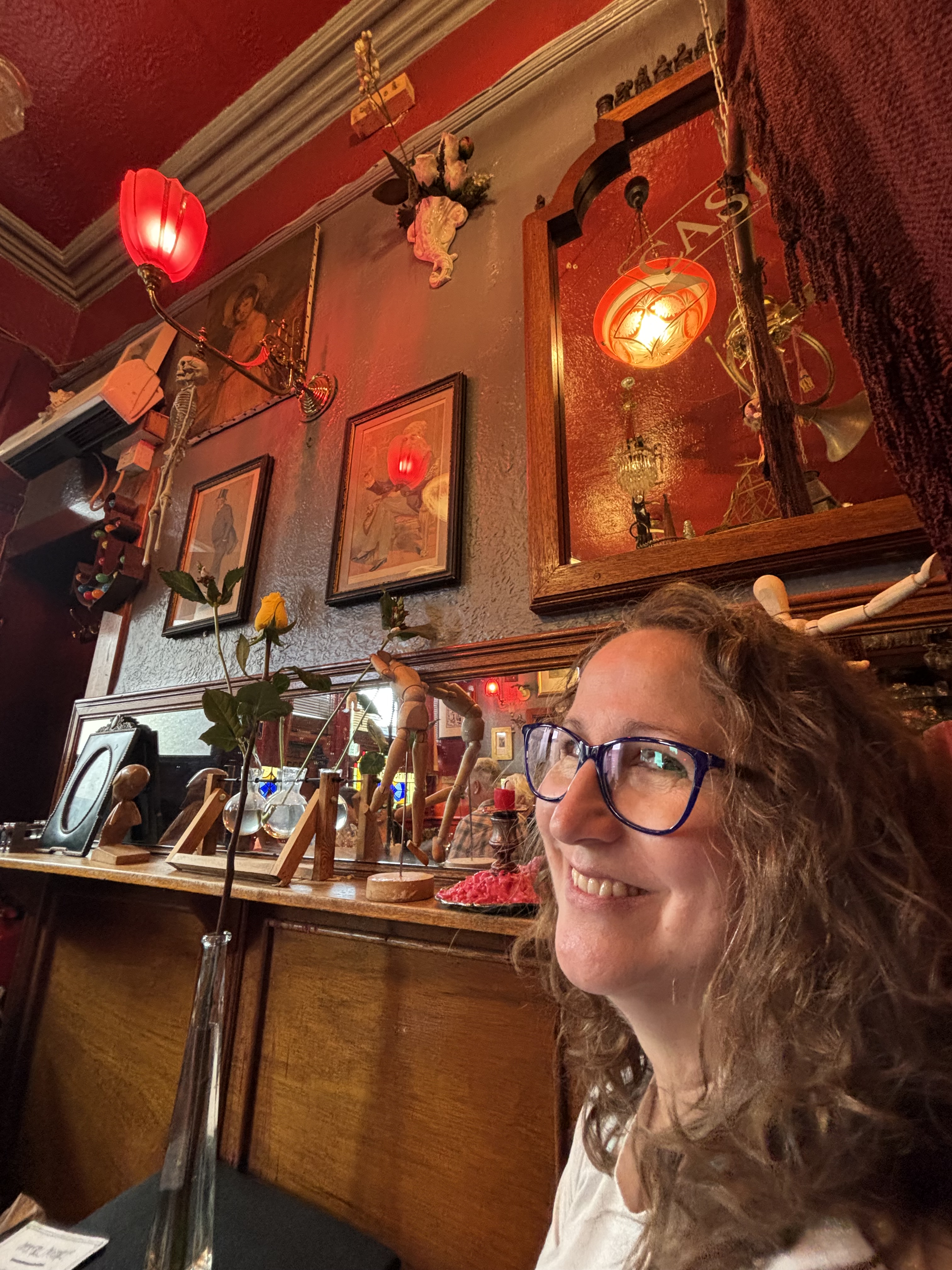
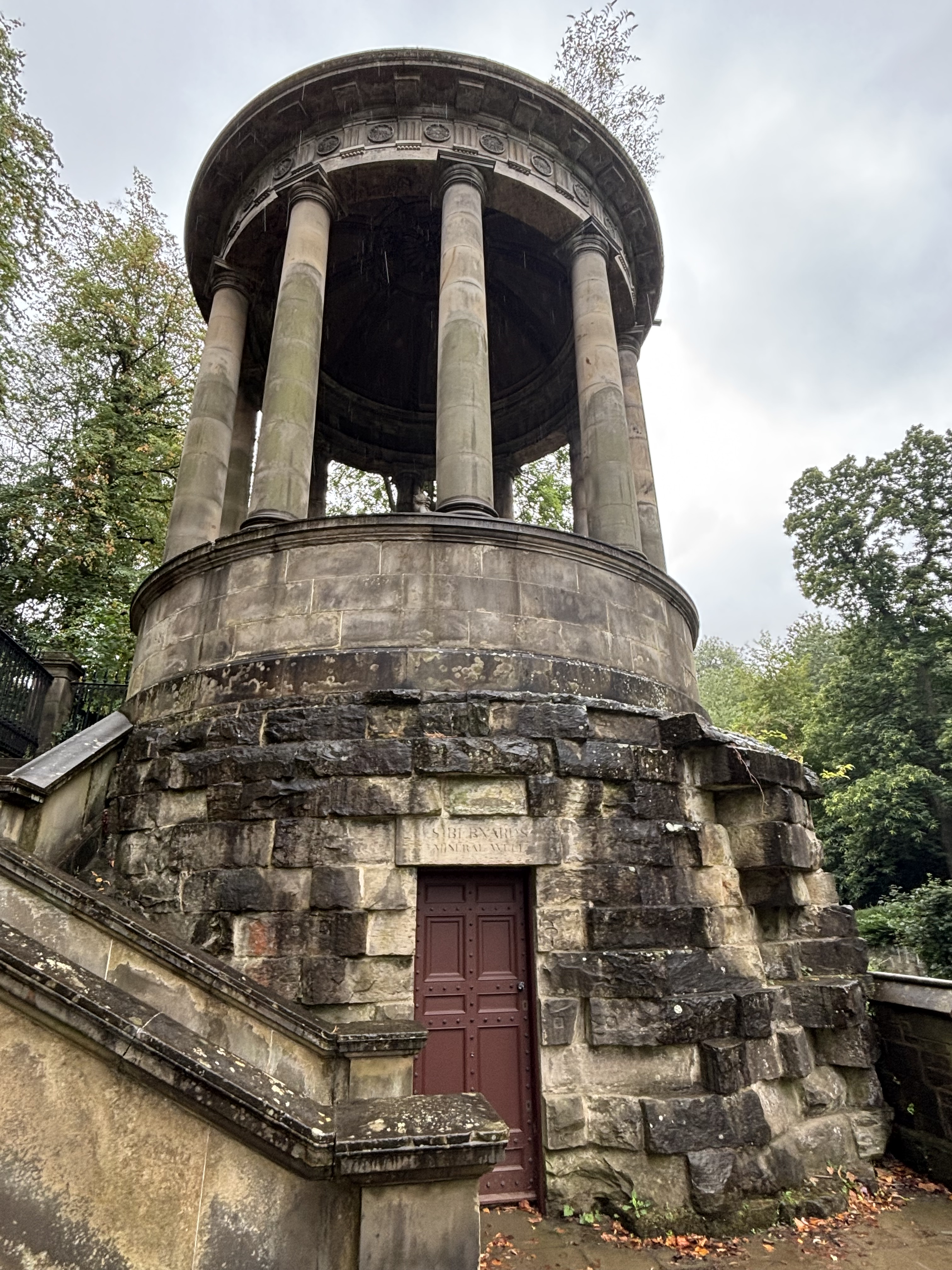
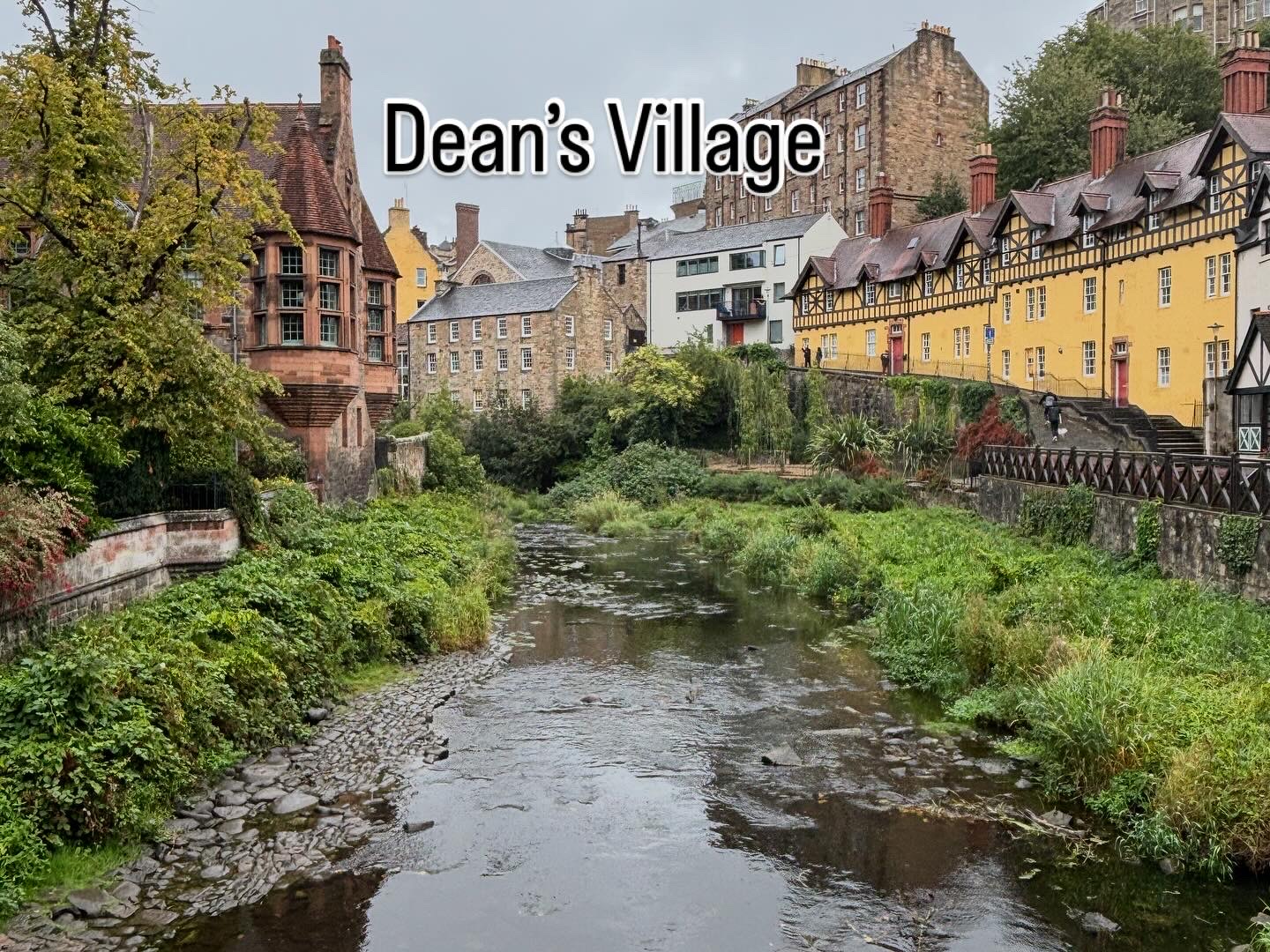
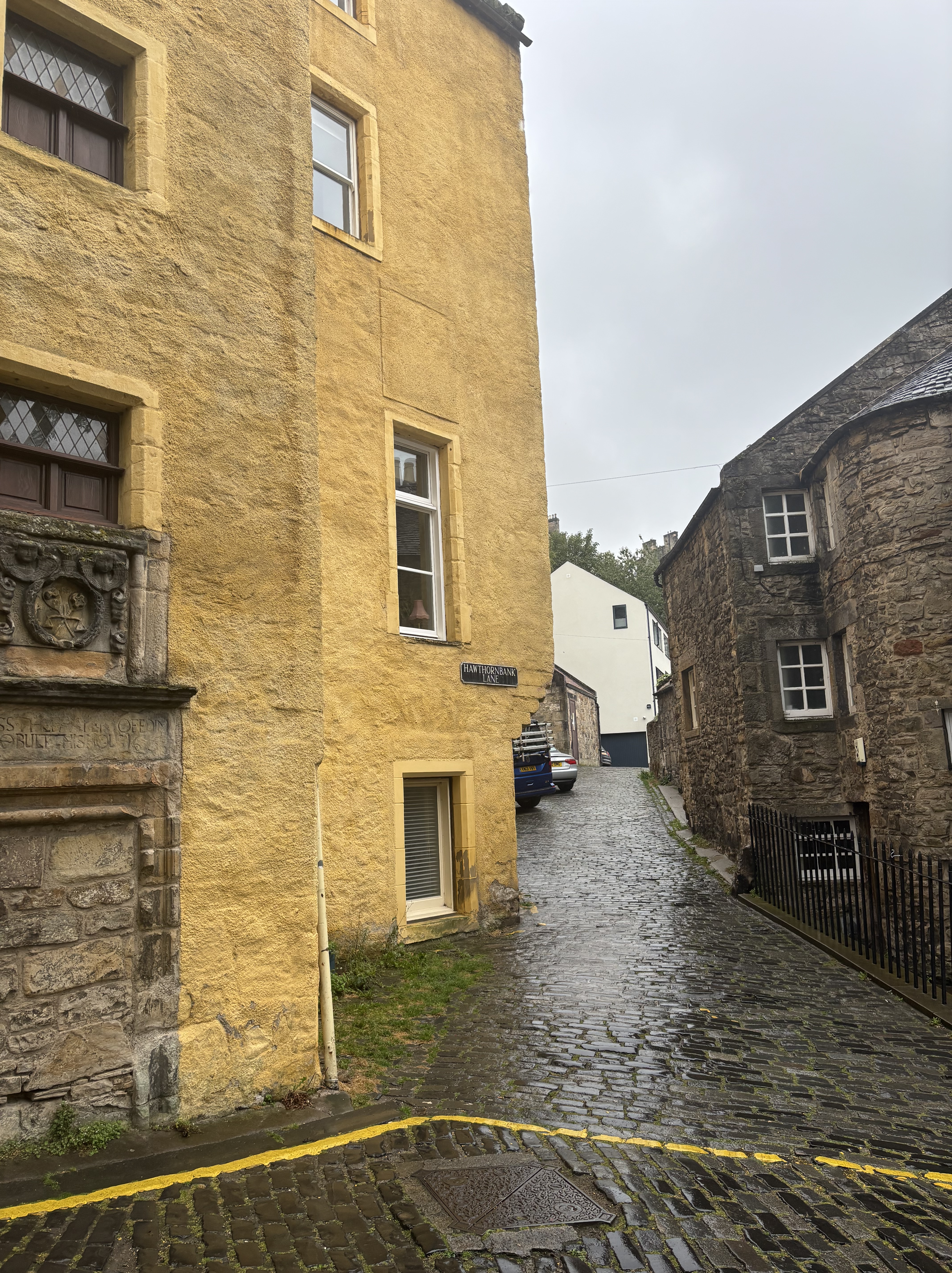
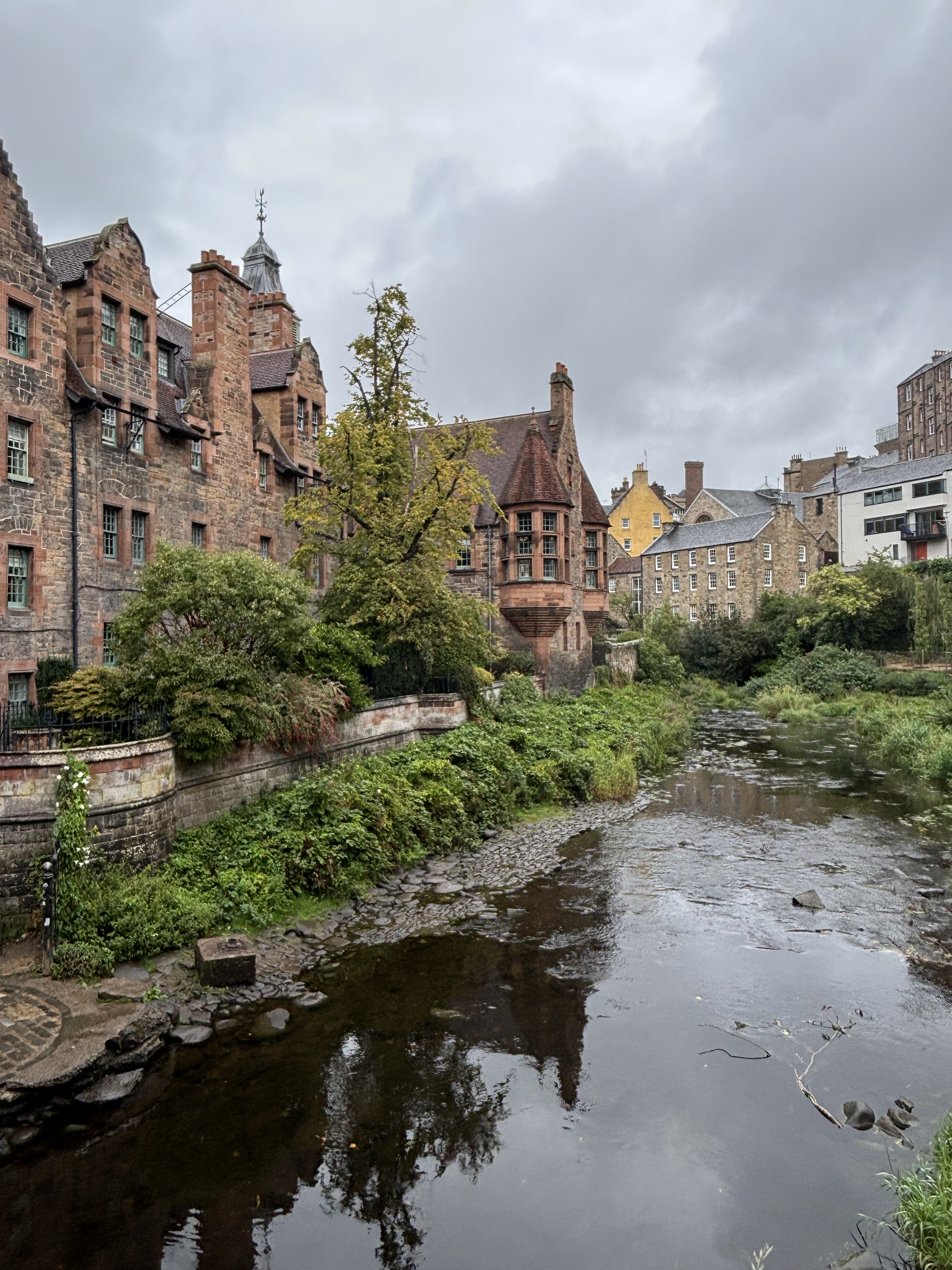
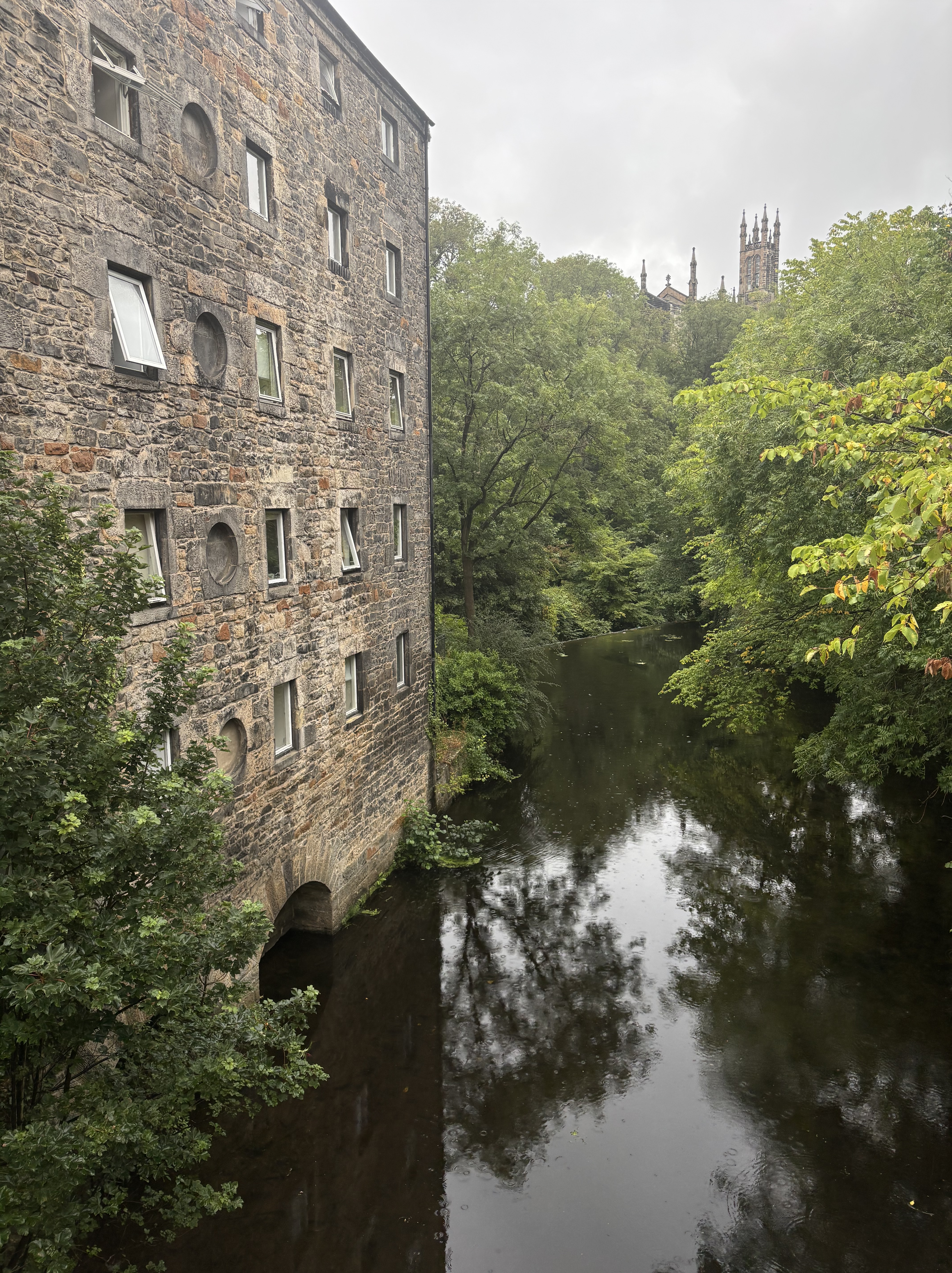
Stockbridge is another neighborhood immediately north of the New Town that is worth checking out. It is full of hispters, expensive shopping and even more expensive lodging, but it is a little more relaxed and fun than other neighborhoods in the city center. In fact, we would argue that St Bernard’s Bar is worth a special side trip on its own. Best cocktails we’ve had anywhere in the UK. The décor is over the top, and so is the owner. (During our second visit, we witnessed the bespectacled older gentleman with his full mutton chop sideburns and thrift shop chic attire briskly stride outside with a baseball bat to chase away some miscreant youth causing a disturbance nearby.) Stockbridge also offers easy access to the delightful Dean’s Village, an old mill company town along the river that seems to be frozen in time.



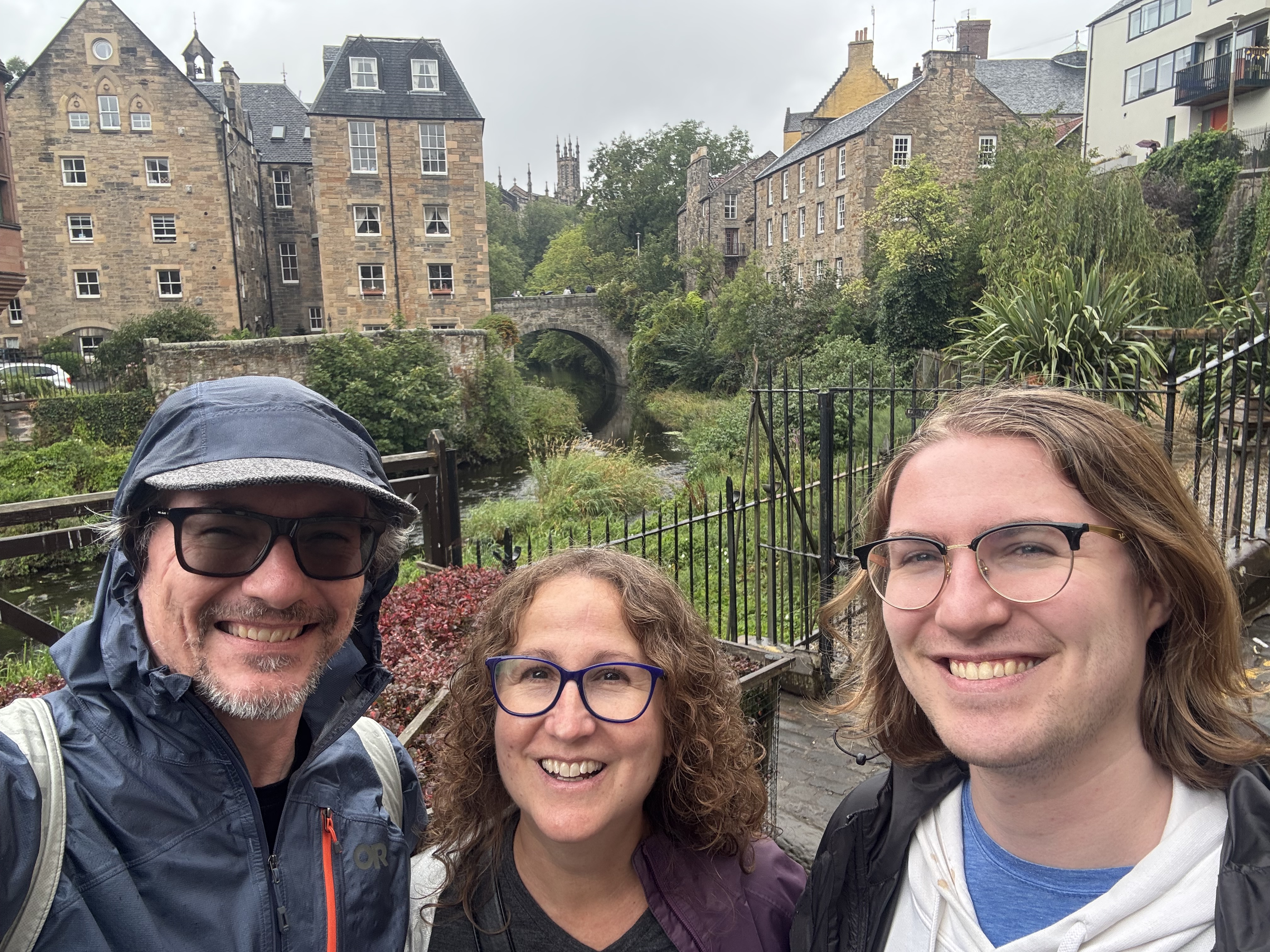
So that’s our Jekyll-and-Hyde tale of Edinburgh. But before we move on, here is a high-level city guide for those of you who may be planning a trip soon:
- Worth doing: Mountebank Comedy Walking Tour (we all enjoy humor about poop and murder . . . and he brings his dog along!); Mercat Historic Vaults Tour (avoid the ghost and gore nonsense and pick a tour that tells the facts of what actually happened underground); Local Eyes Dean’s Village and Circus Lane Walking Tour (a nice escape from the chaos of Old Town with a really knowledgeable guide); Surgeons Hall Museums (if you like seeing body parts in jars); National Museum of Scotland (this massive complex full of all things Scottish offers free admission); Edinburgh Castle (a grind but still worthwhile); Scotch Whisky Experience Gold Tour (5 drams and a surprisingly informative guided tour); Port of Leith Distillery Bar (cool views of the harbor and the Firth of Forth; you can get a day pass to the Scotch Malt Whisky Society Vaults in Leith by purchasing the SMWS flight); Arthur’s Seat (rewarding urban hike but does get crowded on weekends).
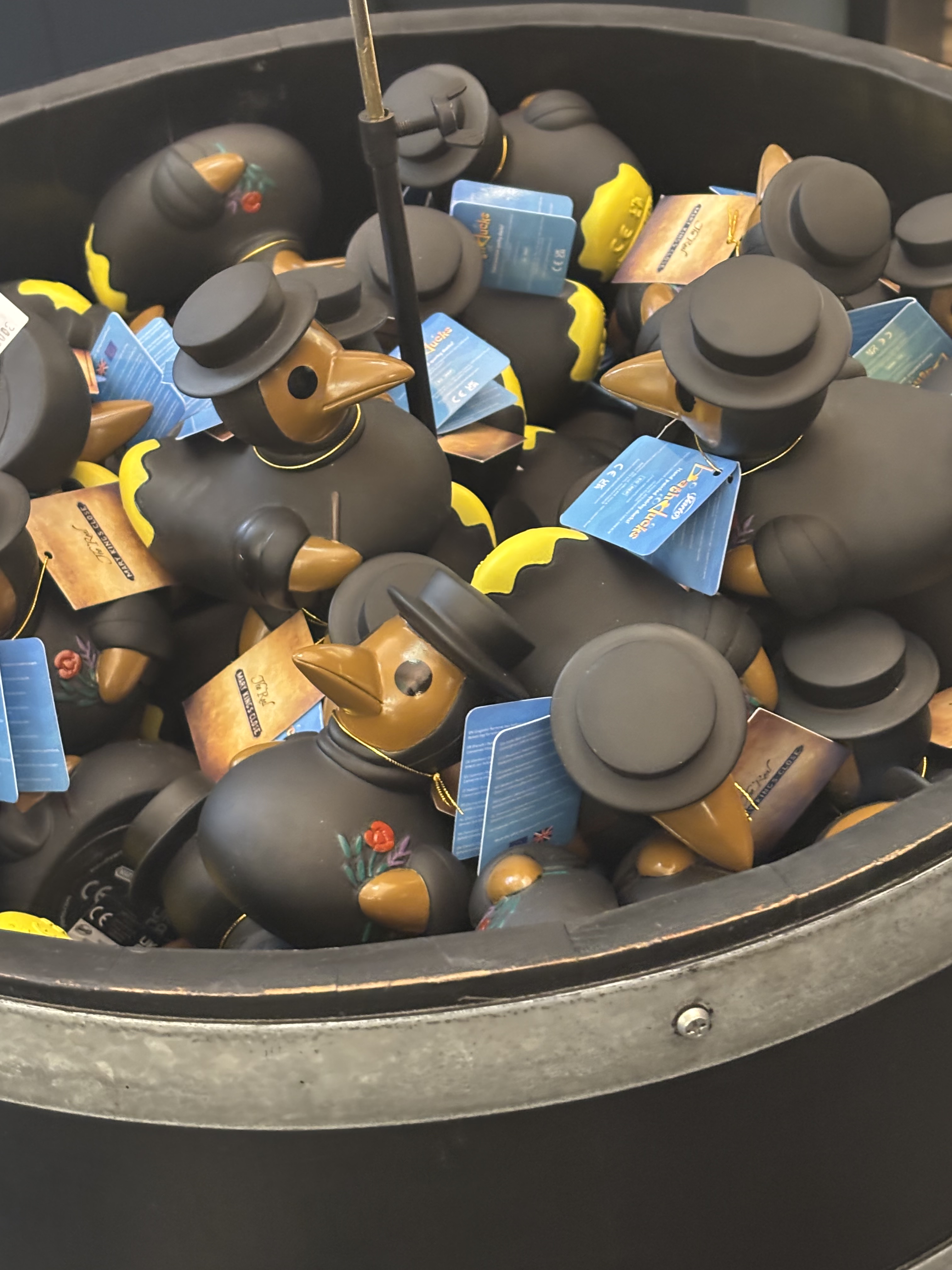
- Not worth doing: Royal Yacht Brittania (unless you are really into the Royals or other high-maintenance people with plenty of money but a serious lack of relatability – think Below Deck without the entertaining crew shenanigans); Georgian House Museum (basically just a collection of things a moderately wealthy family left behind when they moved out); Holyrood Palace (to be honest, we didn’t even bother going inside once we saw the price but have seen enough other palaces to be confident this one’s not worth it); Dunbar’s Close (small, ok-ish urban garden); City of Edinburgh Museum (one interesting display case of oddities, an architectural drawing that is only on display for 2 hours per day and several rooms that could pass for an estate sale); The Real Mary King’s Close (a far-too-commercialized version of an interesting historical exhibit); Johnny Walker Experience (we chose not to do this one after reading reviews about what essentially is a one-hour advertisement for an overpriced and, candidly, mediocre whisky).
- Where to Eat: Roseleaf Café; Makar’s Mash; Teuchter’s Landing; Razzo Pizza Napoletana; Dishoom; Scran and Scallie; Paloma; Dulse Leith; Lighthouse Café at the Fingal; Fishers Leith; Mario Patisserie; the Pastry Section; Joelato; Leith Market.
Until next time, Slainte Mhath!

 The Global Slowmad
Leave a comment