The tips below are for newbies to the points and miles hobby. We thought it was important to include this information since we will be posting from time to time about using credit card rewards to fund our overseas adventures. Advanced players often have valid reasons to ignore one or more of the following (and maybe we’ll write another post about those exceptions someday), but it’s hard to go wrong if you follow these basic rules.

1.  Always pay your credit card bills on time and in full. This is the most fundamental rule and the one that gets people in the most trouble. Credit card issuers make some of their money from the transaction fees they charge merchants to process the cards, but they also profit from the fact that a statistically significant portion of the population fails to pay their balance in full and on time each month and then owes the issuer interest and/or late fees as a result.

2.  Protect your credit score. Late payments are bad. See rule #1. However, contrary to popular belief (and perhaps common sense), acquiring more credit cards is more likely to help your credit rating over the long term. There indeed is a short-term hit to your credit rating immediately after each new application, but you benefit more over the long term from the lower credit usage ratio that comes with having a higher overall credit limit (assuming the same monthly spend -- earning points and miles is not a good excuse for buying more things). And it also can be useful to keep your oldest accounts open to lengthen your average credit history.

3.  Develop a long-term strategy. What are you trying to accomplish? A family trip to an exotic overseas destination? Elite status with a specific hotel chain? Different banks have different airline and hotel transfer partners, so you may value some transferable points more highly than others depending on your personal wish list. Think about how you might use the points you earn before putting too much time into any given bank ecosystem. Likewise, the various issuers all have their own, unique application rules that limit how many cards you can apply for in a given time frame. For example, Chase famously (albeit unofficially) limits you to opening five personal cards with any issuer in any given 24-month period. Sequence your applications accordingly. Sometimes it may make sense to accelerate or delay an application due to unusually large or small signup bonuses.

4.  Don’t sign up for a card if you cannot meet the signup bonus requirements. The easiest way to accumulate points and miles is from signup bonuses (SUBs) on new cards. This usually involves a minimum amount of spend in a set time frame. We often time our credit card applications to coincide with a large upcoming expense. It takes a lot more time to rack up points through day-to-day spending than with SUBs, and the traditional method of earning miles through actual flights and stays is rarely worth the effort. Unfortunately, many card issuers will only deem you eligible to earn a SUB on a particular card once every so many years. So be realistic about how much spending you will do during the offer period. You don’t want to waste your one chance at a lucrative SUB, and you really don’t want to over-extend yourself and violate rule #1.

5.  Don’t fear high interest rates. This won’t affect you if you are following rule #1. You only care about the interest rate if you carry a balance, and you’re not going to be doing that.

6.  Don't fear annual fees. Most of the best SUBs come from cards with an annual fee. It often is worth paying a small annual fee to be able to transfer your points to a variety of travel partners and redeem them for outsized value. Likewise, many premium cards include perks and credits for things like elite status, lounge access, purchase discounts and travel insurance that can more than offset the annual fee if you are willing to put in some effort.

7.  Optimize but do not obsess over bonus spend categories. Many cards offer a higher points-earning multiple (a/k/a bonus spend) for charges in specific categories (e.g., restaurants, grocery stores, gas stations). It’s useful to keep a card or two in your wallet to maximize bonus spend categories. That said, the cumulative points you earn from all your daily spend will almost always be less than what you can earn from one or two choice SUBs. Don’t sweat missing out on a few bonus points. It happens. And there are times when a card with a lower category multiple is preferable anyway to get purchase protection or insurance coverage.

8.  Consider using a tracking system. As you begin to collect more cards and take advantage of their associated rewards, it becomes more difficult to keep track of your credit card applications, spending, bonus categories, retention offers, etc. There are few worse feelings than inadvertently missing a signup bonus by a few dollars or a few days. A simple spreadsheet works fine, but there also are free tools out there that can make this process easier.

9.  Prioritize redeeming points for travel. Banks make it easy to redeem points for gift cards or statement credits, but those options typically present much lower value than what you can get from transferring the same points to a travel partner and using them to book flights or hotels. (Of note, airline miles typically are worth more toward flights on their partner airlines than for their own routes, but that's yet another topic for another day.)

10. Don’t hoard points. The primary purpose of earning points and miles is to use them; they are of no value if they just sit in your account indefinitely. Unlike cash, you can't set them in a special account where they will earn interest and grow over time. In fact, credit card points tend to decline slightly in value over time because of frequent reward program devaluations. It is better to redeem them for a marginally sub-optimal use than not at all. Plan ahead and be realistic about your redemption strategy for the points and miles you are earning.

11.  Cashback cards are fine too. If you find yourself earning more points than you can use for high-value travel redemptions, you might be a viable candidate for a cashback card. The value ceiling is a little lower, but the floor is higher. There are some great cashback cards available, particularly for those who also have a decent amount of assets set aside in a brokerage account.

12.  Cancel cards that do not offer YOU long-term value – but not until you have explored all other options first. Don’t feel obligated to keep a card open beyond the first year if the annual fee exceeds what you earn in rewards. Don’t make the mistake of holding on to a high-fee card indefinitely just because it offers shiny perks you don’t really care about. Cancelling a card often resets the clock for when you can apply for the same card again and potentially collect another signup bonus, so many long-term strategies involve cycling through the same cards every few years. However, keep in mind that some issuers will claw back the signup bonus if you cancel within the first year and you often need to keep at least one card open with the issuer to avoid losing your points. Regardless, you should always call (we prefer online chat) the credit card issuer first to see if they will extend a retention offer (typically extra points) to spend a certain amount within a specified period in lieu of cancelling the card. Similarly, you often can downgrade premium cards to a no-fee version. Retention offers and downgrades are usually a better option than cancellation.

               *               *               *

At the end of the day, the points and miles hobby is a great way to travel with style at a much lower cost but, like anything else, does require a little effort to master. We consider ourselves to be intermediate-level players at this point and will post more on the topic over time but would encourage anyone who wants to learn more about the hobby to check out the Frequent Miler website, blog and podcast. (We don't know them personally and receive no benefit from recommending them, but FM really is the most thorough and least biased source on the web for this sort of thing -- many of their better-known competitors are little more than shills for the banks.) Remember: rewards are great, but never ever forget about Rule #1!
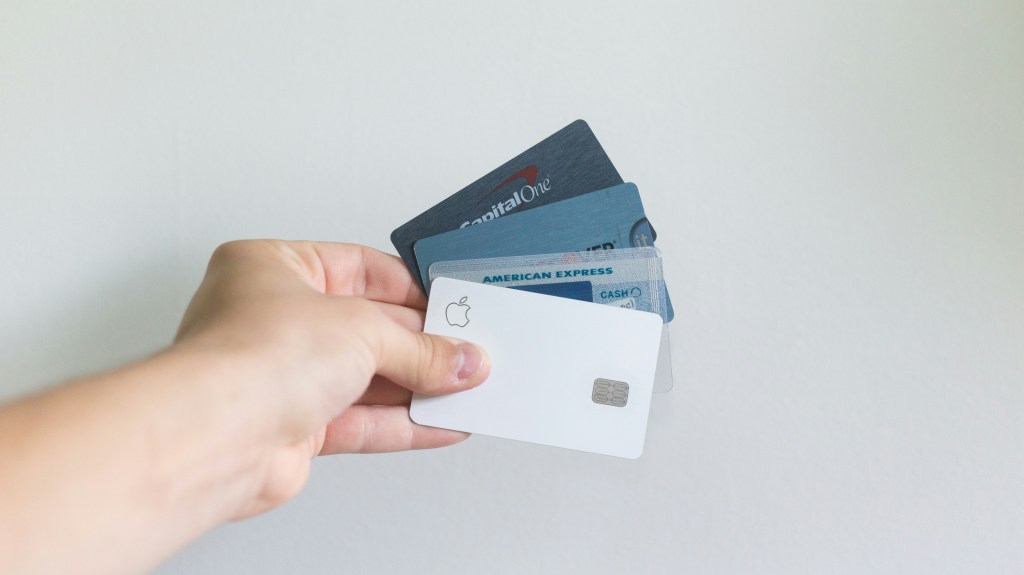
Photo by Avery Evans on Unsplash


 The Global Slowmad
Leave a comment