Travel delays are inevitable. To minimize the impact of plane, train and traffic snafus on our travel plans, we generally try to avoid combining multiple methods of transportation on the same day. If we have to include a stopover on our journey, we prefer to spend a night or two at the layover location before catching a train or renting a car to our final destination. It dilutes the unpleasantness of a long day of travel, and sometimes we inadvertently discover a new place we’d like to explore further. That’s what happened with Bristol.
Getting from Dublin to Swansea without a car is logistically challenging. We initially thought we’d take a ferry across the channel, but that requires taking a bus from Dublin to catch the ferry on the Ireland side and another bus to Swansea once we land in Wales, without any particularly appealing options for an overnight stop en route during high tourist season. Attempting to piece together three separately ticketed journeys back-to-back on one very long day is the sort of thing Stuart has learned to avoid in the interest of remaining married. Plus, we don’t have the ability to use points and miles to pay for ferry and bus travel like we do with airfare. We ultimately decided the easiest option was to fly to Bristol (using miles, of course), use some of the $300 annual hotel credit that comes with Darla’s Venture X card to spend the night in Bristol, and hop on a quick train to Swansea the next day. The Dublin airport experience did not contribute much to our marital bliss account, so heading directly to the train station from the Bristol airport likely would not have ended well.
So what did we do with less than 24 hours in Bristol? Quite a lot, actually.
We dropped our bags off at the beautifully restored former sugar factory that is the Hotel du Vin. The hallways were lined with wine bottles (all empty, unfortunately), and the rooms were named after prominent wineries from around the world. Appropriately enough, we were assigned to the Muga room only a few weeks after our visit to the Muga tasting room in Haro, Spain.
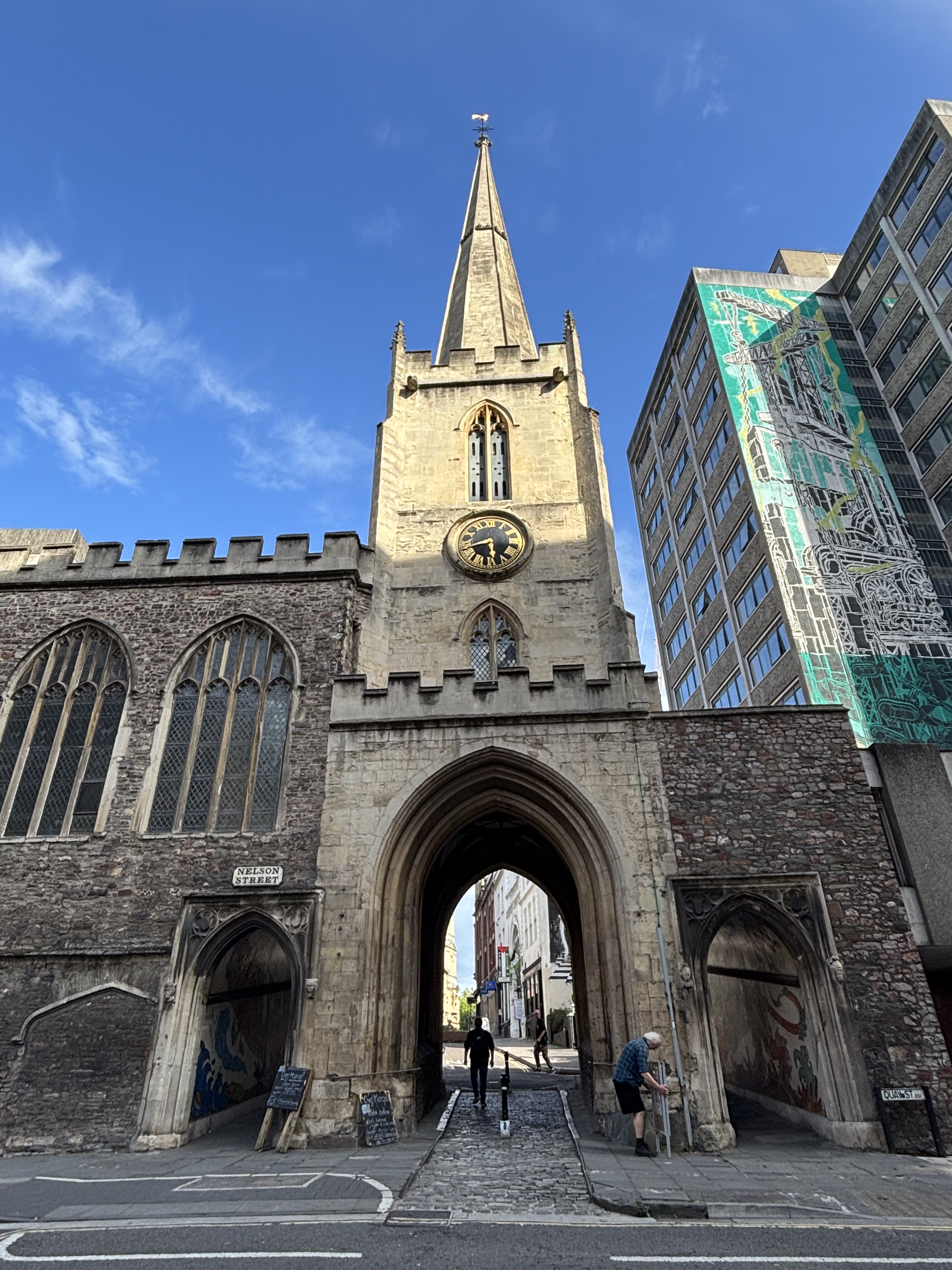
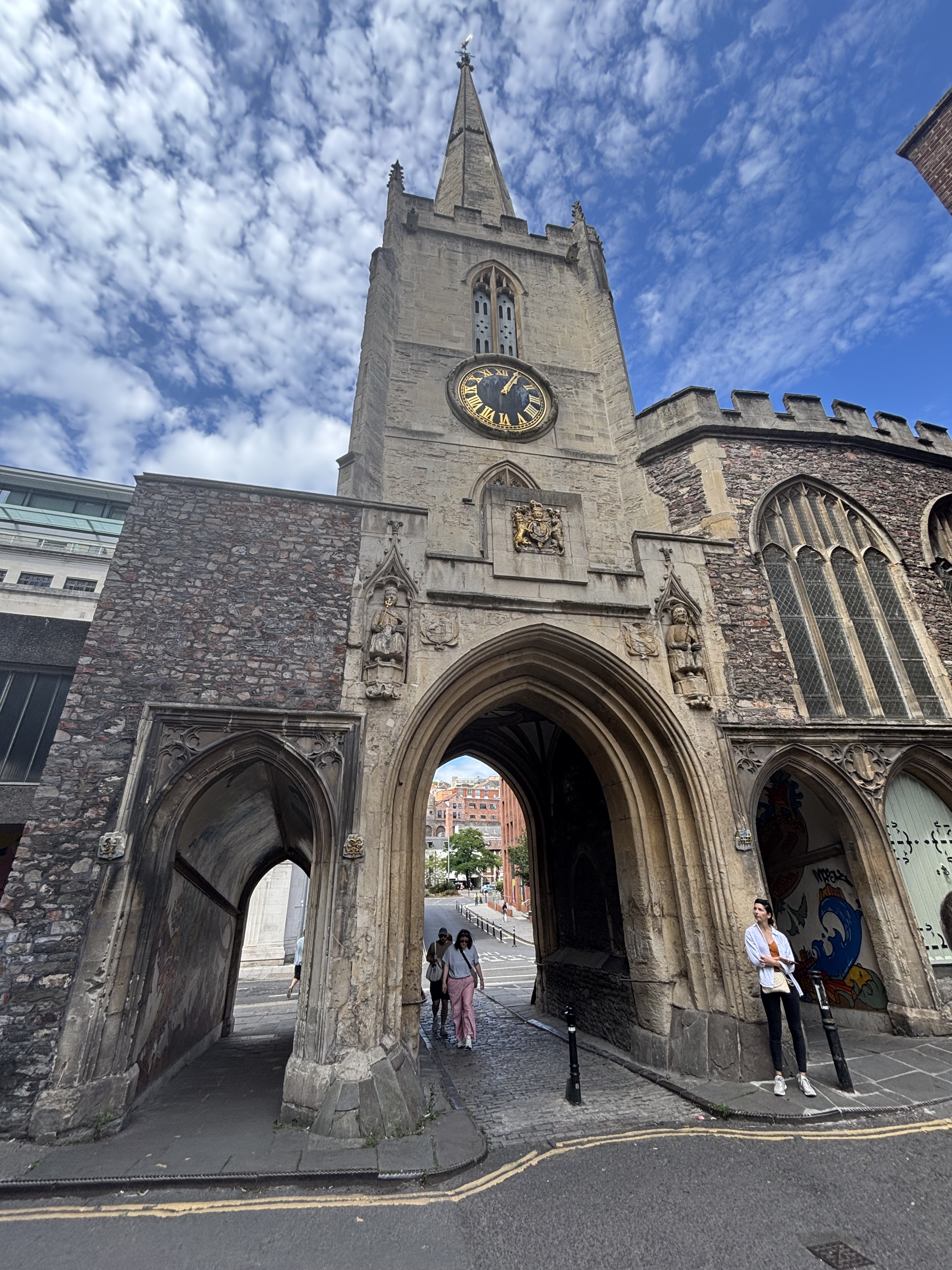
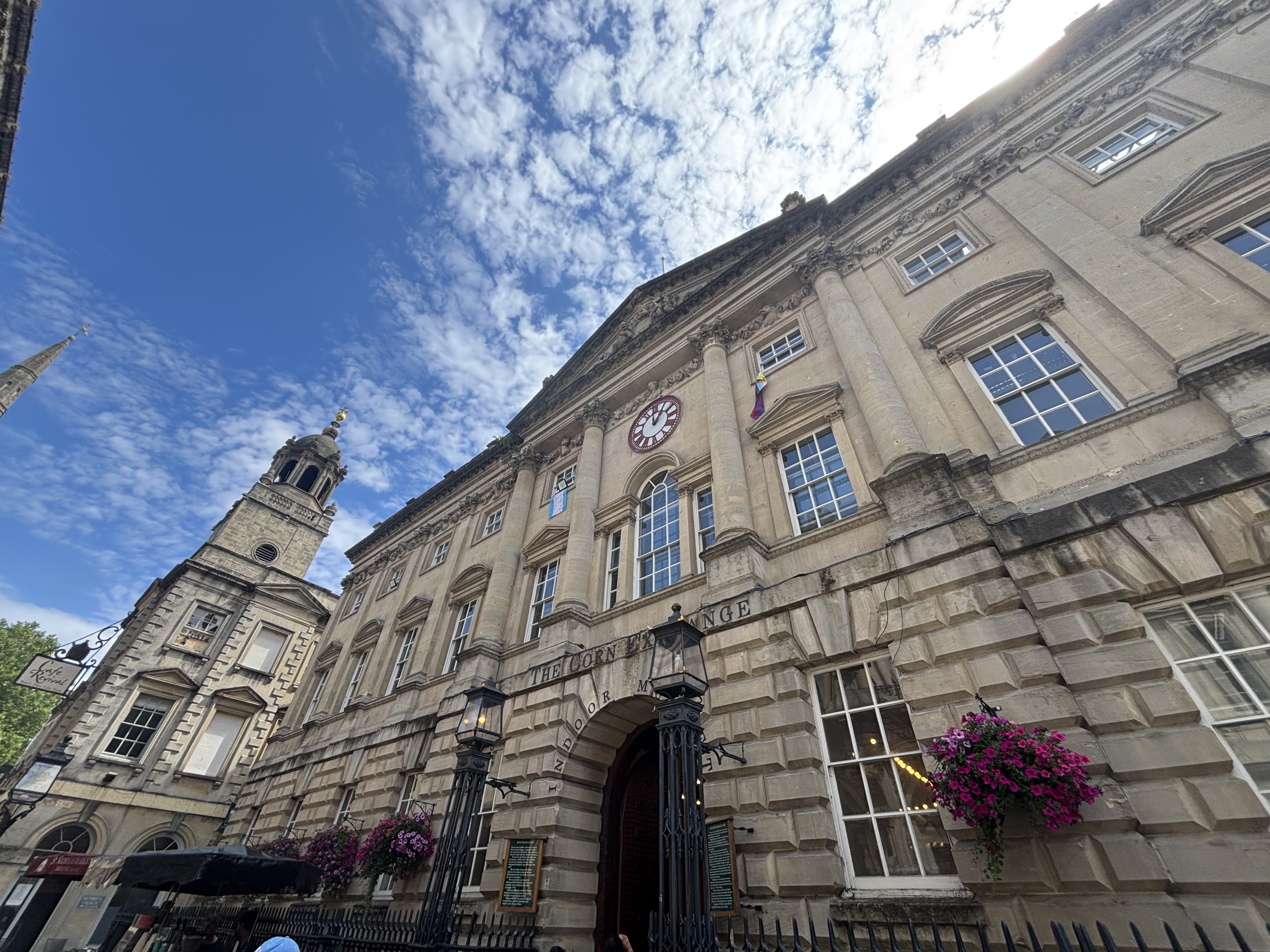
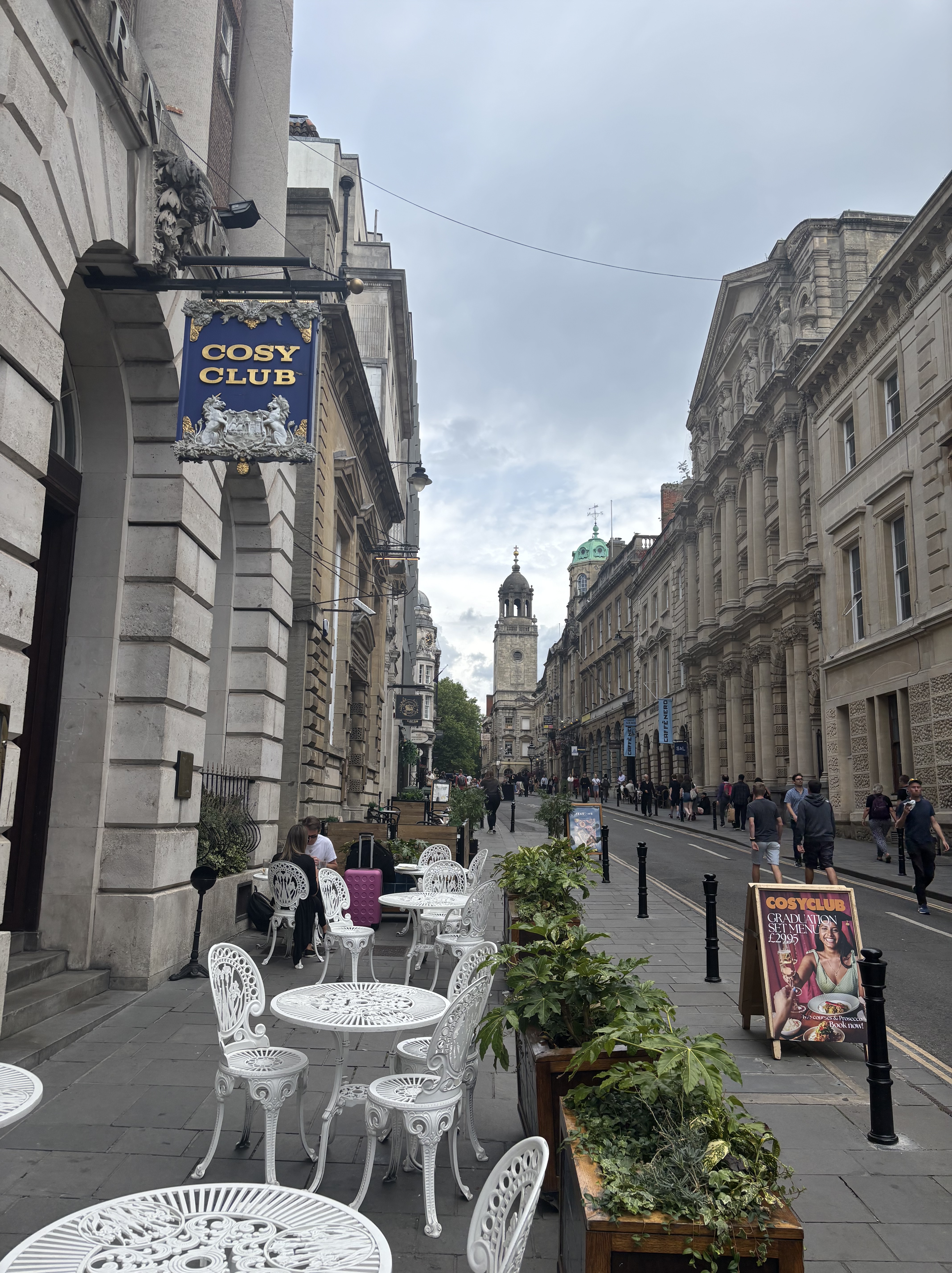
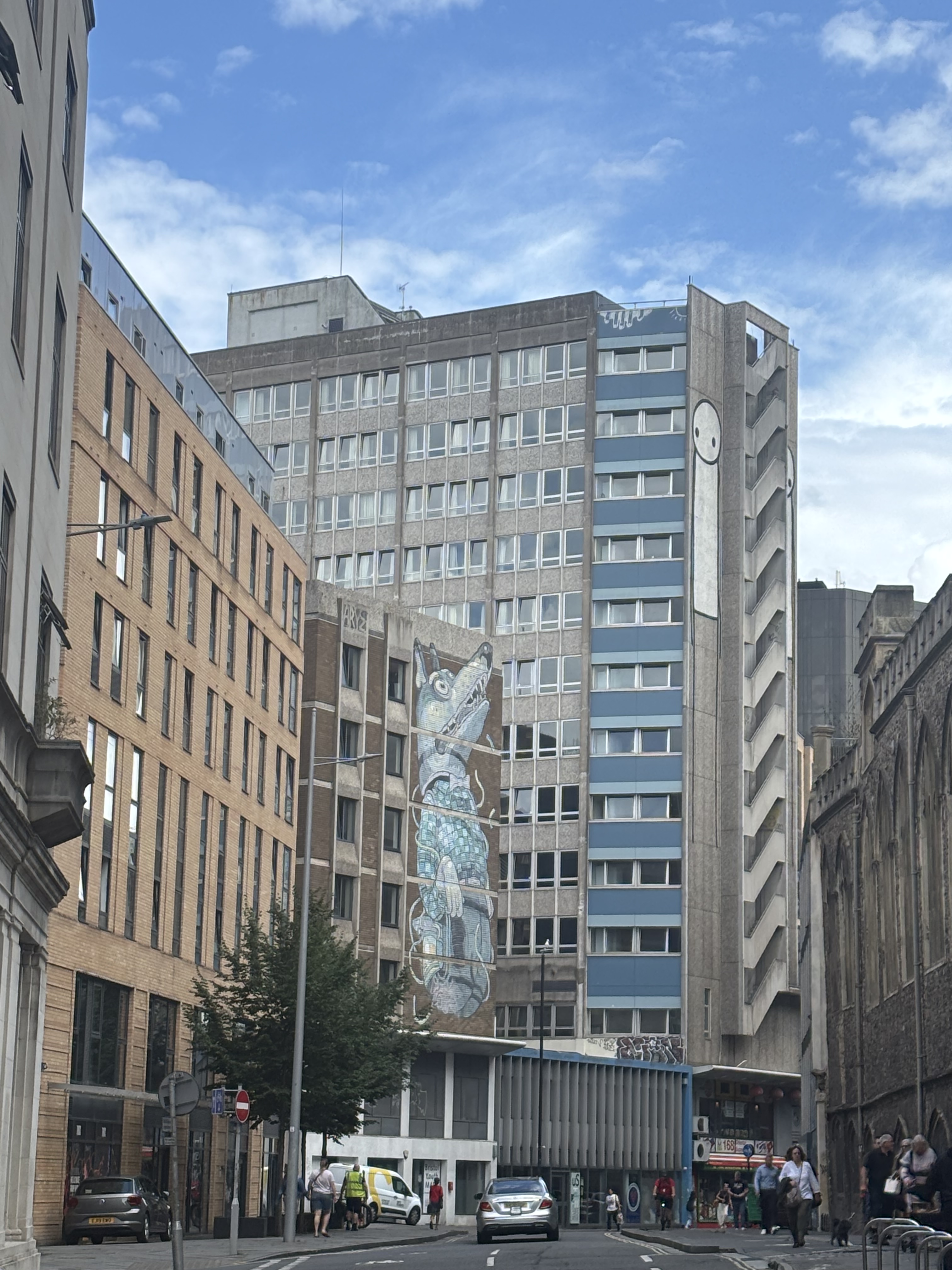
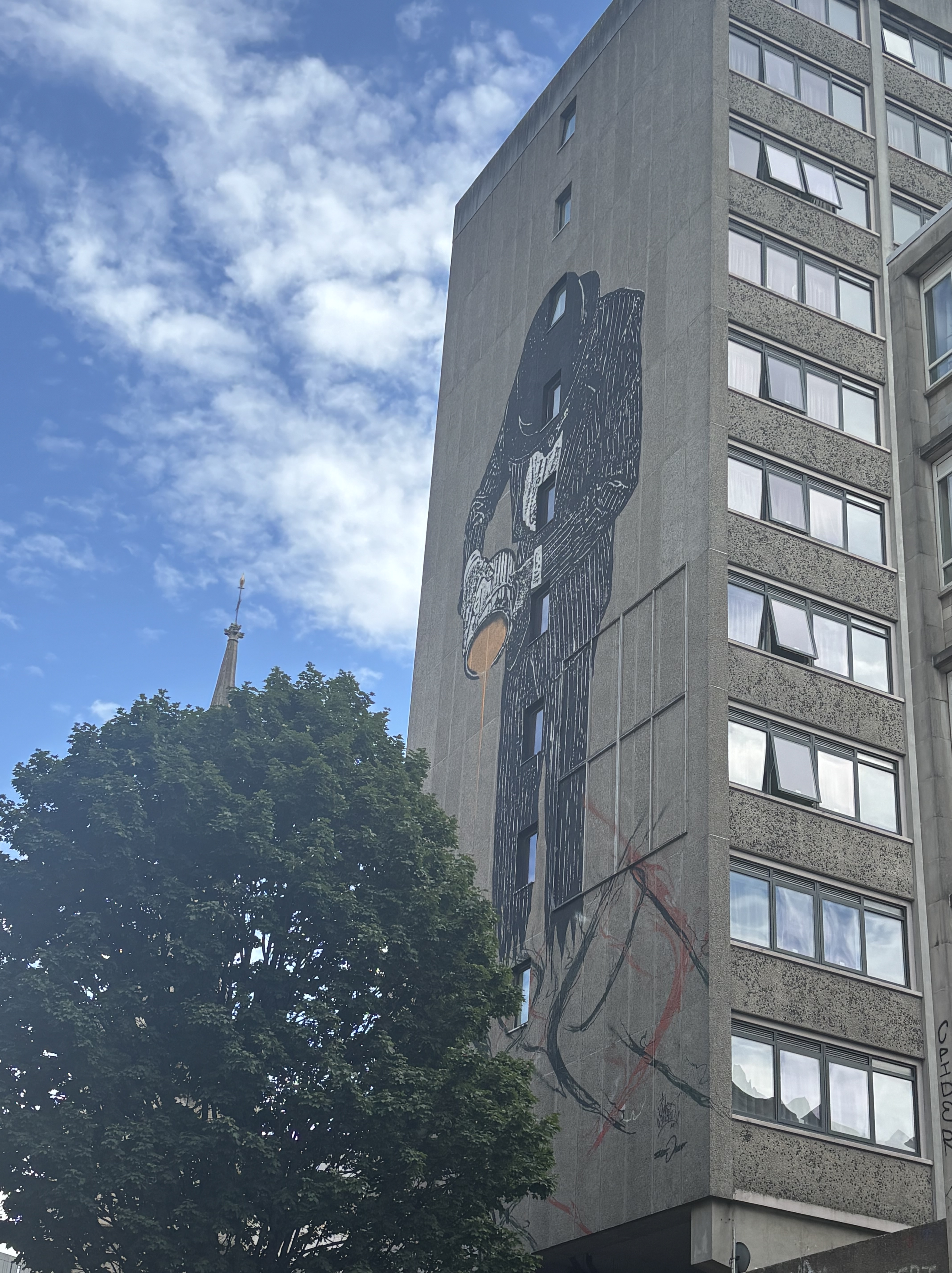
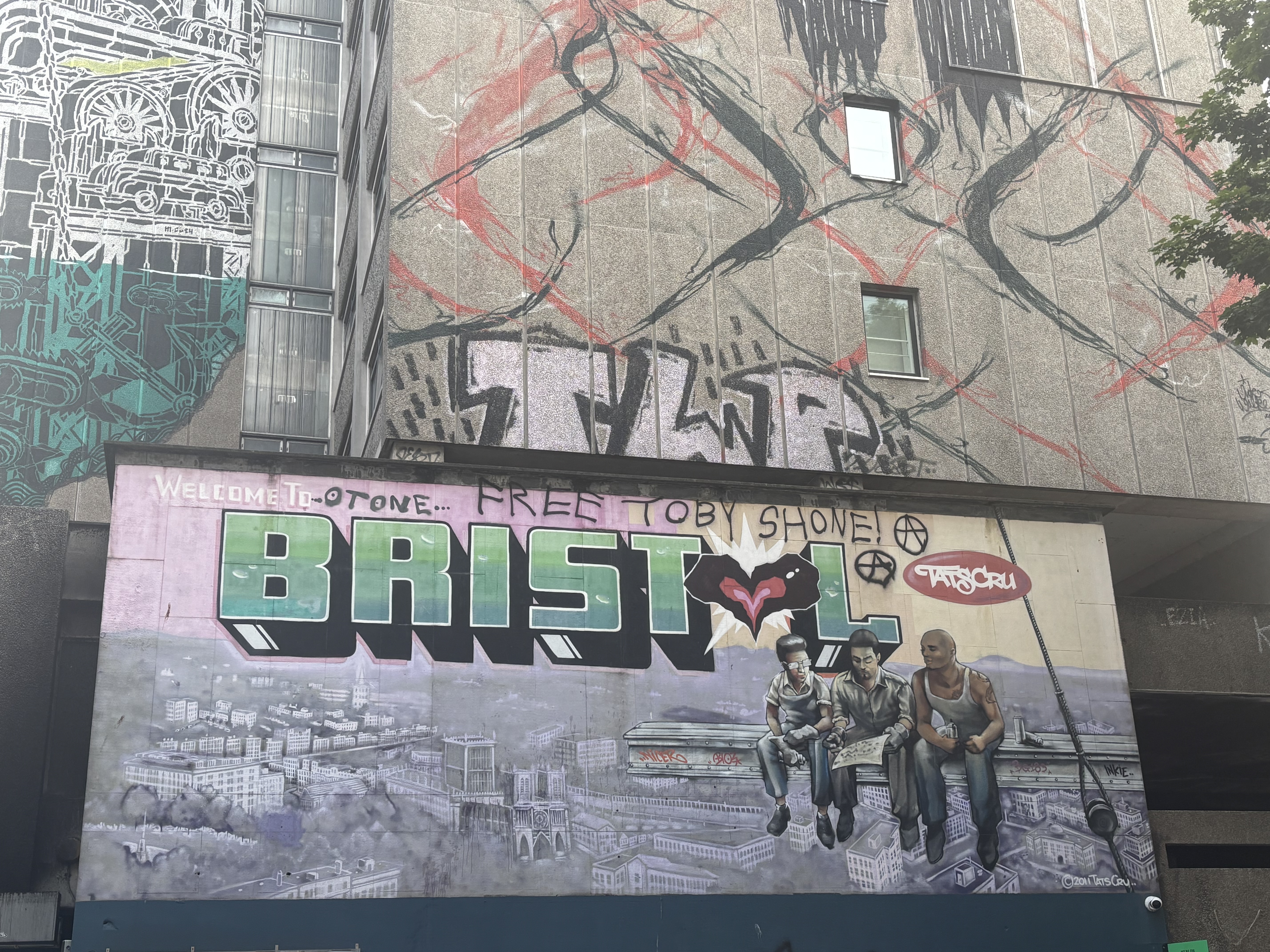
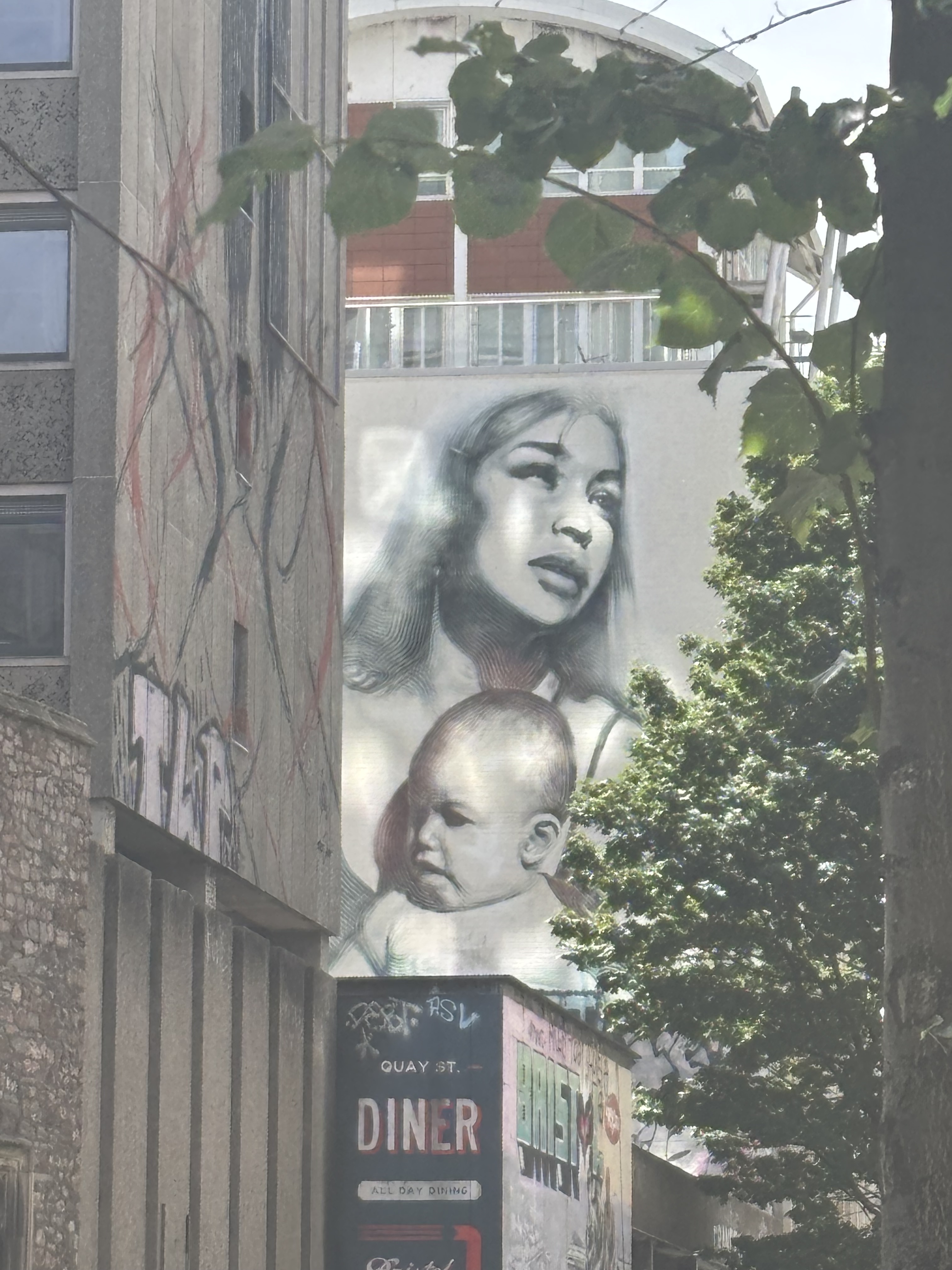
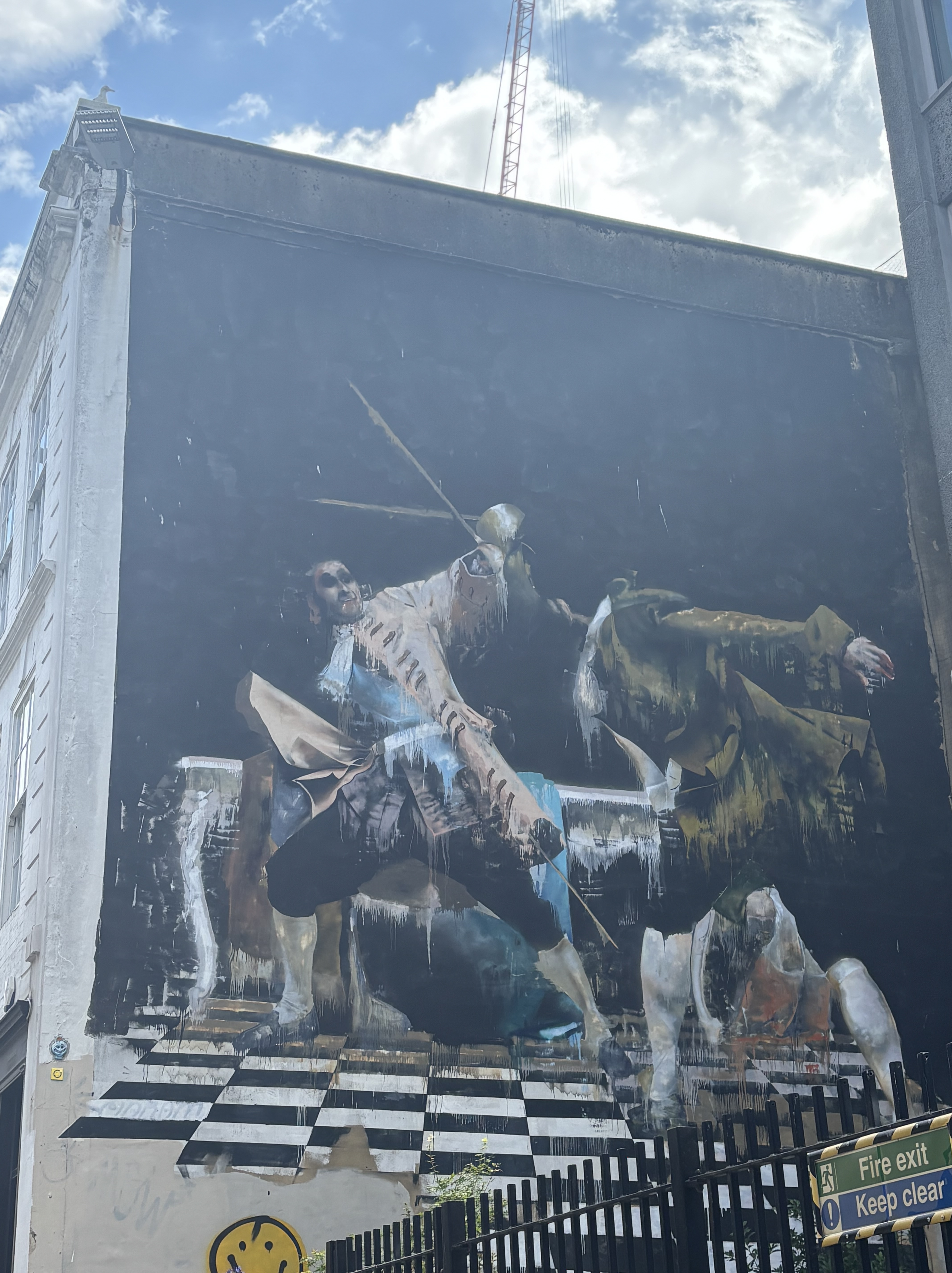
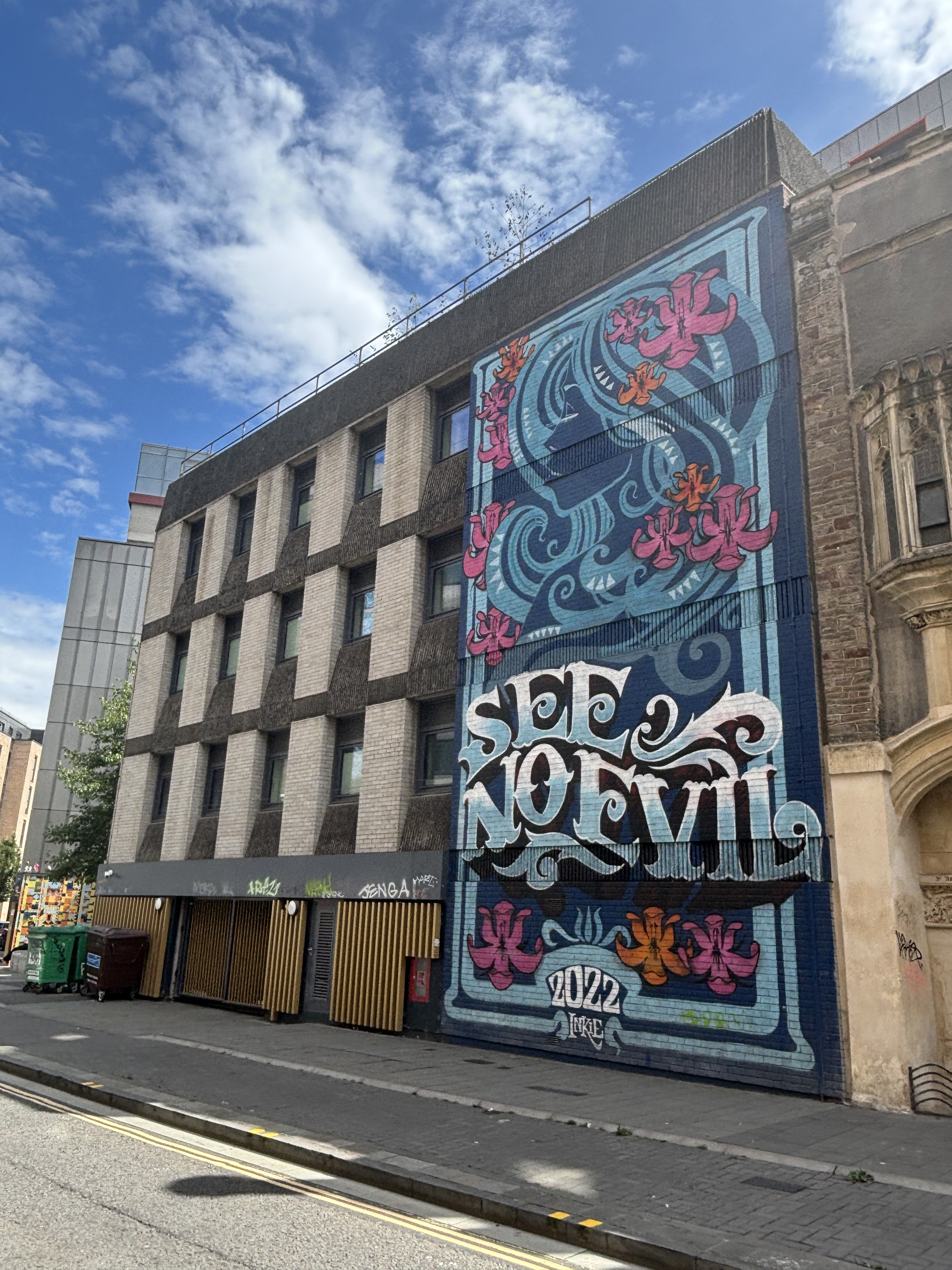
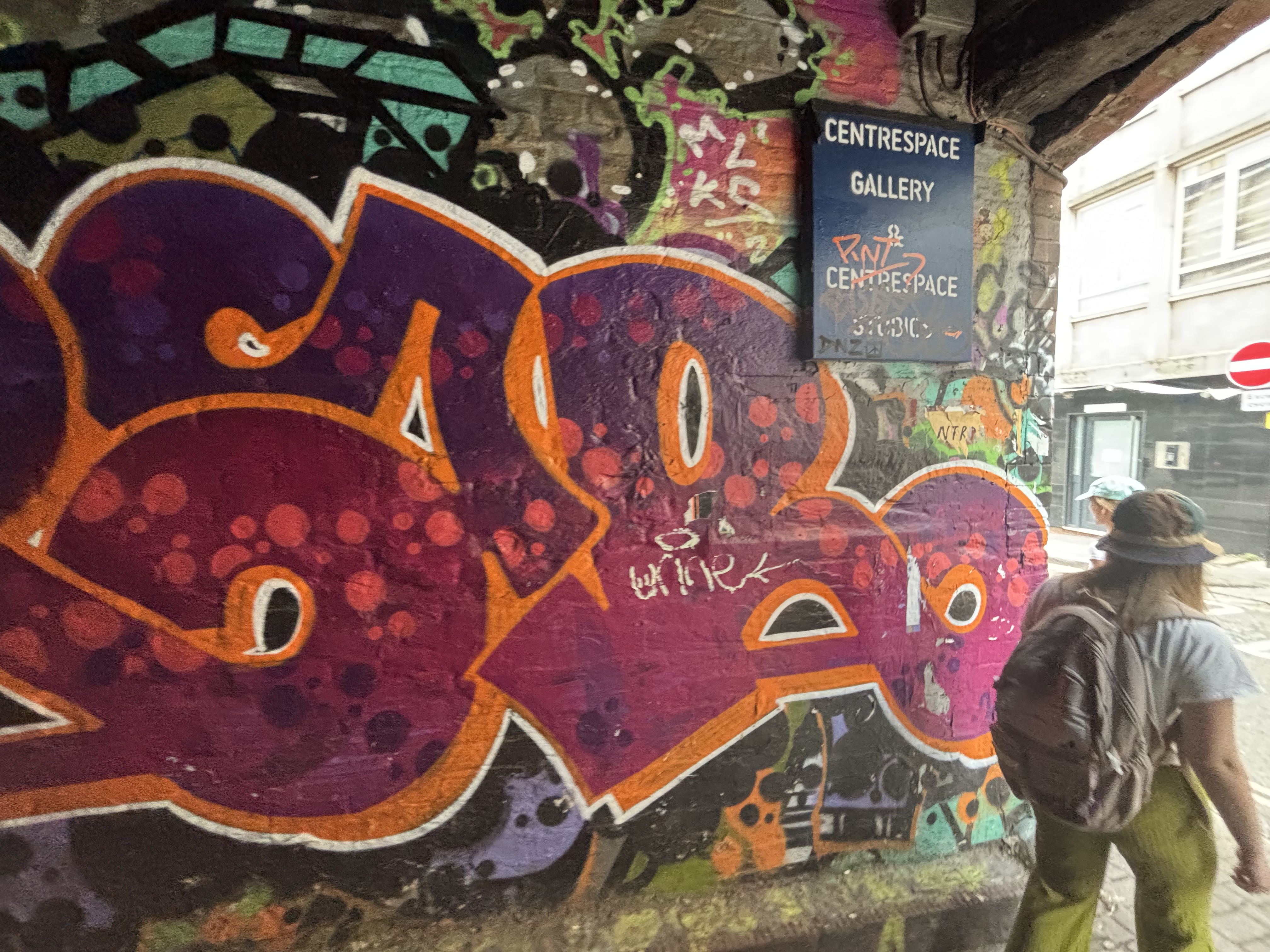
The hotel was across a major north-south thoroughfare from one of the gates to the medieval city center. So we merely had to wander out the front door and use a couple of crosswalks to find ourselves inside the city walls and surrounded by grand old buildings that mostly have been converted into bars and restaurants, along with rather drab concrete and steel monstrosities that now serve as gigantic canvases for the city’s very active street art community. We started with pre-dinner cocktails at a place called the Dirty Martini (great location across from the Corn Exchange with a particularly scenic view from the patio, but the drinks were underwhelming) and followed them with beers at a pub called the Bank Tavern (which also had a nice patio) before heading to Nadu for dinner.
It was somehow our first time eating Sri Lankan food, and we were blown away. It was similar to southern Indian cuisine in many respects but included some ingredients that were more in line with Thai or Malaysian dishes. The dosa literally spanned the entire width of the table, and we used it with the provided dips as intended – but also to scoop up all of the leftover sauces from the way-too-many dishes we ordered. The cocktails were outstanding too. (For those counting, yes, we’re already at drink number three on the evening, but we were still trying to calm our nerves and forget the mosh pit of crying children, oversized luggage and angry parents that is the Dublin airport.)
After dinner, we took an Uber/taxi (we’re finding in Europe that Uber basically is just a slightly more convenient way to summon a cab and pay twice the regular fare – but we’ll save Stuart’s rant about the shortcomings of European Uber for another post) to the harbor district. Unbeknownst to us, we happened to be arriving in Bristol for the final hours of Harbor Festival weekend, so the place looked a little like it had been hit by a tornado. We found a really cool live music venue called the Louisiana that has earned a reputation as a launching pad for future rock stars. The walls of the two-story converted house on a sleepy corner across the street from the harbor are lined with posters and photos of early performances on the tiny stage by Coldplay, Florence and the Machine, Amy Winehouse, the National, the White Stripes and Muse – which once had a six-month residency at the place. We stuck around for a few songs before walking back to the hotel and retiring for the evening.
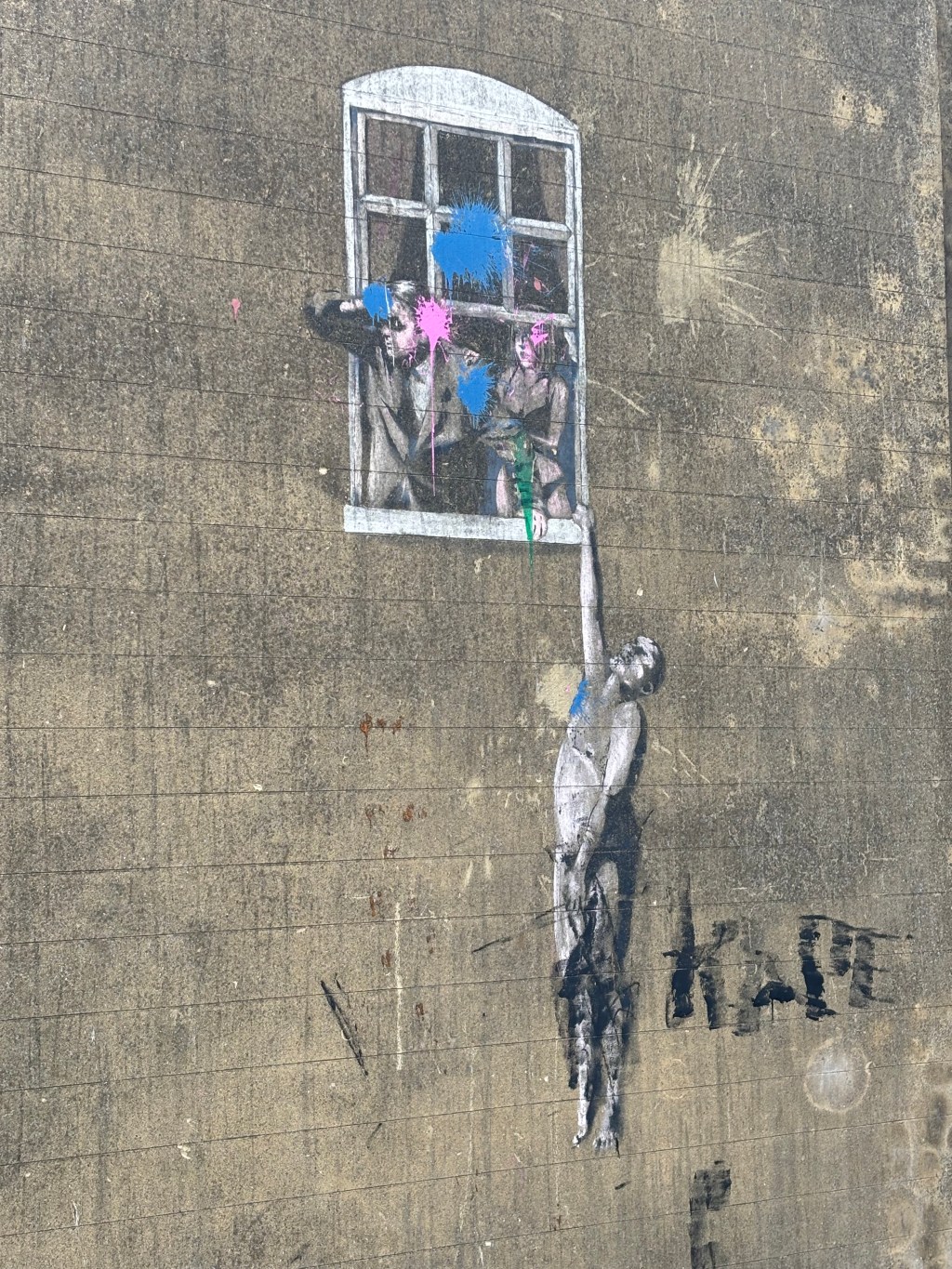
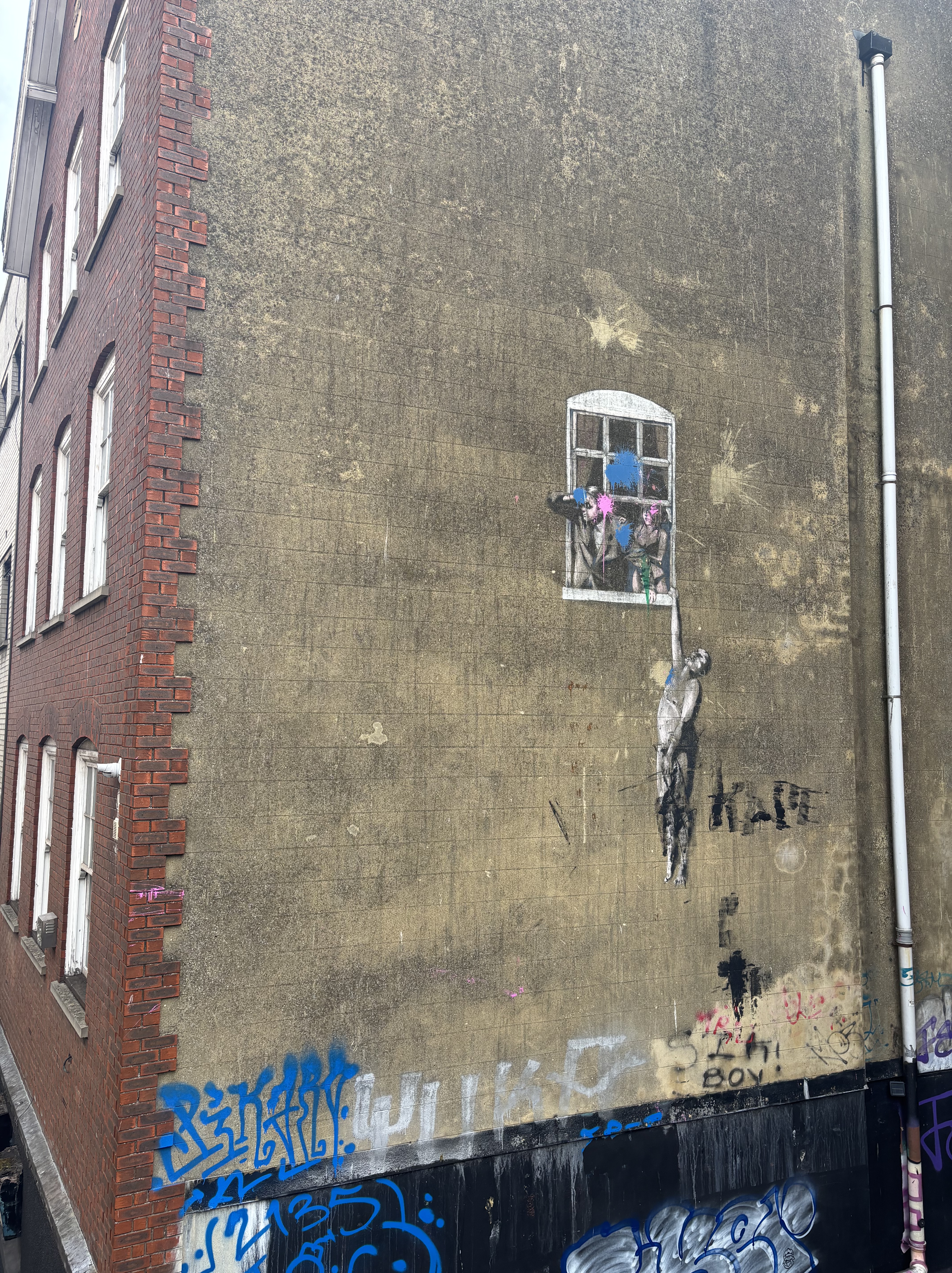
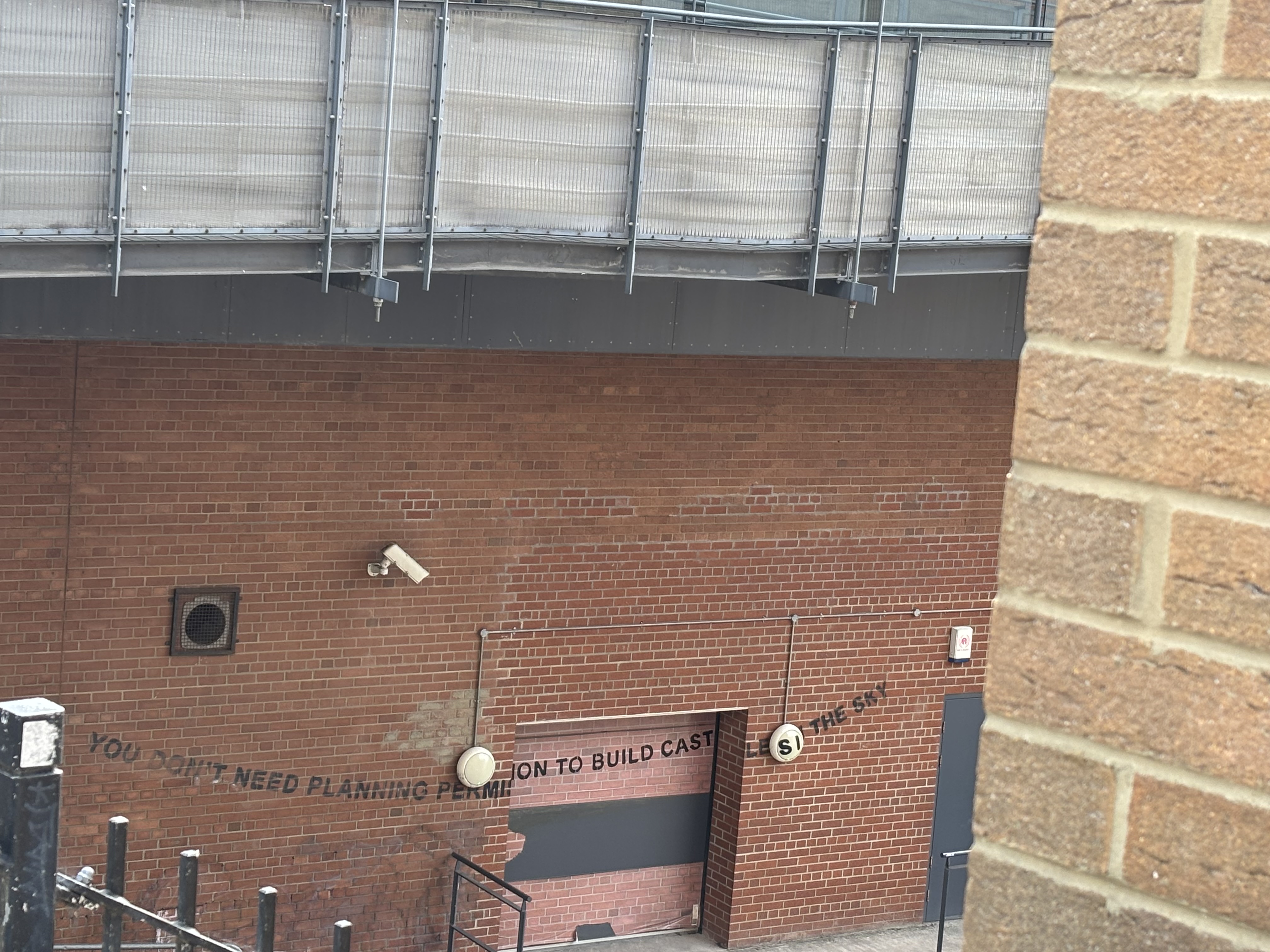
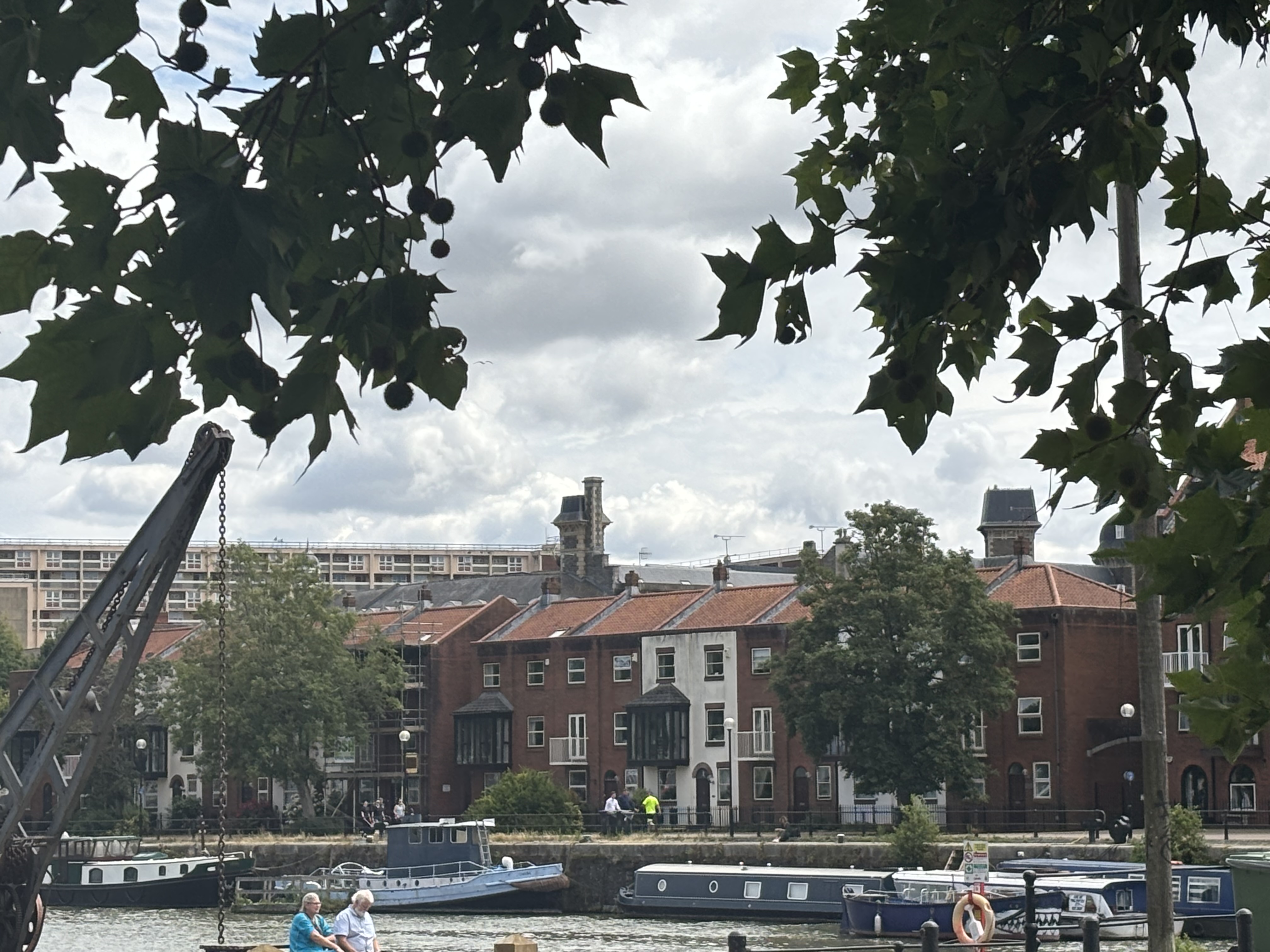
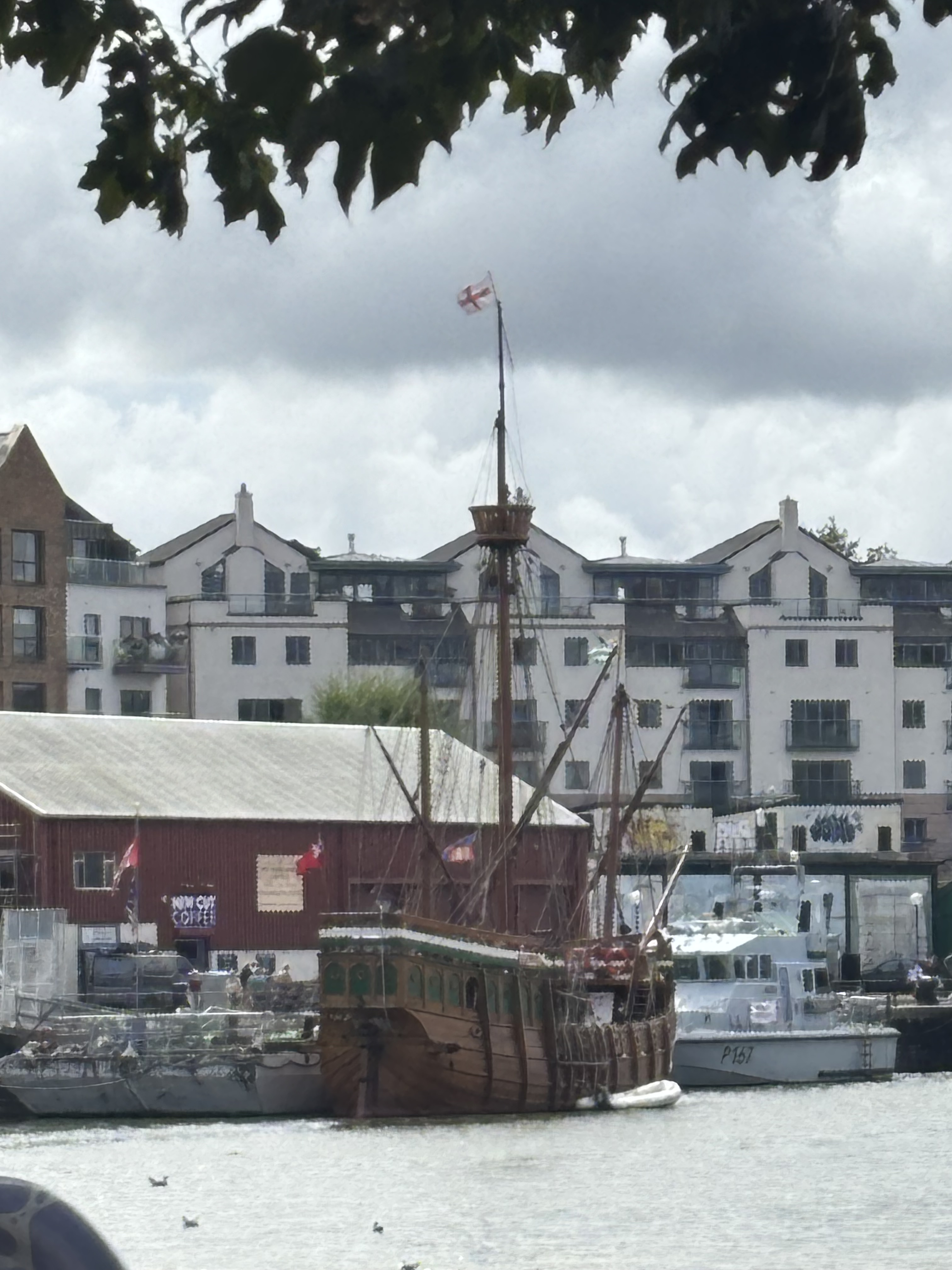
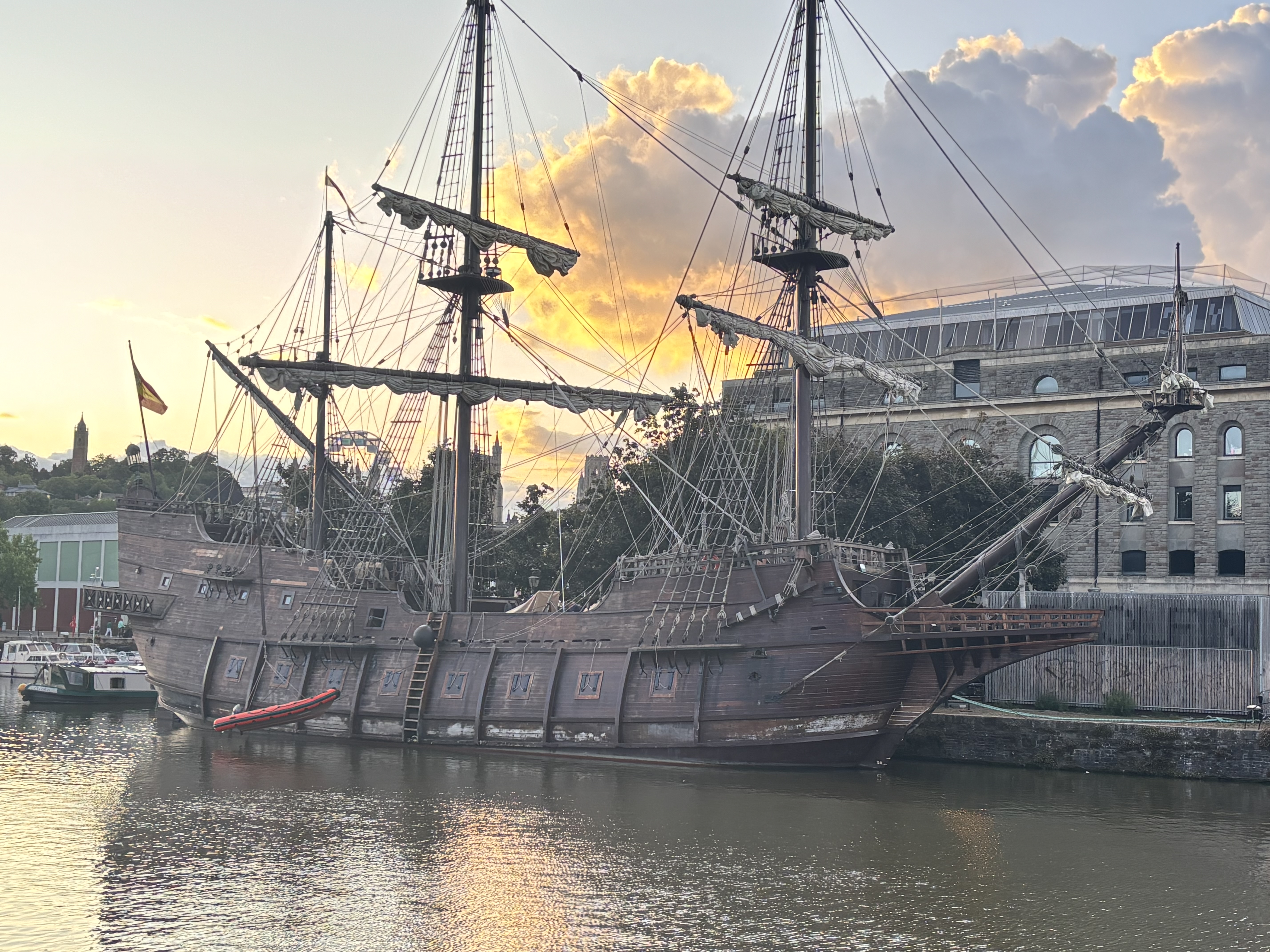
We joined a free (tip-based) “Blackbeard to Banksy” walking tour the next morning, where we were shown some early Banksy street art (including his famous “Well Hung Lover”), given a few clues about his real identity and informed that the infamous Blackbeard launched his rather lucrative pirate career from Bristol. We also heard a lot about the city’s unsavory involvement in the global slave trade and the ruthless practices of the sugar barons. Bristol was a prominent maritime and shipping center in its heyday, known for its shipbuilding and general wealth, so there are some remarkable Art Nouveau, Victorian and “Bristol Byzantine” buildings. The Gothic cathedral is also impressive, and the city center retains large sections of medieval wall and some very old public houses. In fact, we saw the pub where a legendary tall tale eventually was captured in literary history as Robinson Crusoe and which also happened to serve as Robert Louis Stevenson’s inspiration for a fictional inn in Treasure Island. The harbor meanders for miles, dotted with everything from houseboats to modern ocean liners to (during our stay anyway) a restored Spanish galleon.
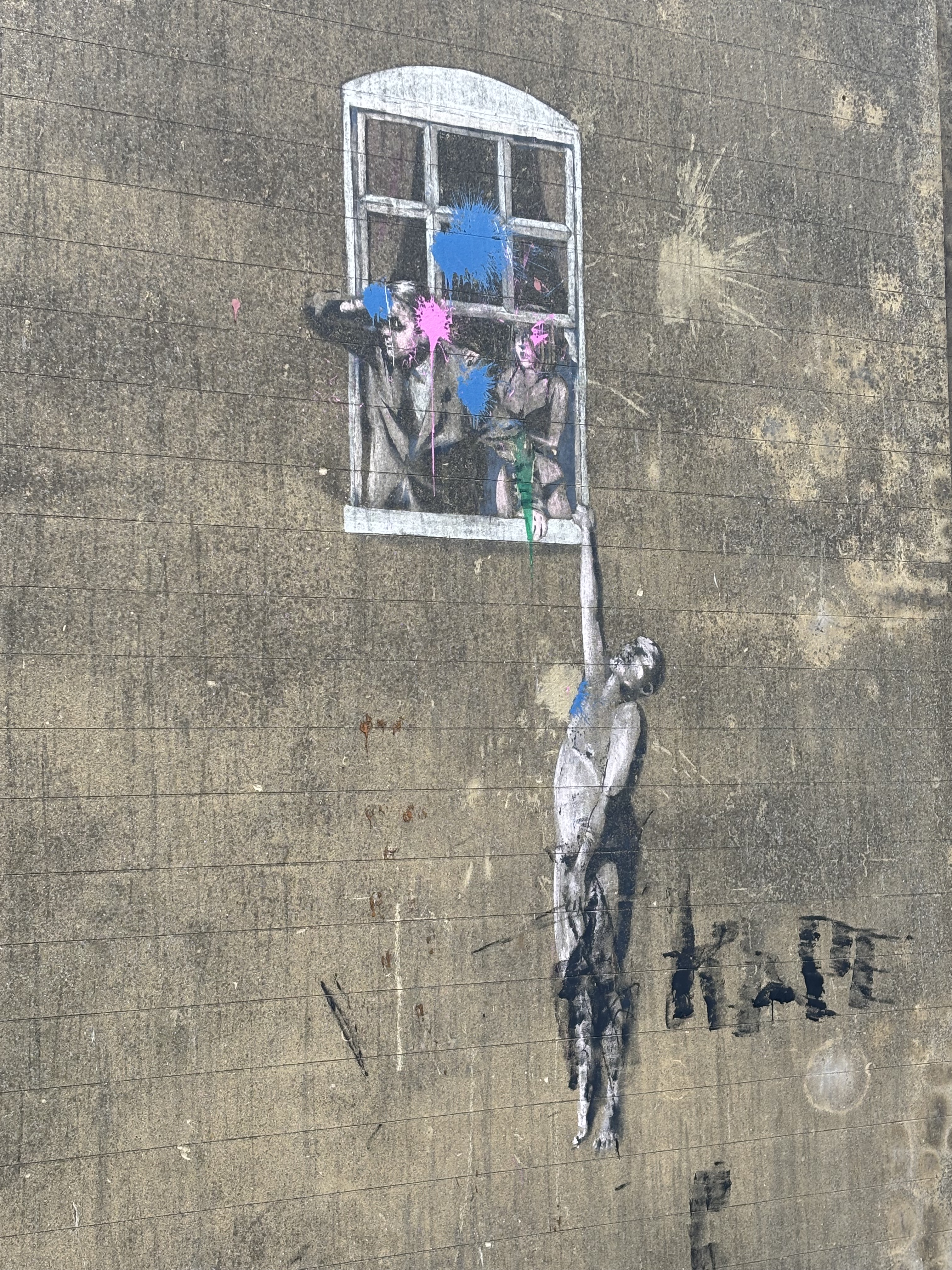
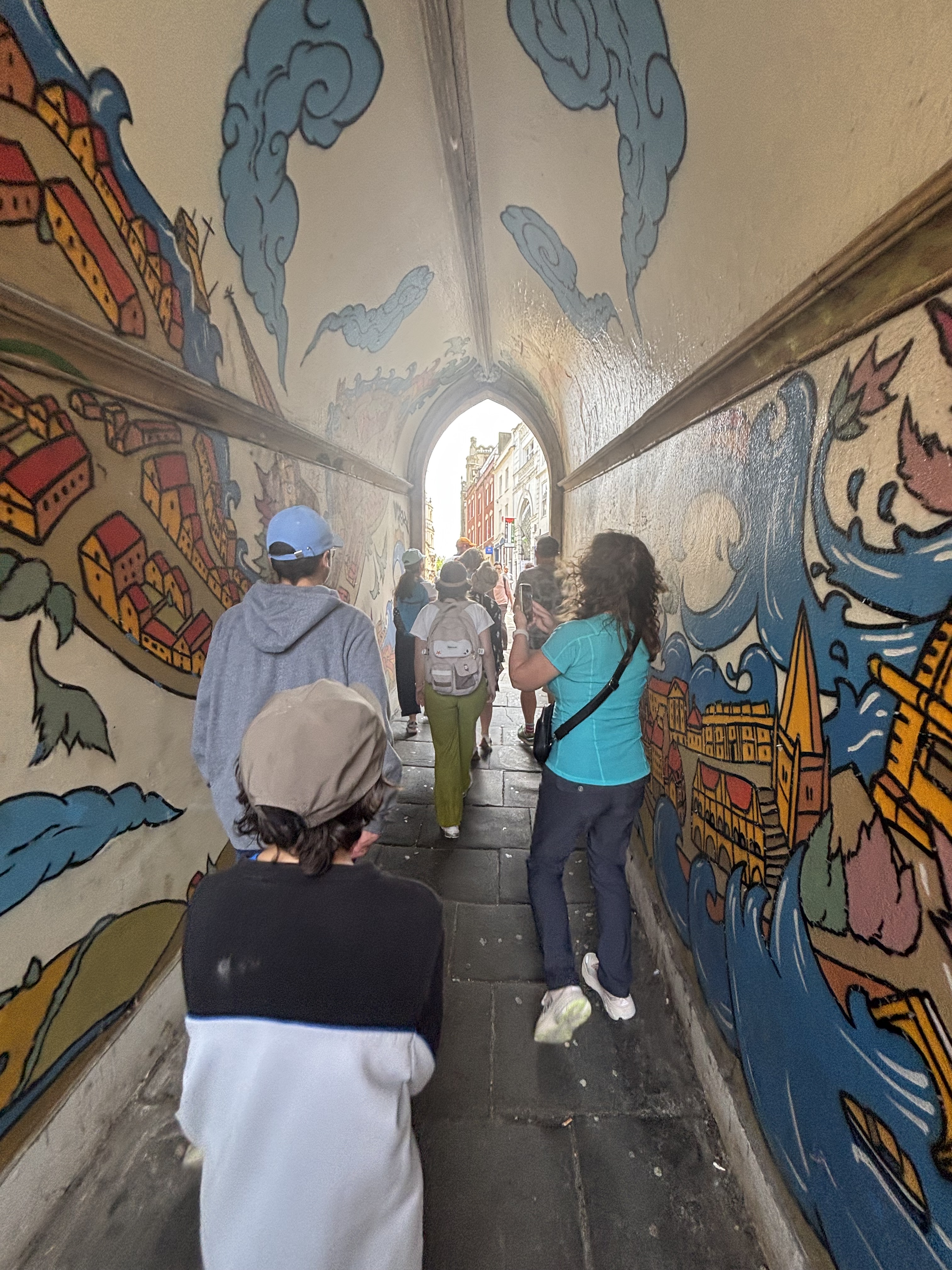

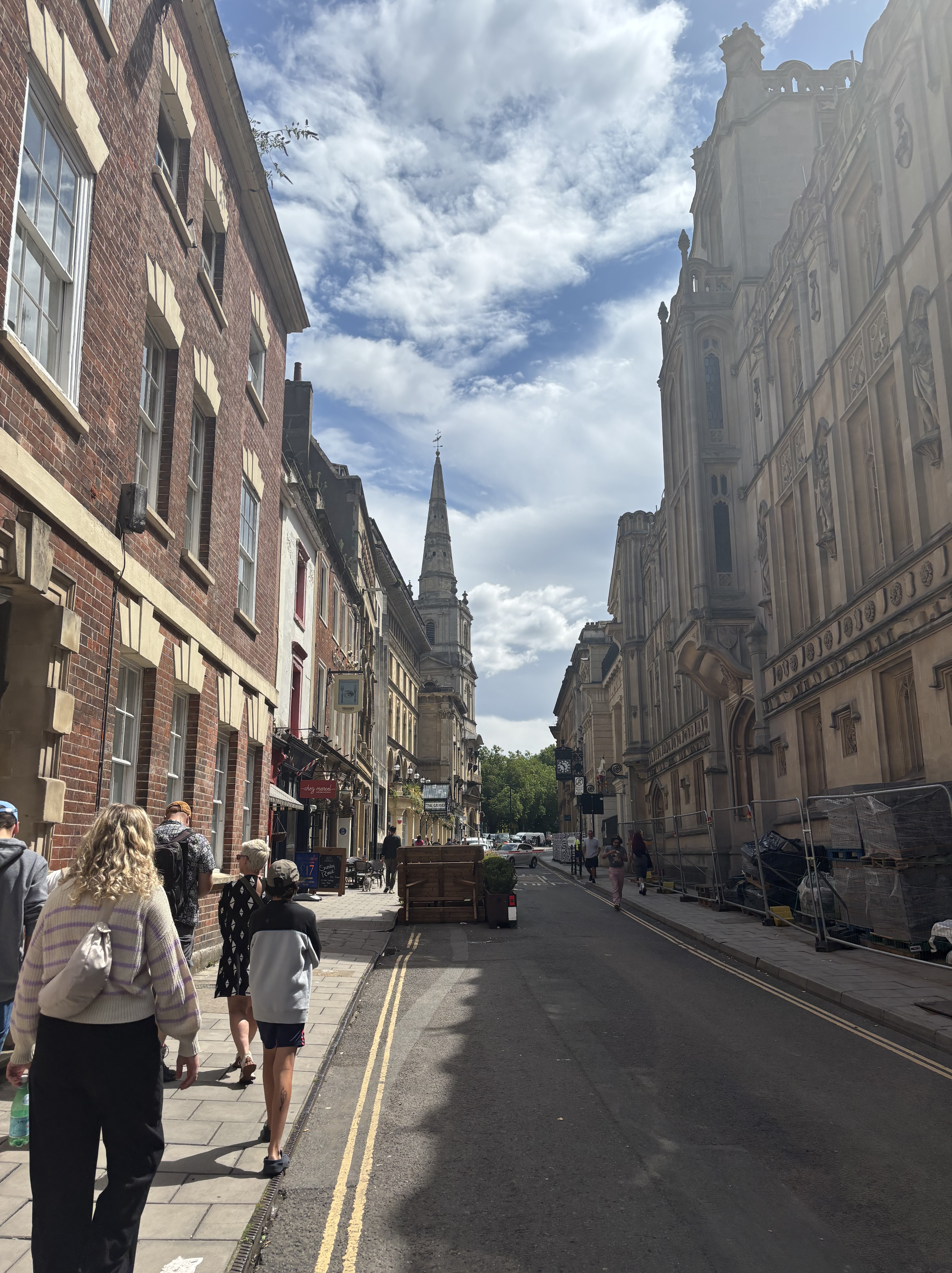
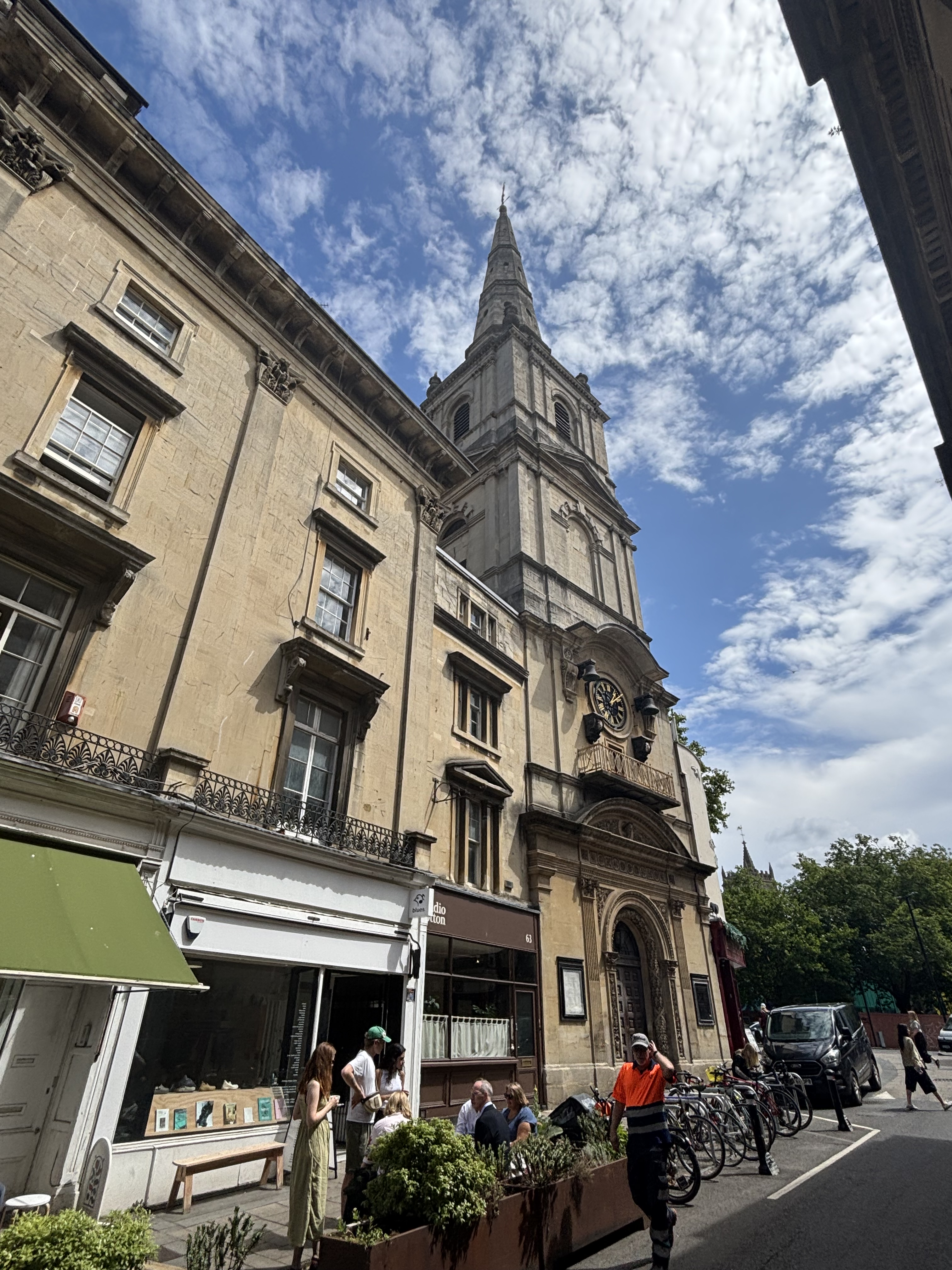
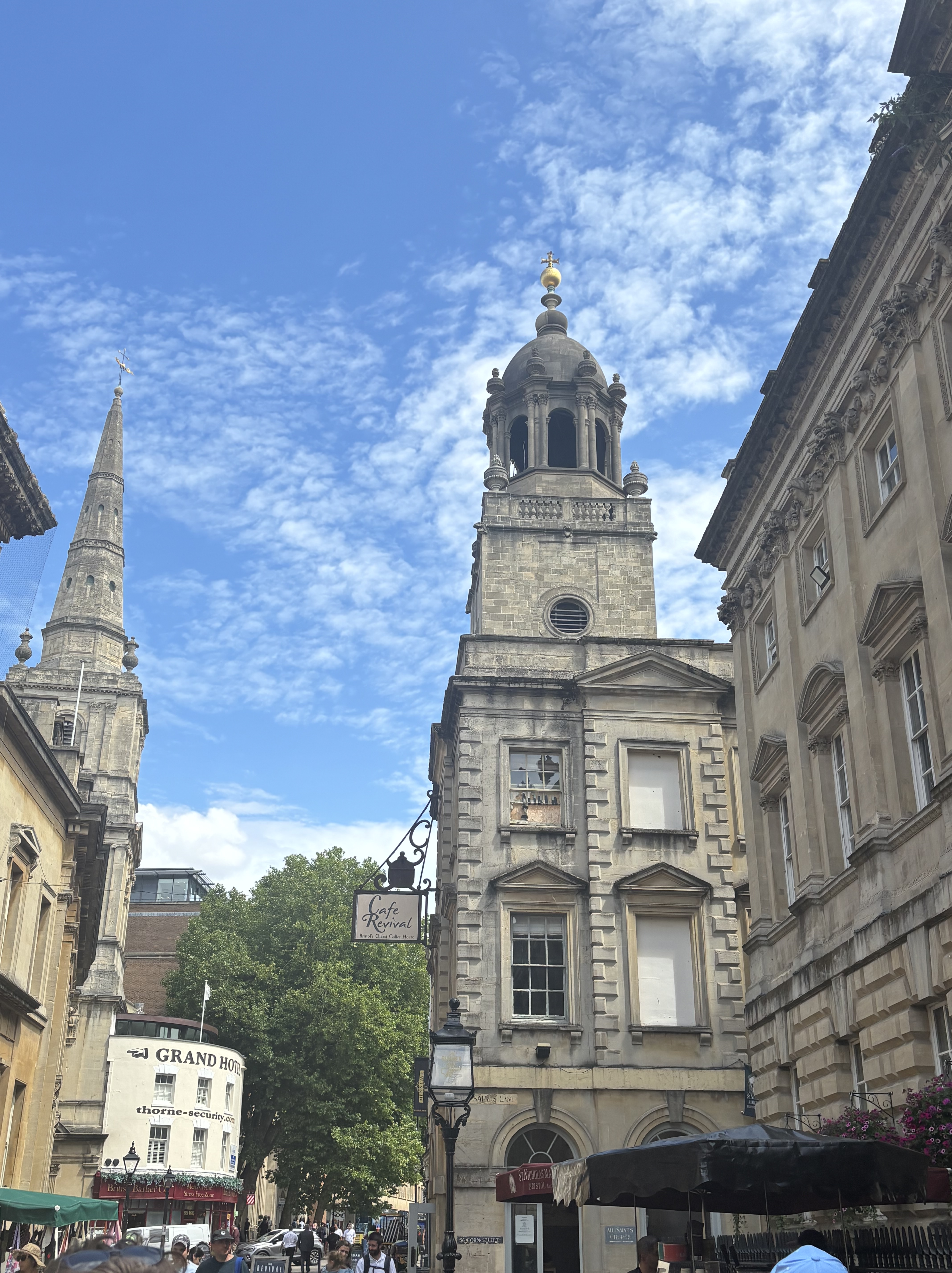

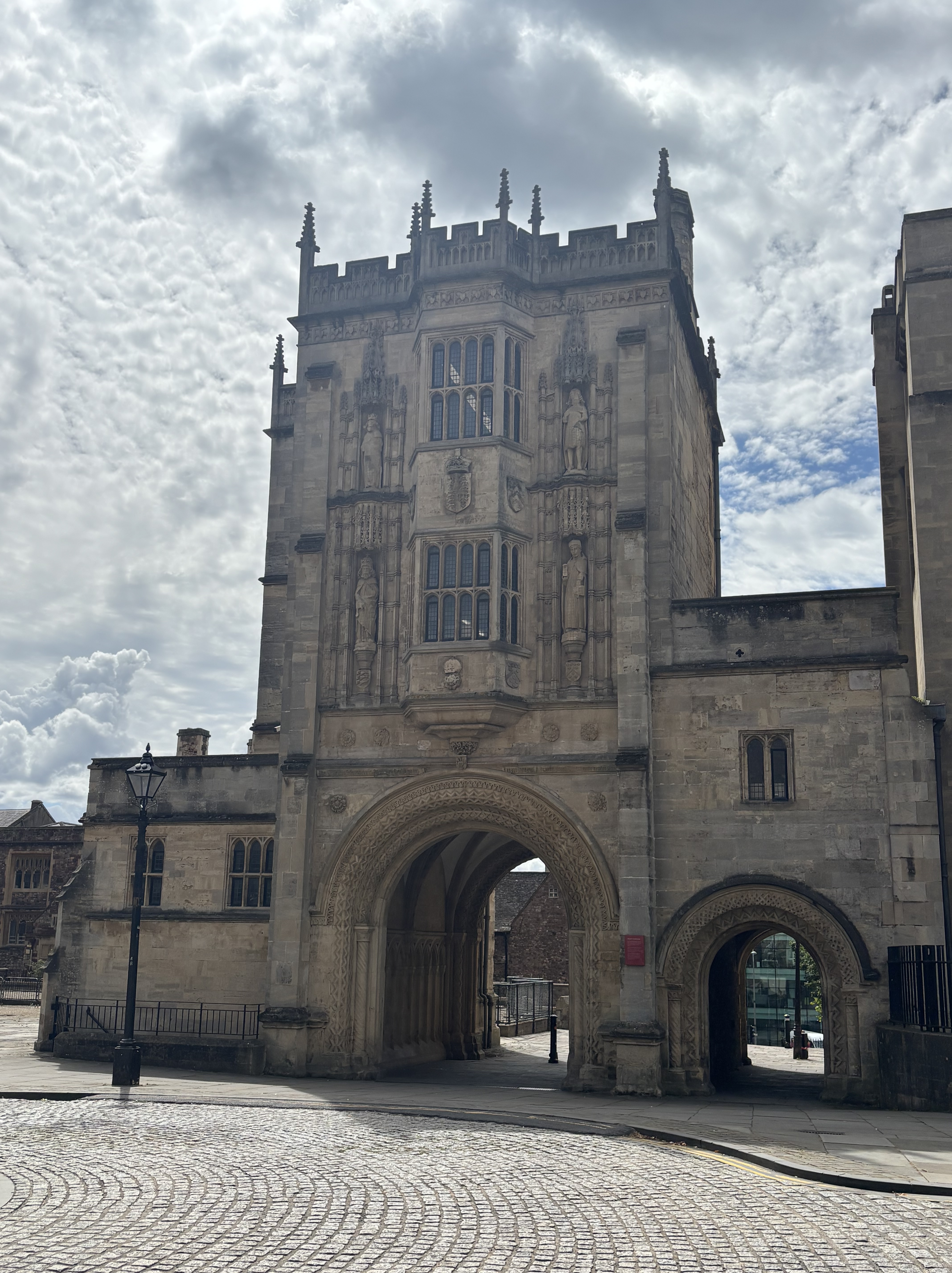
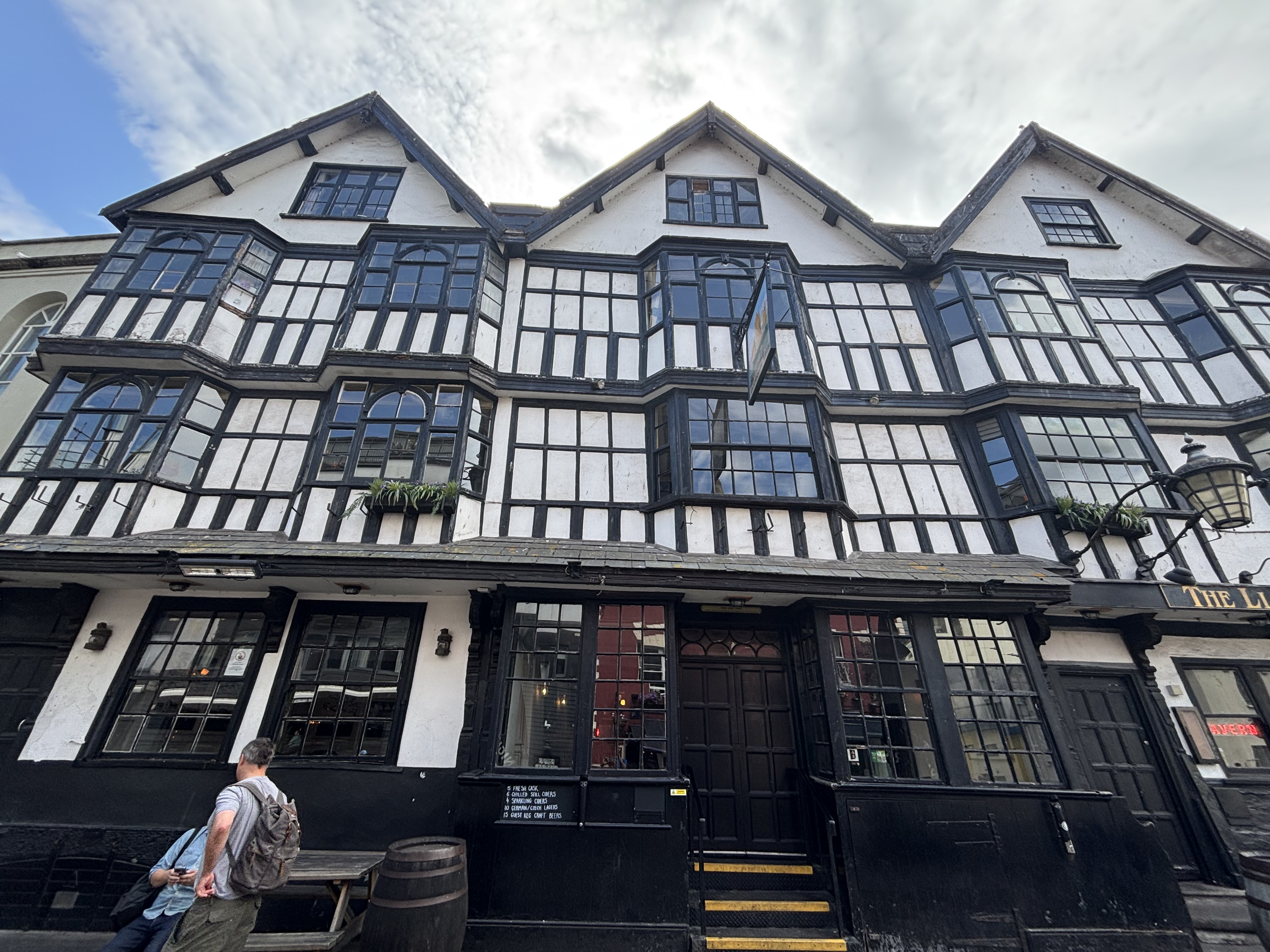
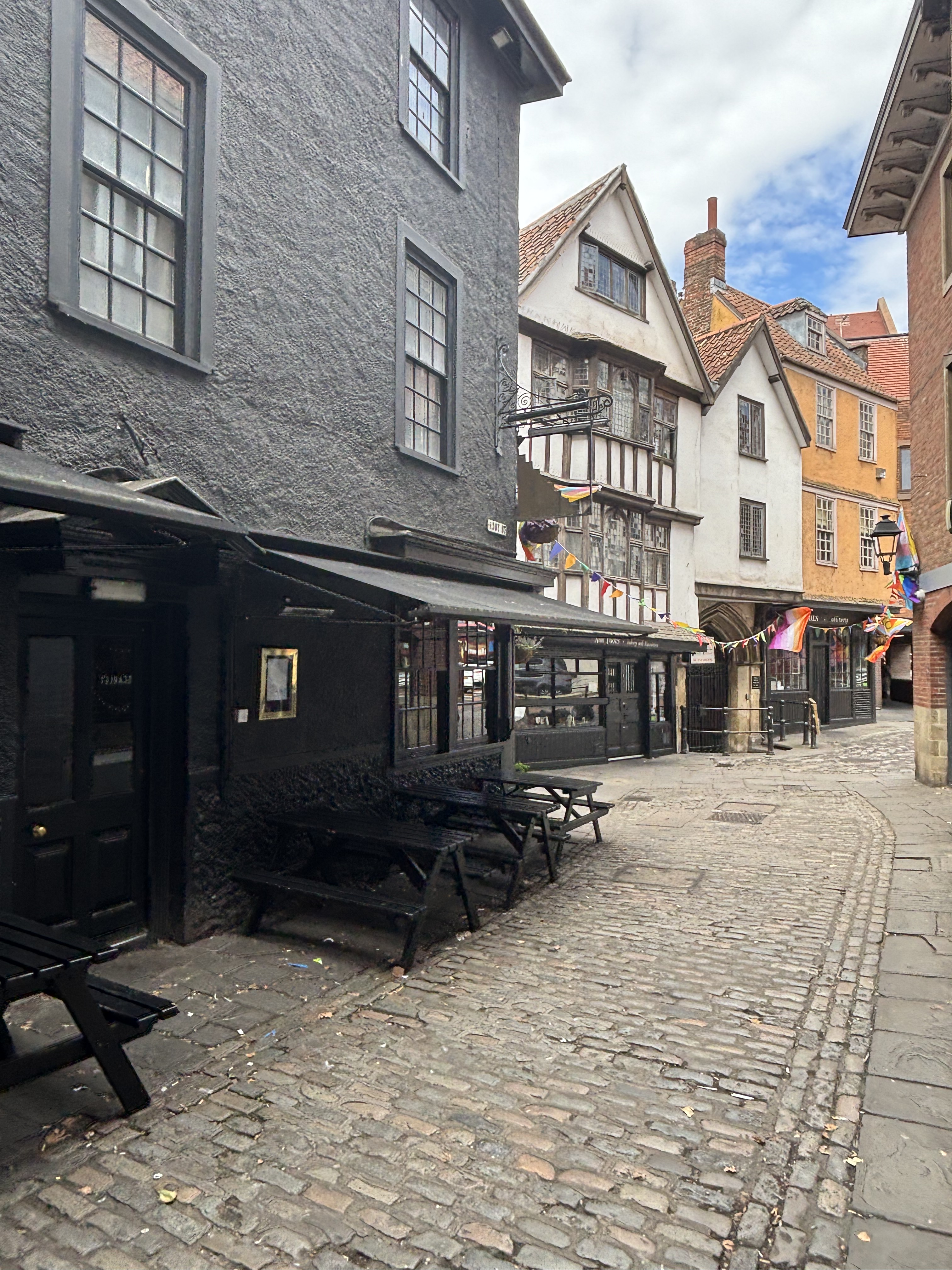
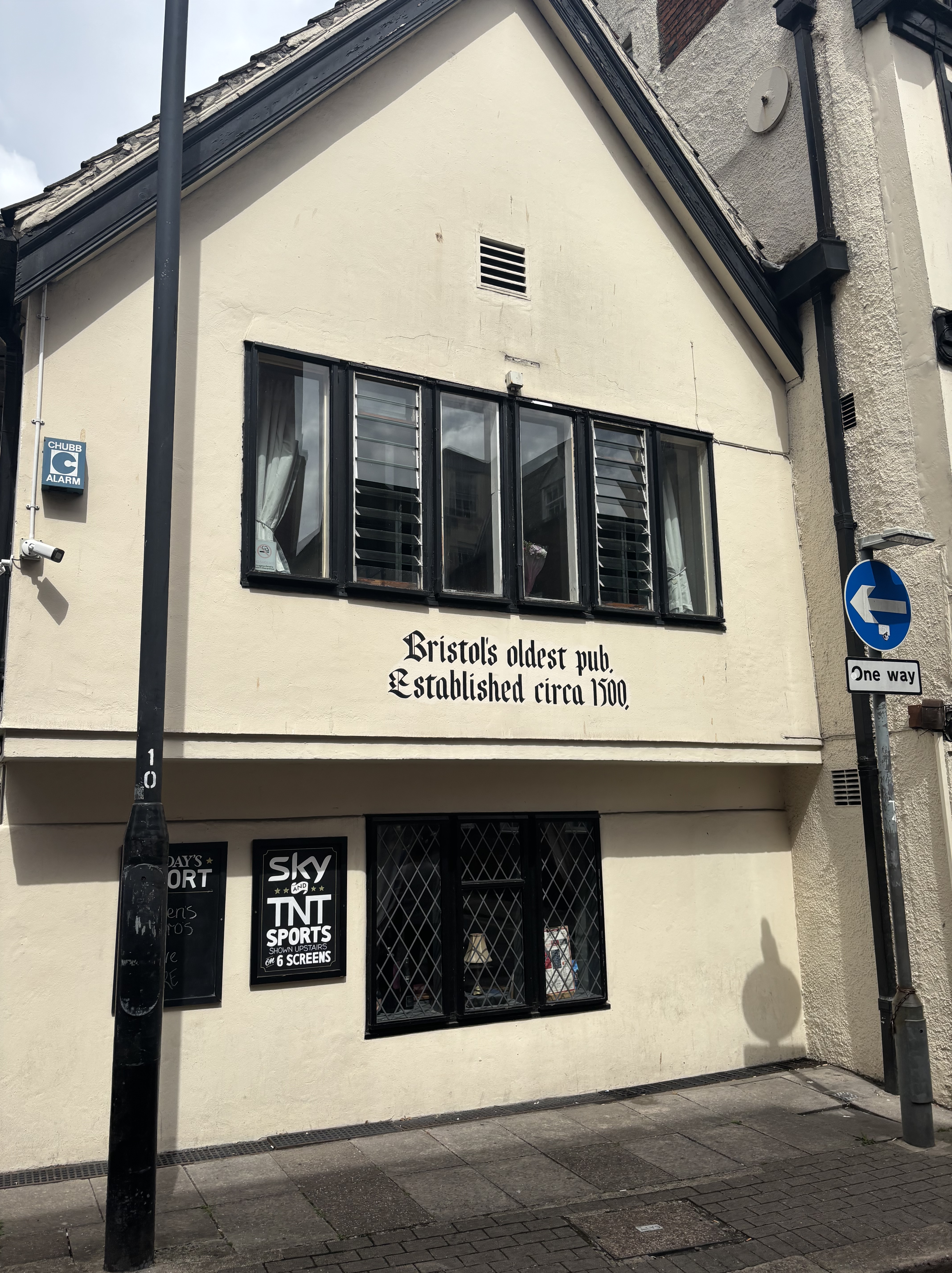

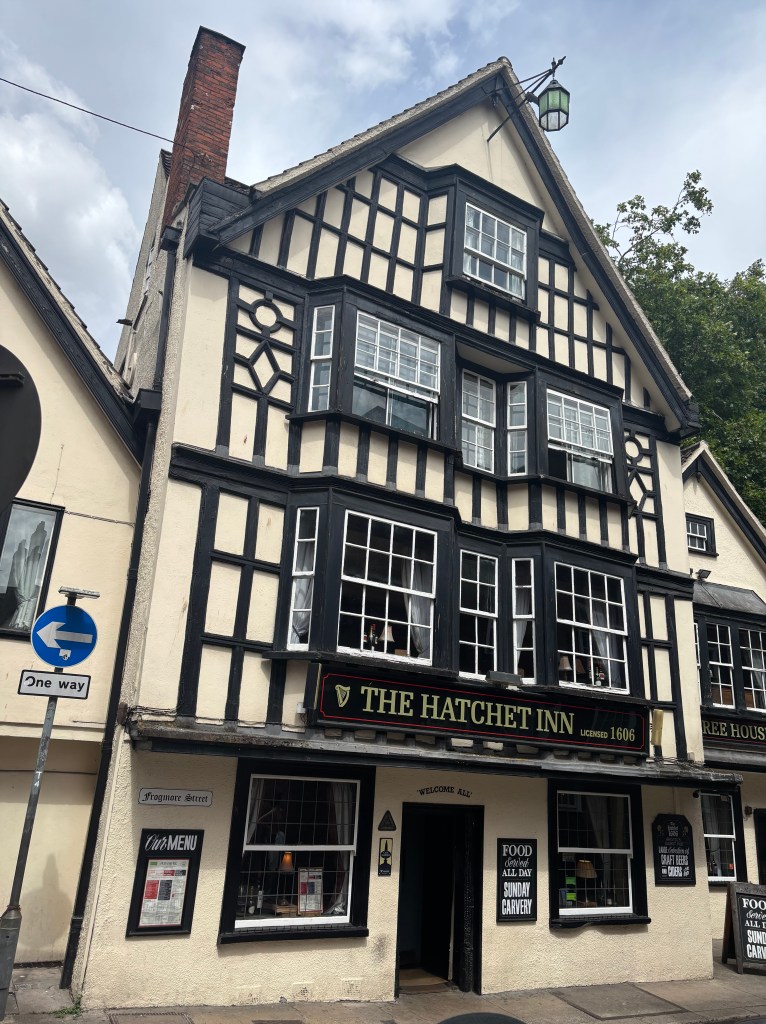
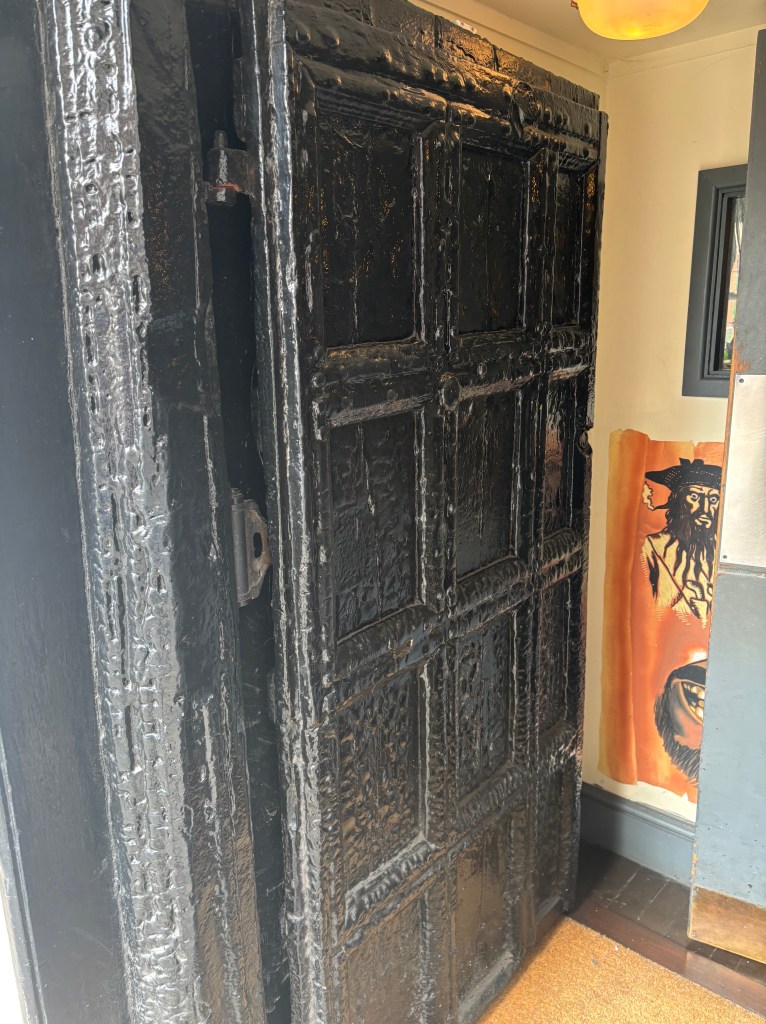
The Hatchett Inn, one of (at least) two establishments that claim to be the oldest pub in town, has a front door that supposedly is lined with the skin of a hanged convict. We (as in Stuart alone because Darla retains some semblance of common sense) joined the line of other tourists that touched the door in an attempt to suss out whether the rumor is true but sadly doesn’t have enough experience caressing 400-year-old human flesh to opine as to its authenticity with any authority. It just felt like painted leather that has developed a patina over time from the hundreds of people who touch it with their filthy fingers every day, which is pretty gross regardless of what animal it came from. And while the door rumor is unproven and unlikely to be true, the pub really was a favorite haunt of Blackbeard and formerly served as a prominent cockfighting venue.
After a quick stop for a bahn mi, we headed to the train station and resumed the onward journey to Swansea. We showed up well before our train was even listed on the monitors and are learning that it’s a complete waste of effort to show up to the station more than 20 minutes before your departure time. A station attendant told us we could take an earlier train to our connecting point, so we did. Unfortunately, it did not occur to us that the two-track station where we were changing trains would be too small to have any meaningful services, so we ended up spending the same amount of time sweating in a hotbox of a waiting room in a tiny station in the middle of nowhere, only to catch our originally scheduled connecting train to Swansea. We also were a little surprised to discover that seat reservations are not honored in Wales and informally disregarded in England. And the train cars are not particularly clean or comfortable. The speed of travel won’t be confused with a Japanese bullet train anytime soon either. On the plus side, the scenery is great. Sorry to disappoint any trainspotters out there, but our British rail experience has been pretty mediocre so far.
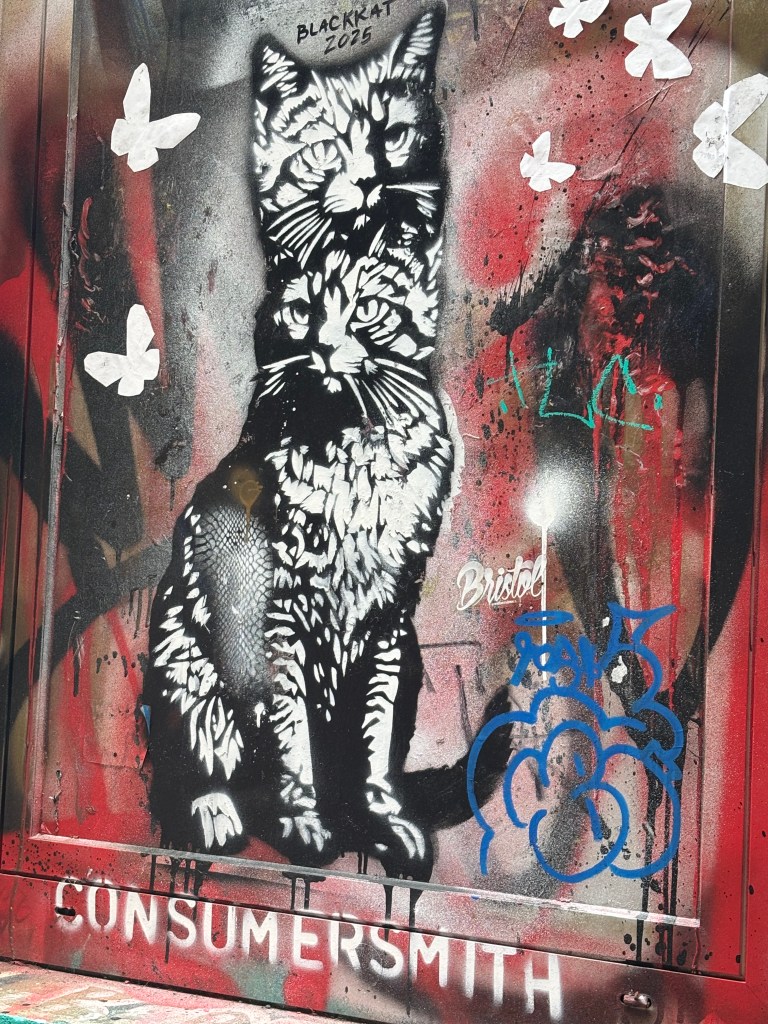
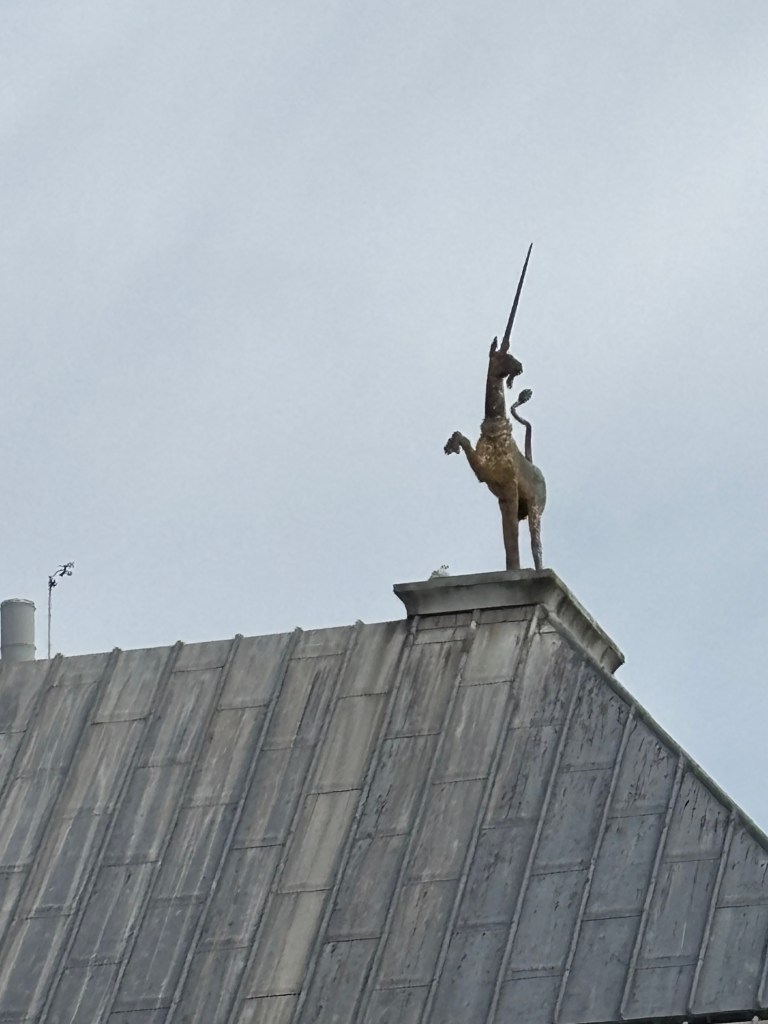
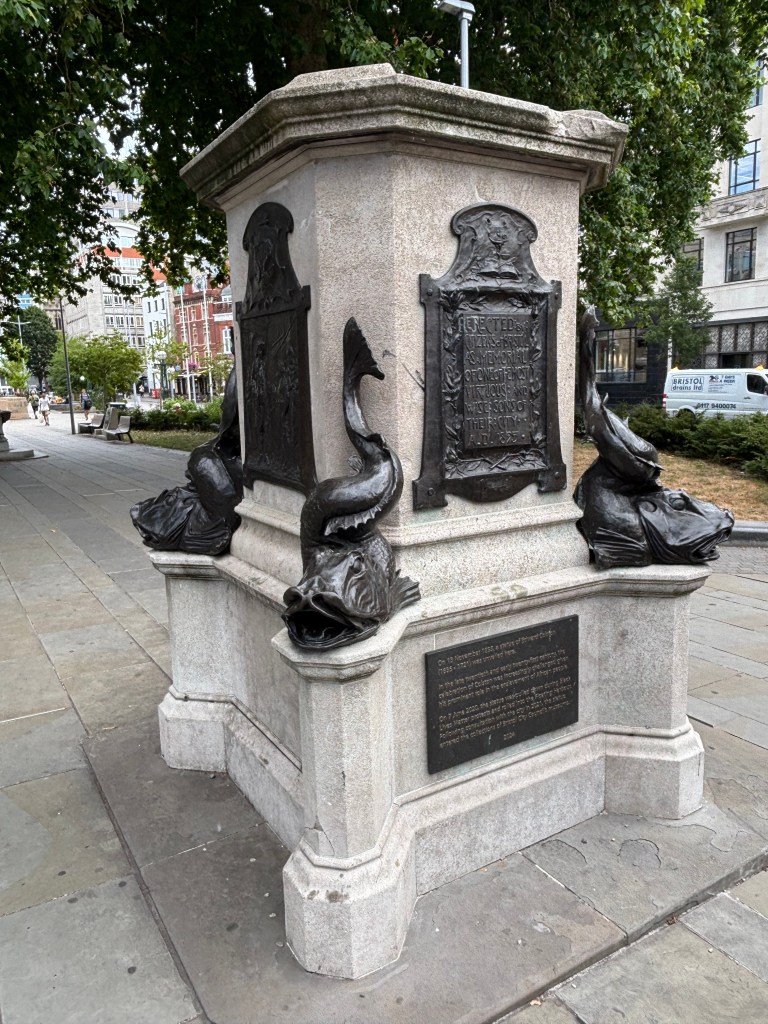
Looking back on our short Bristol stay, however, we came away pleasantly surprised. The city has a cool, youthful vibe. It’s also a quirky place. It’s the home of Wallace and Gromit, full of interesting street art and even the city hall has a unicorn statute on top. We were particularly impressed with the thriving arts and music scene, the myriad waterfront bars and cafes, and the varied architecture of the historic city center. The LGBTQIA+ scene is visibly thriving. It’s also a city that respects freedom of speech. The council has effectively decided that, if enough people like a work of street art, it can stay. They left up a work that shows one small child about to stab another with a knife, which happened to be placed under a security camera and next to an emergency bleed kit as a not-so-subtle reminder that the police could be doing more to prevent violent crime. At a Black Lives Matter protest in June of 2020, the citizens of Bristol removed the statue of a key figure involved in the slave trade and dumped it into the harbor; instead of replacing the statute, the city responded by adding another plaque to the empty pedestal explaining why people objected to it. Better late than never, we suppose. We’re late to the Bristol party ourselves but are really looking forward to going back someday.




 The Global Slowmad
Leave a comment