Solo trip! Darla was feeling a little sickly (probably COVID in hindsight, but that didn’t even occur to us at the time) on the morning we were supposed to make a day trip to Kilkenny, so Stuart ventured away on his own. After a pleasant 90-minute bus ride (the driver was on time, the scenery was pastoral, and the bus was air-conditioned), it stopped just a few blocks from the center of what is generally considered the best-preserved medieval city in Ireland.
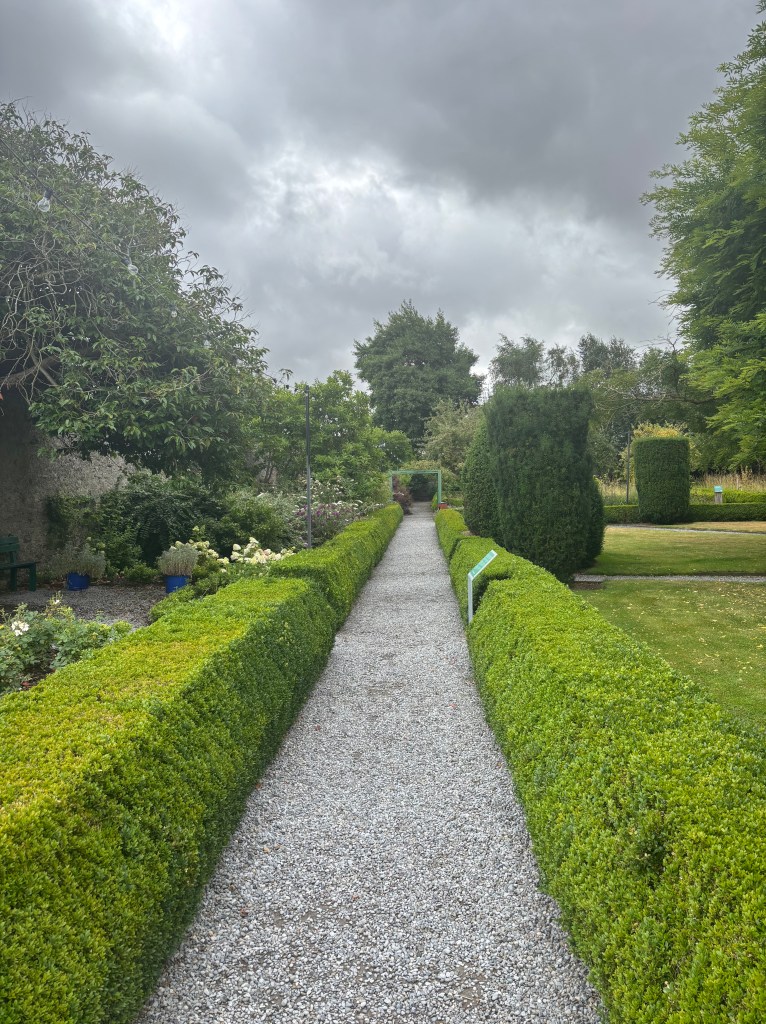
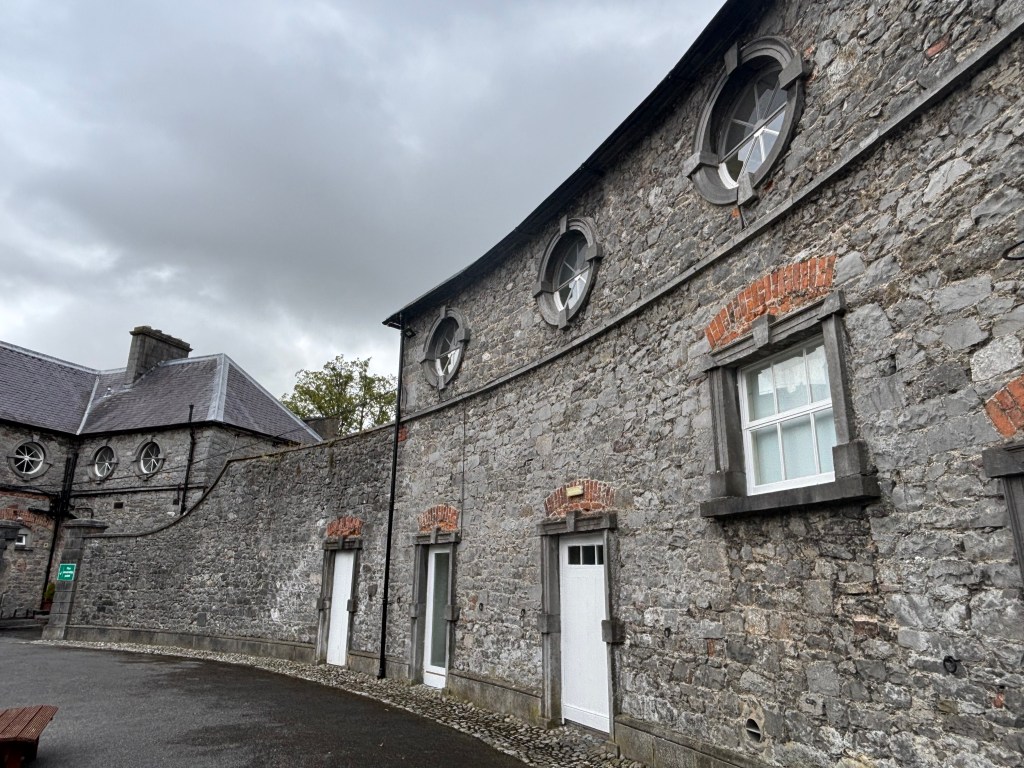
First stop: the National Design and Craft Gallery. This deceptively large complex was built on the former castle stables, across the street from the castle itself. The far end of the property features a lovely garden and a couple of boutique hotels with outdoor patios that look like they would make for a pleasant overnight stay. The gallery itself is actually a collection of small design studios and workshops operated by local artisans. There were some lovely textiles, glassware, baskets and ceramics visible in the shop windows. Unfortunately, we travel light, so there is no room in the luggage for souvenirs.
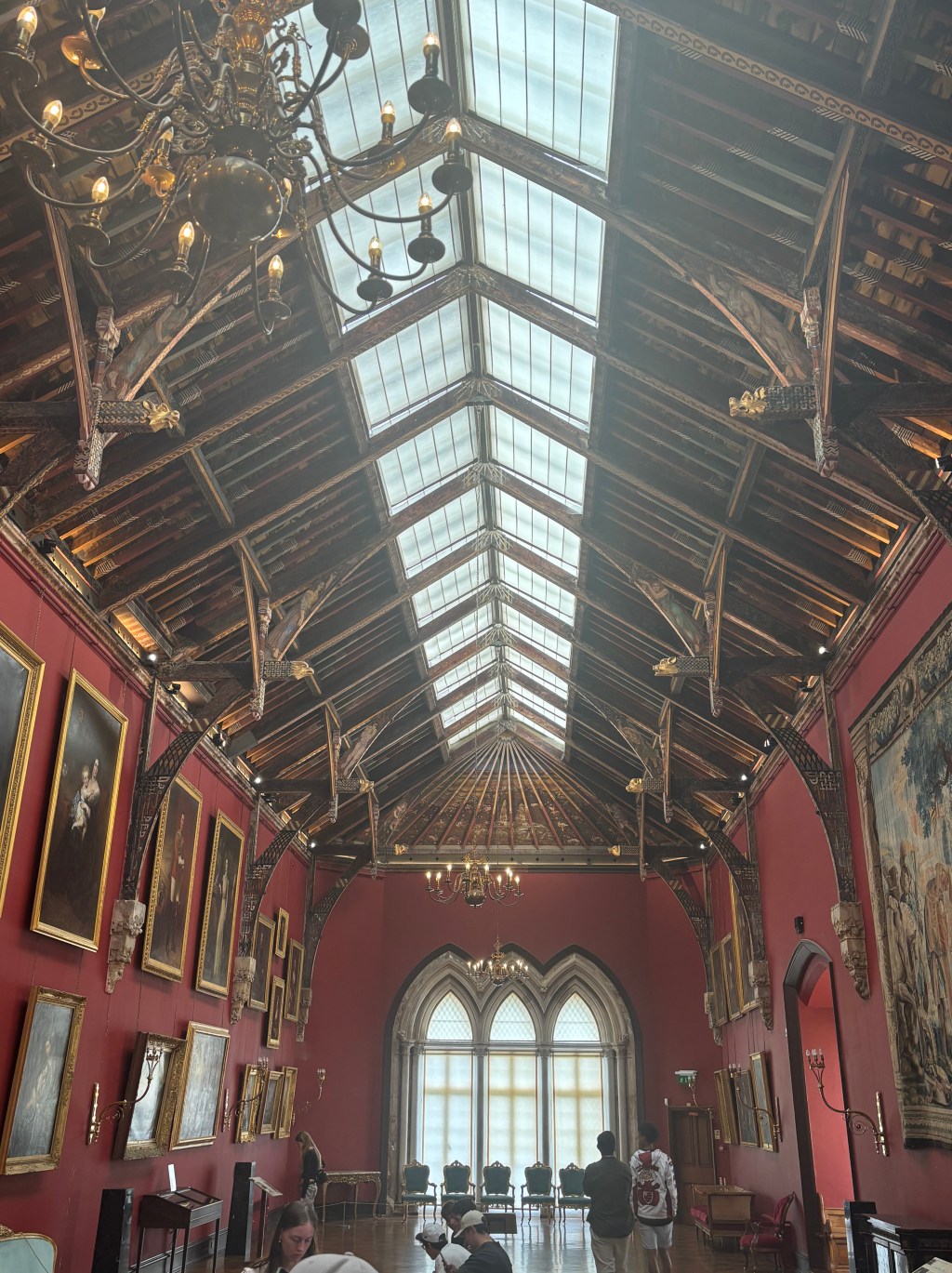
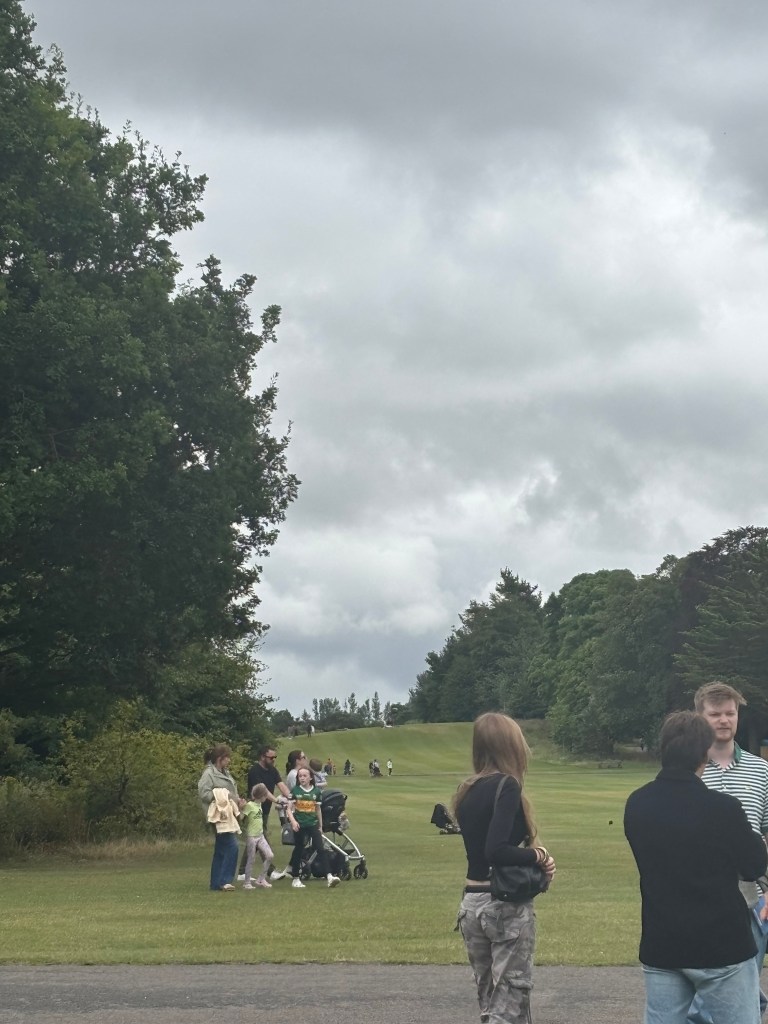
Next up on Stuart’s itinerary was a guided tour of Kilkenny Castle. The castle grounds are impressive, consisting of a 50-acre expanse of land that follows the River Nore down a gently sloping hillside. The castle exterior is exactly what you envision in a medieval castle, with large towers, a moat, windows for archers and an open central courtyard. It is quite a sight to behold and has a history to match.
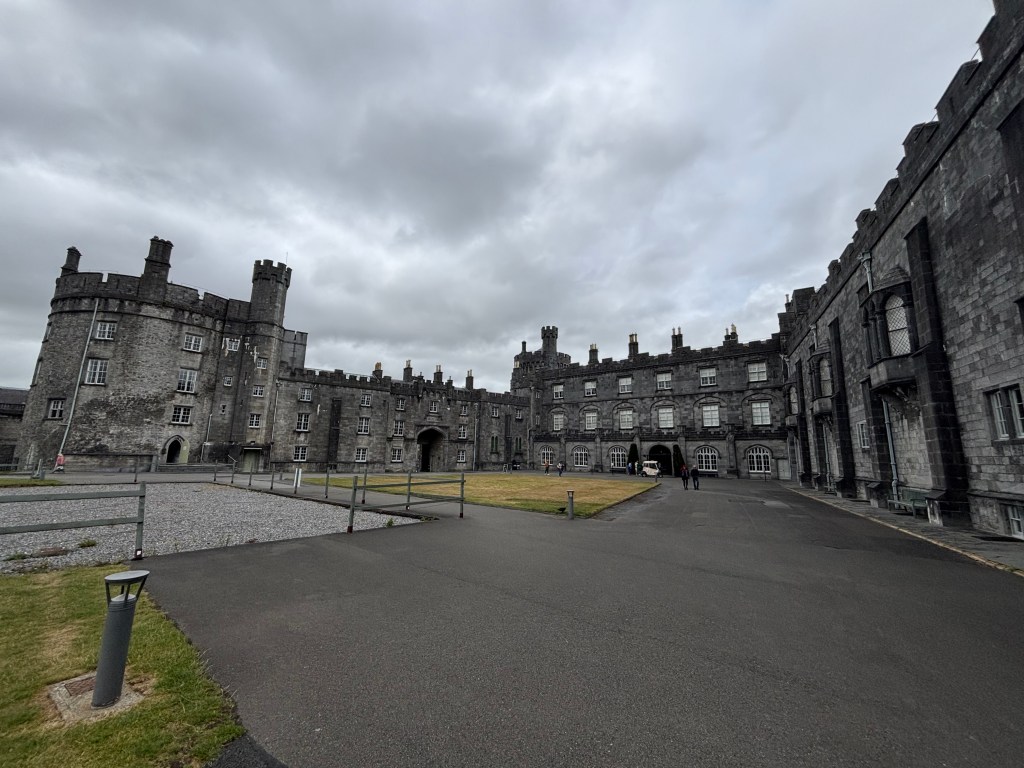
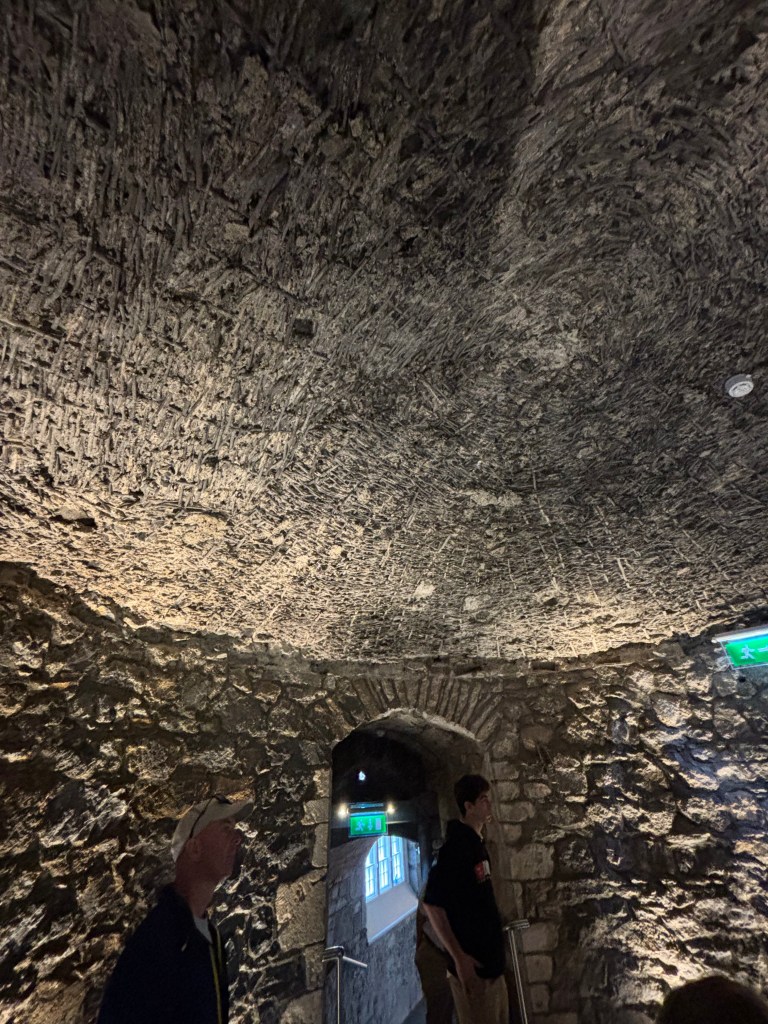
The original castle was a wooden structure built in the 12th Century on the site of a former Viking settlement by Richard de Clare, the Second Earl of Pembroke (more commonly known as “Strongbow”). Strongbow is a pretty unpopular figure in Irish history, as his arranged marriage to an Irish princess ushered in the era of Normal rule and set the stage for centuries of oppression and conflict in Ireland. The first major castle renovation occurred in the 13th Century, when a square, stone structure was erected, including towers on each corner and a moat around the two sides not already bordered by the river. Remarkably, three of the four original towers survive to this day.
In 1391, the castle was sold to the Butler family, ancestors of whom had moved to Ireland in the 12th Century as part of the first Norman invasion and acquired great wealth and English nobility status. They were a socially astute and well-connected family (Lady Margaret Butler was the paternal grandmother of Anne Boleyn), which allowed them to deftly navigate changes in the political environment and maintain control of the castle until well into the 20th Century. The castle briefly served as the capital of independent Ireland in the mid-17th Century while James Butler was in exile in Dublin. One tower and a wall were destroyed by Oliver Cromwell’s army a few years later. When Butler eventually returned to the castle in 1661, he promptly remodeled it in the style of a French chateau. Over the next two-and-a half centuries, the Butlers would periodically remodel the interior to their changing tastes. When the remaining members of the Butler family moved to England for good in the early 1900’s, the contents of the castle were sold at auction and the castle sat empty for a few decades. Fortunately, a later family heir generously sold it to the city of Kilkenny for a mere 50 pounds in 1967, with the stipulation that it be restored and preserved in its former splendor (i.e., no golf courses or shopping malls).
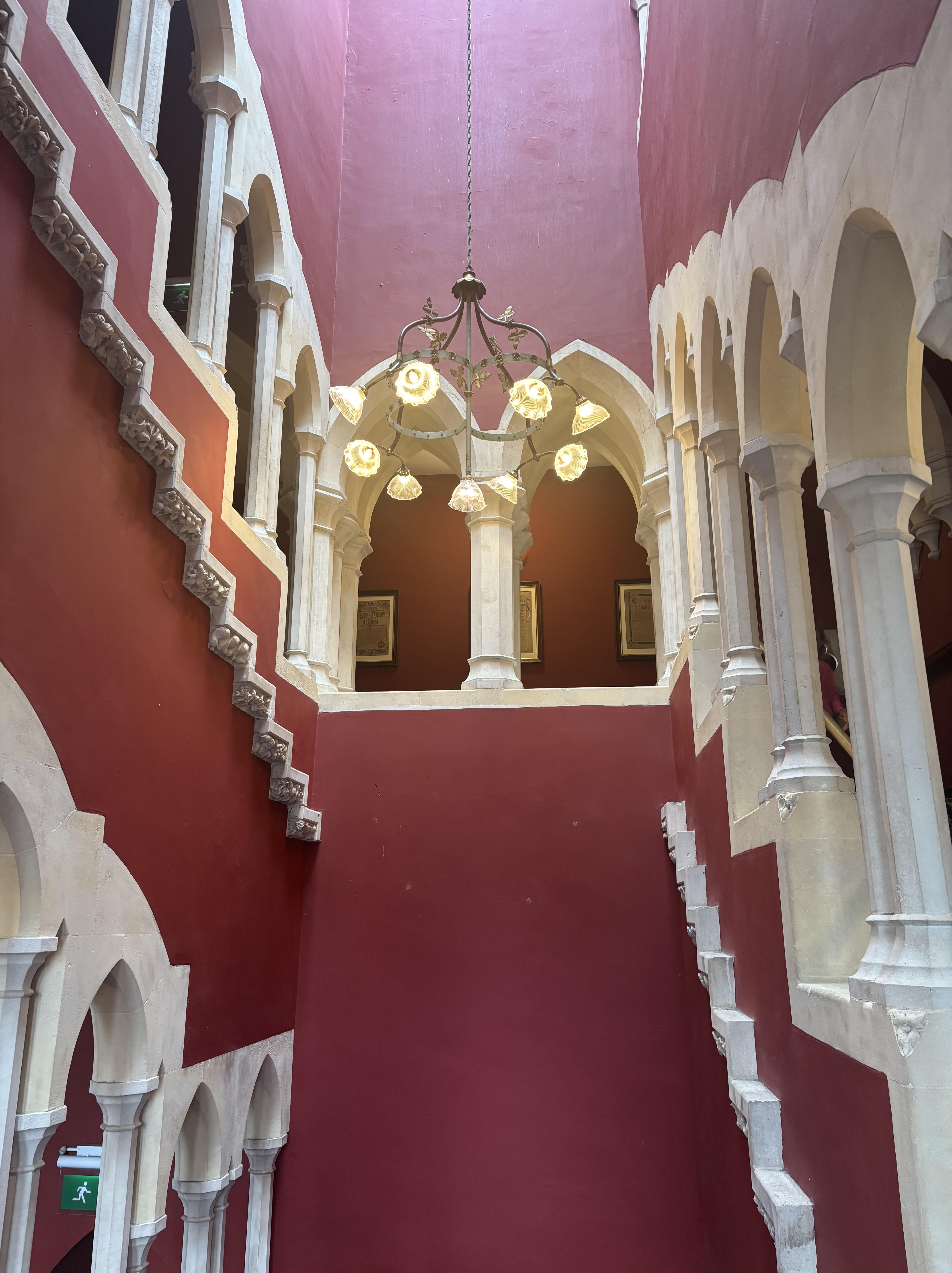
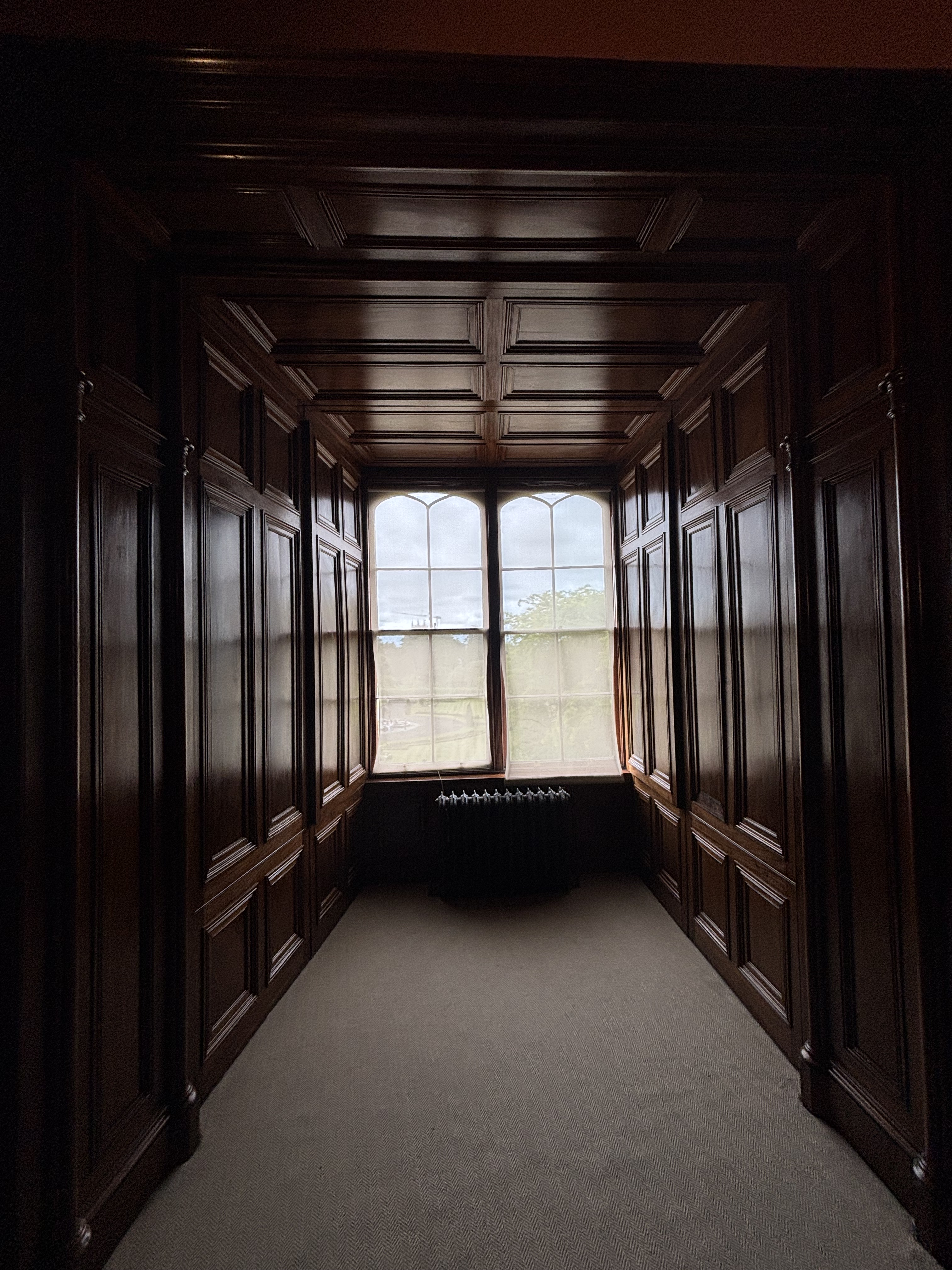
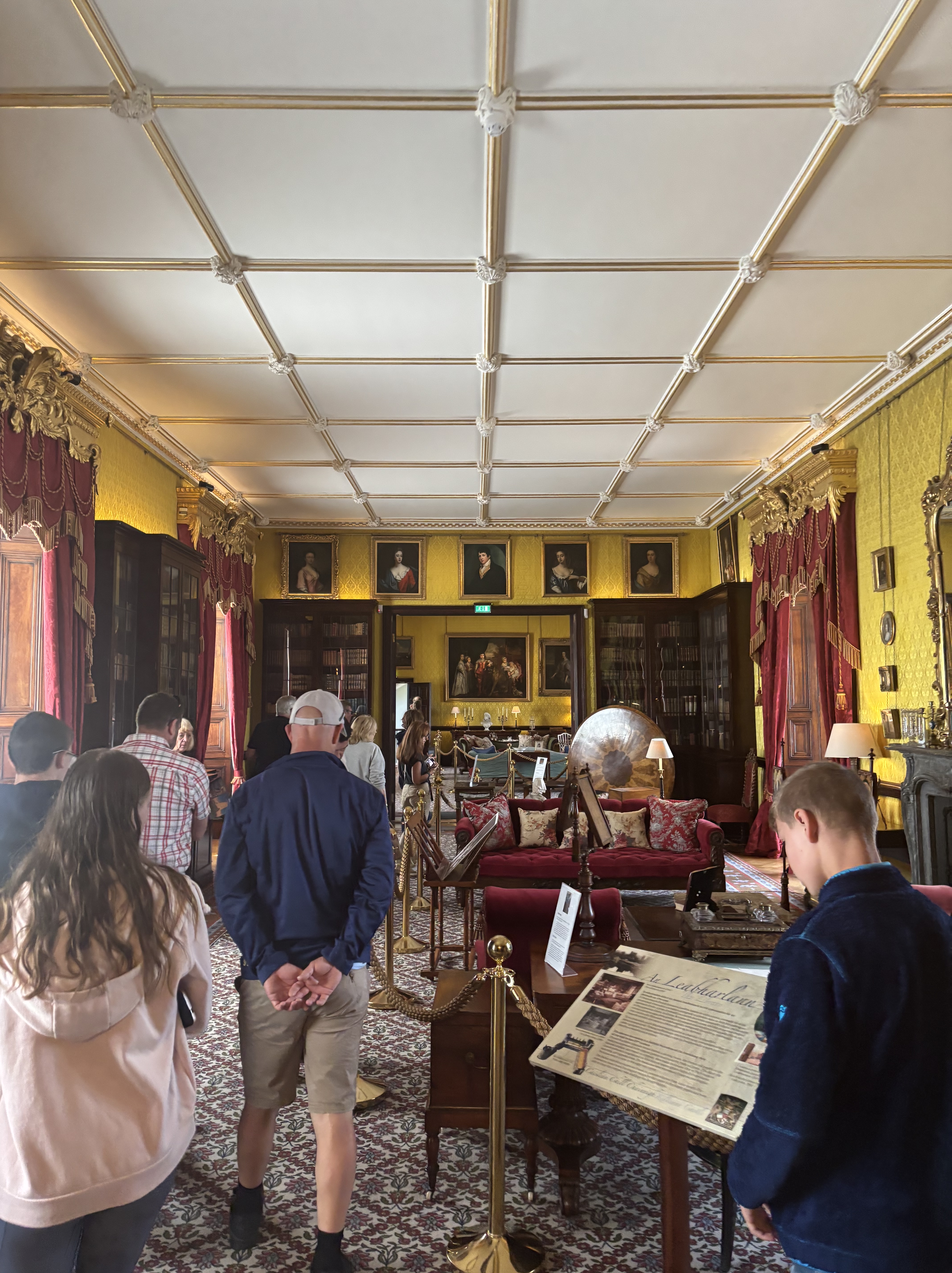
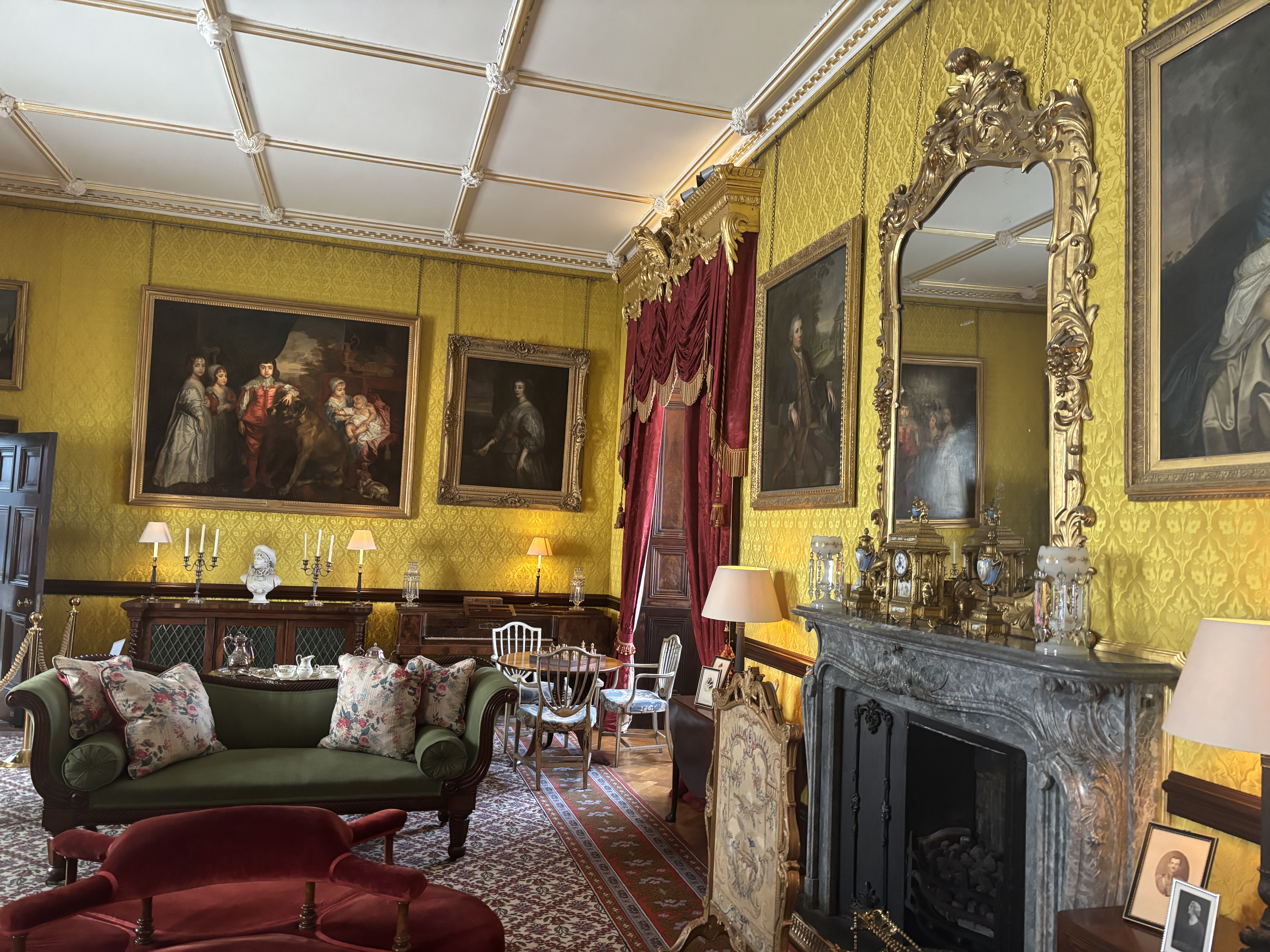
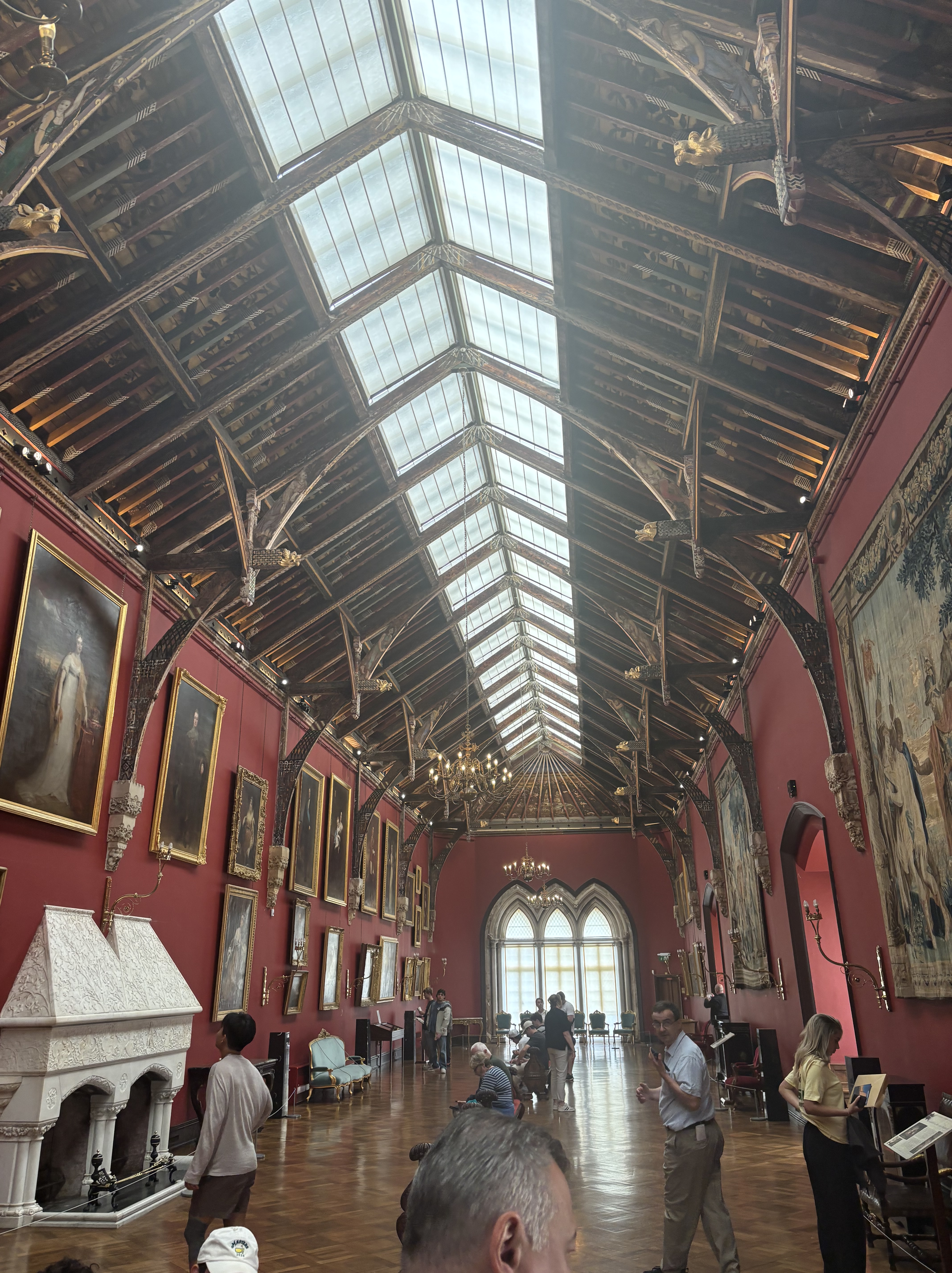
The city has done an admirable job with the castle, not only restoring the ancient stonework but also scouring the region to acquire an enviable collection of period art and furniture – including numerous items once displayed in the castle. Given that it was continuously occupied for so long, the castle features an interesting combination of architectural and interior design styles. The owners could afford to experiment with whatever was trendy and fashionable at the time, so the various rooms include everything from Moorish arches to Chinese textiles and even hunting lodge elements. For most of its life, Kilkenny Castle functioned as a fancy manor house to impress high-profile guests. The guests are a little different now, but it still impresses.

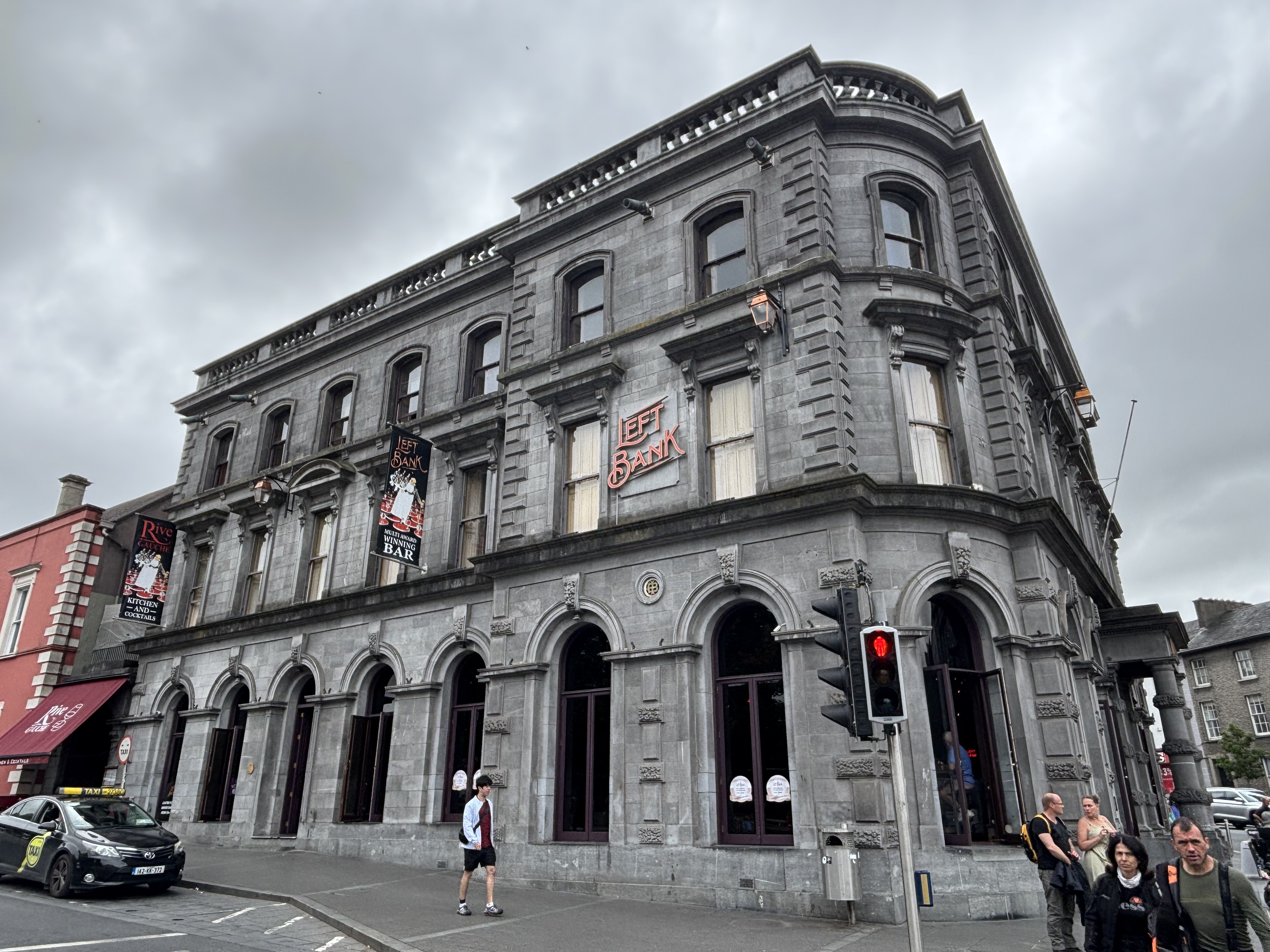
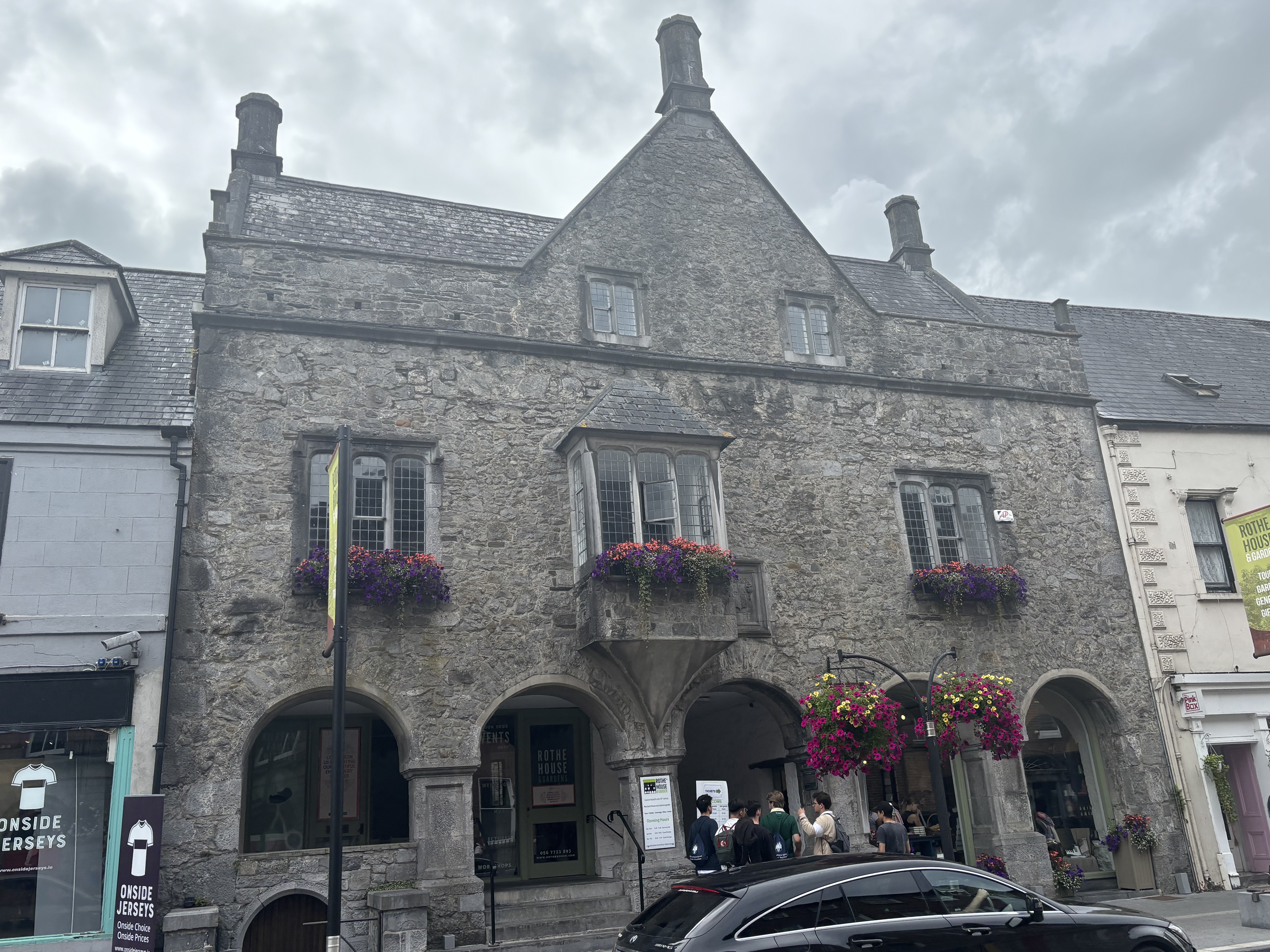
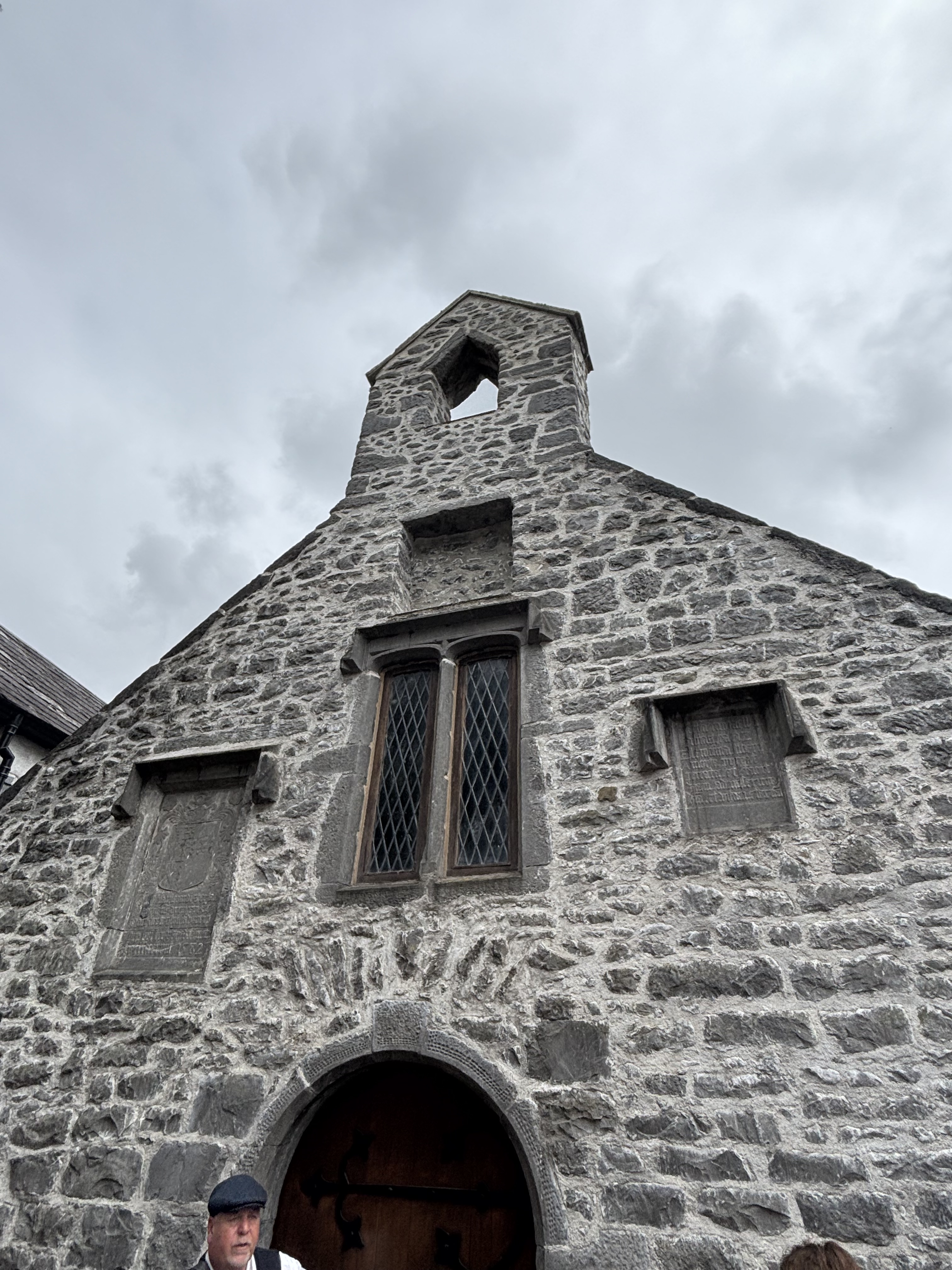
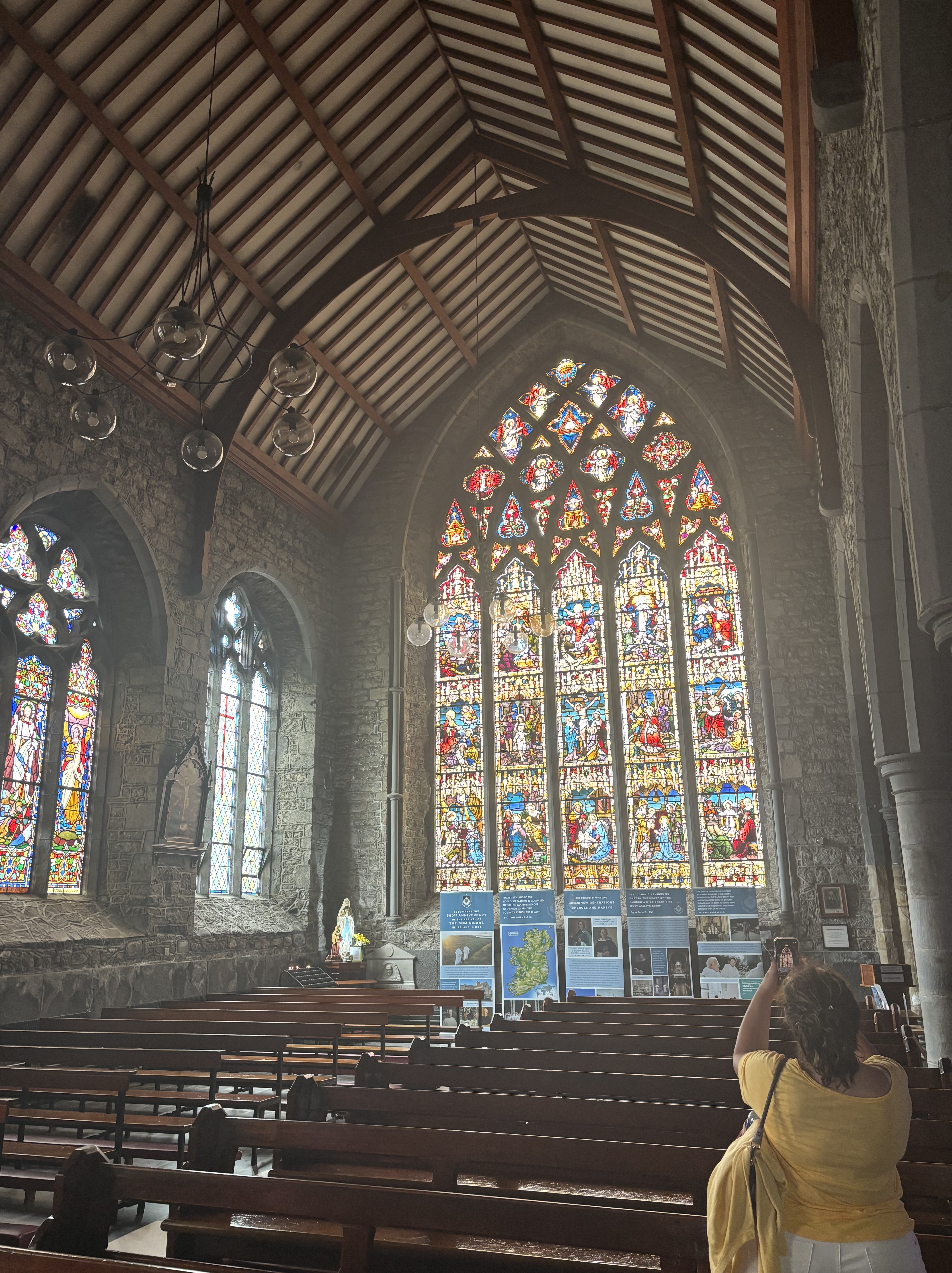
After a lunch break for some cottage pie and a couple pints of Guinness at Left Bank, a grand and beautiful former bank building that has been converted into a pub and nightclub, Stuart joined 14 other day trippers for an afternoon stroll along the Kilkenny “medieval mile” with Shenanigans Walks. The guide was outstanding and used a clever combination of humor, linguistic trivia and magic to share an astounding amount of medieval history in a little over 90 minutes. He shared stories about historical landmarks like the Rothe House, a 16th Century merchant house that bills itself as the only one of its kind in Ireland, as well as a 13th Century church that has been converted into a museum and a couple more 13th Century churches that are still in use. (Everything in this town is seriously old.) We also heard fun tales about cats, toilets, the Black Death and the sport of hurling (which, as it turns out, has nothing to do with the first three).
But the most interesting story has to be the one about Alice Kyteler, an innkeeper who is believed to have killed three husbands and allegedly was in the process of poisoning her fourth husband when he mysteriously changed his will to disown his children shortly before his own untimely demise. In 1324, Kyteler became the first person convicted of witchcraft in Ireland. Among other things, she was accused of heresy, sacrificing animals, casting spells, making strange potions and regularly engaging in sexual relations with a demon. As for the (seemingly lesser) issue of murder, her motivations remain hotly debated, ranging from the fact that she became increasingly wealthy with each spouse’s death to the somewhat romantic possibility that (repeated) murder was the only way to pursue her true passions because divorce was illegal in Ireland at the time (and for centuries after). Remarkably, Kyteler herself was never actually arrested because she received word of what was about to happen and escaped to England, where was never heard from again. Kyteler’s Inn, now a popular local pub serving legal poison to the thirsty masses, survives in Kilkenny as a reminder of her legacy.
In the end, Kilkenny is a worthwhile day trip and Stuart’s solo adventure was a success even though he became quite sickly himself a few days later. Unfortunately, we’ll never know for sure whether he caught COVID from Darla or brought home the bubonic plague from Kilkenny.

 The Global Slowmad
Leave a comment