We only spent a week in Dublin. Long-time readers will know this was a departure from our usual slow travel approach of spending a month or more in each destination, but we found Dublin lodging to be an incredibly poor value and decided we could deploy our travel dollars more wisely elsewhere. We had mixed feelings about the city (more on that later). In the end, it was a good reminder of why we prefer to travel at a slower pace and venture a little further off the beaten path.
True to form, we started with some free walking tours and generally avoided the major tourist spots: we did not see the Book of Kells, did not visit the Guinness Storehouse and did not knock back any pints in the Temple Bar district. We recognize that most people contemplating a trip to Dublin will read that sentence and move on to the next travel blog. Fair enough.
The free walking tour offered by Original Dublin Walking Tours was a great introduction to the city and its history. Our guide was funny, candid and a wealth of knowledge about the city and its history. The tour progressed past sites in roughly a chronological order of the city’s development, beginning with early Celtic and Viking settlers to medieval sieges, English occupation and all the way through the present day. Consequently, it primarily covered the area south of the Liffey where all the main sights are located but did cross the river toward the end to cover more recent developments (including but not limited to the infamous Troubles). We learned a LOT.
The country has a long and often sad history, so it is remarkable to see how prosperous the city of Dublin has become in the digital age and how dramatically the younger generations have rejected the socially conservative values that prevailed here for decades. The subject is way too complicated to thoroughly explain in a blog post: suffice it to say that a lot of terrible things happened during the 20th Century that are only now coming to light and causing a lot of people to leave organized religion behind in what was once the most Catholic of countries. The history of the Magdalene laundries is truly shocking. During our stay, the local news was filled with daily coverage of the ongoing excavation of a mass baby grave at the Bon Secours Mother and Baby Home in western Ireland. It’s understandable that the country is in the midst of a cultural revolution.
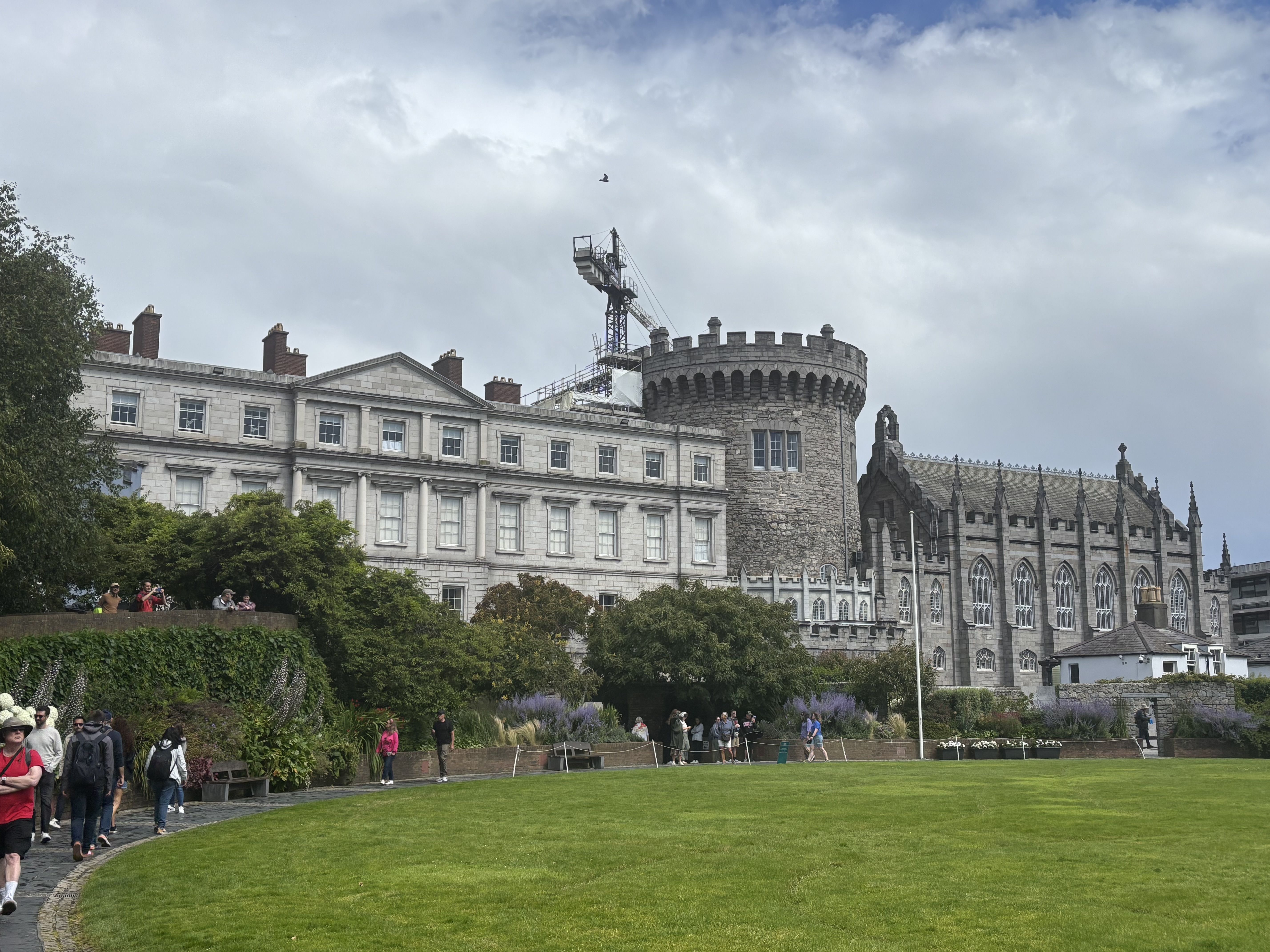
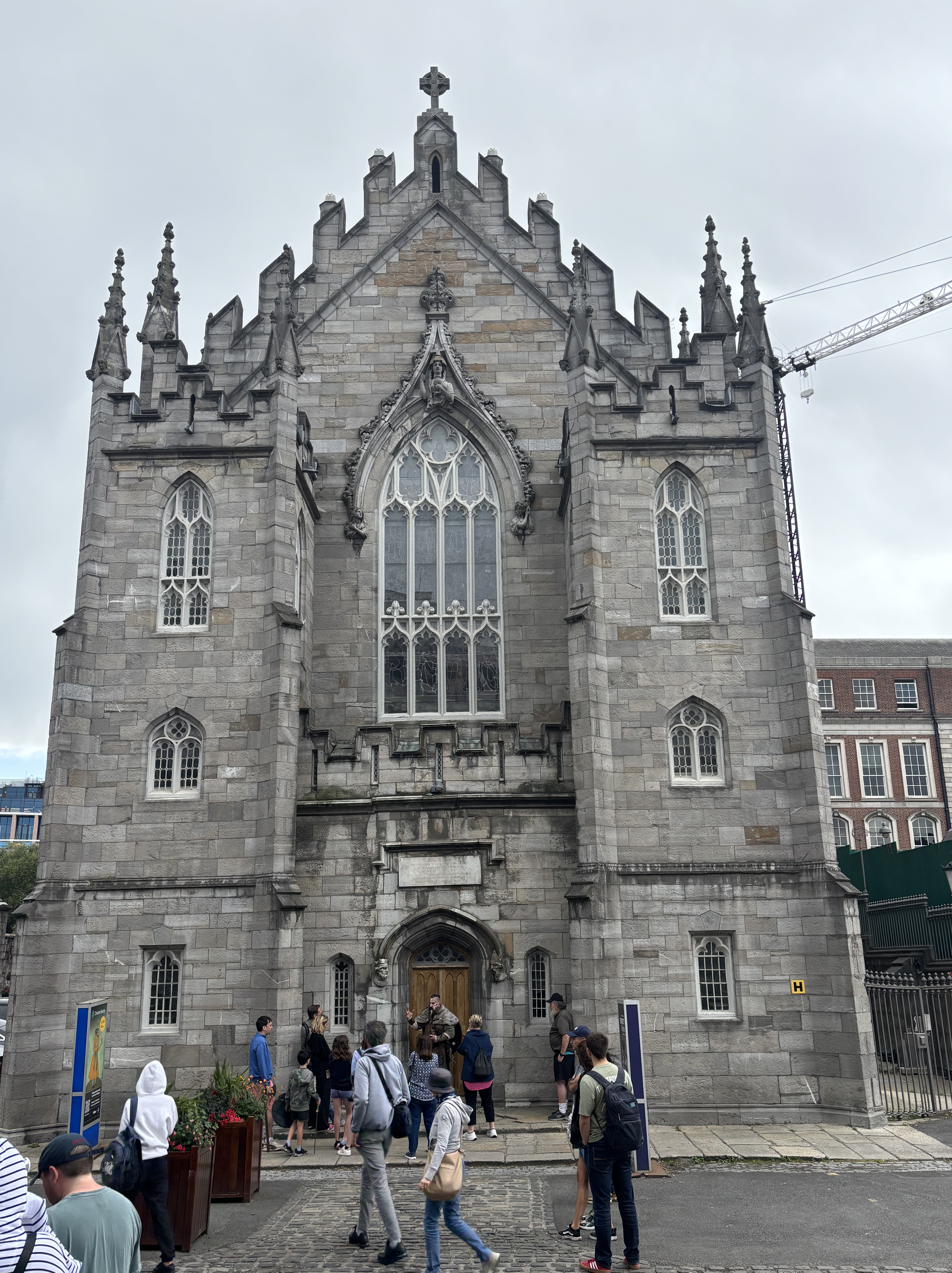
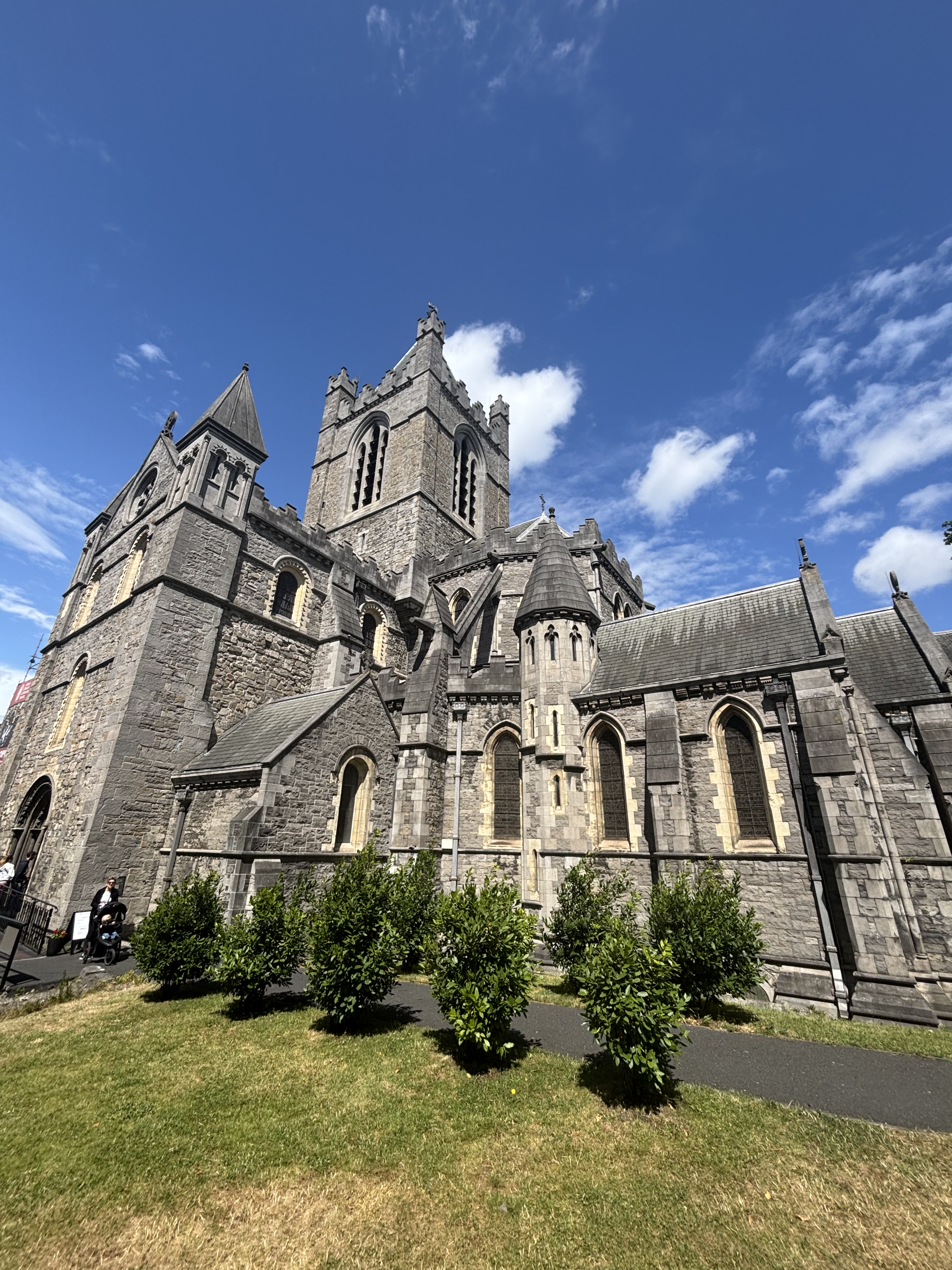
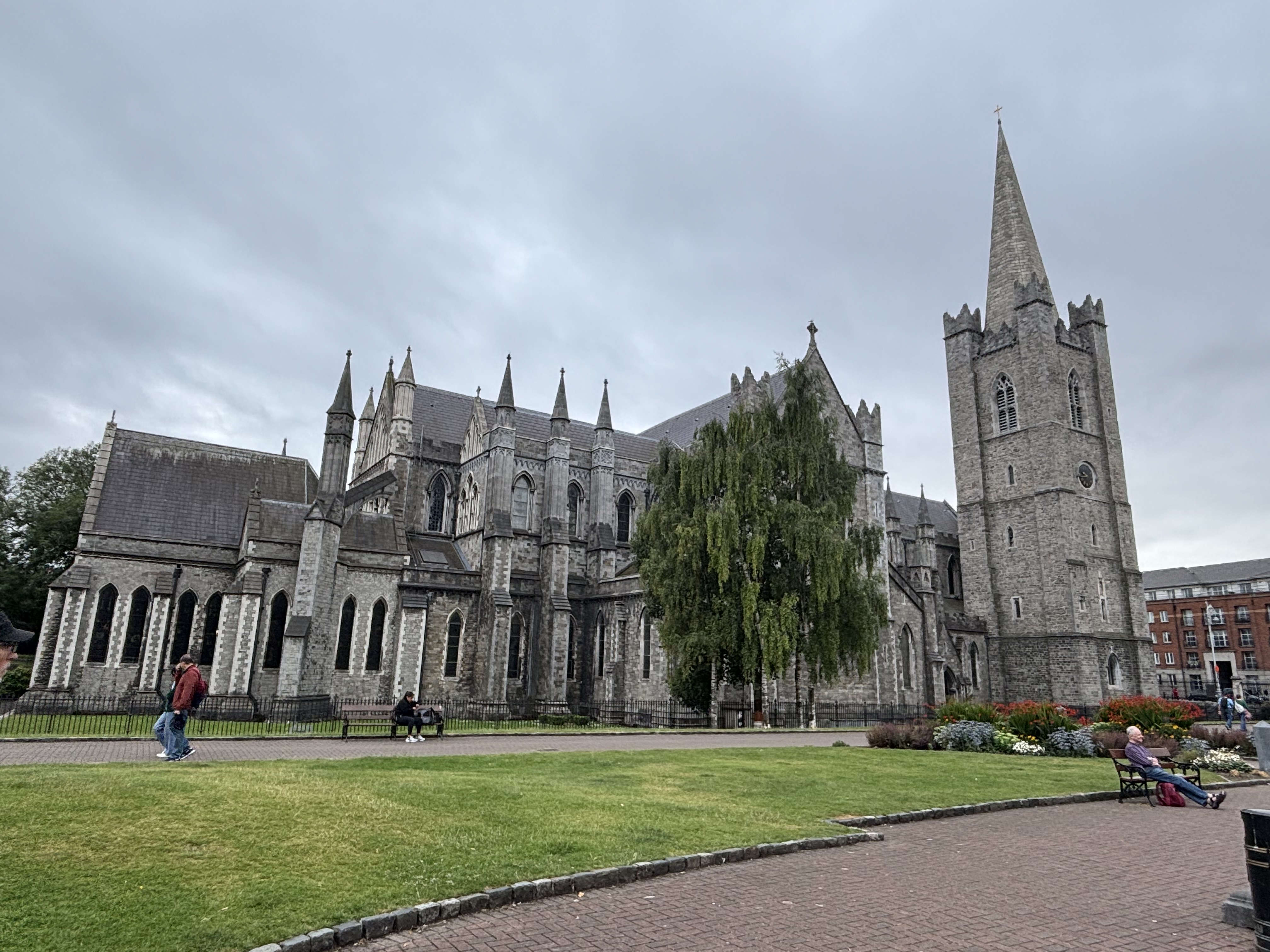
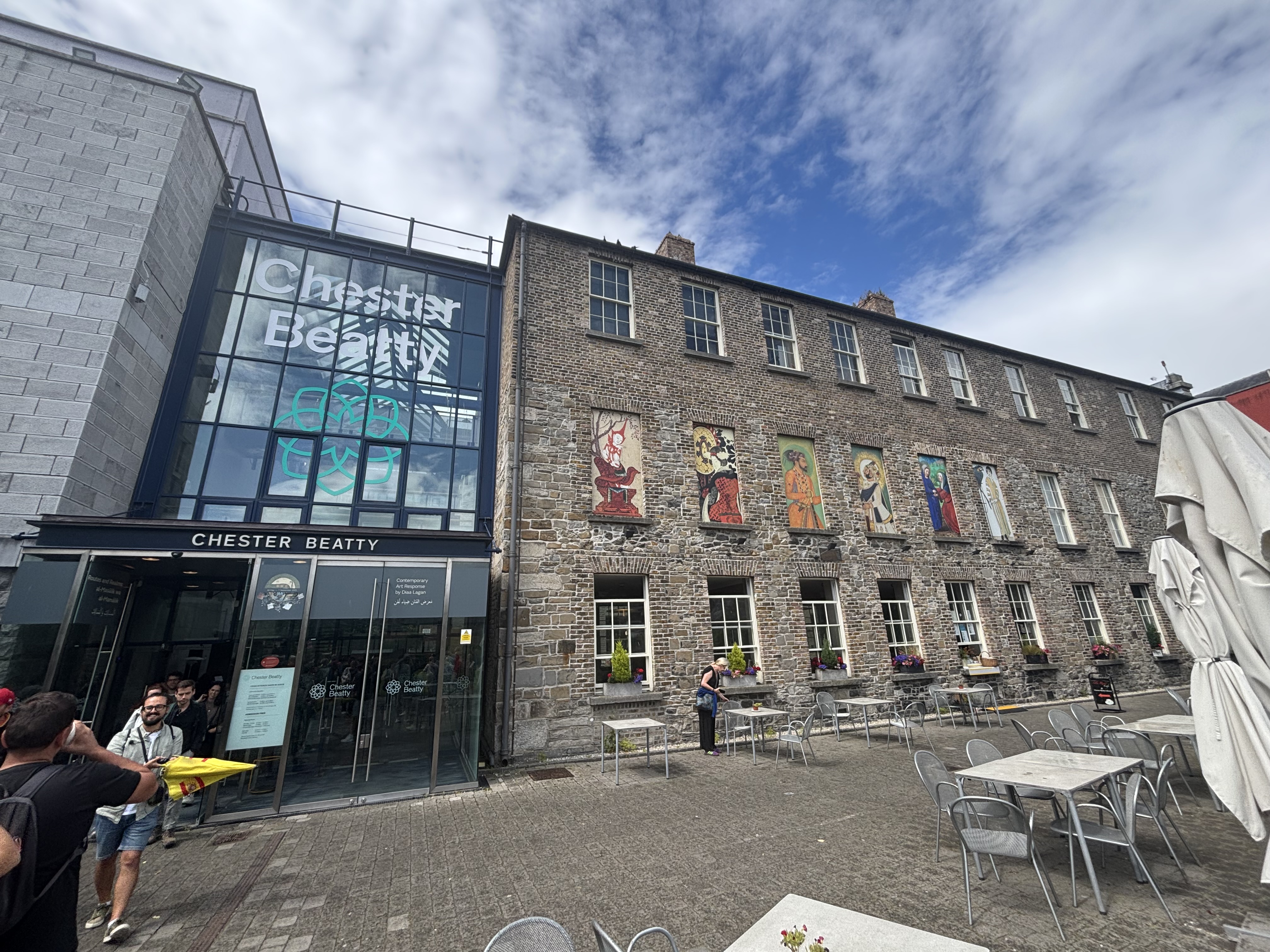
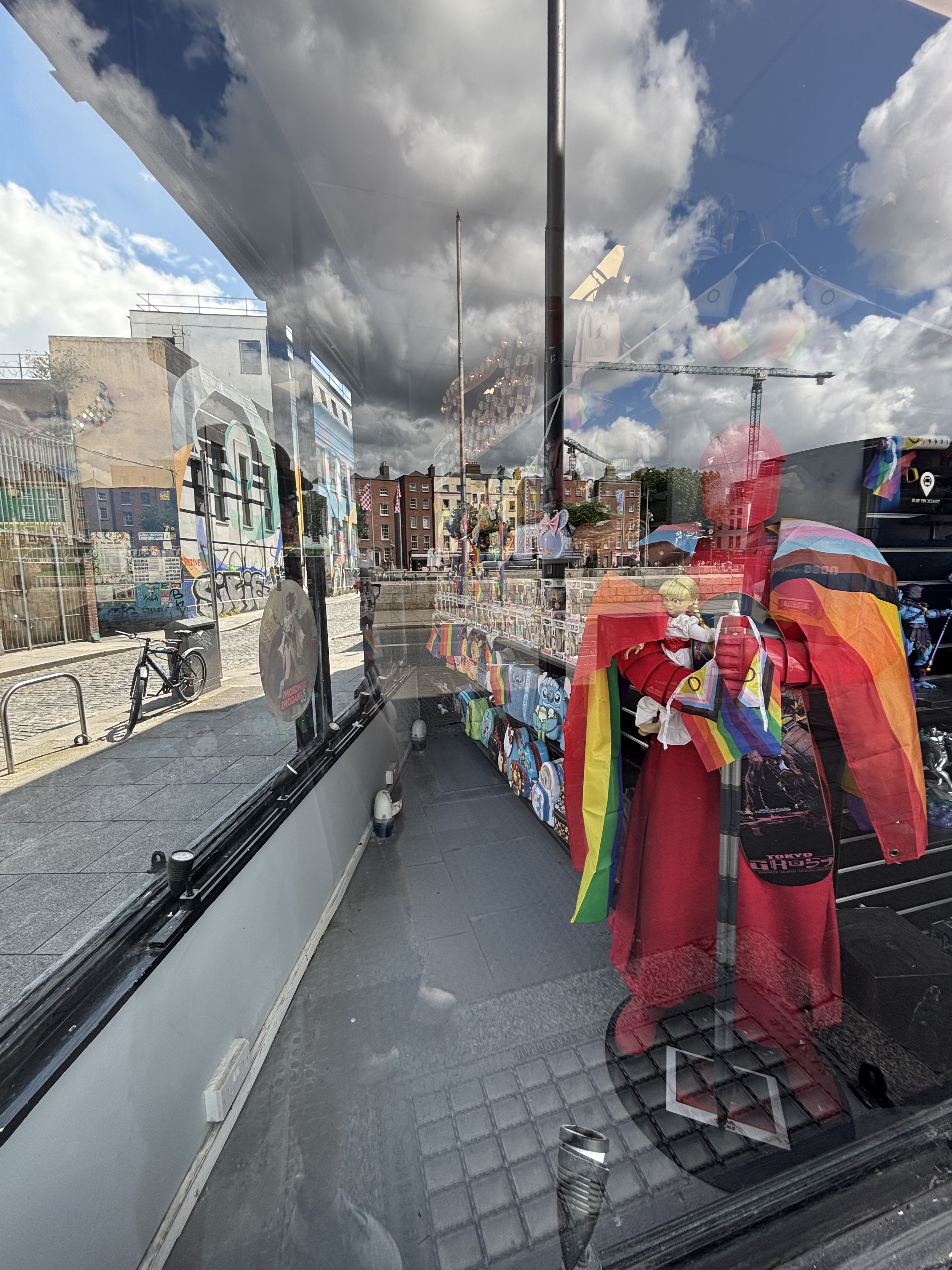
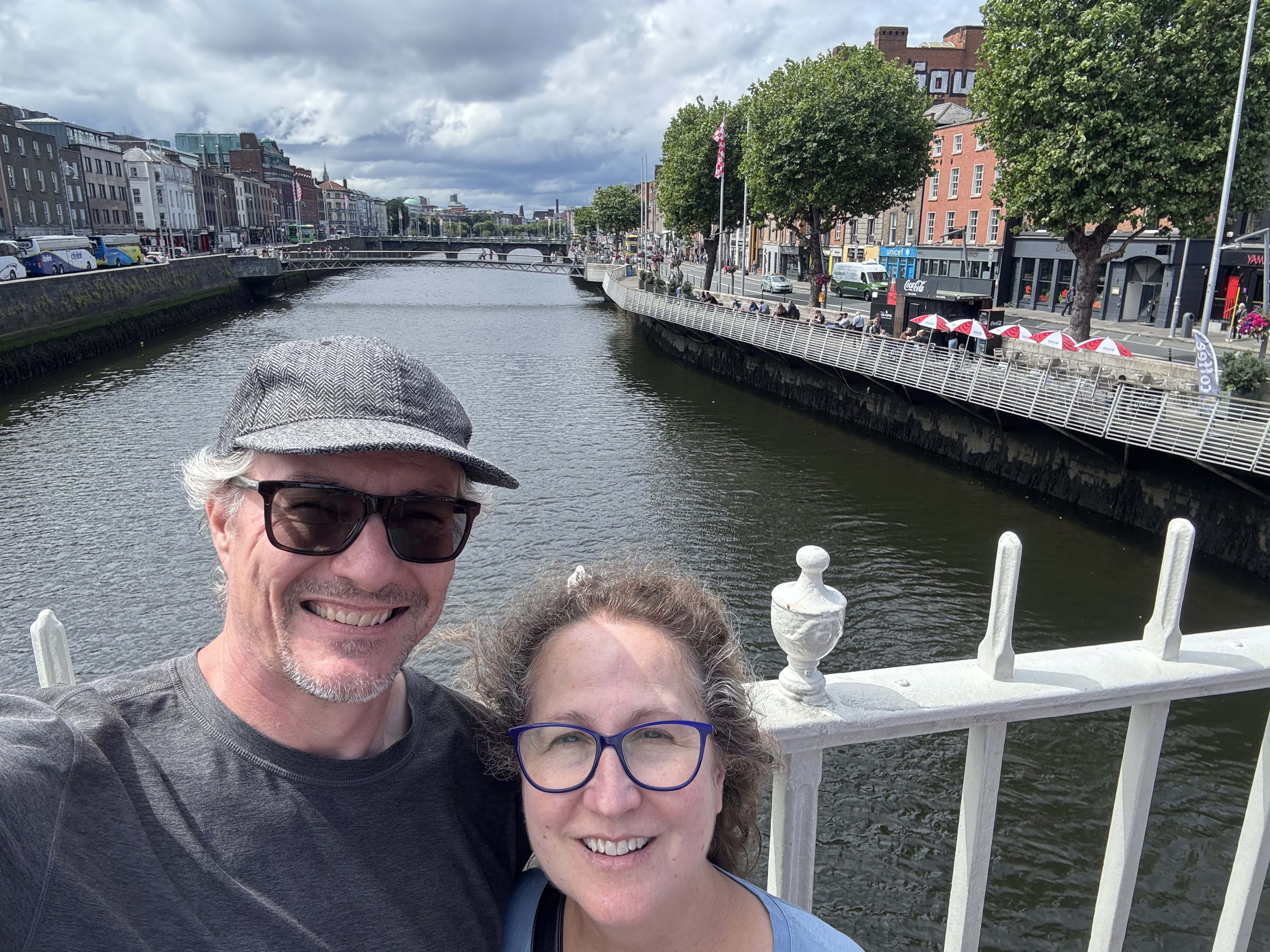
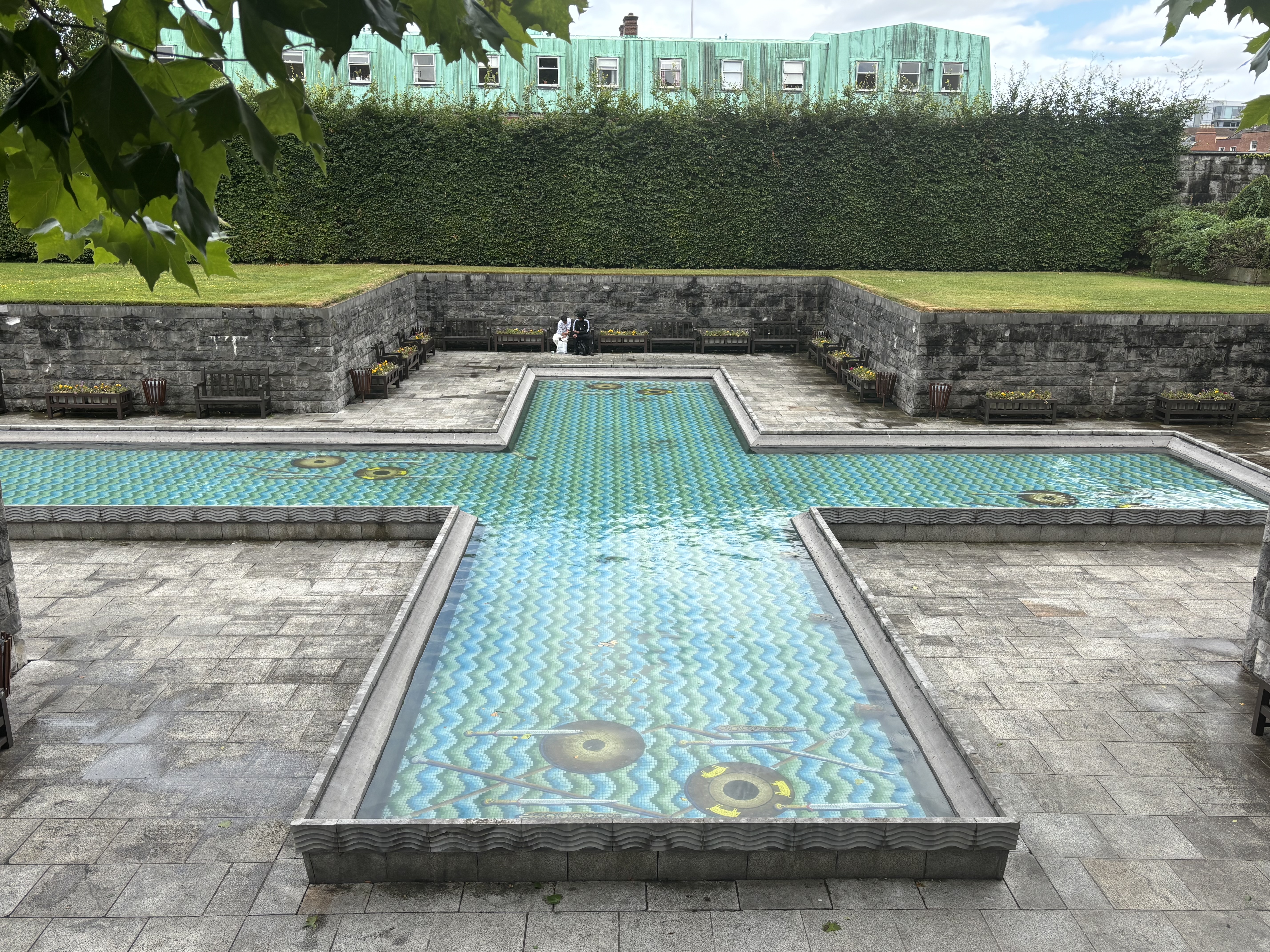
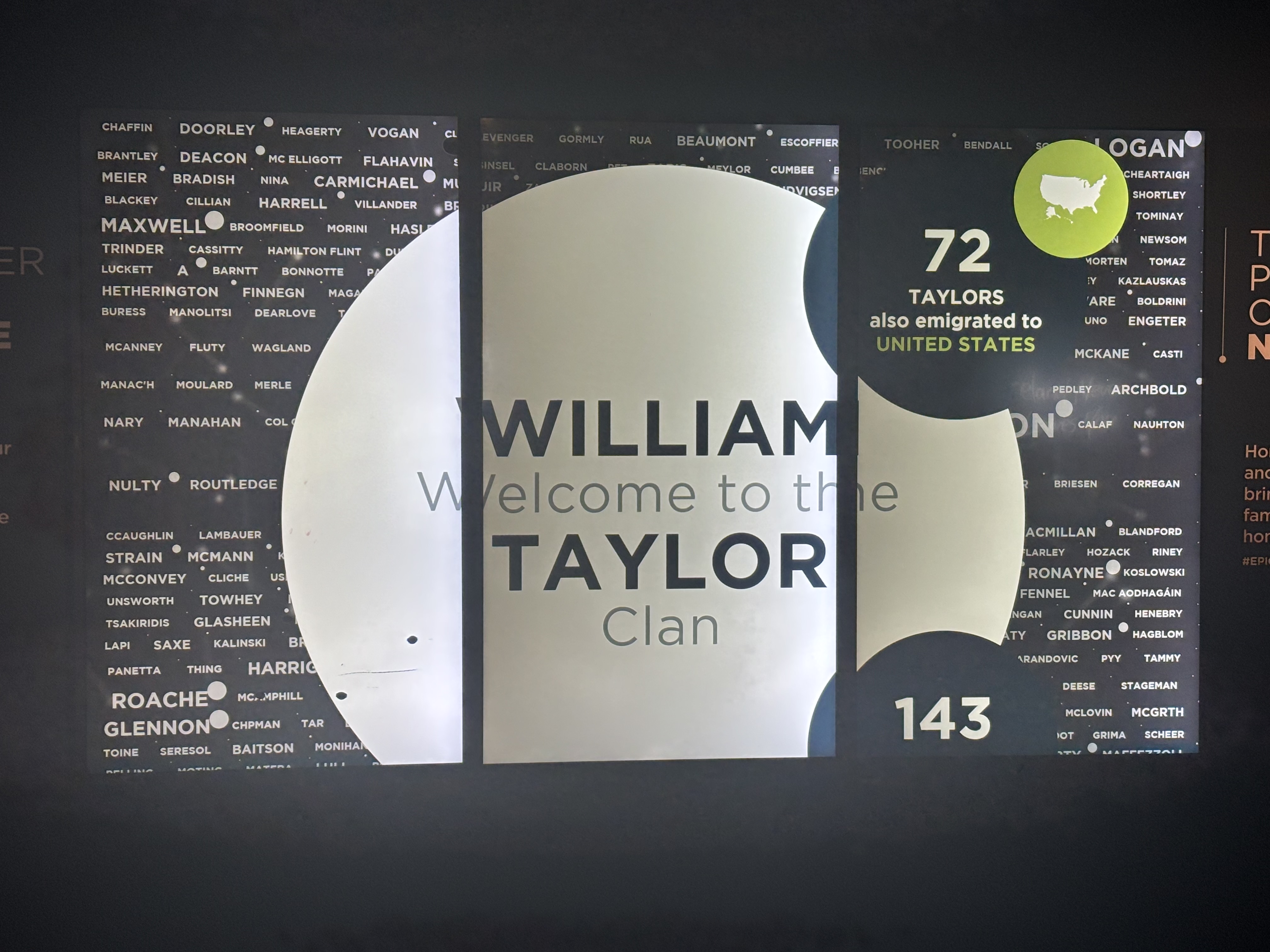
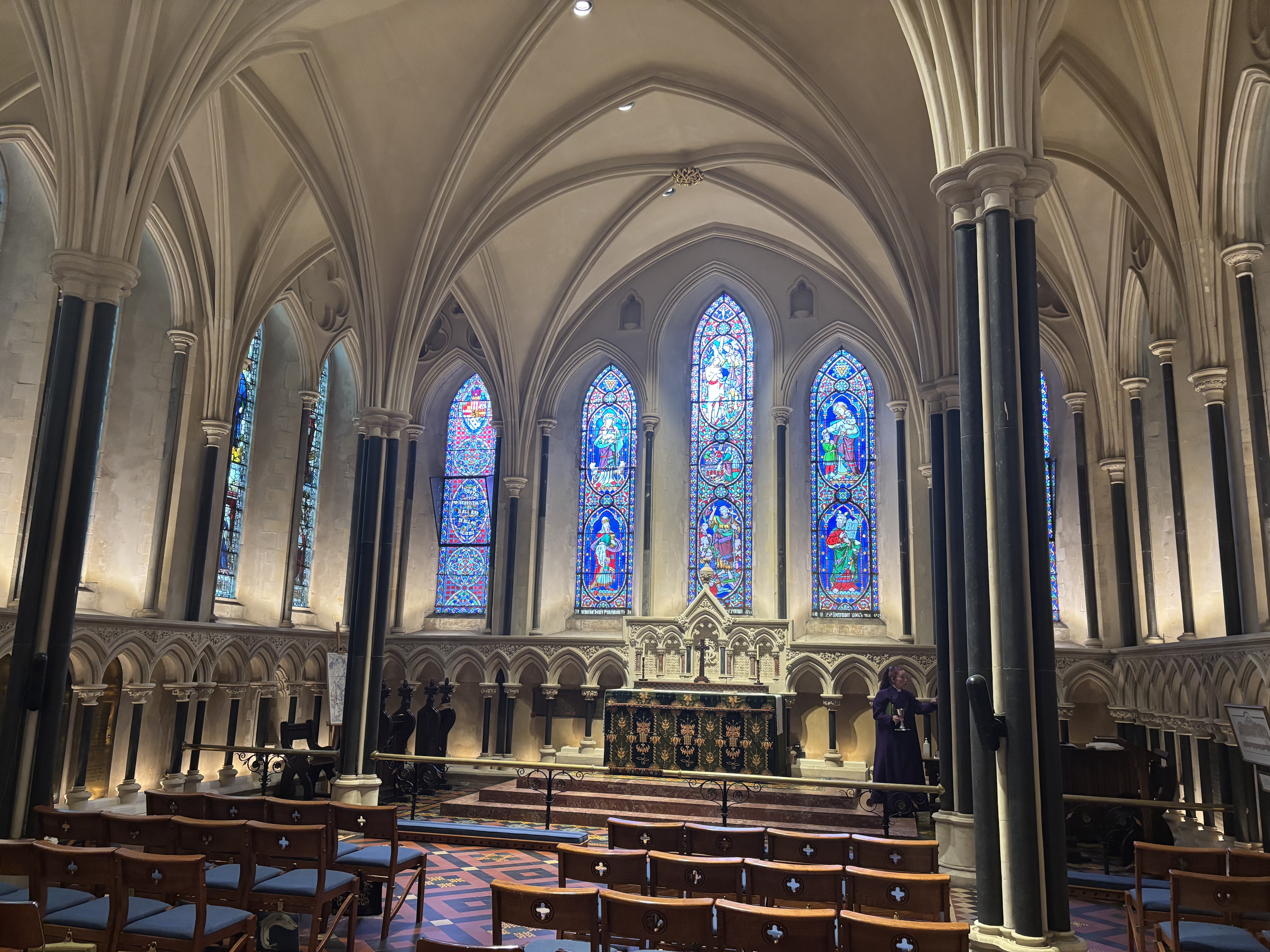
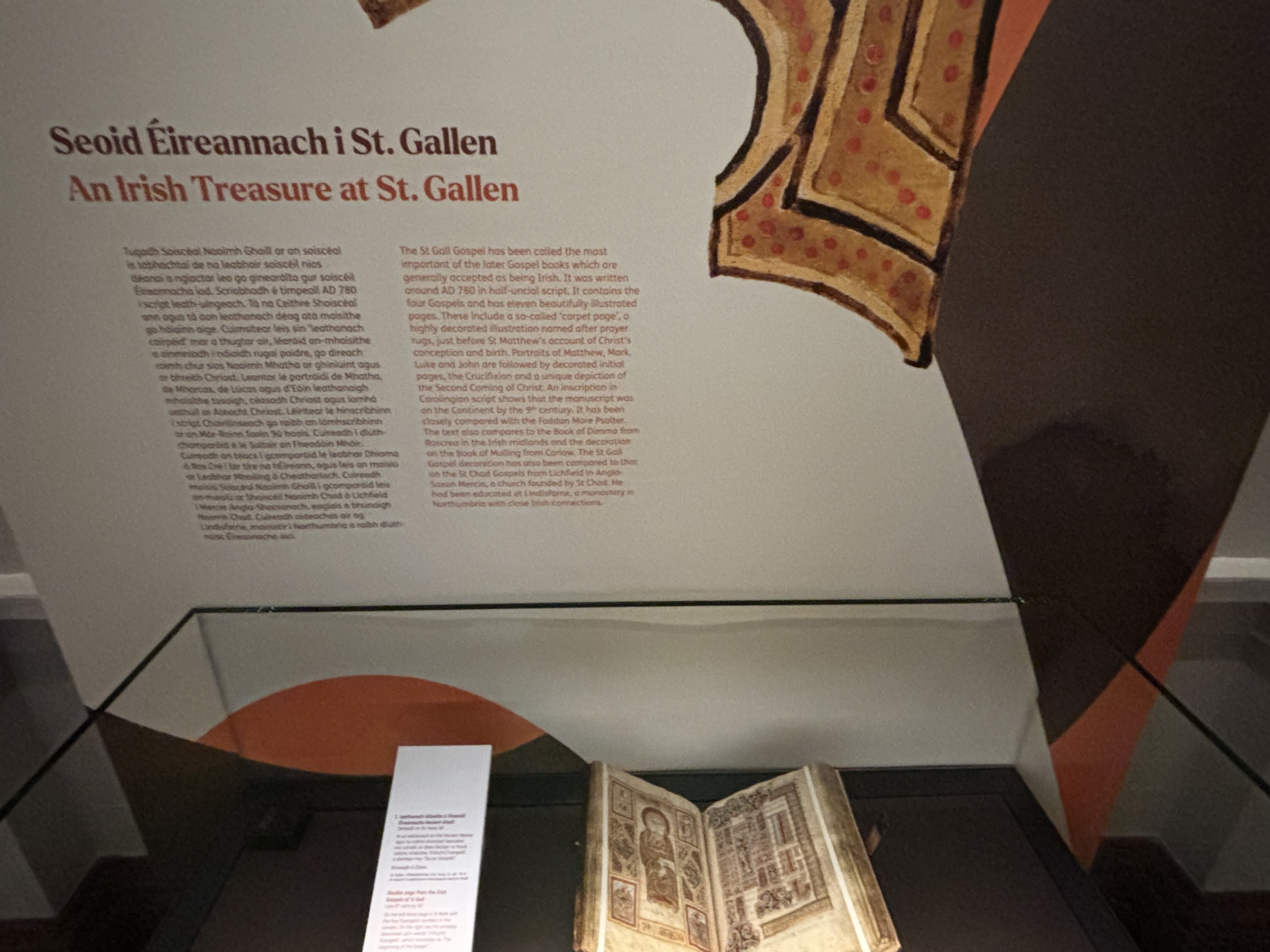
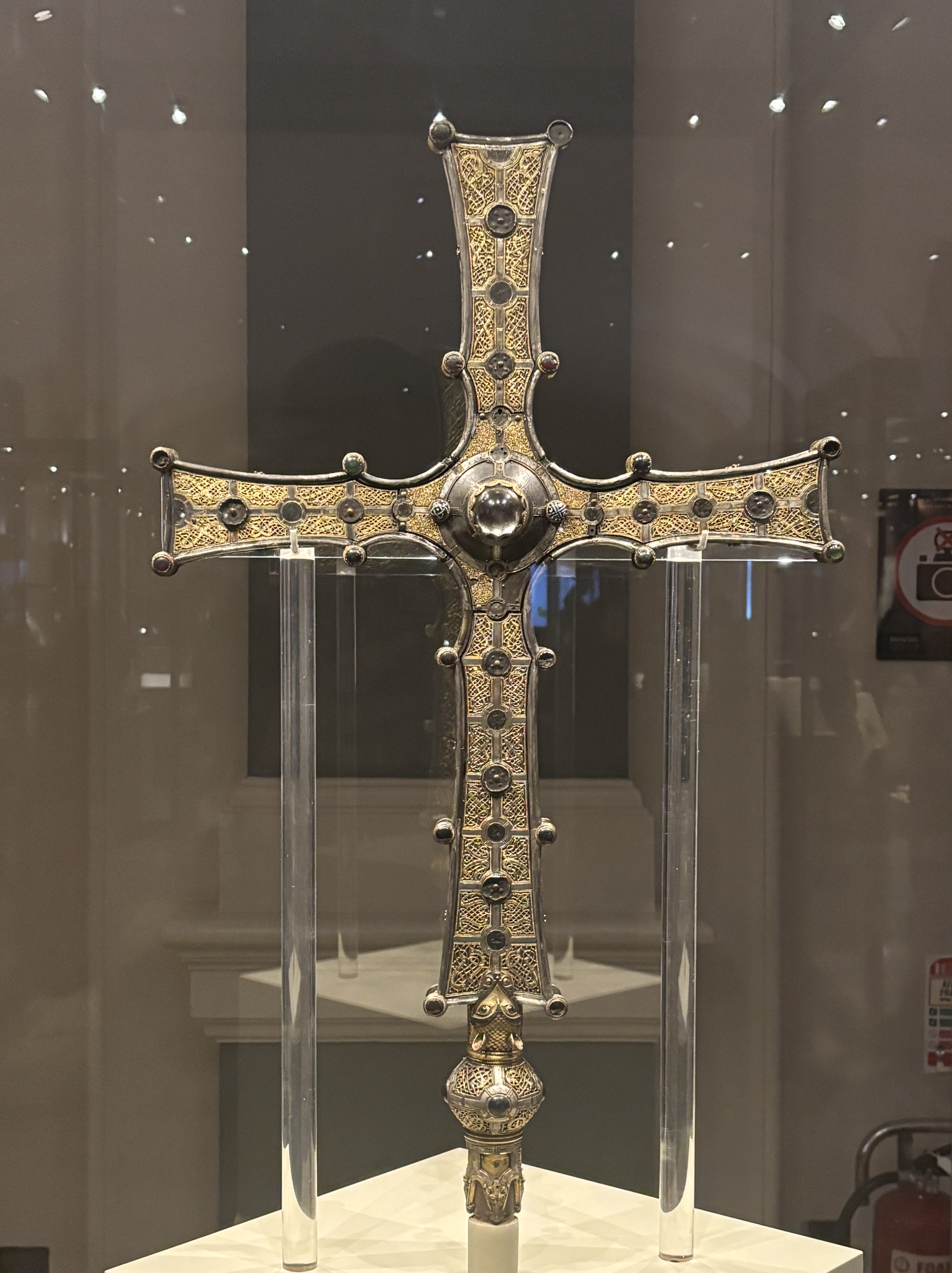
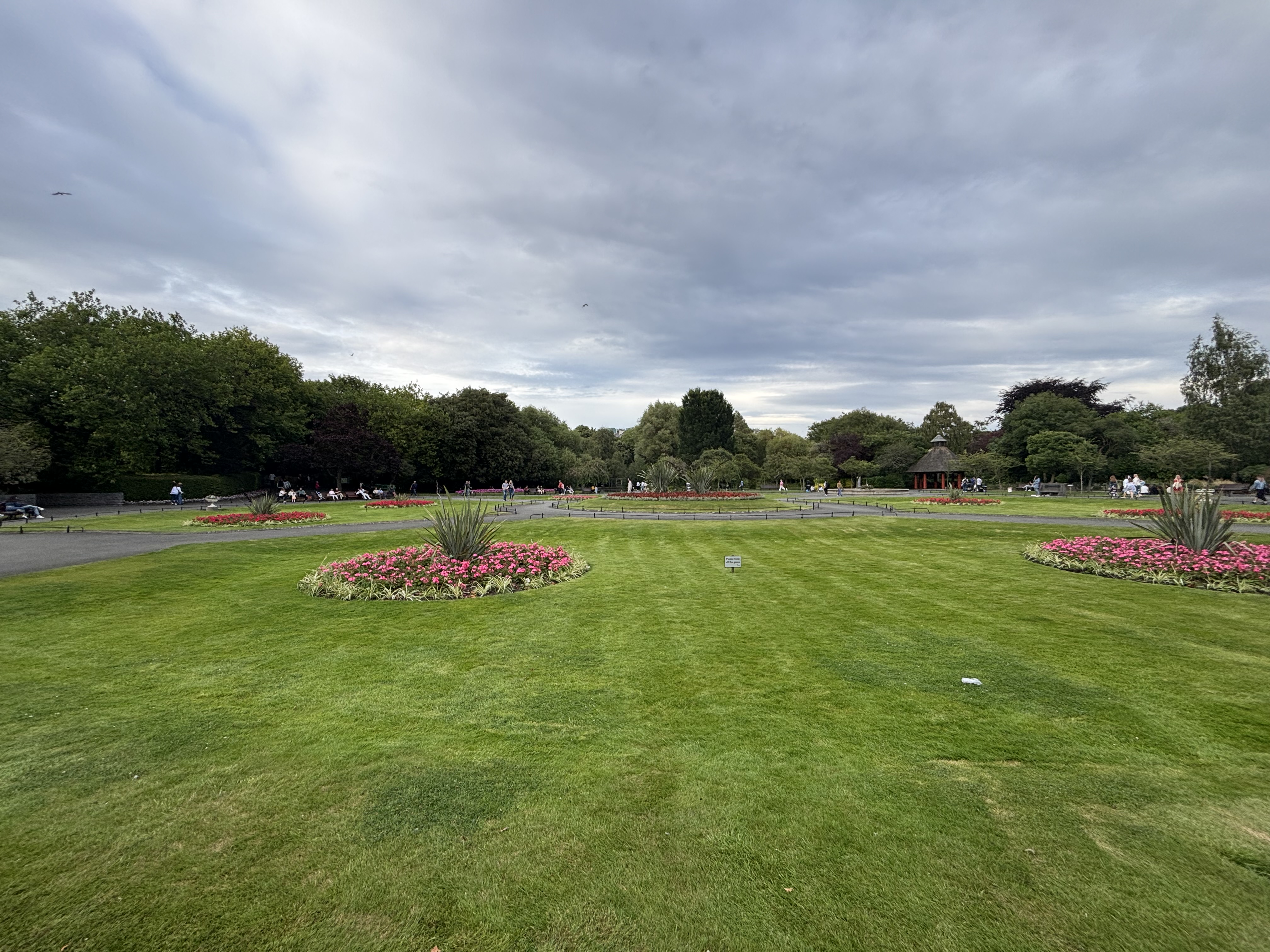
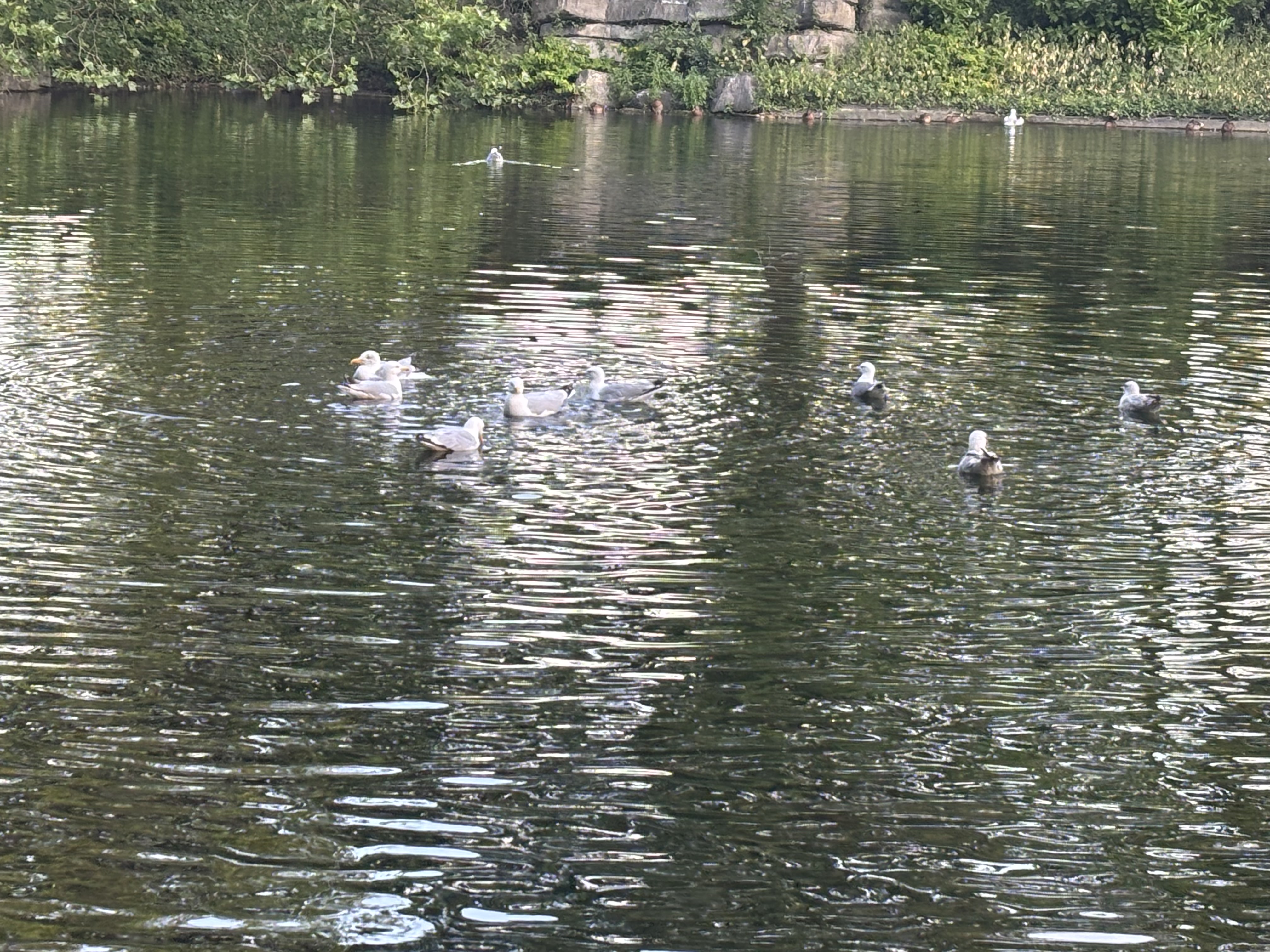
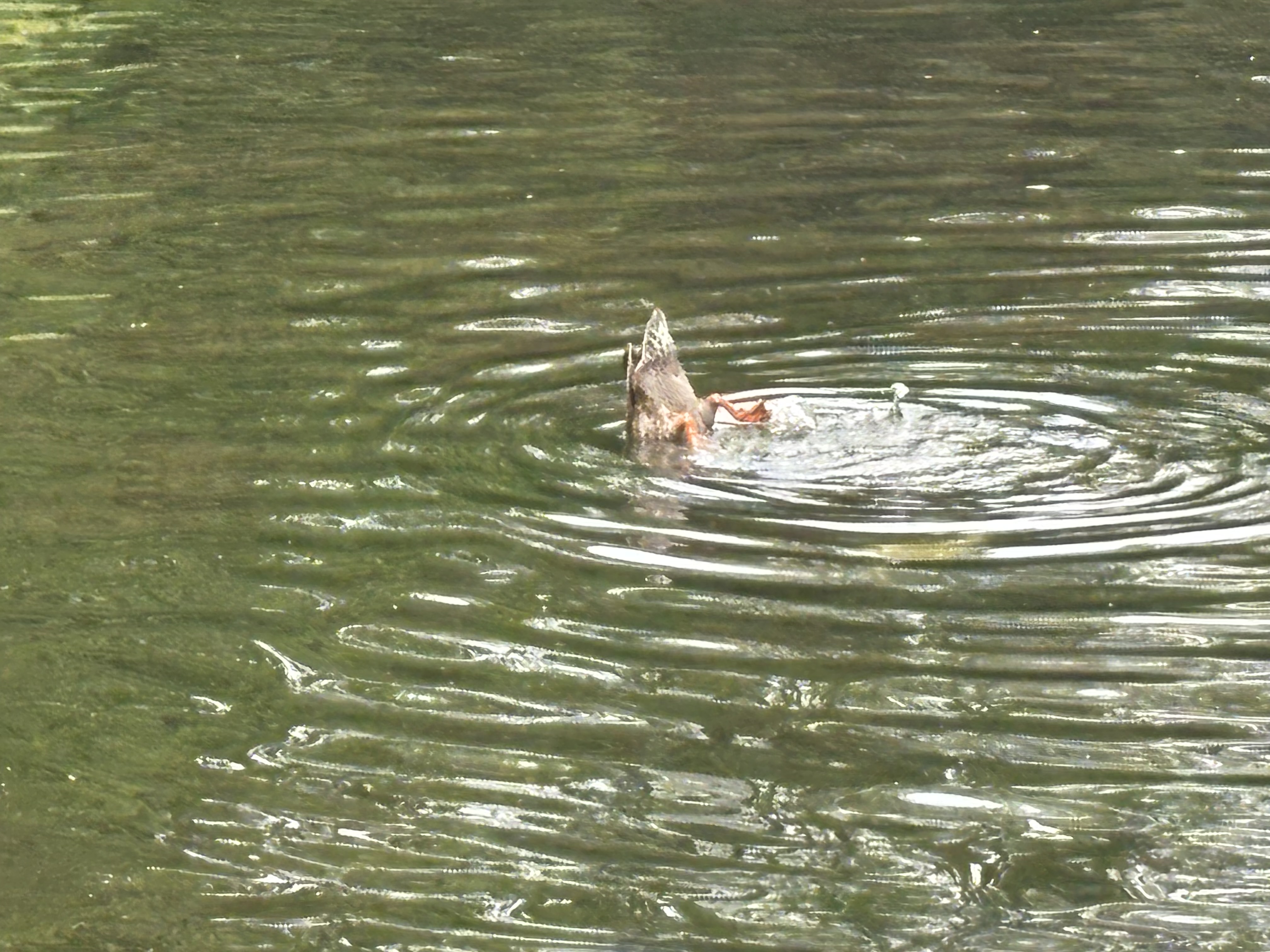
We also really enjoyed a street art tour with Dublin Alternative Tours (we now know the difference between tags, throw-ups, paste-ups and pieces), a north side walking tour with Dublin Free Walking Tours (featuring fascinating tales and prominent locations from the 1914 revolution), a musical walking tour (lots of lovely Irish ditties about murder), the EPIC Irish Emigration Museum (Irish influence spans well beyond the island itself), the National Museum of Ireland: Archaeology (free admission gets you an uncrowded view of religious texts older than the Book of Kells), a guided tour of St Patrick’s Cathedral (informative despite the throngs of inconsiderate buffoons loud-talking their way through the building), St Stephen’s Green (where the seagulls act like ducks and the ducks think they are fish) and a whiskey blending experience at the Irish Whiskey Museum (it is what it sounds like and was even more fun than you might think).
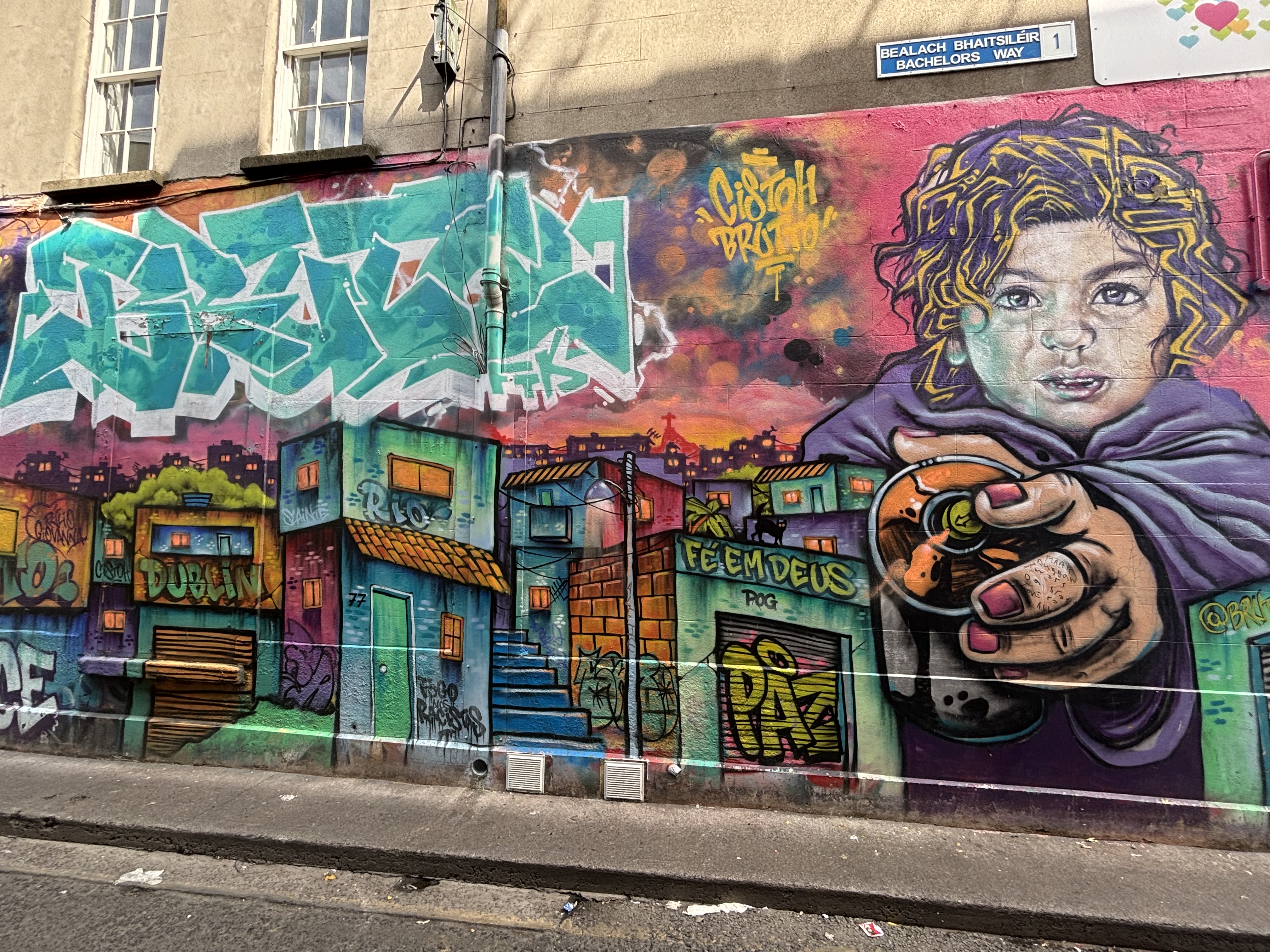
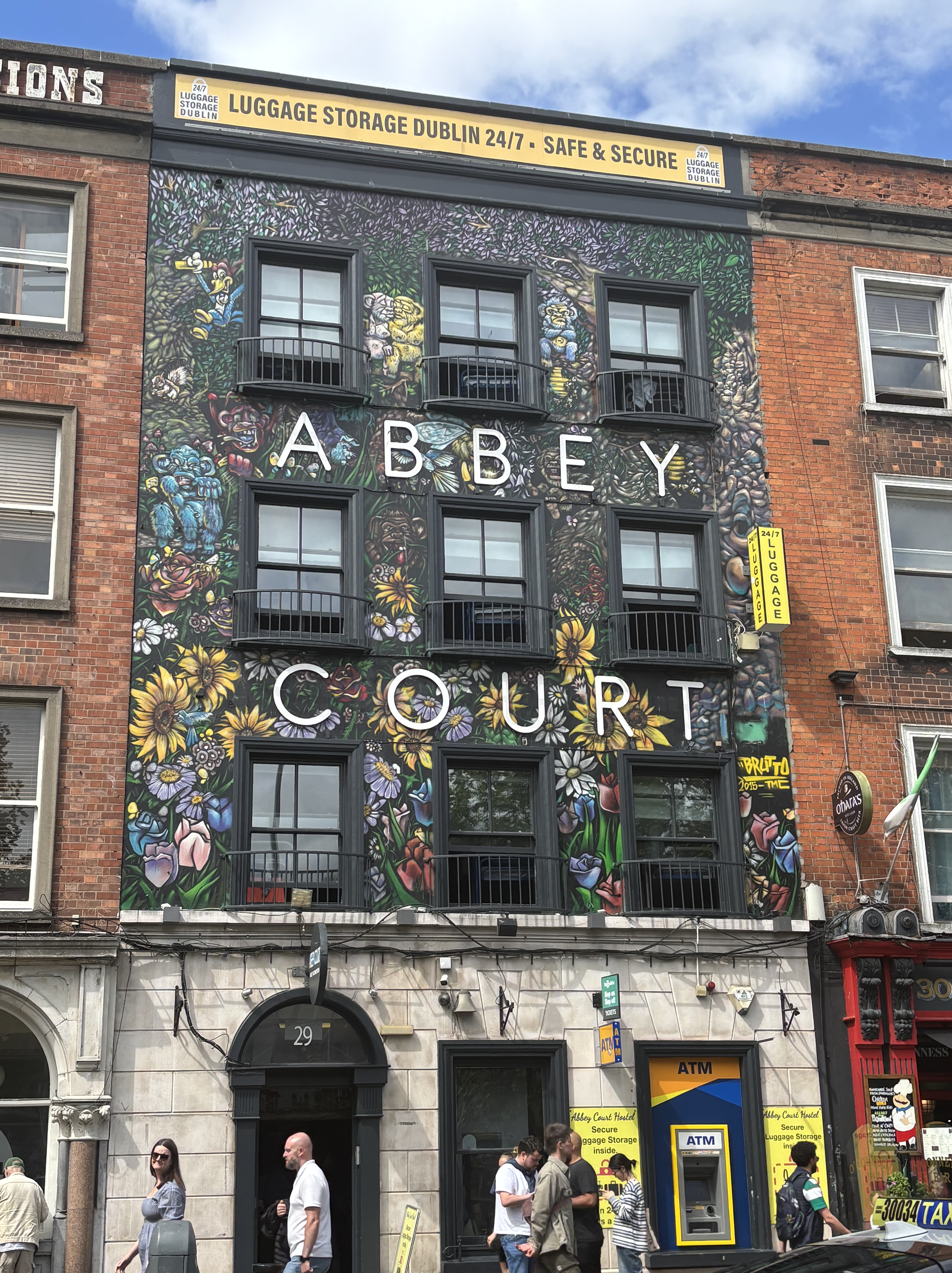
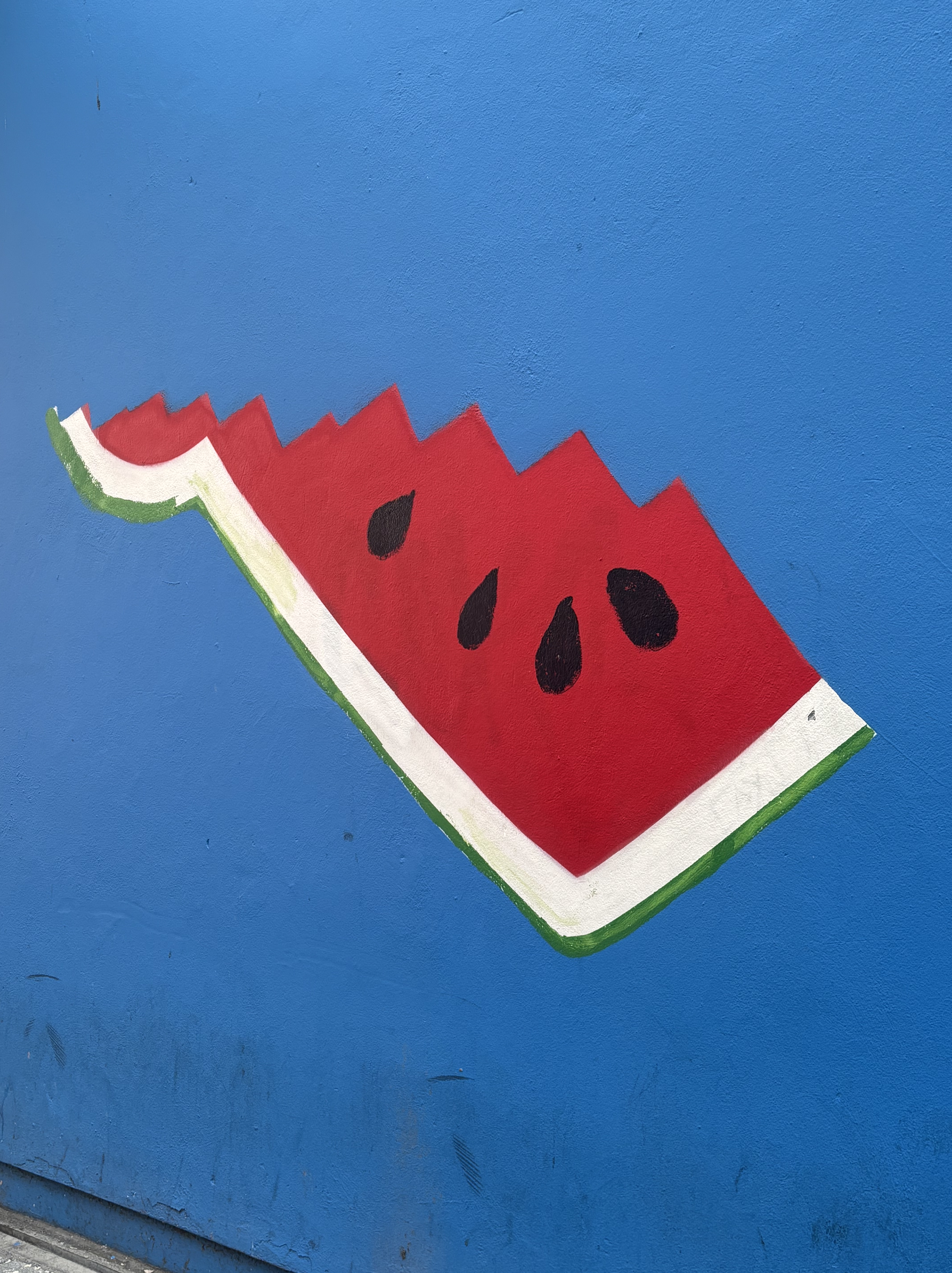
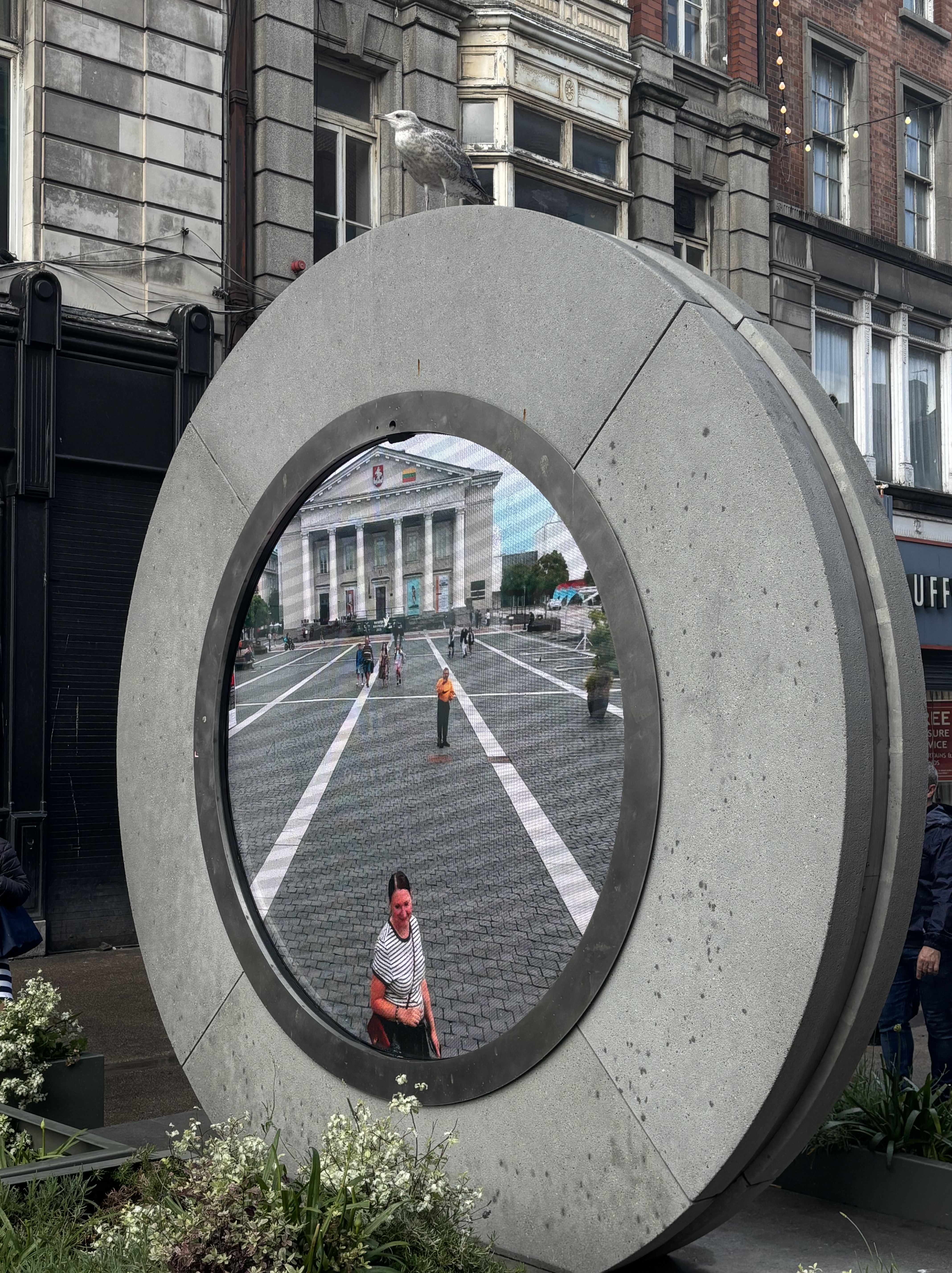
However, the undisputed highlight of our stay was 14 Henrietta Street. We somehow failed to take any pictures, but this building-turned-museum was one of several mansions built on the Georgian-era equivalent of Park Avenue for social elites. Over time, it fell into disrepair and was converted into tenement housing for an extended period before eventually being abandoned, condemned and ultimately purchased by the City of Dublin and restored to its former state. The building can only be visited on a guided tour. The guide escorts you from room to room, sharing bits of the building’s history as told through the stories of former occupants, supplemented with short videos displayed on the walls and select furniture. It is quite a unique exhibit, and we would strongly encourage you to check it out if you are in Dublin.
One of the biggest surprises of our stay: the food. We’d heard a lot of not-so-great things over the years about Irish cooking and came in with low expectations. But we are pleased to report that Dublin these days really should be considered a premier food destination . . . with a catch. The trick is to embrace the city’s ethnic diversity. We normally prefer to prioritize local dishes on our culinary adventures, but keep in mind that Irish food has always been intended to stretch a limited supply of ingredients a long way during extended periods of poverty, overcrowding and famine. Although several places we dined (most notably, Spitalfields and the Fish Shop) have found ways to modernize and improve upon traditional dishes, Dublin has become an international melting pot. Nowhere is this more evident than in its burgeoning food culture. In fact, we would argue that the international cuisine (Middle Eastern, Indian, Thai, Korean and Chinese, in particular) we ate in Dublin rivals anything we’ve experienced anywhere in the United States. And we ate at one tiny Italian-ish restaurant (Etto) that showcased local ingredients through such unique flavor combinations that it became one of our favorite meals of the entire trip.
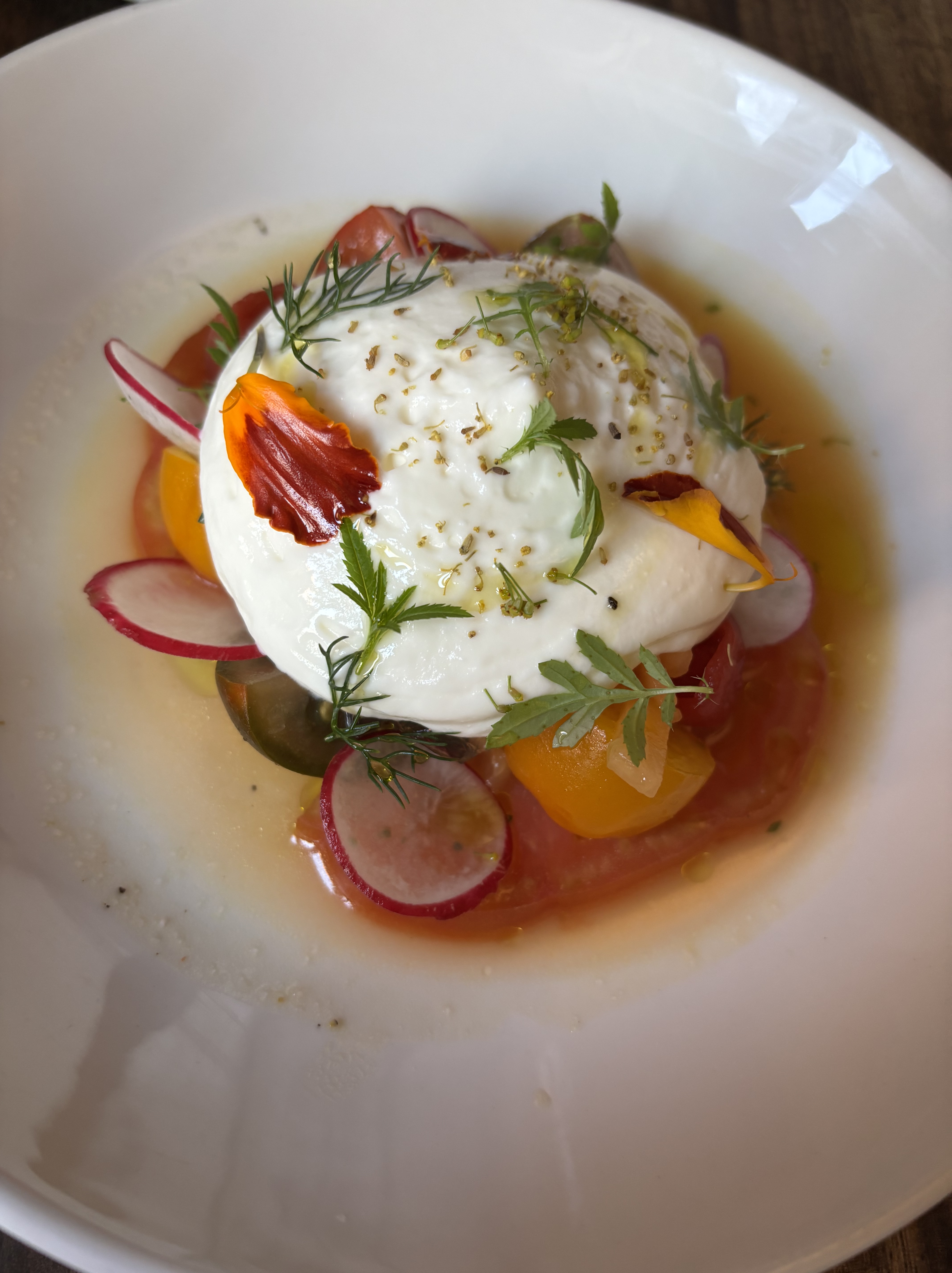
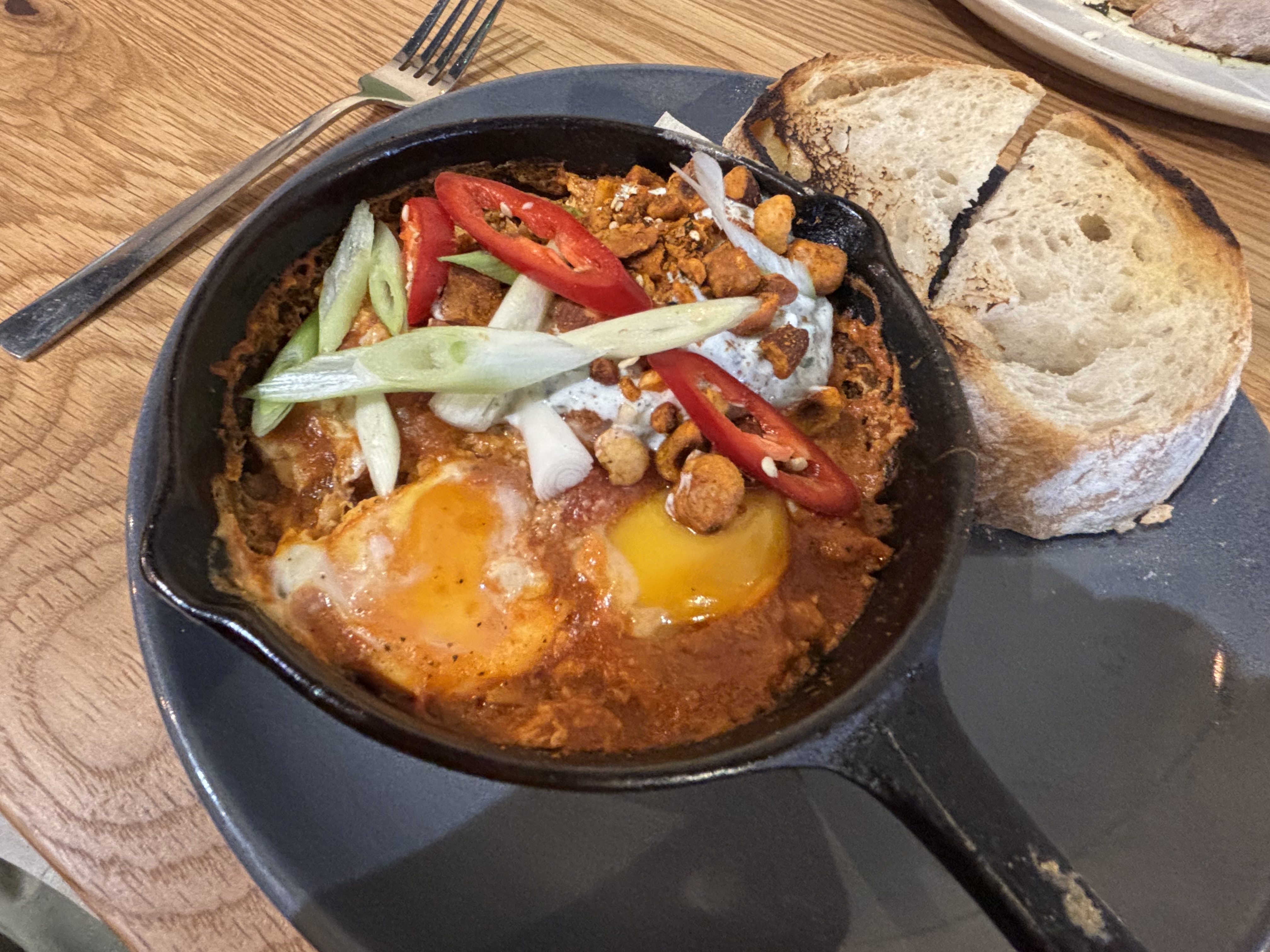
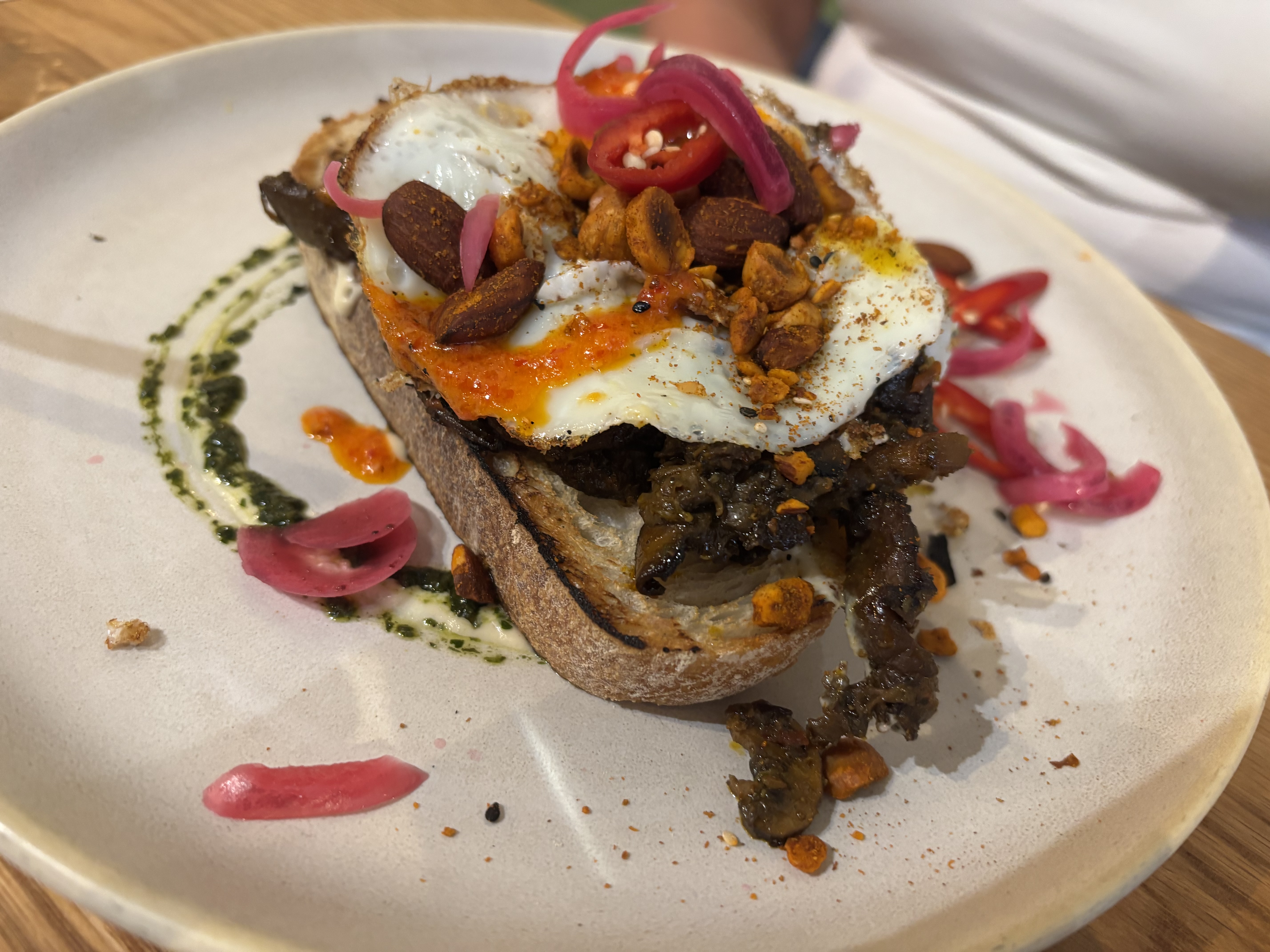
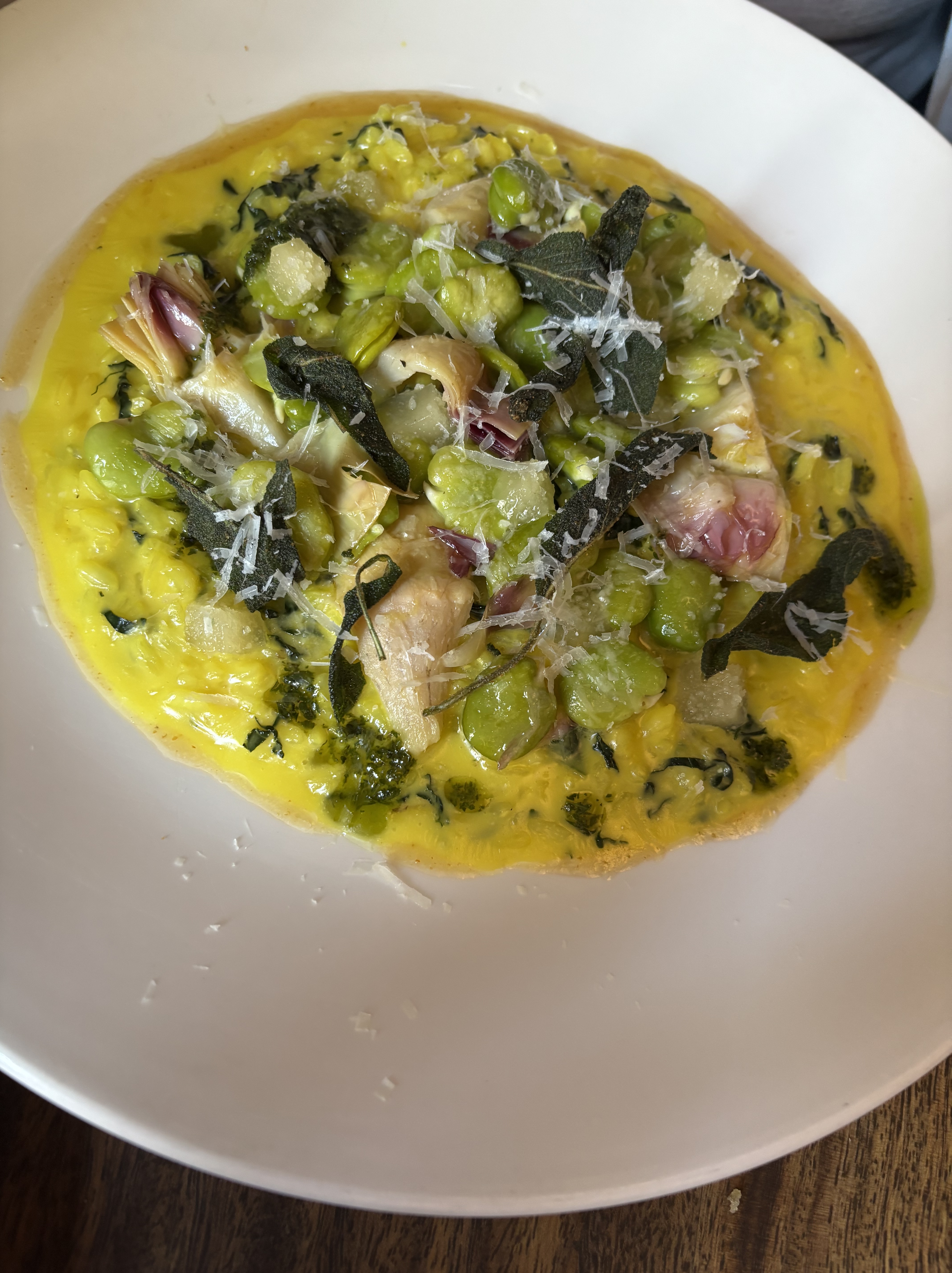
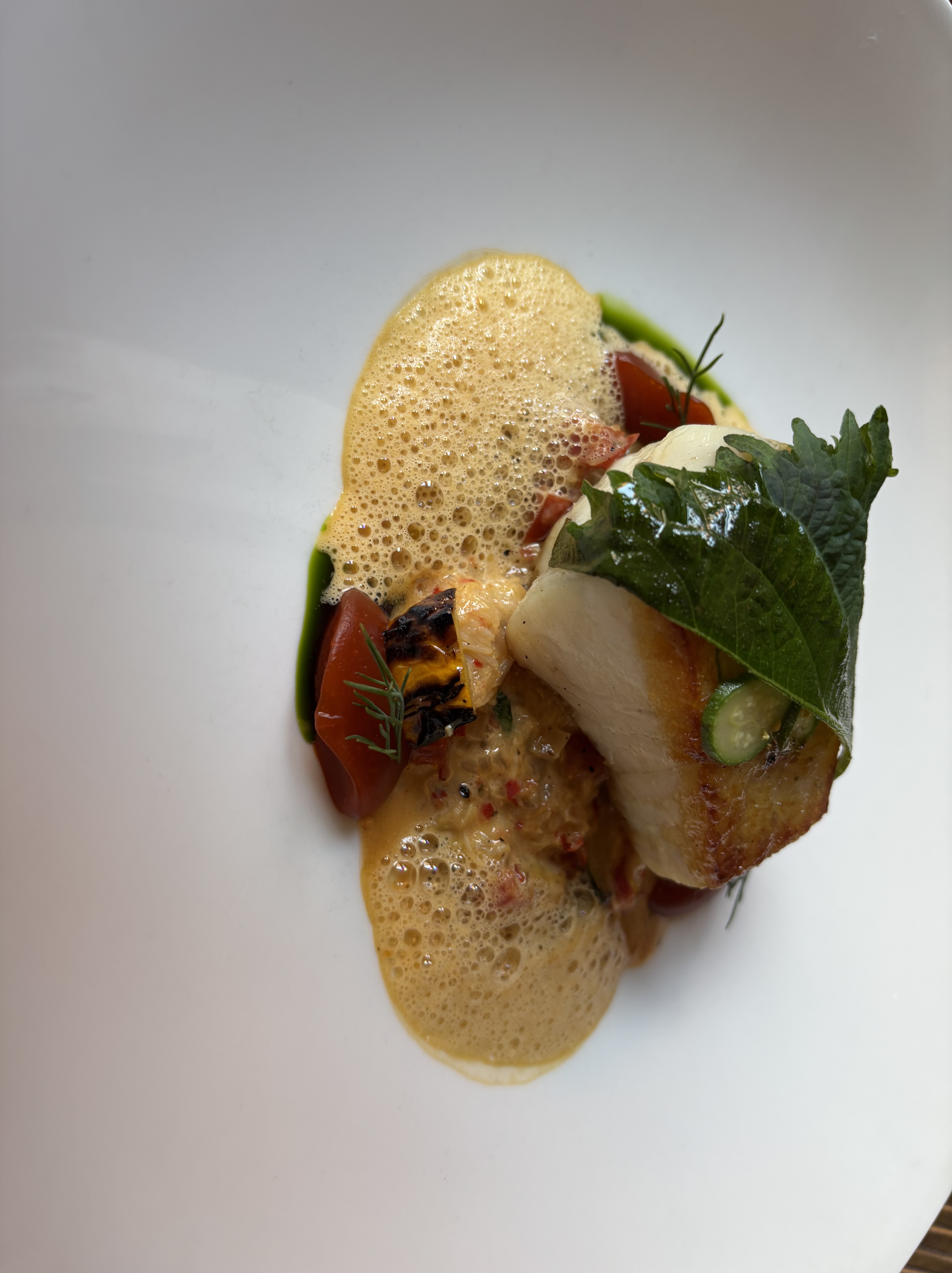
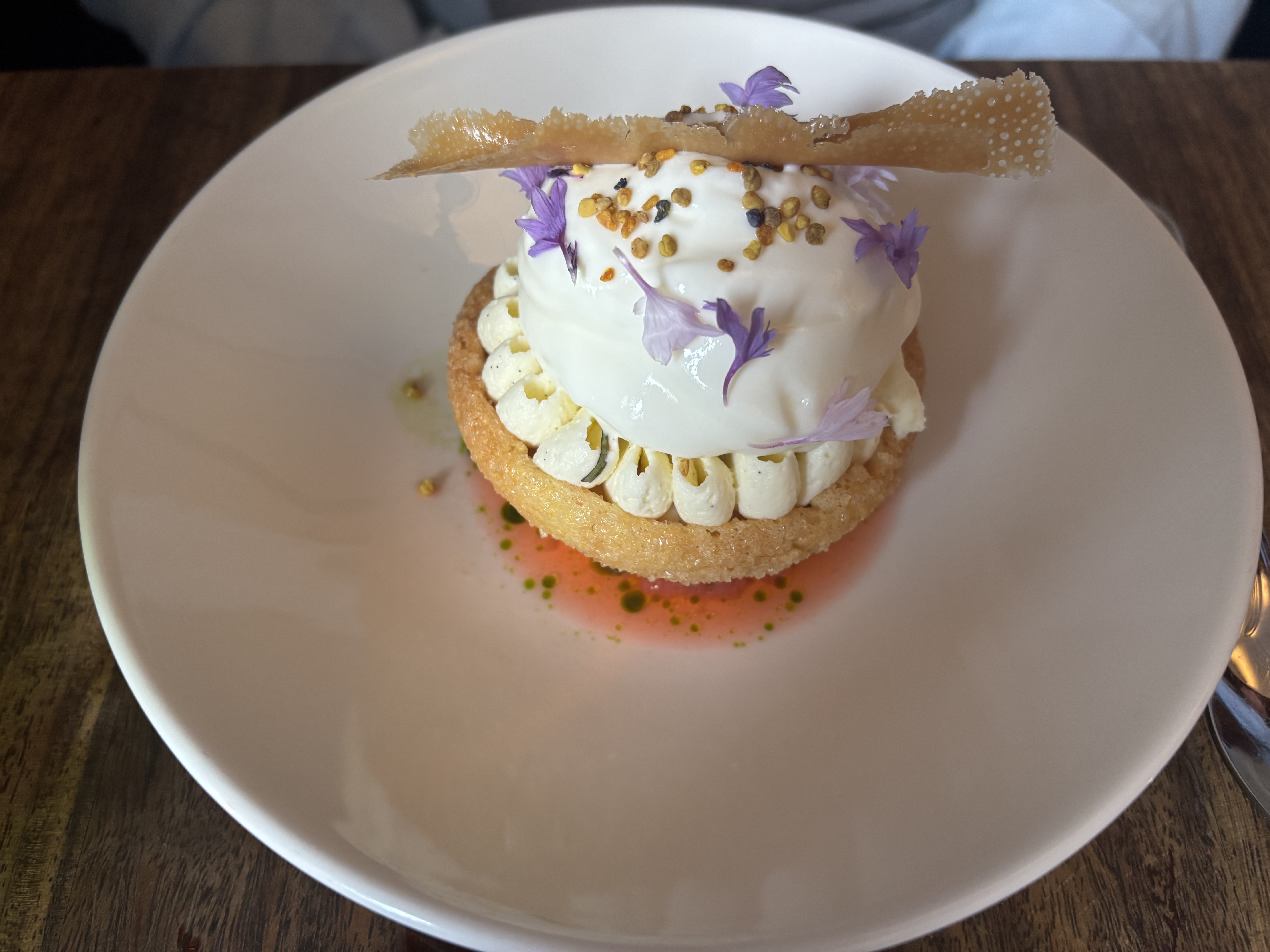
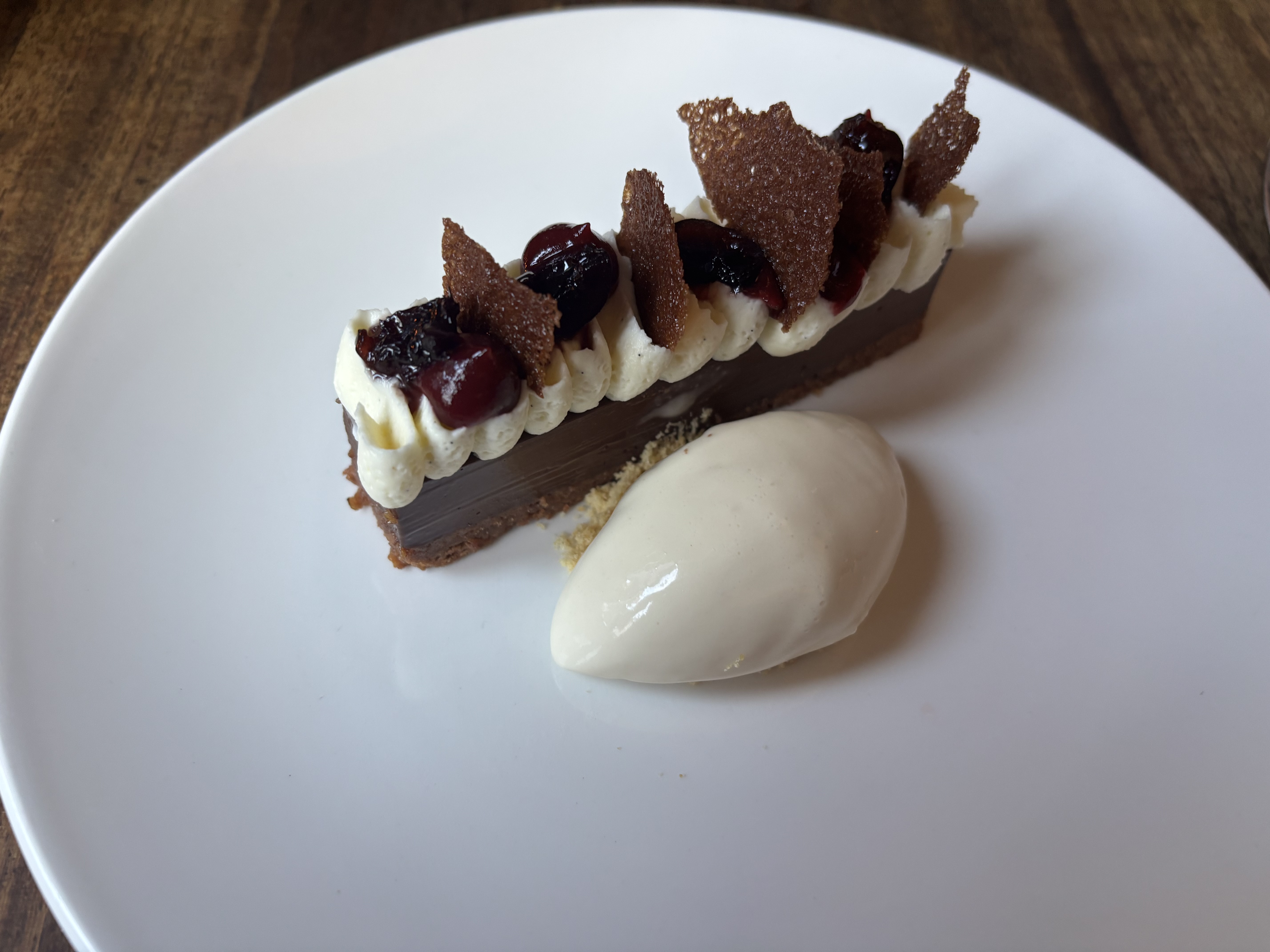
Another positive: the people. It’s difficult to quantify, but Dublin residents are just so amazingly friendly, helpful and kind. Restaurant staff and shopkeepers would routinely inquire about our travels and offer suggestions for other off-the-beaten places to eat and visit during our stay. We told the owner of a casual Korean fried chicken place that we wished we had something similar in Tulsa, and she insisted on giving us a couple of complimentary bottles of Koren BBQ and hot sauce to take home with us.
Less fun: the city is dirty and crowded, and some neighborhoods even feel a little unsafe. The tourist areas are seriously filthy. It was impossible to walk far in the city center without encountering piles of rubbish, spilt alcohol or assorted bodily fluids. And there are just too many people. The Temple Bar district (it’s not named after the overpriced bar of the same name, but after a man named Temple who used to own the land around the sand bar on that section of the river) was redeveloped and marketed in the 1970’s to attract tourists. That effort was perhaps too successful, and you won’t find ANY locals there now unless they are working. After braving the trash- and people-filled sidewalks of Temple Bar on our first evening in town (a Sunday no less), we knew we had to get off the beaten track the rest of the week.
As for safety, let’s just say the city has a bit of a drinking problem. Public intoxication might as well be a competitive sport, and the revelers get rowdier as the night goes on. We enjoyed a few pints of Guinness and the (even better) Murphy’s stout ourselves during our visit, but it appeared that many people drink nightly what we consumed in a week. And while we’re generally in favor of decriminalizing drug use, we witnessed a disturbing number of people splayed out on the sidewalks – especially north of the Liffey – and others openly dealing hard drugs and sharing needles. Dublin chose for itself the role of party town long before it became an economic powerhouse, but it will be interesting to see how long it lets this go on before it stages a self-intervention.
In any event, the biggest problem we encountered was lodging. There just is not enough housing supply to meet the city’s current needs, so everyone – tourists and locals alike – overpays for mediocre accommodations. We stayed in an “aparthotel” because short-term rental inventory was limited, expensive and ultimately not very appealing. The experiment was a solid meh. The location of the Staycity Dublin Castle could not have been better, but the room was small and we never received the complimentary room cleaning that is supposed to come with stays of a week or longer. The biggest negative was the lack of air conditioning, as the room possessed a distinct oven-like quality that no doubt helps keep the place toasty in winter but resulted in the room consistently being several degrees warmer than the outside air – even with the window open 24/7 and the provided fan blowing at full blast. Our place was roughly 1/3 the price of nearby AirBNBs, so it was a decent option for a week during high season notwithstanding its faults but would not be tolerable for much longer than that.
In the end, we’re happy we went but even happier we were only there for a week.
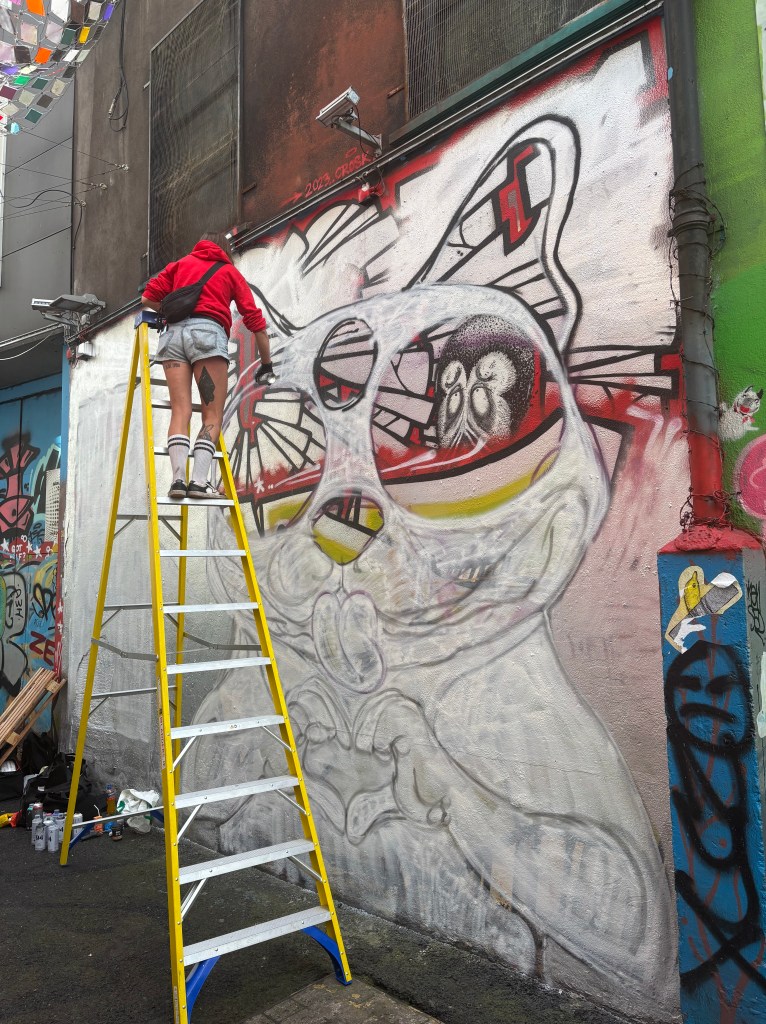
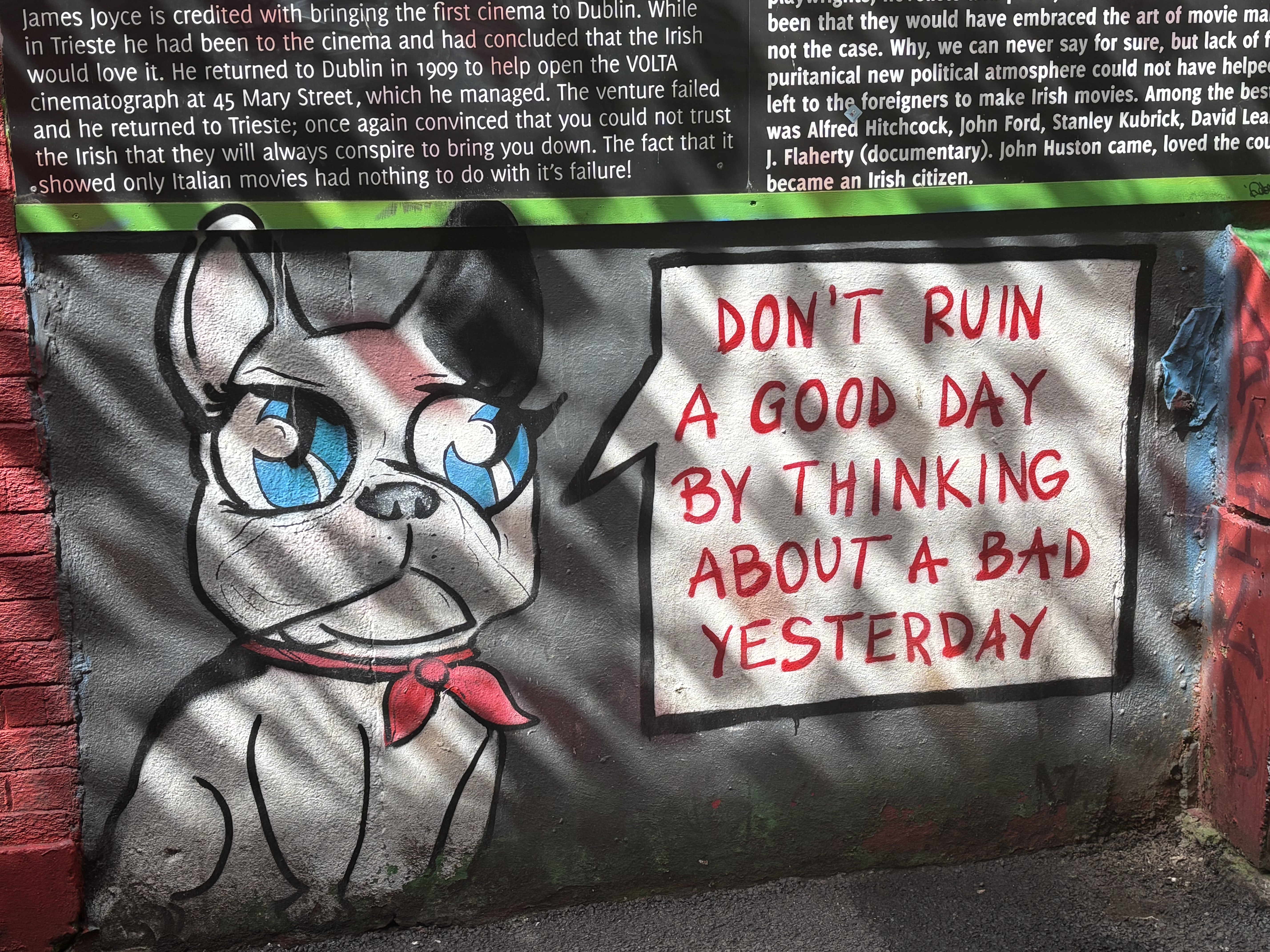
Like this street art, Dublin is a work in progress. Both are a little messy right now.

 The Global Slowmad
Leave a comment