Zivjo!
We are now a couple of weeks into our Ljubljana stay and absolutely LOVE this little charmer. The architecture and natural backdrop are beautiful, the food and wine are outstanding, and the people are friendly. This may just be the most livable city in Europe. Here are a few observations for those considering a visit:
Location
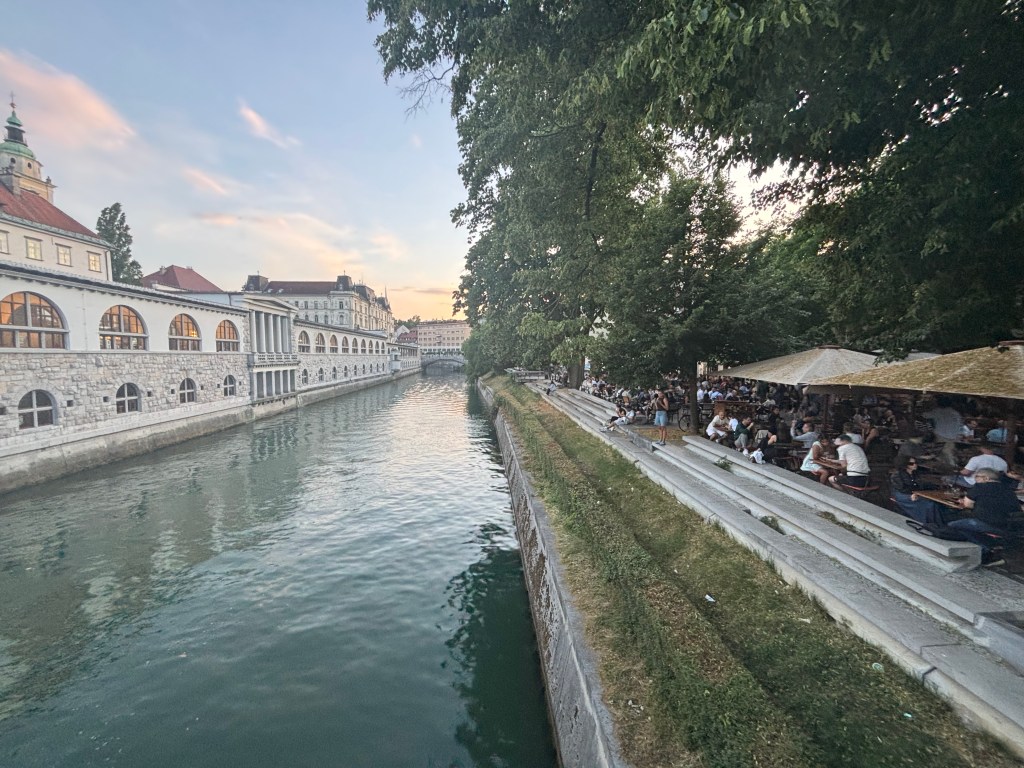
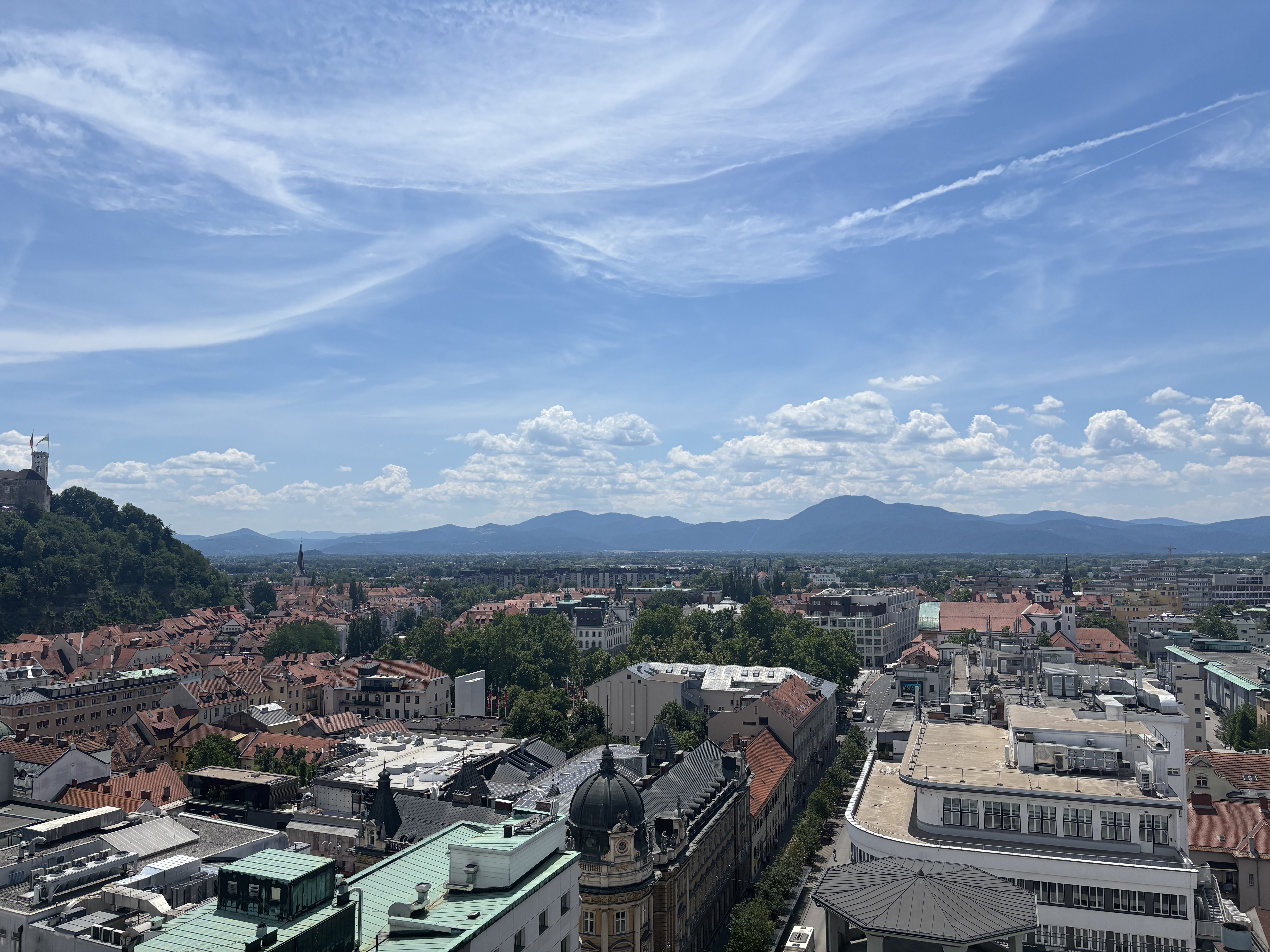
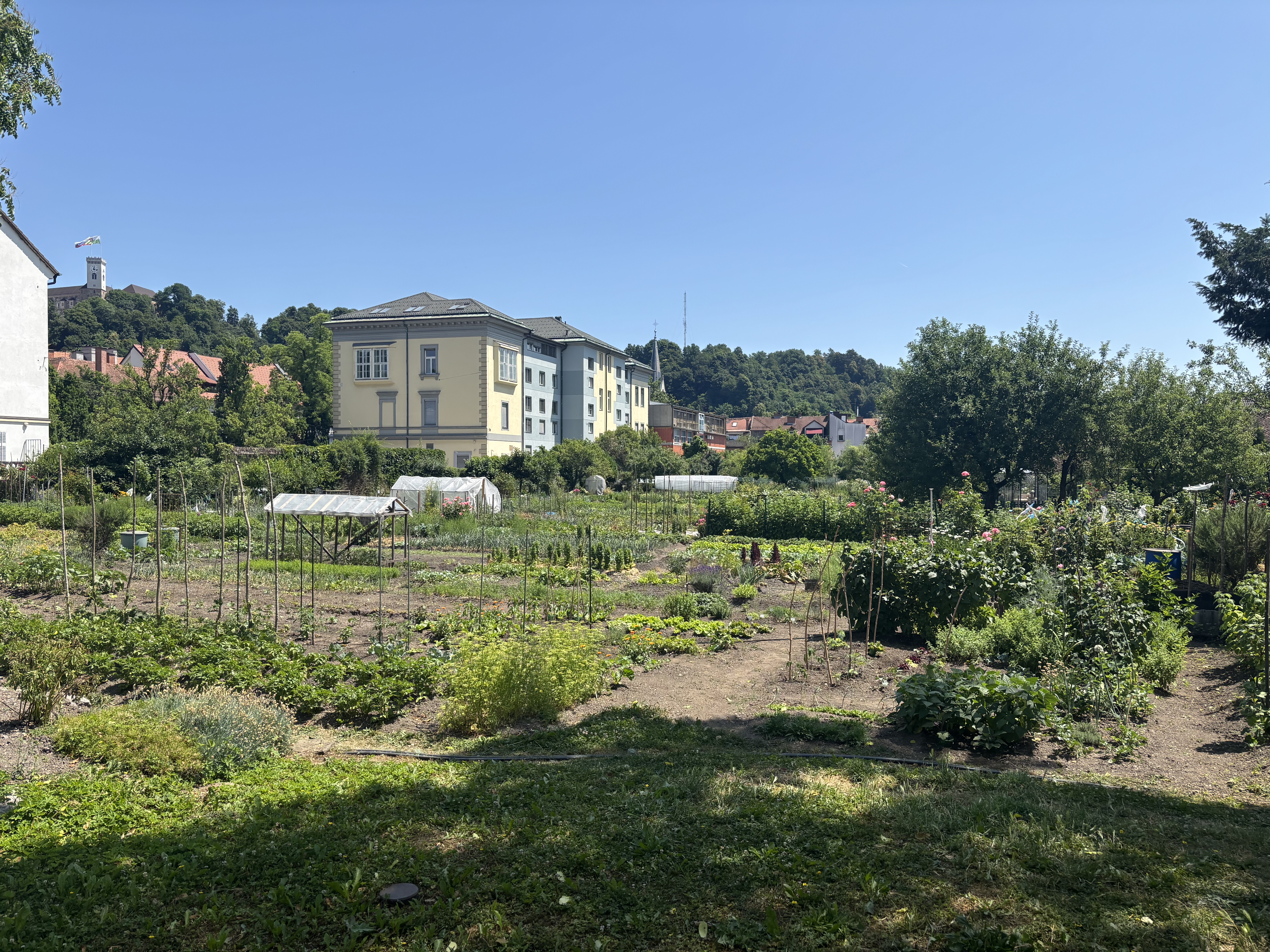
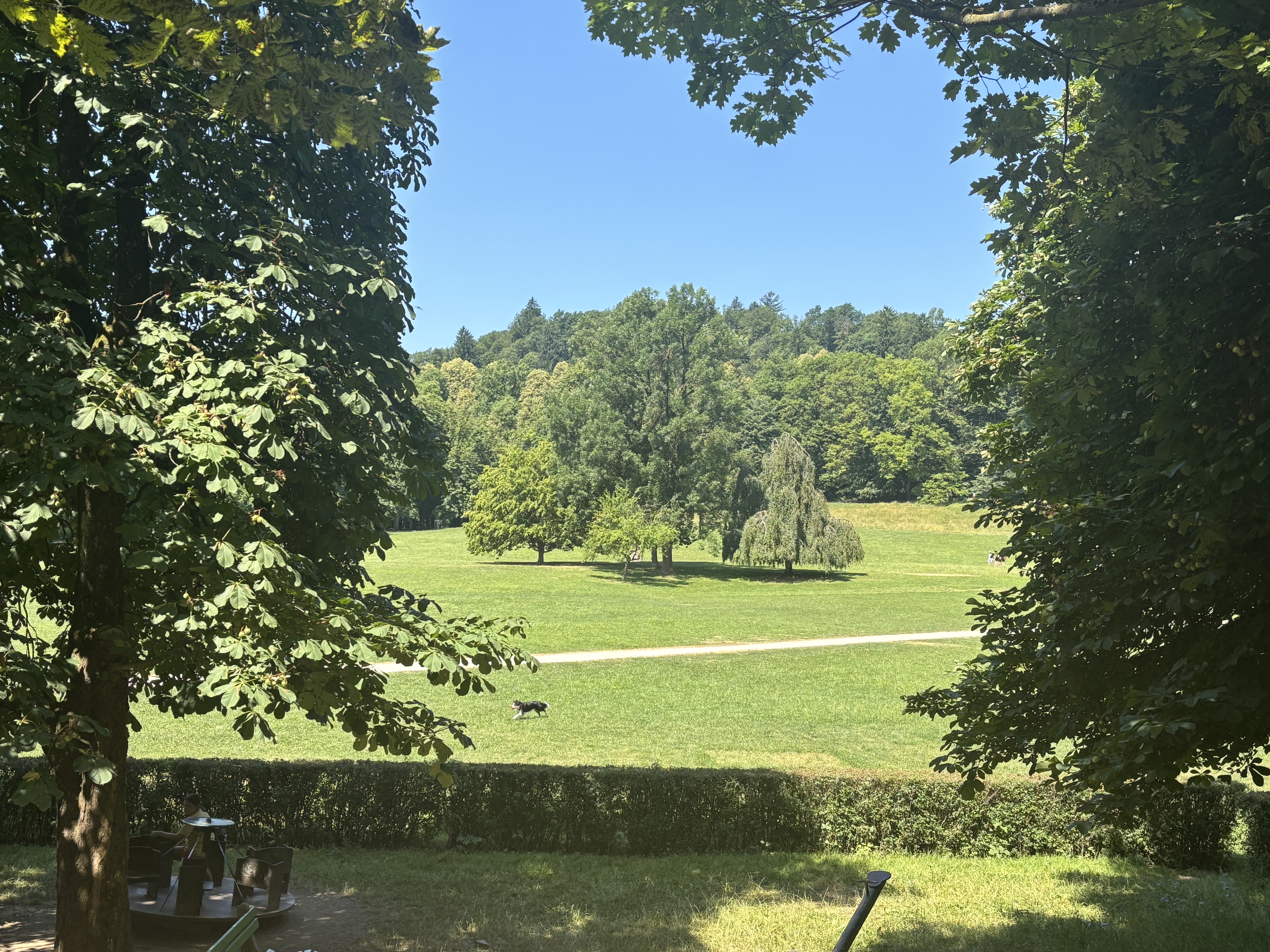
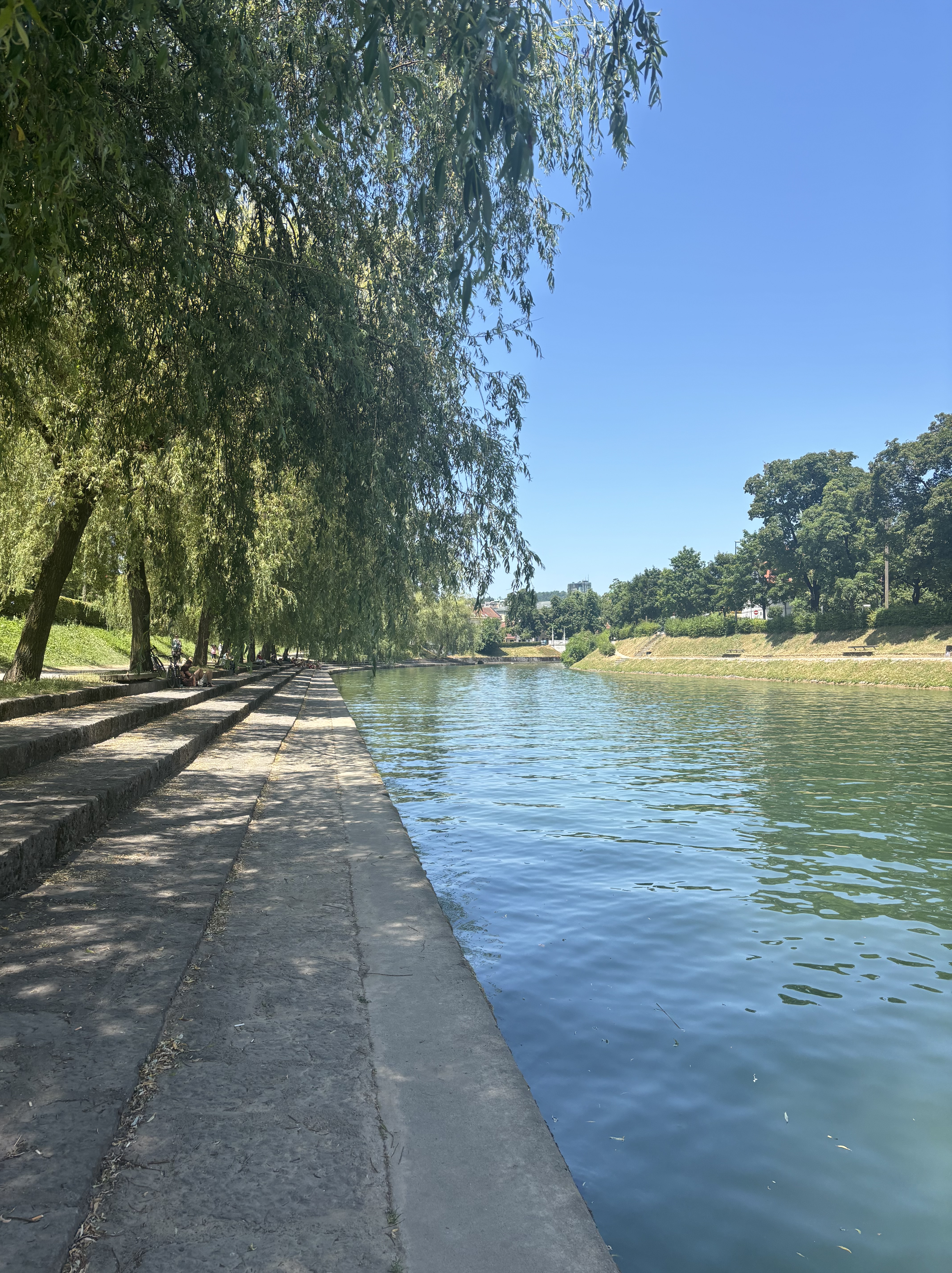
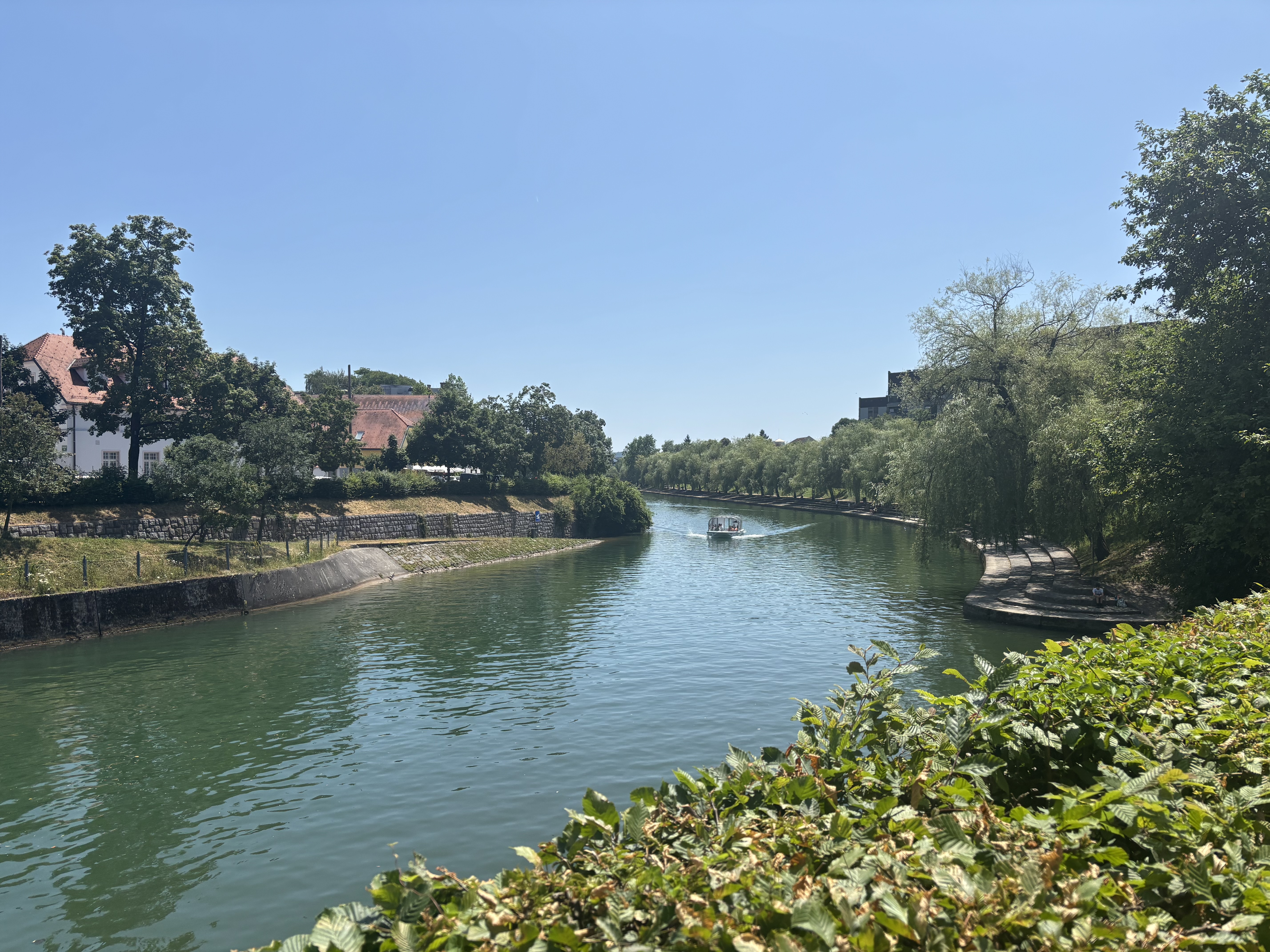
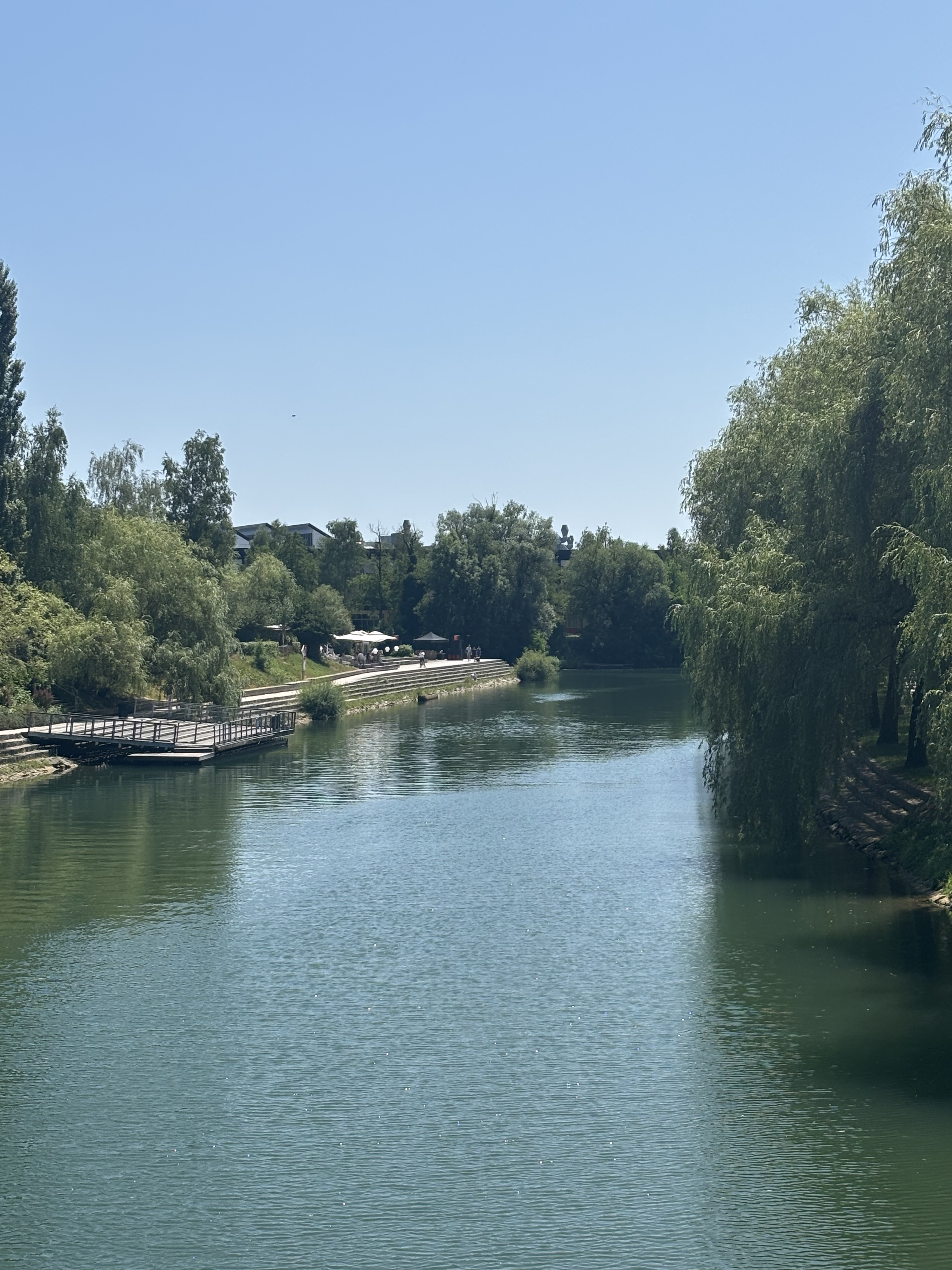
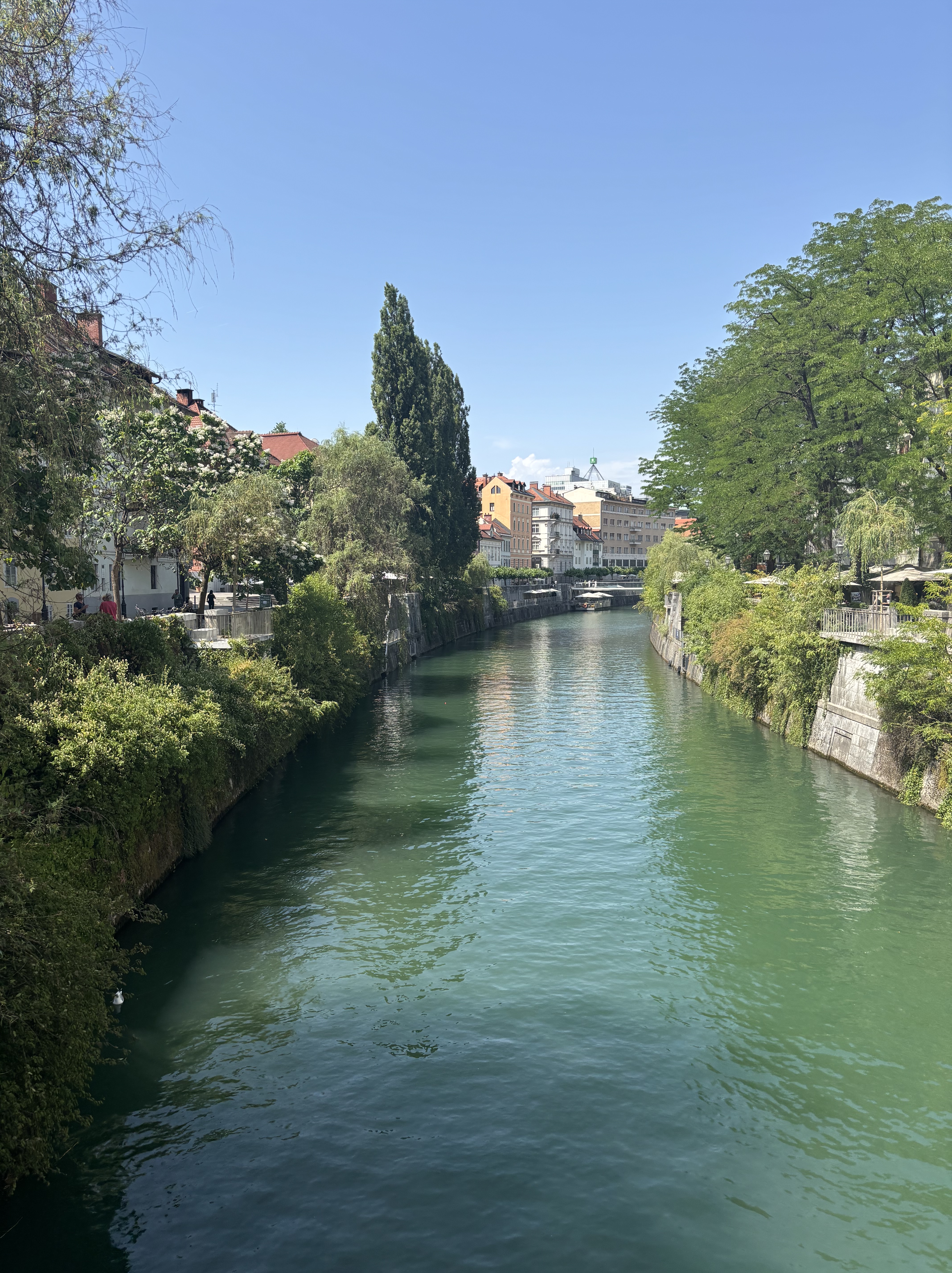
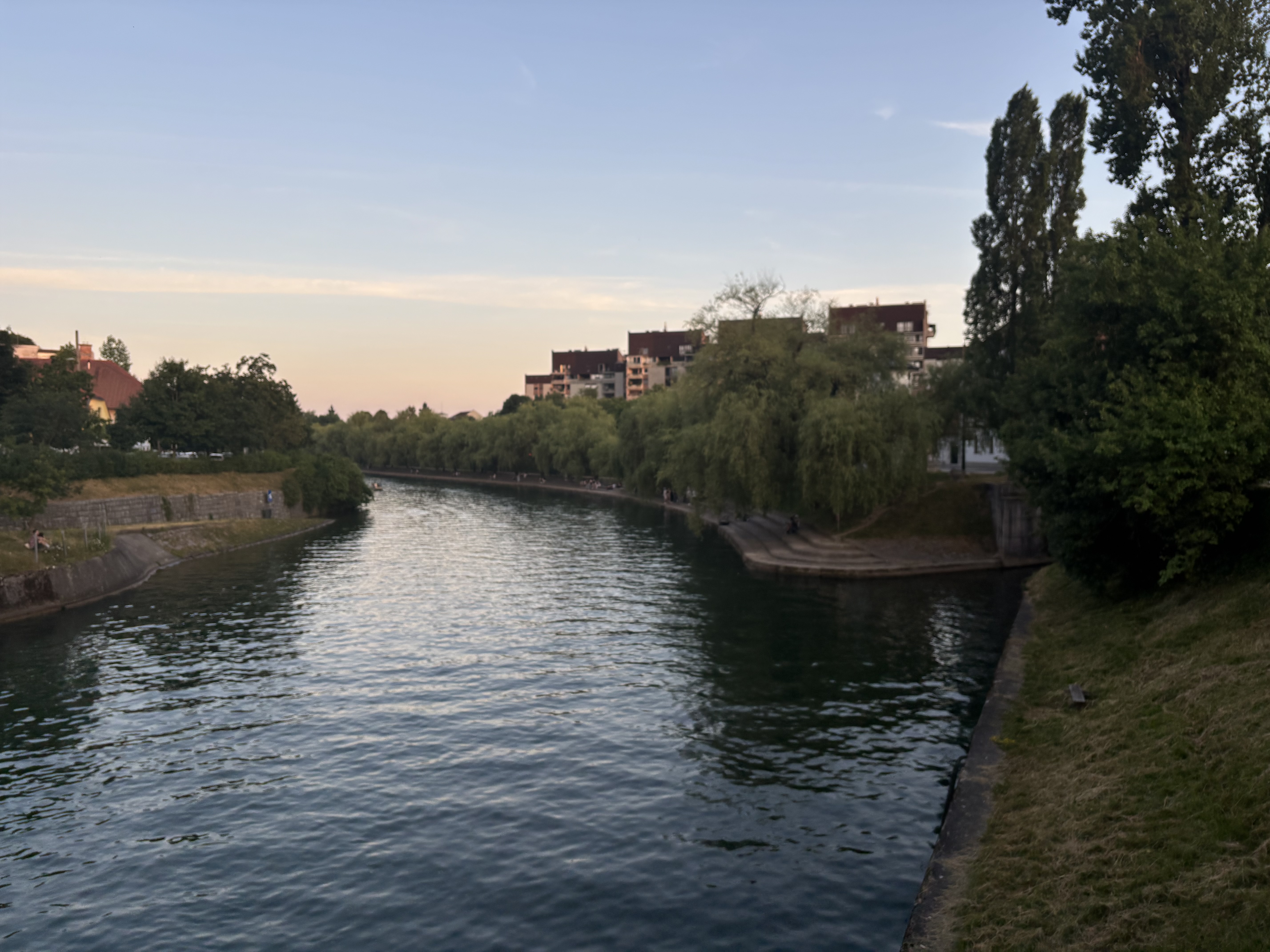
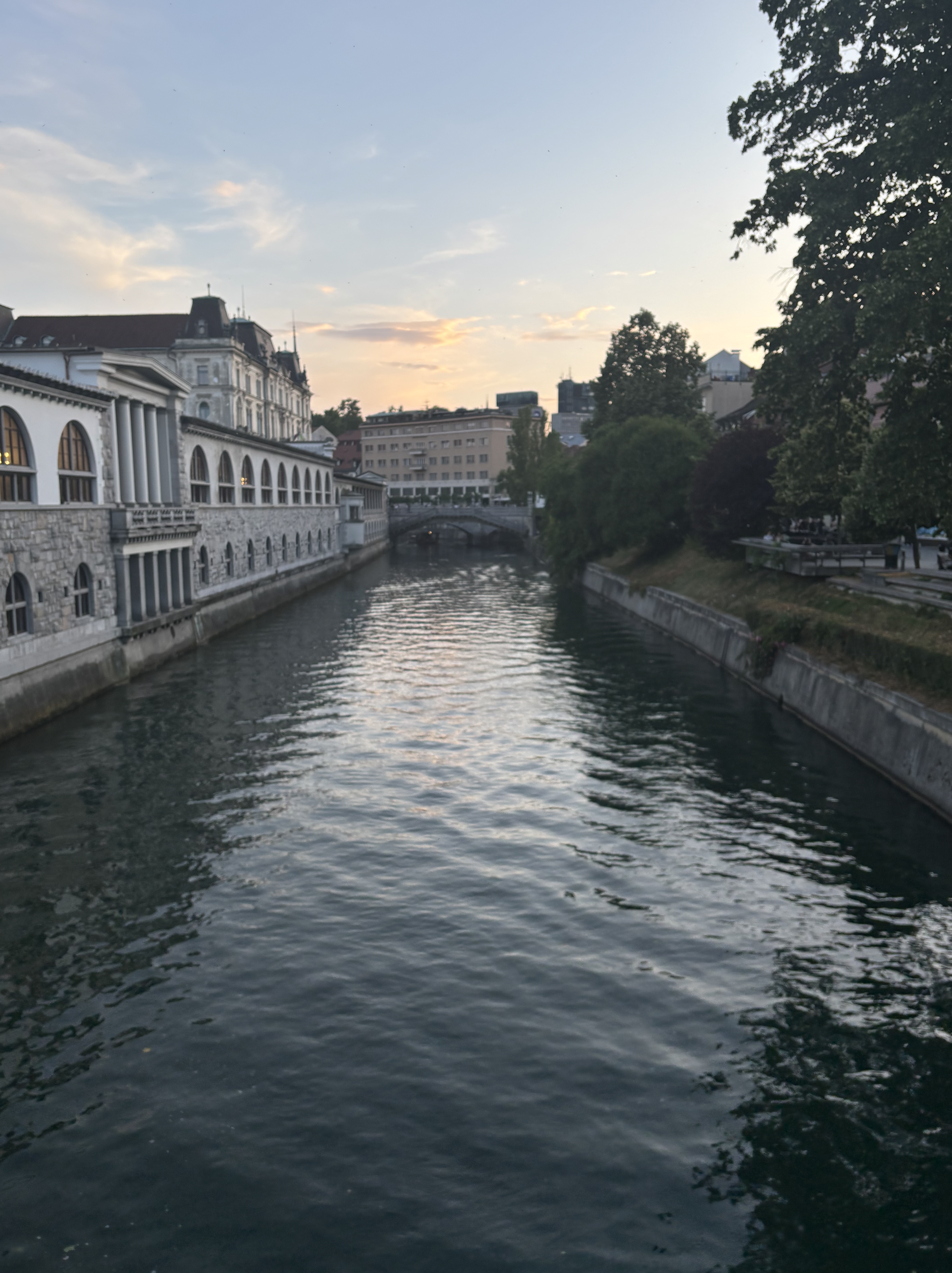
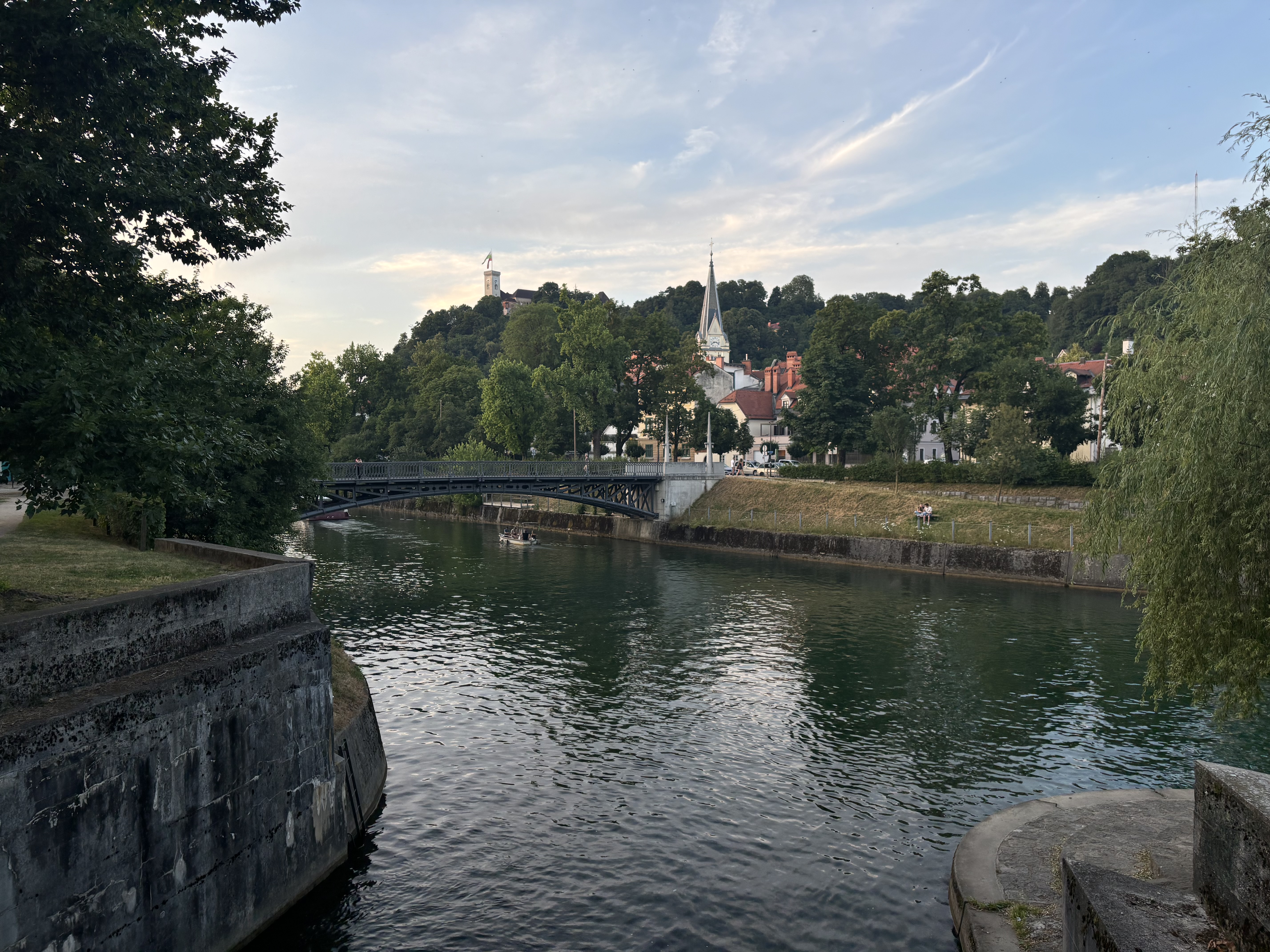
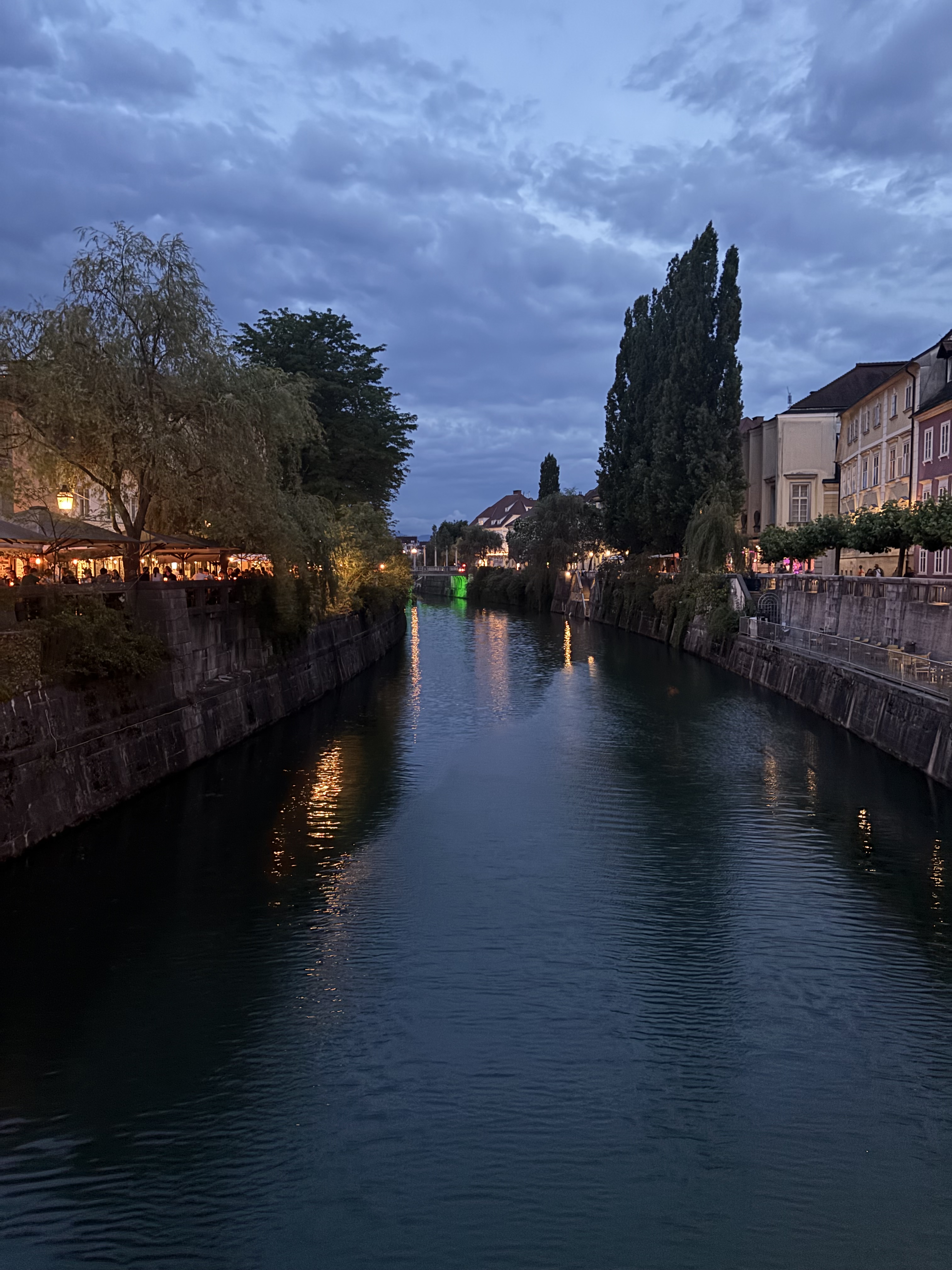
Ljubljana is nestled in a valley that cuts through the southern Alps roughly halfway between Vienna and Venice. It is about the size of Tulsa, Oklahoma, but feels much smaller due to its ridiculous walkability. The city developed along the banks of the Ljubljanica River, and you are never more than a 5-minute detour from someplace quiet, green and peaceful. Slovenia is the most forested country in continental Europe, and Ljubljana was one of the first places in Europe to ban automobiles from its city center (although bicycles and electric scooters are everywhere — including sidewalks — so you do have to pay attention to your surroundings).
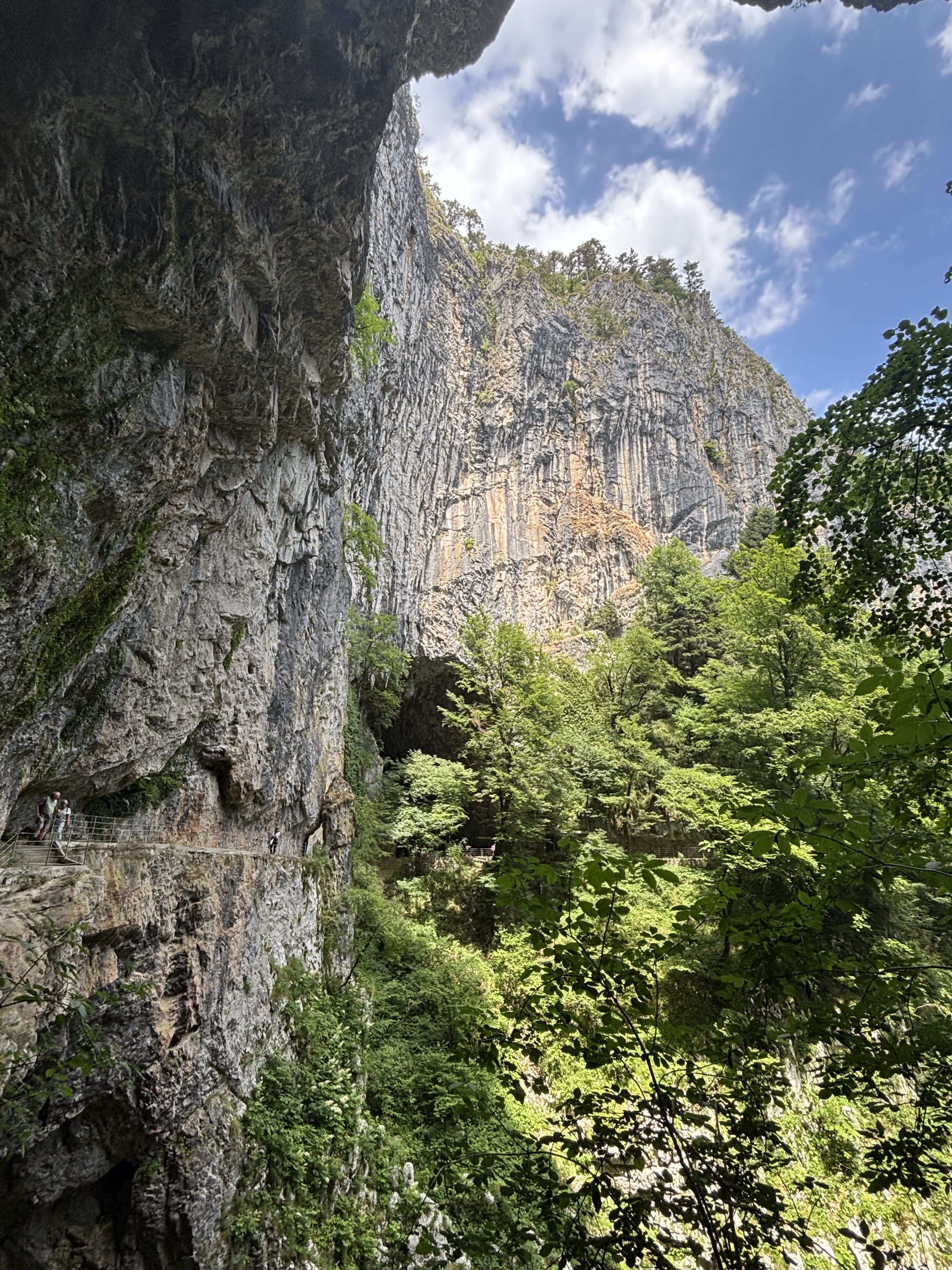
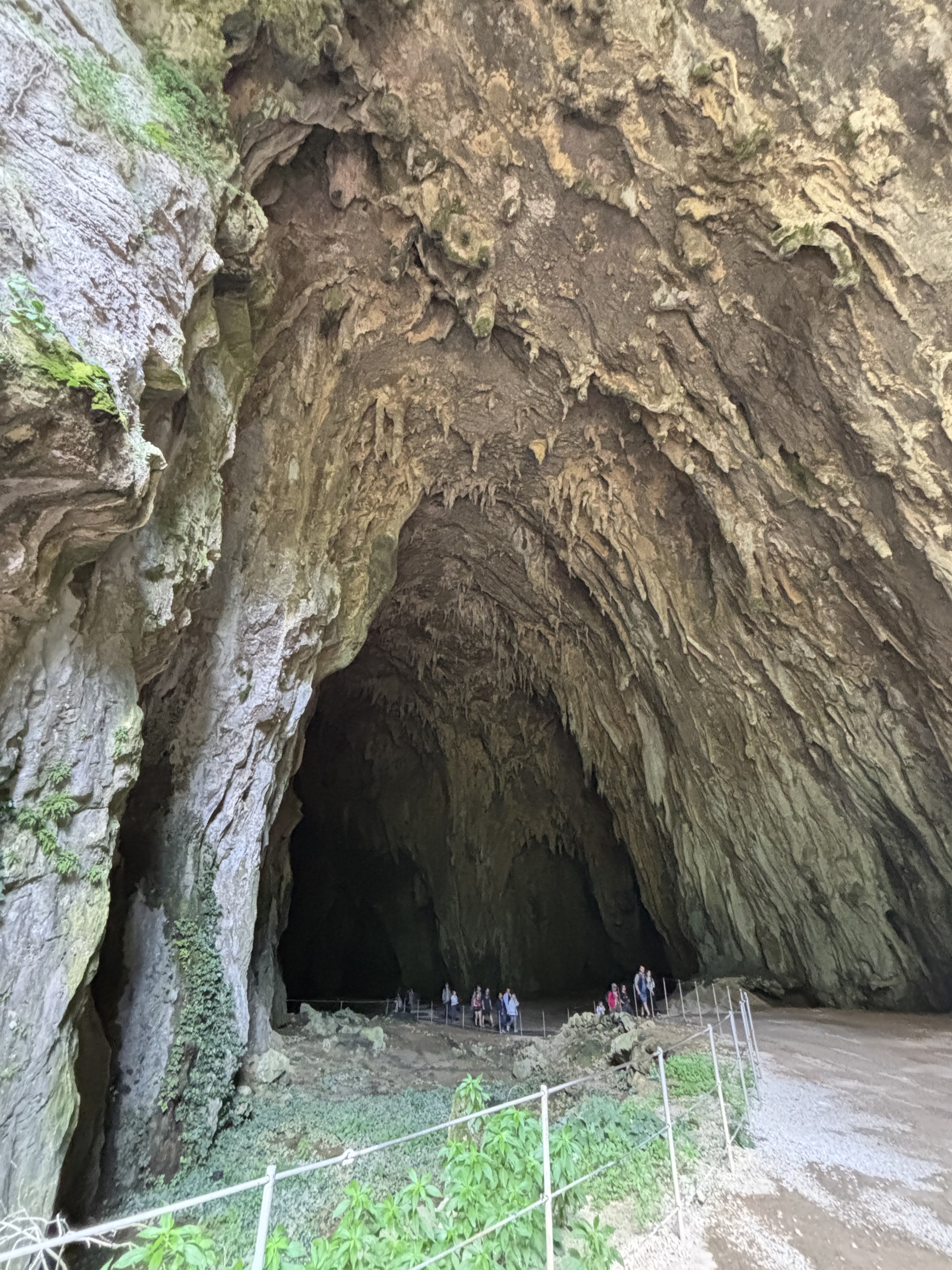
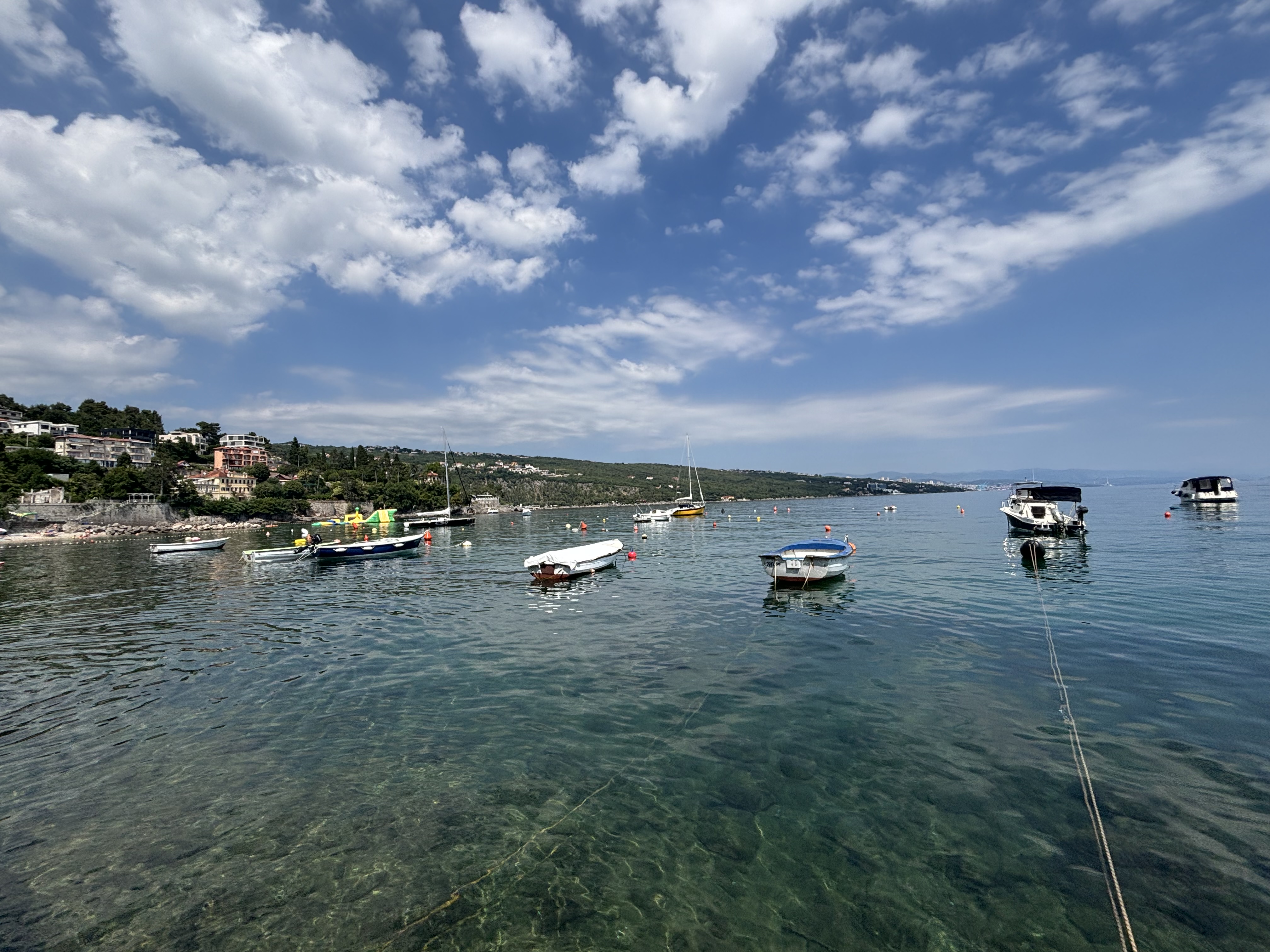
Ljubljana is about an hour from world-class ski resorts in one direction and the Adriatic coast in the other, so it makes sense that the residents love nature, but it’s a little odd that the first recommendation we invariably get from locals is to leave town to enjoy the surroundings. But as soon as you get even a short distance outside of the city, you totally understand. The scenery is breathtaking: snow-capped mountains hide spectacular caverns, verdant green valleys look like they are straight from The Sound of Music, and crystal-clear water flows through it all. It’s just so beautiful.
People
It’s a little embarrassing to admit it, but we haven’t bothered to learn more than a few Slovenian words. There is simply no need, as there is no language barrier here whatsoever. Everyone under 50 here speaks English as well as anyone we are likely to encounter in the States. English is compulsory as a foreign language beginning in elementary school. Signs and menus are largely bilingual in Slovenian and English. At the Ljubljana City Museum, we were amused to read that locals are made fun of elsewhere in Slovenia because they have incorporated so many English words into their vocabulary – a fact borne out by the number of f-bombs we hear casually thrown around in otherwise-Slovenian conversations. Ironically, we struggled early on when we would try to say simple things like hello and thank you in Slovenian because that invariably would result in someone responding to us way too enthusiastically in Slovenian with a string of words we hadn’t actually learned yet. We’ve yet to say anything in English that has stumped anyone our age or younger.
That said, we did have one funny encounter with a (much) older lady at a brewery last week. She dropped her cane underneath the picnic table where she was seated a few feet away from us, so Darla kindly picked it up and handed it to her. A few minutes later, the woman stood up, walked over and handed us a tray full of French fries as a thank you. She initially tried to communicate with us in German (this happens to us a lot here, as most Slovenians apparently speak German, Italian and Croatian – in addition to English and Slovenian), but this happened to be the only person we have yet encountered who spoke absolutely zero English. The best we could come up with was a weak “Danke.” Darla went inside the brewery to try to pay for her meal, but the bartender told her (in English, of course) not to bother because “that old woman comes in here every day and tortures us. She is mean!” So the lesson we learned is that a mean Slovenian would make a pretty nice American:-)
In all seriousness, the Slovenes have been super nice. These are remarkably happy, relaxed people. It’s a university town, so the population skews very young. Most dress like they are heading to or from the world’s most fashionable pilates class. This is the first place we’ve been where waiters (and random people on the street) ask about our travels and offer suggestions for additional places to visit. We have not experienced any anti-American or anti-tourist sentiment here, only some (legitimate, we think) concern about foreign property ownership driving up housing prices for young locals. It sounds like the government is already working on banning foreign investment, so you’re going to have to act quickly if you want to make this your forever home!
History
To really understand the Slovenian people, it is important to understand what they have been through. Keep in mind that Slovenia is a VERY young country; it did not declare its independence from Yugoslavia and become a democratic republic until 1991.
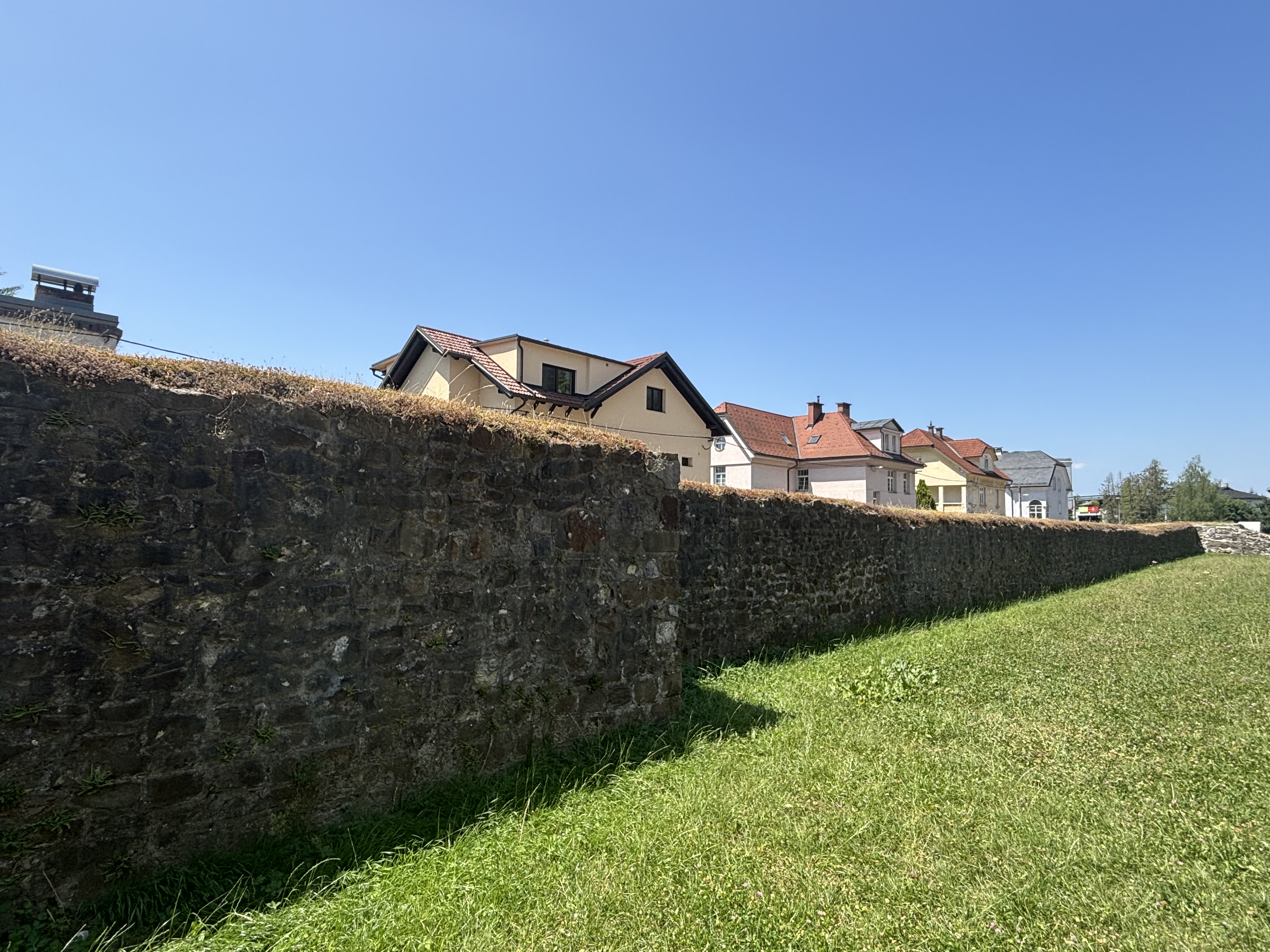
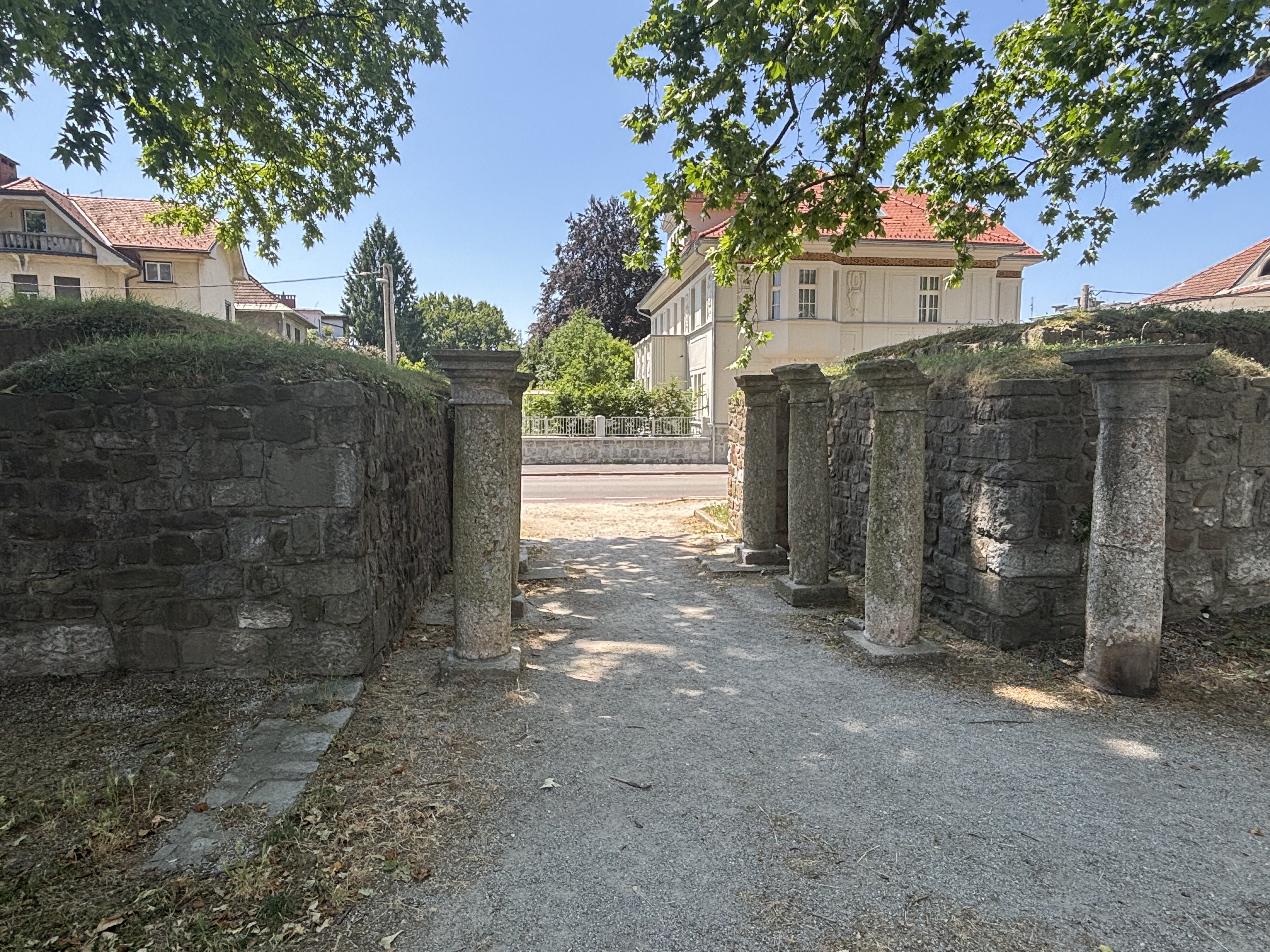
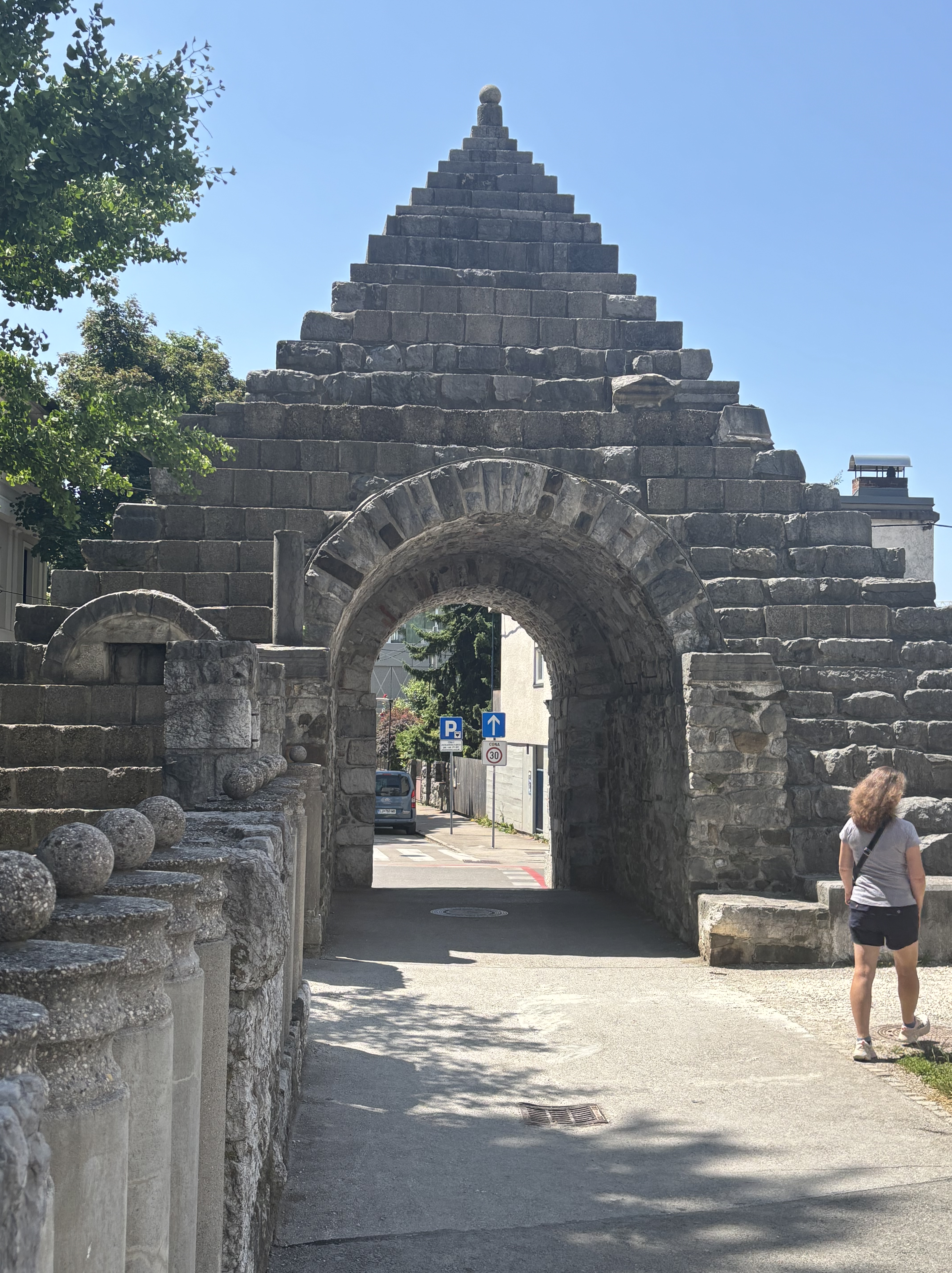
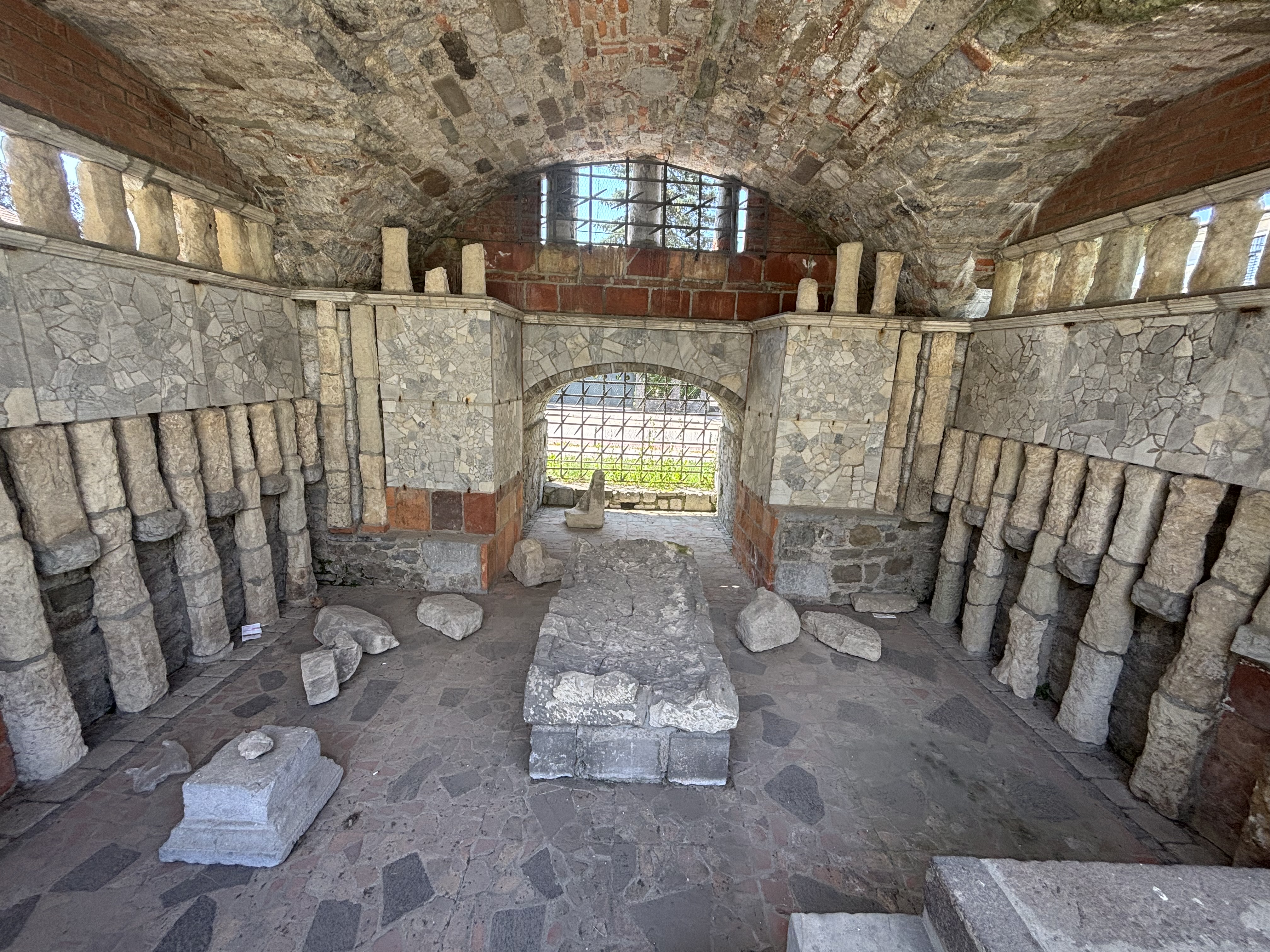
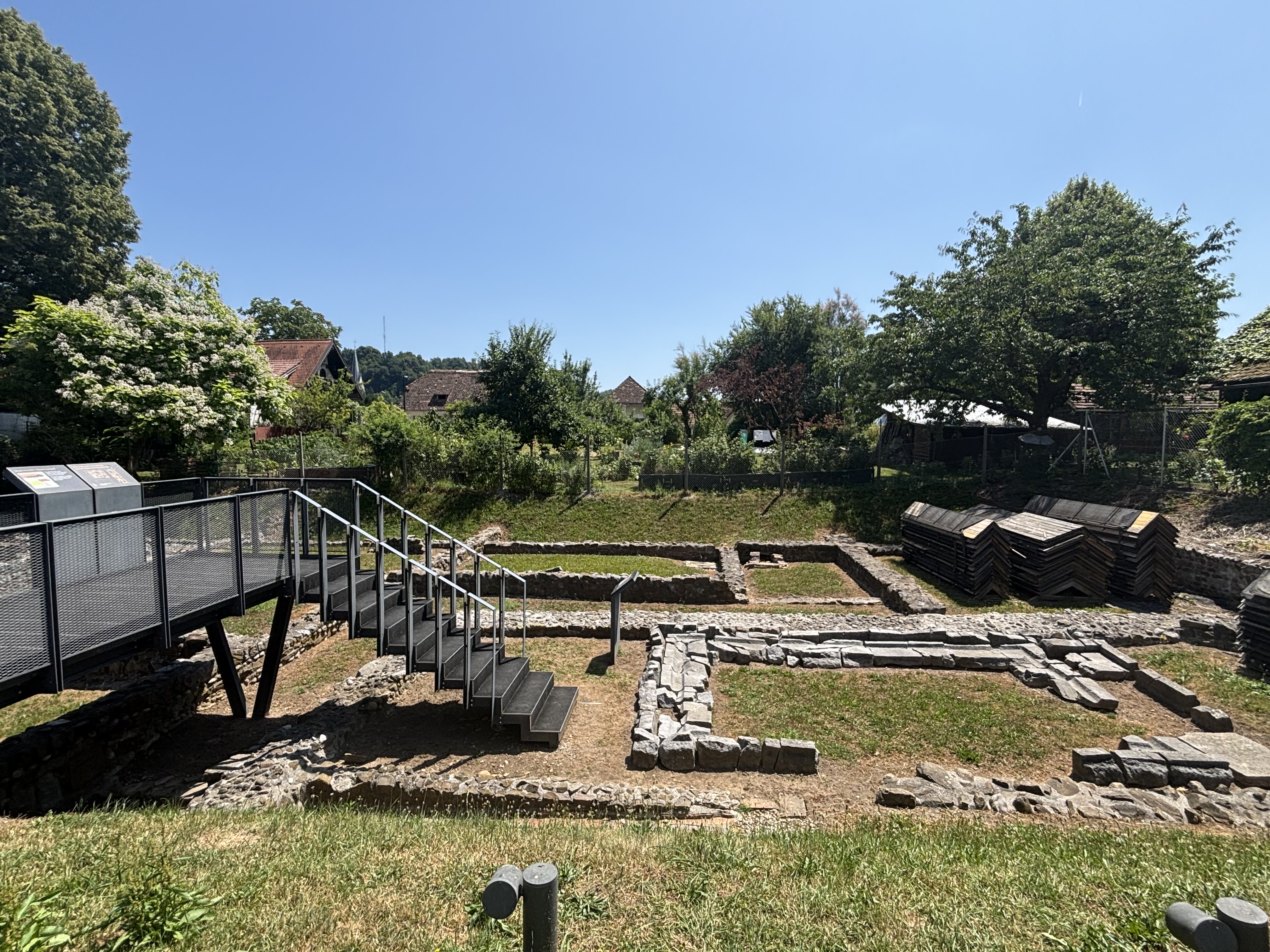
Not much is known about the Celts and earlier settlers of the region, but the locals are literally still unearthing their own history. (The world’s oldest known wooden wheel and oldest known musical instrument were discovered not far away and are now housed in local museums.) Our apartment is just inside the east wall of the ancient Roman city of Emona, which was established on the flat land on the left (west) bank on the river, and various Roman ruins are scattered around town. The Roman city was destroyed by Attila the Hun in the 5th Century, and the marshland sat empty for around a hundred years before the ancestors of the current Slovenes resettled the area.
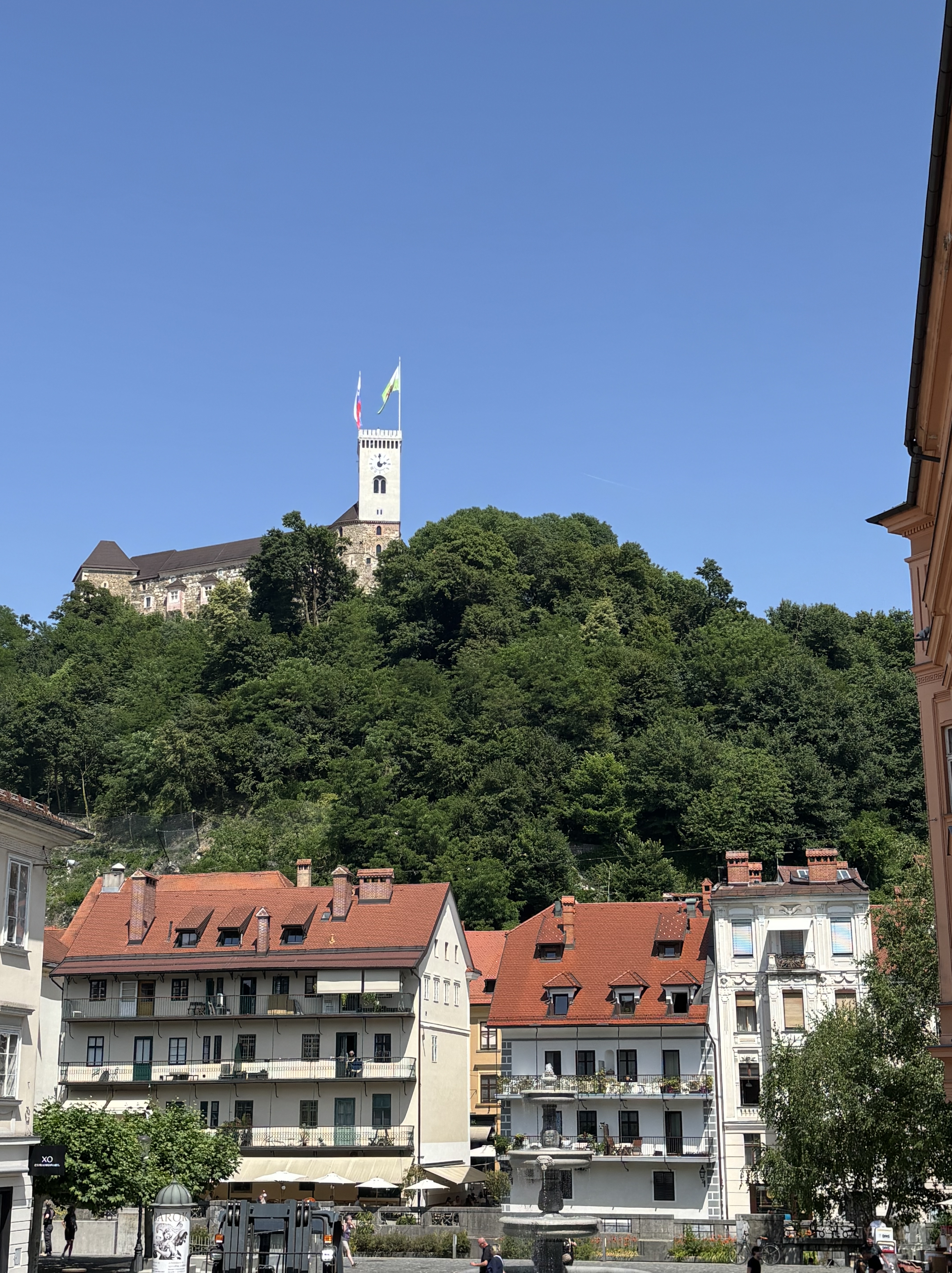
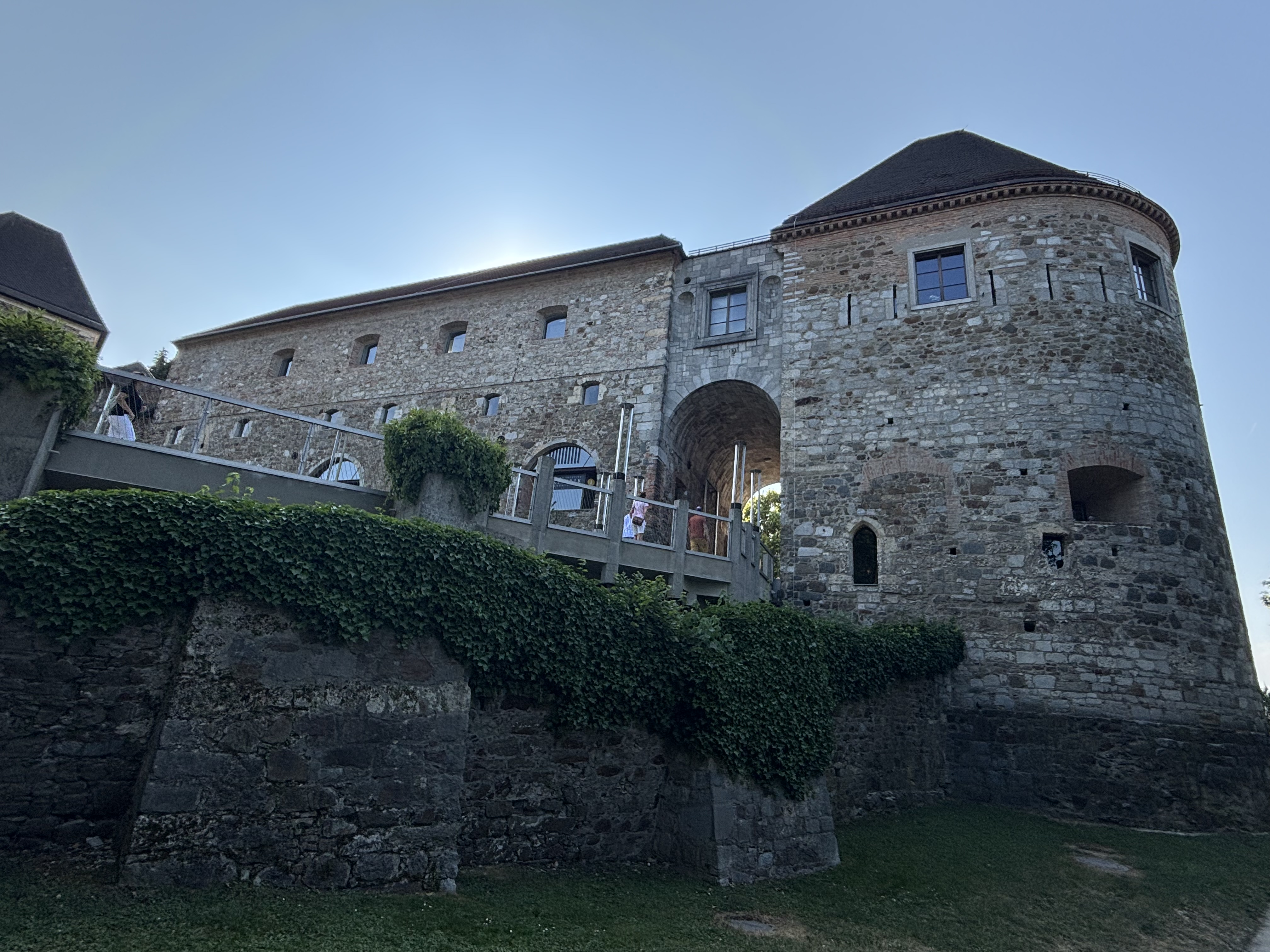
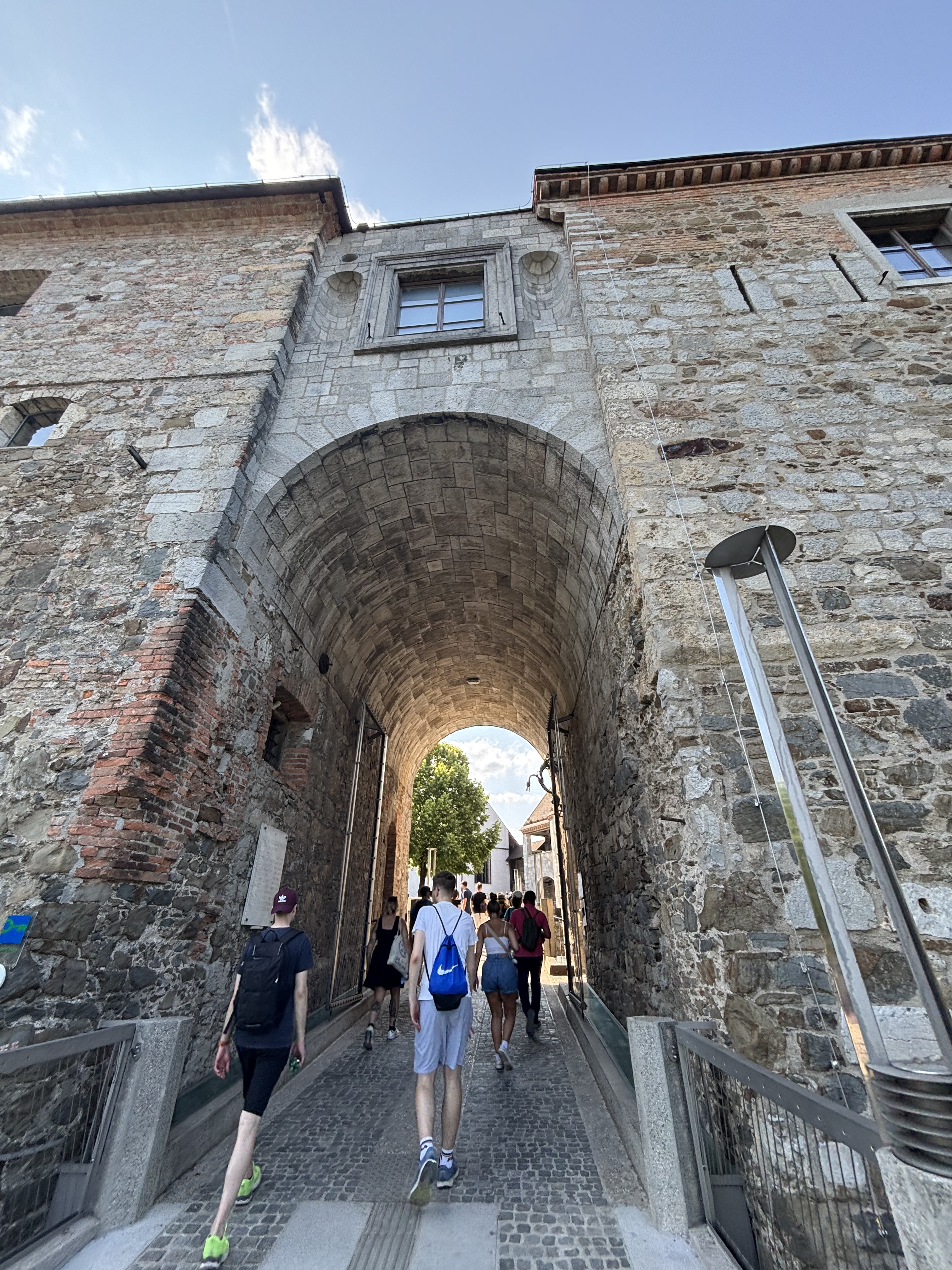
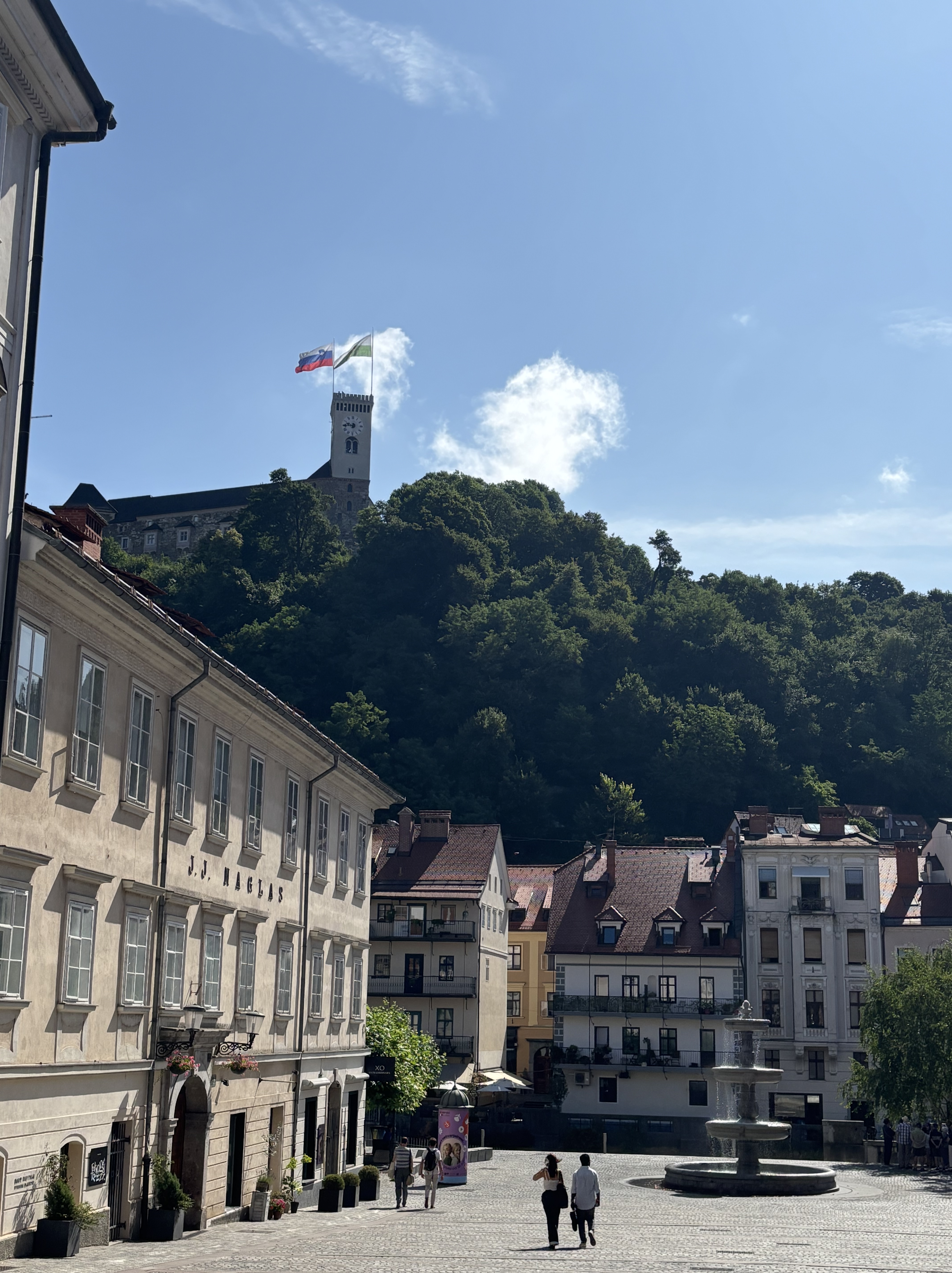
The city changed hands many times over the next several centuries before becoming a significant medieval settlement in the 12th Century – this time developed on the right (east) bank of the river, featuring an imposing castle on the top of a steep hill. It then spent roughly 500 years under the rule of the Hapsburg Empire. During this period, the townspeople developed elaborate systems for self-protection against frequent raids by Ottomans and other invaders. Ljubljana was briefly a regional capital during the Napolean era before returning to Austrian rule until World War I, after which it became part of Yugoslavia until being taken over by Italy and then Germany during World War II.
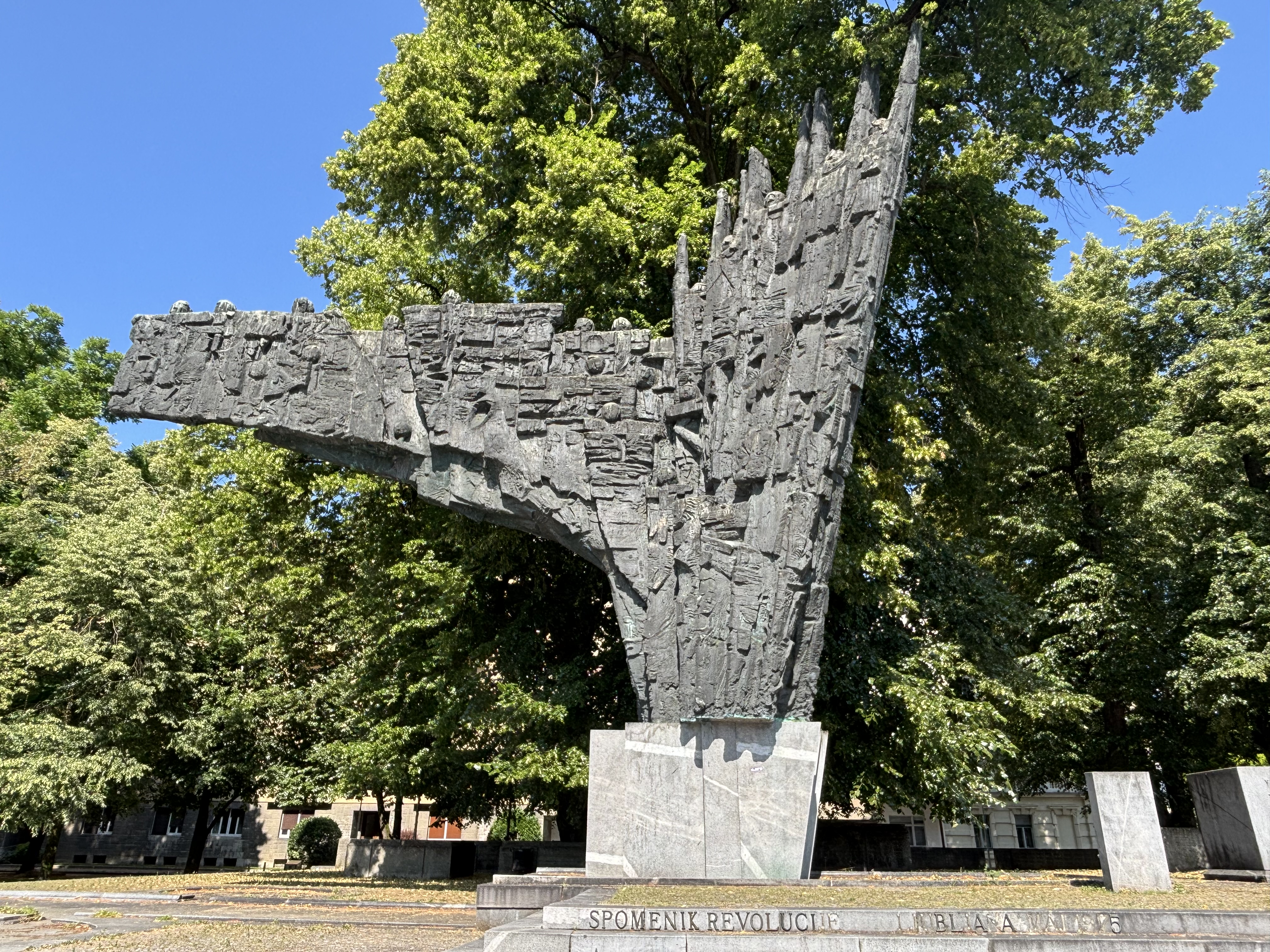
“Partisan” resistance fighters worked closely with Communist allies during WWII to defeat the German army, so no one initially was troubled when one of the Partisan military leaders (Josip Broz a/k/a “Tito”) appointed himself as leader of Yugoslavia after the war concluded. Tito had an early falling out with Stalin, so the citizens of Yugoslavia experienced a somewhat different brand of communism than their USSR counterparts. The state owned most revenue-producing property, controlled the media and committed atrocities against its perceived enemies that went largely unreported (and unknown) until very recently, but there were no restrictions on travel and the country managed to maintain good relationships with most western nations. Yugoslavia prospered from the 1950’s through the 1970’s, with virtually no unemployment, a strong industrial base and an overall high quality of life. Slovenia was always the most productive region of the republic. After Tito’s death in 1980, the significant differences between the various regions began to surface, culminating in a grassroots movement by Slovenia to secede and form its own nation. After a brief 10-day war and diplomatic negotiations, Slovenia was granted its independence in 1991. (Residents of Kosovo and Bosnia were not so lucky.) Slovenia joined the EU in 2004.
Make no mistake: the Tito regime was authoritarian and oppressive. However, for many older Slovenians, communism represents the golden era of their youth. They still have fond memories of the period, a phenomenon referred to as “communostalgia.” Younger Slovenes more readily acknowledge the faults of communism and appreciate being part of the EU but benefit from the residual socialist values. Free education and healthcare are considered a given, as are subsidized public transportation and public funding of cultural institutions. The current government is still in the process of returning private property to its original owners (to the extent possible), but no one cares that the bank is still run by the state. We’ve been told there is no discernable gender wage gap, very little income inequality, and we have not seen any “bad” neighborhoods anywhere.
Food and Culture
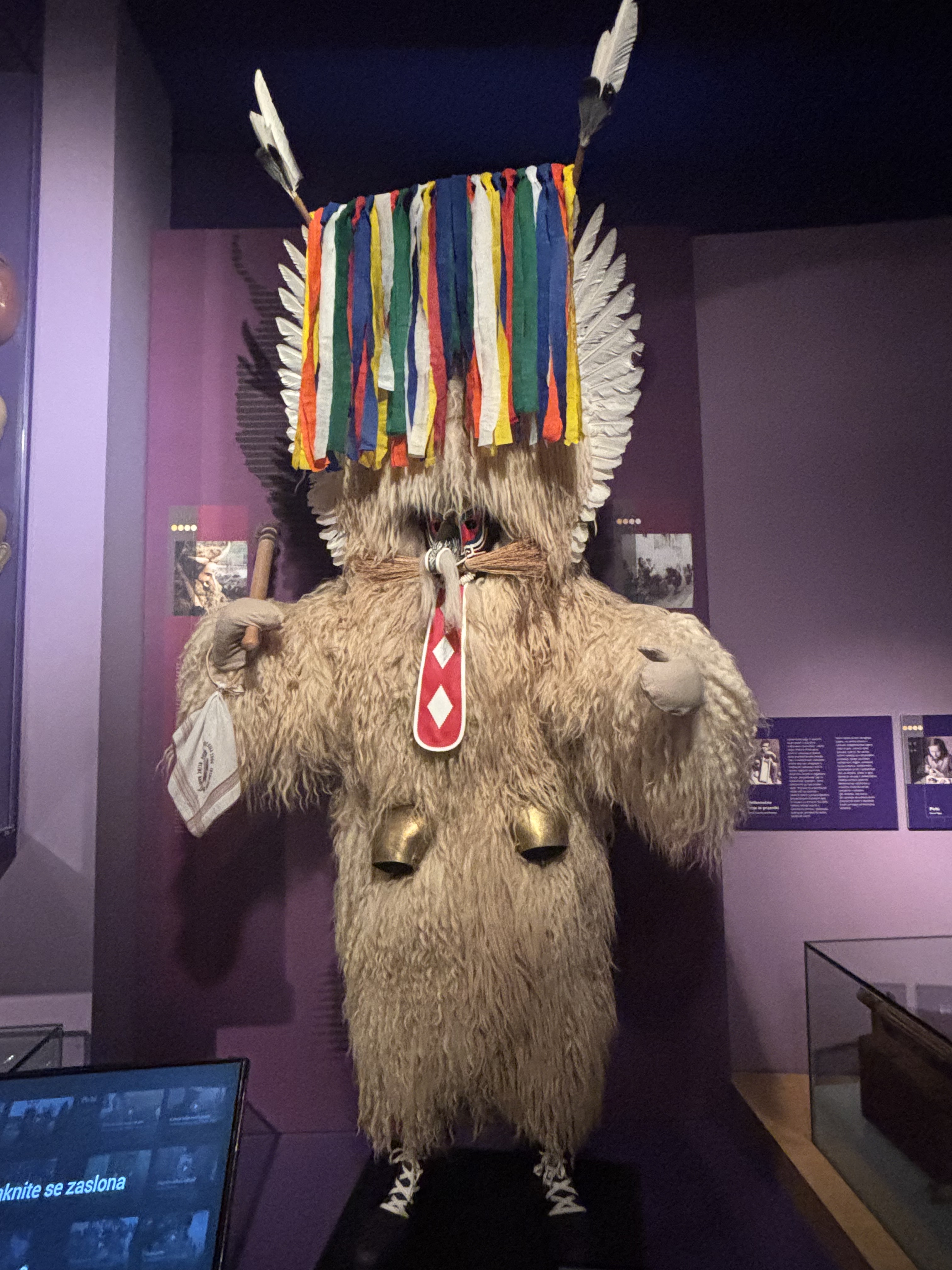
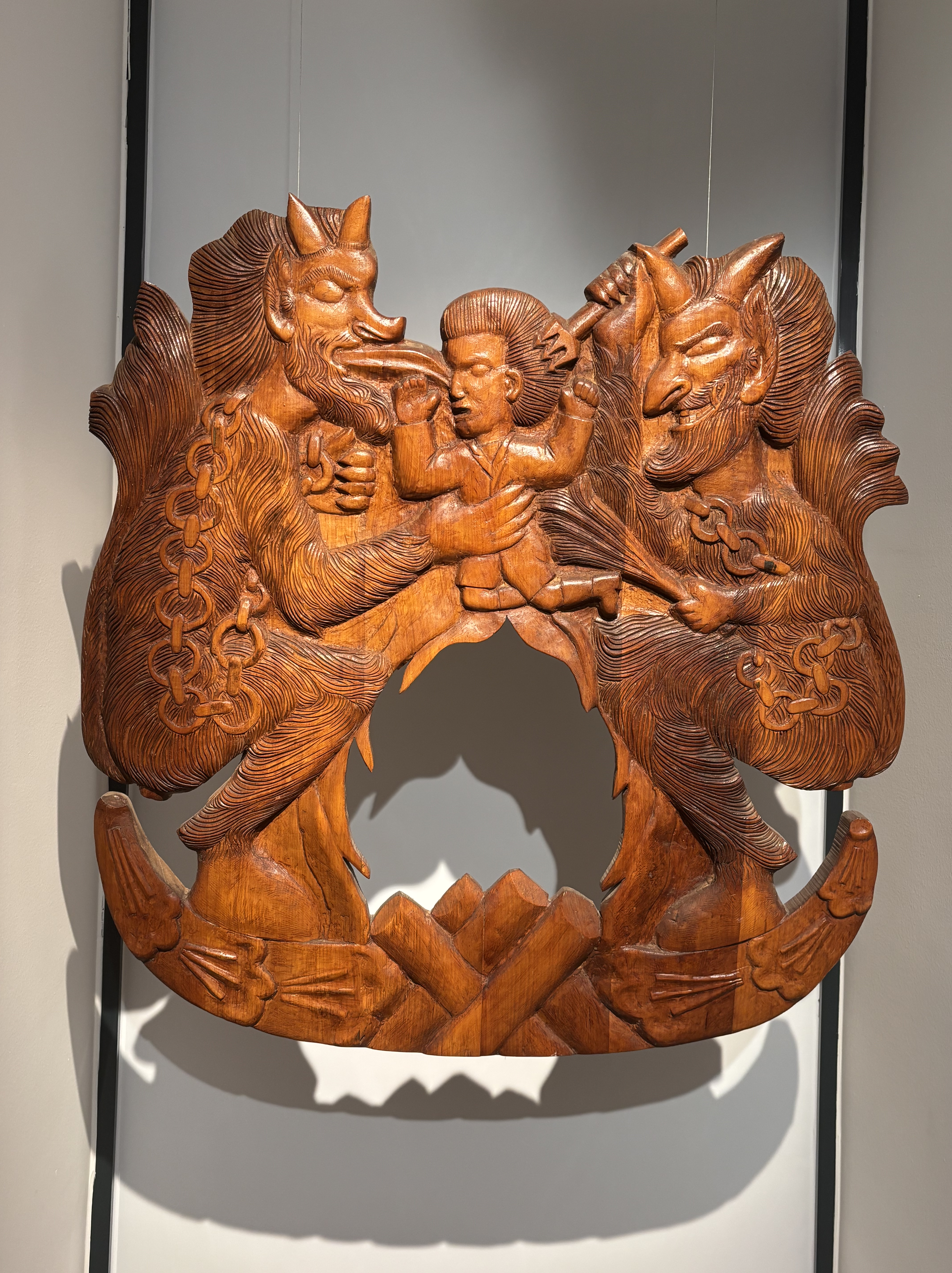
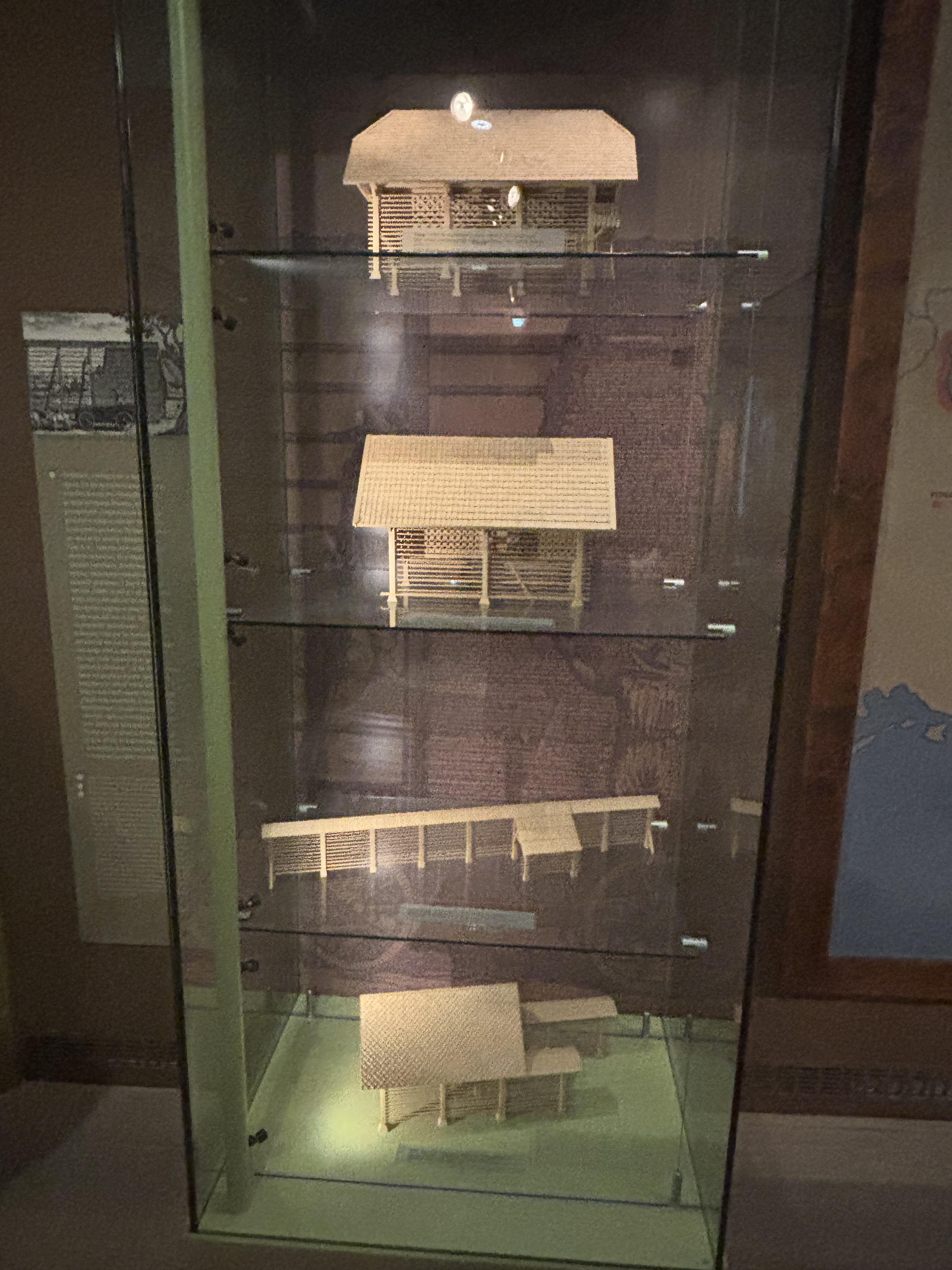
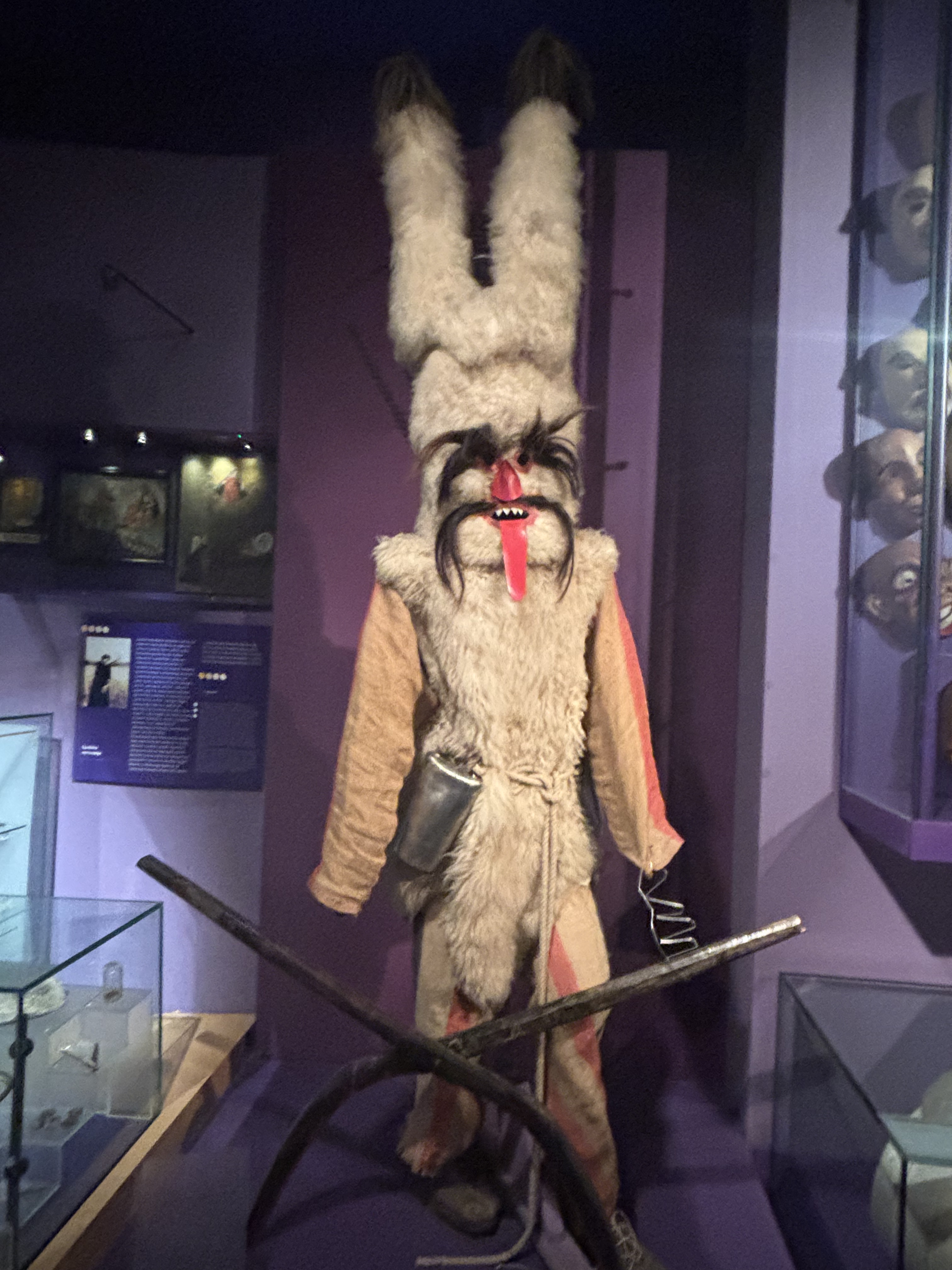
Given this history, it is remarkable that Slovenian cultural heritage has survived at all. However, forward-thinking individuals began collecting art and mementos (e.g., traditional dress, books, hayracks) to document their cultural heritage more than a century before they had a museum to house any of it. Not coincidentally, the very modern and thought-provoking Slovenian Ethnographic Museum now features a lengthy exhibit on Native Americans and other tribal societies around the world that also have managed to preserve their cultural identity despite centuries of occupation by outsiders and unsuccessful mandates to assimilate.
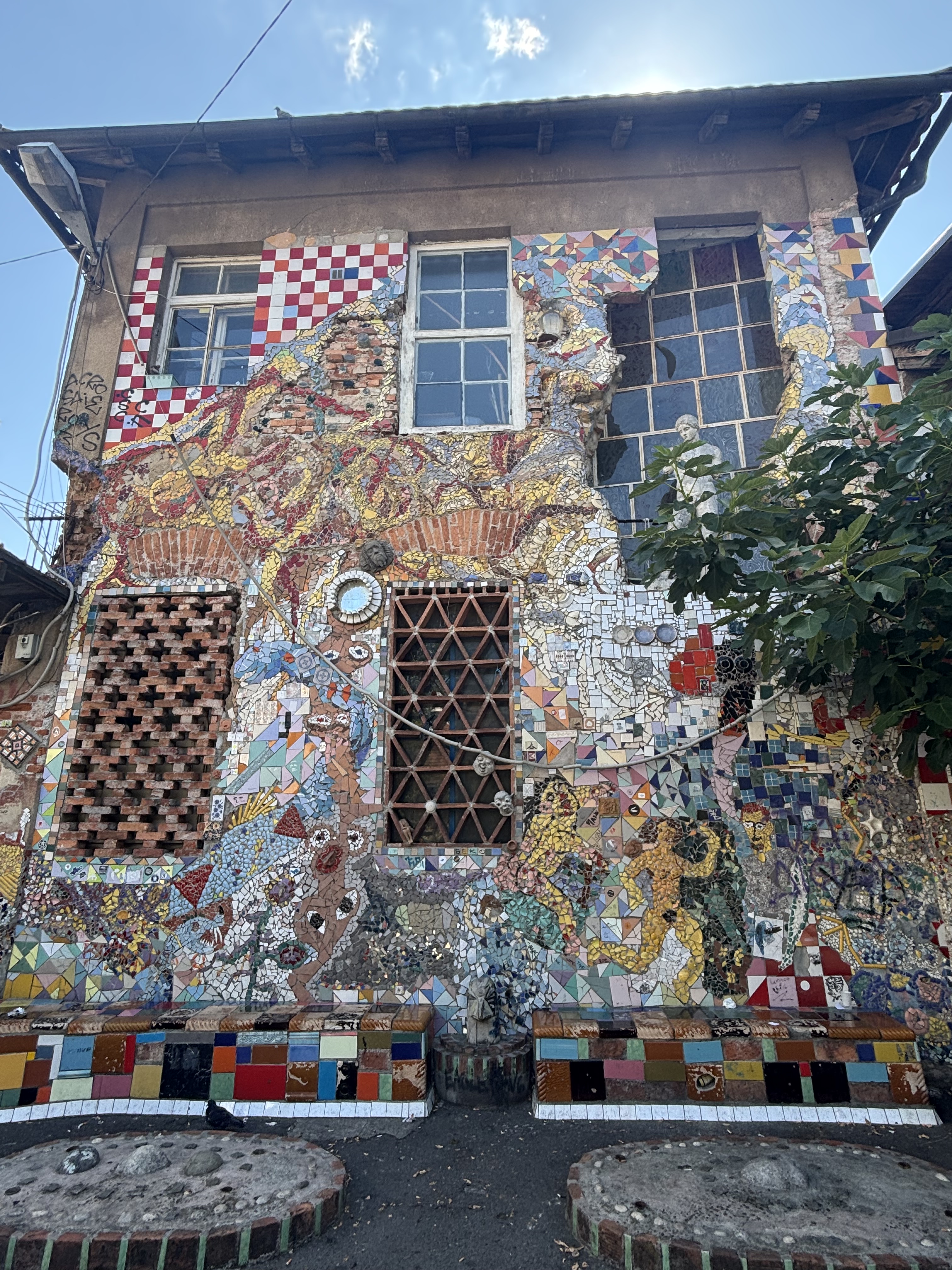
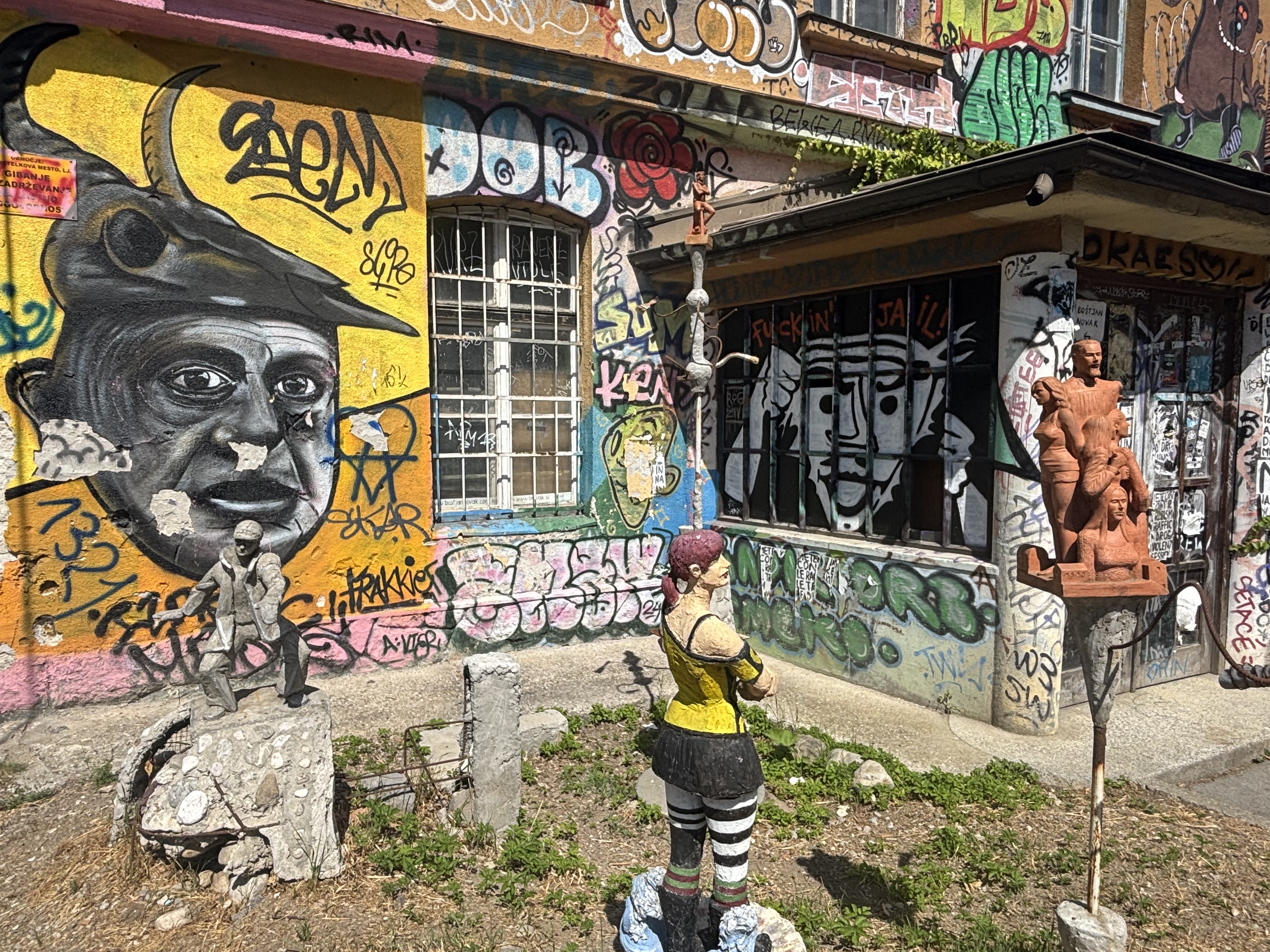
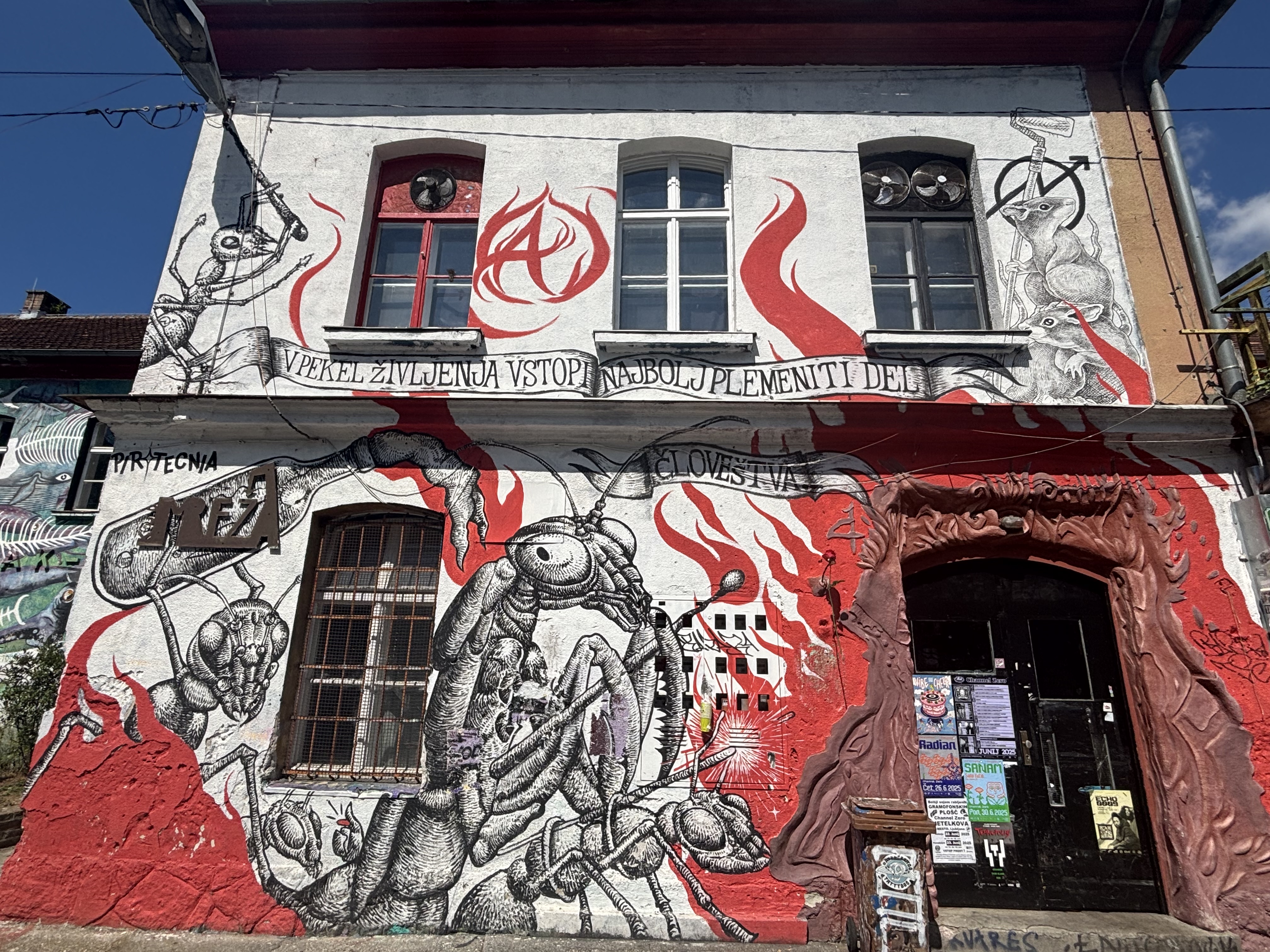
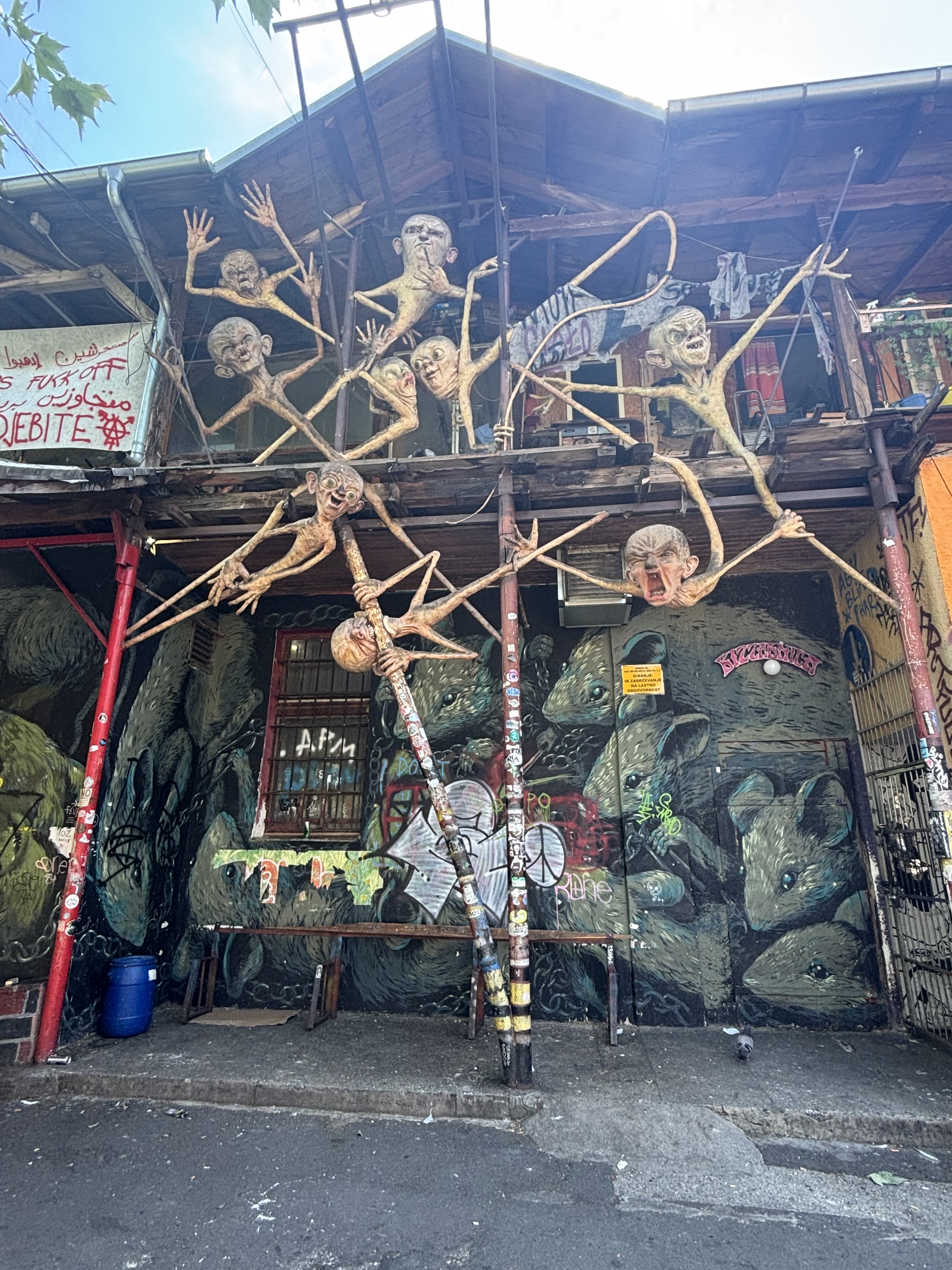
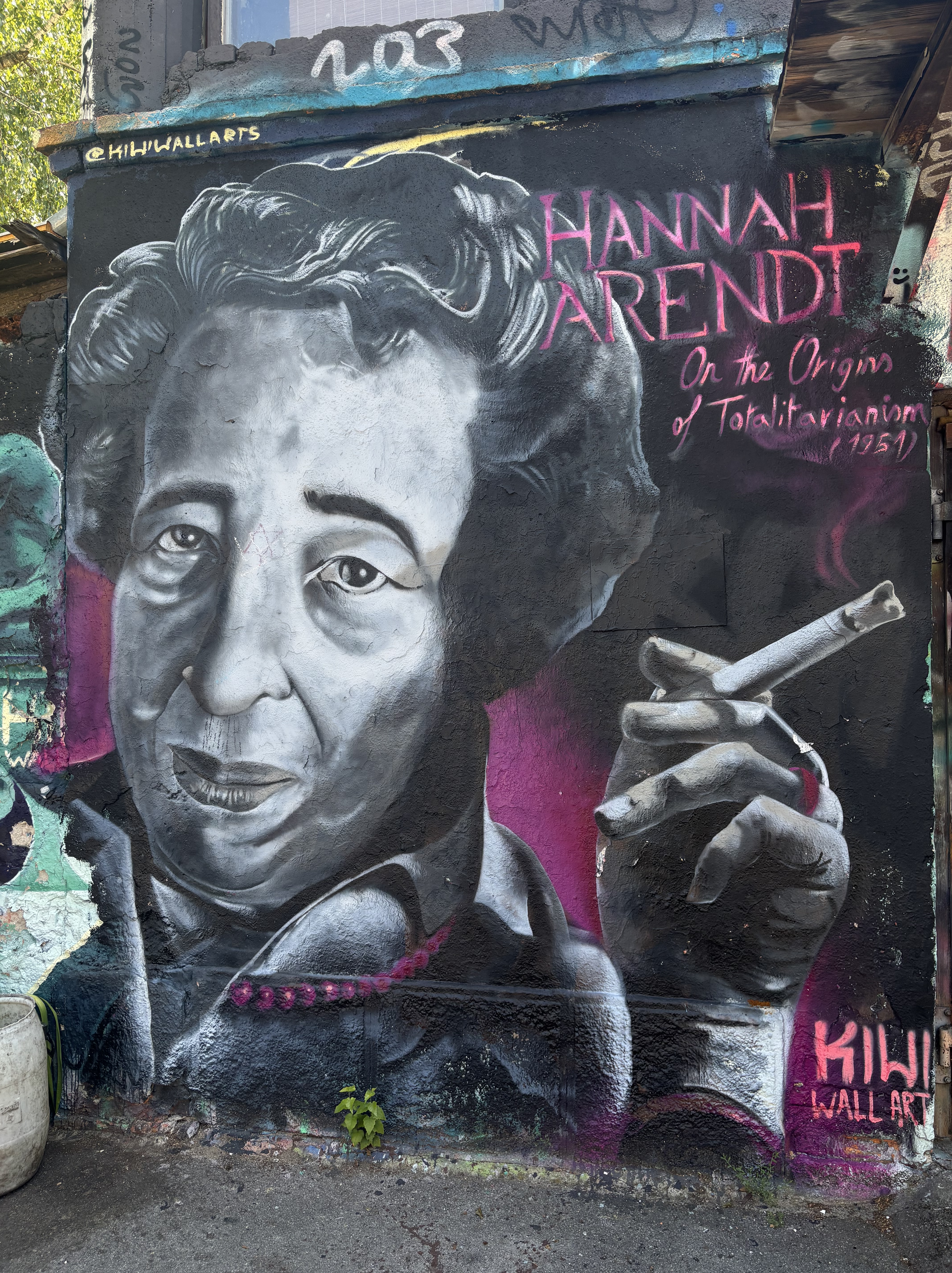
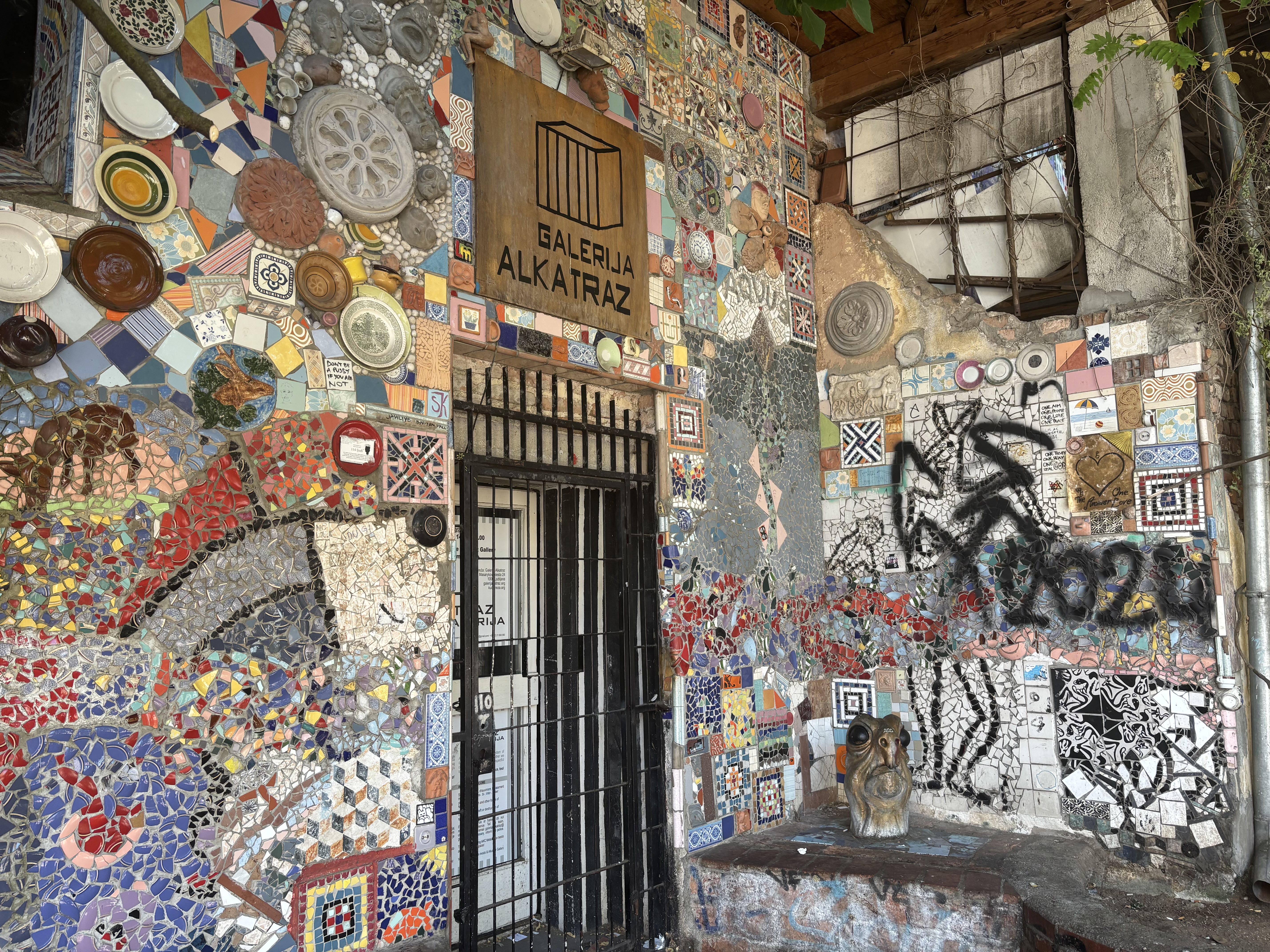
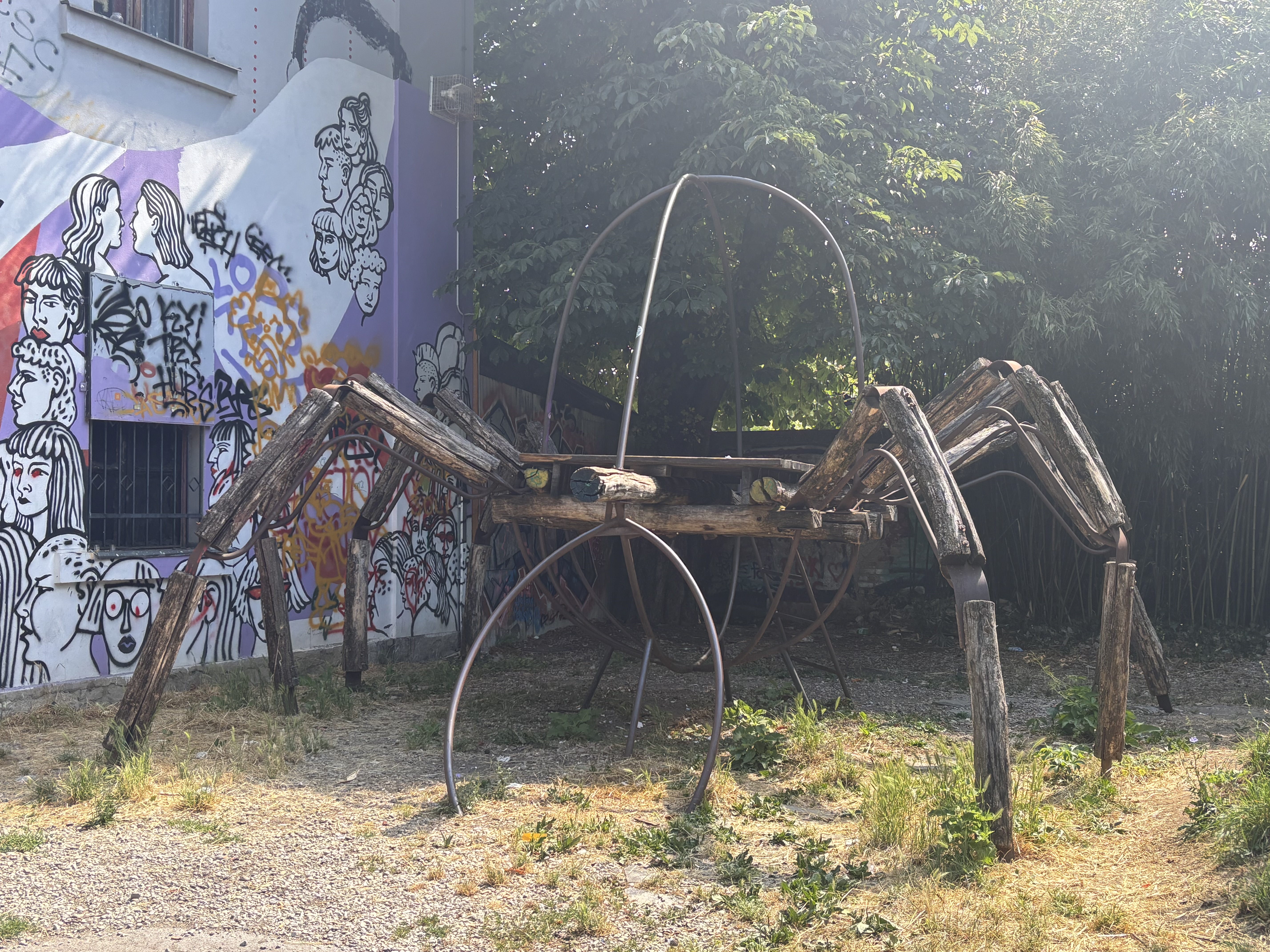
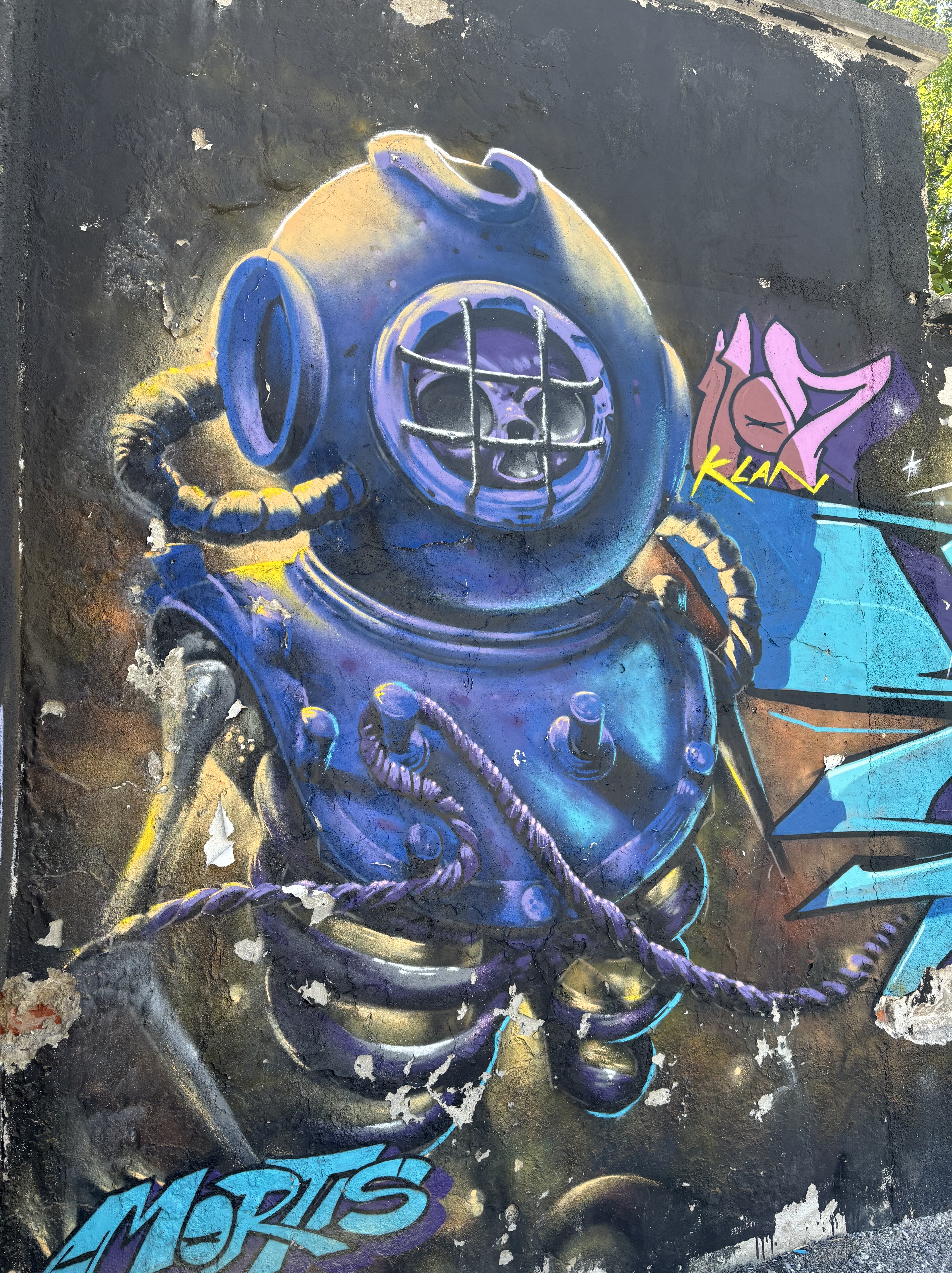
Ljubljana also has a long history of underground counterculture and appreciation for the arts. It was one of the first cities in Europe to embrace the punk movement and hosts a well-known jazz festival each summer. Street art thrives here. When Yugoslavia granted Slovenia its independence in 1991, the abandoned former headquarters of the Yugoslavian Army was taken over by squatters representing more than 200 alternative and youth organizations; to this day, AKC Metelkova remains an autonomous artist and activist enclave that still is not formally recognized by the city as legitimate. Likewise, the country’s declaration of national independence was deliberately announced by a poet instead of a politician.
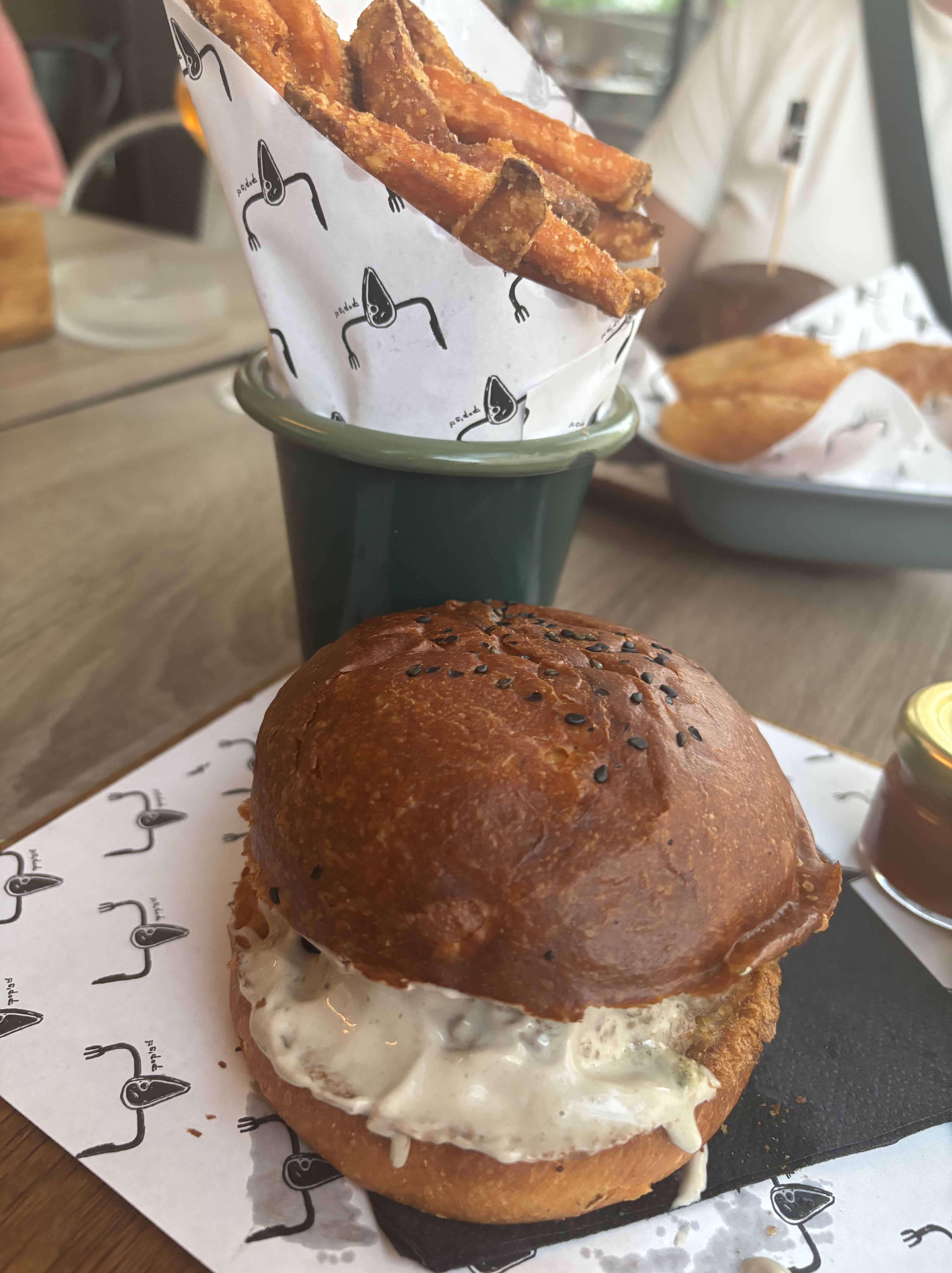
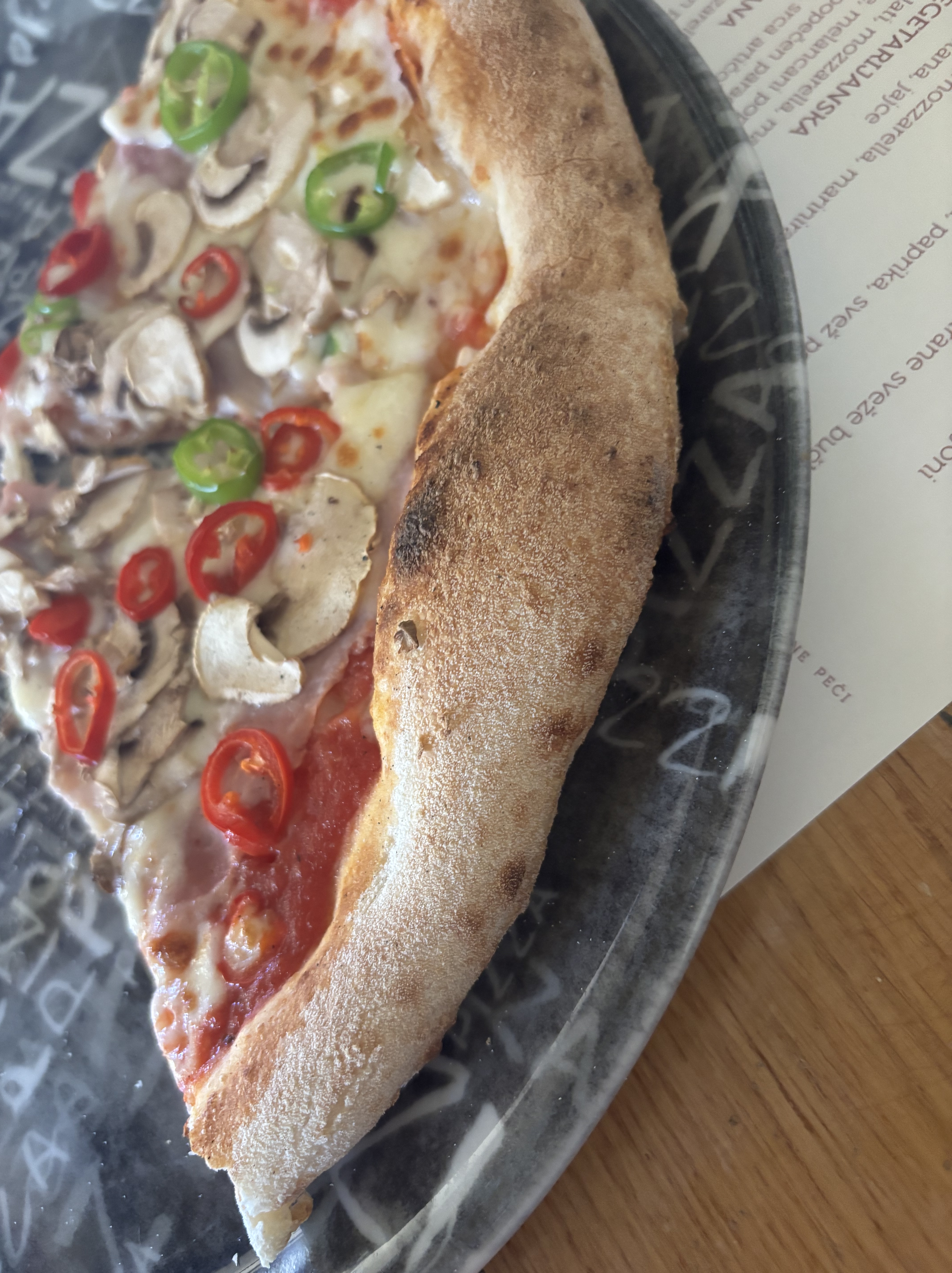
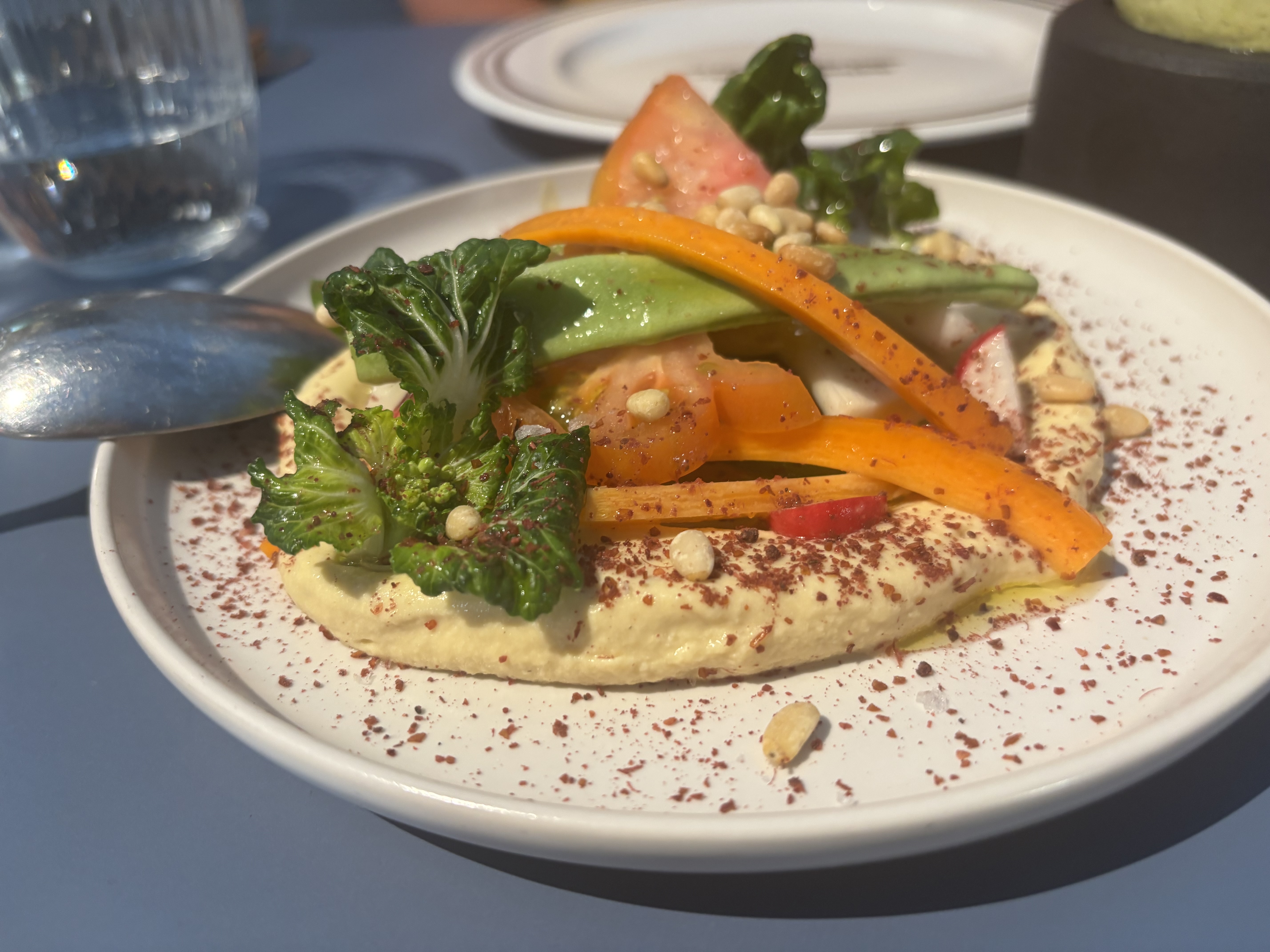
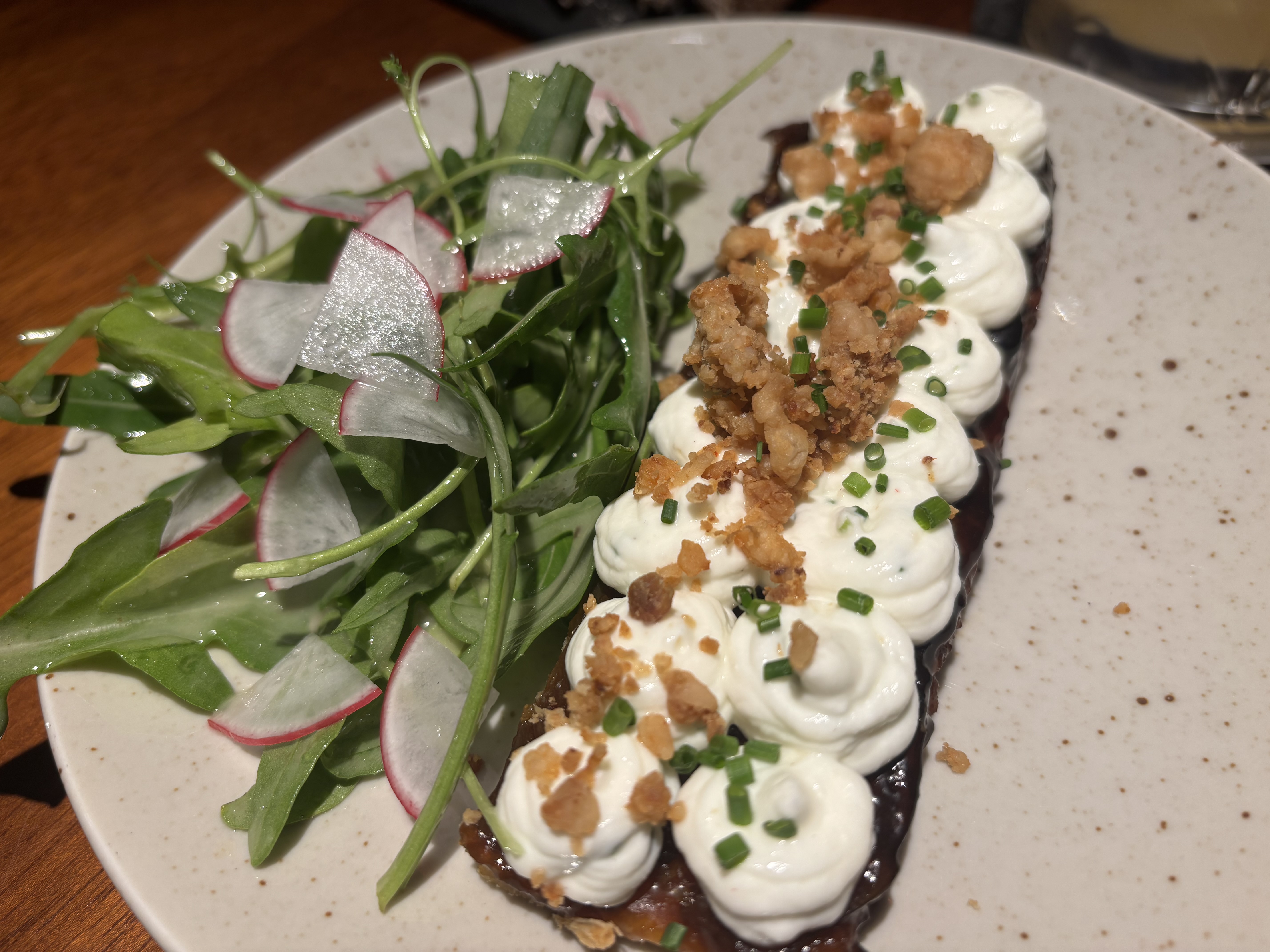
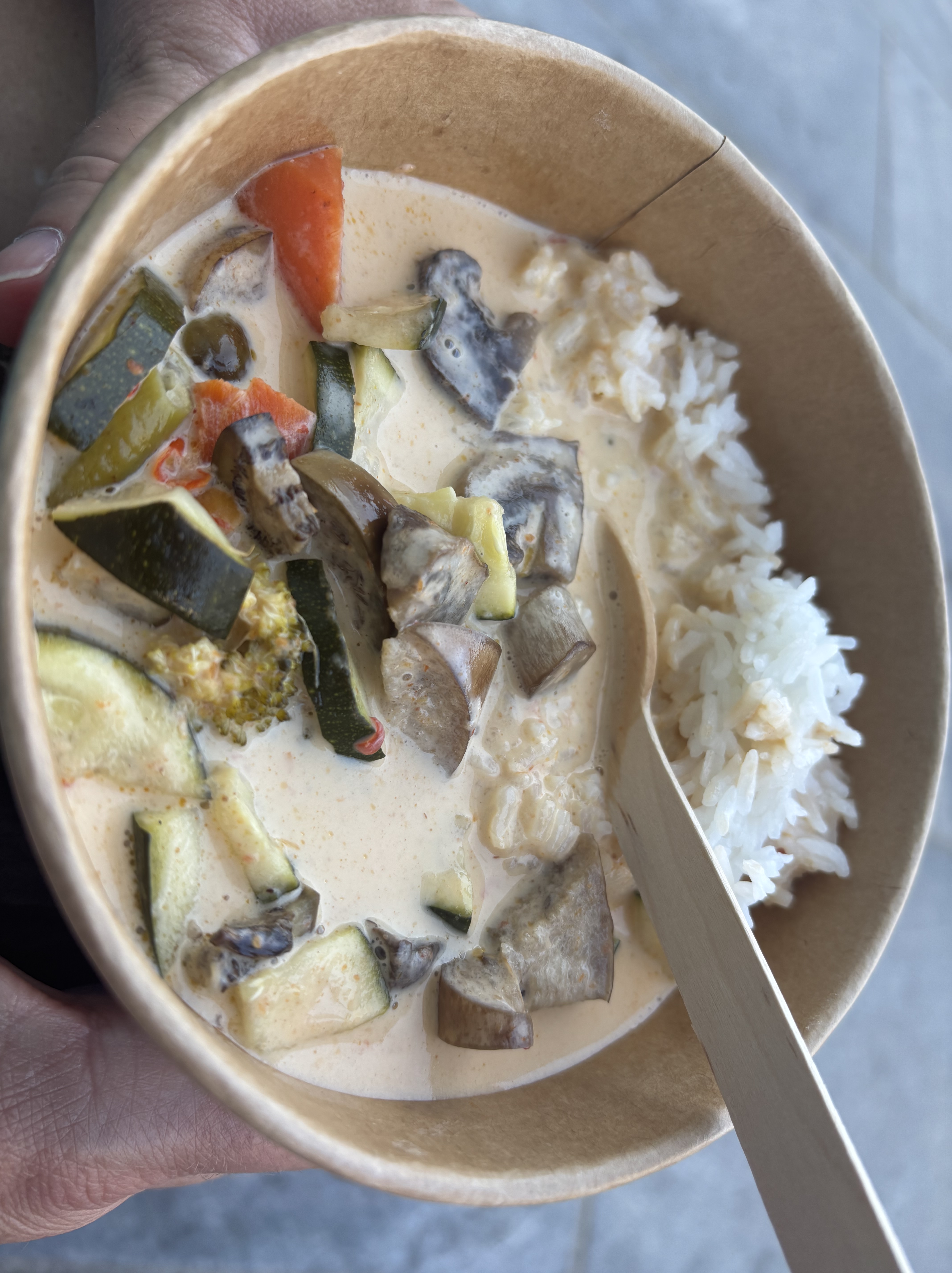
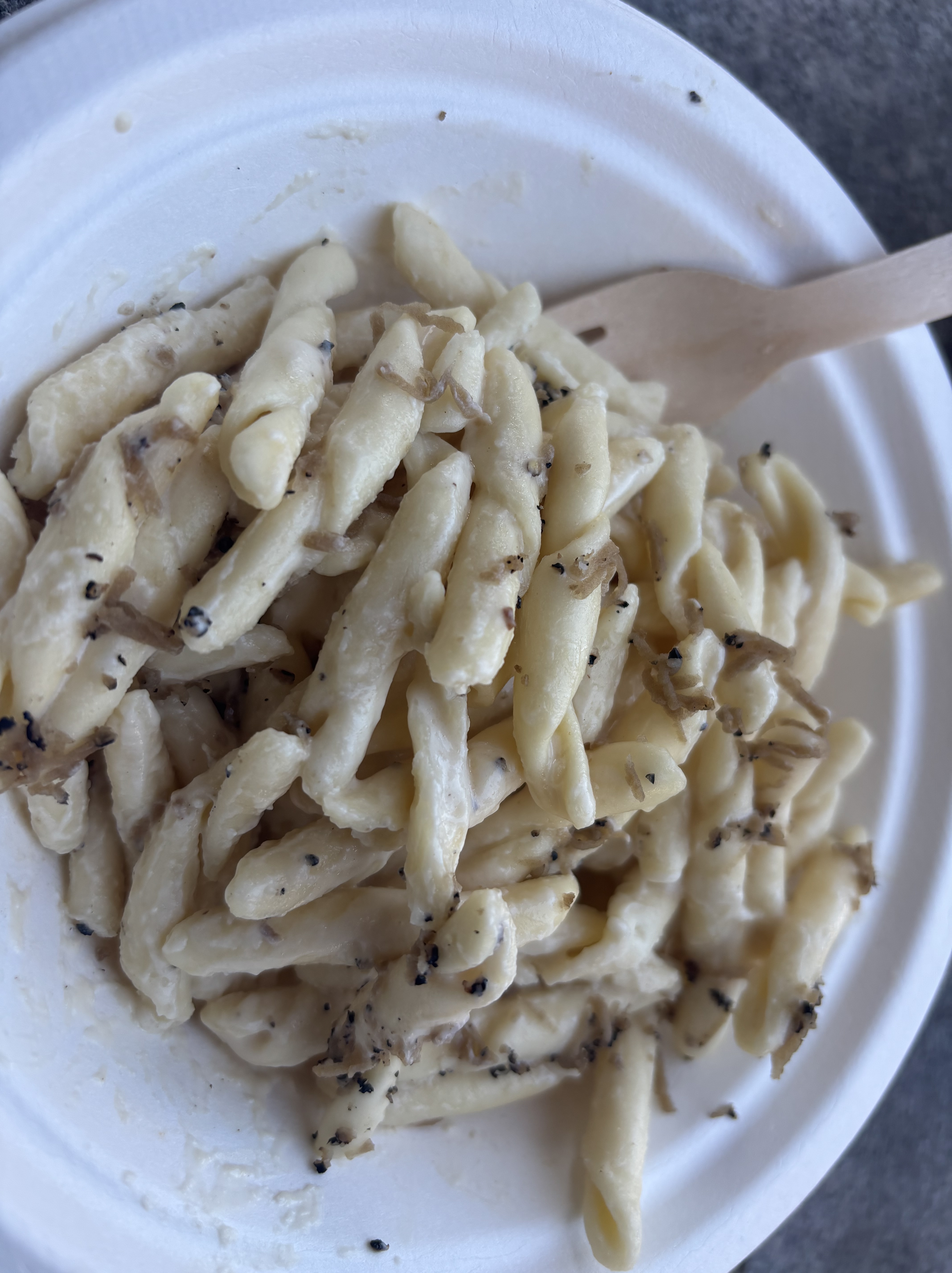
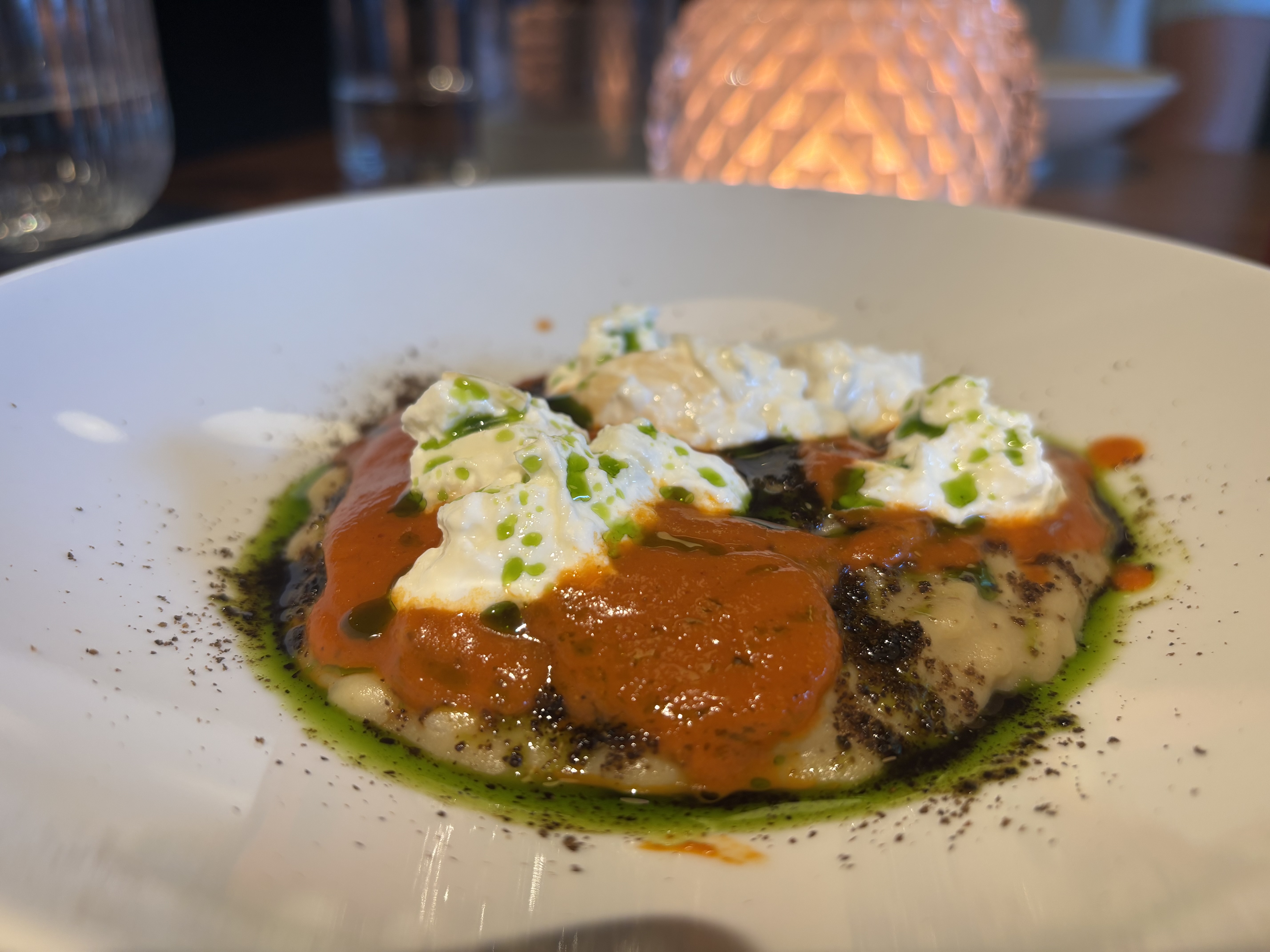
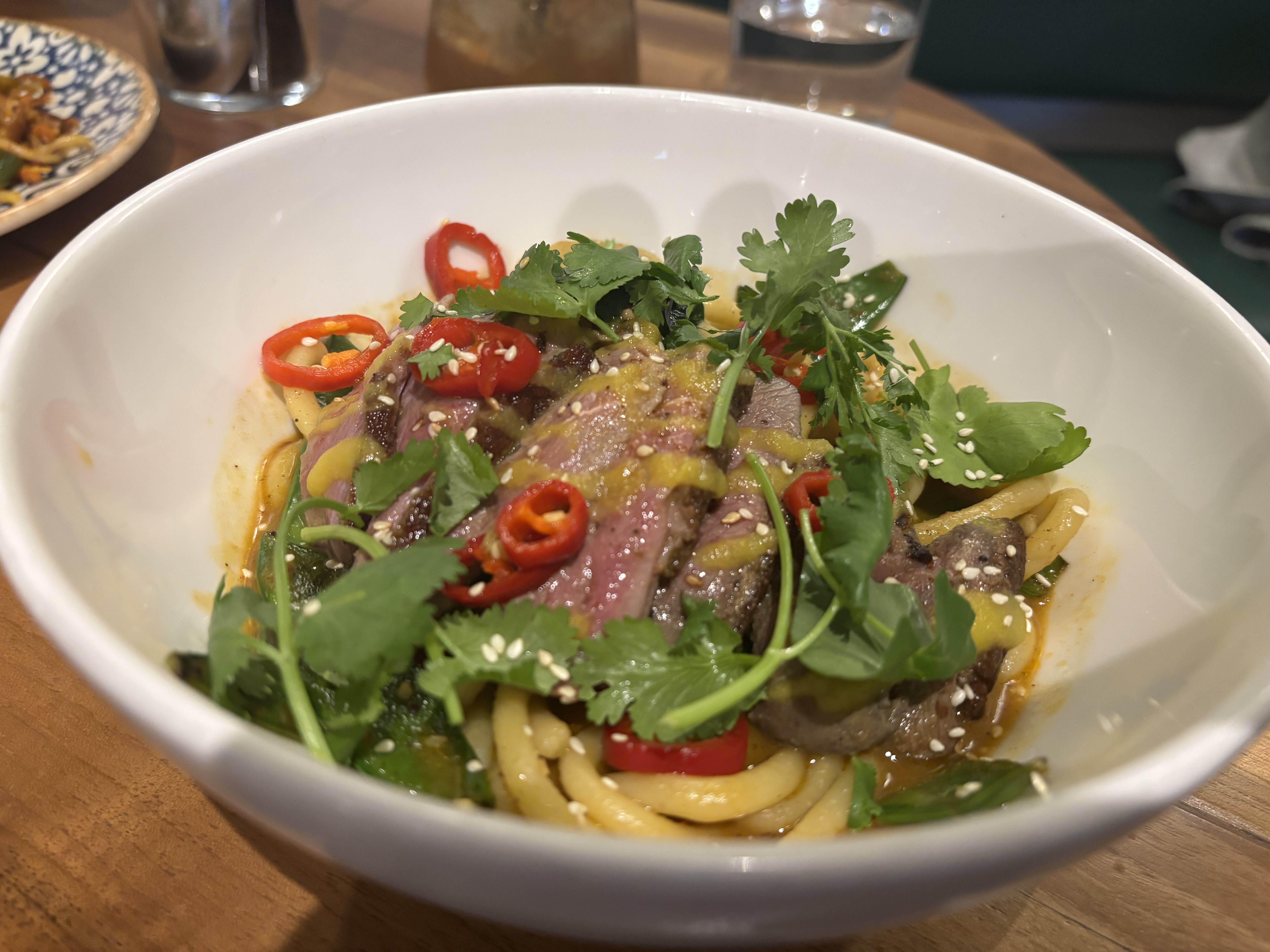
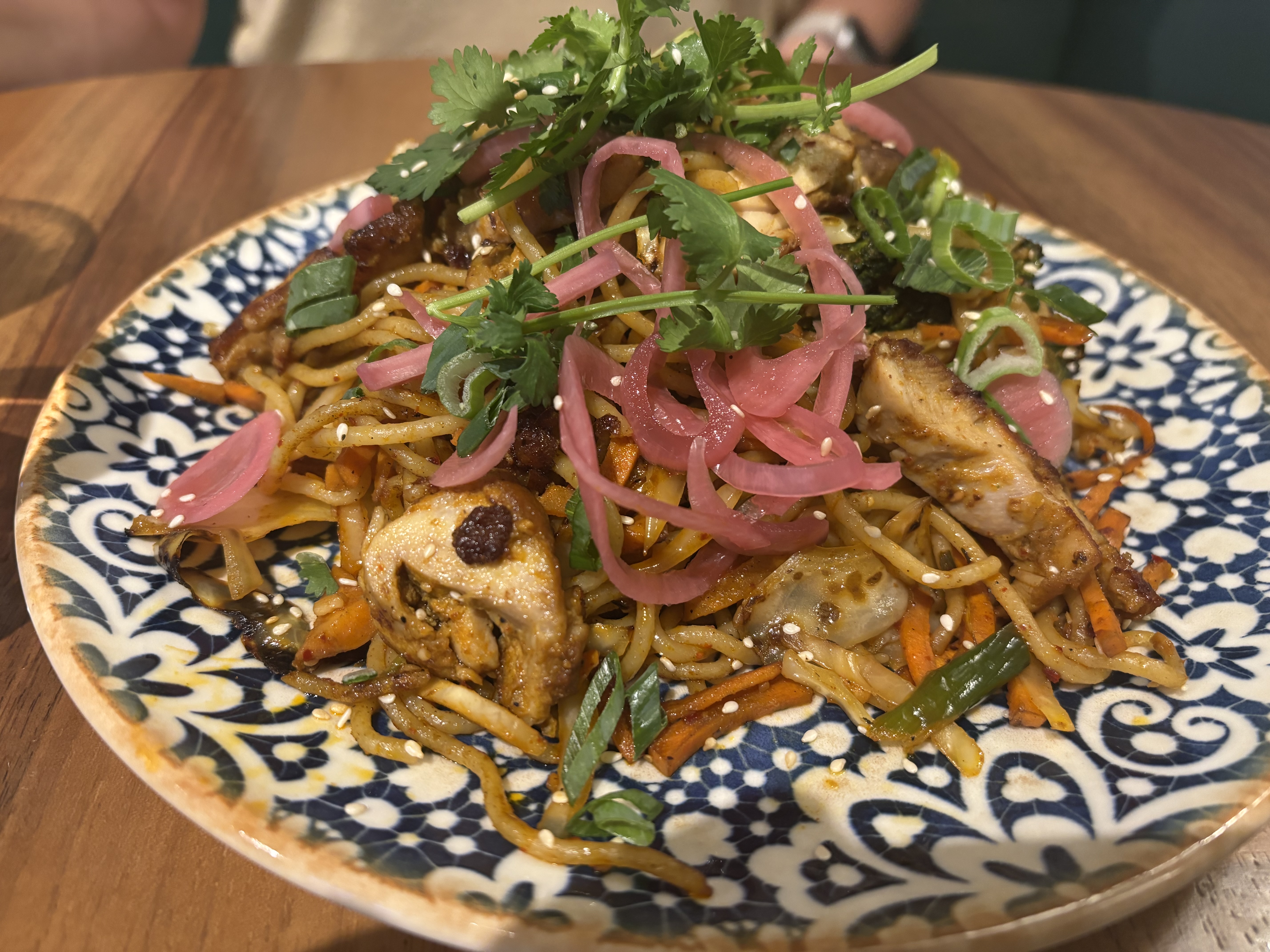
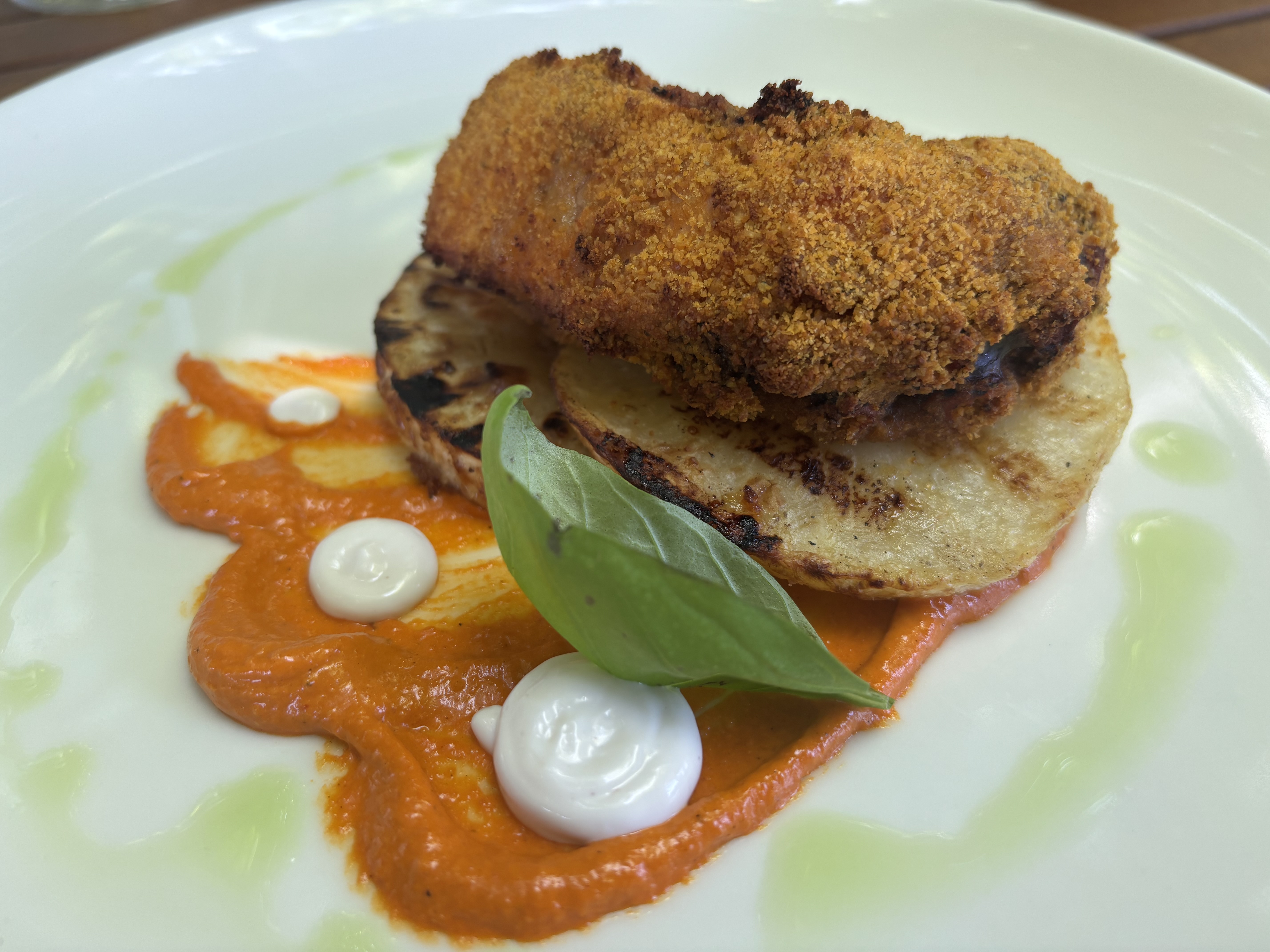
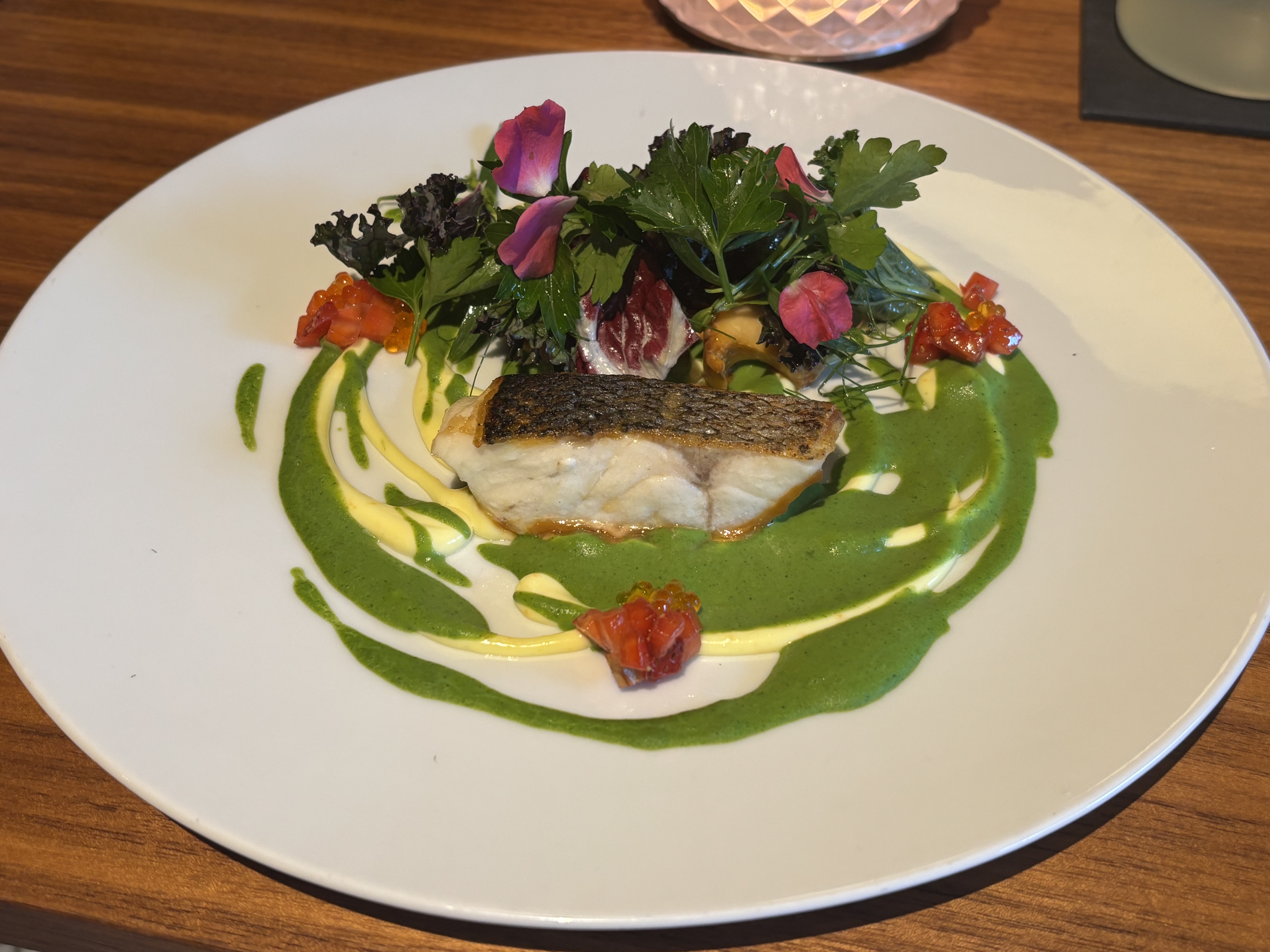
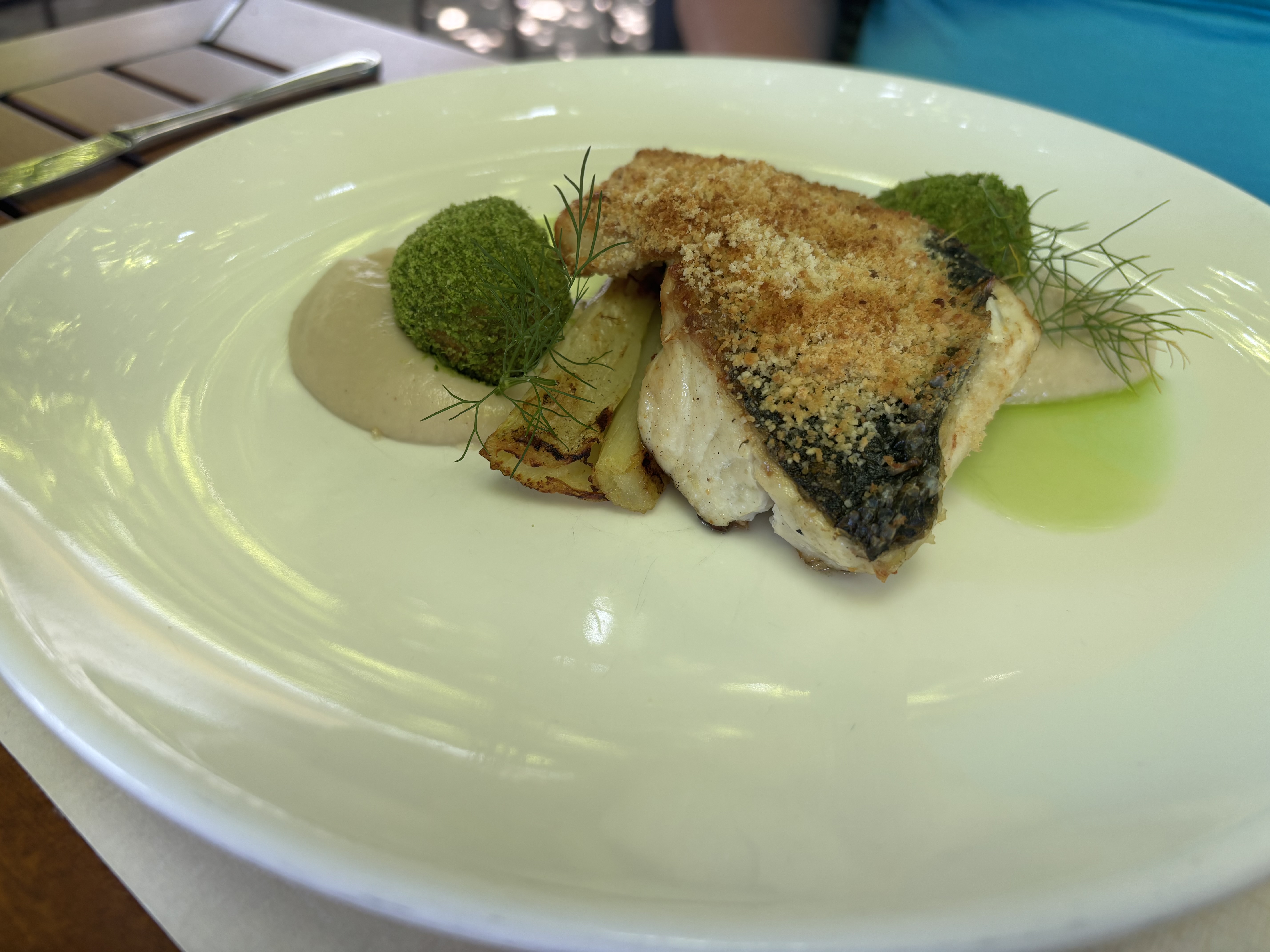
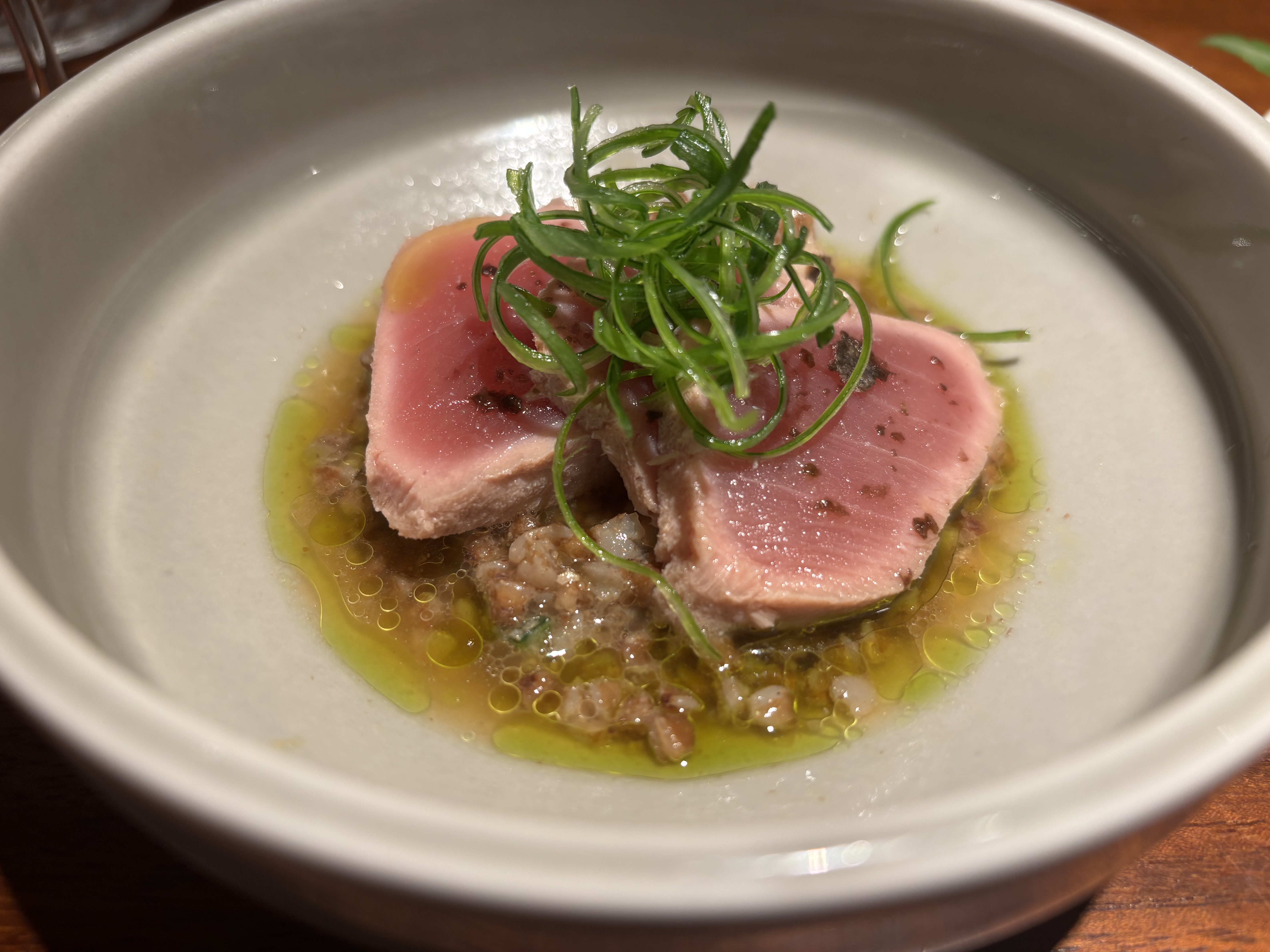
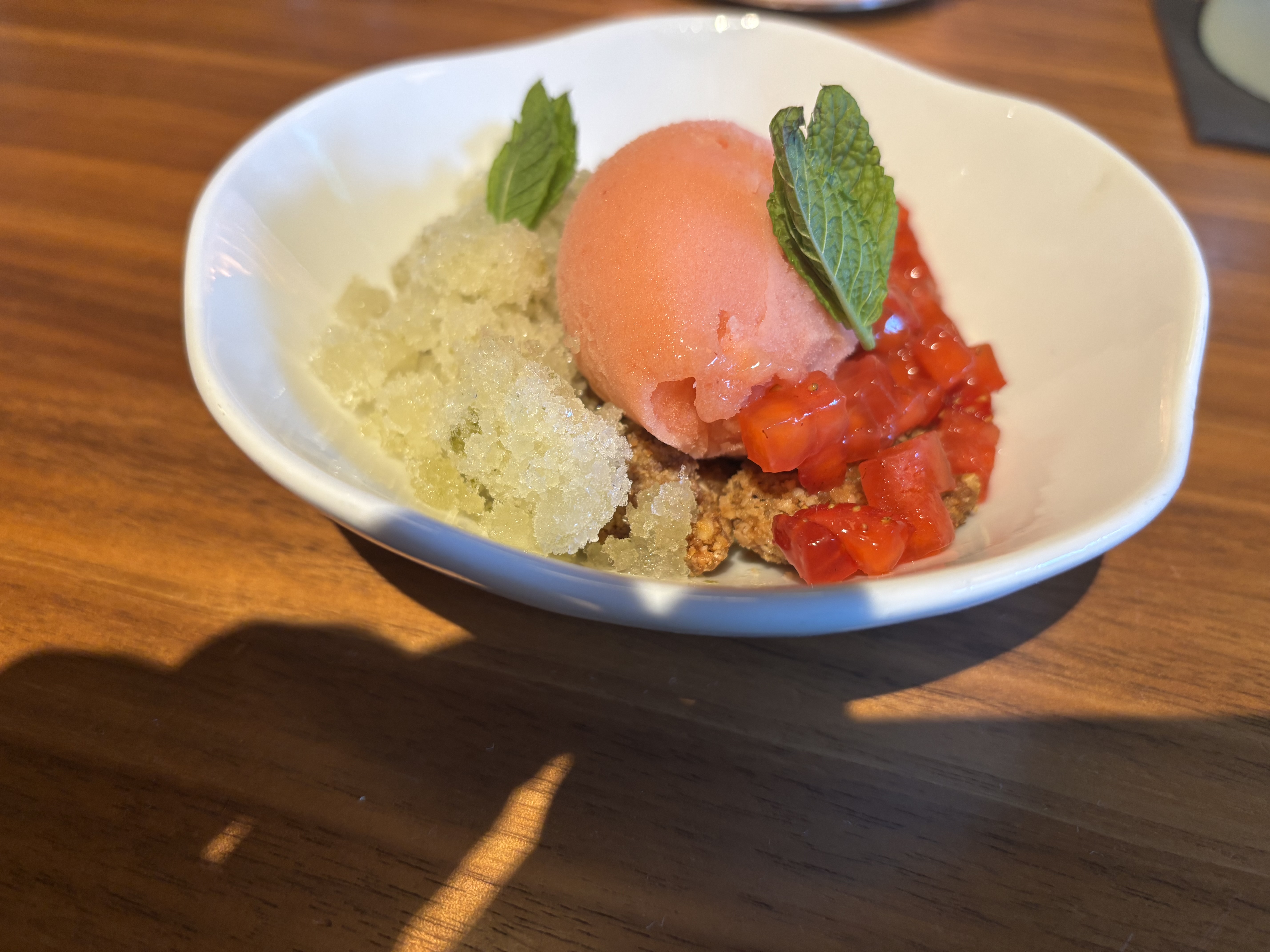
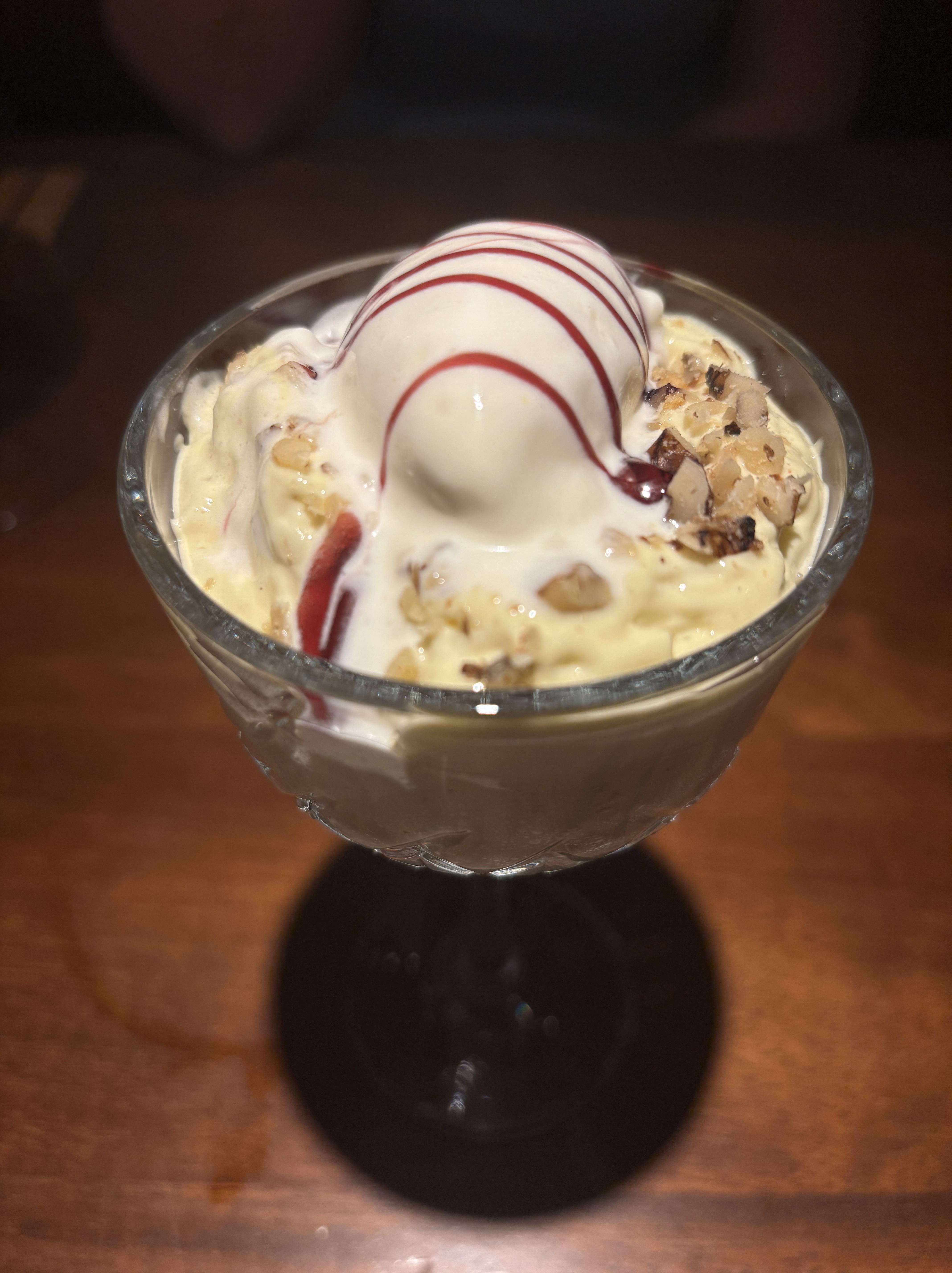
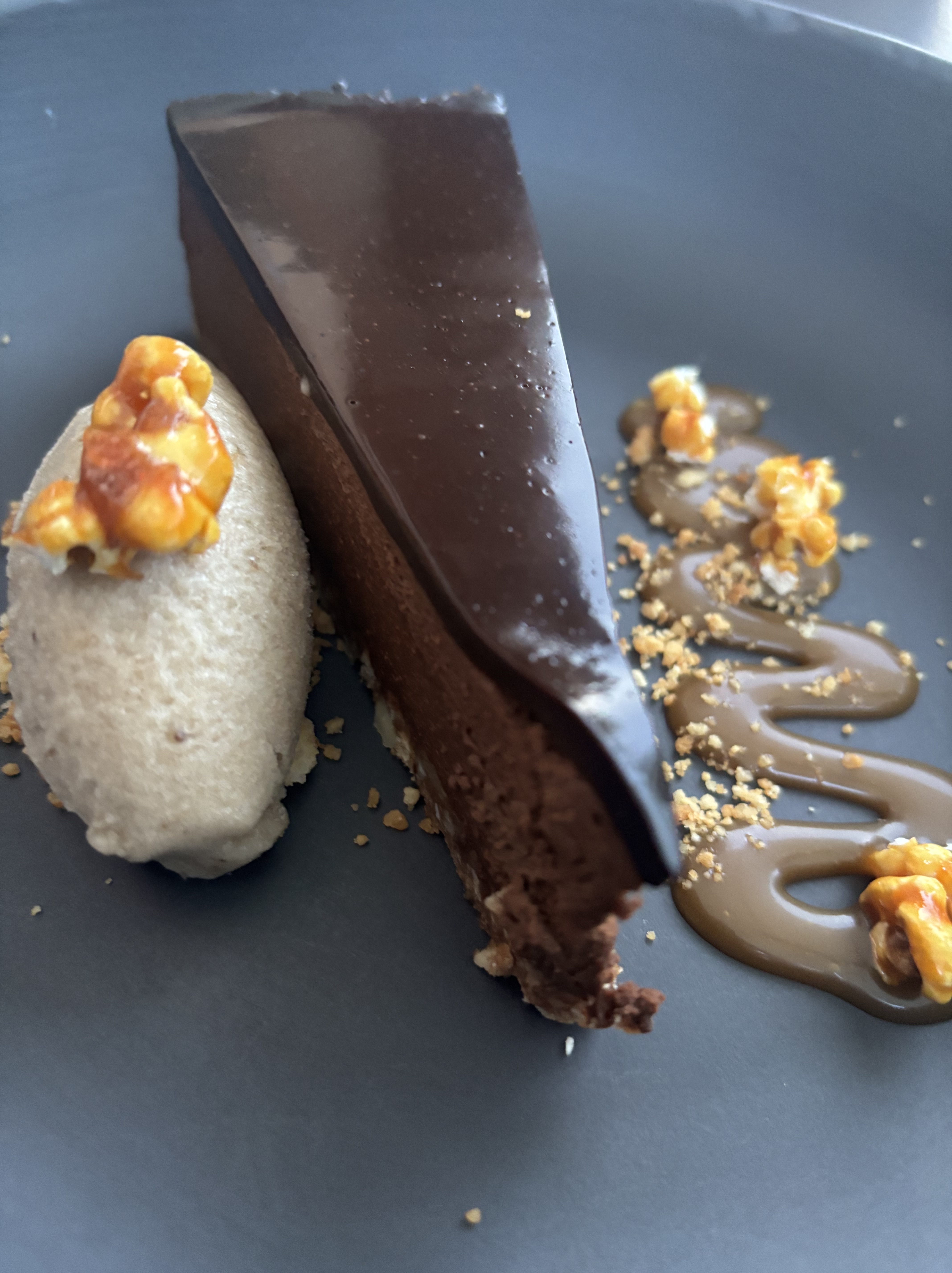
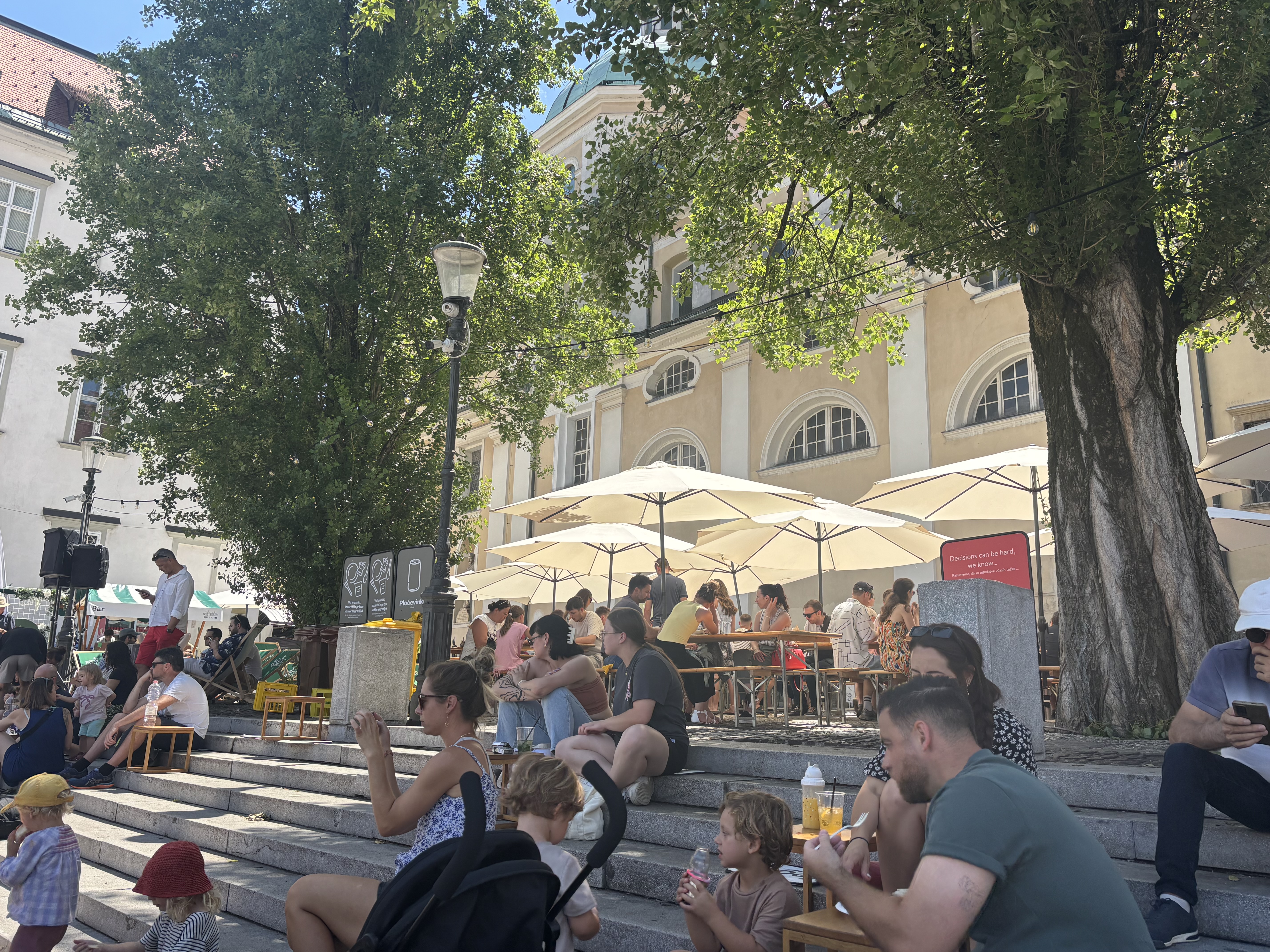
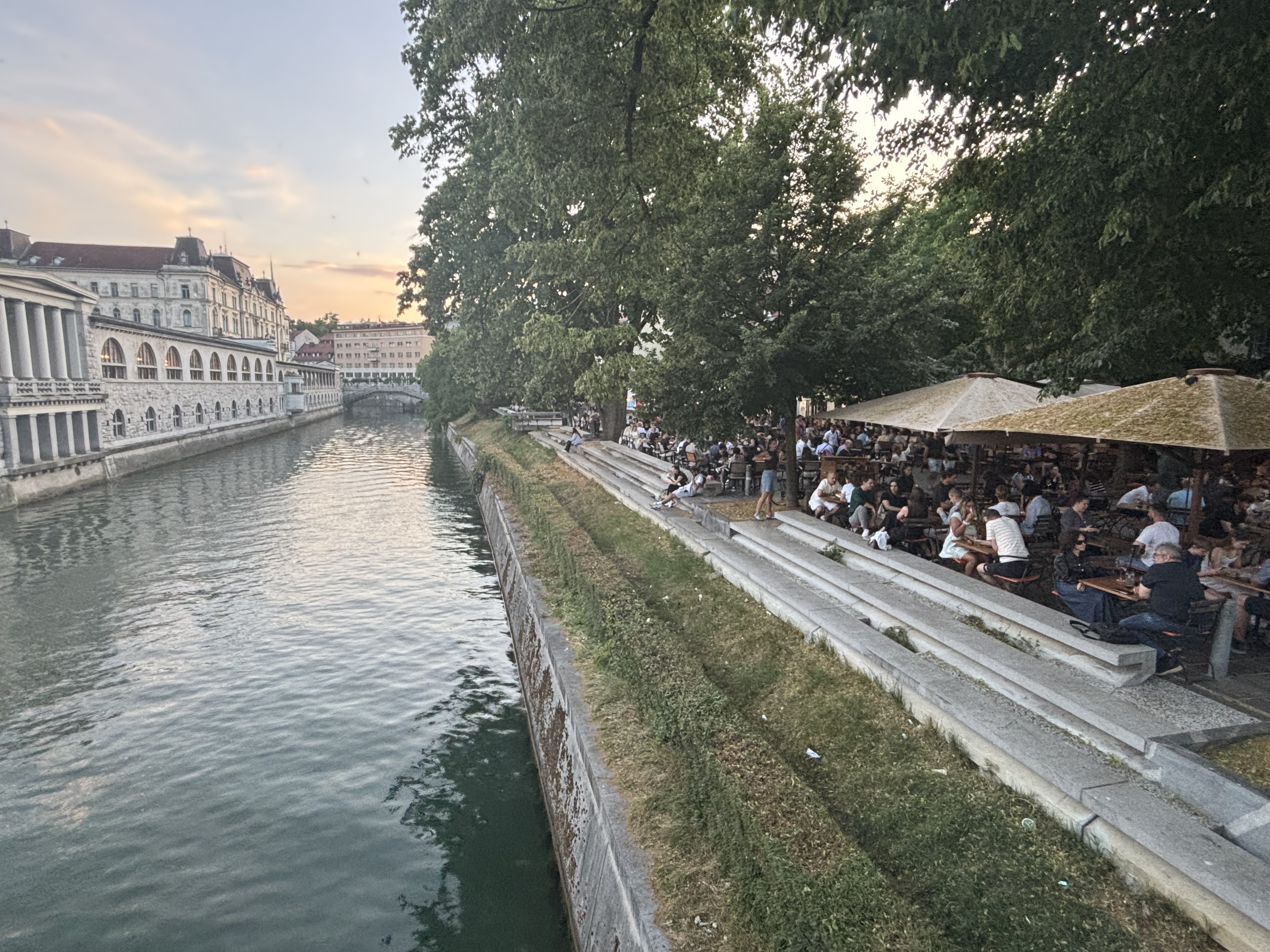
To the casual observer, life in Ljubljana today mostly consists of eating and drinking with friends on patios along the riverfront when you’re not being active in nature. Due to its physical location and its extensive history of occupation by foreigners, Ljubljana blends the best aspects of the Austrian, Italian and Slavic dining scene. Think pizza, pasta, schnitzel, strudel, seafood, cheeses and smoked meats. Slovenian wine and beer are quite good and reasonably priced. International cuisine (including Thai, Indian, Egyptian, Japanese and Tex-Mex!) is surprisingly good too. Cacio e pepe turnip? Yes, please. And every Friday, the best restaurants in the country participate in Odprna Kuhna (Open Kitchen), running pop-up stalls at the central market to showcase their fare. It is certainly possible to spend more, but a nice dinner generally costs anywhere from half to a quarter of what we would pay for a similar meal in Tulsa.
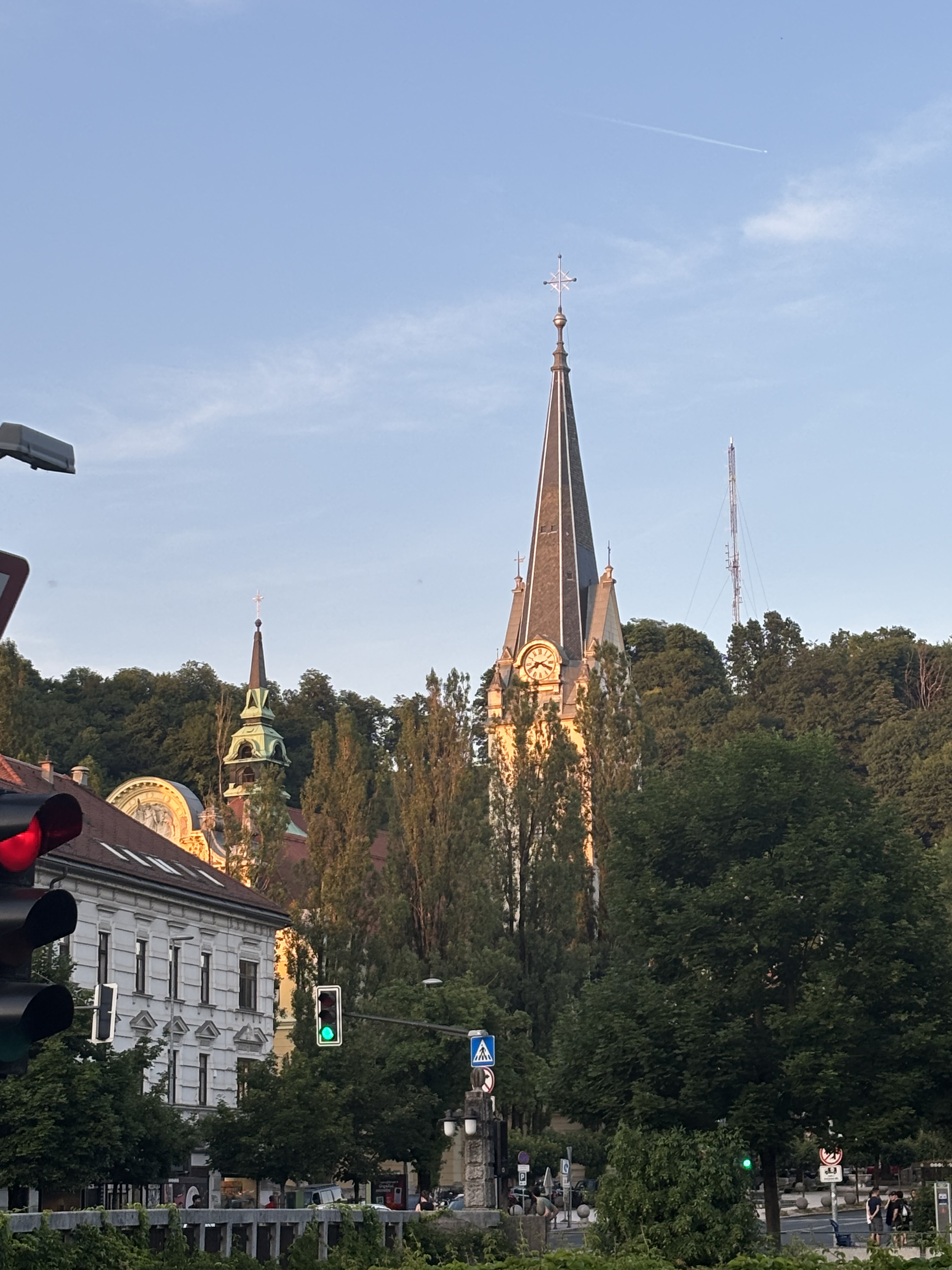
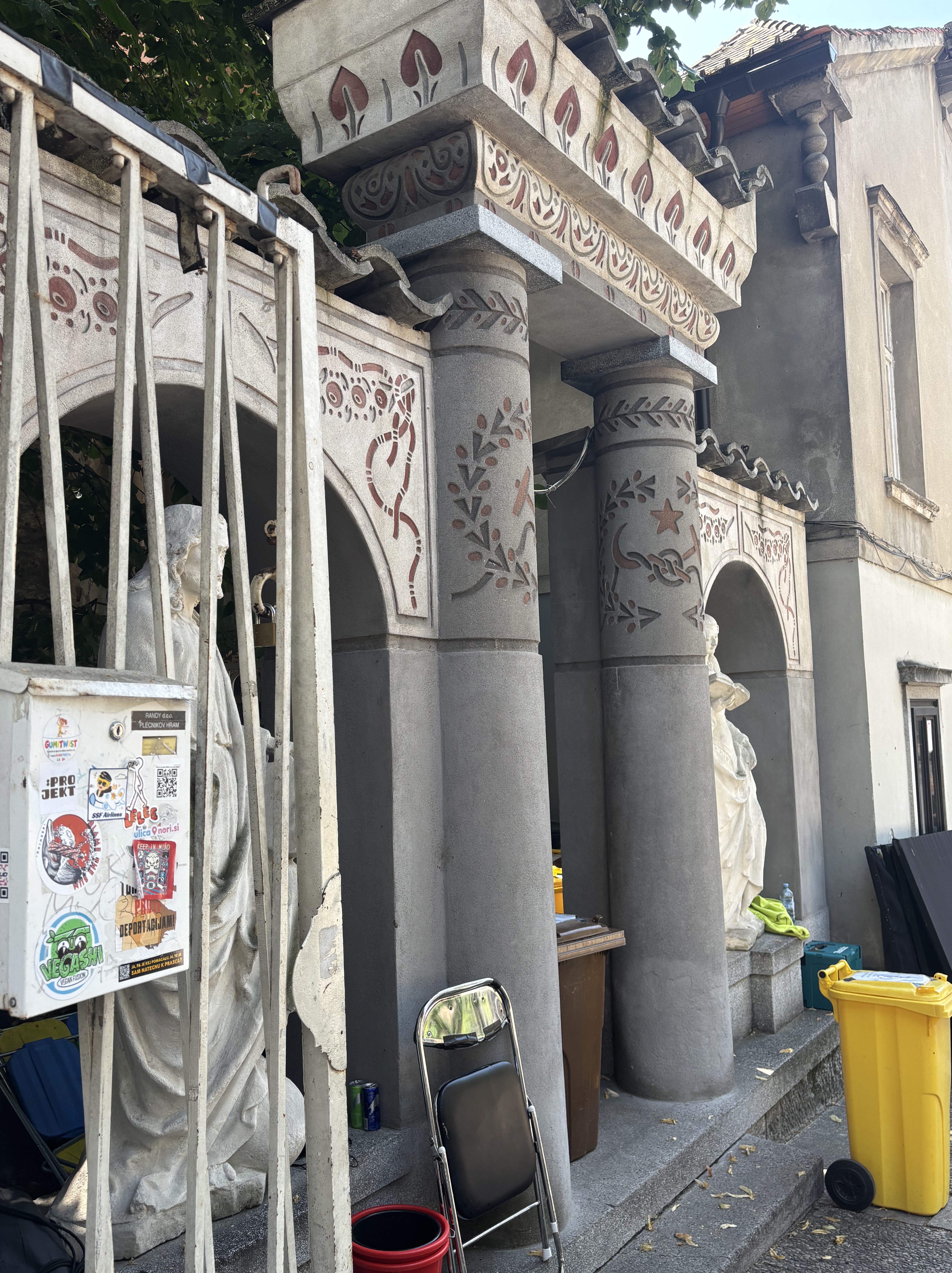
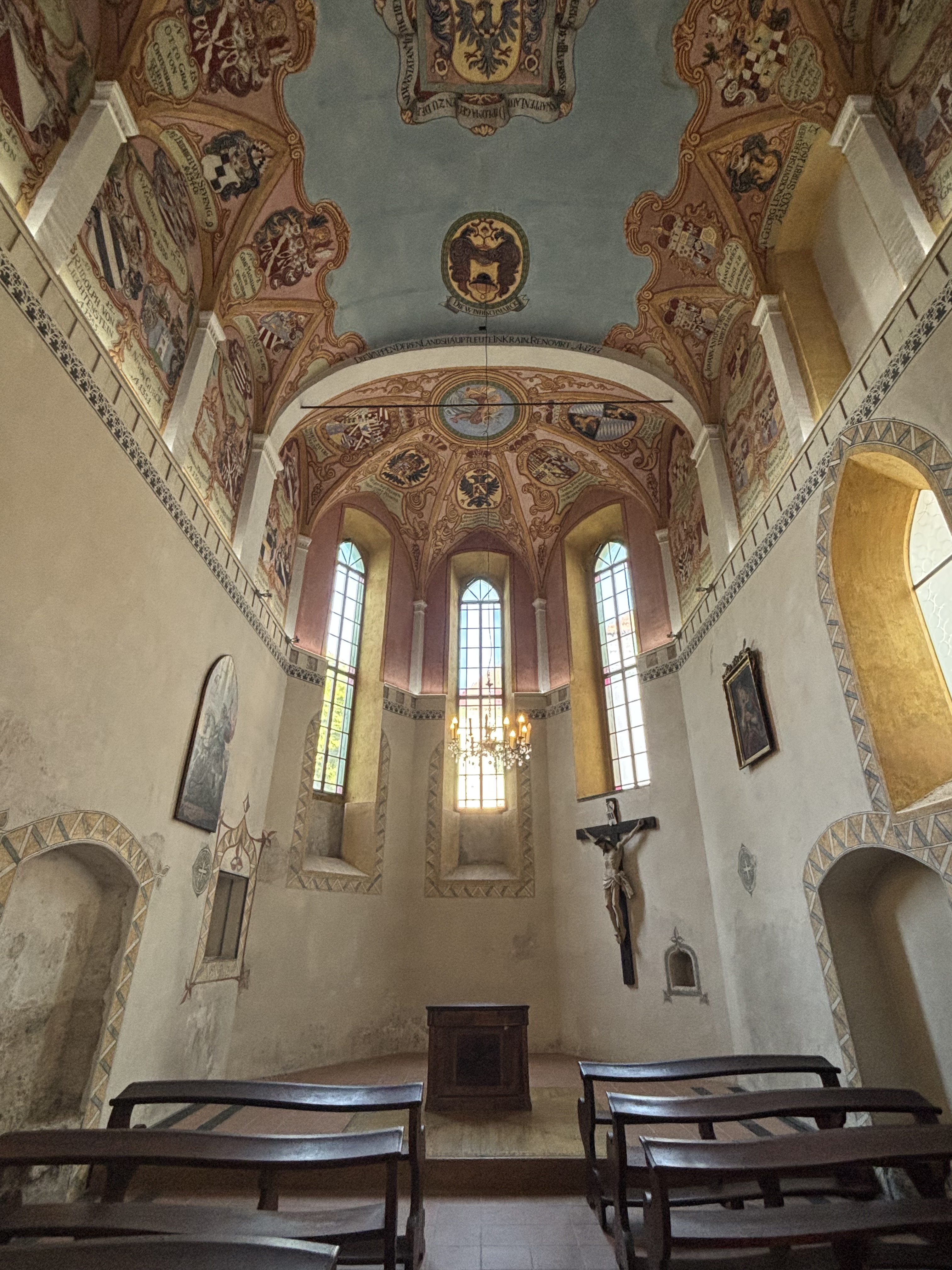
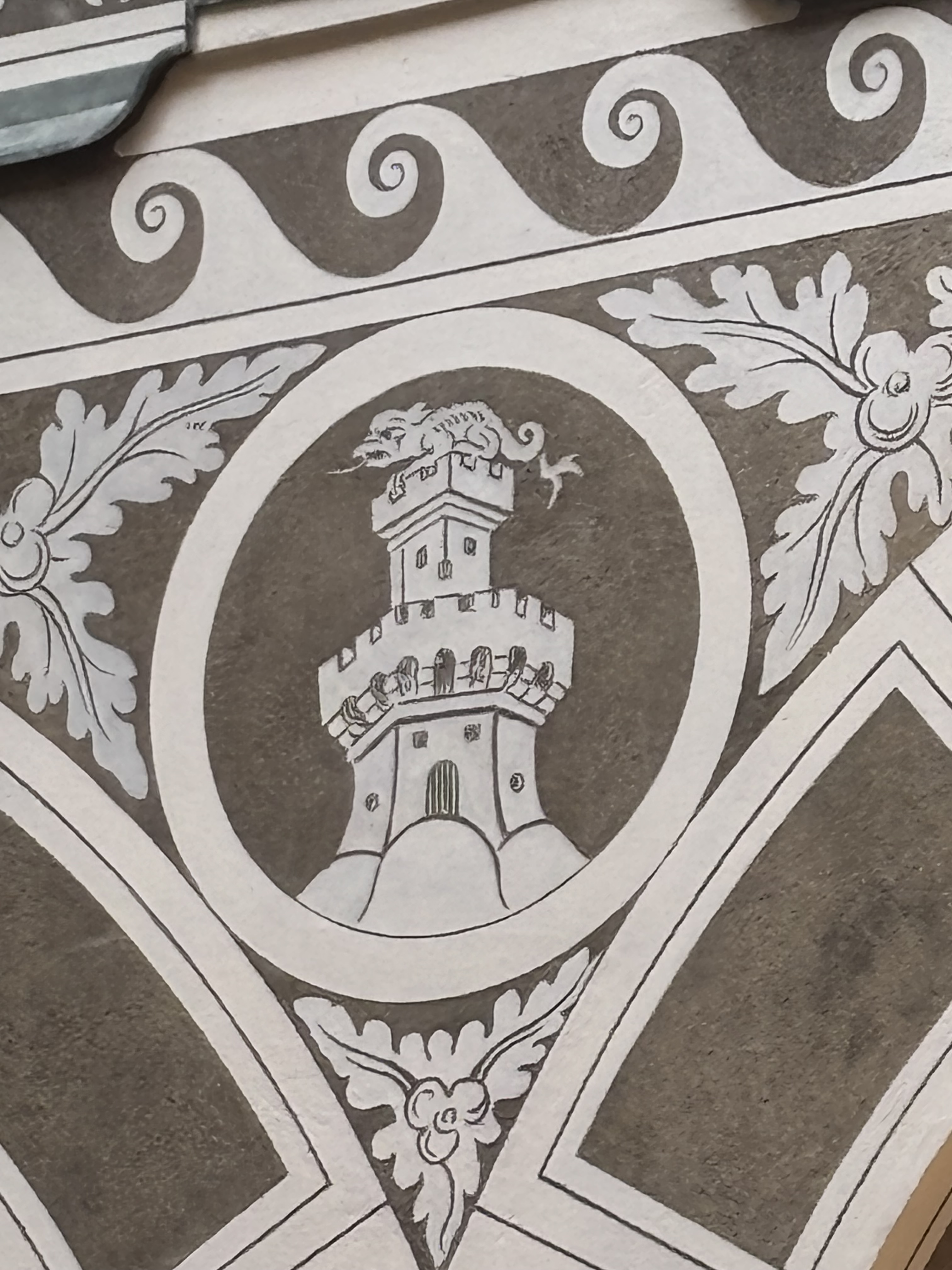
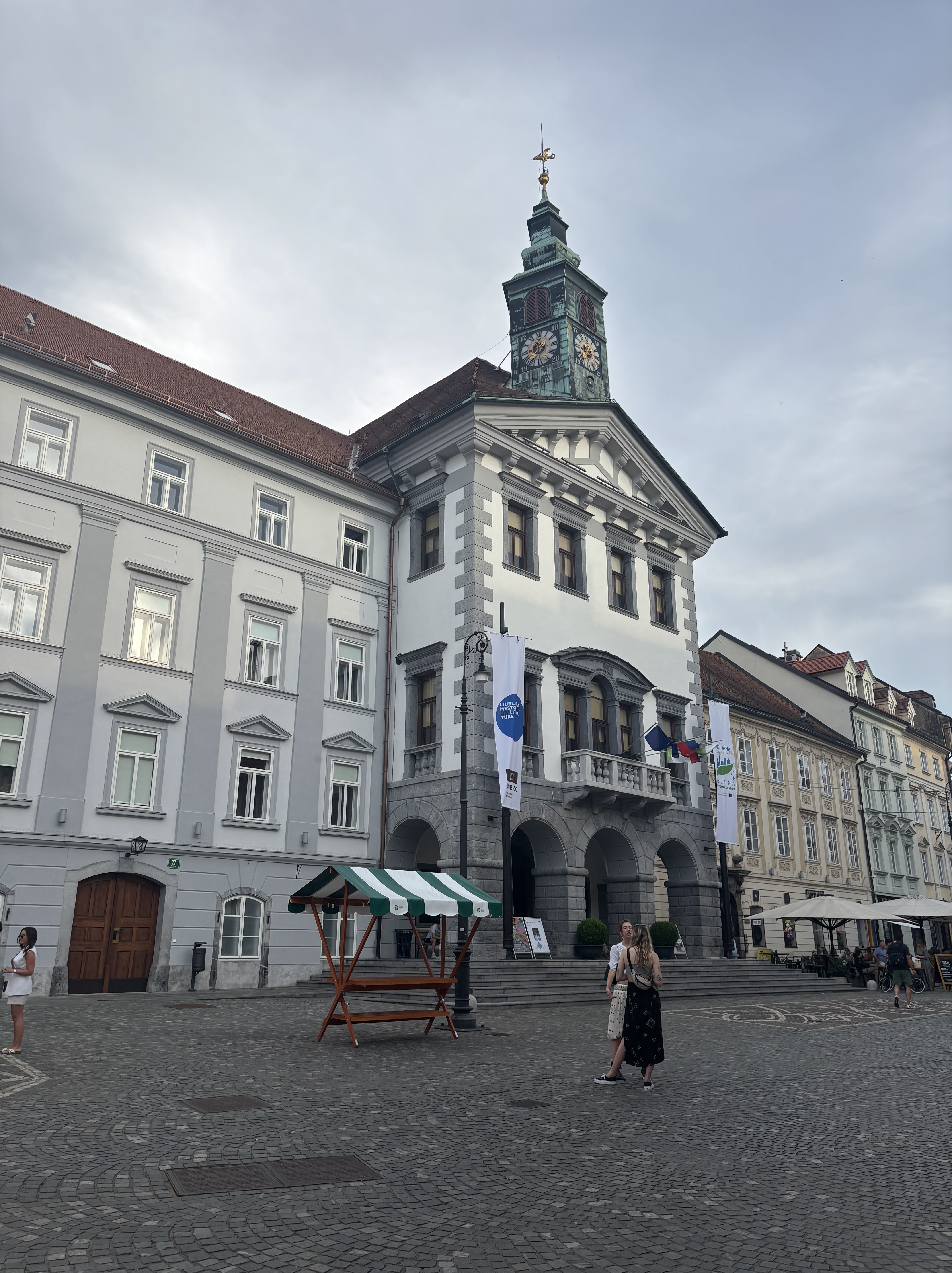
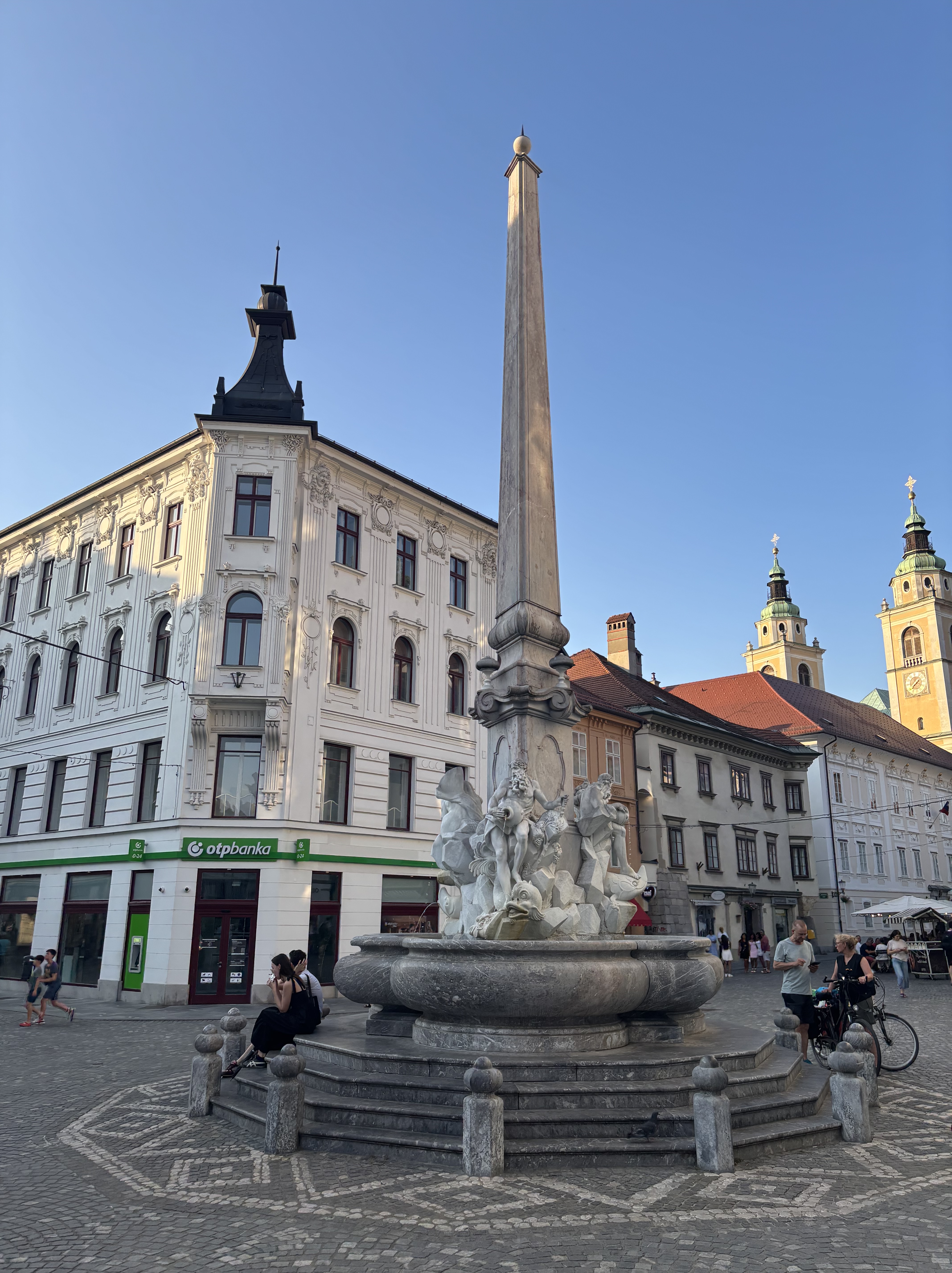
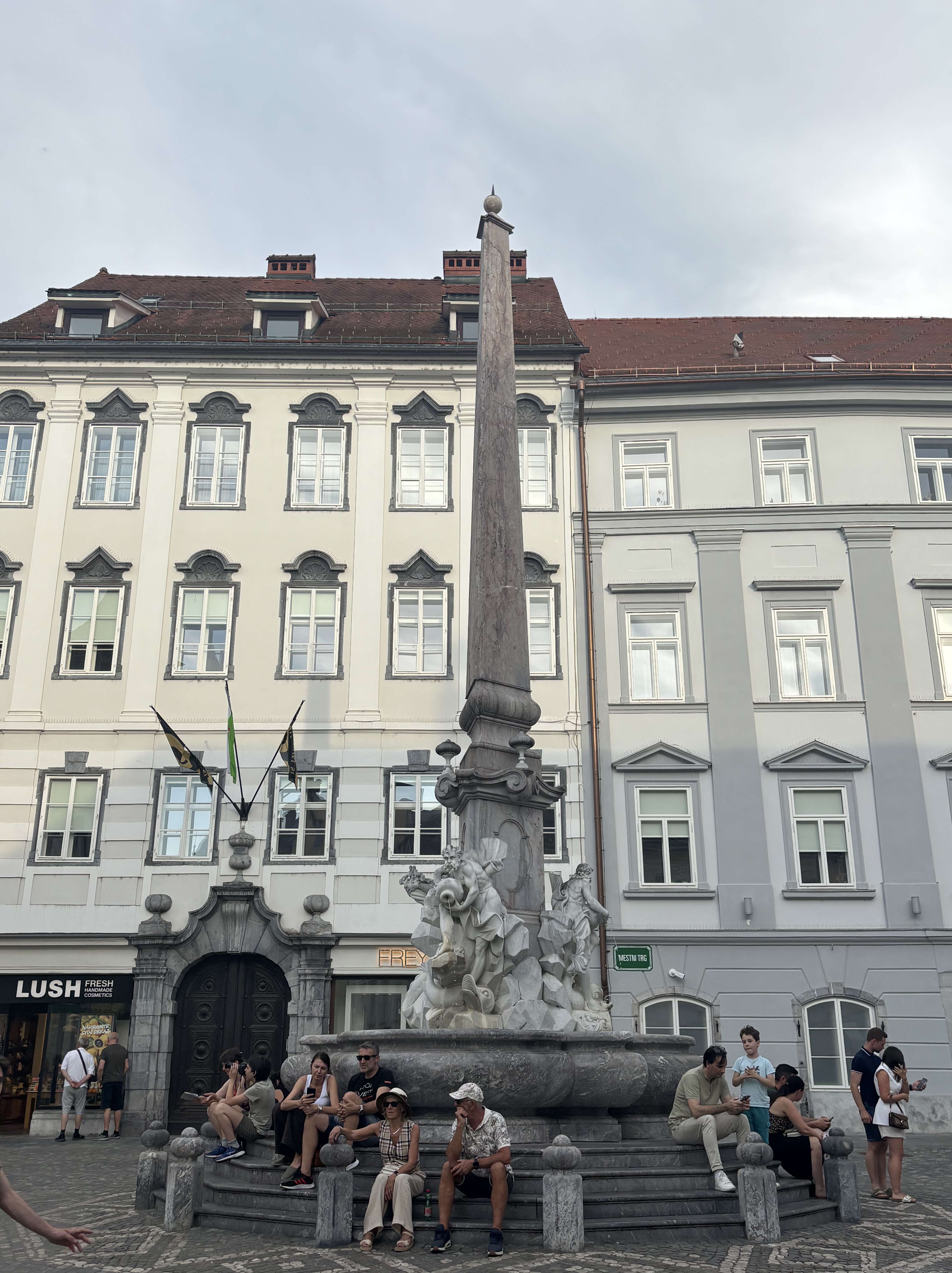
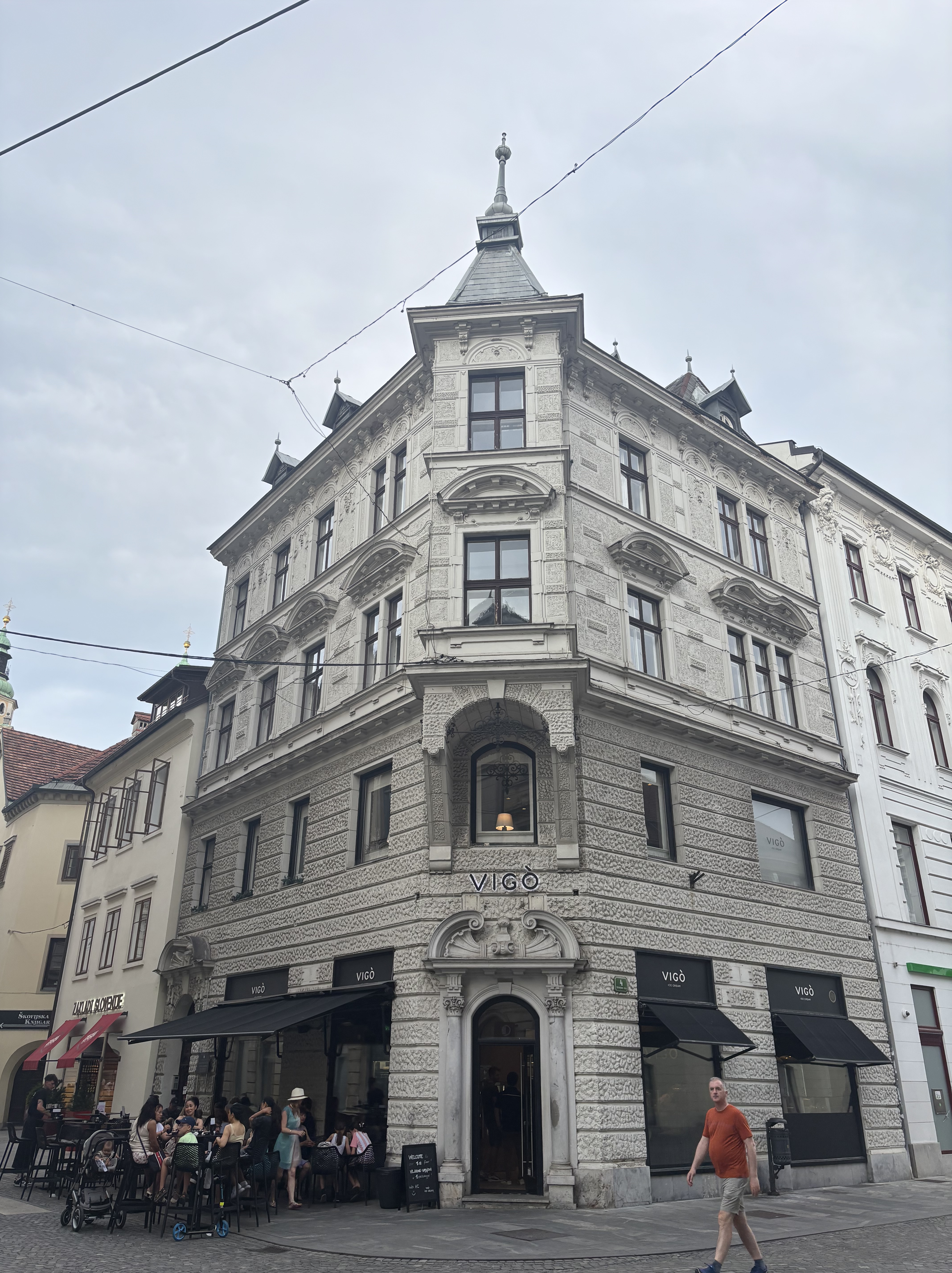
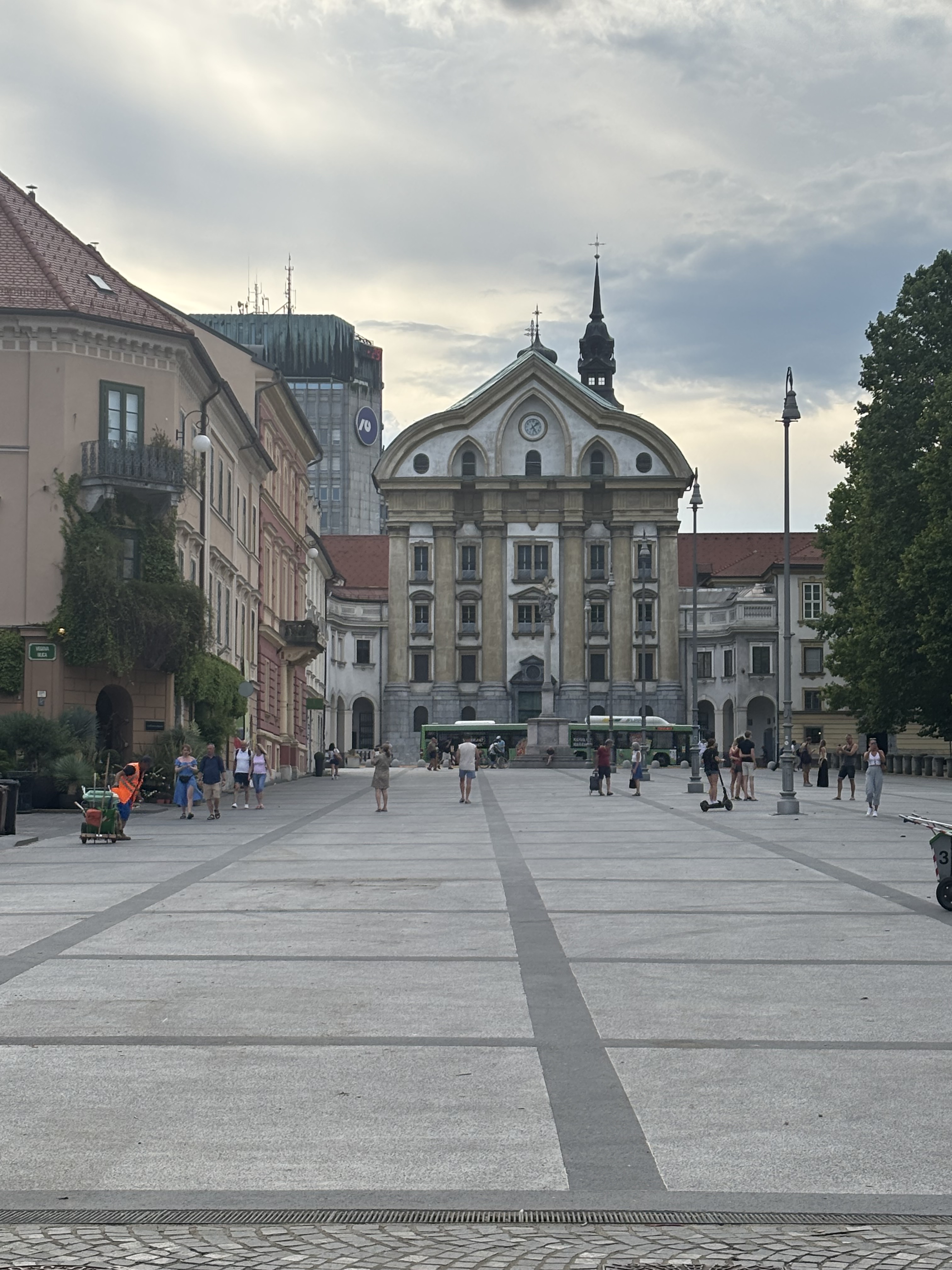
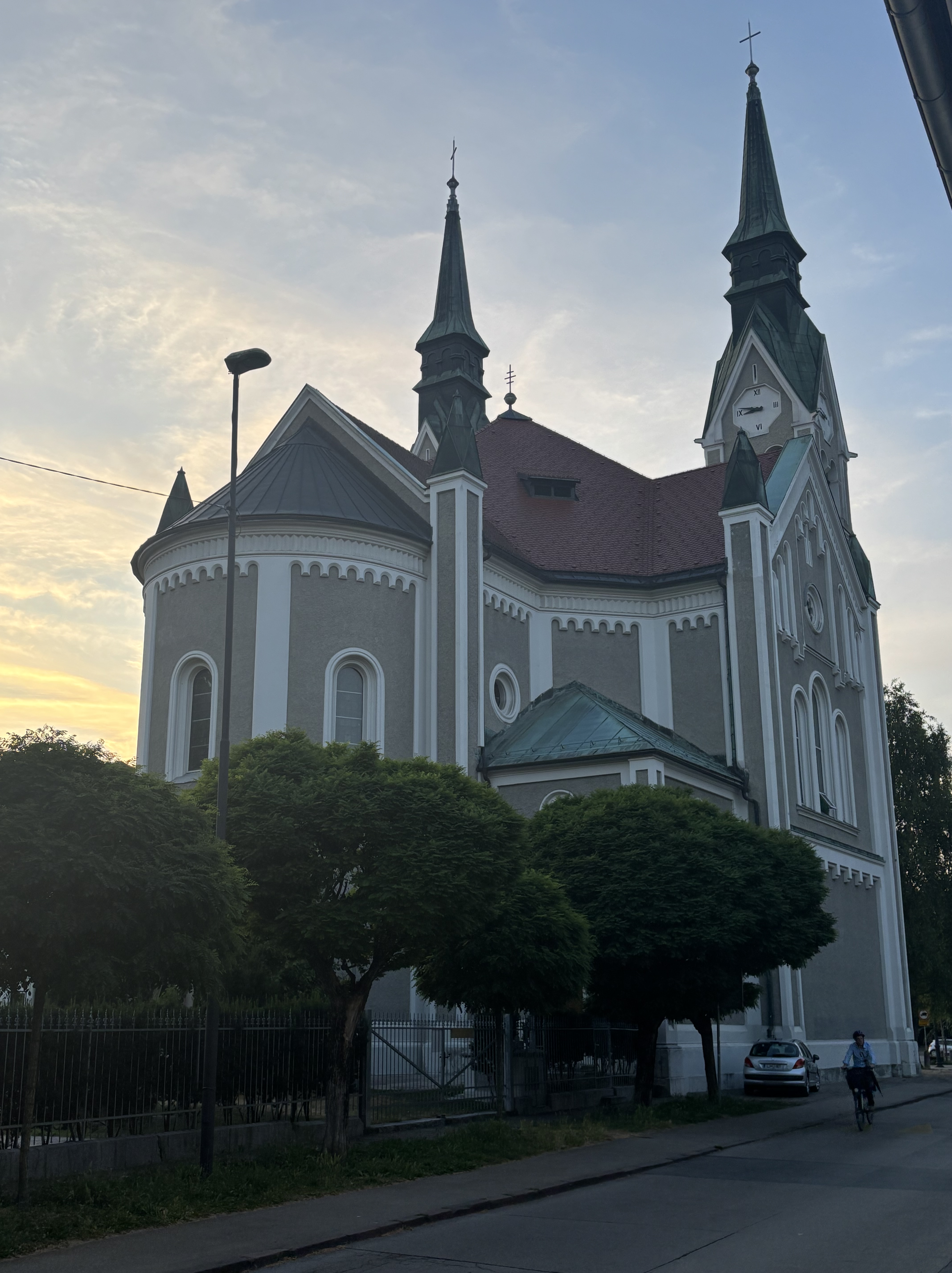
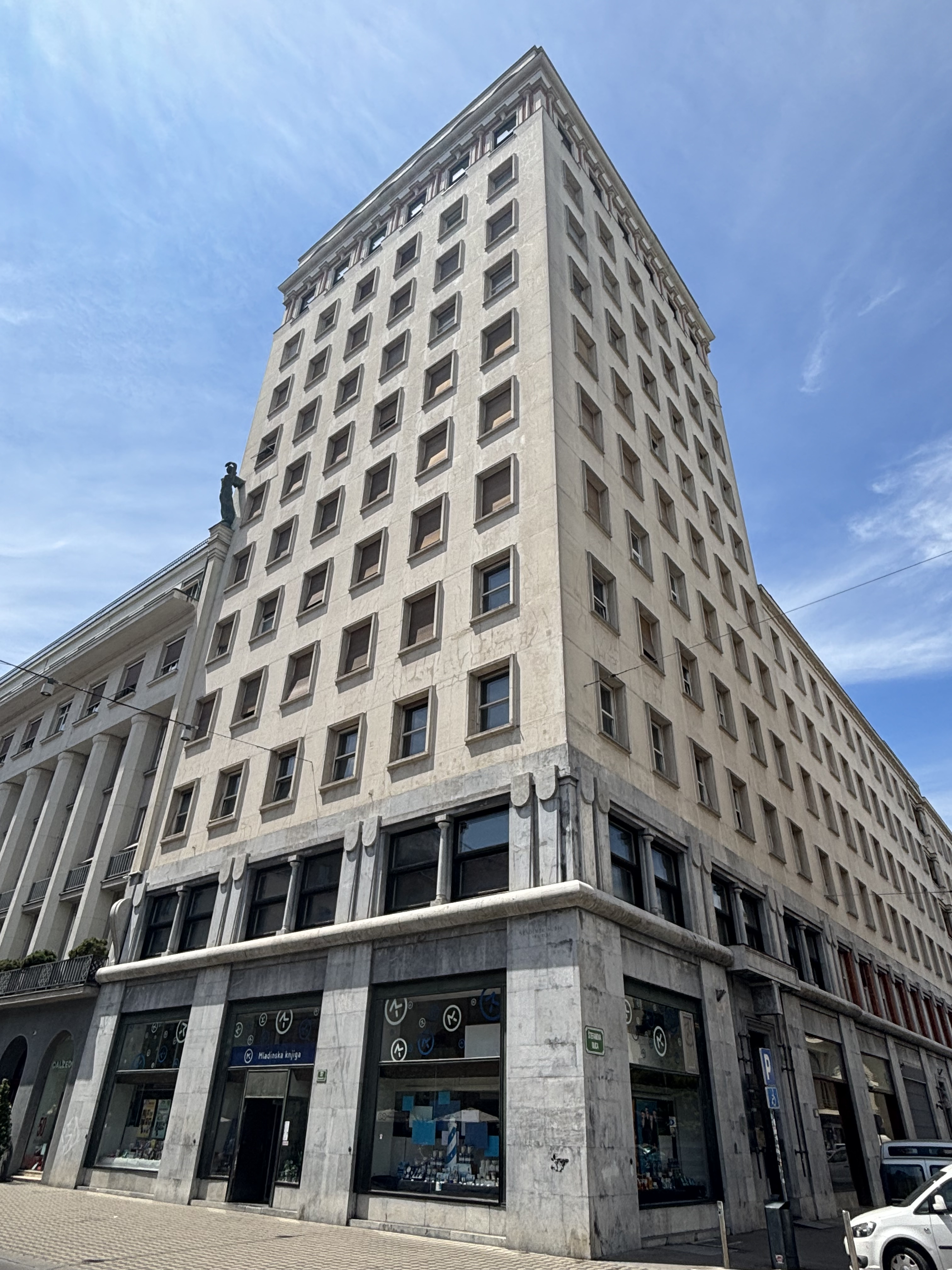
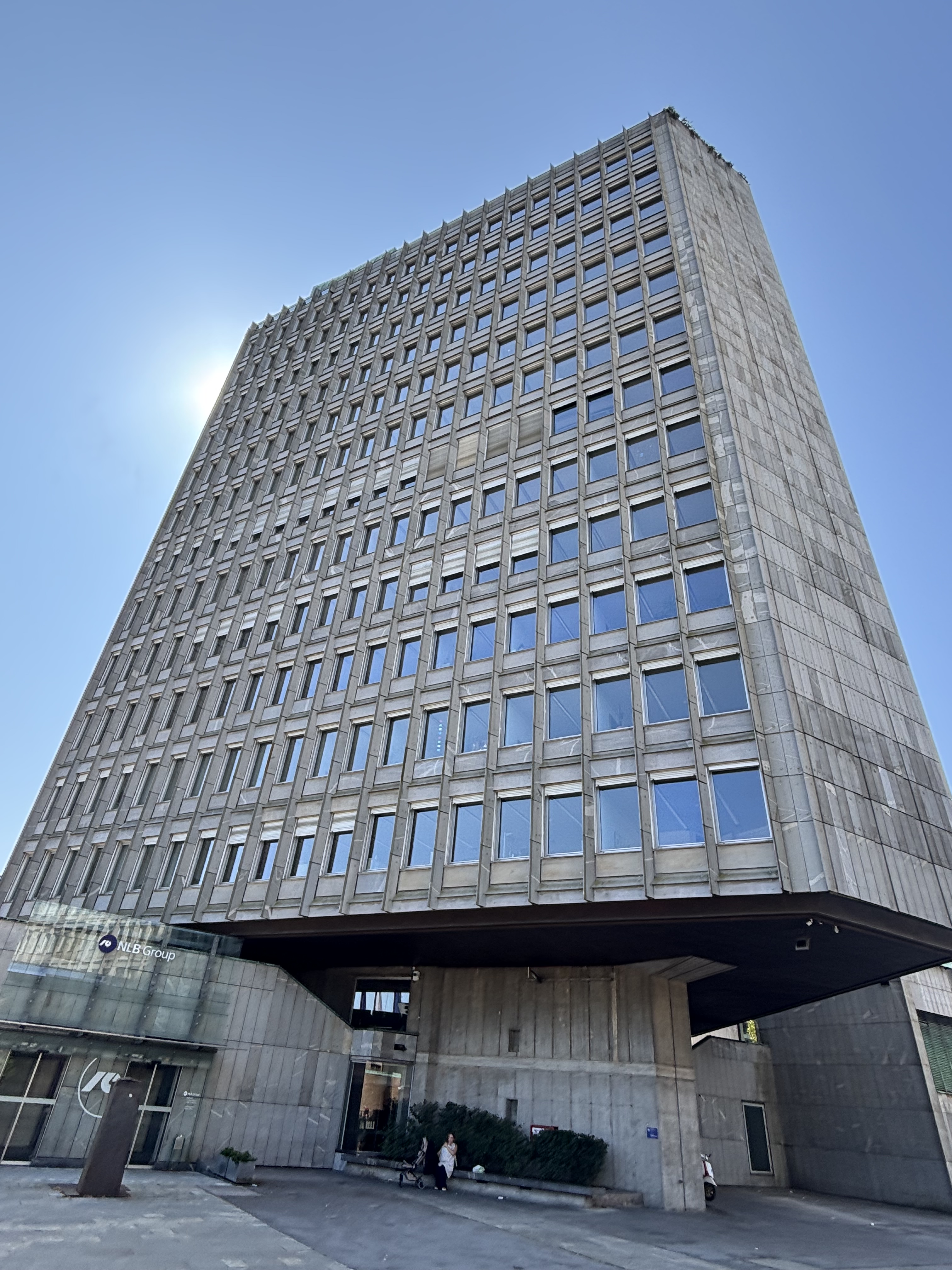
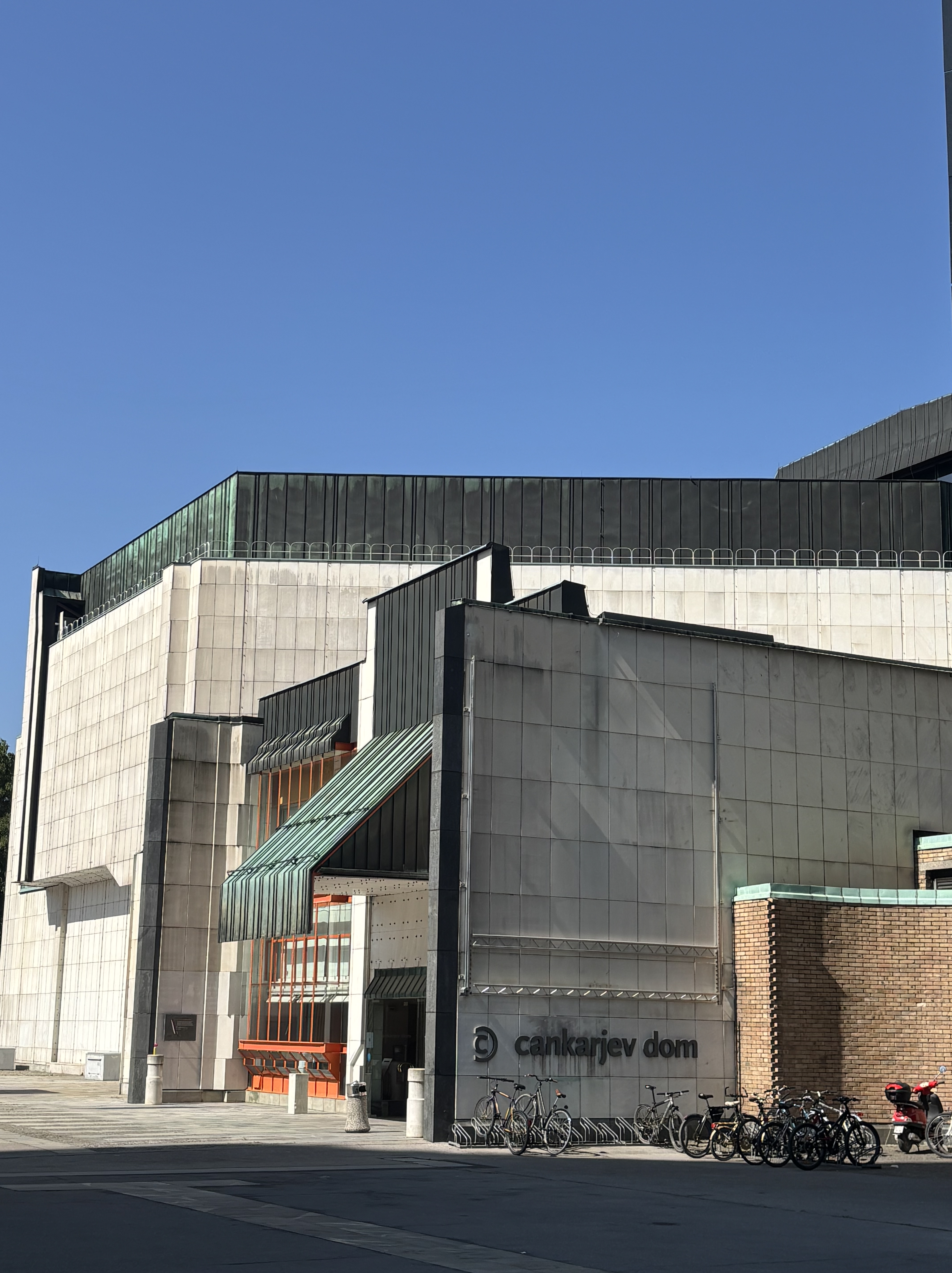
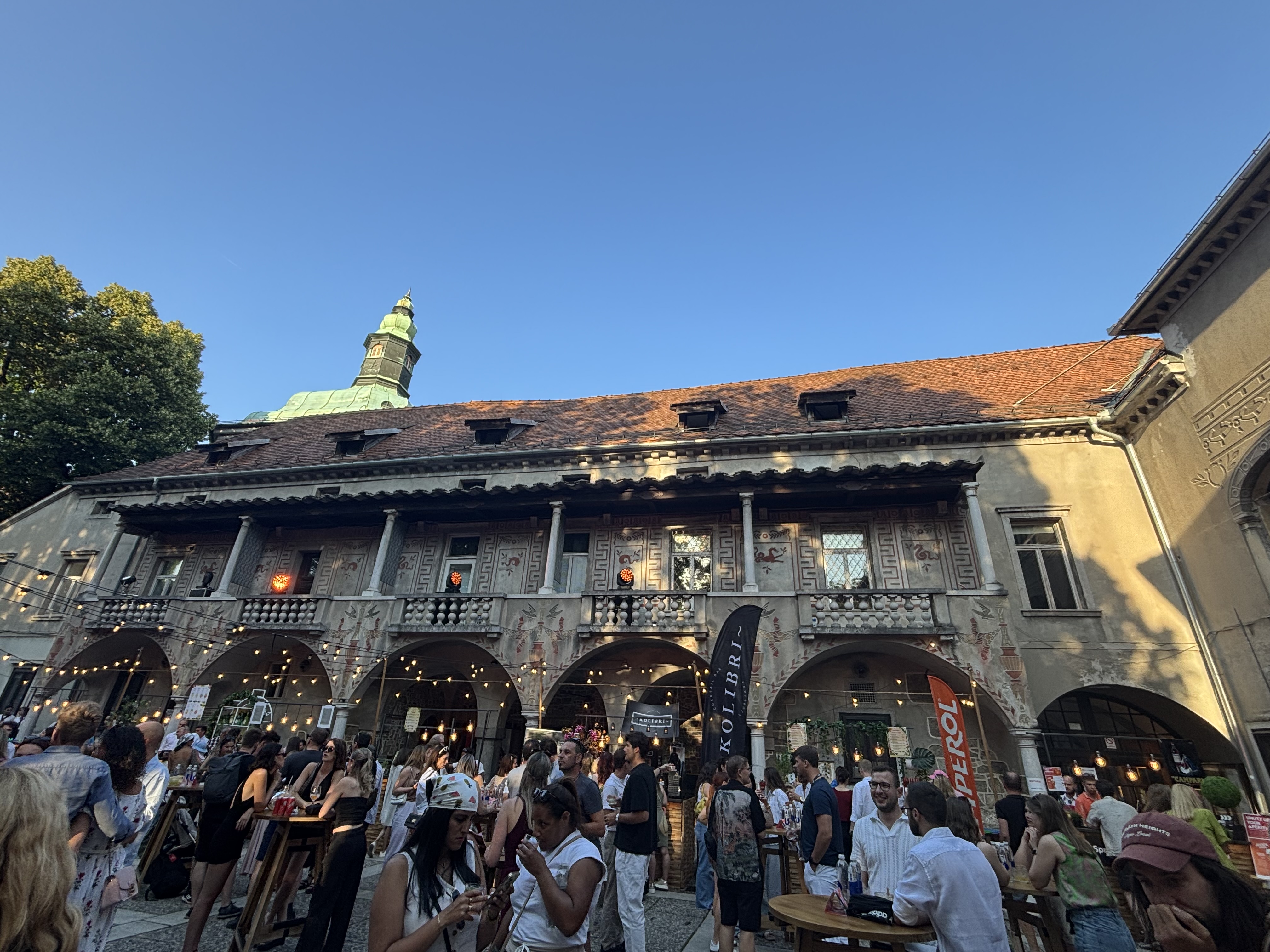
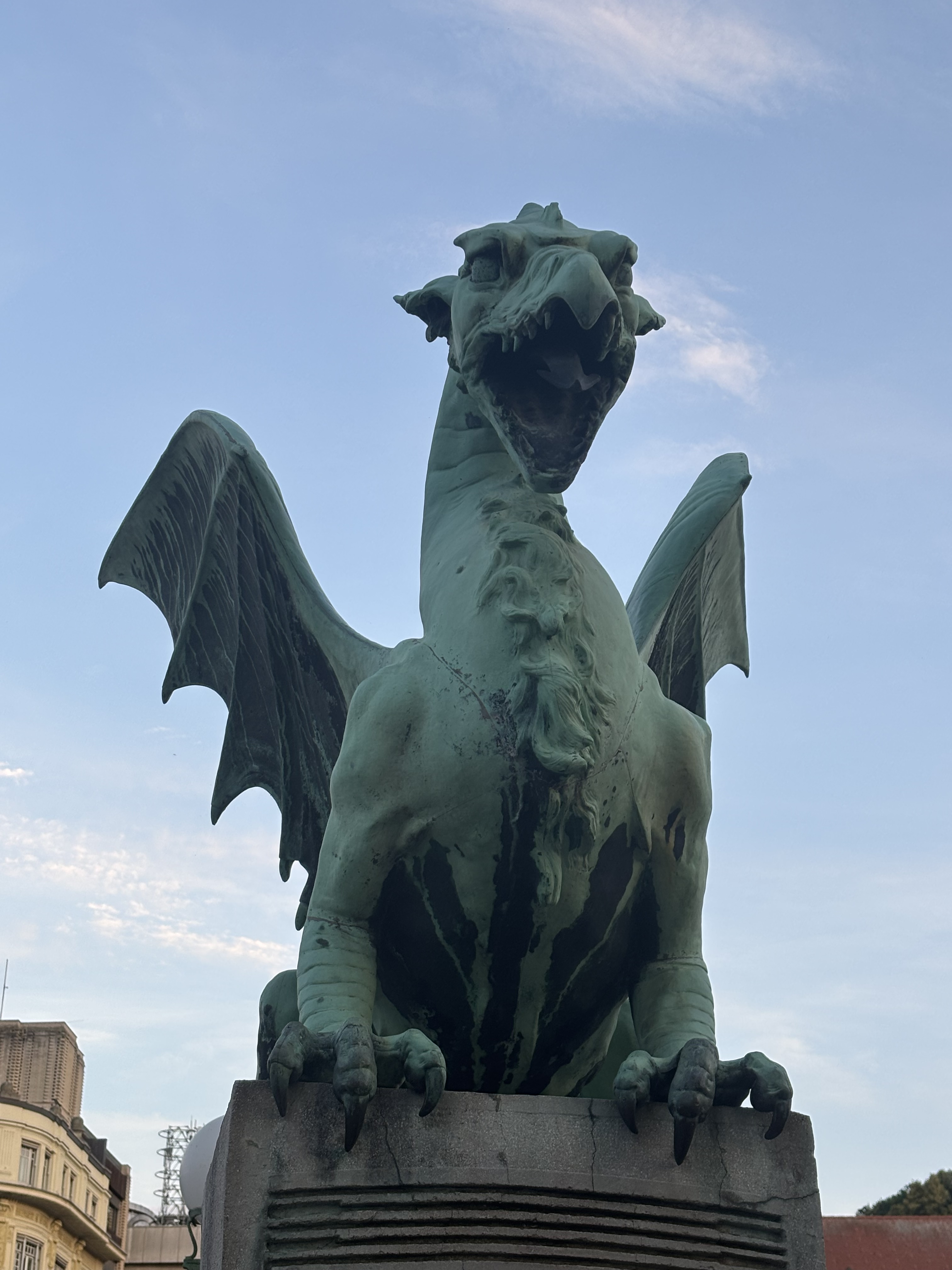
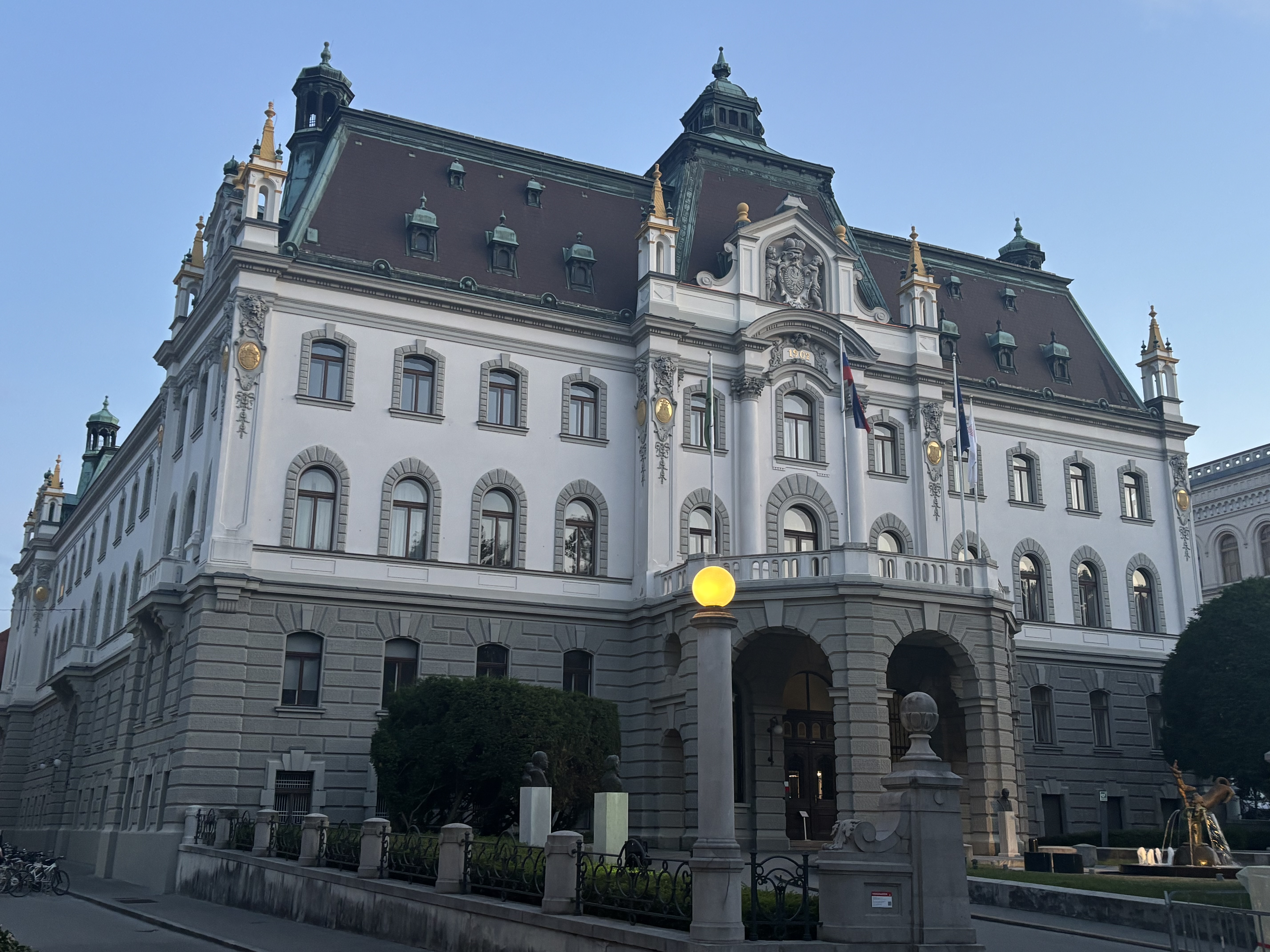
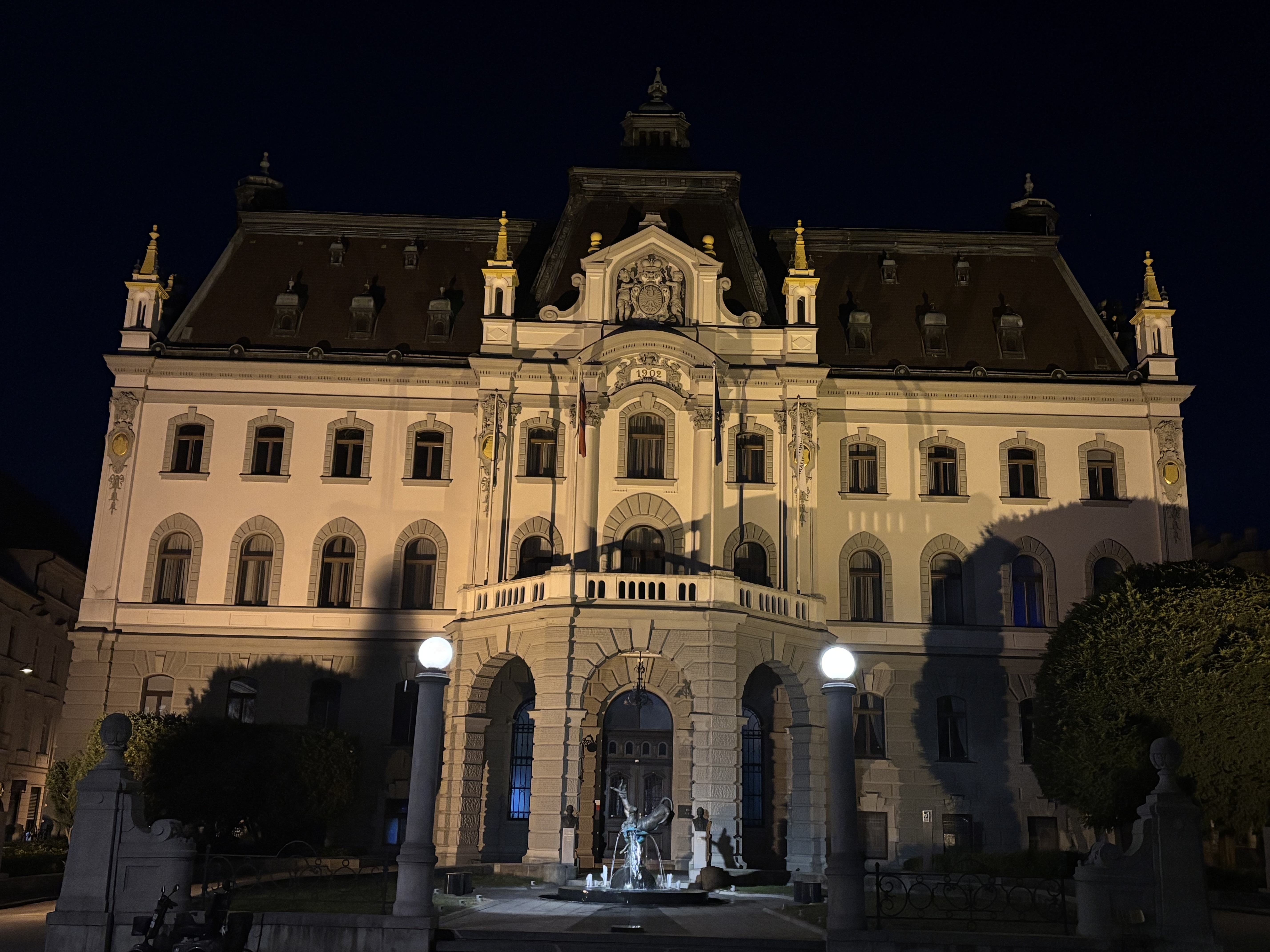
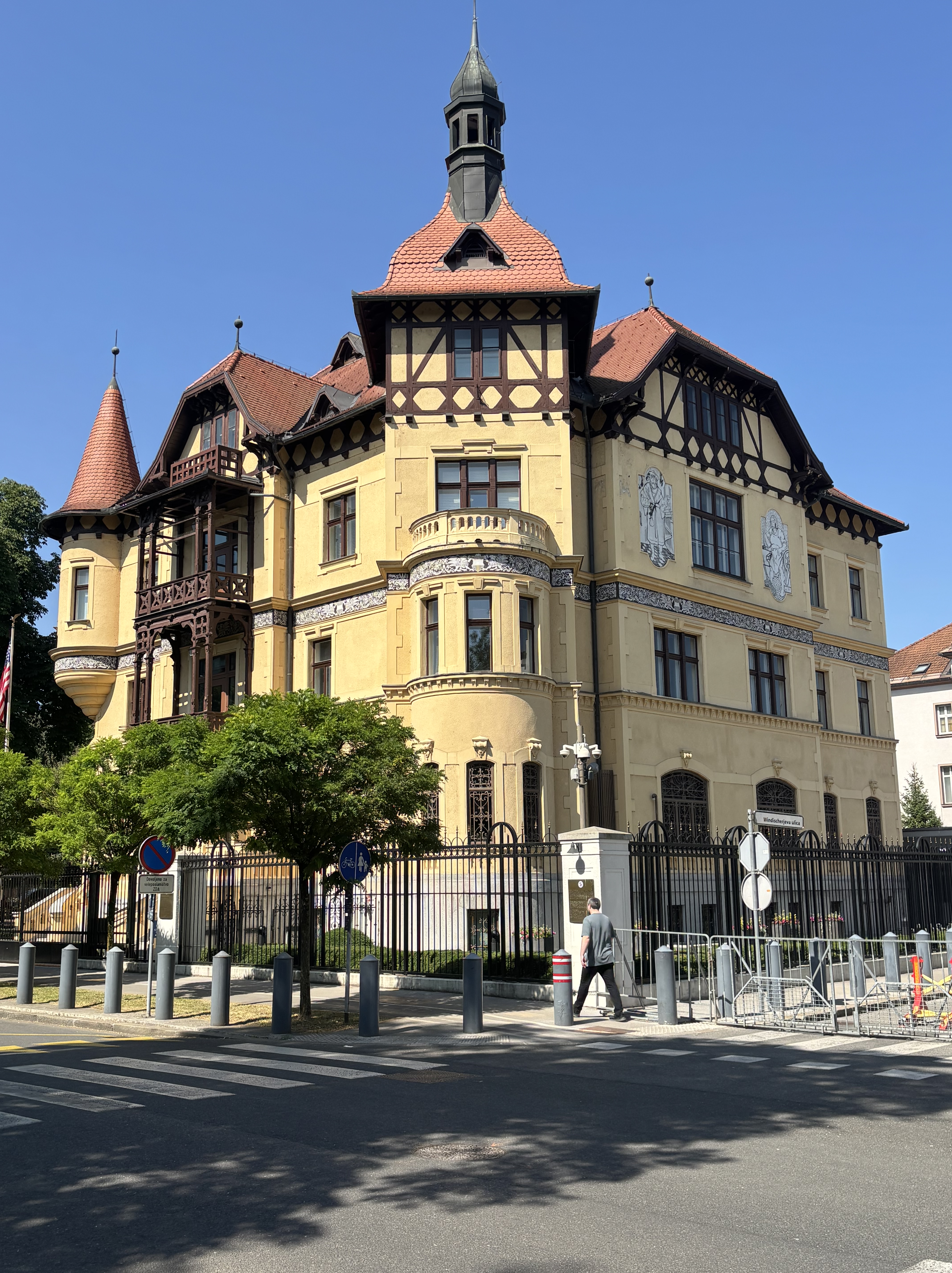
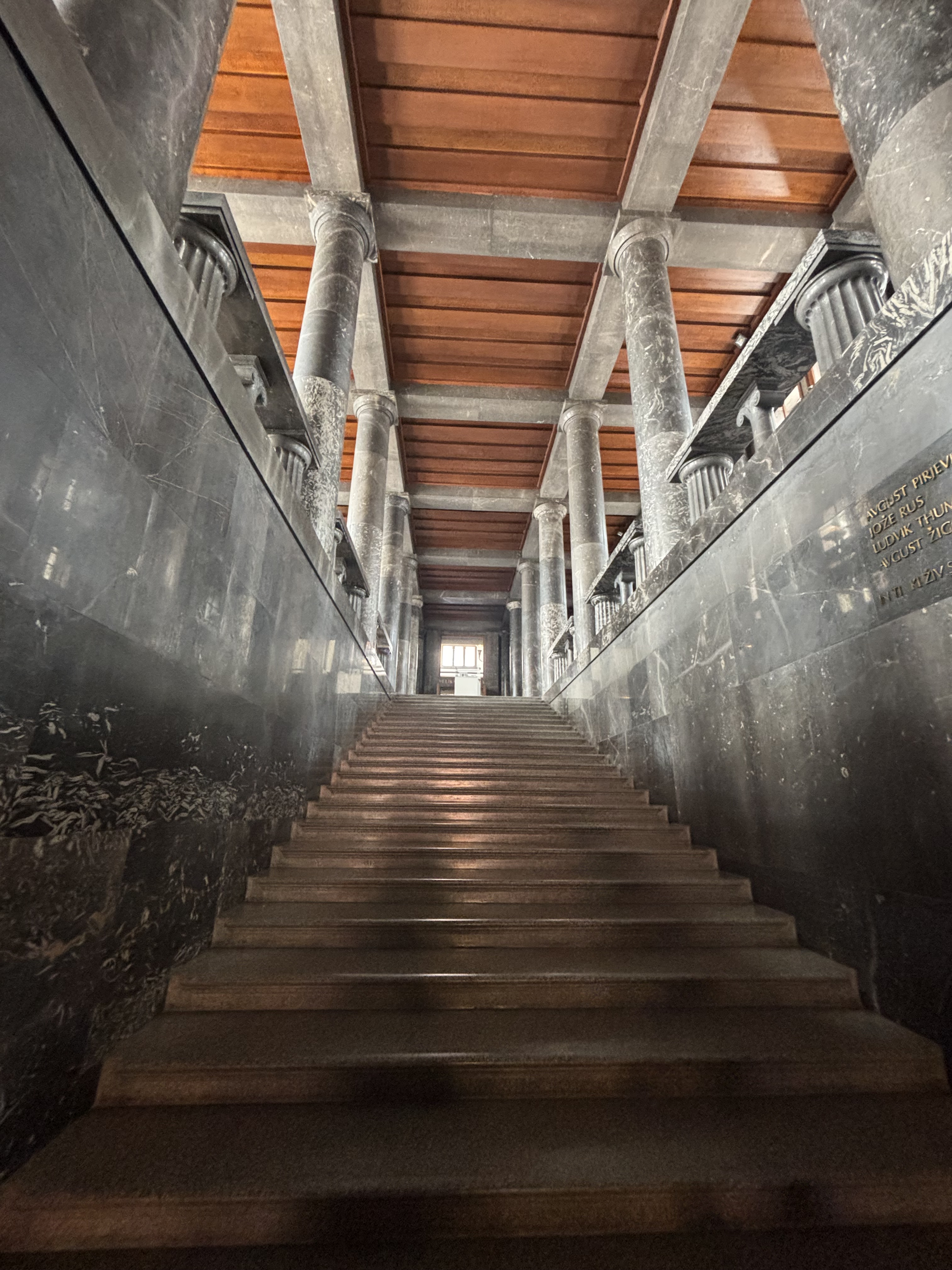
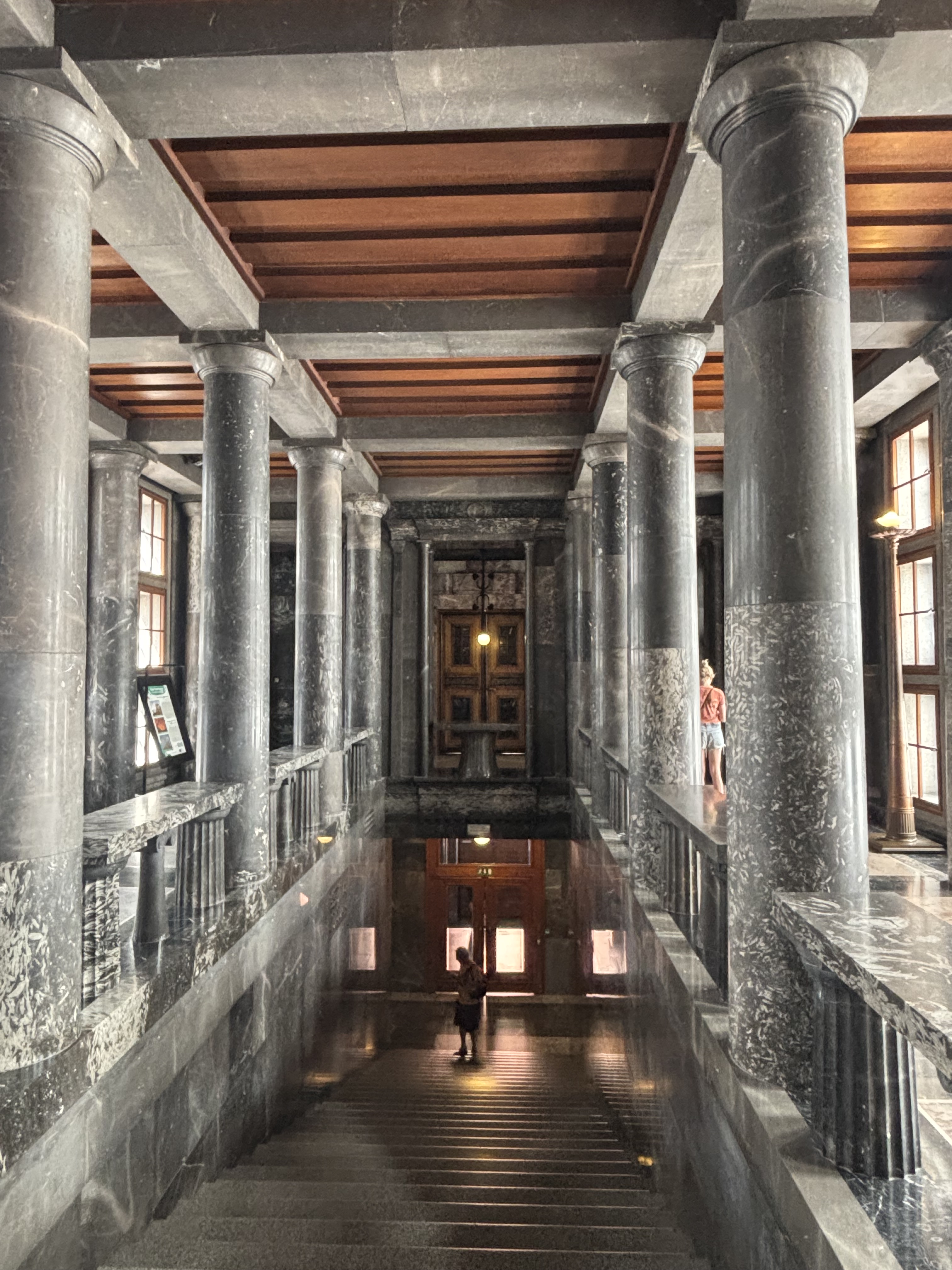
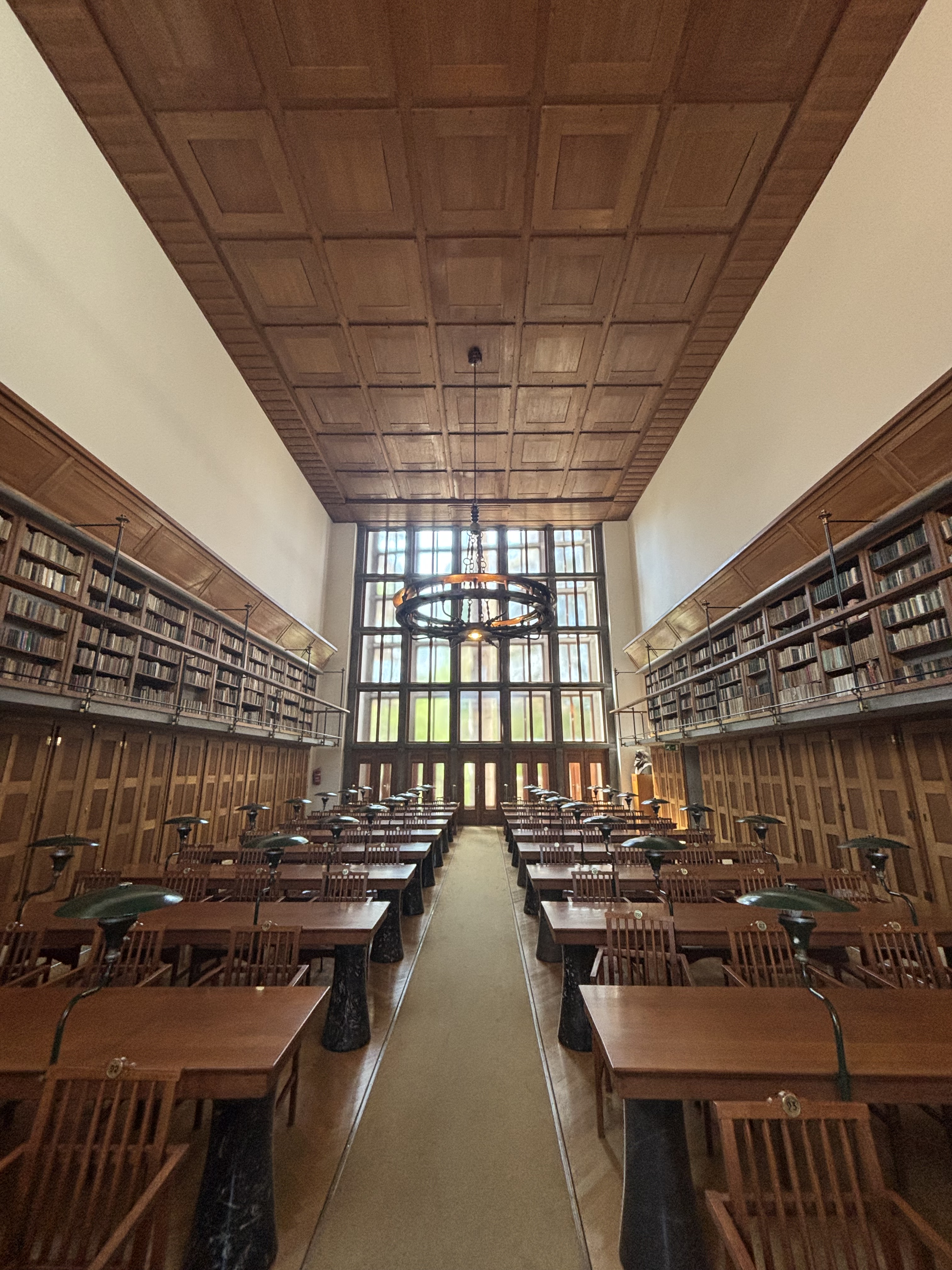
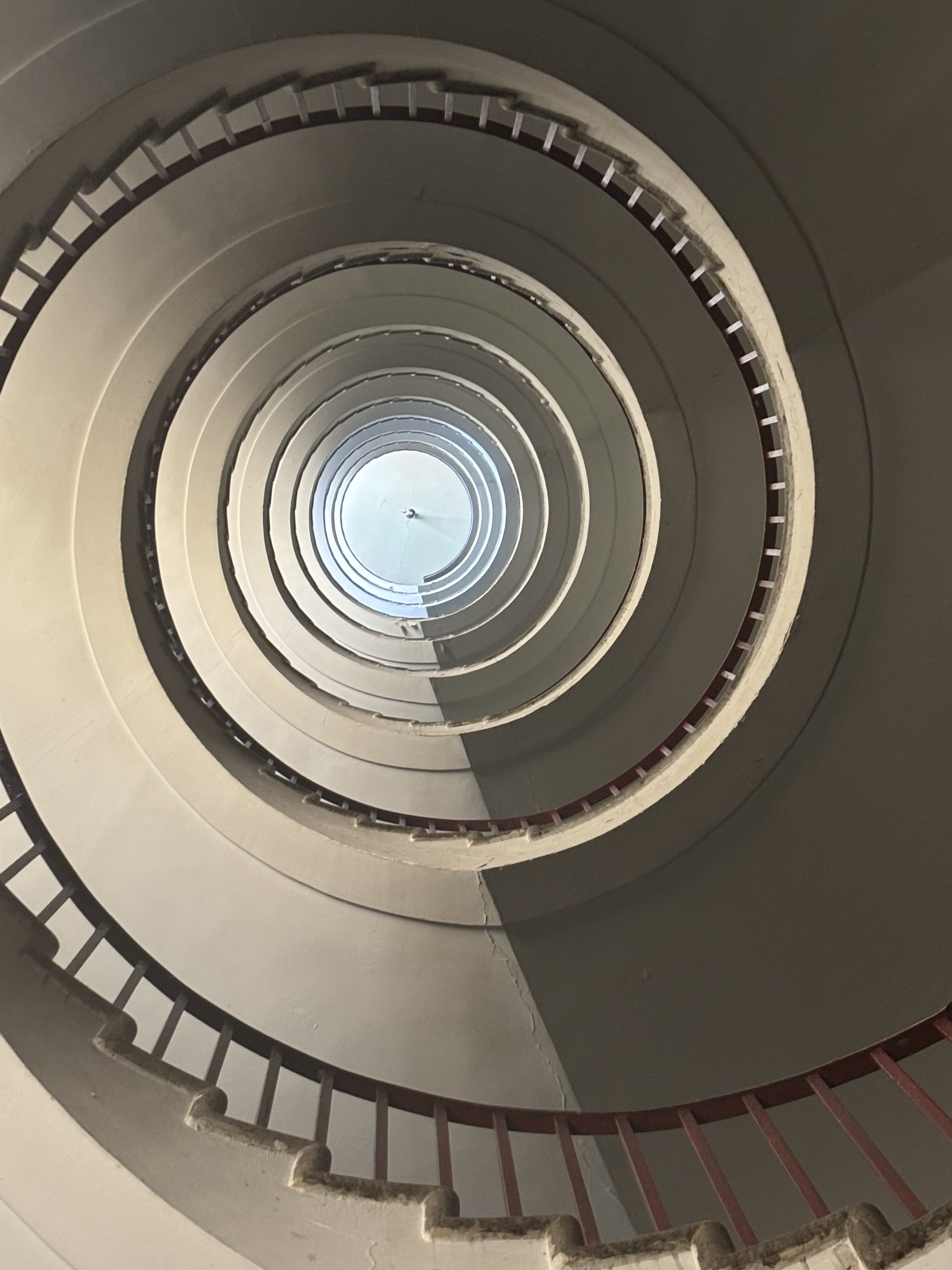
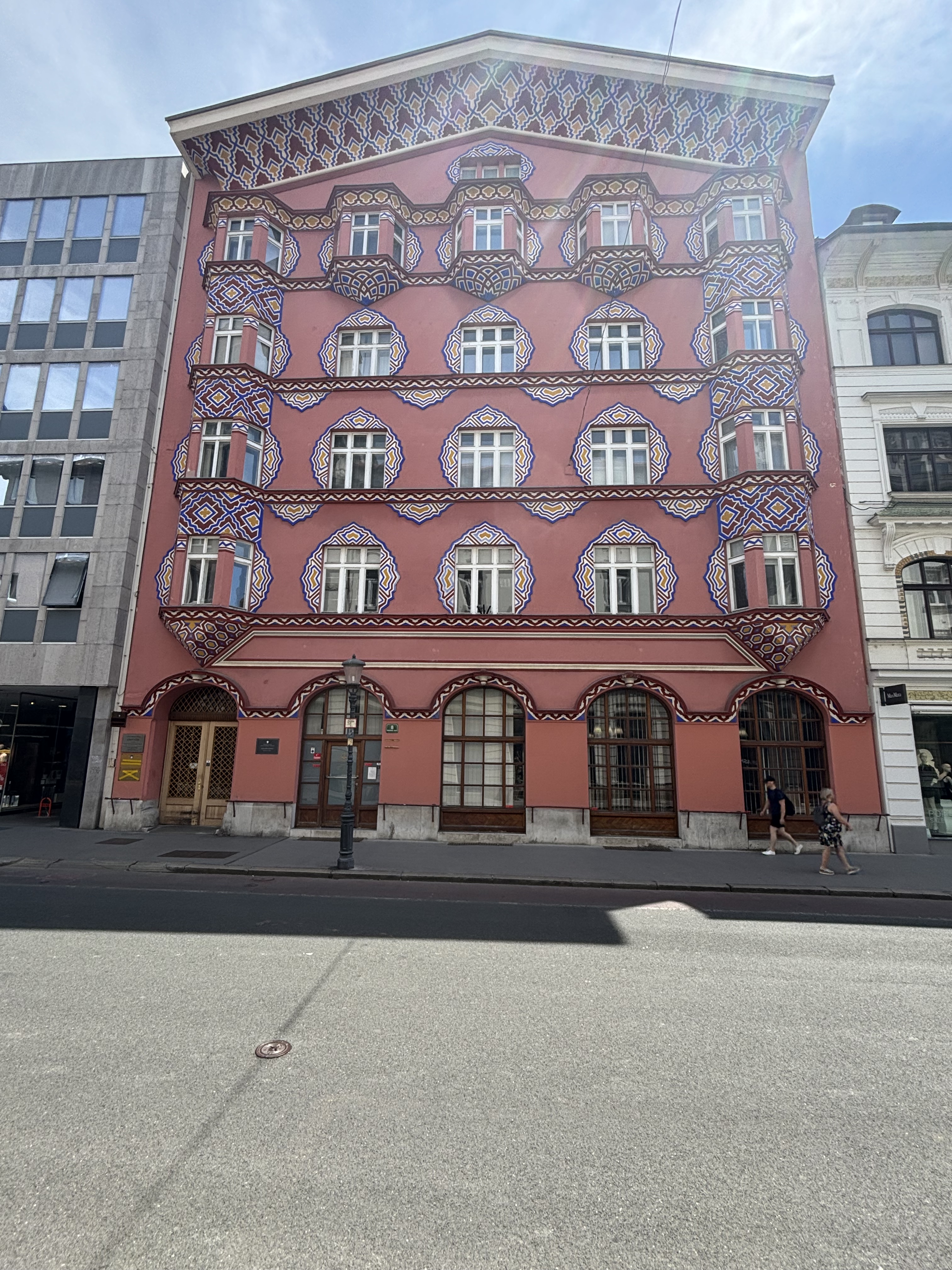
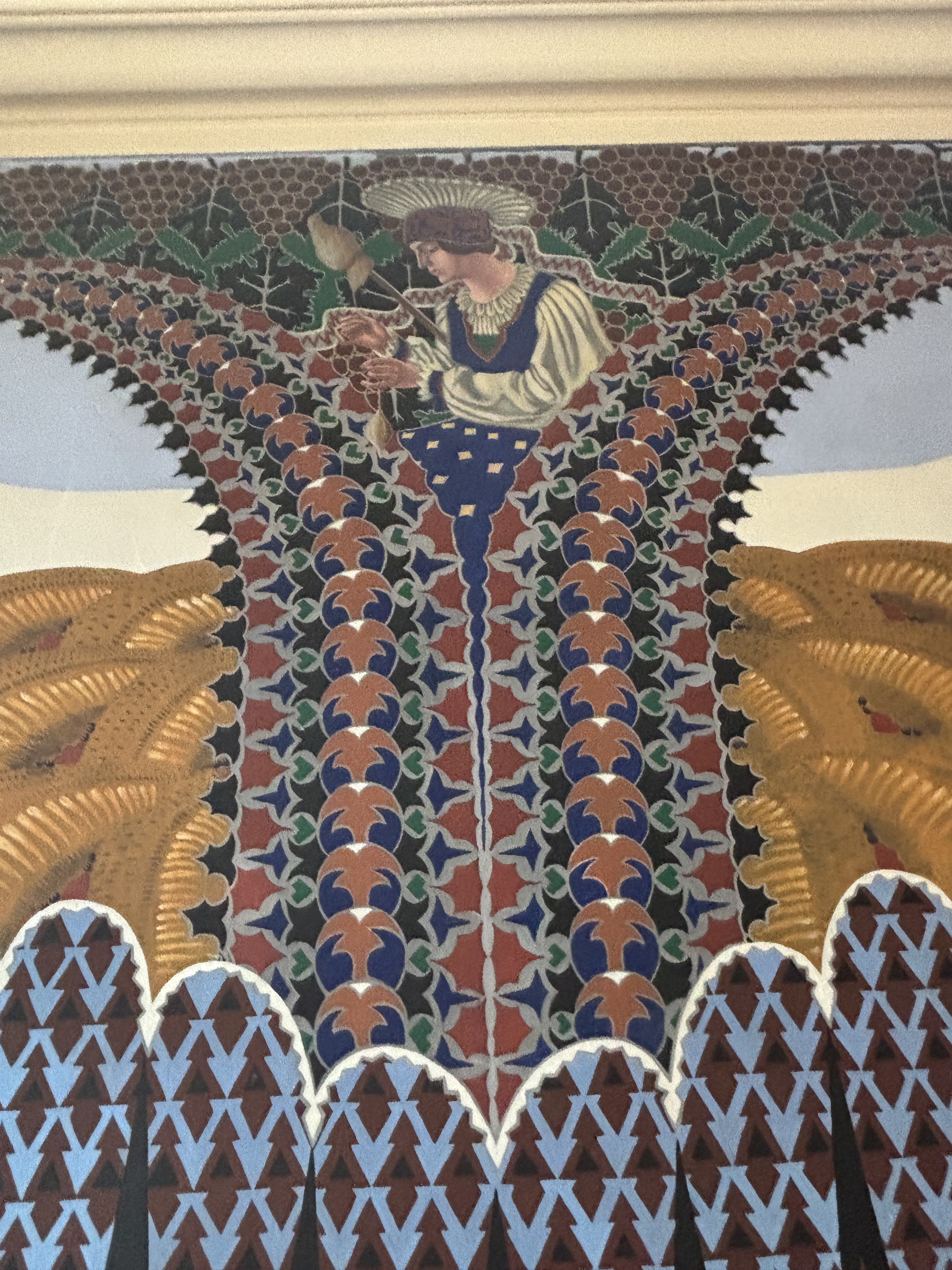
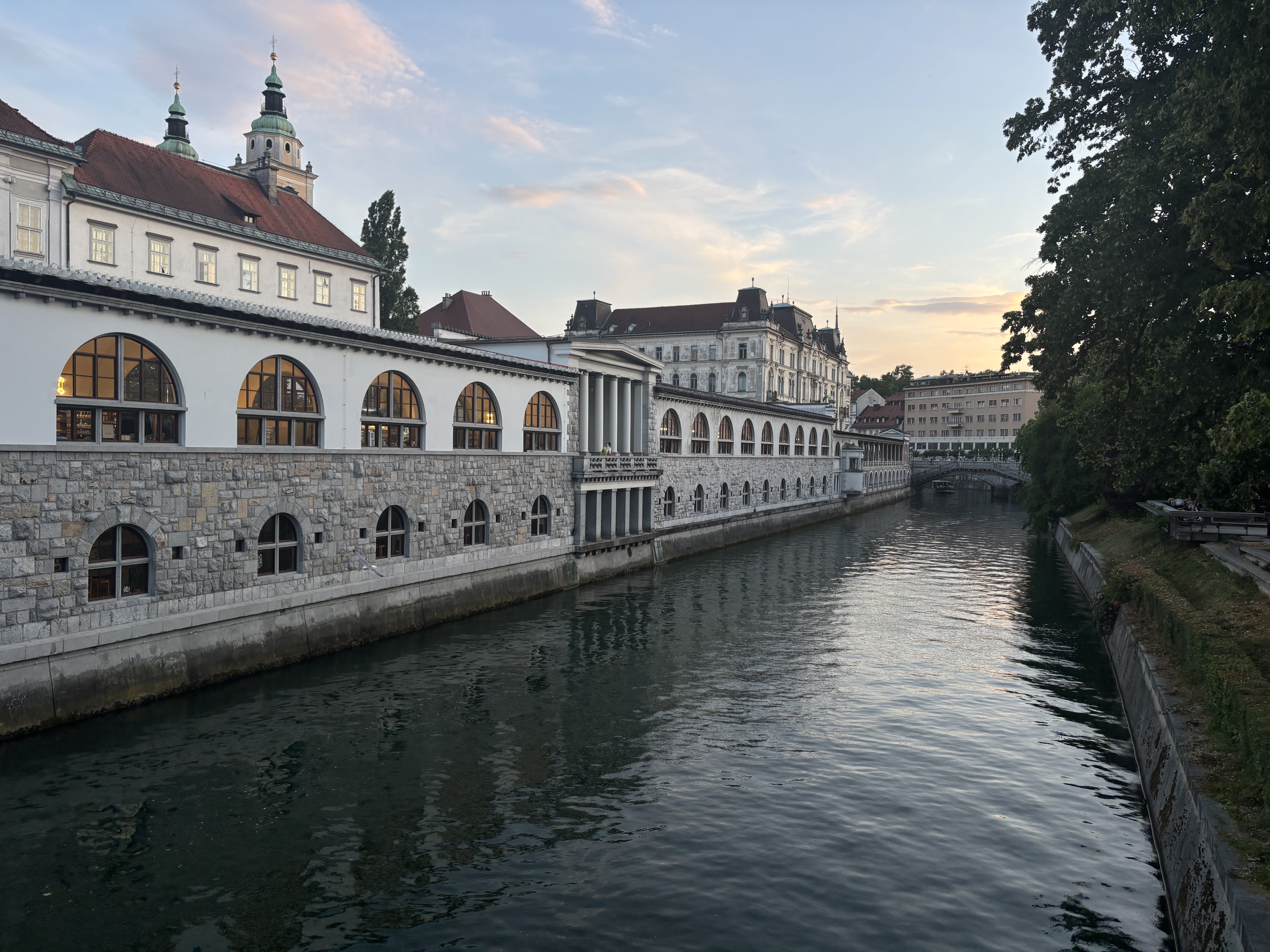
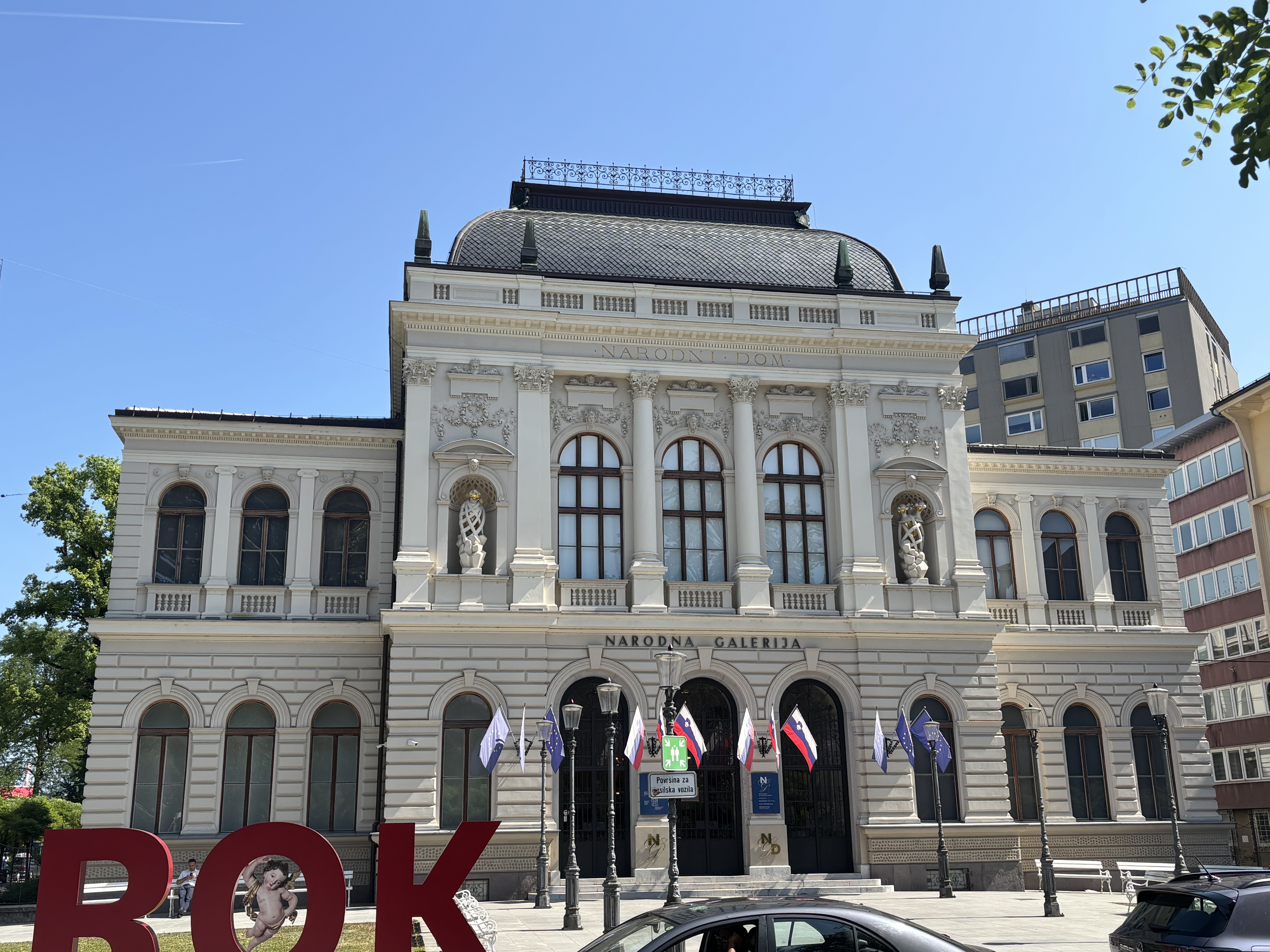
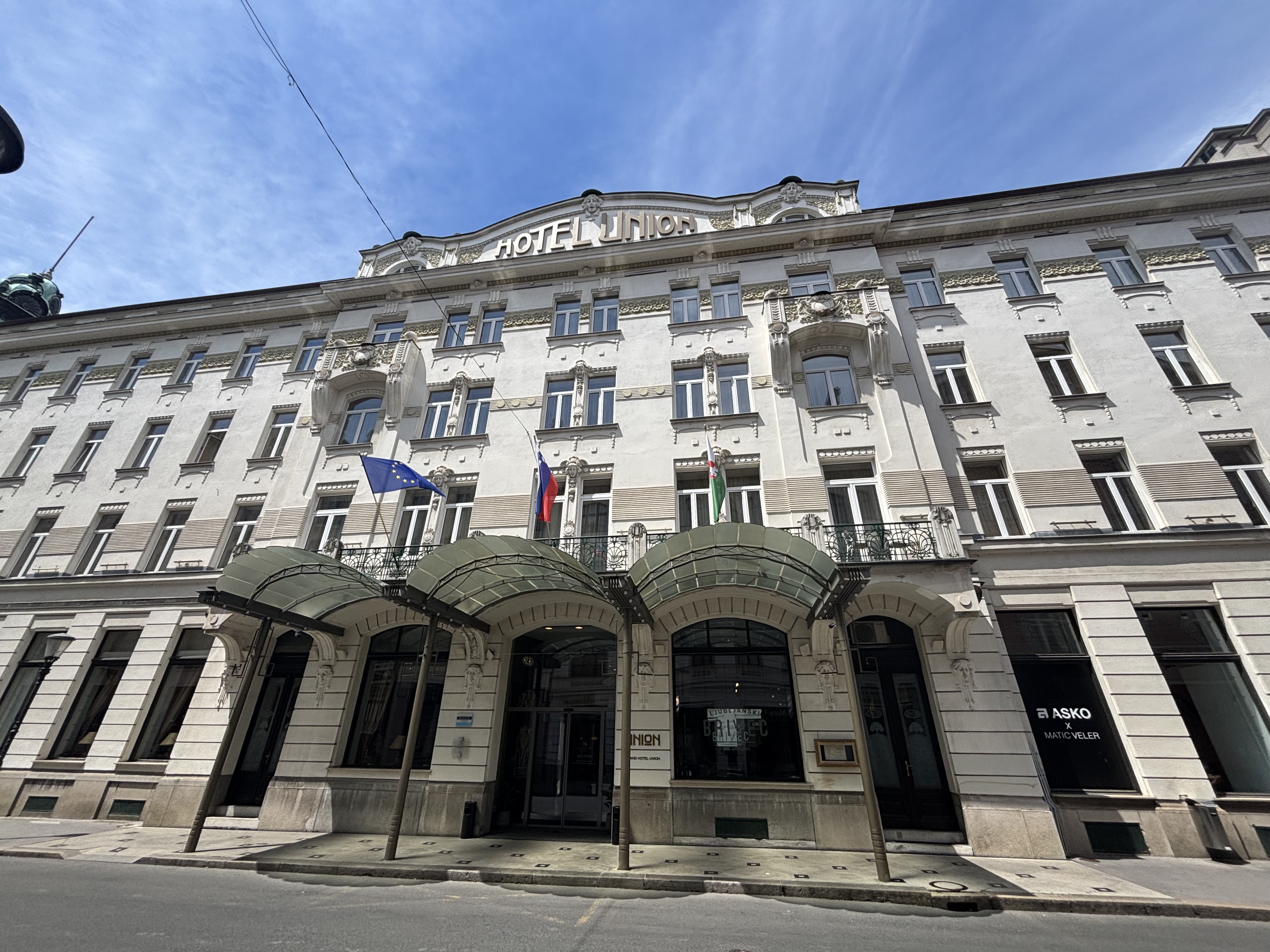
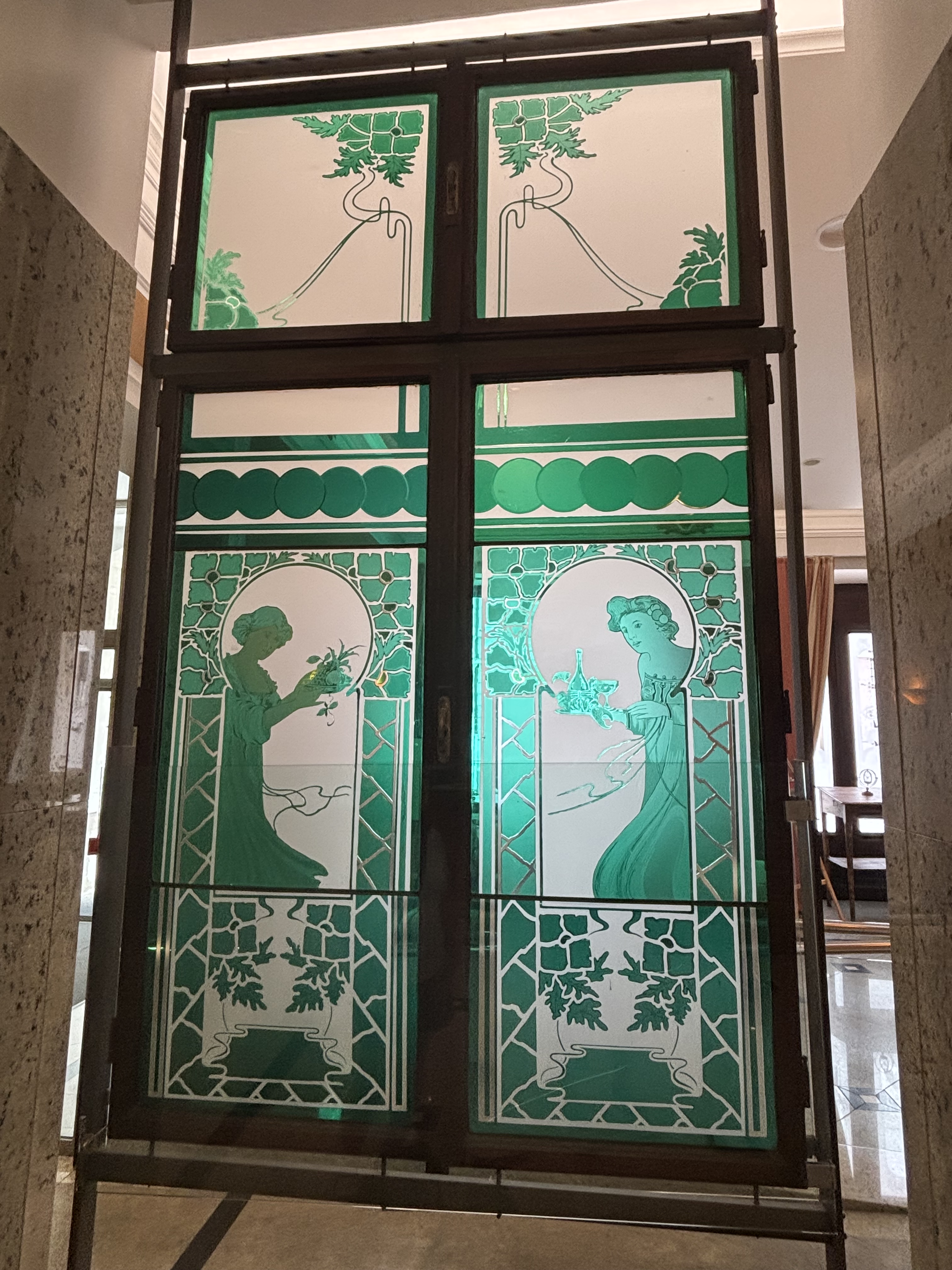
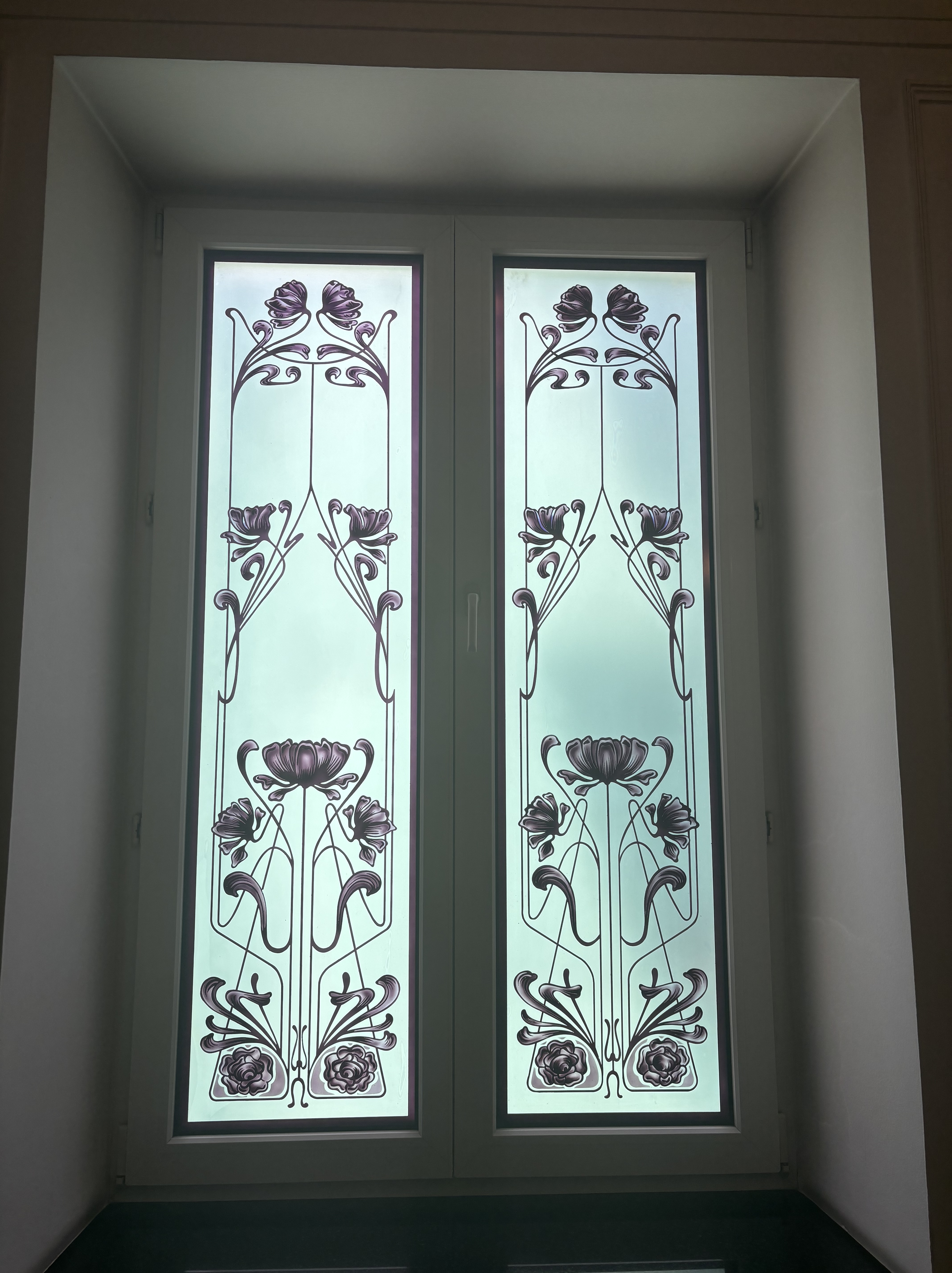
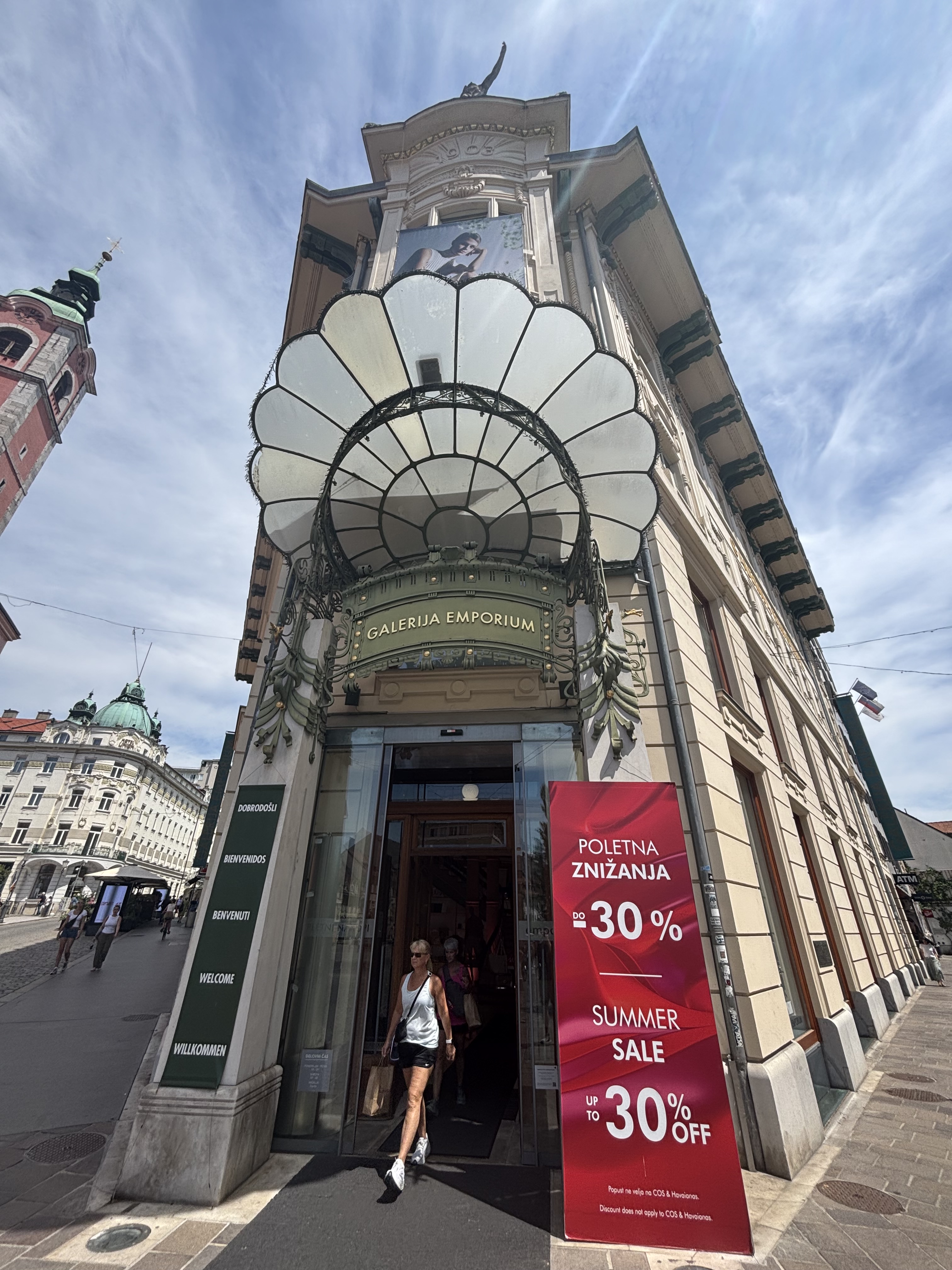
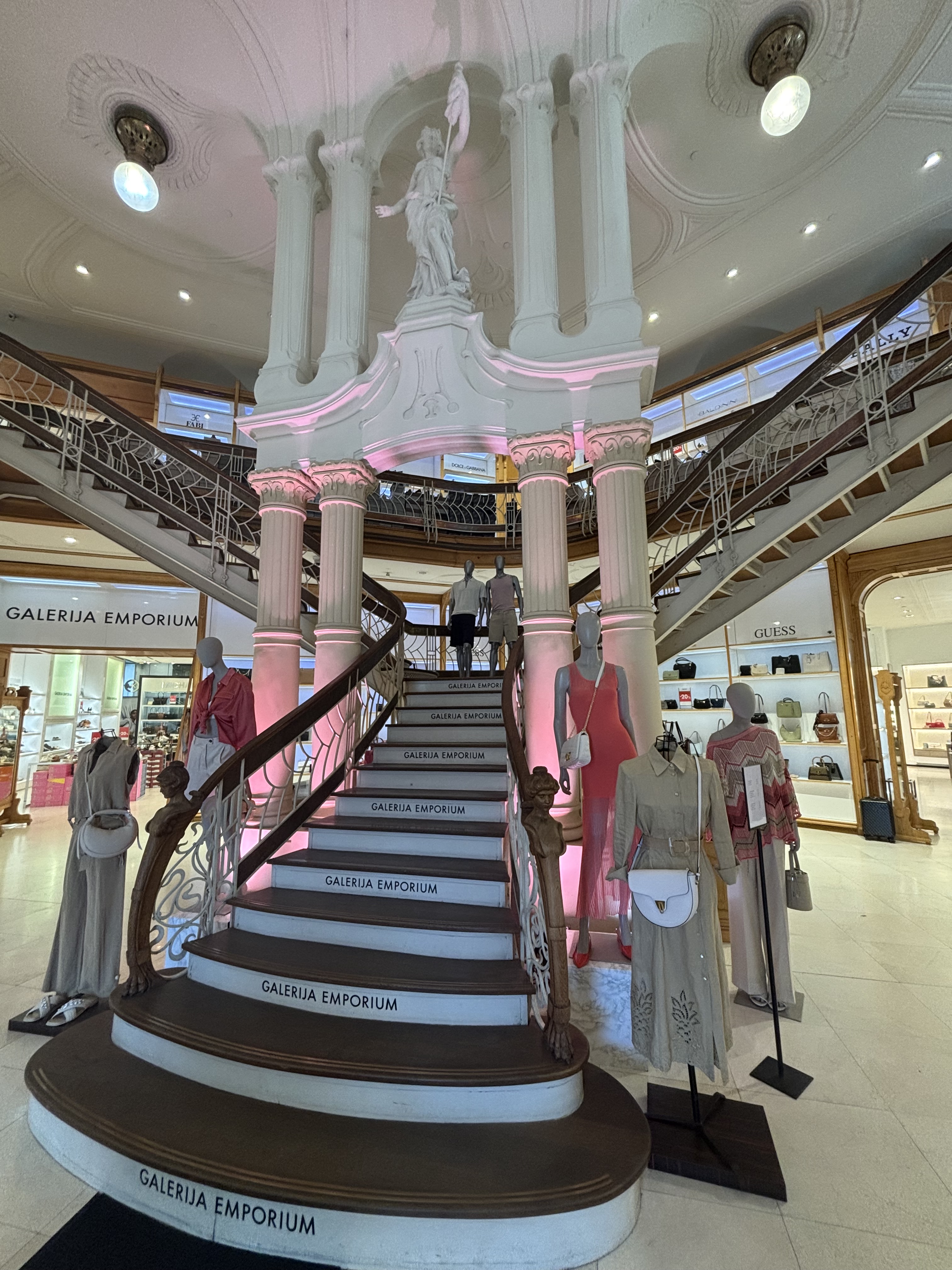
And don’t forget the architecture. It’s hard, of course, to miss the medieval influence. After all, a castle looms overhead from nearly all vantage points, and the city’s flag has featured the castle and its dragon for more than 500 years now. Similarly, each change in occupier over the centuries brought with it a change in religion and a new sacred building. (Oddly enough, the most prominent communist-era buildings are a couple of skyscrapers and the ultimate symbol of capitalism: a shopping mall.) The city also features a lovely collection of Baroque, Art Nouveau and neoclassical buildings. Joze Pleicnik is particularly celebrated for his design contributions between 1921 and 1956 – a particularly challenging time to undertake new construction due to war, political turmoil and financial constraints. After beautifying much of Vienna and Prague, Pleicnik returned to his hometown to accept a position as head of the newly created Ljubljana University School of Architecture. Few cities are so influenced by the work of any single architect. He leveraged classical Greek and Roman style elements like symmetry and vertical columns but insisted on using locally available and cost-effective resources like limestone, slate and concrete instead of importing expensive marble and granite. The result is a city of timeless, practical elegance.
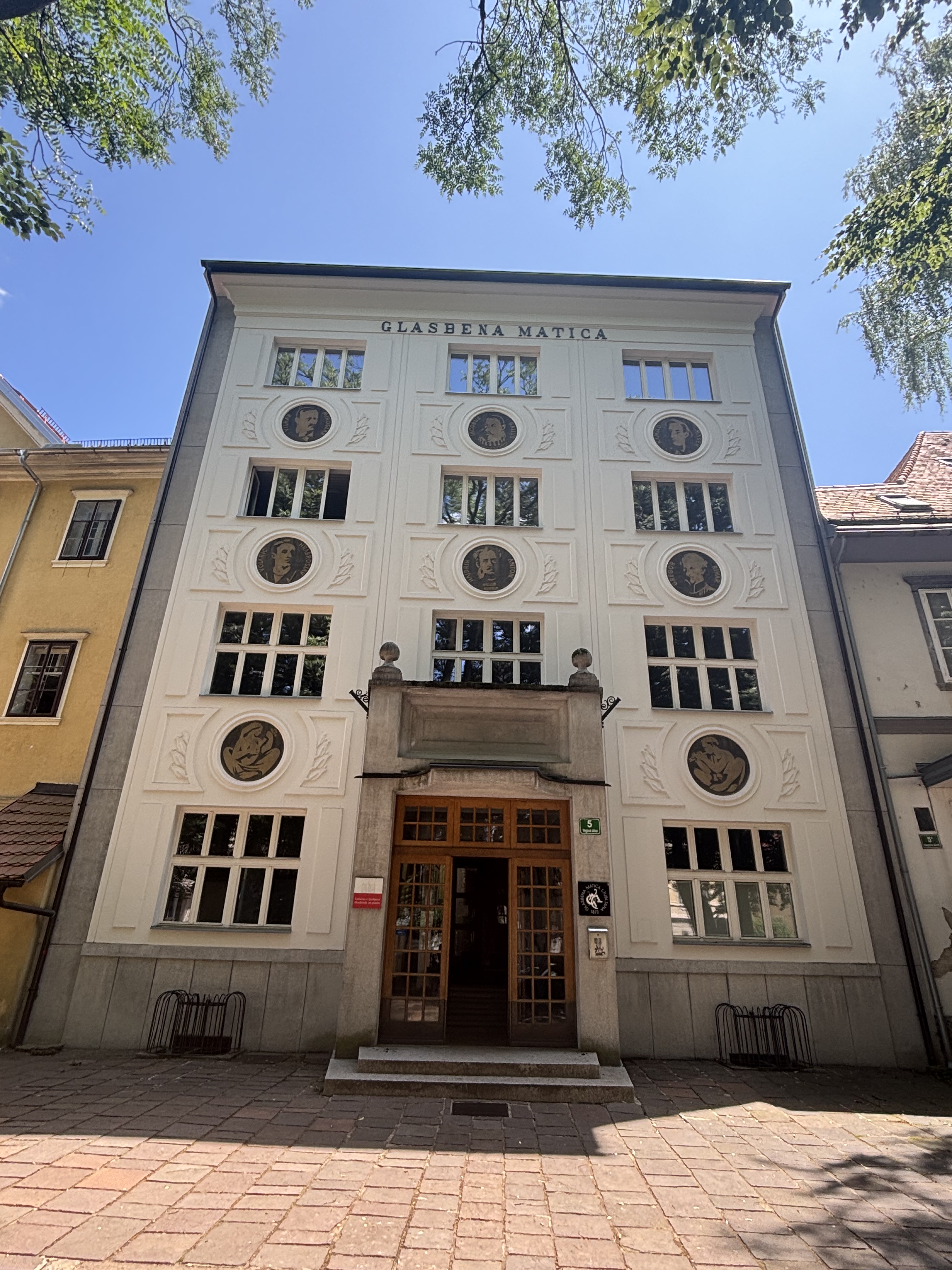
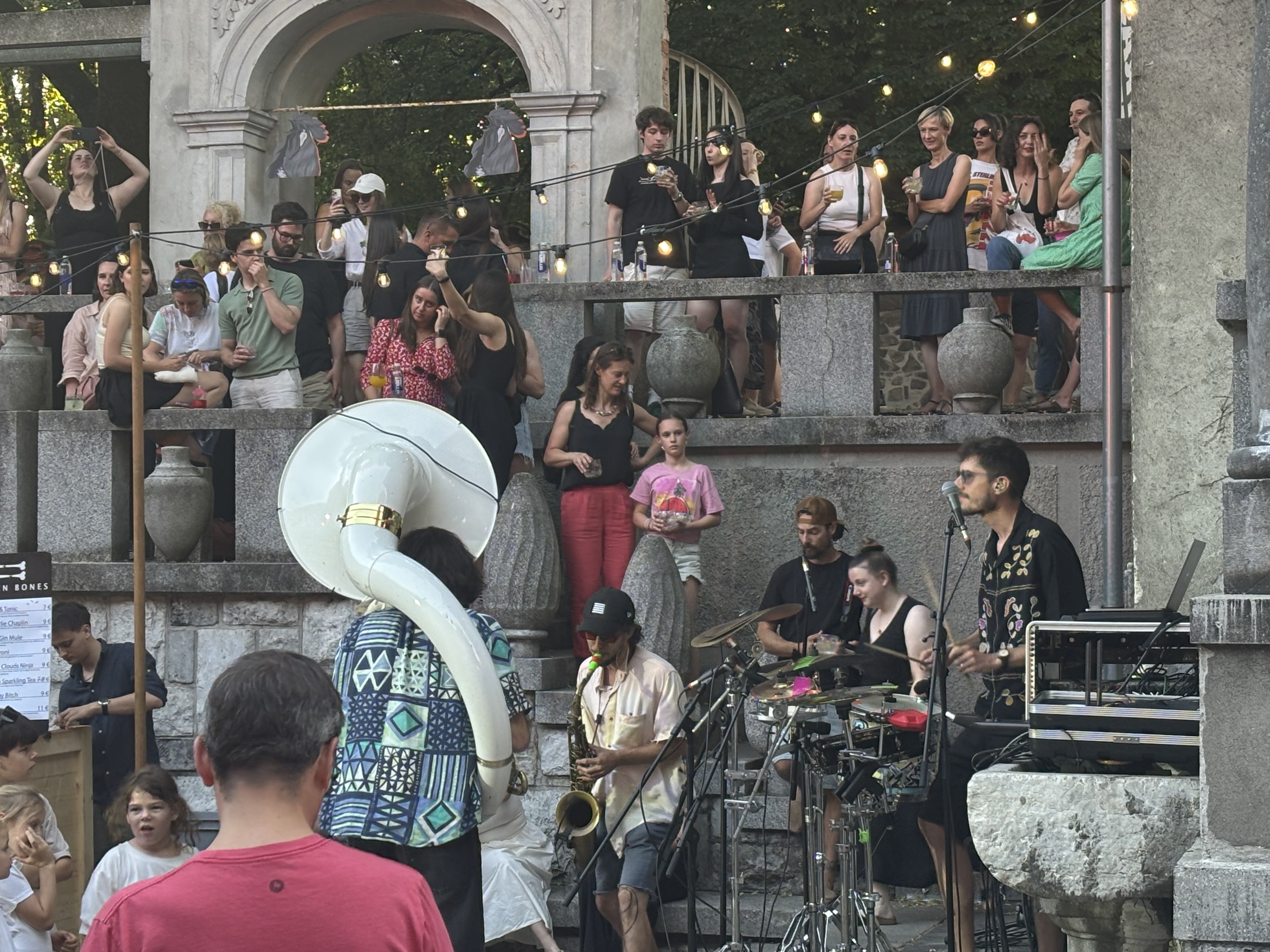
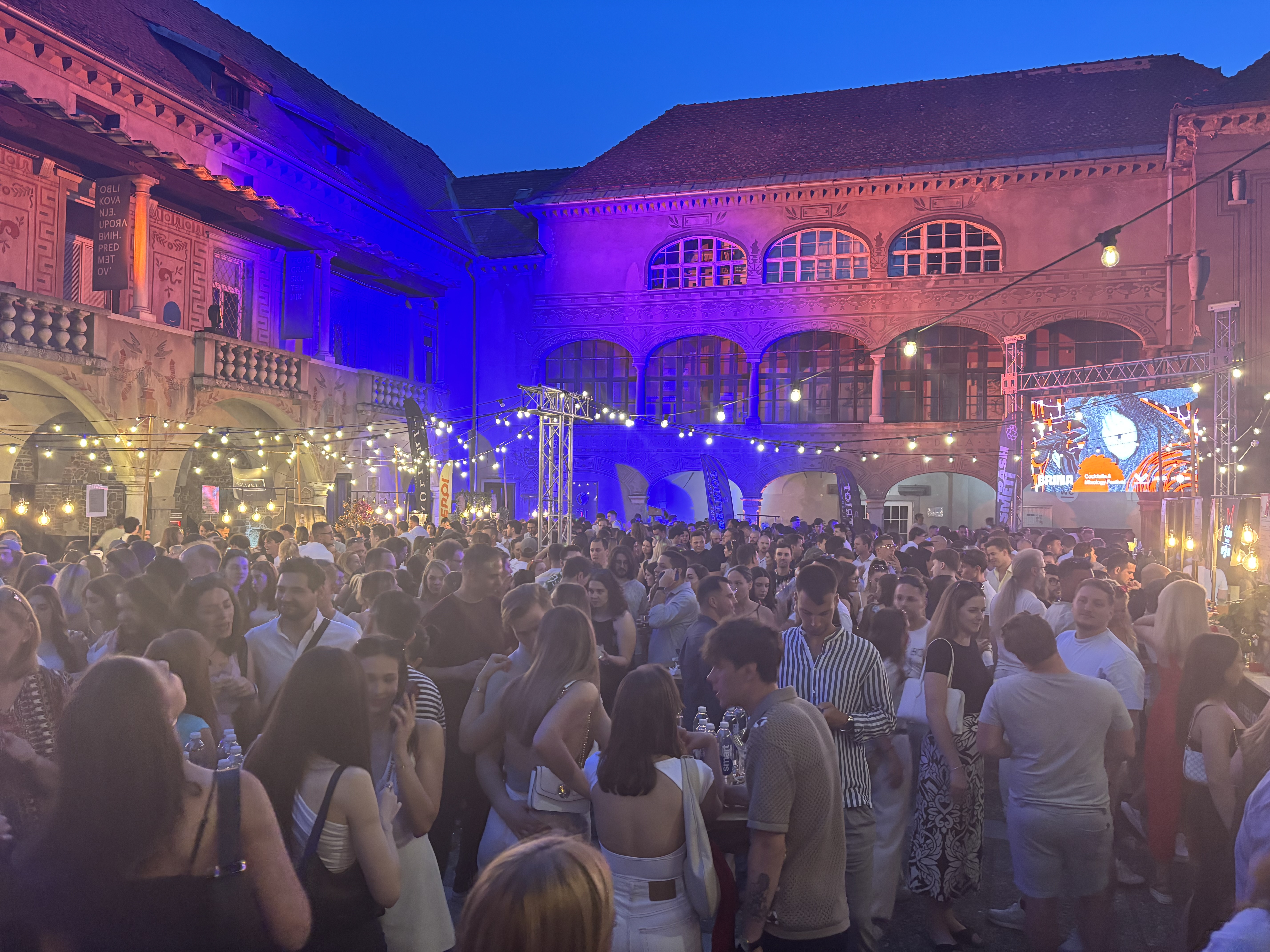
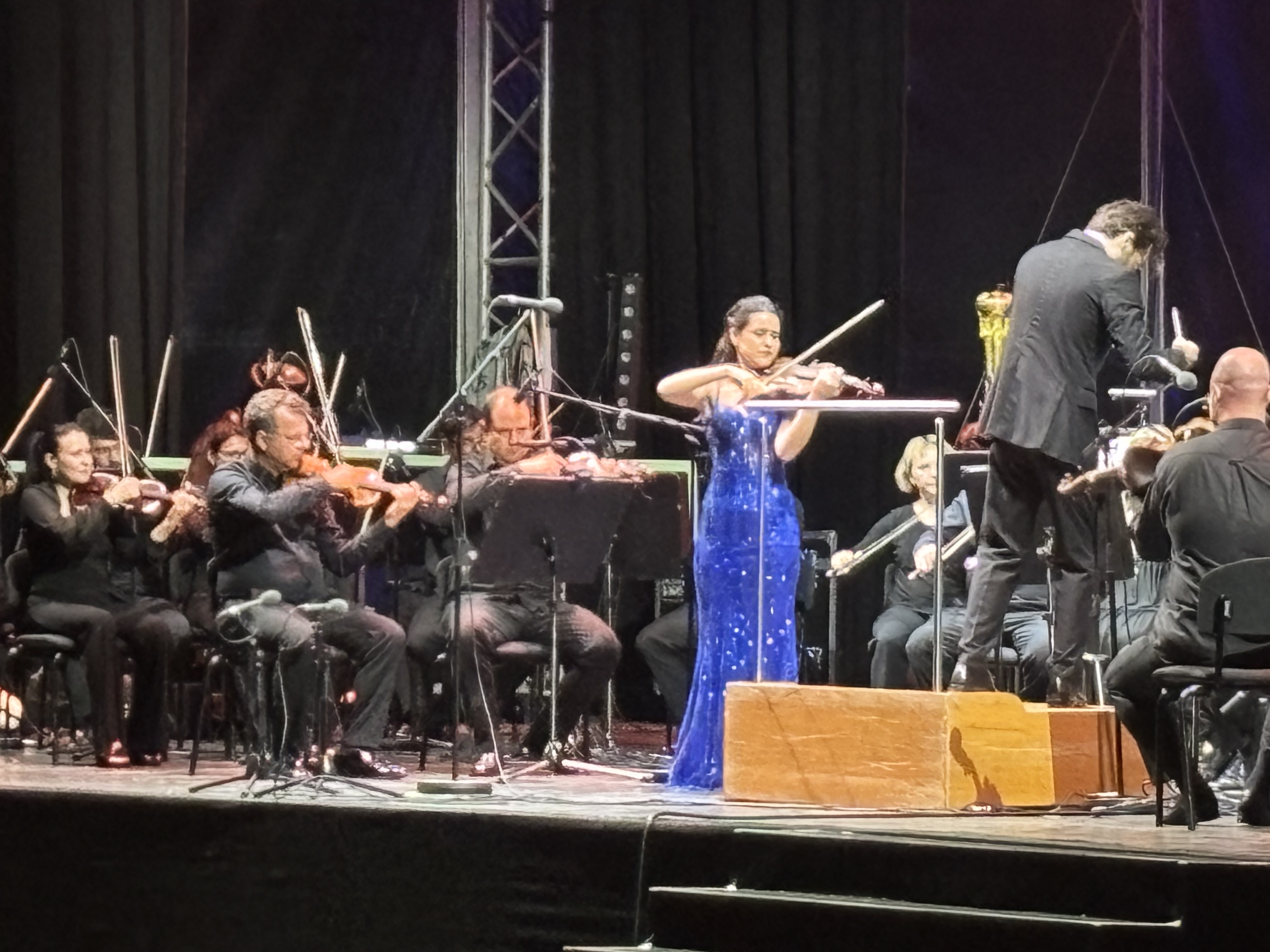
All of this results in an unlikely mix of culture that somehow works. During our first week here, we witnessed a full classical orchestra and Pink Floyd performing open-air concerts three blocks apart on the same street at the same time – both to packed audiences. (The latter performance was in a 12th Century monastery that Pleicnik converted into an outdoor music venue with a retractable roof. The same venue hosted a cocktail event with a hip hop brass band a week later.) We regularly encounter marching bands on the street and pass by students practicing their scales at the music school down the block. Locals have told us that college students are just as likely to finish a long night out dancing at the club or singing traditional folk music. It’s quirky in a good way.
All we can say to the people of Ljubljana is: Hvala!


 The Global Slowmad
Leave a comment