It was time for us to move on again. The easiest way to get from Donostia-San Sebastian to Ljubljana is by catching an early morning Air France flight from Bilbao (about an hour away from Donostia by car), with a connection in Paris. We wanted to spend a little time in Bilbao as well, so we decided to head out a day early and booked a stay with points at an airport hotel to make sure we could catch our early morning flight without having to depend on finding an Uber or taxi.
We initially had planned to take the bus, but the tickets for our preferred travel date (a Saturday) were all sold out by the time we tried to book them and the train ride somehow takes 4.5 hours, so we opted to rent a car instead. It’s a quick and easy drive, and the Bilbao airport was easy enough to navigate for the rental car return, but do pay attention to the fact that you can’t turn left across a solid white line in Spain. The trip between our hotel and the airport could only be completed via u-turn. We initially thought Google Maps was just messing with us when it told us to drive to a remote location and turn around but later watched two taxis and a hotel shuttle do the same thing.
Bilbao may be only an hour’s drive from Donostia and still part of the Basque region, but it has an entirely different vibe. Long-time residents of Donostia still prefer the city’s Basque name over its Spanish name (San Sebastian); residents of Bilbao seem content to use the Spanish name and rarely bother dropping the “a” for the Basque spelling (Bilbo). Donostia feels like a small town; Bilbao feels like an urban center. Donostia is packed with older, international tourists who have plenty of money to spend on food and wine; Bilbao is also packed, but with young Spaniards pinching their Europennies while socializing with friends over craft beer and cocktails. In simple terms, Donostia is a classy beach resort; Bilbao is a gritty artist haven along the river. Oddly enough, we really enjoyed both experiences.
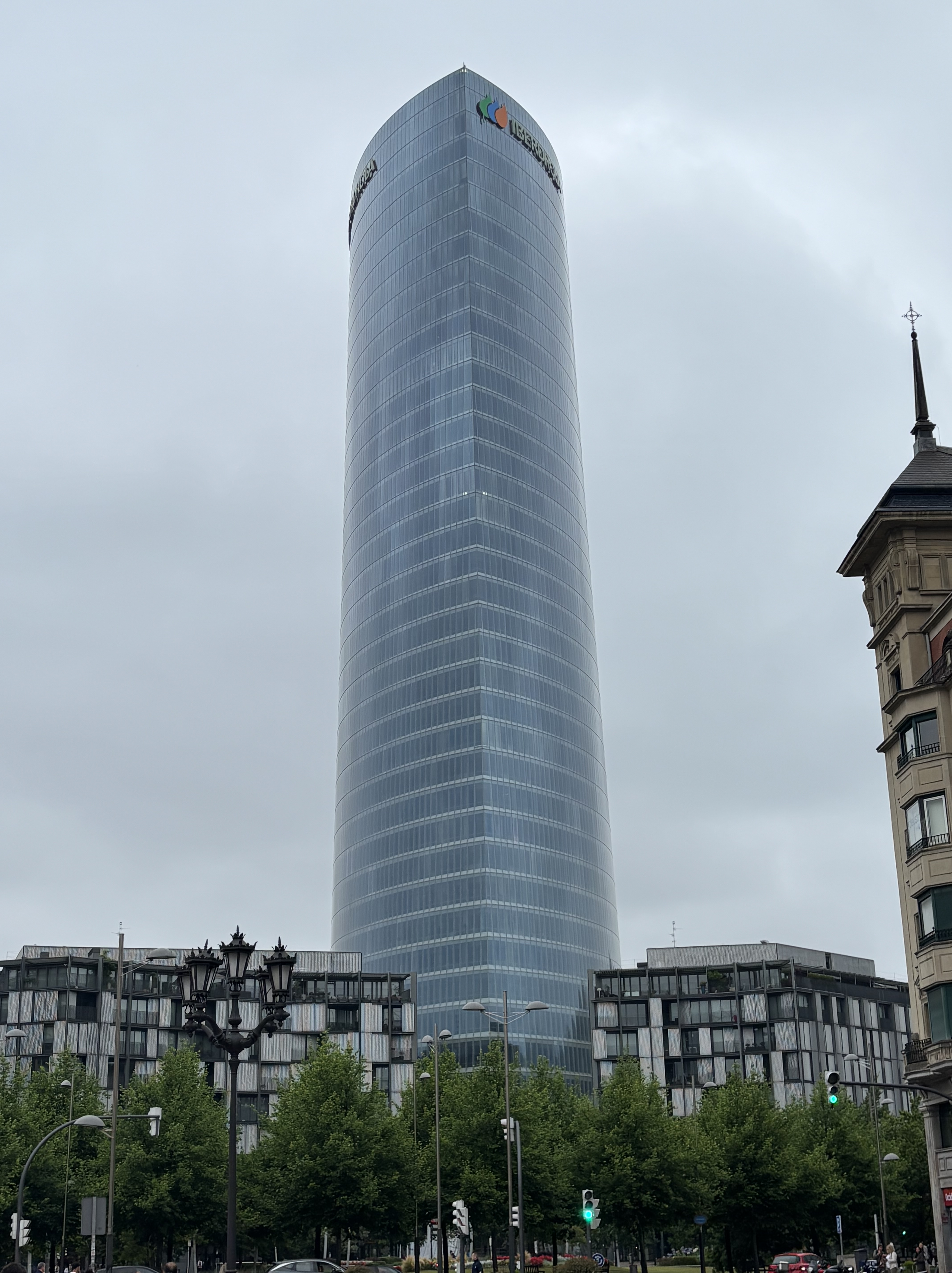
Another way the cities differ is with regard to local transportation. Donostia has banned Uber altogether – presumably to reduce road traffic and/or promote the city’s thriving bicycle culture. Cab rides can only begin at taxi stands, which are few and far between. We found ourselves taking the bus more often in Donostia than anywhere else at any point in our lives. In Bilbao, Uber is allowed to operate using the existing taxi network (hooray, I guess) but apparently is also allowed to charge whatever it wants. It would have cost us more than $70 to hail a taxi via the Uber app for the 15-minute ride between the Bilbao airport and the old town. The same ride from the taxi stand was a fixed $30. It never hurts to compare prices.
Unfortunately, we were in such a hurry to drop off our luggage at the hotel before getting our ride into town that we forgot to grab any of our rain gear or warm clothes from our bags. When we stepped out of the cab in the old town, we quickly realized that was a mistake. Because of the Uber situation noted above, we decided it would be less expensive just to buy some cheap clothes in town rather than pay for another round-trip fare. Darla found a lovely jacket that now travels with us (our first souvenir), and Stu found an $11 hoodie late in the day that now resides at the hotel lost-and-found. We’re told that the weather in Bilbao is always awful – either cold and wet or hot and humid – so we will plan accordingly if we ever return.
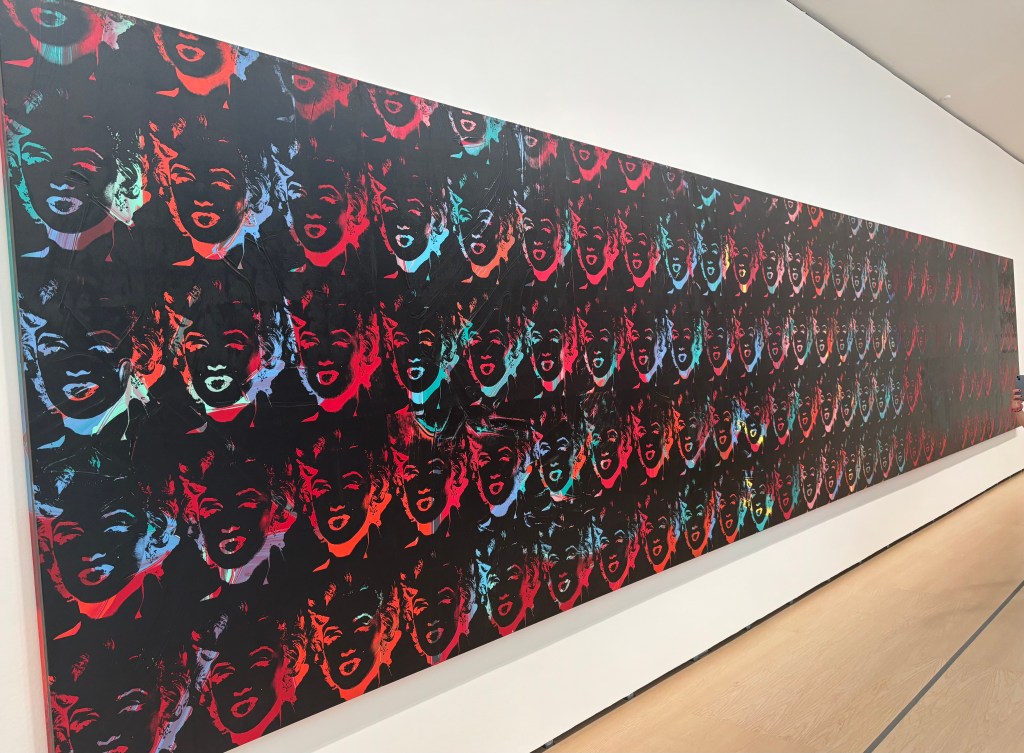
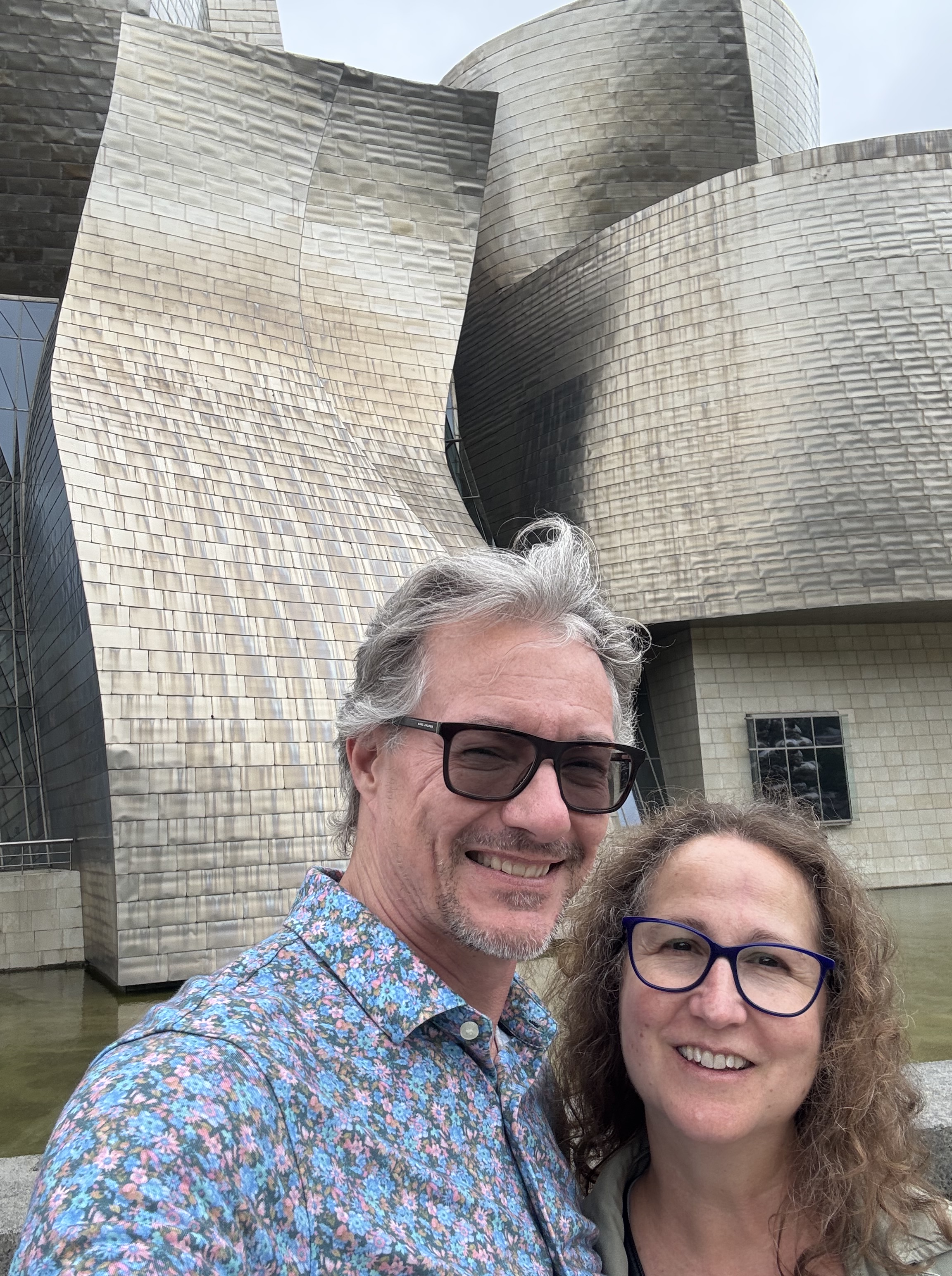
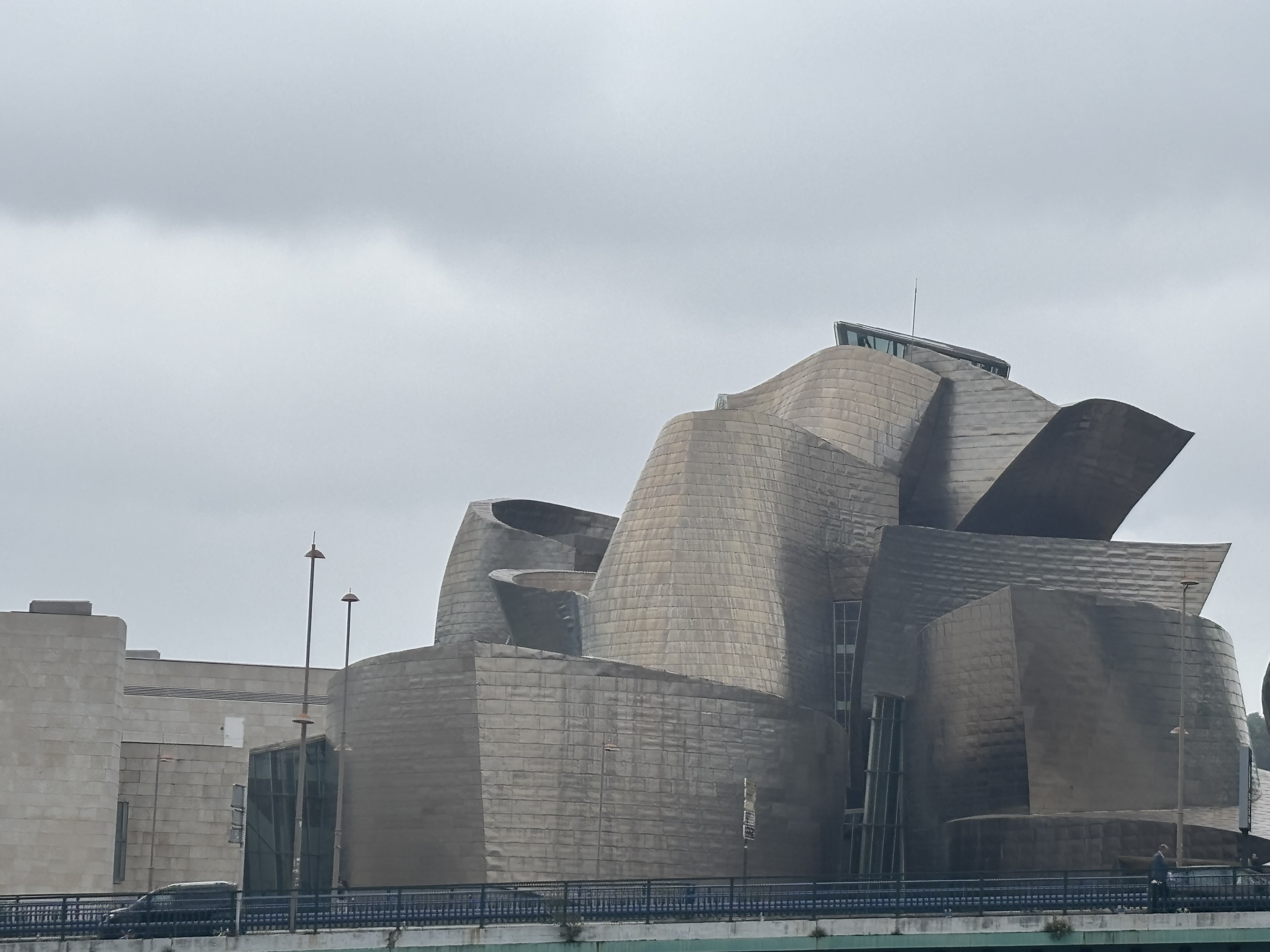
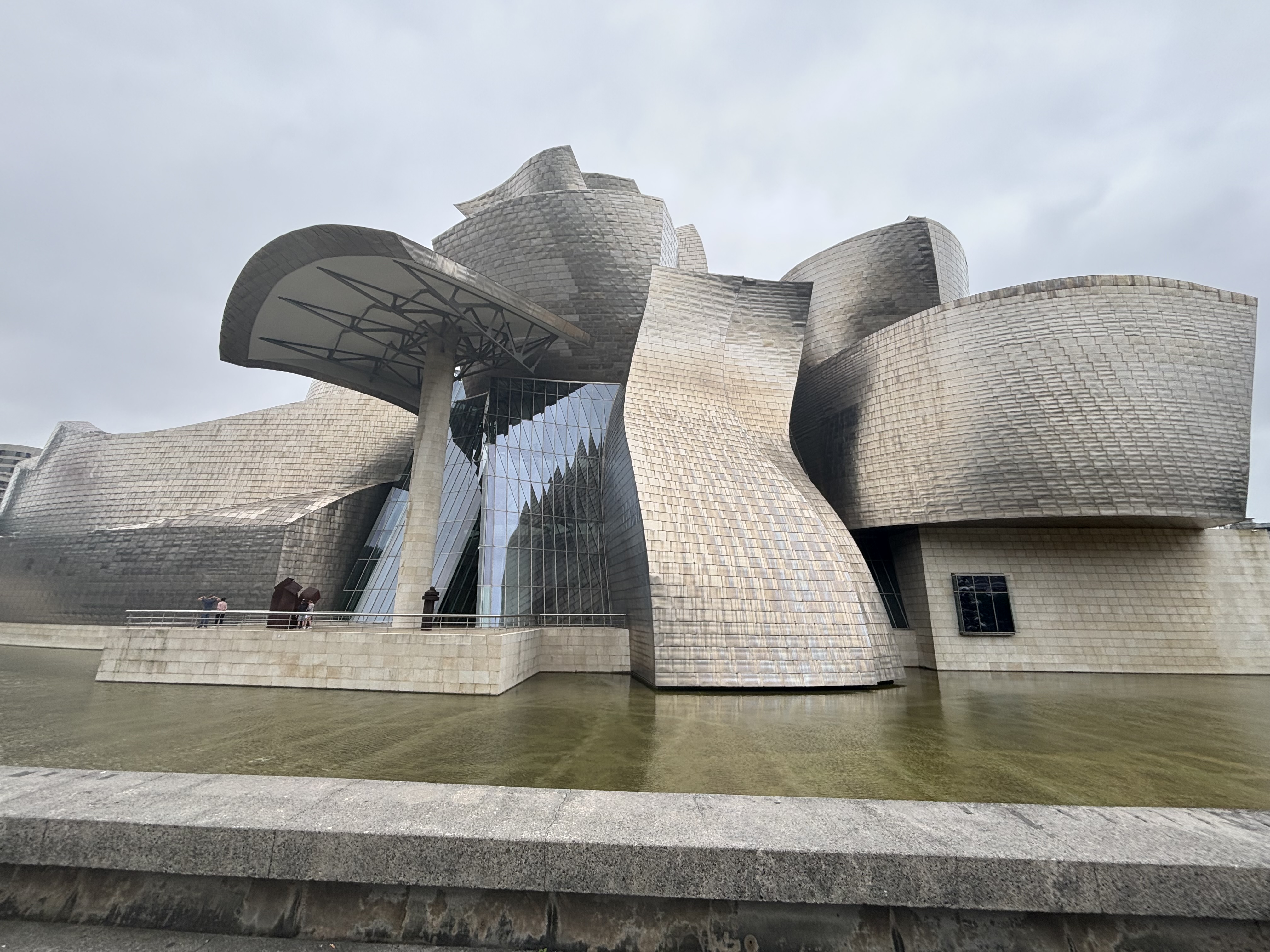
You can’t (or at least shouldn’t) visit Bilbao without checking out the Guggenheim Museum, so we joined every other tourist within a 50-mile radius to marvel at the modern art and even more modern architecture on display. This is another attraction you want to book in advance since they use a timed entry system. The Frank Gehry masterpiece is worth a quick detour – even if you never step inside to ogle the priceless works of art. The abstract modern structure somehow manages to blend in with its surroundings, as the river snakes around it and the cityscape forms a natural backdrop. The sculptures on the plaza surrounding the museum only enhance the experience.
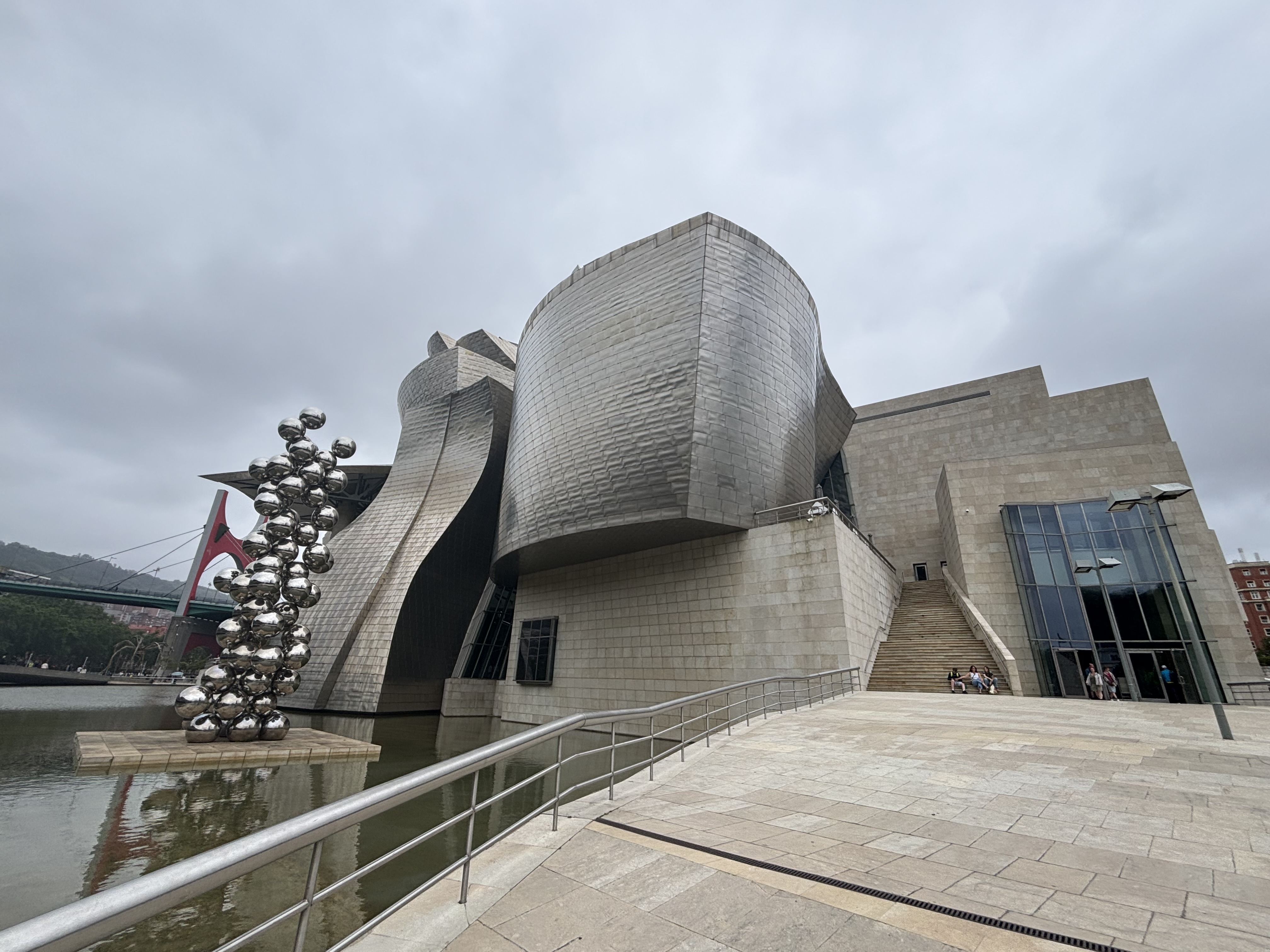

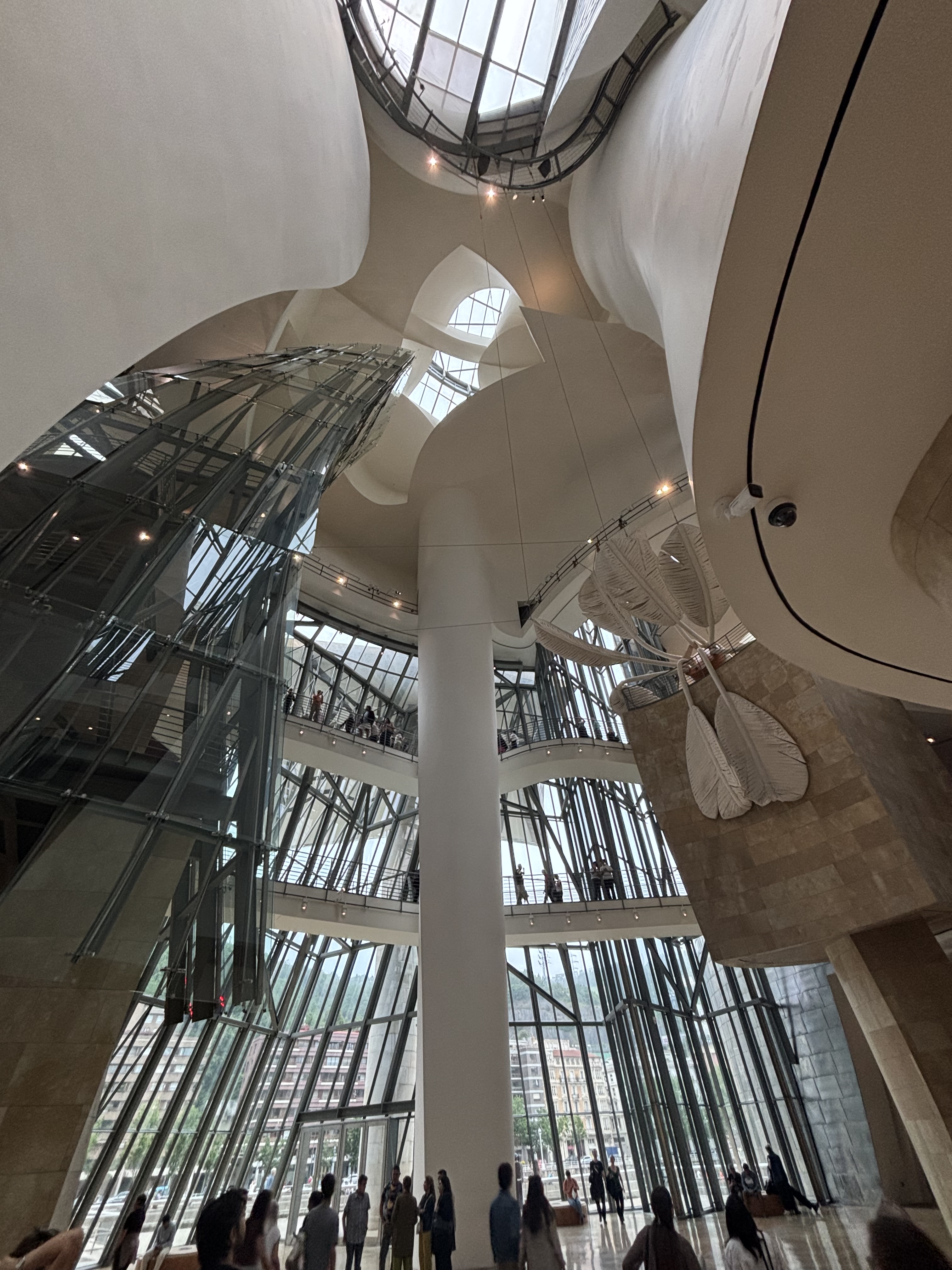
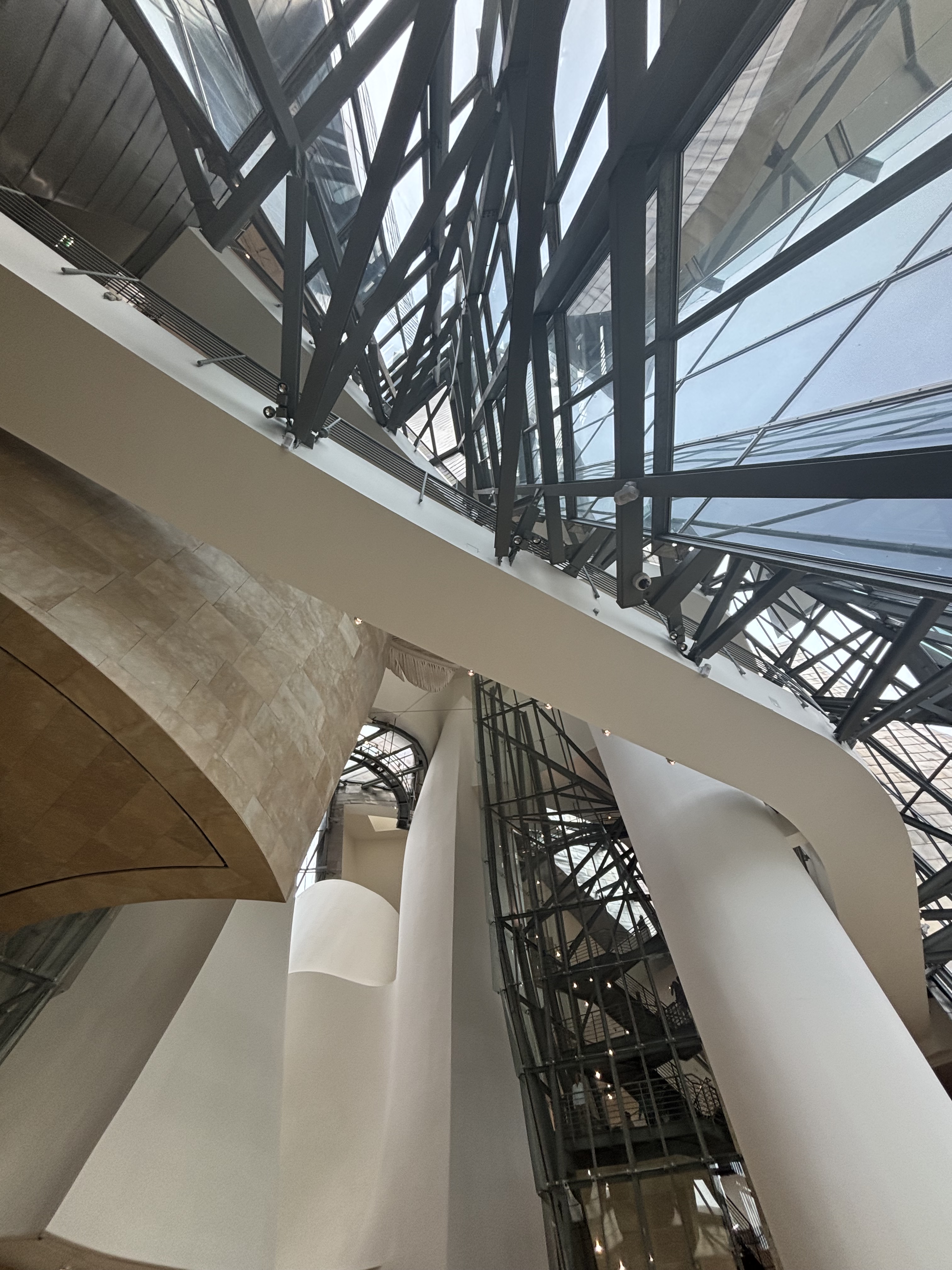
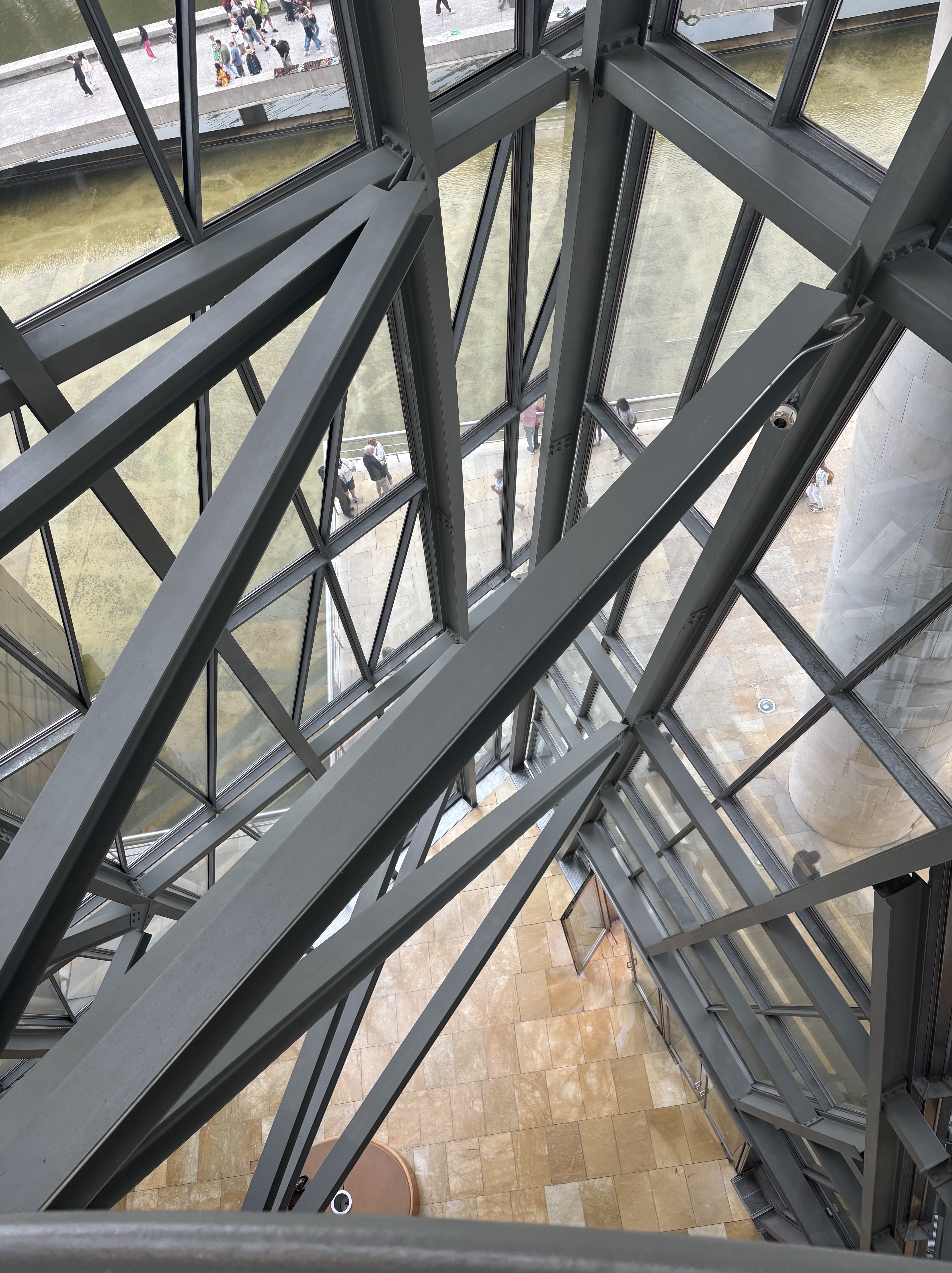
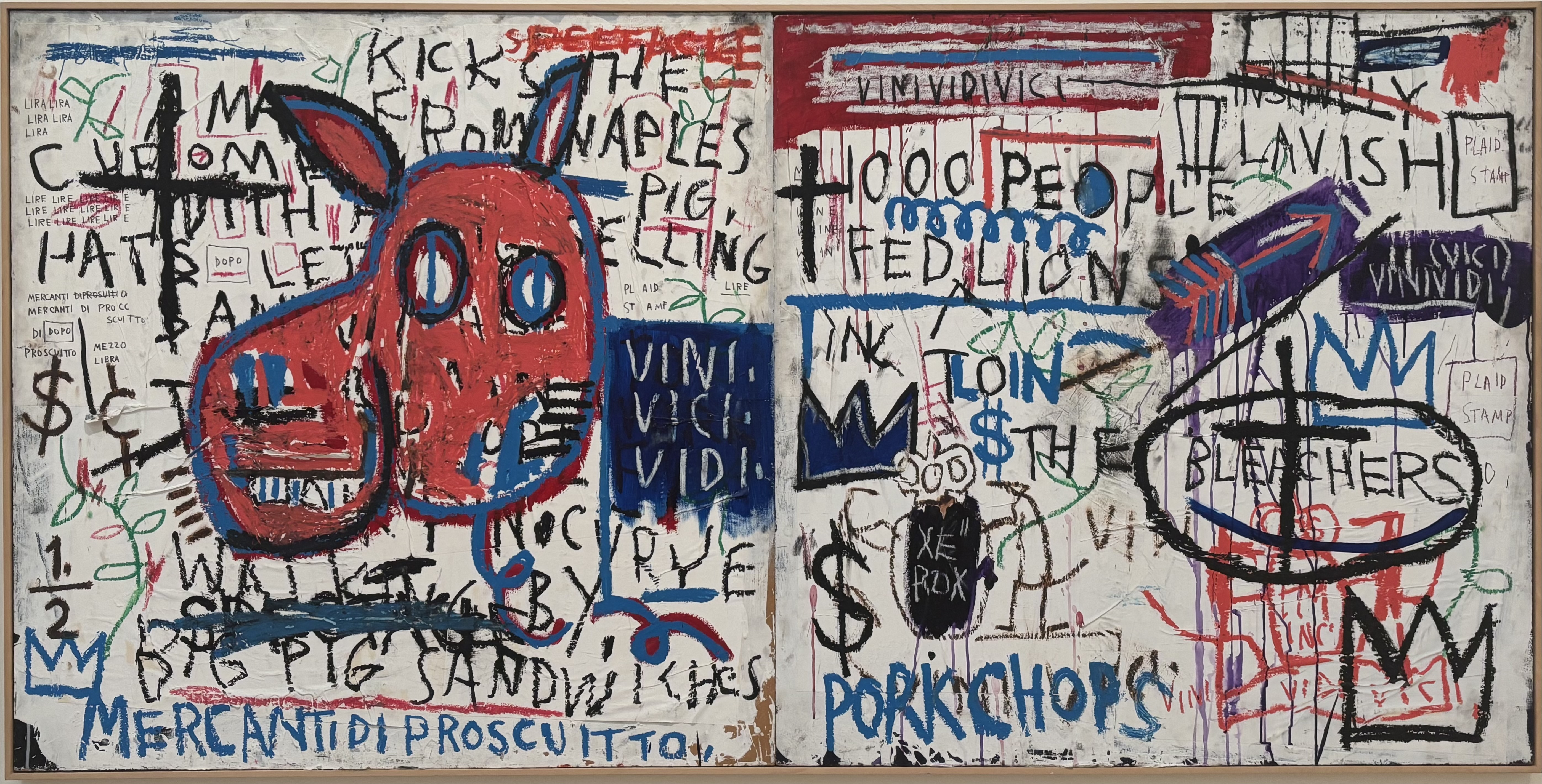
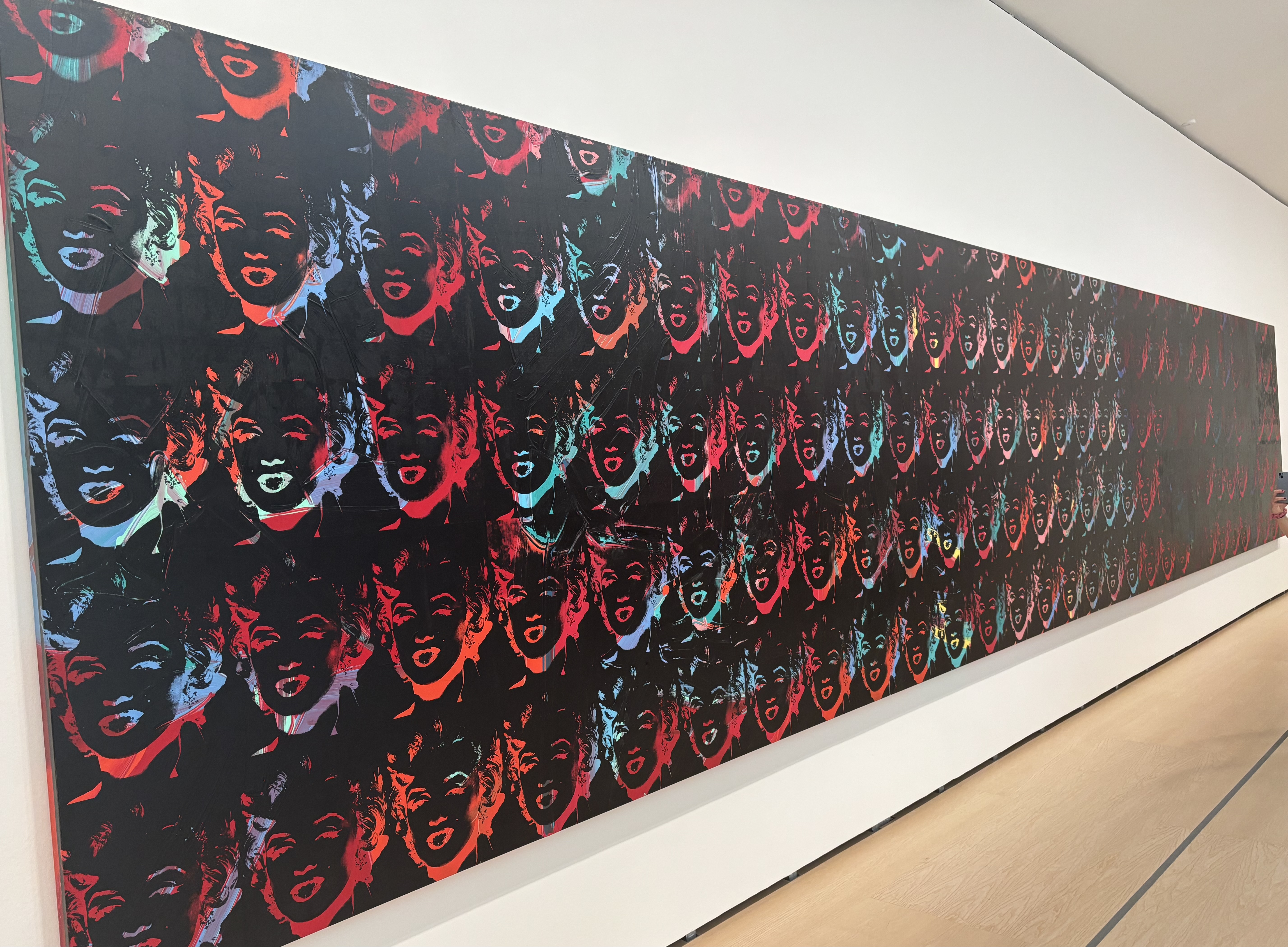
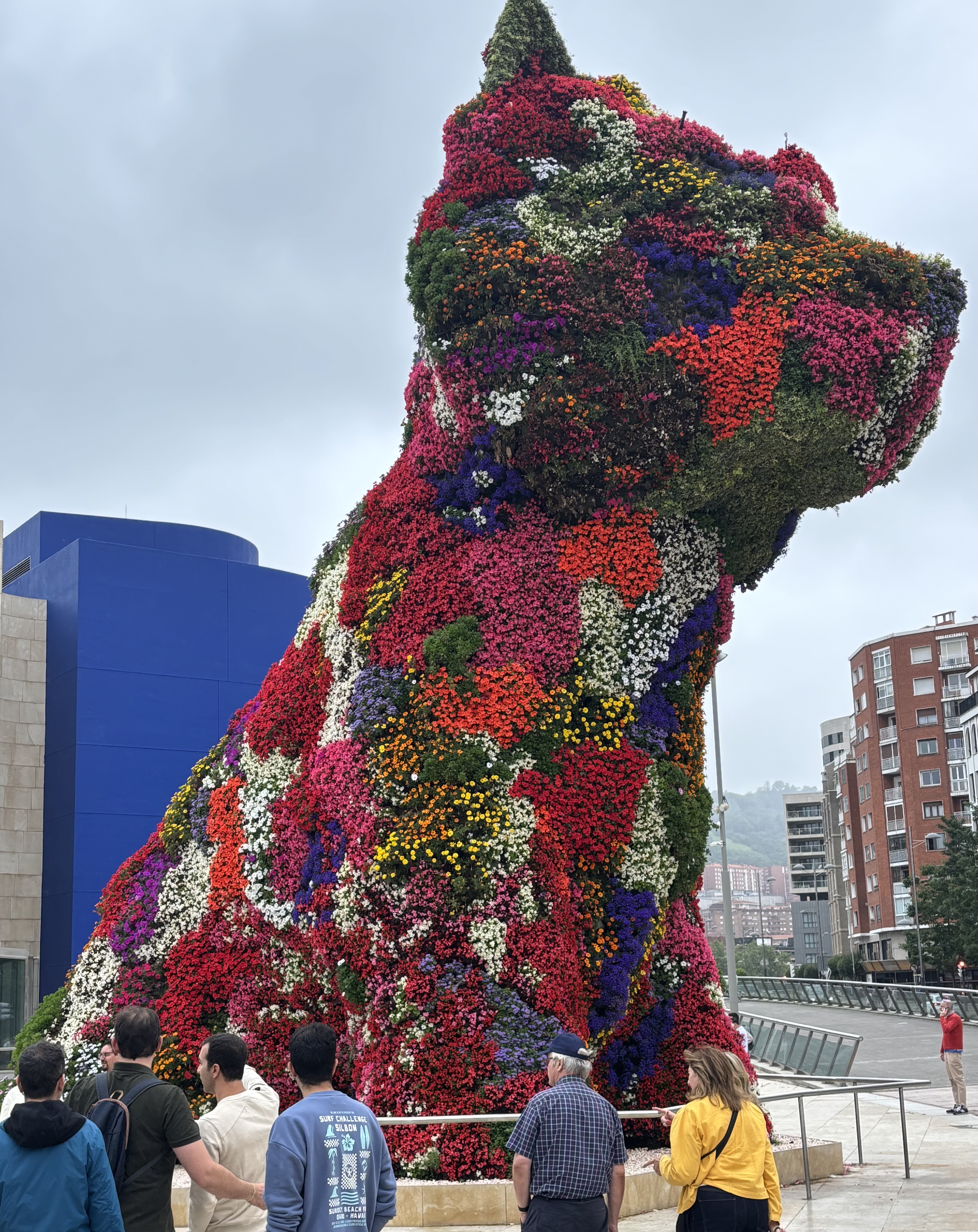
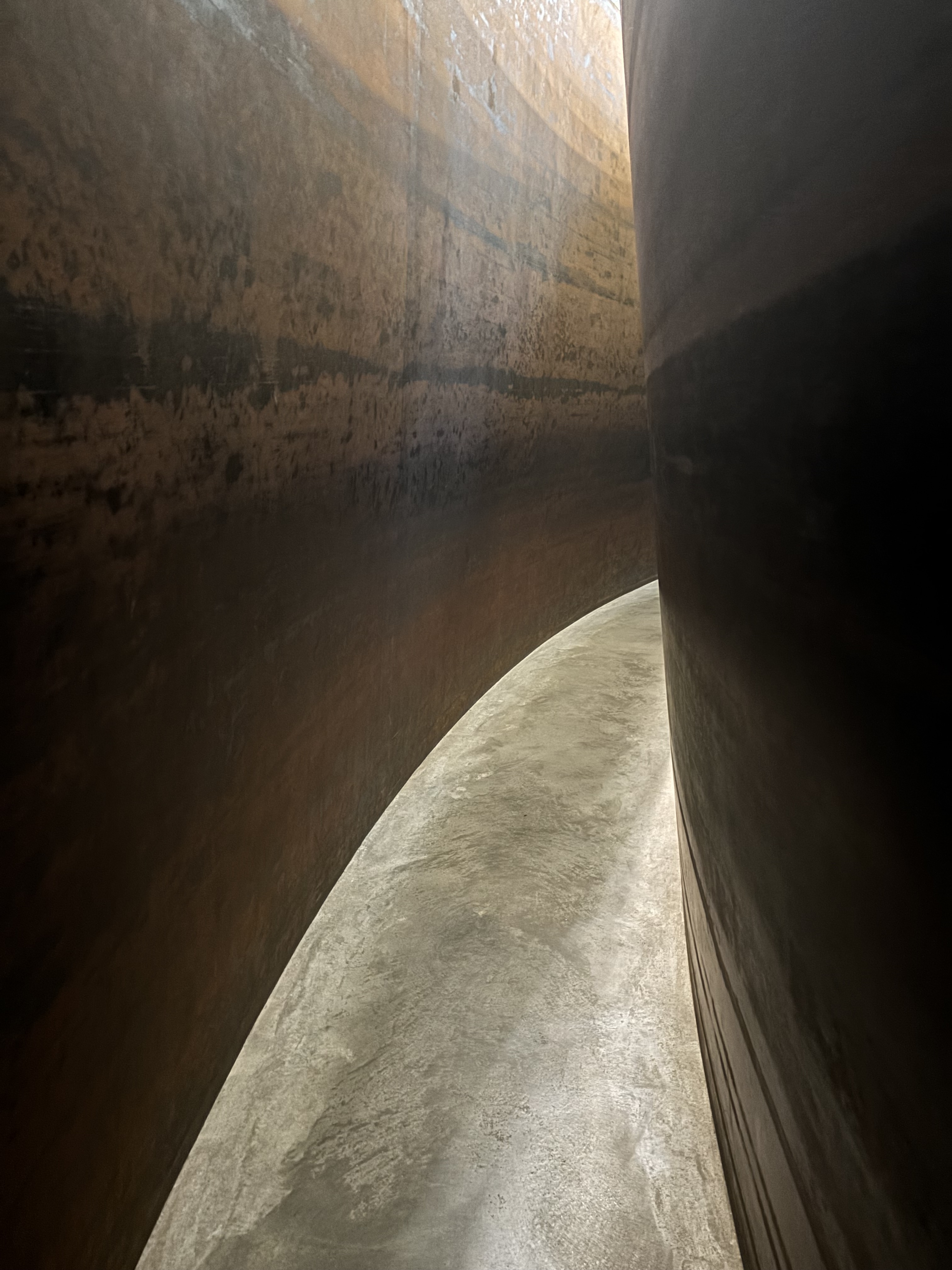
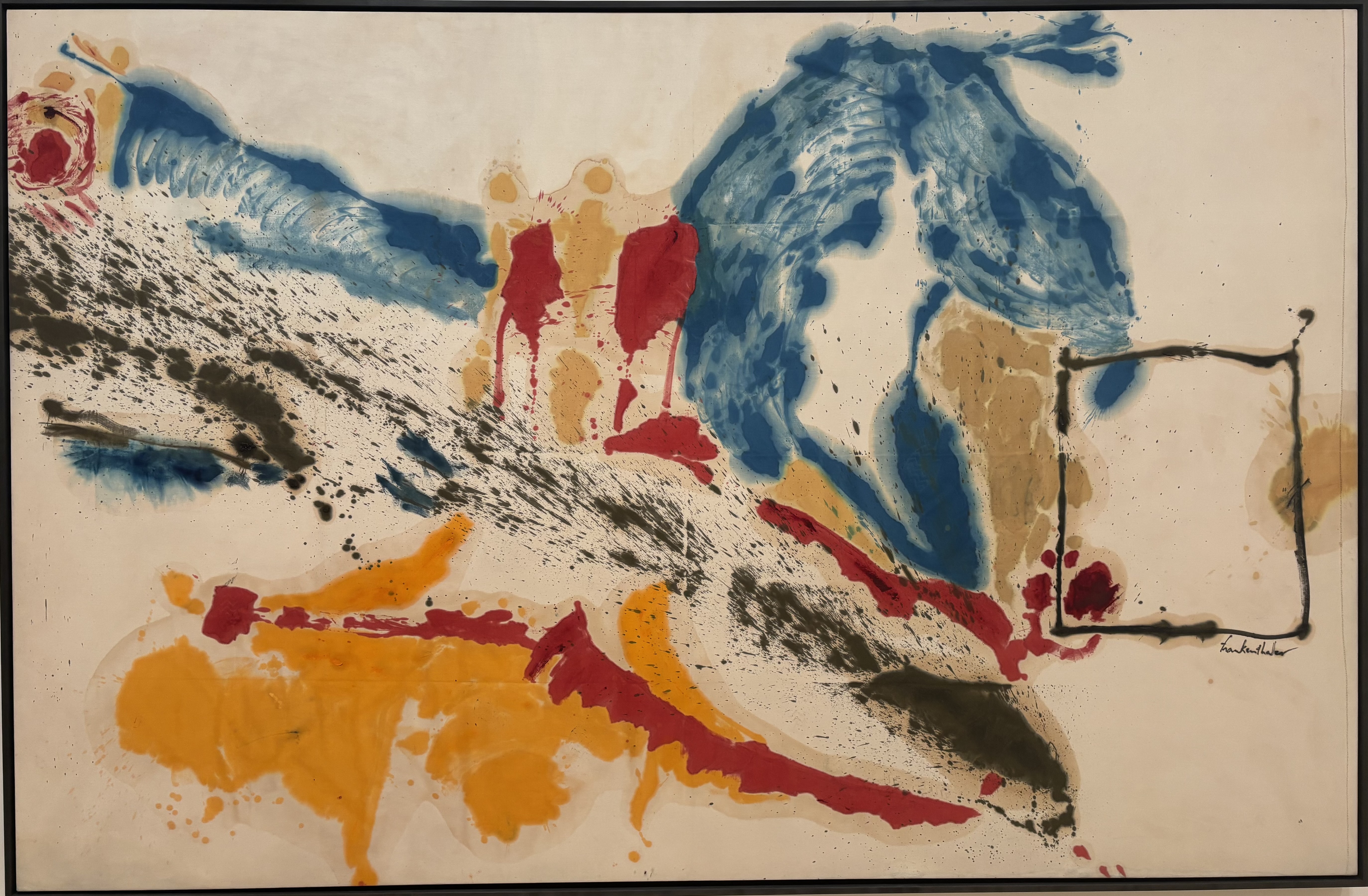
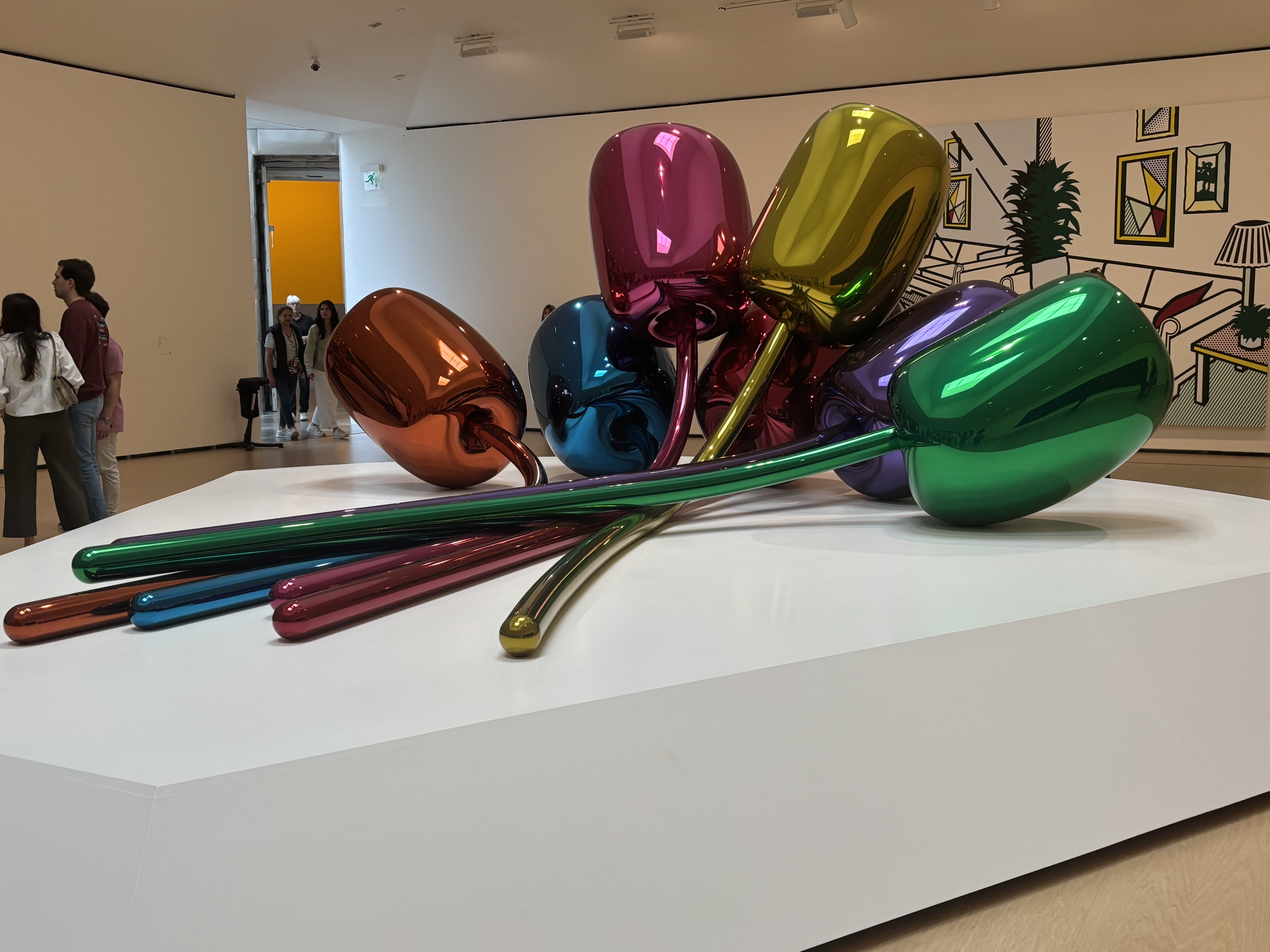
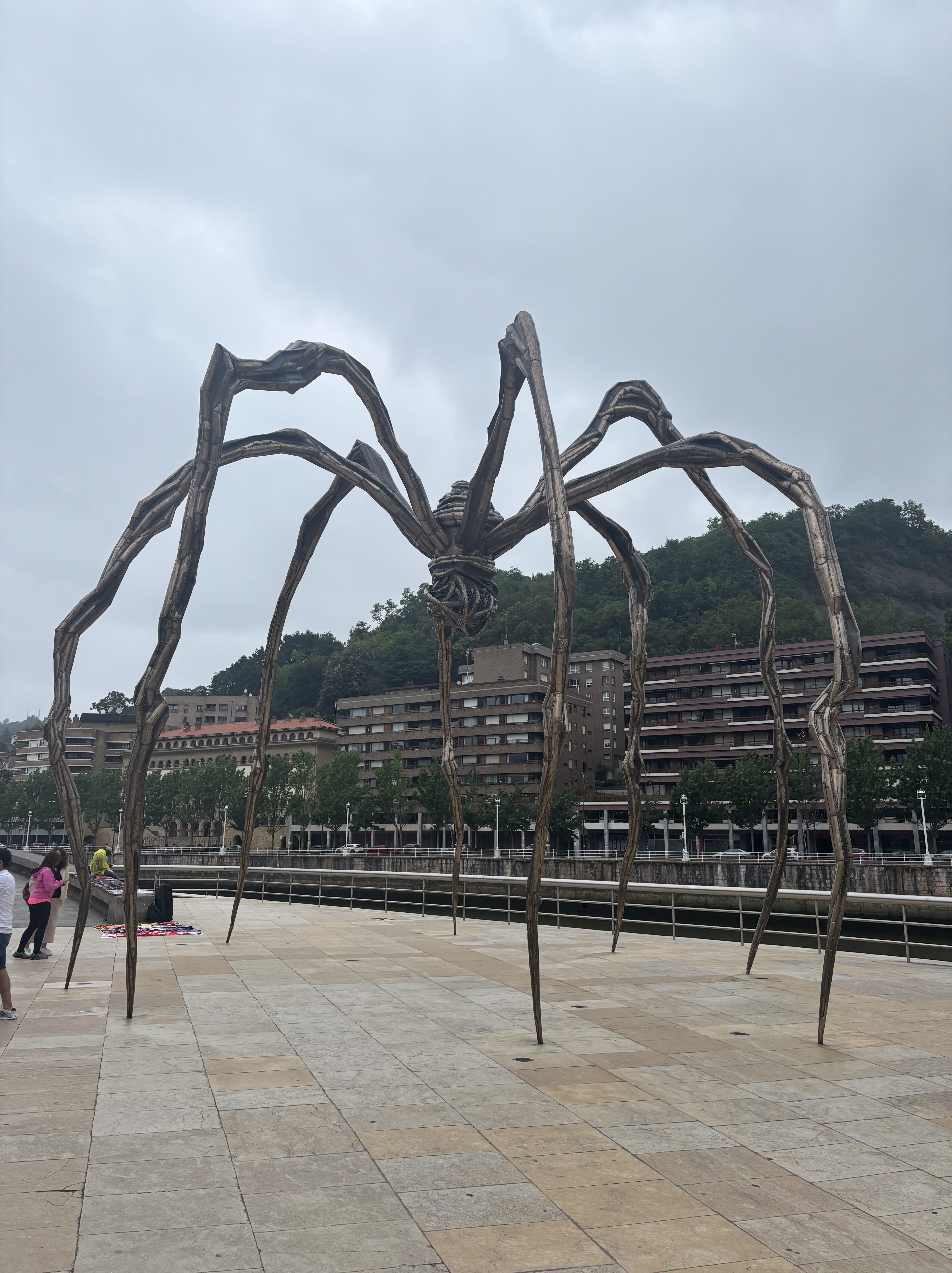
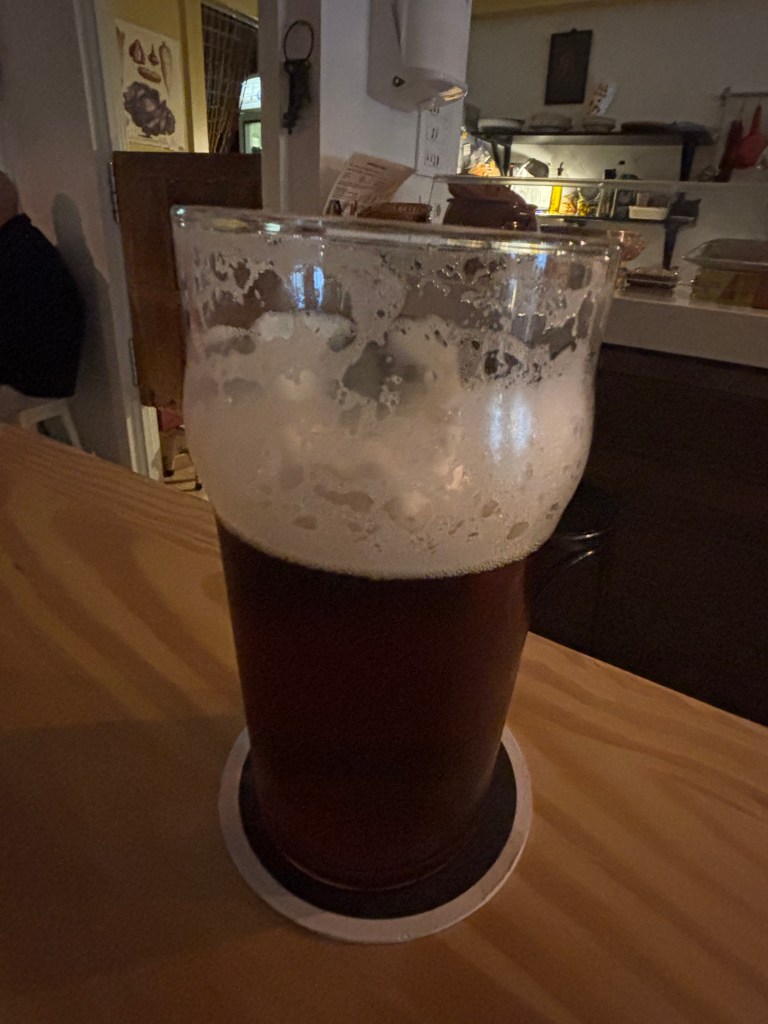
We had a little time to kill before the next item on our itinerary and happened upon a lovely Scottish pub (the Residence) with a surprisingly strong cocktail program. Best Manhattan ever. This was the first of three outstanding bars we spent time at in Bilbao, so we heartily recommend the city to anyone looking for booze on a budget.


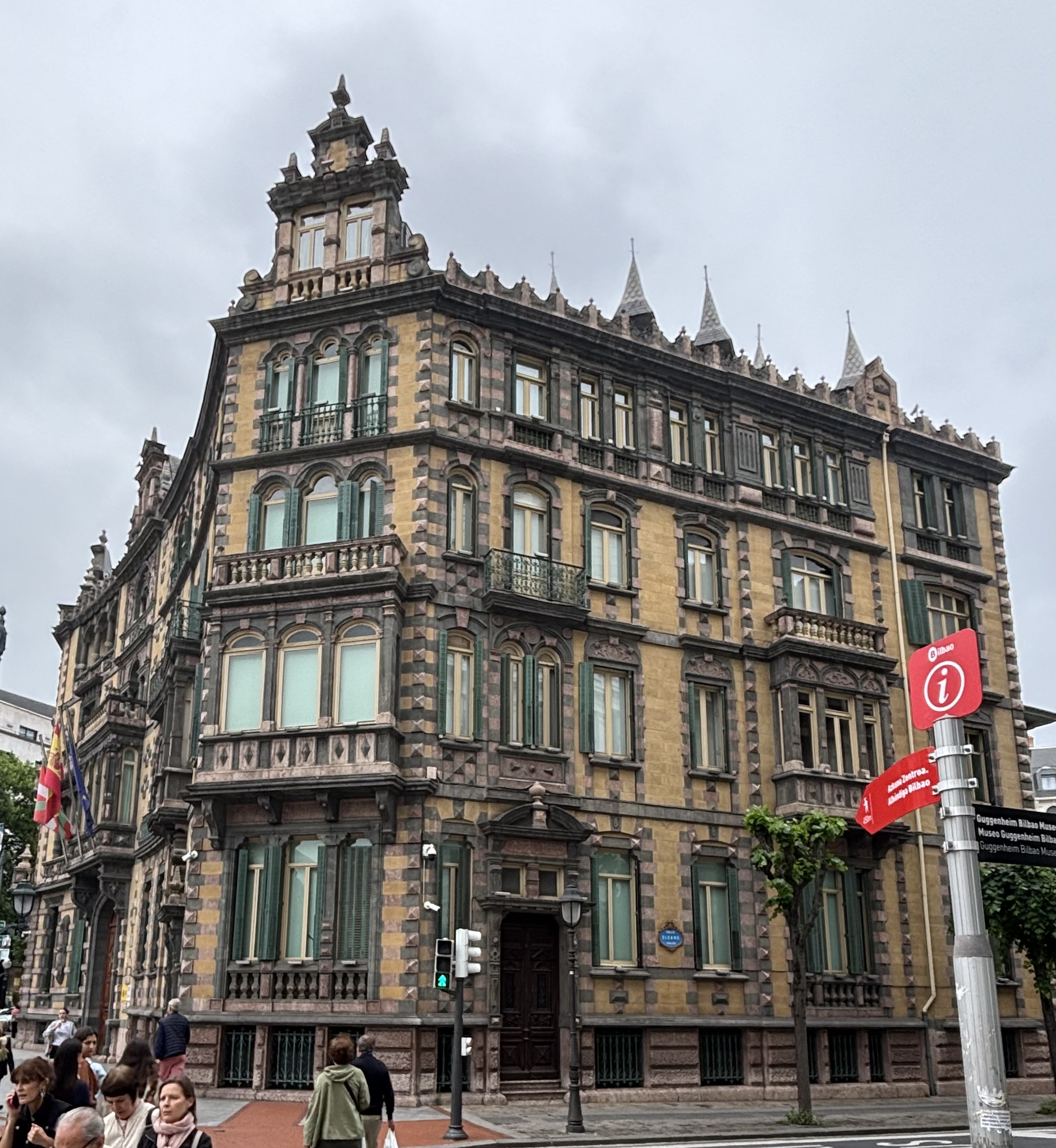
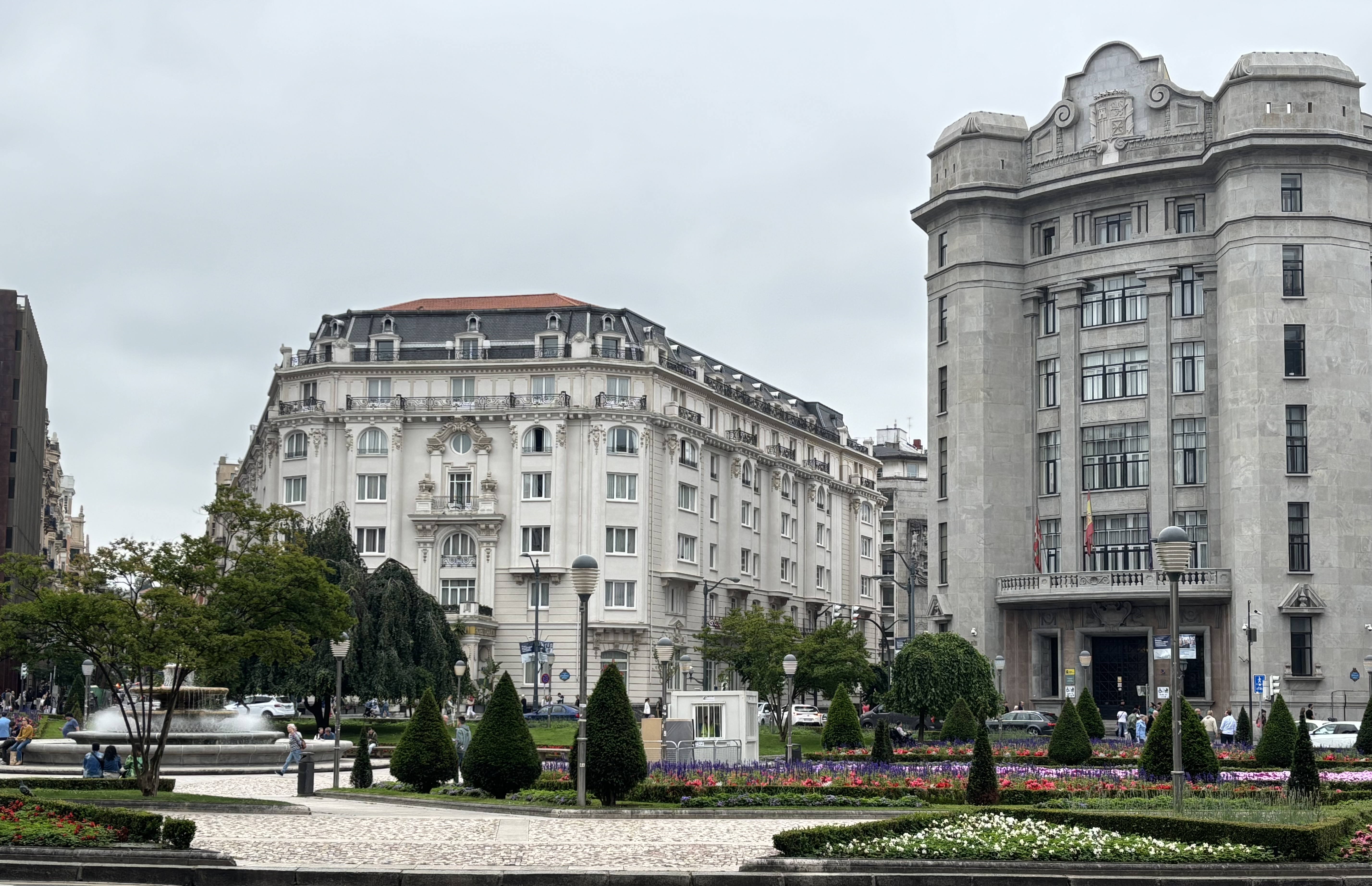
As is our custom, we also had booked a free walking tour (this time, with Basque Free Tours) to check out the highlights of the old town. And as usual, we found the tour to be informative and fun. Like most European cities, Bilbao has a lot of historical buildings (including a 14th Century cathedral) and wild stories to go with them. However, it continues to move forward instead of merely celebrating its past.
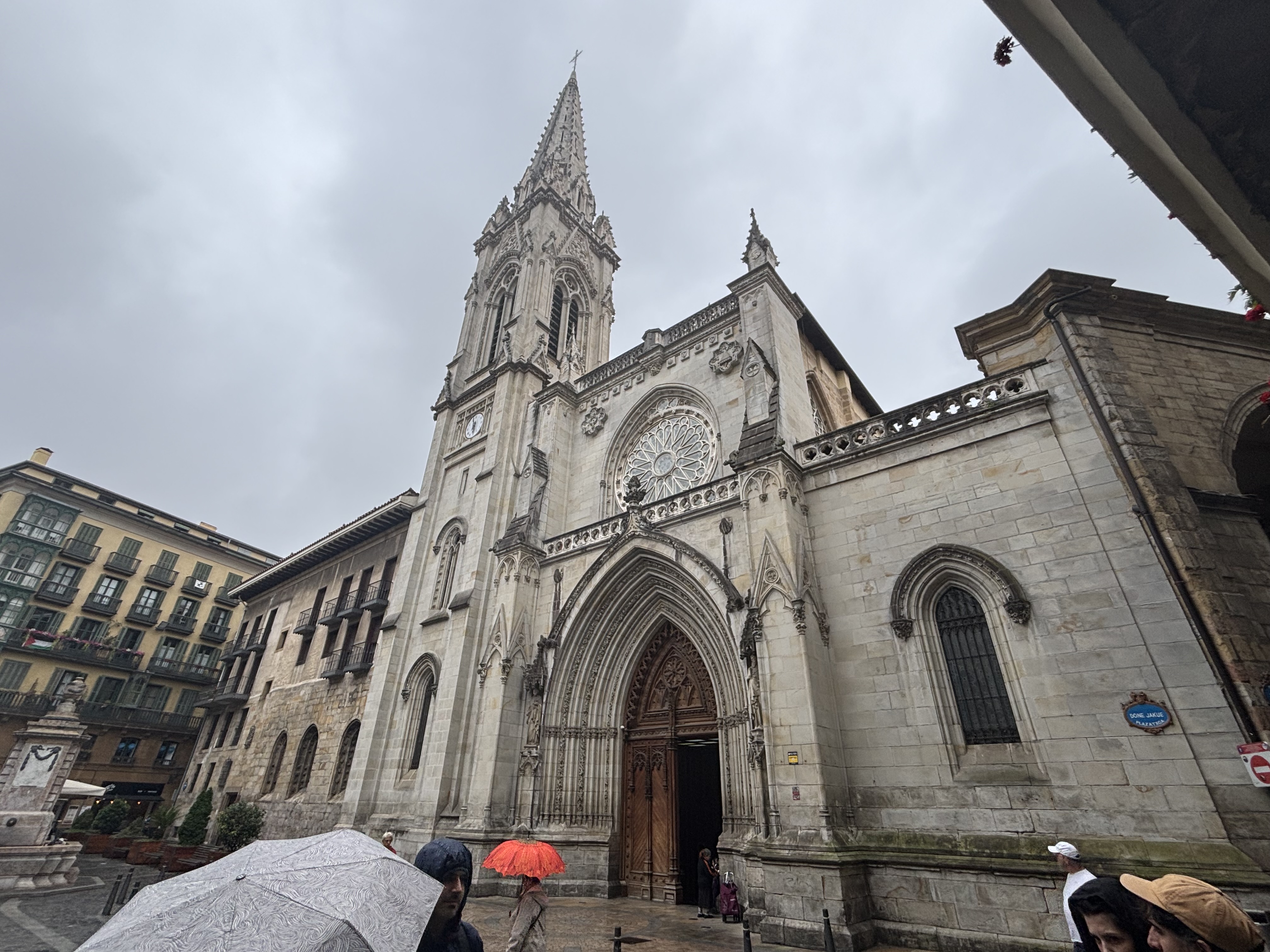
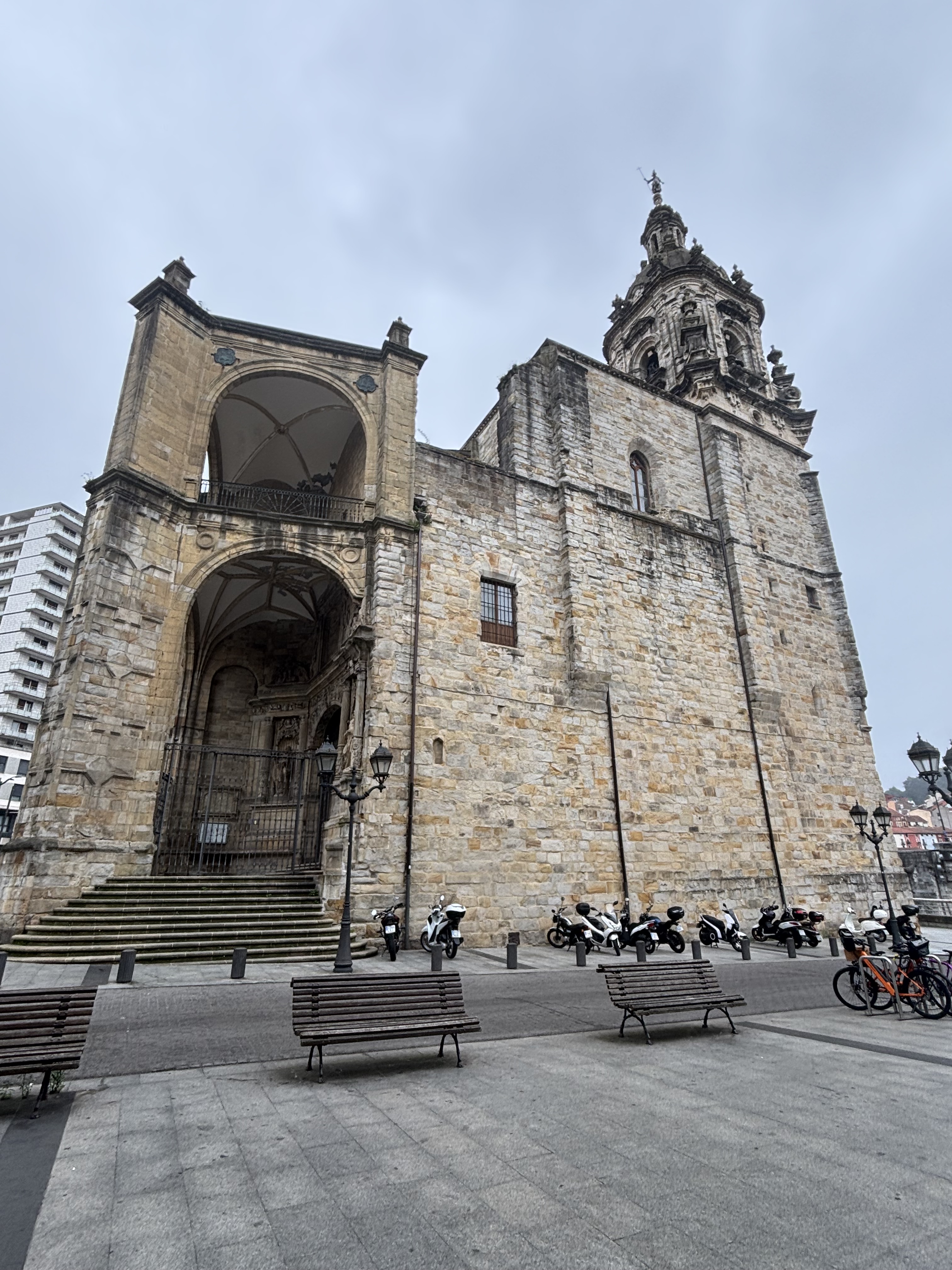
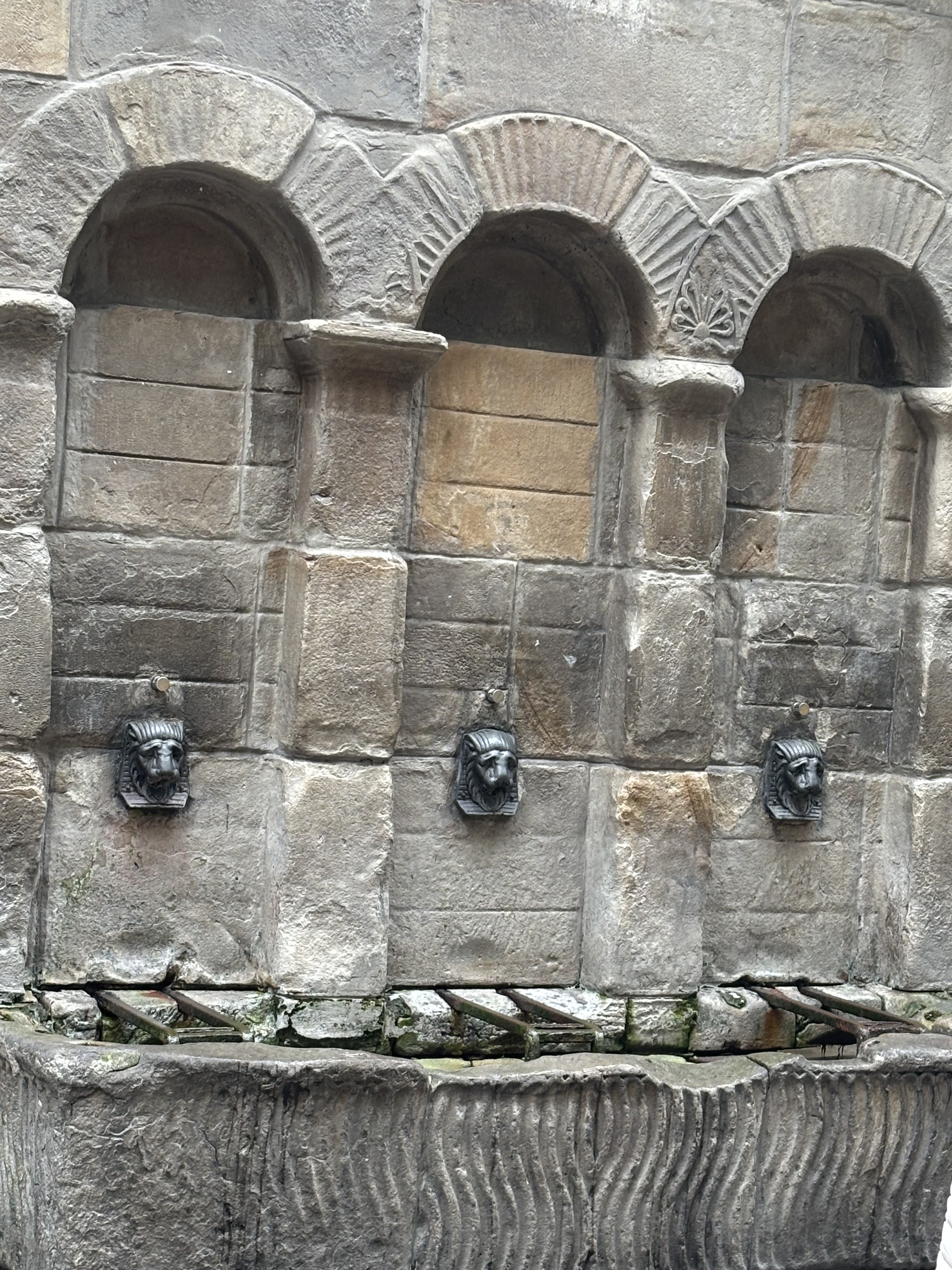
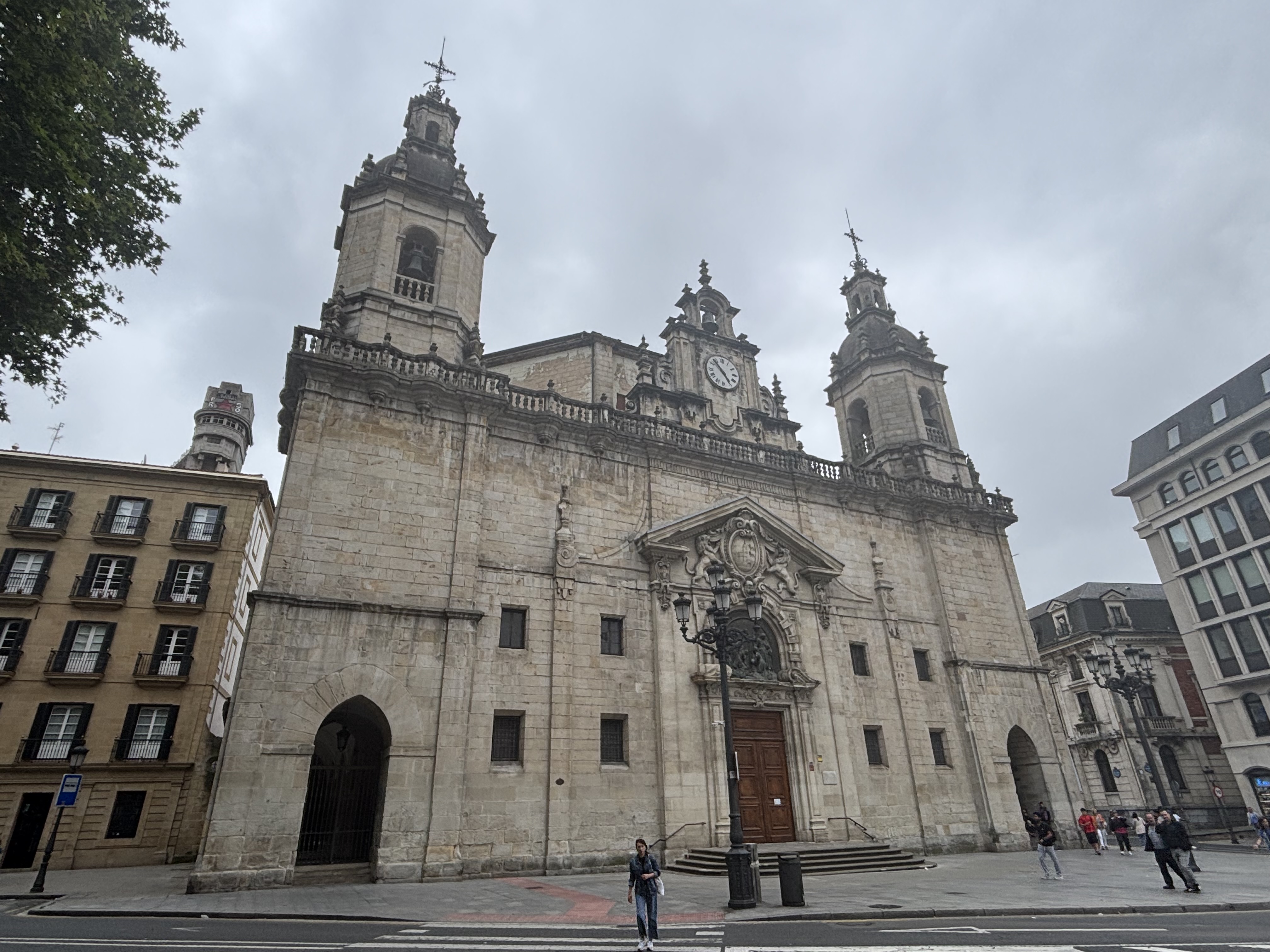
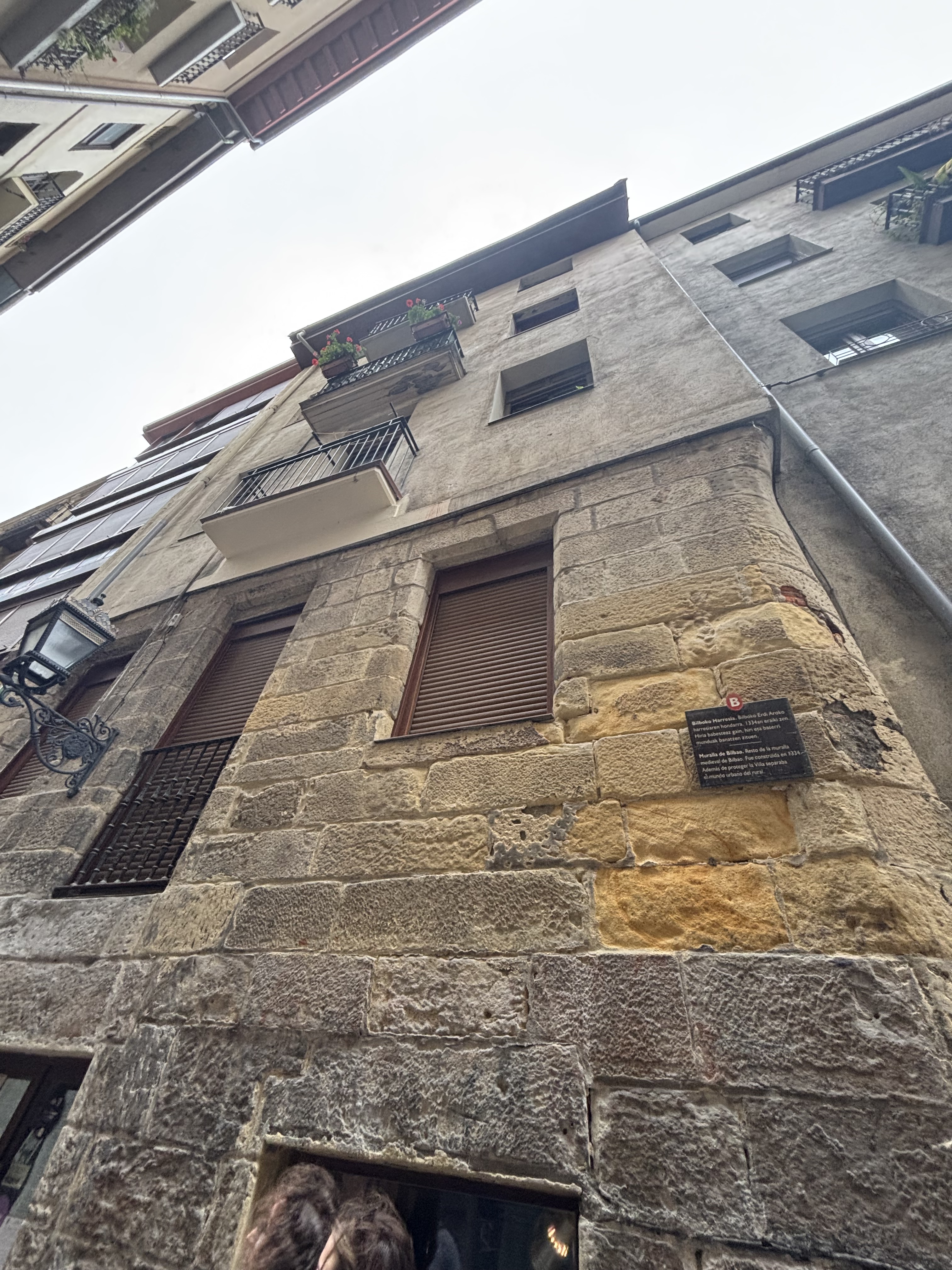
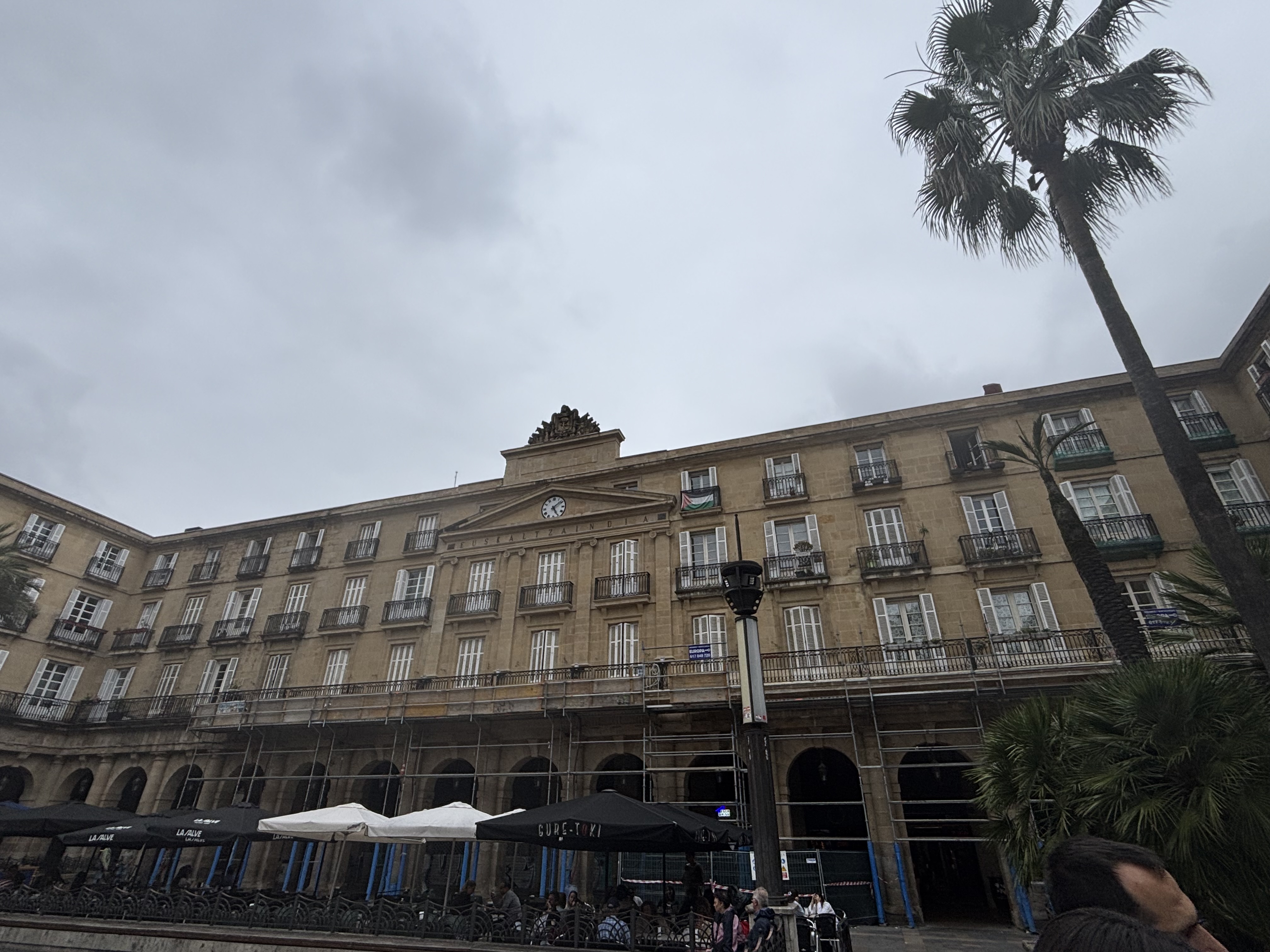
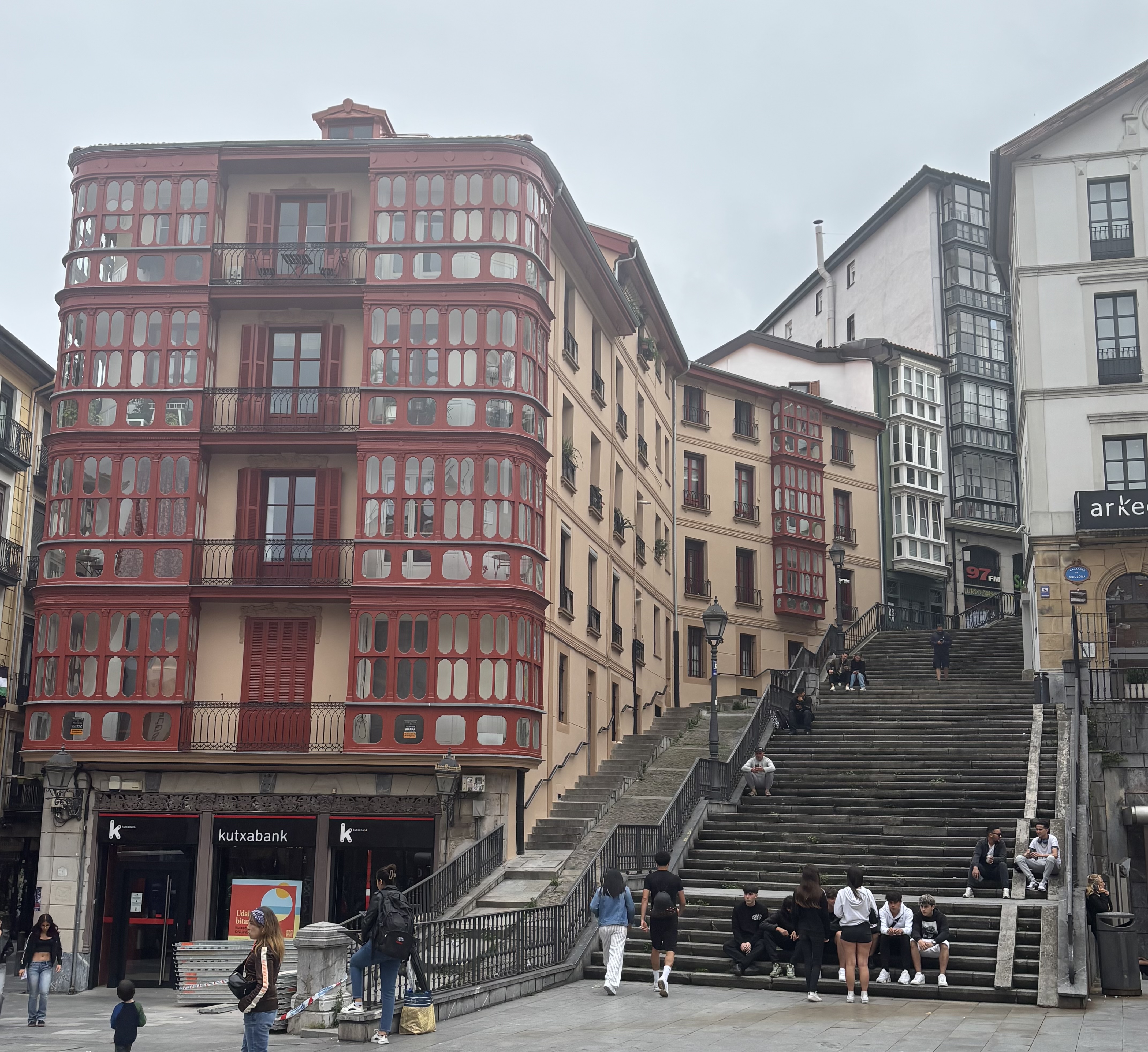
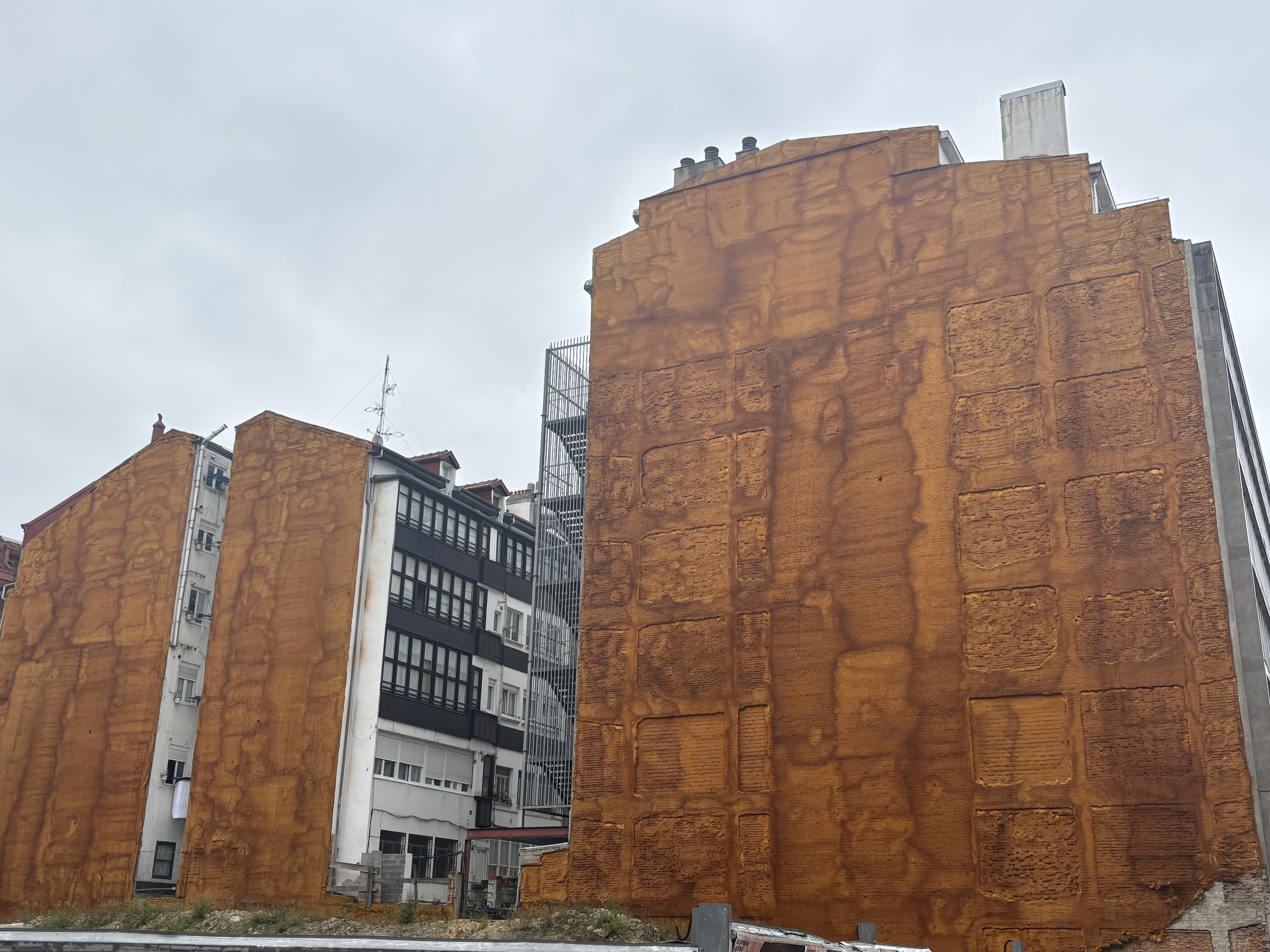
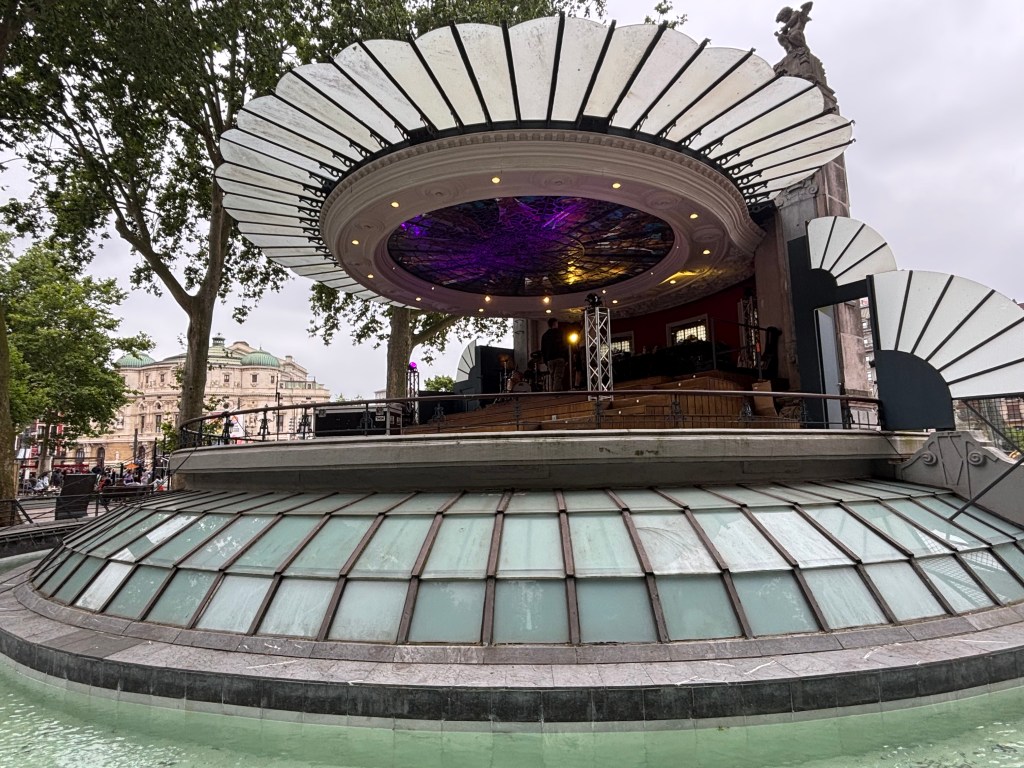
Bilbao is a center of industry and honestly still feels a little rough around the edges. It has a thriving street art and underground music scene, which we caught glimpses of on our tour as we passed bars blaring punk rock in the old town. We saw locals enjoying a youth basketball tournament in the main plaza, Basque separatists protesting something (it was hard to tell exactly what), crowds spilling out into the sidewalks outside pintxo bars and college students heading out for big nights on the town. We also experienced a lot of cold, wind and rain — albeit fortunately none of the massive flooding that buried the old town in 9 feet of water in 1983.
Bilbao is not so much a city that people visit as it is a place where people live. In the end, it deserves more than a day trip, but we’re glad to have seen it nonetheless.

 The Global Slowmad
Leave a comment