Rain, rain, go away. Come again in about 15 minutes? That’s right: it’s time for a recap of our recent visit to Évora, Portugal.
A side trip to Evora is worthwhile and easily can be done as a day trip from Lisbon, as the train ride is only about 90 minutes long (same for the bus). That said, the city is much quieter and particularly pleasant in the evening after the organized tour groups go home. Only 5,000 people live inside the city walls, and most visitors disappear late in the afternoon, so you will have the place largely to yourself by dinnertime if you decide to spend the night.
It was unseasonably rainy when we visited this notoriously dry region, and we experienced intermittent downpours throughout our brief stay. It may appear from the pictures we took that we stuck around for all four seasons, but we really were only there for a little under 24 hours in total. It would be hard to recommend Evora during the hottest parts of summer, as it frequently can top 40 degrees Celsius (that’s 104 degrees Fahrenheit). It is better visited during the shoulder seasons in the spring and fall, and the rain ultimately did not bother us that much since we had packed our rain jackets and umbrellas.

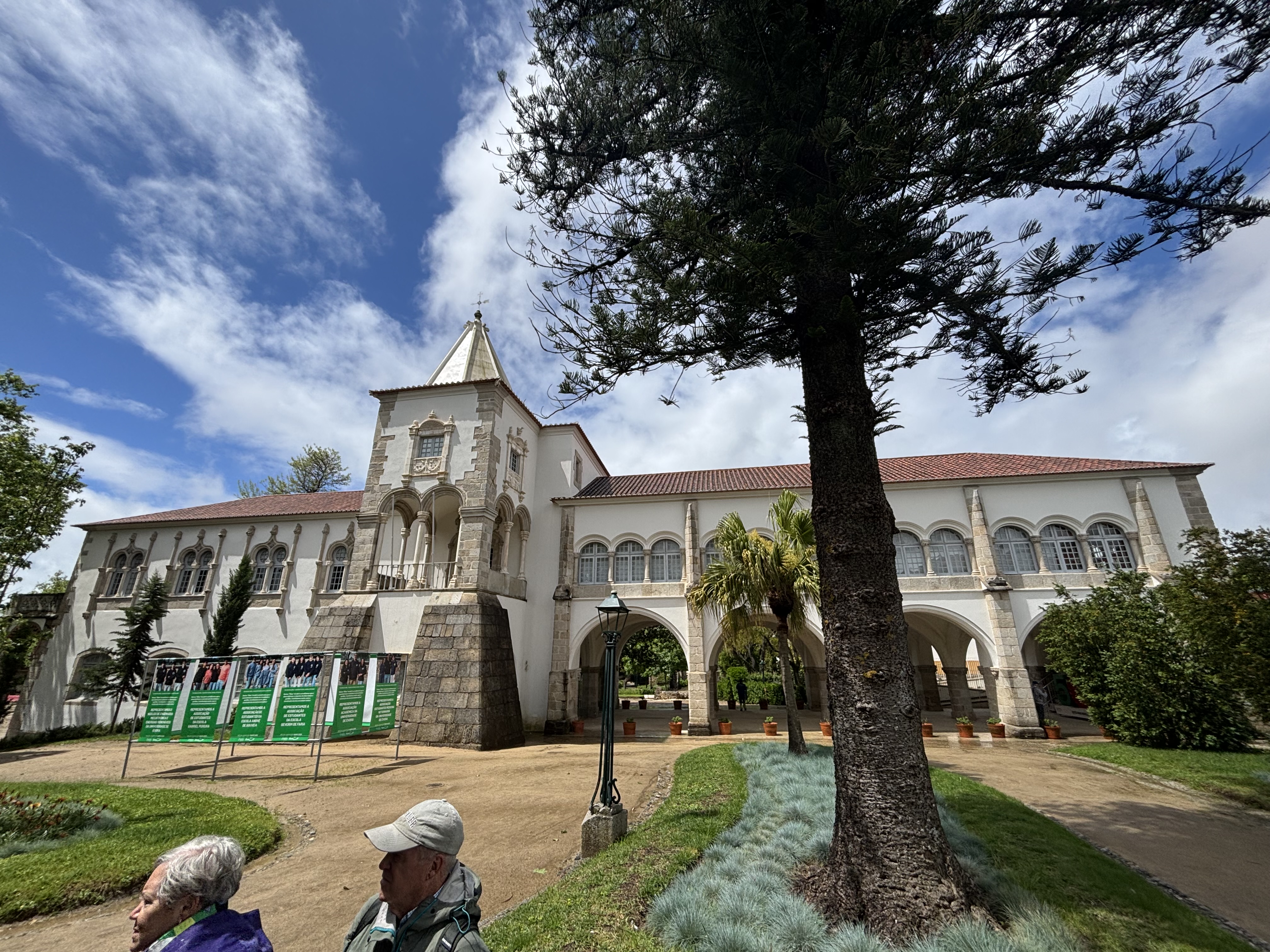

The town felt to us like a mix of Rothenburg, Germany, and Santa Fe, New Mexico. The streets are cobblestoned and narrow but come together in a few large public squares surrounded by former churches (50 of them, in fact!), convents and noble houses. The architecture is vaguely Spanish in character, but interspersed with some Roman ruins, medieval Gothic churches and newish Baroque accents to keep things from getting too uniform. Noble families in the 1500’s built their medieval McMansions to be in close proximity to the royal family. Less wealthy residents in the 1600’s built their houses into and underneath the giant aqueduct that spans the town (see photo above) and much of the countryside beyond. The oldest surviving houses feature the Moorish practice of sharing doors and sometimes windows among multiple apartments.
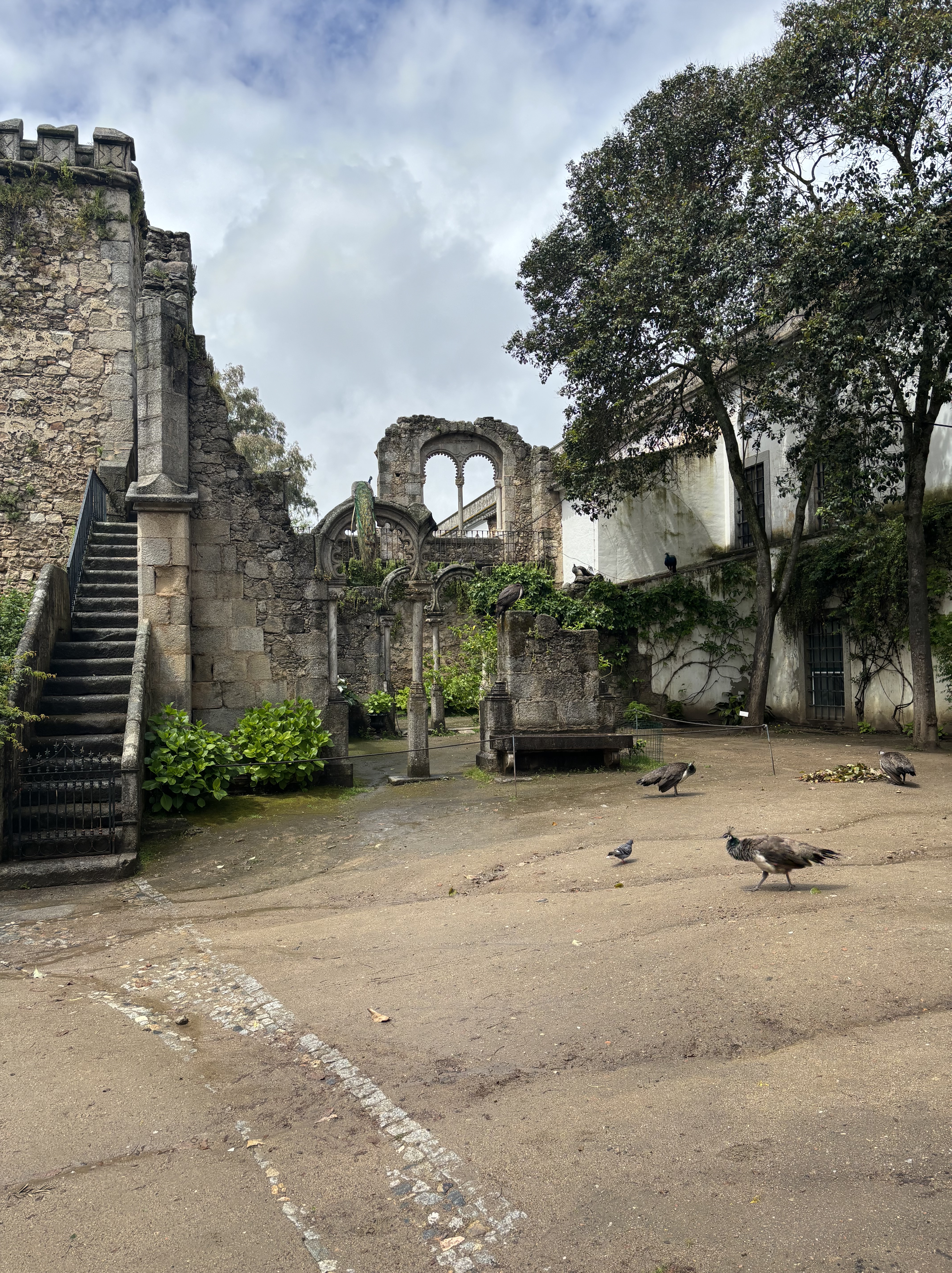
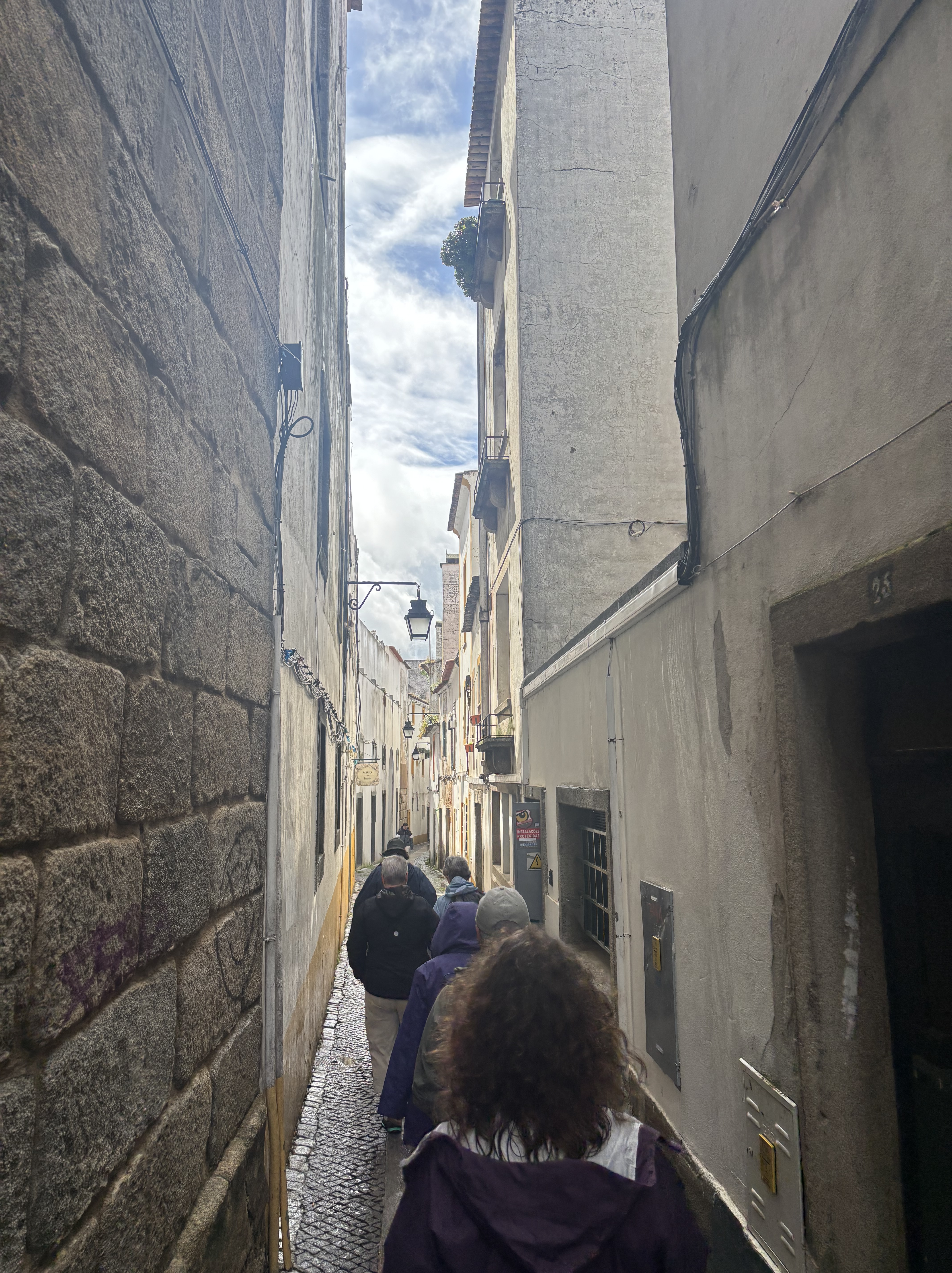
We really enjoy learning about the history of the places we visit and cannot recommend highly enough the free walking tour we took with Take Free Tours – Evora. This was a pay-what-you-think-it-was-worth variety, and this one easily rivaled any of the more expensive tours catering to the elite international crowd we shared the rainy Evora passageways with. Our guide was excellent – a highly knowledgeable and funny local with a masterful grasp of the English language.
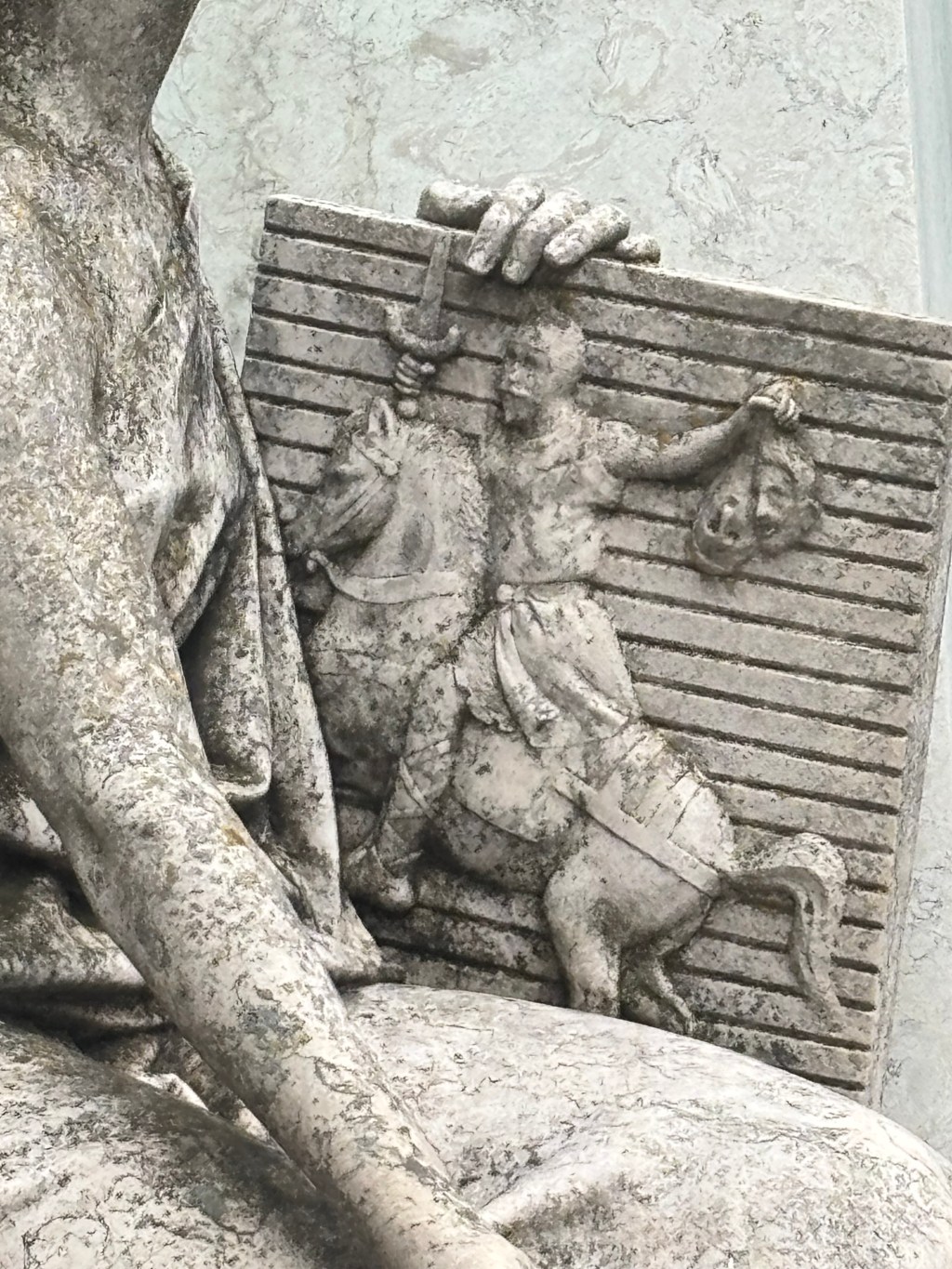
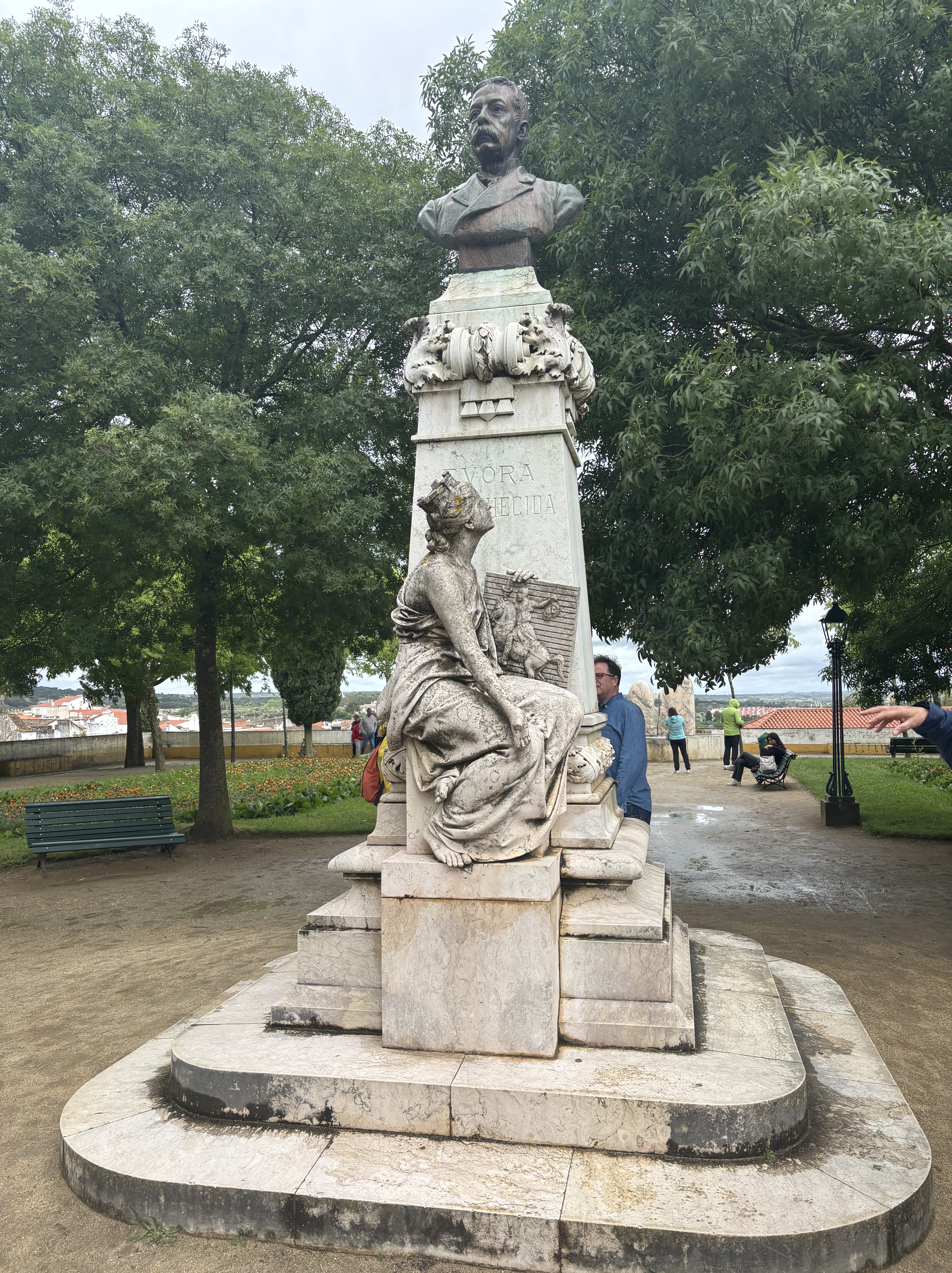
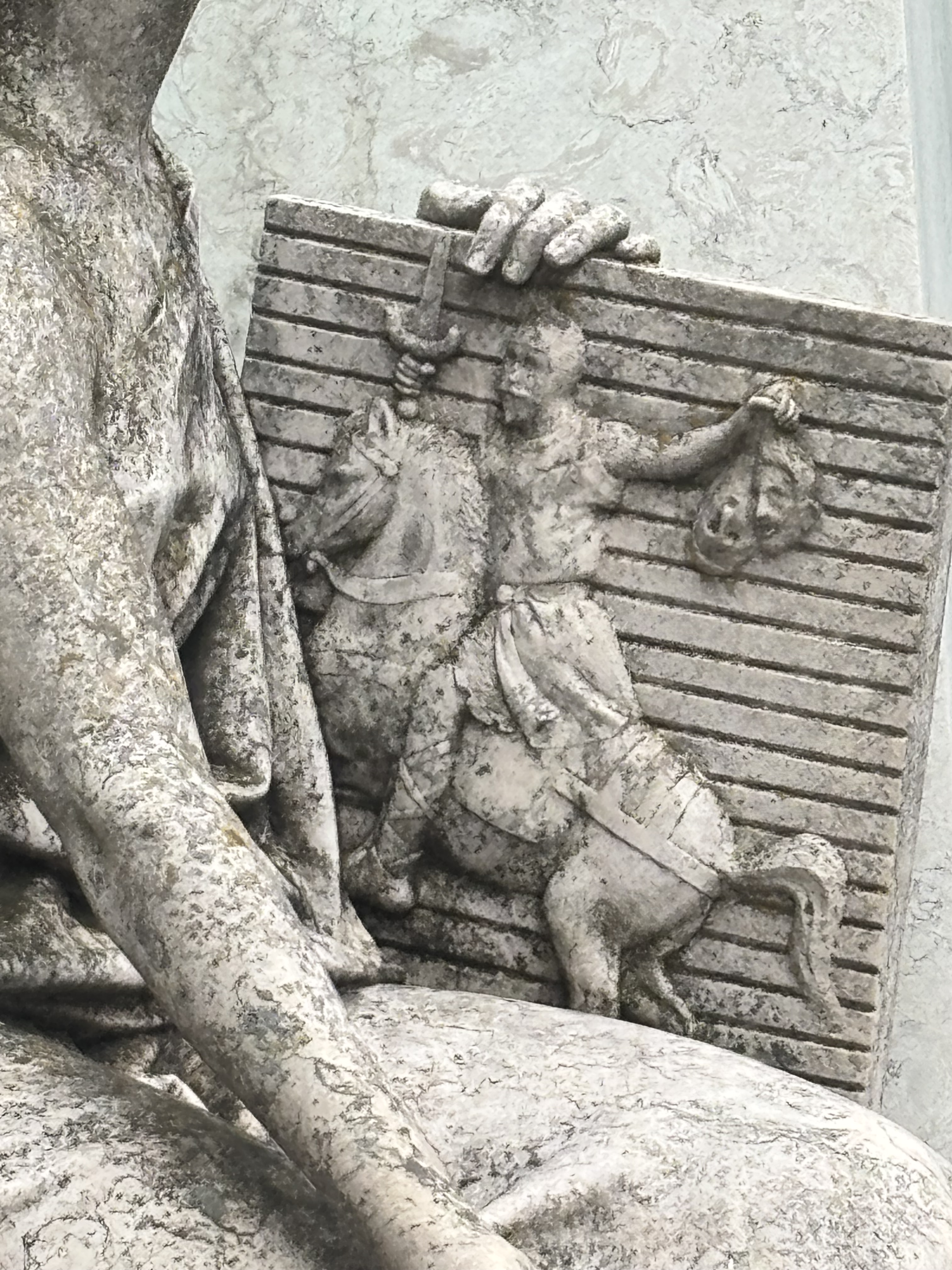
The history of Evora is eventful to say the least, as it retains remnants from its myriad Neolithic, Celtic, Roman, Visigoth, Moorish, Jewish, medieval Portugese, Baroque, French, Spanish and modern Portugese occupants over the last twenty centuries. Its original Roman name as the capital of Lusitania was Ebora, a nod to its Celtic beginnings. It transitioned from Roman rule to Moorish rule for a few centuries, repurposing many of the Roman-built facilities and constructing new houses in an early form of gentrification. The town’s dubious hero, Geraldo the Fearless, is depicted around town on a horse holding the decapitated heads of two Moors after recapturing the city during the Crusades of the 1100’s. (Please enjoy the play-at-home version of “Where’s Geraldo” below.) Portugese royalty lived in the town much of the next few centuries, including Kings Joao and Manuel during the country’s golden era of the 1500’s. The city also was deeply intertwined (and not in a good way) with the Spanish Inquisition.

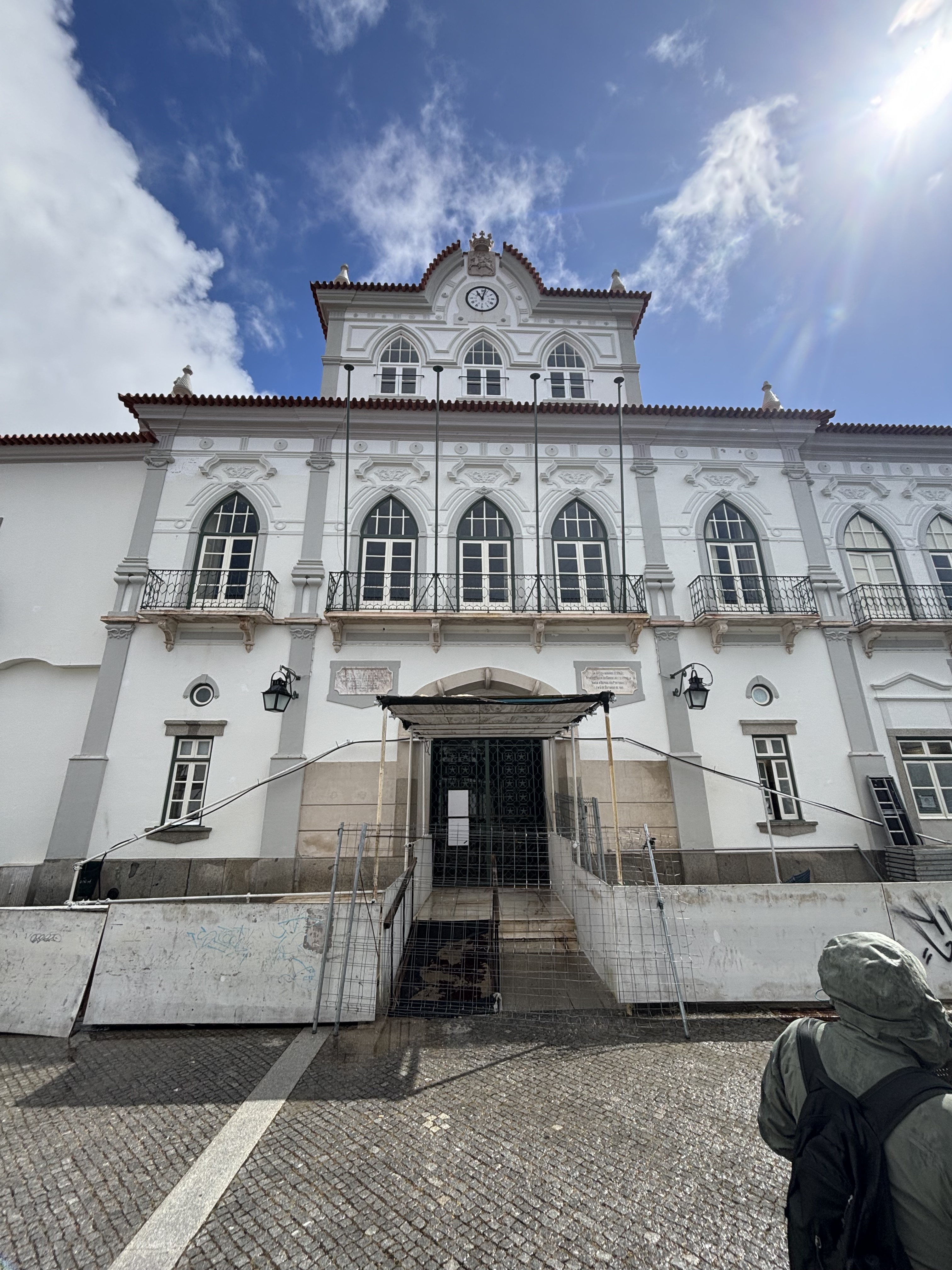
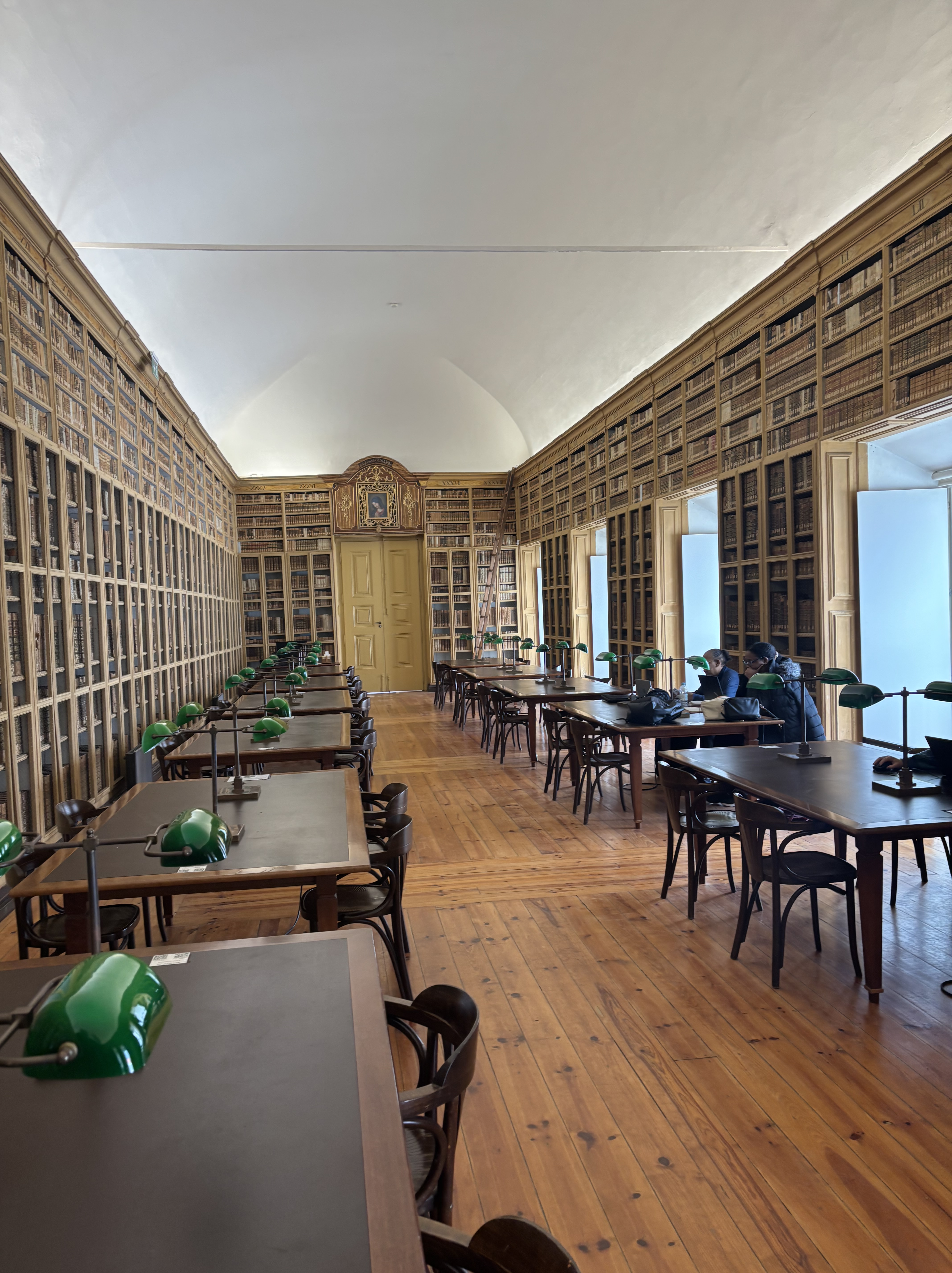
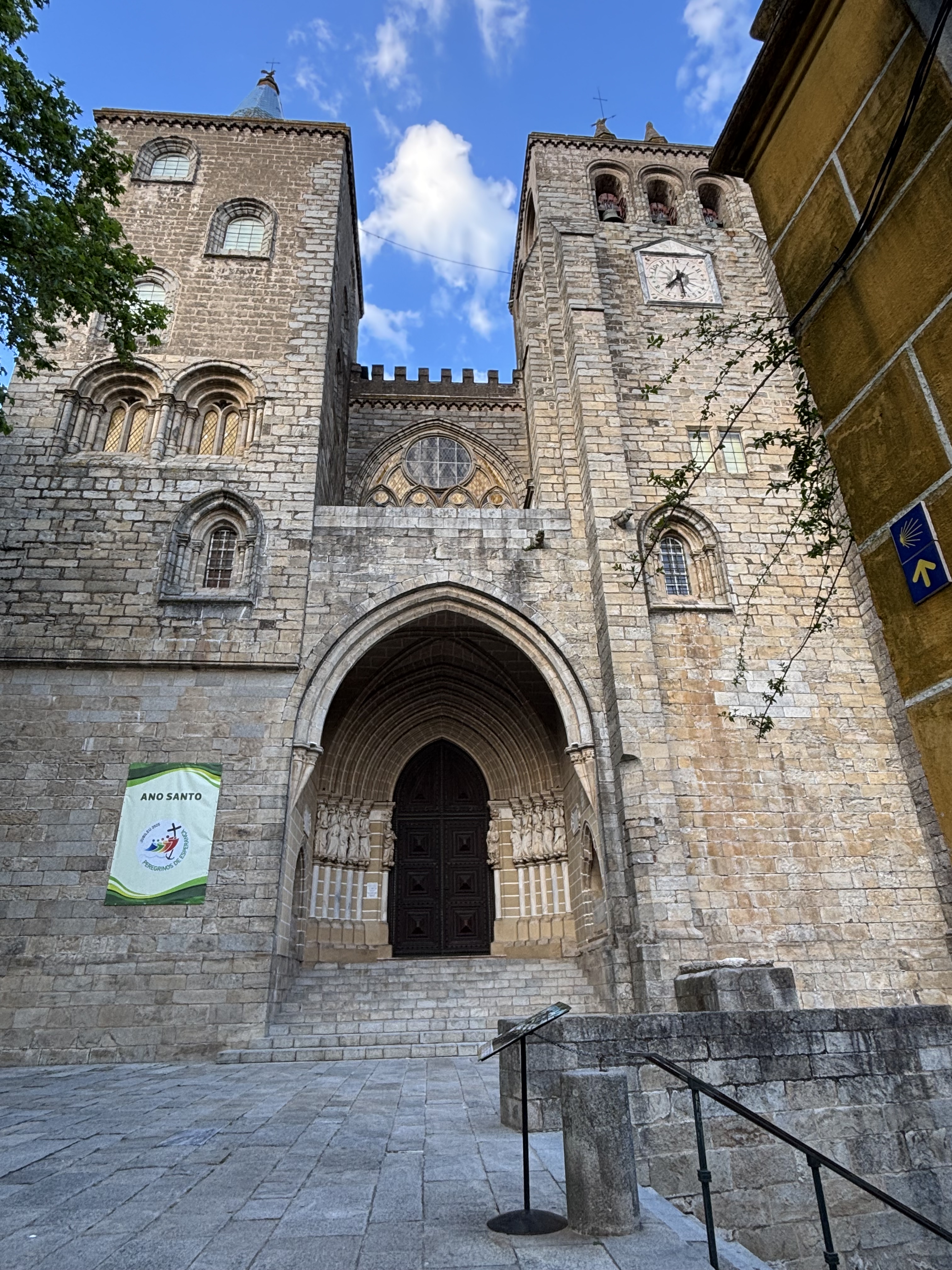
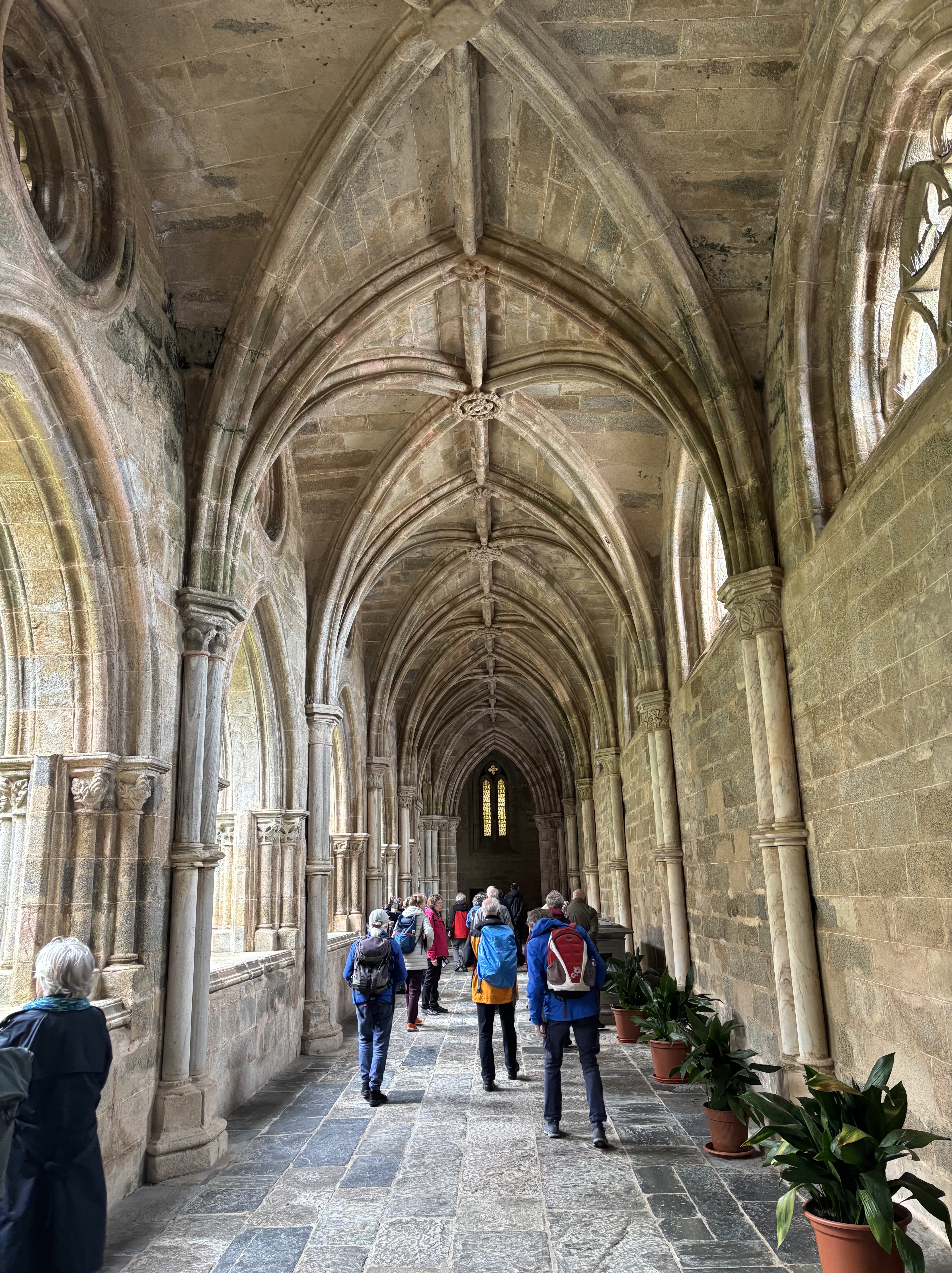
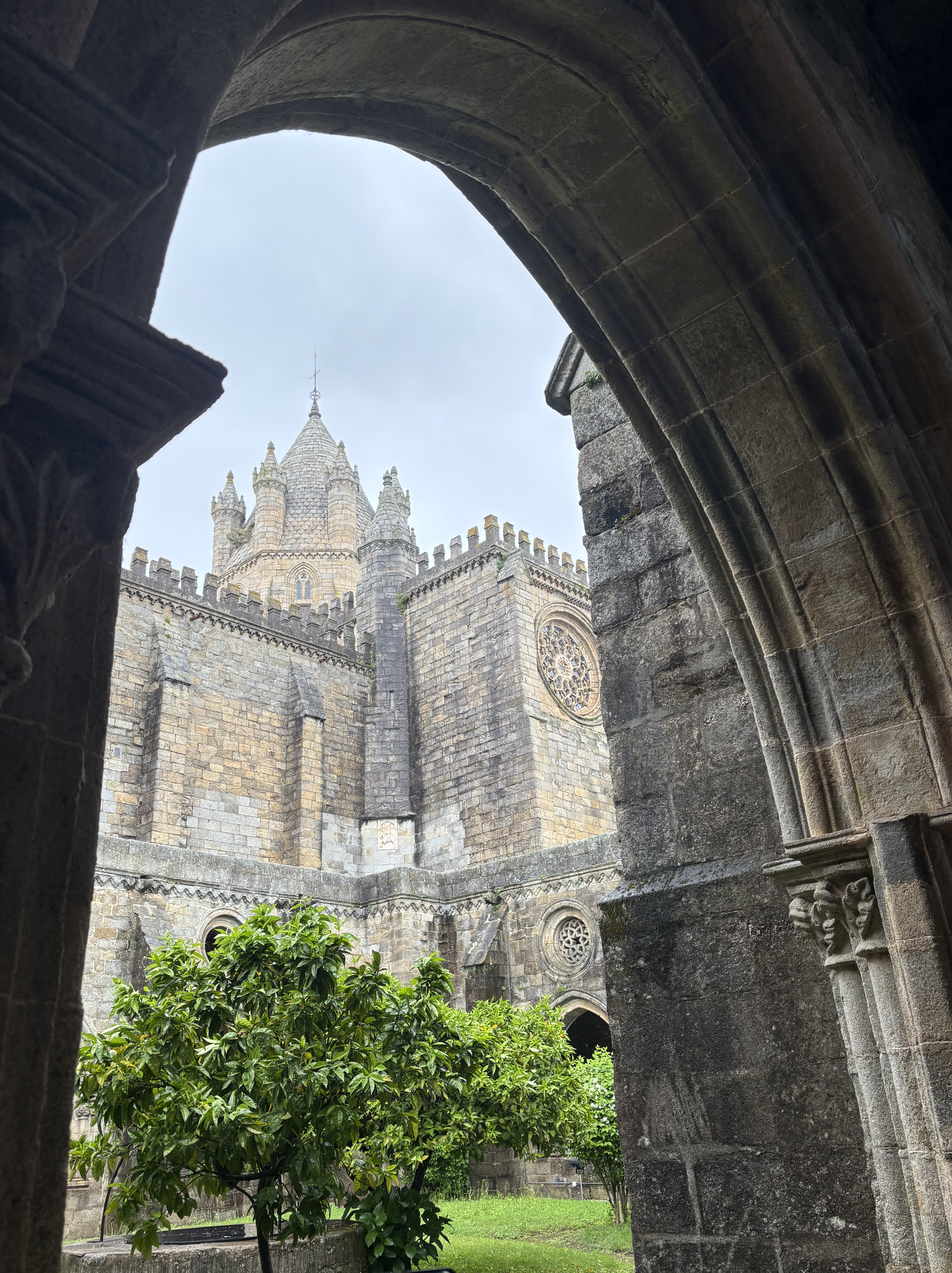
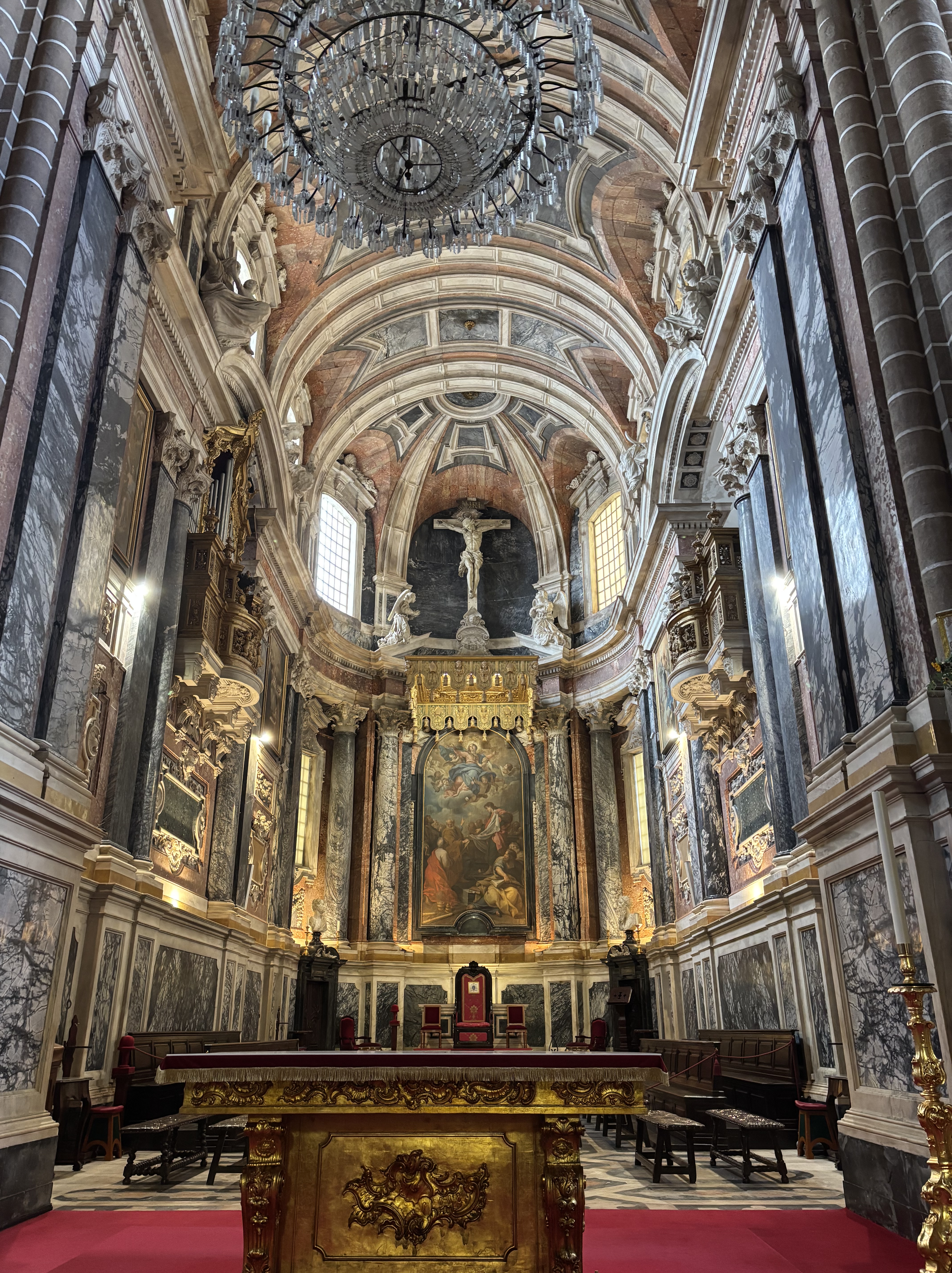
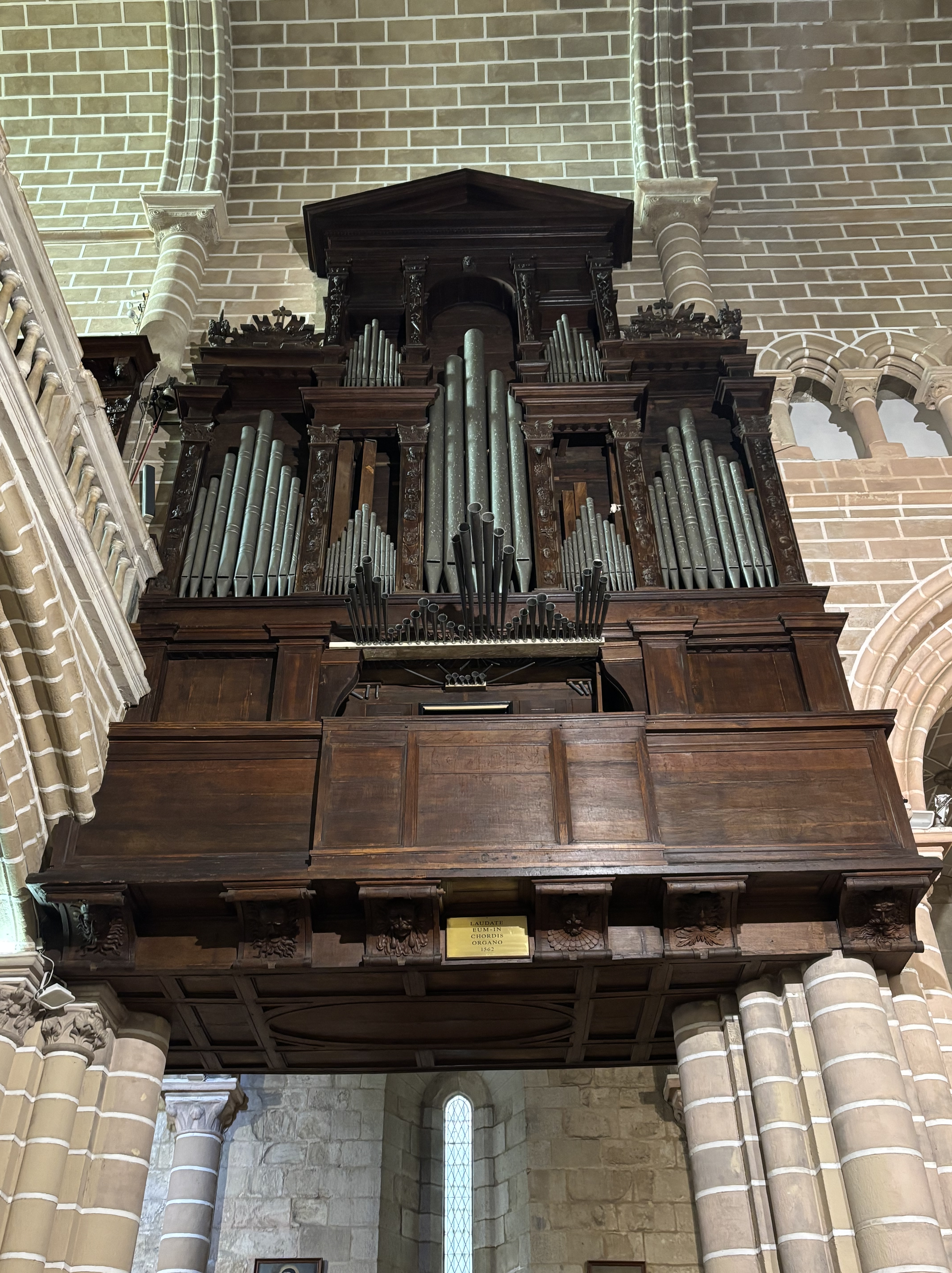
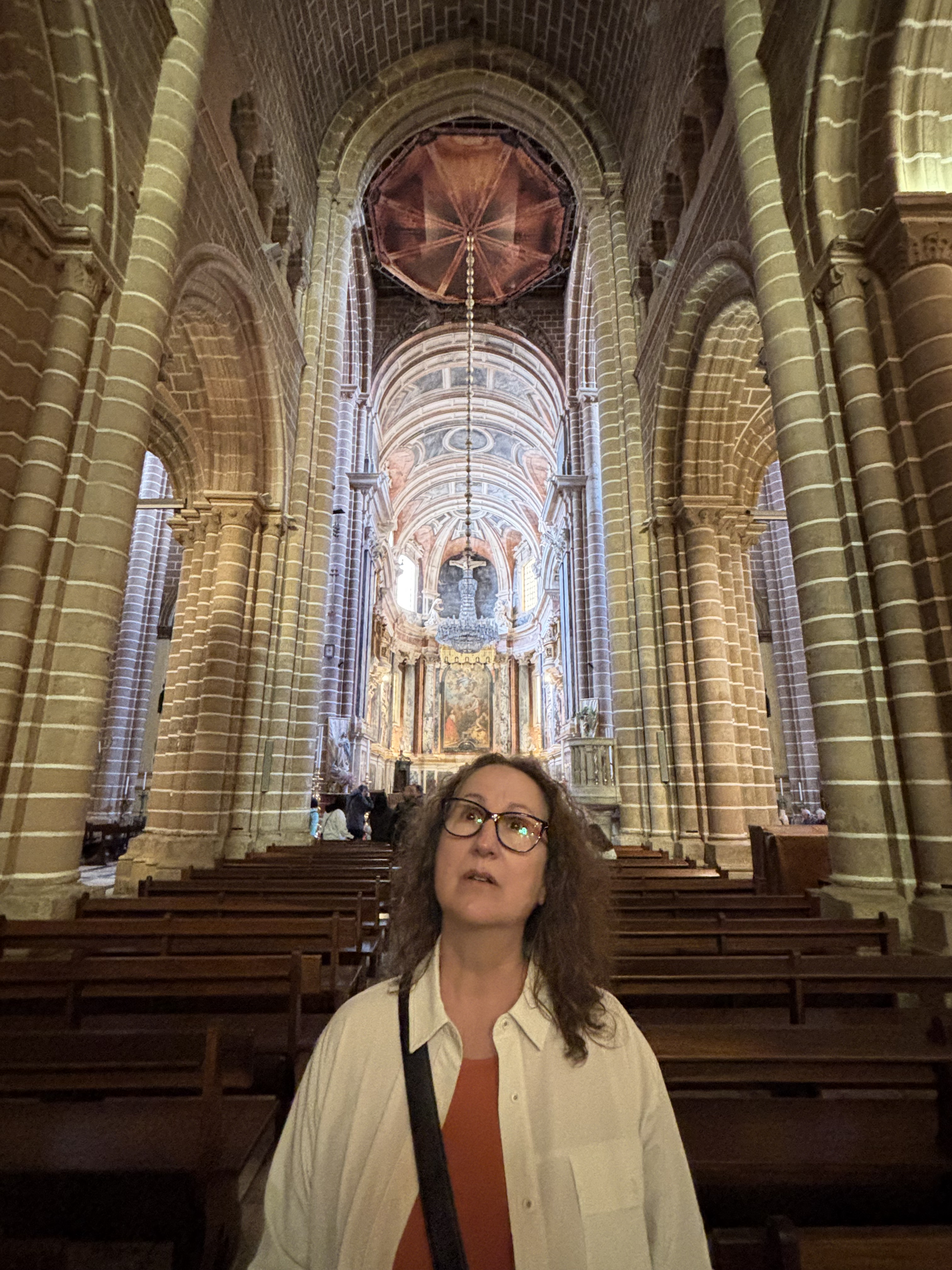
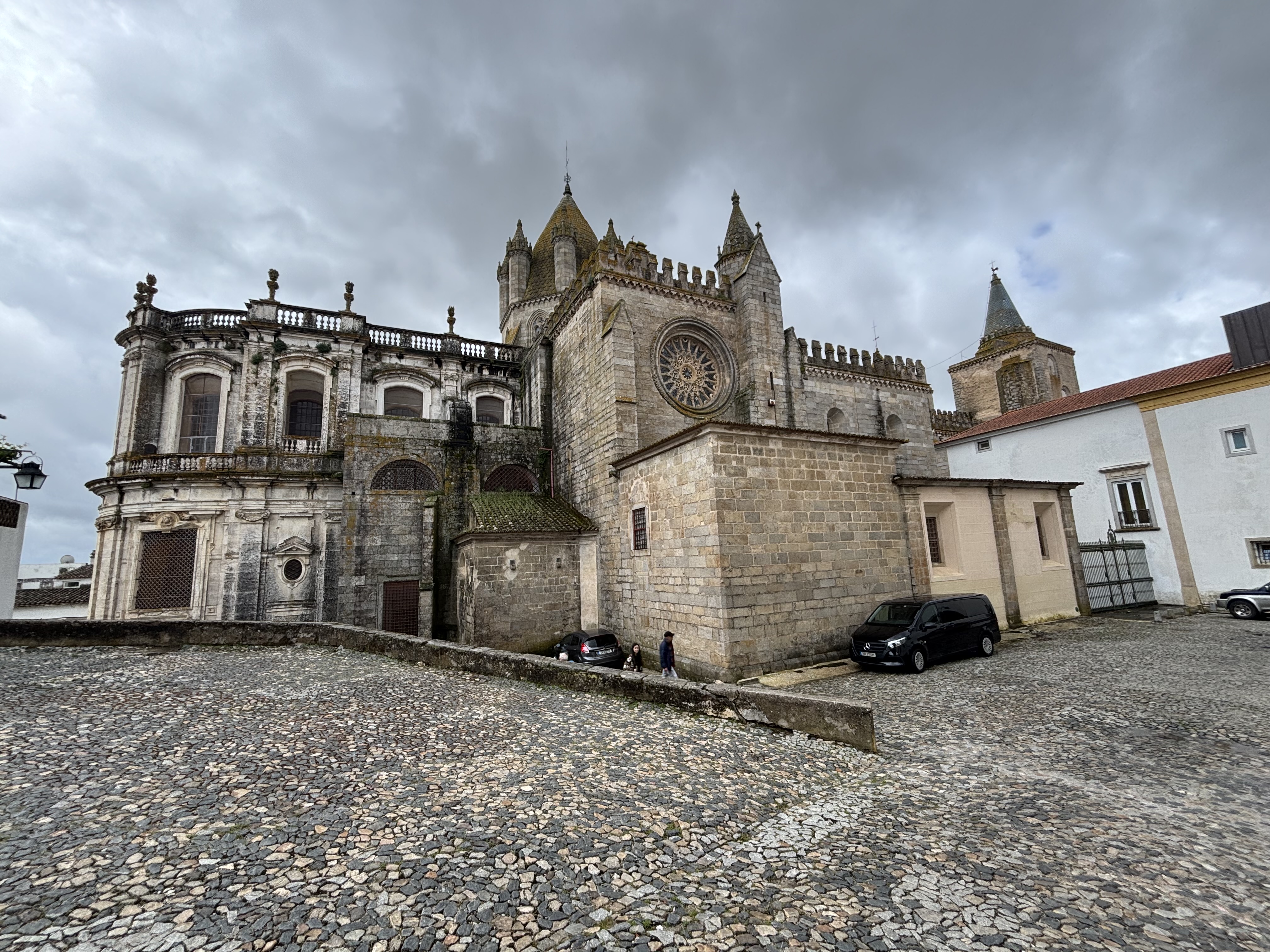
Evora is home to the oldest and arguably grandest medieval cathedral in Portugal (it survived the great earthquake of 1755 that devastated Lisbon), which itself houses the oldest pipe organ (circa 1562). The ruling class constructed many glorious buildings in their own honor during that time. In the early 1800’s, the local archbishop bequeathed approximately 50,000 books that eventually would become the oldest public library in Portugal. Unfortunately, the nobles abruptly fled to Brazil a few years later to avoid being captured in a subsequent invasion by Napoleon and effectively left the working class behind to figure out how to defend themselves. It did not go well. The town went into decline for decades until eventually regaining some prominence and populace after being designated a UNESCO World Heritage Site in 1986.
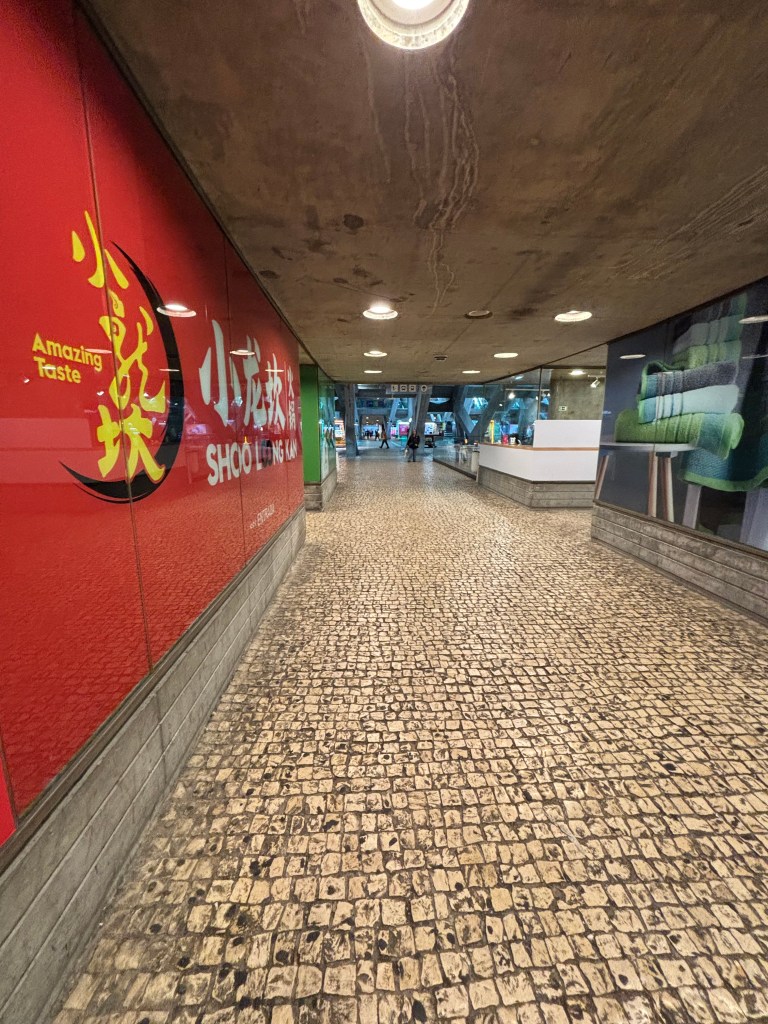
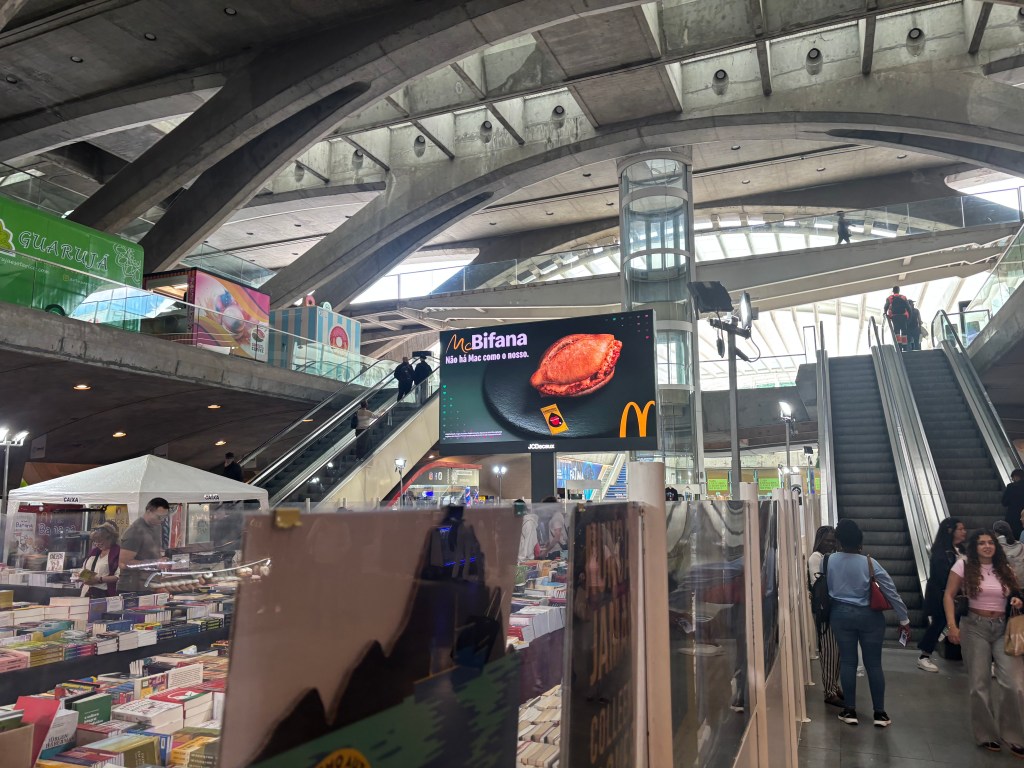
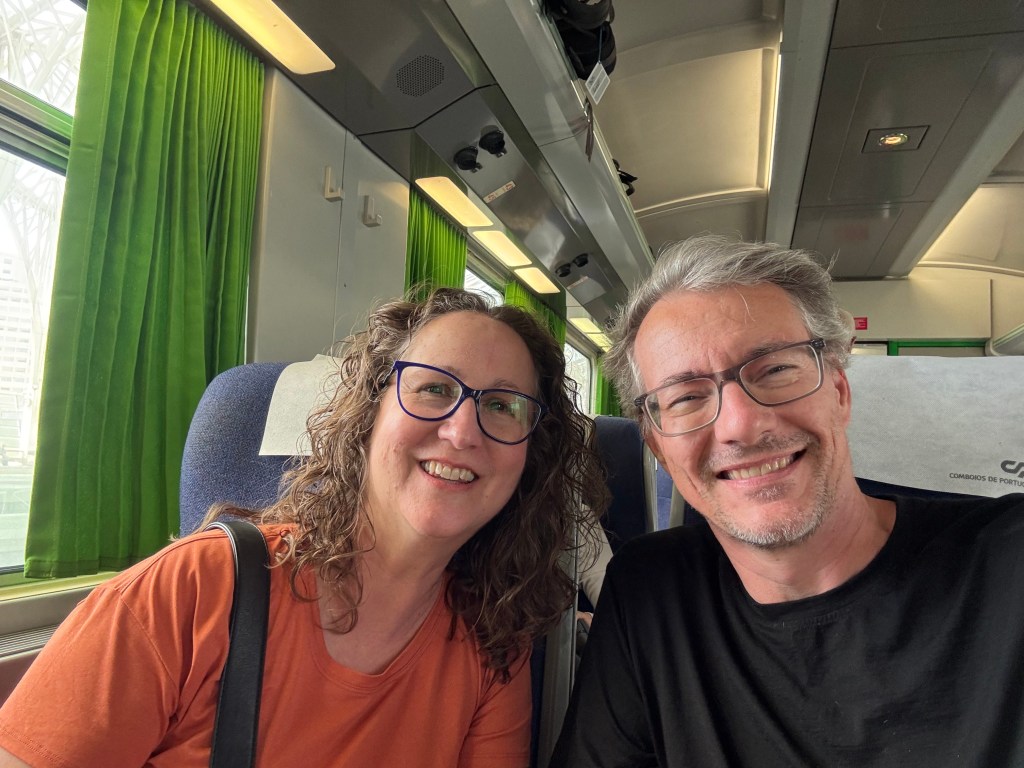
In terms of logistics, the Lisbon Oriente train station where we caught the regional train is a mix of old (cobblestone) and new (McBifana, anyone?). The train ride itself was comfortable enough, but we strongly recommend using the bathroom before boarding the train, as the restroom on even the first class car (only a few Euros more than coach but comes with a little more room to spread out) was pretty nasty. The view was lovely countryside, but our pictures did not turn out well due to dirt on the windows. We found out later that the AP trains are a little newer and a little faster than the IC trains, so maybe we’ll get to try those bathrooms someday.
We stayed at the Hilton Garden Inn using Hilton Rewards points and a $50 quarterly Hilton credit from one of our AmEx cards. It was equidistant from the train station and the old town (a ten-minute walk from each) and a very nice property overall – much better than anything we’ve seen from that particular brand back in the States. It was sleek and modern, which created an interesting contrast with the ancient city next door. The beds were comfortable, and the room was quiet. Due to our Hilton status (also courtesy of AmEx), we received free breakfast at the massive buffet, a giant bottle of water and a coupon for two free welcome drinks. We did not think to take any pictures but would be happy to stay there again.
Of course, we can’t travel anywhere without trying the local cuisine. And the restaurants in Evora did not disappoint.
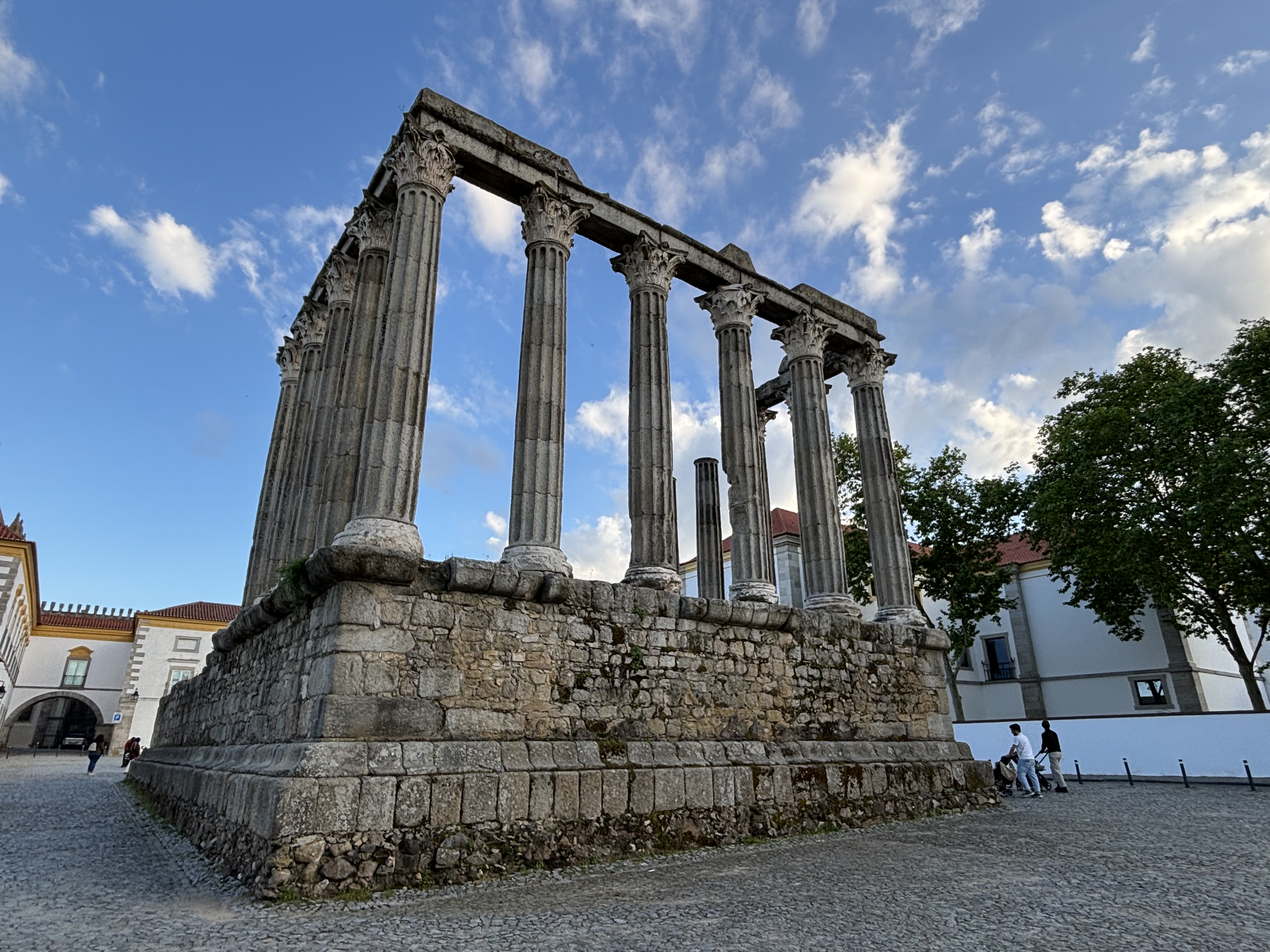
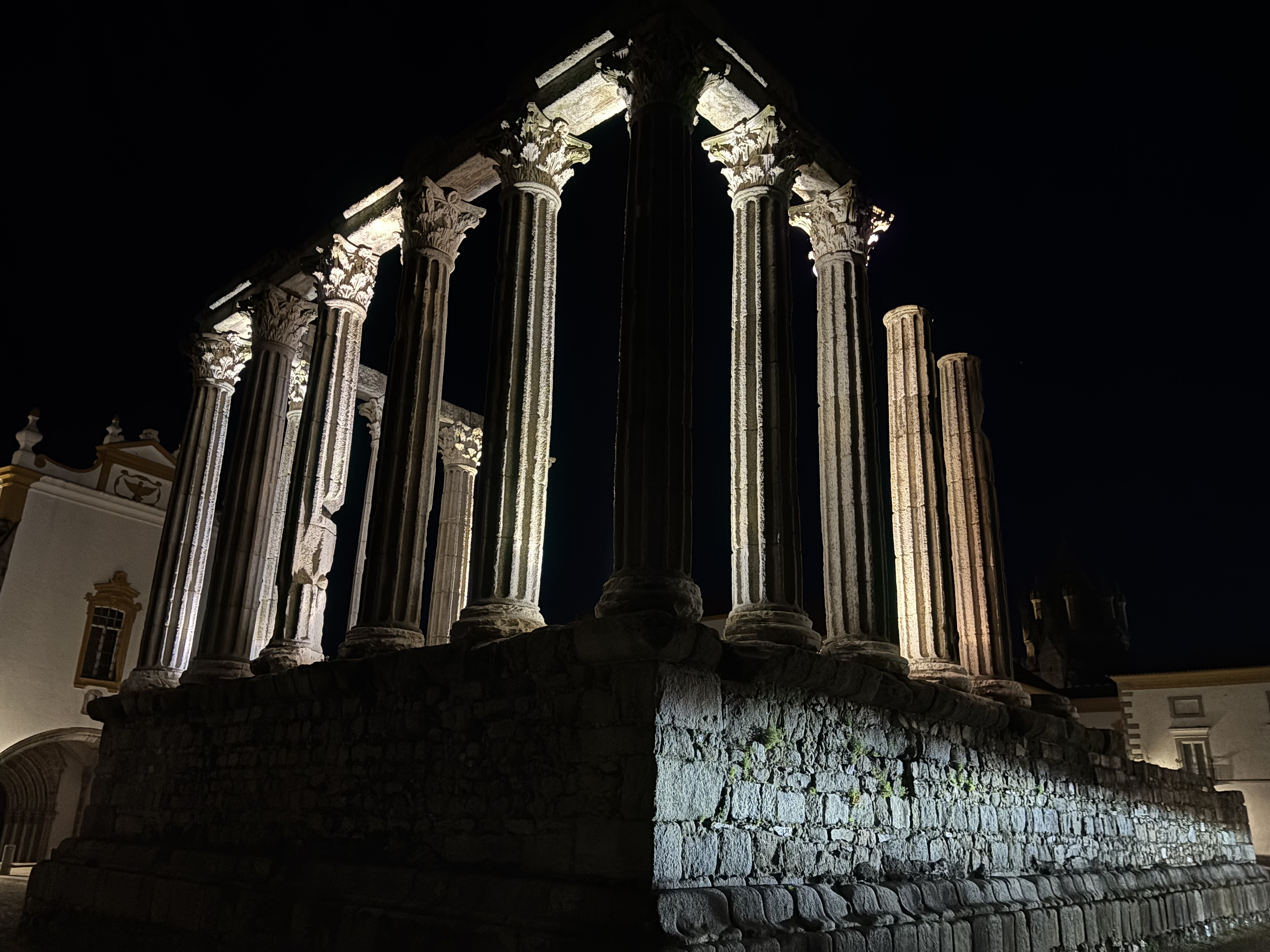
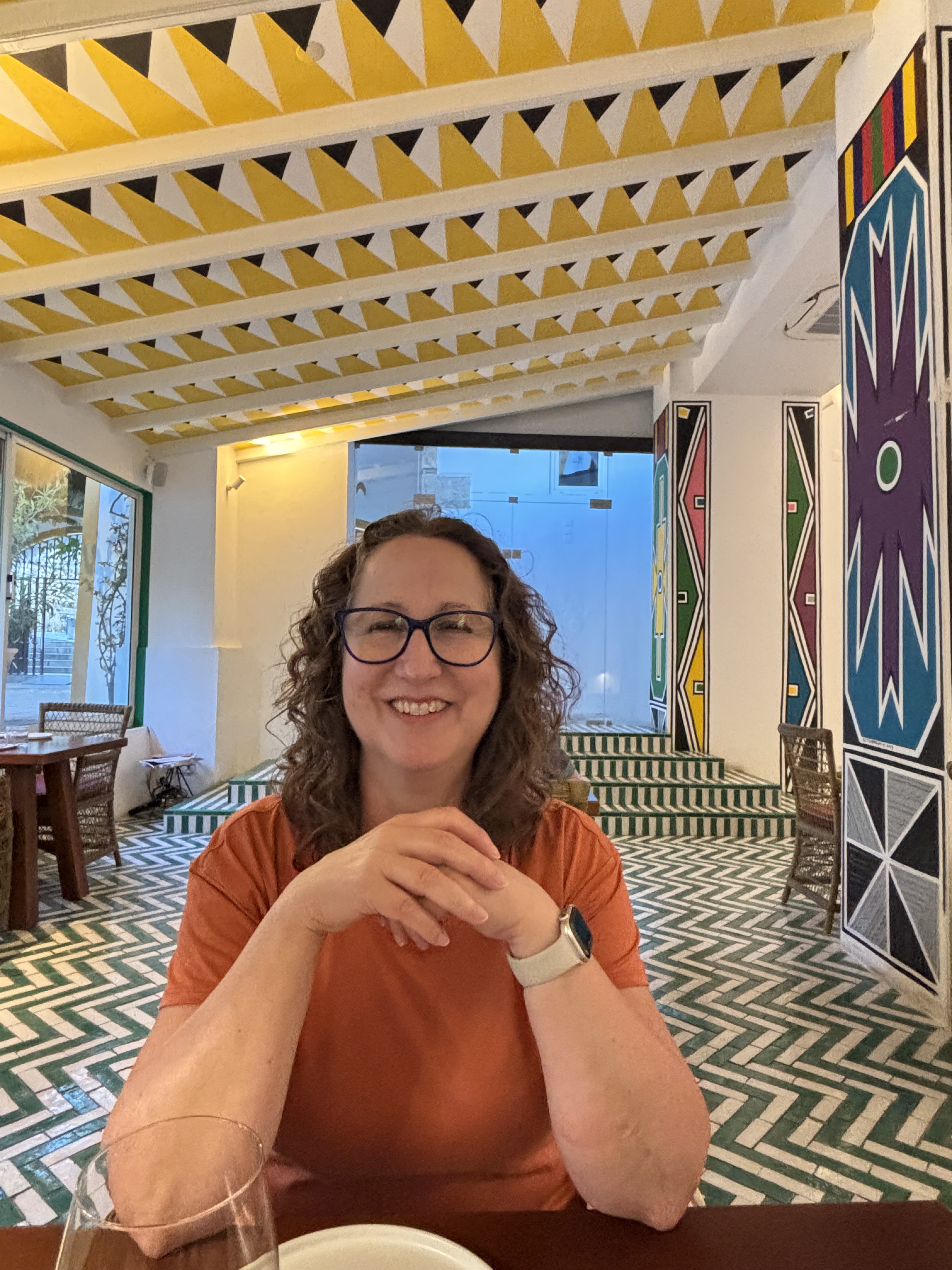
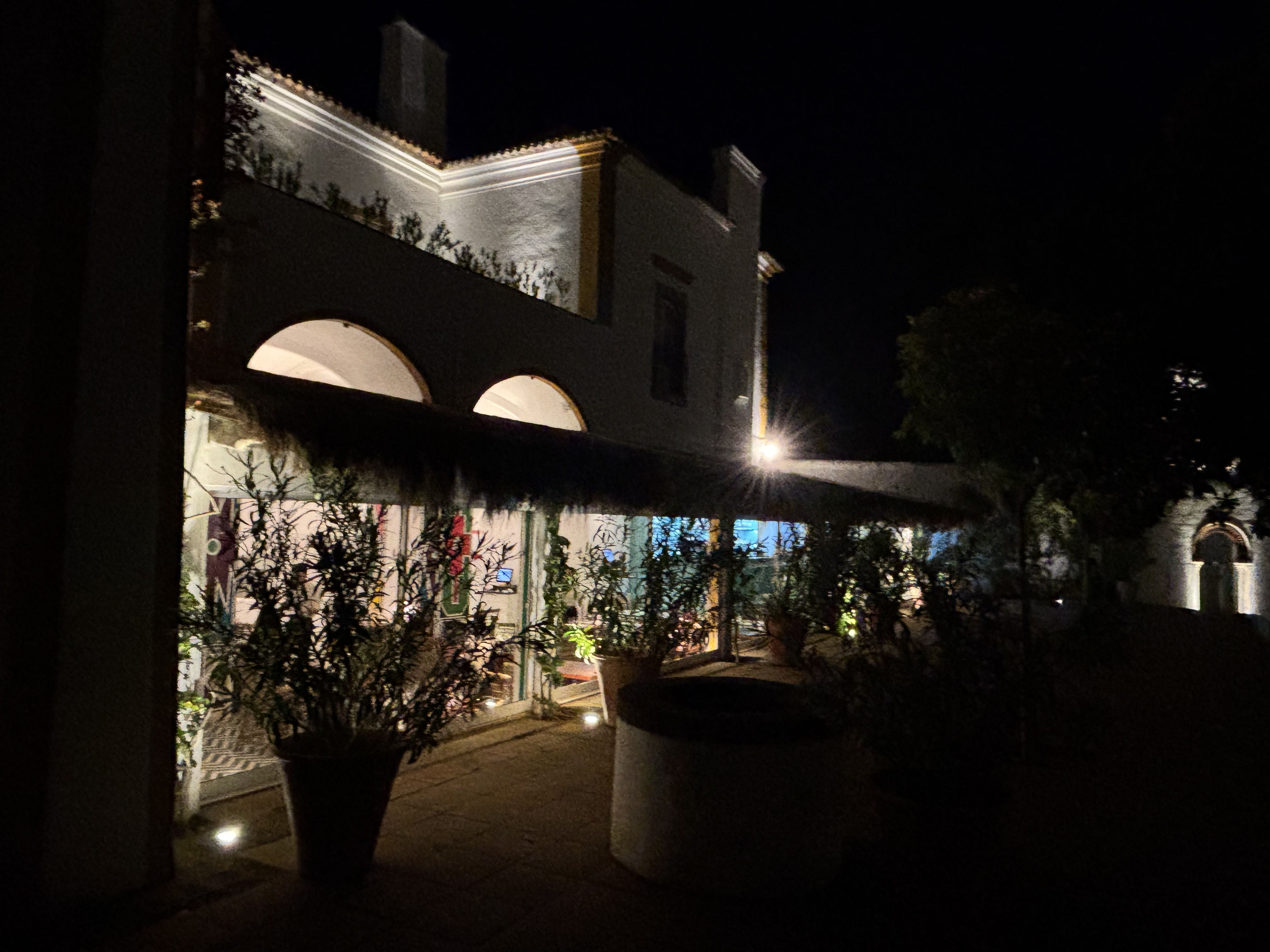
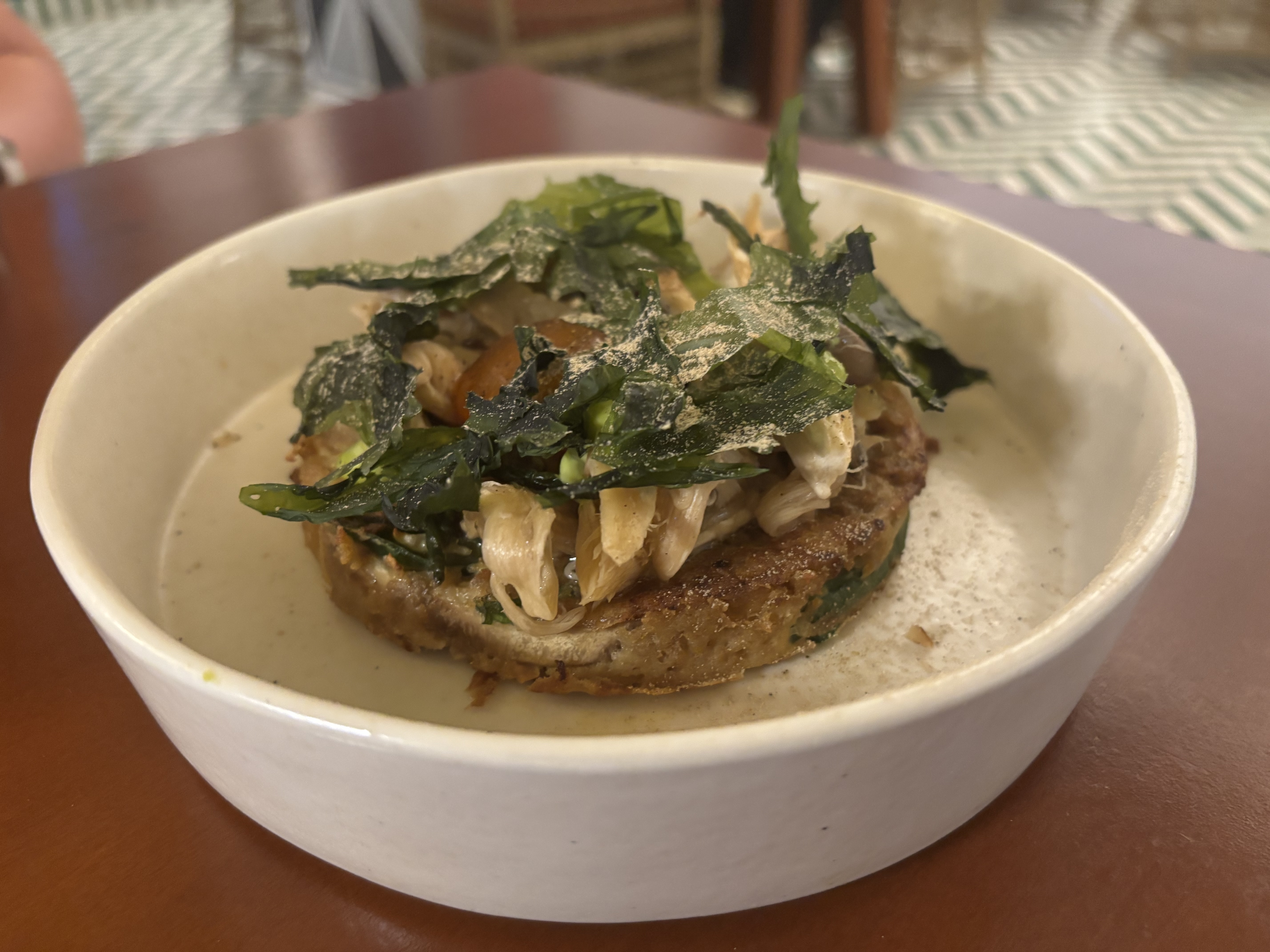
We ate dinner our first night at a contemporary Portugese restaurant called Cavalarica that served updated versions of regional classics like homemade sourdough bread with local olive oil, migas (a savory bread pudding) and Alenteja pork presa (a scrumptious pork tenderloin), as well as globally inspired fare like tempura vegetables and a pumpkin souffle with mushroom ice cream (which Stuart says is the best plate he’s eaten in a long, long time). The setting could not have been more ideally situated, as it is in a beautifully restored former 14th Century palace of the Dukes of Cadaval behind the ruins of a Roman temple.
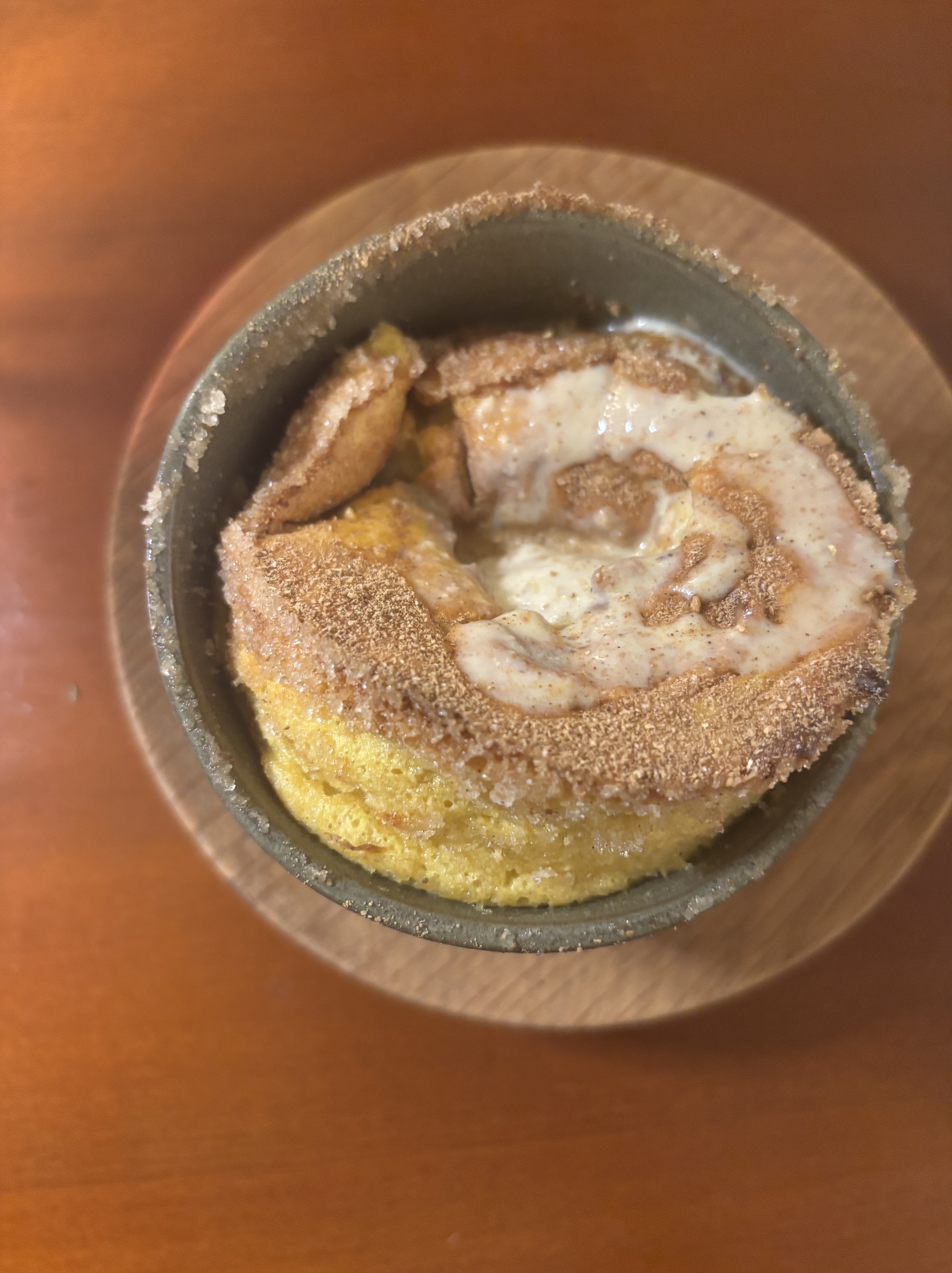
We had a late lunch the next day at Tu Madre, an Italian restaurant on a lovely pedestrian-only street, and we were lucky enough to sit at the chef’s counter and engage with the chef/owner and his sous chef throughout our meal. They shared a tiny kitchen space and used Italian cooking techniques to highlight locally sourced ingredients. We enjoyed grilled asparagus with pork, a mushroom agnolotti with cheese fondue, a lamb Bolognese and a “fluffy” meringue dessert with a cinnamon cream sauce that forever changed the way we will think about egg whites. The pictures don’t do the food justice, but this was the best overall meal we’ve had in Portugal so far.
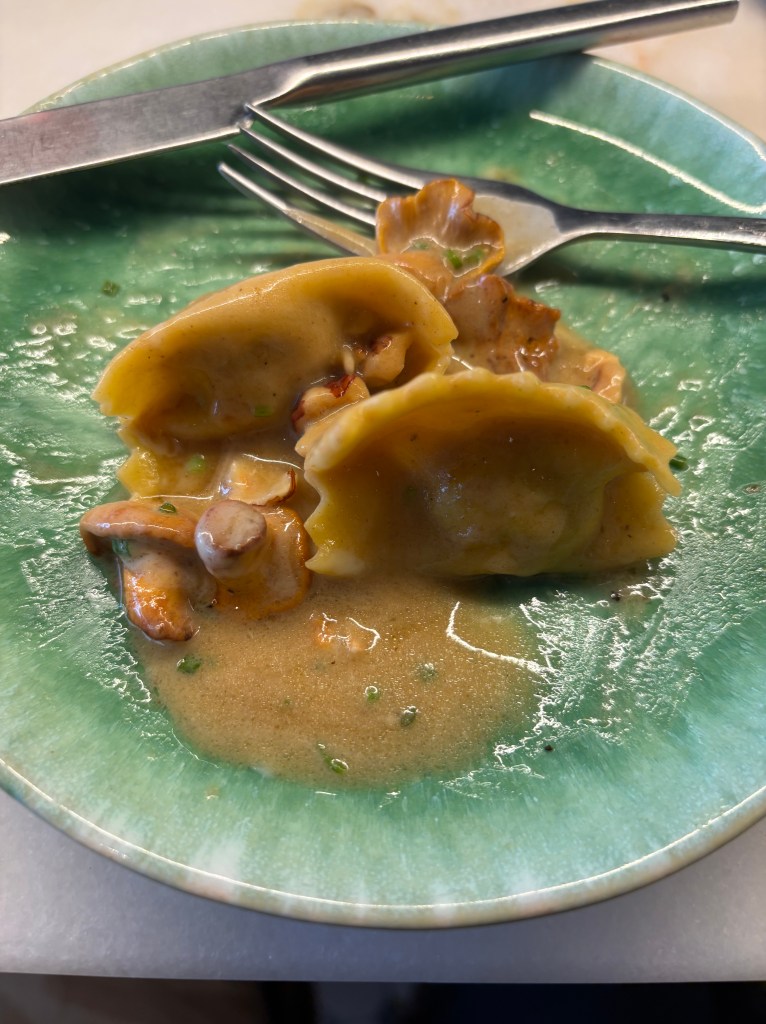
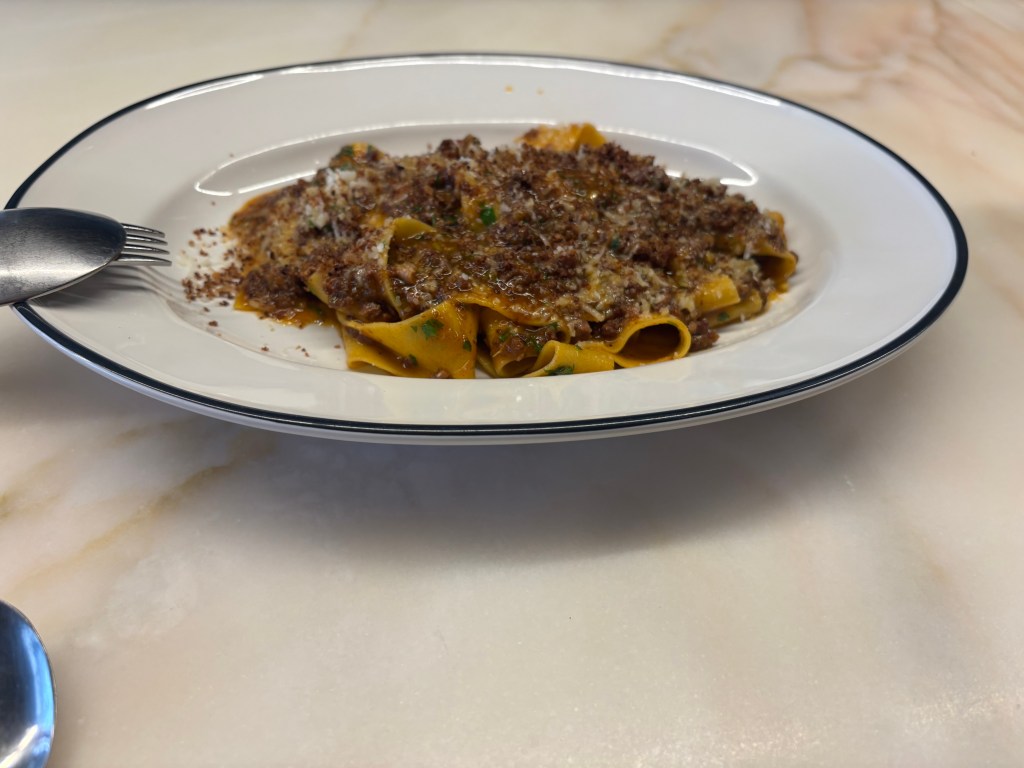

Evora gets two (fork-holding) thumbs up from us.

 The Global Slowmad
Leave a comment